
Rack AC load, heat and energy worksheet
Add configuration-specific AC loads, then calculate heat and an editable energy-cost scenario.
Power & racks
Rack AC load, heat and energy worksheet
Add configuration-specific AC loads, then calculate heat and an editable energy-cost scenario.
Example inputs · Replace these with your measurements to build your plan.
Use documented/measured AC input for the chosen configuration. One comma-separated row per device group.
Method, example and sources
- Enter a quantity and AC-input basis for each device group.
- Keep nameplate ceilings labeled and reject PoE-output substitutions.
- Divide by the used supply share to show the entered headroom target.
- Convert the room-boundary load to heat and multiply operating time for energy.
Worked example. Two servers at 350 W AC each and one switch at 120 W total 820 W. A final supply kept 20% unused needs at least 1,025 W in this arithmetic scenario.
Your planning result
AC load, heat and energy for the entered equipment
A configuration-specific AC worksheet.
- Total AC input
- 820W
- Supply target with unused share
- 1,025W
- Equivalent heat load
- 2,797.9561BTU/h
- Energy for entered period
- 590.4kWh
- Energy cost scenario
- 88.56USD
| Equipment | Quantity | AC W each | Total AC W |
|---|---|---|---|
| Switch | 1 | 120 | 120 |
| Server | 2 | 350 | 700 |
- Heat assumes the entered electrical input is dissipated inside the chosen room boundary.
- Do not sum redundant PSU capacities as actual load. PSE allocations, UPS runtime and complete HVAC/circuit design are separate.
From the catalog
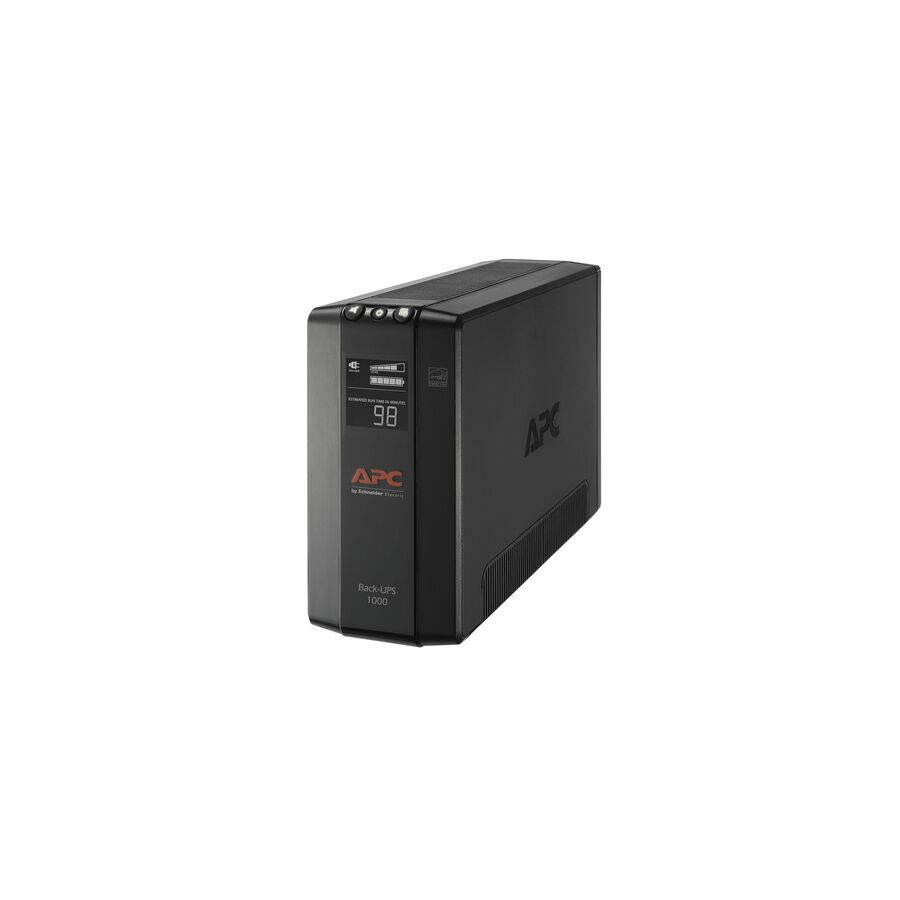
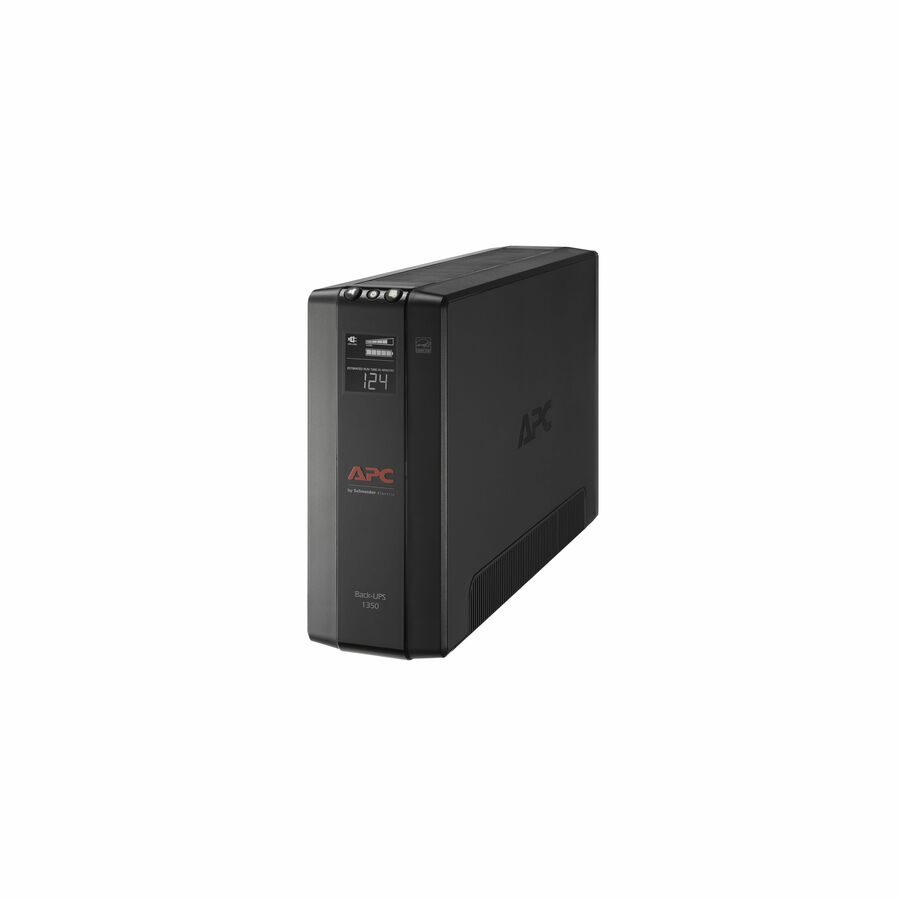
General Purpose UPS
Explore related listings, then confirm the exact model requirements against your plan. These listings are not an automatic compatibility or capacity verdict.
- Schneider ElectricAPC Back UPS, 1200VA/650W, Tower, 120V, 8x NEMA 5-15R outlets, USB Type A + C Ports, User Replaceable Battery - Tower - 6 Hour Recharge - 120 V Input - 120 V AC Output - Single Phase - Stepped Approximated Sine Wave - 8 x NEMA 5-15R Receptacle(s) - 8 x Battery/Surge OutletBVK1200M2
$304.00
$270.56
Back-orderedBack-ordered — estimated OEM lead time 3–8 weeks (Dec 3, 2026 – Jan 7, 2027 if ordered today).
- Schneider ElectricAPC Back UPS, 750VA/410W, Tower, 120V, 4x NEMA 5-15R outlets, USB Type A + C Ports - Tower - 6 Hour Recharge - 120 V Input - 120 V AC Output - Single Phase - Stepped Approximated Sine Wave - 4 x NEMA 5-15R Receptacle(s) - 4 x Battery/Surge OutletBVK750M2
$235.00
$209.15
Back-orderedBack-ordered — estimated OEM lead time 3–8 weeks (Dec 3, 2026 – Jan 7, 2027 if ordered today).
- Schneider ElectricAPC Back UPS, 950VA/480W, Tower, 120V, 6x NEMA 5-15R outlets, USB Type A + C Ports, User Replaceable Battery - Tower - 6 Hour Recharge - 120 V Input - 120 V AC Output - Single Phase - 6 x NEMA 5-15R Receptacle(s) - 6 x Battery/Surge OutletBVK950M2
$263.00
$234.07
Back-orderedBack-ordered — estimated OEM lead time 3–8 weeks (Dec 3, 2026 – Jan 7, 2027 if ordered today).
- Schneider ElectricAPC Back-UPS 400VA, 120V, Flexible Mounting, Low Profile, Industrial, 3 NEMA outlets - Tower - 8 Hour Recharge - 120 V Input - 120 V AC Output - Single Phase - Stepped Approximated Sine Wave - 3 x NEMA 5-15R Receptacle(s) - 3 x Battery/Surge OutletBV400XU
$322.00
$286.58
Back-orderedBack-ordered — estimated OEM lead time 3–8 weeks (Dec 3, 2026 – Jan 7, 2027 if ordered today).





Use the electrical boundary you mean
This worksheet starts with documented or measured AC input for a specified configuration. Switch-side PoE output allocations are different quantities and cannot be substituted. A PSU nameplate can define an explicitly labeled ceiling, but two redundant PSU capacities are not the equipment's measured draw. Keep the operating state and source of every entered value available with the plan.
Heat and cost are scenarios
Equivalent heat assumes the entered electrical input is dissipated within the selected room boundary. It does not size a complete cooling plant or account for every building load. Energy uses the entered operating hours and period; cost uses an editable electricity-rate assumption. UPS runtime, branch-circuit design, cooling redundancy and site requirements still need their own evidence and review.
Worked example
Two servers at 350 W AC each and one switch at 120 W total 820 W. A final supply kept 20% unused needs at least 1,025 W in this arithmetic scenario.