Check a new device against separately entered height, envelope, mounting distance and load limits.
Power & racks
Rack height, rail, depth and weight checks
Check a new device against separately entered height, envelope, mounting distance and load limits.
Example inputs · Replace these with your measurements to build your plan.
Method, example and sources
Count occupied, new and intentionally reserved rack units.
Add front and rear clearance to the device body depth.
Compare actual rail separation with the documented rail-kit range.
Check the entered total weight independently from the dimensional checks.
Worked example. A 2U device can fit the remaining rack height and still fail because its rail kit cannot reach the mounting posts. The worksheet keeps those outcomes separate.
These are entered geometry and load checks, not a certified installation.
U after new device
26U
Unassigned U
16U
Depth remaining
50mm
Weight remaining
475kg
Checks within entered limits
4of 4
Rack height, rail, depth and weight checks: detailed result
Check
Entered result
Height and reserved U
Within entered limit
Device and clearances
Within entered limit
Rail kit range
Within entered limit
Entered weight limit
Within entered limit
External cabinet depth is not usable rail or cable clearance.
Door swing, floor loading, airflow, anchoring, seismic requirements and OEM rail support still need review.
From the catalog
Rack Equipment
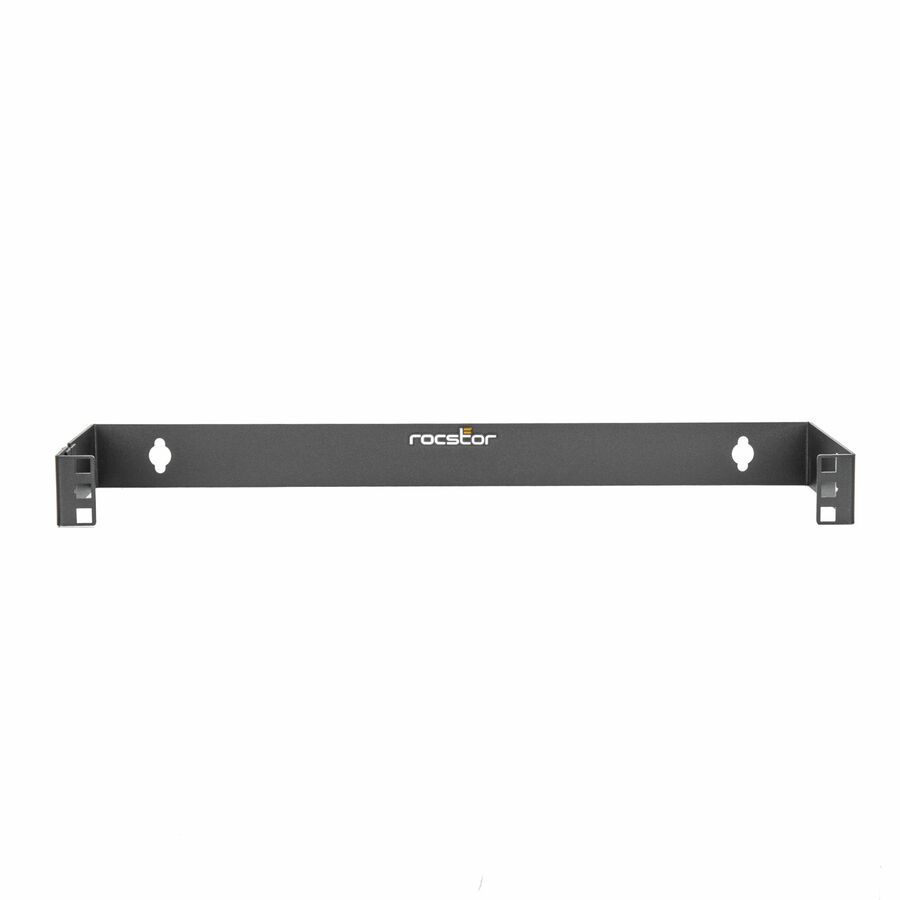
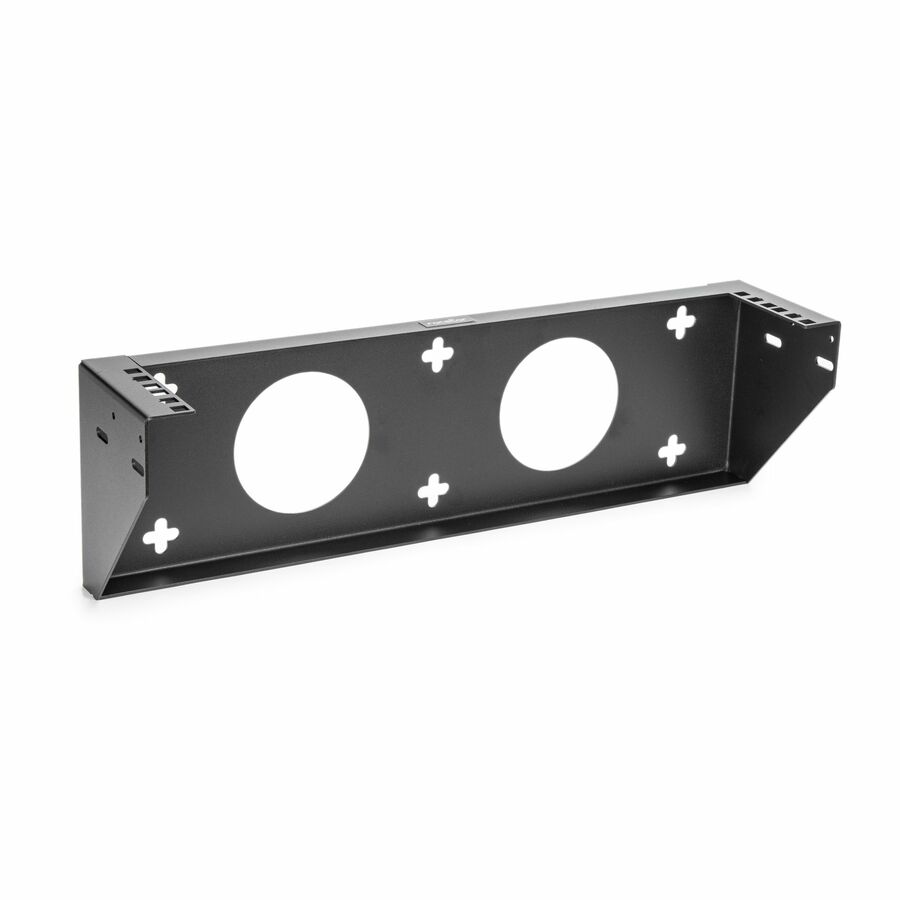
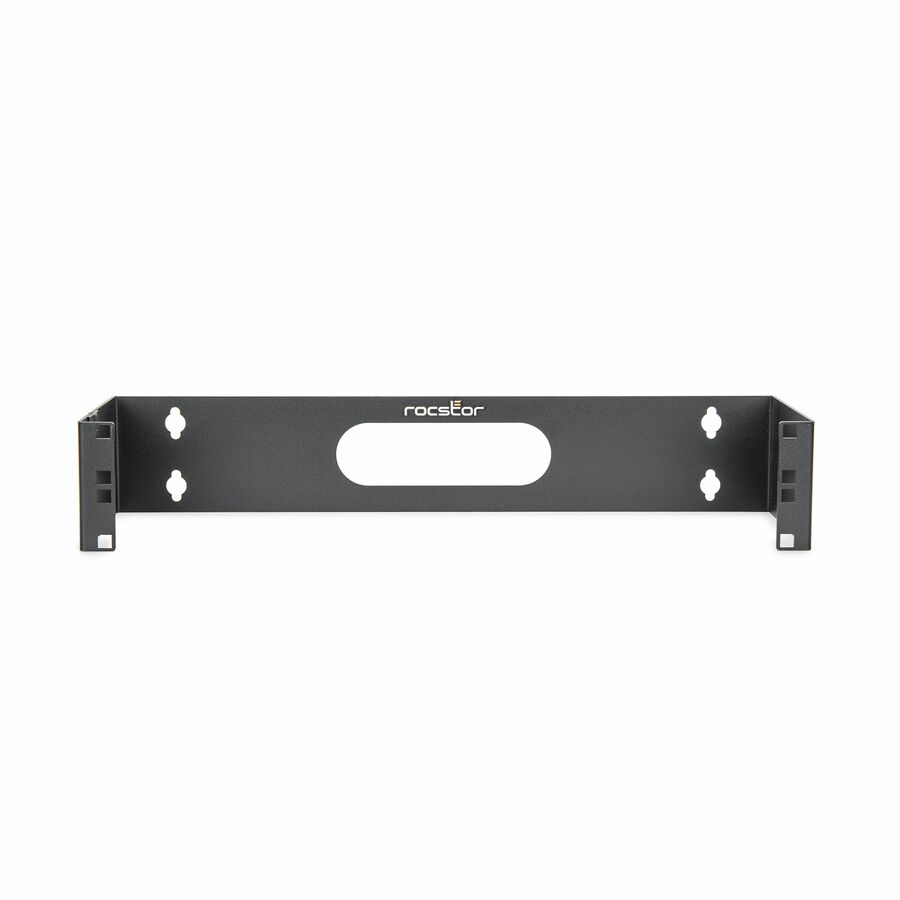
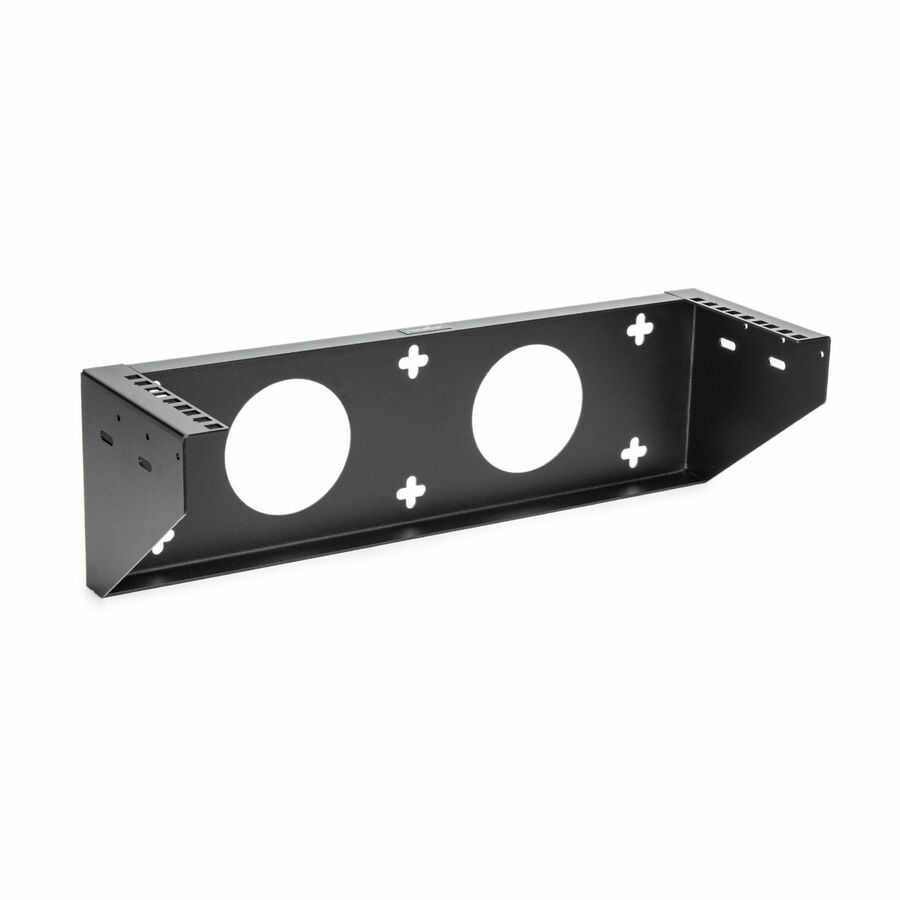
Explore related listings, then confirm the exact model requirements against your plan. These listings are not an automatic compatibility or capacity verdict.
Rack height provides a useful first count, but an available number of U does not tell you whether a server or shelf fits. Enter the actual equipment envelope and allowances for front access, rear cables and airflow. The usable depth between relevant installation boundaries can differ from the external depth printed in a cabinet listing.
Rails and weight need their own evidence
A rail kit has a documented mounting range, and the rack has a load rating tied to its installation conditions. Compare those facts independently. These checks do not establish floor strength, anchoring, seismic suitability, door movement, cooling or compatibility with a particular OEM rail. Missing dimensions should remain unresolved rather than borrowing a value from a nearby model.
Worked example
A 2U device can fit the remaining rack height and still fail because its rail kit cannot reach the mounting posts. The worksheet keeps those outcomes separate.
Rack fit planner: units, depth, clearance & load — Uniqcli