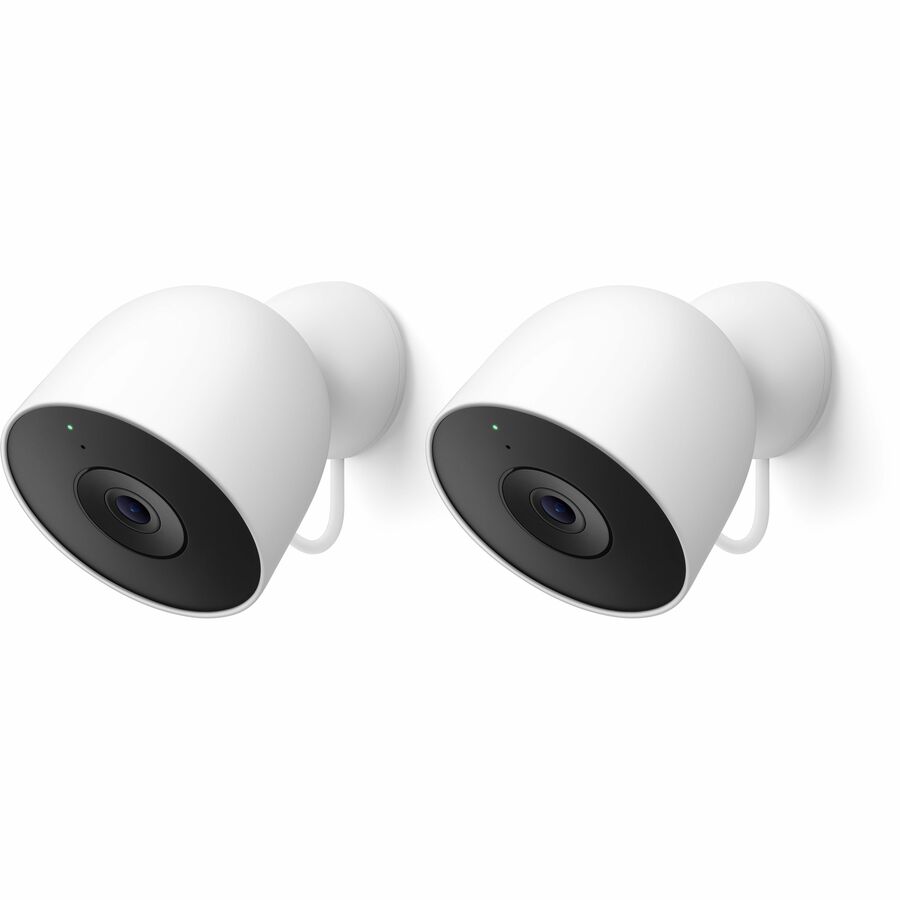
Calculate a rectilinear target-plane view from documented FOV or actual active sensor dimensions.
Security
Camera coverage and pixel-density worksheet
Calculate a rectilinear target-plane view from documented FOV or actual active sensor dimensions.
Example inputs · Replace these with your measurements to build your plan.
Method, example and sources
Choose a documented angular FOV or actual sensor dimensions and focal length.
Use the distance to the target plane and the recorded stream dimensions.
Calculate scene width, height and pixel density on that plane.
Compare the entered density goal without promising recognition or identification.
Worked example. A declared 90-degree horizontal view at 10 m spans 20 m. A 1,920-pixel stream then provides 96 horizontal pixels per metre at that plane.
A rectilinear geometric scenario using the chosen crop/stream and lens assumptions.
Scene width
20m
Scene height
11.547m
Horizontal density
96pixels/m
Vertical density
93.5307pixels/m
Pixels across object
48pixels
Projected full span before frame clipping; an object wider than the scene does not fit.
Object inside scene width
Yes
Distance at entered density goal
3.84m
Scene width20 m
Scene height11.55 m
Use actual active sensor dimensions, not a nominal sensor-inch marketing class. Lens distortion, crop, stabilization and scene geometry can change coverage.
A pixel-density goal is entered by the user; lighting, motion, focus, compression and viewing conditions still control useful detail. This is not an identification guarantee.
From the catalog
Surveillance/Network Cameras
Explore related listings, then confirm the exact model requirements against your plan. These listings are not an automatic compatibility or capacity verdict.
A camera's field of view depends on its lens, active sensor area and recording mode. If angular FOV is documented for the chosen stream, use it directly. Otherwise, the simple lens model needs actual active width and height in millimetres; a nominal sensor-inch class is not an exact dimension. Cropping, stabilization, lens distortion and panoramic projection can change the result.
Pixel density is one part of useful detail
The target-plane calculation relates recorded pixels to scene dimensions and estimates pixels across an entered object width. A density goal is a user-supplied planning criterion, not an automatic assurance of identification. Lighting, motion blur, focus, compression, viewing conditions and camera angle still matter. Confirm the actual scene with the selected equipment rather than treating an ideal geometric sketch as a site survey.
Worked example
A declared 90-degree horizontal view at 10 m spans 20 m. A 1,920-pixel stream then provides 96 horizontal pixels per metre at that plane.