
Wireless link planner: Fresnel clearance & RF budget
Compare free-space receive margin, obstacle-position Fresnel clearance and an explicitly supplied EIRP limit.
Networking
Wireless Fresnel and RF link planner
Compare free-space receive margin, obstacle-position Fresnel clearance and an explicitly supplied EIRP limit.
Example inputs · Replace these with your measurements to build your plan.
Method, example and sources
- Calculate free-space loss from wavelength and complete path length.
- Add transmitter/receiver gains and subtract explicit losses.
- Compare received power with the exact-rate sensitivity and fade target.
- Calculate Fresnel radius at the obstacle position and compare required clearance; retain unknown EIRP policy.
Worked example. At 1 km and 5.8 GHz the midpoint first Fresnel radius is about 3.595 m; 60% clearance is about 2.157 m. The entered RF budget has roughly 17.3 dB fade margin, short of 20 dB.
Planning result · confirm model details
An entered RF budget is missed
Free-space loss and a Fresnel radius do not model terrain, rain, interference, antenna patterns or regulatory approval.
- Free-space path loss
- 107.7163dB
- Estimated receive level
- -57.7163dBm
- Fade margin
- 17.2837dB
- First Fresnel radius at obstacle
- 3.5947m
- Required clearance
- 2.1568m
- EIRP
- 35dBm
- Entered EIRP limit check
- unknown
- Distance is the complete path; obstacle position is a percentage from the transmitter. The clearance percentage and fade target are editable assumptions, not universal acceptance rules.
- Sensitivity must match the exact modulation, width and target rate. Local EIRP rules and installation geometry require authoritative site-specific evidence.
From the catalog
Wireless Access Points/Bridges
Explore related listings, then confirm the exact model requirements against your plan. These listings are not an automatic compatibility or capacity verdict.
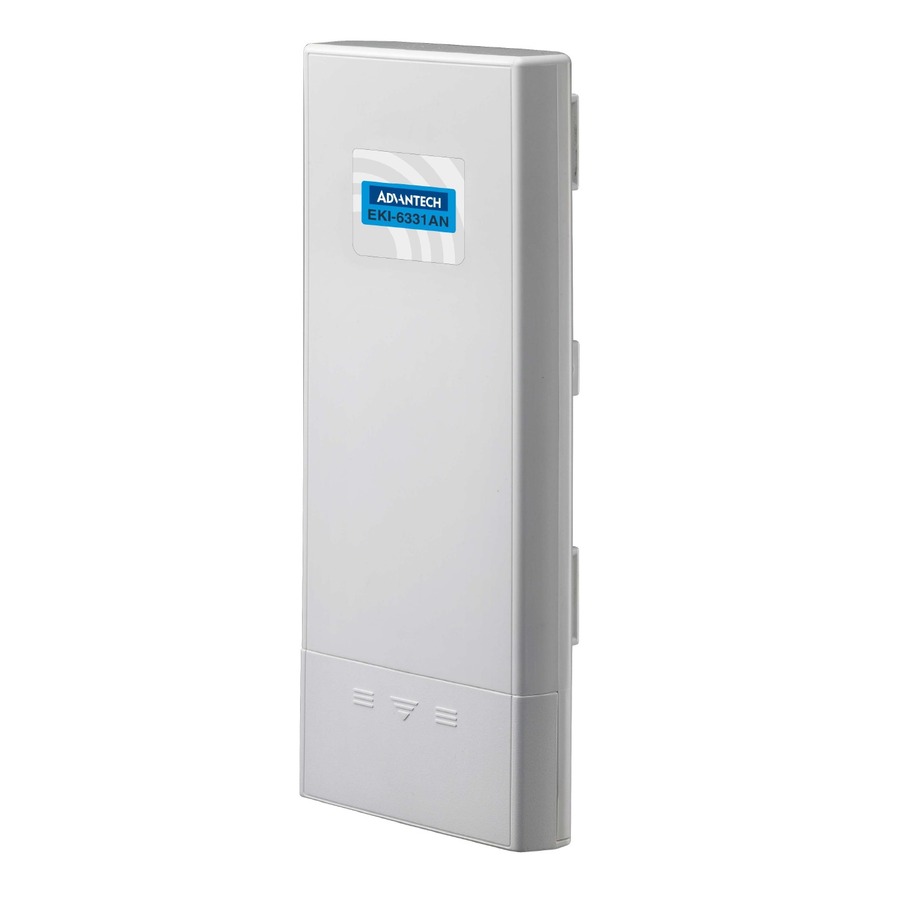
- AdvantechAdvantech EKI-6331AN IEEE 802.11n Wireless Access Point - 5 GHz - MIMO Technology - 1 x Network (RJ-45) - Wall Mountable, Pole-mountableEKI-6331AN
$299.00
$271.47
Back-orderedBack-ordered — estimated OEM lead time 3–8 weeks (Dec 3, 2026 – Jan 7, 2027 if ordered today).
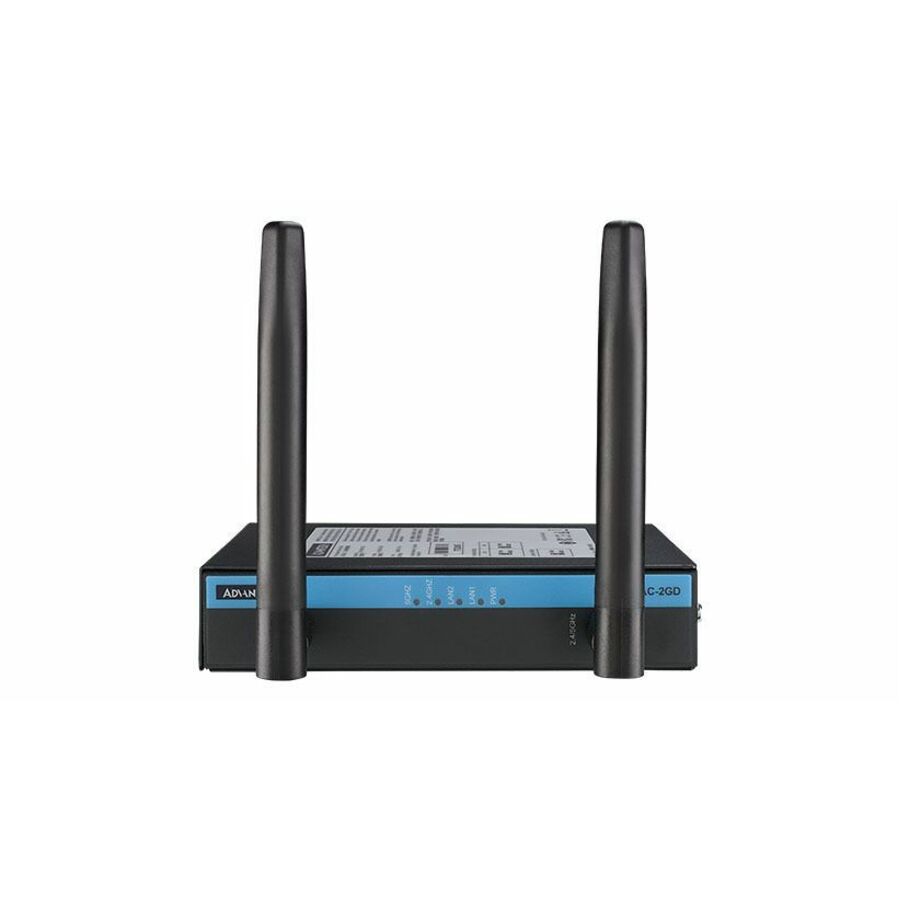
- AdvantechAdvantech EKI-6333AC-2GD Dual Band Wi-Fi 5 IEEE 802.11 a/b/g/n/ac 1.14 Gbit/s Wireless Access Point - 2.40 GHz, 5 GHz - 2 x External Antenna(s) - External - MIMO Technology - 2 x Network (RJ-45) - Fast Ethernet, Ethernet, Gigabit Ethernet - 17 W - DIN Rail, Wall Mountable - IP30EKI-6333AC-2GD-A
$623.20
Back-orderedBack-ordered — estimated OEM lead time 3–8 weeks (Dec 3, 2026 – Jan 7, 2027 if ordered today).
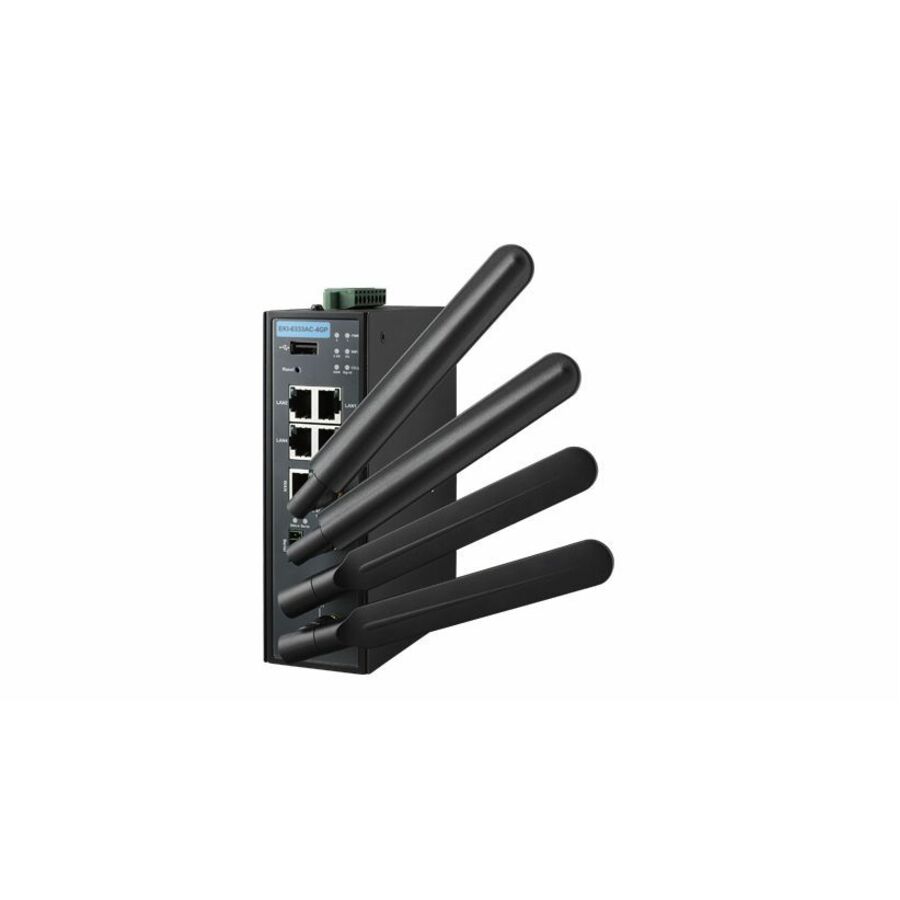
- AdvantechAdvantech EKI-6333AC-4GP Dual Band Wi-Fi 5 IEEE 802.11 a/b/g/n/ac 867 Mbit/s Wireless Access Point - 2.40 GHz, 5 GHz - MIMO Technology - 4 x Network (RJ-45) - Gigabit Ethernet, Fast Ethernet, Ethernet - PoE Ports - 20 W - DIN Rail, Wall MountableEKI-6333AC-4GP-A
$1,271.84
Back-orderedBack-ordered — estimated OEM lead time 3–8 weeks (Dec 3, 2026 – Jan 7, 2027 if ordered today).
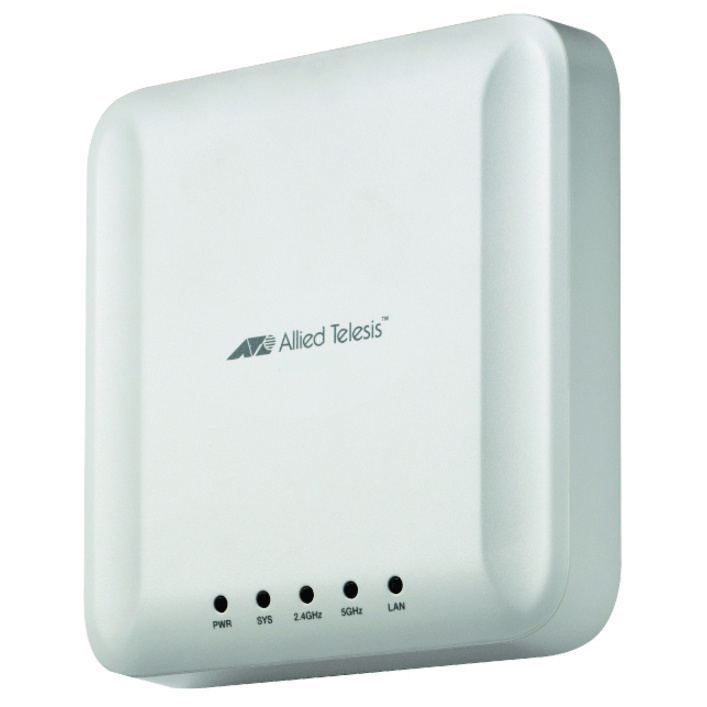
- Allied TelesisAllied Telesis Dual Band Wi-Fi 6 IEEE 802.11a/b/g/ax/ac/k/v/r/n/e/i 3.55 Gbit/s Wireless Access Point - 2.40 GHz, 5 GHz - Internal - MIMO Technology - 2 x Network (RJ-45) - Gigabit Ethernet, 2.5 Gigabit Ethernet, 5 Gigabit Ethernet - 19 W - Desktop, Wall Mountable, Ceiling MountableAT-TQM6602 GEN2-01
$1,144.00
$1,077.16
Back-orderedBack-ordered — estimated OEM lead time 3–8 weeks (Dec 3, 2026 – Jan 7, 2027 if ordered today).
- Allied TelesisAllied Telesis IEEE 802.11ac 2.20 Gbit/s Wireless Access Point - 2.40 GHz, 5 GHz - MIMO Technology - 1 x Network (RJ-45) - Wall Mountable, Ceiling MountableAT-AP500-01
$1,024.76
Back-orderedBack-ordered — estimated OEM lead time 3–8 weeks (Dec 3, 2026 – Jan 7, 2027 if ordered today).
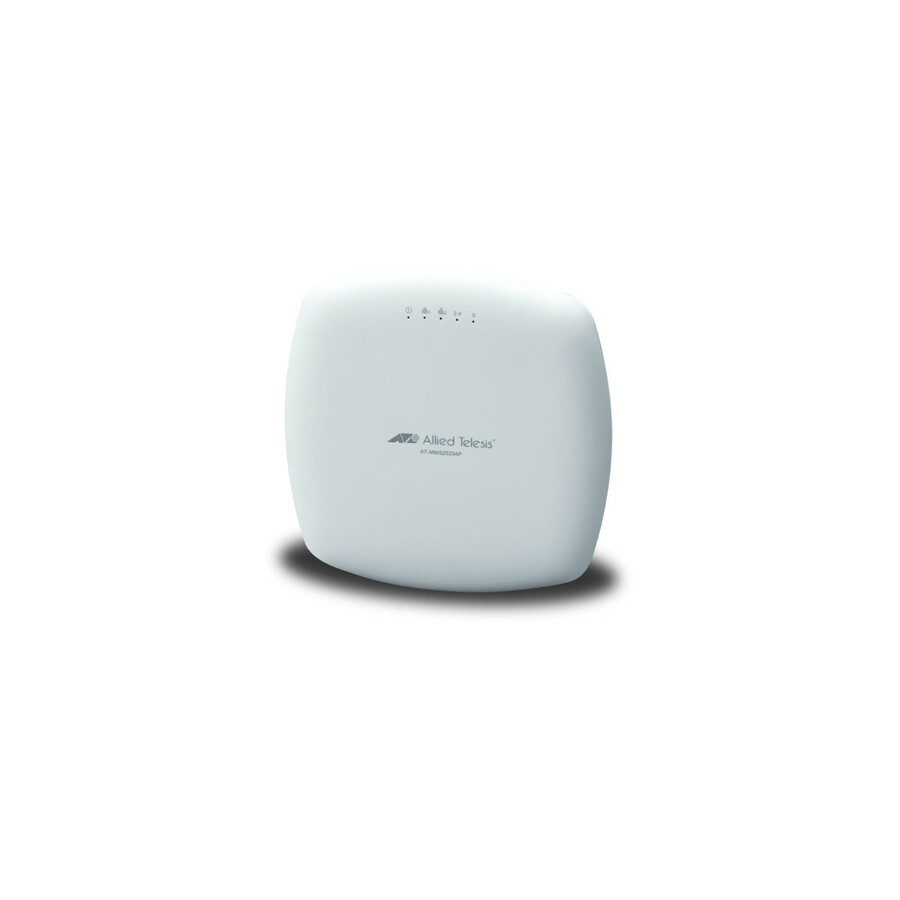
- Allied TelesisAllied Telesis MWS2533AP IEEE 802.11ac 2.25 Gbit/s Wireless Access Point - 5 GHz, 2.40 GHz - MIMO Technology - 2 x Network (RJ-45) - Wall MountableAT-MWS2533AP
$730.00
$682.28
Back-orderedBack-ordered — estimated OEM lead time 3–8 weeks (Dec 3, 2026 – Jan 7, 2027 if ordered today).


How to use this result
A clear visual line between antennas does not necessarily clear the first Fresnel zone. The radius varies along the path, so this planner lets you enter the obstruction position rather than assuming every obstacle is at the midpoint. The RF ledger separately shows how gains and losses affect receiver power at a specified rate.
What to verify next
Free-space propagation is an idealized reference. Terrain, earth curvature, vegetation, weather, interference and antenna alignment can dominate a real installation. Sensitivity must match the chosen channel width and modulation. Clearance percentage and fade margin are planning assumptions, while EIRP restrictions depend on location and band. Confirm those requirements and use a site survey or vendor planning tool before selecting equipment.
Worked example
At 1 km and 5.8 GHz the midpoint first Fresnel radius is about 3.595 m; 60% clearance is about 2.157 m. The entered RF budget has roughly 17.3 dB fade margin, short of 20 dB.