
Switch uplink and failure-load worksheet
Separate access line rate, concurrent demand, aggregate uplinks and the single-member flow ceiling.
Networking
Switch uplink and failure-load worksheet
Separate access line rate, concurrent demand, aggregate uplinks and the single-member flow ceiling.
Example inputs · Replace these with your measurements to build your plan.
Method, example and sources
- Add the nominal access-port rates without calling that measured demand.
- Apply the entered active share and per-active-port demand.
- Compare LAG or active-standby capacity before and after member loss.
- Check an individual flow against one member rather than the aggregate sum.
Worked example. Forty-eight 1 Gbps access ports share 20 Gbps across two 10 Gbps members in the LAG scenario. One flow does not automatically receive 20 Gbps, and losing a member changes the aggregate.
Your planning result
The entered demand fits the surviving aggregate scenario
Aggregate capacity, line-rate oversubscription and a single-flow limit are different checks.
- Access line-rate sum
- 48Gbps
- Concurrent demand scenario
- 1.2Gbps
- Normal aggregate capacity
- 20Gbps
- Surviving aggregate capacity
- 10Gbps
- Normal line-rate oversubscription
- 2.4:1
- Surviving line-rate oversubscription
- 4.8:1
- Single-member ceiling
- 10Gbps
- A LAG does not promise one flow the sum of all member rates; hashing, traffic distribution and platform behavior matter.
- This is a directional workload scenario, not full-duplex switch fabric capacity or an application throughput guarantee.
From the catalog
Switches & Bridges
Explore related listings, then confirm the exact model requirements against your plan. These listings are not an automatic compatibility or capacity verdict.
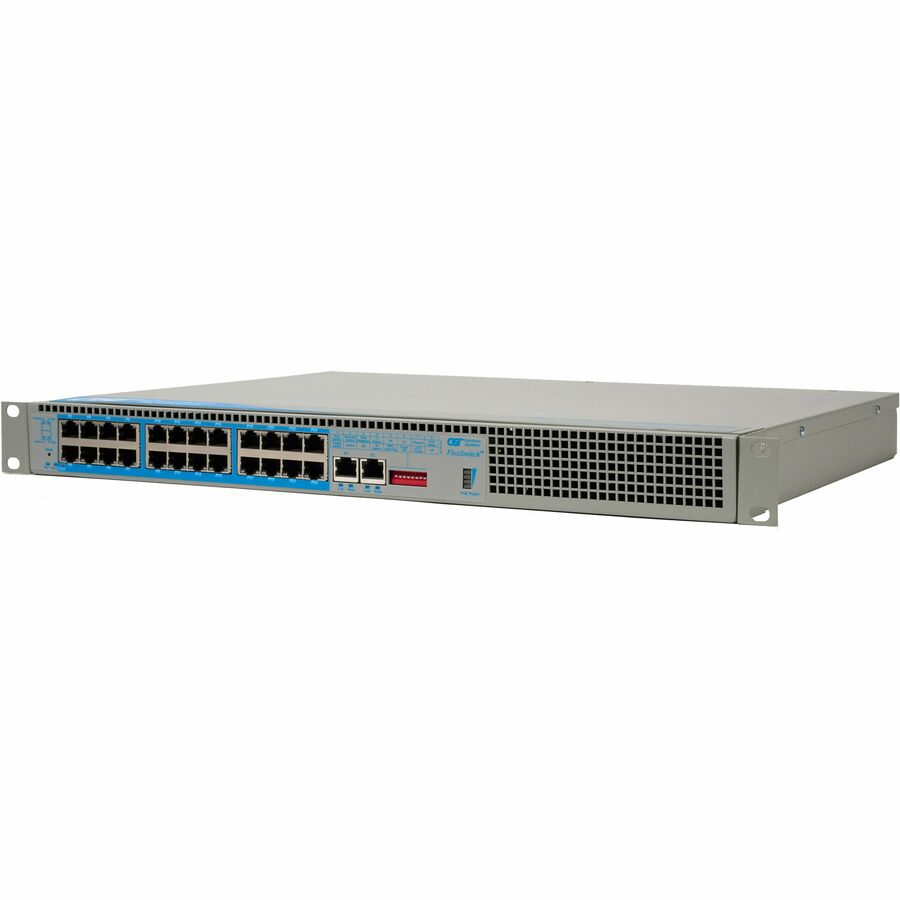
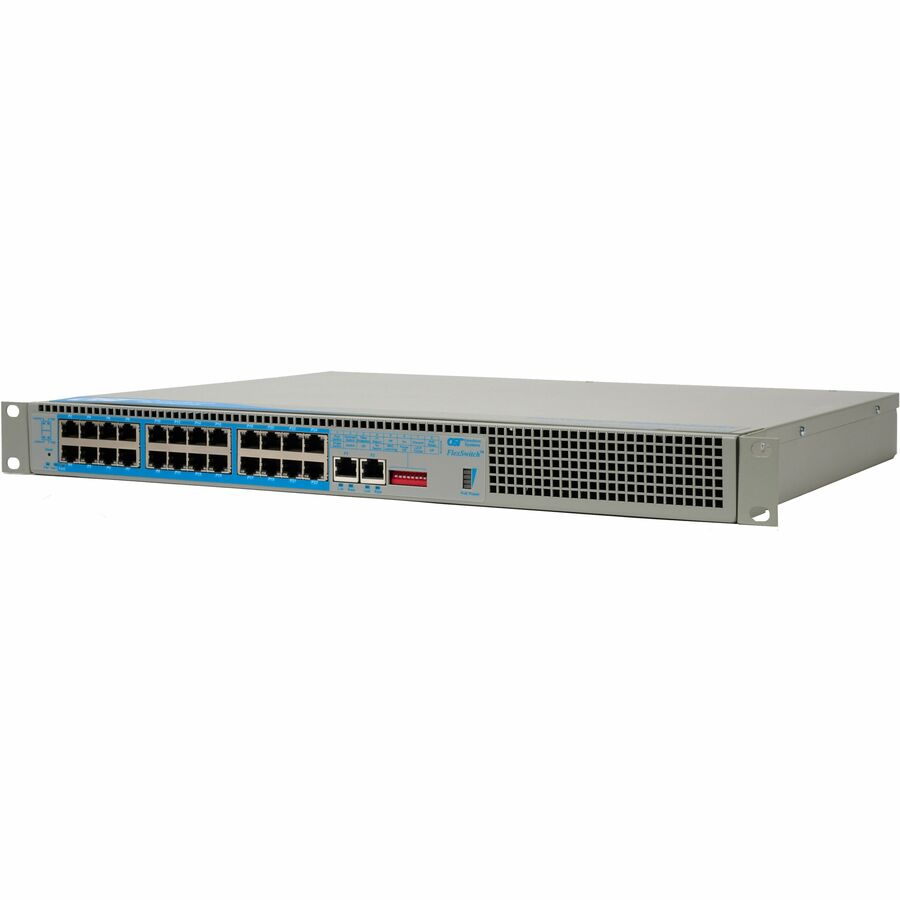
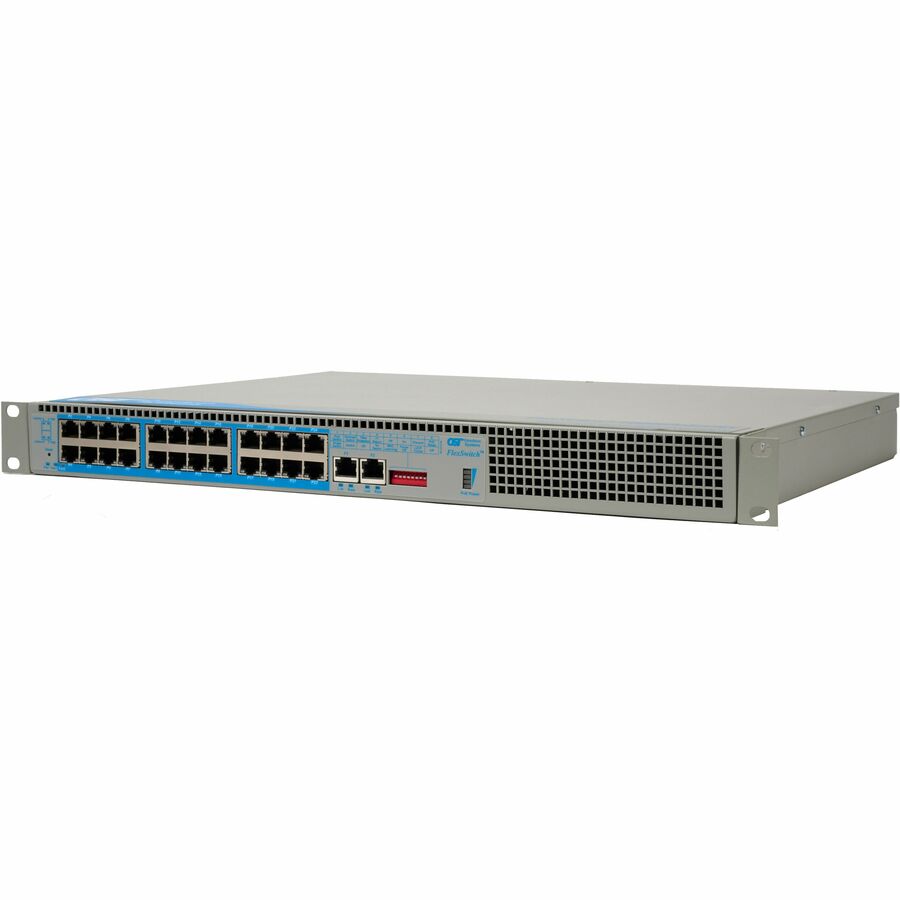
- Omnitron Systems10G High Capacity Unmanaged Multi-Rate/Multigig PoE+ Rackmount Switches - 2x 10/100/1000BASE-T, 24x 10/100/1000BASE-T PoE/PSE, AC Powered, 5 Year Warranty6915-10-11
$3,516.67
$2,940.47
Back-orderedBack-ordered — estimated OEM lead time 3–8 weeks (Dec 3, 2026 – Jan 7, 2027 if ordered today).
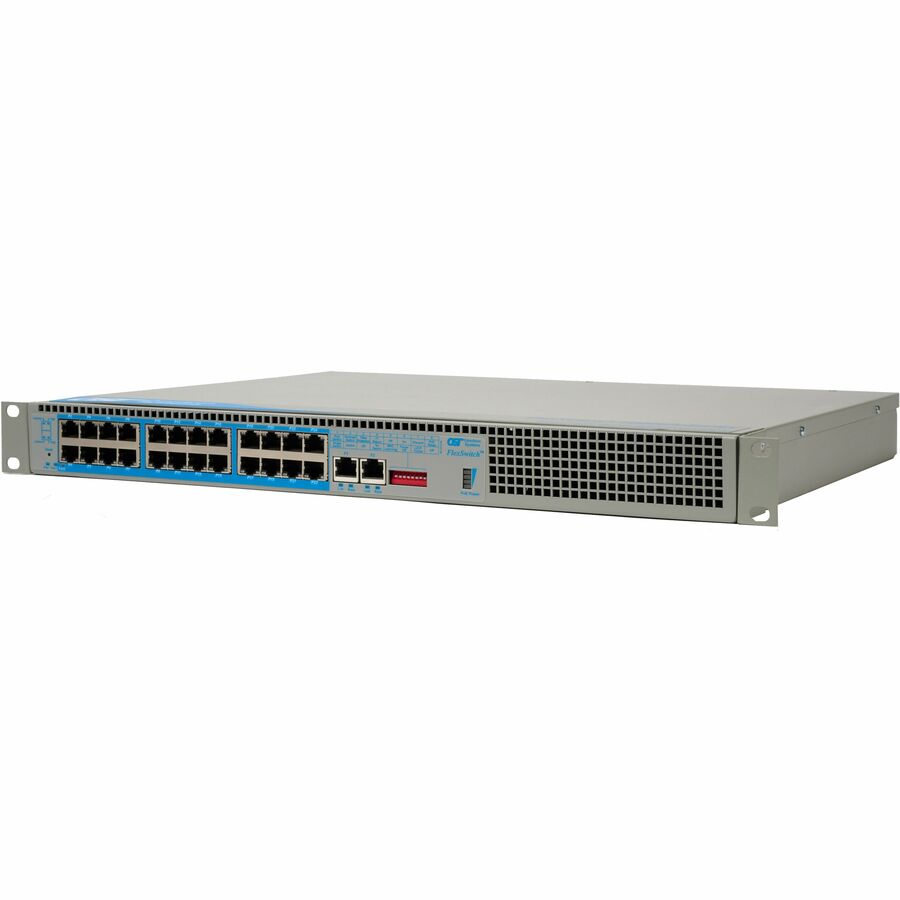
- Omnitron Systems10G High Capacity Unmanaged Multi-Rate/Multigig PoE+ Rackmount Switches - 2x 10/100/1000BASE-T, 24x 10/100/1000BASE-T PoE/PSE, AC Powered, 5 Year Warranty6915-10-11Z
$5,008.34
$4,184.87
Back-orderedBack-ordered — estimated OEM lead time 3–8 weeks (Dec 3, 2026 – Jan 7, 2027 if ordered today).
- Omnitron Systems10G High Capacity Unmanaged Multi-Rate/Multigig PoE+ Rackmount Switches - 2x 10/100/1000BASE-T, 24x 10/100/1000BASE-T PoE/PSE, DC Terminal Powered, 5 Year Warranty6915-10-59
$2,750.54
$2,305.74
Back-orderedBack-ordered — estimated OEM lead time 3–8 weeks (Dec 3, 2026 – Jan 7, 2027 if ordered today).
- Omnitron Systems10G High Capacity Unmanaged Multi-Rate/Multigig PoE+ Rackmount Switches - 2x 10/100/1000BASE-T, 24x 10/100/1000BASE-T PoE/PSE, DC Terminal Powered, 5 Year Warranty6915-10-59Z
$3,935.76
$3,289.47
Back-orderedBack-ordered — estimated OEM lead time 3–8 weeks (Dec 3, 2026 – Jan 7, 2027 if ordered today).
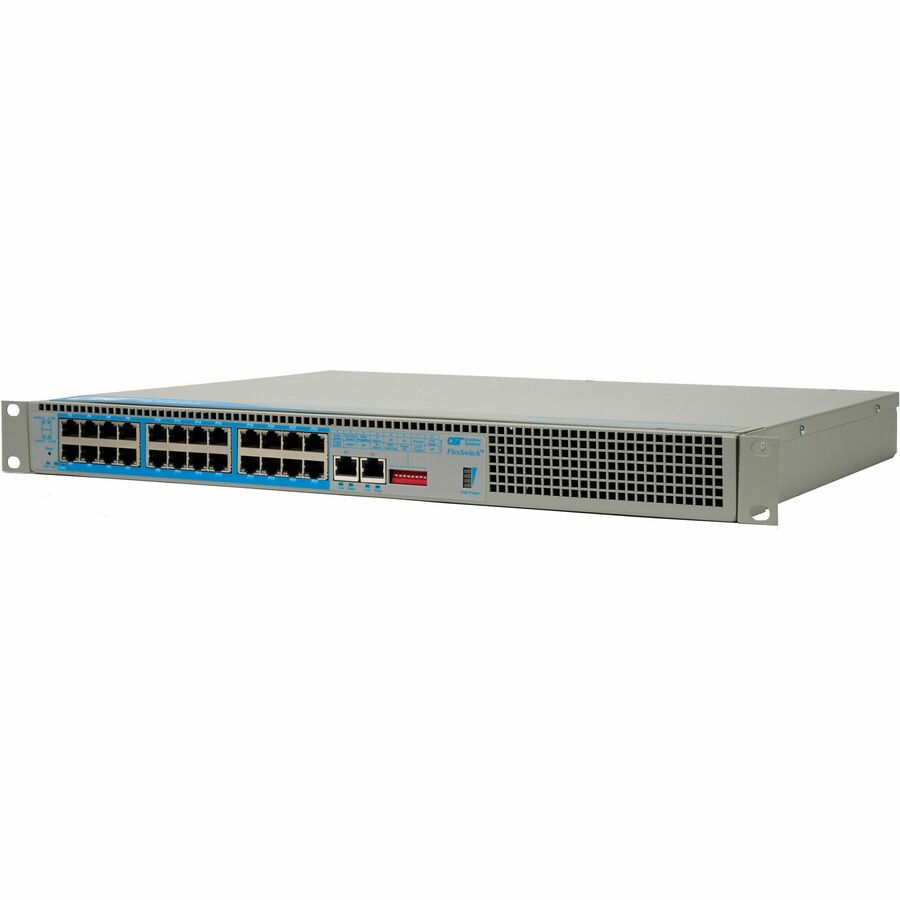
- Omnitron Systems10G High Capacity Unmanaged Multi-Rate/Multigig PoE+ Rackmount Switches - 2x 10/100/1000BASE-T, 8x 10/100/1000BASE-T + 16x 10/100/1000BASE-T PoE/PSE, AC Powered, 5 Year Warranty6915-11-31
$3,106.42
$2,603.88
Back-orderedBack-ordered — estimated OEM lead time 3–8 weeks (Dec 3, 2026 – Jan 7, 2027 if ordered today).
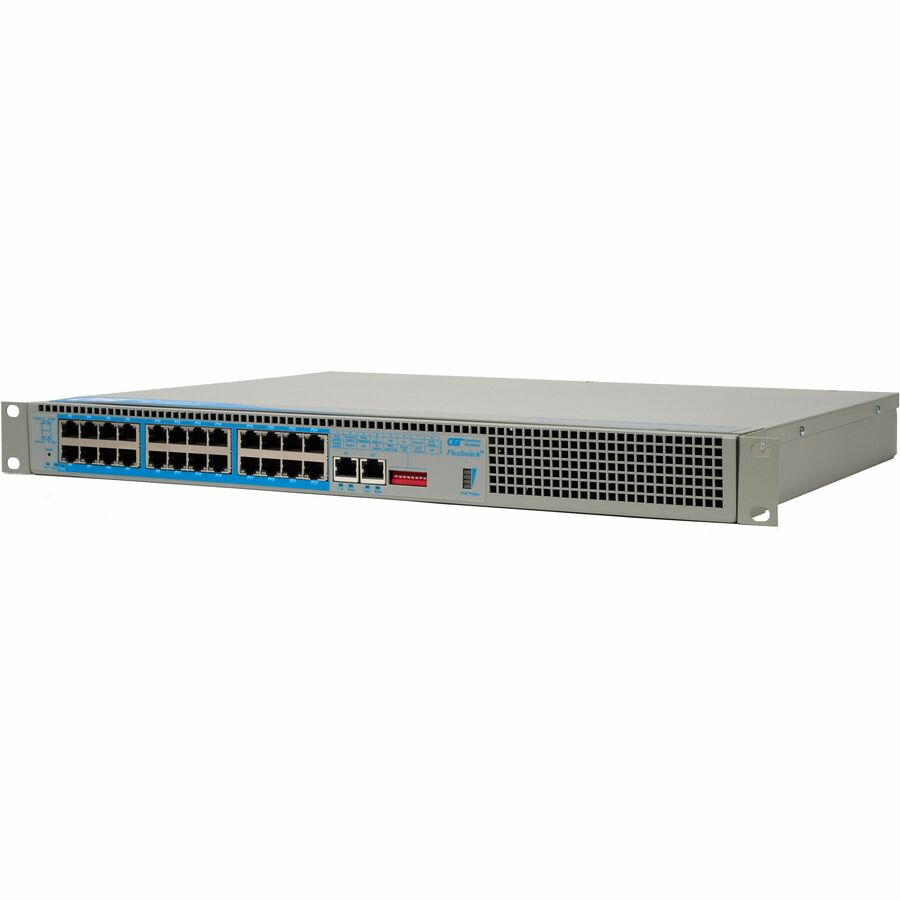
- Omnitron Systems10G High Capacity Unmanaged Multi-Rate/Multigig PoE+ Rackmount Switches - 2x 10/100/1000BASE-T, 8x 10/100/1000BASE-T + 16x 10/100/1000BASE-T PoE/PSE, DC Terminal Powered, 5 Year Warranty6915-11-59
$2,718.92
$2,279.30
Back-orderedBack-ordered — estimated OEM lead time 3–8 weeks (Dec 3, 2026 – Jan 7, 2027 if ordered today).

Line rate is not the workload
Adding access-port speeds gives a useful oversubscription ratio, but it does not describe the traffic users actually send at once. The worksheet separately models an entered concurrent share and demand per active port. Keep direction and traffic destinations explicit: some traffic remains local, while storage, backup or camera workloads may concentrate on a particular path.
Aggregation has failure and flow limits
A LAG can distribute multiple flows across members according to platform and hashing behavior. It does not guarantee a single flow the sum of every member. Active-standby uses a different normal capacity assumption, and a scenario with no surviving path is reported without dividing by zero. Test actual traffic distribution, platform limits and failover behavior before using the arithmetic as a performance commitment.
Worked example
Forty-eight 1 Gbps access ports share 20 Gbps across two 10 Gbps members in the LAG scenario. One flow does not automatically receive 20 Gbps, and losing a member changes the aggregate.