
Ethernet packet-rate calculator
Translate line speed and MAC frame size into one-way packets per second with Ethernet wire overhead.
Networking
Ethernet packet-rate calculator
Translate line speed and MAC frame size into one-way packets per second with Ethernet wire overhead.
Example inputs · Replace these with your measurements to build your plan.
Method, example and sources
- Include MAC header and FCS in the entered frame size.
- Add eight preamble/SFD bytes and twelve inter-frame-gap byte times.
- Divide one-way line bits per second by total frame bit times.
- Multiply by ingress ports without counting egress a second time.
Worked example. At 1 Gbps, 64-byte Ethernet frames occupy 84 byte times and yield approximately 1,488,095 packets per second per direction.
Your planning result
Ethernet wire-rate packet budget
Frame bytes include the MAC header and FCS. The wire adds eight preamble/SFD bytes and twelve inter-frame-gap byte times.
- Per-port one-way rate
- 1,488,095.2381packets/s
- Aggregate ingress rate
- 35.7143Mpps
- Per-port MAC client data ceiling
- 0.5476Gbps
- This is a theoretical full-size-frame timing budget for the entered size, not measured forwarding performance. Aggregate ingress does not double-count full-duplex egress. VLAN tags must already be in the entered frame size; the client-data metric assumes an untagged 14-byte MAC header plus 4-byte FCS.
From the catalog
Switches & Bridges
Explore related listings, then confirm the exact model requirements against your plan. These listings are not an automatic compatibility or capacity verdict.
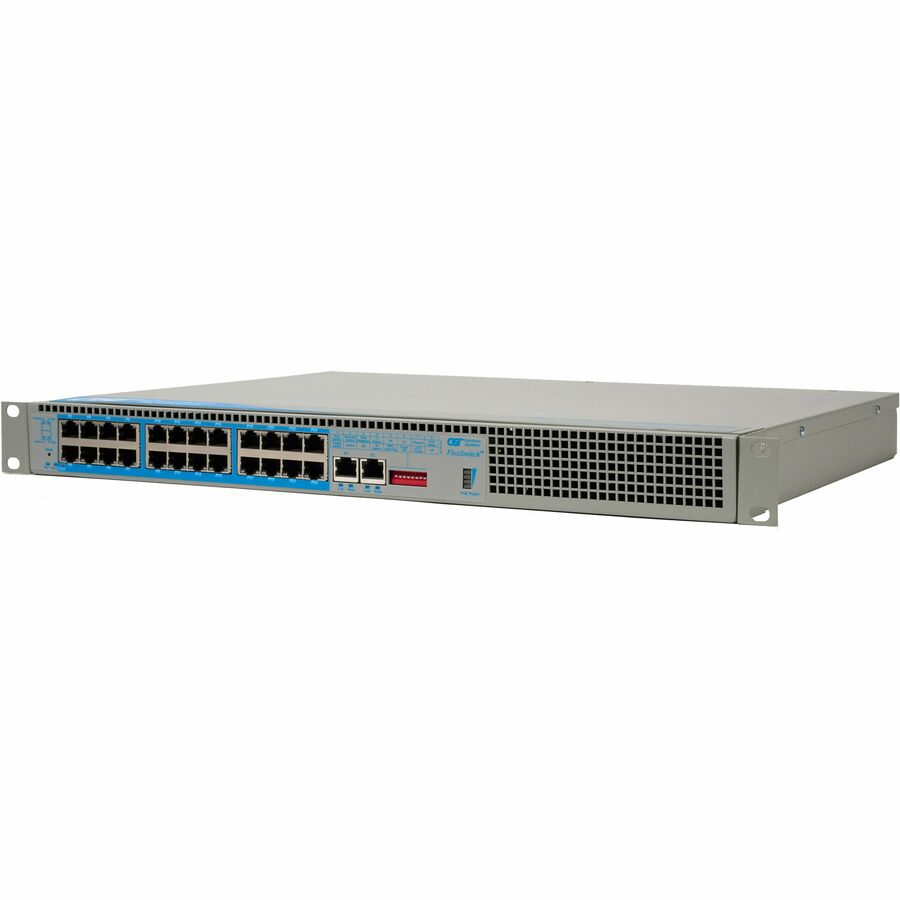
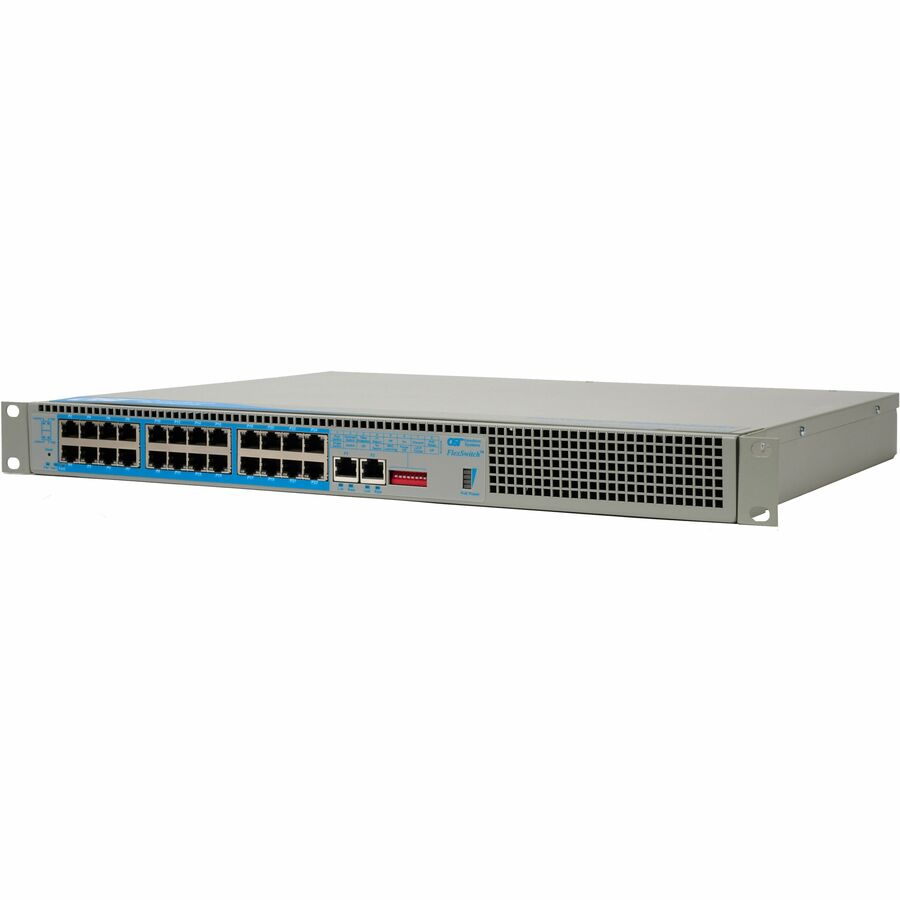
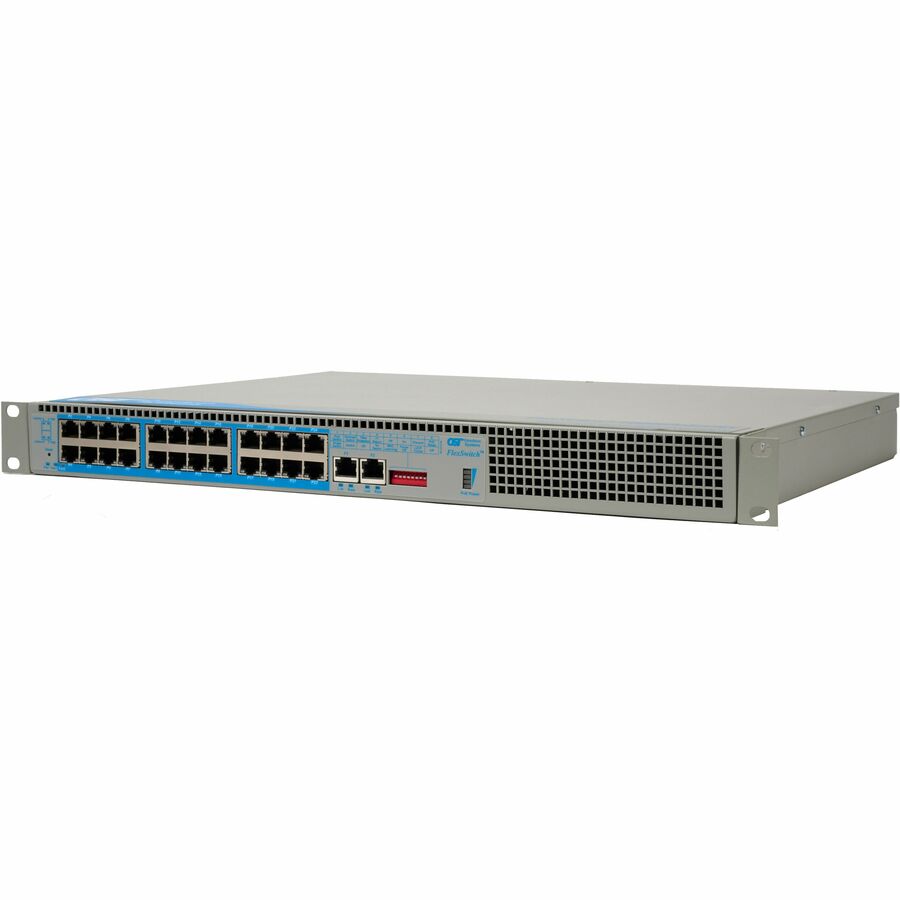
- Omnitron Systems10G High Capacity Unmanaged Multi-Rate/Multigig PoE+ Rackmount Switches - 2x 10/100/1000BASE-T, 24x 10/100/1000BASE-T PoE/PSE, AC Powered, 5 Year Warranty6915-10-11
$3,516.67
$2,940.47
Back-orderedBack-ordered — estimated OEM lead time 3–8 weeks (Dec 3, 2026 – Jan 7, 2027 if ordered today).
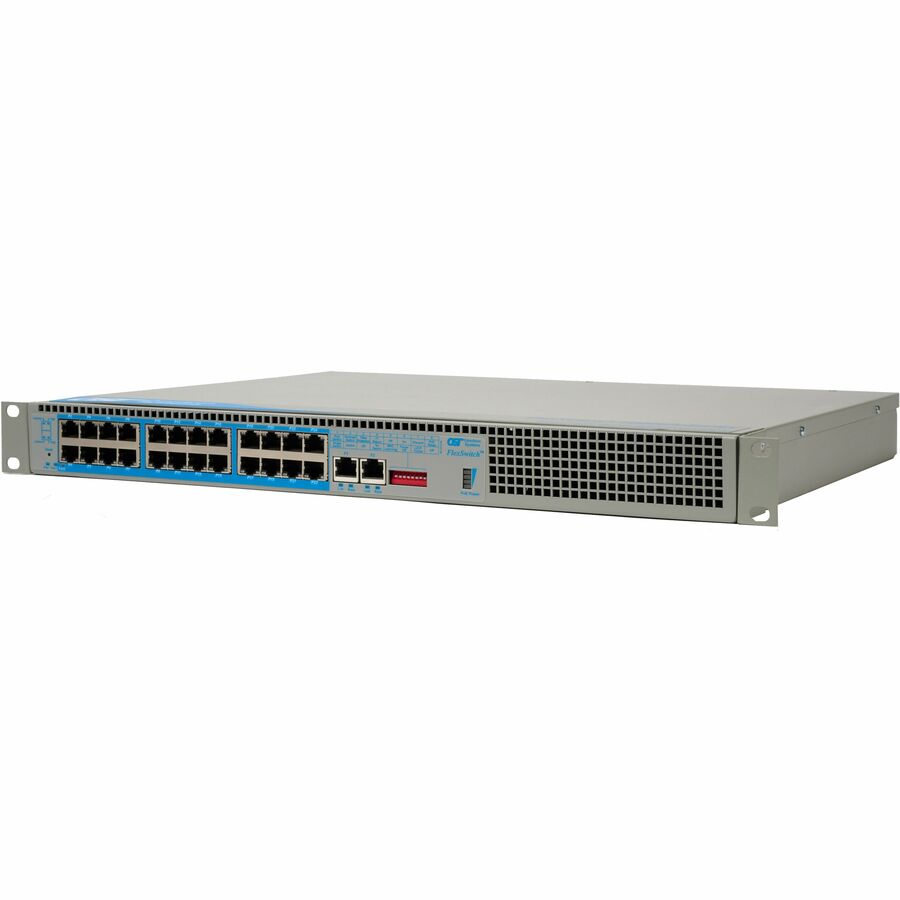
- Omnitron Systems10G High Capacity Unmanaged Multi-Rate/Multigig PoE+ Rackmount Switches - 2x 10/100/1000BASE-T, 24x 10/100/1000BASE-T PoE/PSE, AC Powered, 5 Year Warranty6915-10-11Z
$5,008.34
$4,184.87
Back-orderedBack-ordered — estimated OEM lead time 3–8 weeks (Dec 3, 2026 – Jan 7, 2027 if ordered today).
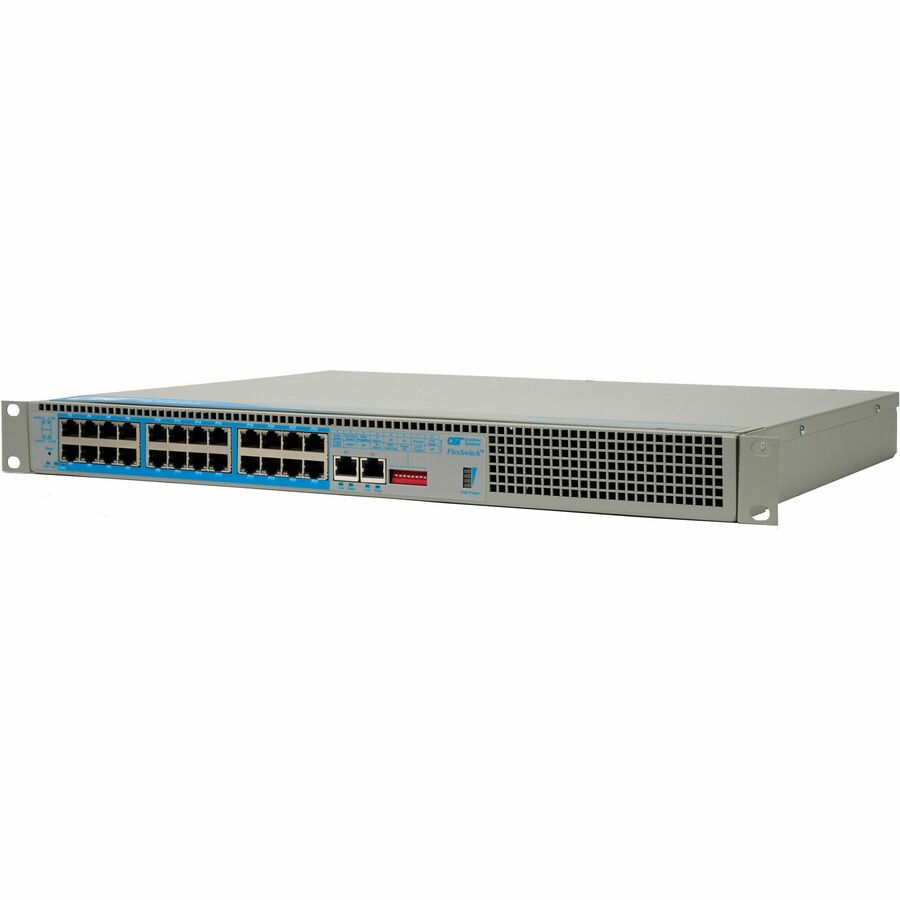
- Omnitron Systems10G High Capacity Unmanaged Multi-Rate/Multigig PoE+ Rackmount Switches - 2x 10/100/1000BASE-T, 24x 10/100/1000BASE-T PoE/PSE, DC Terminal Powered, 5 Year Warranty6915-10-59
$2,750.54
$2,305.74
Back-orderedBack-ordered — estimated OEM lead time 3–8 weeks (Dec 3, 2026 – Jan 7, 2027 if ordered today).
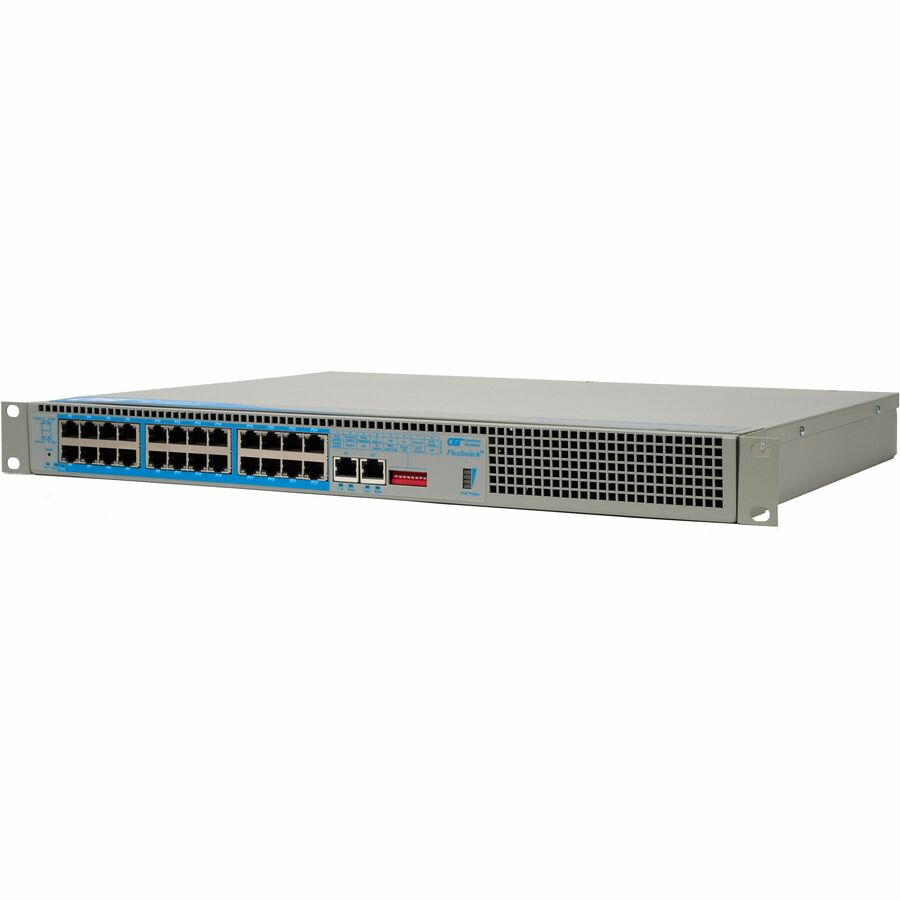
- Omnitron Systems10G High Capacity Unmanaged Multi-Rate/Multigig PoE+ Rackmount Switches - 2x 10/100/1000BASE-T, 24x 10/100/1000BASE-T PoE/PSE, DC Terminal Powered, 5 Year Warranty6915-10-59Z
$3,935.76
$3,289.47
Back-orderedBack-ordered — estimated OEM lead time 3–8 weeks (Dec 3, 2026 – Jan 7, 2027 if ordered today).
- Omnitron Systems10G High Capacity Unmanaged Multi-Rate/Multigig PoE+ Rackmount Switches - 2x 10/100/1000BASE-T, 8x 10/100/1000BASE-T + 16x 10/100/1000BASE-T PoE/PSE, AC Powered, 5 Year Warranty6915-11-31
$3,106.42
$2,603.88
Back-orderedBack-ordered — estimated OEM lead time 3–8 weeks (Dec 3, 2026 – Jan 7, 2027 if ordered today).
- Omnitron Systems10G High Capacity Unmanaged Multi-Rate/Multigig PoE+ Rackmount Switches - 2x 10/100/1000BASE-T, 8x 10/100/1000BASE-T + 16x 10/100/1000BASE-T PoE/PSE, DC Terminal Powered, 5 Year Warranty6915-11-59
$2,718.92
$2,279.30
Back-orderedBack-ordered — estimated OEM lead time 3–8 weeks (Dec 3, 2026 – Jan 7, 2027 if ordered today).

How to use this result
Small packets require a switch to make more forwarding decisions for the same line speed. A throughput specification in gigabits alone therefore cannot describe every workload. This worksheet converts the selected frame length into packet rate and includes the time occupied by preamble and inter-frame gap, which do not appear inside the MAC frame itself.
What to verify next
The result is a theoretical traffic budget. A switch benchmark depends on enabled features, packet mix, forwarding paths and the vendor's counting convention. Confirm whether a quoted aggregate figure sums ingress and egress before comparing it with this one-way ingress result. Tagged frames must include their tags in the entered frame length; jumbo-frame support must be confirmed separately.
Worked example
At 1 Gbps, 64-byte Ethernet frames occupy 84 byte times and yield approximately 1,488,095 packets per second per direction.