
DGX Spark vs. DGX Station: Which One Fits Your Work?
A real research example shows when one Spark is enough, when a Spark cluster helps, and when a team needs the memory and shared capacity of DGX Station.
By Uniqcli Team · · 7 min read · Updated
Key takeaways
- Choose one 64 GB or 128 GB Spark when the actual model and context fit that tier at an acceptable response time. EPRI ran its 120B document assistant on a 128 GB GB10 system.
- Choose two or four Sparks when you need separate developer machines or have a tested distributed runtime for one larger job. Their memory does not become one shared pool.
- Choose Station when one job needs more local memory and GPU HBM or a managed shared node. EPRI moved its 50-member weather ensemble timestep to Station.
- Confirm Arm/Linux software support and site power before comparing complete configurations; the current Station is not a ready-to-buy Windows workstation.
On this page
EPRI used two kinds of deskside NVIDIA system for two very different jobs. Its researchers ran a private, 120-billion-parameter technical-document assistant on a 128 GB Dell Pro Max with GB10, a DGX Spark-class machine. For a 50-member GenCast weather ensemble used in electric-grid research, they used DGX Station. In NVIDIA's account of EPRI's test, Station completed one timestep of that ensemble in about 150 seconds.
That is a more useful comparison than asking which box has the bigger headline number. Start with the model or experiment you need to run, how many people will use it, and the time they can wait for a result.
Choose by the bottleneck
- If one researcher needs a private development system and the checkpoint, context and working data fit within one Spark's selected 64 GB or 128 GB tier, start there.
- If jobs are independent, additional Sparks add separate workstations. If one model must span nodes, require a supported distributed recipe and include the cabling and switch where the chosen topology needs one.
- If one model needs more local memory or a lab wants one larger shared service, start the Station evaluation. Its 252 GB of GPU HBM3e and 496 GB of CPU memory serve a different memory layout from four separate Sparks.
These are starting points for a comparison, not a claim that any published parameter ceiling determines your model's speed.
What EPRI's two jobs actually show
For local model development, the first question is whether the checkpoint, context cache and working data fit on one machine at a useful speed. EPRI's Power Chat shows that a carefully configured 120B-class model can work on a 128 GB GB10 system. It used gpt-oss-120b, vLLM and prefix caching to keep a large document cache on the local machine. That is evidence for EPRI's implementation, not a promise that every 120B checkpoint will fit a Spark.
Smaller labs are using Spark for work beyond chat. NVIDIA reports that NYU's Global AI Frontier Lab evaluates AI-generated radiology reports locally on DGX Spark, keeping imaging data inside the lab. Stanford researchers use Spark to prototype biological-agent workflows before moving larger runs to shared clusters. These are sensible starting points when a researcher needs a dedicated Linux AI environment without reserving a large system for every experiment.
Station comes into view when one job needs substantially more memory or when the team needs heavier shared capacity. At Carnegie Mellon University's Robotics Institute, researchers report fine-tuning a drone-detection model on Station and deploying the result to a Jetson Orin NX. At EPRI, the move from a document assistant on GB10 to a weather ensemble on Station followed the change in workload, not a simple rule about industry or team size.
Memory is more than one number
DGX Spark uses a GB10 Grace Blackwell Superchip, a 20-core Arm CPU and up to 128 GB of unified memory. NVIDIA now lists 64 GB options through participating OEMs as well. The 64 GB and 128 GB systems are different buying choices; check the tier before using any model-size example. NVIDIA's published ceilings are up to 100B parameters on one 64 GB unit and up to 200B on one 128 GB unit, under suitable model and software conditions.
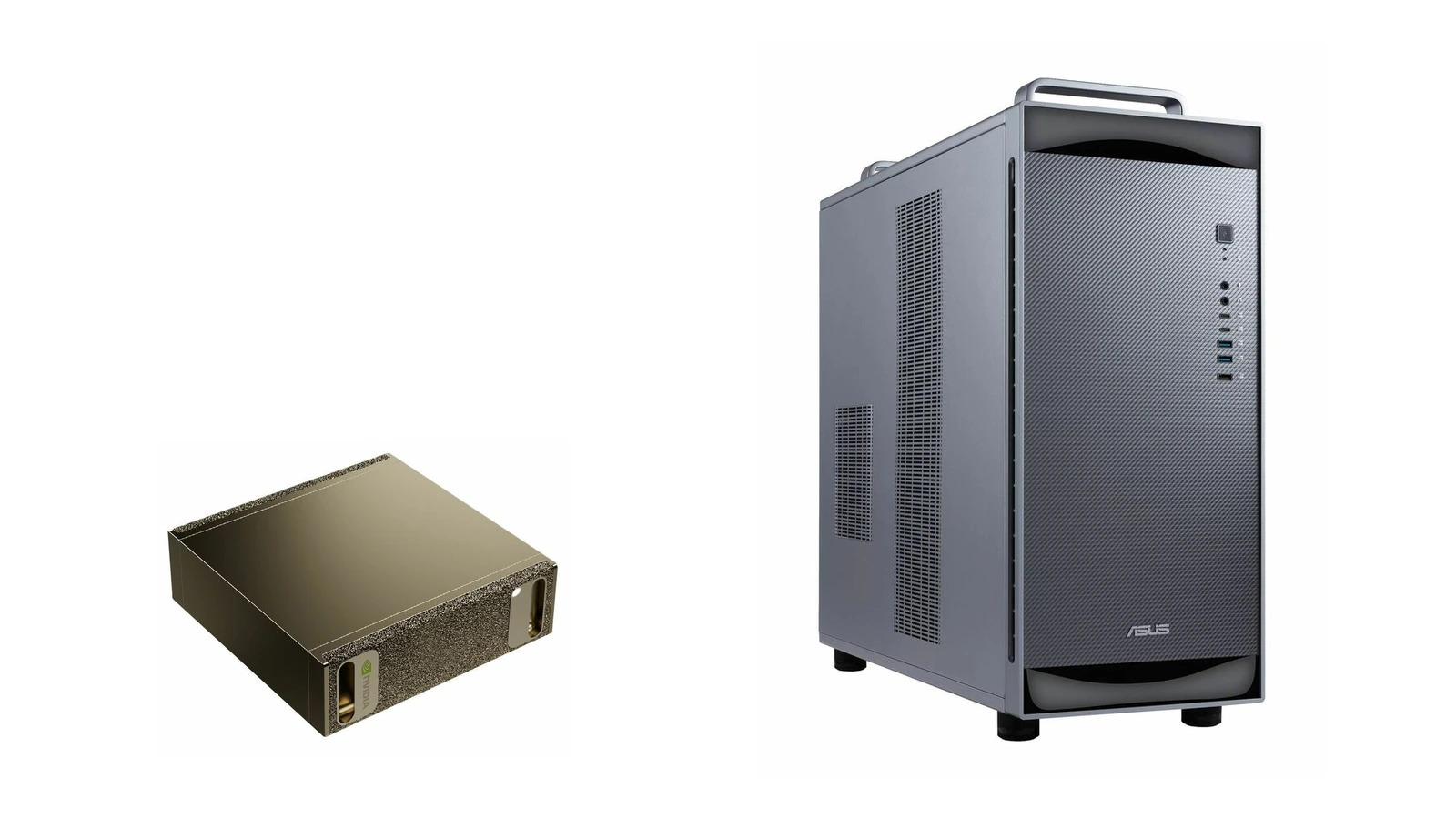
DGX Station uses a GB300 Grace Blackwell Ultra Desktop Superchip with a 72-core Grace CPU, one Blackwell Ultra GPU and 748 GB of coherent memory. That total combines 252 GB of GPU HBM3e and 496 GB of CPU memory. Data in those two memory types has different speed. NVIDIA quotes up to 20 PFLOPS of FP4 compute for Station and up to one PFLOP for Spark; those peaks do not predict a 20-fold gain for your application.
Ask your team for the checkpoint and version, precision or quantization, prompt and output length, concurrent requests and a response-time target. A test with those settings gives a far better buying answer than the parameter count on a product page.
Could two or four Sparks do the job?
Two 128 GB Sparks offer 256 GB in aggregate and can connect directly through a supported QSFP cable. Four provide 512 GB in aggregate; NVIDIA's guided four-node setup uses four links to a 200 GbE switch, while its manual playbook also documents a direct ring. The machines do not become one computer with 512 GB of flat memory. A distributed inference or training stack must divide the work and communicate across the network; an ordinary program running on one Spark still sees that one node's memory.
A pair or small cluster makes sense when the model has a tested multi-node recipe, several researchers need independent machines, or one workload can use the extra aggregate capacity. Station makes sense when a single large workload benefits from its coherent memory and GPU HBM, or the lab wants one managed shared node. NVIDIA also describes manual eight-Spark clusters, while its published NVIDIA Sync guided setup currently covers up to four. Treat a larger build as its own engineering project.
Compare the complete cost and measured performance of the proposed options. Include systems, cable or switch, installation, software work and support. Four Spark boxes can be useful; their combined memory figure alone does not establish that they can replace Station for a particular model.
Check the software and the room
Both platforms use Arm CPUs. DGX Spark ships with DGX OS; the current DGX Station platform uses Ubuntu with NVIDIA AI Developer Tools. Confirm that the exact containers, Python packages, licensed applications and model runtimes your team uses support the target platform. NVIDIA says Windows-based DGX Station systems are expected in December 2026, so teams tied to Windows software should request a Windows-specific OEM configuration and timeline.
Power can settle the placement question early. NVIDIA specifies a 1,600 W rating and a 20 A circuit for Station. Check the OEM plug, heat, clearance and service access with facilities. Spark is much smaller, but a cluster still needs power for every unit, the correct high-speed links, management access and a place for the switch if four nodes are planned.
Choose a path to explore
One DGX Spark
For a dedicated local development system, compare the current 64 GB and 128 GB choices against your model.
Two to four DGX Sparks
Scope the nodes, validated QSFP links, switch when needed and the distributed software together.
DGX Station
Explore an ASUS Station architecture system for larger local work or a managed shared research node.
The following are actual Uniqcli catalog choices, not one fixed bundle. The MSI Station listing is a barebones, request-pricing option; check the completed configuration before comparing its offer with ASUS or a Spark system.
Compare systems we can quote
NVIDIA
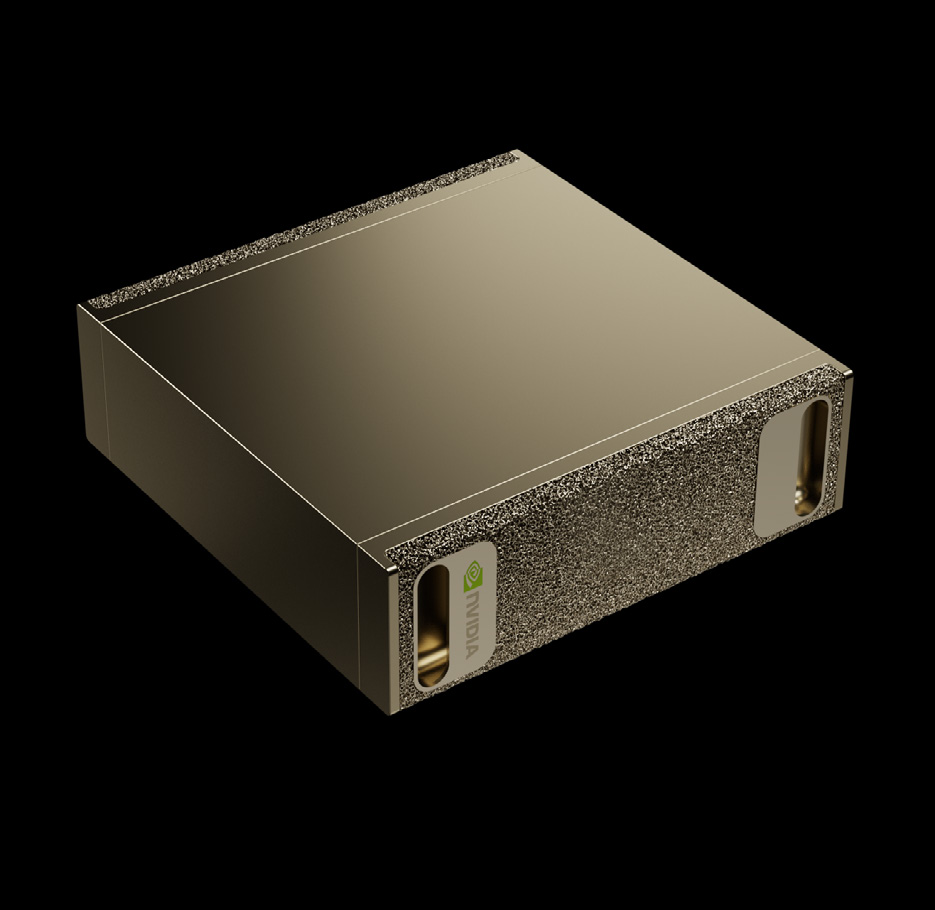
NVIDIA DGX Spark 128GB 4TB GB10 Grace Blackwell AI Desktop
$7,724.98In stockPNY Technologies
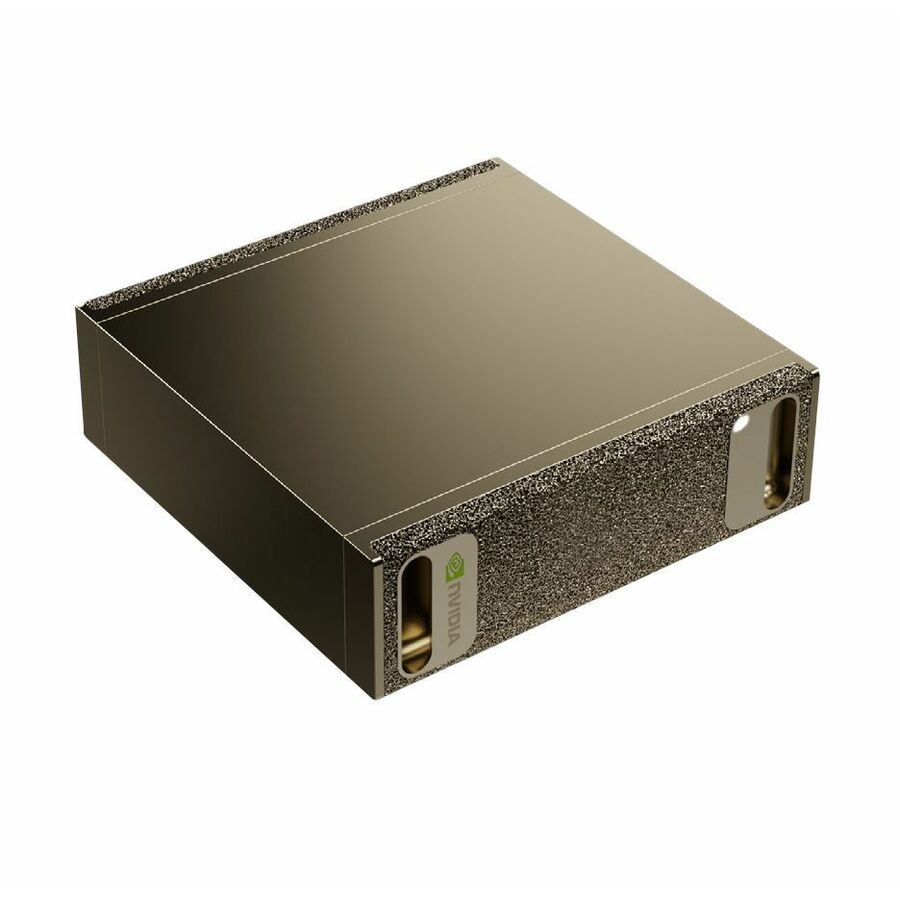
PNY DGX Spark Desktop AI Computer
$7,849.98In stockASUS Computer International
Asus ExpertCenter Pro Agent Computer PRO ET900N G3-2SSD Workstation
$114,628.43Back-orderedMSI
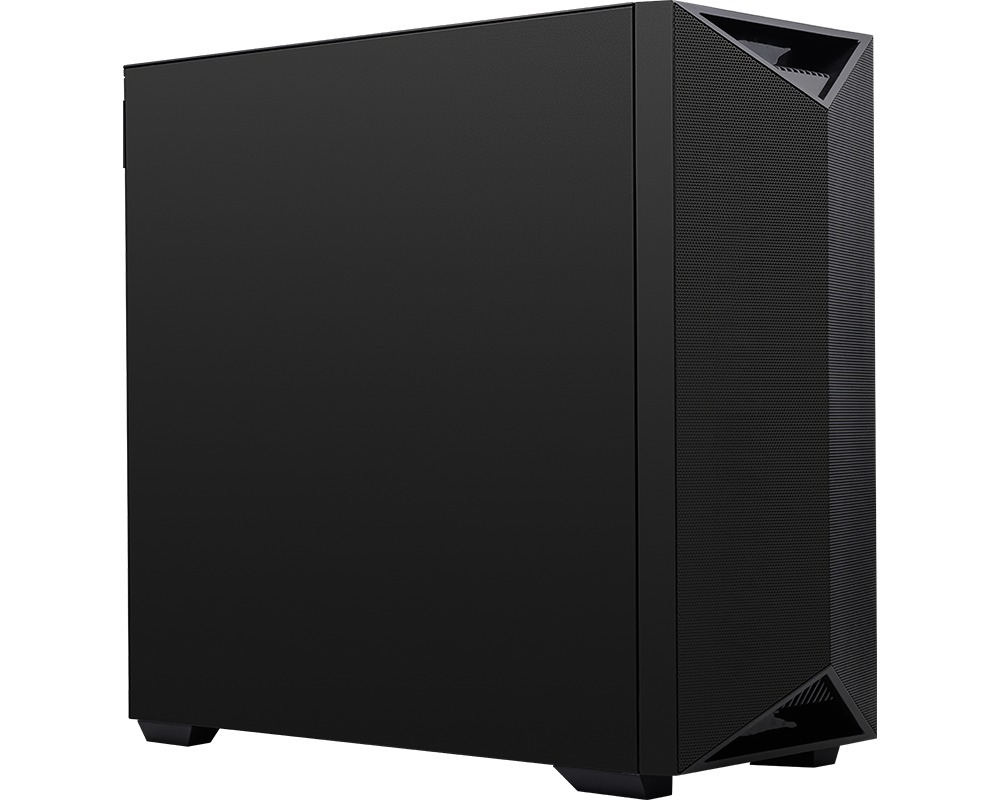
MSI XpertStation WS300 NVIDIA DGX Station GB300 748GB Deskside AI…
$105,451.75Back-ordered

Product cards show current catalog terms. Match each exact configuration to the workload and check delivery with the quote.
What to send for a useful comparison
- Name the actual model or experiment, its precision, context length and dataset or document size.
- Say whether the goal is one faster job, a larger model, or more simultaneous researchers.
- Give a measurable target: latency, tokens per second, jobs per day or training time.
- List required software, security rules, storage and the team's current network and power.
- Request complete configurations and current delivery windows for the choices worth testing.
Compare Spark and Station for your workload
Send the model, concurrency target and deployment site. Ask for complete configurations, the required network parts and current lead times.
FAQ
Can one DGX Spark run a 120B document assistant?
EPRI ran its Power Chat assistant with gpt-oss-120b and a large document cache on a 128 GB Dell Pro Max with GB10. Its model, serving software and caching choices made that possible. Use that case as a starting point, then test your own checkpoint, quantization, context length and response-time target; a 64 GB Spark is a different capacity tier.
Does a second Spark automatically double the memory my model can use?
No. Each Spark keeps its own memory. A supported distributed runtime has to split a compatible model across the nodes and use their ConnectX link. If your application only runs on one machine, adding another Spark can give you a second independent job, but it will not enlarge the first job's address space.
Are four DGX Sparks equivalent to one DGX Station?
Four 128 GB Sparks add up to 512 GB across four machines. Station has 748 GB of coherent CPU-GPU memory, including 252 GB of GPU HBM3e. The layouts and communication costs are different. Compare the same model, prompt length, concurrency and software on both proposed configurations before calling either one a substitute.
Which system should a lab share among six researchers?
If six people run separate development jobs, dedicated Sparks may avoid a shared queue. If they need access to one larger model or common service, Station is the stronger starting point. Its up-to-seven MIG partitions divide one GPU, so six users do not each receive full GPU performance. Test the busiest overlapping hour before deciding how many systems to buy.
Do we need to wait for a Windows version?
DGX Spark and the currently shipping DGX Station are Linux systems. NVIDIA expects Windows DGX Station from OEM partners in December 2026. If a Windows-only application is required, verify the Windows model, supported application and delivery date rather than assuming the current Linux Station can be switched over.
Sources
- 1.NVIDIA DGX Spark product and model-size guidancenvidia.com
- 2.NVIDIA DGX Station product and technical specificationsnvidia.com
- 3.NVIDIA EPRI case studynvidia.com— Spark-class document assistant and Station weather research.
- 4.NVIDIA DGX Spark in higher educationblogs.nvidia.com— NYU and Stanford research examples.
- 5.NVIDIA October 2026 local AI updateblogs.nvidia.com— OEM shipping, Windows timing and manual eight-Spark scale-out.
- 6.NVIDIA Sync Cluster Assistant guidedocs.nvidia.com— Guided multi-node setup.
- 7.NVIDIA DGX Spark networking guidedocs.nvidia.com— Direct link and switch topology.
- 8.NVIDIA multi-Spark cabling playbookbuild.nvidia.com— Guided switch and manual four-node ring layouts.
- 9.MSI XpertStation WS300 manufacturer specificationseps.msi.com— Station architecture and barebones ordering part.
Product information reviewed October 25, 2026. Confirm the exact OEM system, software support and current commercial terms before ordering.