
Best Warehouse Barcode Scanners for Inventory Operations
Rugged cordless area imagers, long-range and wearable barcode scanners for warehouse and inventory work — each card stating its range and sealing rating.
Warehouse barcode scanners in stock at Uniqcli
How to choose →A curated selection with live pricing — in-stock lines first, then back-ordered lines with a typical lead time. Every line is sourced through US distribution and screened for NDAA §889 status before checkout, with TAA verified on request.
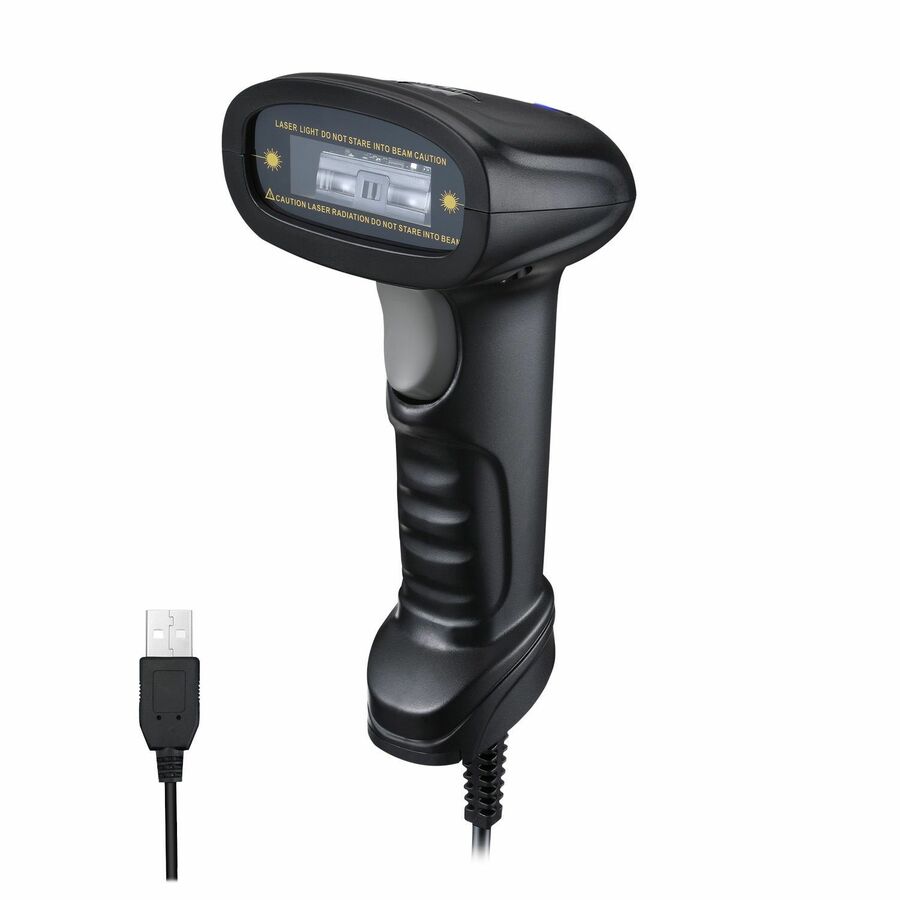
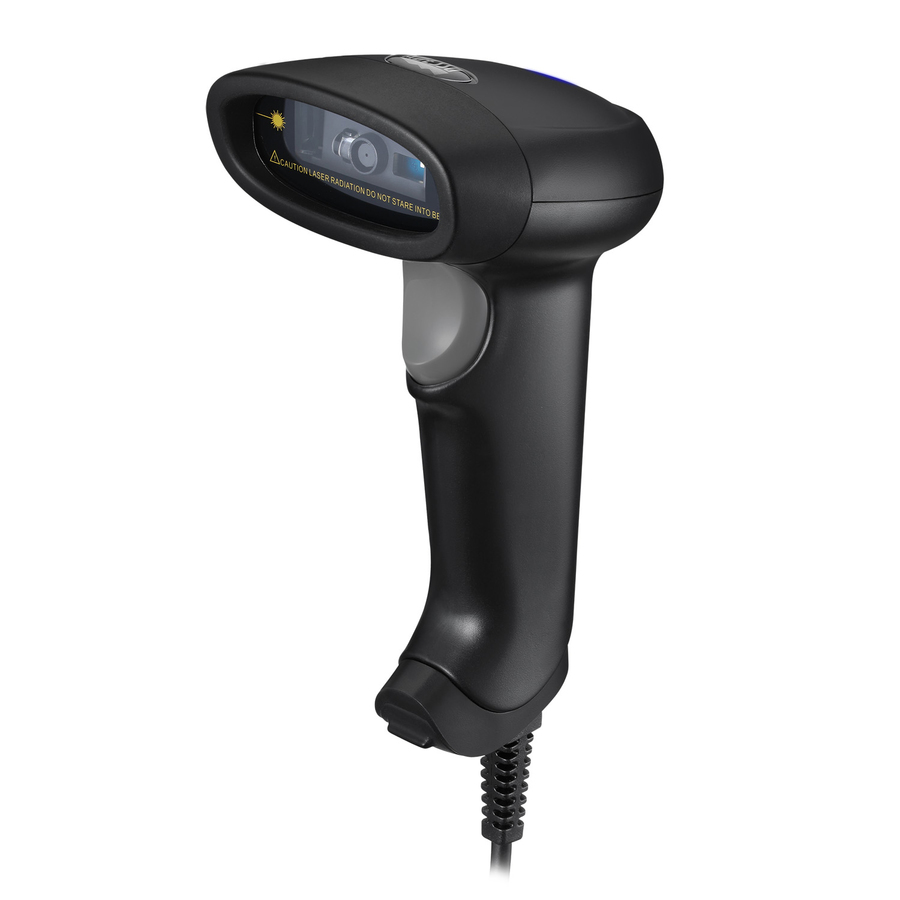
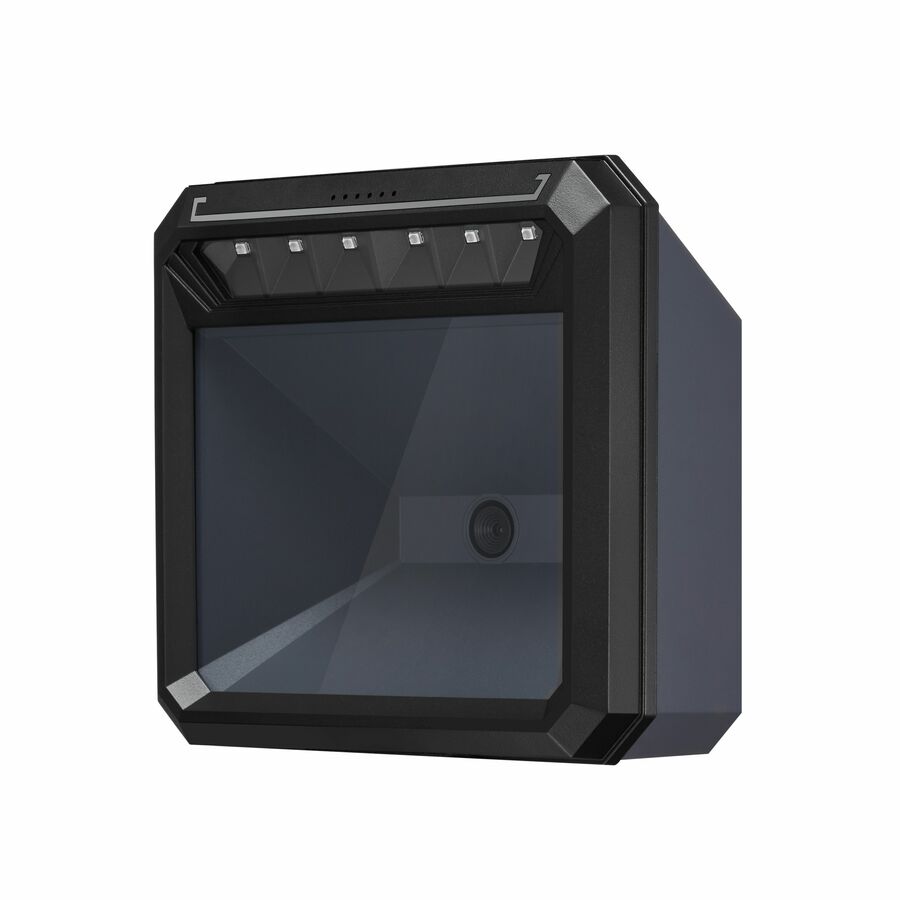
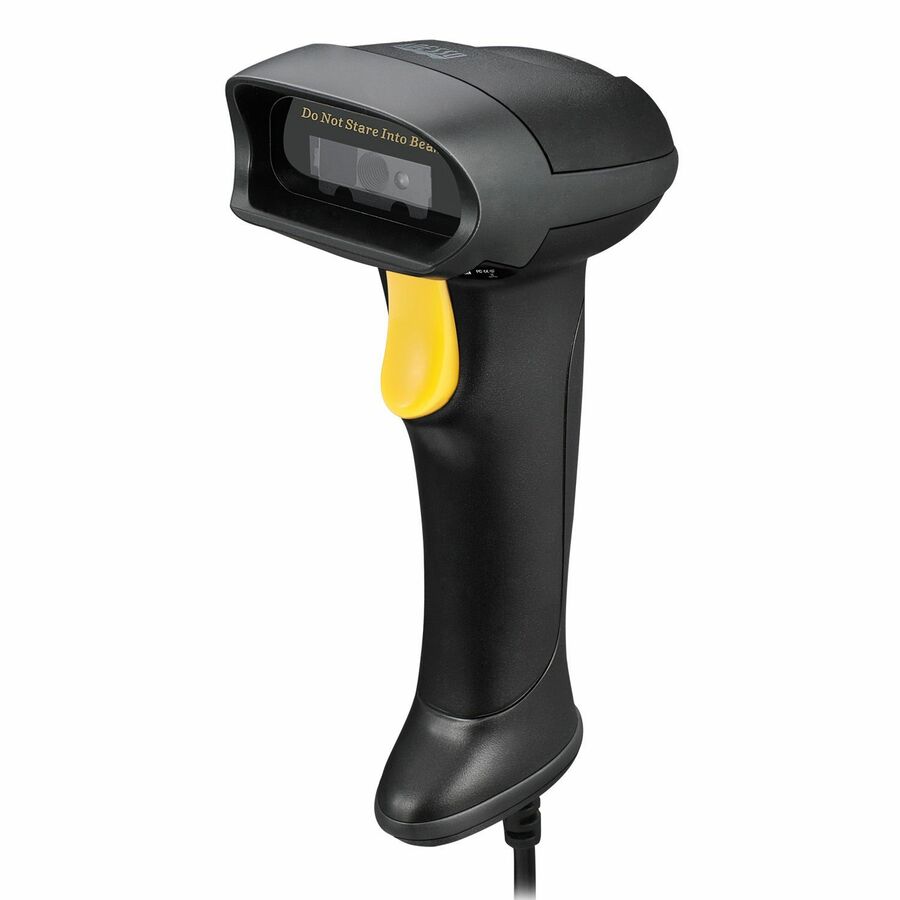
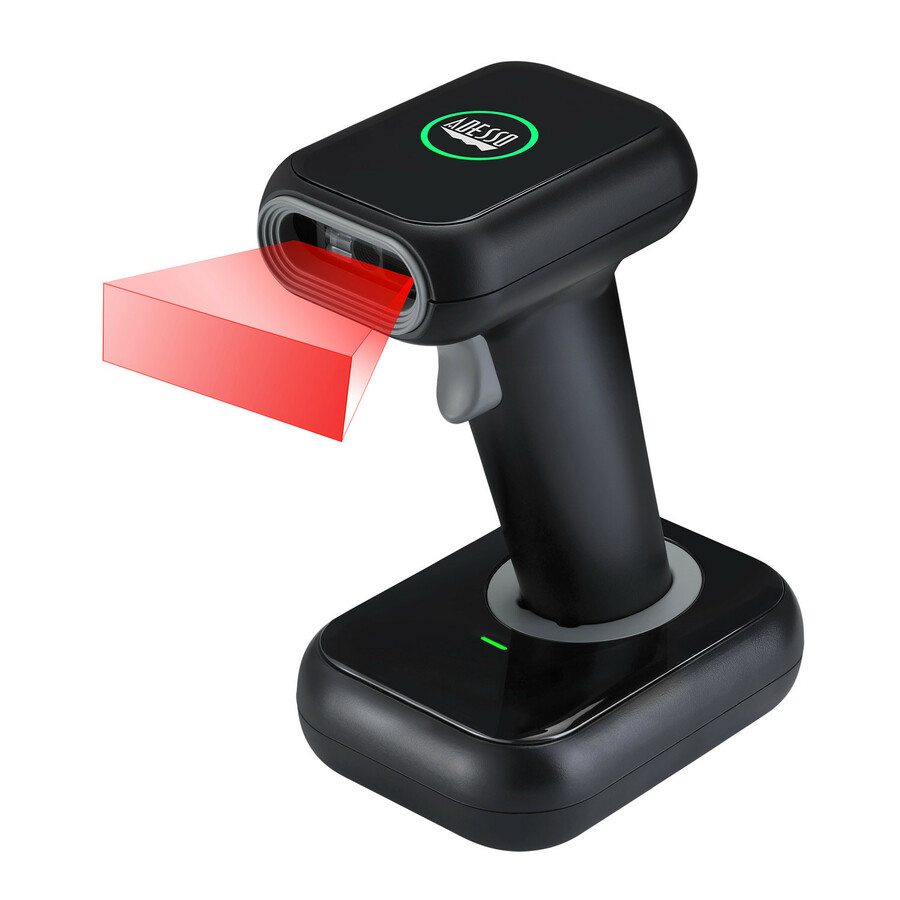
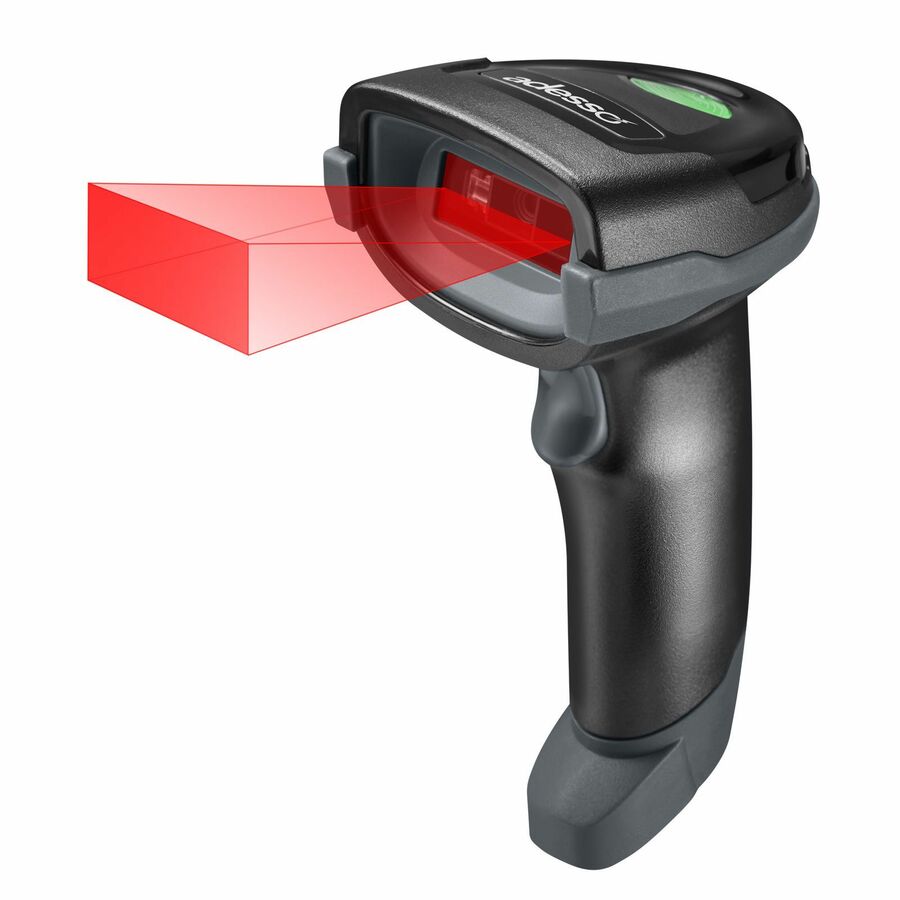
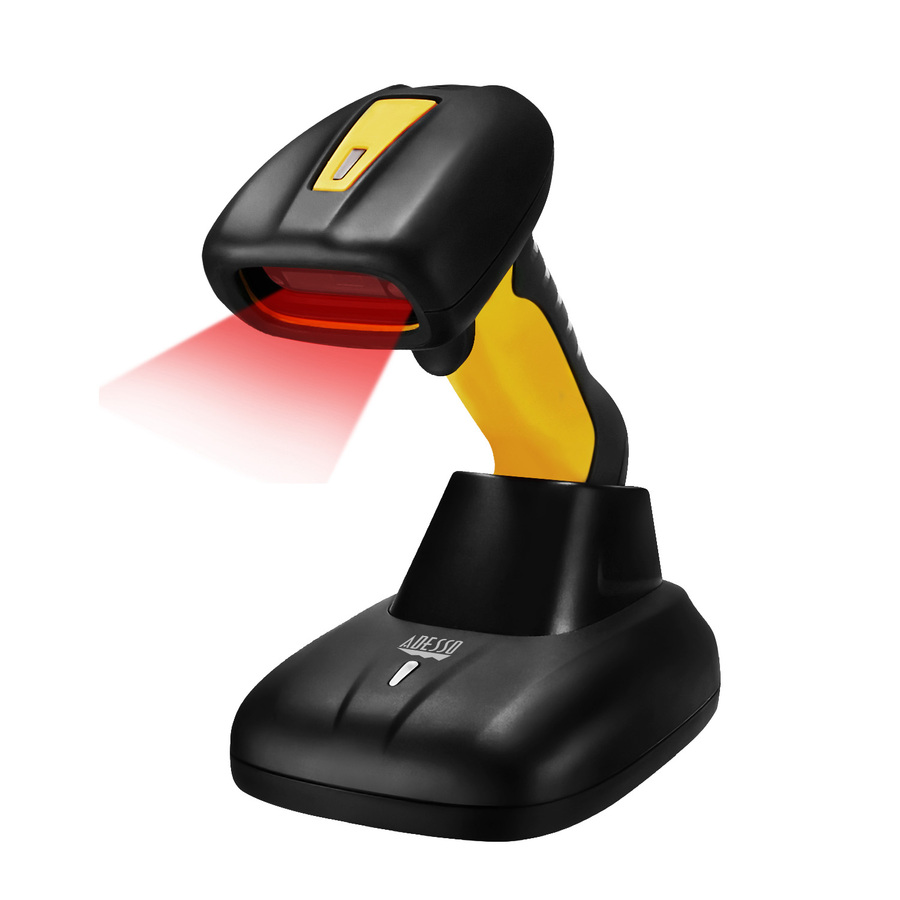
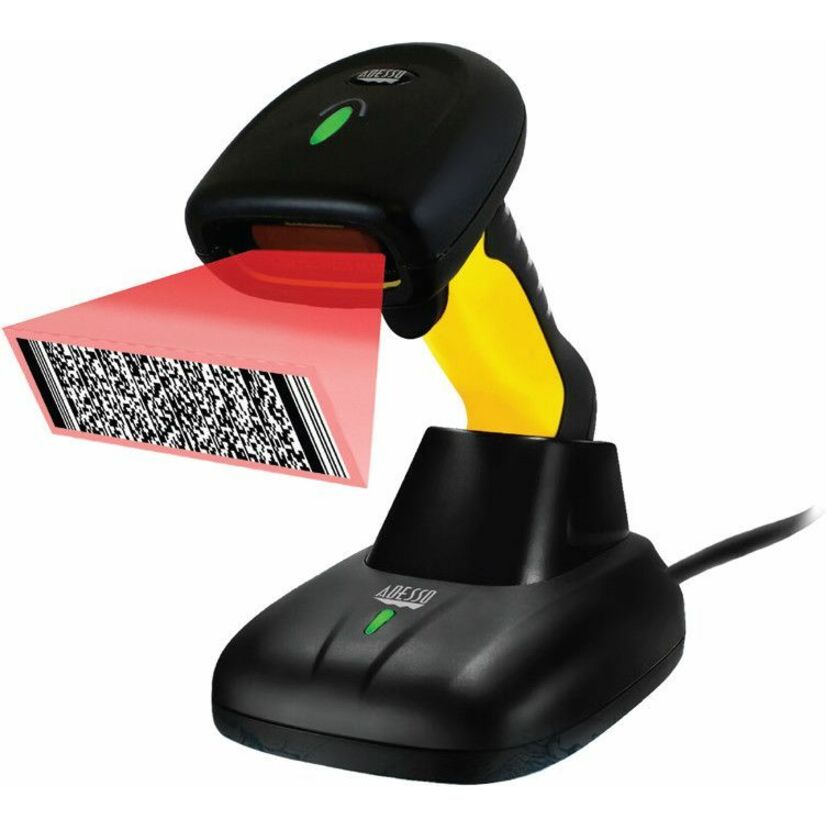
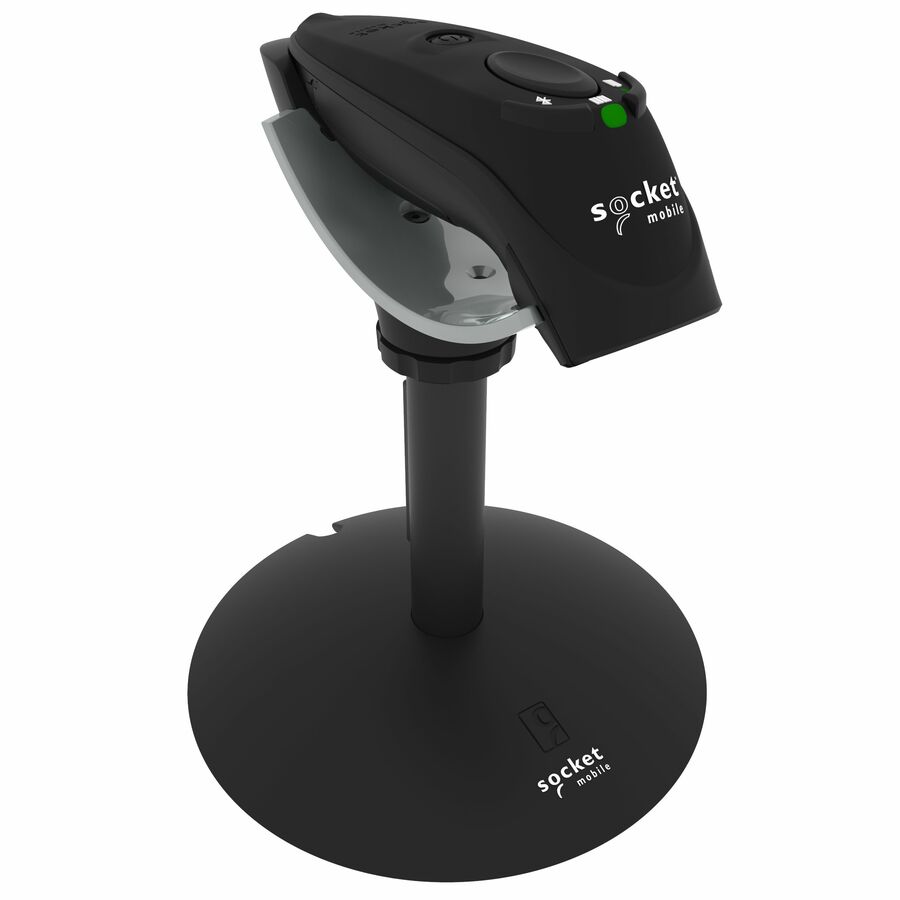

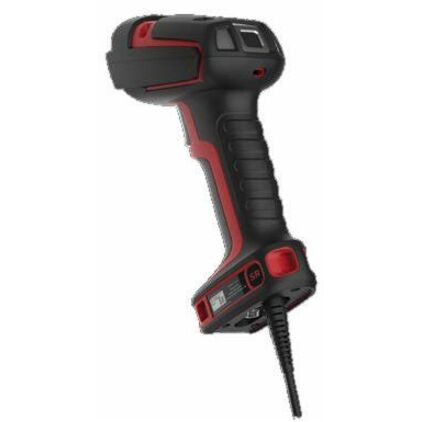

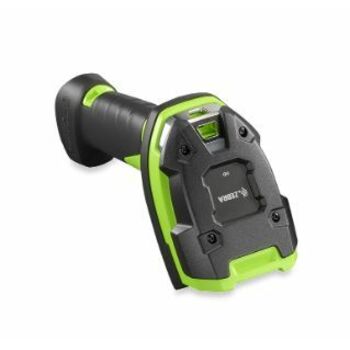
Ultra-rugged, long range
Honeywell International
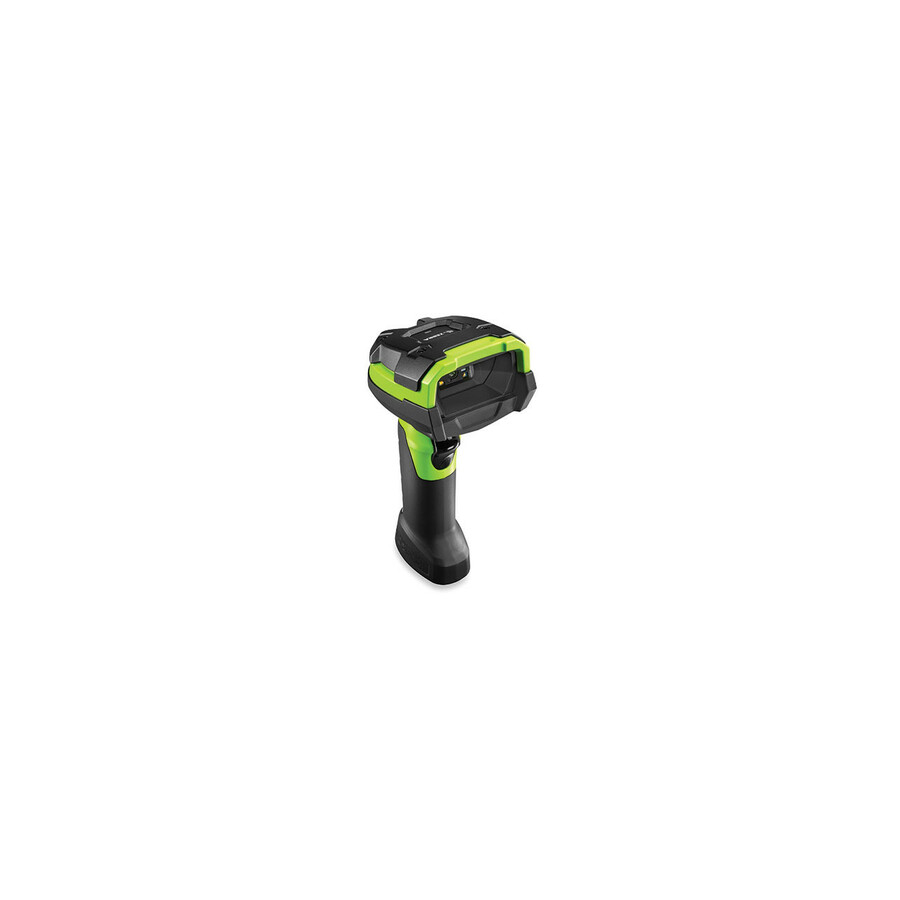
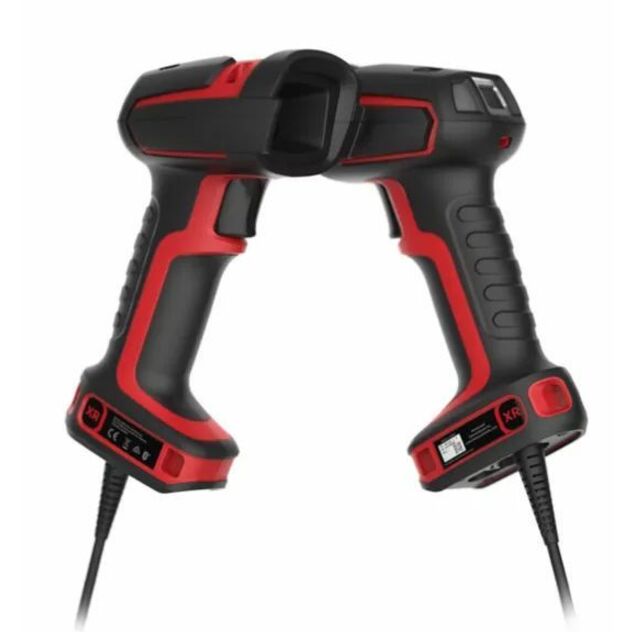
Honeywell GRANIT ULTRA 2100IXR Ultra-Rugged Area-Imaging Expanded Range…
2100IXR-3N
The Honeywell Granit Ultra 2100iXR is an ultra-rugged, extended-range area imager built for exactly this job — reading rack placards from the floor and surviving the drops and dust of a distribution centre. Read the scan-distance figure on the part number against the furthest rack label your pickers have to reach.
$804.69Back-orderedCordless area imager
Honeywell International
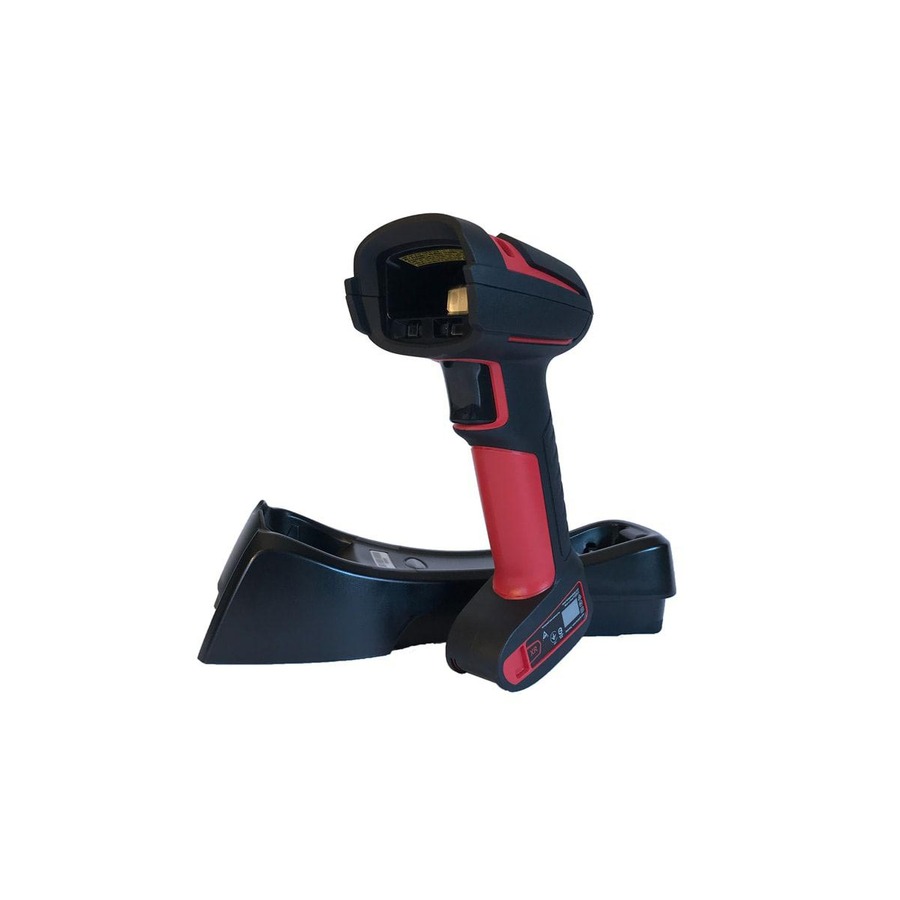
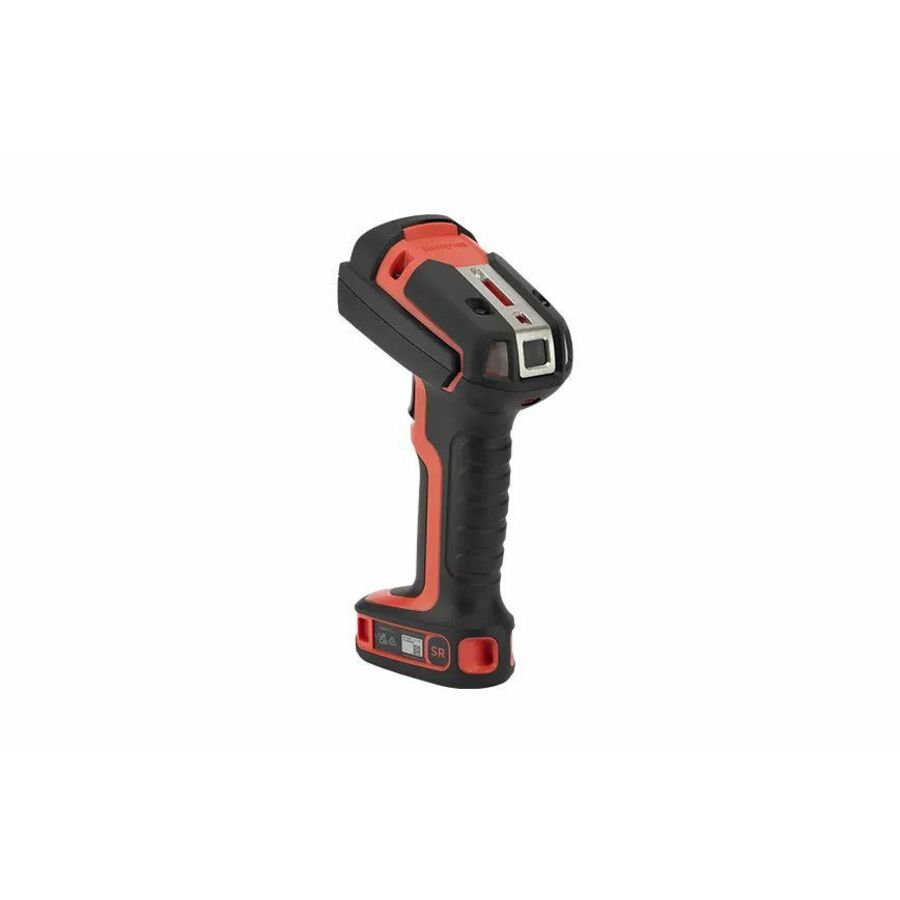
Honeywell Granit XP 1991iSR Wireless Ultra-Rugged Area-Imaging Scanner
1991ISR-3-25156
The Honeywell Granit XP 1991iSR is a wireless ultra-rugged imager for general aisle and receiving work — a cordless link so the picker moves to the goods, in a housing sealed and rated for the floor. A strong standard where most reads are hand-to-shelf rather than up a rack.
$780.31Back-orderedCompanion sled
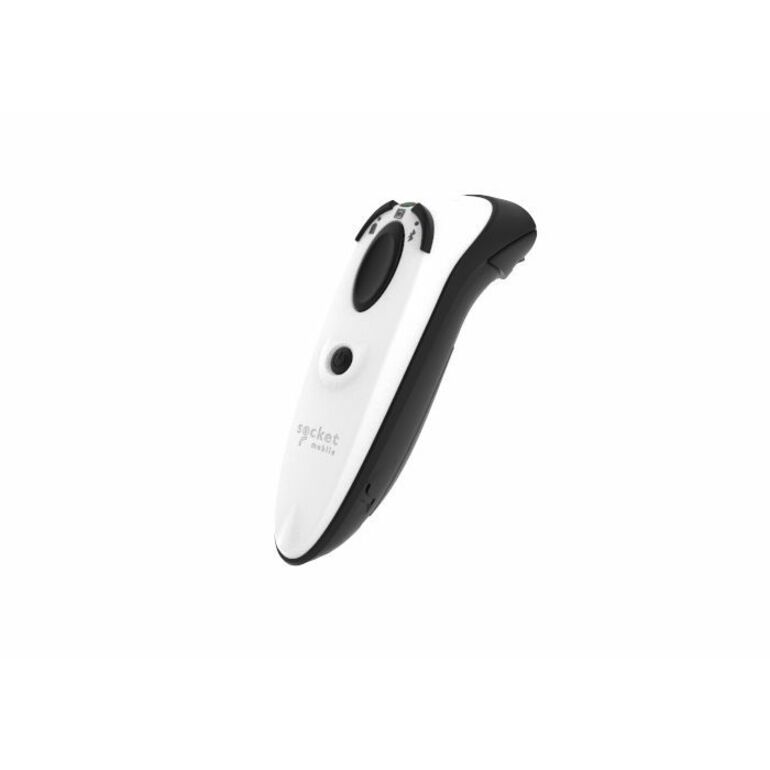
Socket Mobile
Socket Mobile DuraScan D762 Barcode Scanner
CX4334-3467
The Socket Mobile DuraScan D762 is a sealed cordless companion scanner for a phone- or tablet-based warehouse workflow — the choice where the picking app runs on a mobile device and the scanner pairs to it. Confirm the IP rating and range on the part number against your aisles.
$32,372.49Back-orderedMore barcode scanners in the Uniqcli catalog
See all 1,347 barcode scannersMore from across this category. In-stock lines lead, and a back-ordered line carries the same estimated availability its product page does — with live pricing throughout, NDAA §889 screening before checkout and TAA verified on request.
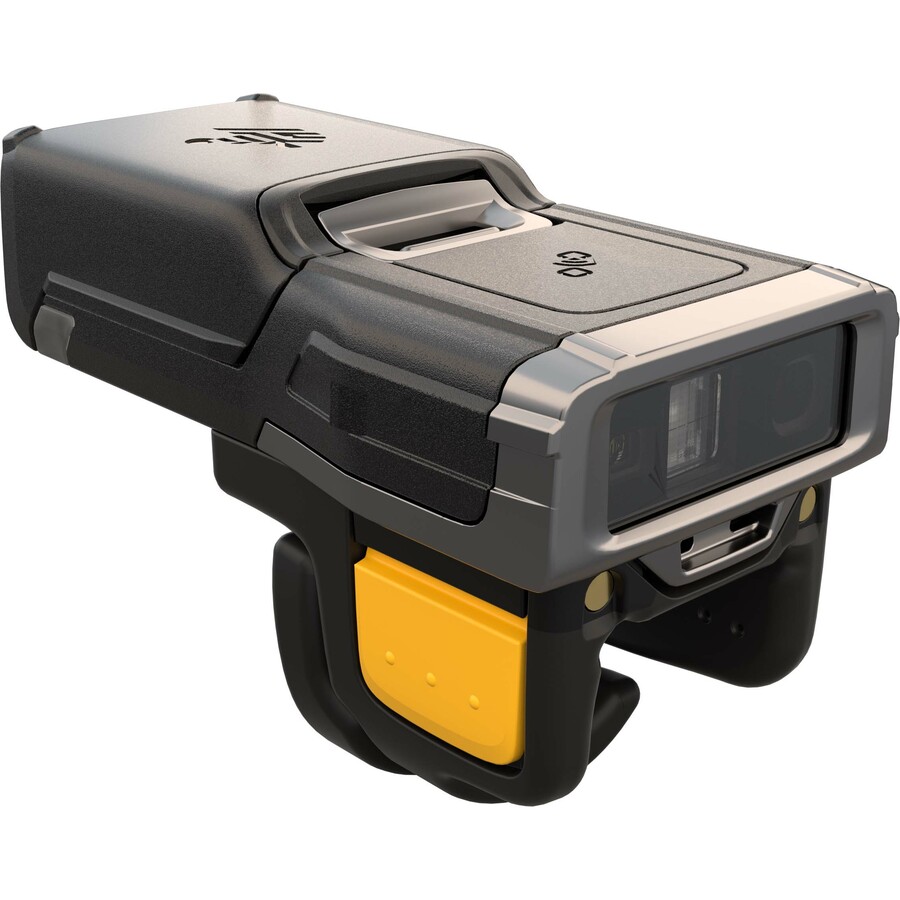
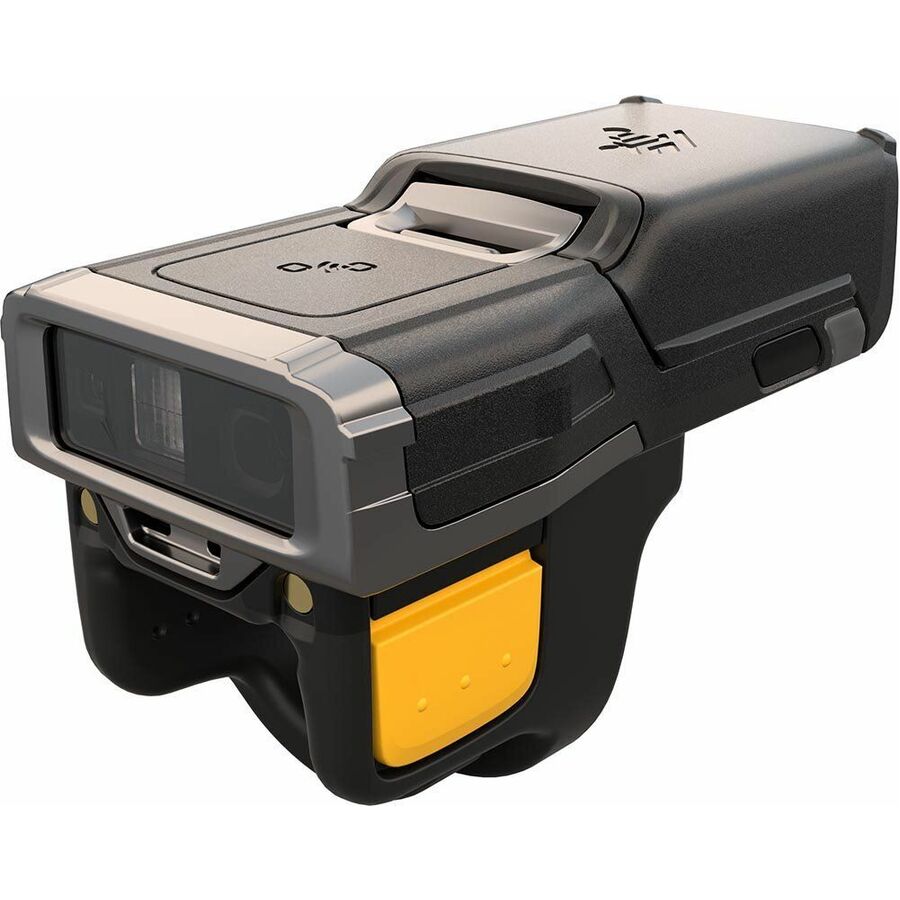
- Zebra TechnologiesZebra RS6100 Bluetooth Wearable Scanner - Wireless Connectivity - SE55Scan Engine - 72.01" Scan Distance - Laser - Bluetooth - IP65 - Warehouse, Picking, Packing, Sorting, Distribution, Manufacturing, Inventory, Component Tracking, Assembly Line, Transportation, Logistics, ...RS61B0-KFSSYWR
$1,546.83
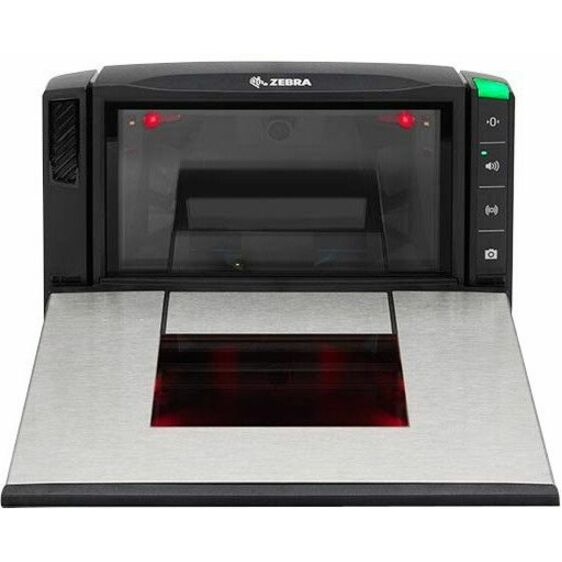
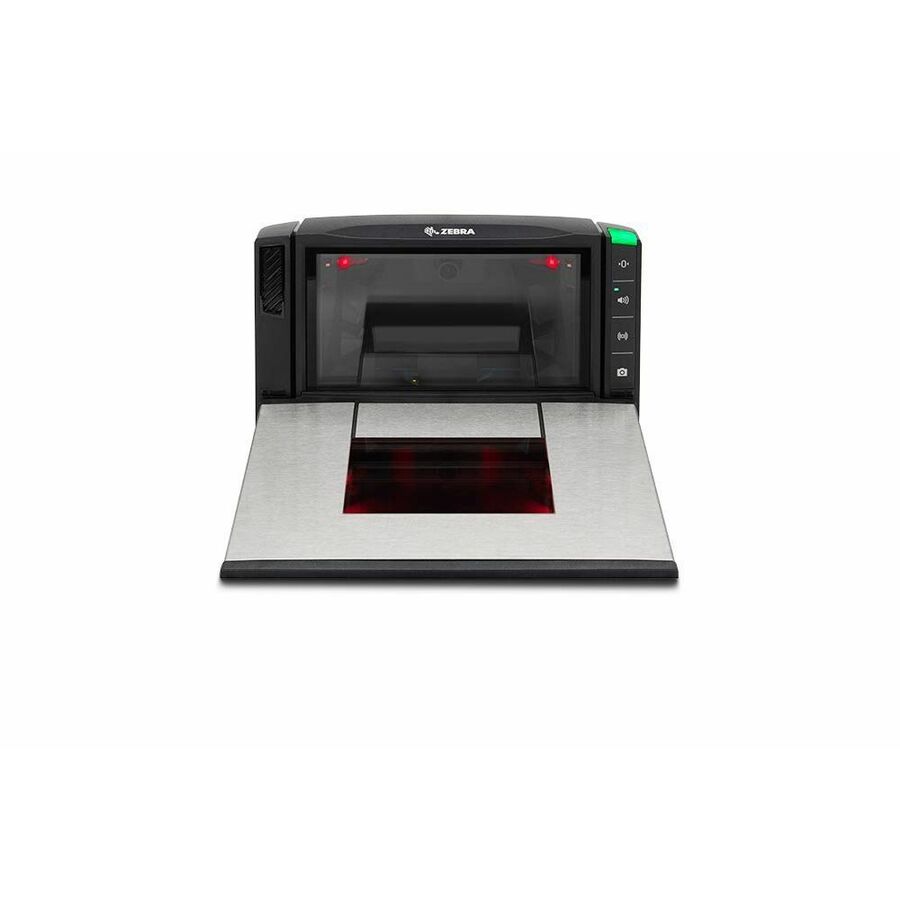
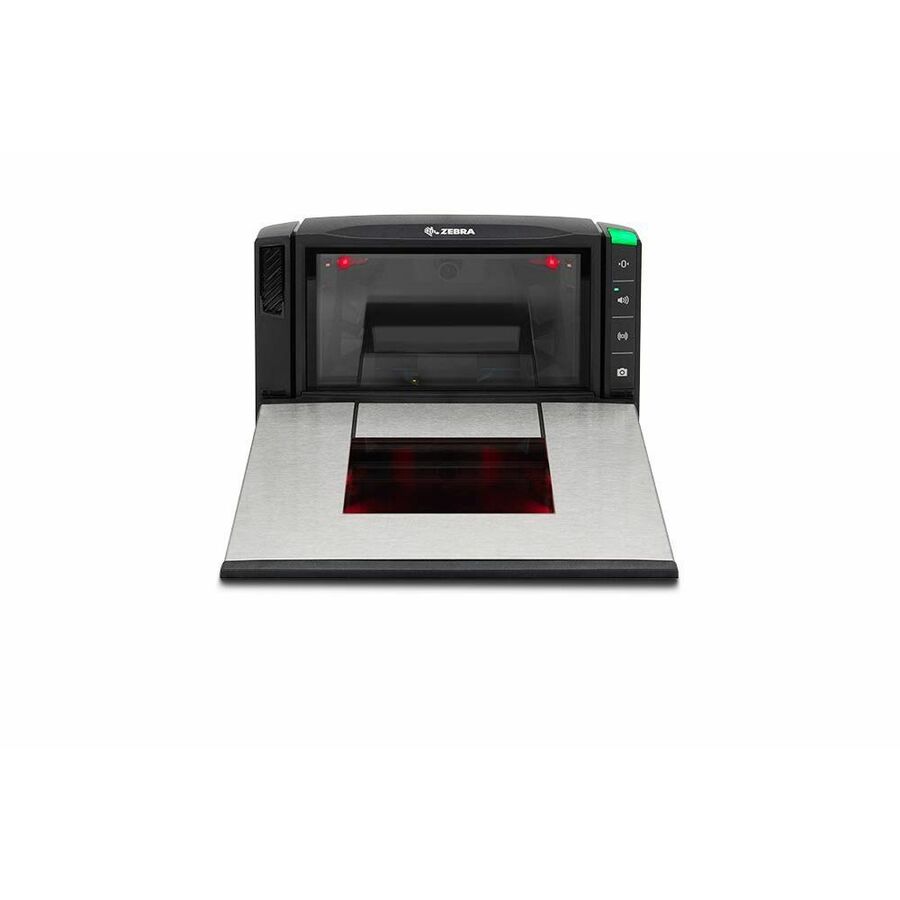
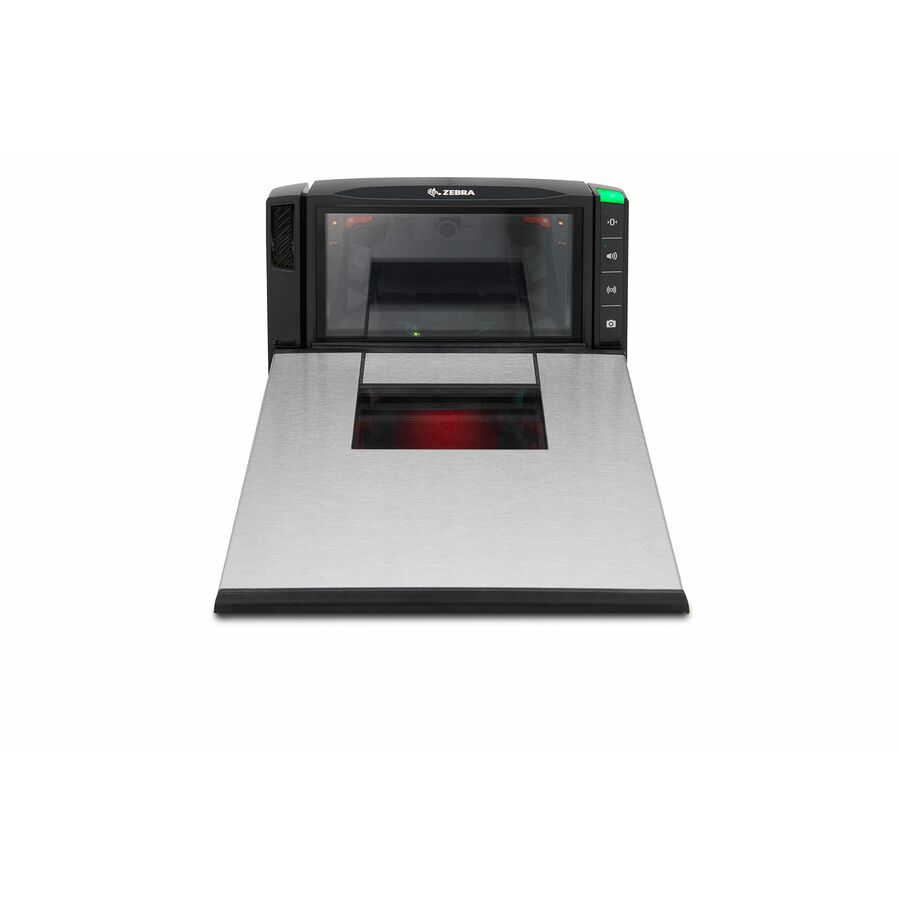
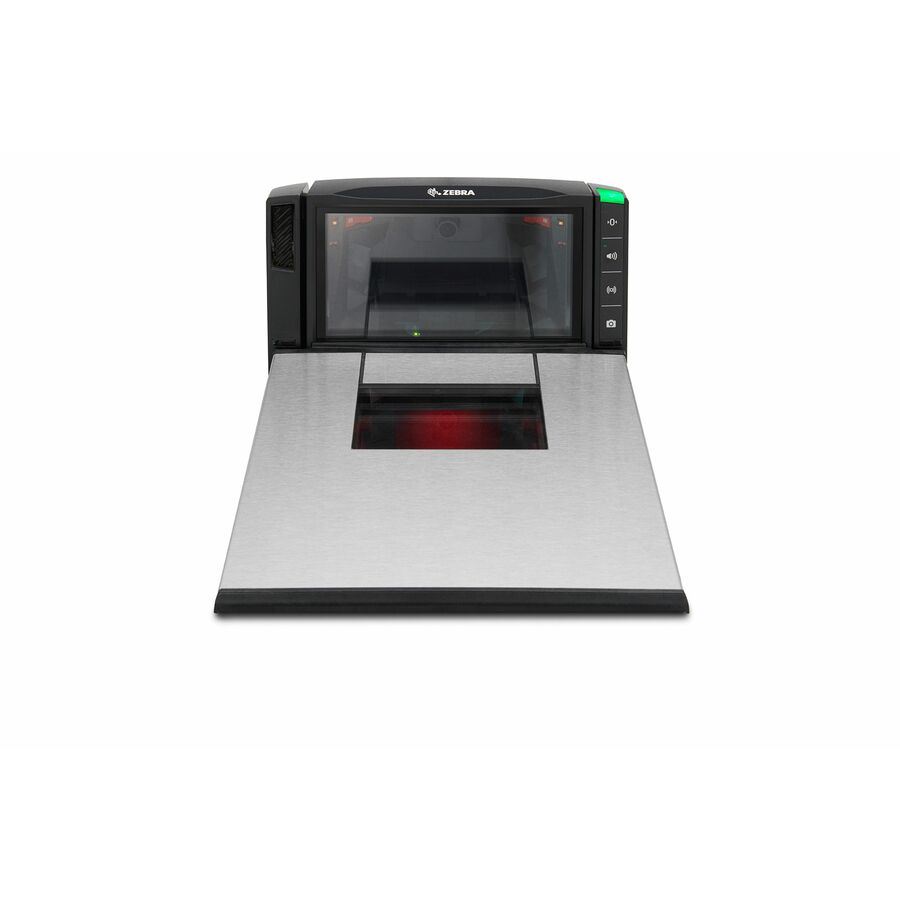
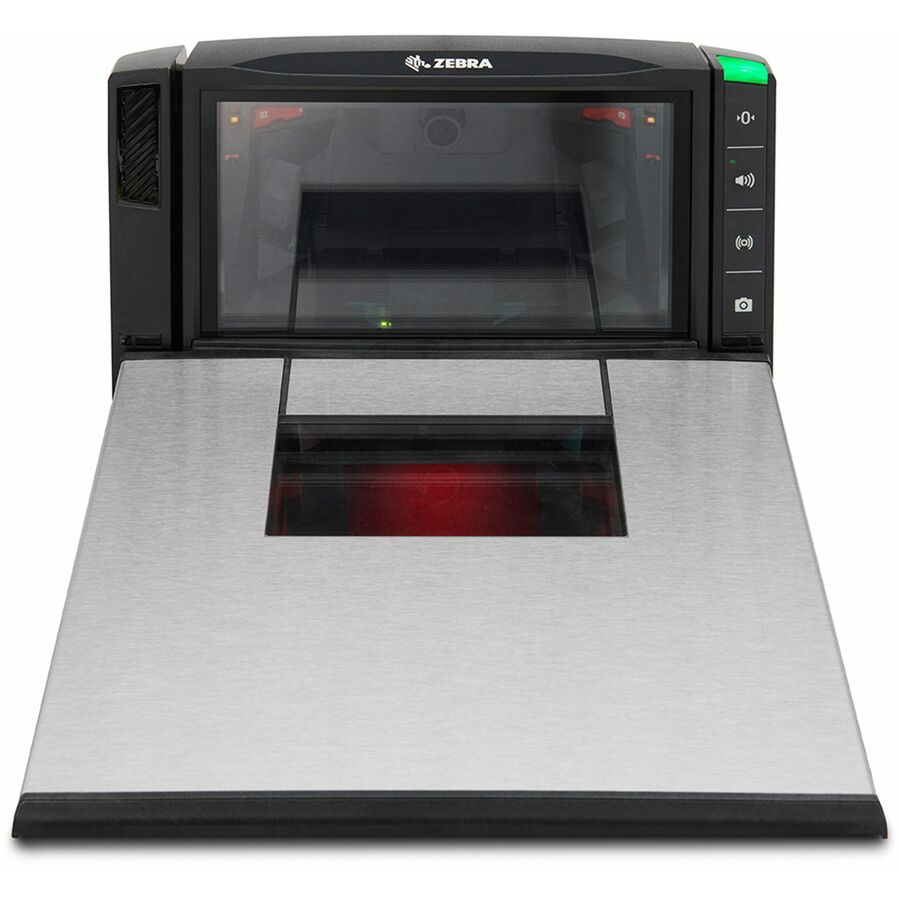
4 in stock - Zebra TechnologiesZebra MP72 MP7201 Barcode Scanner - Cable Connectivity - IP5X - Retail, Merchandising, Warehouse, Pharmacy, Self-checkout, Loyalty ProgramMP7201-LPSLL000US
$3,068.00
$2,292.72
Back-orderedBack-ordered — estimated OEM lead time 3–8 weeks (Nov 17 – Dec 22 if ordered today).
- Zebra TechnologiesZebra MP72 MP7201 Barcode Scanner - Cable Connectivity - 1D, 2D - Imager - Area - Serial, USB, IBM 46XX - IP5X - Retail, Merchandising, Warehouse, Pharmacy, Self-checkout, Loyalty ProgramMP7201-LNSLL000US
$3,016.00
$2,253.86
Back-orderedBack-ordered — estimated OEM lead time 3–8 weeks (Nov 17 – Dec 22 if ordered today).
- Zebra TechnologiesZebra MP72 MP7201 Barcode Scanner - Cable Connectivity - IP5X - Retail, Merchandising, Warehouse, Pharmacy, Self-checkout, Loyalty ProgramMP7201-LNDLL000US
$2,912.00
$2,176.14
Back-orderedBack-ordered — estimated OEM lead time 3–8 weeks (Nov 17 – Dec 22 if ordered today).
- Zebra TechnologiesZebra MP72 MP7201 Barcode Scanner - Cable Connectivity - 1D, 2D - Imager - Area - USB, Serial, IBM 46XX - IP5X - Retail, Merchandising, Warehouse, Pharmacy, Self-checkout, Loyalty ProgramMP7201-LPSLN000US
$2,756.00
$2,059.56
Back-orderedBack-ordered — estimated OEM lead time 3–8 weeks (Nov 17 – Dec 22 if ordered today).
- Zebra TechnologiesZebra MP72 MP7201 Barcode Scanner - Cable Connectivity - IP5X - Retail, Merchandising, Warehouse, Pharmacy, Self-checkout, Loyalty ProgramMP7201-LNSLN000US
$2,704.00
$2,020.70
Back-orderedBack-ordered — estimated OEM lead time 3–8 weeks (Nov 17 – Dec 22 if ordered today).
- Zebra TechnologiesZebra MP72 MP7201 Barcode Scanner - Cable Connectivity - IP5X - Retail, Merchandising, Warehouse, Pharmacy, Self-checkout, Loyalty ProgramMP7201-MNSLN000US
$2,704.00
$2,020.70
Back-orderedBack-ordered — estimated OEM lead time 3–8 weeks (Nov 17 – Dec 22 if ordered today).
- Zebra TechnologiesZebra MP72 MP7201 Barcode Scanner - Cable Connectivity - IP5X - Retail, Merchandising, Warehouse, Pharmacy, Self-checkout, Loyalty ProgramMP7201-LNDLN000US
$2,600.00
$1,942.98
Back-orderedBack-ordered — estimated OEM lead time 3–8 weeks (Nov 17 – Dec 22 if ordered today).
- Zebra TechnologiesZebra MP72 MP7201 Barcode Scanner - Cable Connectivity - IP5X - Retail, Merchandising, Warehouse, Pharmacy, Self-checkout, Loyalty ProgramMP7201-MNDLN000US
$2,600.00
$1,942.98
Back-orderedBack-ordered — estimated OEM lead time 3–8 weeks (Nov 17 – Dec 22 if ordered today).
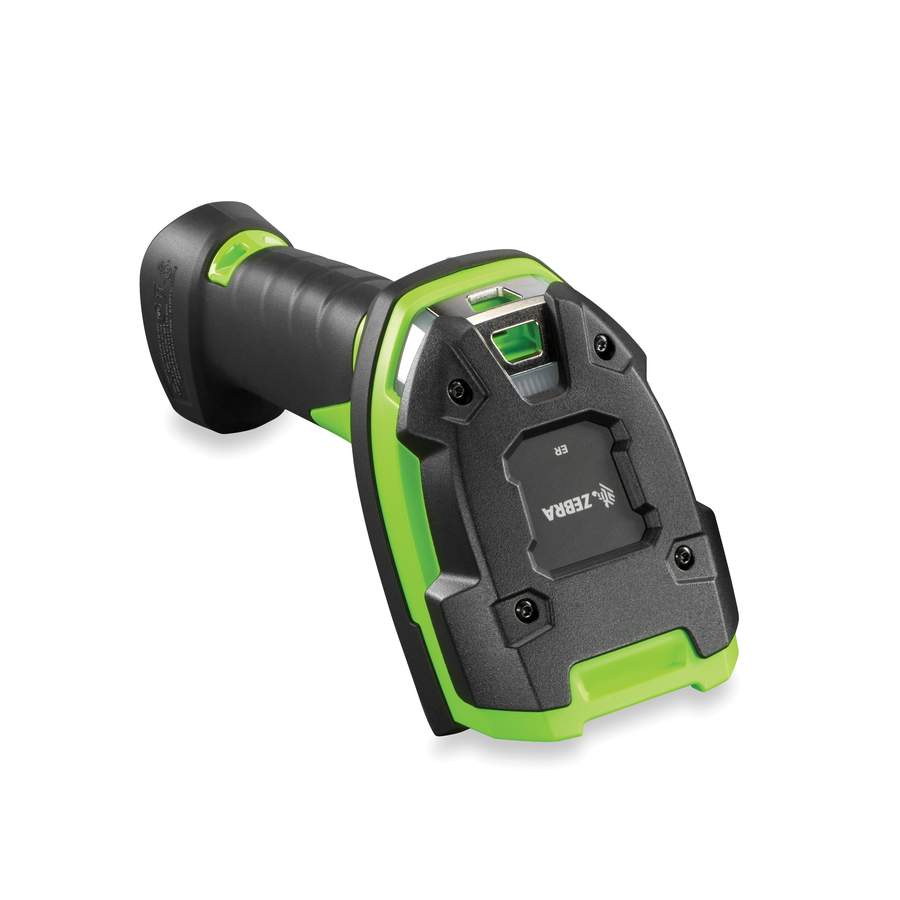
- Zebra TechnologiesZebra DS3678-ER Ultra-Rugged Scanner - Wireless Connectivity - 1D, 2D - Imager - Bluetooth - Ethernet, Serial - Industrial Green - IP65, IP67 - Serial - Industrial, Warehouse, ManufacturingDS3678-ER3RF50BS1W
$2,474.05
$1,848.86
Back-orderedBack-ordered — estimated OEM lead time 3–8 weeks (Nov 17 – Dec 22 if ordered today).
- Zebra TechnologiesZebra MP7200 Barcode Scanner - 1D, 2D - CMOS - IP5X - Retail, Merchandising, Warehouse, Pharmacy, Self-checkout, Loyalty ProgramMP7200-MCSFL000WW
$2,423.20
$1,810.86
Back-orderedBack-ordered — estimated OEM lead time 3–8 weeks (Nov 17 – Dec 22 if ordered today).
- Zebra TechnologiesZebra MP7200 Barcode Scanner - CMOS - IP5X - Retail, Merchandising, Warehouse, Pharmacy, Self-checkout, Loyalty ProgramMP7200-MNS0L000WW
$2,418.00
$1,806.97
Back-orderedBack-ordered — estimated OEM lead time 3–8 weeks (Nov 17 – Dec 22 if ordered today).
- Zebra TechnologiesZebra MP7200 Barcode Scanner - CMOS - IP5X - Retail, Merchandising, Warehouse, Pharmacy, Self-checkout, Loyalty ProgramMP7200-SNS0L000WW
$2,418.00
$1,806.97
Back-orderedBack-ordered — estimated OEM lead time 3–8 weeks (Nov 17 – Dec 22 if ordered today).
- Zebra TechnologiesZebra MP7200 Barcode Scanner - Cable Connectivity - CMOS - IP5X - Retail, Merchandising, Warehouse, Pharmacy, Self-checkout, Loyalty ProgramMP7200-MNSFL000WW
$2,386.80
$1,783.65
Back-orderedBack-ordered — estimated OEM lead time 3–8 weeks (Nov 17 – Dec 22 if ordered today).
- Zebra TechnologiesZebra MP7200 Barcode Scanner - 1D, 2D - CMOS - IP5X - Retail, Merchandising, Warehouse, Pharmacy, Self-checkout, Loyalty ProgramMP7200-MNDFL000WW
$2,282.80
$1,705.93
Back-orderedBack-ordered — estimated OEM lead time 3–8 weeks (Nov 17 – Dec 22 if ordered today).
- Honeywell InternationalHoneywell GRANIT ULTRA 2105iXLR Barcode Scanner Kit - Cable/Wireless Connectivity - 98.43 ft Scan Distance - 1D, 2D - Laser - Imager - Area - Bluetooth, Radio Frequency - USB, Serial, Keyboard Wedge - Red - IP65, IP68 - Serial Cable Included - Warehouse, Distribution, Manufacturing2105IXLR-3SER-CLHN
$1,895.16
$1,356.37
Back-orderedBack-ordered — estimated OEM lead time 3–8 weeks (Nov 17 – Dec 22 if ordered today).
- Zebra TechnologiesZebra MP7200 Barcode Scanner - Cable Connectivity - CMOS - IP5X - Retail, Merchandising, Warehouse, Pharmacy, Self-checkout, Loyalty ProgramMP7200-MPS0N000WW
$2,126.80
$1,589.35
Back-orderedBack-ordered — estimated OEM lead time 3–8 weeks (Nov 17 – Dec 22 if ordered today).
- Zebra TechnologiesZebra MP7200 Barcode Scanner - Cable Connectivity - CMOS - IP5X - Retail, Merchandising, Warehouse, Pharmacy, Self-checkout, Loyalty ProgramMP7200-LPS0N000WW
$2,126.80
$1,589.35
Back-orderedBack-ordered — estimated OEM lead time 3–8 weeks (Nov 17 – Dec 22 if ordered today).
- Zebra TechnologiesZebra MP7200 Barcode Scanner - Cable Connectivity - CMOS - IP5X - Retail, Merchandising, Warehouse, Pharmacy, Self-checkout, Loyalty ProgramMP7200-SPS0N000WW
$2,126.80
$1,589.35
Back-orderedBack-ordered — estimated OEM lead time 3–8 weeks (Nov 17 – Dec 22 if ordered today).
- Zebra TechnologiesZebra MP7200 Barcode Scanner - 1D, 2D - CMOS - IP5X - Retail, Merchandising, Warehouse, Pharmacy, Self-checkout, Loyalty ProgramMP7200-MCSFN000WW
$2,111.20
$1,577.71
Back-orderedBack-ordered — estimated OEM lead time 3–8 weeks (Nov 17 – Dec 22 if ordered today).
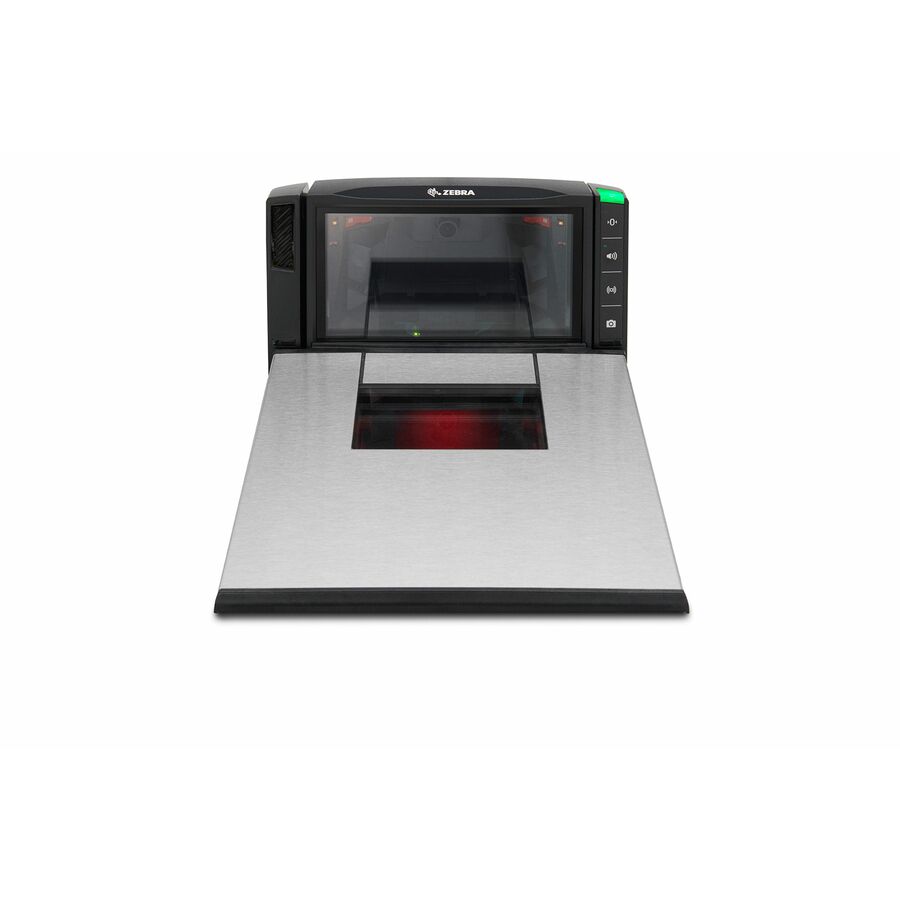
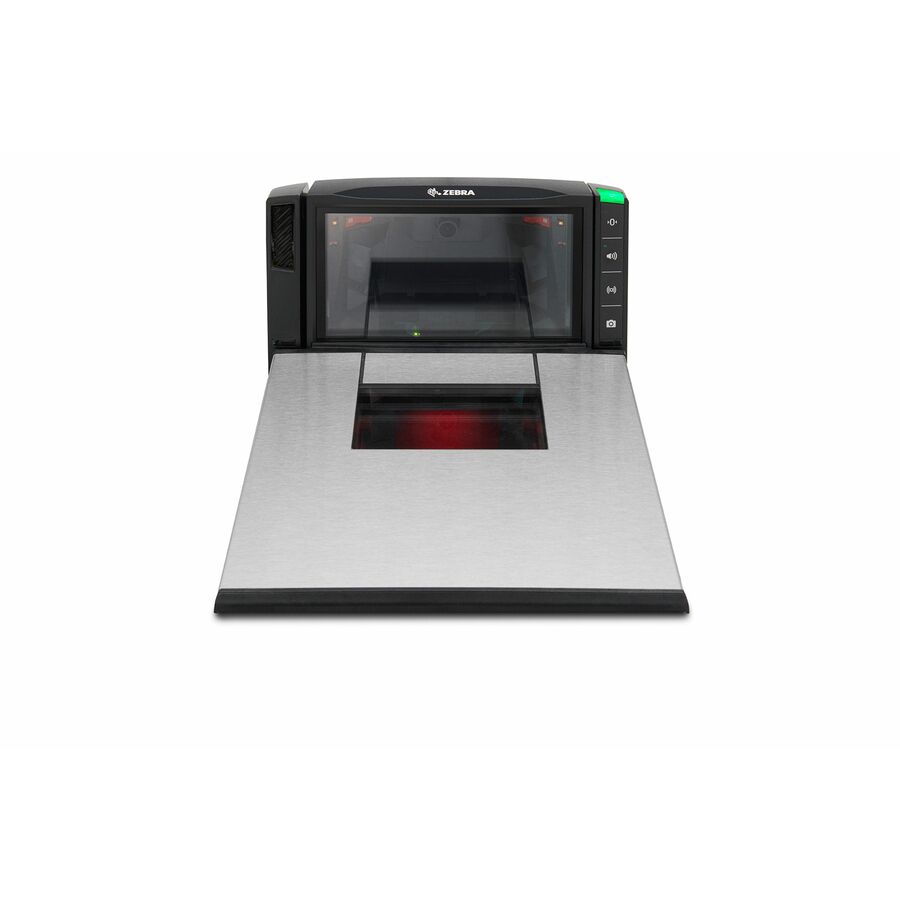
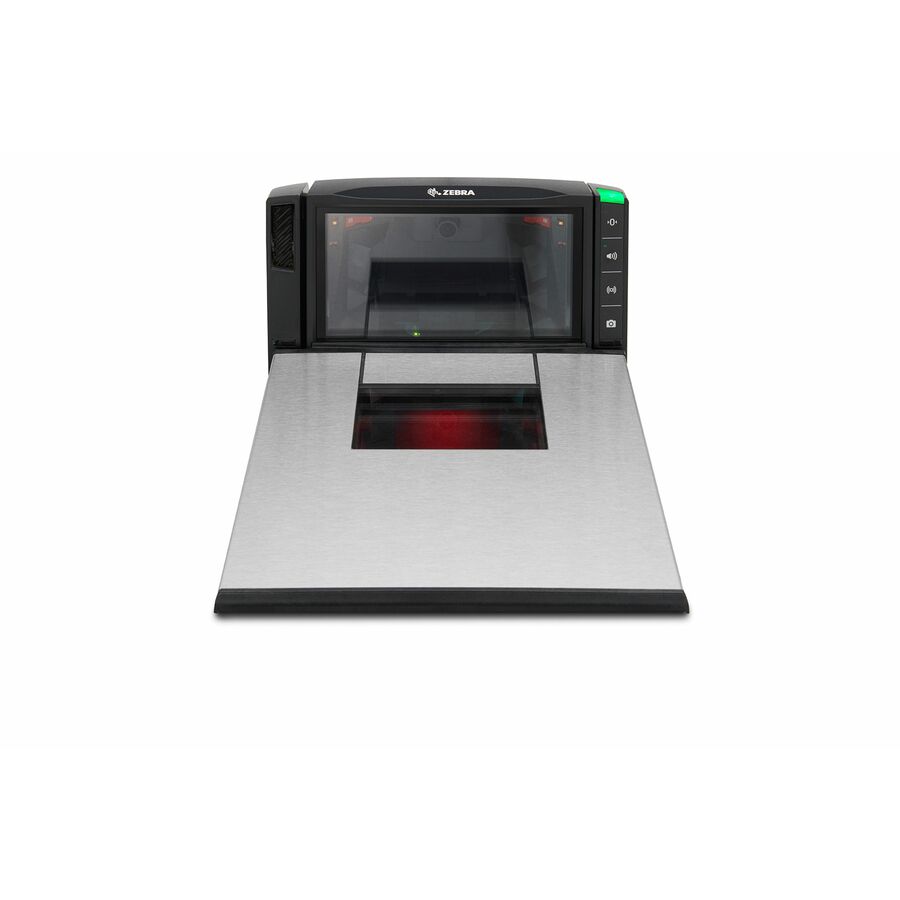
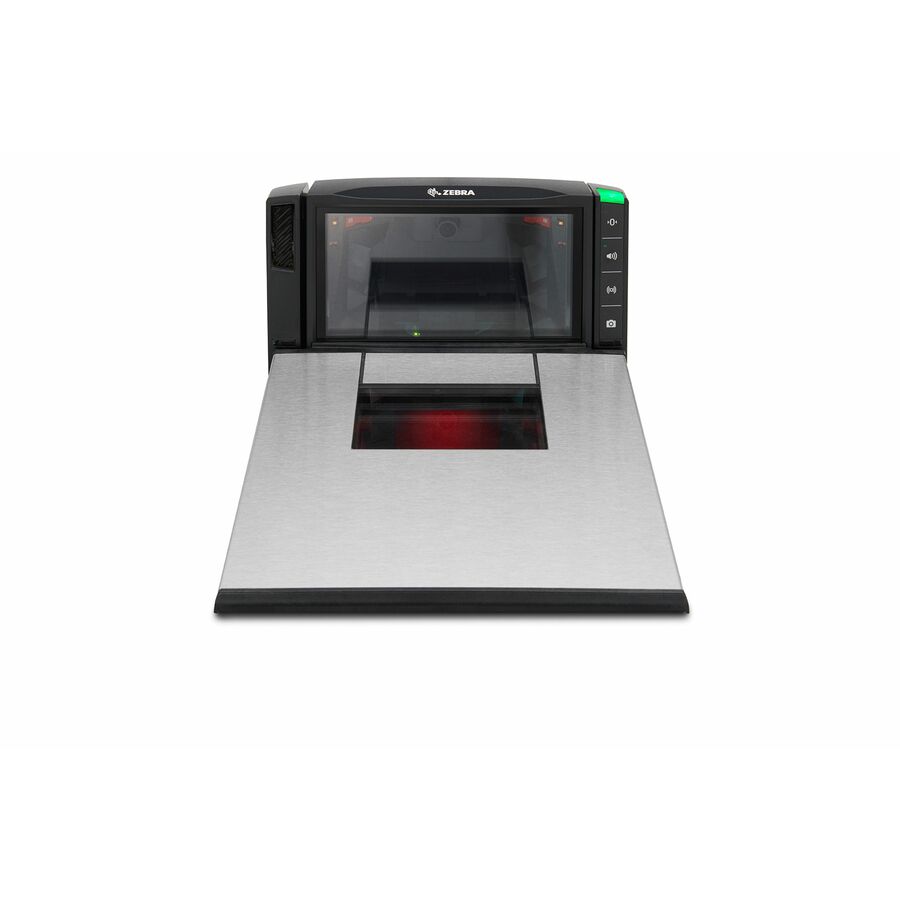
Need pricing on warehouse barcode scanners?
Tell us where to reach you and a Uniqcli specialist will follow up by email with current pricing, availability and lead time for the quantities you need — including parts that aren’t shown on this page.
Buying for an organization or for yourself — both work. No payment up front.
A warehouse barcode scanner is bought for a shift, not a transaction. It reads thousands of labels a day, gets dropped on concrete, works down a cold aisle and across a loading bay, and has to keep decoding when the label is scuffed, shrink-wrapped or forty feet up a rack. That is a different specification from a retail counter unit, and buying a counter scanner for a warehouse is a decision that shows up as failed reads and cracked housings inside the first quarter. Everything below is drawn live from what Uniqcli lists, sorted so in-stock units appear first, and every card names Warehouse among its intended applications in the manufacturer's own product title.
The first fork is range, because a warehouse is a building of distances. A standard-range imager reads a carton in the hand; a mid-range unit reads a shelf label an arm away without the picker climbing; and a long-range or extended-range scanner reads a placard on a pallet high on a rack from the floor, which is the difference between a fast pick path and a ladder. Match the range to the furthest label a worker has to read without moving to it, and read the scan-distance figure on the exact part number — reach is where a warehouse scanner is most often under-bought.
After range come the things that decide whether a unit survives the floor. A sealing rating (IP54 through IP68) says how it handles dust, spray and a drop; a cordless Bluetooth link frees a picker from a tethered station; and the form factor — pistol-grip for sustained scanning, wearable ring or wrist for hands-free picking and sorting, sled or companion for a phone-based workflow — follows the motion of the job. Read the range, sealing and form stated in each product title against the aisle, the labels and the way your pickers actually move, and standardize on one family so configuration and support stay uniform across a shift.
Buyer's checklist
How to choose a warehouse barcode scanner
- Match the scan range to the furthest label a worker reads without moving to it — standard range for cartons in hand, mid-range for shelf labels, long-range for rack placards read from the floor.
- Specify a sealing rating for the environment: IP54 and up for dust and spray, a higher IP and a stated drop spec for cold storage, loading bays and concrete floors.
- Choose the tether by the workflow — cordless Bluetooth where the picker moves through aisles, corded only for a fixed receiving or pack station that never moves.
- Pick the form factor from the motion: pistol-grip for sustained scanning, a wearable ring or wrist unit for hands-free picking and sorting, a sled or companion for a phone-based workflow.
- Confirm the unit reads 2D — warehouse labels increasingly carry DataMatrix and QR alongside the older 1D barcodes, and a linear-only scanner ages badly as the label estate changes.
- Check battery life and the charging story against a full shift, and whether a spare-battery or cradle model fits how the floor actually works.
- Standardize on one scanner family so decode behaviour, configuration barcodes and helpdesk scripts stay identical across every picker and pack station.
Range is the first specification
A warehouse is defined by distance, and the range of the scanner is what decides whether a pick is a reach or a climb. A standard-range area imager reads a label in the hand or a carton on a conveyor; a mid-range unit reads a shelf label an arm's length away so a picker does not have to bend or step in; and a long-range or extended-range scanner reads a placard high on a rack or across a dock door from the floor. Getting range wrong is the most common and most expensive warehouse-scanner mistake, because the cost of the wrong range is not a failed read — it is a worker walking to the label a hundred times a shift.
Read the scan-distance figure on the exact part number rather than trusting the family name, because the same model line often ships in standard, extended and ultra-long-range variants that look identical. Size the range to the furthest label a worker has to read without moving to it, and where a facility mixes hand scanning at a pack bench with rack reads on a forklift, that is usually two different scanners, not one compromise unit that does neither job well.
Surviving the floor
A warehouse scanner earns its cost by not being replaced. The sealing rating is the headline: an IP54 unit resists dust and spray, while cold-storage, wash-down and heavy dust environments want a higher IP and a stated drop-to-concrete specification. Read both on the part number, because a scanner that cannot take a drop from a picker's hand or a cart onto a hard floor is a scanner the floor will destroy, and the ultra-rugged area imagers in this category exist precisely because that is the environment they are built for.
The tether and the form factor are the other survival choices. A cordless Bluetooth link is nearly always right in a warehouse because the picker moves and the item does not come to a station; a corded unit only fits a fixed receiving or pack bench. Form factor follows the motion — a pistol grip for sustained trigger scanning, a wearable ring or wrist scanner for hands-free picking and sorting where both hands are needed for the goods, and a sled or companion where the workflow lives on a phone. Match it to how pickers actually move, not to a datasheet.
Symbology, battery and standardizing the fleet
The label estate is moving to 2D, so buy for it. Warehouse and logistics labels increasingly carry DataMatrix and QR alongside the older 1D barcodes on cartons and manifests, and a 2D area imager reads all of them where a linear-only scanner reads only the old ones. Buying 1D because today's labels are 1D is the decision most often regretted inside the refresh cycle, because the labels change and the scanner does not.
Battery and standardization decide whether the fleet runs a shift. Check the rated battery life and the charging model — spare-battery swaps versus cradle charging — against a full shift and the breaks the floor actually takes. Then standardize on one scanner family, because a single family means one set of configuration barcodes, one decode behaviour and one helpdesk script across every picker, pack station and forklift, which is the difference between a fleet you support and a drawer of mismatched units you fight.
FAQ
Common questions
- What scan range does a warehouse barcode scanner need?
- Match the range to the furthest label a worker has to read without moving to it. A standard-range area imager reads a label in the hand or a carton on a conveyor; a mid-range unit reads a shelf label an arm away; and a long-range or extended-range scanner reads a placard high on a rack or across a dock door from the floor. Read the scan-distance figure on the exact part number, since the same model line often ships in standard, extended and ultra-long-range variants — and where a facility mixes bench scanning with rack reads, that is usually two scanners, not one.
- How rugged does a warehouse scanner have to be?
- Rugged enough for the specific floor. The sealing rating is the headline — IP54 resists dust and spray, while cold storage, wash-down and heavy-dust environments want a higher IP and a stated drop-to-concrete specification. Read both on the part number, because a scanner that cannot survive a drop from a picker's hand or a cart onto a hard floor is one the environment will destroy. The ultra-rugged area imagers in this category are built specifically for warehouse and distribution work, which is why they carry higher sealing and drop ratings than a retail unit.
- Should warehouse scanners be corded or cordless?
- Cordless is nearly always right in a warehouse because the picker moves through aisles and the item does not come to a station — a cordless Bluetooth scanner follows the worker to the goods. A corded unit only fits a fixed receiving or pack bench that never moves. The form factor follows the motion too: a pistol grip for sustained trigger scanning, a wearable ring or wrist unit for hands-free picking and sorting, and a sled or companion where the workflow runs on a phone. Match the tether and form to how your pickers actually work.
- Can Uniqcli quote a fleet of warehouse scanners?
- Every line Uniqcli quotes is sourced through US distribution and screened for TAA country-of-origin and NDAA §889 status before checkout — with documentation tied to the specific part number, not a product family.
Need warehouse barcode scanners pricing?
Send a bill of materials or part numbers — we confirm stock and a below-market total, with TAA verified on request. No payment up front.