
Best Barcode Scanners for Warehouse, Retail and Healthcare
Corded, wireless, pocket and presentation barcode scanners for warehouse, retail, clinical and asset-tracking work.
Barcode scanners in stock at Uniqcli
How to choose →A curated selection with live pricing — in-stock lines first, then back-ordered lines with a typical lead time. Every line is sourced through US distribution and screened for NDAA §889 status before checkout, with TAA verified on request.
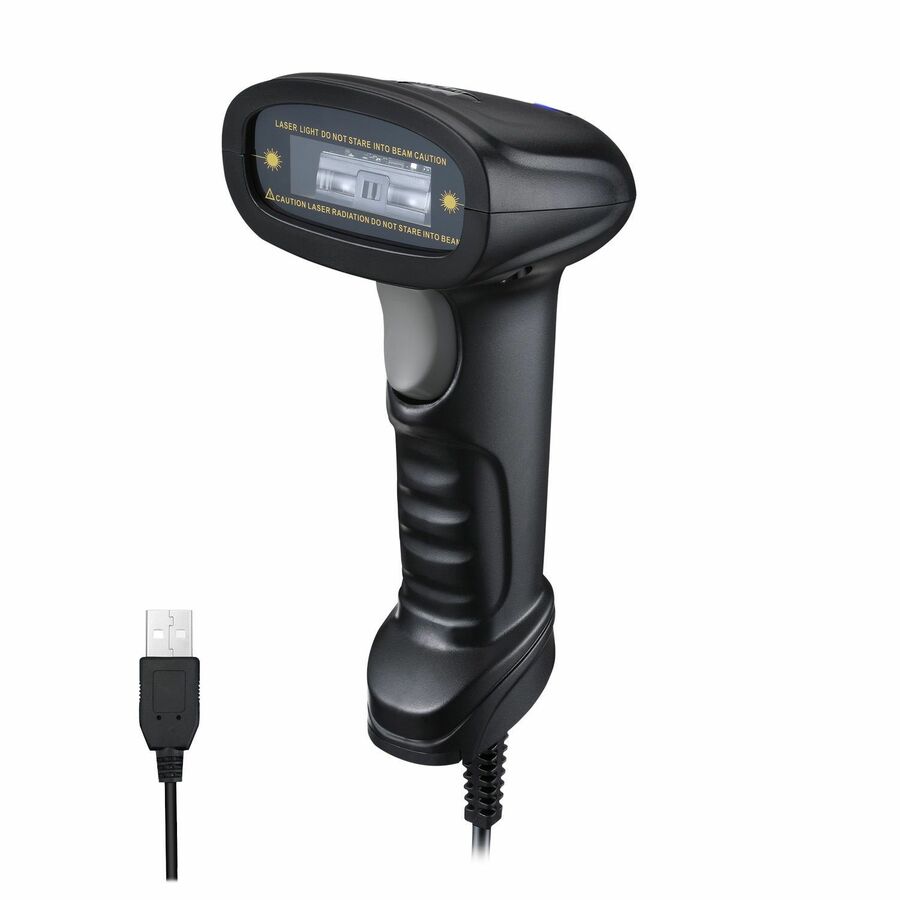
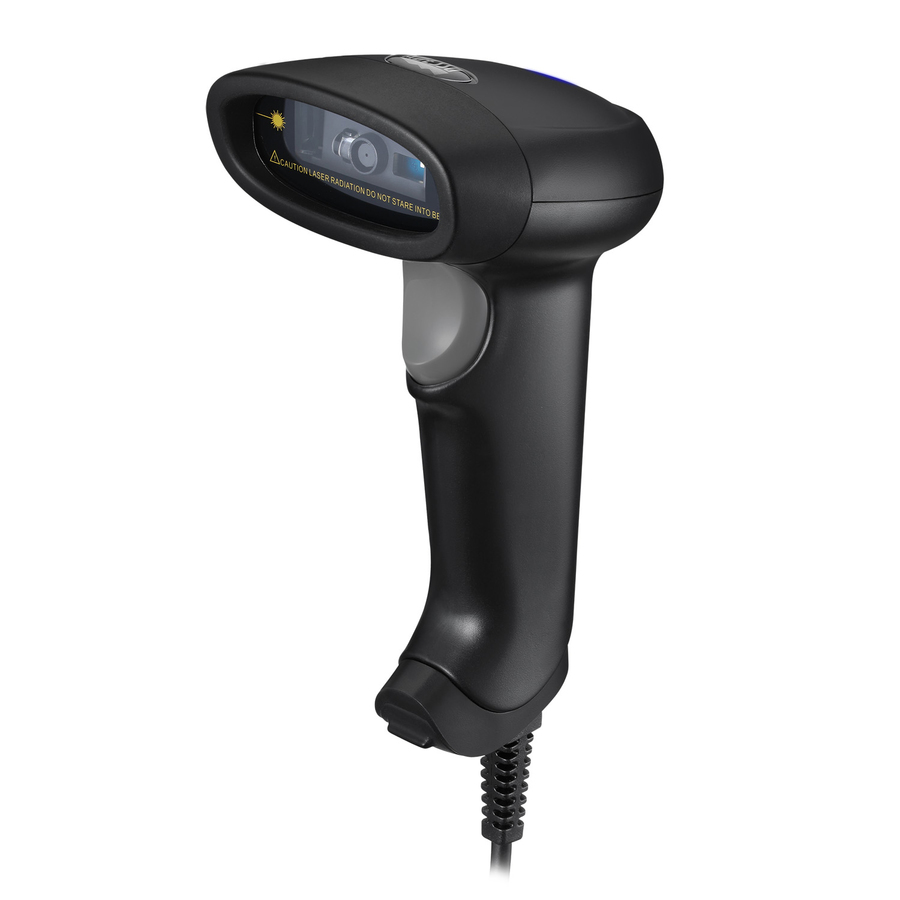
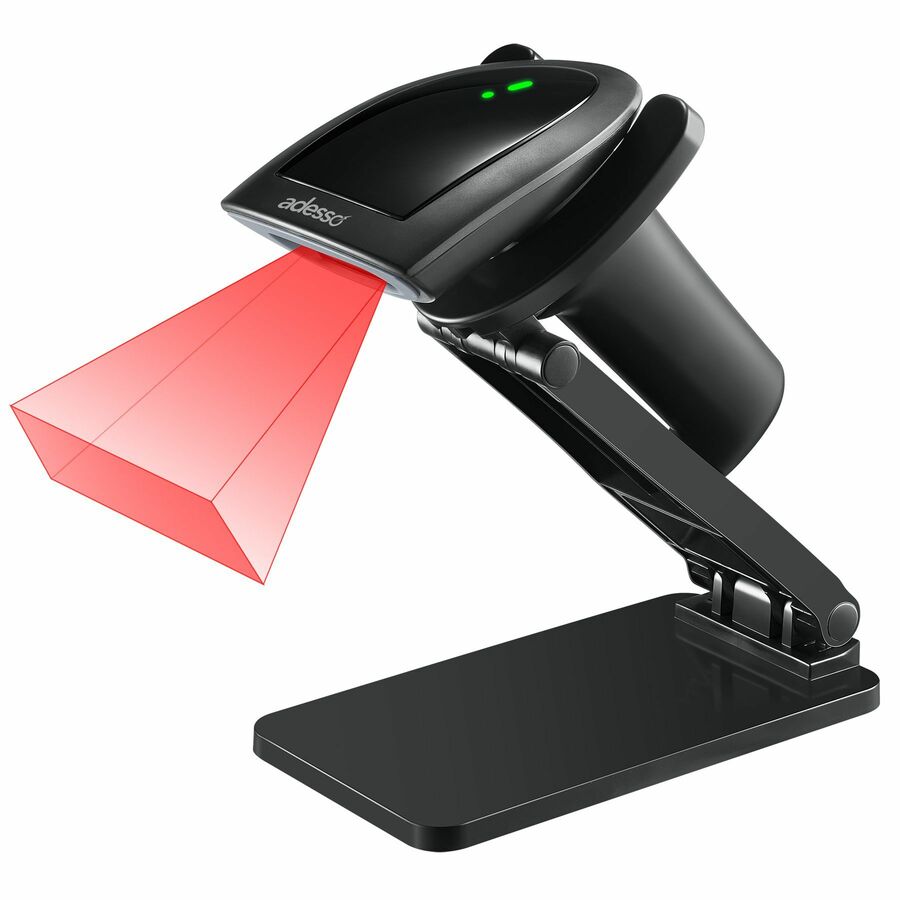
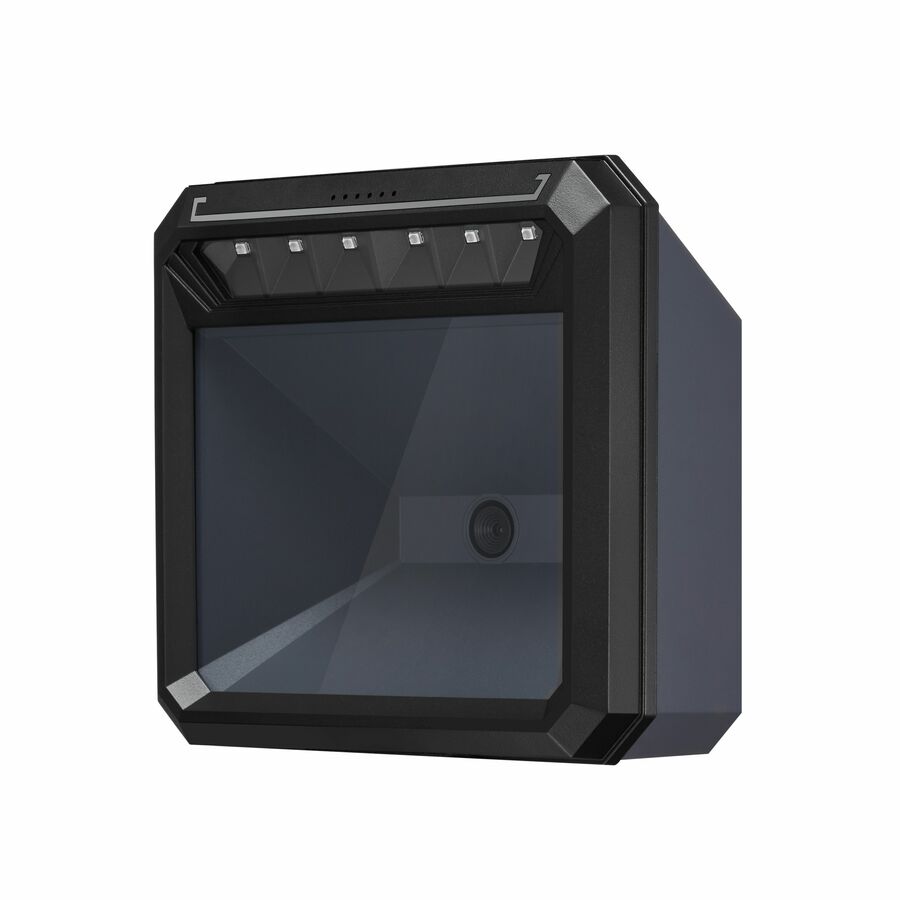
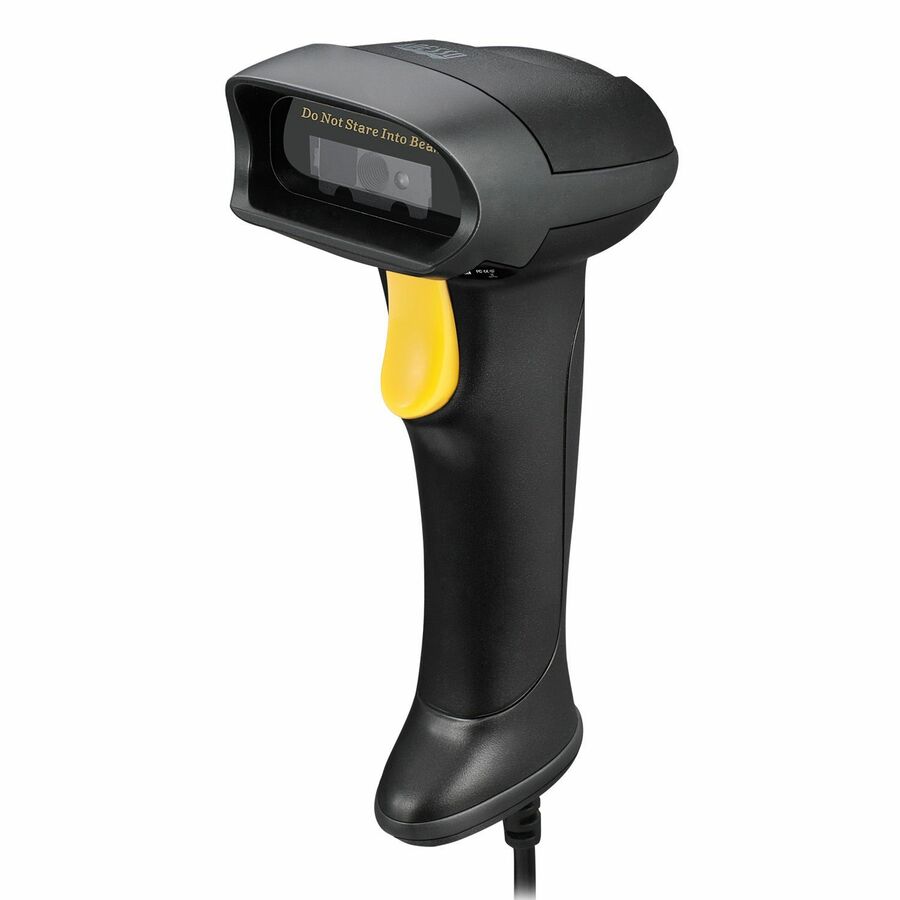
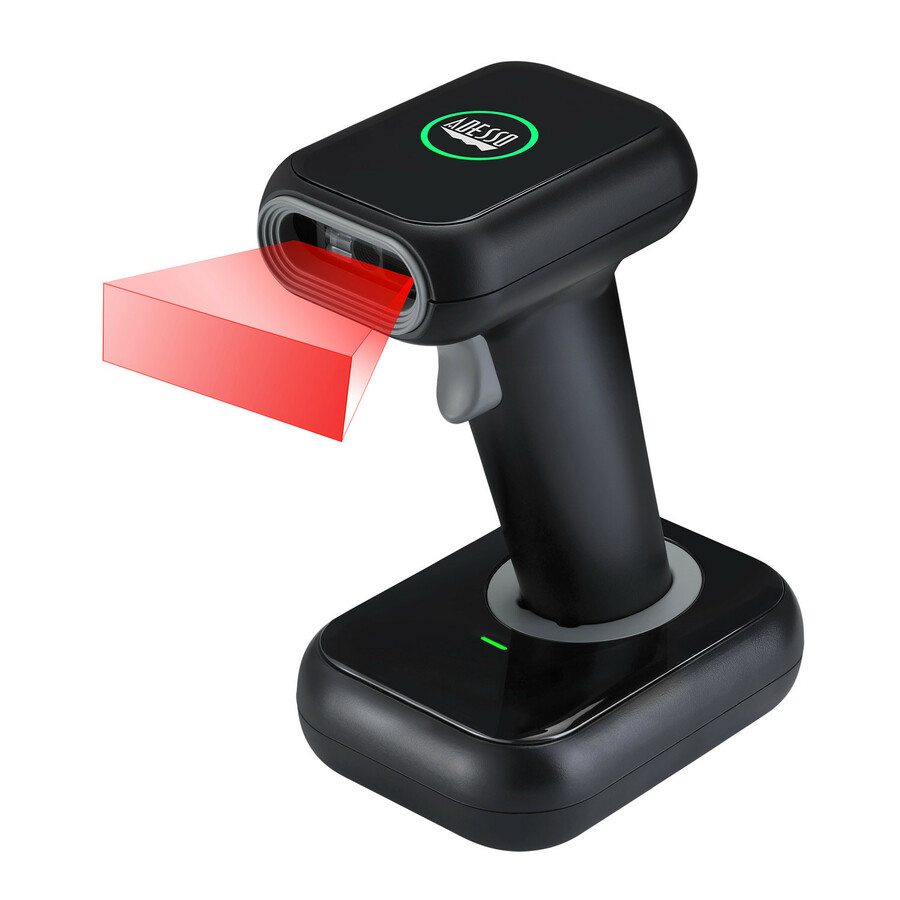
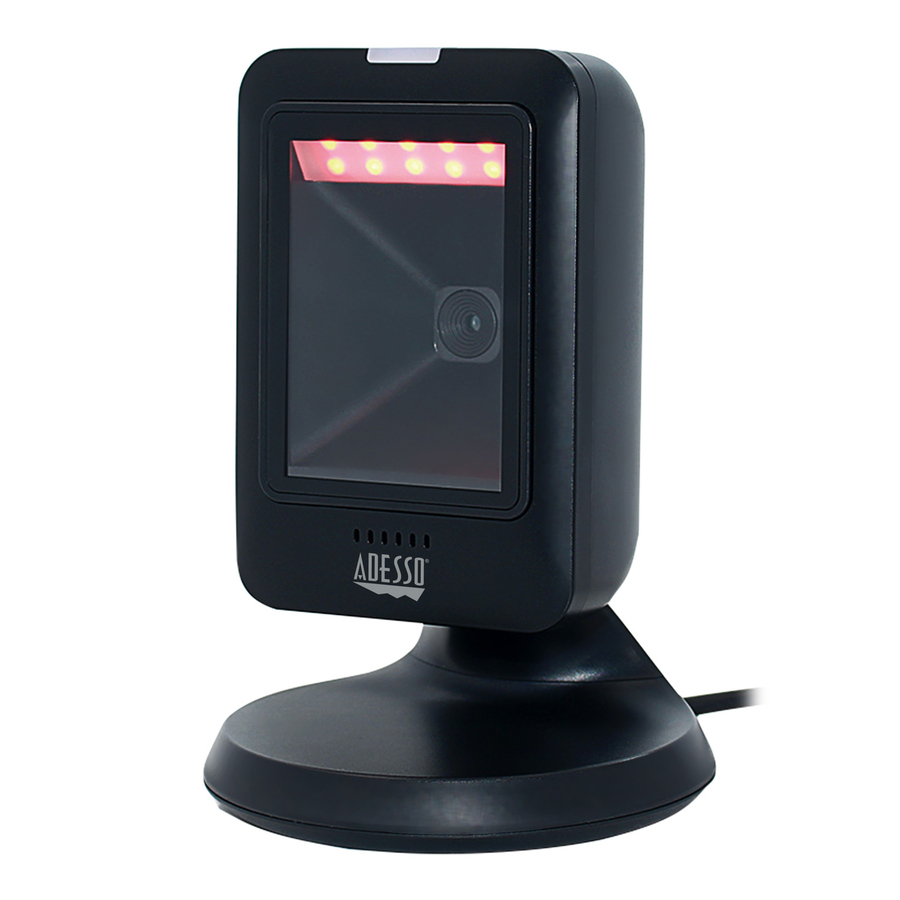
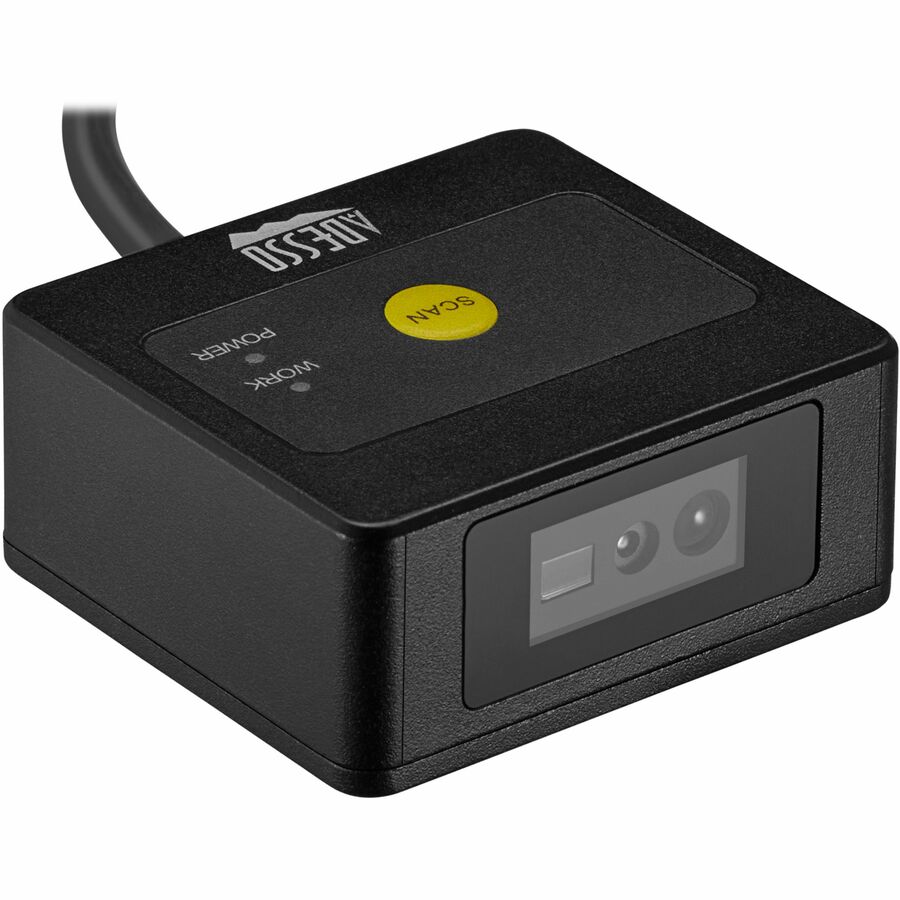
- AdessoAdesso NuScan 2900 Barcode Scanner - Wireless Connectivity - 2D, 1D - CMOS - Bluetooth - BlackNUSCAN 2900
$89.99
$80.78
638 in stock


Top pick, corded
Zebra Technologies
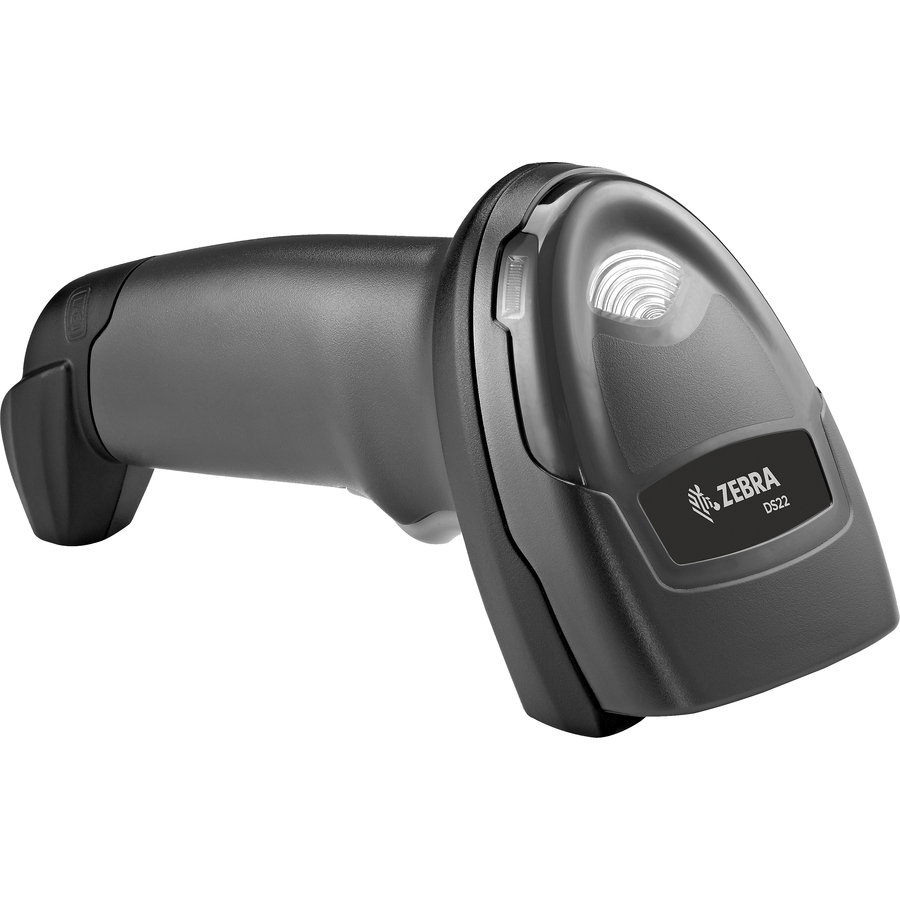
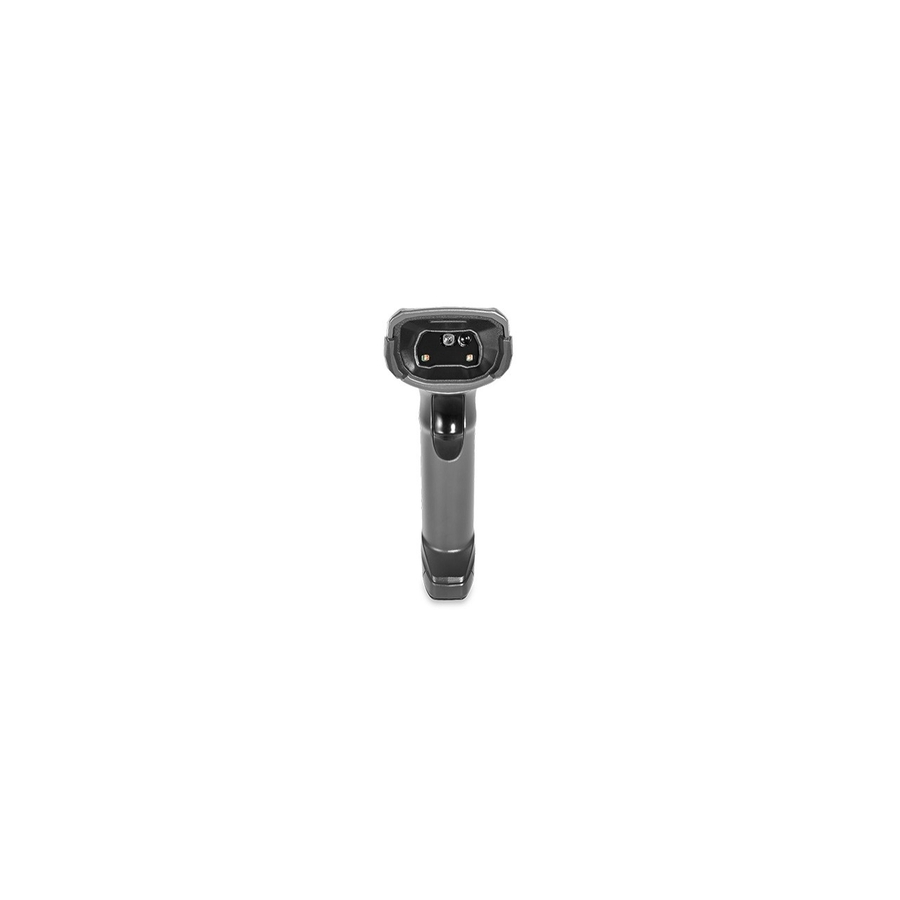
Zebra DS2208-SR Handheld Barcode Scanner
DS2208-SR7U2100AZW
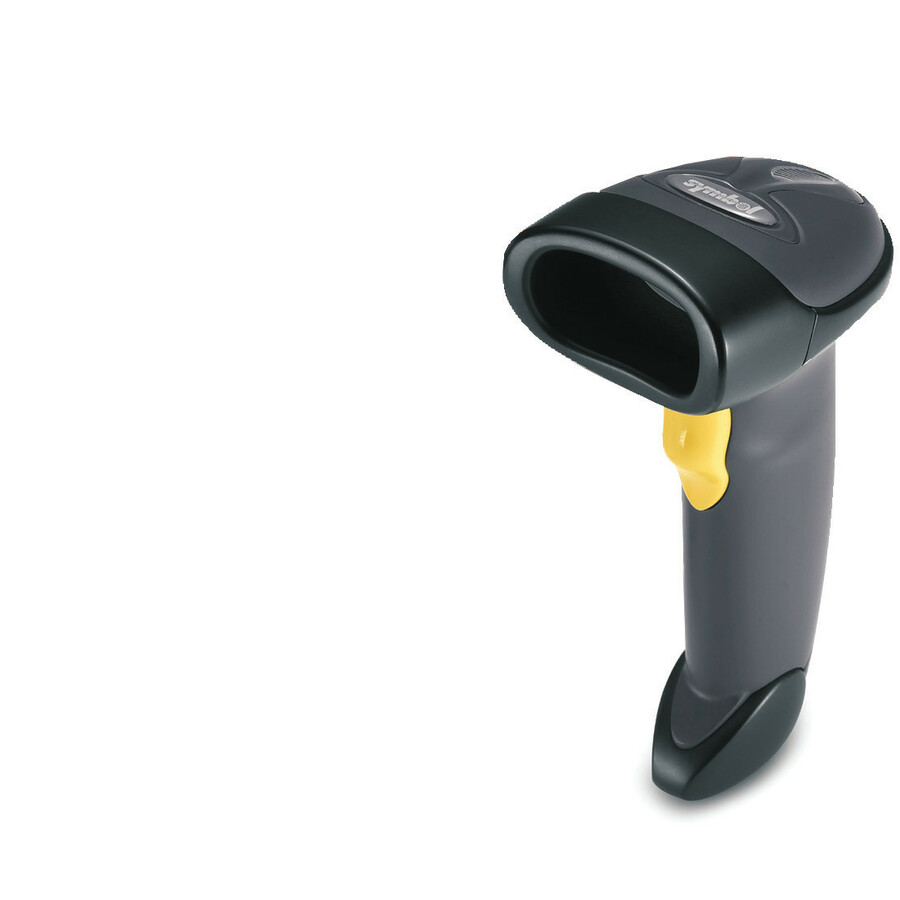
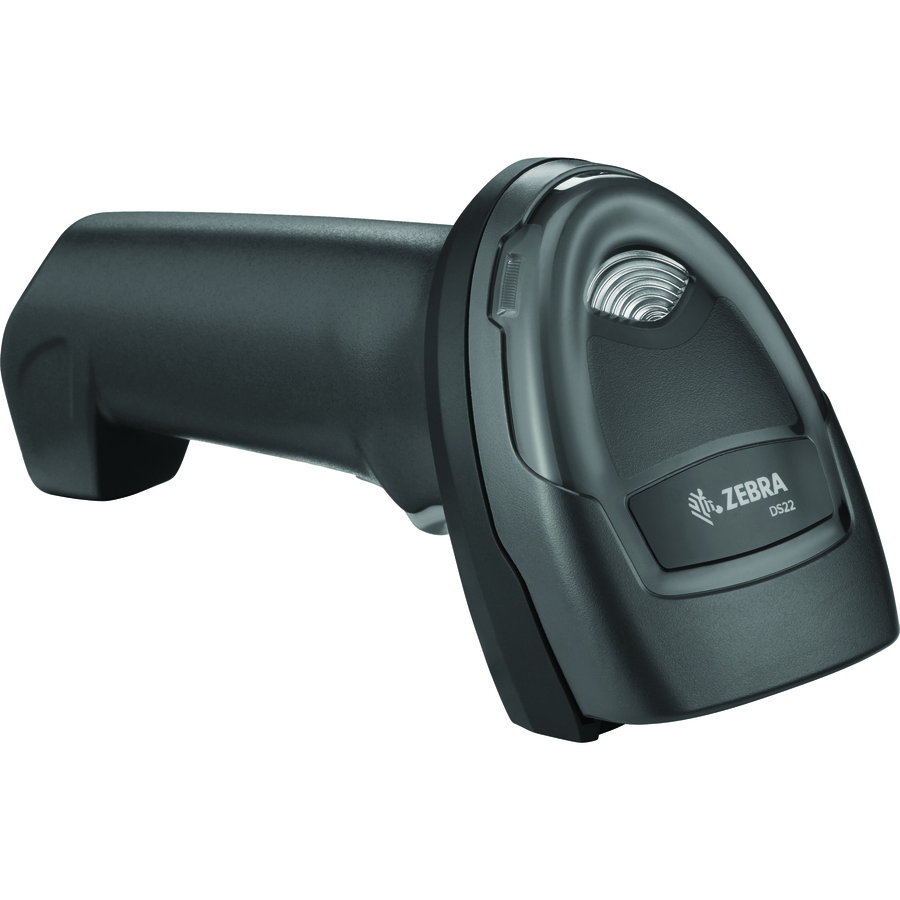
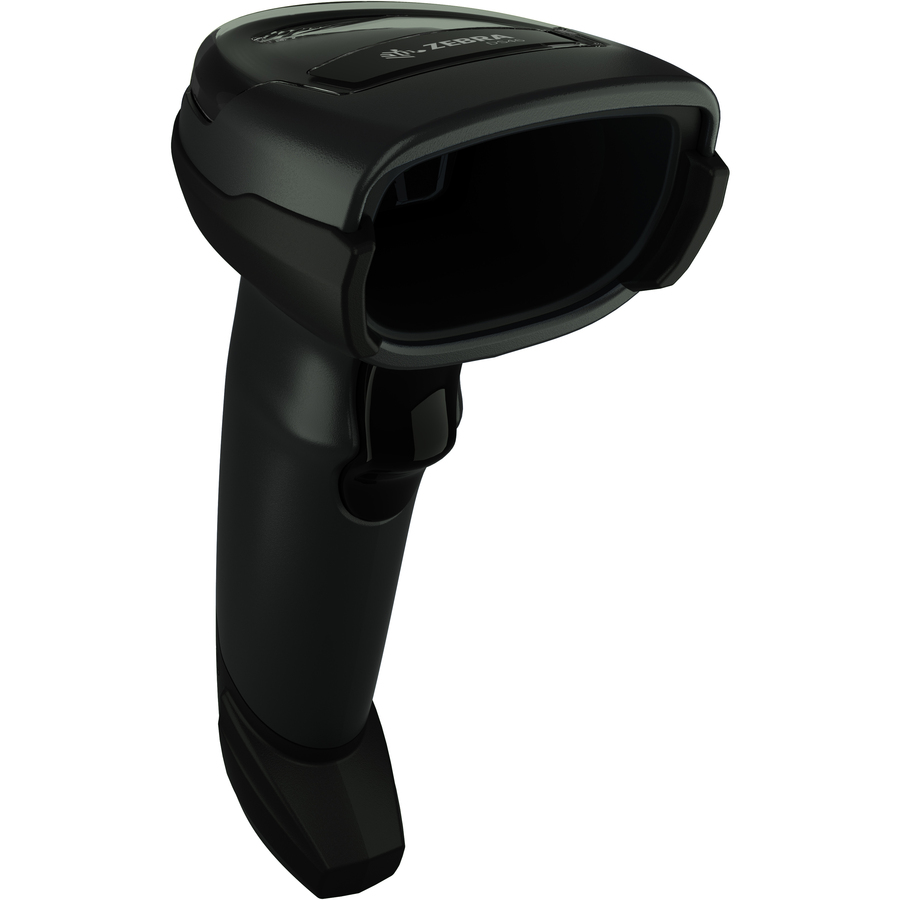
The default corded 2D workhorse: omnidirectional 1D/2D imaging rated at 30 scans per second out to roughly 14.5 inches, an IP52 housing, and USB, serial and keyboard-wedge interfaces on the same unit so it drops into a legacy point-of-sale or property-tracking station without a driver project.
The multi-interface cable is what makes this safe to standardize on across mixed-age stations.
$234.72Back-orderedCordless twin
Zebra Technologies
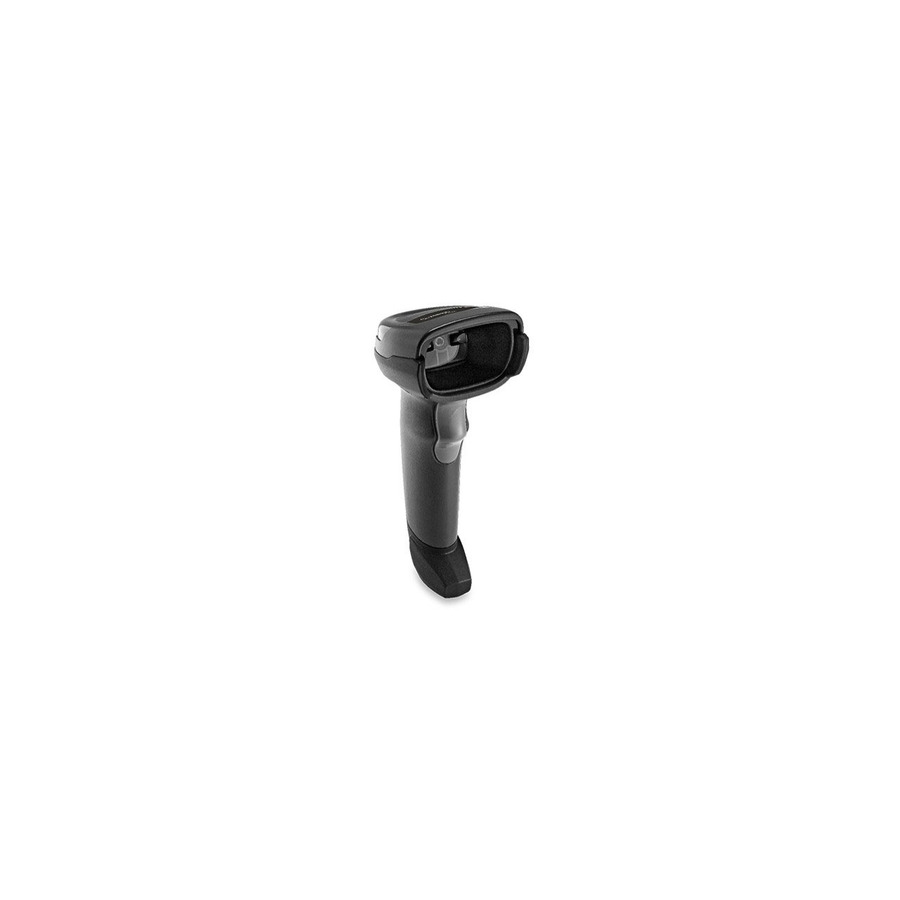
Zebra DS2278 Handheld Barcode Scanner
DS2278-SR00007ZZWW
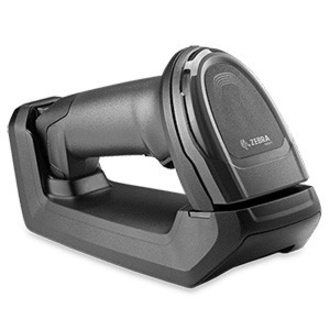
The cordless counterpart to the DS2208 — the same 1D/2D imaging over Bluetooth, so staff can work the shelf, the bay or the pallet rack instead of carrying items back to a tethered station. Buying the pair keeps decode behaviour and configuration identical at both ends of the workflow.
$350.99In stockHands-free counter
Zebra Technologies
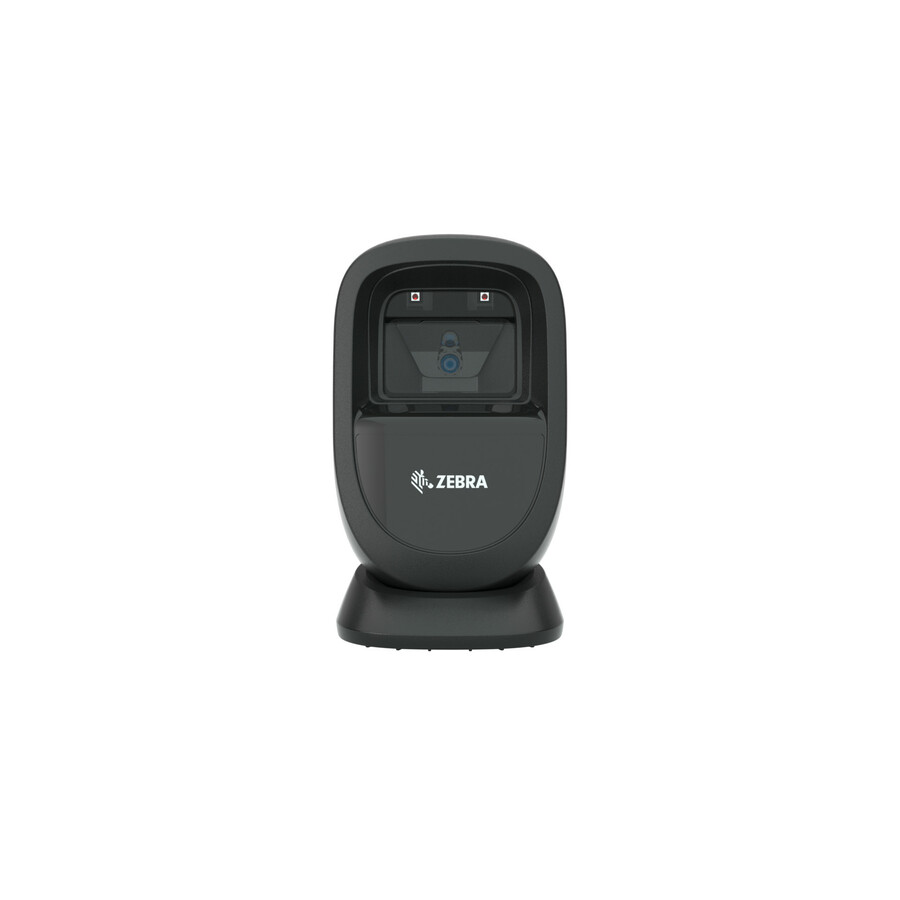
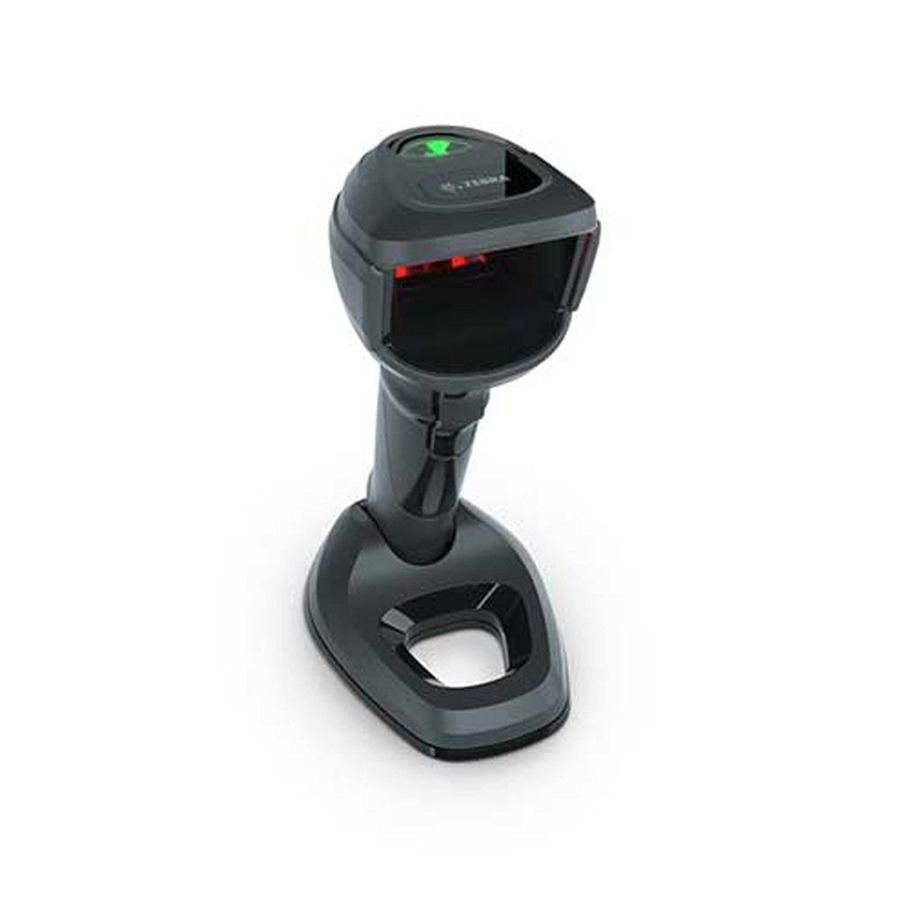
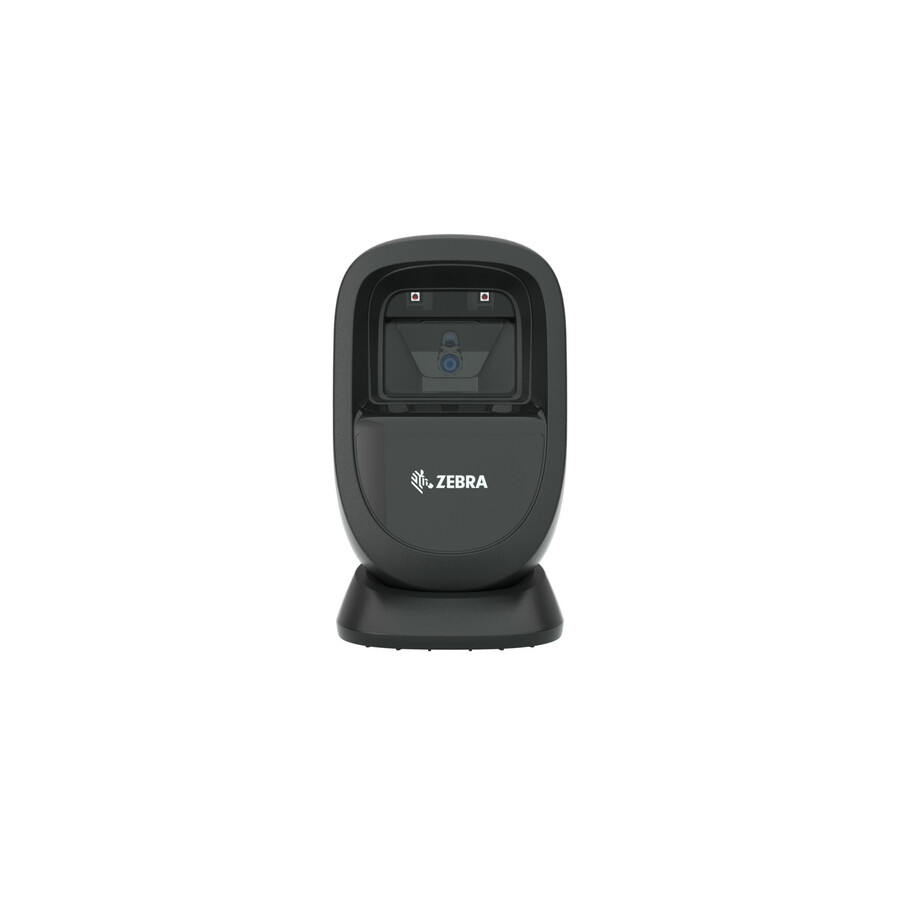
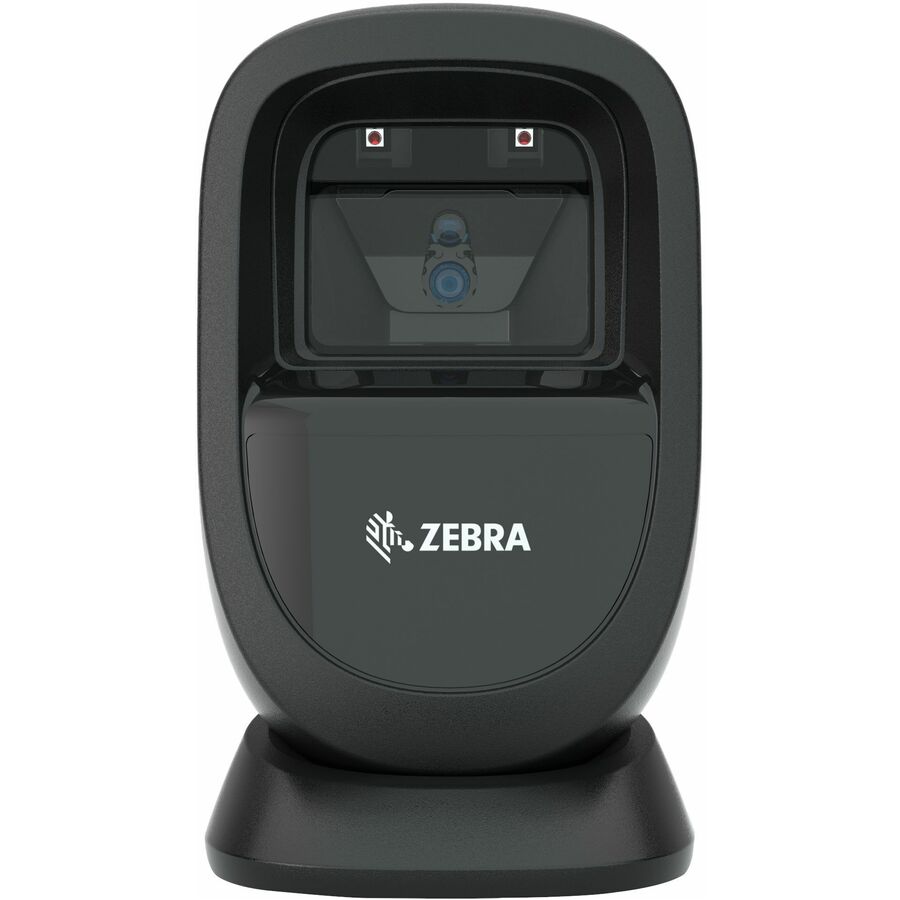
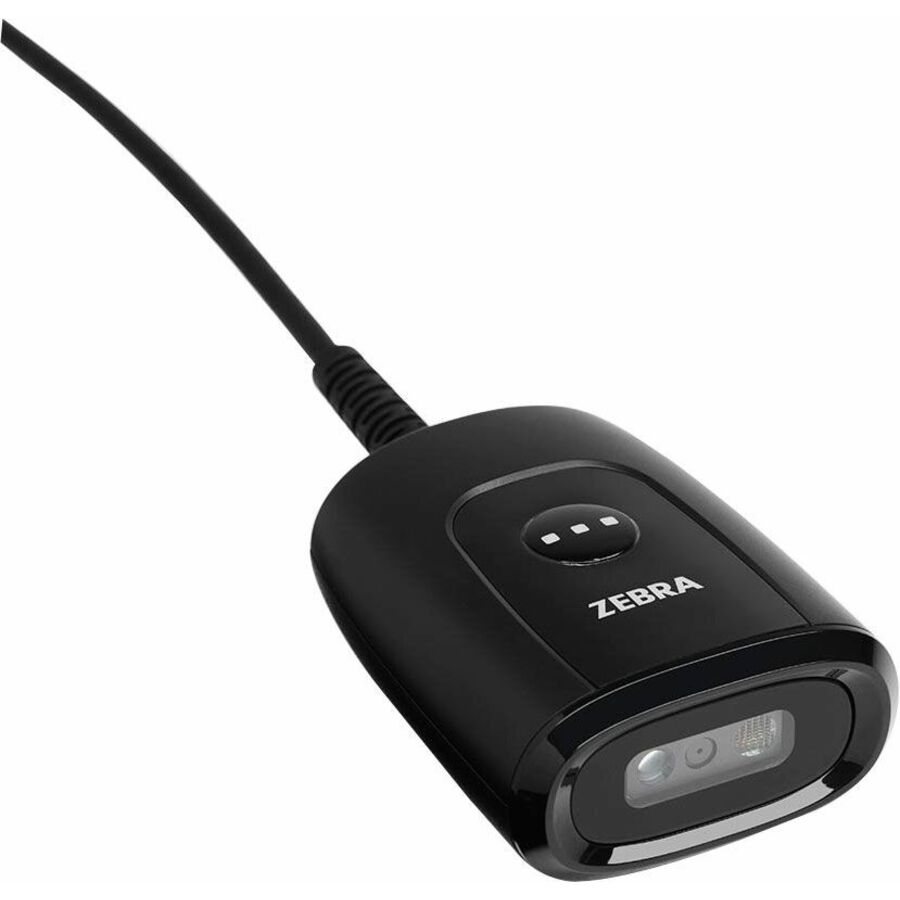
Zebra DS9308 Hands-Free Scanner
DS9308-SR00004ZZWW
A true presentation scanner for counters and checkpoints: set it down, hold the code to it, done. An 8.8-inch working window, EAS support and USB, serial and keyboard-wedge interfaces suit high-throughput desks where picking a handheld up for every item is the bottleneck.
IP52 rated, and it still works as a handheld when an oversized item cannot be lifted to the window.
$399.57In stock1D-only pick
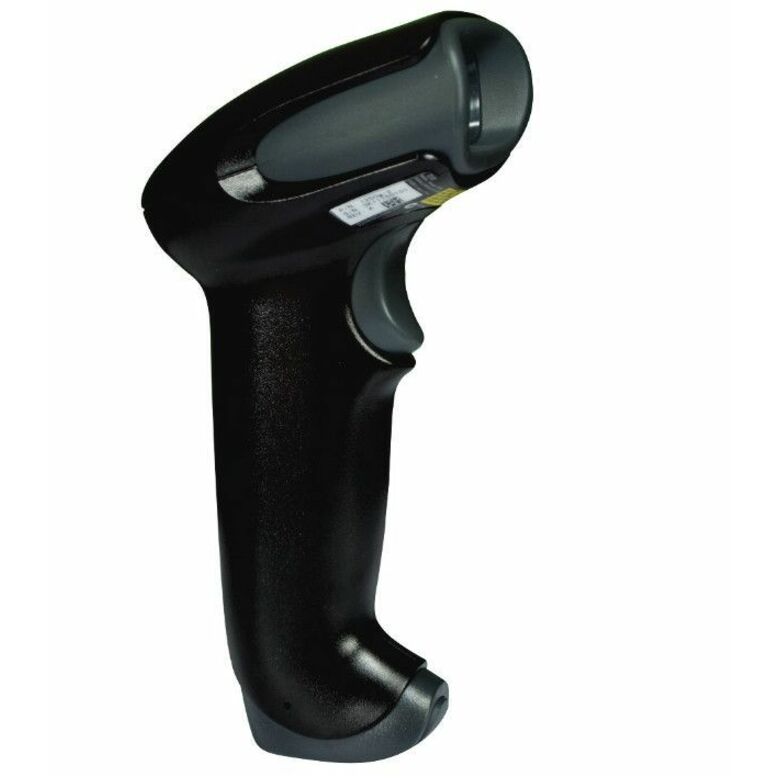
Honeywell International
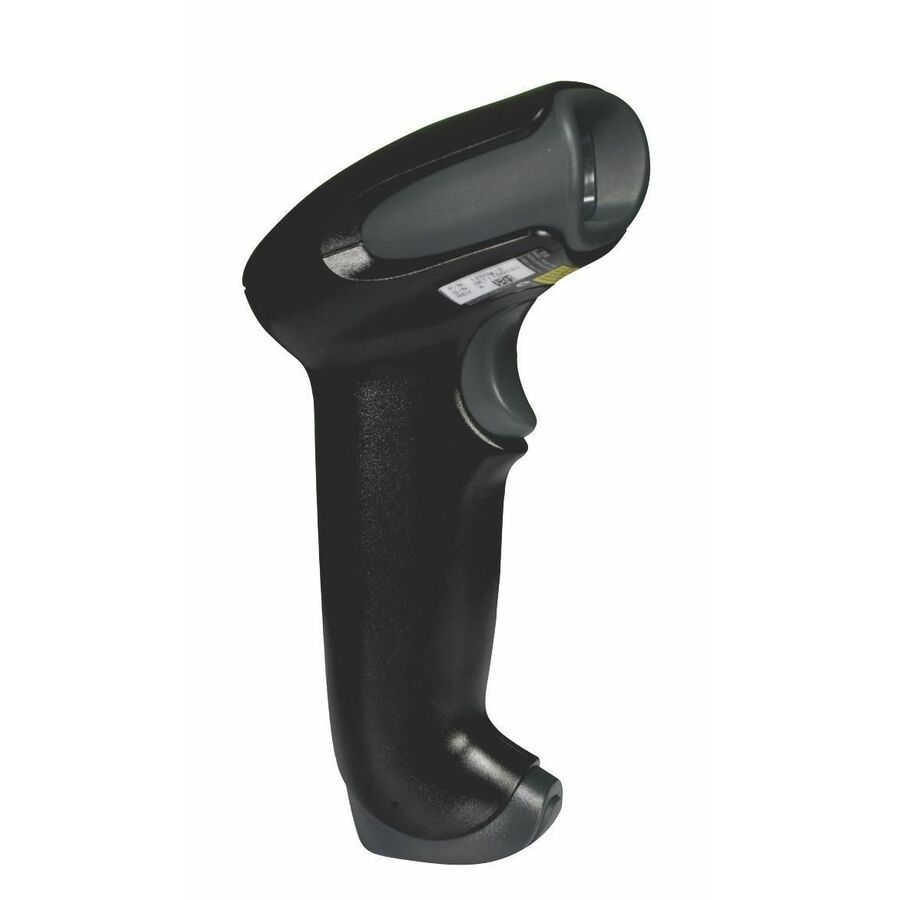
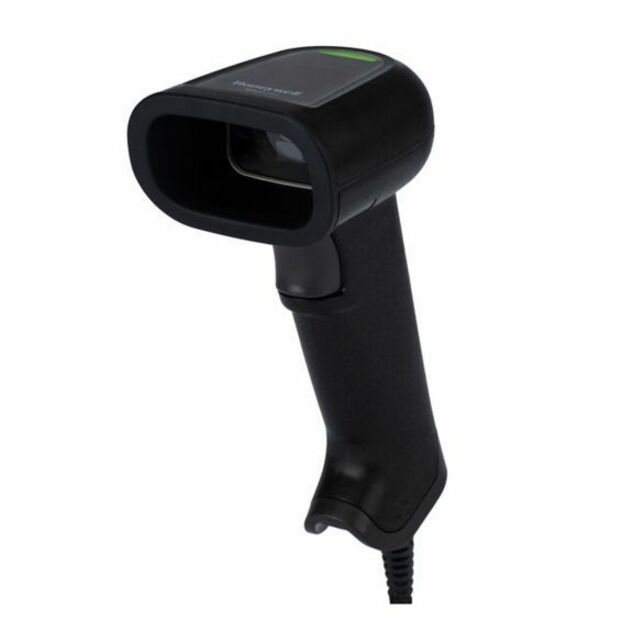
Honeywell Voyager 1250g Barcode Scanner
1250G-2USB-N
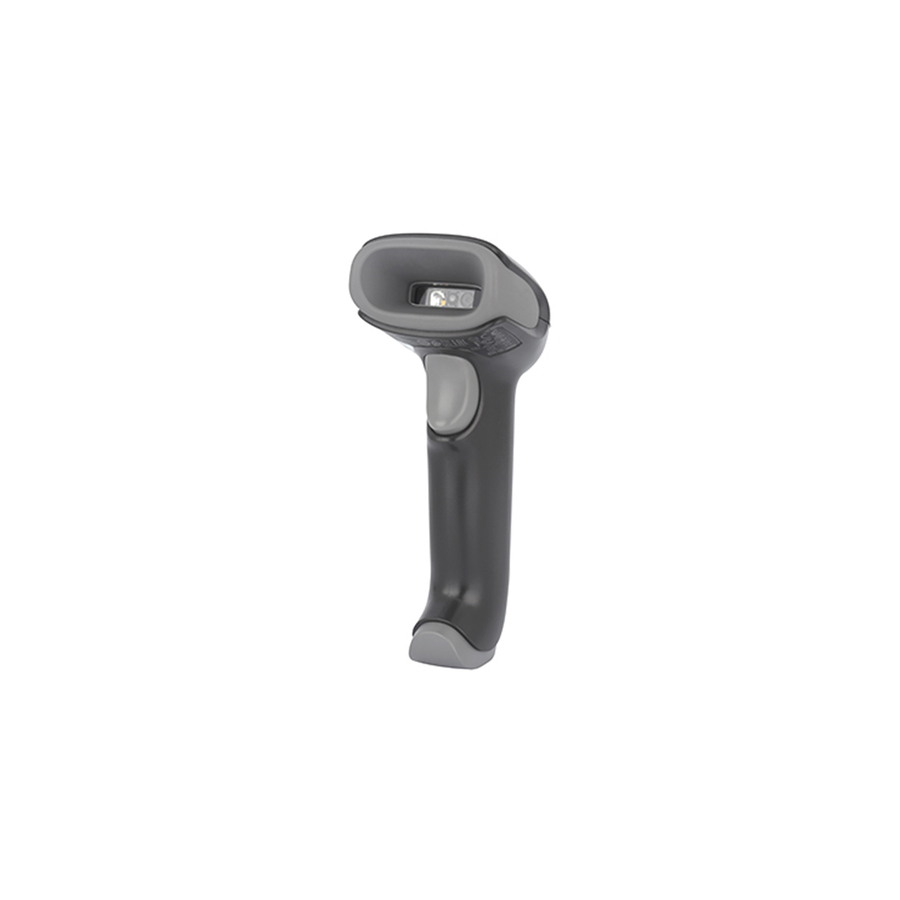
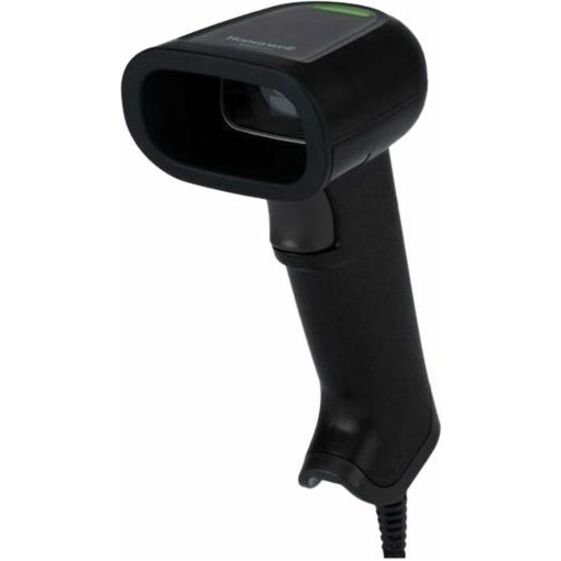
The Voyager 1250g is a single-line 1D scanner with a 17.6-inch working range and a multi-interface cable — the straightforward volume deployment where the label estate is strictly linear: UPC, Code 39 and printed asset tags.
It will not read QR or DataMatrix. Choose it deliberately, and only where 2D labels are genuinely not coming.
$138.74Back-orderedDamaged-label pick
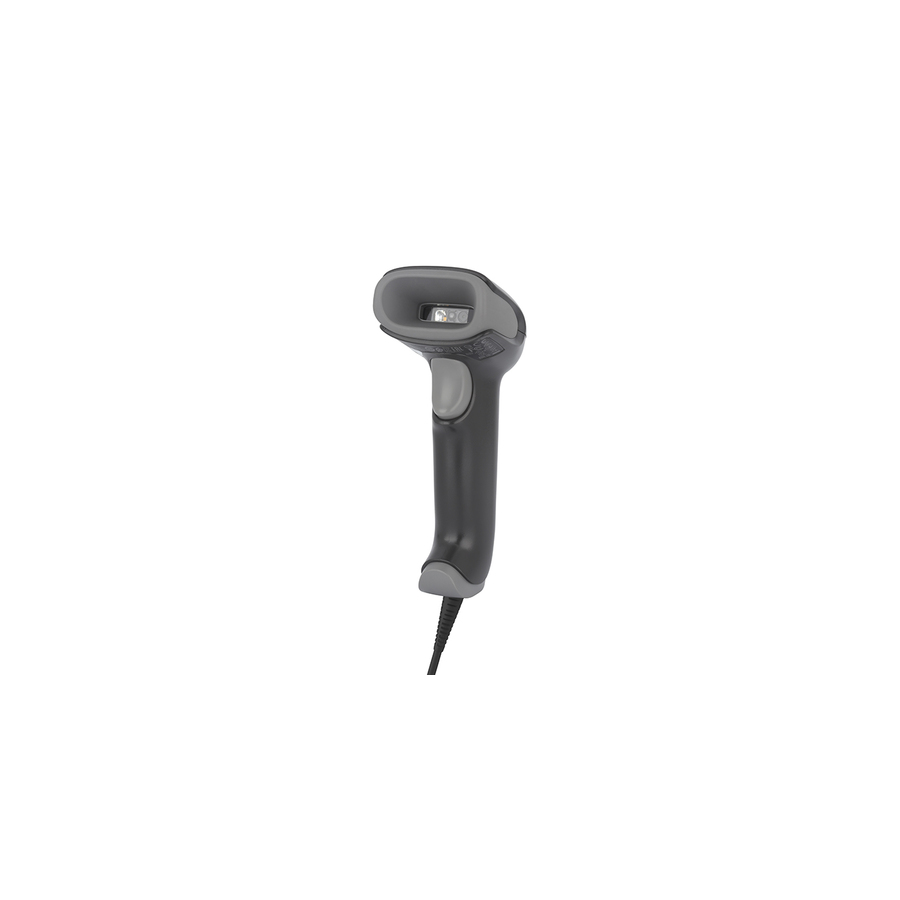
Honeywell International
Honeywell Voyager Extreme Performance (XP) 1470g Durable, Highly…
1470G2D-2USB-1-N
Honeywell's Extreme Performance imaging engine is built to decode damaged, low-contrast and screen-displayed codes that stop a simpler imager — the corded unit to specify wherever labels arrive scuffed, shrink-wrapped or half-printed from the field.
$254.13In stockCordless XP pick
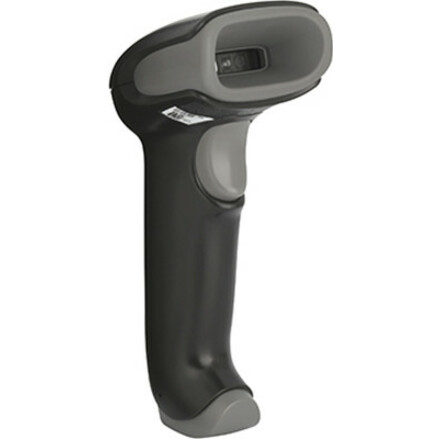
Honeywell International
Honeywell Voyager Extreme Performance (XP) 1472g Durable, Highly…
1472G2D-2-N
The Bluetooth version of the 1470g: the same Extreme Performance decode quality, untethered. This is the other half of the corded-plus-cordless pairing most sites want, with one decode behaviour to support instead of two.
$412.30Back-orderedPocket companion
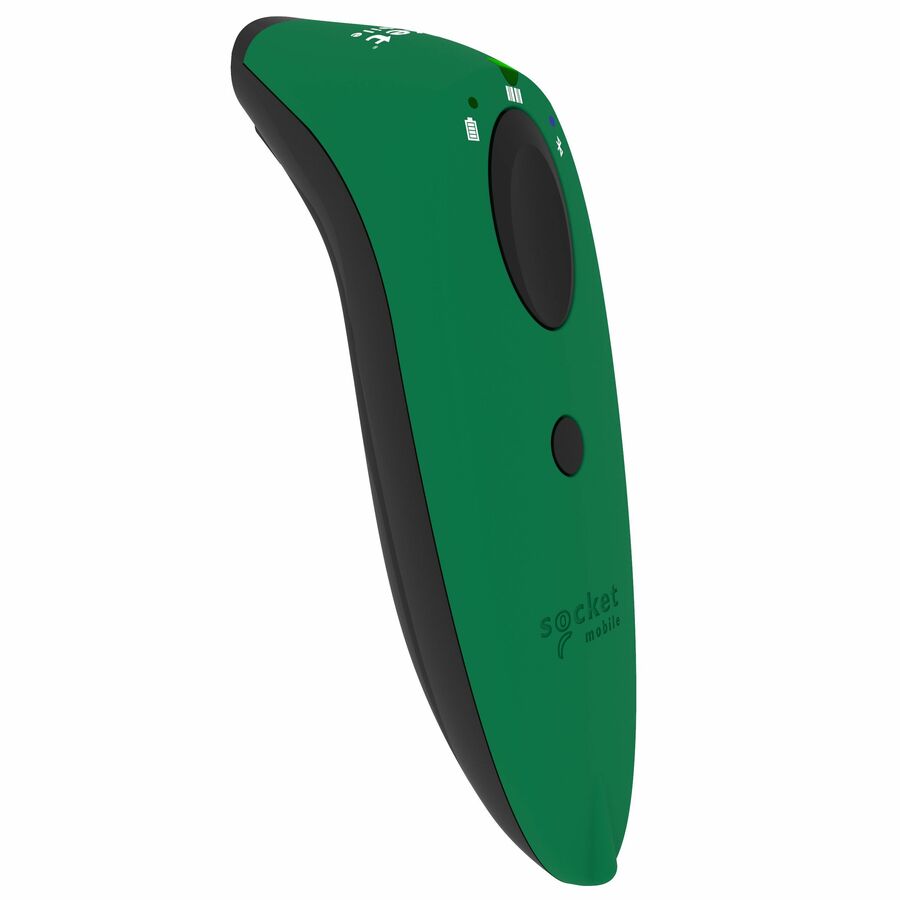
Socket Mobile
Socket Mobile SocketScan S720, Linear Barcode Plus QR Code Reader, Green
CX3980-3037
A pocket-sized SocketScan S720 built to pair with a phone or tablet over Bluetooth, reading linear barcodes plus QR out to about 15 inches. The right shape for ticketing, delivery, loyalty and walk-around asset audits where a pistol-grip handheld is the wrong tool.
$294.95In stockPocket 1D/2D imager
Socket Mobile
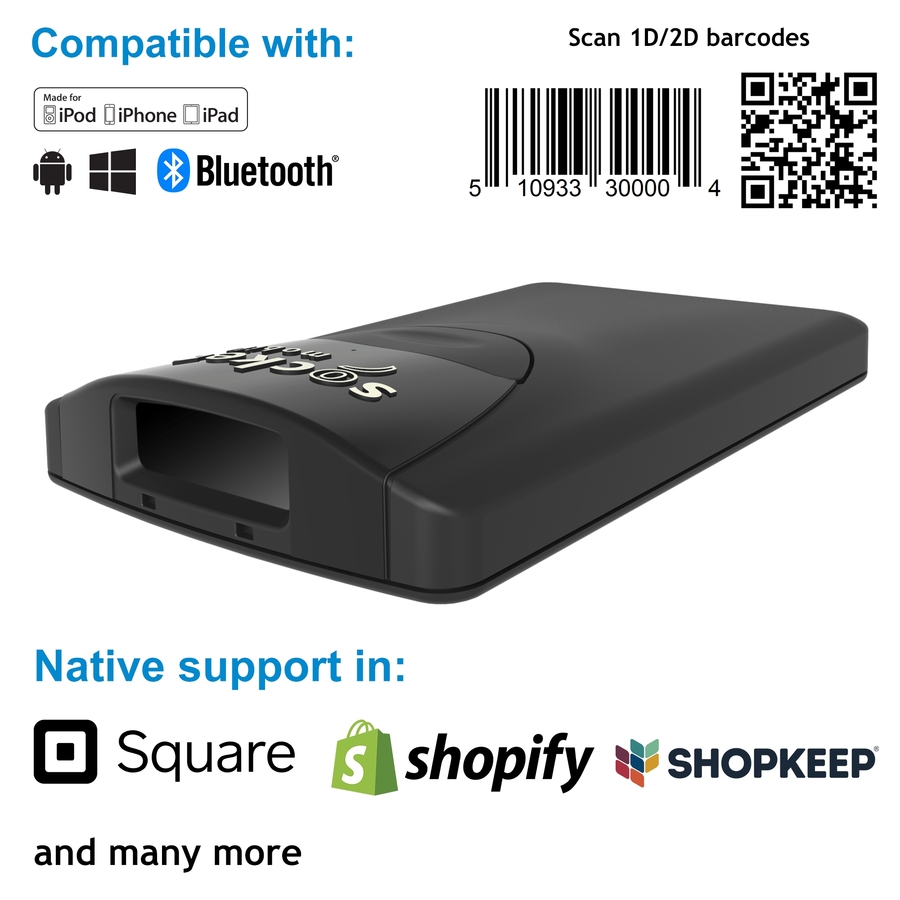
Socket Mobile SocketScan® S840, Universal Barcode Scanner, Black
CX3388-1846
The SocketScan S840 steps the pocket form factor up to a full 1D/2D imager with a working range around 19.5 inches, so one device covers both shelf labels held close and wall-mounted room or asset placards read from a step back.
$361.03Back-orderedLong-reach clinical


Socket Mobile
Socket Mobile DURASCAN D755 Barcode Scanner
CX3799-2559
The DURASCAN D755 is the long-reach unit here — omnidirectional 1D/2D imaging out to roughly 36 inches in an IP54-sealed white housing, listed for specimen collection, pharmacy, component tracking and healthcare inventory where scanning happens at arm's length.
$551.81In stockClinical, 2.4 GHz
AMBIR
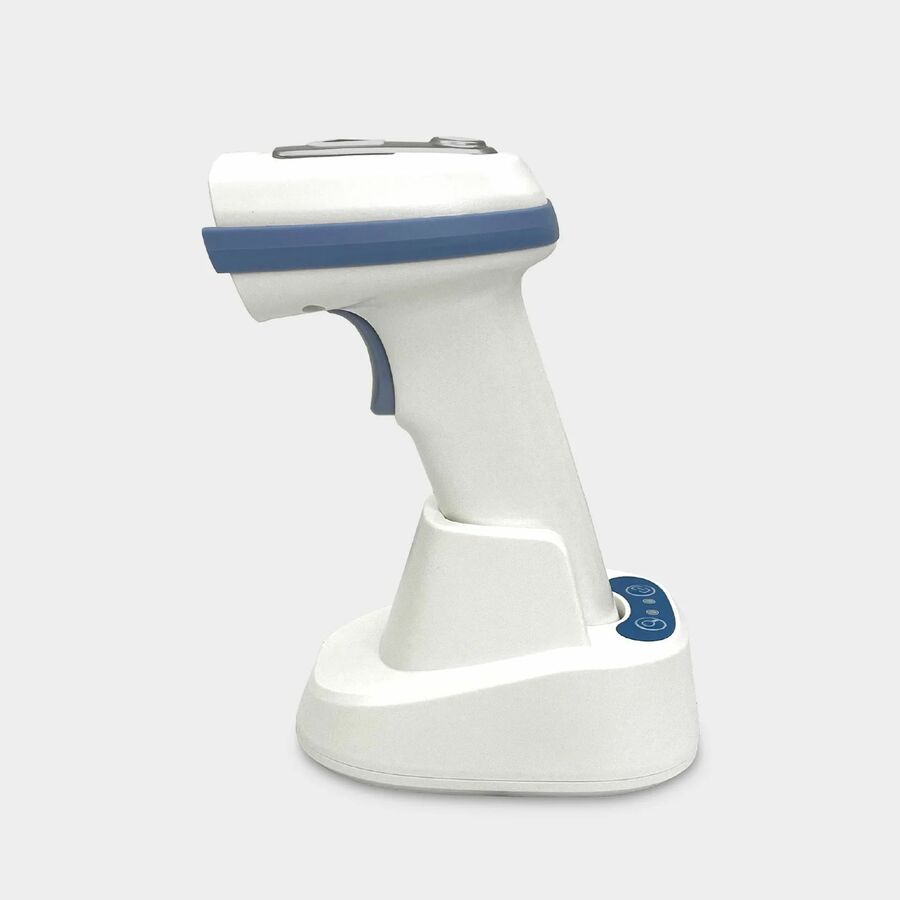
AMBIR BR312 Wireless Healthcare Barcode Scanner with 2.4Ghz USB…
BR312-WH
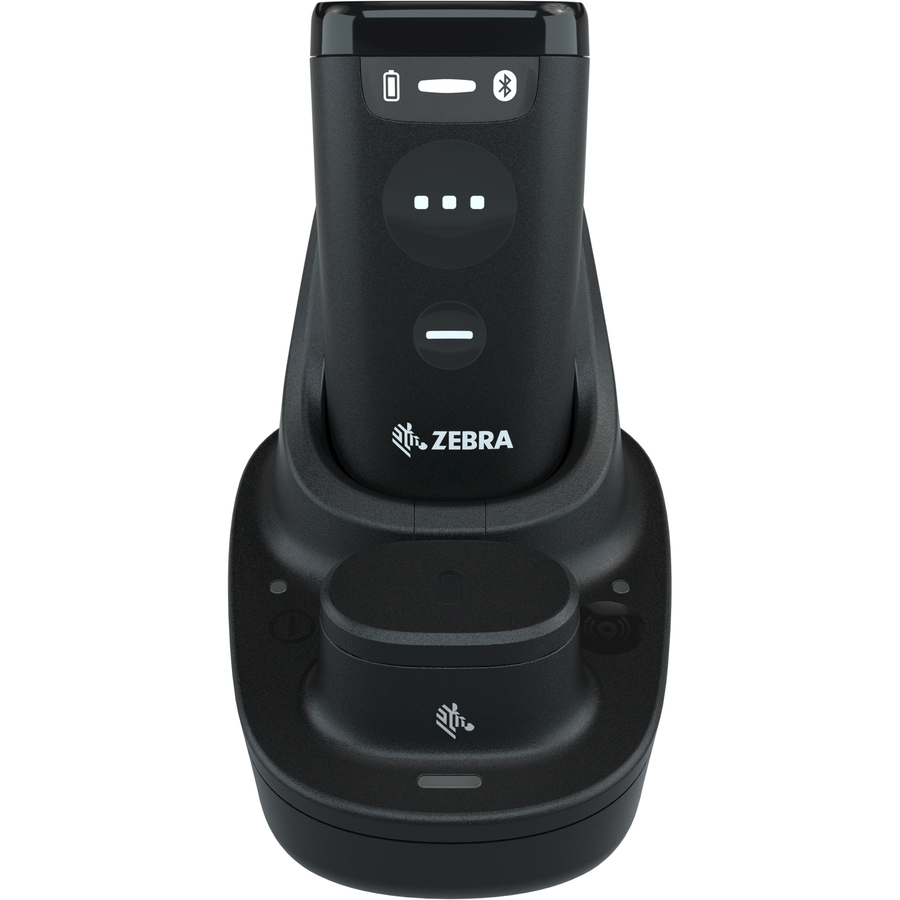
A wipeable white healthcare scanner that comes with its own 2.4 GHz USB charging station rather than requiring one as a separate line. The 2.4 GHz link instead of Bluetooth sidesteps the device-pairing policies some clinical IT groups enforce.
The charging base is part of this part number — it is not a cradle accessory bought alongside it.
$277.43Back-orderedRugged IP65 pick
KoamTac
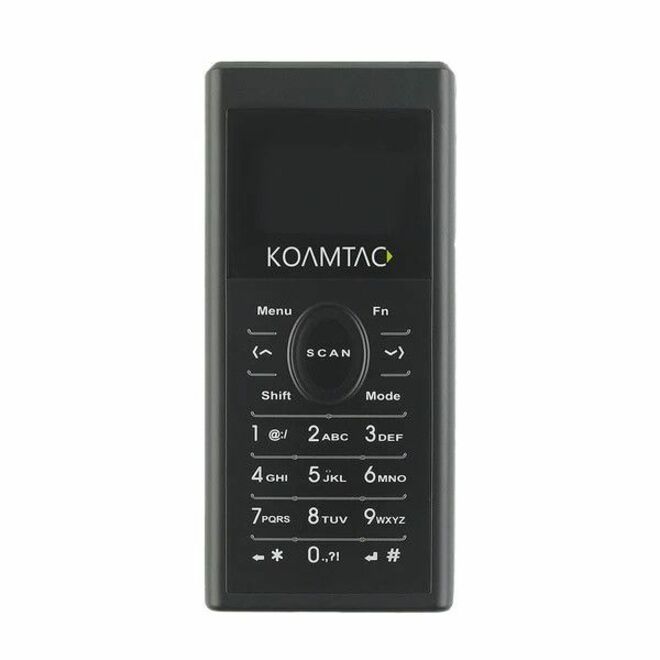
KoamTac KDC380C Wireless Barcode Scanner
342800
The KoamTac KDC380C is IP65-rated with a working range around 31.5 inches and is designed around a smartphone as the terminal — the choice for inventory and industrial crews who are already carrying the phone that will hold the data.
$387.13Back-orderedBudget presentation
Adesso
Adesso NuScan 2800U Omnidirectional 2D Desktop Barcode Scanner
NUSCAN2800U
Hands-free omnidirectional 2D scanning on a desktop footprint with IP54 sealing and a 12-inch working distance — sized for library circulation, check-in desks and small retail counters that scan all day from one fixed position.
$148.01In stockMore barcode scanners in the Uniqcli catalog
See all 1,347 barcode scannersMore from across this category. In-stock lines lead, and a back-ordered line carries the same estimated availability its product page does — with live pricing throughout, NDAA §889 screening before checkout and TAA verified on request.
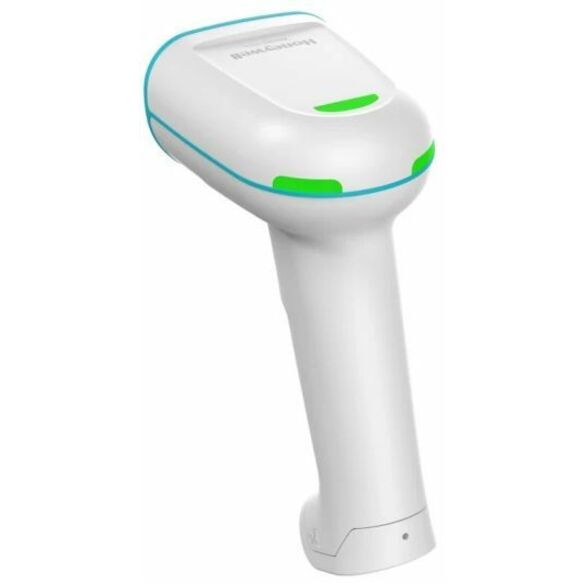
- Honeywell InternationalHoneywell Xenon Ultra 1960h Healthcare Scanner - Cable Connectivity - 43.90" Scan Distance - 1D, 2D - LED - Imager - Area - USB, Keyboard Wedge, Serial - White - IP52 - USB - Healthcare, Inventory, Component Tracking, Specimen Collection, Pharmacy, Hospitality1960HSR-5USB-N
$629.00
$393.95
10 in stock - Zebra TechnologiesZebra DS2278-SR Handheld Barcode Scanner - Wireless Connectivity - 14.49" Scan Distance - 1D, 2D - Imager - Linear - Bluetooth - USB - Twilight Black - IP42 - USB Cable Included - Retail, Hospitality, Transportation, Logistics, Light/Clean Manufacturing, GovernmentDS2278-SR7U2100PRW
$794.96
$594.08
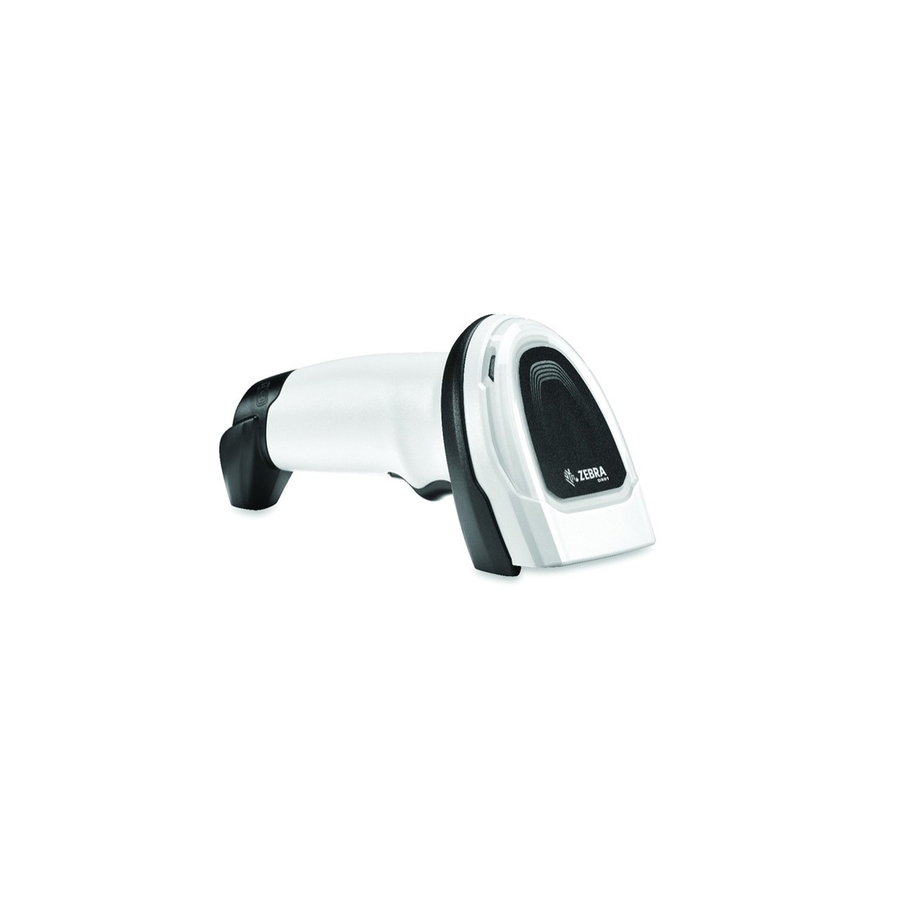
273 in stock - Zebra TechnologiesZebra DS2278 Handheld Barcode Scanner - Wireless Connectivity - 1D, 2D - Imager - Bluetooth - USB - Nova WhiteDS2278-SR6U2100PRW
$794.96
$594.08
5 in stock - Zebra TechnologiesZebra DS9908 Handheld Barcode Scanner Kit - 1D, 2D - Imager - BlackDS9908-SR4U2300AZW
$644.81
$481.87
2 in stock - Zebra TechnologiesZebra CS60 Series Companion Scanner - Wireless Connectivity - Imager - Bluetooth - USB - Midnight BlackCS6080-SR40004VZWW
$635.50
$474.92
228 in stock - Honeywell InternationalHoneywell Xenon Ultra 1960G Barcode Scanner Kit - Cable Connectivity - 43.90" Scan Distance - 1D, 2D - LED - Imager - Area - USB, Serial, Keyboard Wedge - Black - IP52 - USB Cable Included - Inventory, Component Tracking, Assembly Line, Retail, Self-checkout, Manufacturing1960GSR-2USB-EZ-N
$693.96
$541.36
2 in stock - Zebra TechnologiesZebra DS9300 Series 1D/2D Presentation Barcode Scanner - Cable Connectivity - 1D, 2D - Imager - Alpine White, Midnight BlackDS9308-DL4U2100AZN
$602.16
$449.99
99 in stock - Zebra TechnologiesZebra DS8108-HC Handheld Barcode Scanner - Cable Connectivity - 1D, 2D - Imager - Healthcare WhiteDS8108-HC4000BVZWW
$588.41
$437.23
67 in stock - Zebra TechnologiesZebra DS8108 Handheld Barcode Scanner - Cable Connectivity - 1D, 2D - Imager - USB - Twilight BlackDS8108-SR7U2100AZW
$557.77
$416.82
3 in stock - Honeywell InternationalHoneywell Xenon Ultra 1960G Barcode Scanner Kit - Cable Connectivity - 43.90" Scan Distance - 1D, 2D - LED - Imager - Area - USB, Serial - Black - IP52 - USB Cable Included - Inventory, Component Tracking, Assembly Line, Retail, Self-checkout, Manufacturing1960GSR-2EZ-N
$634.02
$494.43
2 in stock - Zebra TechnologiesZebra DS8108 Handheld Barcode Scanner - Cable Connectivity - 1D, 2D - Imager - Nova WhiteDS8108-SR00006ZZWW
$527.23
$394.00
14 in stock - Zebra TechnologiesZebra DS2278 Handheld Barcode Scanner - Wireless Connectivity - 1D, 2D - Imager - Bluetooth - USB - Twilight BlackDS2278-SR7UMC00AZW
$489.93
$366.12
3 in stock - Zebra TechnologiesZebra DS2278 Handheld Barcode Scanner - Wireless Connectivity - 1D, 2D - Imager - Bluetooth - Twilight BlackDS2278-SR00007ZZWW
$469.68
$350.99
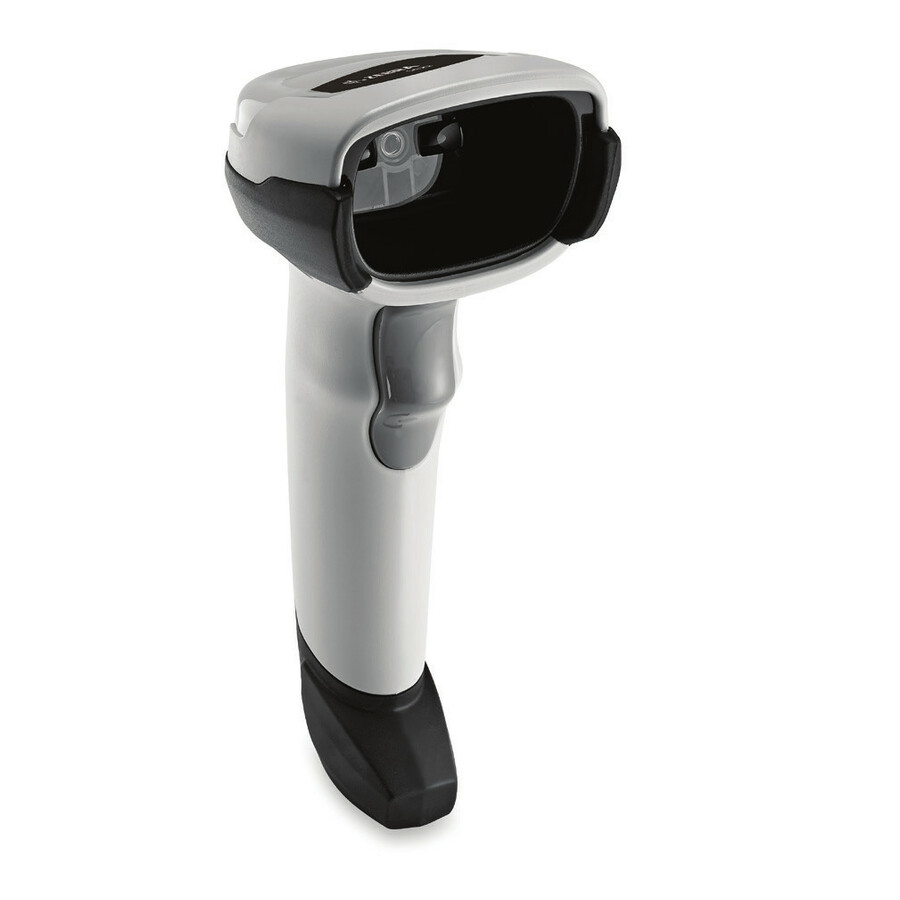
82 in stock - Zebra TechnologiesZebra DS2208-SR Handheld Barcode Scanner with Stand - Cable Connectivity - 30 scan/s - 14.49" Scan Distance - 1D, 2D - Imager - Omni-directional - USB - Twilight Black - Stand Included - IP42 - USB Cable Included - Retail, Hospitality, Transportation, Logistics, Light/Clean Manufacturing, Government, IndustrialDS2208-SR7U2100SGW
$338.64
$253.07
3 in stock
Need pricing on barcode scanners?
Tell us where to reach you and a Uniqcli specialist will follow up by email with current pricing, availability and lead time for the quantities you need — including parts that aren’t shown on this page.
Buying for an organization or for yourself — both work. No payment up front.
A 1D linear scanner reads UPC, Code 39 and asset tags and nothing else; a 2D imager adds QR, DataMatrix and PDF417, including codes shown on a phone screen. The label estate picks between them, not the brand. The second fork is the tether — corded for a fixed counter or receiving station, wireless where the item cannot be brought to the scanner.
A barcode scanner is bought for a workflow, not for a desk, and the first fork is what the labels look like. A 1D linear scanner reads the stacked bars on a UPC, a Code 39 property tag or a shelf label and nothing else. A 2D barcode scanner reads all of those plus QR, DataMatrix and PDF417 — the symbologies that turn up on driver's licences, specimen labels, shipping manifests and anything displayed on a phone screen. Buying 1D because today's labels are 1D is the decision most often regretted inside the refresh cycle, because the label estate changes and the scanner does not.
The second fork is the tether. A corded unit never needs charging, never pairs and never walks off, which is why fixed checkout, receiving and service-desk stations still standardize on one. A wireless barcode scanner earns its place where the item cannot come to the scanner — shelf audits, loading bays, pallet racks, bedside and specimen work. The pattern most sites land on is a corded model at the counter and its cordless twin in the aisle, from the same family, so decode behaviour, configuration barcodes and helpdesk scripts stay identical across both.
Everything after that is ergonomics and environment: a pistol-grip handheld for sustained scanning, a presentation unit that sits on the counter and reads whatever is held to it, a pocket companion that pairs to a phone or tablet for walk-around audits, and a sealed, wipeable body wherever dust, spray, a concrete floor or an infection-control policy is part of the job. The selection below is brand-neutral and drawn live from what Uniqcli lists, with pricing and availability on each card.
Buyer's checklist
How to choose a barcode scanner
- Decide 1D or 2D before anything else — a linear scanner reads UPC, Code 39 and asset tags only, while a 2D imager adds QR, DataMatrix and PDF417, including codes shown on a phone screen.
- Match the tether to the work: corded for a fixed counter or receiving station that never moves, wireless where the item cannot be brought to the scanner.
- Pick the form factor from the motion — pistol-grip handheld for sustained scanning, presentation for high-throughput counters, pocket companion for walk-around audits paired to a phone or tablet.
- Read the working range on the exact part number: a scanner rated for a few inches and one rated for arm's length are different jobs, and reach is where a unit is most often under-bought.
- Check the host interface the station actually has — USB, keyboard wedge and serial are not interchangeable on legacy point-of-sale and property-tracking systems.
- Specify an IP rating wherever dust, spray or a drop onto concrete is part of the environment, and a wipeable housing for clinical use.
- Standardize on a corded and cordless pair from the same family so configuration and support stay uniform across the fleet.
Where each form factor earns its place
The pistol-grip handheld is the general-purpose answer and the one most fleets standardize on: it suits receiving, picking, cycle counts and service desks, and it is comfortable for hours because the wrist does the aiming. A presentation scanner inverts that — it sits on the counter, stays powered, and the operator brings the item to it, which is measurably faster at a checkout, a check-in desk or a library circulation point where the item is already in hand.
Pocket companion scanners exist for the job neither of those does well: walking a venue, a route or a building with a phone or tablet as the terminal. And the sealed, longer-reach units belong wherever the environment is the constraint — a dusty warehouse floor, a wipe-down clinical surface, or a specimen and pharmacy workflow where the label is read at arm's length rather than up close.
Getting a deployment right the first time
Confirm the host interface before the order, not after. Keyboard wedge, USB and serial are listed per part number, and a legacy point-of-sale or property system that expects one of them will not silently accept another. Most handhelds here can be configured to present decoded characters as keystrokes, which is what lets them work with software that was never written with a scanner in mind — but that behaviour is set with configuration barcodes, so plan who holds the configuration sheet and where it lives.
For cordless units, plan the charging and the pairing policy together. Decide up front whether the base lives at the desk or on the cart, how many spare units the site needs so a flat battery is not an outage, and whether Bluetooth pairing is permitted at all — in some clinical and secure environments it is not, which is exactly why 2.4 GHz dongle-based units still ship.
What a scanner costs to own
The scanner itself is usually the smallest part. Cables, mounting stands, charging cradles and spare batteries are separate line items on most models, and a cordless fleet needs a battery replacement plan across a three-to-five-year service life. Drops are the other recurring cost: a unit with a stated IP rating and drop specification survives a warehouse floor, and an unrated one becomes a warranty conversation.
The saving that actually shows up is standardization. One corded model and one cordless model from the same family means one set of configuration barcodes, one spares pool, one helpdesk script and one imaging profile — which is worth more over a fleet than the difference between any two units on this page.
FAQ
Common questions
- What is the difference between a 1D and a 2D barcode scanner?
- A 1D scanner reads linear symbologies only — UPC, EAN, Code 39, Code 128 and the stacked bars on most shelf and asset labels. A 2D imager reads all of those and adds matrix codes: QR, DataMatrix, PDF417 and Aztec. Two practical consequences follow. Most identity documents, specimen labels, shipping manifests and mobile tickets are 2D, and a 2D imager can read a code displayed on a phone screen where many linear scanners cannot. If there is any chance the label estate will change inside the refresh cycle, the 2D unit is the safer purchase.
- Should we buy corded or wireless barcode scanners?
- Buy corded where the station is fixed and the item comes to the operator: checkouts, receiving desks, service counters and property-tracking workstations. There is no battery to manage, no pairing to support and nothing to walk off. Buy wireless where the operator has to go to the item — shelf audits, loading bays, pallet racks, bedside and specimen work. Most sites end up with both, and the cleanest way to run that is a corded model and its cordless counterpart from the same family so the two behave identically.
- Do barcode scanners need special software or drivers?
- Usually not. Most handheld scanners can be configured to present decoded data as keystrokes, so the characters arrive in whatever field has focus and no integration work is required to get started. That is set with configuration barcodes rather than a driver install. Where a system expects a specific interface — serial, keyboard wedge, or a particular emulation — check the interface list on the exact part number before ordering, because the list varies between models in the same family.
- Can Uniqcli quote barcode scanners for a government or education buy?
- Every line Uniqcli quotes is sourced through US distribution and screened for TAA country-of-origin and NDAA §889 status before checkout — with documentation tied to the specific part number, not a product family.
Need barcode scanners pricing?
Send a bill of materials or part numbers — we confirm stock and a below-market total, with TAA verified on request. No payment up front.