
Best Document Scanners for Office Record Digitization
Desktop sheetfed scanners with automatic document feeders — sized on pages per minute, duplex capture and the media each unit is rated for.
Office document scanners in stock at Uniqcli
How to choose →A curated selection with live pricing — in-stock lines first, then back-ordered lines with a typical lead time. Every line is sourced through US distribution and screened for NDAA §889 status before checkout, with TAA verified on request.
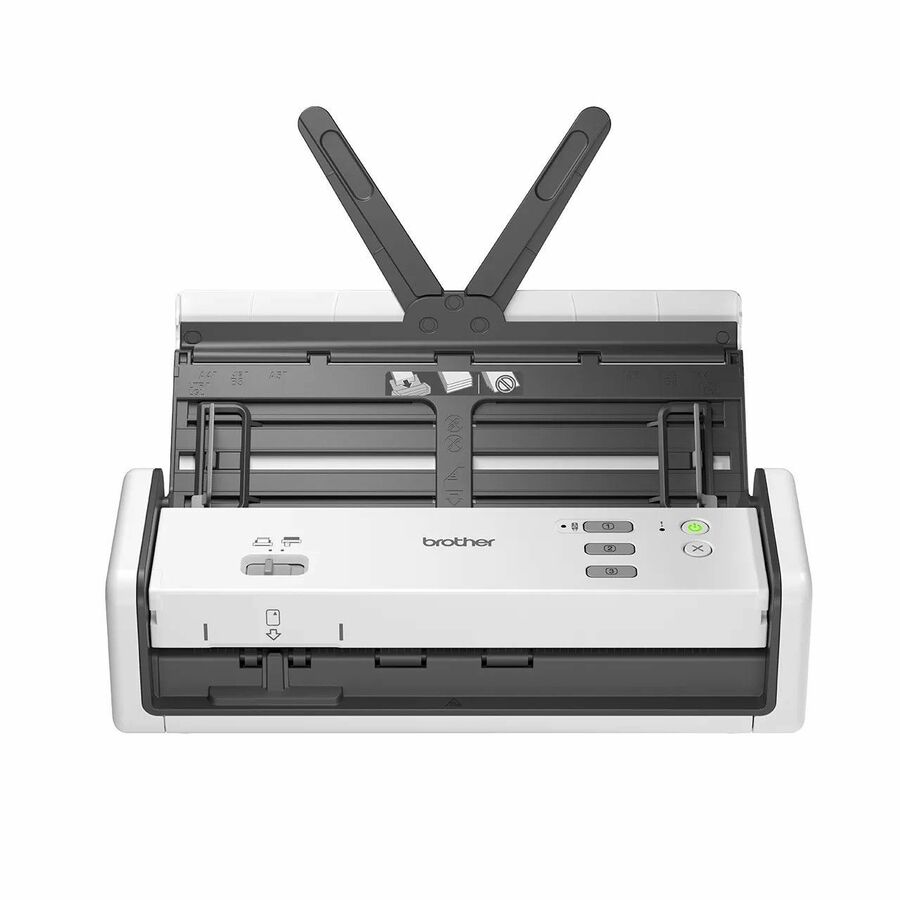
- Brother IndustriesBrother ADS1300 Large Format Sheetfed Scanner - 600 x 600 dpi Optical - White - 30 ppm (Mono) - 30 ppm (Color) - Color, Monochrome Scan - Duplex Scanning - ID Card, Business Card, Plastic Card, Card, Paper Document, Plastic, Credit Card - Portable - USBADS-1300
$370.99
$342.34
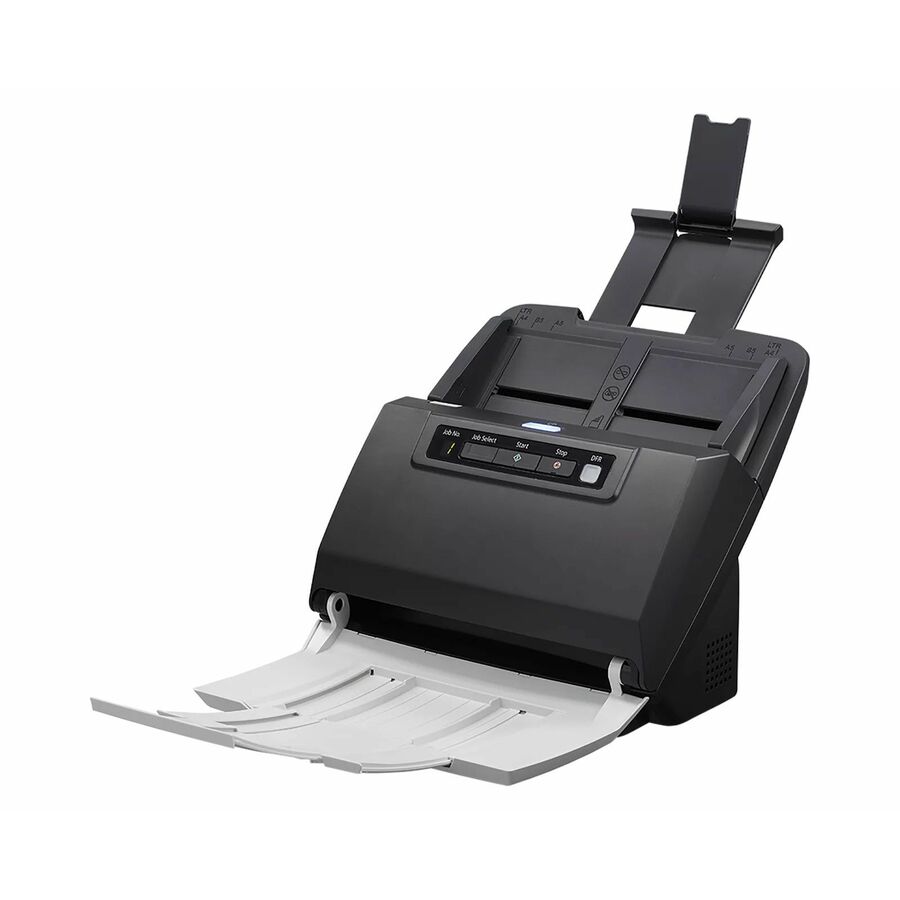
19 in stock - CanonCanon imageFORMULA DR-C225II Sheetfed Scanner - 600 dpi Optical - 25 ppm (Mono) - 25 ppm (Color) - Duplex Scanning - USB3258C002
$485.00
$443.78
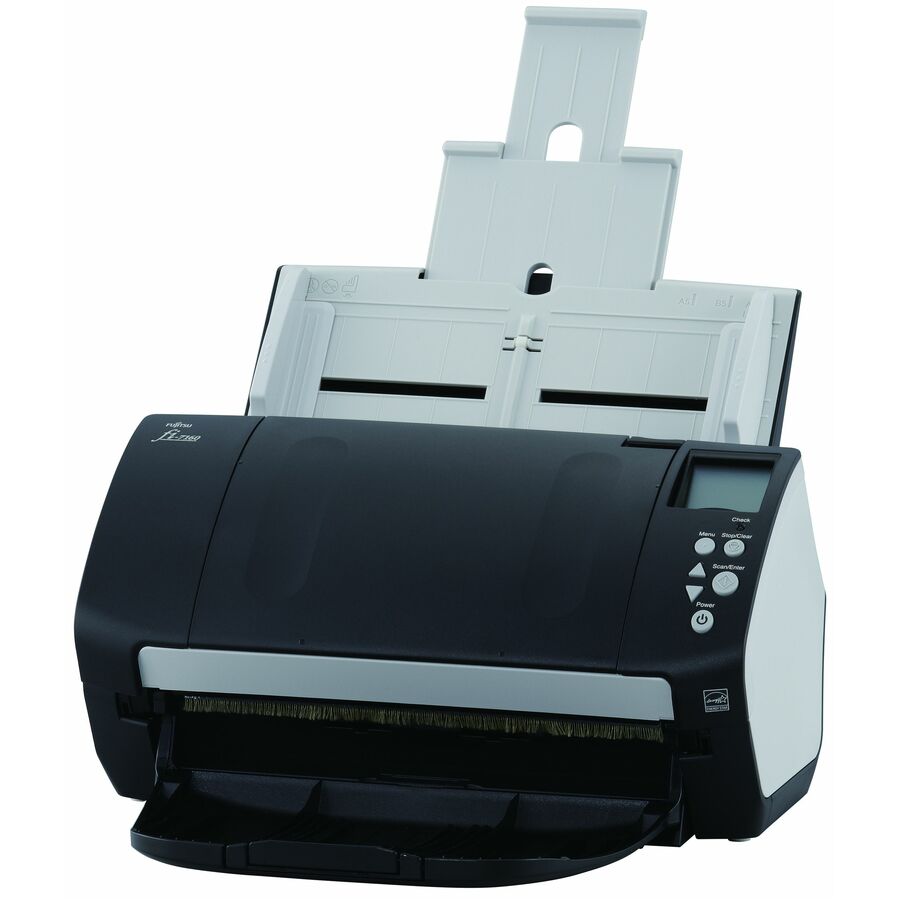
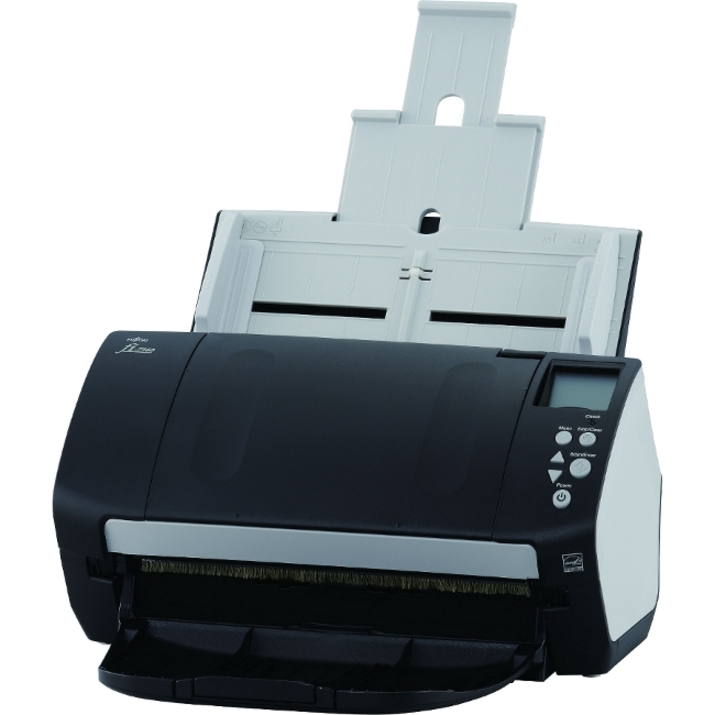
119 in stock - FujitsuFujitsu fi-6140 High Performance Sheetfed Scanner - 24 bit Color - 8 bit Grayscale - SCSI, USBPA03540-B005
$771.93
$740.13
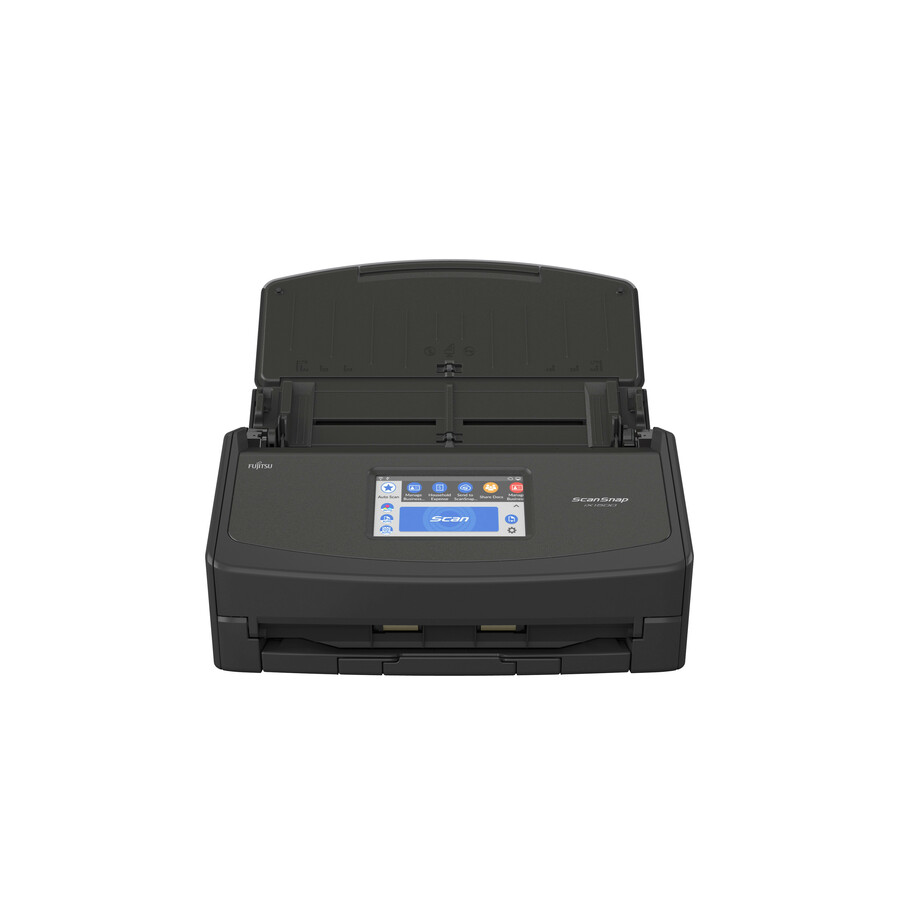
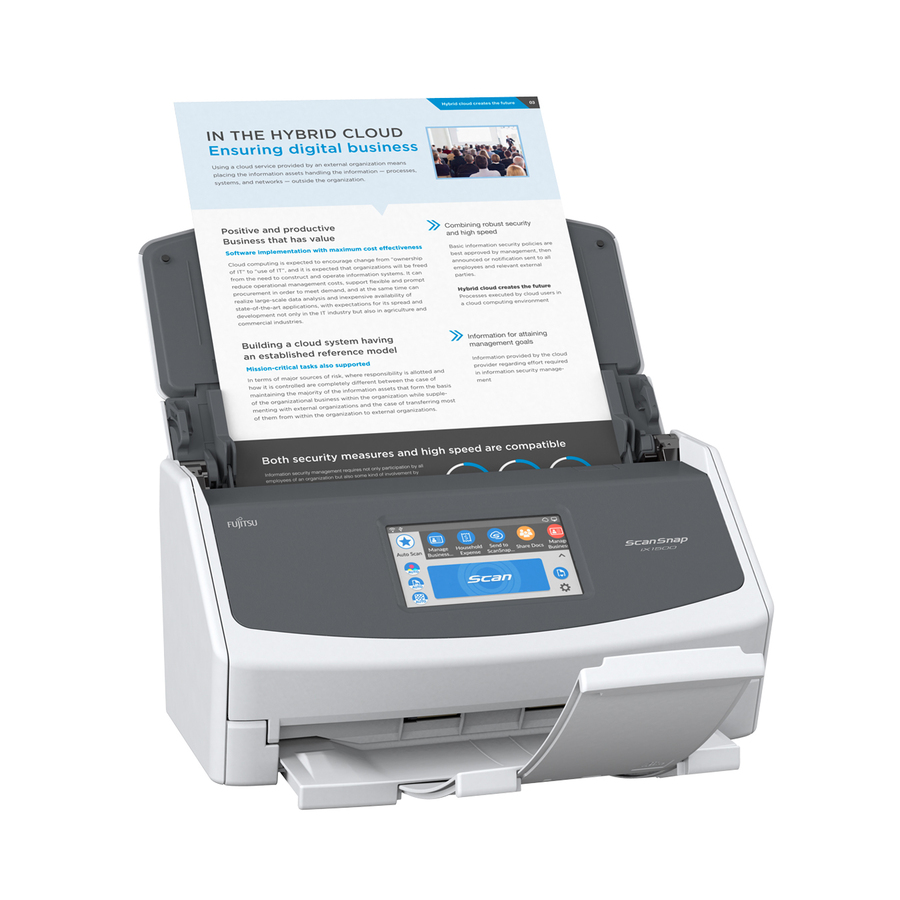
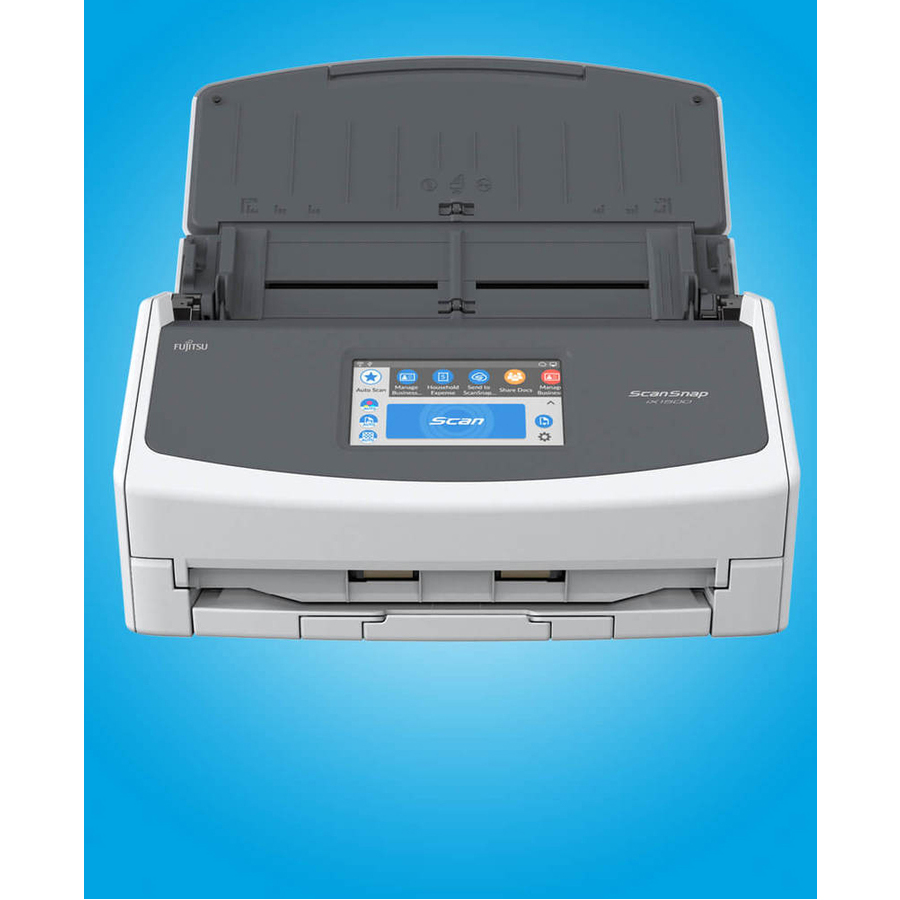
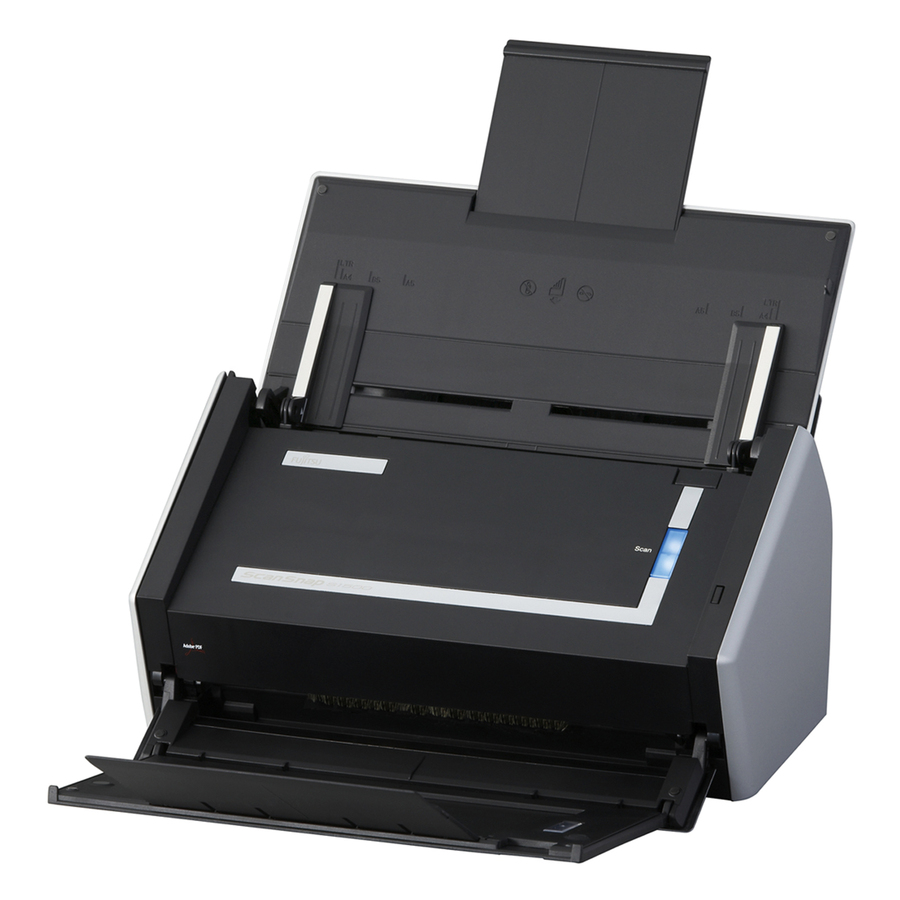
7 in stock - FujitsuFujitsu ScanSnap IX1500 Sheetfed Scanner - 600 dpi Optical - 30 ppm (Mono) - 30 ppm (Color) - Duplex Scanning - USBPA03770-B315
$1,052.63
$1,001.29
6 in stock



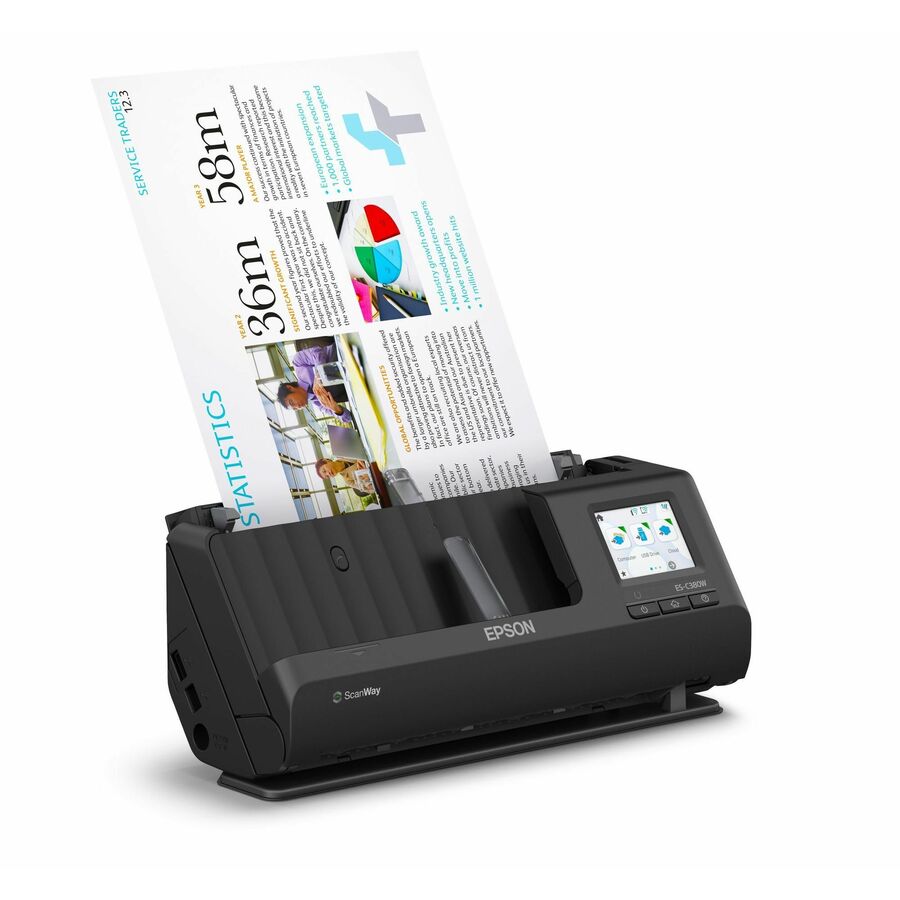


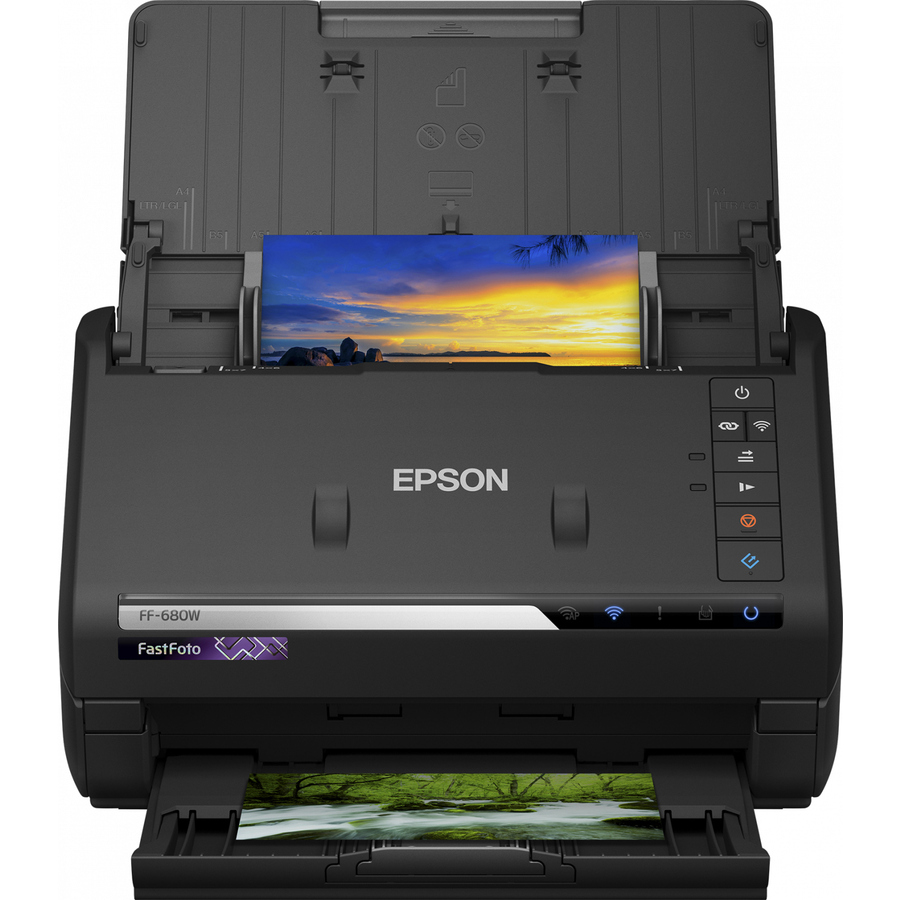
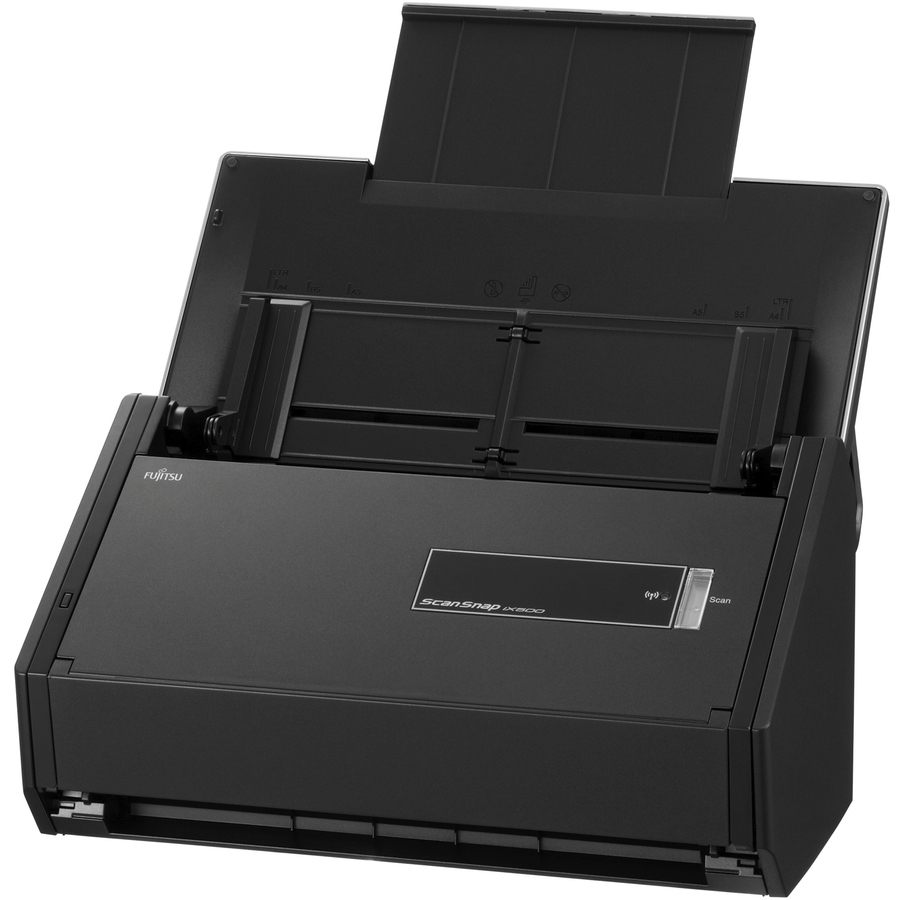

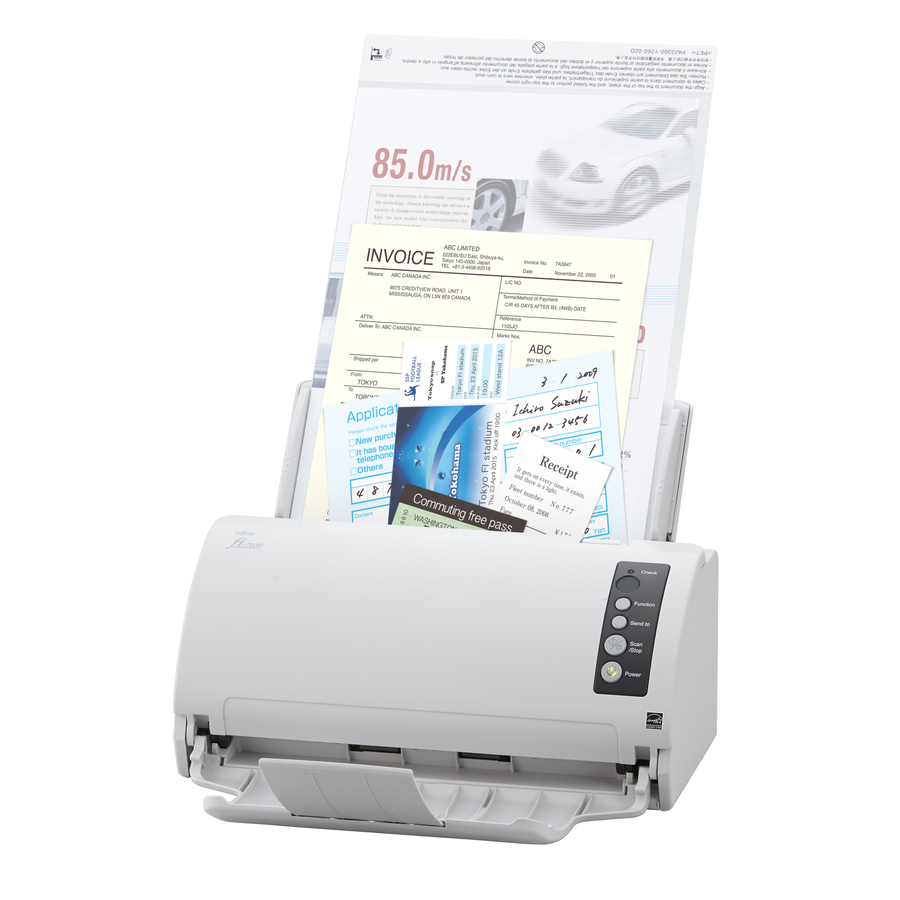
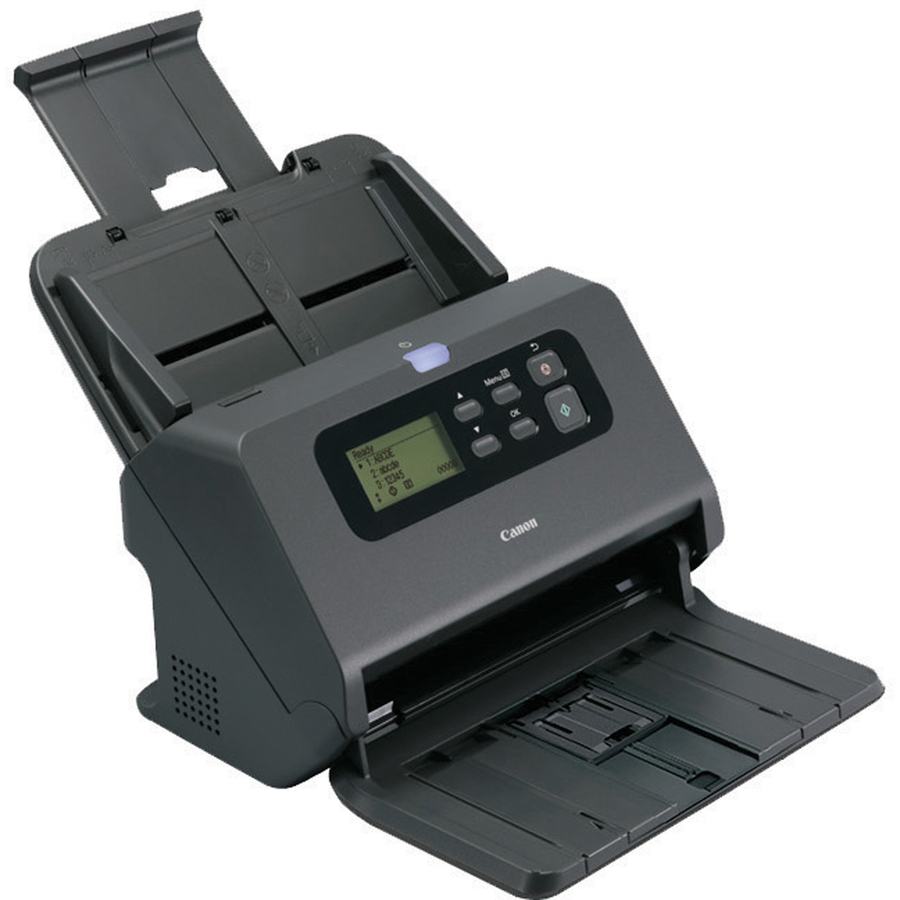
Top pick
Epson
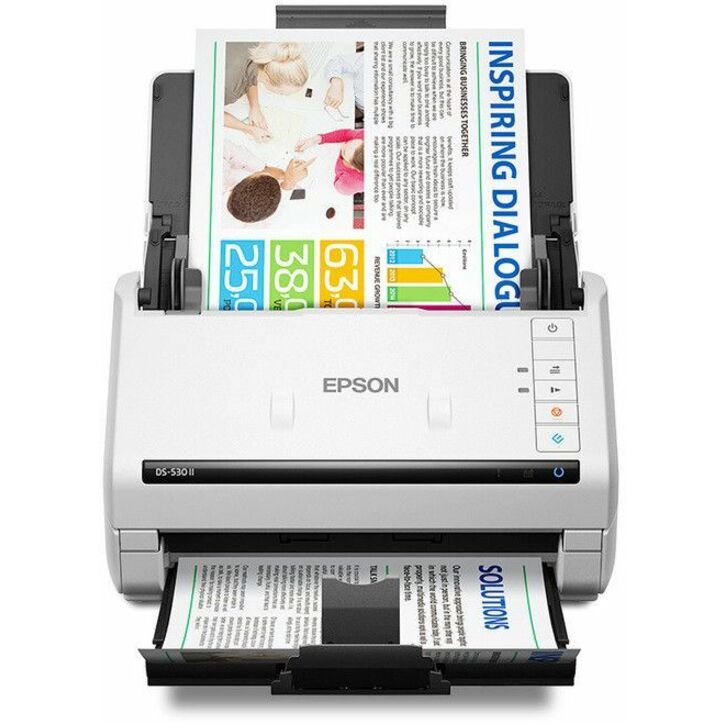
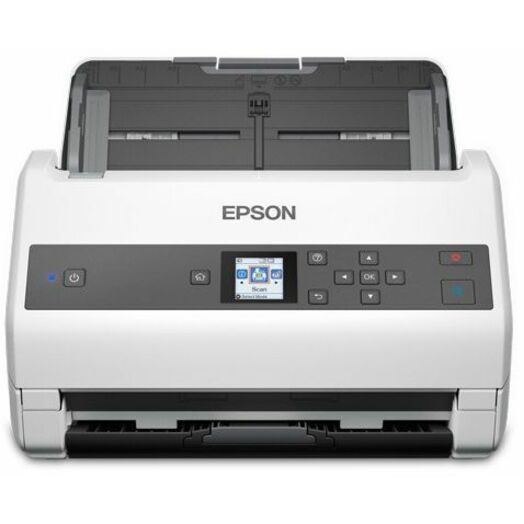
Epson DS-530 II Sheetfed Scanner
B11B261203
The balanced departmental unit: 600 dpi optical, 35 ppm in both mono and colour, duplex scanning, 30-bit colour and 10-bit grayscale, letter media, desktop form, USB. Thirty-five pages a minute with both sides captured in one pass is the speed at which a real backlog starts moving without turning one person into a full-time operator, and its own title carries a TAA Compliant marking.
The manufacturer's title records this part number as TAA Compliant. We confirm the screening result against this exact part number on the quote rather than restating it as a Uniqcli certification.
$449.82*In stockFaster desktop
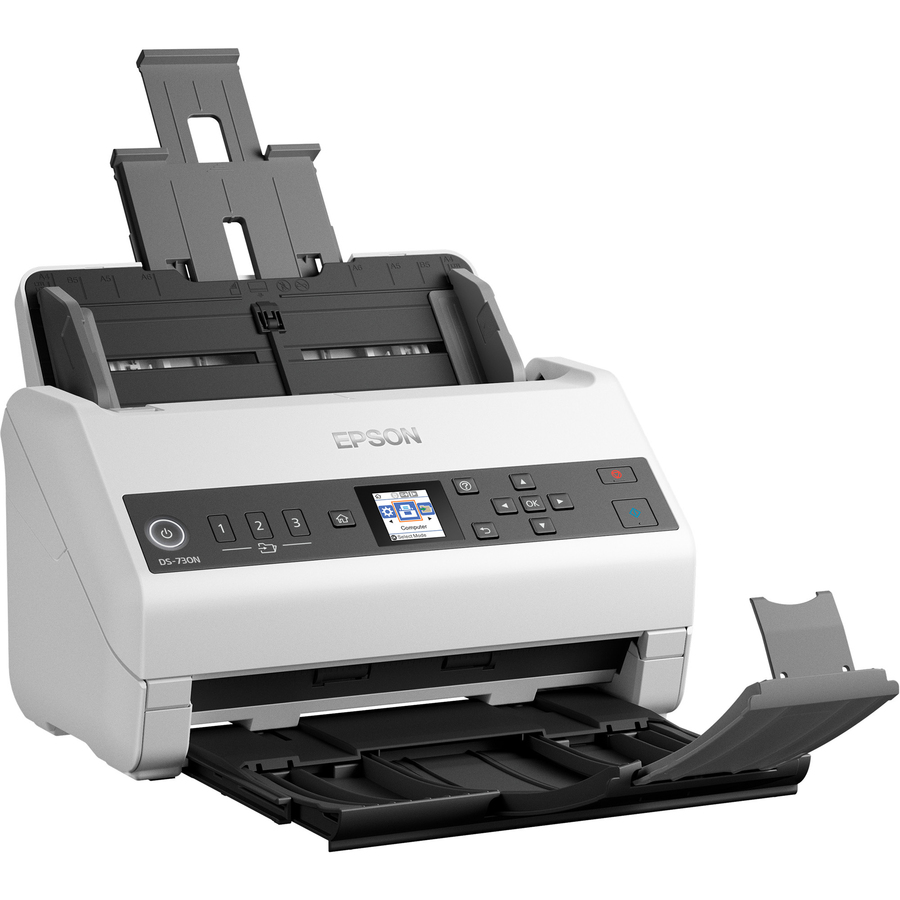
Epson
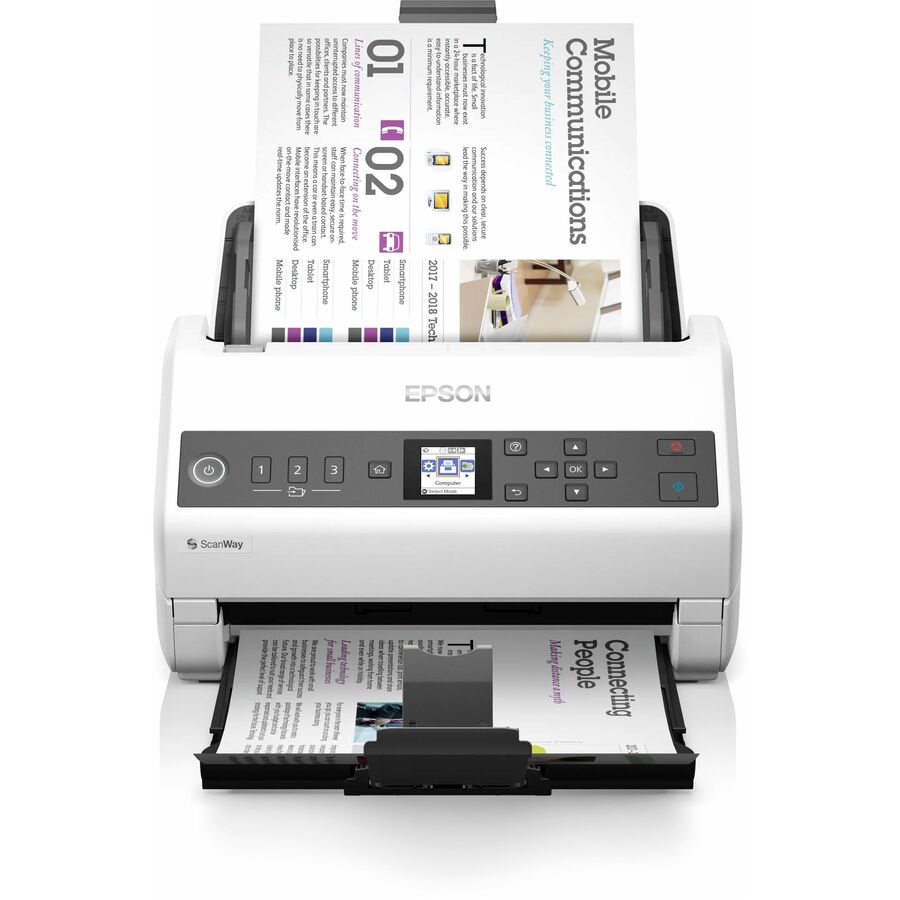
Epson DS-730N Sheetfed Scanner
B11B259201
Forty pages per minute in mono and colour at 600 dpi optical with duplex scanning, 8-bit colour and grayscale, over USB. The step up from the 35 ppm unit is small on paper and compounds over a long project — at the same staffing, five extra pages a minute is measured in days off the calendar rather than in seconds per stack.
Request pricingCompact 30 ppm
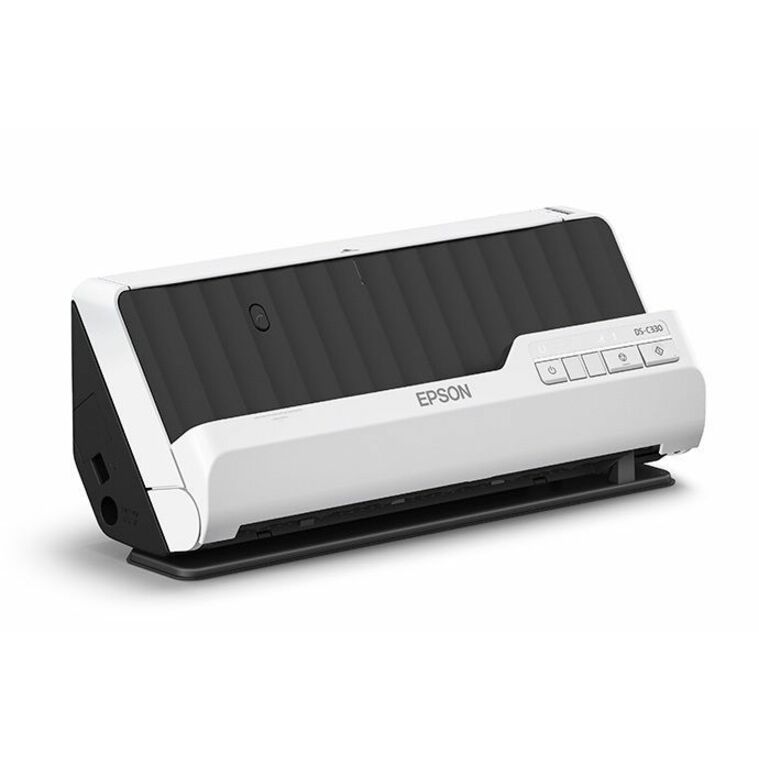
Epson
Epson DS-C330 Sheetfed Scanner
B11B272201
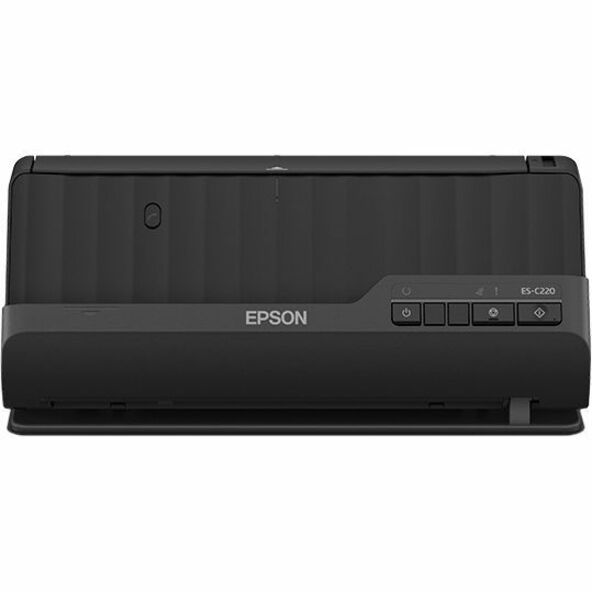
A small-footprint desktop scanner at 600 dpi optical, 30 ppm mono and colour, duplex scanning and 10-bit colour, over USB. Thirty pages a minute with duplex is the sensible floor for anything you would call a digitization project rather than an occasional scan, and this is the size that fits on a shared desk without owning it.
Request pricingHigh throughput
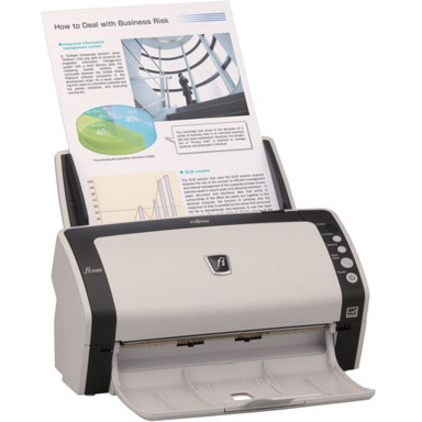
Fujitsu
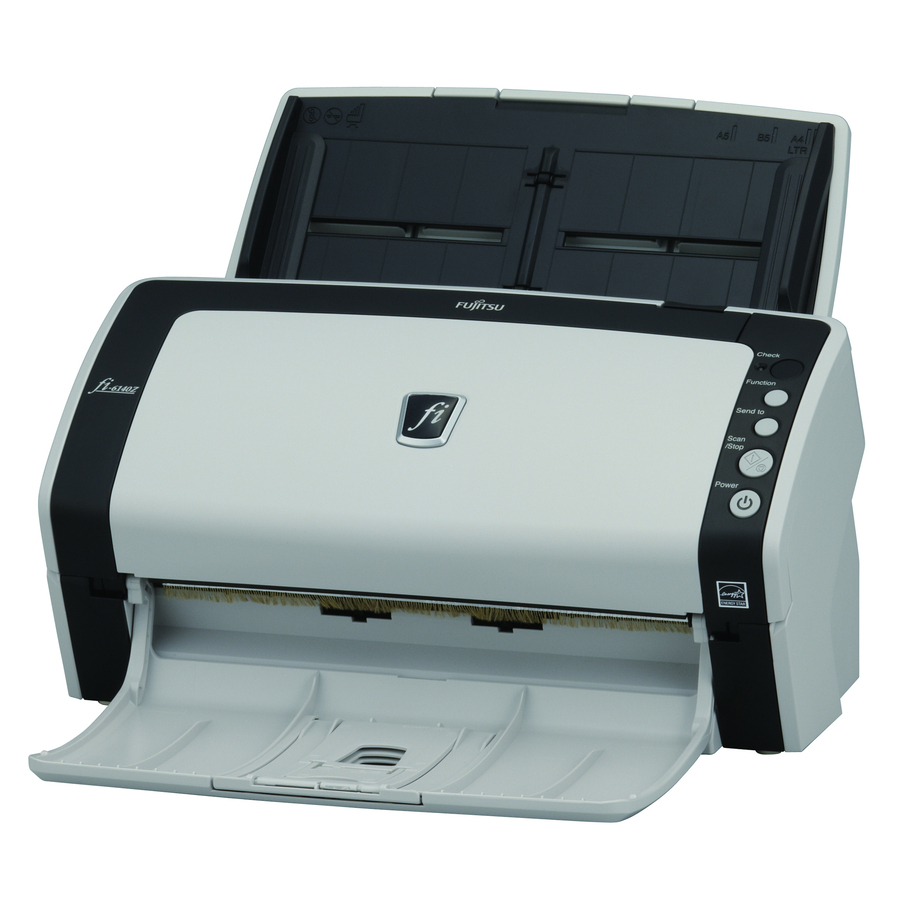
Fujitsu fi-6140Z Sheetfed Scanner
PA03630-B005
Sixty pages per minute in mono and colour at 600 dpi optical with duplex scanning, 24-bit colour and 8-bit grayscale, desktop form, USB. This is the class of machine a filing-room clearance actually wants: at sixty pages a minute the operator's preparation — destapling, sorting, unfolding — becomes the limiting factor rather than the scanner, which is the right way round.
$1,462.50In stockDepartmental workhorse
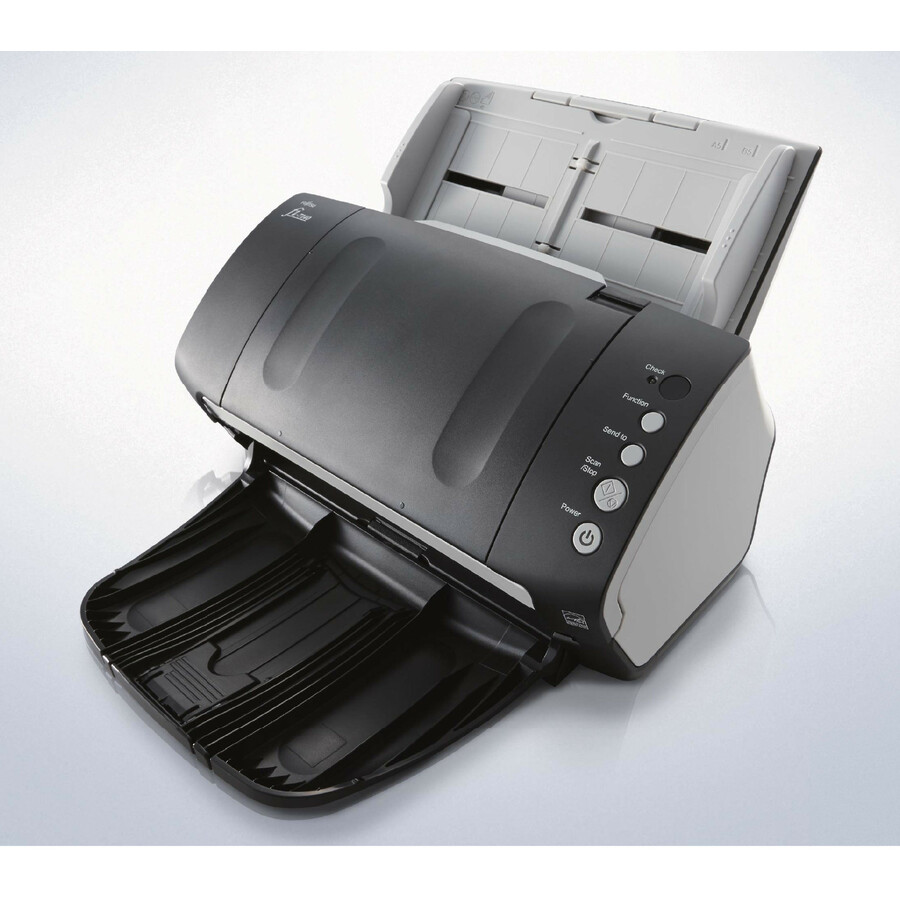
Fujitsu
Fujitsu ImageScanner fi-7140 Sheetfed Scanner
PA03670-B101
Forty pages per minute mono and colour at 600 dpi optical with duplex scanning, 24-bit colour and 8-bit grayscale, over USB. A well-specified middle of the range for a department that scans steadily rather than in campaigns — enough speed that nobody avoids the job, without the footprint or the price of a production unit.
$1,451.65Back-orderedShared over Wi-Fi
Fujitsu
Fujitsu ScanSnap iX500 Sheetfed Scanner
PA03656-B001
Twenty-five pages per minute mono and colour at 600 dpi optical with duplex scanning, desktop form, and both wireless LAN and USB in its own title. The wireless part is the reason to pick it: a scanner tied to one workstation is a scanner one person uses, and a shared unit on the network is one a whole team reaches without moving a cable.
$707.73In stockLarge format, networked
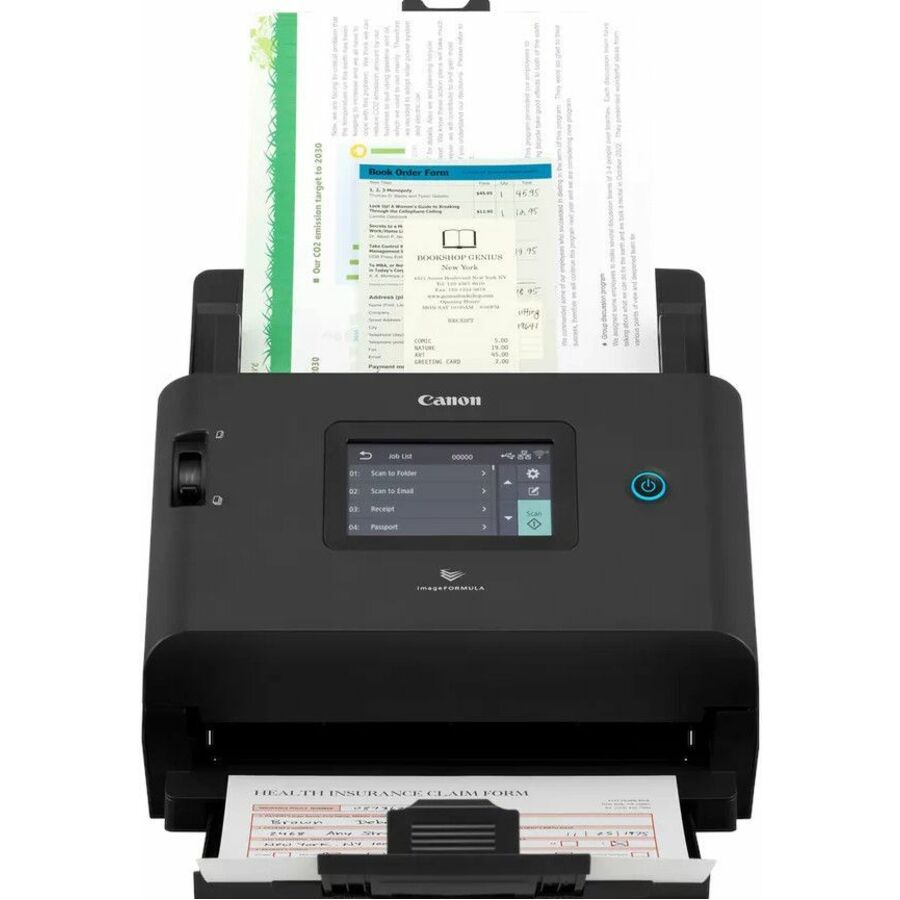
Canon
Canon imageFORMULA DR-S350NW Large Format Sheetfed Scanner
6897C002
A large-format sheetfed scanner at 600 dpi optical, 50 ppm mono and colour, duplex scanning, 24-bit colour and 8-bit grayscale, titled for plain paper and paper documents, with wireless LAN and USB in a desktop form. Large format widens the sheet size the feeder accepts, which covers part of the gap that otherwise sends oversized originals to a flatbed.
$864.68Back-orderedSteady mid-range
Canon
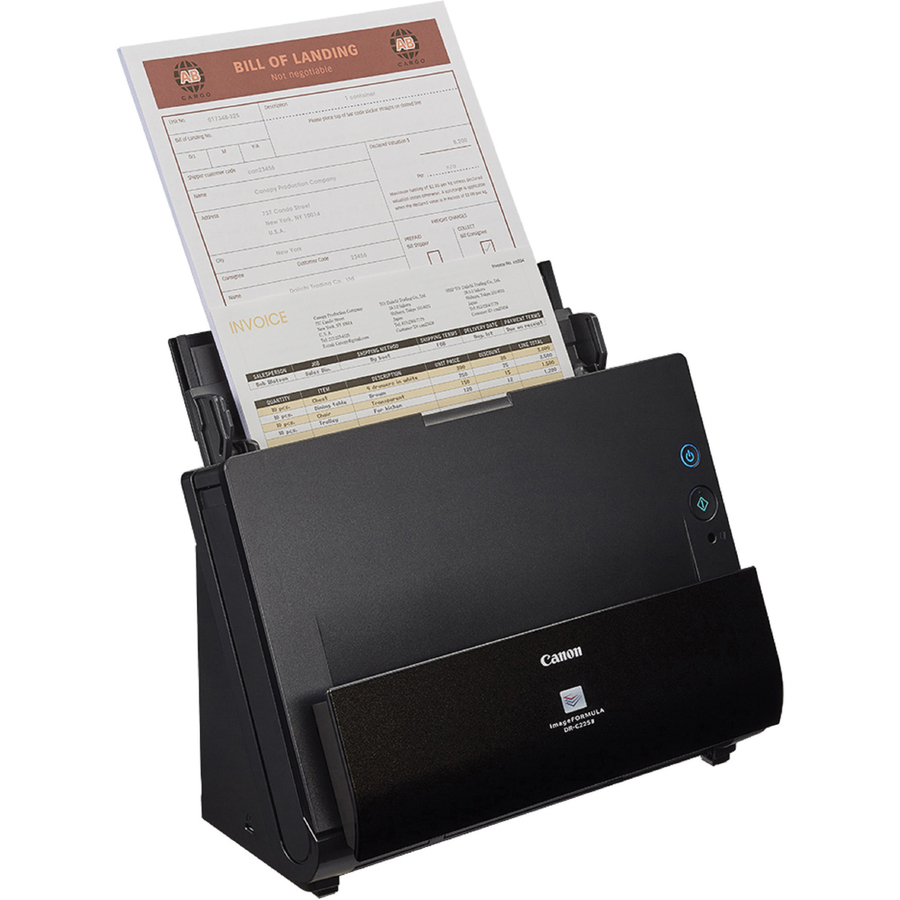
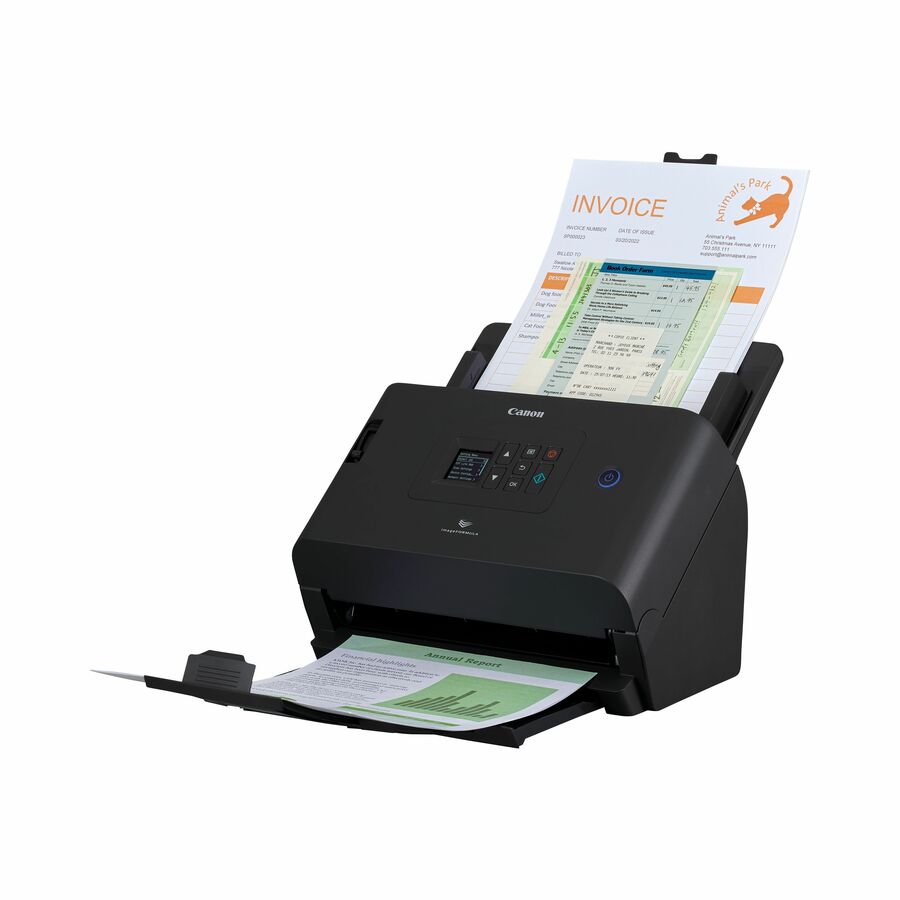
Canon imageFORMULA DR-C225II Sheetfed Scanner
3258C002
Twenty-five pages per minute in mono and colour at 600 dpi optical with duplex scanning, over USB. A straightforward desktop unit for a back-office queue — invoices, forms, correspondence — where the volume is continuous rather than a one-off archive clearance and the machine has to sit quietly on a shared desk.
$443.78In stockTravels with the job
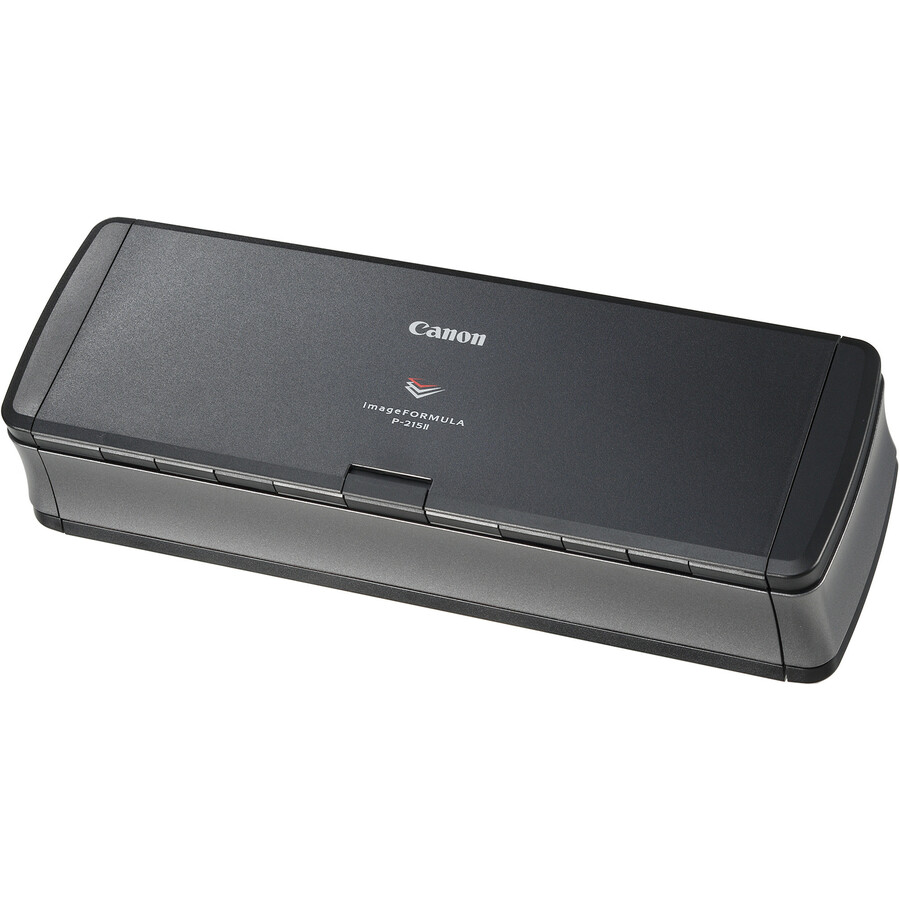
Canon
Canon imageFORMULA P-215II Sheetfed Scanner
9705B007
A portable sheetfed scanner at 600 dpi optical, 15 ppm mono and 10 ppm colour, with duplex scanning, 24-bit colour and 8-bit grayscale, over USB. Portable is a deliberate trade of speed for the ability to take the scanner to the records — a satellite office, a site visit, a records room without a spare workstation — rather than shipping the paper to the scanner.
$295.55Back-orderedCards, over Wi-Fi
Brother Industries
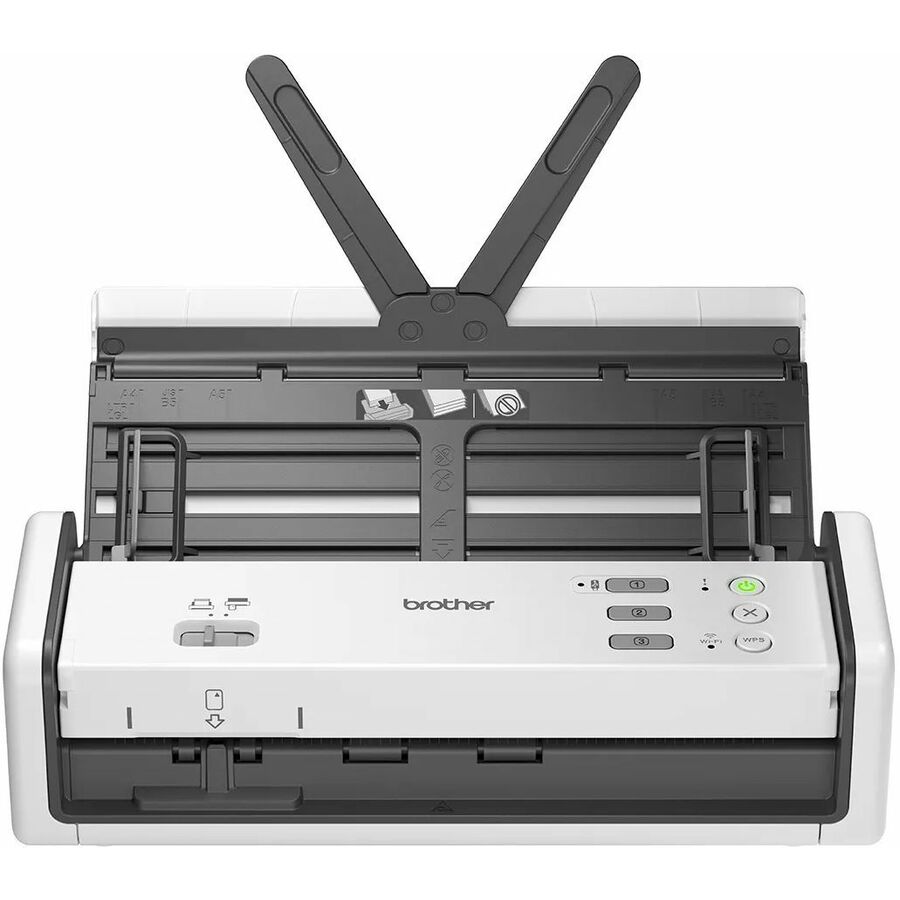
Brother ADS1350W Large Format Sheetfed Scanner
ADS-1350W
A large-format portable unit at 600 x 600 dpi optical, 30 ppm mono and colour, duplex scanning with colour and monochrome modes, titled for ID cards, business cards and plastic cards, with wireless LAN and USB. Card handling plus a wireless connection is the combination an enrolment, onboarding or front-desk station wants — the badge and the form go through the same feeder and land on the network.
$389.23In stockMixed-media desktop
Plustek
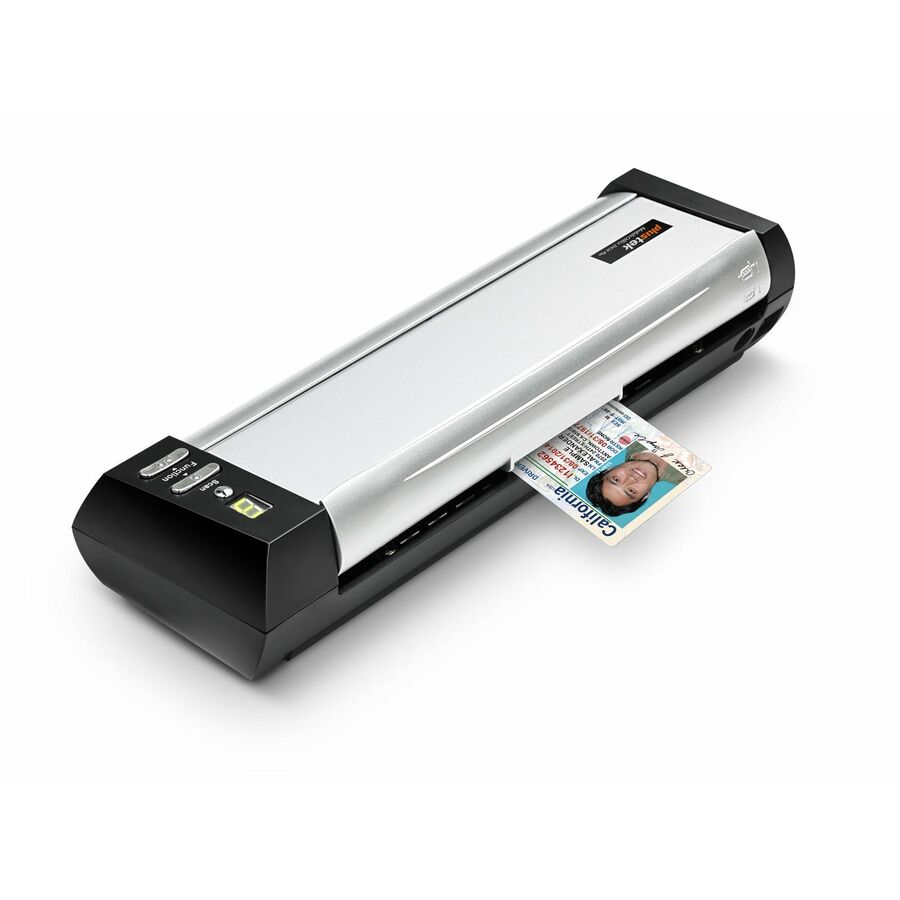
Plustek MobileOffice D430 Plus Sheetfed Scanner
D430PLUS
Six hundred by 600 dpi optical with 48-bit colour and 16-bit grayscale, duplex scanning, colour, monochrome and grayscale modes, in a desktop unit titled for cards, receipts, plastic cards, paper documents, invoices and notes. Where the archive is finance rather than correspondence — receipts, invoices, small slips of inconsistent size — the media list matters more than the page rate.
$412.40In stockValue duplex
Plustek
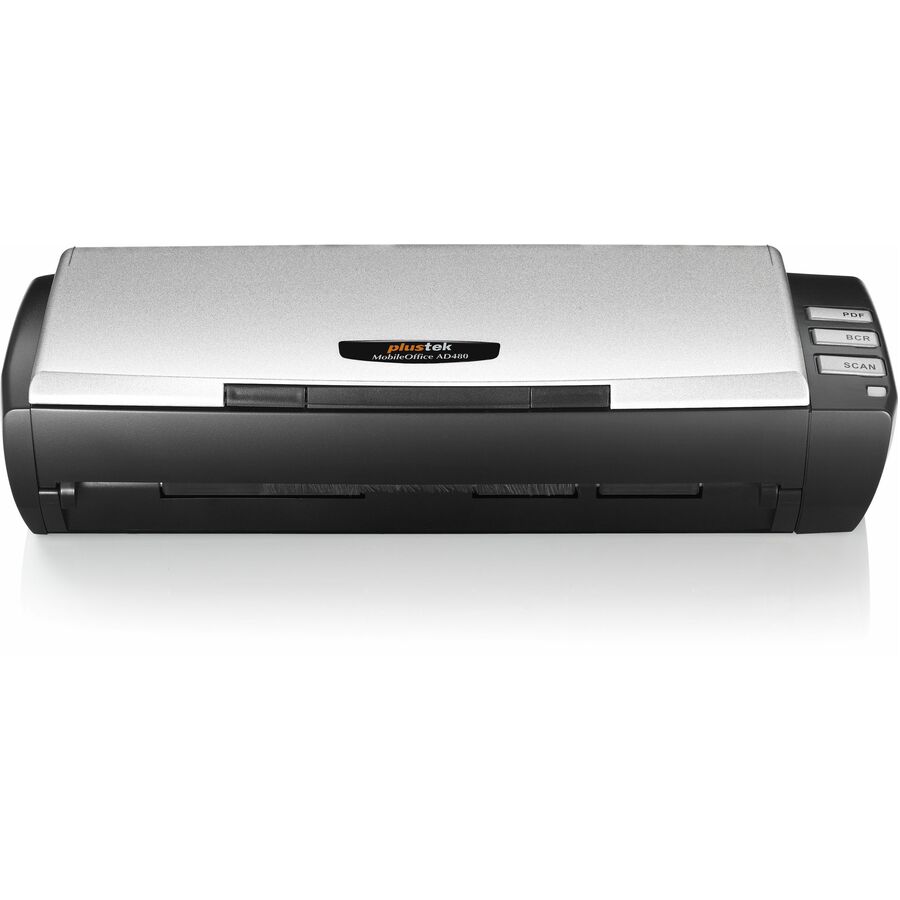
Plustek MobileOffice AD480 Sheetfed Scanner
AD480
Twenty pages per minute in mono and colour at 600 dpi optical with duplex scanning, 48-bit colour and 16-bit grayscale, over USB. The least expensive way onto this page that still captures both sides in one pass, which is the specification that actually decides whether a records project has to be done twice.
$257.70In stockLarge-format portable
Brother Industries
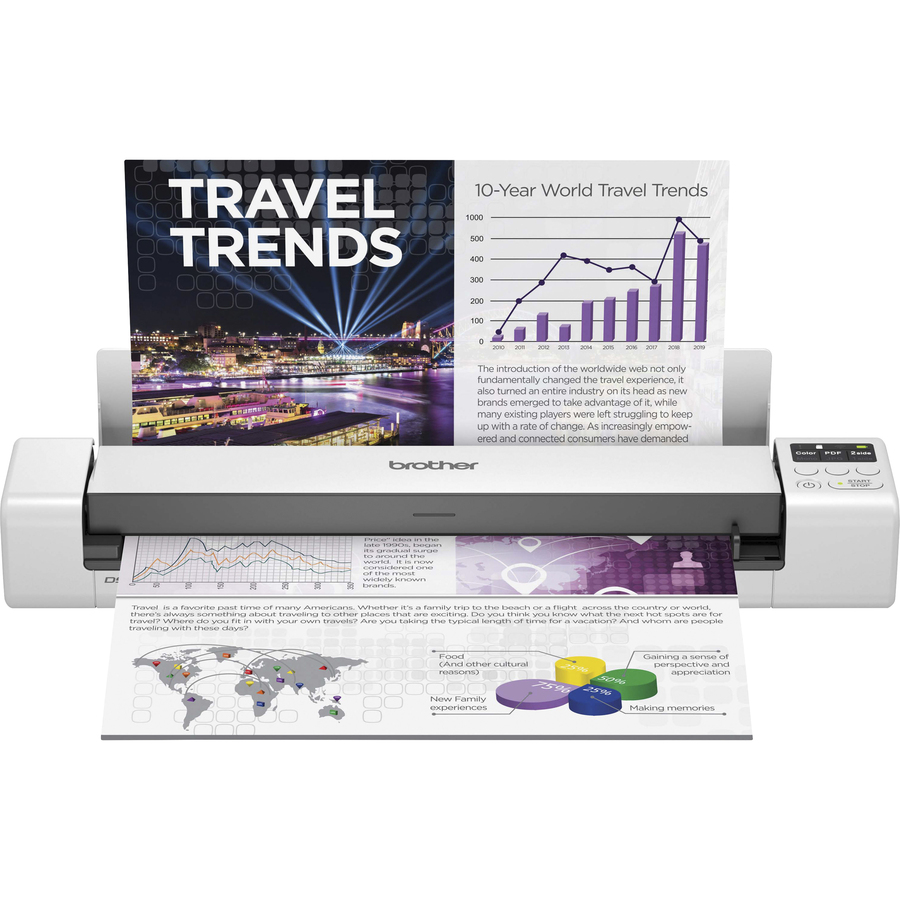
Brother ADS1300 Large Format Sheetfed Scanner
ADS-1300
A large-format portable scanner at 600 x 600 dpi optical, 30 ppm mono and colour, with duplex scanning and colour and monochrome modes, titled for ID cards, business cards, plastic cards, credit cards and paper documents, over USB. Thirty pages a minute in something you can carry is an unusual combination, and the card handling makes it useful at an enrolment or onboarding desk.
$342.34In stockDuplex on a budget
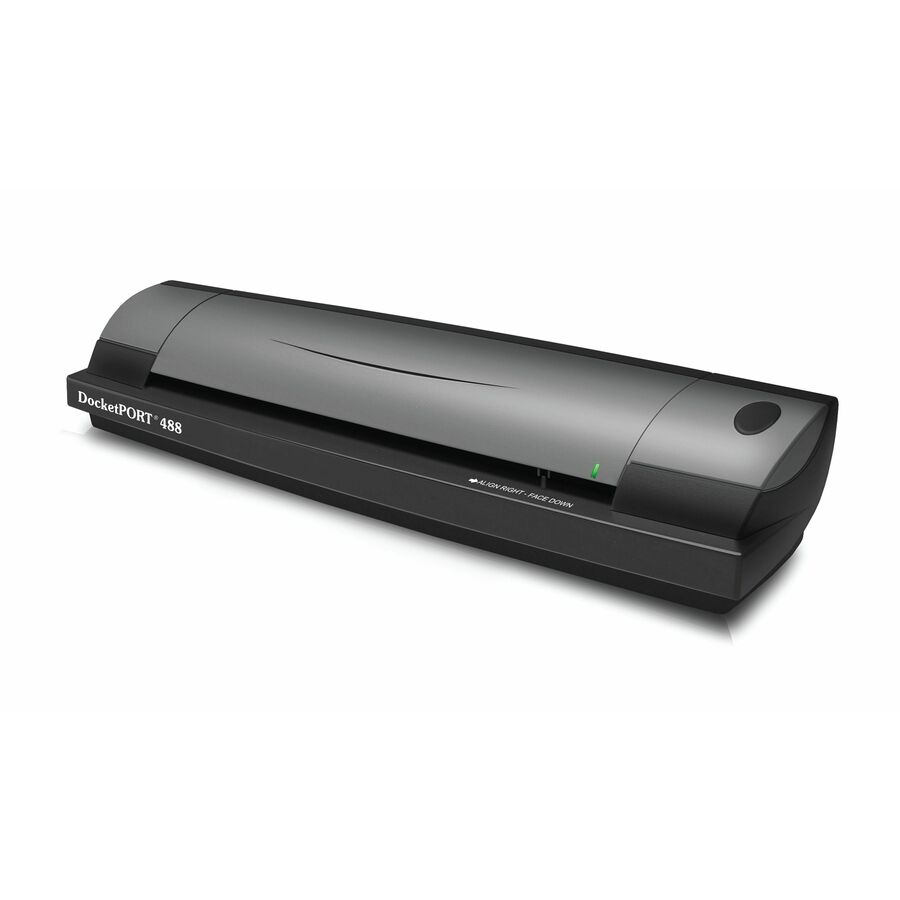
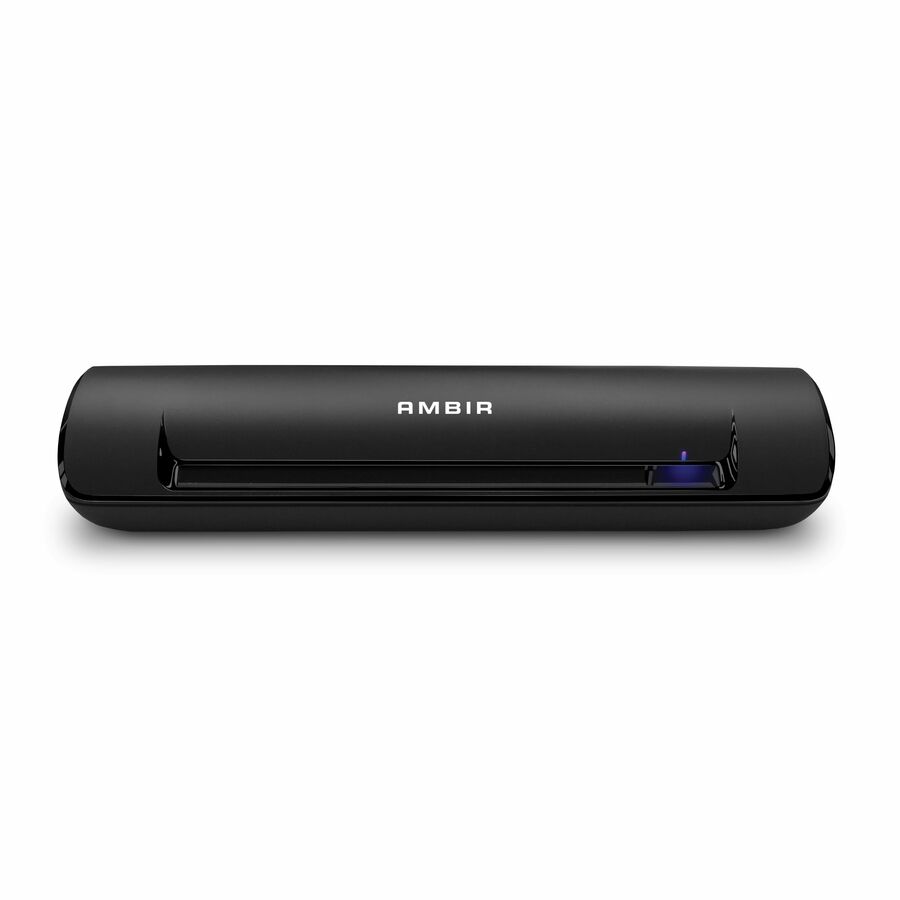
AMBIR
DocketPORT DP488 Duplex Sheetfed Document Scanner
DP488
A duplex sheetfed scanner with 48-bit colour and 8-bit grayscale over USB. Its title states the two facts that matter for a straightforward capture station — the feed class and duplex capture — without the speed rating of the departmental units above it, which makes it a sensible second station rather than a primary one.
$310.00Back-orderedSecond station
AMBIR
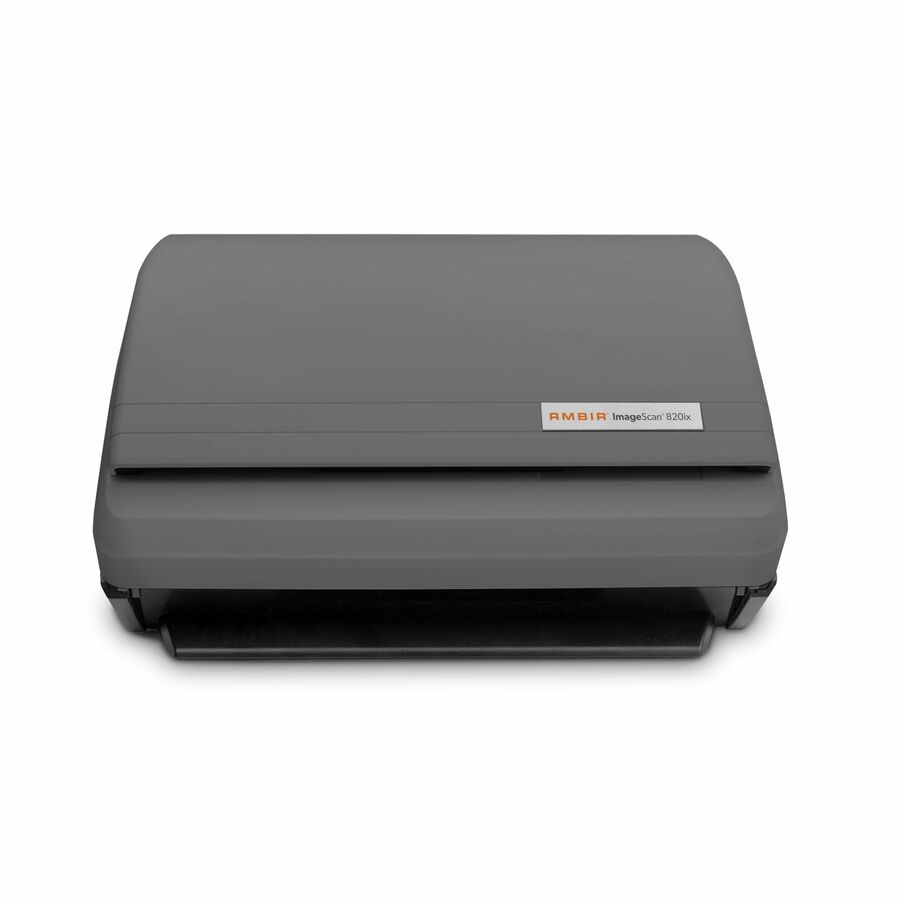
AMBIR ImageScan Pro 820ix Sheetfed Document Scanner
DS820ix-AS
Twenty pages per minute mono and colour at 600 dpi optical with duplex scanning, 48-bit colour and 16-bit grayscale, over USB. Where a project needs two people scanning rather than one faster machine, a pair of modest duplex units at separate desks usually clears more paper per day than a single fast one with a queue behind it.
$443.74In stockMore scanners in the Uniqcli catalog
See all 283 scannersMore from across this category. In-stock lines lead, and a back-ordered line carries the same estimated availability its product page does — with live pricing throughout, NDAA §889 screening before checkout and TAA verified on request.
- FujitsuFujitsu ScanSnap iX1500 Sheetfed Scanner - 600 dpi Optical - 30 ppm (Mono) - 30 ppm (Color) - Duplex Scanning - USBPA03770-B005
$1,192.98
$1,134.56
11 in stock - FujitsuFujitsu ScanSnap iX1500 Sheetfed Scanner - 600 dpi Optical - 30 ppm (Mono) - 30 ppm (Color) - Duplex Scanning - USBPA03770-B215
$1,192.98
$1,134.56
11 in stock - FujitsuFujitsu ScanSnap IX1500 Sheetfed Scanner - 600 dpi Optical - 30 ppm (Mono) - 30 ppm (Color) - Duplex Scanning - USBPA03770-B001
$1,192.98
$1,134.56
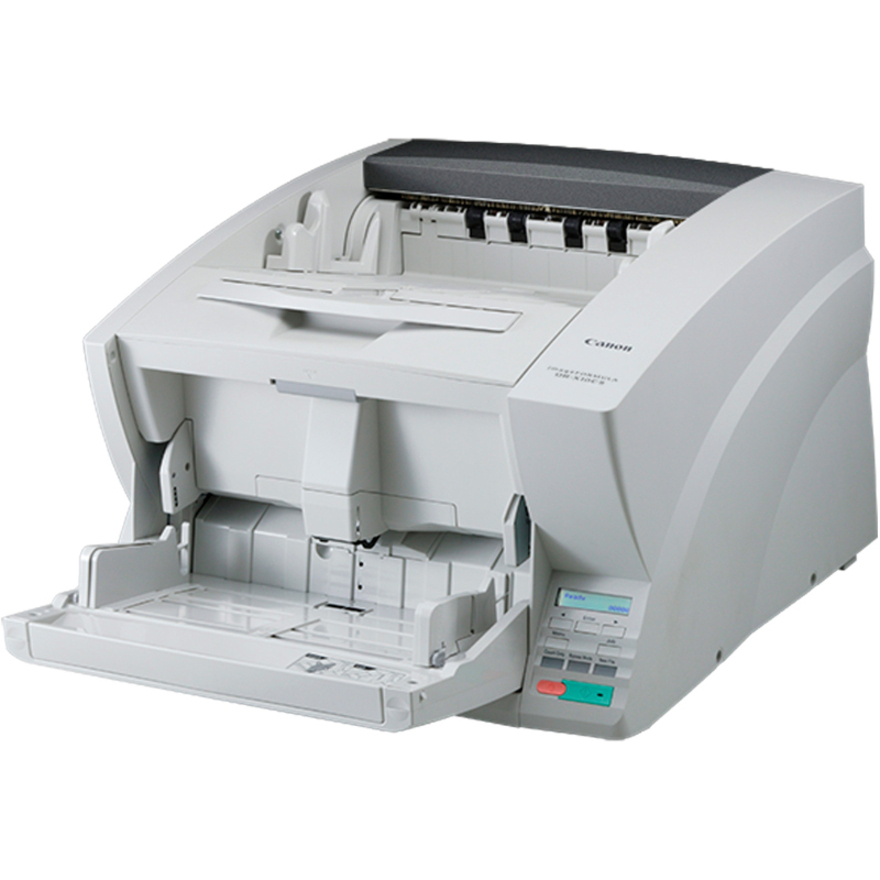
11 in stock - CanonCanon imageFORMULA DR-X10C II Sheetfed Scanner - 600 dpi Optical - 24-bit Color - 8-bit Grayscale - 130 ppm (Mono) - 130 ppm (Color) - Duplex Scanning - USB2260C001
$18,535.00
$16,959.53
Back-orderedBack-ordered — estimated OEM lead time 3–8 weeks (Nov 15 – Dec 20 if ordered today).
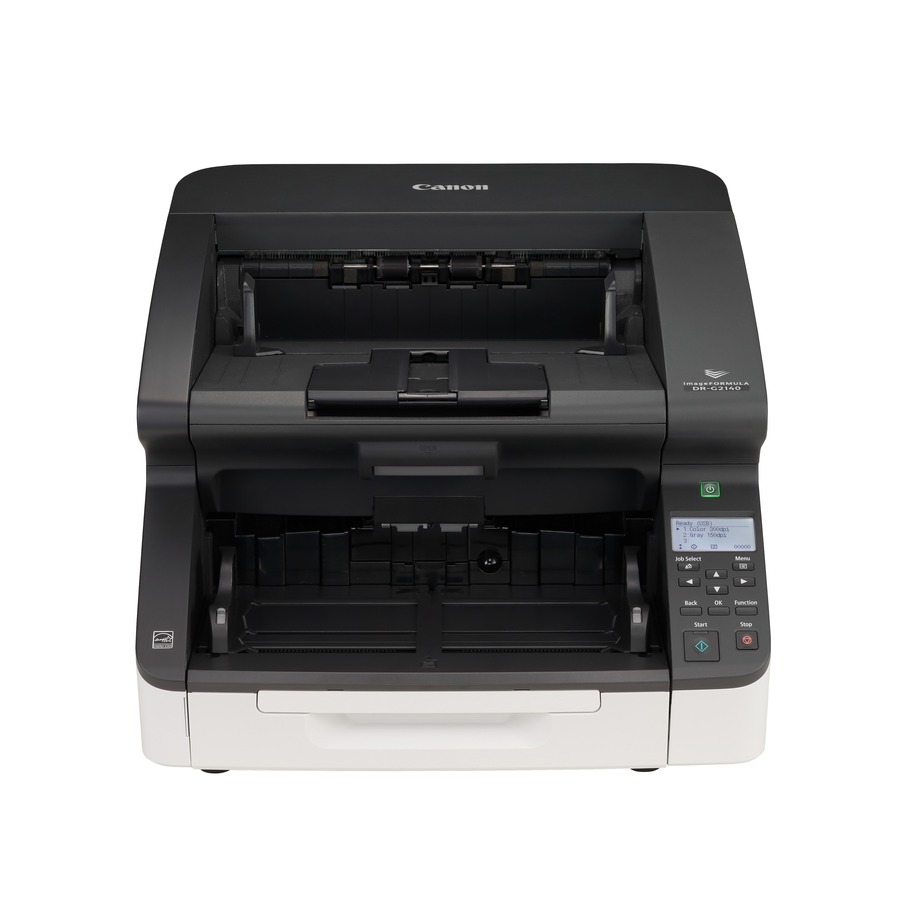
- CanonCanon imageFORMULA DR-G2140 Sheetfed Scanner - 600 dpi Optical - 24-bit Color - 8-bit Grayscale - 140 ppm (Mono) - 140 ppm (Color) - Duplex Scanning - USB3149C002
$9,265.00
$8,477.48
Back-orderedBack-ordered — estimated OEM lead time 3–8 weeks (Nov 15 – Dec 20 if ordered today).
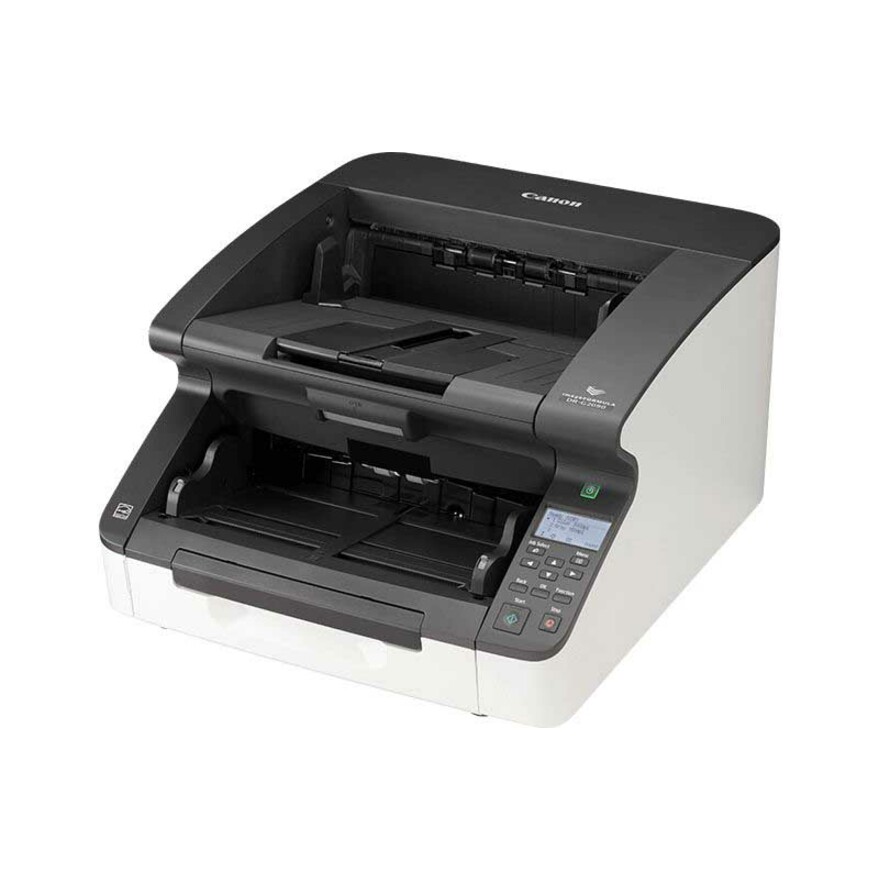
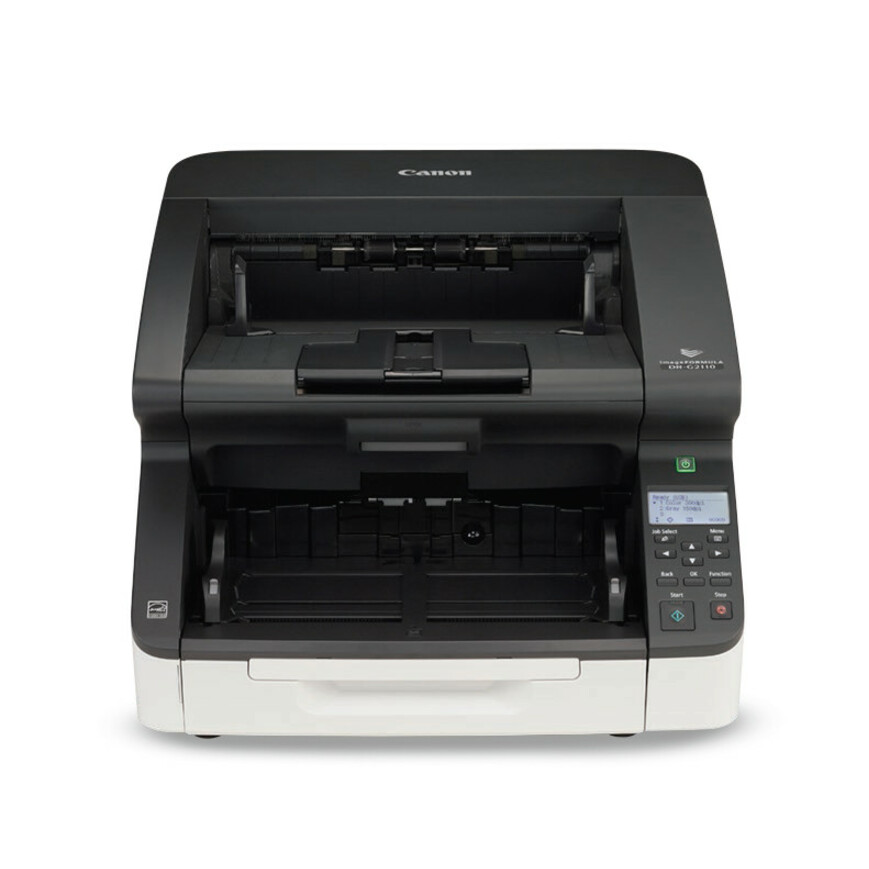
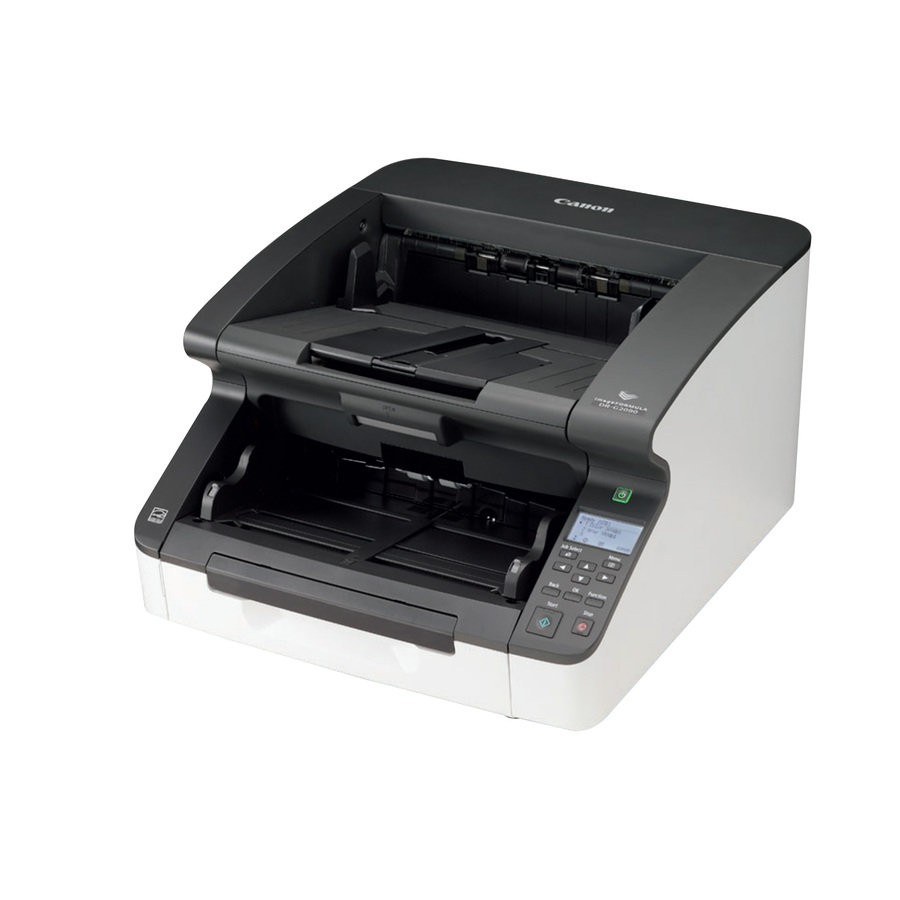
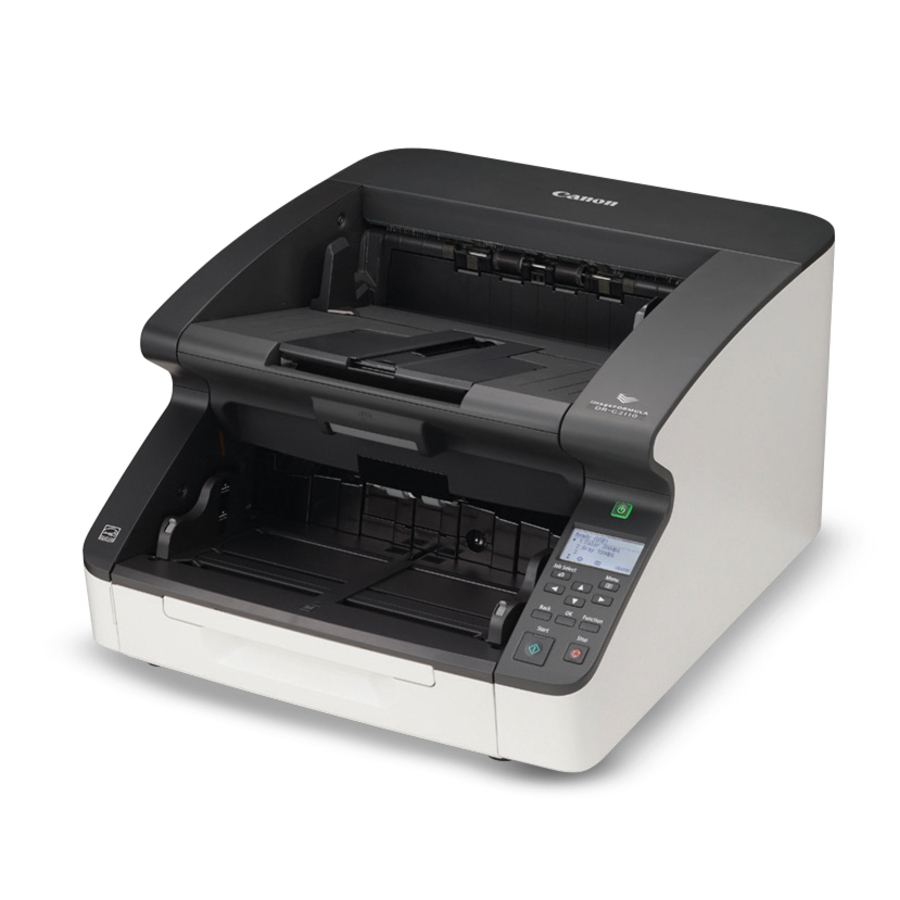
- CanonCanon imageFORMULA DR-G2110 Sheetfed Scanner - 600 dpi Optical - 24-bit Color - 8-bit Grayscale - 110 ppm (Mono) - 110 ppm (Color) - Duplex Scanning - USB3150C009
$6,175.00
$5,650.13
Back-orderedBack-ordered — estimated OEM lead time 3–8 weeks (Nov 15 – Dec 20 if ordered today).
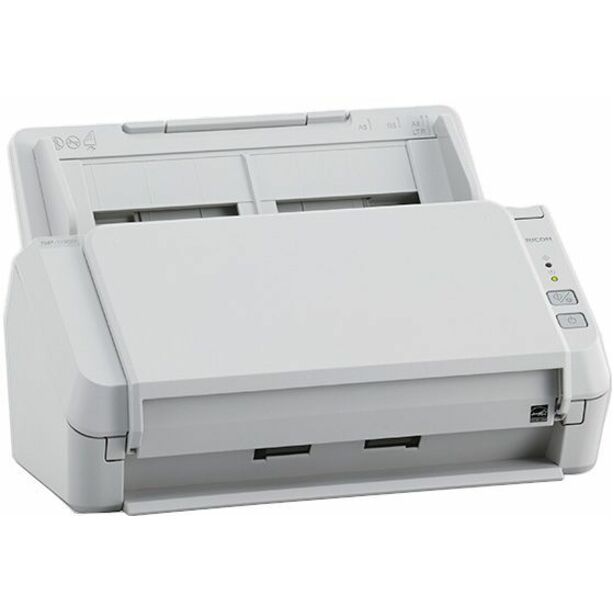
- Ricoh ImagingRicoh ImageScanner SP-1130N Sheetfed Scanner - 600 dpi Optical - Gray - 24-bit Color - 8-bit Grayscale - 30 ppm (Mono) - 30 ppm (Color) - Color, Monochrome, Grayscale Scan - Duplex Scanning - Plastic Card, Embossed Card, Receipt, Legal, Plain Paper - Desktop - USBPA03811-B025
$513.00
$268.96
Back-orderedBack-ordered — estimated OEM lead time 3–8 weeks (Nov 15 – Dec 20 if ordered today).
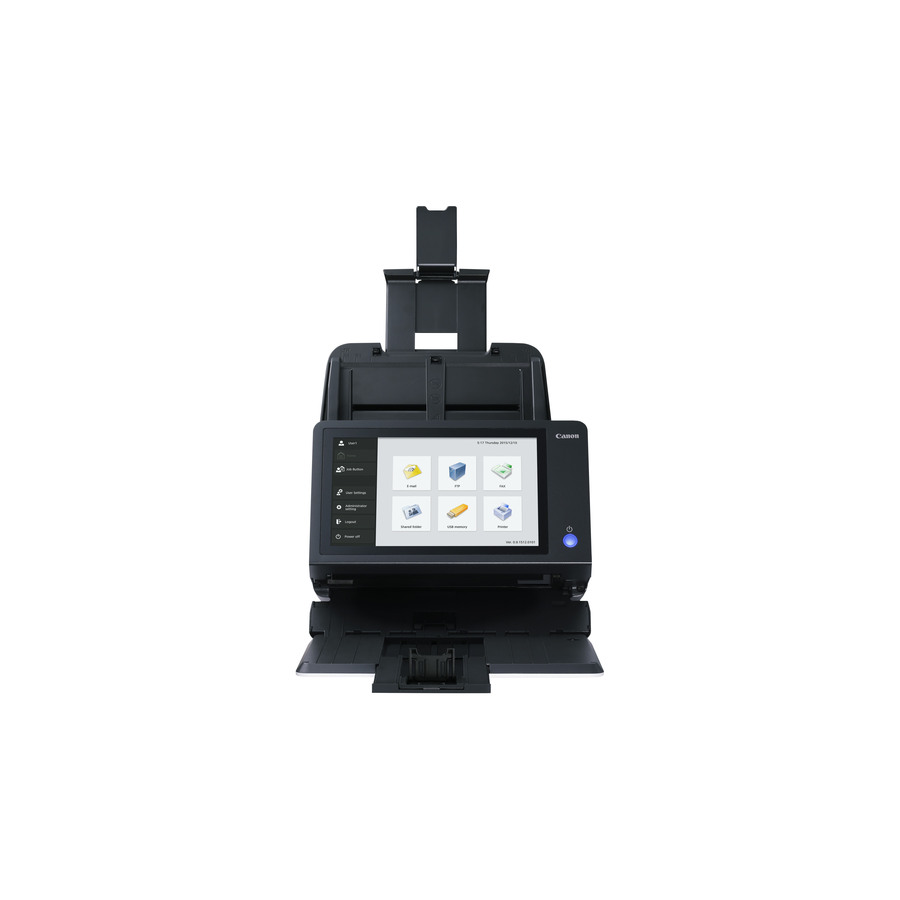
- CanonCanon ScanFront 400 Sheetfed Scanner - 600 dpi Optical - 24-bit Color - 8-bit Grayscale - 45 ppm (Mono) - 45 ppm (Color) - Duplex Scanning - USB1255C002
$1,995.00
$1,825.43
Back-orderedBack-ordered — estimated OEM lead time 3–8 weeks (Nov 15 – Dec 20 if ordered today).
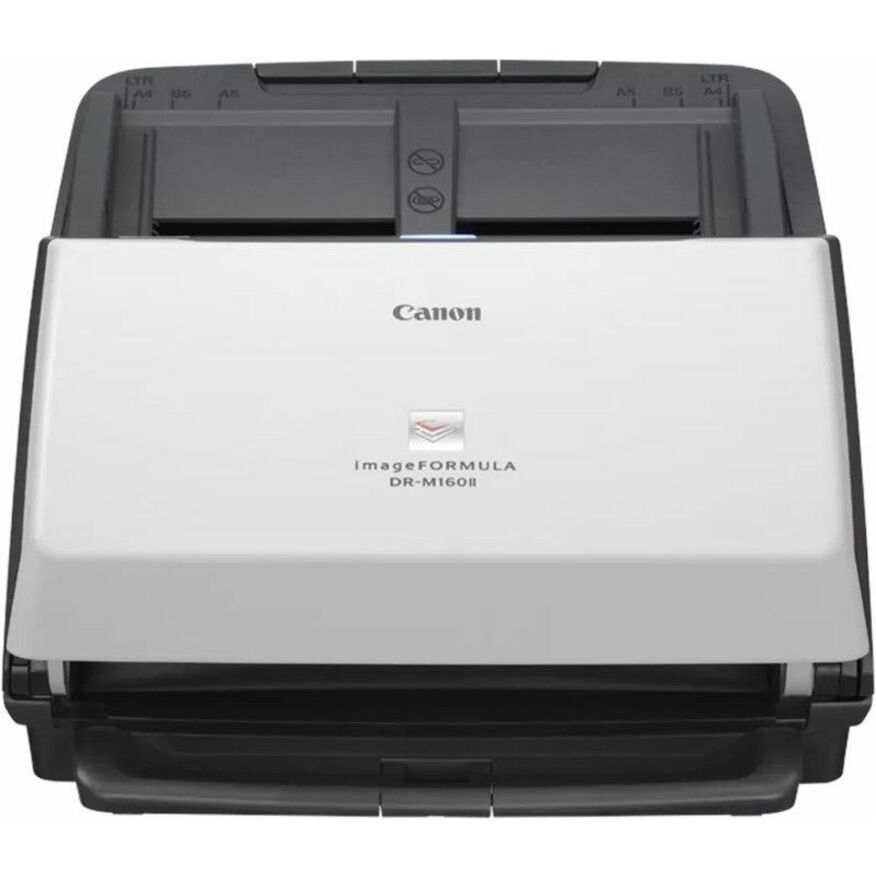
- CanonCanon imageFORMULA M160II Sheetfed Scanner - 600 x 600 dpi Optical - 24-bit Color - 8-bit Grayscale - 60.0 ppm (Mono) - 60.0 ppm (Color) - Duplex Scanning - USB6049C002
$1,995.00
$1,825.43
Back-orderedBack-ordered — estimated OEM lead time 3–8 weeks (Nov 15 – Dec 20 if ordered today).
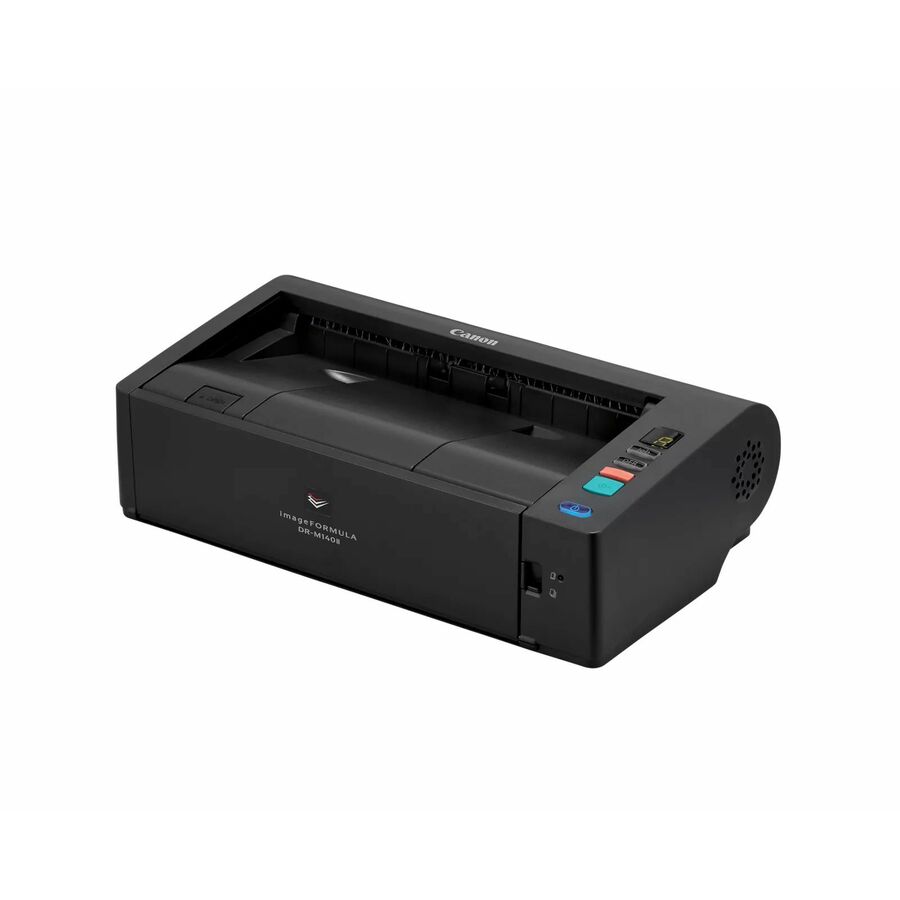
- CanonCanon imageFORMULA M140II Large Format Sheetfed Scanner - 600 dpi Optical - 24-bit Color - 8-bit Grayscale - 40 ppm (Mono) - 40 ppm (Color) - Duplex Scanning - USB6050C002AA
$995.00
$910.43
Back-orderedBack-ordered — estimated OEM lead time 3–8 weeks (Nov 15 – Dec 20 if ordered today).
- FujitsuFujitsu Fi-7180 Sheetfed Scanner - 300 dpi Optical - 80 ppm (Mono) - 80 ppm (Color) - Duplex Scanning - Desktop - USBPA03670-B001
$1,532.38
$1,451.65
Back-orderedBack-ordered — estimated OEM lead time 3–8 weeks (Nov 15 – Dec 20 if ordered today).
- FujitsuFujitsu ImageScanner fi-7140 Sheetfed Scanner - 600 dpi Optical - 24-bit Color - 8-bit Grayscale - 40 ppm (Mono) - 40 ppm (Color) - Duplex Scanning - USBPA03670-B101
$1,532.38
$1,451.65
Back-orderedBack-ordered — estimated OEM lead time 3–8 weeks (Nov 15 – Dec 20 if ordered today).
- CanonCanon imageFORMULA DR-S350NW Large Format Sheetfed Scanner - 600 dpi Optical - 24-bit Color - 8-bit Grayscale - 50 ppm (Mono) - 50 ppm (Color) - Color Scan - Duplex Scanning - Plain Paper, Paper Document - Wireless LAN - Desktop - USB6897C002
$945.00
$864.68
Back-orderedBack-ordered — estimated OEM lead time 3–8 weeks (Nov 15 – Dec 20 if ordered today).
- CanonCanon imageFORMULA DR-S250N Sheetfed Scanner - 600 dpi Optical - 24-bit Color - 8-bit Grayscale - 50 ppm (Mono) - 50 ppm (Color) - Duplex Scanning - USB6383C002
$845.00
$773.18
Back-orderedBack-ordered — estimated OEM lead time 3–8 weeks (Nov 15 – Dec 20 if ordered today).
Back-ordered — estimated OEM lead time 3–8 weeks (Nov 15 – Dec 20 if ordered today).
- FujitsuFujitsu ScanSnap S1500 Deluxe Bundle Sheetfed Scanner - USBPA03586-B015
$1,240.70
$1,179.73
Back-orderedBack-ordered — estimated OEM lead time 3–8 weeks (Nov 15 – Dec 20 if ordered today).
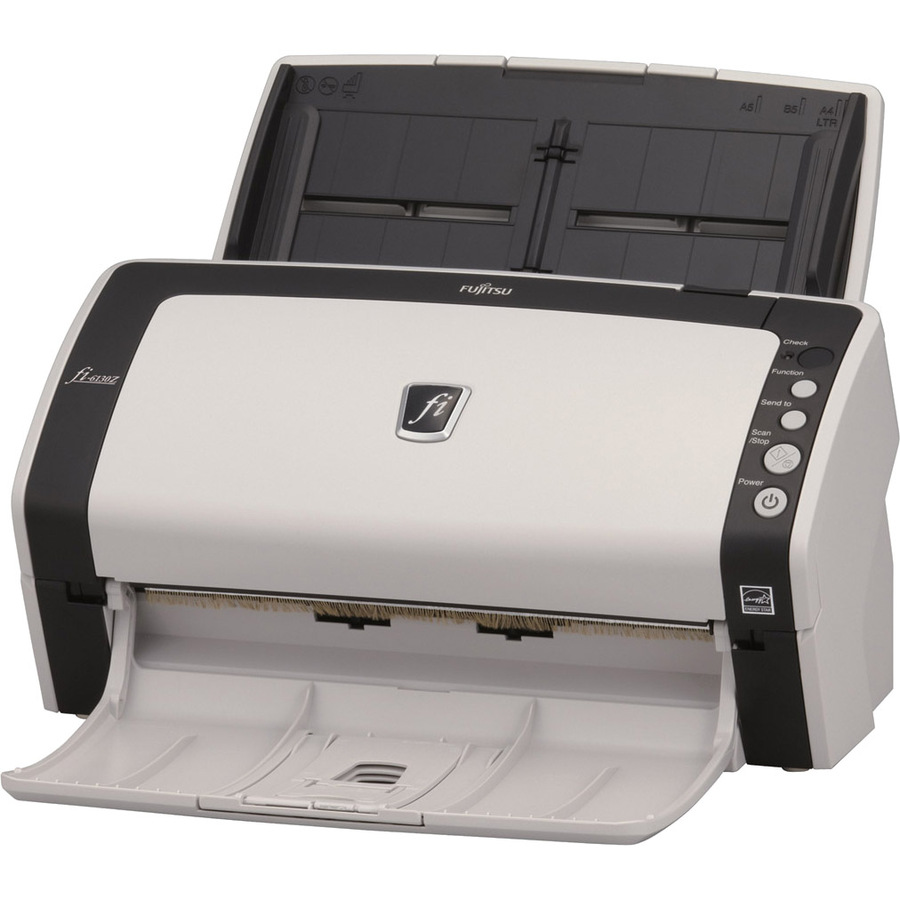
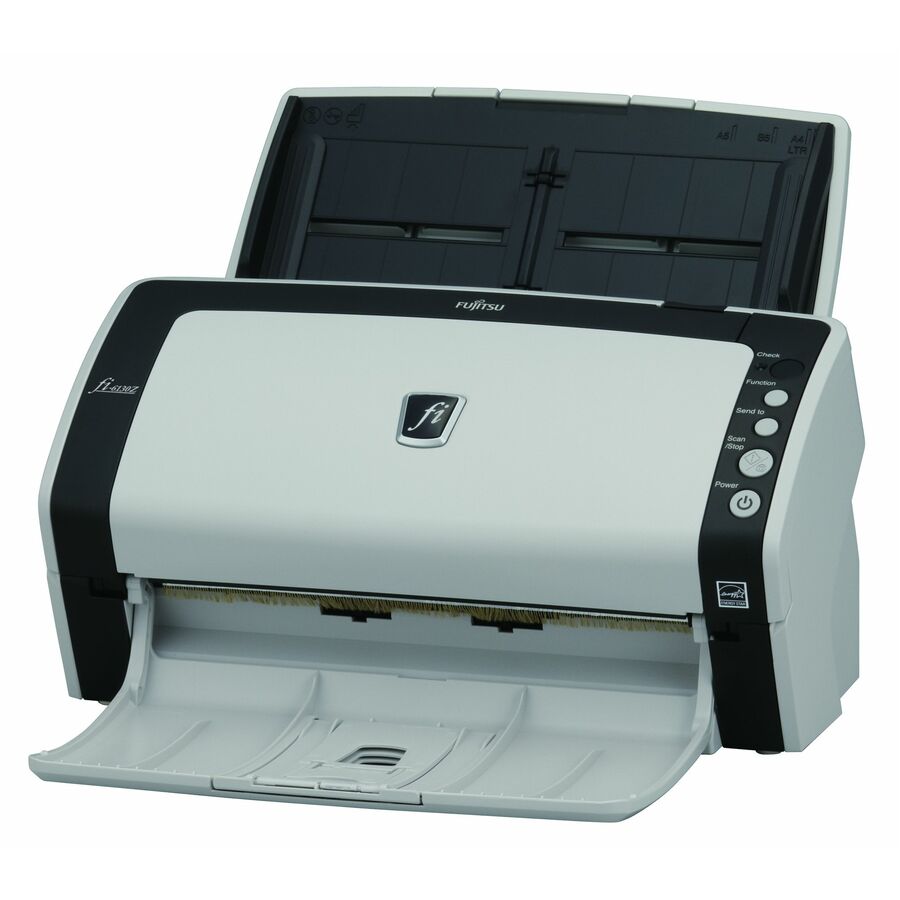
- FujitsuFujitsu fi-6130Z Sheetfed Scanner - 600 dpi Optical - 24-bit Color - 8-bit Grayscale - 40 ppm (Mono) - 40 ppm (Color) - Duplex Scanning - Desktop - USBPA03630-B085
$1,122.81
$1,068.12
Back-orderedBack-ordered — estimated OEM lead time 3–8 weeks (Nov 15 – Dec 20 if ordered today).

Need pricing on office document scanners?
Tell us where to reach you and a Uniqcli specialist will follow up by email with current pricing, availability and lead time for the quantities you need — including parts that aren’t shown on this page.
Buying for an organization or for yourself — both work. No payment up front.
An office document scanner is sized on throughput rather than price: pages per minute, whether the feeder captures both sides in one pass, and what media the transport is rated for. This shelf runs roughly 15 to 80 ppm. Take 600 dpi optical as the baseline for text capture, and insist on duplex for anything archival — a simplex scan of a double-sided record is a job done twice.
A document scanner is a throughput device, and almost every disappointing digitization project is a throughput problem that was priced as a hardware problem. The unit that scans a small stack quickly enough for a desk is not the unit that clears a filing room, and the number that separates them is stated plainly in these titles: pages per minute, in mono and in colour, which on this shelf runs from around 15 ppm up to 80 ppm. Every part in this grid is titled by its manufacturer as a sheetfed scanner — the automatic-feed class rather than a flatbed — and the specifications below are read from those same titles rather than asserted.
The second number is duplex, and for records work it is not optional. A duplex scanner captures both sides of a sheet in one pass; a simplex one captures the front and leaves you to decide whether the back mattered. On a real archive it always eventually does, and the cost of finding out later is re-handling the box. Most of the parts here state duplex scanning in their own titles, and where a unit does not, that absence is the thing to read rather than assume around. Optical resolution is the third fact and it is less dramatic than it sounds: 600 dpi optical is the standard across nearly all of this shelf and is more than enough for text; higher figures matter for fine detail and for reproduction, not for legibility.
The last decision is media. A scanner that will only take clean letter-size paper is fine for a back-office queue and useless for the box that also contains ID cards, embossed plastic, receipts, invoices and legal-length sheets. The titles here name what each unit is rated for, and several state plastic and embossed cards explicitly — a genuinely different mechanism from a plain-paper path. Match that list to what is actually in the boxes before you match the speed to the page count, because a jam every twentieth sheet destroys a throughput figure faster than a slow rating ever will.
Buyer's checklist
How to choose a document scanner for a digitization project
- Count the pages, then buy the speed. Pages per minute is stated per part in these titles and it spans roughly 15 ppm to 80 ppm on this shelf. Estimate the real backlog in sheets rather than in boxes, divide by the hours somebody will actually spend feeding it, and buy above the answer — the operator's time is almost always the expensive input, not the scanner.
- Insist on duplex for anything archival. Duplex scanning captures both sides in one pass and is stated per part here. A simplex capture of a double-sided record is a job that has to be done twice, and you usually discover which pages had backs long after the originals went away.
- Check the rated media against what is actually in the boxes. These titles name what each unit takes — plain paper, invoices, receipts, business cards, ID cards, embossed plastic cards, legal-length sheets — and the mechanism for stiff plastic is genuinely different from a plain-paper path. A jam every twenty sheets ruins a throughput figure faster than a modest speed rating does.
- Take 600 dpi optical as the baseline and stop there unless something argues otherwise. Almost every unit on this shelf is titled at 600 dpi optical, which is ample for text capture and for text recognition. Higher resolution buys reproduction quality and costs file size and time; it does not make ordinary documents more legible.
- Decide where the scanner lives before you decide which one it is. Desktop and portable forms are titled per part. A shared departmental unit at a fixed station is a different purchase from something that travels to a records room, a site visit or a home office, and the wrong one gets used less rather than differently.
- Read the connection per part. These titles state USB, and on some parts wireless LAN — that is what decides whether the scanner is tied to one workstation or reachable by more than one person, which matters more on a shared unit than any specification on the front of it.
- Budget the consumables and the software with the hardware. Feed rollers and separation pads are wear parts on any automatic feeder, and the capture, indexing and storage side of a digitization project is where the effort actually goes. Where retention rules or evidentiary standards apply to the records, settle those with your records officer or counsel before the first box is opened.
Sheetfed or flatbed — and why most record work is sheetfed
The two scanner classes solve different problems and the split is about the original, not about quality. A flatbed puts the document on glass under a lid: it handles a bound book, a fragile or oversized original, a photograph or anything you would not push through rollers, and it does one page at a time by hand. A sheetfed scanner pulls loose sheets through an automatic document feeder, which is the only design that clears a stack without a human turning every page. For a records digitization project — filing cabinets of loose paper, invoices, forms, personnel files — sheetfed is the class, and every unit on this page is titled as one.
The practical corollary is that most real archives need a small amount of both. There is always a box with a bound register, a photograph, or a sheet too fragile for a feeder, and the honest plan is a sheetfed unit doing ninety-something percent of the volume with a flatbed available for exceptions rather than a flatbed attempting the volume. Some parts in this class are titled large format, which extends the sheet size the feeder takes and covers part of that gap without leaving the sheetfed mechanism.
One further distinction worth reading in the titles: several units here name business cards, ID cards, plastic cards and embossed cards among their supported media. That is a mechanical statement about the paper path, not a marketing one, and it is what separates a scanner that can digitize a personnel file complete with its badge from one that will jam on it.
Throughput arithmetic, and where a project actually spends its time
The number to size on is not the backlog in boxes but the backlog in sheets divided by the hours a person will spend at the machine. A single archive box holds a surprising amount of paper, and a project that assumes an operator will stand at a scanner for a full day every day is a project that will not finish. The realistic pattern is a few hours a day around other work, which means the machine's rated speed compounds directly into the calendar: at the same staffing, a 60 ppm duplex unit clears in a month what a 20 ppm one clears in a quarter. That is the argument for buying above the estimate rather than exactly at it.
The rest of the time goes into preparation and indexing, and neither is a hardware line. Preparation is removing staples, unfolding, sorting by size and separating anything that must not go through a feeder — routinely more hours than the scanning itself. Indexing is what makes the resulting files findable: filenames, folder structure, or metadata captured into whatever system will hold the records. A digitization project with excellent images and no index has moved the filing problem rather than solved it, and the time to decide the naming and the destination is before the first box, not after the tenth.
Two hardware details do affect throughput and are worth reading per part. Duplex halves the passes on double-sided records, which on a mixed archive is a larger real-world gain than the ppm difference between two adjacent models. And the supported media list decides how often the operator stops: every jam is a re-feed, a re-check that nothing was skipped, and a break in the rhythm that the rated speed does not account for.
What ships around a digitization order
The scanner is one line. The workstation it attaches to is another, and it matters more than people expect: capture software, on-the-fly text recognition and image processing are all CPU work, and a project that runs on a five-year-old machine will be waiting on the PC rather than on the feeder. Storage is the third line — a scanned archive is not small, it has to be backed up like anything else, and the retention period is usually measured in years rather than in refresh cycles. Consumables are the fourth: feed rollers and separation pads wear on every automatic feeder and are the difference between a unit that keeps its rated speed and one that starts double-feeding at month six.
Uniqcli quotes all of that on one order: the scanners, the workstations or laptops that drive them, the storage and backup the resulting archive lands on, and the manufacturer warranty and support lines that attach to the hardware. Where the project is a departmental programme rather than one desk, standardising the part number across sites keeps the consumables, the driver estate and the operator instructions identical, which is worth more over the life of the project than a slightly faster model in two of the offices.
Send the shape of the job — the volume in sheets or boxes, whether the records are double-sided, what is in them besides plain paper, how many stations and where they sit — and we will come back with part numbers, availability, lead times and volume pricing, with the workstation, storage and support lines alongside, before anything is committed.
FAQ
Common questions
- What scanning speed do we actually need?
- Work it out from sheets and hours rather than from boxes. Estimate the backlog in sheets, divide by the hours somebody will realistically spend feeding the machine — usually a few hours a day around other work, not a full day — and buy above the answer. The parts on this page state pages per minute in mono and colour in their own titles, spanning roughly 15 ppm to 80 ppm, and at fixed staffing that range is the difference between clearing an archive in a month and clearing it in a quarter. Duplex matters at least as much as raw ppm on double-sided records, because it halves the number of passes rather than shaving seconds off each one.
- Is duplex scanning worth paying for?
- For records work, treat it as a requirement rather than an upgrade. A duplex scanner captures both sides of a sheet in a single pass; a simplex one captures the front and leaves the back to a second pass, or to a decision that nothing on it mattered. On a real archive that decision is wrong often enough to force re-handling, and by the time it surfaces the originals may have been boxed, returned or destroyed. Most of the parts on this page state duplex scanning in the manufacturer's own title — where a unit does not, read that absence rather than assuming the feature is implied by the class.
- Do we need more than 600 dpi?
- For text, almost never. Nearly every unit on this shelf is titled at 600 dpi optical, and that is comfortably enough for legible capture of ordinary documents and for text recognition to work on them. Higher optical resolution buys reproduction fidelity — fine line art, photographs, signatures examined closely — and it costs file size, scanning time and storage on every page of the archive, not only on the pages that needed it. The specification that will affect the project more is the supported media list: whether the unit takes the cards, receipts, invoices and legal-length sheets that are actually in the boxes.
- Can these scanners handle ID cards, receipts and mixed paper?
- Some of them, and it is stated per part rather than implied by the class. Several units on this page name business cards, ID cards, plastic cards, embossed cards, receipts, invoices, legal-length sheets or plain paper documents in the manufacturer's own title, and one names credit cards specifically. That list is a mechanical statement about the paper path — a feeder built to take stiff embossed plastic is not the same mechanism as a plain-paper path — so read it on the exact part number against what is really in your boxes. Mixed archives are also where a flatbed earns its place alongside a sheetfed unit, for the bound, fragile or oversized originals that should not go through rollers at all.
- Which scanner is best for office use?
- The right office scanner is the one whose speed matches the backlog and whose feeder matches the paper. Estimate the real page count, divide by the hours available, and buy pages per minute against that figure; then insist on duplex if any of the records are double-sided, and check the rated media against what is actually in the boxes.
- What is a good small scanner for an office?
- For a desk or a small shared queue, a compact sheetfed unit with an automatic document feeder and duplex capture at 600 dpi optical covers most work. The trade against a departmental unit is feeder capacity and speed, so size it on the stack a person actually carries to it rather than on the filing room.
- Is a portable document scanner worth buying?
- A portable scanner earns its place where the paper cannot come to the office — a site visit, a remote office, a field inspection. For a fixed station it is the wrong shape: portable units trade feeder capacity and speed for size, so a shared departmental queue is better served by a desktop unit with a larger feeder.
- Can business, government and education buyers order these?
- Every line Uniqcli quotes is sourced through US distribution and screened for TAA country-of-origin and NDAA §889 status before checkout — with documentation tied to the specific part number, not a product family.
Need office document scanners pricing?
Send a bill of materials or part numbers — we confirm stock and a below-market total, with TAA verified on request. No payment up front.