
Best Shure Wireless Microphone Systems for Enterprise & Government AV Teams
Handheld, bodypack, and rackmount receiver systems across UHF and license-free digital (1.9 GHz DECT, 2.4/5.8 GHz) bands — for stages, lecture halls, boardrooms, and multi-channel installs.
Shure wireless microphone systems in stock at Uniqcli
How to choose →A curated selection with live pricing — in-stock lines first, then back-ordered lines with a typical lead time. Every line is sourced through US distribution and screened for NDAA §889 status before checkout, with TAA verified on request.
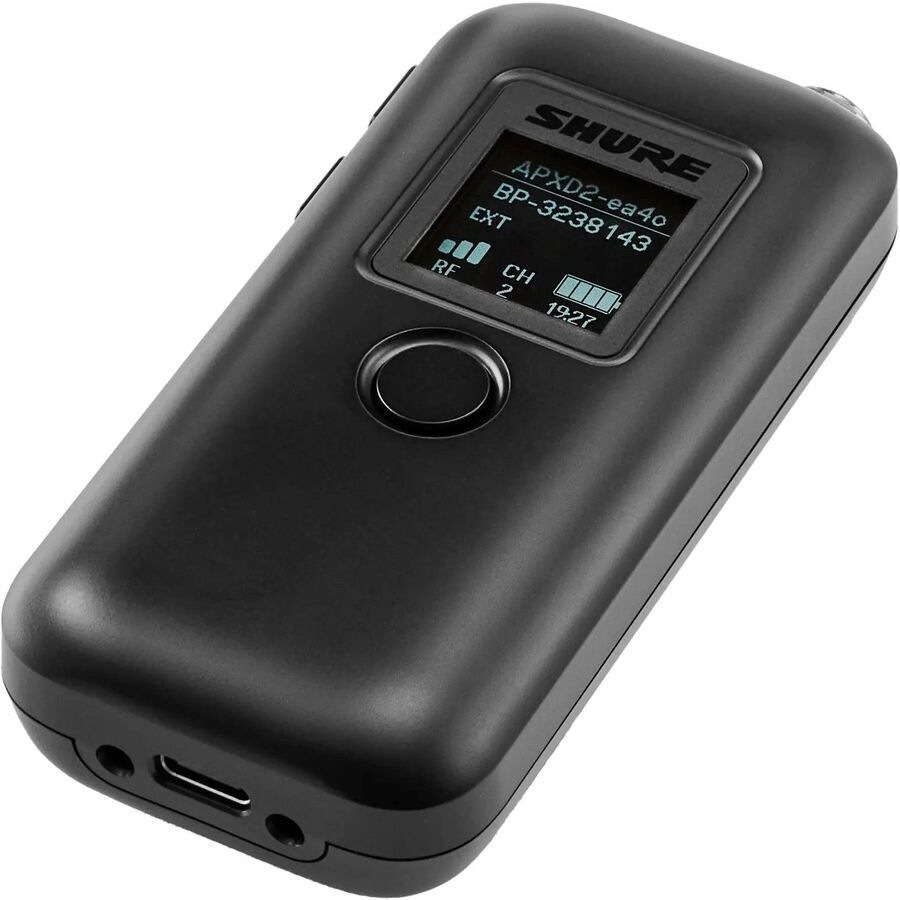
- ShureShure MXW1X Hybrid Bodypack Transmitter - 1.90 GHz Operating Frequency - 160 ft Operating RangeMXW1X/O=-Z10
$812.00
$536.62
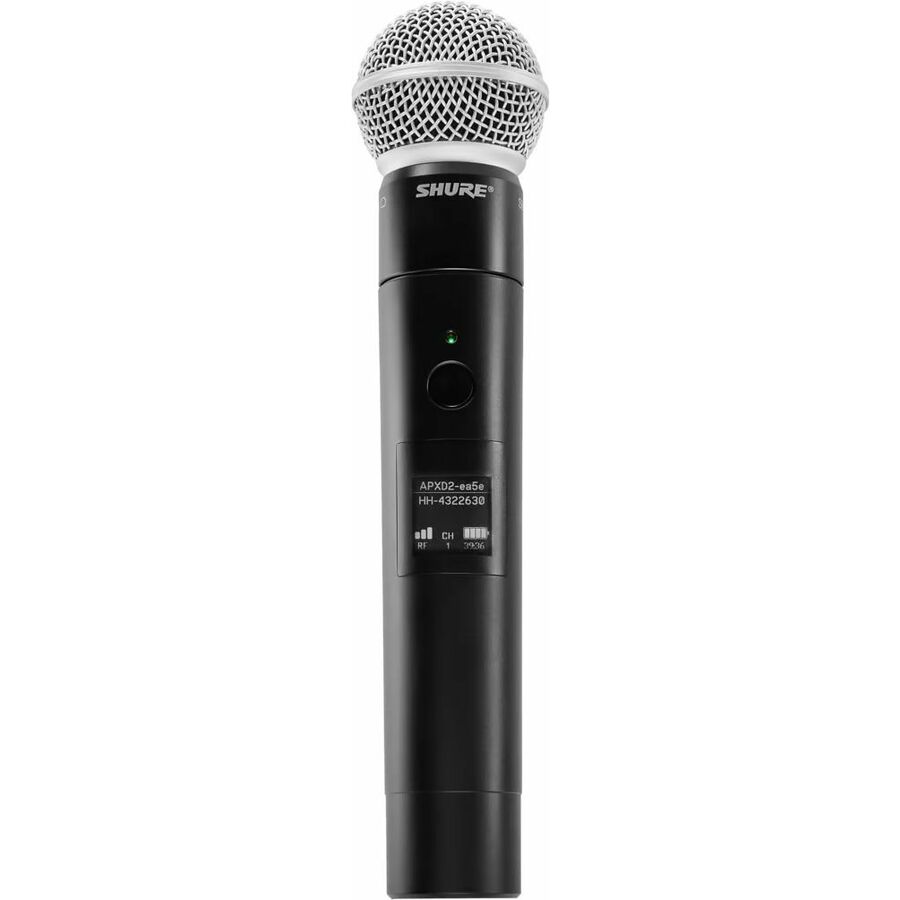
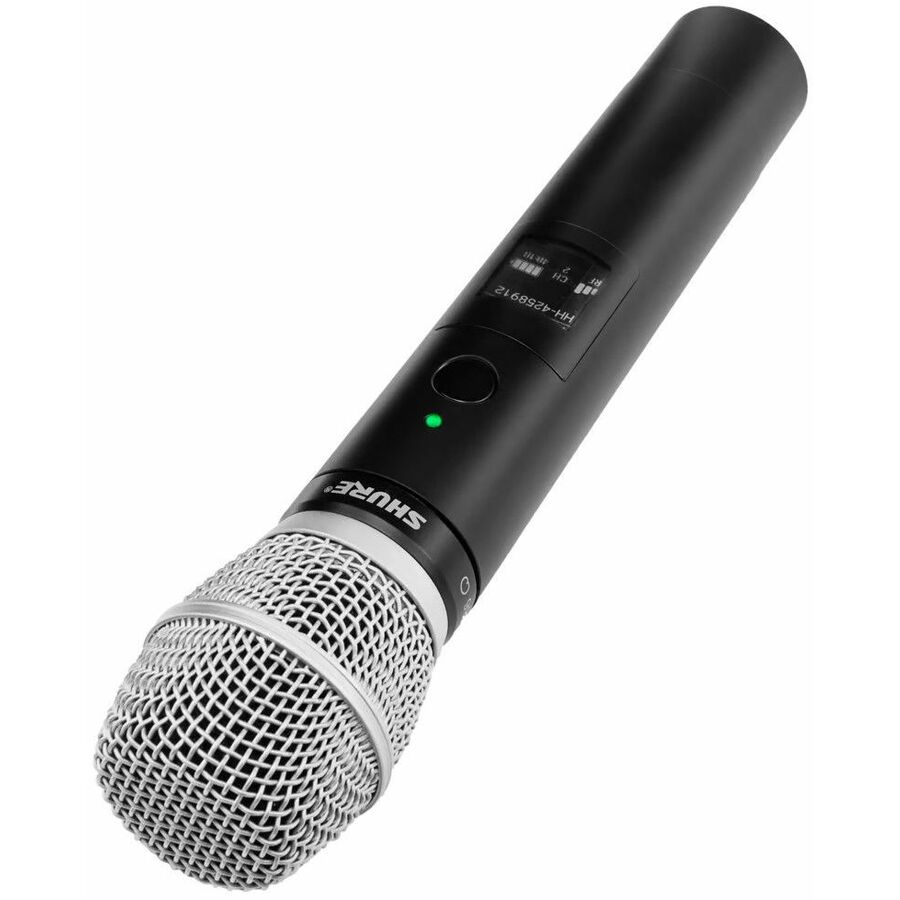
6 in stock - ShureShure MXW2X/SM58 Handheld Transmitter with SM58 Capsule - 1.90 GHz Operating Frequency - 160 ft Operating RangeMXW2X/SM58=-Z10
$832.00
$550.80
4 in stock - ShureShure MXW6X Boundary Transmitter - 1.90 GHz Operating Frequency - 160 ft Operating RangeMXW6X/O=-Z10
$922.00
$609.89
3 in stock - ShureShure MXW2X/SM86 Handheld Transmitter with SM86 Capsule - 1.90 GHz Operating Frequency - 160 ft Operating RangeMXW2X/SM86=-Z10
$942.00
$624.08
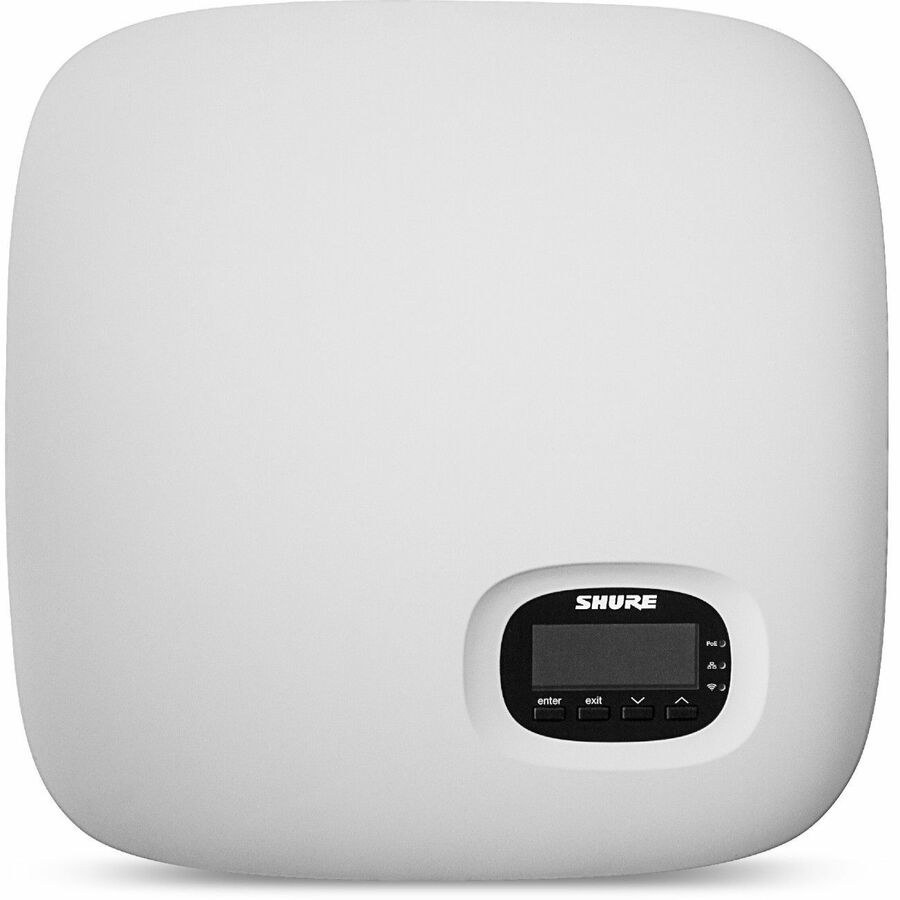
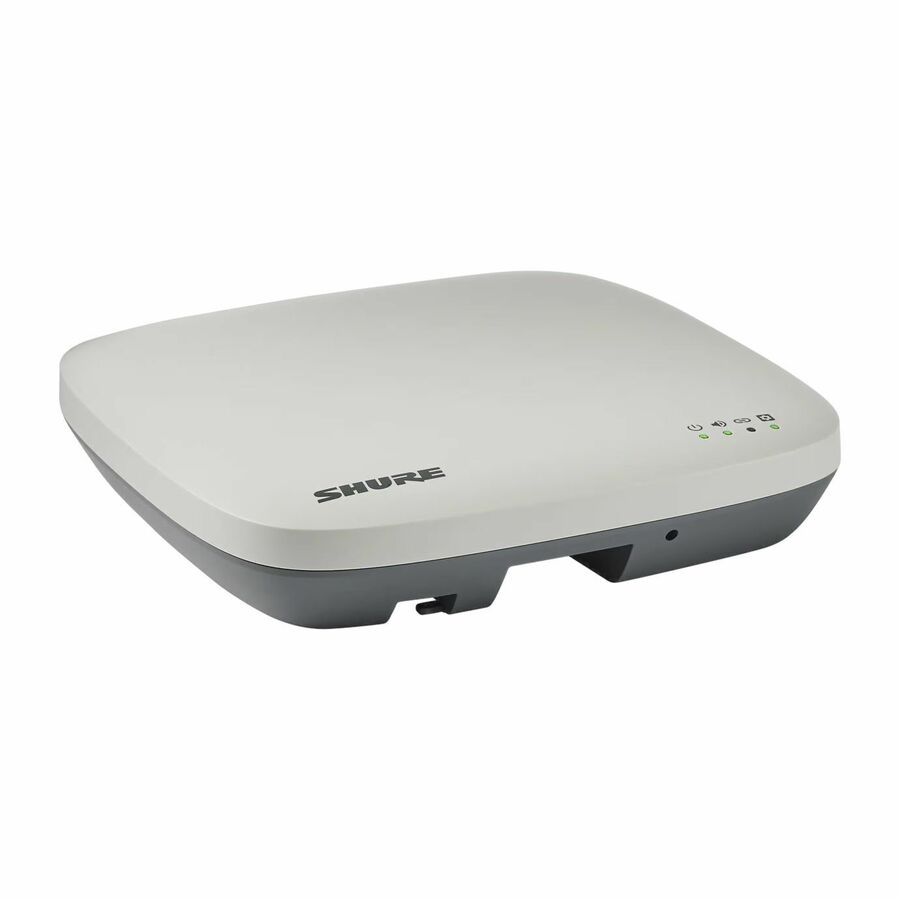
7 in stock - ShureShure MXWAPXD2 Access Point Transceiver - 1.90 GHz Operating FrequencyMXWAPXD2=-Z10
$1,786.00
$1,183.15
3 in stock - ShureShure BLX1 Bodypack Transmitter - 542 MHz to 572 MHz Operating Frequency - 299.87 ft Operating RangeBLX1-H9
$219.00
$143.02
Back-orderedBack-ordered — we expect to receive stock the week of Nov 23–29 and will process your delivery right after.
- ShureShure BLX1 Bodypack Transmitter - 542 MHz to 572 MHz Operating Frequency - 299.87 ft Operating RangeBLX1=-H10
$219.00
$143.02
Back-orderedBack-ordered — we expect to receive stock the week of Nov 2–8 and will process your delivery right after.
- ShureShure Bodypack Transmitter - 572 MHz to 596 MHz Operating Frequency - 299.87 ft Operating RangeBLX1=-H11
$219.00
$143.02
Back-orderedBack-ordered — estimated OEM lead time 3–8 weeks (Nov 15 – Dec 20 if ordered today).
- ShureShure Bodypack Transmitter - 596 MHz to 616 MHz Operating Frequency - 298.56 ft Operating RangeBLX1=-J11
$219.00
$143.02
Back-orderedBack-ordered — we expect to receive stock the week of Dec 21–27 and will process your delivery right after.
- ShureShure BLX4 Wireless Receiver for BLX Wireless System - 542 MHz to 572 MHz Operating Frequency - 50 Hz to 15 kHz Frequency Response - 299.87 ft Operating RangeBLX4-H10
$219.00
$156.02
Back-orderedBack-ordered — estimated OEM lead time 3–8 weeks (Nov 15 – Dec 20 if ordered today).

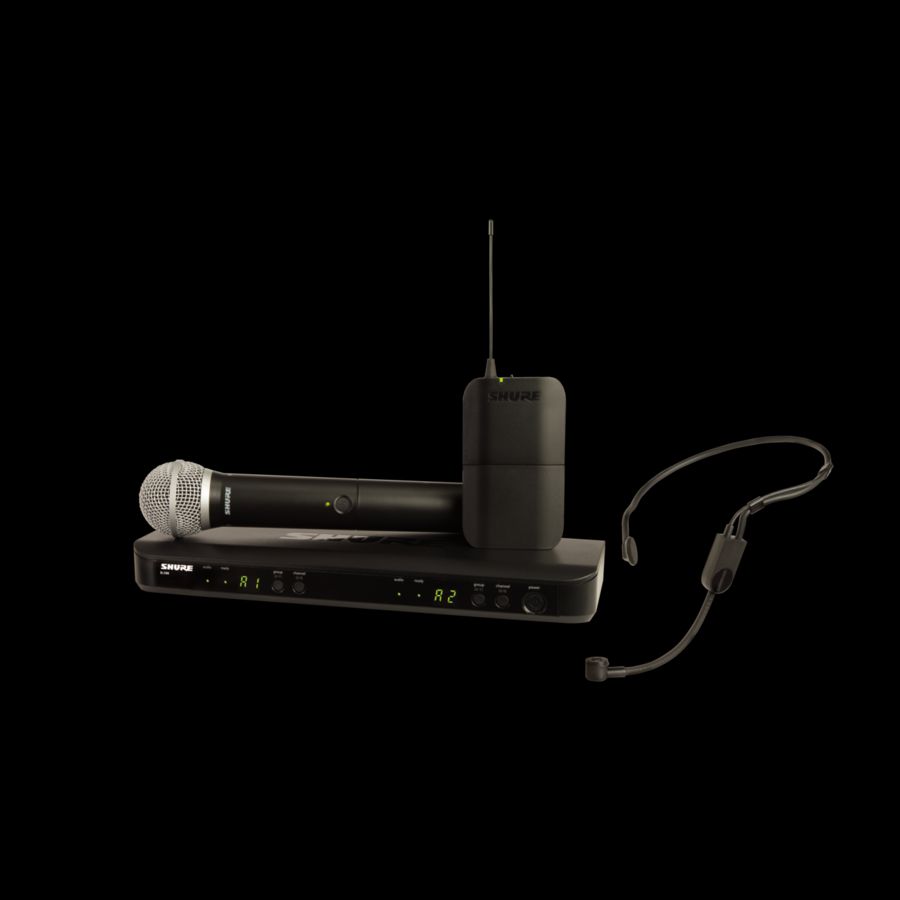
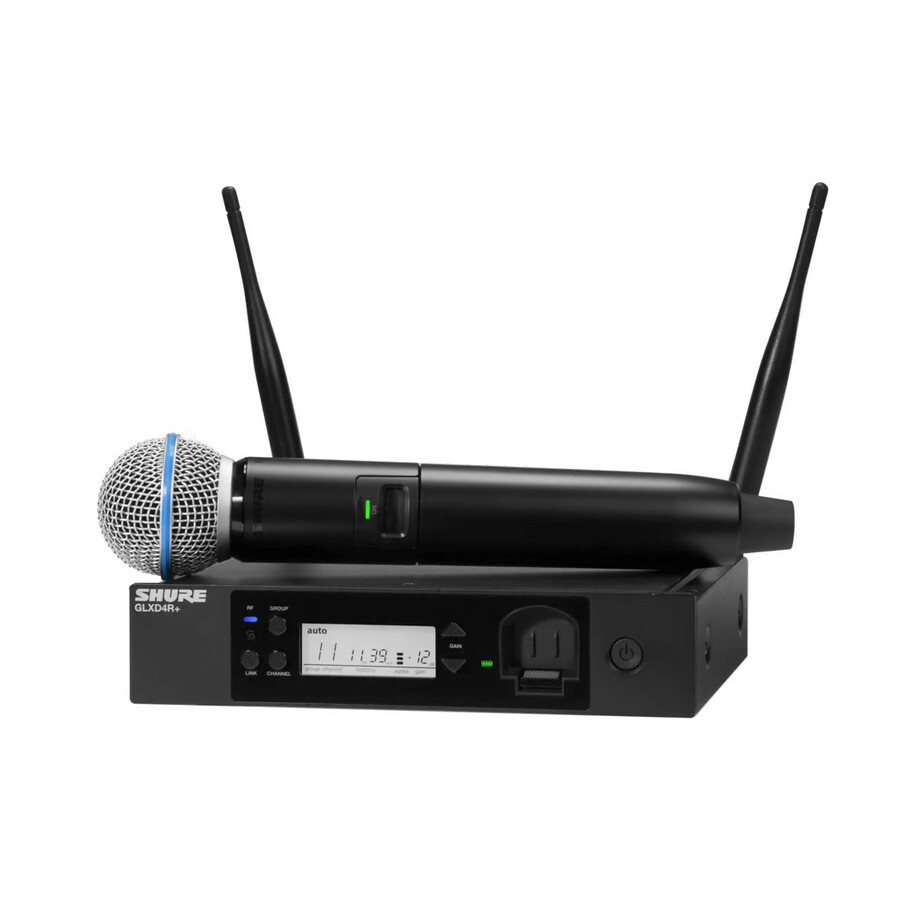
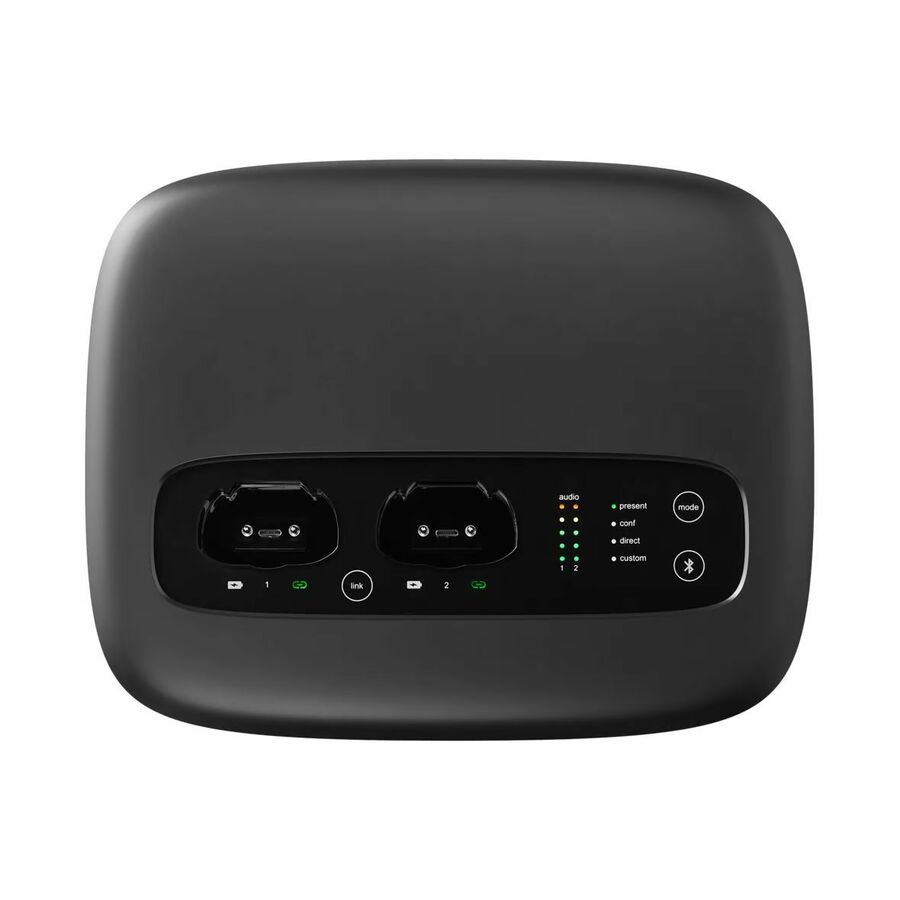
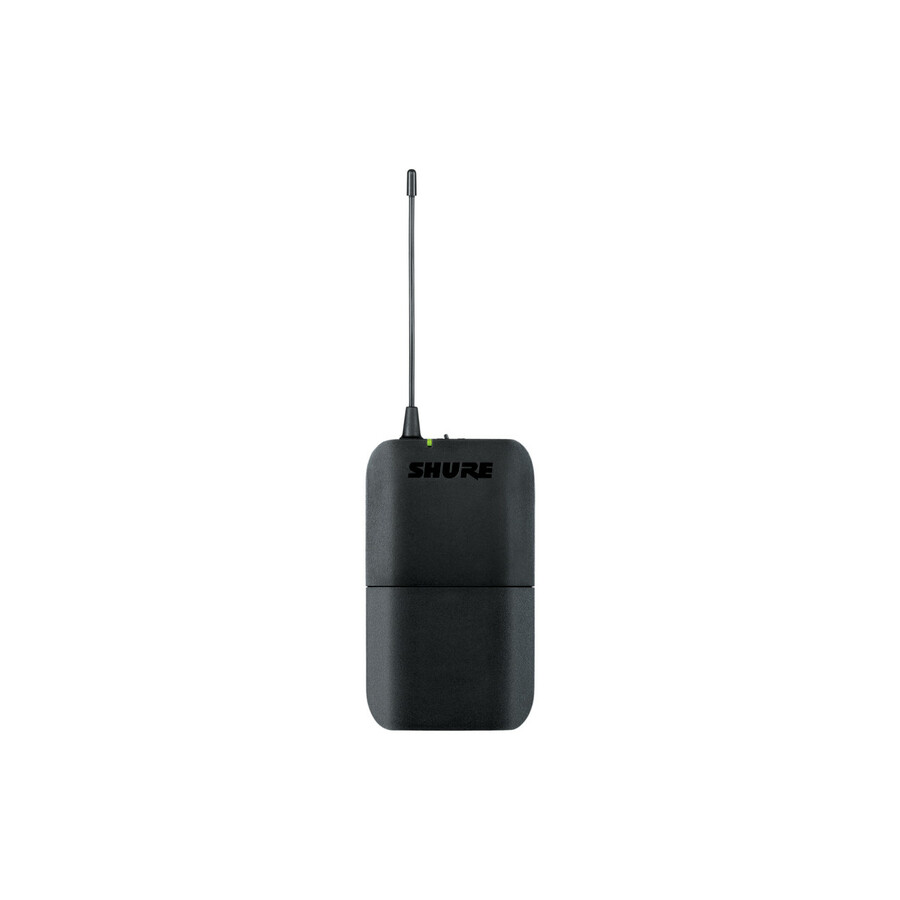
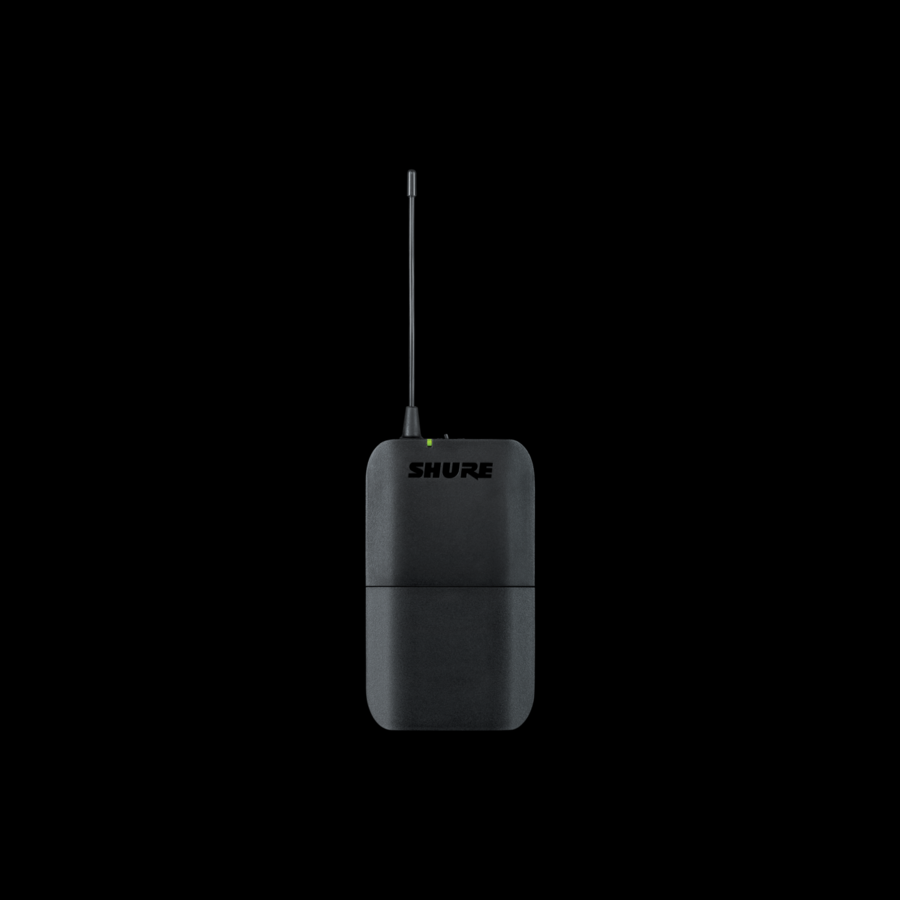
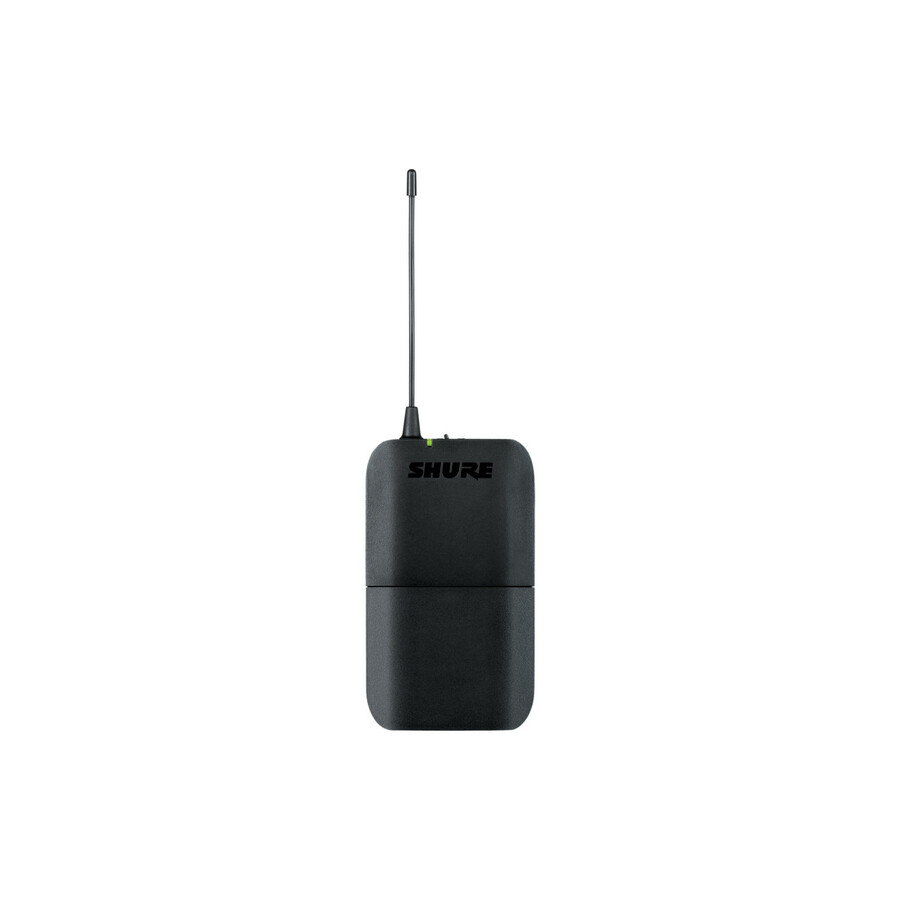
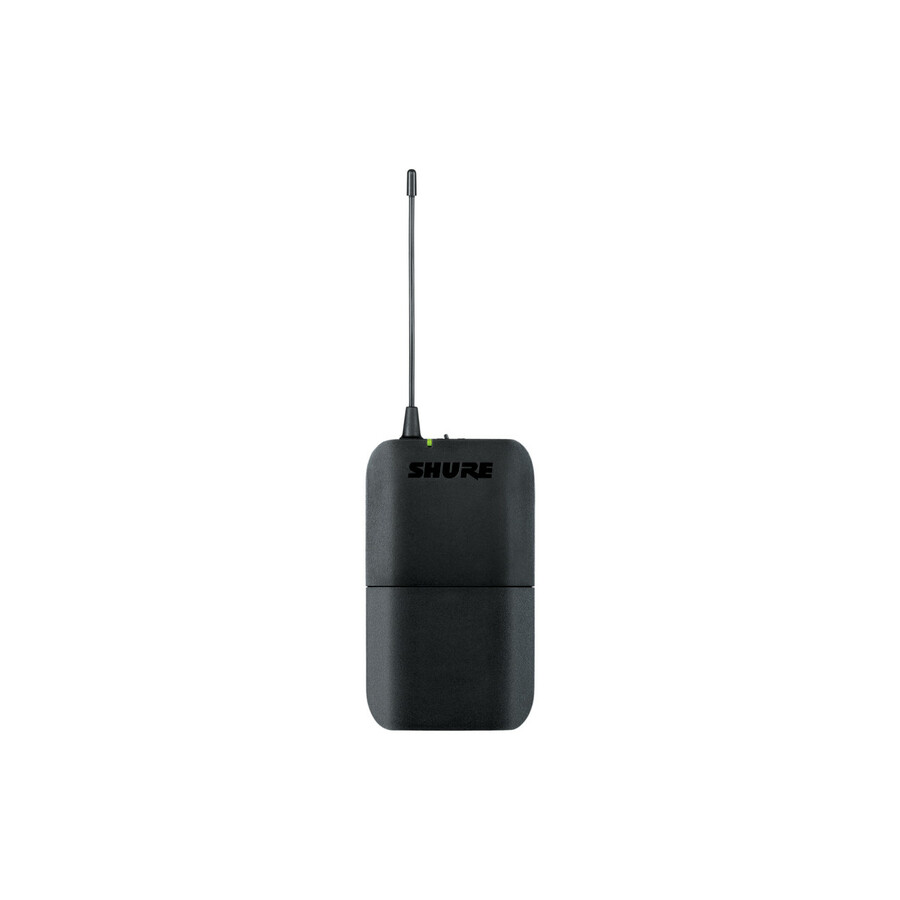
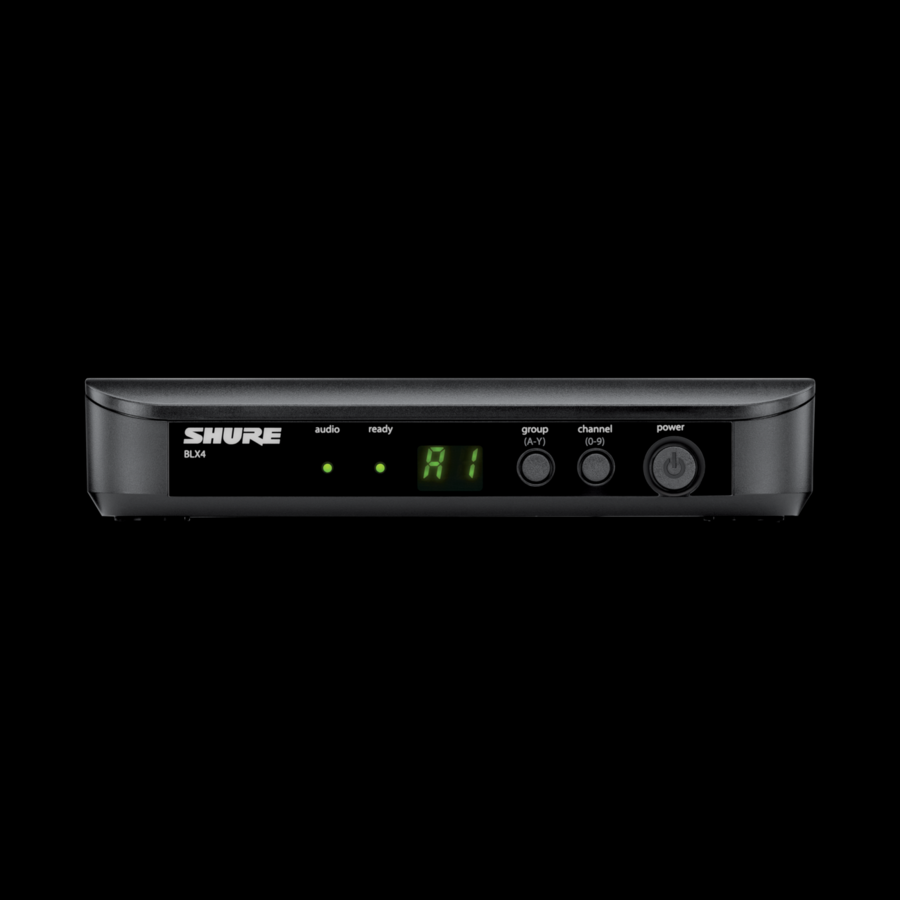
More wireless microphone systems in the Uniqcli catalog
See all 297 wireless microphone systemsMore Shure first — closest to what you were just looking at; “See all wireless microphone systems” above opens every other brand in the category. In-stock lines lead, and a back-ordered line carries the same estimated availability its product page does — with live pricing throughout, NDAA §889 screening before checkout and TAA verified on request.
- ShureShure ULXD4Q-GV Quad-Channel Digital Wireless Receiver - 470 MHz to 534 MHz Operating Frequency - 98.43 ft Operating RangeULXD4QGV=-G50
$9,960.00
$5,886.21
Back-orderedBack-ordered — estimated OEM lead time 3–8 weeks (Nov 15 – Dec 20 if ordered today).
- ShureShure ULXD4Q-GV Quad-Channel Digital Wireless Receiver - 572 MHz to 616 MHz Operating Frequency - 98.43 ft Operating RangeULXD4QGV=-J50A
$9,960.00
$5,886.21
Back-orderedBack-ordered — estimated OEM lead time 3–8 weeks (Nov 15 – Dec 20 if ordered today).
- ShureShure ULXD4Q Quad-Channel Digital Wireless Receiver - 902 MHz to 928 MHz Operating FrequencyULXD4Q-X52
$9,486.00
$5,606.09
Back-orderedBack-ordered — estimated OEM lead time 3–8 weeks (Nov 15 – Dec 20 if ordered today).
- ShureShure Four-Channel Digital Wireless Receiver - 470 MHz to 636 MHz Operating FrequencyAD4QUS=-A
$9,841.00
$6,874.47
Back-orderedBack-ordered — estimated OEM lead time 3–8 weeks (Nov 15 – Dec 20 if ordered today).
- ShureShure MXCWAPT Access Point Transceiver - 2.40 GHz to 5 GHz Operating FrequencyMXCWAPT-A
$6,241.00
$3,688.93
Back-orderedBack-ordered — estimated OEM lead time 3–8 weeks (Nov 15 – Dec 20 if ordered today).
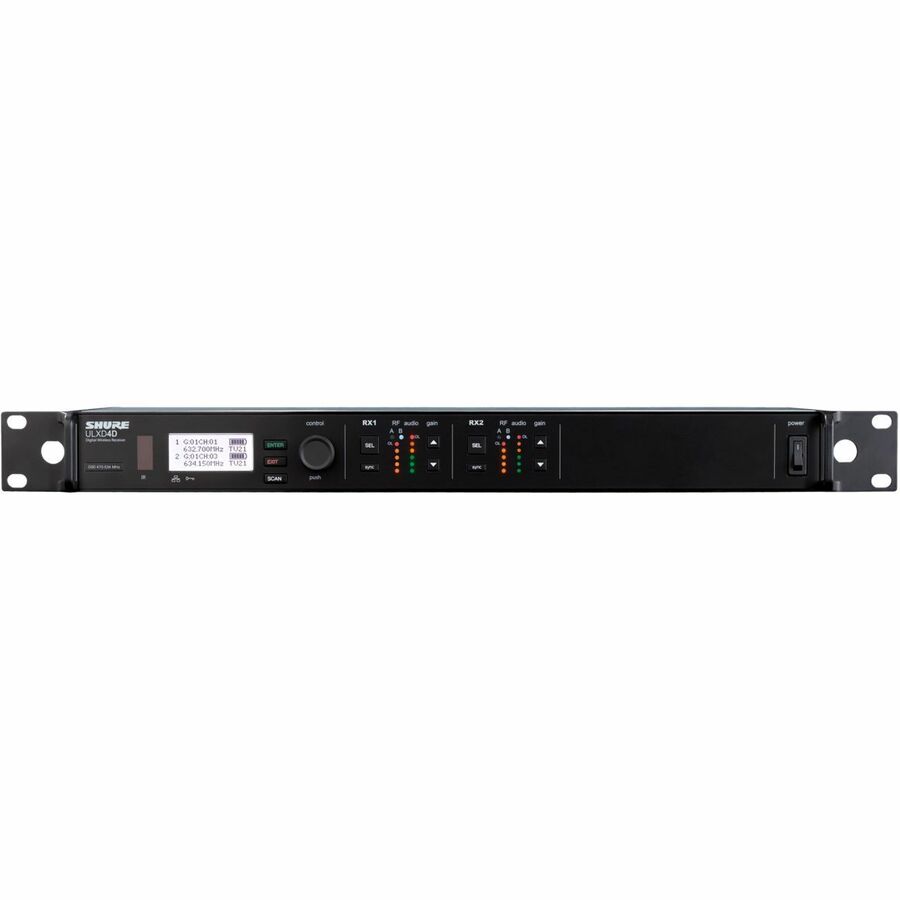
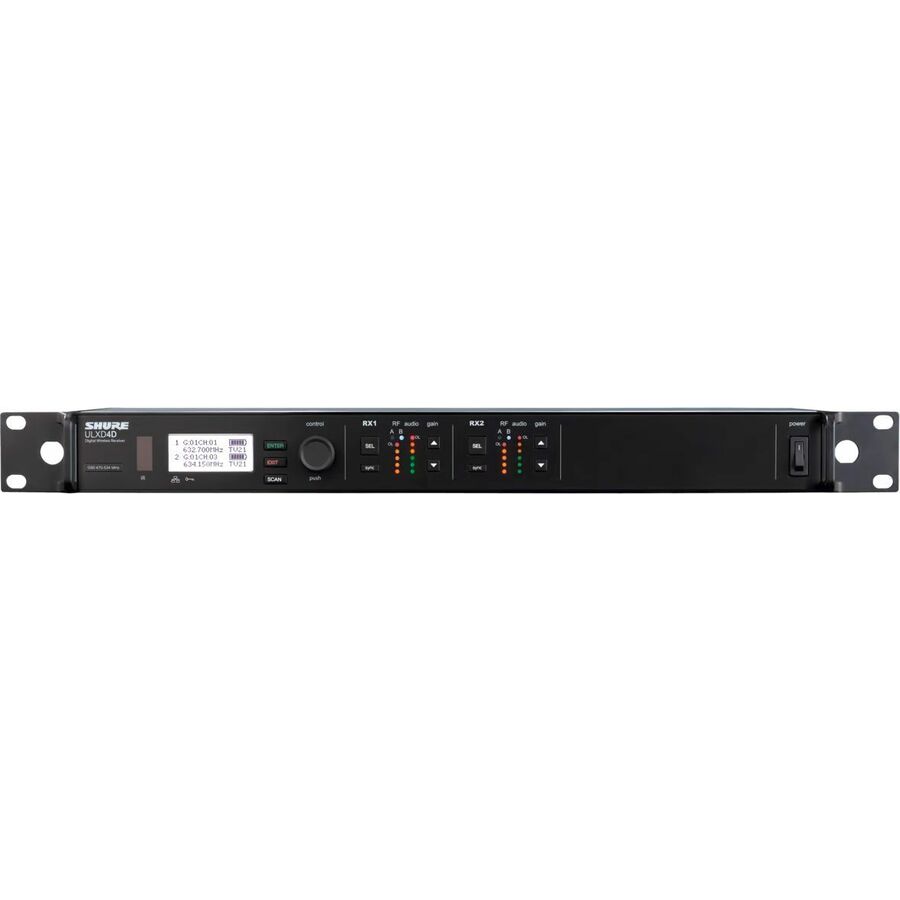
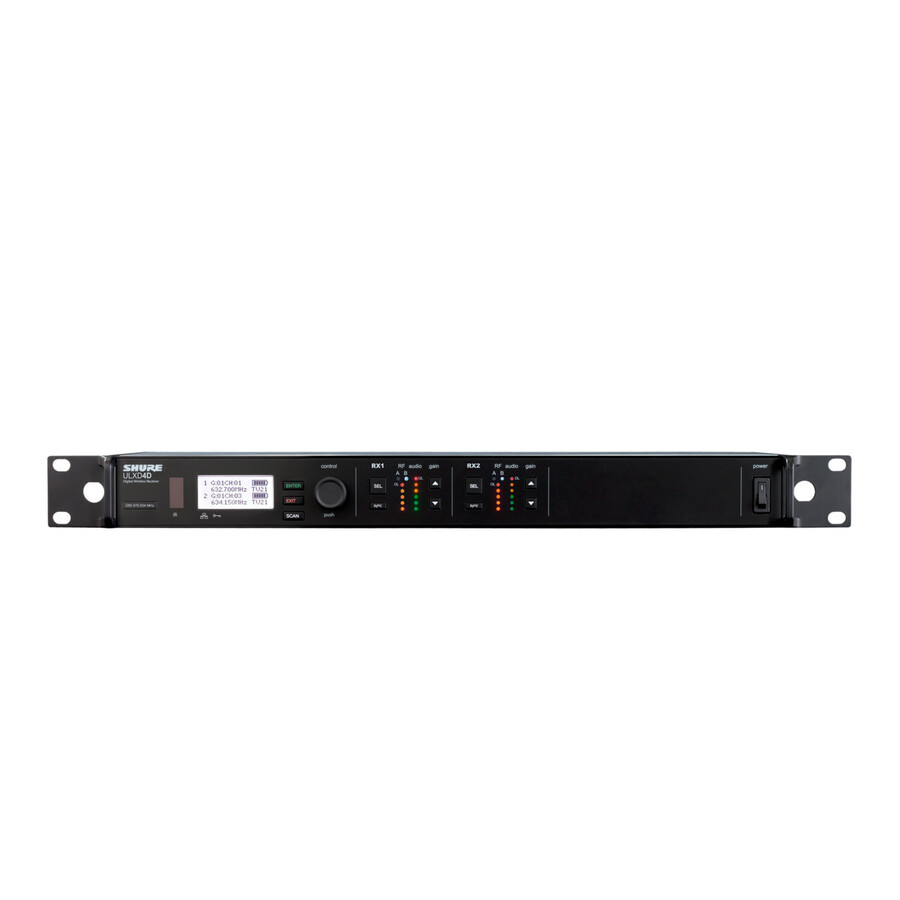
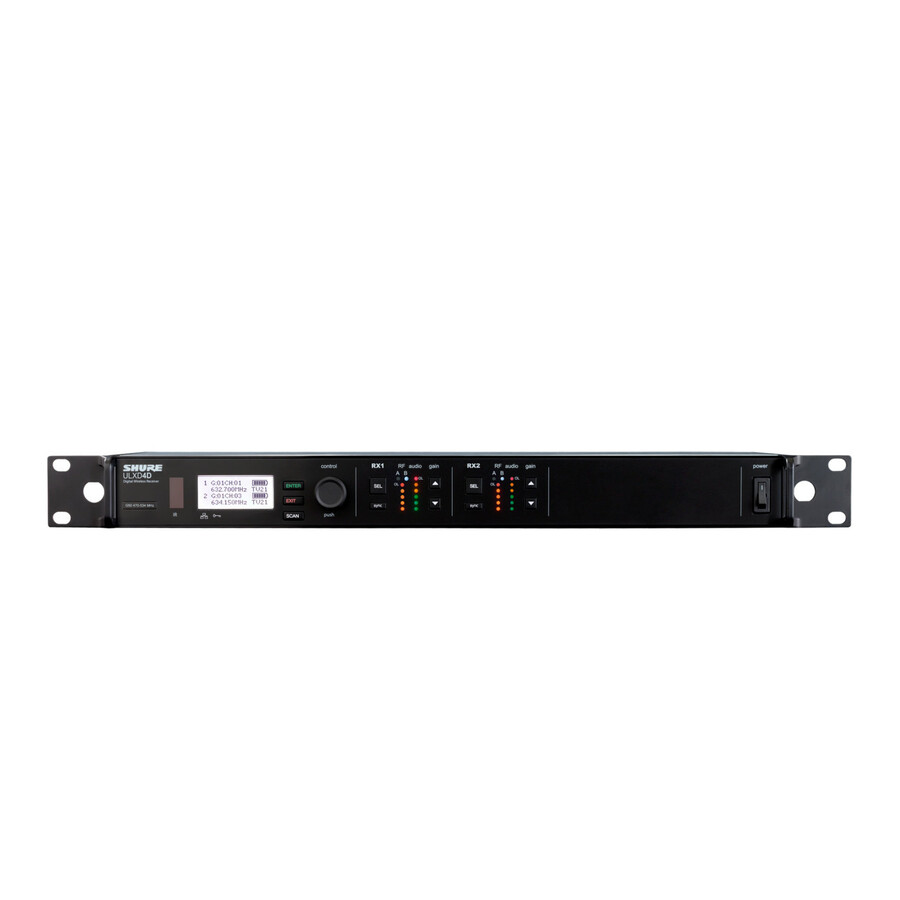
- ShureShure ULXD4D-GV Dual-Channel Digital Wireless Receiver - 470 MHz to 534 MHz Operating Frequency - 98.43 ft Operating RangeULXD4DGV=-G50
$4,979.00
$2,943.11
Back-orderedBack-ordered — estimated OEM lead time 3–8 weeks (Nov 15 – Dec 20 if ordered today).
- ShureShure ULXD4D-GV Dual-Channel Digital Wireless Receiver - 534 MHz to 598 MHz Operating Frequency - 98.43 ft Operating RangeULXD4DGV=-H50
$4,979.00
$2,943.11
Back-orderedBack-ordered — estimated OEM lead time 3–8 weeks (Nov 15 – Dec 20 if ordered today).
- ShureShure ULXD4D-GV Dual-Channel Digital Wireless Receiver - 572 MHz to 616 MHz Operating Frequency - 98.43 ft Operating RangeULXD4DGV=-J50A
$4,979.00
$2,943.11
Back-orderedBack-ordered — estimated OEM lead time 3–8 weeks (Nov 15 – Dec 20 if ordered today).
- ShureShure Dual-Channel Digital Wireless Receiver - 902 MHz to 928 MHz Operating Frequency - 25 kHz - 328.08 ft Operating RangeULXD4D-X52
$4,865.00
$3,041.73
Back-orderedBack-ordered — estimated OEM lead time 3–8 weeks (Nov 15 – Dec 20 if ordered today).
- ShureShure ULXD4D Dual-Channel Digital Wireless Receiver - 174 MHz to 216 MHz Operating Frequency - 30 Hz to 20 kHz Frequency Response - 328.08 ft Operating RangeULXD4D=-V50
$4,865.00
$3,041.73
Back-orderedBack-ordered — estimated OEM lead time 3–8 weeks (Nov 15 – Dec 20 if ordered today).
Back-ordered — estimated OEM lead time 3–8 weeks (Nov 15 – Dec 20 if ordered today).
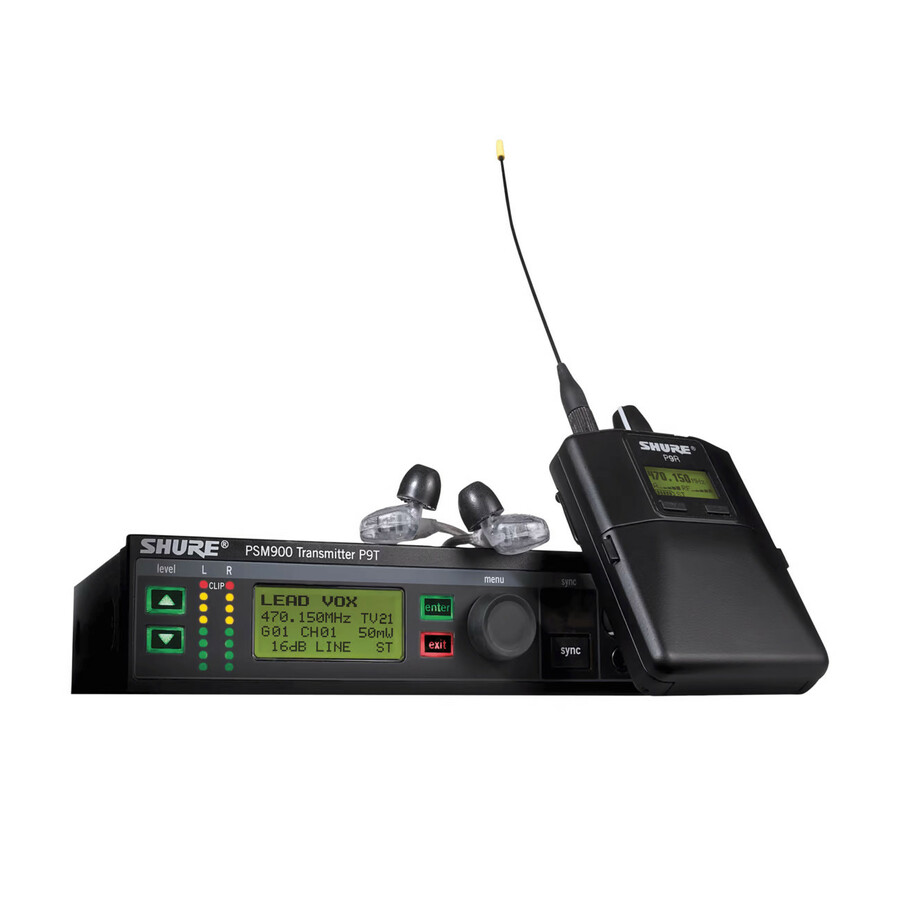
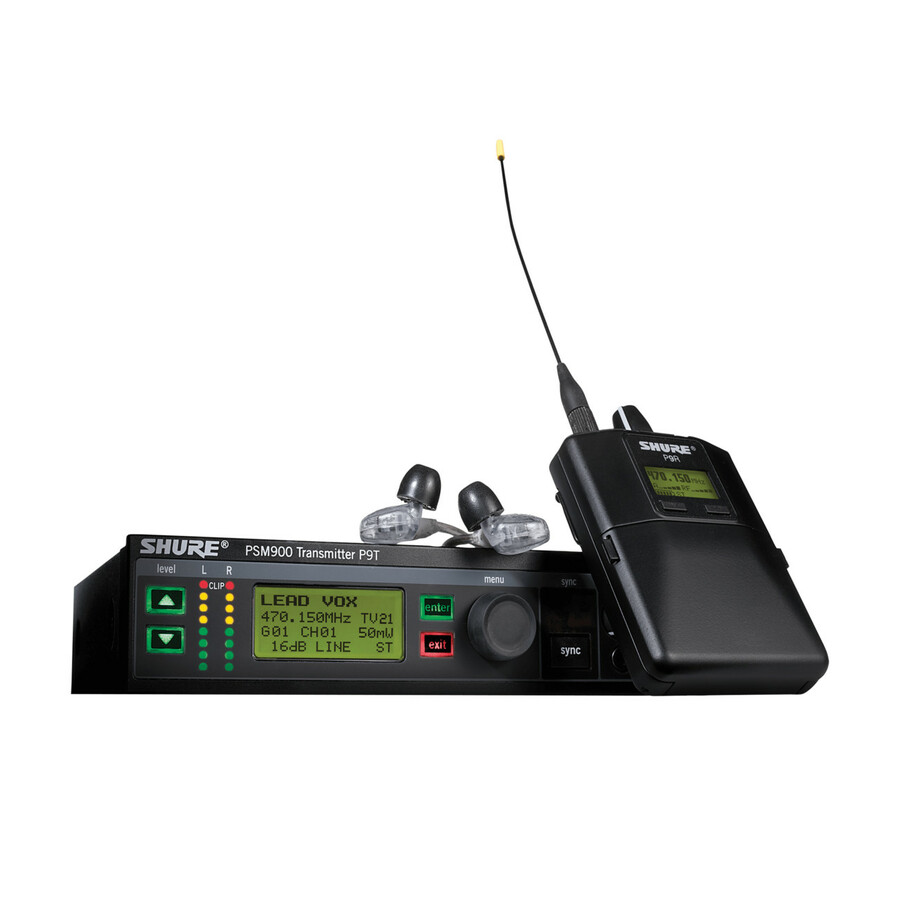
- ShureShure Wireless Personal Monitor System - 506 MHz to 542 MHz Operating FrequencyP9TRA425CL-G7
$2,520.00
$1,491.65
Back-orderedBack-ordered — estimated OEM lead time 3–8 weeks (Nov 15 – Dec 20 if ordered today).
- ShureShure Wireless Personal Monitor System - 470 MHz to 506 MHz Operating FrequencyP9TRA425CL-G6
$2,520.00
$1,491.65
Back-orderedBack-ordered — estimated OEM lead time 3–8 weeks (Nov 15 – Dec 20 if ordered today).
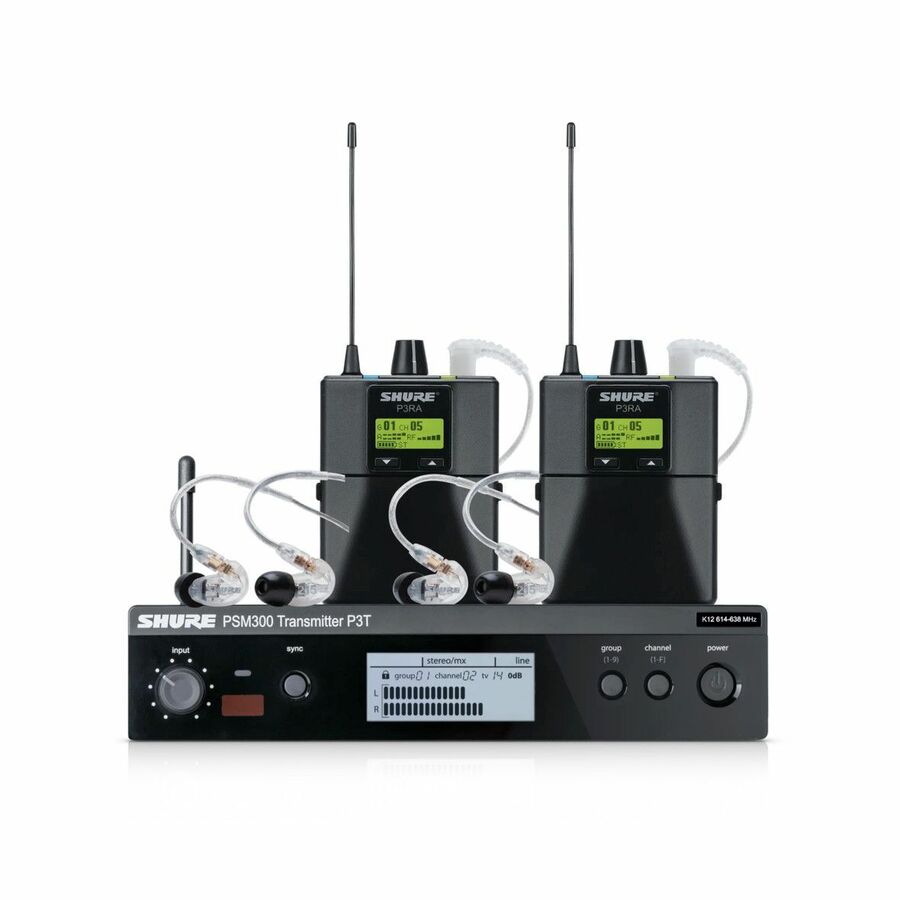
- ShureShure PSM300 Twinpack Pro - 488 MHz to 512 MHz Operating Frequency - 295.28 ft Operating RangeP3TRA215TWP-G20
$2,131.00
$1,287.17
Back-orderedBack-ordered — estimated OEM lead time 3–8 weeks (Nov 15 – Dec 20 if ordered today).
- ShureShure PSM300 Twinpack Pro - 518 MHz to 542 MHz Operating Frequency - 295.28 ft Operating RangeP3TRA215TWP-H20
$2,131.00
$1,287.17
Back-orderedBack-ordered — estimated OEM lead time 3–8 weeks (Nov 15 – Dec 20 if ordered today).
- ShureShure PSM 300 In-Ear Personal Monitoring System - 566 MHz to 590 MHz Operating Frequency - 38 Hz to 15 kHz Frequency Response - 300 ft Operating RangeP3TRA215TWP-J13
$2,131.00
$1,287.17
Back-orderedBack-ordered — estimated OEM lead time 3–8 weeks (Nov 15 – Dec 20 if ordered today).
- ShureShure ULXD4-GV Digital Wireless Receiver - 572 MHz to 616 MHz Operating Frequency - 98.43 ft Operating RangeULXD4GV=-J50A
$1,739.00
$1,027.13
Back-orderedBack-ordered — estimated OEM lead time 3–8 weeks (Nov 15 – Dec 20 if ordered today).
- ShureShure Dual Wireless System with Nexadyne 8/C Handheld Transmitters - 470 MHz to 608 MHz Operating Frequency - 20 Hz to 20 kHz Frequency Response - 328.08 ft Operating RangeSLXD24D+/N8C-G57
$2,669.00
$1,992.48
Back-orderedBack-ordered — estimated OEM lead time 3–8 weeks (Nov 15 – Dec 20 if ordered today).
- ShureShure ULXD4-GV Digital Wireless Receiver - 470 MHz to 534 MHz Operating Frequency - 98.43 ft Operating RangeULXD4GV=-G50
$1,785.00
$1,116.63
Back-orderedBack-ordered — we expect to receive stock the week of Nov 2–8 and will process your delivery right after.
- ShureShure ULXD4-GV Digital Wireless Receiver - 534 MHz to 598 MHz Operating Frequency - 98.43 ft Operating RangeULXD4GV=-H50
$1,785.00
$1,116.63
Back-orderedBack-ordered — estimated OEM lead time 3–8 weeks (Nov 15 – Dec 20 if ordered today).
- ShureShure Digital Wireless Receiver - 470 MHz to 534 MHz Operating Frequency - 25 kHz - 328.08 ft Operating RangeULXD4=-G50
$1,700.00
$1,064.23
Back-orderedBack-ordered — estimated OEM lead time 3–8 weeks (Nov 15 – Dec 20 if ordered today).
- ShureShure Digital Wireless Receiver - 534 MHz to 598 MHz Operating Frequency - 25 kHz - 328.08 ft Operating RangeULXD4=-H50
$1,700.00
$1,064.23
Back-orderedBack-ordered — estimated OEM lead time 3–8 weeks (Nov 15 – Dec 20 if ordered today).
- ShureShure Digital Wireless Receiver - 902 MHz to 928 MHz Operating Frequency - 25 kHz - 328.08 ft Operating RangeULXD4-X52
$1,700.00
$1,064.23
Back-orderedBack-ordered — estimated OEM lead time 3–8 weeks (Nov 15 – Dec 20 if ordered today).
- ShureShure Digital Wireless Receiver - 572 MHz to 616 MHz Operating Frequency - 25 kHz - 328.08 ft Operating RangeULXD4=-J50A
$1,700.00
$1,064.23
Back-orderedBack-ordered — estimated OEM lead time 3–8 weeks (Nov 15 – Dec 20 if ordered today).
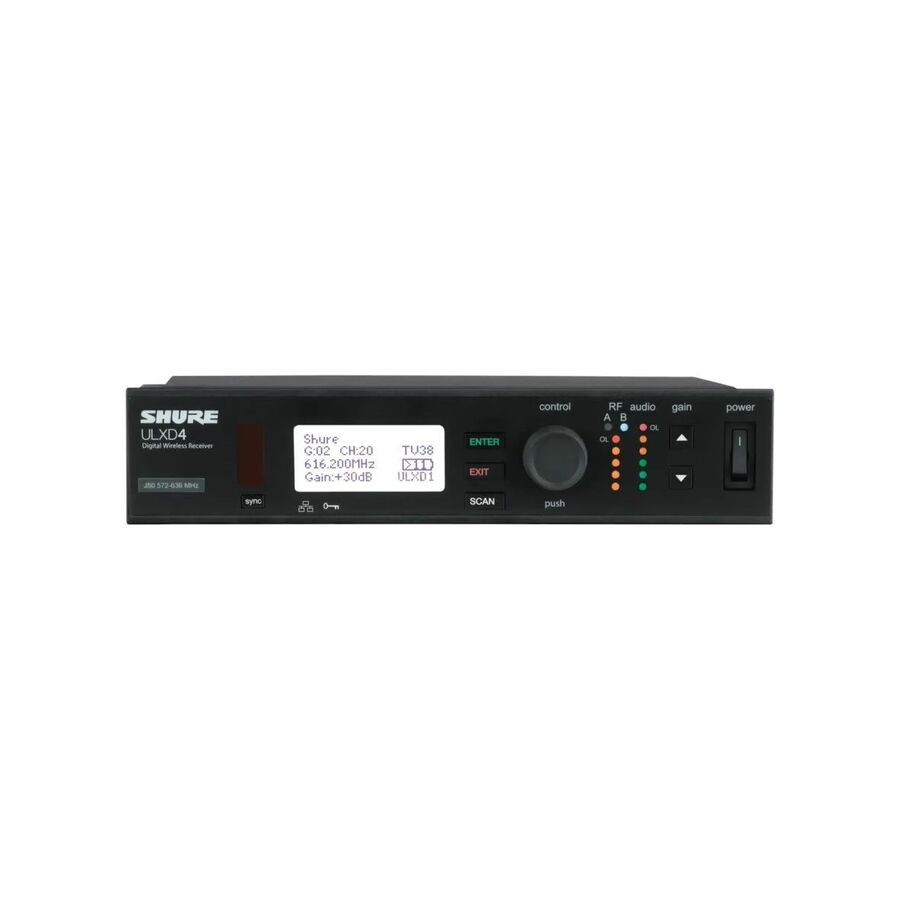
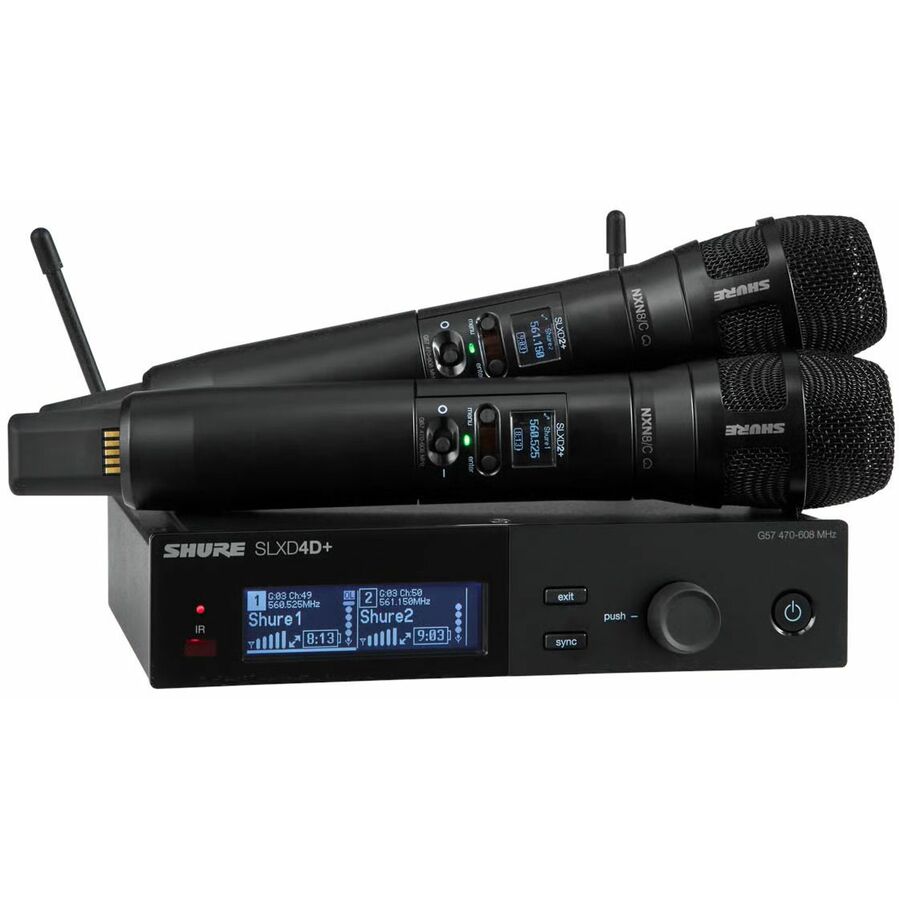
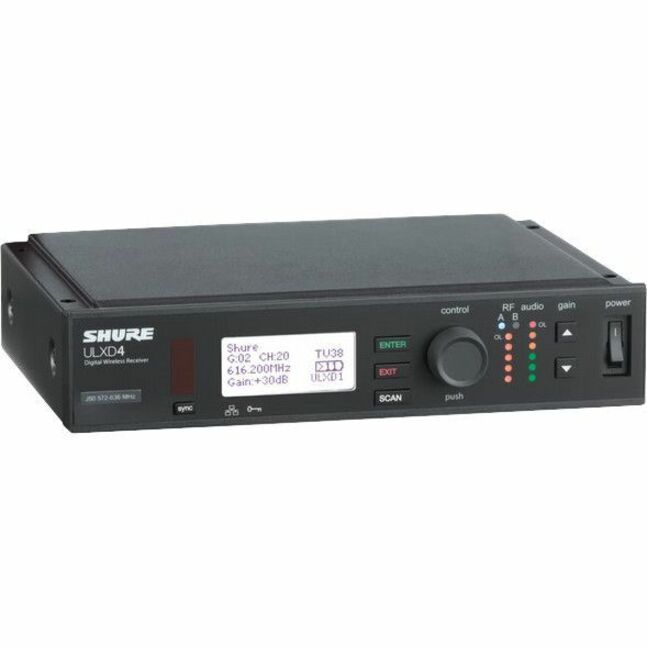
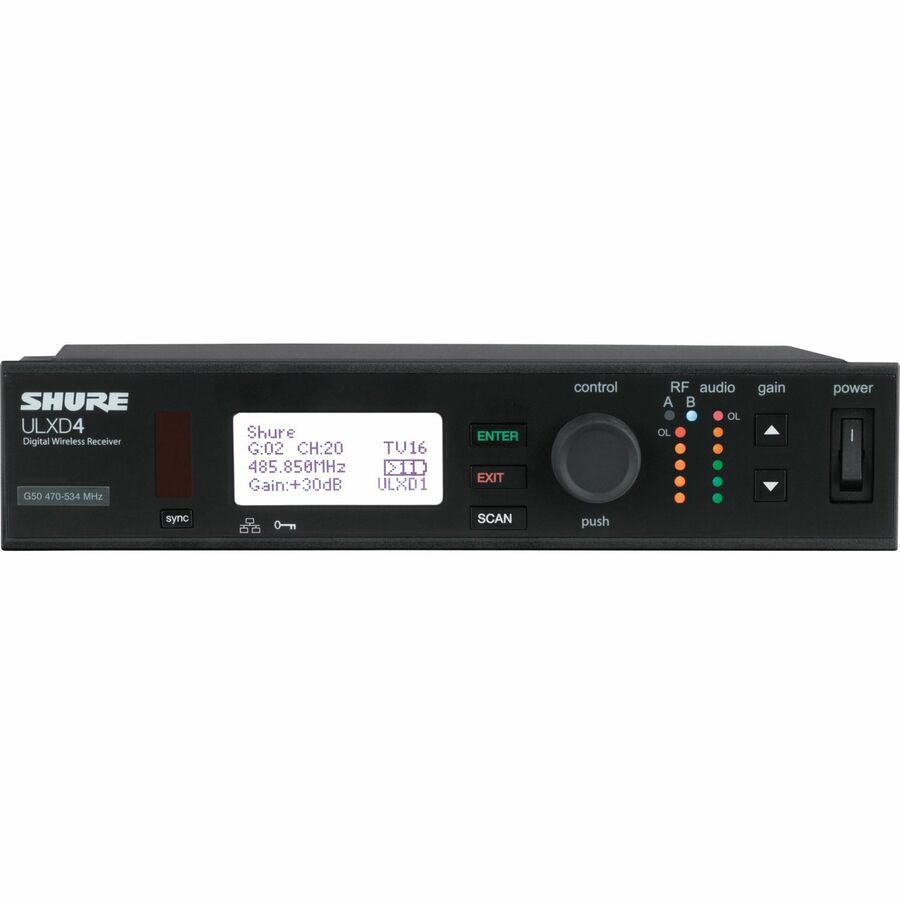
Need pricing on Shure wireless microphone systems?
Tell us where to reach you and a Uniqcli specialist will follow up by email with current pricing, availability and lead time for the quantities you need — including parts that aren’t shown on this page.
Buying for an organization or for yourself — both work. No payment up front.
The costly mistakes on a wireless system are RF, not audio. Size the receiver channel count to the number of simultaneous mics first, then pick the band: coordinated UHF tunes wide and reaches further but must be planned against local broadcast and other users, while license-free 1.9 GHz DECT and 2.4/5.8 GHz skip coordination at the cost of range. Transmitter and receiver bands must match.
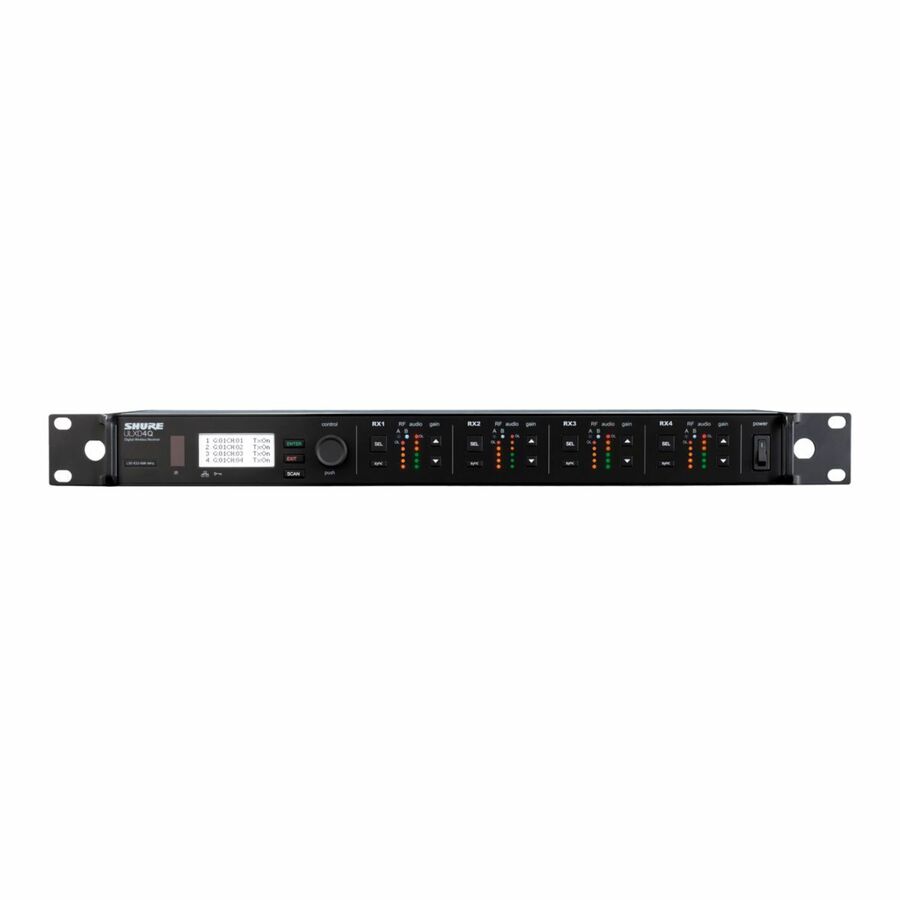
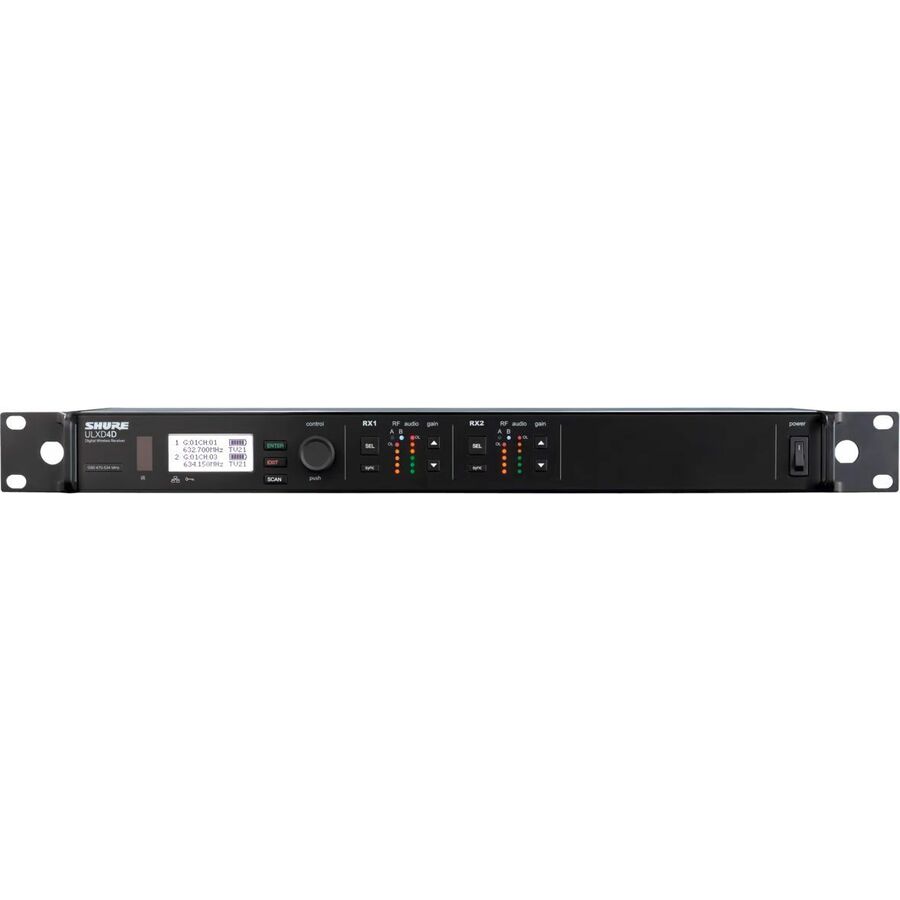
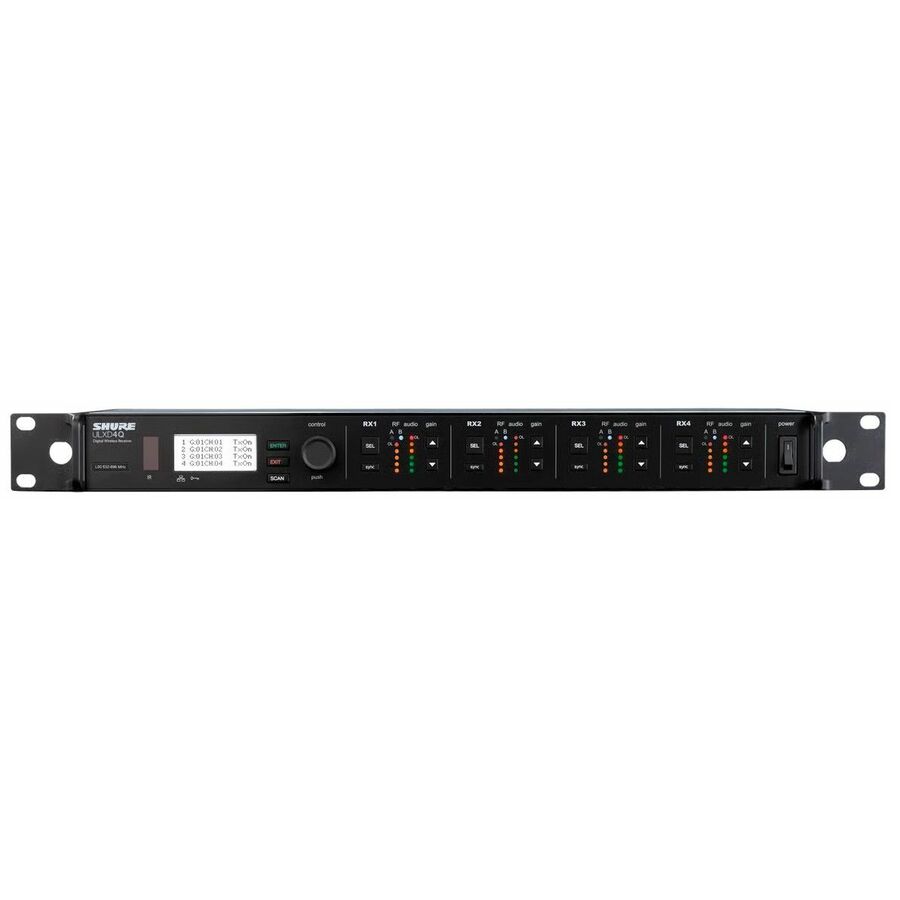
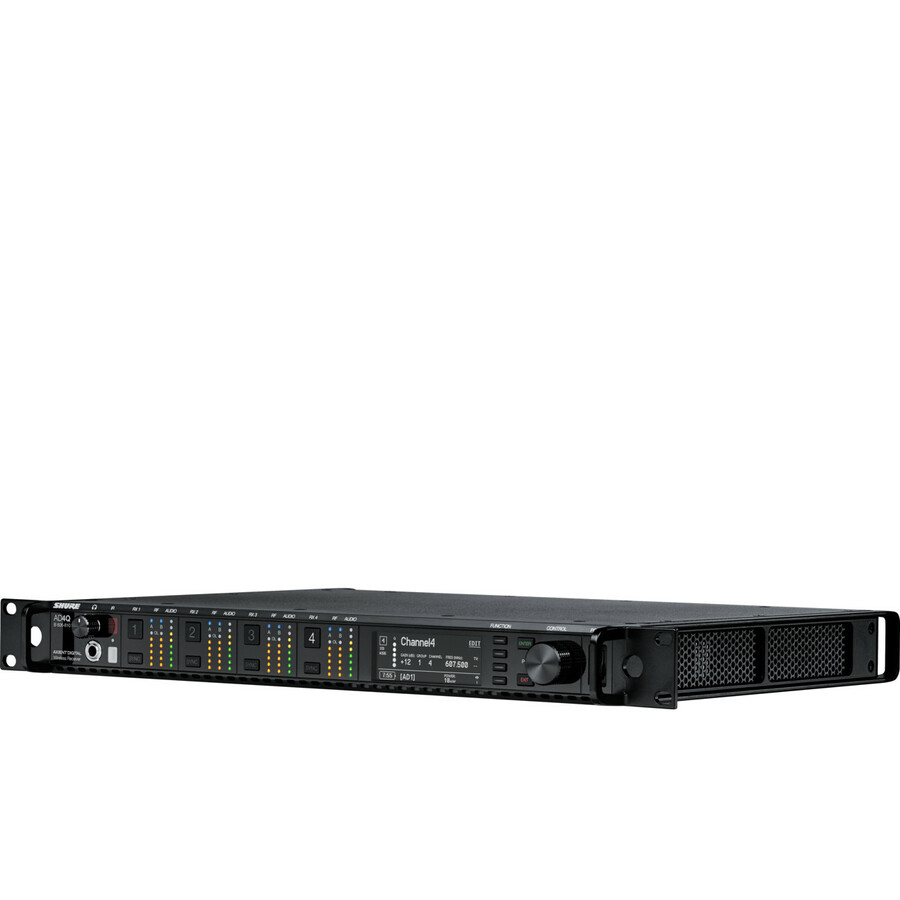
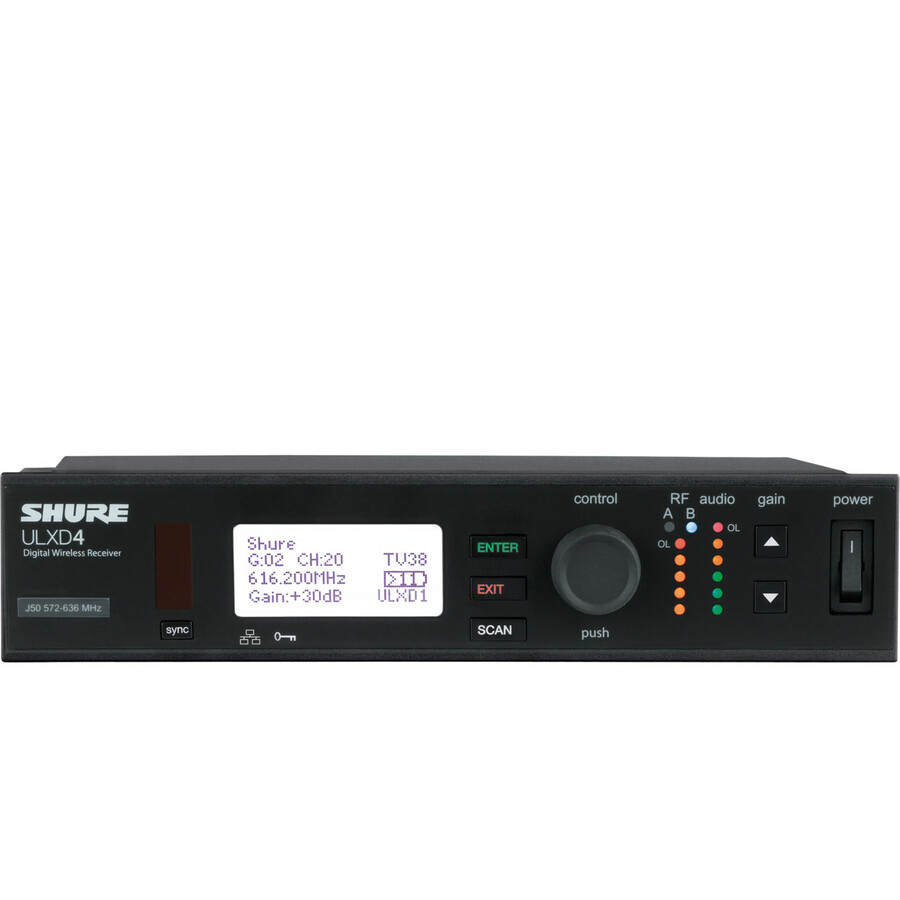
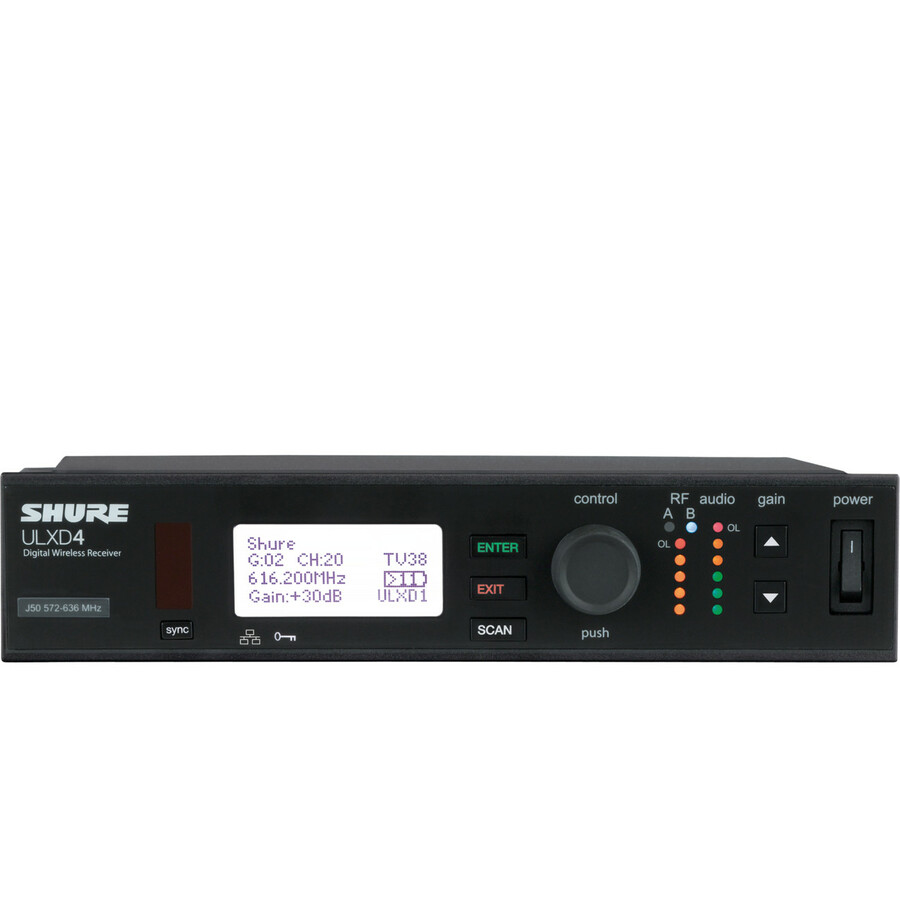
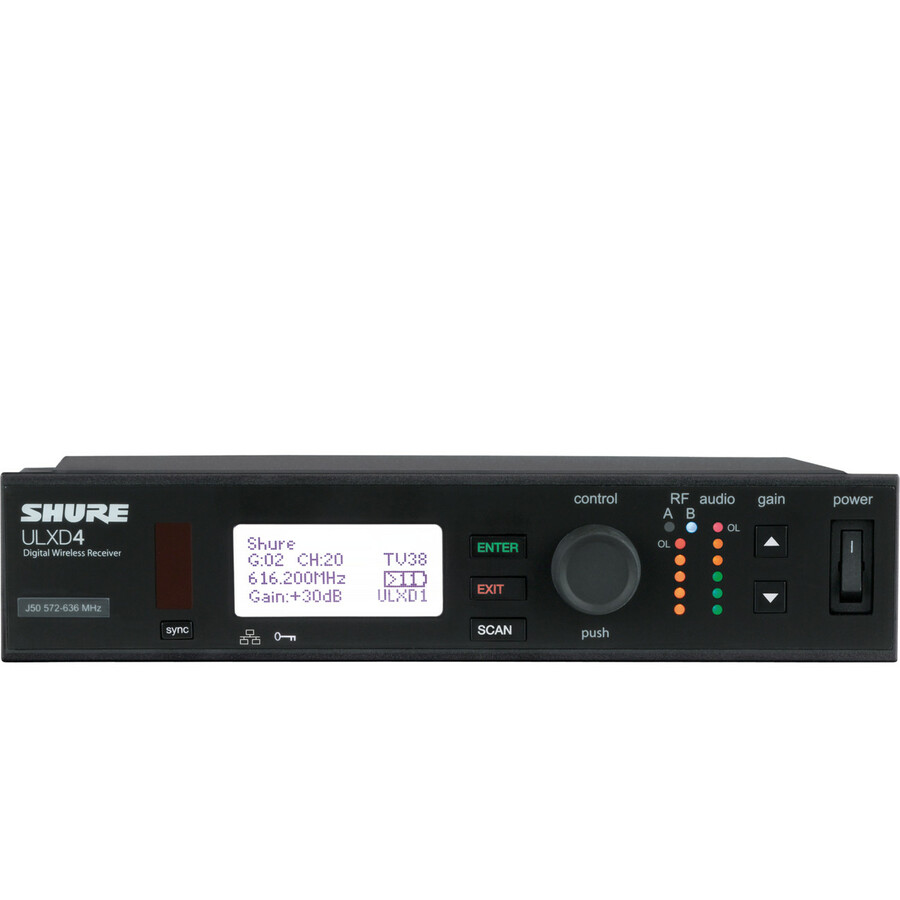
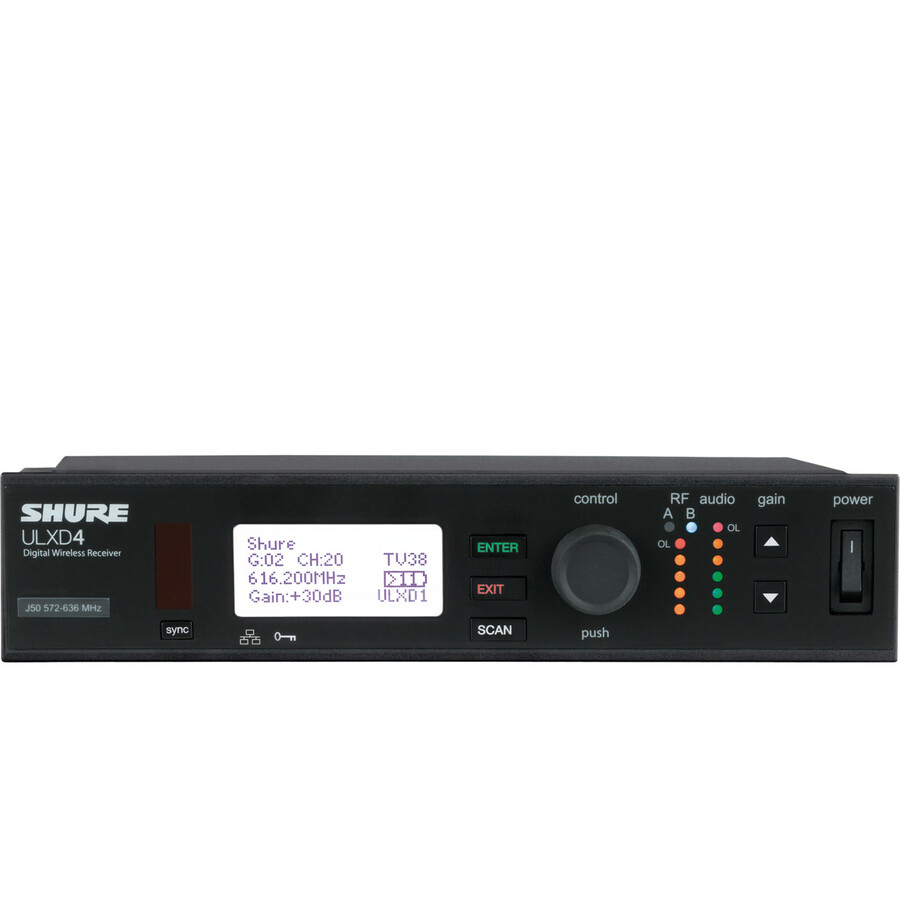
Shure's wireless microphone catalog runs from single-channel analog UHF kits up to networked digital multi-channel racks and DECT-based conferencing systems, so the first job is matching the tier to the room rather than to a spec sheet. The line covers the components you actually coordinate: handheld transmitters with interchangeable dynamic capsules, bodypack transmitters for lavalier and headset elements, single- through quad-channel rack receivers, and access-point transceivers for encrypted 1.9 GHz meeting spaces. The selection below is what Uniqcli currently stocks, with in-stock status shown on each item so you can plan around lead time before you commit a design.
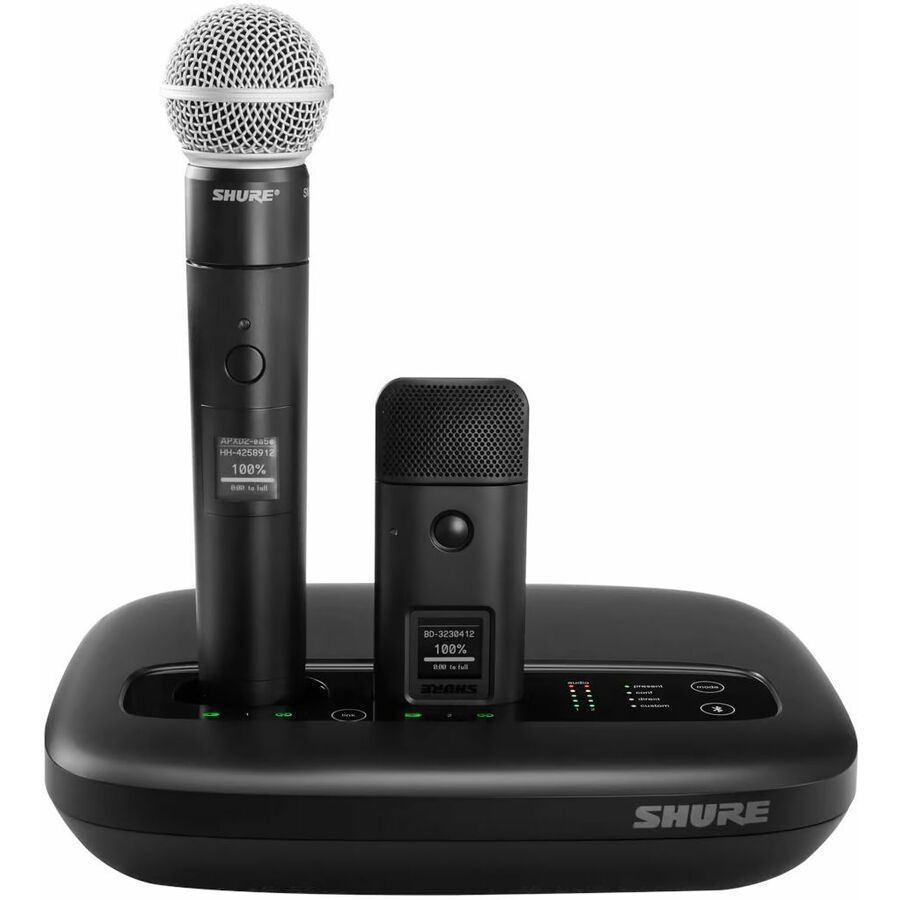
Pick the variant by channel count and RF environment, not price alone. A couple of channels in one untrafficked room is a different problem than a dozen coordinated channels in a convention center. Entry digital and analog UHF systems suit small rooms and single presenters; automatic-frequency digital systems in the license-free 2.4/5.8 GHz range trade some range for fast setup where UHF spectrum is congested; premium networked digital receivers add AES encryption, tighter channel spacing, and management software for large coordinated deployments; and the Microflex Wireless family targets boardroom and multipurpose spaces where transmitters live in charging bases.
The costly mistakes are almost always RF, not audio. Confirm the operating band on both transmitter and receiver match and are legal to run in your locale — several rackmount receivers here span wide UHF ranges (roughly 470–636 MHz) that must be coordinated against local broadcast and other users, while 1.9 GHz and 2.4/5.8 GHz options avoid that coordination at the cost of range. Don't buy more simultaneous channels than your antenna distribution and frequency plan can support, and don't mix transmitter and receiver bands. When in doubt, size the receiver channel count and infrastructure first, then choose transmitter form factors to fit.
Buyer's checklist
How to choose a Shure wireless system
- Channel count and rack density: match single, dual, or quad-channel receivers to the number of simultaneous mics and the rack space you have.
- RF band and legality: decide between coordinated UHF (wide tuning, longer range) and license-free 1.9 GHz / 2.4–5.8 GHz options that skip frequency coordination.
- Encryption: for sensitive briefings or boardrooms, choose digital systems that carry AES encryption rather than analog transmission.
- Transmitter form factor: handheld with a swappable capsule for presenters and vocalists, or bodypack for lavalier and headset elements.
- Networking and control: for large installs, confirm Dante/AES67 audio and management software support so channels can be monitored and coordinated centrally.
- Antenna and power infrastructure: plan antenna distribution, rechargeable versus AA power, and charging bases before scaling past a few channels.
Where these systems fit
Single-channel analog UHF and entry digital kits suit one presenter in one room — a training space, a small chapel, a classroom. The license-free 1.9 GHz DECT and 2.4/5.8 GHz systems fit boardrooms and multipurpose rooms where fast, coordination-free setup matters more than long range. Premium networked digital racks belong on stages, in large lecture halls, and across convention spaces where many coordinated channels run at once. Matching the tier to the room's channel count and RF environment is the whole game.
Government and enterprise AV teams frequently span all three tiers: a DECT system in the secured boardroom, a couple of digital handhelds in a training room, a multi-channel rack for the auditorium. Because the transmitter form factors — handheld, bodypack, lavalier, headset — carry across tiers, a team can standardize on capsule and element choices while sizing the receiver and RF infrastructure independently for each space.
Planning a coordinated RF deployment
Wireless problems are almost always spectrum problems, so plan the RF before the audio. Scan the site for existing broadcast and other users, build a coordinated frequency plan for the UHF channels, and confirm every band is legal to operate where the system runs. Multi-channel installs need antenna distribution — combiners, splitters, and remote antennas — sized to the channel count, not a pile of whip antennas on the rack. Coordination software and a site walk turn a guess into a plan.
Power and batteries are the other planning axis. Decide between rechargeable packs with charging docks and disposable AA cells early, because a large channel count means a real battery-management routine and dock infrastructure at front-of-house. Stage the rack space, antenna cabling, and any Dante or AES67 networking so channels can be monitored centrally, and leave channel headroom in the receiver plan for the event that needs one more mic than expected.
Total cost of ownership
The receiver and transmitters are the visible cost; the RF infrastructure and consumables are the ongoing one. Antenna distribution, cabling, and rack hardware are real capital on any multi-channel install, and rechargeable batteries — while cheaper than a stream of AA cells over years — carry their own dock and replacement cadence. Interchangeable capsules and a spare channel or two for critical events also belong in the plan, not the wish list.
Spectrum itself is a recurring operational cost. UHF plans need periodic re-coordination as local broadcast and other users change, which is engineering time as much as money; license-free 1.9 and 2.4/5.8 GHz systems trade some range to avoid that overhead. Weigh batteries, antenna infrastructure, re-coordination labor, and firmware maintenance across the system's service life, and the total reads well beyond the receiver's sticker.
FAQ
Common questions
- What's the difference between Shure's analog and digital wireless systems?
- Analog UHF systems are simple and cost-effective for a small number of channels in one room. Digital systems add cleaner channel spacing (more mics in the same spectrum), optional AES encryption, and in higher tiers networked control and monitoring. Digital license-free options in the 2.4/5.8 GHz range set frequencies automatically, which speeds setup where UHF spectrum is congested, though typically with shorter range than UHF.
- How many wireless channels can I run at the same time?
- That depends on the receiver tier, the RF band, and your antenna plan more than on any single product. Entry systems are designed for one or two channels per room; premium networked digital receivers pack multiple channels per rack unit with tighter spacing and are built to scale into large coordinated deployments with antenna distribution. Size the receiver channel count and infrastructure to your worst-case simultaneous mic count, then leave headroom.
- Which frequency band should I choose?
- UHF gives the longest range and is well suited to stages and large venues, but the band must be coordinated against local broadcast and other users, and several receivers here tune across wide UHF ranges. The 1.9 GHz and 2.4/5.8 GHz options avoid that coordination and suit conference rooms and quick deployments, at the cost of range. Confirm the exact band is legal to operate where the system will be used, and match transmitter and receiver bands.
- Can these be purchased on a government or education contract?
- Yes. Uniqcli serves business, government, and education buyers, and these systems are sourced through US distribution. Each item is screened for TAA country-of-origin and NDAA Section 889 status before checkout, with documentation tied to the specific part number so your procurement and compliance teams have what they need on file. This is a sourcing and screening service, not an independent Uniqcli certification — where a specific model is manufacturer-marketed as TAA-compliant, we surface that against the part number. Reach out for a quote referencing your buying program and we'll confirm availability and lead time.
Need Shure wireless microphone systems pricing?
Send a bill of materials or part numbers — we confirm stock and a below-market total, with TAA verified on request. No payment up front.