
Best Kensington Laptop Locks for Office & Fleet Security
Keyed and combination Kensington cable locks for standard, Nano and Wedge security slots — for offices, labs and shared workstations.
Kensington laptop locks in stock at Uniqcli
How to choose →A curated selection with live pricing — in-stock lines first, then back-ordered lines with a typical lead time. Every line is sourced through US distribution and screened for NDAA §889 status before checkout, with TAA verified on request.

More cable locks in the Uniqcli catalog
See all 340 cable locksMore Kensington first — closest to what you were just looking at; “See all cable locks” above opens every other brand in the category. In-stock lines lead, and a back-ordered line carries the same estimated availability its product page does — with live pricing throughout, NDAA §889 screening before checkout and TAA verified on request.
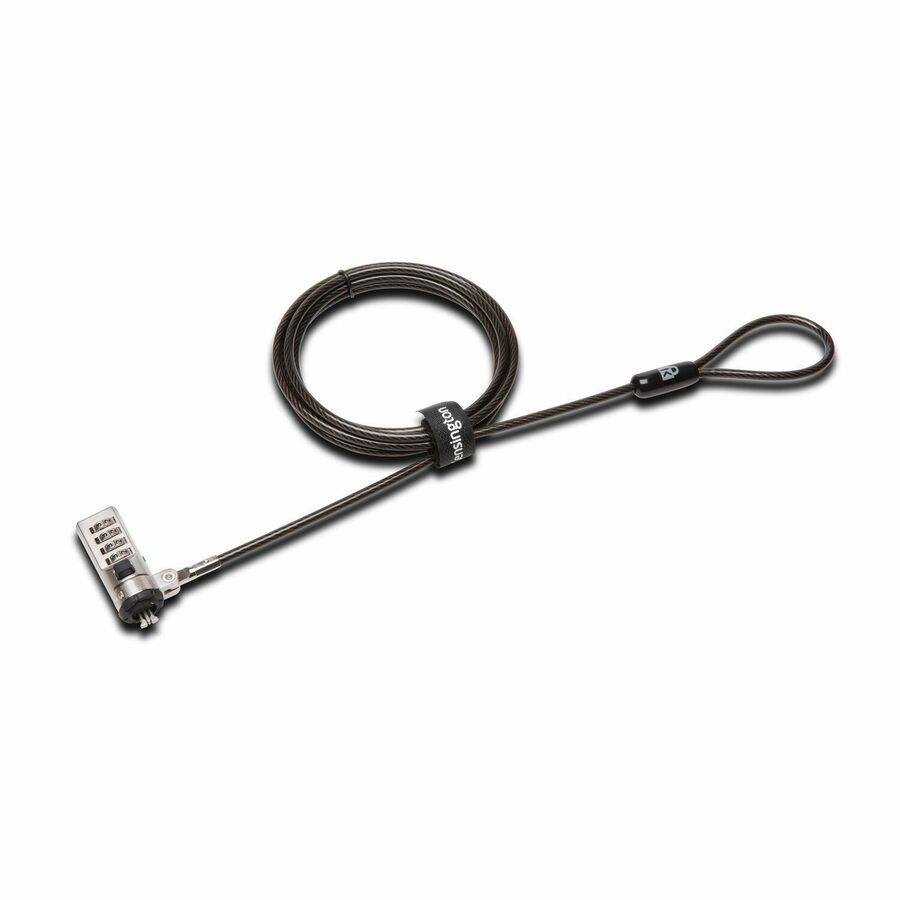
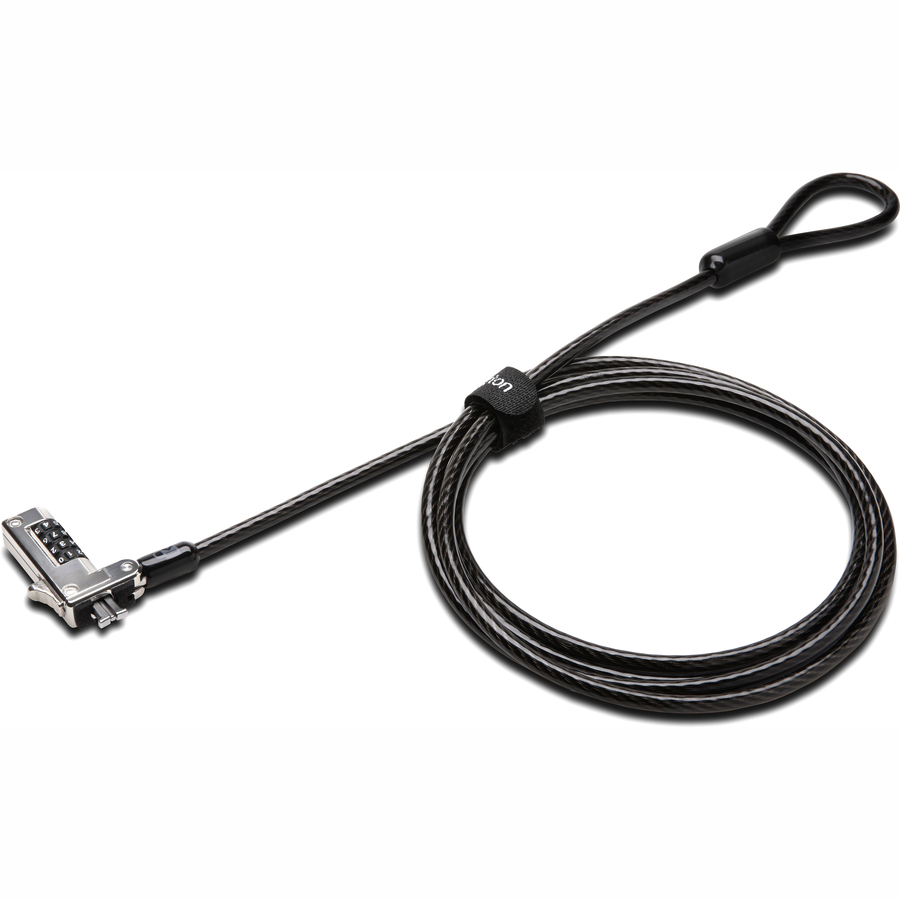
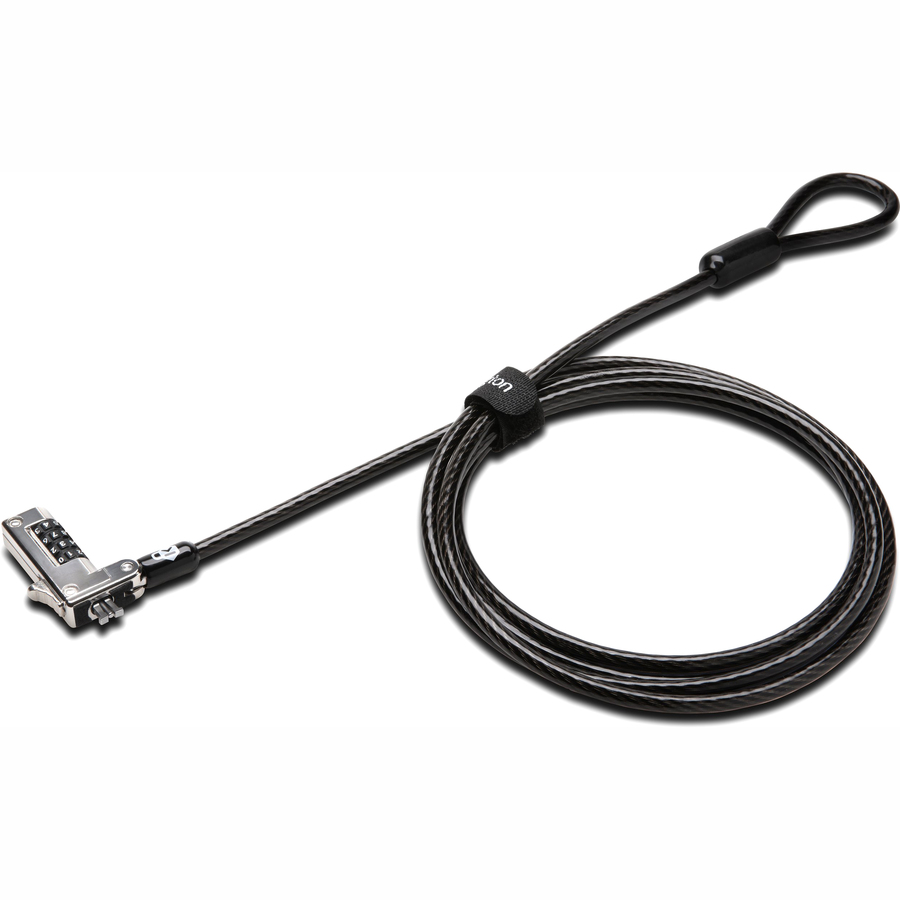
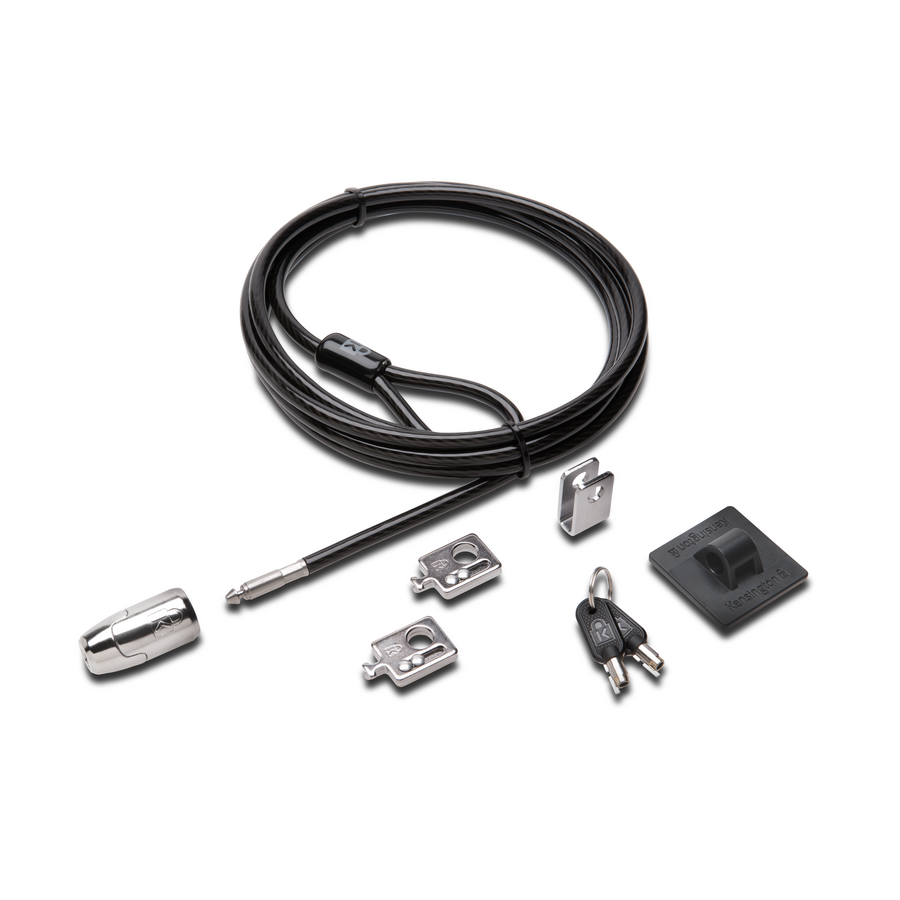
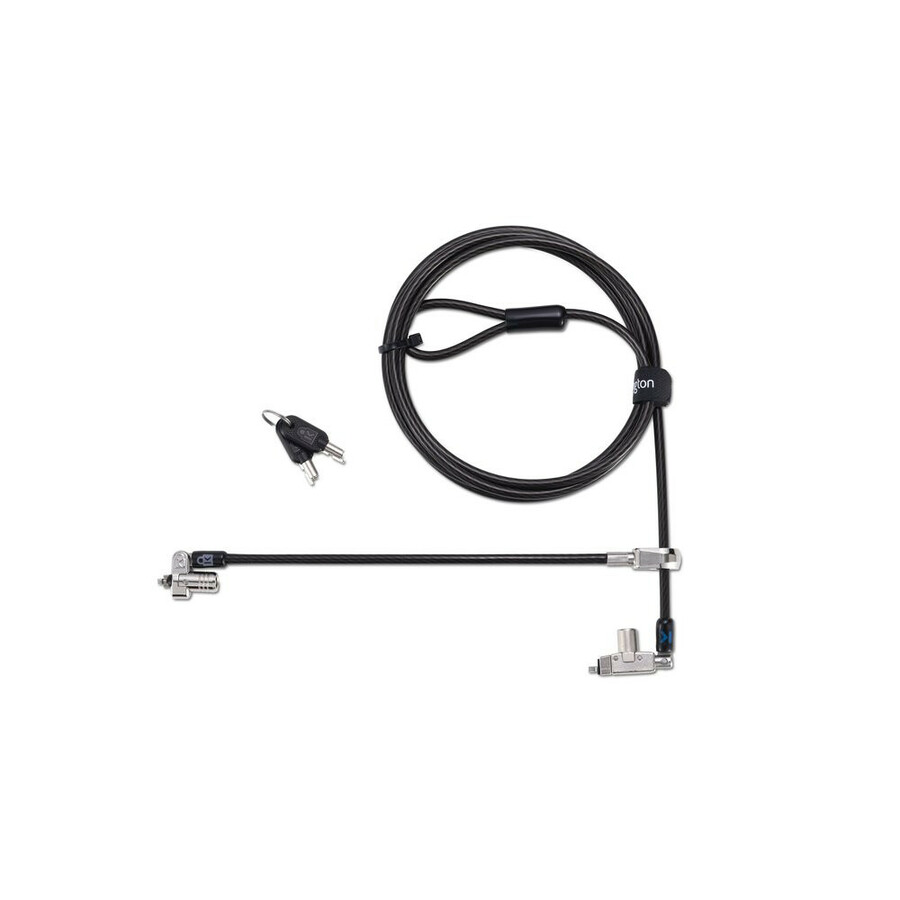
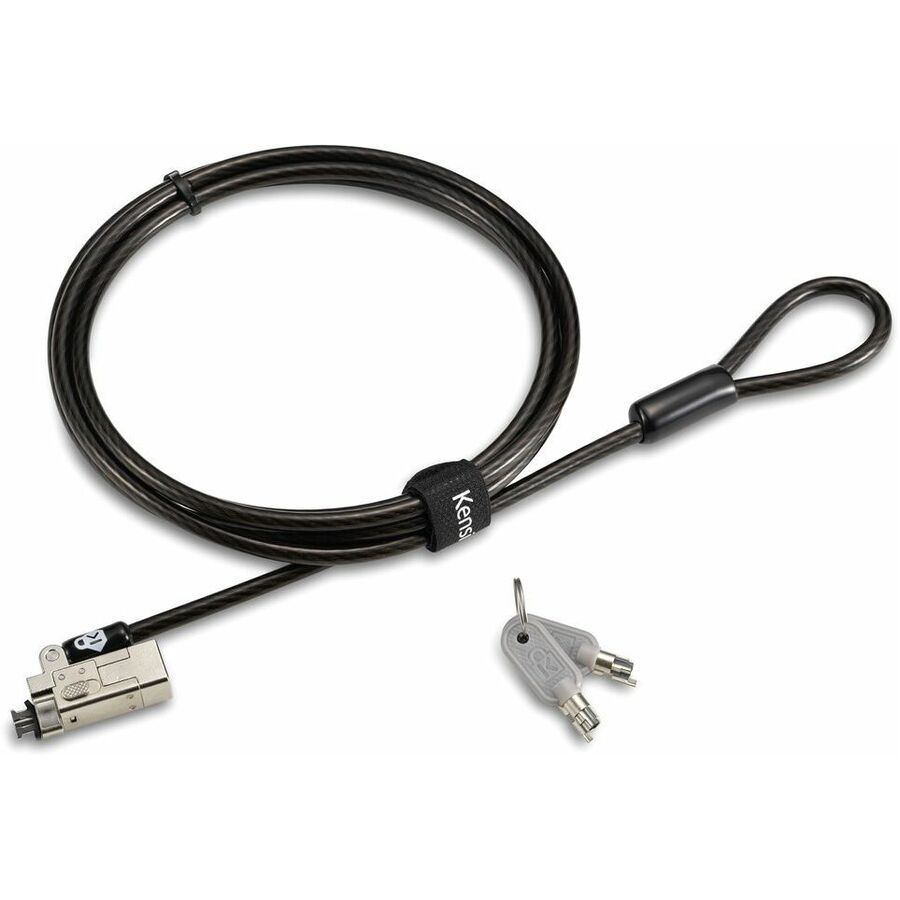
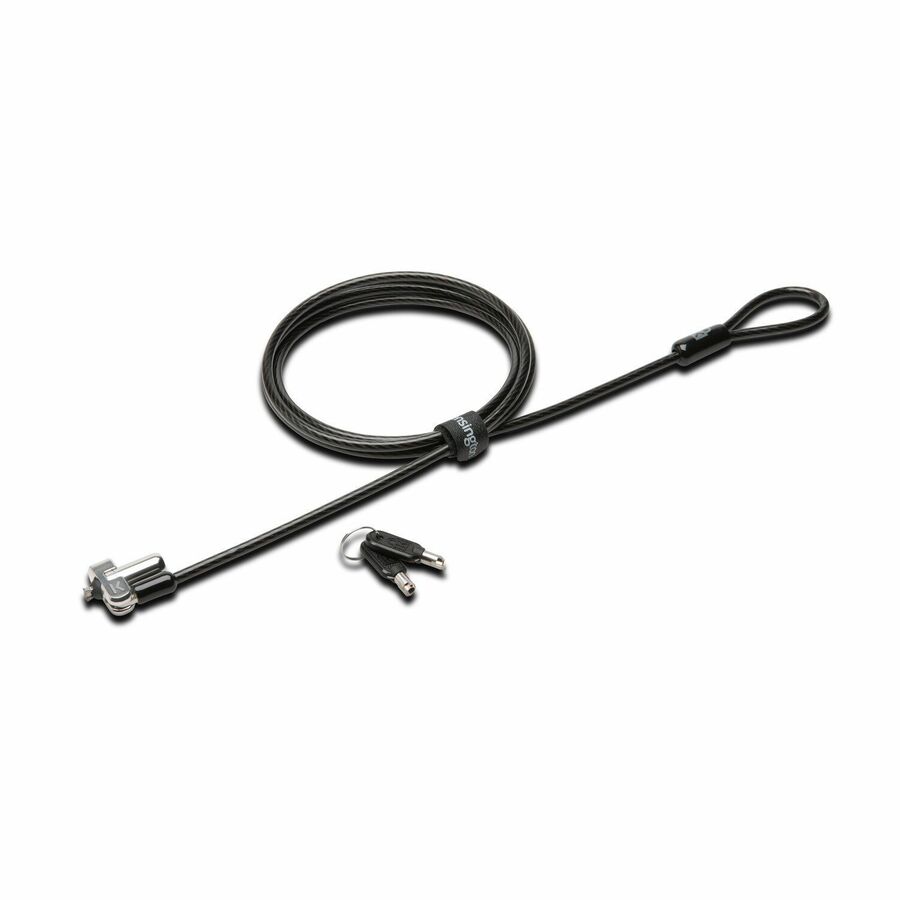
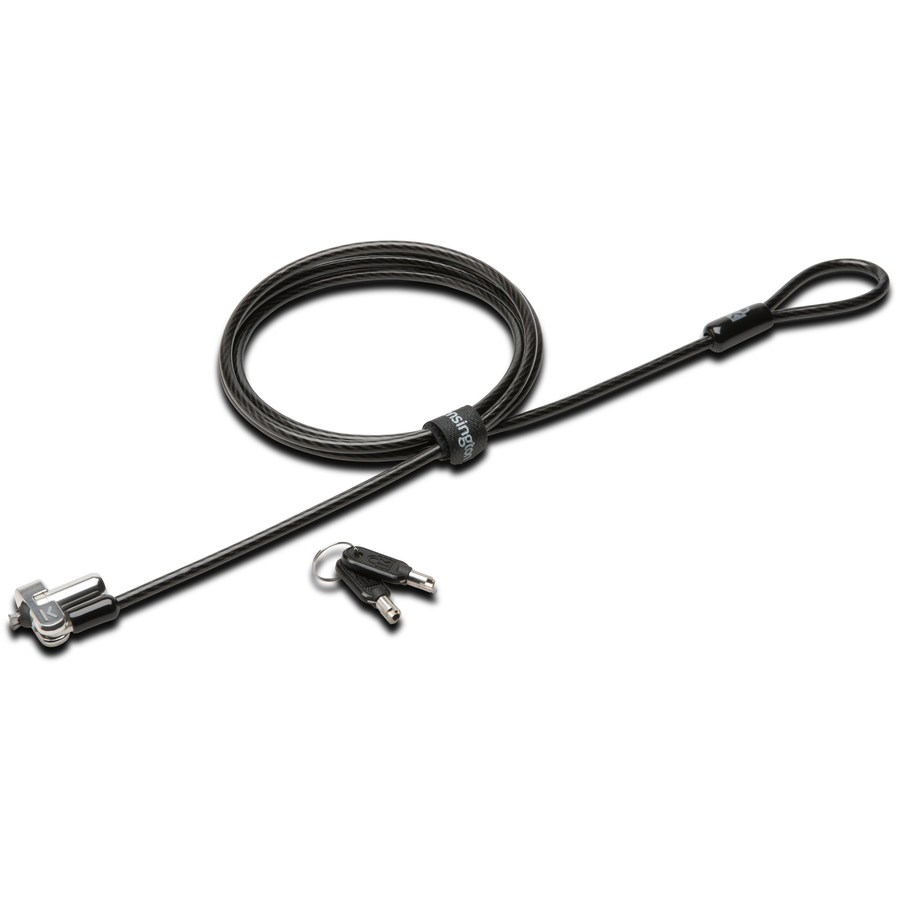
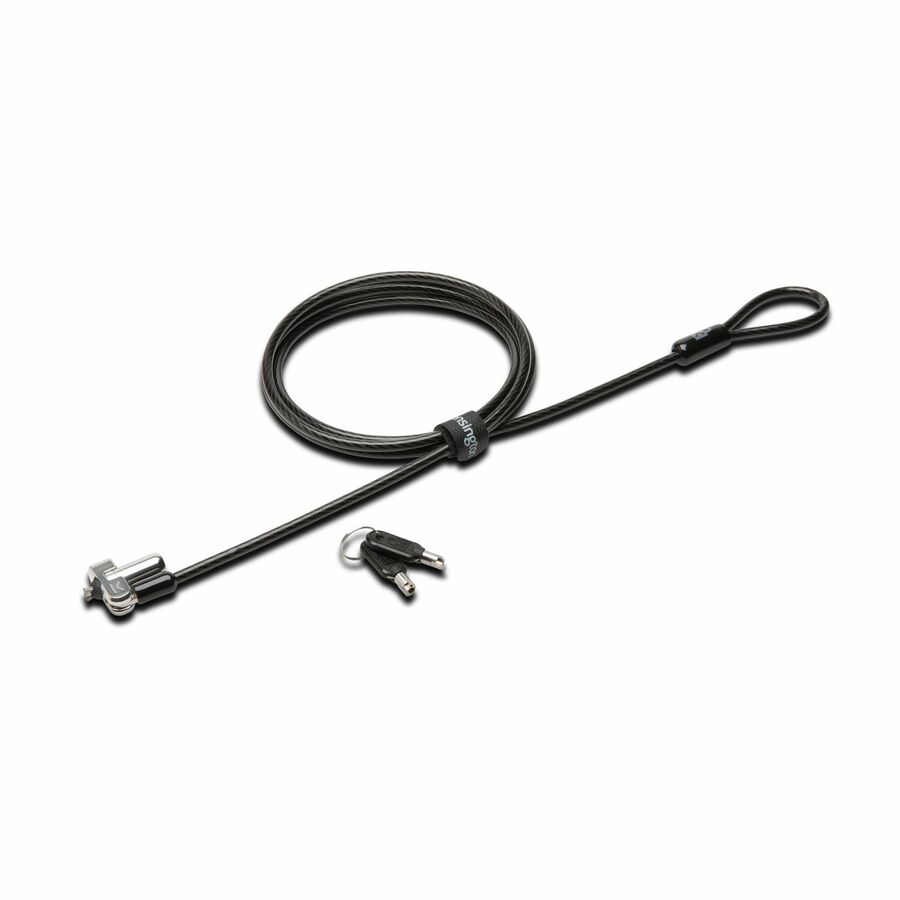
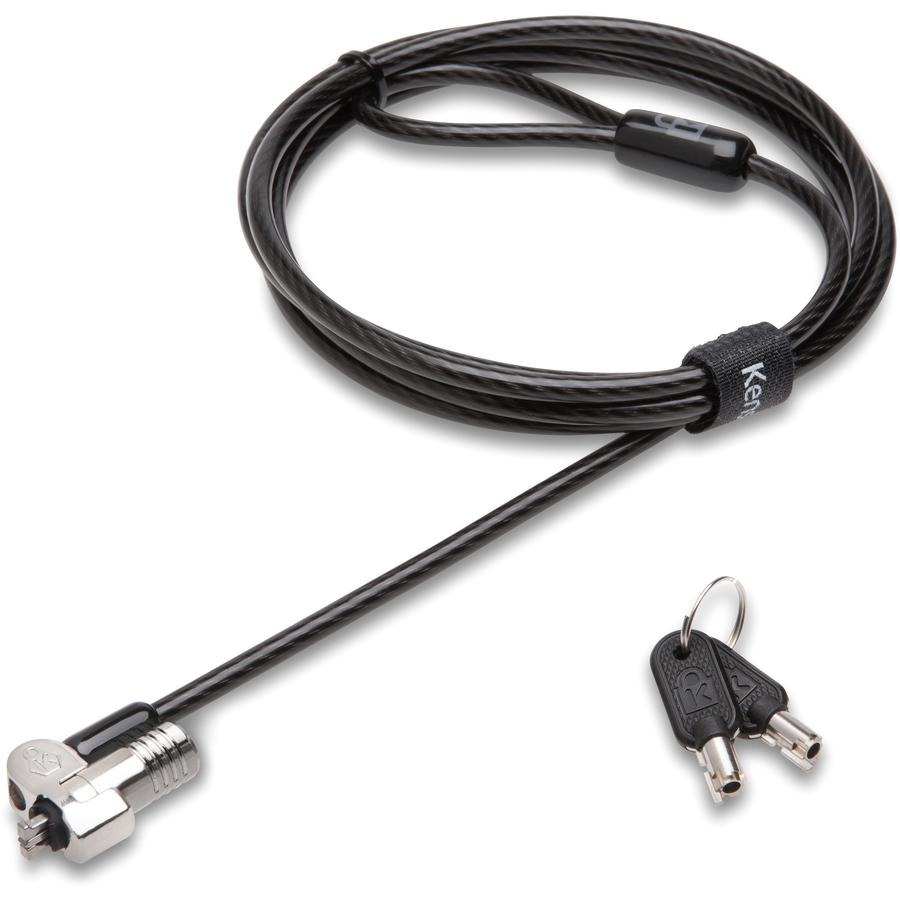
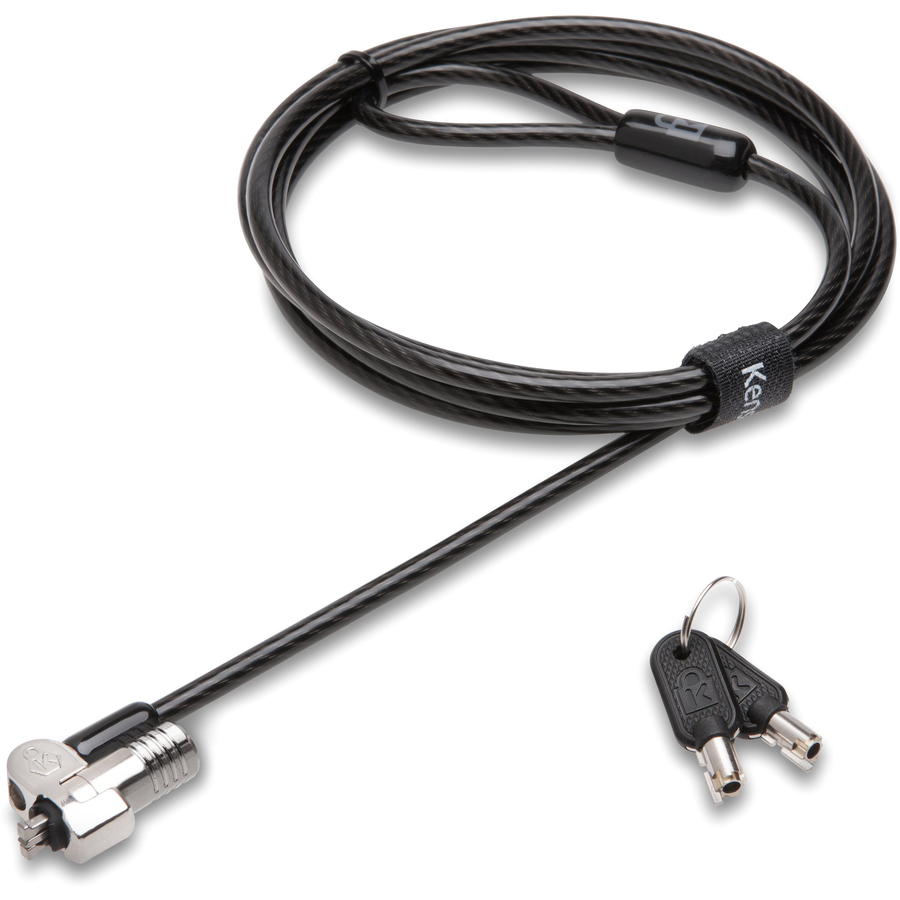
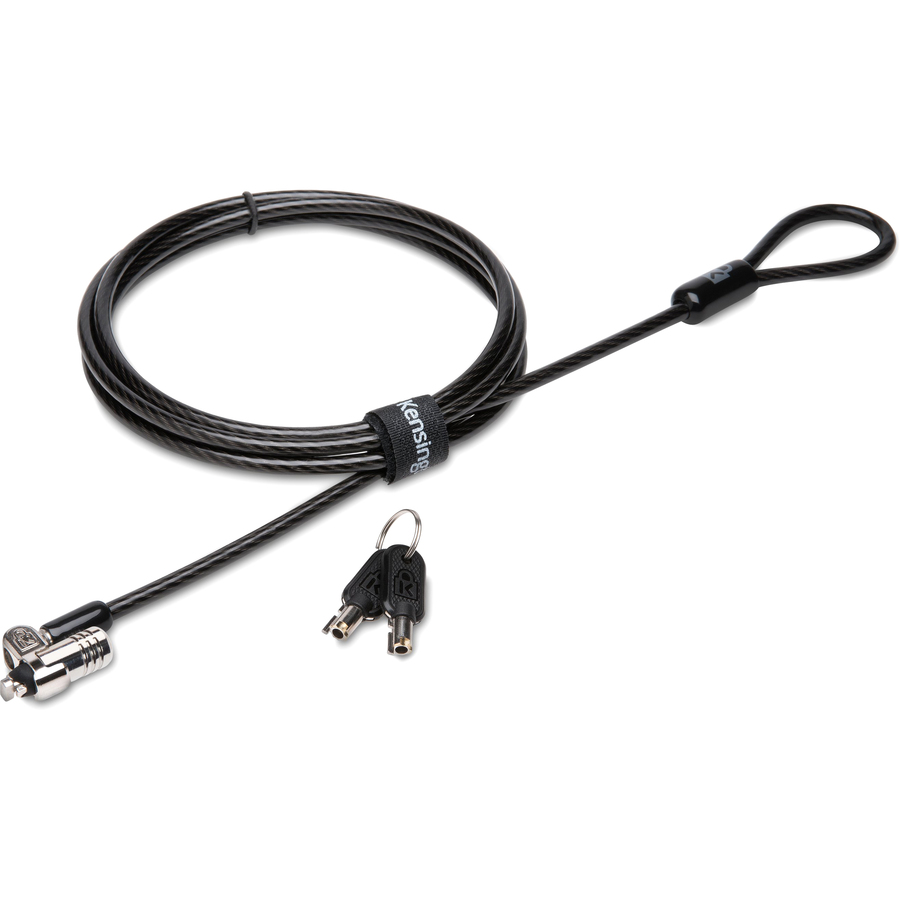
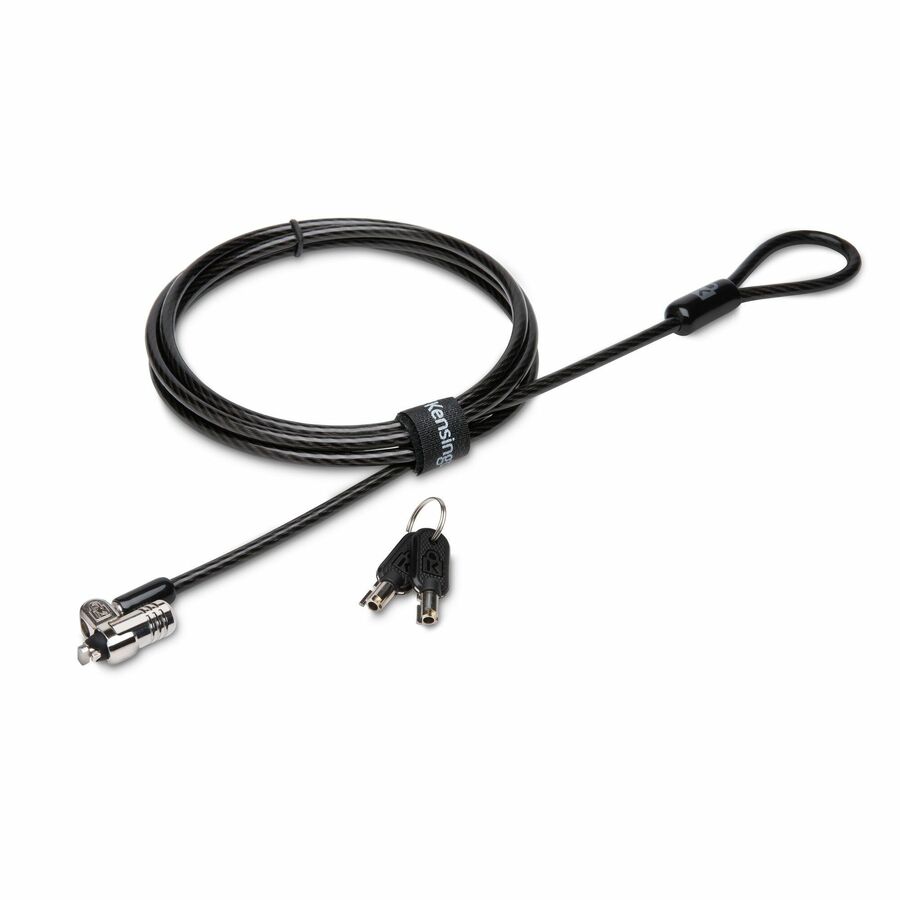
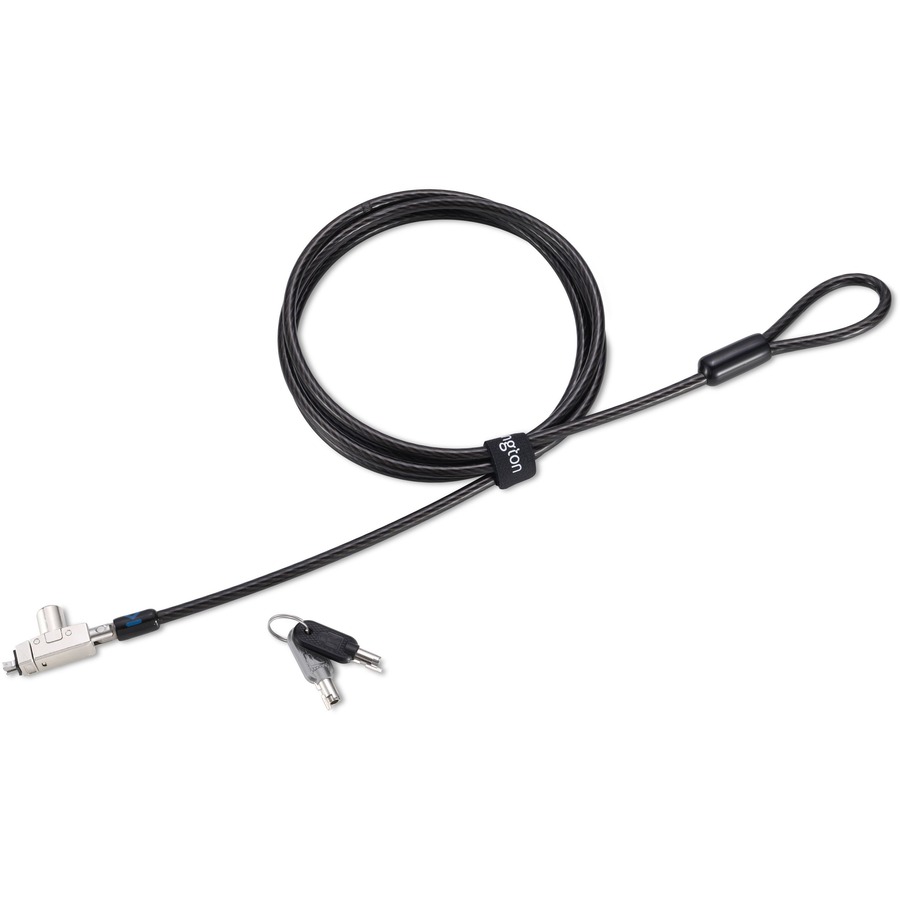
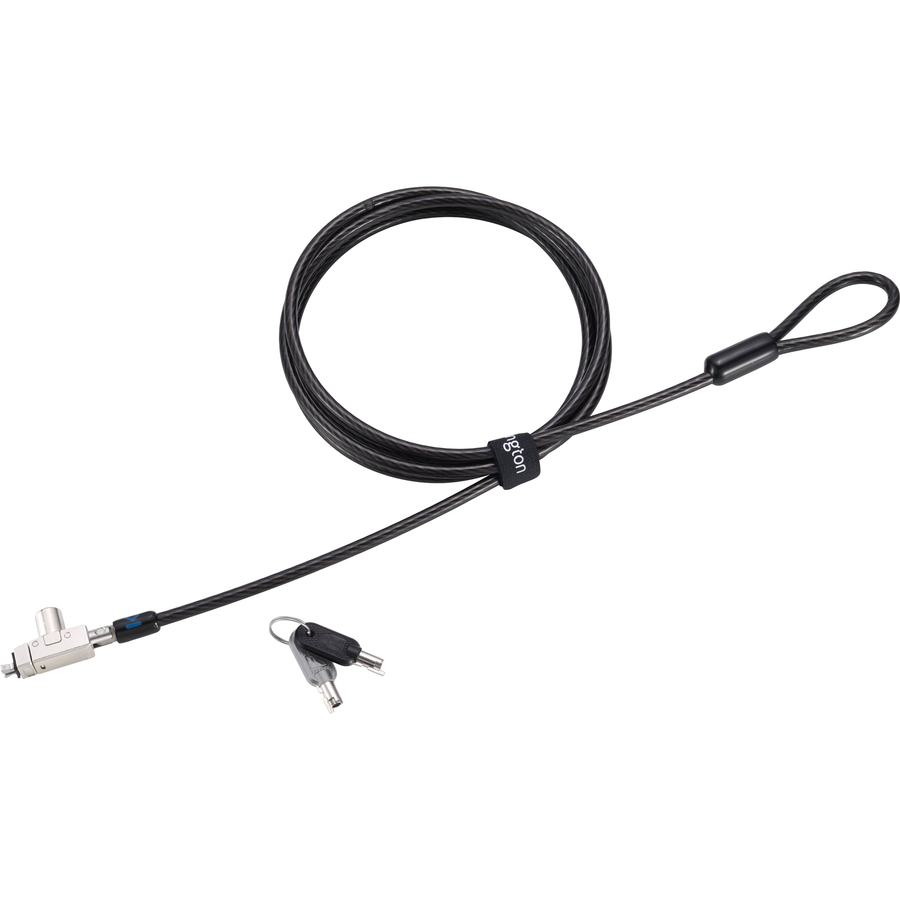
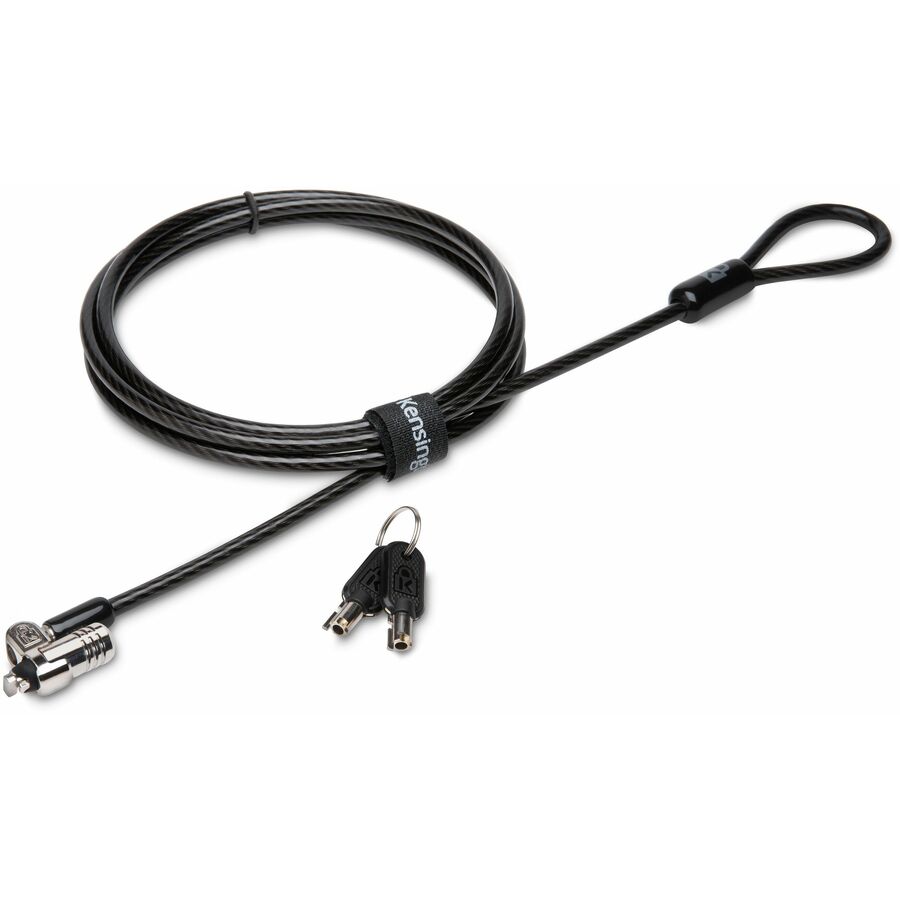
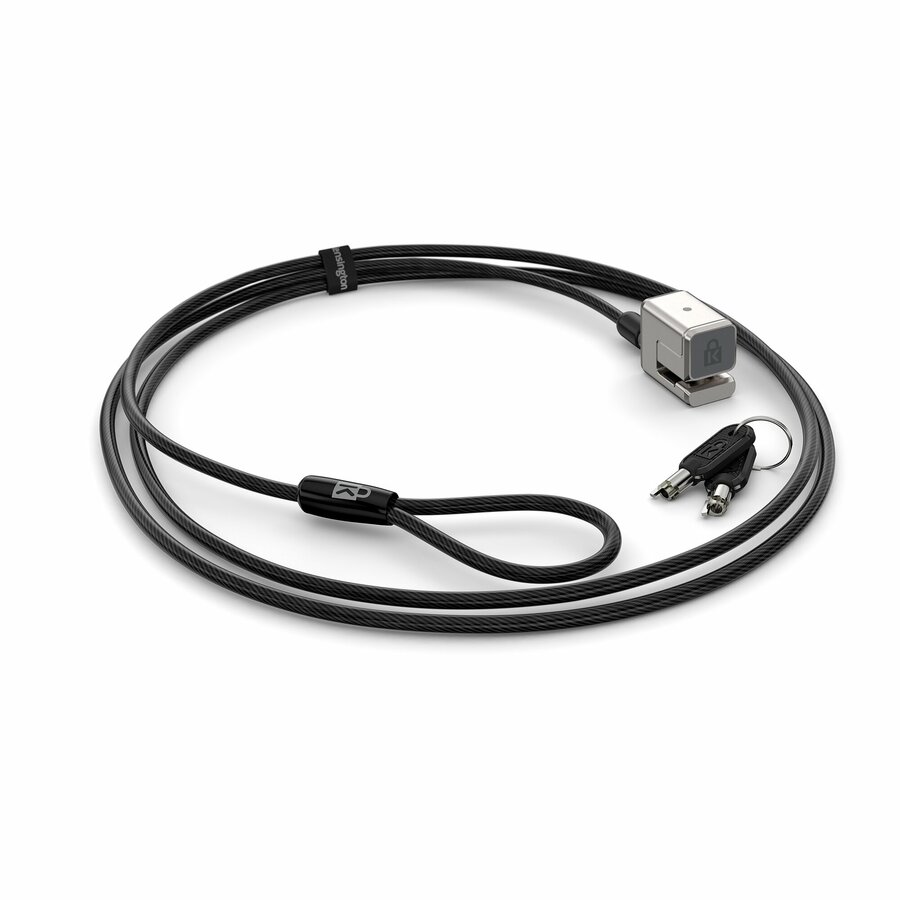
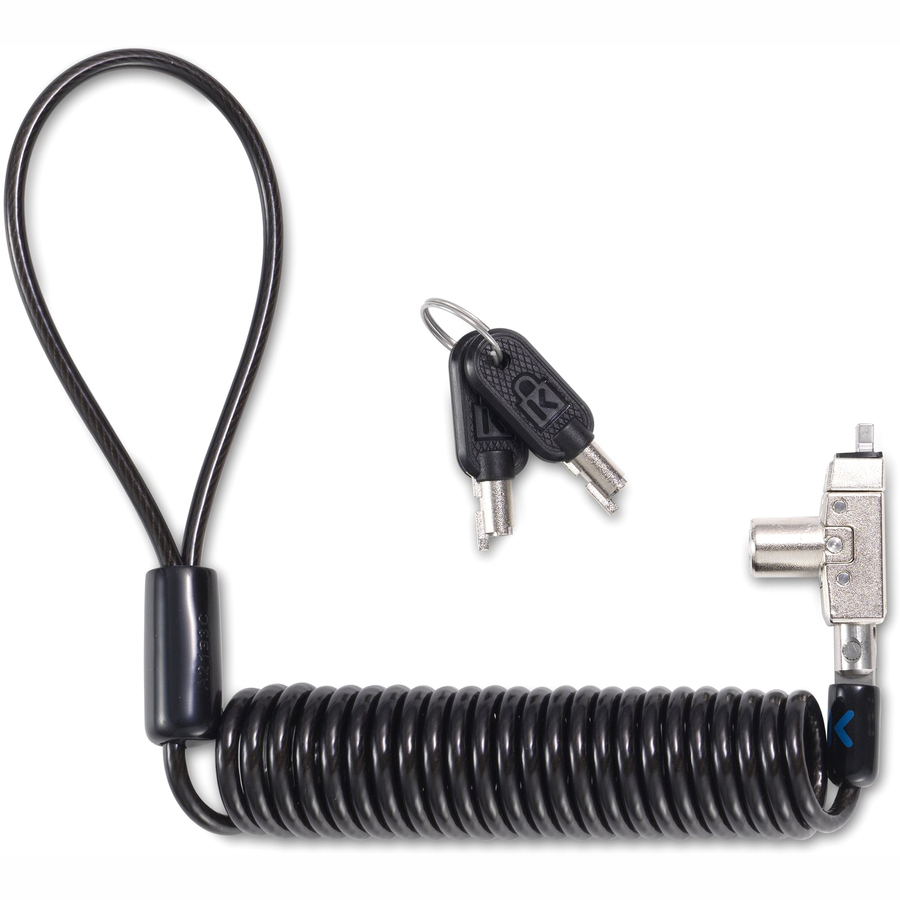
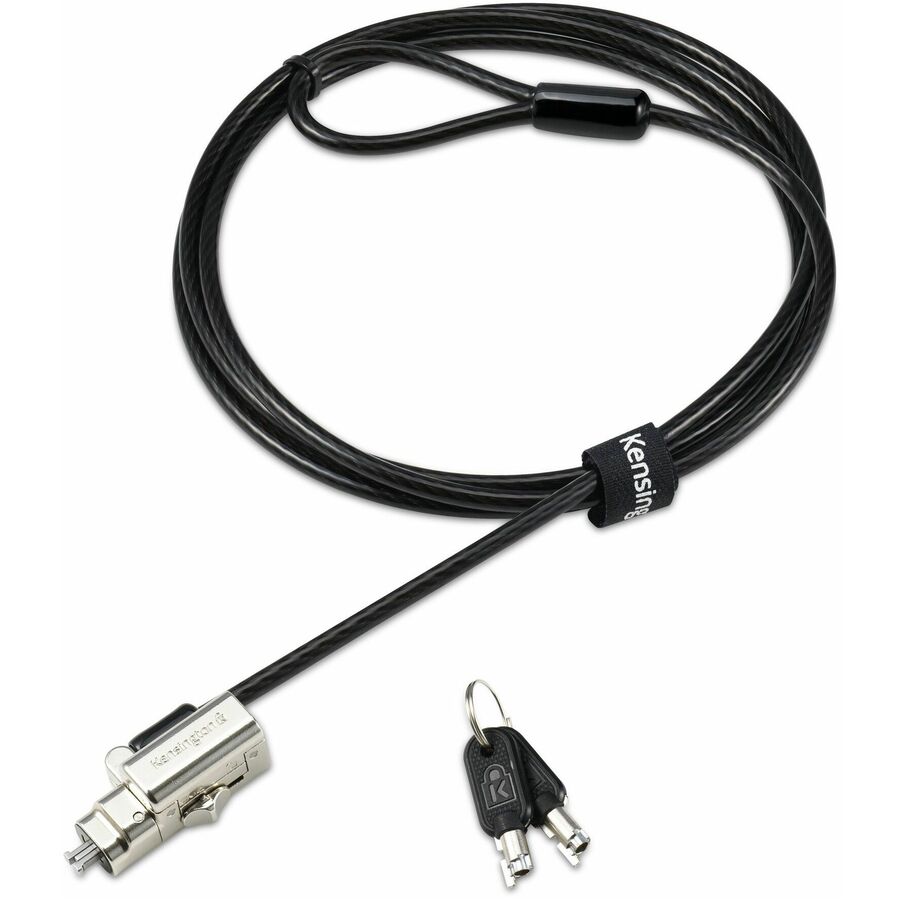
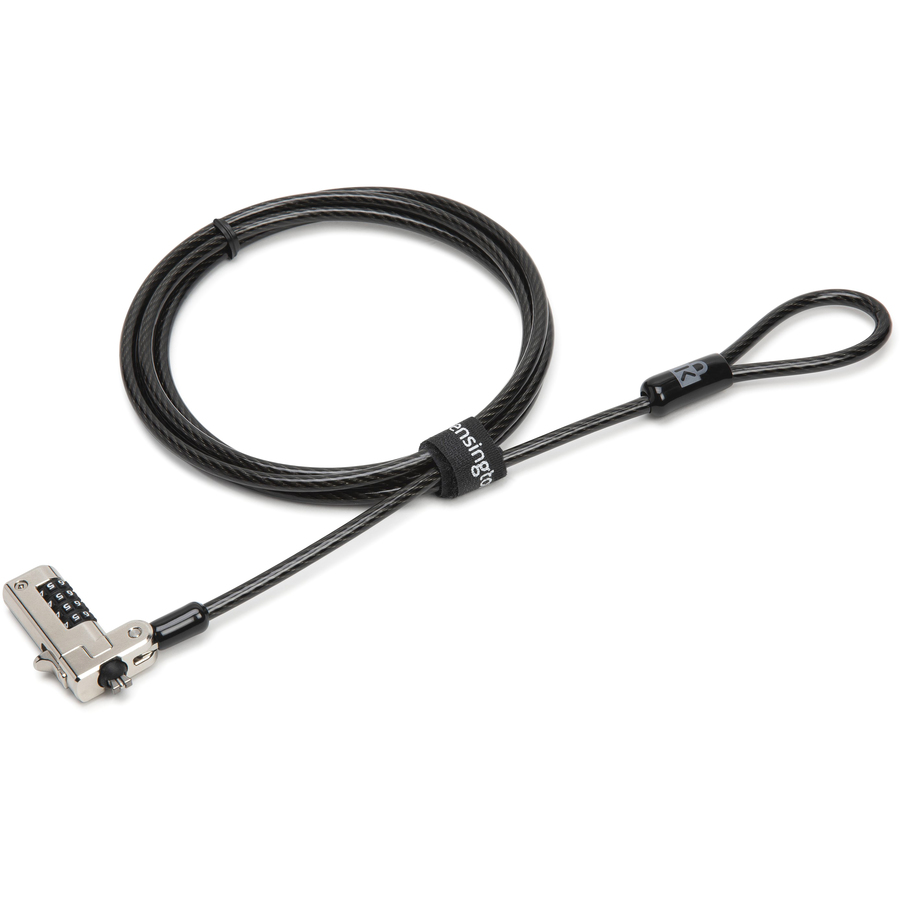
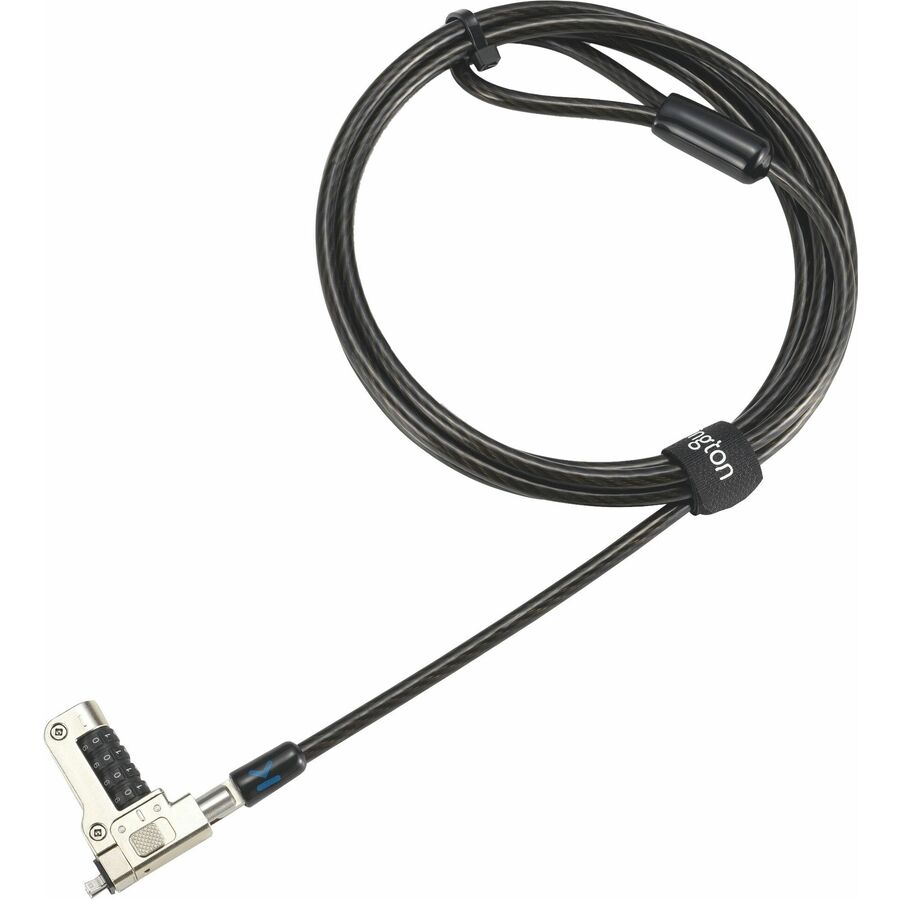
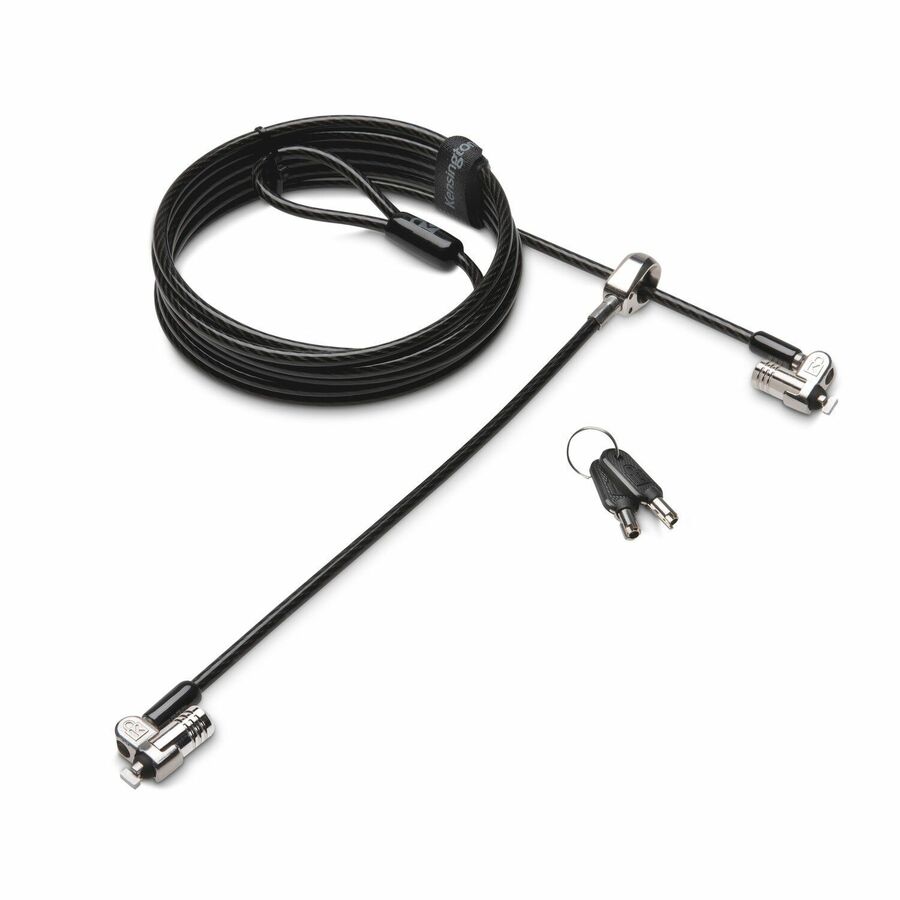
- Kensington Computer ProductsKensington MicroSaver Cable Lock - Keyed Lock - Black, Silver - Carbon Steel - For NotebookK65099
$89.99
$87.20
Back-orderedBack-ordered — estimated OEM lead time 3–8 weeks (Nov 17 – Dec 22 if ordered today).
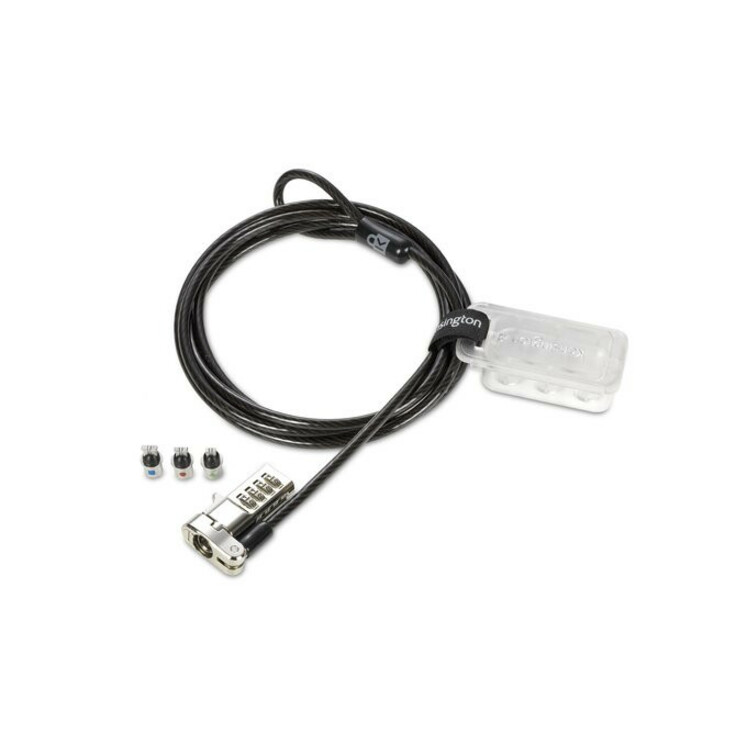
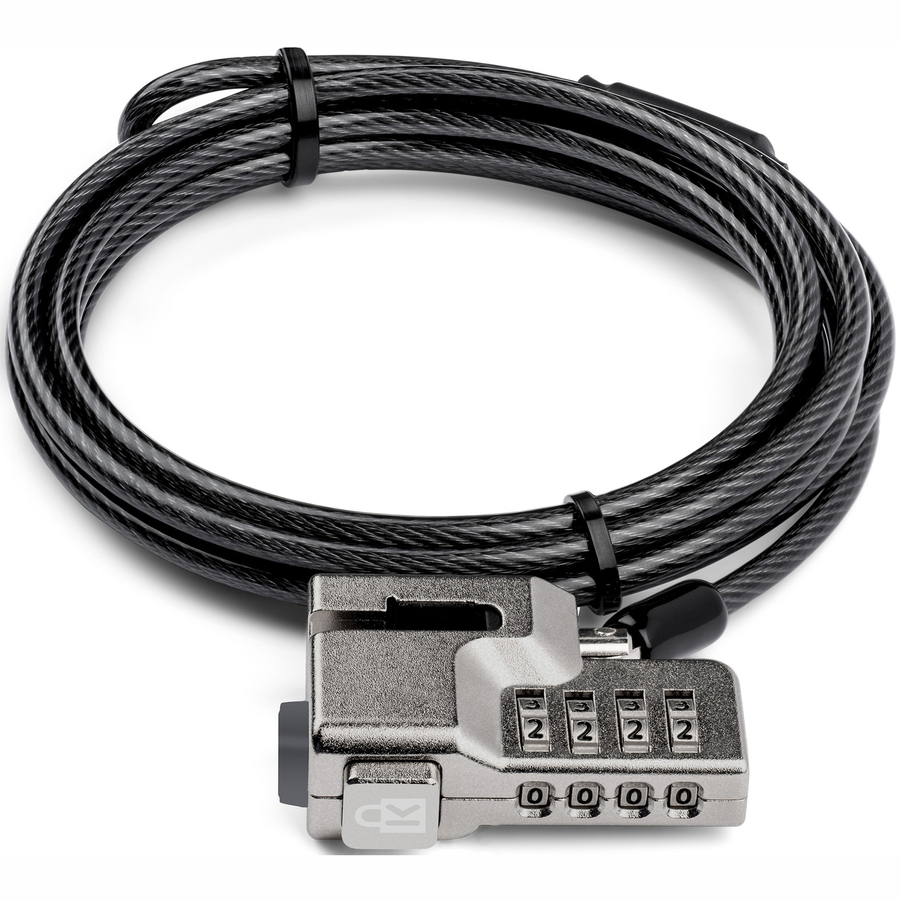
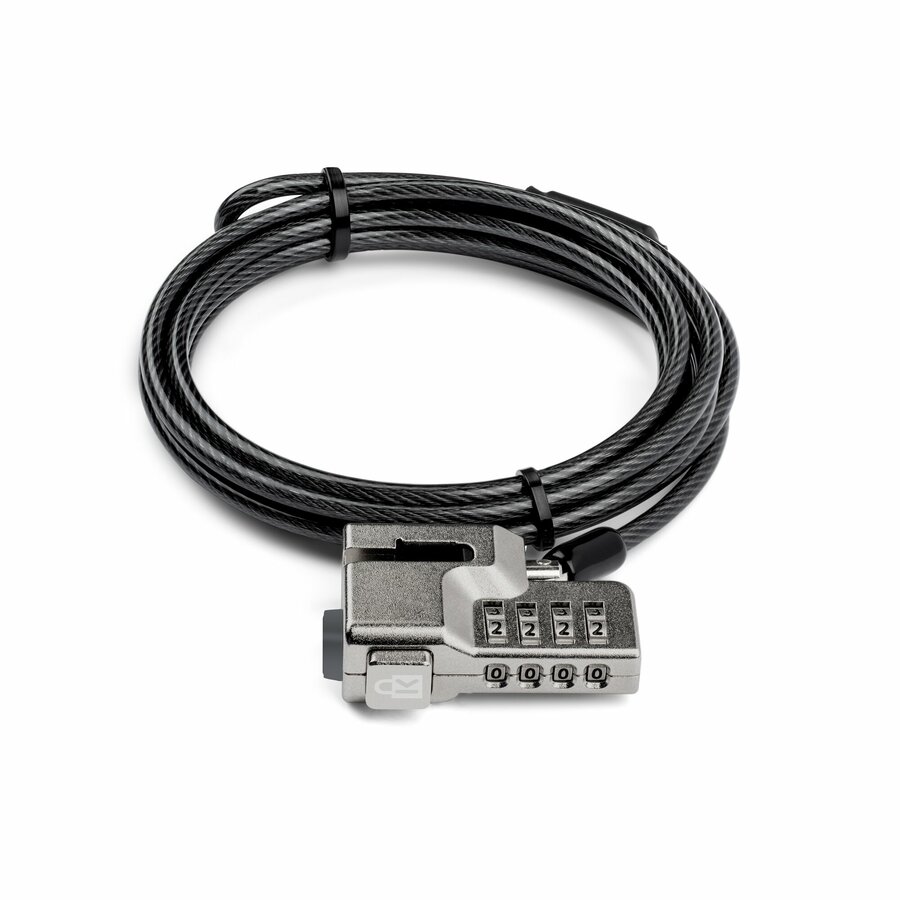
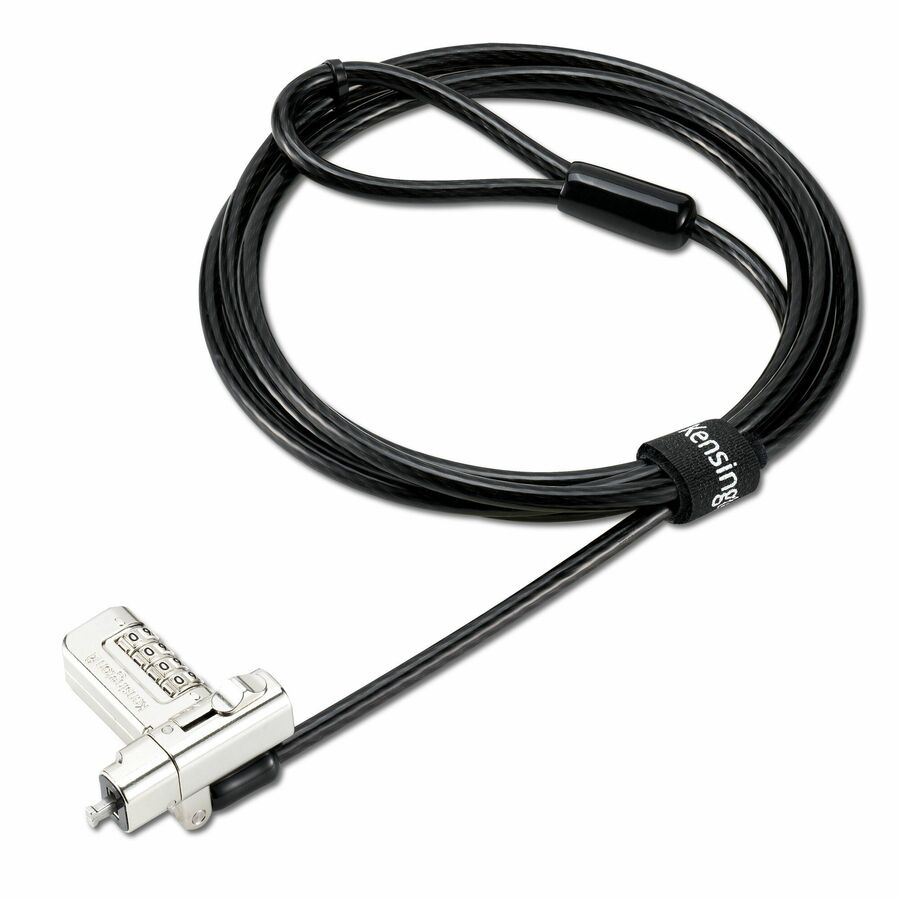
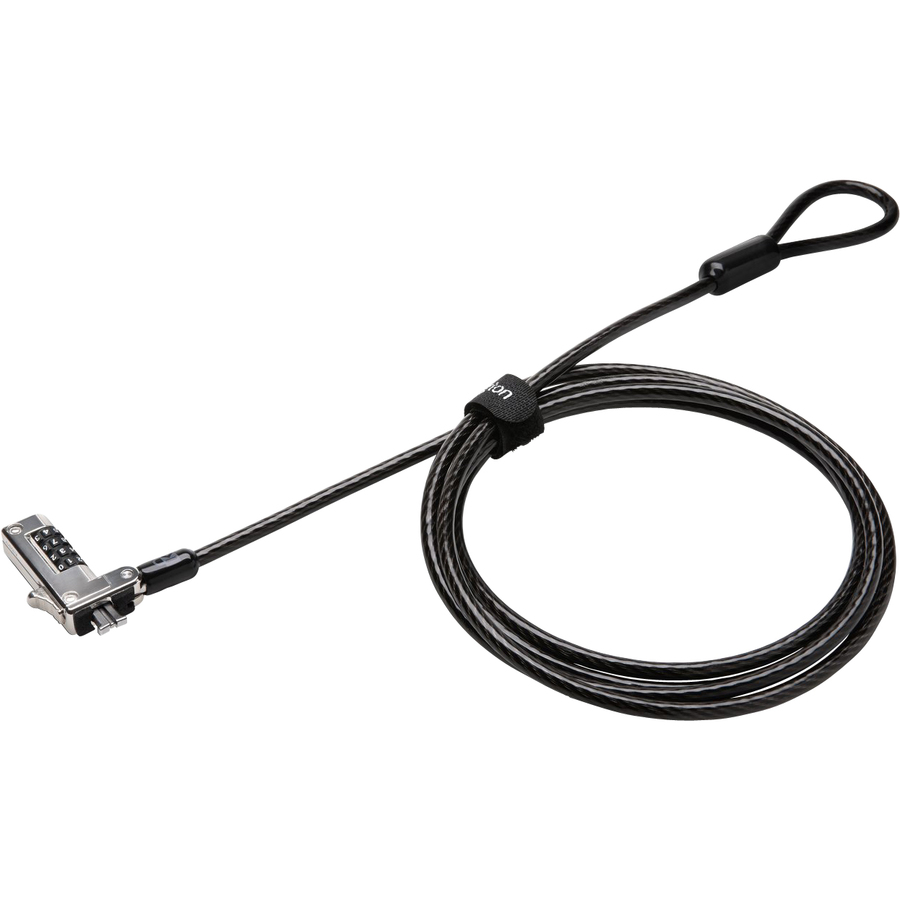
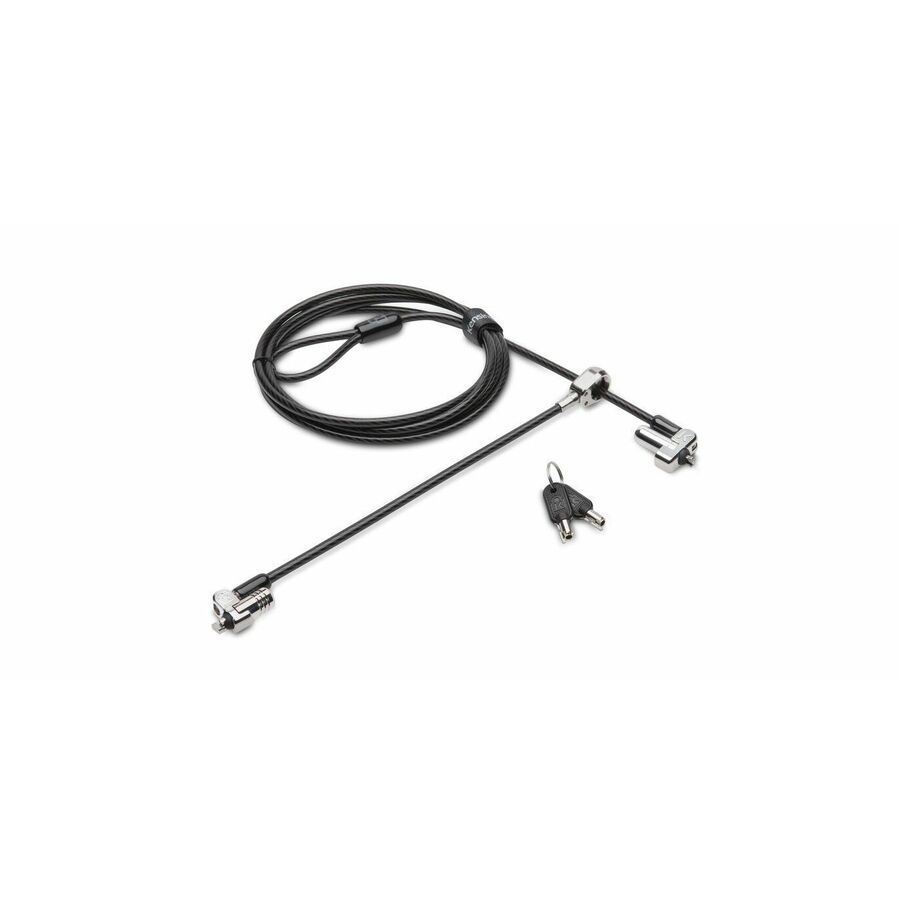
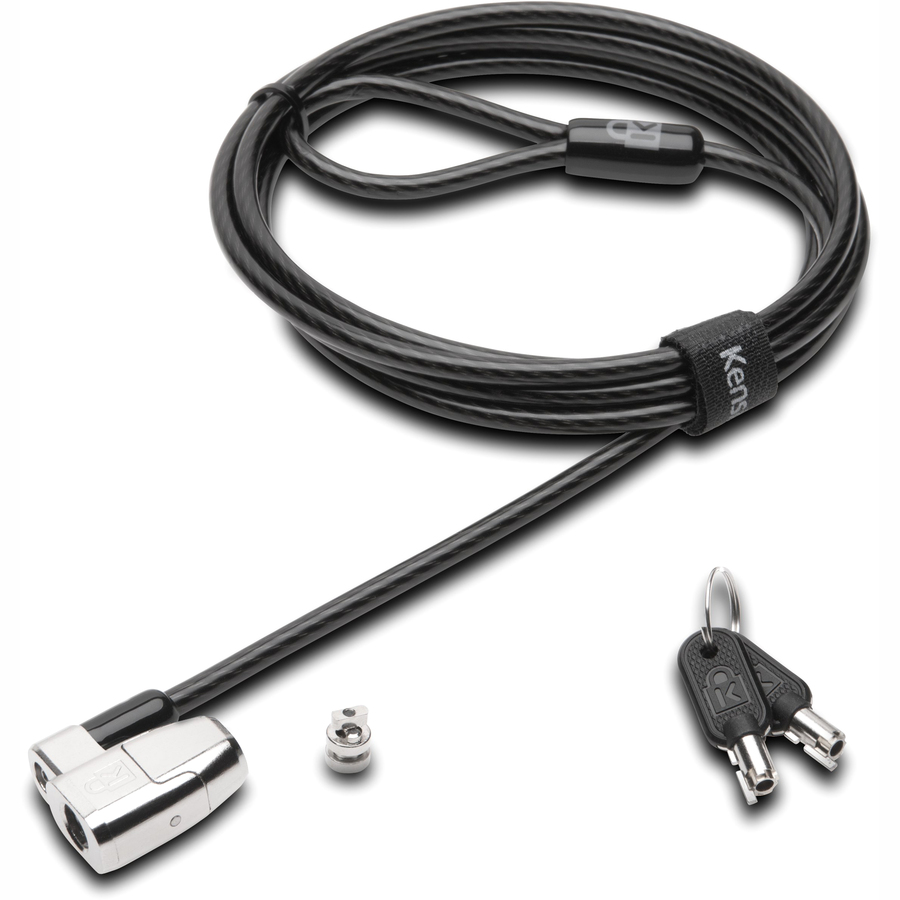
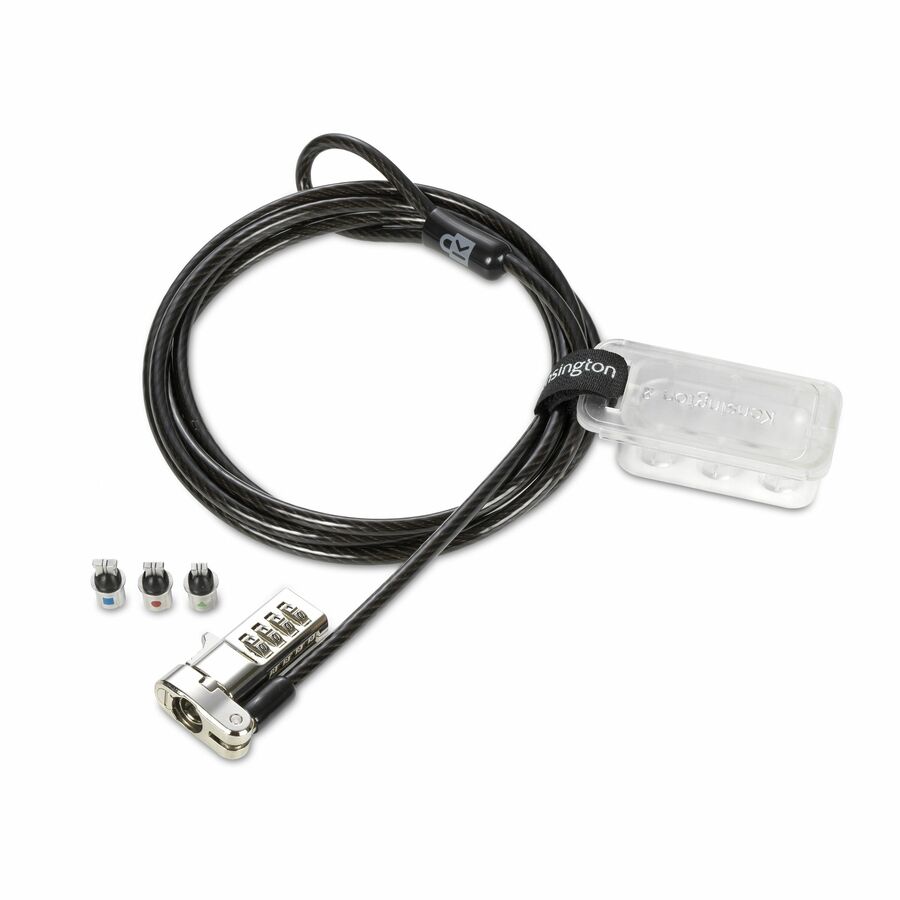
- Kensington Computer ProductsKensington Universal 3-in-1 Combination Serialized Laptop Lock 25-Pack - 5.91 ft Cable - Preset - 4-digit - Combination Lock - Carbon Steel, Plastic - For NotebookK60615WW
$1,155.62
Back-orderedBack-ordered — estimated OEM lead time 3–8 weeks (Nov 17 – Dec 22 if ordered today).
Need pricing on Kensington laptop locks?
Tell us where to reach you and a Uniqcli specialist will follow up by email with current pricing, availability and lead time for the quantities you need — including parts that aren’t shown on this page.
Buying for an organization or for yourself — both work. No payment up front.
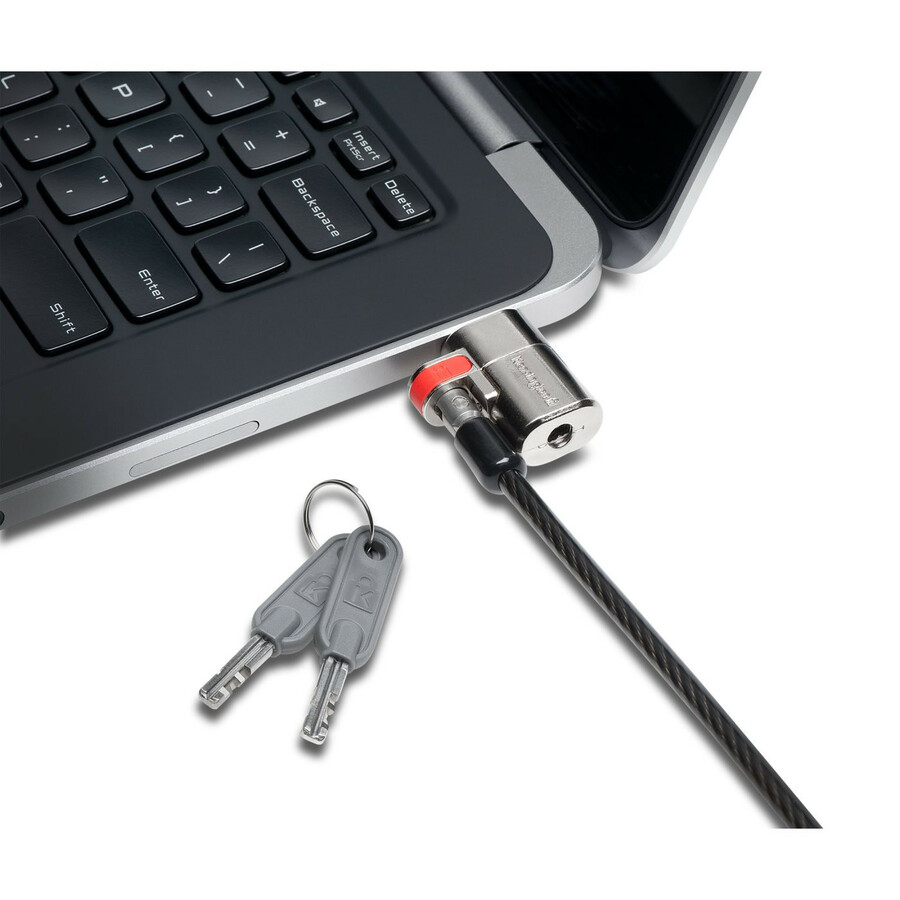
Physical laptop locks remain a cheap, effective deterrent against opportunistic theft in open offices, labs, libraries and reception areas — and for many agencies and schools they're a written asset-control requirement. The one thing to get right before you order at scale is the slot: modern thin laptops use the smaller Nano or Wedge security slot rather than the original T-bar Kensington Security Slot, and the wrong lock simply won't fit.
After the slot, the choice is keyed vs. combination. Keyed locks with a master-key option let facilities open any lock in the building, which is what most IT asset programs want; combination locks remove key management but shift the burden to remembering (and resetting) codes. The Kensington locks below are the models Uniqcli currently stocks.
Buyer's checklist
How to choose a Kensington lock
- Identify the security slot on your devices first — standard (T-bar), Nano, or Wedge — and buy the matching lock head; they are not interchangeable.
- Choose keyed locks with a master-key/supervisor option for managed fleets so facilities can open any lock; combination locks where key management is a burden.
- Prefer a carbon-steel cable and confirm the cable length reaches a fixed anchor point at the desk.
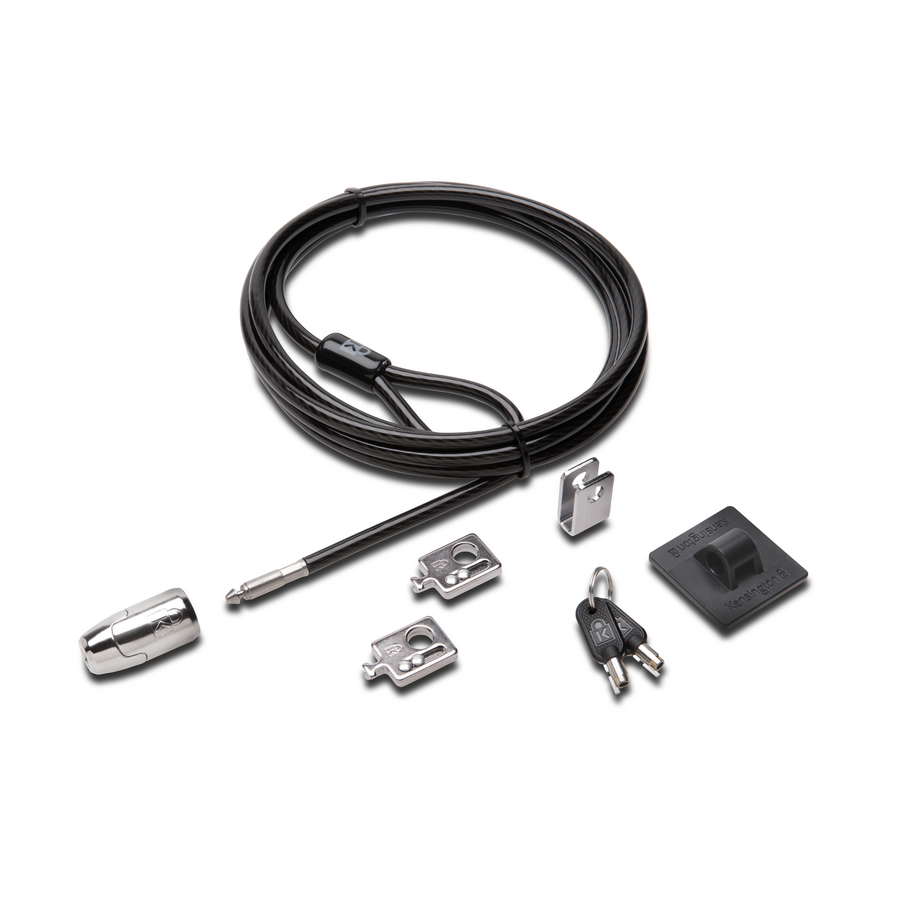
- For devices without a security slot, look at lock kits with an anchor/adhesive plate.
- Standardize on one keying scheme per site so a single master key covers the estate.
Where laptop locks earn their place
Cable locks do their best work wherever devices sit unattended in semi-public space: open-plan offices, reception and lobby desks, teaching and computer labs, libraries, and shared or hot-desk workstations where no single user owns the machine. Retail and clinical settings add point-of-sale terminals and bedside or cart-mounted tablets to the list. In each case the lock is a visible deterrent — it turns a grab-and-go opportunity into a tool-and-time problem that most opportunistic thieves won't take on.
One-to-one device programs in schools and demo or trade-show fleets are another common fit, where hardware moves between many hands and asset accountability is written into policy. Slotless ultrabooks and tablets in these settings need an anchor-plate kit rather than a slot lock, so survey the actual device mix before standardizing — a single site often spans standard and Nano security slots plus a few devices with no slot at all that need an adhesive anchor.
Planning a keying scheme for a managed fleet
For anything past a handful of desks, the keying scheme is the real decision. A master-keyed system gives each user an individual key while letting facilities open any lock with a supervisor key — the usual fit for IT asset programs, because it survives a user leaving or losing their key. Keyed-alike sets, where one key opens a group, suit a lab or cart bank managed by one team. Decide the scheme before ordering, since it's fixed at purchase.
Fold lock issuance into your existing imaging or deployment step so a device and its key are recorded together, and keep a key register tied to asset tags for audits. Confirm every desk has a fixed anchor point within the cable's reach before rollout — a lock is only as good as what it's tethered to. Standardizing one scheme per site keeps a single master key useful across the whole estate.
Cost, lifecycle and asset-control fit
Per-unit cost is small against the value of the hardware and data a lock protects, but the ongoing overhead is key management, not the lock itself: replacement keys, lost-combination resets, and reissuing when staff turn over. Budgeting a few spare locks and a documented lost-key procedure up front keeps those routine events from becoming helpdesk friction. Combination locks remove the key logistics entirely but shift the burden to code tracking and periodic resets.
For agencies and schools with written asset-control mandates, locks are often a checklist item in physical-security policy, so the documentation of what's deployed matters as much as the hardware. Every lock Uniqcli quotes is sourced through US distribution and screened for TAA country-of-origin and NDAA §889 status against its specific part number, giving procurement a clean record for the exact model on the order.
FAQ
Common questions
- How do I know which Kensington lock fits my laptop?
- Check the small lock-slot icon on the laptop's edge and its shape. Older and larger machines use the standard T-bar Kensington Security Slot; most current thin laptops use the smaller Nano or Wedge slot. Buy the lock head that matches — a standard lock won't engage a Nano slot, and vice versa. Ultrathin devices without any slot need an anchor-plate kit instead.
- Keyed or combination — which is better for a managed fleet?
- Keyed locks with a master-key (supervisor) option are usually better for organizations: individual users get their own key, but facilities or IT can open any lock with the master, which matters when a user leaves or loses a key. Combination locks avoid key logistics but require code management and resets.
- Can these be added to a government or education hardware order?
- Every line Uniqcli quotes is sourced through US distribution and screened for TAA country-of-origin and NDAA §889 status before checkout — with documentation tied to the specific part number, not a product family.
Need Kensington laptop locks pricing?
Send a bill of materials or part numbers — we confirm stock and a below-market total, with TAA verified on request. No payment up front.