
Rack PDUs
The full rack PDU range — filter by outlet count, rated amperage, voltage, receptacle mix, rack form and metering tier, or search inside the page.
Showing 24 of 3,984 rack PDUs
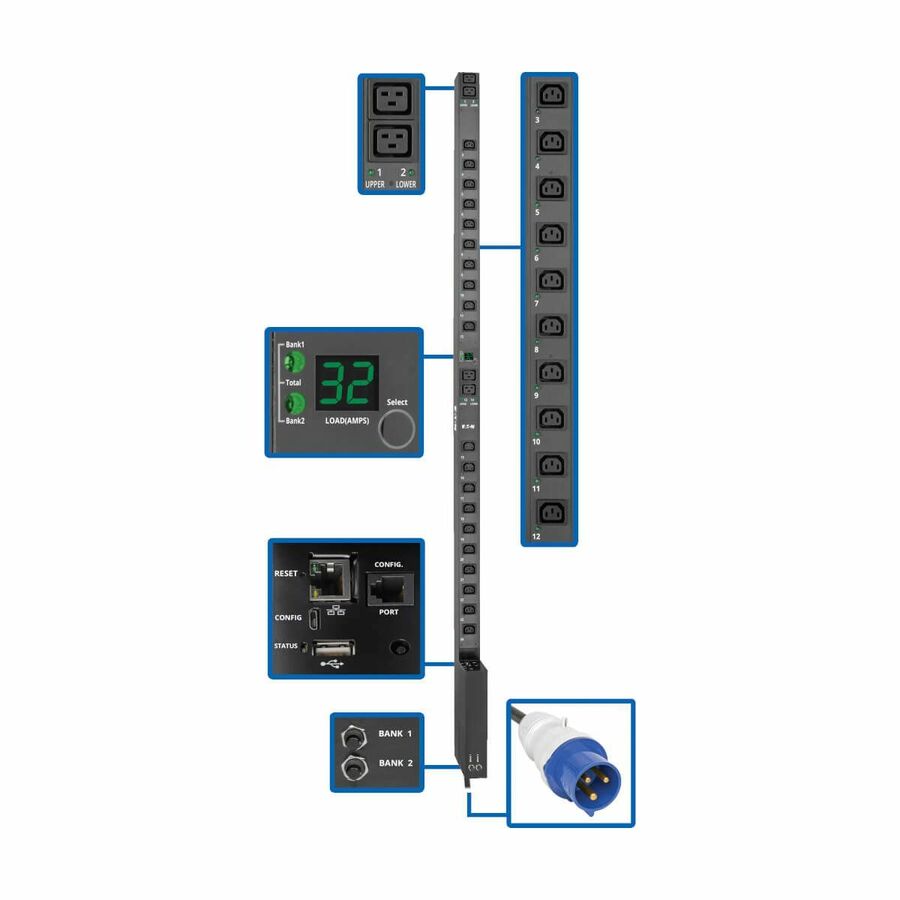
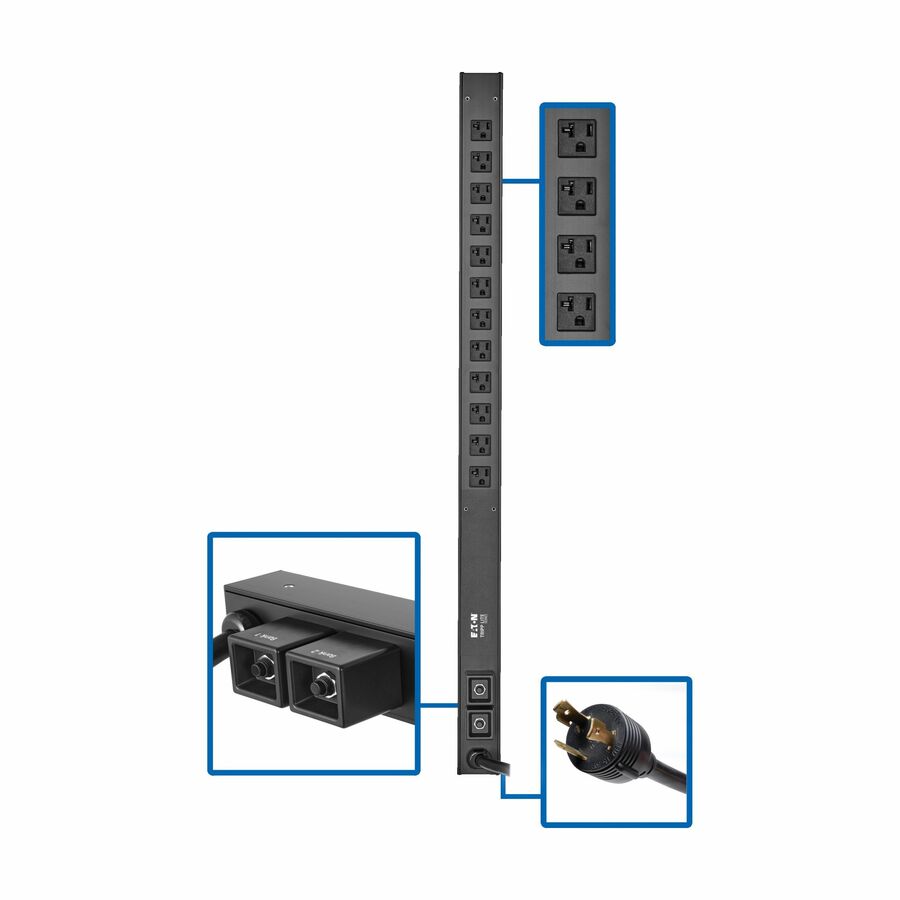
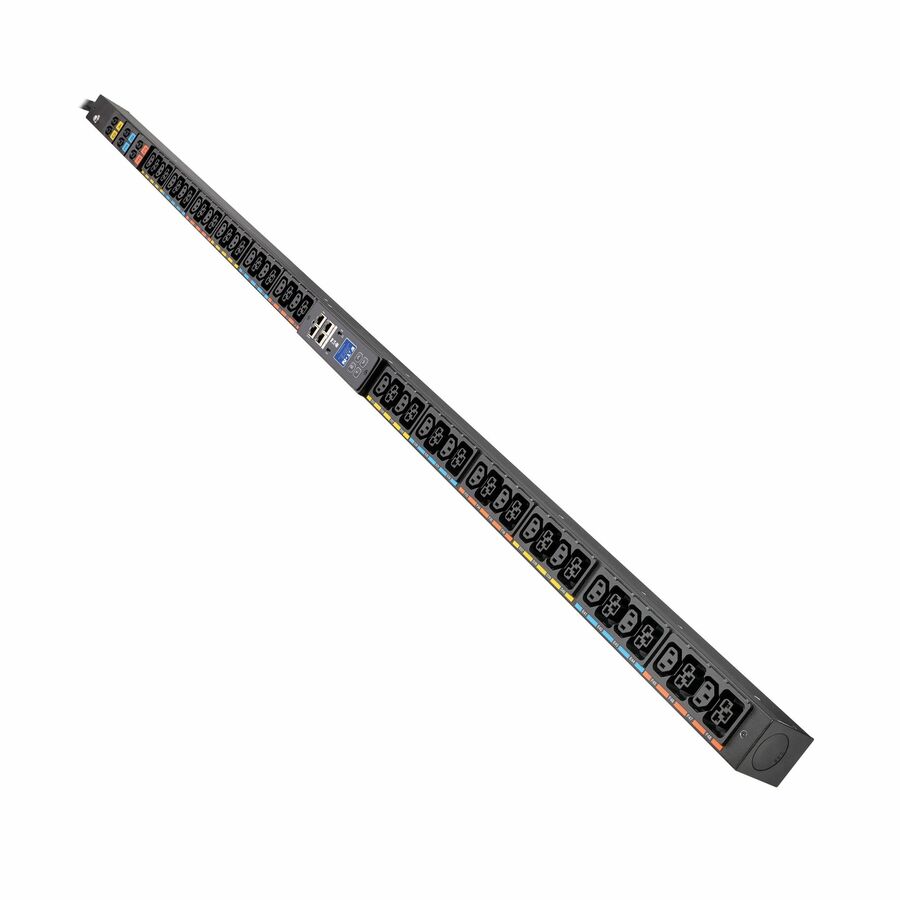
- EatonEaton 7.7kW Single-Phase Switched PDU with LX Platform Interface, 230V Output, IEC 309 32A Blue, 10 ft. (3.05 m) Cord, 0U, TAA - Switched - 4 x IEC 60320 C19, 20 x IEC 60320 C13 - 230 V AC - Network (RJ-45) - 0U - Vertical - Rack Mount - Rack-mountable - TAA CompliantPDUMV32HVNETLX
$1,602.00
$1,473.84
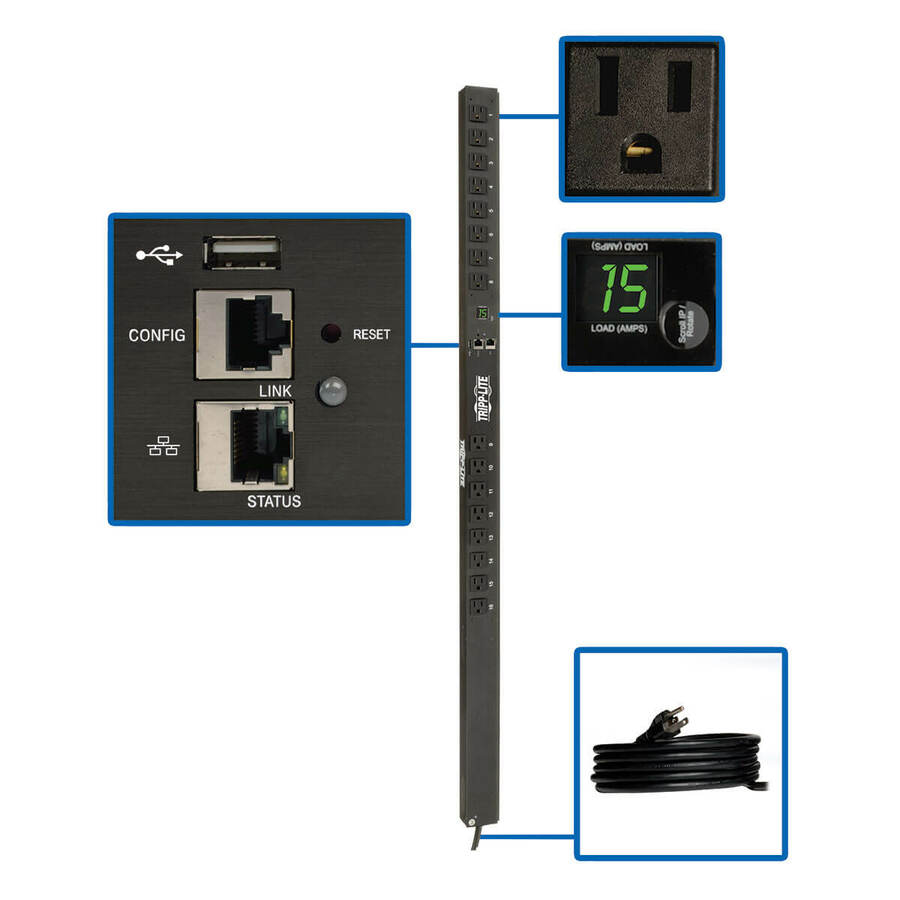
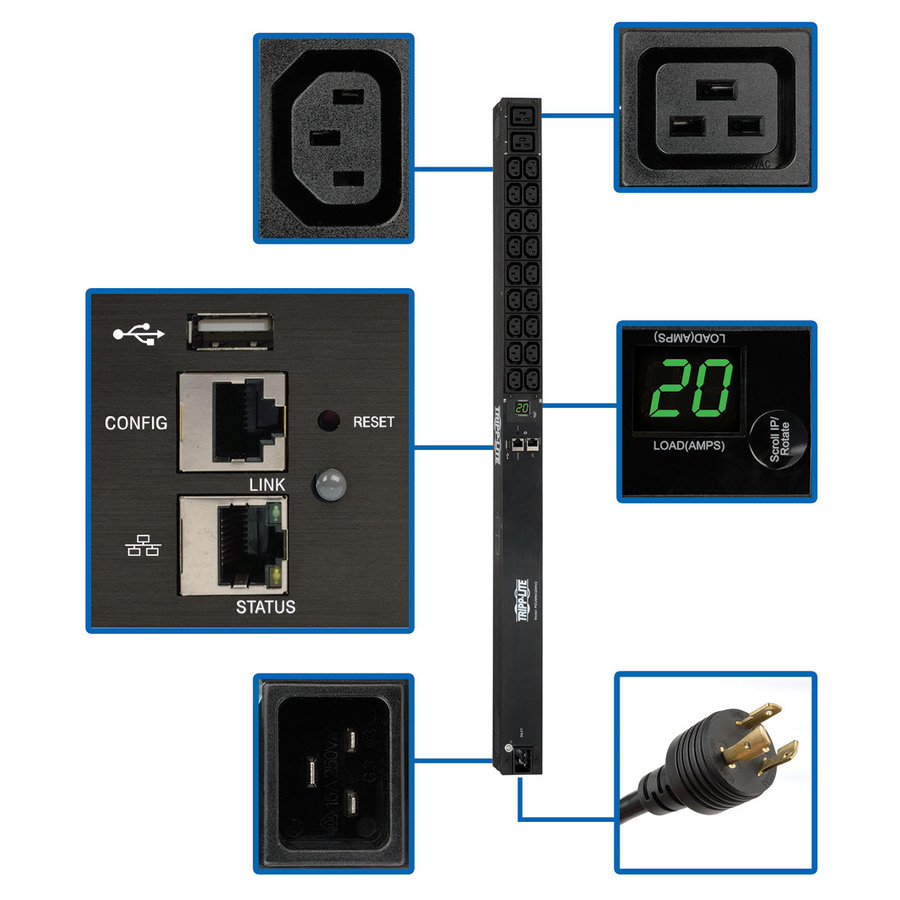
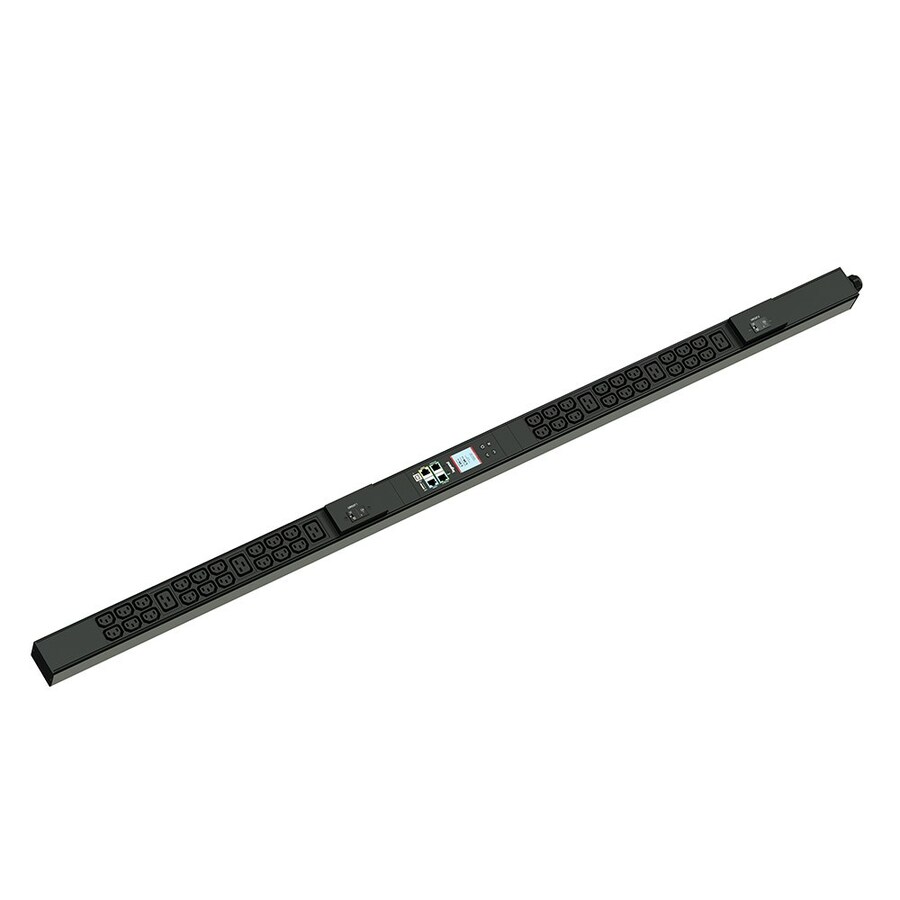
102 in stock - EatonTripp Lite by Eaton PDU 3.7kW Single-Phase 208/230V Monitored PDU - LX Platform 18 C13 2 C19 Outlets C20 / L6-20P Inputs 0U 900mm Height TAA - Monitored - NEMA L6-20P, IEC 60320 C20 - 2 x IEC 60320 C19, 18 x IEC 60320 C13 - 230 V AC - 0U - Vertical - Rack Mount - Rack-mountable - TAA CompliantPDUMNV20HV2LX
$767.00
$705.64
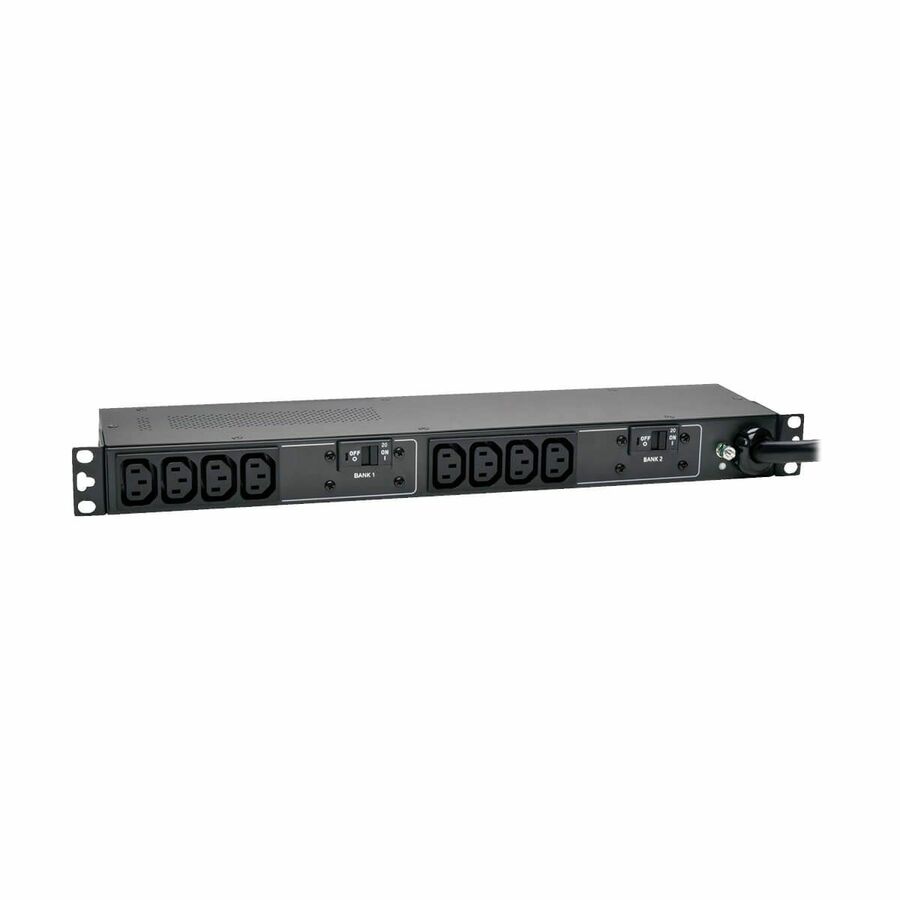
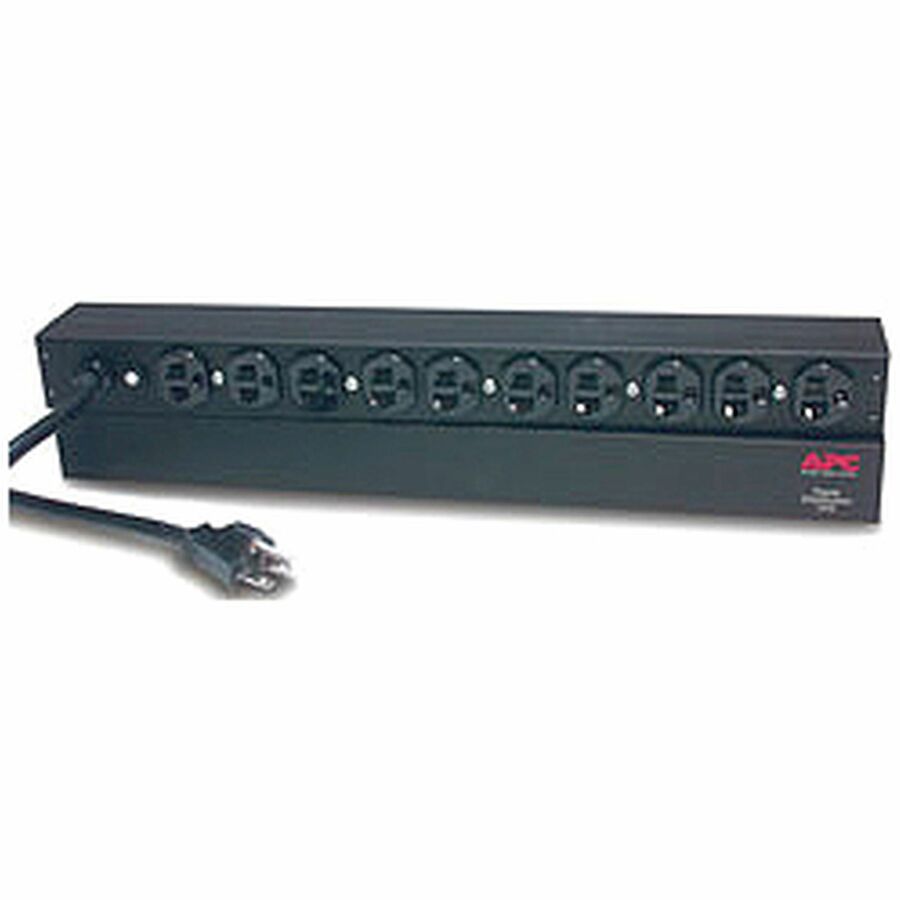
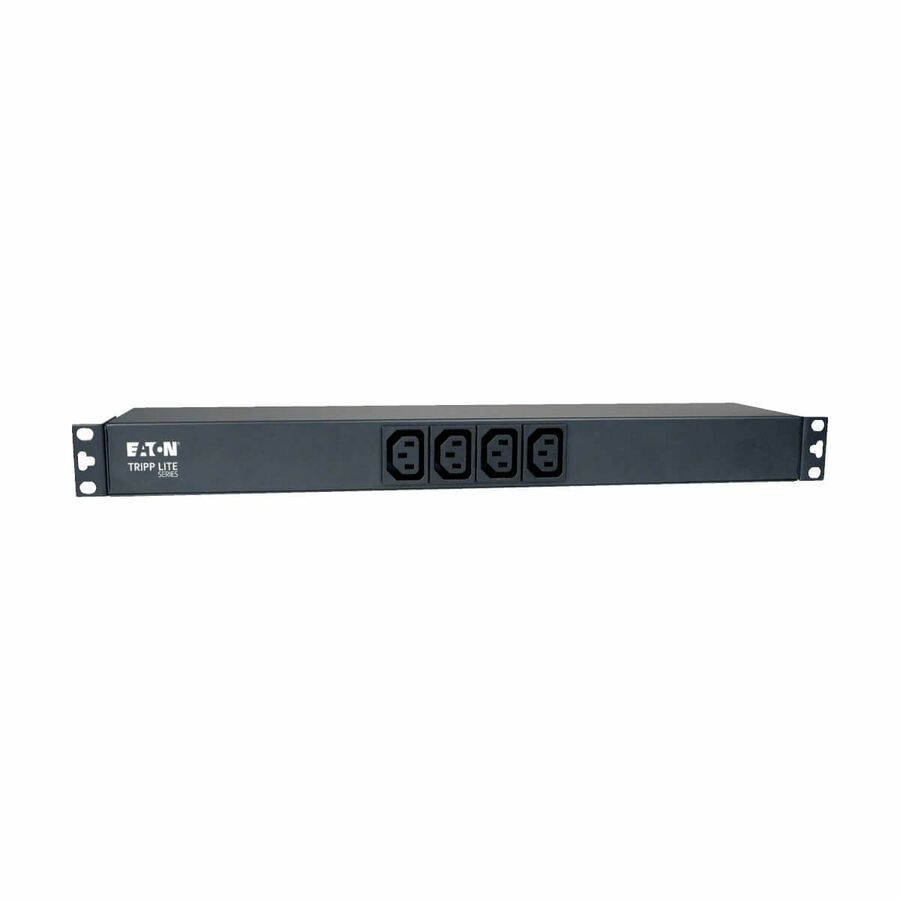
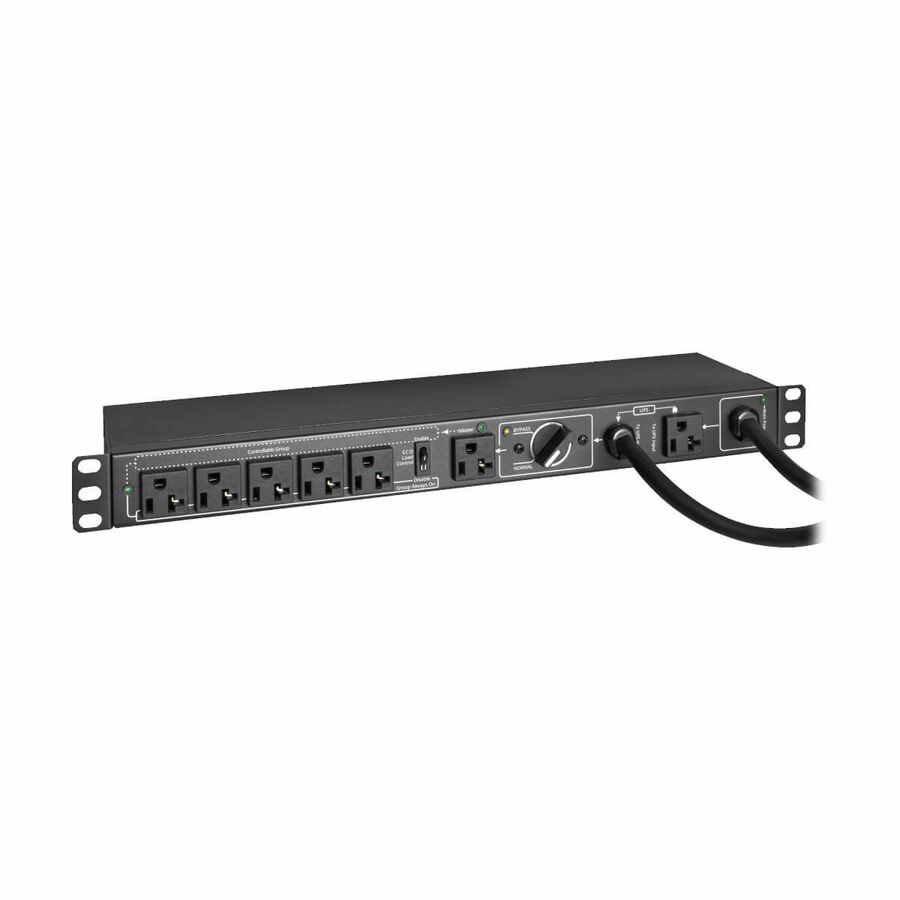
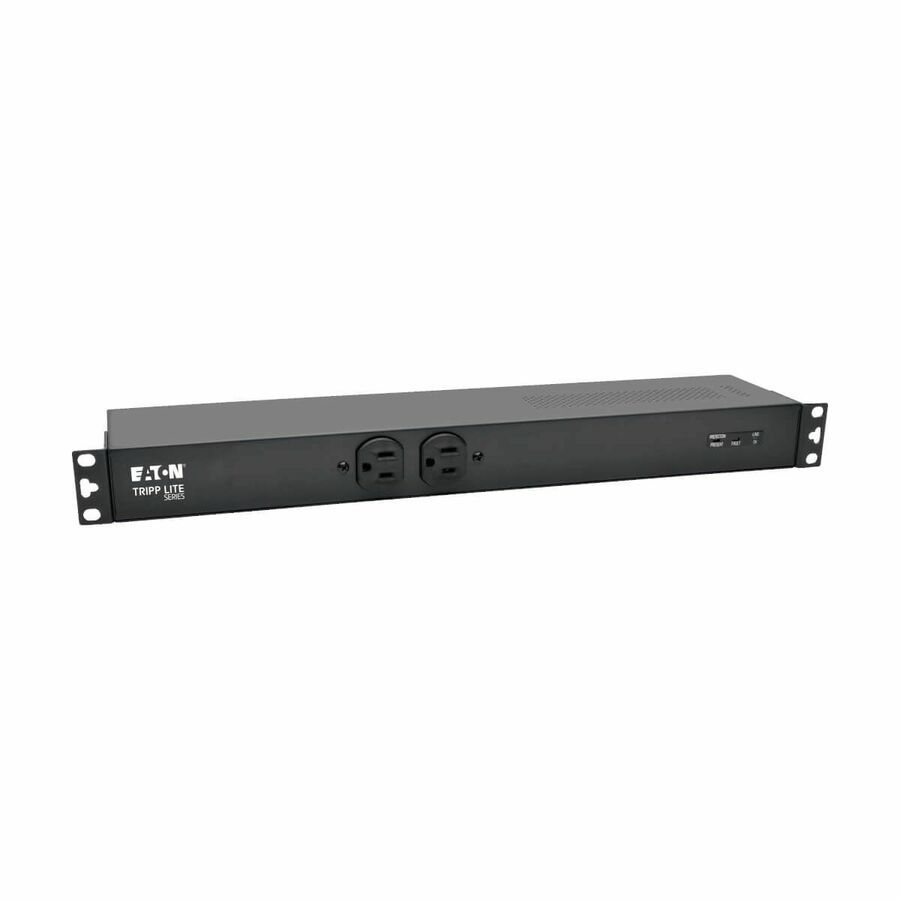
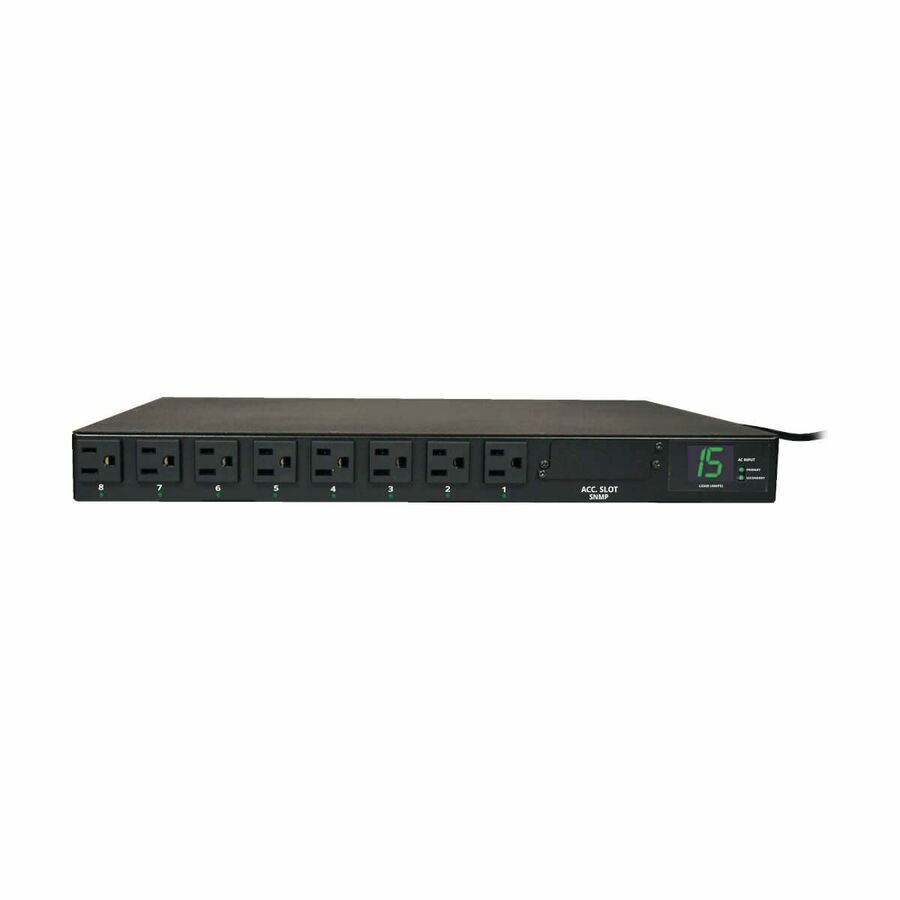
60 in stock - EatonTripp Lite by Eaton PDU 2kW 100-127V Single-Phase Basic PDU with ISOBAR Surge Protection - 3840 Joules 14 Outlets L5-20P Input (5-20P Adapter) 6 ft. Cord 1U - Basic - NEMA L5-20P, NEMA 5-20P - 2 x NEMA 5-15R, 12 x NEMA 5-15/20R - 120 V AC - 1U - Horizontal/Vertical - Rack-mountable, Wall-mountablePDUH20-ISO6
$343.00
$315.56
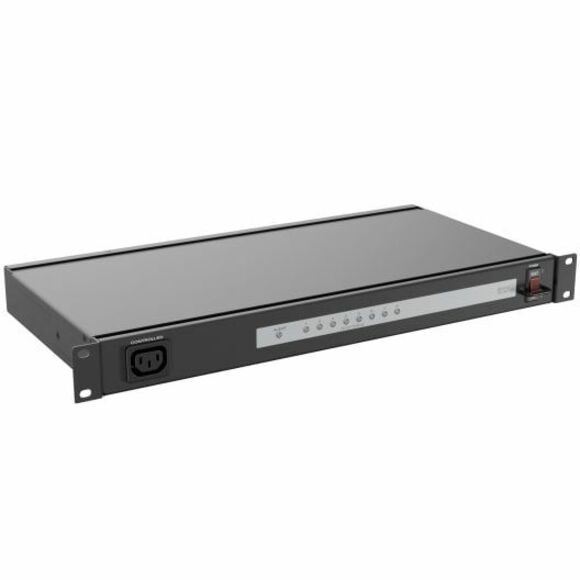
187 in stock - EatonEaton Metered Input rack PDU, 0U, CS8365 input, 12.48 kW max, 200-240V, 35A, 6 ft cord, Three-phase, Outlets: (30) C13 Outlet grip, (6) C19 Outlet grip - CS8365 - 30 x IEC 60320 C13, 6 x IEC 60320 C19 - 230 V AC - 12.48 kW - Network (RJ-45) - 38U - Rack-mountableEMI305-06
$1,794.00
$1,650.48
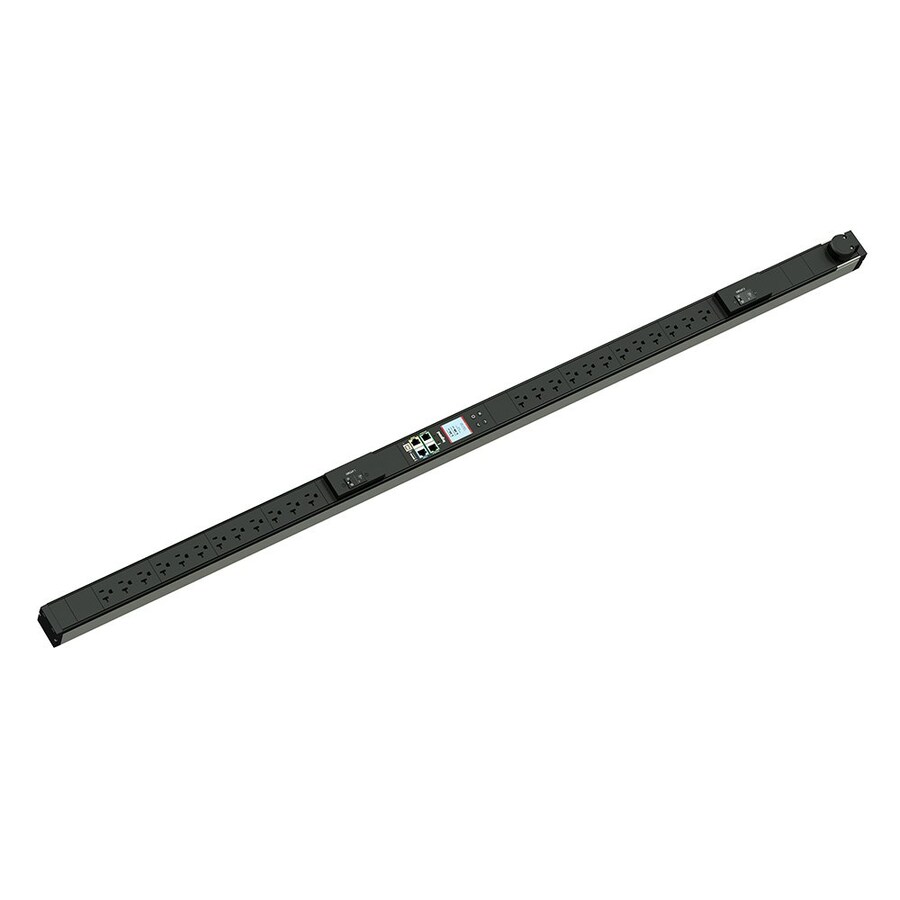
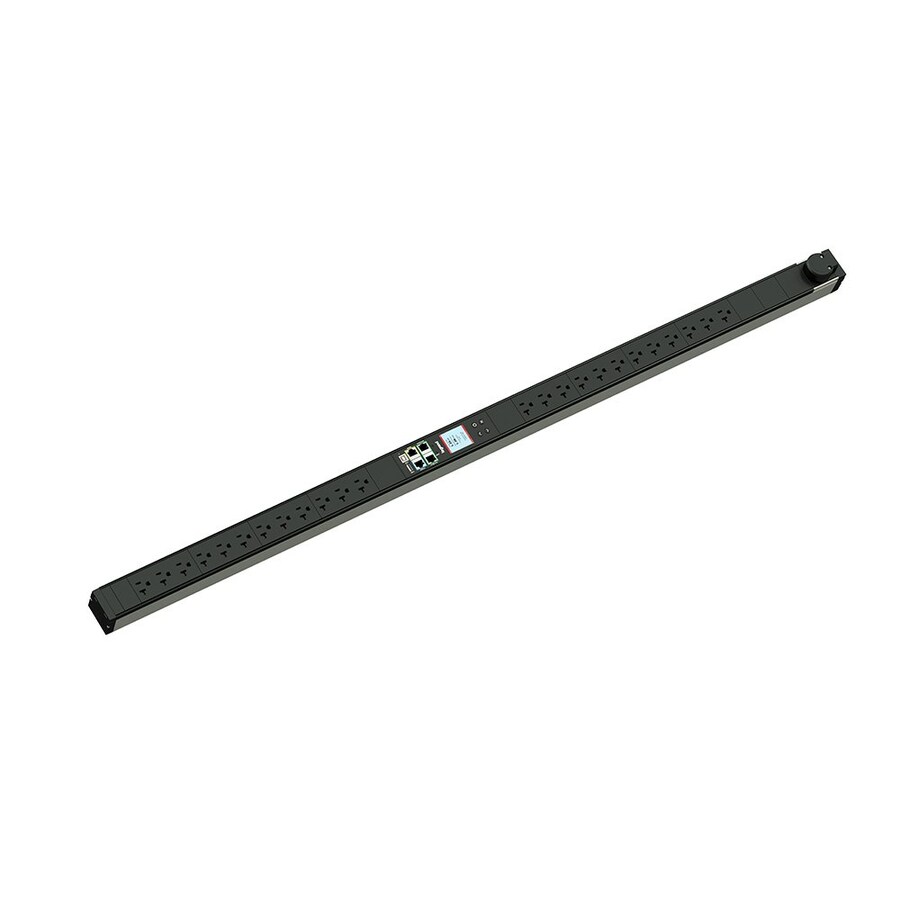
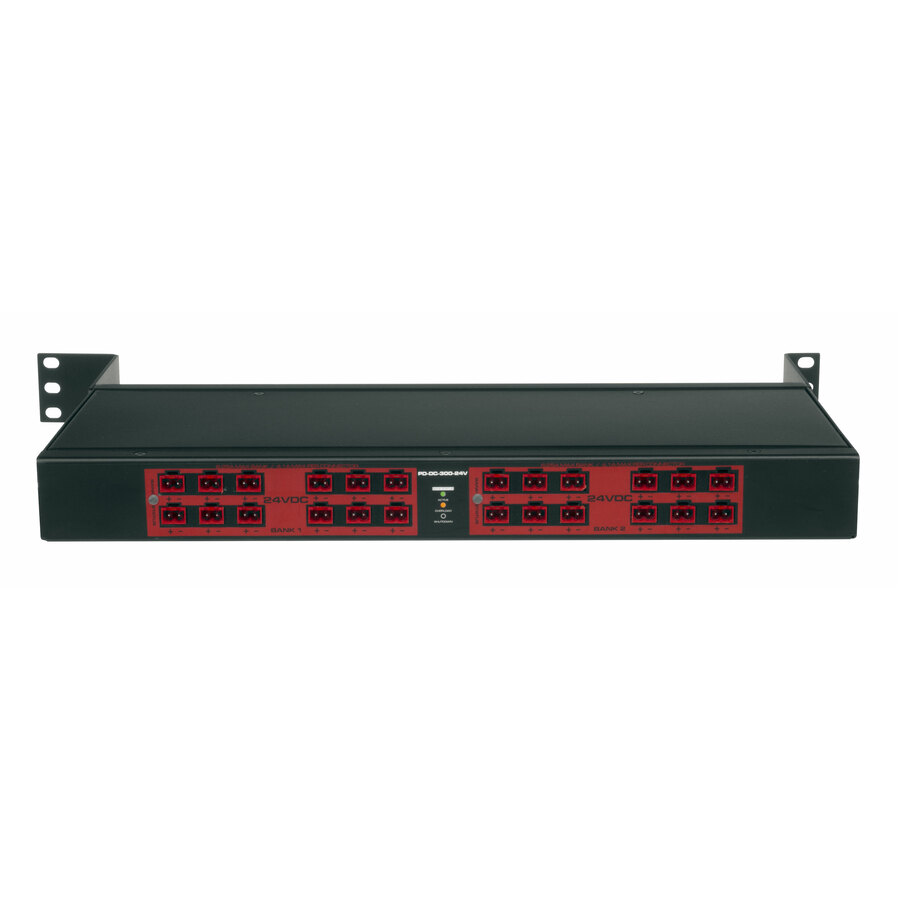
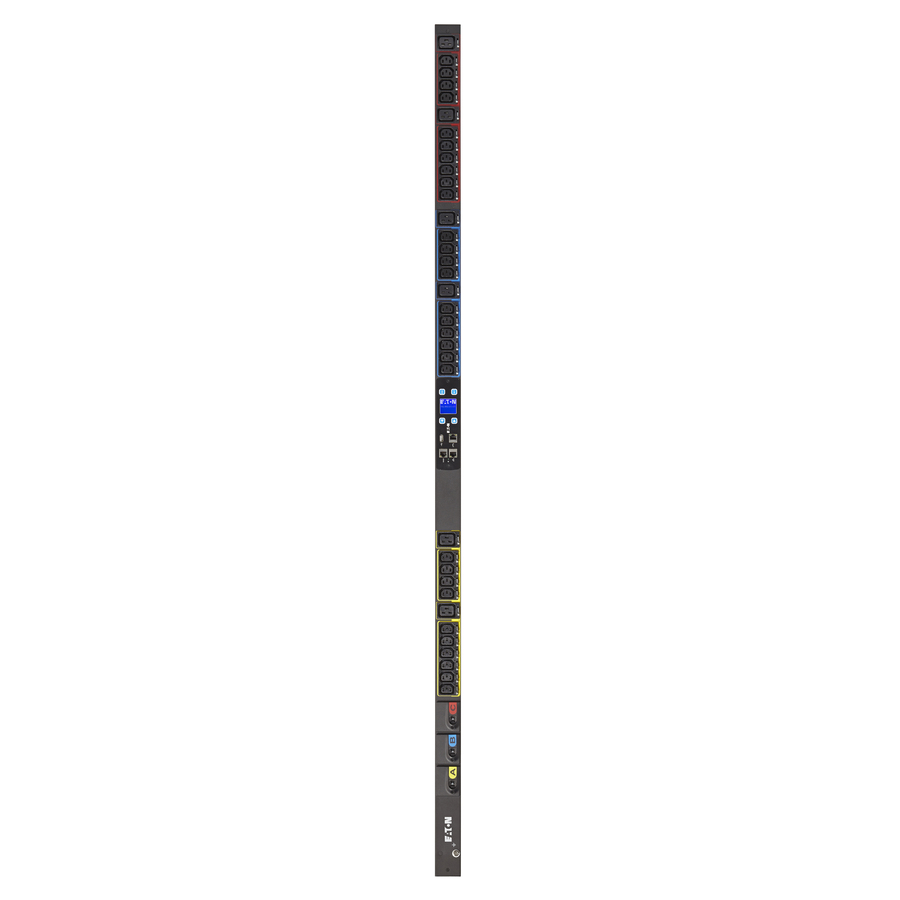
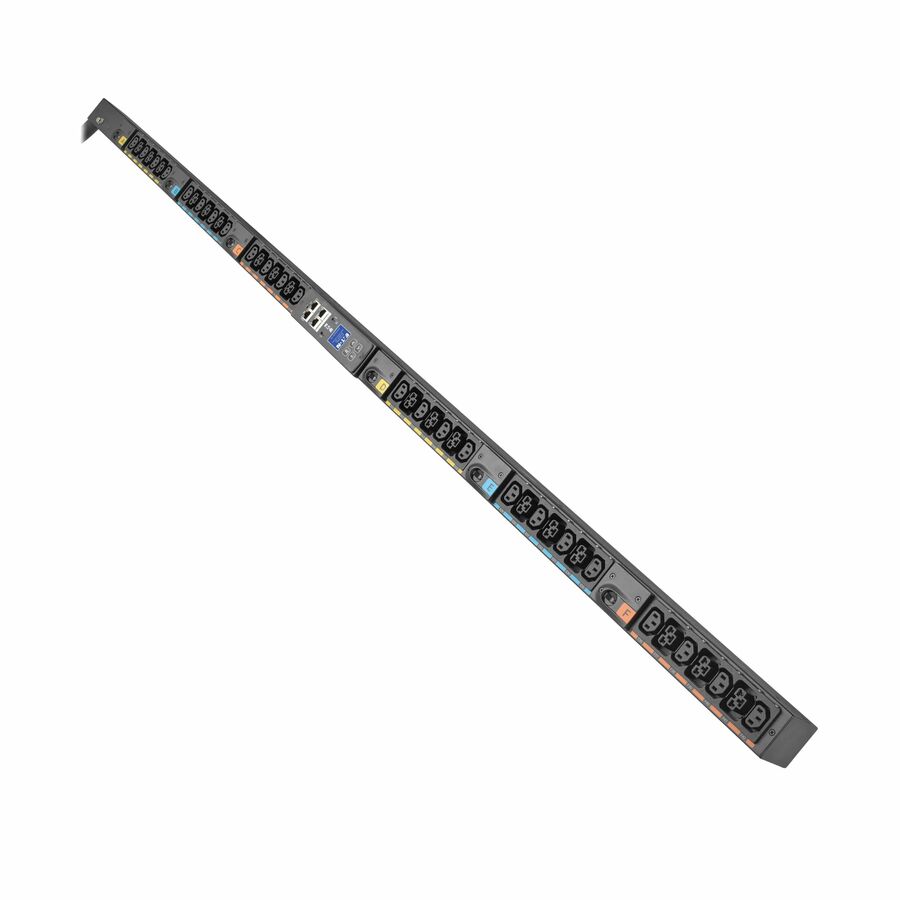
53 in stock - EatonEaton 3-Phase Managed Rack PDU G4, 240/415V, 48 Outlets, 24A/32A, 17.3kW, 532P6W Input, 10 ft. Cord, 0U Vertical, TAA - Managed - 532P6W - 24 x IEC 60320 C13, 24 x IEC 60320 C39 - 230 V AC, 415 V AC - Single Pole, Overload Protection - Network (RJ-45) - 10 ft Cord Length - 0U - Vertical - Rack-mountable, Button Mount - Vertical - TAA CompliantEVMAG332C
$3,181.00
$2,926.52
711 in stock

Specifications are read from the manufacturer product title as supplied to us; where a value is not stated it is left blank rather than estimated. Every line is screened for NDAA §889 status before checkout, with TAA verified on request.
Need pricing on rack PDUs?
Tell us where to reach you and a Uniqcli specialist will follow up by email with current pricing, availability and lead time for the quantities you need — including parts that aren’t shown on this page.
Buying for an organization or for yourself — both work. No payment up front.
About rack PDUs
A rack PDU is the strip that turns one circuit from the facility into the many receptacles a cabinet needs, and choosing one is a small stack of independent decisions rather than a single spec. The first is the intelligence tier. A basic PDU distributes power and does nothing else. A metered PDU measures what is being drawn — at the inlet, at each bank, or on every outlet — which is what lets a circuit be loaded deliberately instead of by estimate. A switched PDU adds control: an outlet can be turned off, turned on or power-cycled from a browser or over SNMP, so a hung device at an unstaffed site gets a reboot in seconds and a rack can be brought back up in a deliberate order after an outage. Most switched units meter as well, which makes the tier a ladder rather than three separate products.
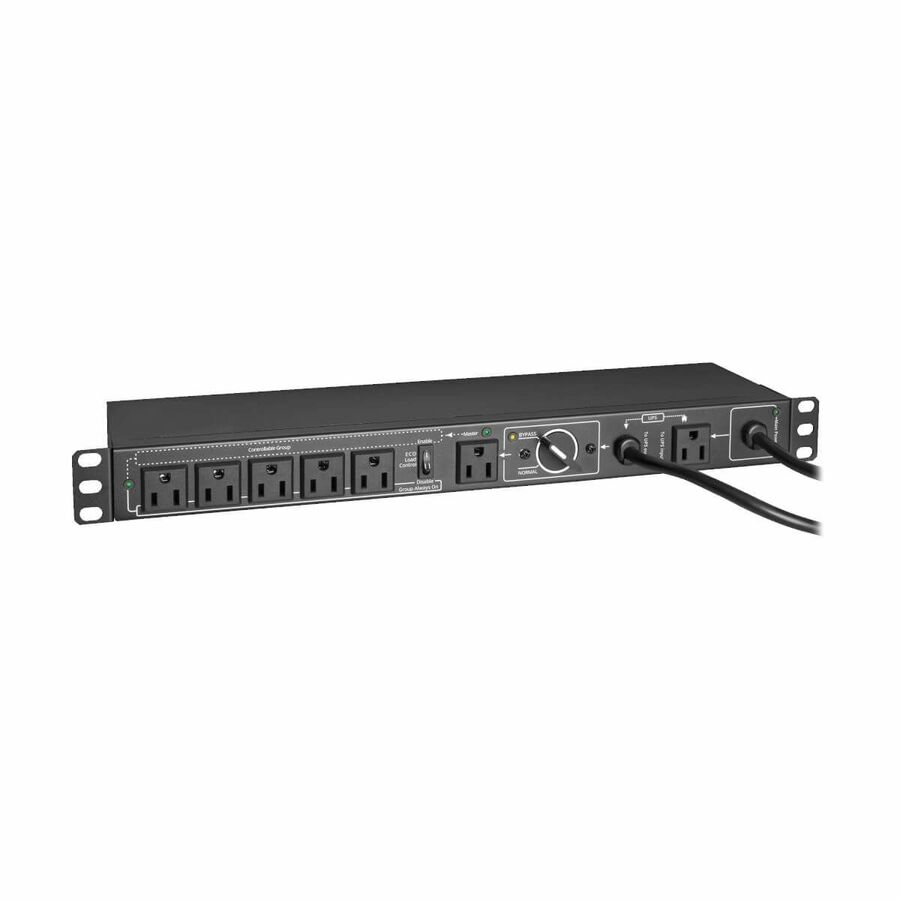
The rest is electrical and mechanical, and neither is negotiable. The input plug has to match the whip the electrician installed — on a 20 A or 30 A circuit an adapter is not an answer — the nameplate rating has to cover the continuous load with the standard margin, and the receptacle mix has to match the cords you already own: IEC C13 for 1U servers and switches, C19 for blade chassis and large UPS units, NEMA where 120 V equipment is involved. Then the form: a 0U strip mounts up the cabinet's side channel and consumes no rack units, while 1U and 2U horizontal trays are the answer when that channel is full or the outlets have to face the front. Every control on this page reads a value parsed from the manufacturer's own product title, so a specification a title never stated is left blank rather than guessed — and a row that stated no rating simply sits the amperage filter out. The catalog's PDU category also carries a small amount of adjacent power-distribution equipment (maintenance-bypass modules and cabinet distribution units); those are not rack strips and the default order keeps them behind the ones that are.
FAQ
rack PDUs questions
- Basic, metered or switched — which tier do I actually need?
- Basic is enough where the circuit is nowhere near full and nobody has to answer capacity questions. Metered earns its price the moment you need to know how much of a circuit is already spoken for — that is the only way to load one to the 80% continuous limit on purpose instead of guessing. Switched adds remote outlet control on top: power-cycling a hung device without a site visit, bringing a rack up in a defined order after an outage, or locking an unused outlet so nothing gets quietly plugged in. Switched units are generally metered too, so the real question is only whether the control is worth the difference.
- How many outlets and what amperage should I buy?
- Count what you will actually plug in, add spares for the devices that arrive later, and then check the receptacle types rather than just the total — twenty-four outlets are no use if twenty are C13 and you need six C19. On amperage, a continuous load may not exceed 80% of the nameplate rating, so a 20 A PDU is a 16 A working budget and a 30 A PDU is 24 A. What that means in watts depends on voltage: 24 A is roughly 5 kW at 208 V but only about 2.9 kW at 120 V, and on a three-phase strip the budget is per phase. The rated-amperage control on this page is a floor (30 A means 30 A and above), and it reads only ratings a manufacturer printed in its own title.
- 0U vertical or 1U horizontal?
- Vertical for a rack that is full or heading that way. A 0U strip mounts in the cabinet's side channel, consumes no rack units, carries far more receptacles than a tray, and puts an outlet within reach of whatever needs it. Confirm three things first: that the channel is clear of cable managers and deep chassis, that you have the mounting hardware your cabinet takes (buttons and brackets are frequently manufacturer-specific), and that the strip's length suits the cabinet height. Horizontal 1U and 2U units are the answer when the channel is already occupied, when the cabinet is too shallow for a rear-mounted strip, or when the outlets genuinely need to be at the front.
- What is the difference between a 120 V and a 208 V PDU?
- How much equipment one circuit carries. Watts are volts times amps, so the same 30 A circuit passes roughly 3.6 kVA at 120 V and about 6.2 kVA at 208 V — which is why dense racks are fed at the high band almost without exception. The trap is that the receptacles look identical: a C13 outlet is rated to 250 V and the cord fits either way, so nothing physical stops a 120 V-only device being plugged into a 208 V strip. Most enterprise power supplies are auto-ranging across 100–240 V and are content with either; older KVM gear, lab equipment and consumer hardware are where this does damage. Read the input range printed on the device before you plug it in.
- Are these PDUs TAA compliant?
- Every line is screened for NDAA §889 status before checkout, and TAA country of origin is verified on request. Country of origin varies by part number and by production run, so state the requirement with your quote request and we confirm it against the exact SKUs being allocated to your order rather than against a catalog record.
Not sure which PDU the rack needs?
Send the circuit details — the plug on the wall, the voltage and amperage, and the equipment going in the cabinet. We size the strip against the continuous-load limit, match the receptacle mix, confirm current stock and return a complete quote.