
Business Laptops in Bulk: A Volume Buyer's Guide
Volume changes the mechanics more than the catalog — how to quote a quantity, hold a configuration, and get it delivered the way you will deploy it.
Standard-issue laptops in stock at Uniqcli
How to choose →A curated selection with live pricing — in-stock lines first, then back-ordered lines with a typical lead time. Every line is sourced through US distribution and screened for NDAA §889 status before checkout, with TAA verified on request.
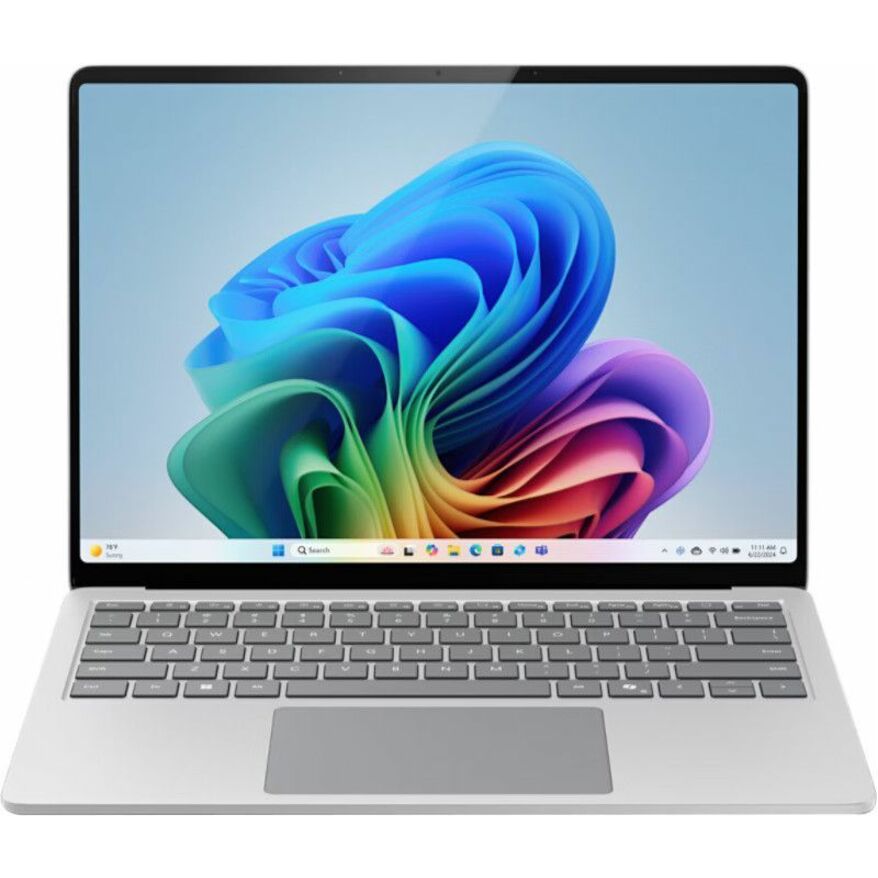
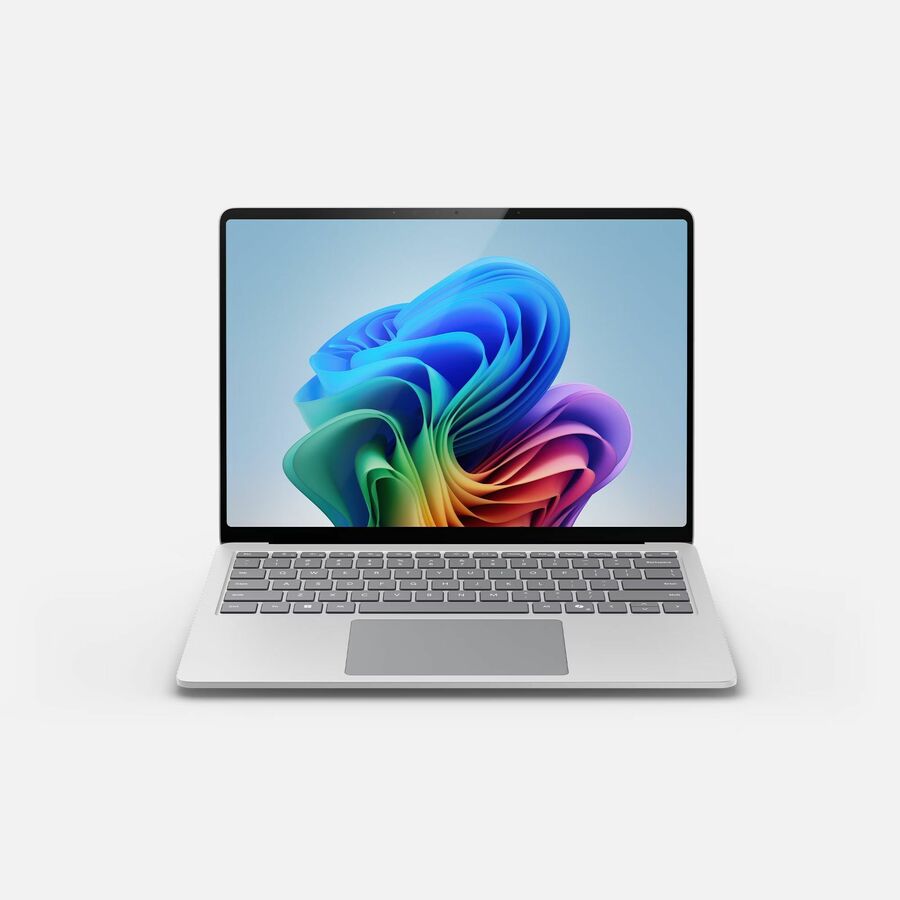
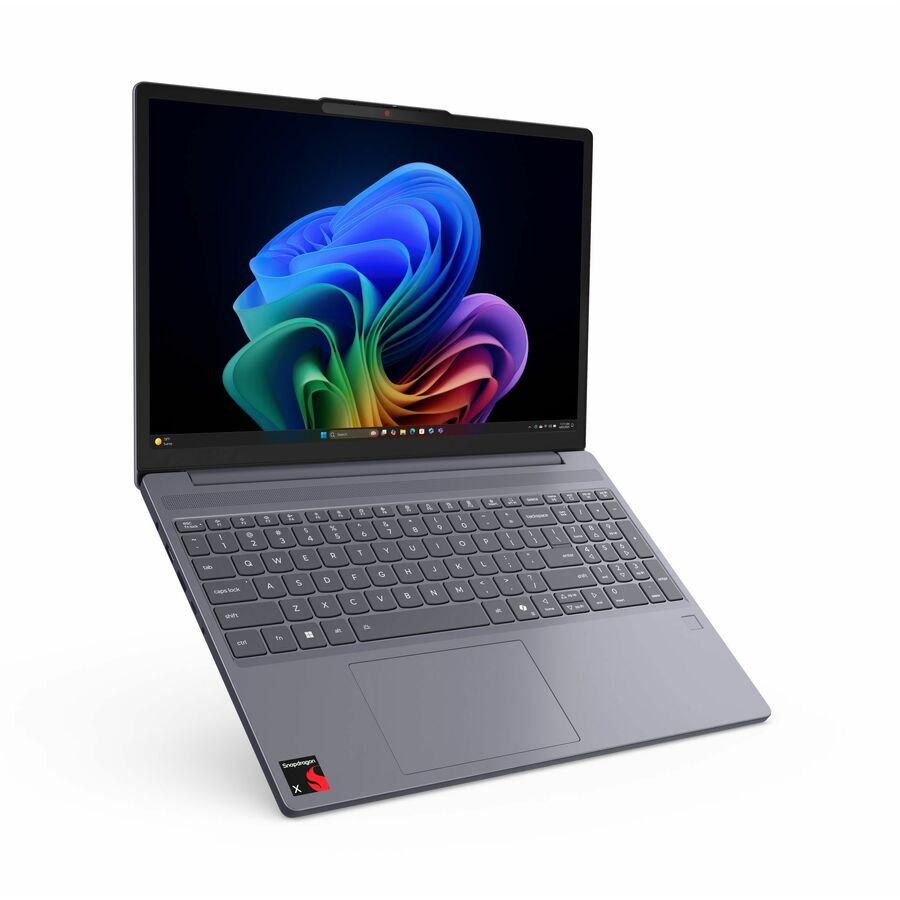
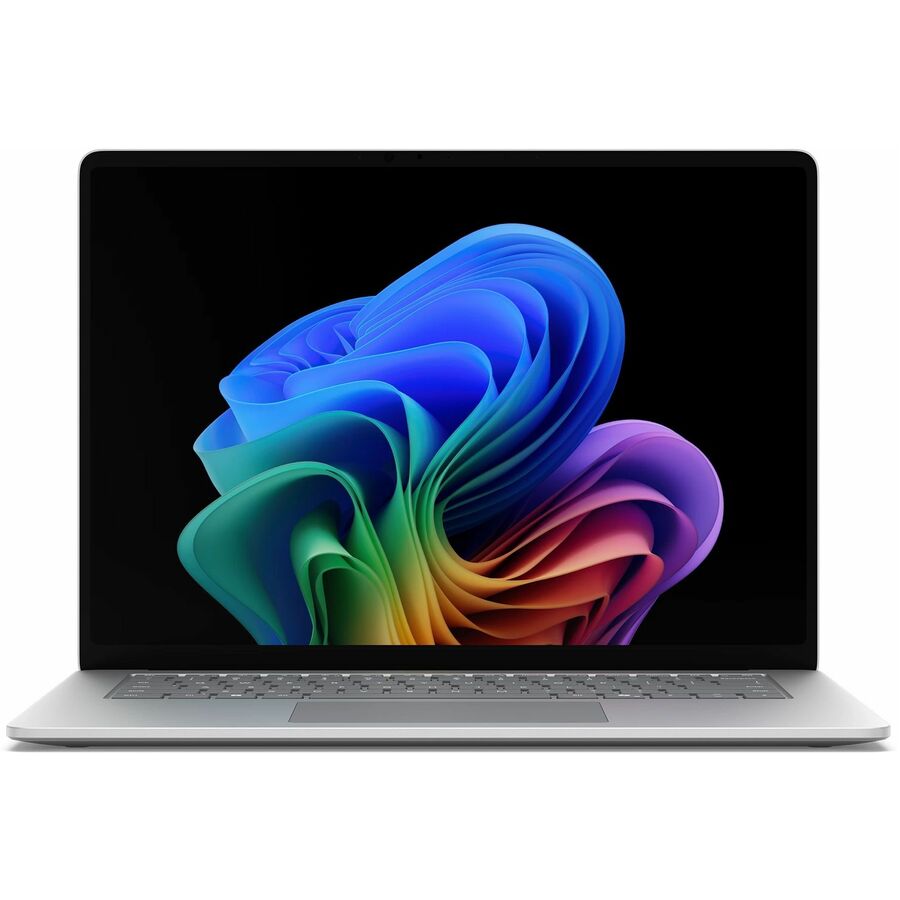
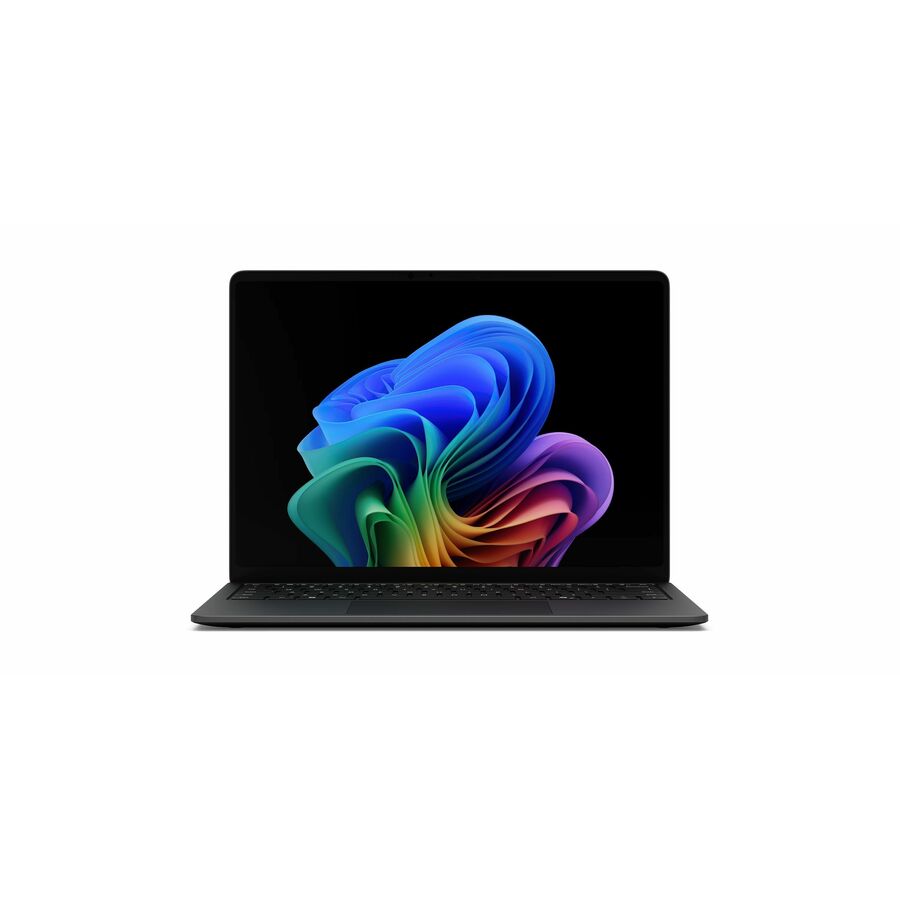
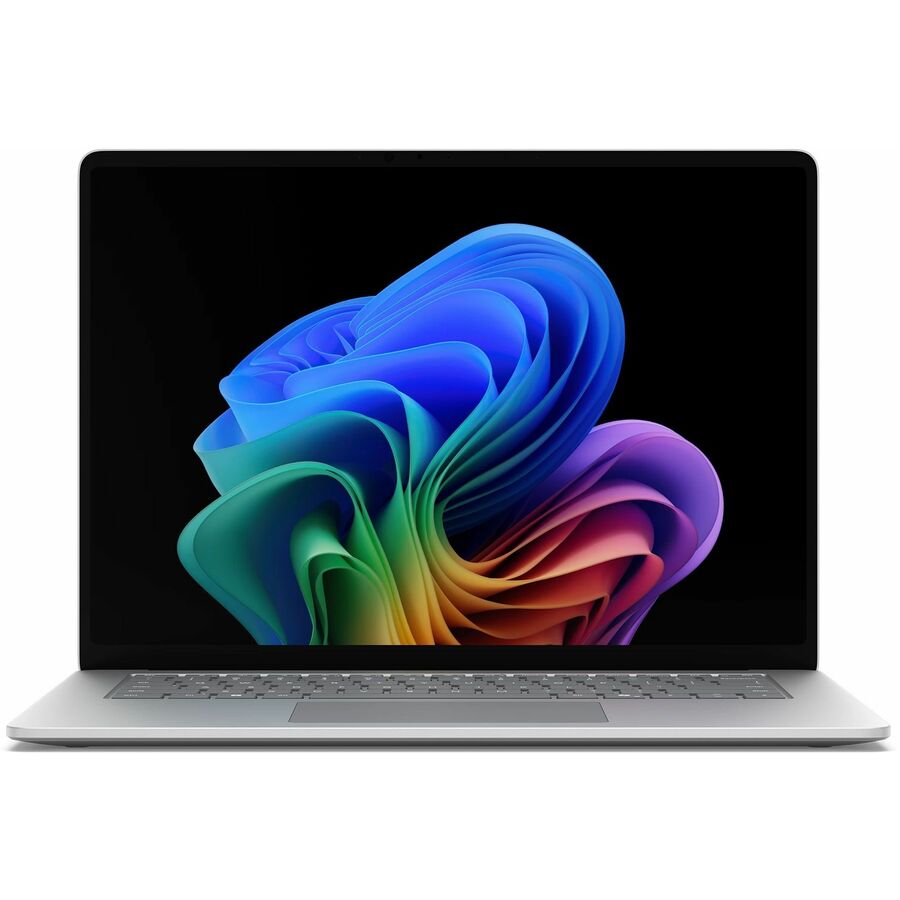
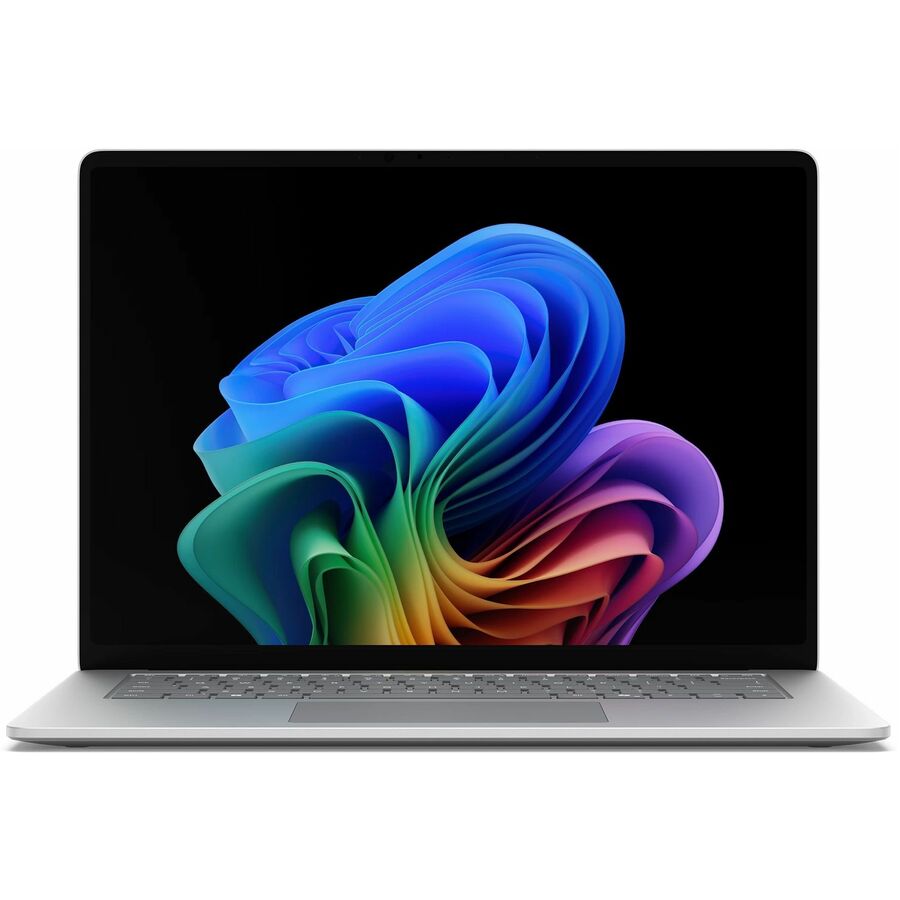
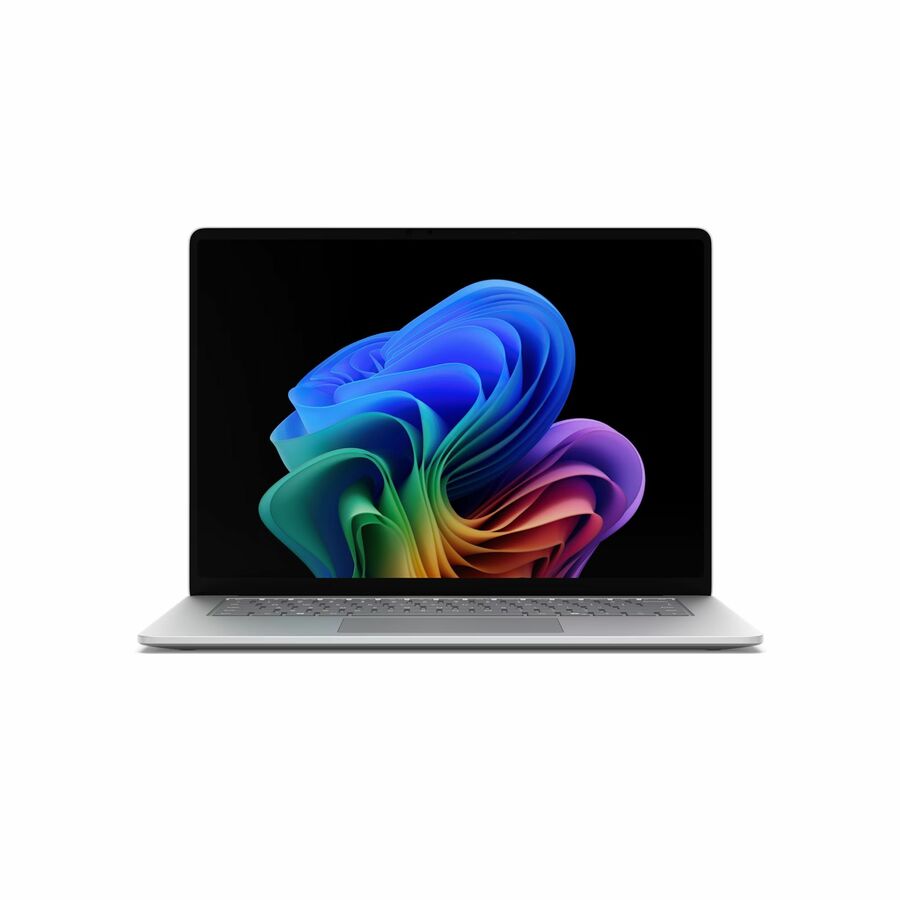
- MicrosoftMicrosoft Surface Laptop 8 13.8" Touchscreen Copilot+ PC Notebook - 120 Hz - Intel Core Ultra 5 Series 3 335 - 16 GB - 256 GB SSD - English Keyboard - Platinum - TAA Compliant - Demo - Intel Chip - 2304 x 1536 - Intel - PixelSense Flow - Front Camera/Webcam - 23 Hours Battery Run Time - IEEE 802.11be Wireless LAN Standard - Wi-Fi 7EP2-68764
$1,749.99
$1,019.20*
1 in stock


Standard-issue pick
Lenovo
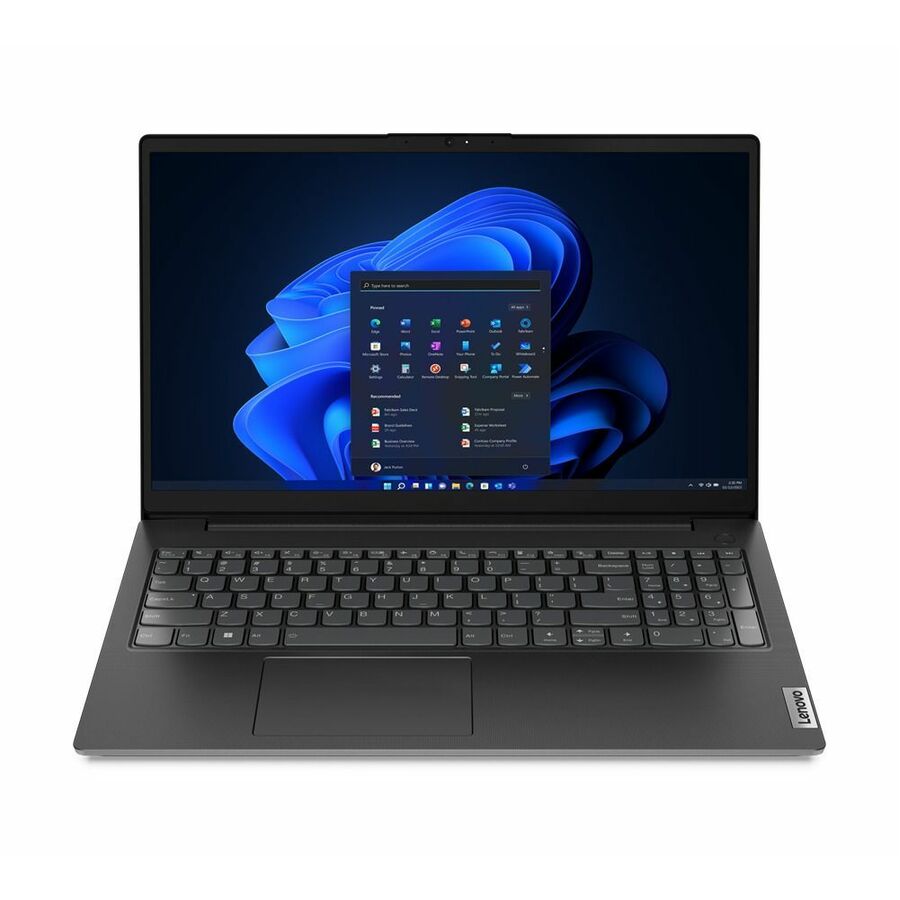
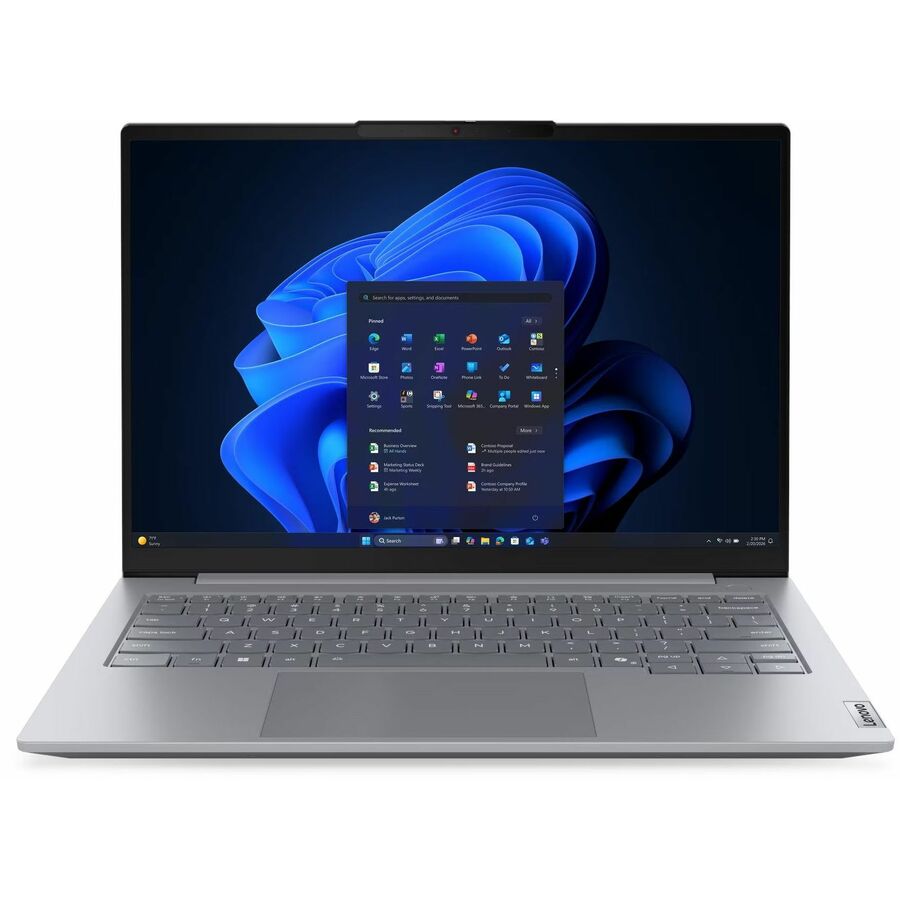
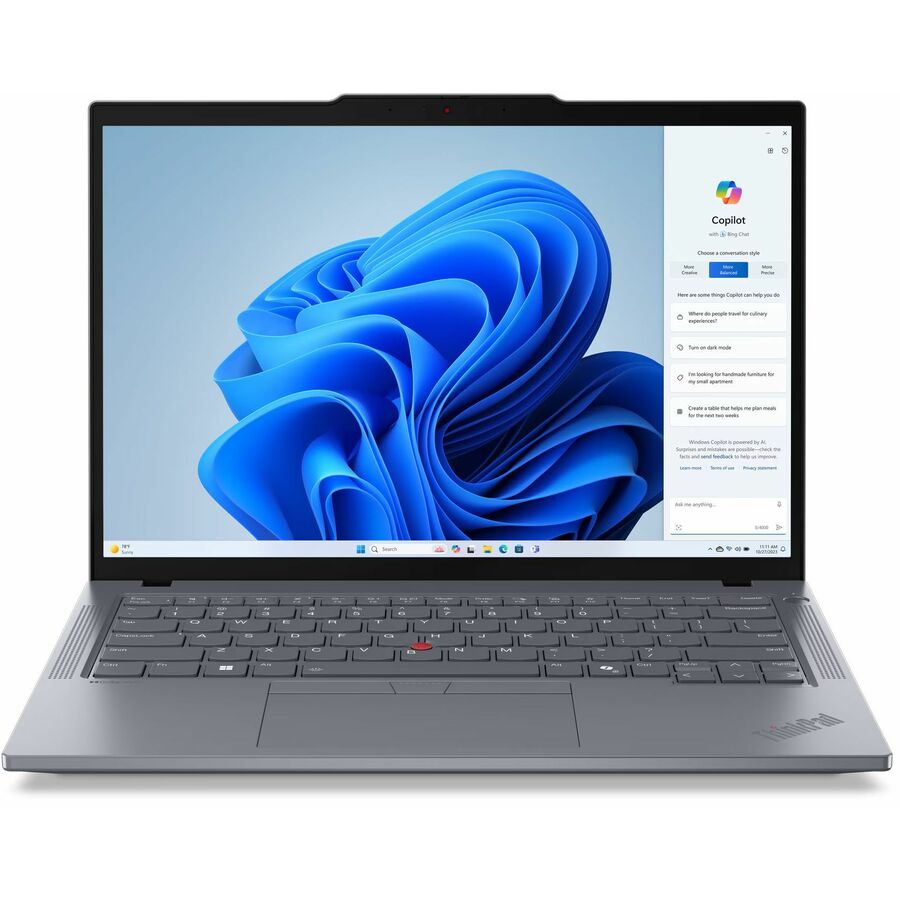
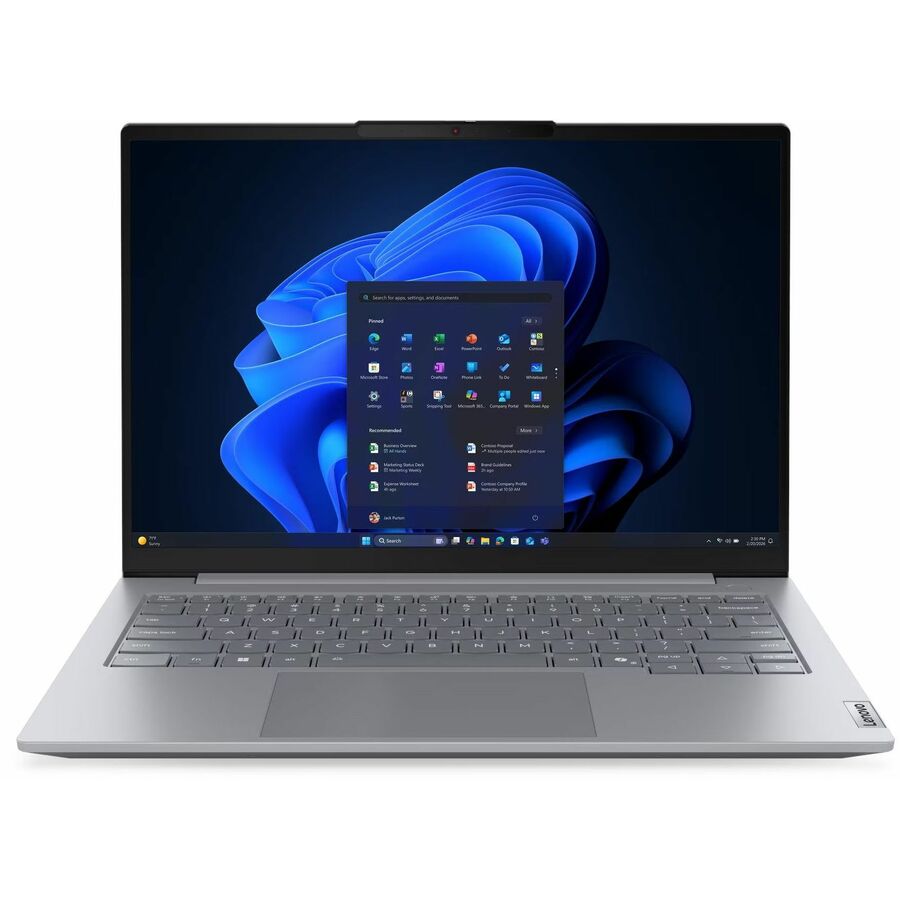
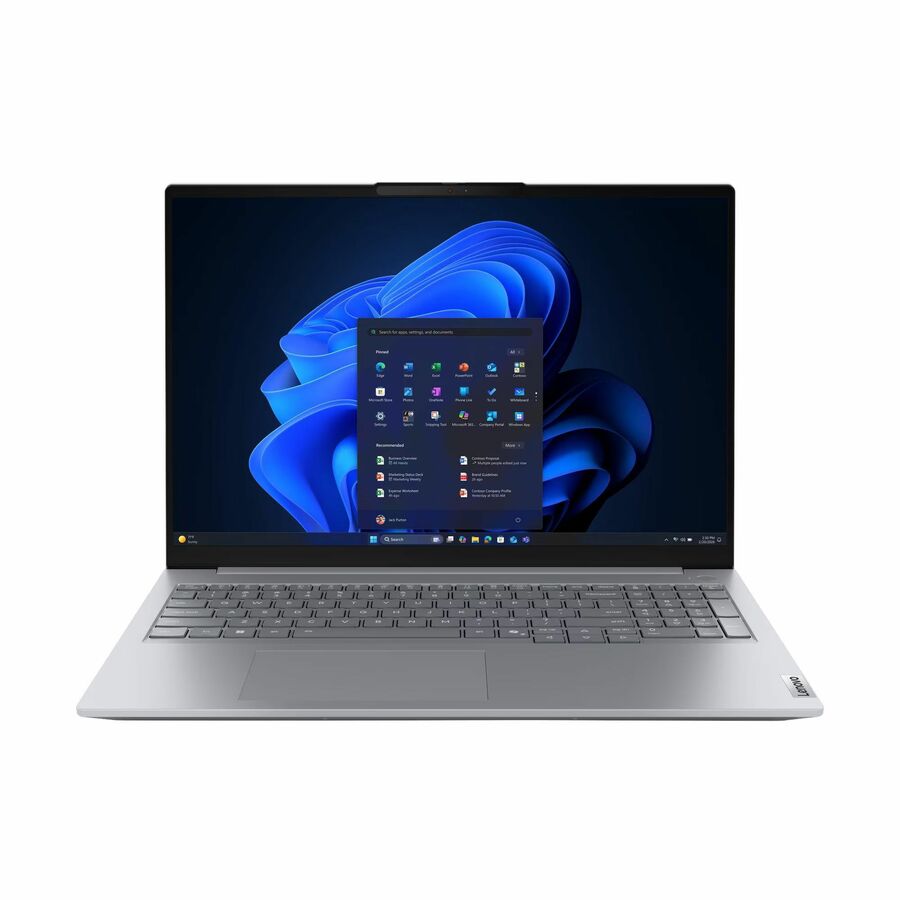
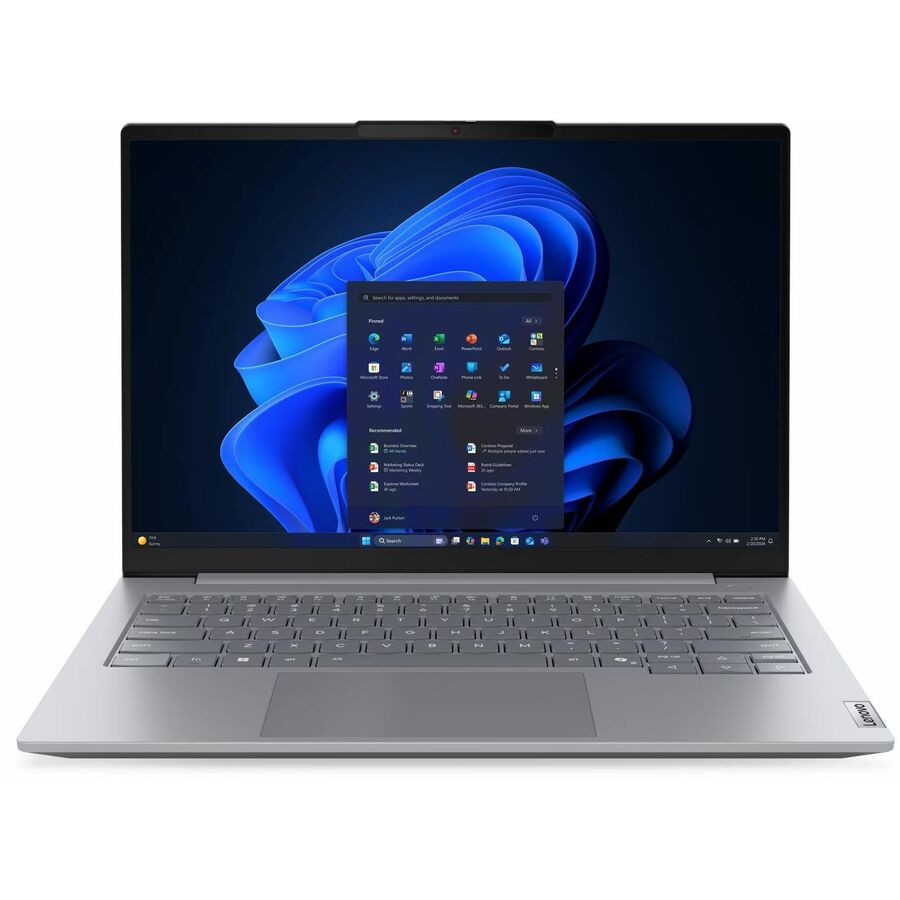
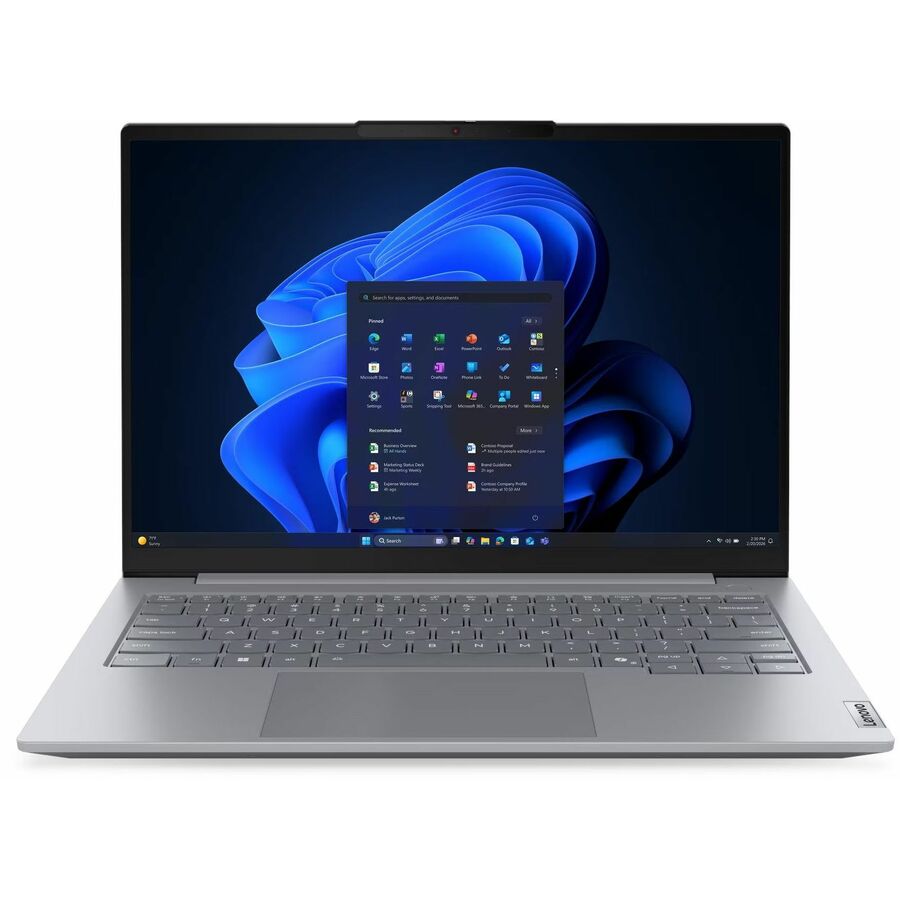
Lenovo ThinkPad T14 Gen 5 21MC000NUS 14" Notebook
21MC000NUS
The default general-issue machine: a 14-inch 1920 x 1200 IPS panel, a six-core AMD Ryzen 5 PRO 8540U, 16 GB with headroom to 64 GB, Radeon 740M graphics and Windows 11 Pro. At volume the PRO-series silicon is the part worth paying for — it is where the central management features your endpoint team will actually use are enabled.
This part number carries a 256 GB SSD. Settle the storage tier before you standardize, not after the first hundred are deployed.
$1,485.79Back-orderedValue pick
Lenovo
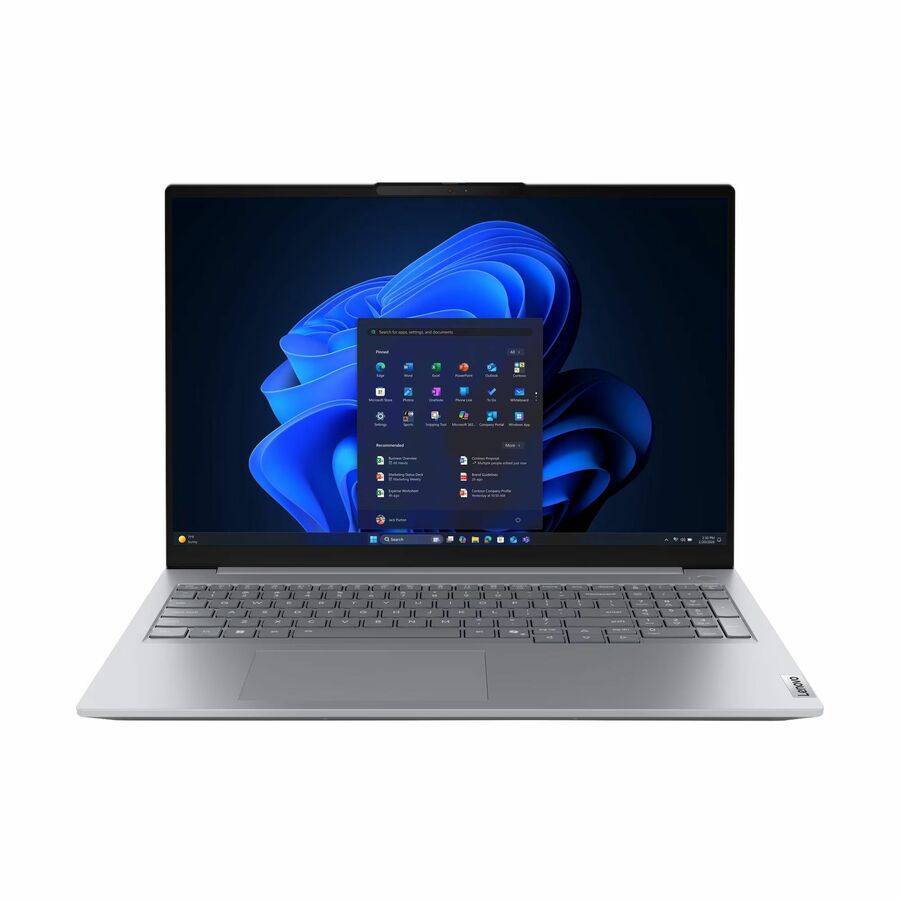
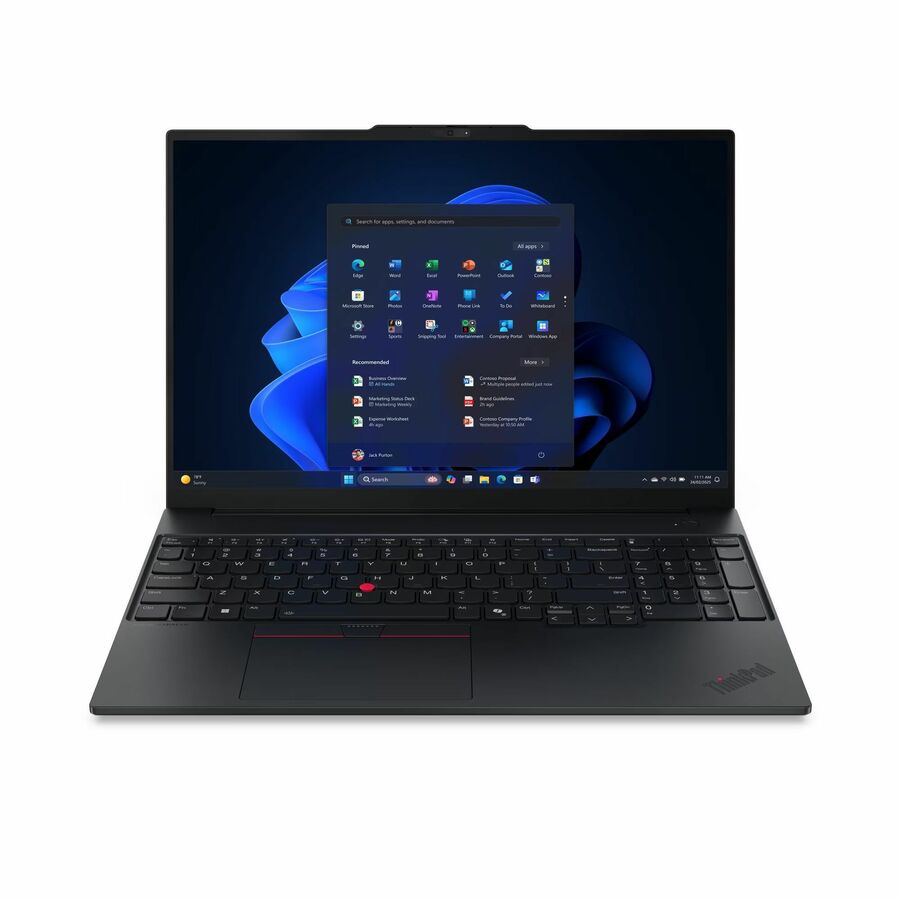
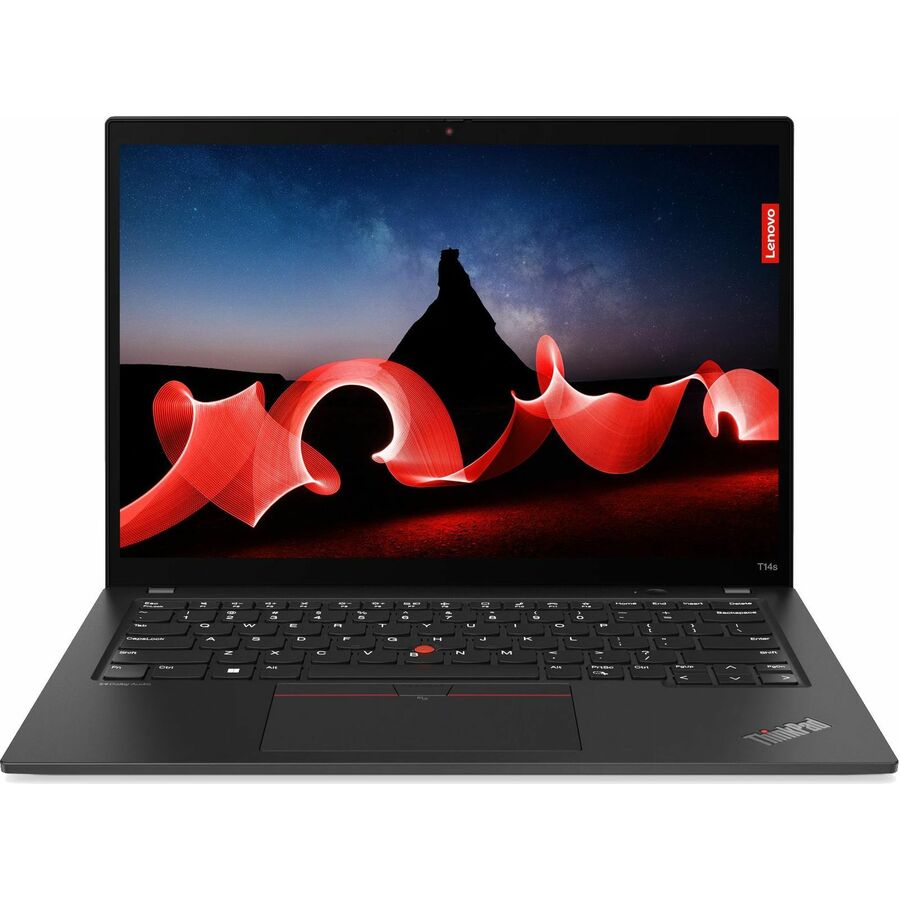
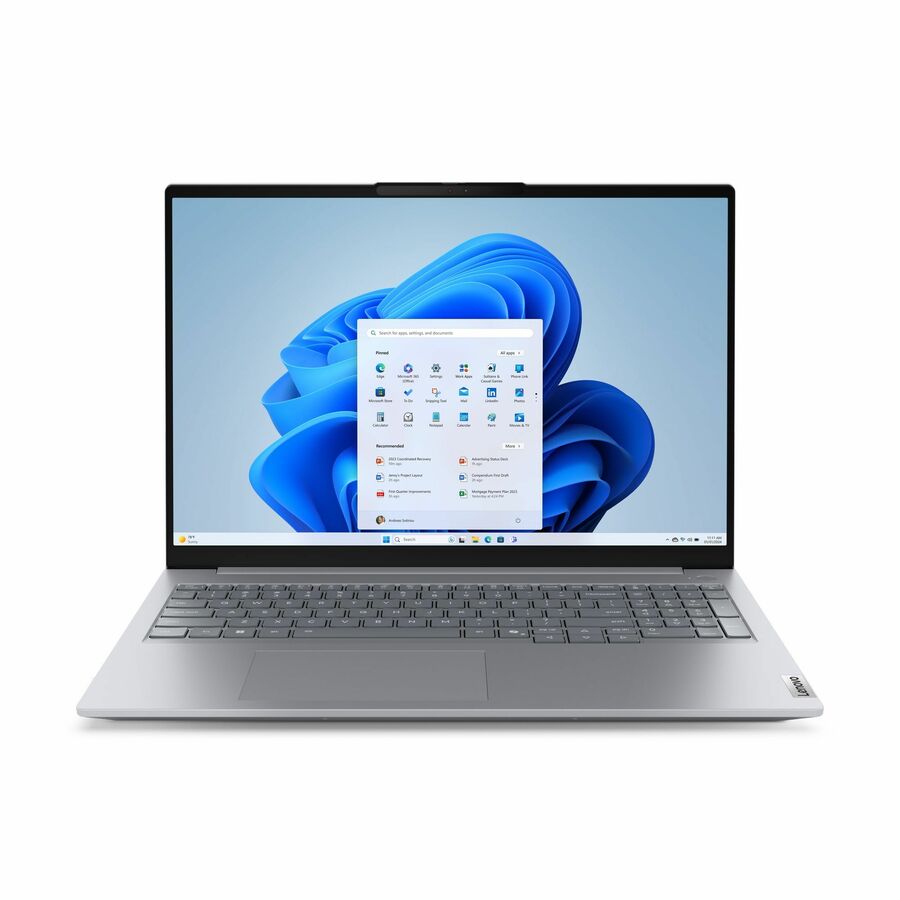
Lenovo ThinkPad T14s Gen 4 21F9S04Q0H 14" Notebook
21F9S04Q0H
One silicon generation back and lighter for it at 2.78 lb, with the same 14-inch 1920 x 1200 panel, a six-core Ryzen 5 PRO 7540U, 16 GB and 512 GB of storage rather than 256. For seats that run a browser, a mail client and one line-of-business application, the older PRO chip is not the constraint — the storage tier and the dock standard are.
$1,281.95In stockTravel pick
Lenovo
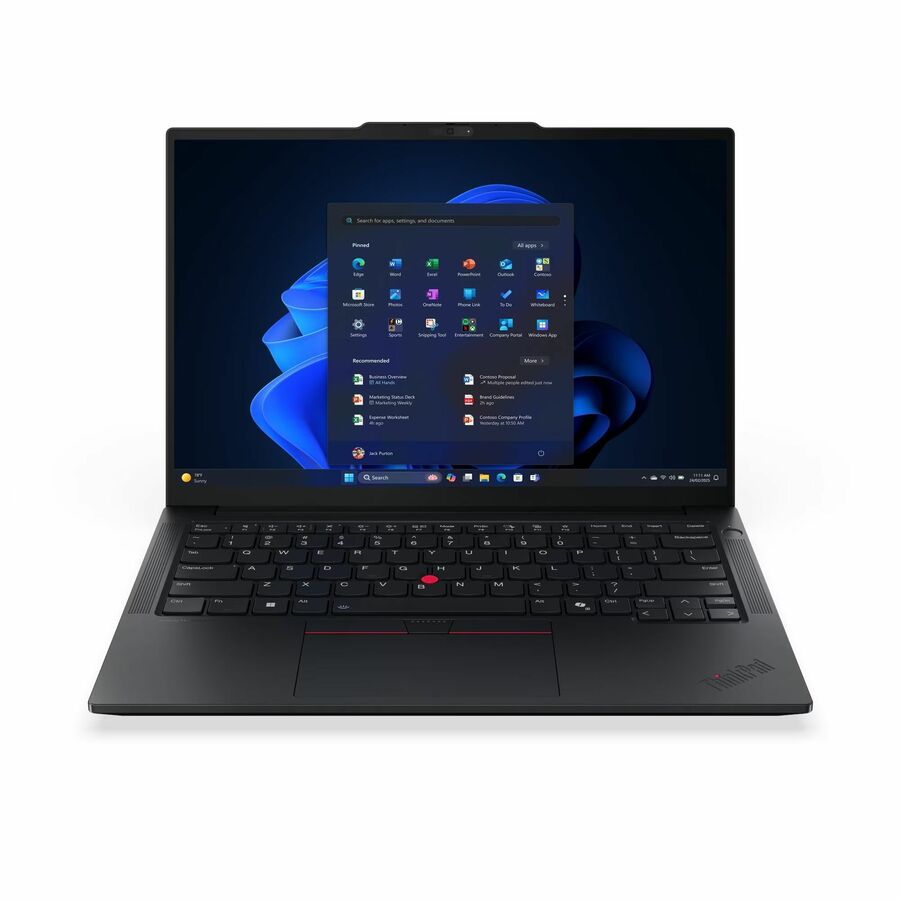
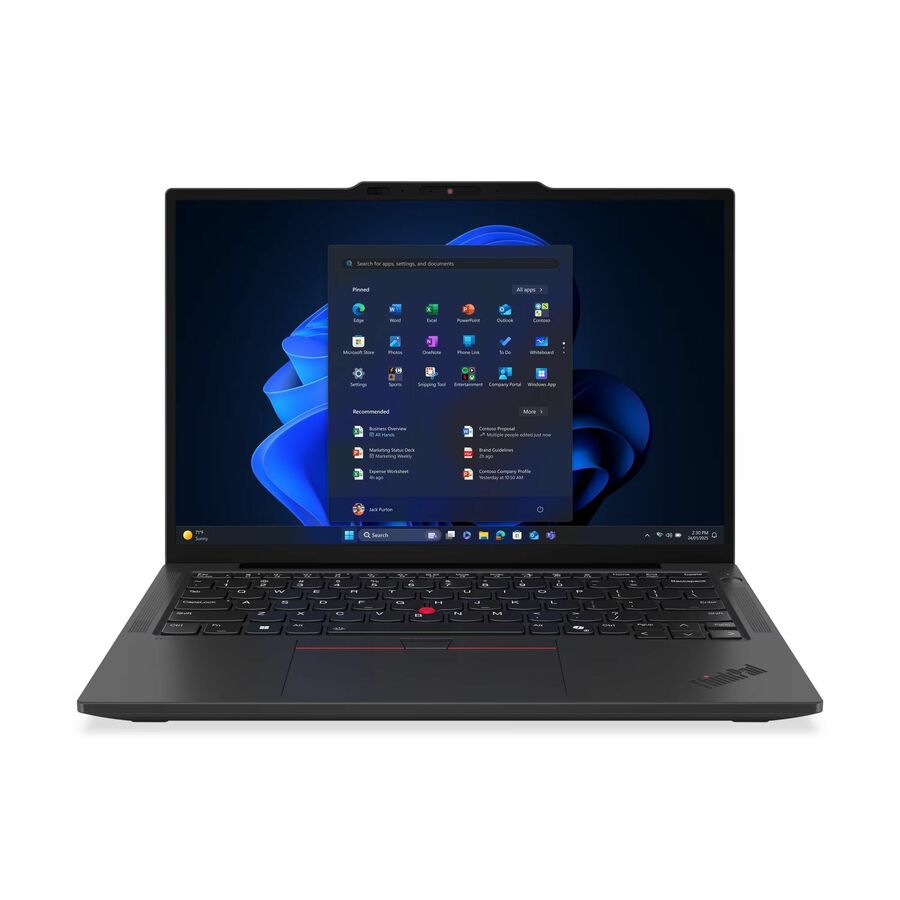
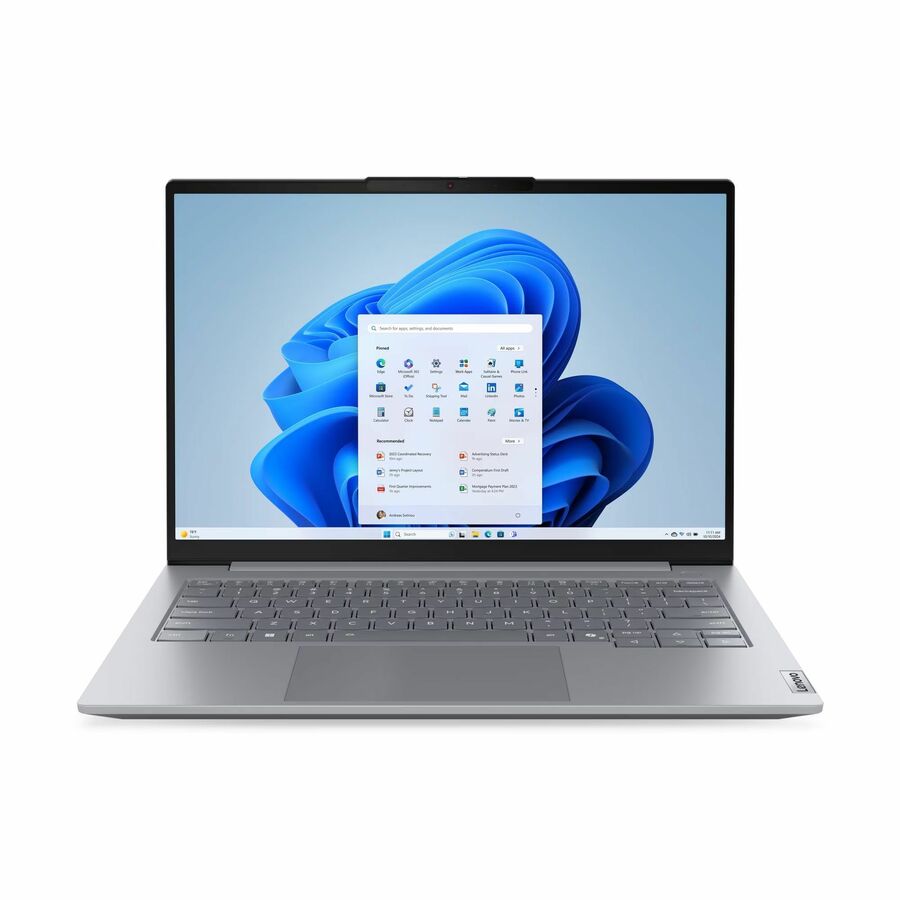
Lenovo ThinkPad X13 Gen 6 21RK0069US 13.3" Notebook
21RK0069US
For the people who carry it every day: 2.12 lb, a 13.3-inch 1920 x 1200 Eyesafe IPS panel, a 12-core Intel Core Ultra 5 225U, 16 GB, 512 GB and Windows 11 Pro. Worth carrying as a second standard on an otherwise 14-inch order rather than shrinking the whole estate to suit the travellers.
Request pricingMore notebooks in the Uniqcli catalog
See all 15,800 notebooksMore from across this category. In-stock lines lead, and a back-ordered line carries the same estimated availability its product page does — with live pricing throughout, NDAA §889 screening before checkout and TAA verified on request.
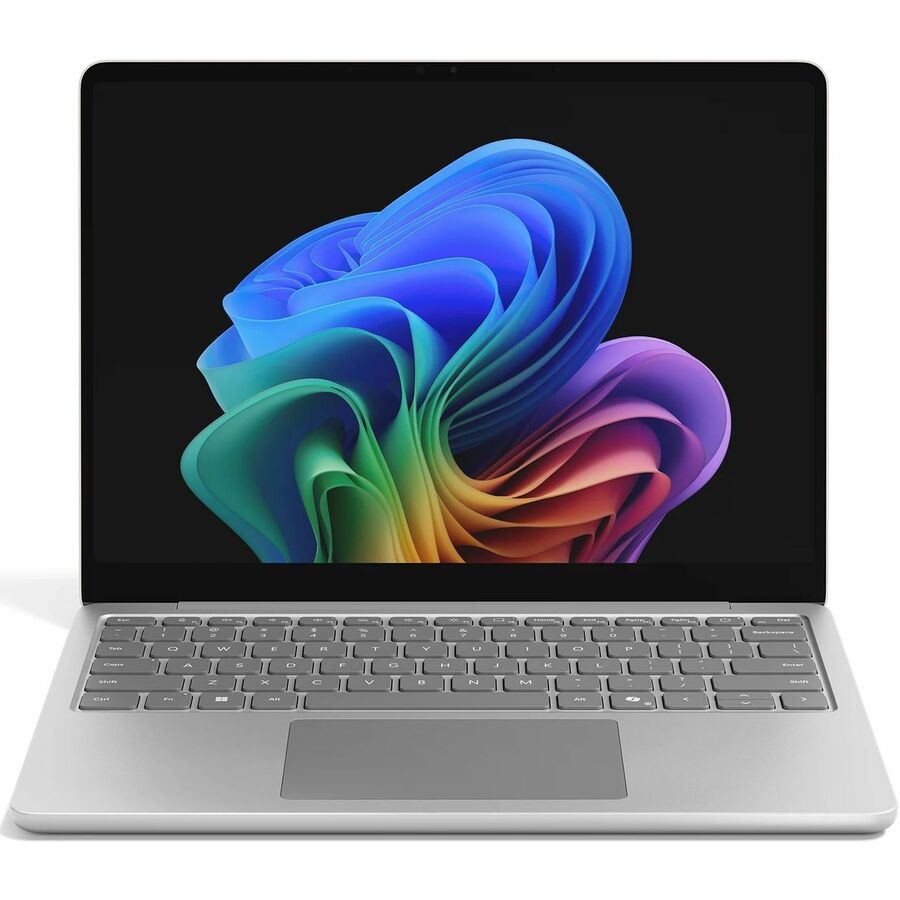
- MicrosoftMicrosoft Surface Laptop 8 13.8" Touchscreen Copilot+ PC Notebook - 120 Hz - Intel Core Ultra 5 Series 3 335 - 16 GB - 256 GB SSD - English Keyboard - Platinum - Demo - Intel Chip - 2304 x 1536 - Intel - PixelSense Flow - Front Camera/Webcam - 23 Hours Battery Run Time - IEEE 802.11be Wireless LAN Standard - Wi-Fi 7EP2-48243
$2,299.99
$1,310.39
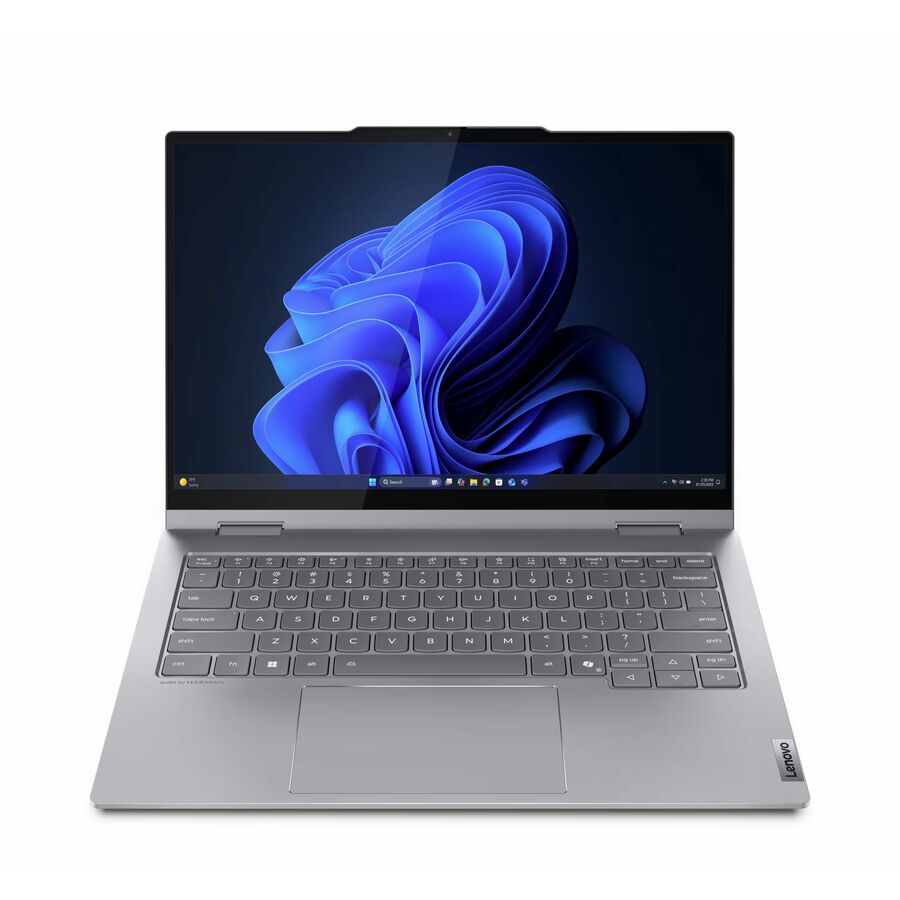
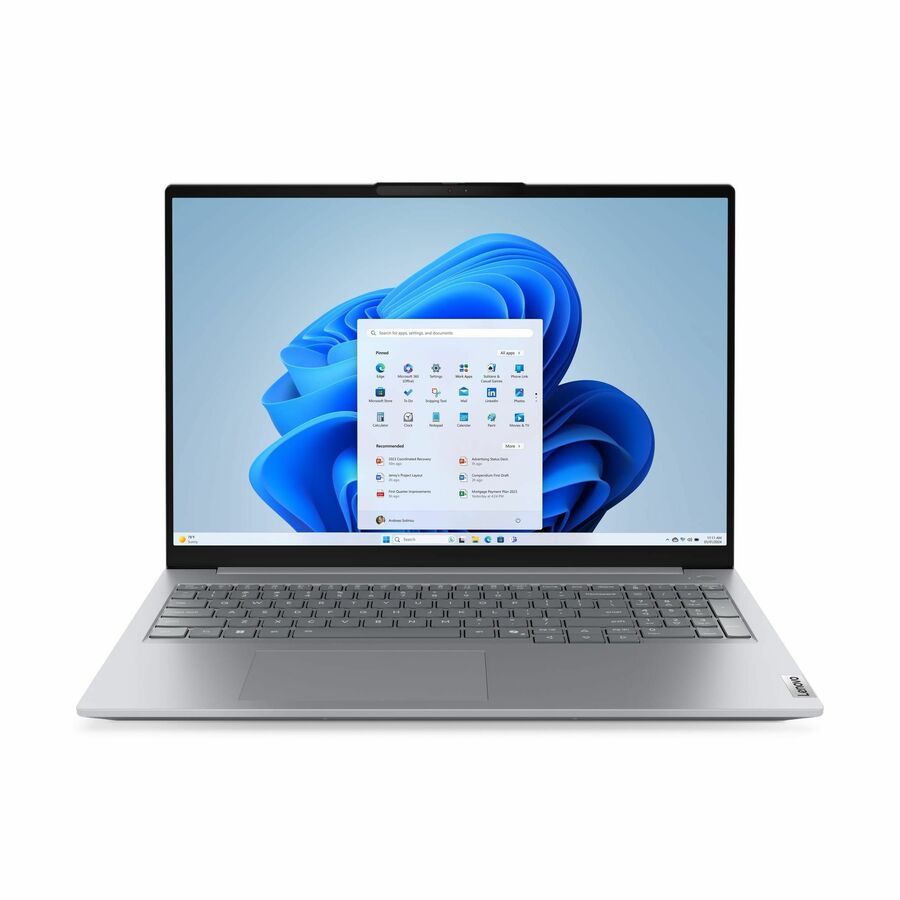
1 in stock - LenovoLenovo ThinkBook 14 G5 IAU 21SQ0001US 14" Touchscreen Convertible 2 in 1 Notebook - WUXGA - Intel Core Ultra 5 225U - 16 GB - 256 GB SSD - English (US) Keyboard - Luna Gray - Intel Chip - 1920 x 1200 - Windows 11 Pro - Intel - Front Camera/Webcam - IEEE 802.11ax Wireless LAN Standard21SQ0001US
$1,869.00
$1,347.71
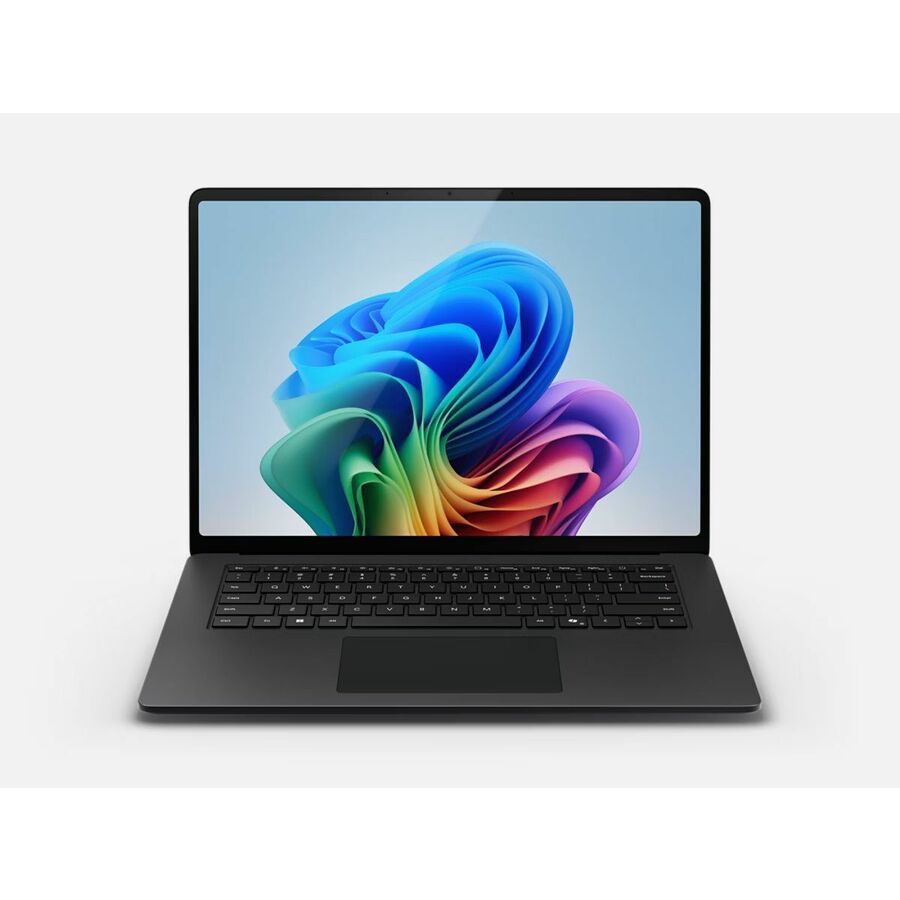
25 in stock - MicrosoftMicrosoft Surface Laptop 7 15" Touchscreen Copilot+ PC Notebook - 120 Hz - Intel Core Ultra 7 - 16 GB - 512 GB SSD - Black - TAA Compliant - Demo - Intel Chip - 2496 x 1664 - Windows 11 - Intel - PixelSense Flow - Front Camera/Webcam - 22 Hours Battery Run Time - IEEE 802.11be Wireless LAN Standard - Wi-Fi 7EP2-23568
$2,549.99
$1,420.34
Back-orderedBack-ordered — estimated OEM lead time 3–8 weeks (Nov 17 – Dec 22 if ordered today).
- MicrosoftMicrosoft Surface Laptop 8 13.8" Touchscreen Copilot+ PC Notebook - 120 Hz - Intel Core Ultra 7 Series 3 366H - 16 GB - 256 GB SSD - English Keyboard - Platinum - TAA Compliant - Demo - Intel Chip - 2304 x 1536 - Intel - PixelSense Flow - Front Camera/Webcam - 23 Hours Battery Run Time - IEEE 802.11be Wireless LAN Standard - Wi-Fi 7EP2-49697
$2,599.99
$1,481.79*
Back-orderedBack-ordered — estimated OEM lead time 3–8 weeks (Nov 17 – Dec 22 if ordered today).
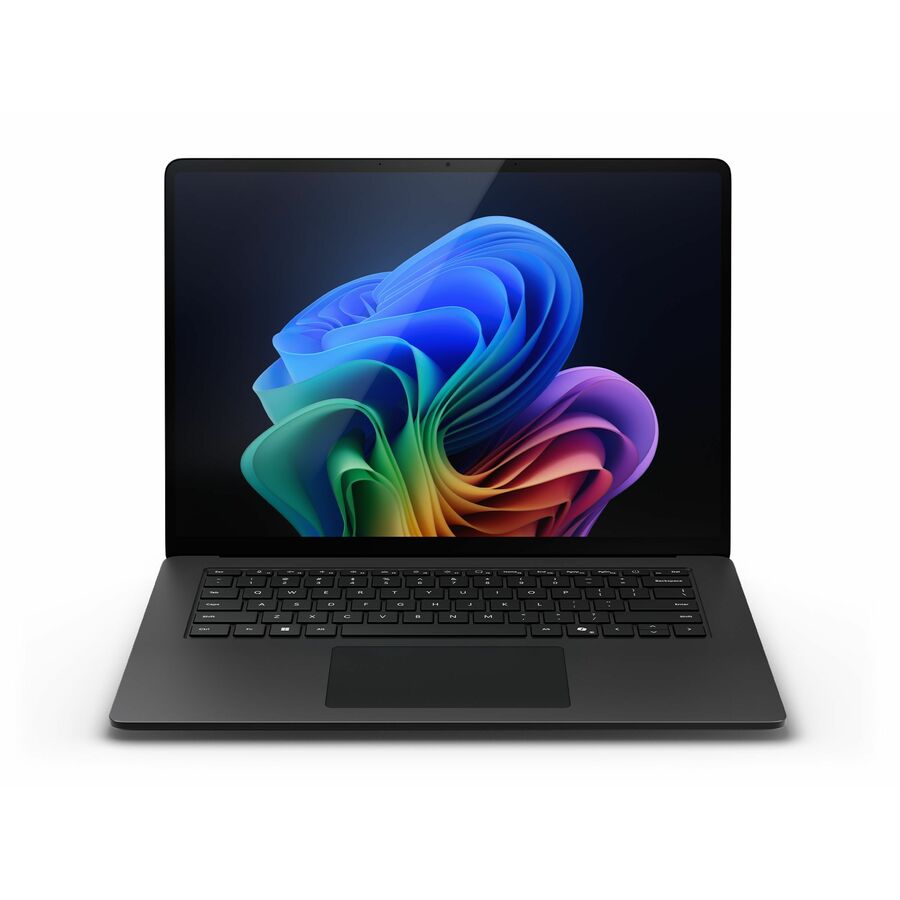
- MicrosoftMicrosoft Surface Laptop 8 15" Touchscreen Copilot+ PC Notebook - 120 Hz - Intel Core Ultra 5 Series 3 335 - 16 GB - 512 GB SSD - English Keyboard - Smart Card Reader - TAA Compliant - Demo - Intel Chip - 3270 x 2180 - Intel - PixelSense Flow - Front Camera/Webcam - 21 Hours Battery Run Time - IEEE 802.11be Wireless LAN Standard - Wi-Fi 7EP2-54595
$2,599.99
$1,481.92*
Back-orderedBack-ordered — estimated OEM lead time 3–8 weeks (Nov 17 – Dec 22 if ordered today).
- MicrosoftMicrosoft Surface Laptop 8 15" Touchscreen Copilot+ PC Notebook - 120 Hz - Intel Core Ultra 5 Series 3 335 - 16 GB - 512 GB SSD - English Keyboard - Smart Card Reader - Platinum - TAA Compliant - Demo - Intel Chip - 3270 x 2180 - Intel - PixelSense Flow - Front Camera/Webcam - 21 Hours Battery Run Time - IEEE 802.11be Wireless LAN Standard - Wi-Fi 7EP2-54610
$2,549.99
$1,453.44*
Back-orderedBack-ordered — estimated OEM lead time 3–8 weeks (Nov 17 – Dec 22 if ordered today).
- MicrosoftMicrosoft Surface Laptop 7 15" Touchscreen Copilot+ PC Notebook - 120 Hz - Intel Core Ultra 7 Series 2 - 16 GB - 512 GB SSD - English Keyboard - Black - Demo - Intel Chip - 2496 x 1664 - Windows 11 - Intel - PixelSense Flow - Front Camera/Webcam - 22 Hours Battery Run Time - IEEE 802.11be Wireless LAN Standard - Wi-Fi 7EP2-33342
$2,449.99
$1,364.83
Back-orderedBack-ordered — estimated OEM lead time 3–8 weeks (Nov 17 – Dec 22 if ordered today).
- MicrosoftMicrosoft Surface Laptop 8 13.8" Touchscreen Copilot+ PC Notebook - 120 Hz - Intel Core Ultra 5 Series 3 335 - 16 GB - 512 GB SSD - English Keyboard - Black - Demo - Intel Chip - 2304 x 1536 - Intel - PixelSense Flow - Front Camera/Webcam - 23 Hours Battery Run Time - IEEE 802.11be Wireless LAN Standard - Wi-Fi 7EP2-48494
$2,449.99
$1,395.85
Back-orderedBack-ordered — estimated OEM lead time 3–8 weeks (Nov 17 – Dec 22 if ordered today).
- MicrosoftMicrosoft Surface Laptop 7 15" Touchscreen Copilot+ PC Notebook - 120 Hz - Intel Core Ultra 7 - 16 GB - 256 GB SSD - English Keyboard - Black - TAA Compliant - Demo - Intel Chip - 2496 x 1664 - Windows 11 - Intel Arc Graphics - PixelSense Flow - Front Camera/Webcam - 22 Hours Battery Run Time - IEEE 802.11be Wireless LAN StandardEP2-23565
$2,349.99
$1,308.94*
Back-orderedBack-ordered — we expect to receive stock the week of Nov 23–29 and will process your delivery right after.
- MicrosoftMicrosoft Surface Laptop 8 15" Touchscreen Copilot+ PC Notebook - 120 Hz - Intel Core Ultra 5 Series 3 335 - 16 GB - 256 GB SSD - English Keyboard - Platinum - TAA Compliant - Demo - Intel Chip - 3270 x 2180 - Intel - PixelSense Flow - Front Camera/Webcam - 21 Hours Battery Run Time - IEEE 802.11be Wireless LAN Standard - Wi-Fi 7EP2-54586
$2,399.99
$1,367.99*
Back-orderedBack-ordered — estimated OEM lead time 3–8 weeks (Nov 17 – Dec 22 if ordered today).

Need pricing on standard-issue laptops?
Tell us where to reach you and a Uniqcli specialist will follow up by email with current pricing, availability and lead time for the quantities you need — including parts that aren’t shown on this page.
Buying for an organization or for yourself — both work. No payment up front.
Buying fifty laptops is not buying one laptop fifty times. What decides the order is which single part number the organization will live with for the next twelve to eighteen months, because that choice sets the imaging profile, the dock standard and the spares pool. Quote the part number and the quantity together — price and availability are one answer.
Buying fifty laptops is not buying one laptop fifty times. The decision that actually matters is which single part number your organization will live with for the next twelve to eighteen months, because that one choice sets the imaging profile, the dock and cable standard, the spares pool, the helpdesk scripts and how painful the next refresh is. Most of the real cost in a volume purchase comes from variety rather than from unit price: three configurations across four sites means three of everything downstream, forever.
The first thing quantity changes is availability, and it is the question a product page cannot answer. A part number sitting in distribution today does not necessarily have fifty of itself sitting there, and the honest answer comes from an RFQ against real distribution inventory with a dated commitment attached — not from a stock badge. Send the part numbers and the quantities together and the whole requirement is priced as one sourcing exercise rather than as a cart that happens to be large.
The second thing it changes is everything downstream of the box. At one unit a dock is an accessory; at fifty it is a standard, the power adapters are a logistics item, the asset tags are a process and the packaging is a disposal cost. Delivery can be staged, kitted and labeled to a phased rollout instead of arriving as one pallet on a loading dock, and software licensing, docks, warranty uplifts and the deployment work belong on the same quote as the hardware. That is what turns a volume order into one decision instead of six.
Buyer's checklist
How to buy laptops in volume without paying for it twice
- Quote a part number and a quantity together — the price and the availability answer are the same answer, and neither survives being asked separately.
- Standardize on a part number, not a model family. A standard that names a family drifts into three different machines inside a year.
- Prefer a commercial line with a published configuration lifecycle — a consumer model can change panel, wireless module or SSD without changing its name.
- Buy the memory and storage tier you will need in year two. Neither is worth a truck roll to upgrade across a deployed estate.
- Standardize the dock and power adapter in the same order; a mixed dock estate costs more in helpdesk time than it ever saved at purchase.
- Hold back a spares pool. A small percentage of units in a cupboard is what turns a failure into a swap instead of an outage.
- Price the warranty term and service level on the same quote as the hardware, matched to the refresh cycle you actually run.
- Ask for staged release when the rollout is phased. Receiving an entire order at once is a storage, asset-tagging and insurance problem.
Getting a quantity priced properly
A volume quote is a sourcing exercise, not a lookup. The work behind it is checking real distribution inventory for the full count, confirming the configuration is still current, identifying which lines are at risk of a mid-order substitution, and pricing the whole requirement as one commitment rather than as a series of line items that each move independently. That work is worth doing well below the quantities people usually think of as bulk.
It is also why a bill of materials beats a shopping cart. A spreadsheet of part numbers and quantities — including the docks, adapters, warranty uplifts and licensing — can be quoted, screened and committed once. Off-catalog lines are sourced by RFQ through US distribution and come back on the same document, so the program has one price, one lead time and one place to look when something changes.
Plan the rollout before the order goes in
Decide who does the imaging and enrollment before you decide what to buy, because it changes the specification. Zero-touch enrollment wants machines that arrive untouched with their hardware identifiers registered to your tenant; a traditional gold image wants one hardware model so a single image covers the estate. Either way the rollout is easier when the estate is one part number — the same conclusion the specification arrives at from every other direction.
Imaging and enrollment themselves stay with your IT team or your managed-services provider. What happens on the supply side is delivery: an order can be staged, kitted and labeled to your deployment plan so units arrive grouped the way you will hand them out, with documentation mapping each unit back to its place in the plan. Where a project crosses vendors — laptops plus docks, networking and a site build — it is scoped as an integration project with one schedule and one point of accountability.
Everything on this page is checked against manufacturer documentation and live catalog data. Configurations change; confirm the current specification of a part number at each re-order rather than copying last year's quote forward.
Standardization has an expiry date
A volume standard is a decision with a shelf life, and the failure mode is always the same: the part number goes end of production halfway through a rollout, and the replacement is close enough that nobody notices it is a different machine until the image fails or the dock behaves differently. Ask for the manufacturer's stated availability on a part number when you standardize on it, and again before every re-order — not because a supplier can promise a lifecycle it does not control, but because knowing the date changes when you plan the transition.
Plan the successor deliberately. Buying a small quantity of the next-generation model a quarter before the changeover lets the endpoint team validate the image, the dock and the peripherals while the old standard is still orderable. That is far cheaper than discovering the difference across two hundred desks in a single week.
FAQ
Common questions
- How many units count as a bulk order?
- There is no fixed threshold to clear. Quantity changes what has to be done behind the quote — checking real distribution inventory for the full count, confirming the configuration is still current, and pricing the whole requirement as one sourcing exercise — and that work is worth doing well below the numbers people usually picture as bulk. Send the part numbers and the quantities and it comes back as one quote.
- Will we be able to buy the same configuration again in six months?
- Ask for the manufacturer's stated availability on the part number when you standardize on it, and again before each re-order. Commercial lines are designed for configuration stability in a way consumer lines are not, but no supplier can promise a lifecycle it does not control. What you can do is know the date, buy the spares pool inside the window, and validate the successor before the old part number runs out.
- Do you image or enroll the laptops before delivery?
- Imaging and enrollment stay with your IT team or your managed-services provider. What happens on the supply side is delivery: an order can be staged, kitted and labeled to your rollout plan so units arrive grouped the way you will deploy them, with documentation mapping each unit back to its place in the plan. Where a project crosses vendors — laptops plus docks, networking and a site build — it is scoped as an integration project with one schedule and one point of accountability.
- Can delivery be staged across sites or over a schedule?
- Yes. A phased rollout is a delivery plan, not a series of separate orders: the requirement is quoted once and released against your schedule, kitted and labeled per site or per wave. That keeps pricing and configuration fixed across the whole program instead of re-quoting a moving catalog every month, and it avoids storing an entire order somewhere it has to be insured and asset-tagged before anyone can use it.
- Can Uniqcli quote a volume laptop order for a government or education buyer?
- Every line Uniqcli quotes is sourced through US distribution and screened for TAA country-of-origin and NDAA §889 status before checkout — with documentation tied to the specific part number, not a product family.
Need standard-issue laptops pricing?
Send a bill of materials or part numbers — we confirm stock and a below-market total, with TAA verified on request. No payment up front.