
TAA & Country-of-Origin Rules for Business Laptops
Country-of-origin is decided per part number, never per brand. The selection below is the business laptops we carry and screen before quoting — not a pre-verified TAA set; the part numbers whose origin our catalog records are the labeled picks.
Business laptops in stock at Uniqcli
How to choose →A curated selection with live pricing — in-stock lines first, then back-ordered lines with a typical lead time. Every line is sourced through US distribution and screened for NDAA §889 status before checkout, with TAA verified on request.
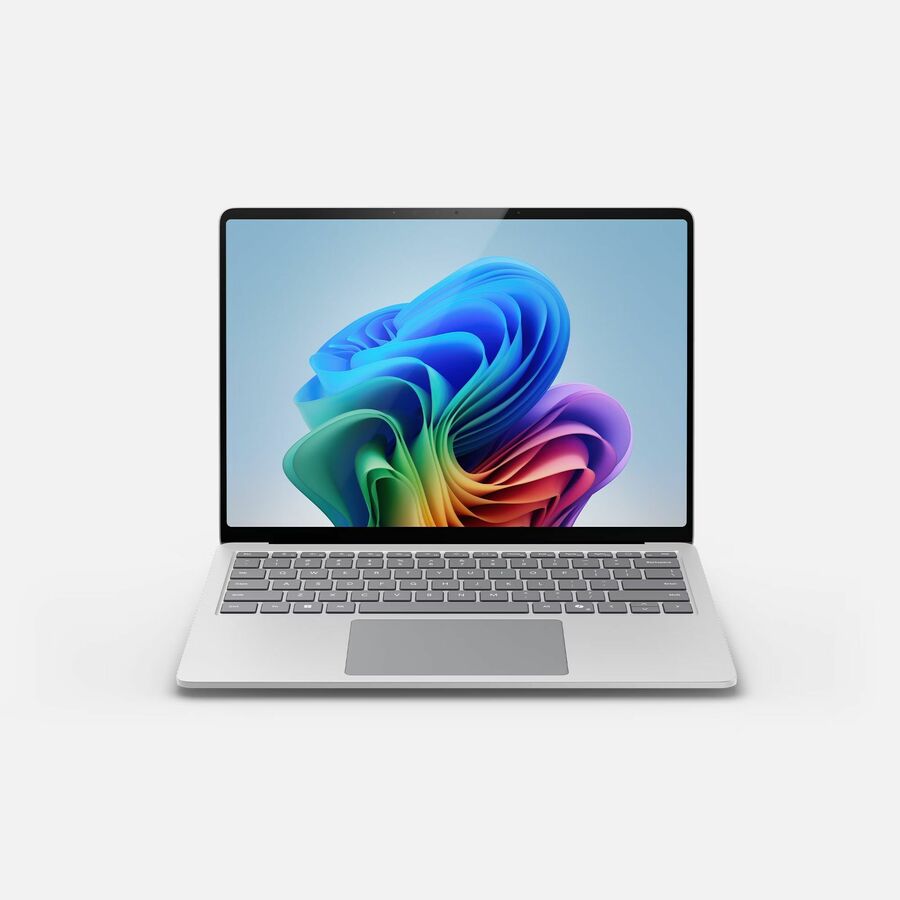
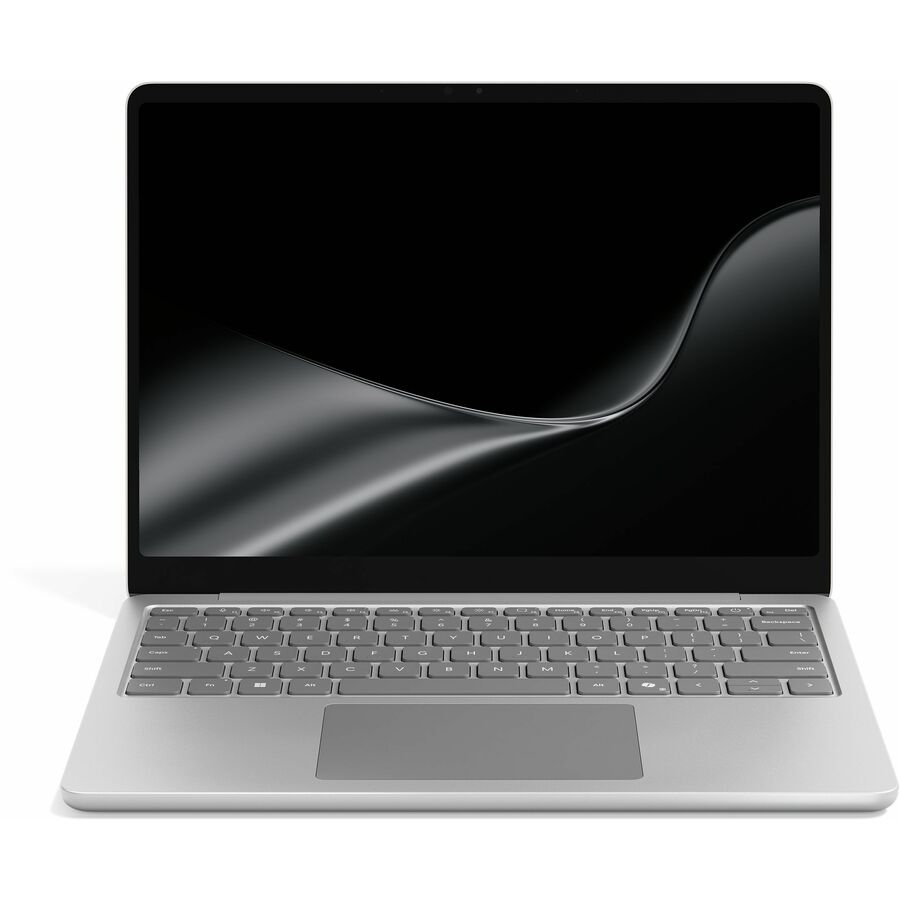
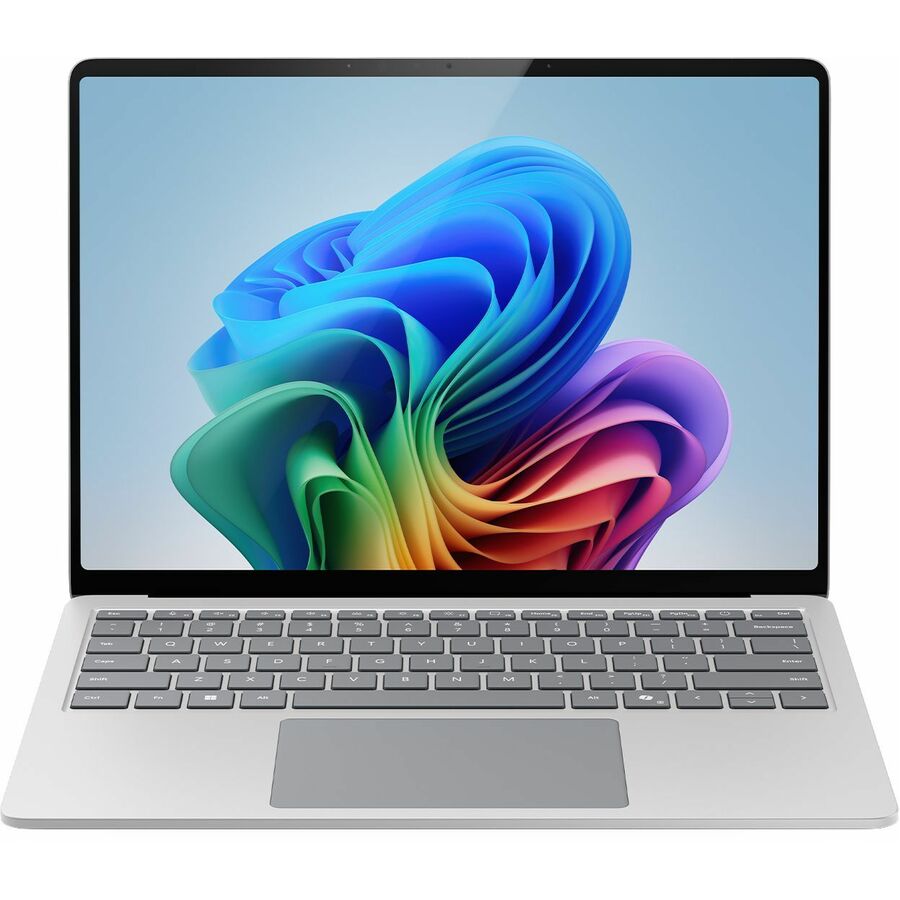
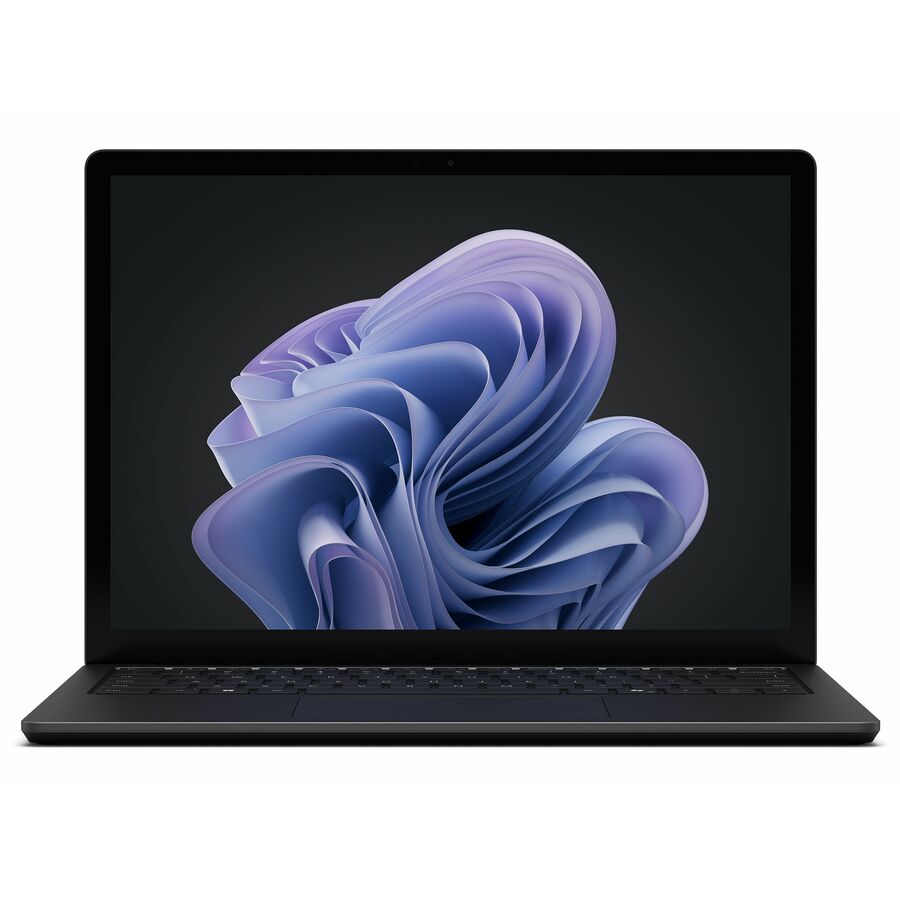
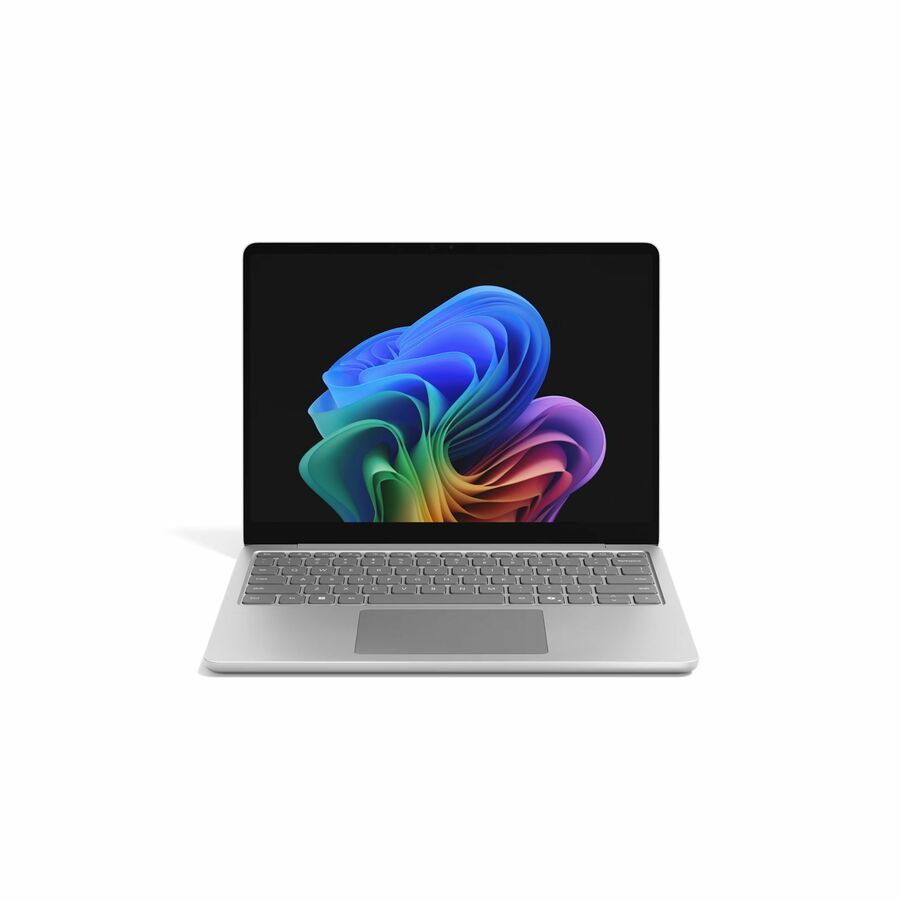
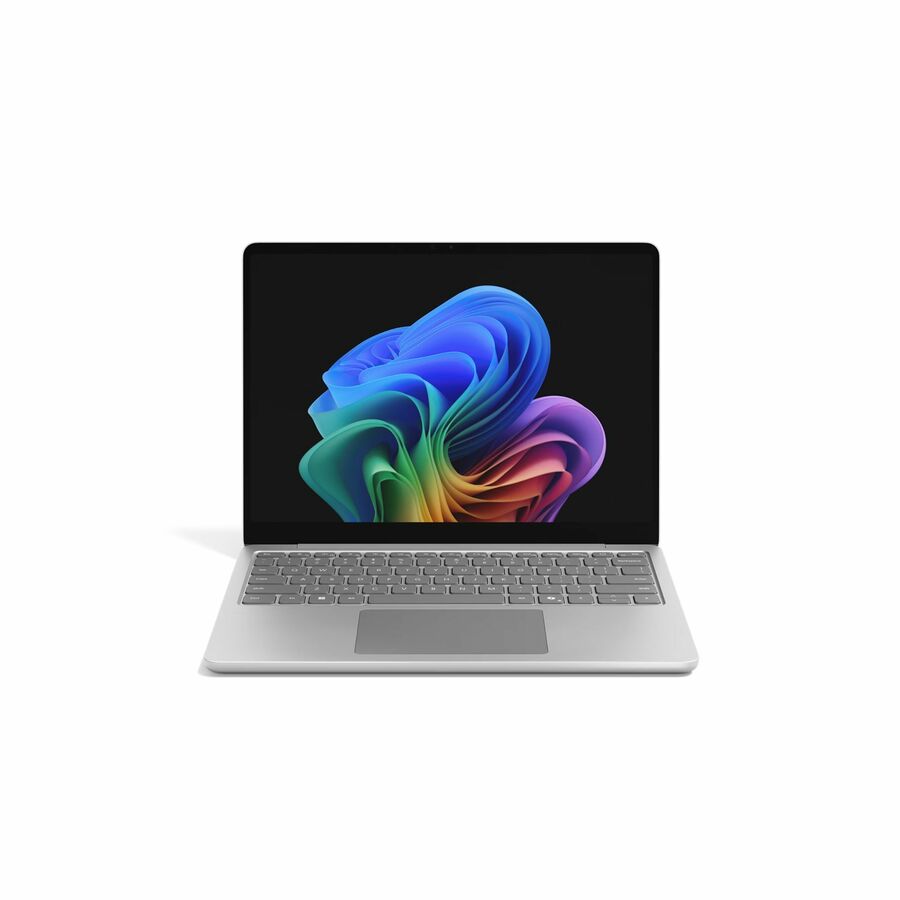
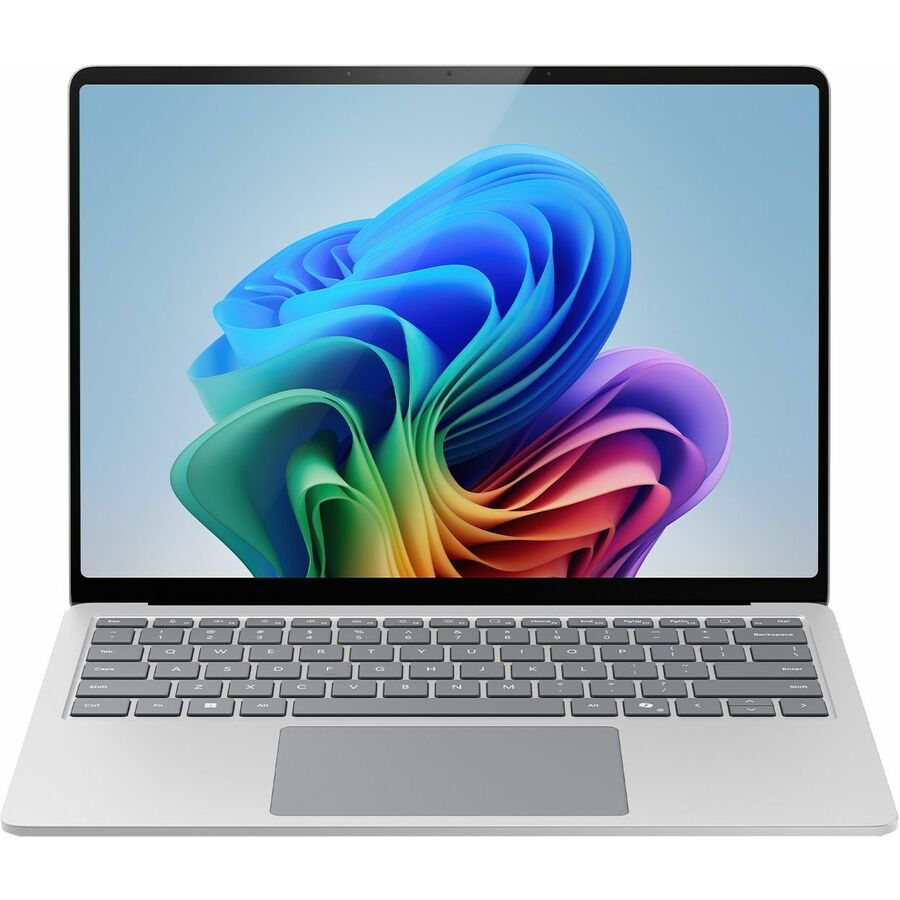
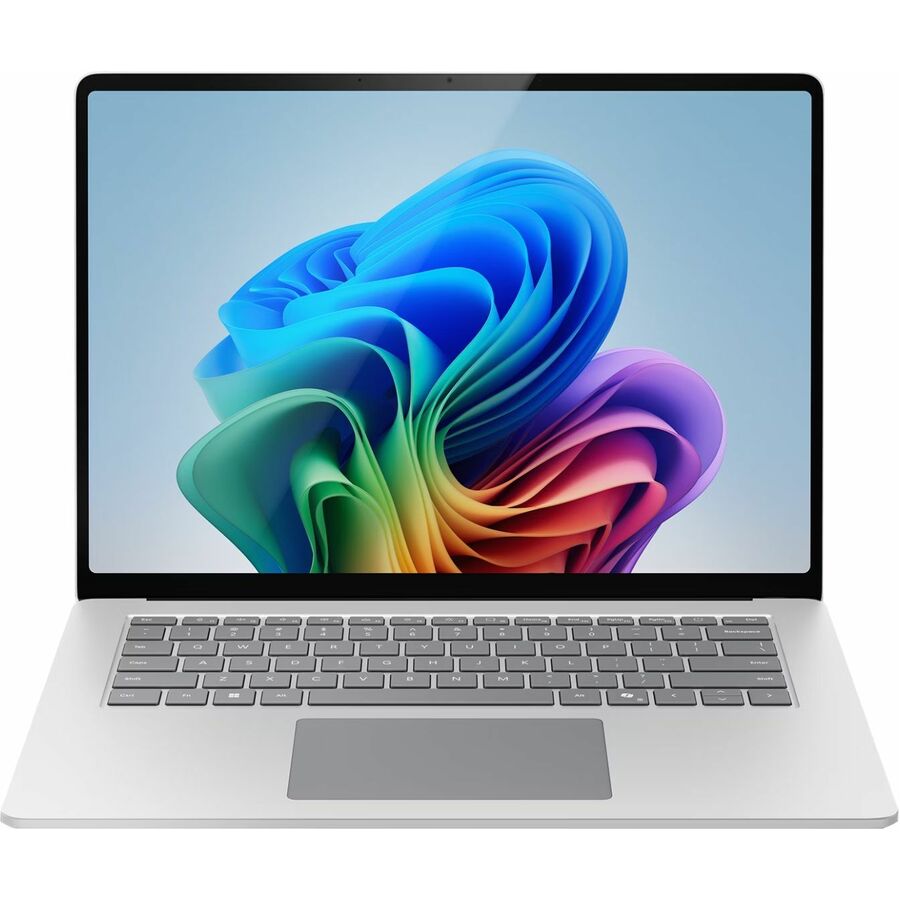
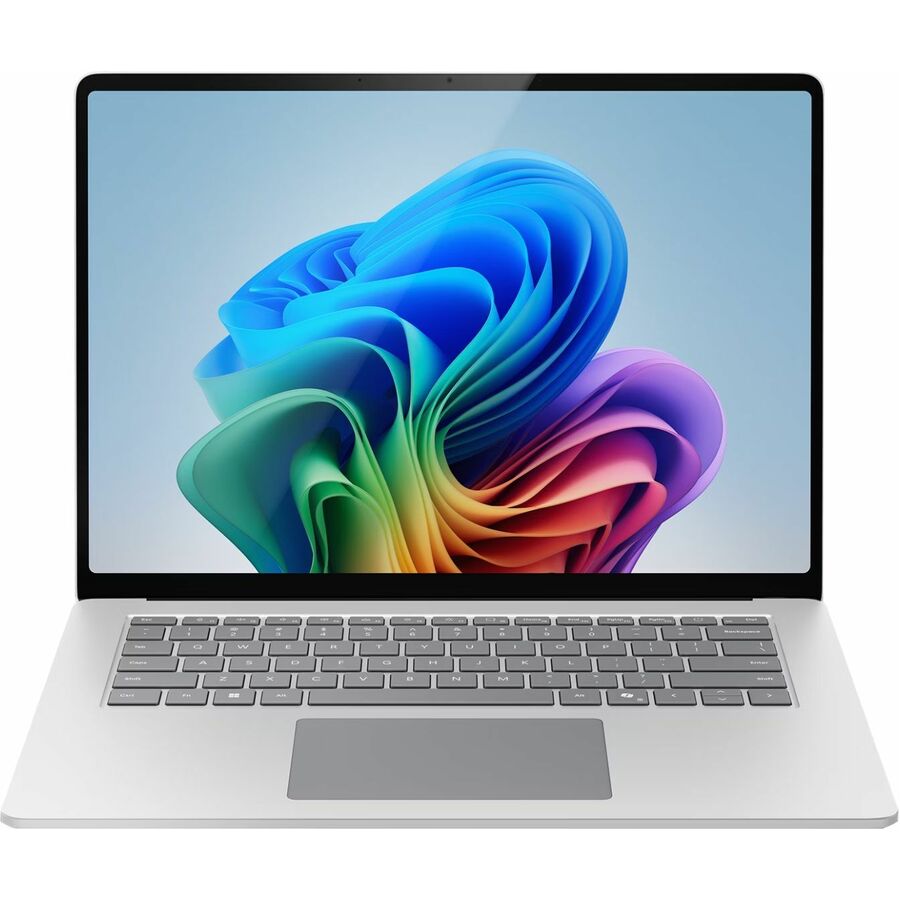
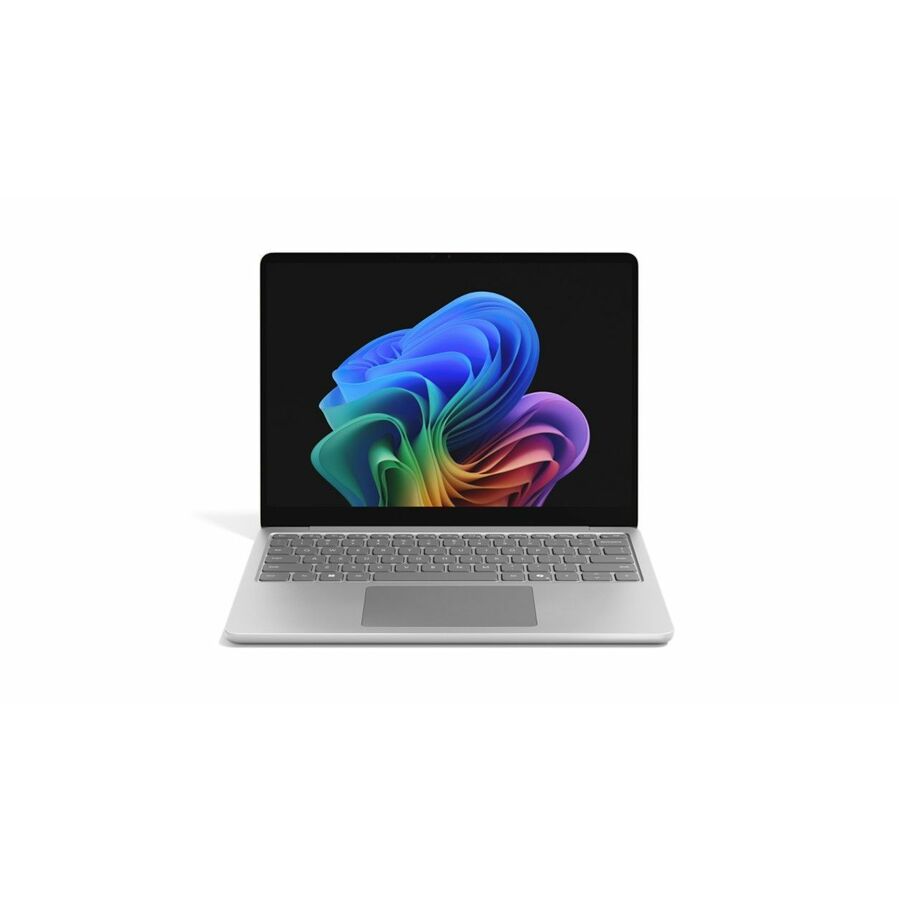
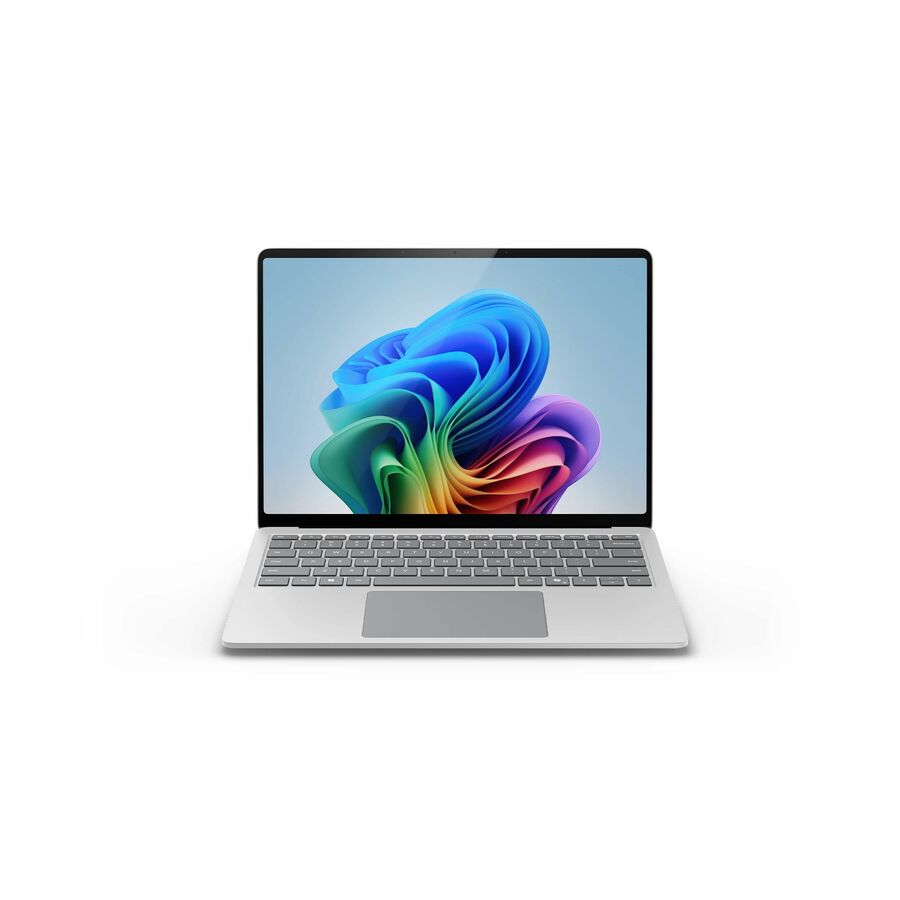
- MicrosoftMicrosoft Surface Laptop 8 13.8" Touchscreen Copilot+ PC Notebook - 120 Hz - Intel Core Ultra 5 Series 3 335 - 16 GB - 256 GB SSD - English Keyboard - Platinum - TAA Compliant - Demo - Intel Chip - 2304 x 1536 - Intel - PixelSense Flow - Front Camera/Webcam - 23 Hours Battery Run Time - IEEE 802.11be Wireless LAN Standard - Wi-Fi 7EP2-68764
$1,749.99
$1,019.20*
1 in stock - MicrosoftMicrosoft Surface Laptop 8 13.8" Touchscreen Copilot+ PC Notebook - 120 Hz - Intel Core Ultra 5 Series 3 335 - 16 GB - 256 GB SSD - English Keyboard - Platinum - Demo - Intel Chip - 2304 x 1536 - Intel - PixelSense Flow - Front Camera/Webcam - 23 Hours Battery Run Time - IEEE 802.11be Wireless LAN Standard - Wi-Fi 7EP2-48243
$2,299.99
$1,310.39
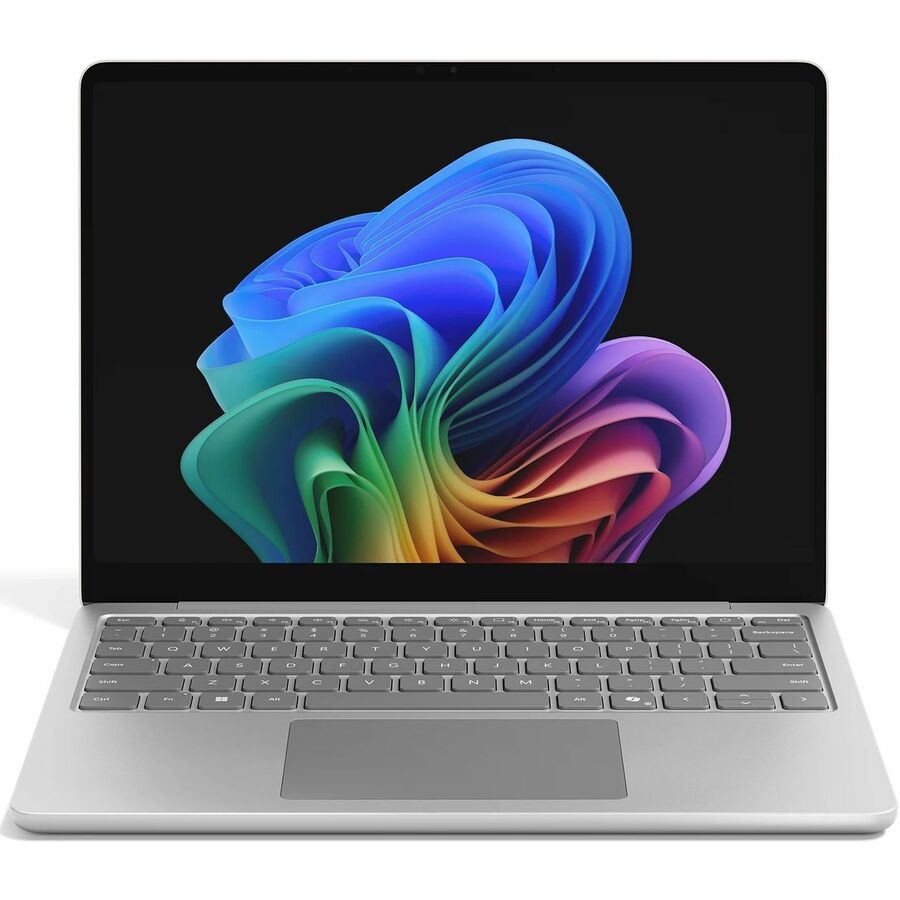
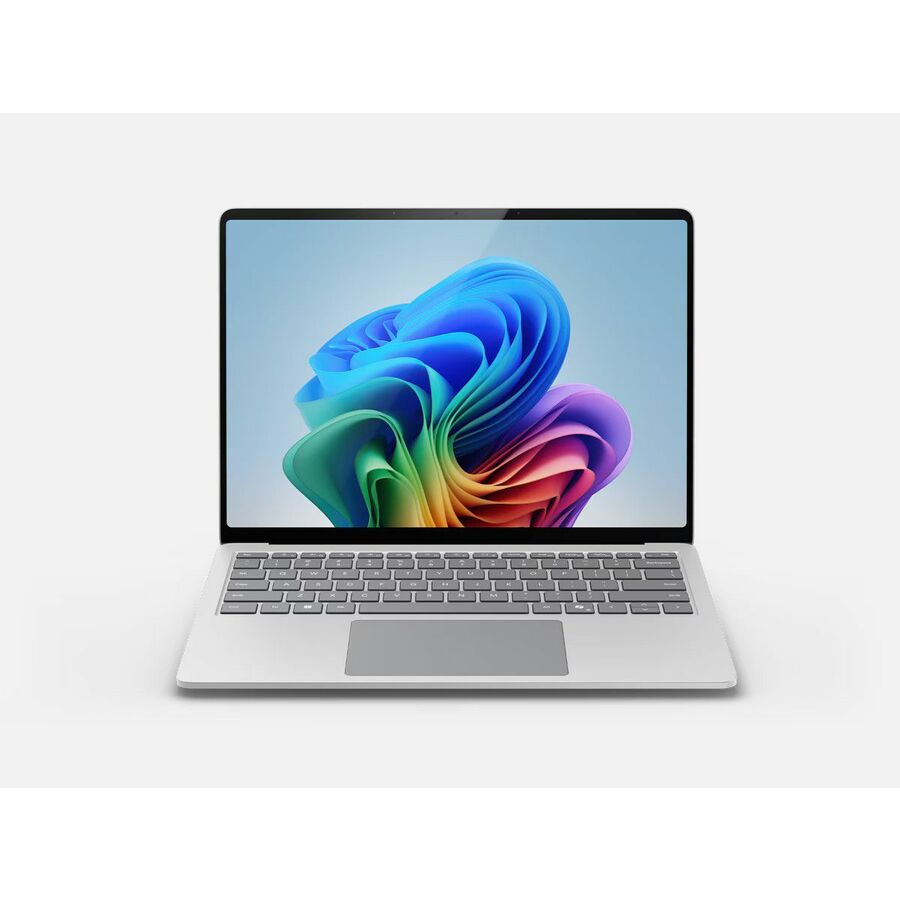
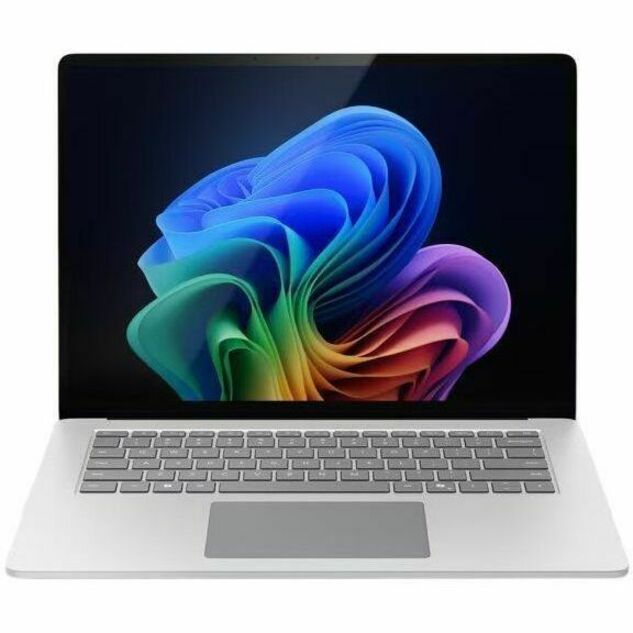
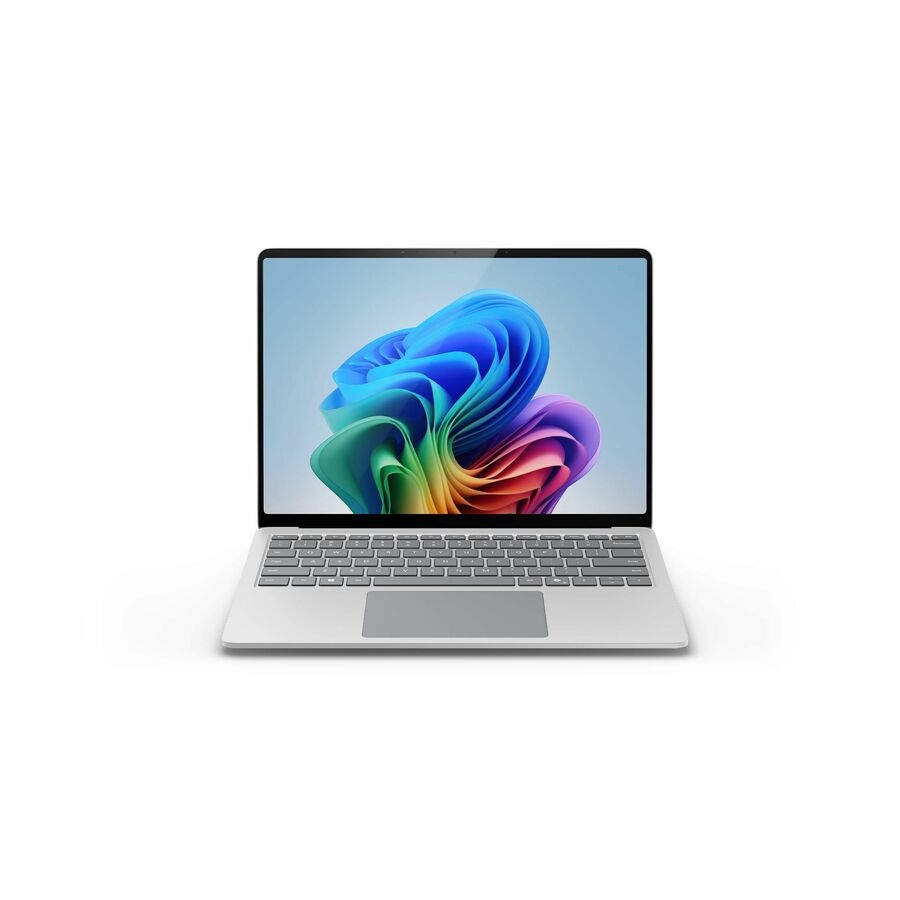
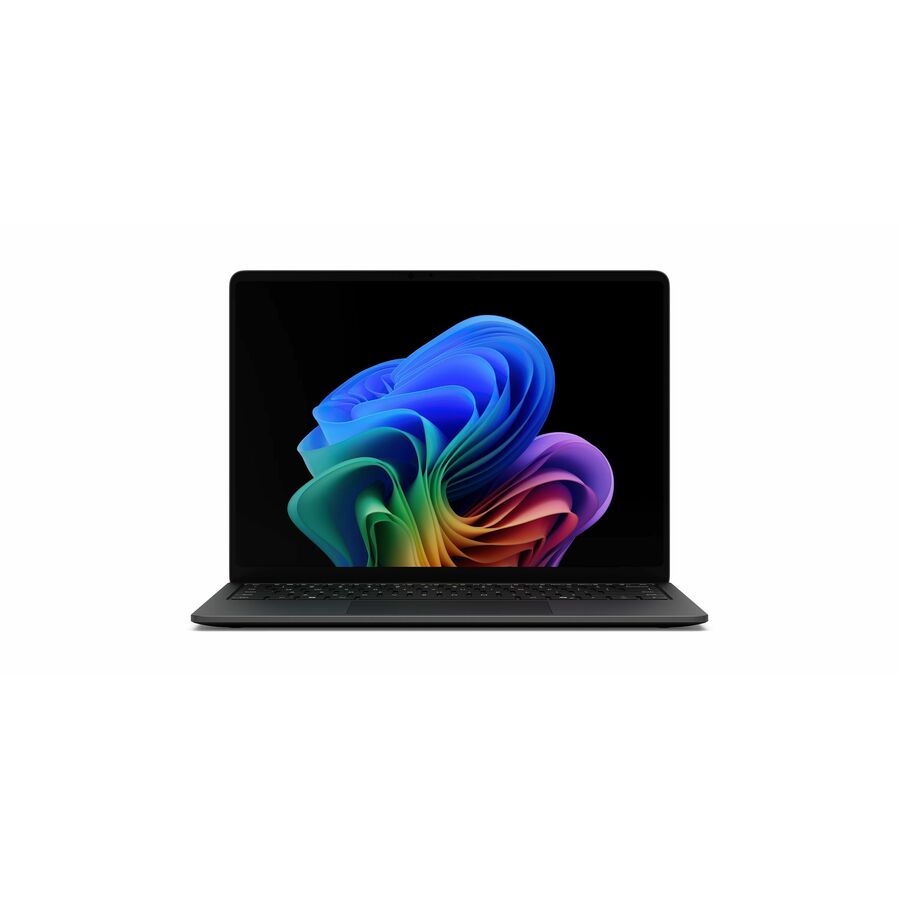
1 in stock - MicrosoftMicrosoft Surface Laptop 7 13.8" Touchscreen Copilot+ PC Notebook - 120 Hz - Intel Core Ultra 7 266V - 16 GB - 256 GB SSD - English Keyboard - Platinum - Intel Chip - 2304 x 1536 - Windows 11 Pro - Intel Arc Graphics - PixelSense Flow - Front Camera/Webcam - 20 Hours Battery Run Time - IEEE 802.11be Wireless LAN StandardEP2-33243
$2,049.99
$1,905.77
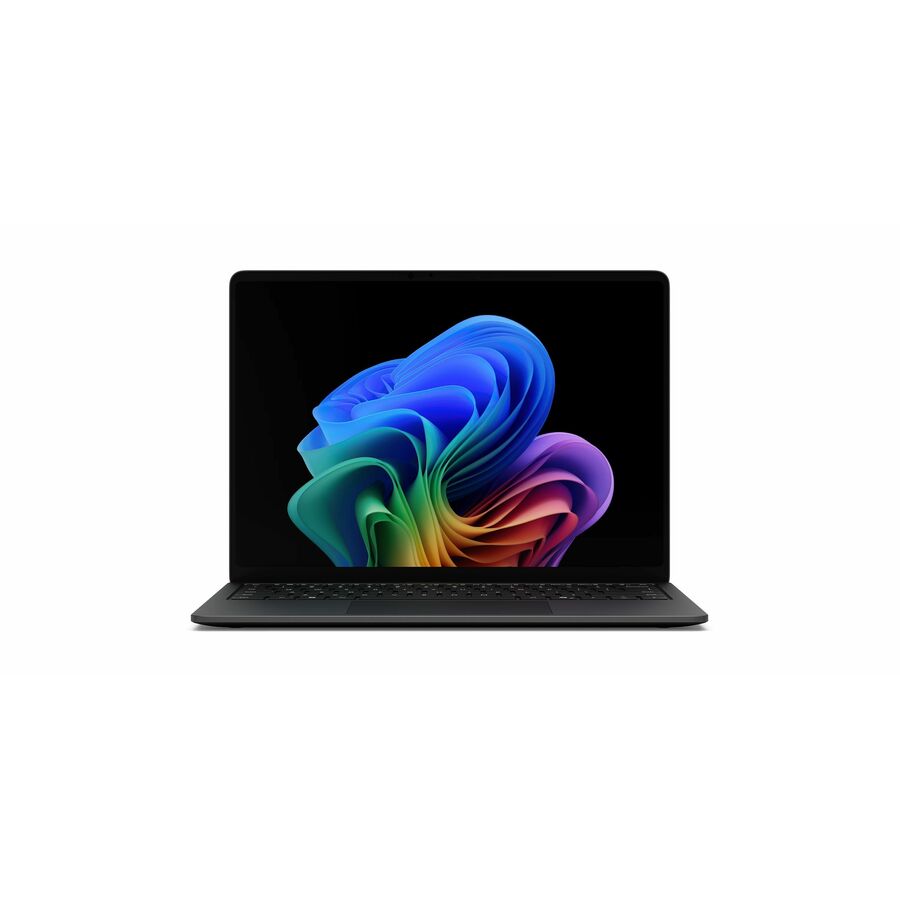
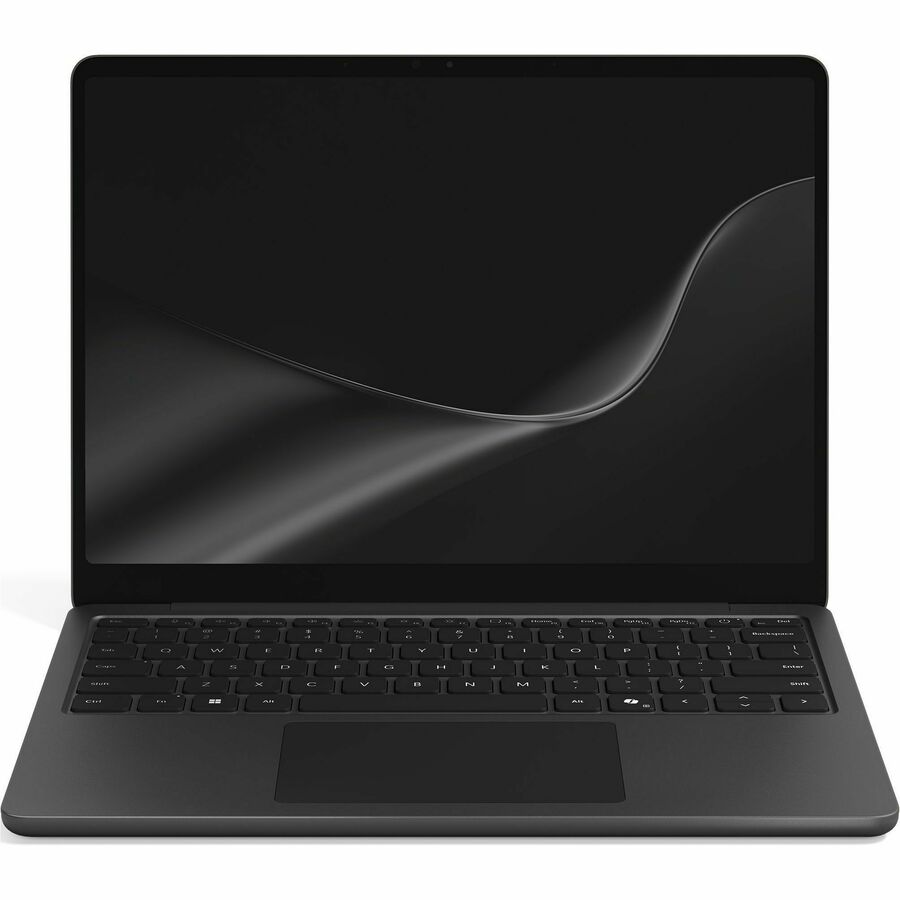
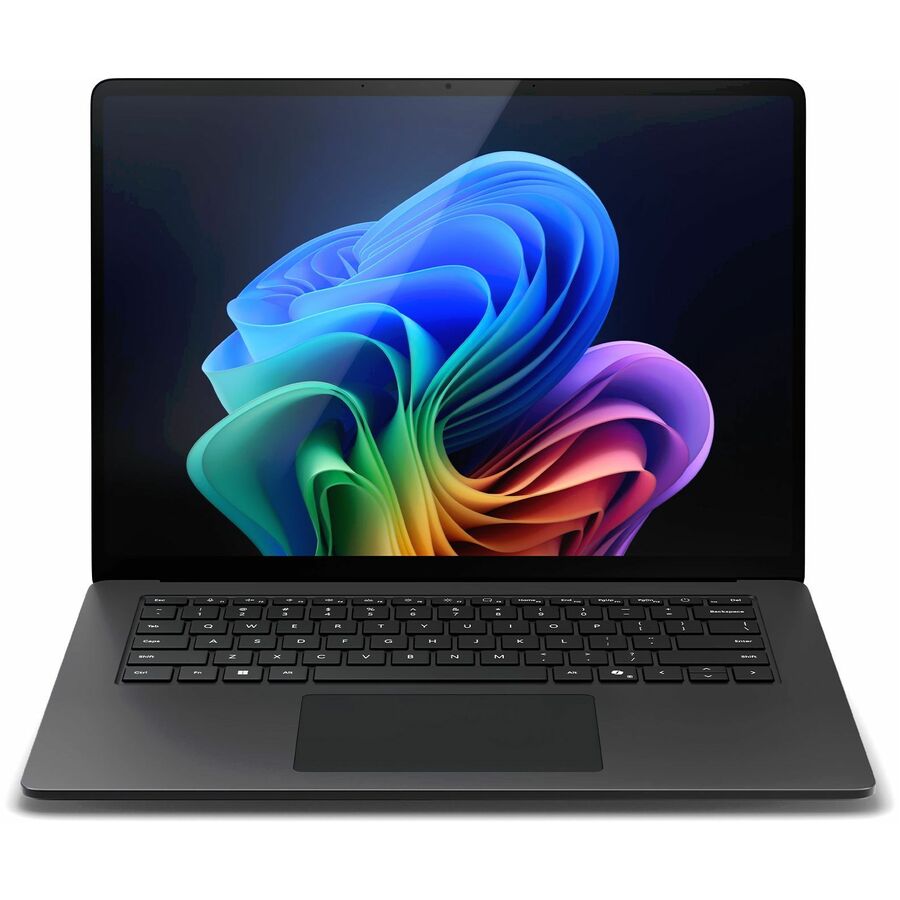
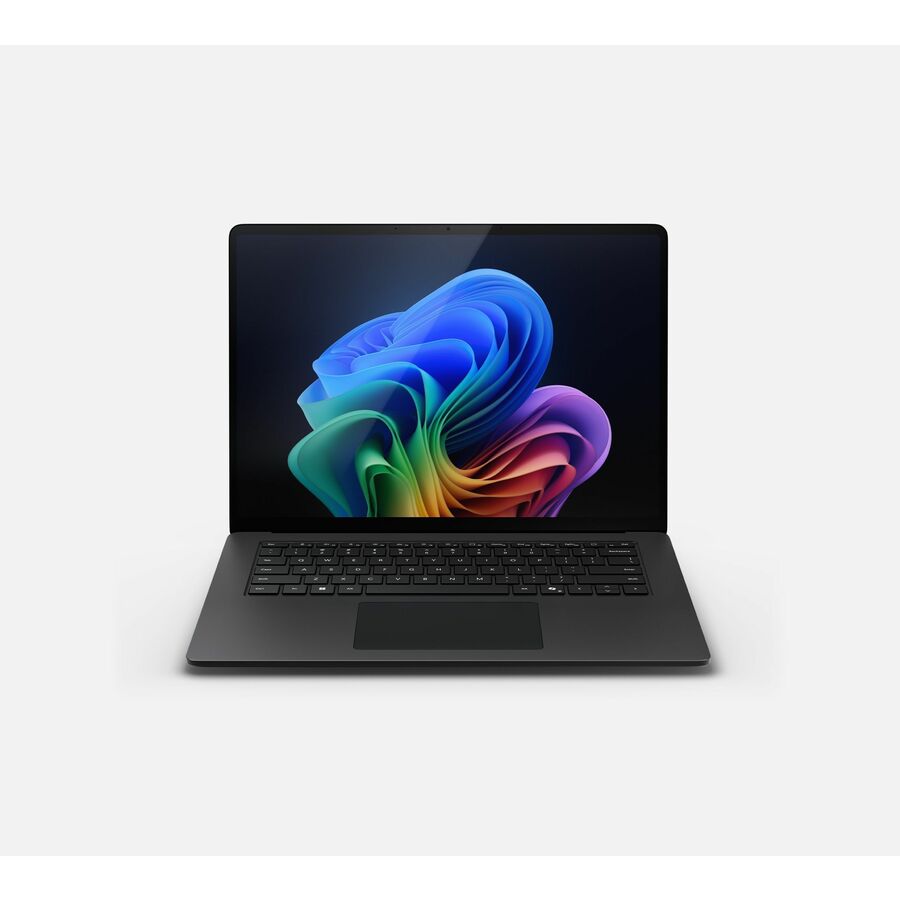
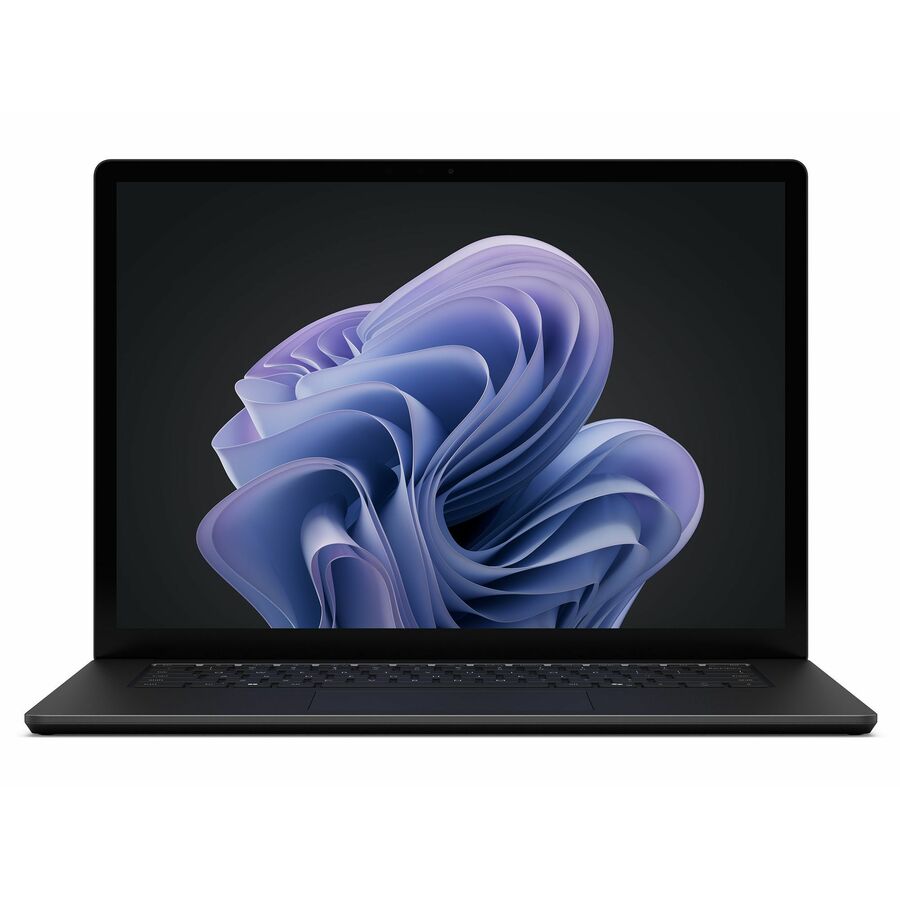
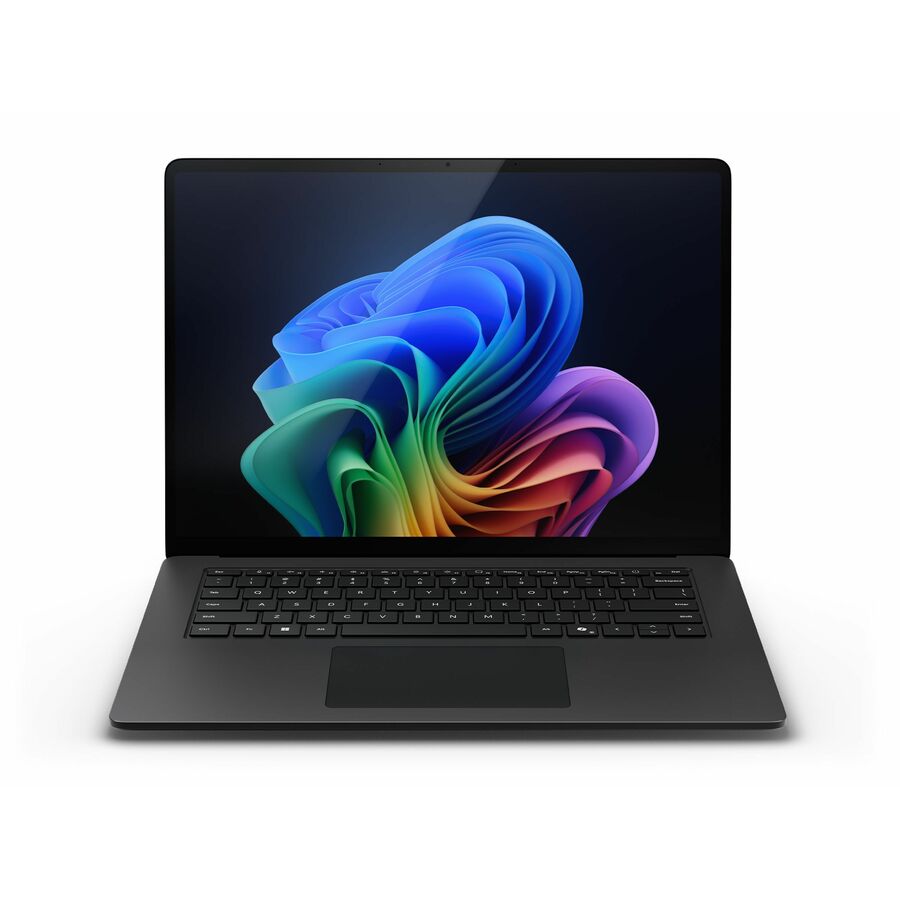
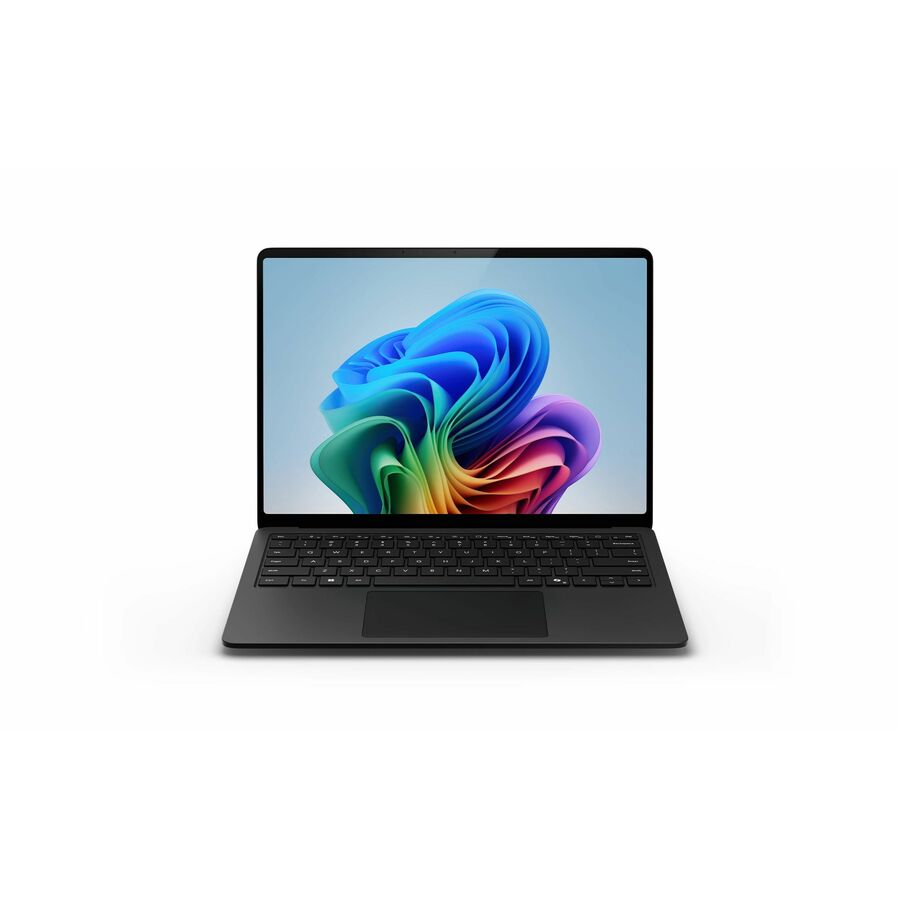
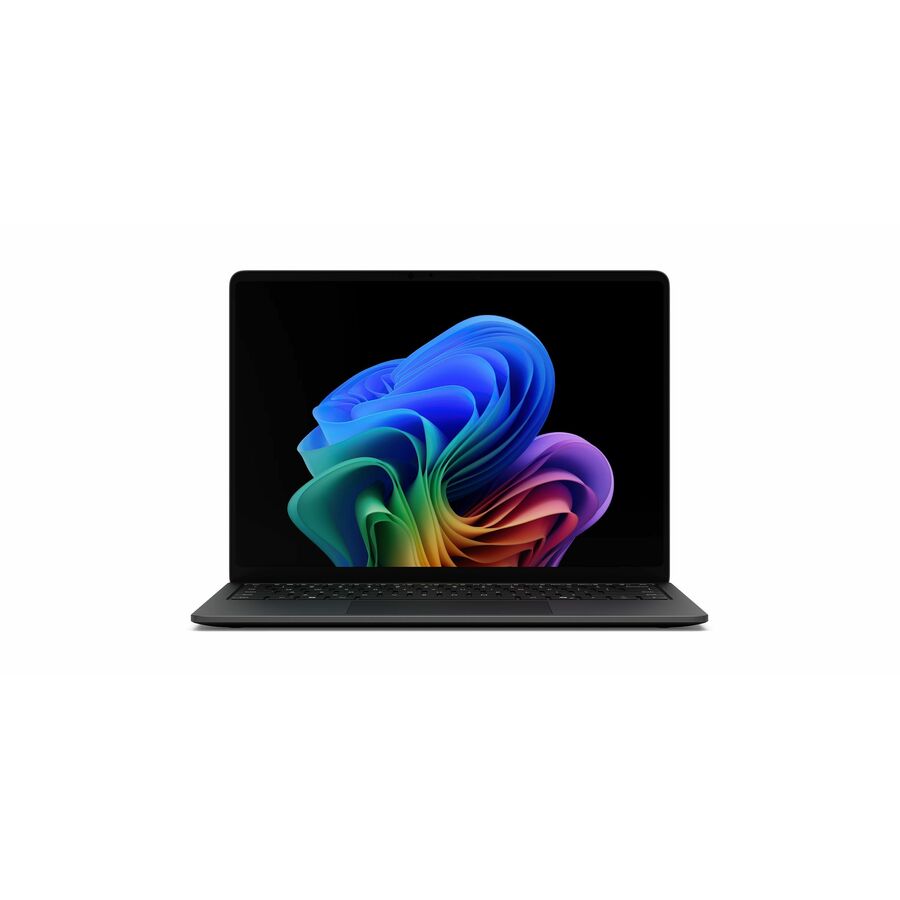
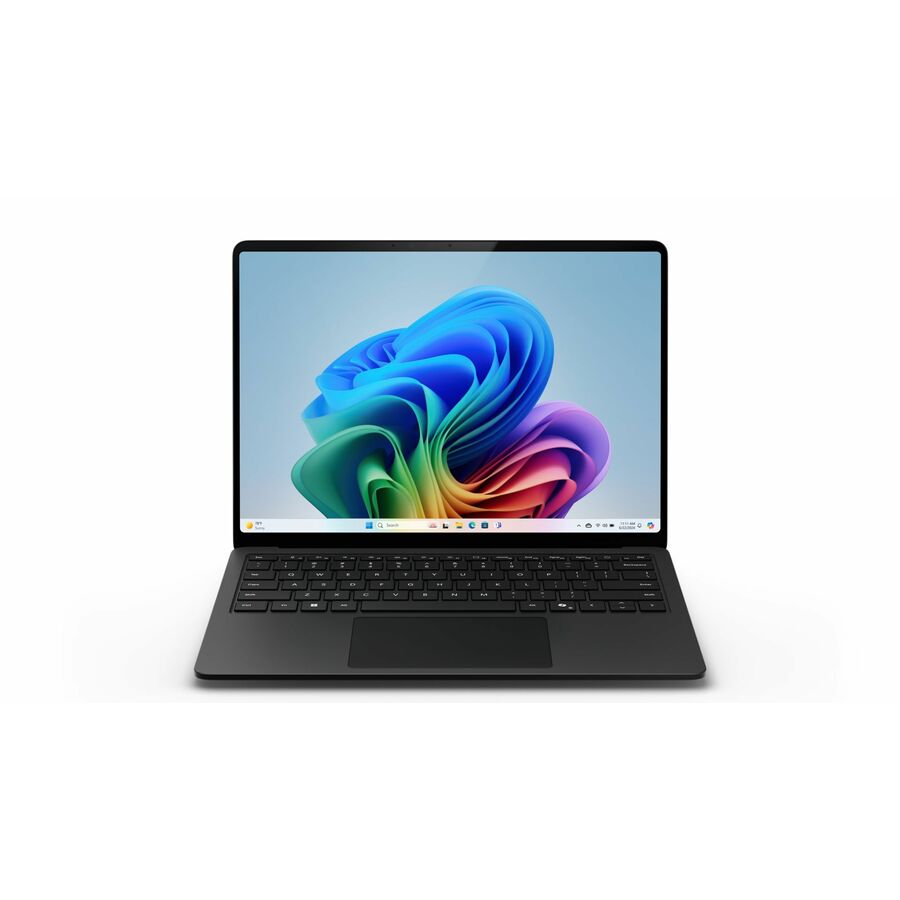
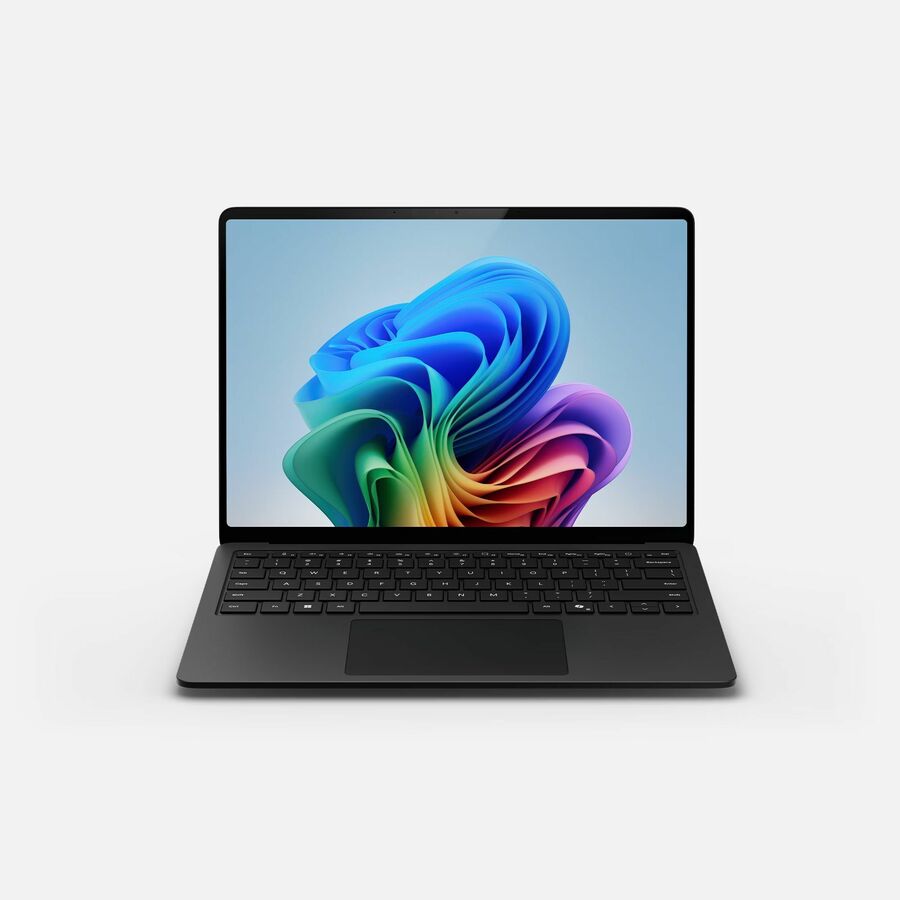
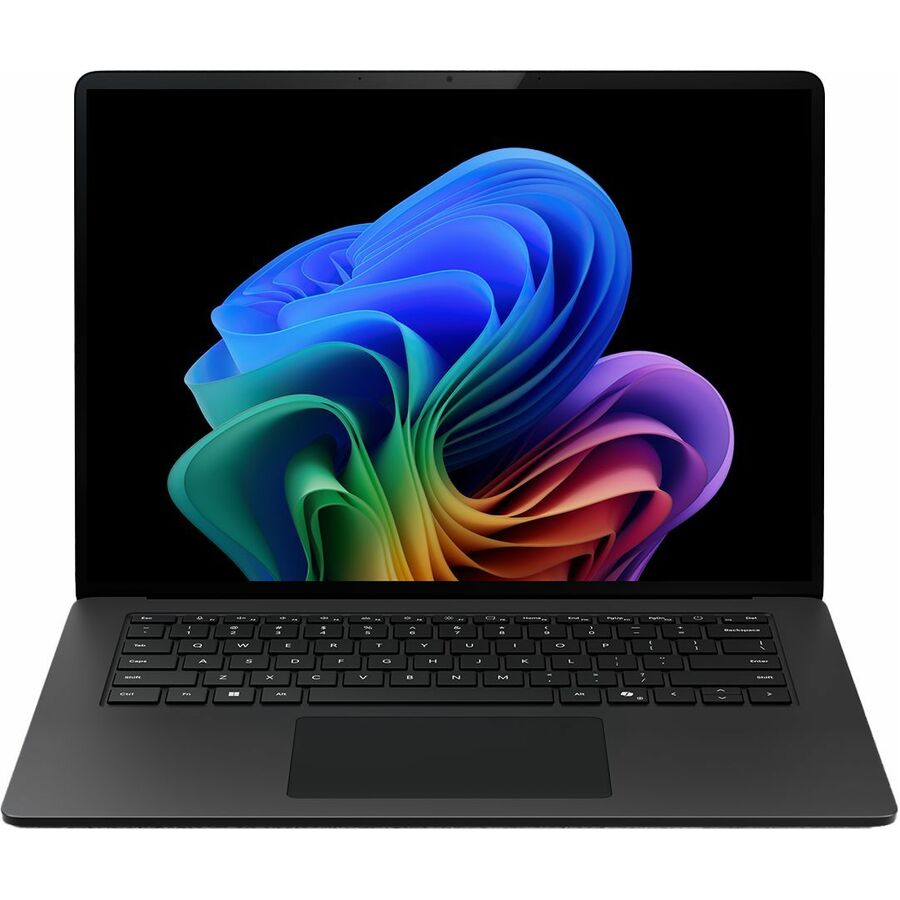
131 in stock - MicrosoftMicrosoft Surface Laptop 7 15" Touchscreen Copilot+ PC Notebook - 120 Hz - Intel Core Ultra 5 236V - 16 GB - 256 GB SSD - English Keyboard - Black - Intel Chip - 2496 x 1664 - Windows 11 - Intel Arc Graphics - PixelSense Flow - Front Camera/Webcam - 22 Hours Battery Run Time - IEEE 802.11be Wireless LAN StandardEP2-33233
$2,049.99
$1,957.68
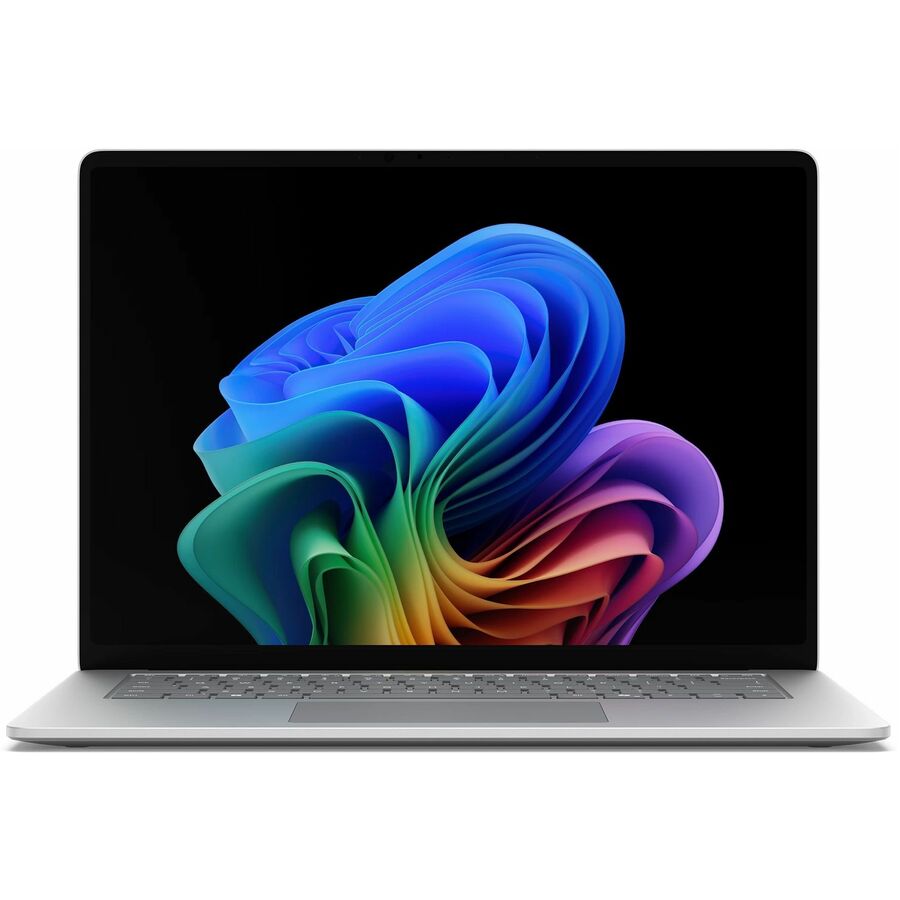
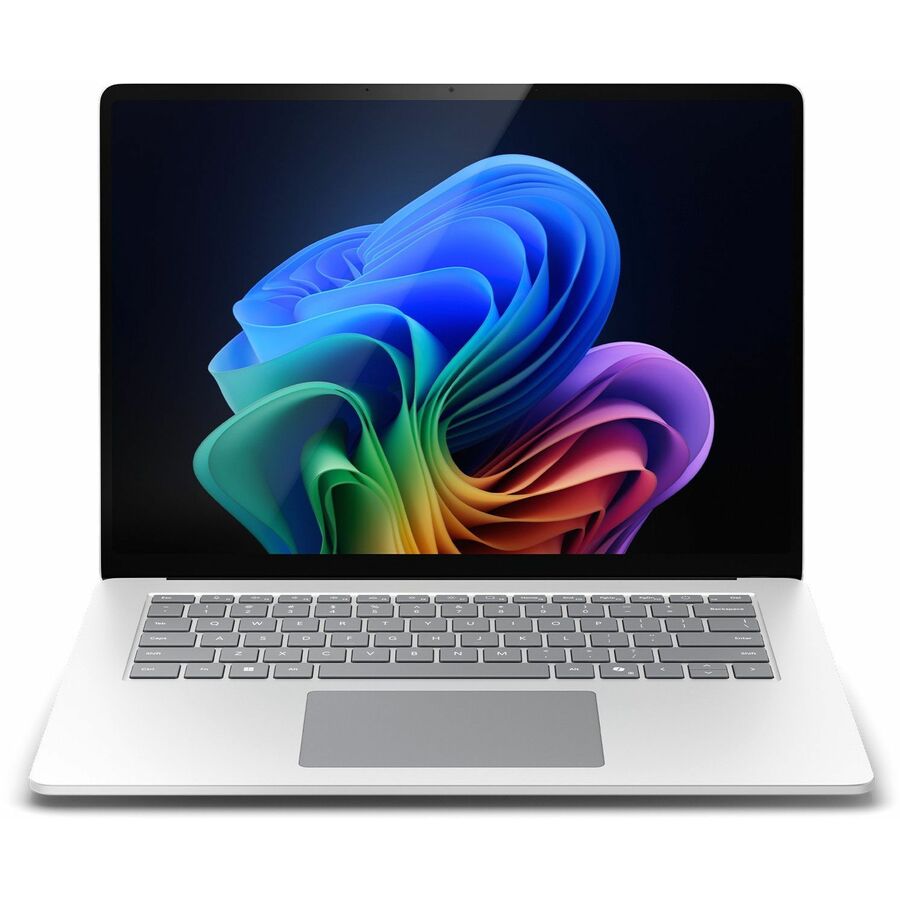
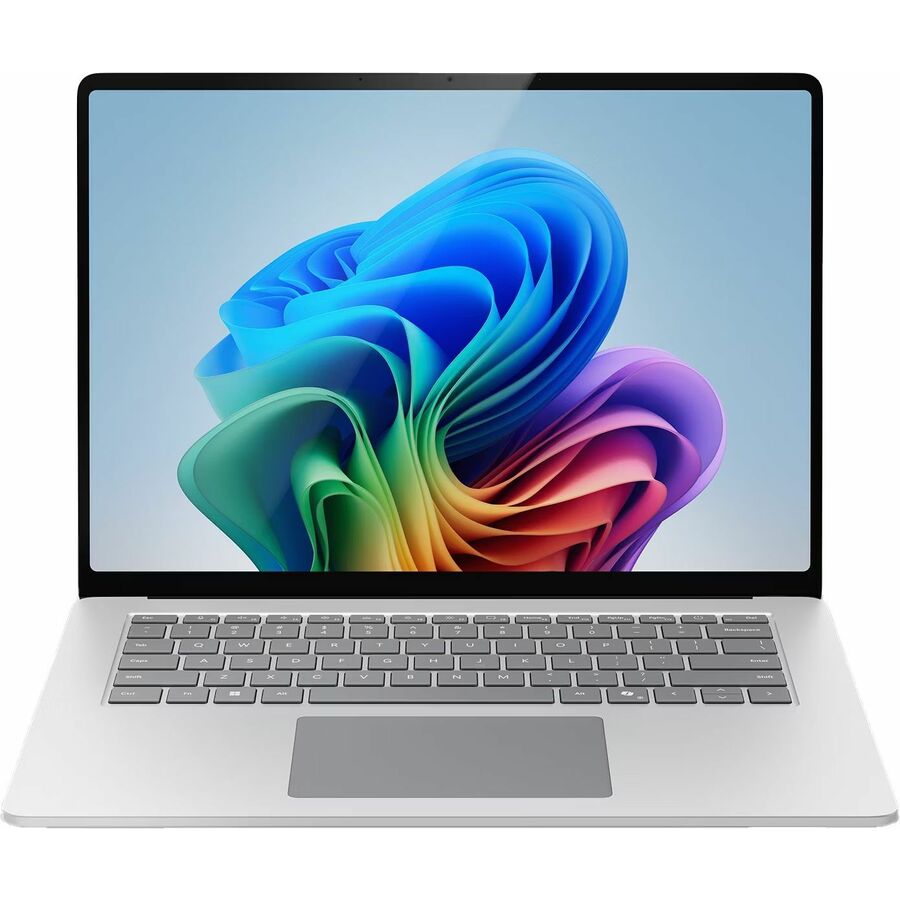
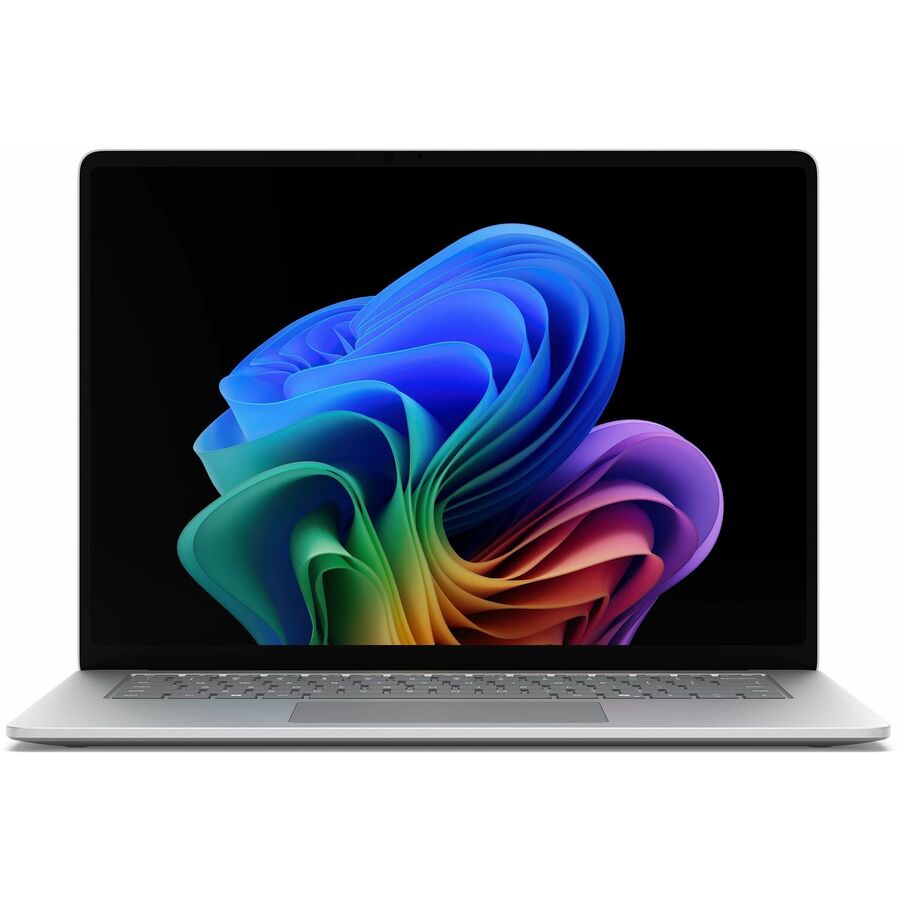
87 in stock - MicrosoftMicrosoft Surface Laptop 7 15" Touchscreen Copilot+ PC Notebook - 120 Hz - Intel Core Ultra 5 236V - 16 GB - 256 GB SSD - English Keyboard - Platinum - Intel Chip - 2496 x 1664 - Windows 11 - Intel Arc Graphics - PixelSense Flow - Front Camera/Webcam - 22 Hours Battery Run Time - IEEE 802.11be Wireless LAN StandardEP2-33251
$2,049.99
$1,957.68
41 in stock - MicrosoftMicrosoft Surface Laptop 7 15" Touchscreen Copilot+ PC Notebook - 120 Hz - Intel Core Ultra 7 266V - 16 GB - 256 GB SSD - English Keyboard - Black - Intel Chip - 2496 x 1664 - Windows 11 - Intel Arc Graphics - PixelSense Flow - Front Camera/Webcam - 22 Hours Battery Run Time - IEEE 802.11be Wireless LAN StandardEP2-33234
$2,249.99
$1,996.15
512 in stock

Top pick

Panasonic
Panasonic Let's note CF-FV4SDHMBM 14" Notebook
CF-FV4SDHMBM
Panasonic's business notebook rather than its rugged line, and the most complete configuration here: a 14-inch 2160 x 1440 QHD panel, a 14-core Core i7-1370P with vPro, 32 GB of memory, a 512 GB SSD and Windows 11 Pro, at 2.40 lb with a 10-hour rated battery. Our catalog data records this part number as TAA compliant, tied to this SKU rather than to the product line.
Memory is fixed at the 32 GB it carries — this configuration's maximum is also its standard, so specify it correctly at purchase.
$1,879.86*Back-orderedWorkstation-class pick
MSI
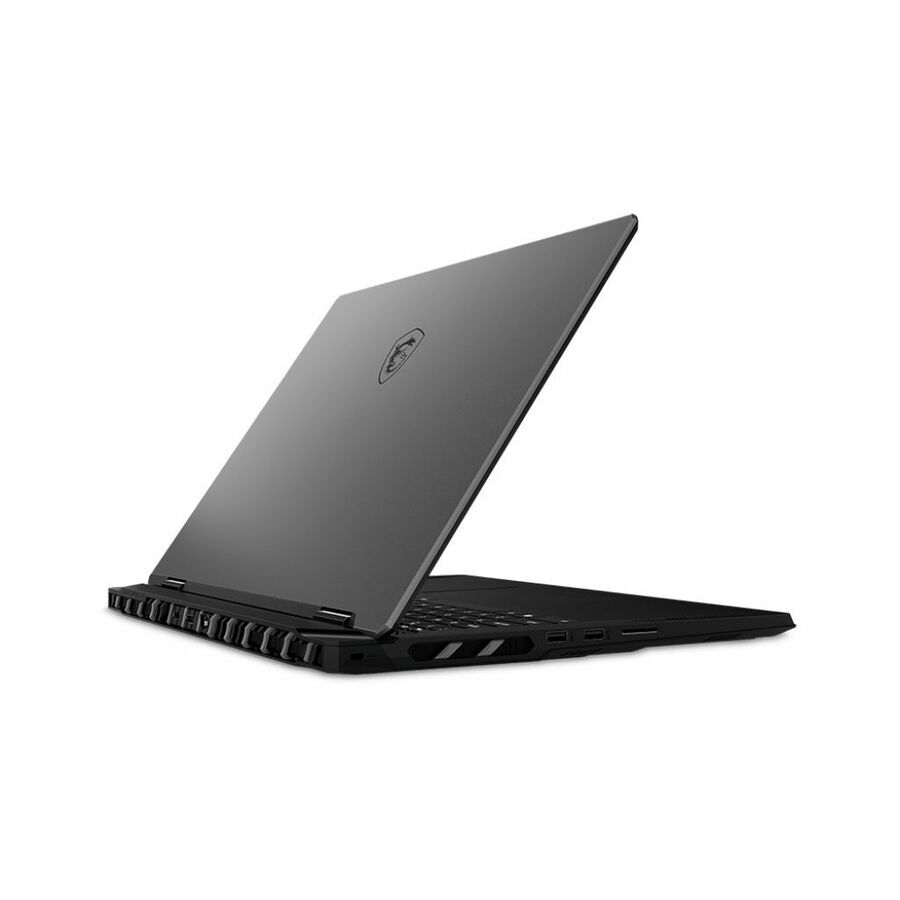
MSI Creator Pro HX 18 inch Mobile Workstation 4K 120Hz Mini LED Intel…
CProX1814458TAA
The other end of the range, for seats that render or simulate rather than write documents: an 18-inch 3840 x 2400 mini-LED display at 120 Hz, a 24-core Core i9-14900HX, 128 GB of memory against a 192 GB ceiling, a 2 TB SSD, an NVIDIA RTX 5000 Ada and Windows 11 Pro. Our catalog data records this part number as TAA compliant.
An 18-inch chassis is a desk-replacement machine. Buy it for the workload, not for the road.
$6,158.88*Back-orderedMore notebooks in the Uniqcli catalog
See all 15,800 notebooksMore from across this category. In-stock lines lead, and a back-ordered line carries the same estimated availability its product page does — with live pricing throughout, NDAA §889 screening before checkout and TAA verified on request.
- MicrosoftMicrosoft Surface Laptop 7 13.8" Touchscreen Copilot+ PC Notebook - 120 Hz - Intel Core Ultra 7 266V - 16 GB - 512 GB SSD - English (US) Keyboard - Platinum - Intel Chip - 2304 x 1536 - Windows 11 - Intel Arc Graphics - PixelSense Flow - Front Camera/Webcam - 20 Hours Battery Run Time - IEEE 802.11be Wireless LAN StandardEP2-33247
$2,249.99
$1,996.15
410 in stock - MicrosoftMicrosoft Surface Laptop 7 13.8" Touchscreen Copilot+ PC Notebook - 120 Hz - Intel Core Ultra 7 - 16 GB - 512 GB SSD - English (US) Keyboard - Black - Intel Chip - 2304 x 1536 - Windows 11 - Intel Arc Graphics - PixelSense Flow - Front Camera/Webcam - 20 Hours Battery Run Time - IEEE 802.11be Wireless LAN StandardEP2-33229
$2,249.99
$2,091.71
409 in stock - MicrosoftMicrosoft Surface Laptop 6 13.5" Touchscreen Notebook - Intel Core Ultra 7 165H - 16 GB - 256 GB SSD - English Keyboard - Black - Intel Chip - 2256 x 1504 - Windows 11 Pro - Intel Arc Graphics - PixelSense - Front Camera/Webcam - 18.50 Hours Battery Run Time - IEEE 802.11 a/b/g/n/ac/ax Wireless LAN StandardZJV-00001
$3,070.18
$2,922.69
3 in stock - MicrosoftMicrosoft Surface Laptop 6 13.5" Touchscreen Notebook - Intel Core Ultra 5 135H - 16 GB - 512 GB SSD - English Keyboard - Black - Intel Chip - 2256 x 1504 - Windows 11 - Intel Arc Graphics - PixelSense - Front Camera/Webcam - 18.50 Hours Battery Run Time - IEEE 802.11ax Wireless LAN StandardZPX-00001
$3,087.72
$2,940.27
3 in stock - MicrosoftMicrosoft Surface Laptop 7 15" Touchscreen Copilot+ PC Notebook - 120 Hz - Intel Core Ultra 5 236V - 16 GB - 512 GB SSD - English (US) Keyboard - Black - Intel Chip - 2496 x 1664 - Windows 11 - Intel Arc Graphics - PixelSense Flow - Front Camera/Webcam - 22 Hours Battery Run Time - IEEE 802.11be Wireless LAN StandardEP2-33237
$2,249.99
$2,148.69
345 in stock - MicrosoftMicrosoft Surface Laptop 7 15" Touchscreen Copilot+ PC Notebook - 120 Hz - Intel Core Ultra 5 236V - 16 GB - 512 GB SSD - English Keyboard - Platinum - Intel Chip - 2496 x 1664 - Windows 11 - Intel Arc Graphics - PixelSense Flow - Front Camera/Webcam - 22 Hours Battery Run Time - IEEE 802.11be Wireless LAN StandardEP2-33255
$2,249.99
$2,148.69
82 in stock

Need pricing on business laptops?
Tell us where to reach you and a Uniqcli specialist will follow up by email with current pricing, availability and lead time for the quantities you need — including parts that aren’t shown on this page.
Buying for an organization or for yourself — both work. No payment up front.
Nobody manufactures a TAA-compliant laptop. The Trade Agreements Act is a condition on an acquisition, implemented at FAR subpart 25.4: it asks whether the end product was wholly manufactured in, or substantially transformed into a new article in, the United States or a designated country. Origin is set per part number and per plant, so ask how a supplier will show it.
Nobody manufactures a TAA-compliant laptop. The Trade Agreements Act is a condition on an acquisition, not a badge on a box: implemented at FAR subpart 25.4, it asks whether the end product being bought was wholly manufactured in — or substantially transformed into a new article in — the United States or a designated country, and it applies only once the acquisition crosses the applicable threshold and the Trade Agreements clause, FAR 52.225-5, is in the contract. That is why any page telling you a whole brand is compliant is telling you something nobody is in a position to know. Origin is set per part number, per plant, per production run, and it can differ between two configurations of the same model line.
So the useful question is not which laptop is compliant. It is how a supplier will show you the origin of the exact part number you are about to order. Uniqcli records the manufacturer-stated country of origin line by line, checks the maker and its affiliates against the NDAA §889 covered-entity list, and does both before the quote goes out — a line that fails is flagged with alternates rather than quietly quoted. The determination on your award stays with your contracting officer; the diligence behind it is ours to run.
The picks below are the part numbers our catalog data records as TAA compliant, tied to that specific SKU rather than to the product line. Everything else on this page is a business laptop we carry and screen exactly the same way: an attribute missing from a listing is not evidence of non-compliance, it usually means it was never published in the product data we receive. If the requirement also carries software licensing, docks, warranty uplifts or deployment work, put them on the same quote — one document keeps the origin record and the §889 check attached to the whole order instead of three.
Buyer's checklist
How to buy a laptop that will clear a country-of-origin review
- Ask about the part number you will actually order, not the model family — two configurations of one line can be built in different countries.
- Get the manufacturer-stated origin in writing with the quote. An inferred or assumed origin is not a record, and the record is what a reviewer asks for.
- Treat TAA and NDAA §889 as two separate questions: one is about where a product was made, the other about who made it.
- Confirm the Trade Agreements clause is actually in your contract — the requirement flows down from the solicitation, not from the hardware.
- Screen the accessories too. Docks, cables, memory and cases are separate end products with their own origin and their own maker.
- If your internal policy is stricter than the statute, say so up front so the screening runs to your rule rather than to the minimum.
- Standardize on as few part numbers as the fleet allows — every extra SKU is one more origin record to keep current at re-order.
What the rule says, and what it does not
The Trade Agreements Act restricts what a federal buyer may acquire once the acquisition exceeds the applicable threshold and FAR 52.225-5 is in the contract. The end product has to be a U.S.-made or designated-country end product: either wholly manufactured there, or substantially transformed there into a new article with a different name, character or use. FAR 25.003 defines the designated list — WTO Government Procurement Agreement members, free trade agreement partners, least-developed countries and Caribbean Basin countries.
What does not exist is a TAA certification for a company or a TAA seal for a laptop. There is no such thing as a TAA-certified reseller, and no manufacturer issues one for an individual part. What exists is a determination about a specific acquisition, made by your contracting officer, supported by an origin record the supplier can produce on request. Below the threshold, or where the clause is absent, a different origin rule may govern instead — the Buy American Act is the common one, and it is a different test with different arithmetic.
Everything stated on this page is checked against manufacturer documentation and live catalog data. Uniqcli does not run a test lab and does not certify country of origin; it records what the manufacturer states, per line, and screens it before quoting.
Section 889 is the other half, and it behaves differently
Section 889(a)(1)(A) of the FY2019 NDAA, implemented at FAR subpart 4.21, bars an agency from procuring covered telecommunications or video-surveillance equipment or services, or any system that uses them as a substantial or essential component or as critical technology. The named makers are Huawei and ZTE, and — for public-safety or security video surveillance — Hytera, Hangzhou Hikvision and Dahua, together with their subsidiaries and affiliates. Because the test is about the technology doing the work inside a product, a rebadged module from a covered maker is in scope even when the badge on the outside is not.
Two consequences matter for a laptop order. First, there is no low-dollar exemption from the prohibition: it reaches at or below the micro-purchase level, so a single card buy is in scope where a TAA threshold would not be. Second, §889(a)(1)(B) reaches past what is being sold to what the offeror itself uses, which is why entities represent their own status in SAM.gov backed by a documented reasonable inquiry. That representation is made by the offeror, not by a reseller; what a reseller can supply is the maker, module and country-of-origin record behind it.
Where a laptop order usually fails a screen
Rarely on the laptop. The line that trips a review is almost always something quoted next to it — a dock, a webcam, a wireless card, a memory upgrade, a carry case. Each is its own end product with its own origin and its own manufacturer, and a bill of materials assembled from four vendors can carry four different answers. Screen the whole BOM, not the headline item.
The second common failure is a re-order. A part number that cleared a review eighteen months ago is not automatically the same article today: manufacturers move production, and a configuration can be superseded by one carrying the same marketing name. If a program re-buys the same machine annually, re-run the origin question each time rather than copying the previous quote's answer forward.
FAQ
Common questions
- Is any laptop brand TAA-compliant?
- No brand is, and a supplier who says otherwise is describing something that cannot be true. The Trade Agreements Act asks where a specific end product was made or substantially transformed, which is a fact about a part number and a production run — not about a logo. A manufacturer can build one configuration of a line in a designated country and another elsewhere. Ask for origin on the exact part number in your bill of materials.
- Does TAA apply to every government purchase?
- No. It applies once an acquisition exceeds the applicable threshold and the Trade Agreements clause, FAR 52.225-5, is in the contract. Below that, or where the clause is not present, a different origin rule may apply instead — most often the Buy American Act, which uses a different test. Your contracting officer makes the determination; what a supplier owes you is the origin record that supports it.
- Is TAA the same thing as NDAA Section 889?
- They are separate rules answering separate questions. TAA is about where a product was made and is gated by an acquisition threshold and a contract clause. Section 889 is about who made it — covered telecommunications and video-surveillance equipment from named makers and their affiliates — and it has no low-dollar exemption, so it reaches at or below the micro-purchase level. A line can satisfy one and fail the other, which is why both checks run on every order.
- Can I get the country of origin before I place the order?
- Yes. Origin is recorded per line as the manufacturer states it, never inferred, and the screening result is available with your quote on request. If a line's origin is unstated, sits outside the designated list, or the maker or an affiliate appears on the §889 covered list, we flag it and propose alternates in the same category instead of quoting it and letting a review catch it later.
- What is a TAA compliant device?
- It is a device that qualifies as a U.S.-made or designated-country end product under the Trade Agreements Act — wholly manufactured, or substantially transformed into a new article, in the United States or a country on the FAR 25.003 designated list. The status belongs to a specific part number and where it was built rather than to a brand, and the determination on an award is the contracting officer's.
- Can Uniqcli quote TAA-screened laptops for a government or education order?
- Every line Uniqcli quotes is sourced through US distribution and screened for TAA country-of-origin and NDAA §889 status before checkout — with documentation tied to the specific part number, not a product family.
Need business laptops pricing?
Send a bill of materials or part numbers — we confirm stock and a below-market total, with TAA verified on request. No payment up front.