
Fleet spares and refresh budget
Use observed repair arrivals and turnaround to size an average in-repair pool and an explicit spare policy.
Operations
Fleet spares and refresh budget
Use observed repair arrivals and turnaround to size an average in-repair pool and an explicit spare policy.
Example inputs · Replace these with your measurements to build your plan.
Method, example and sources
- Use observed incidents per day and mean repair turnaround from the same operating period.
- Multiply those means, round the average occupancy up and add the explicitly chosen buffer.
- Price that spare inventory separately from the entered even-cohort annual refresh policy.
- Check actual model support dates, incident variability and staffing before adopting the policy.
Worked example. Two incidents per day with four-day mean repair occupancy imply eight devices in repair on average. A chosen buffer of ten gives eighteen spares; a 1,000-device fleet on a four-year even refresh policy replaces 250 devices per year.
Planning result · confirm model details
Average repair occupancy and chosen spare target
Steady-flow averages inform a policy; they do not predict a service-level percentile or next year’s incidents.
- Average devices in repair
- 8
- Chosen spare target
- 18
- Spare acquisition outlay
- 9,000USD
- Even-cohort annual replacements
- 250
- Annual replacement scenario
- 137,500USD
- Rounded average repair pool8 devices
- Chosen buffer10 devices
- Little’s law uses compatible mean arrival and turnaround periods under a stable system assumption. Seasonal spikes and repair backlogs need separate scenarios.
- The annual cohort policy is entered arithmetic, not an OEM support prediction. Verify the exact platform support/AUE date and do not count spares as deployed replacements automatically.
From the catalog
Notebooks
Explore related listings, then confirm the exact model requirements against your plan. These listings are not an automatic compatibility or capacity verdict.
- Lenovo500e G4 0.80 GHz Chrome 4.0GB 32GB eMMC 12.2 - Lenovo 500e G4, Intel® N100 (0.80GHz, 6MB), 12.2" WUXGA Touch, Chrome OS, 4.0GB, 1x32GB eMMC 5.1 TLC, Intel® UHD Graphics, Wi-Fi 6E AX211,BT 5.3, 5MP with Mic , 3 Cell Li-ion 47Wh, 65W, 1 Year Mail-in, ThinkPad Precision Chrome Keyboard-English (US)82W4002XUS
$474.57
Back-orderedBack-ordered — estimated OEM lead time 3–8 weeks (Dec 4, 2026 – Jan 8, 2027 if ordered today).
- Lenovo500e G4 1.00 GHz Chrome 8.0GB 64GB eMMC 12.2 - Lenovo 500e G4, Intel® N200 (1.00GHz, 6MB), 12.2" WUXGA Touch, Chrome OS, 8.0GB, 1x64GB eMMC 5.1 TLC, Intel® UHD Graphics, BT 5.3,Wi-Fi 6E AX211, 5MP with Mic , 3 Cell Li-ion 47Wh, 65W, 1 Year Mail-in, ThinkPad Precision Chrome Keyboard-English (US)82W4002YUS
$730.79
Back-orderedBack-ordered — estimated OEM lead time 3–8 weeks (Dec 4, 2026 – Jan 8, 2027 if ordered today).
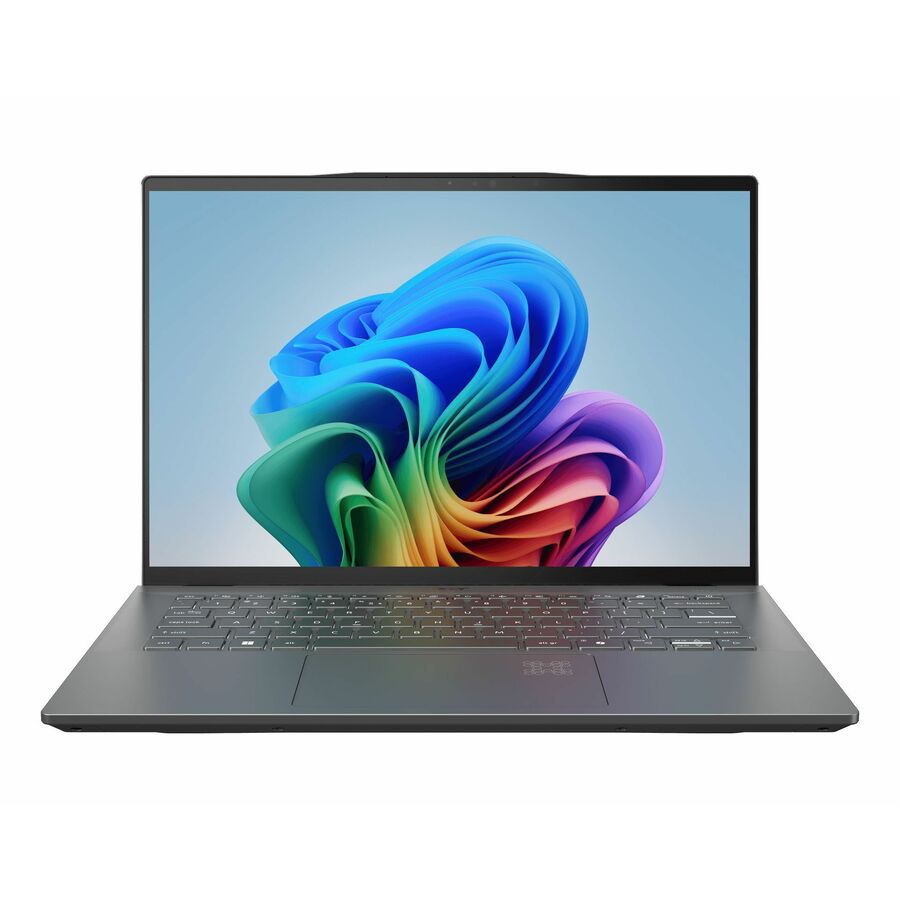
- AcerAcer Aspire 14 AI A14-52M A14-52M-72FH 14" Copilot+ PC Notebook - WUXGA - 60 Hz - Intel Core Ultra 7 256V - 16 GB - 1 TB SSD - English Keyboard - Iron - Intel Chip - 1920 x 1200 - Windows 11 Home - Intel ARC 140V GPU with 8 GB - ComfyView (Matte), In-plane Switching (IPS) Technology - Front Camera/Webcam - IEEE 802.11ax Wireless LAN StandardNX.J8LAA.001
$1,797.77
$1,698.90
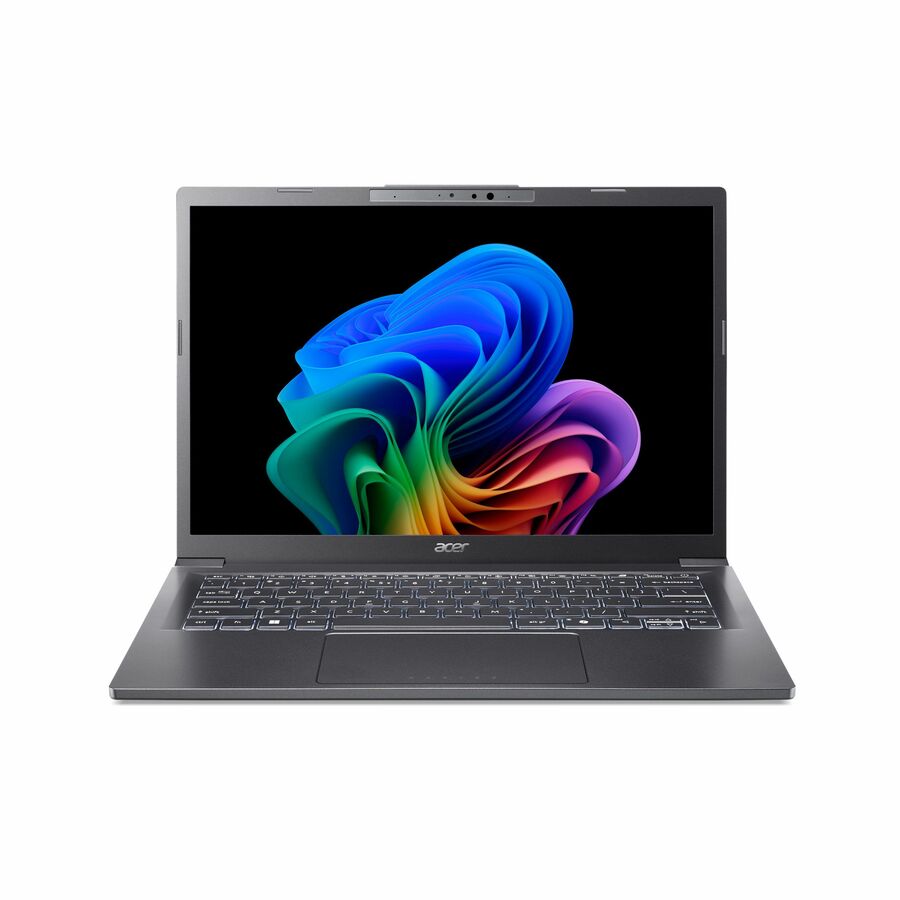
8 in stock - AcerAcer Aspire 14 AI A14-52MT A14-52MT-59DP 14" Touchscreen Copilot+ PC Notebook - WUXGA - 60 Hz - Intel Core Ultra 5 226V - 16 GB - 1 TB SSD - English Keyboard - Iron - Intel Chip - 1920 x 1200 - Windows 11 Home - Intel ARC 130V GPU - ComfyView (Matte), In-plane Switching (IPS) Technology - Front Camera/Webcam - IEEE 802.11ax Wireless LAN StandardNX.JDJAA.001
$2,338.57
$2,209.95
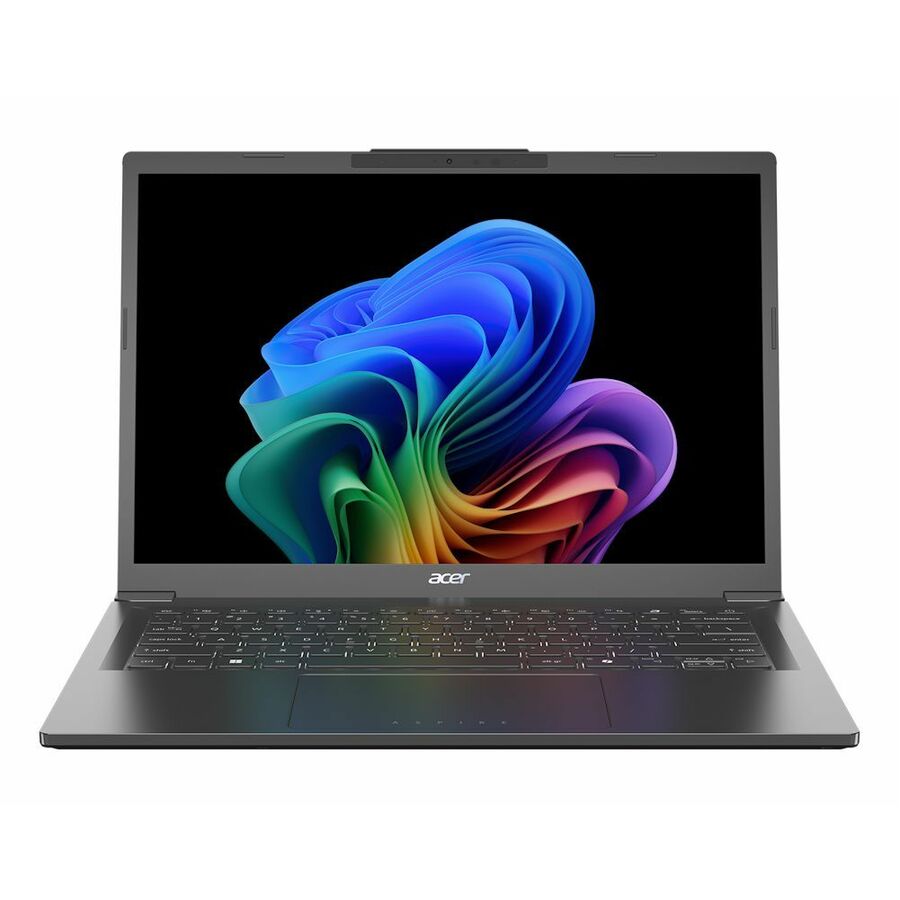
10 in stock - AcerAcer Aspire 14 AI A14-52MT A14-52MT-94H5 14" Touchscreen Copilot+ PC Notebook - WUXGA - 60 Hz - Intel Core Ultra 9 288V - 32 GB - 1 TB SSD - English Keyboard - Iron - Intel Chip - 1920 x 1200 - Windows 11 Home - Intel ARC 140V GPU - ComfyView (Matte), In-plane Switching (IPS) Technology - Front Camera/Webcam - IEEE 802.11ax Wireless LAN StandardNX.JK7AA.003
$2,333.66
$2,205.30
5 in stock




What the result means
Spare devices cover the time between a failure and a return to service. Multiplying a stable arrival rate by mean turnaround estimates the average devices in that pipeline. It does not describe the peak queue or the probability of running out. The extra service buffer remains a visible policy choice so an arbitrary percentage is not presented as a measured requirement.
Before choosing a product
A refresh plan also needs actual cohorts, platform support dates, labor and licensing. An even-cohort policy is useful for a first budget but cannot predict the useful life of every device. For ChromeOS, verify the exact platform’s published update end date rather than adding years to a purchase date. Compare scenarios using observed incident patterns and recovery times before committing quantities.
Worked example
Two incidents per day with four-day mean repair occupancy imply eight devices in repair on average. A chosen buffer of ten gives eighteen spares; a 1,000-device fleet on a four-year even refresh policy replaces 250 devices per year.