Convert byte cache-hit ratio into origin link demand with explicit fill, background and reserve allowances.
Networking
Cache and origin traffic planner
Convert byte cache-hit ratio into origin link demand with explicit fill, background and reserve allowances.
Example inputs · Replace these with your measurements to build your plan.
Method, example and sources
Multiply viewer traffic by one minus the byte hit ratio.
Apply the entered miss/fill allowance and add independent background traffic.
Divide total demand by the usable capacity fraction.
Compare against the entered origin capacity without assuming cacheability.
Worked example. 1,000 Mbps at 80% byte hits leaves 200 Mbps of misses. Ten percent allowance plus 20 Mbps background gives 240 Mbps; 20% reserve calls for 300 Mbps capacity.
Use a byte-weighted cache hit ratio. Request hit ratio cannot substitute for transferred bytes.
Miss traffic
200Mbps
Origin traffic with overhead/background
240Mbps
Required origin capacity
300Mbps
Remaining usable budget
160Mbps
Bytes served from cache800 Mbps
Miss bytes200 Mbps
Revalidation, cache fills and origin shielding are represented only by your entered allowances. This does not measure a cache or certify server/network capacity.
From the catalog
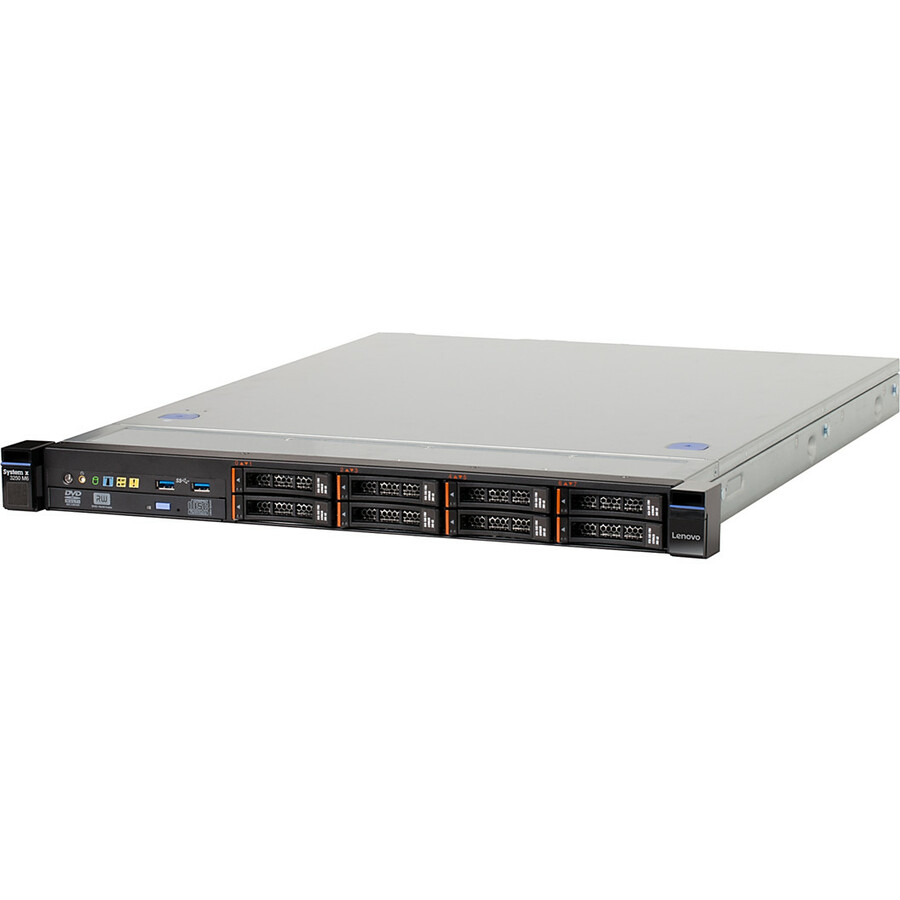
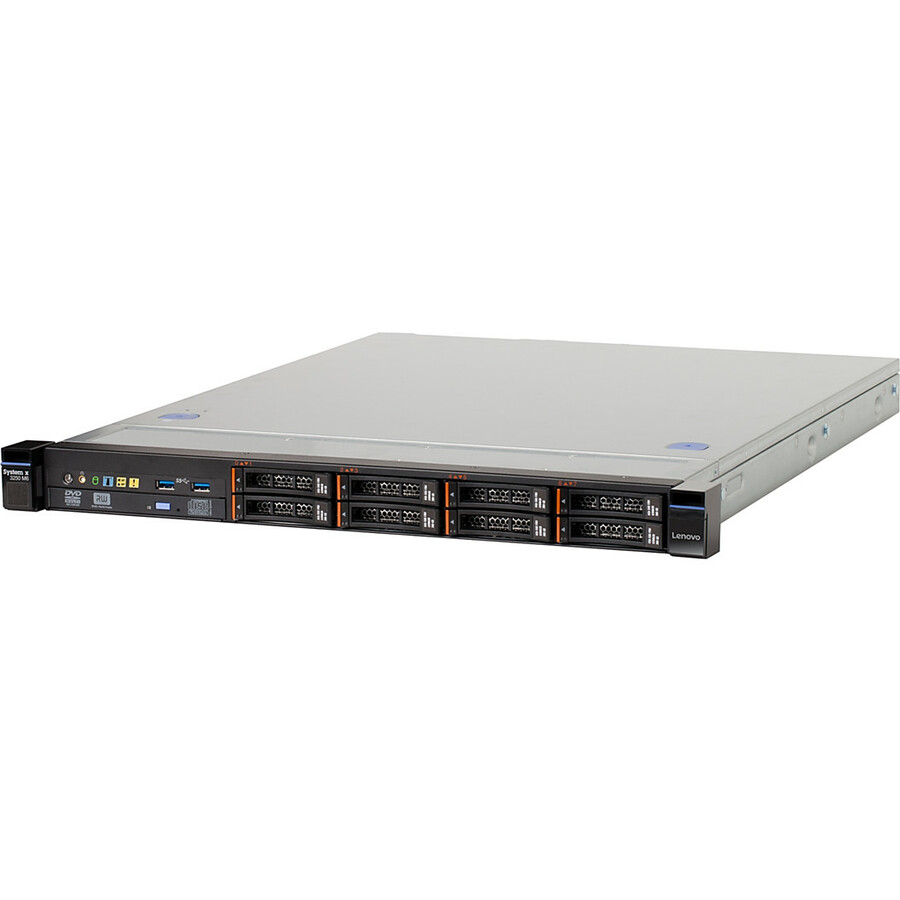
Servers
Explore related listings, then confirm the exact model requirements against your plan. These listings are not an automatic compatibility or capacity verdict.
A cache can serve many small requests while missing a few large objects. That is why this worksheet uses the percentage of bytes served from cache rather than the percentage of requests. Keep measurement intervals consistent when entering viewer traffic and hit ratio. The resulting origin budget includes separate allowances so their effect remains visible.
What to verify next
HTTP cache rules, object lifetimes, authentication and revalidation determine what can actually be reused. A ratio measured during a warm steady workload may not represent cold starts or deployments. Benchmark representative traffic and verify origin, storage and network limits independently. This arithmetic does not fetch your website, inspect headers or recommend a hardware model from a generic hit percentage.
Worked example
1,000 Mbps at 80% byte hits leaves 200 Mbps of misses. Ten percent allowance plus 20 Mbps background gives 240 Mbps; 20% reserve calls for 300 Mbps capacity.