
Solutions
Digital Evidence Storage
Body-worn and in-car video retention is a capacity problem with a legal clock attached. We size and supply the storage tier and its refresh path. Chain of custody and the evidence platform stay with the agency.
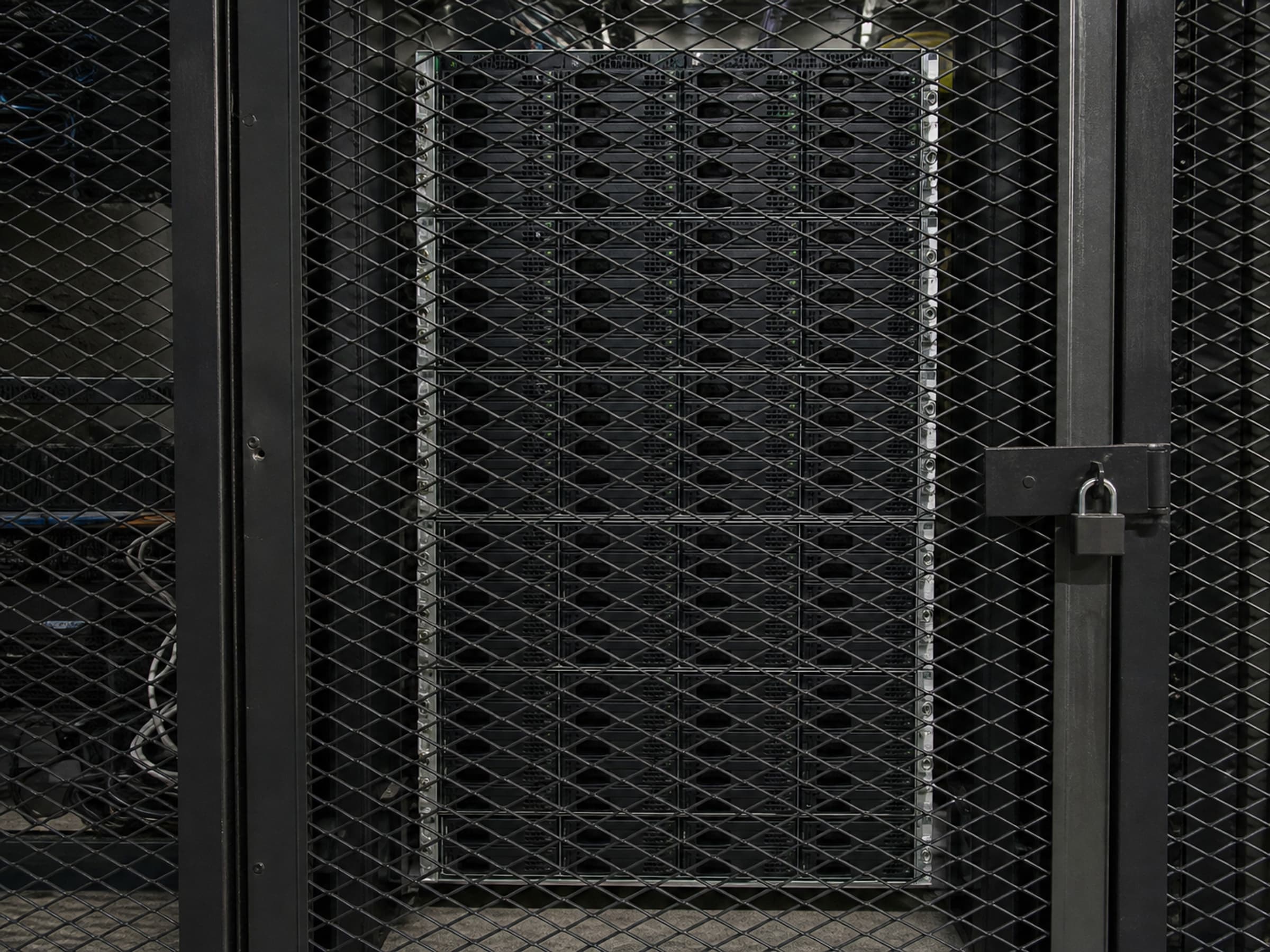
- Scope
- Primary, archive and immutability-capable storage tiers
- Sizing input
- Camera hours, bitrate and your retention schedule in days
- Boundary
- Custody, redaction and the evidence platform stay with the agency
- Refresh
- The replacement path is priced with the initial buy
Retention is arithmetic; the clock is statutory
An agency that deploys body-worn cameras has bought a storage commitment, not a camera program. The capacity requirement follows directly from officer count, hours recorded, bitrate and the retention schedule — and the retention schedule is usually set by state statute or policy rather than by the IT budget, which means the storage grows whether or not it was planned for. Nothing about that is exotic; it is arithmetic done honestly and early. What we do is size the tiers against your real numbers, supply them, and price the refresh path at the same time so year four is a scheduled purchase rather than a crisis. What we deliberately do not do is touch the evidence itself.
Where the data actually lives
Evidence storage separates into at least two tiers and often three, and conflating them is the most common and most expensive mistake. The primary tier holds recent recordings that are actively reviewed, tagged, redacted and released — it needs performance, and it is the smallest tier by capacity. The retention tier holds everything inside the statutory window that nobody is currently looking at, which is the overwhelming majority of the data and where capacity planning actually happens. Below both sits an archive tier for the small subset flagged for long or indefinite retention, where cost per terabyte matters far more than latency.
Immutability has moved from a nice-to-have to a design requirement in most agencies, and for a straightforward reason: a retention obligation is only meaningful if the data cannot be altered or deleted inside the window, whether by accident, by a malicious insider or by ransomware. Write-once storage and hardened backup targets exist specifically for that, and they are a distinct product category from ordinary backup capacity.
The third variable is refresh. Storage arrays age out on a hardware cycle that is shorter than most evidence retention schedules, which means at least one migration inside the life of the data. Planning that migration at purchase time — capacity headroom, a compatible successor generation, a realistic migration window — is far cheaper than discovering it when the support contract lapses.
The storage tiers, sized to your policy
Sized from your camera hours, bitrate and retention schedule, with the refresh path priced alongside. Naming a manufacturer describes the market, not a Uniqcli partnership or endorsement.
Primary and retention arrays
Capacity for the active review window and for everything sitting inside the statutory retention period. Nexsan carries a deep priced array line on our catalog and Western Digital carries priced drive rows across the capacity tiers. Sized against your arithmetic, with headroom for the camera count that grows after the first budget cycle.
Backup, archive and long-term retention
The tier holding what is flagged for extended or indefinite retention, where cost per terabyte governs. Cohesity carries a very deep priced line across backup and data-management on our catalog, with Quantum priced in the archive and tape categories. Quoted with the retrieval expectation stated, because an archive nobody can restore from in a usable window is not an archive.
Immutability-capable targets
Hardened, write-once backup targets built so that data inside its retention window cannot be altered or deleted — including by an administrator account that has been compromised. Object First carries priced rows on our catalog in this category. This is a distinct requirement from backup capacity and should be specified as one rather than assumed to come free with the array.
What stays with the agency
We supply storage. We do not handle evidence, do not participate in chain of custody, do not operate an evidence-management platform and do not perform redaction or release. Those are law-enforcement functions with legal consequences attached, and a hardware supplier has no business inside them. Any capability description that blurred that line would be a liability to your agency, not a service to it.
The evidence-management platform itself — the system that ingests from the cameras, applies retention categories, tracks access and produces the audit trail — is a separate procurement and does not carry priced rows in our catalog. Where you have already selected one, we size and supply the storage it sits on and quote against its documented requirements. Where you have not, that selection should come first, because it constrains the storage design.
Retention schedules are set by statute, court rule and agency policy, and they differ substantially by state and by category of recording. We size against the schedule you give us and will tell you what a change to that schedule costs in capacity — but the schedule itself is not ours to determine.
Evidence storage questions
How much storage does a body-worn camera program need?
Multiply officers by recorded hours per shift by the platform's bitrate, then by the retention period in days, and add headroom for growth in officer count and for the cases flagged for extended retention. The bitrate and the retention schedule dominate the result — doubling retention doubles the requirement far more visibly than adding cameras does. Send those four numbers and we will size it and show the arithmetic.
Do you provide the evidence management platform?
No. Evidence-management platforms do not carry priced rows in our catalog and we do not operate one. We size, supply and integrate the storage infrastructure underneath the platform you have selected, quoting against its documented capacity and performance requirements.
What does immutable storage actually protect against?
Alteration or deletion of data inside its retention window — whether from ransomware, from a compromised administrator account or from an ordinary mistake. It is a distinct capability from having a backup, because a backup that a compromised account can delete provides no protection in that scenario. Where it matters, specify it explicitly rather than assuming an array provides it.
How do you handle the refresh when the array ages out?
By planning it at purchase. Storage hardware cycles are shorter than most evidence retention schedules, so at least one migration will happen inside the life of the data. We quote the refresh path with the initial buy — capacity headroom, a successor generation and a realistic migration window — so it lands as a budgeted purchase rather than an emergency when support lapses.
Evidence storage and the capture side of it
The solutions atlas
Every solution, by technology area and by customer.
By technology
By customer
- TAA & NDAA-889 Compliance Screening
- CMMC & CUI Solutions
- Federal & DoD
- State, Local & Education
- Healthcare
- Enterprise
- Rapid Procurement & GPC Buys
- Multi-Vendor Integration Projects
- eProcurement & Custom Catalogs
- FISMA Modernization
- CJIS-Compliant Justice Cloud & Local AI
- Federal Storage Modernization
- Government ERP & Business Systems Infrastructure
- Managed Procurement
- Secure AV & Conferencing
- Fiber Network Infrastructure
- Satellite & Resilient Connectivity
- Wavelength & Optical Transport
- Decentralized Data Centers
- Data Center Design & Build
Send four numbers and we will size it
Officer count, recorded hours per shift, platform bitrate and your retention schedule in days. We come back with a sized design across the primary, retention and archive tiers with the refresh path priced alongside. TAA (FAR 52.225-5) and NDAA §889 screening performed on every line before the quote goes out.