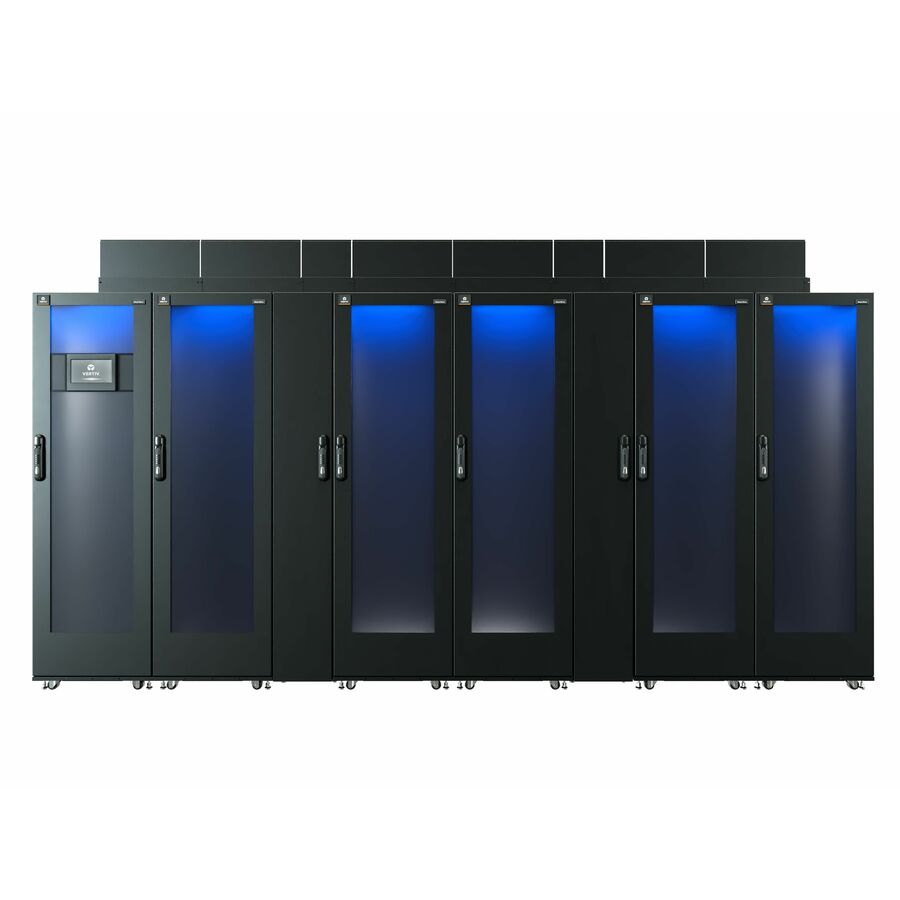
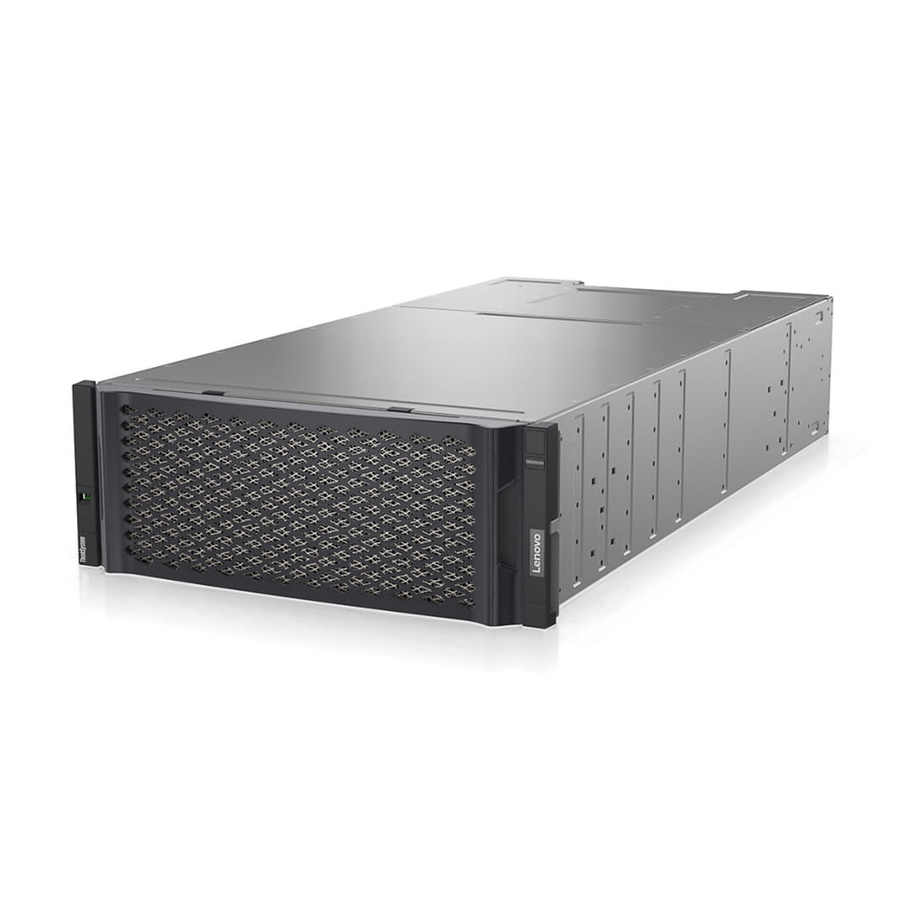
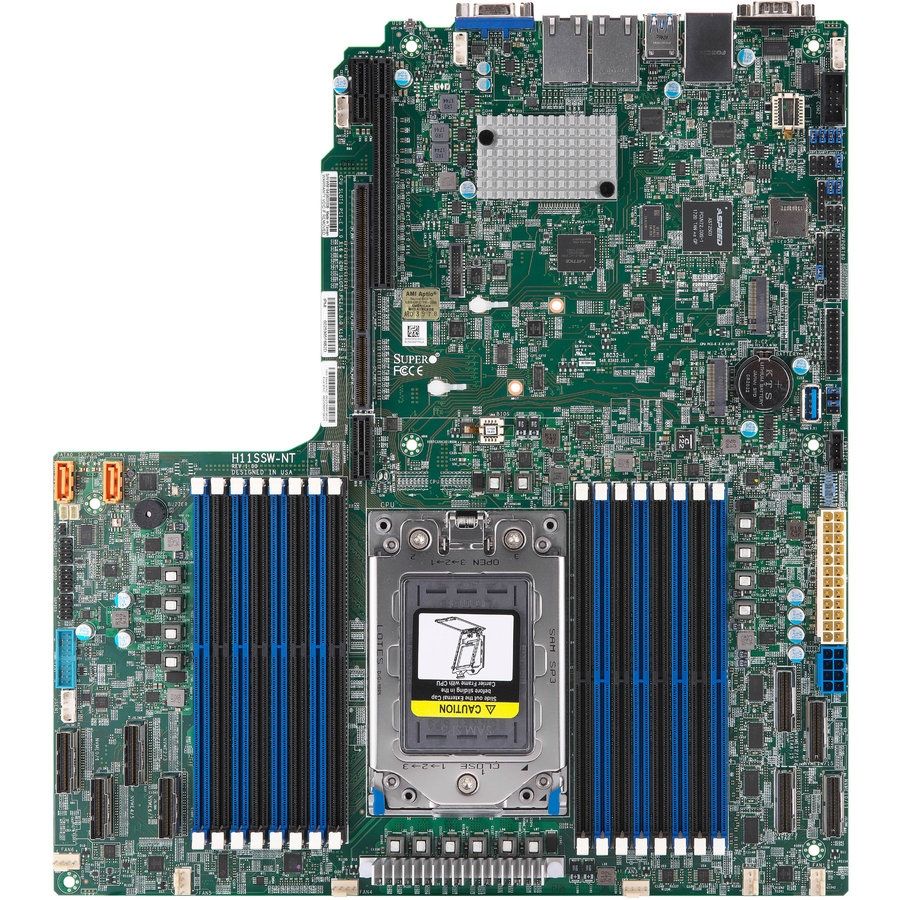
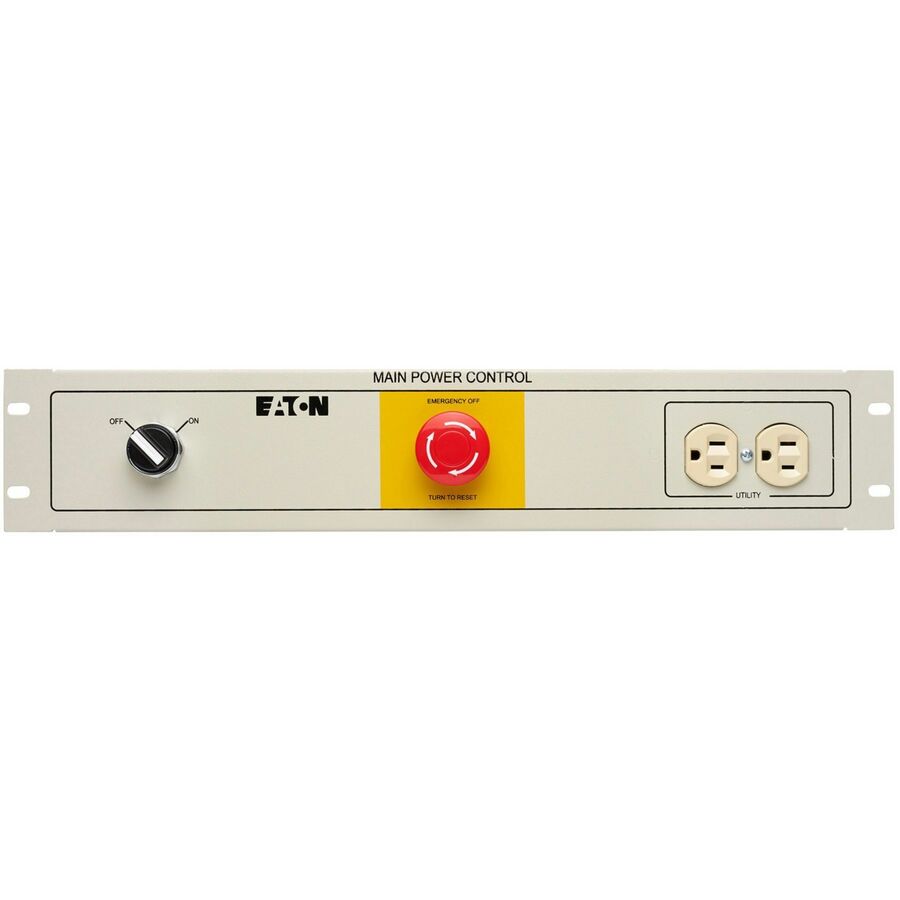
TAA (FAR 52.225-5) and NDAA §889 screening performed on every line before a quote is issued. Hardware sourced through US distribution.
Scope
Rack & stack · imaging · burn-in · kitting
Deliverables
Tested, cabled racks · serialized inventory
Compliance
TAA across every vendor · NDAA §889 screened
Built for
Multi-vendor systems · phased site rollouts
Overview
One integrated system, not a pallet of boxes
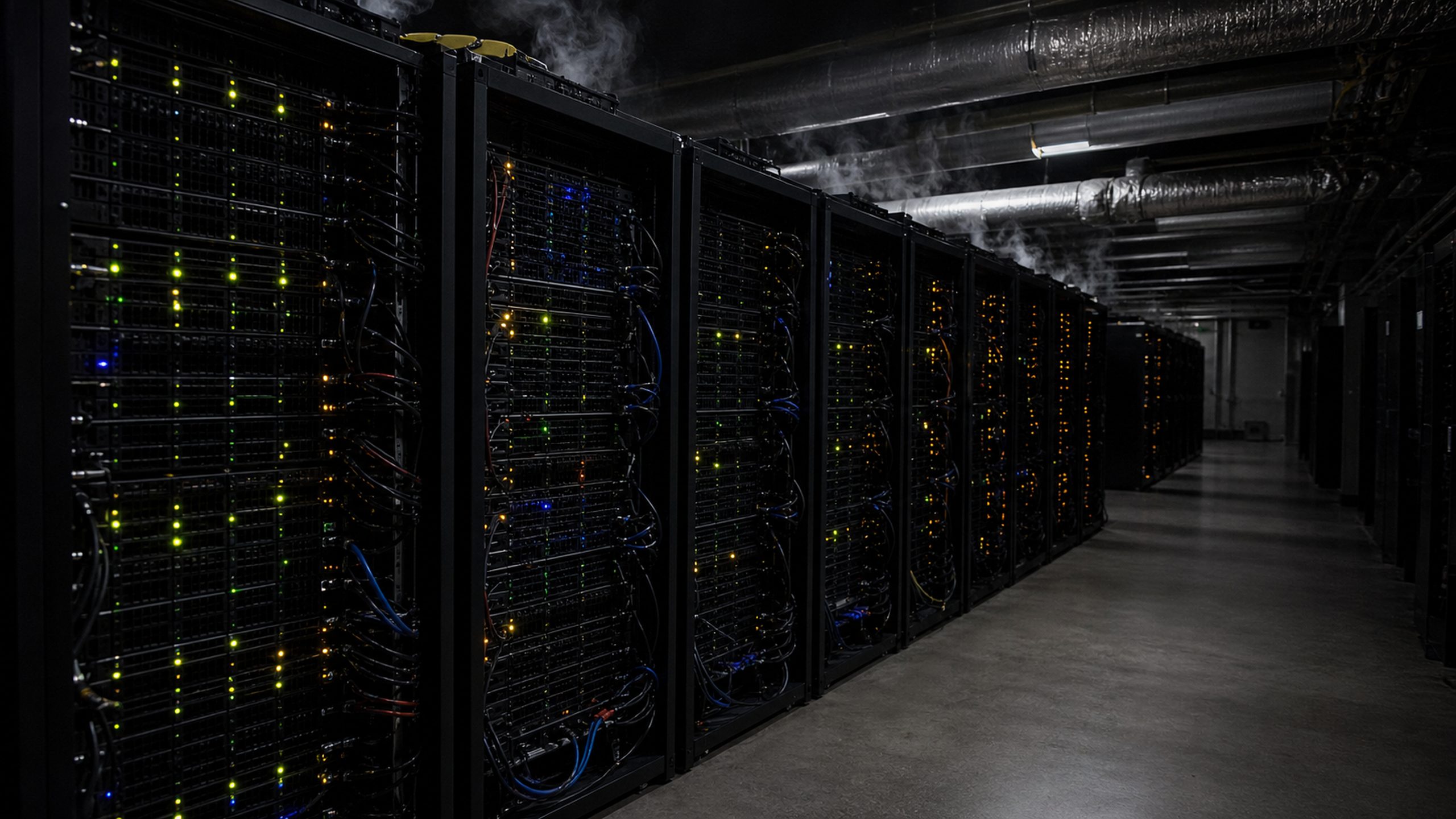
Hardware for one system arrives from six vendors, on six trucks, on six different days. Rather than let it reassemble itself in your comms room, we take delivery of all of it, rack and stack it to your elevation, load the images and firmware you specify, and burn the assembled system in before it is boxed. It ships tested — built once and checked once already, so install day is a power-on rather than a first attempt.
How we work
Integration before it ships, not after
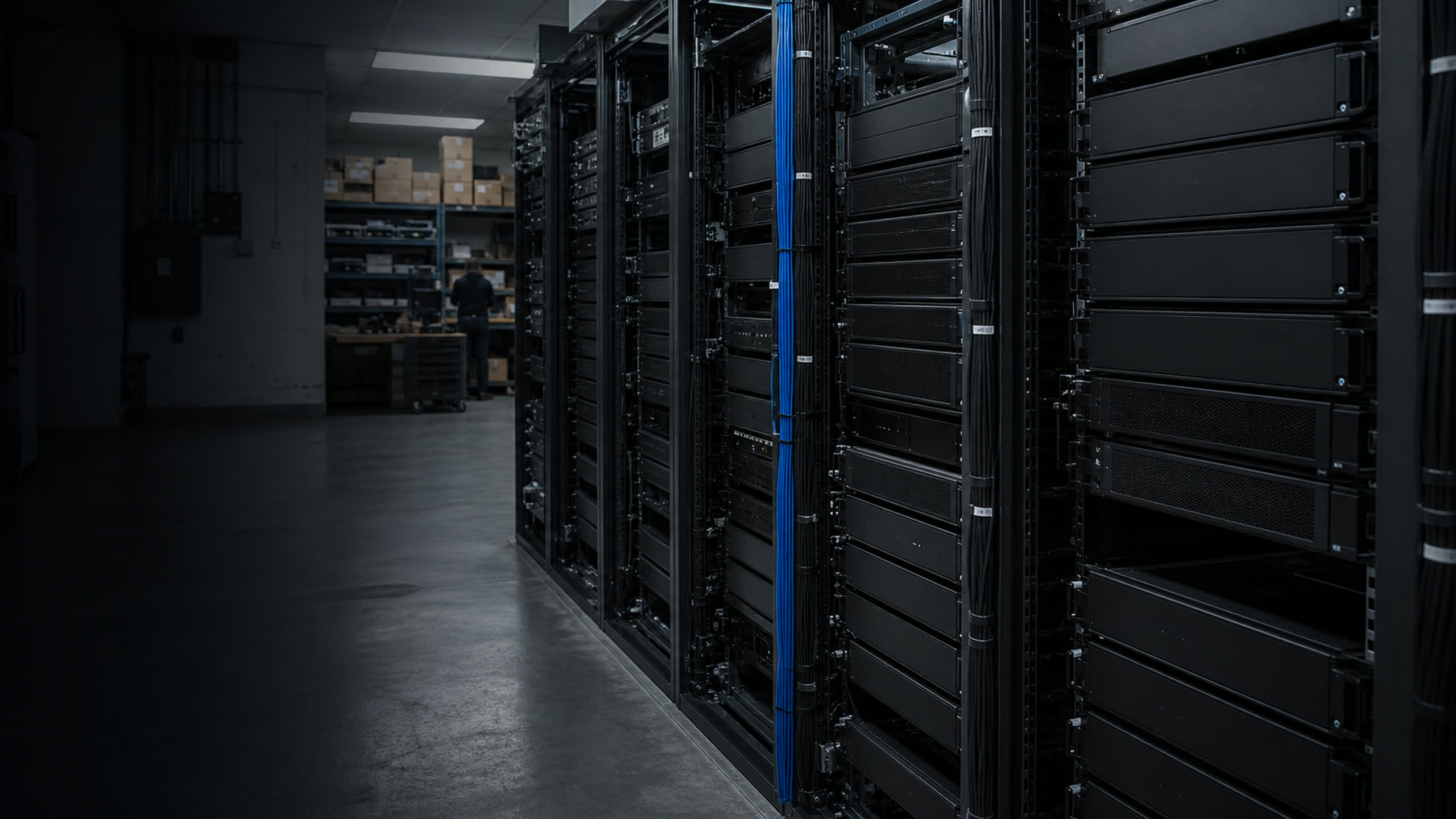
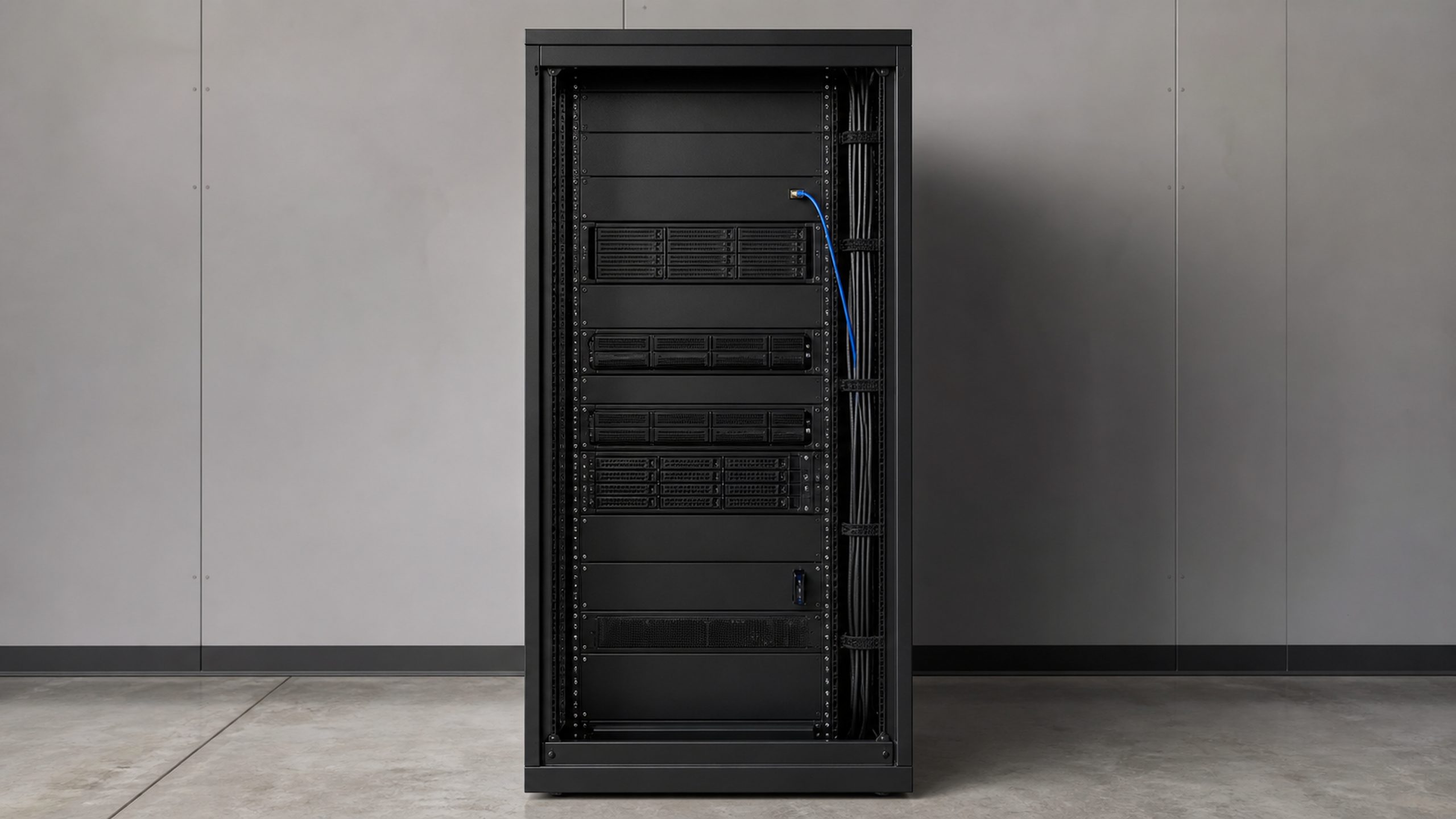
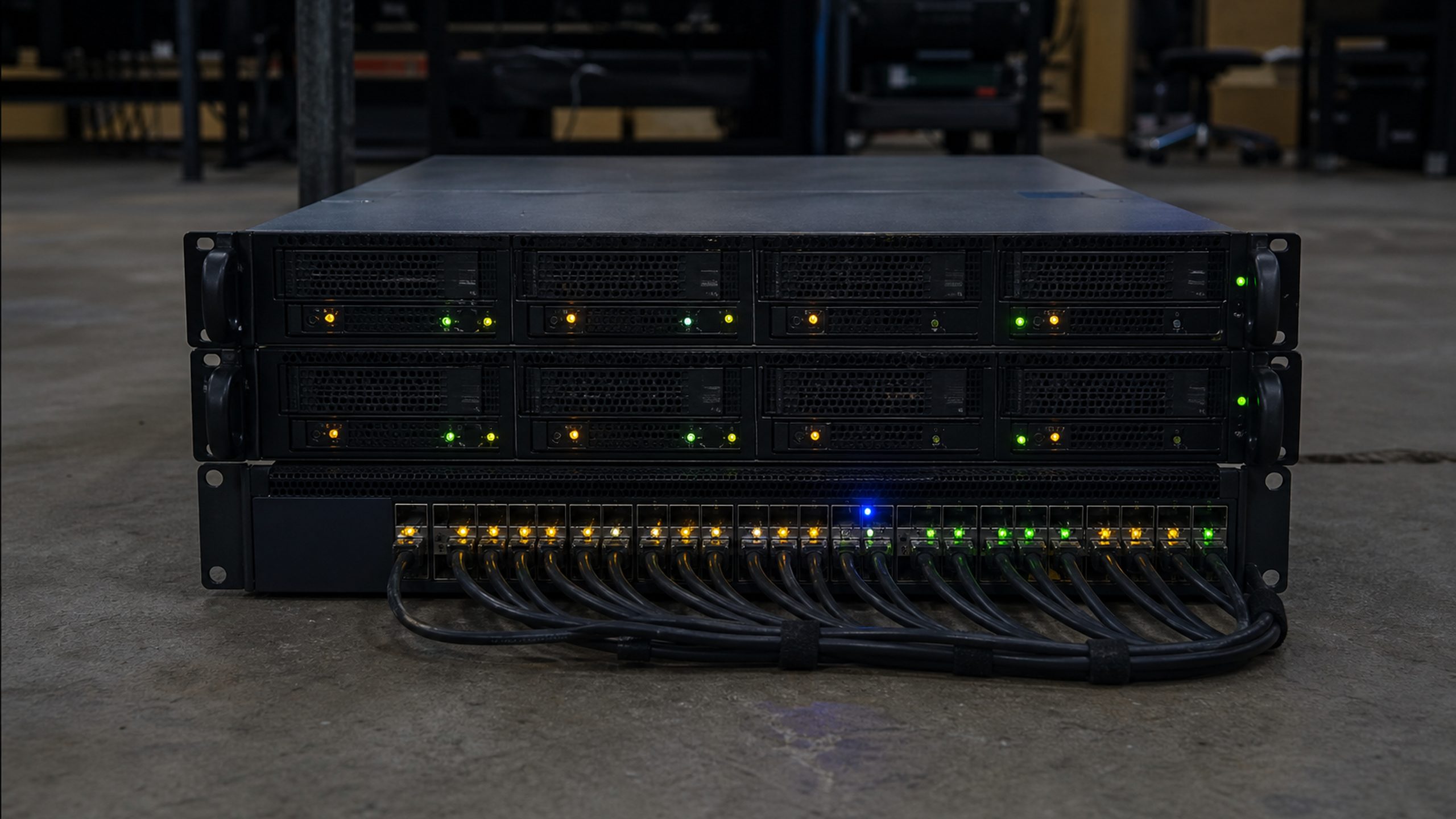
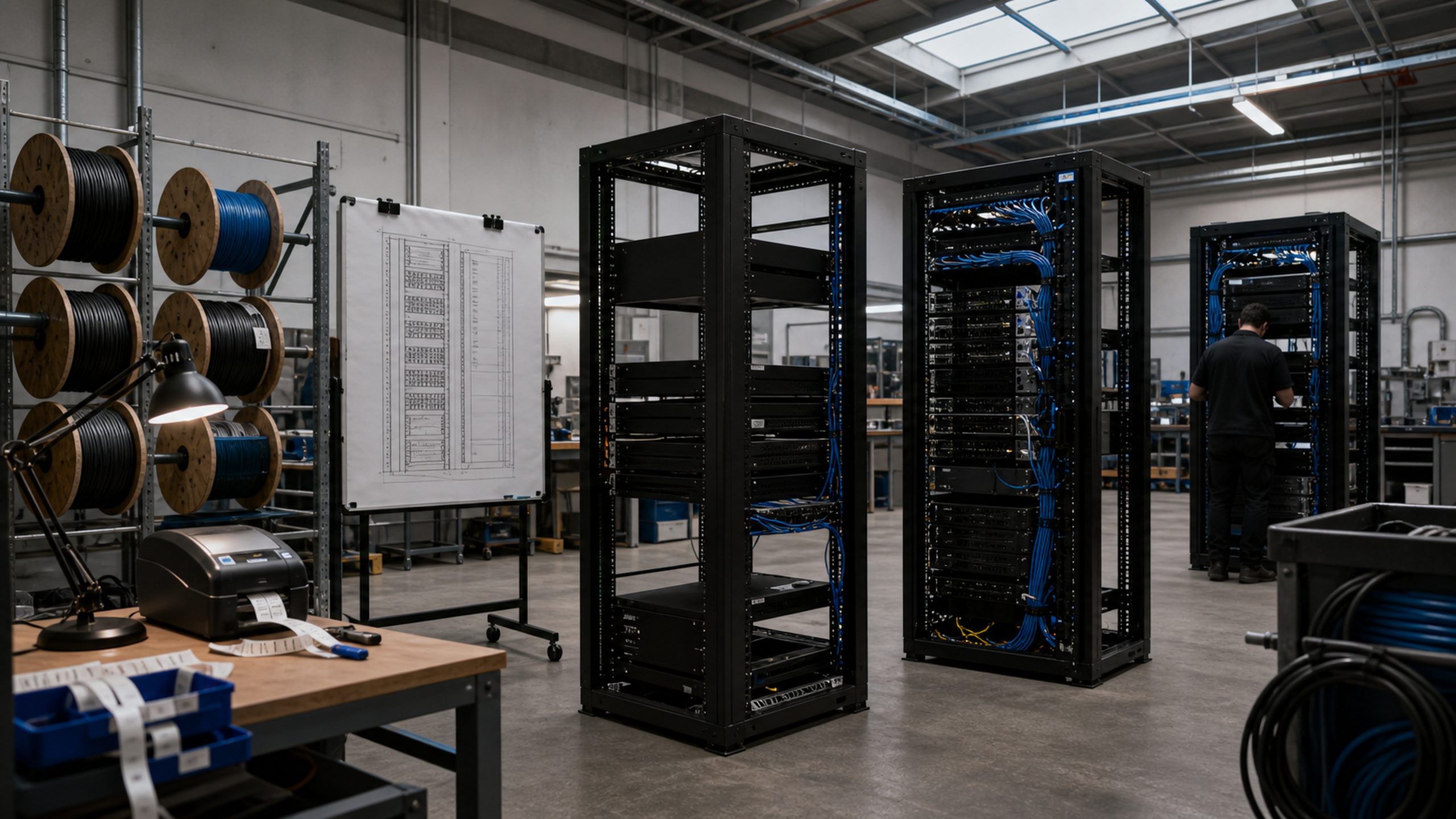
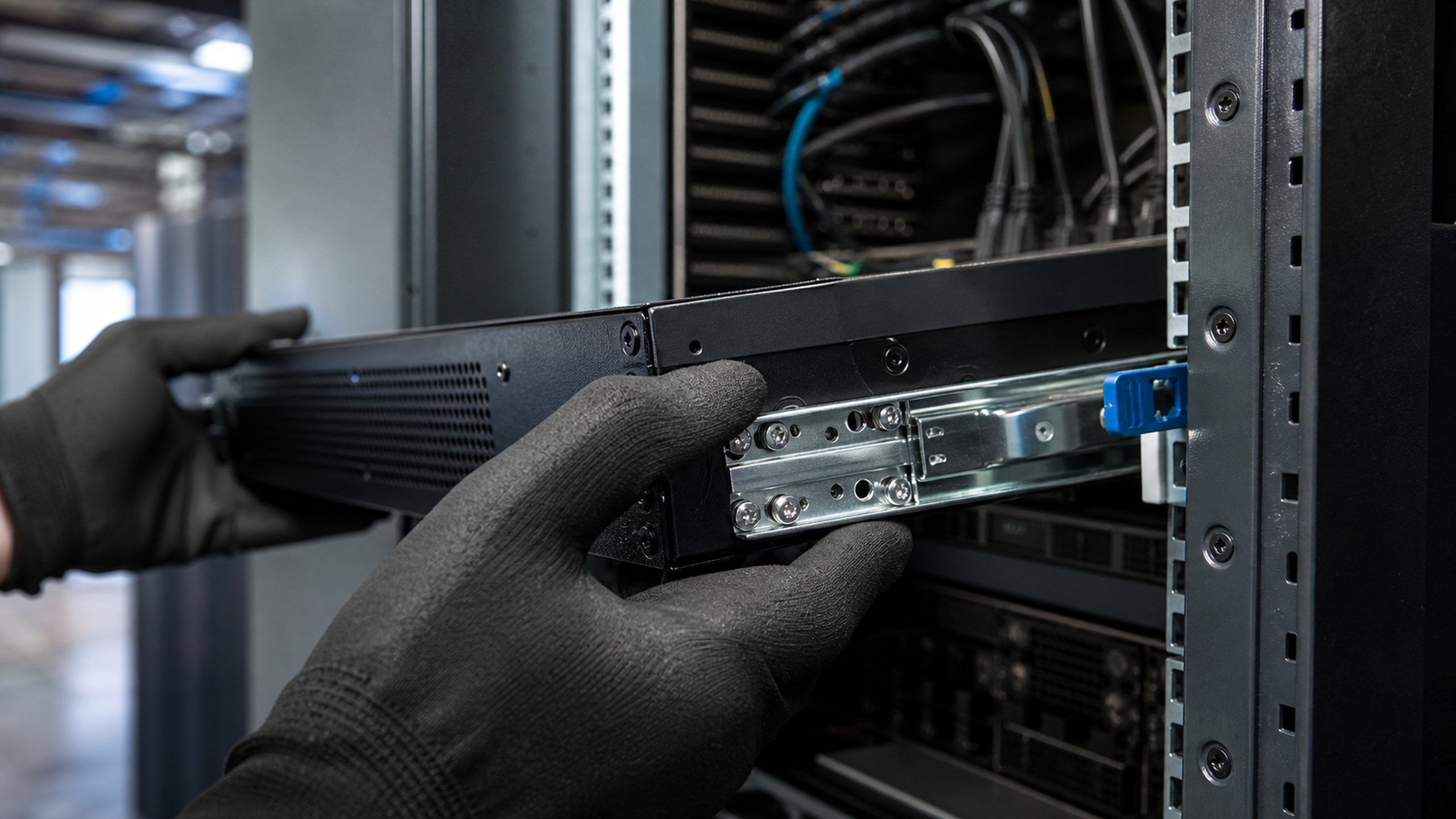
We take delivery of hardware from every vendor in the bill of materials, physically rack and cable it to your elevation diagram, load images and configurations, and run it through burn-in before it's boxed for shipment.
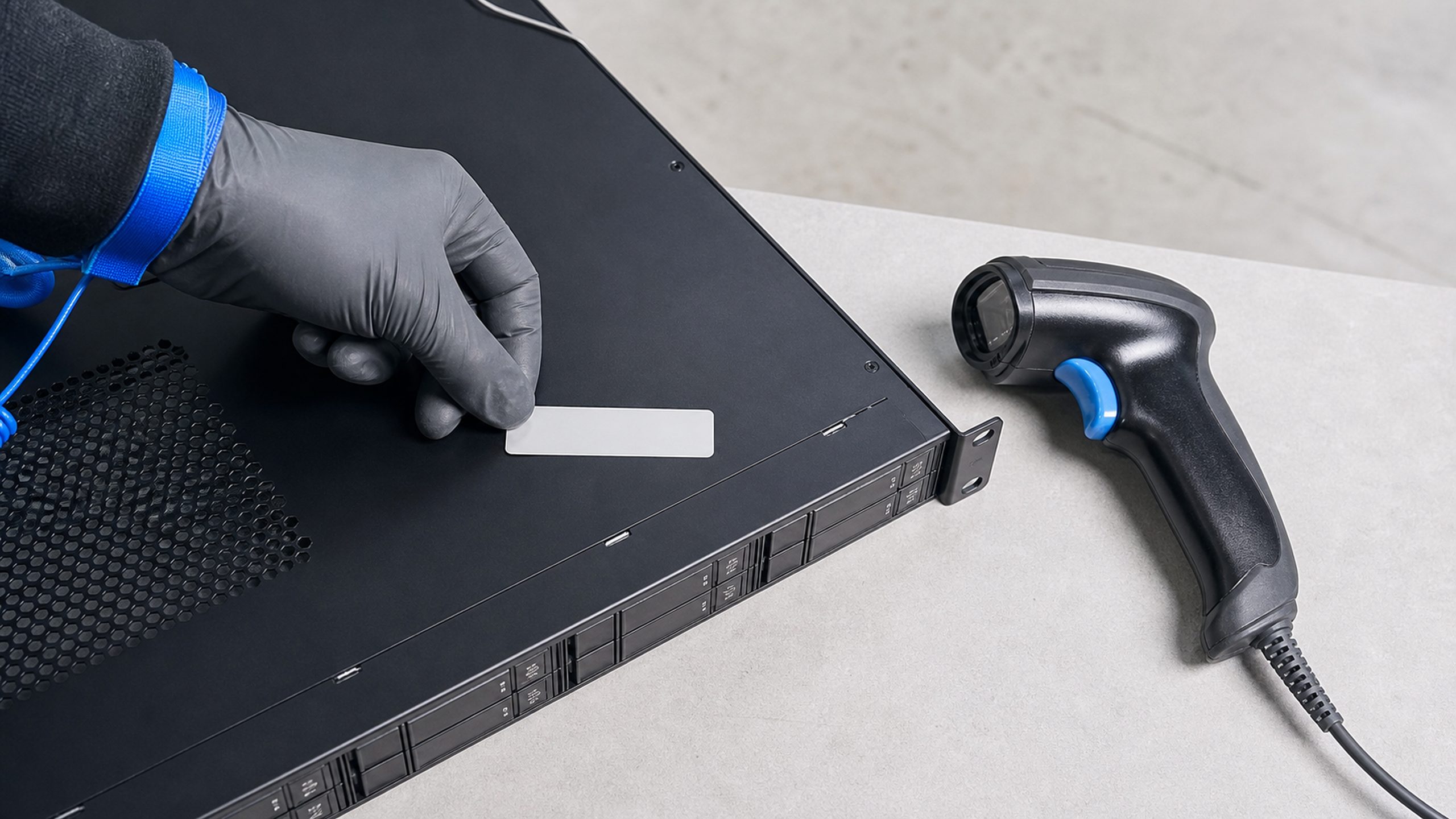
Asset tags, serial numbers and configuration records are captured at integration time and handed over as a structured inventory — so your receiving team reconciles against a manifest instead of unboxing and cataloging equipment on site.
Multi-vendor rack and cable builds to elevation diagrams
OS imaging, firmware baseline and configuration staging
The point of integration is that the first time your system is assembled is not on install day — it is before shipment, where a problem is a work order, not a site delay.
Rack & cable integration
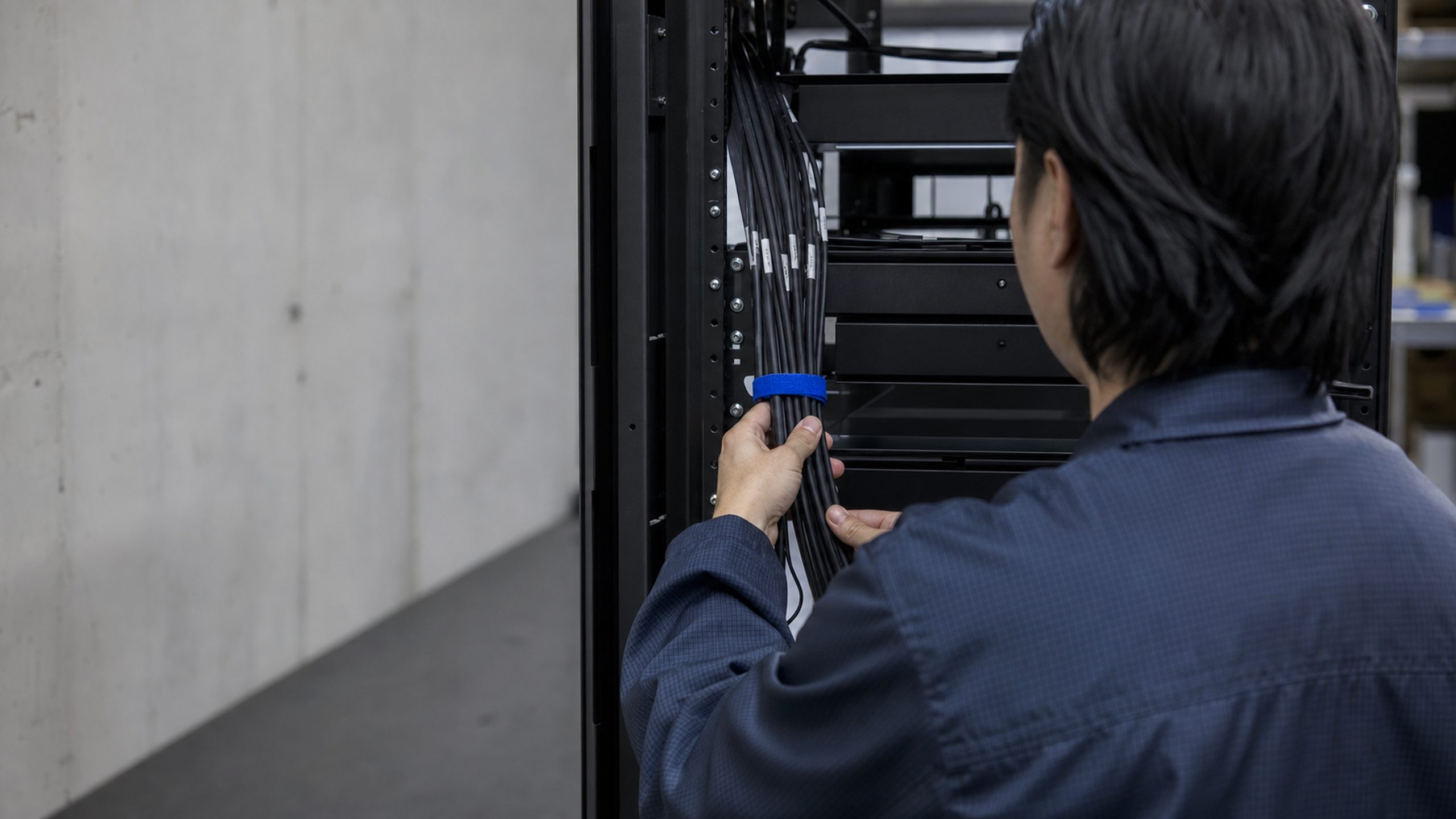
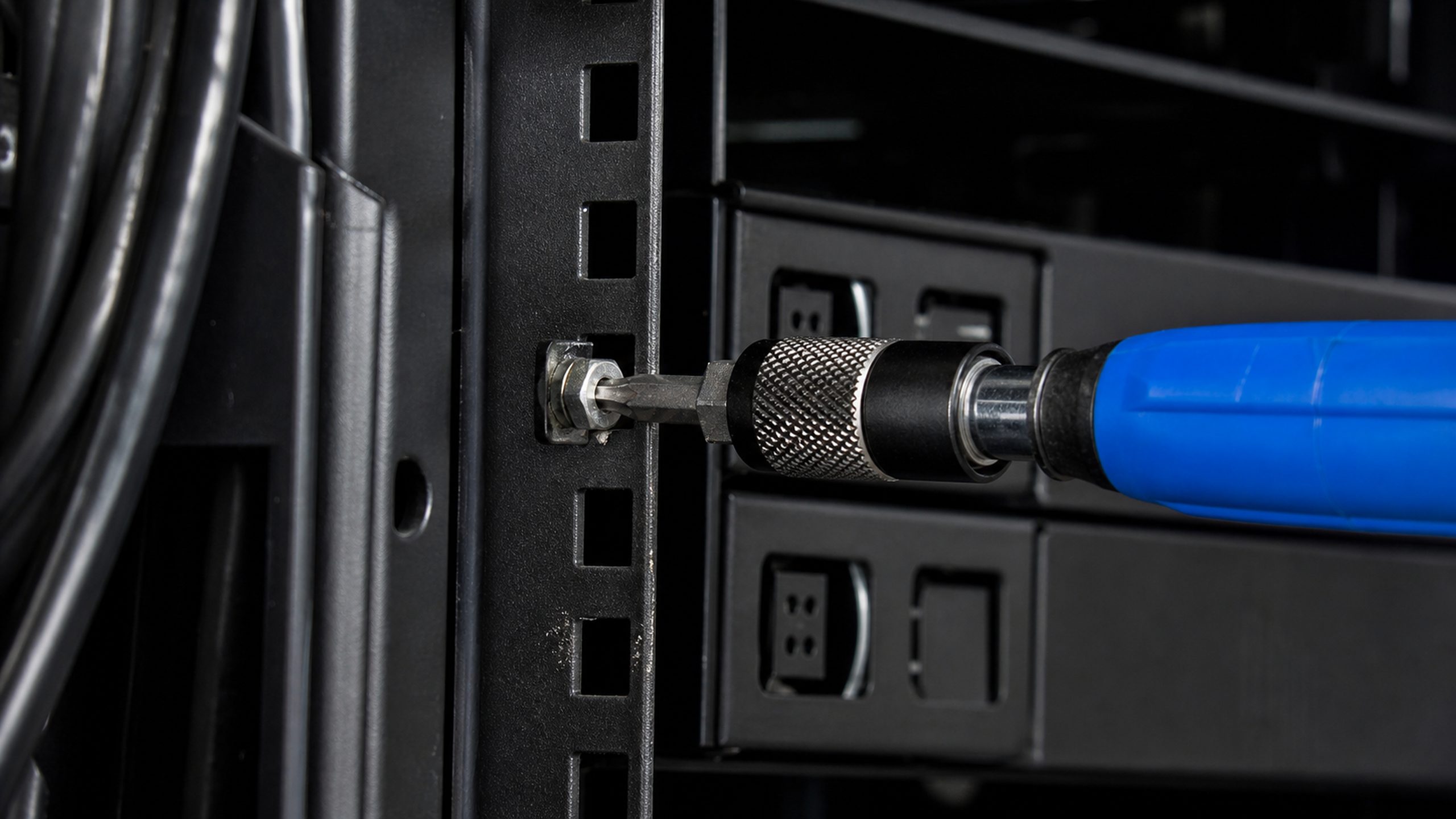
Racks are built to your elevation and cabling diagrams, unit by unit, with power and data cabling cut to length, labeled at both ends, and dressed the way it will live so nothing has to be re-run in the field. Because the assembly happens on the bench rather than in a live aisle, the rack that ships is the rack you drew — not an approximation a field crew has to reproduce under time pressure on install day.
Third-party hardware you've already purchased is received into the same build, so a rack can combine units we sourced with units drop-shipped from elsewhere without anyone cataloging boxes on your dock.
Multi-vendor rack and cable builds to elevation diagrams
Cabling labeled, dressed and routed to the design
Third-party and drop-shipped hardware received into the build
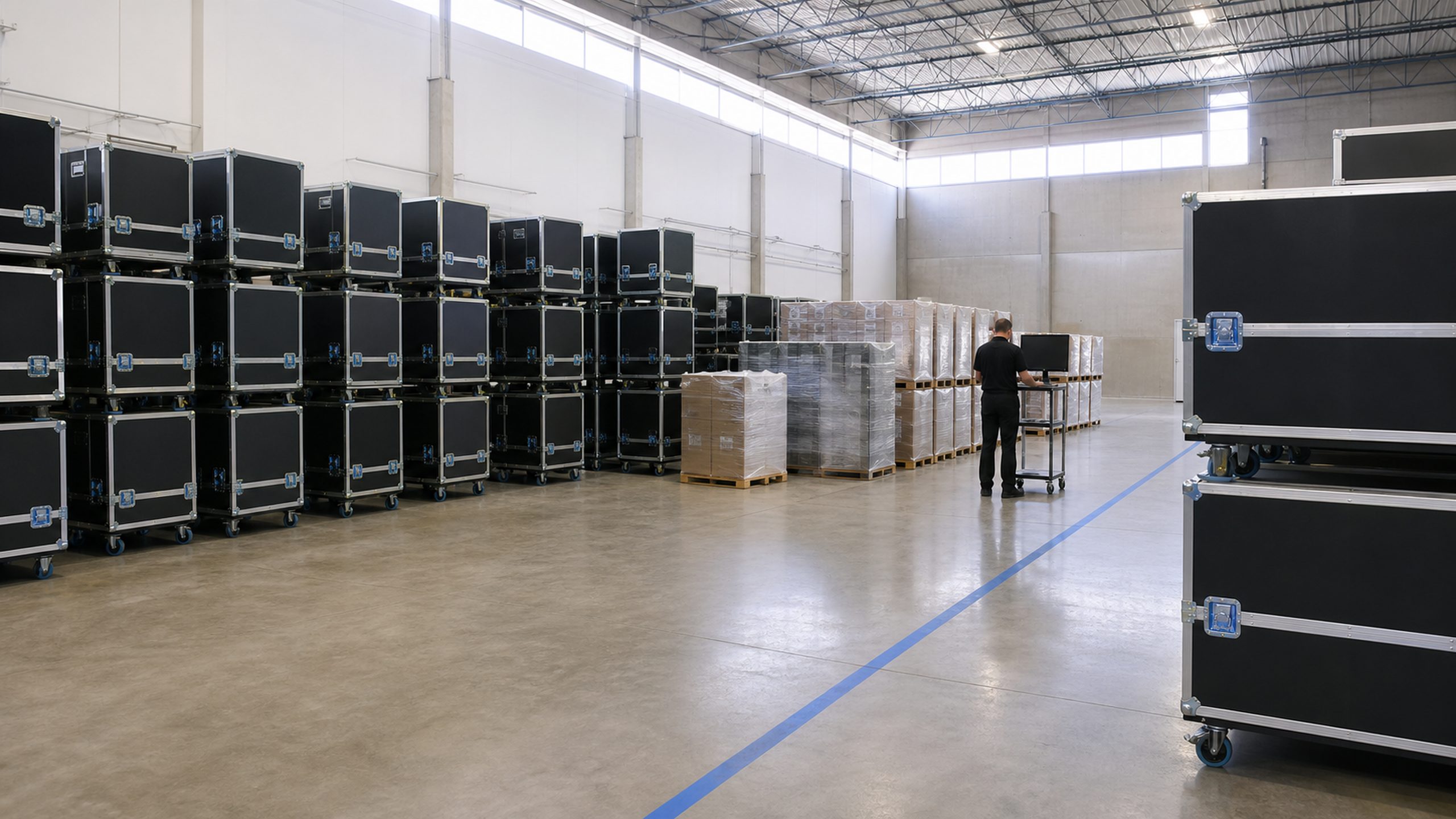
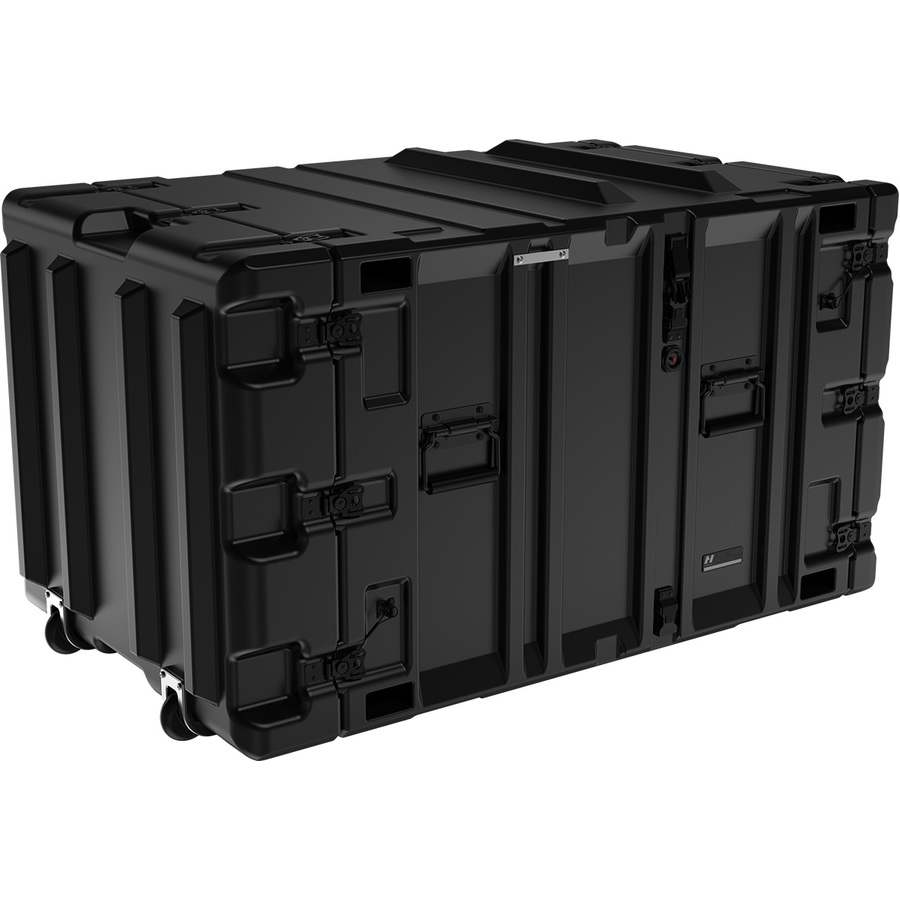
Racks prepared for transit-rated shipment
Imaging & configuration staging
Units ship configured, not factory-default. We load your OS images, firmware versions and configuration files, then validate against your baseline so what powers on at the site is already at the standard your program requires.
Because configuration happens once, centrally, a fleet arrives consistent — the fiftieth unit matches the first, and the drift that comes from configuring gear one rack at a time in the field never starts.
OS imaging and firmware baseline before shipment
Configuration files loaded and validated to your standard
Fleet-wide consistency across every unit in the order
Golden-image capture where a repeatable baseline is required
Interoperability & burn-in
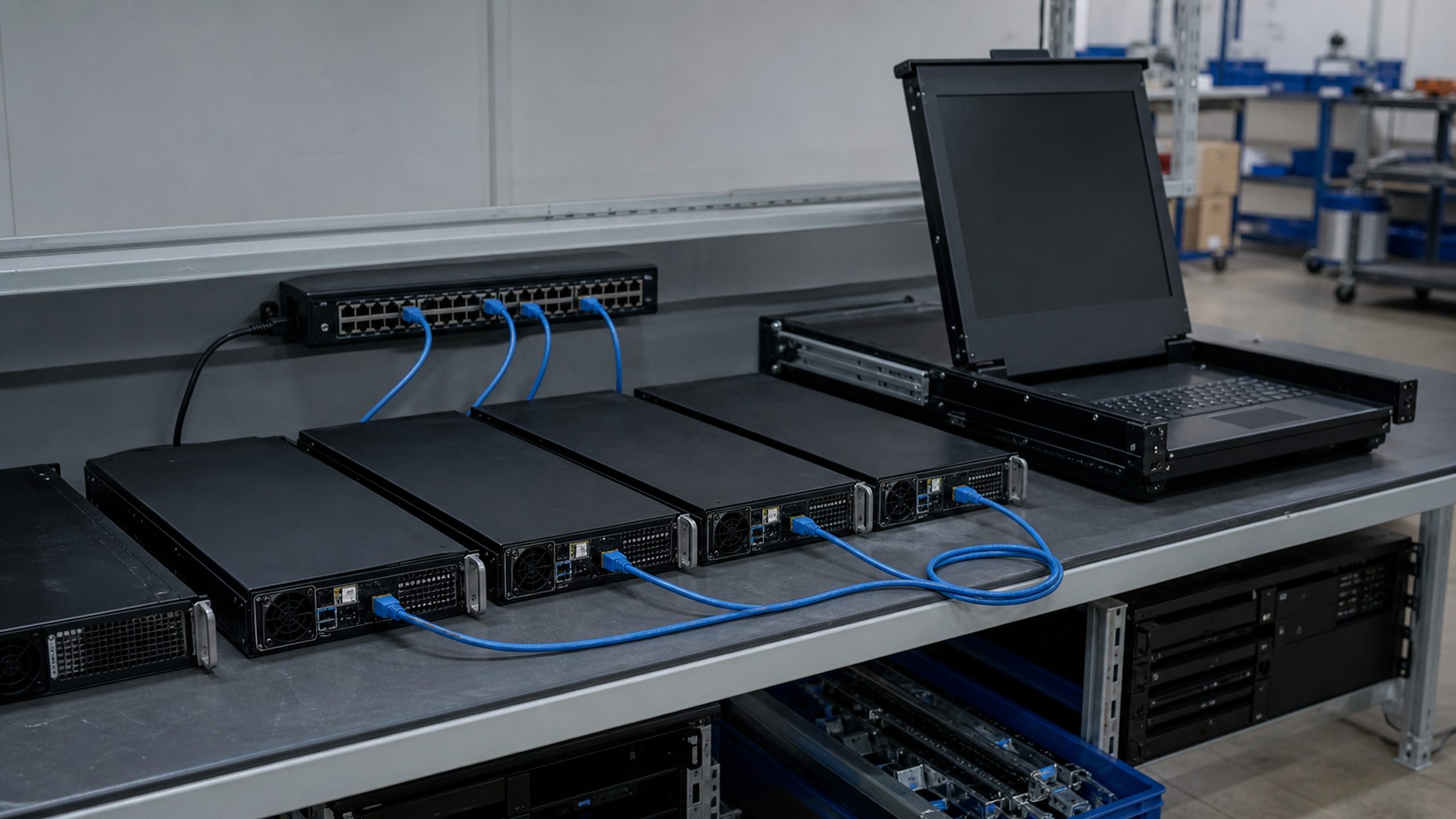
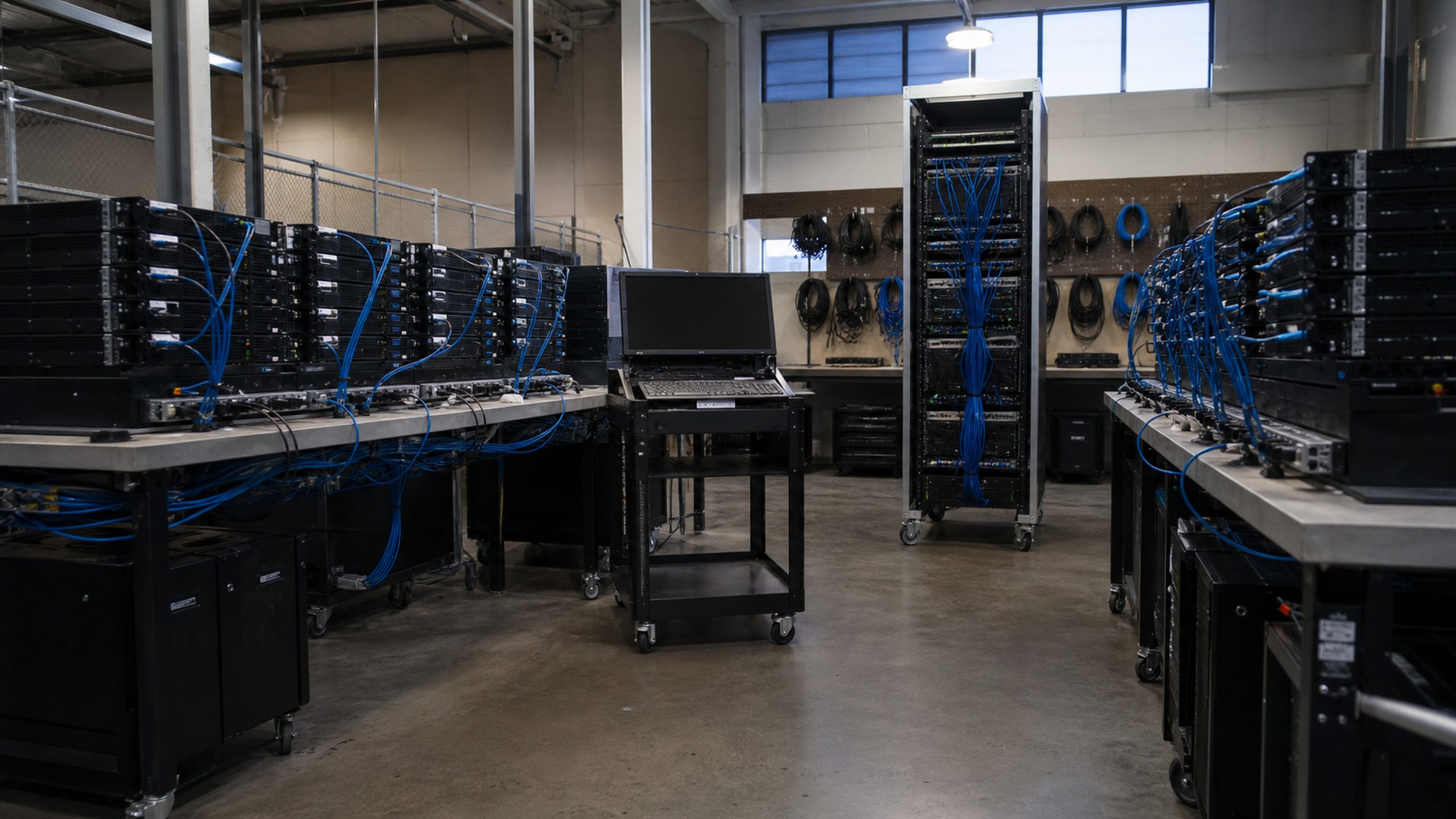
The failure mode integration is meant to prevent isn't a bad unit — it's two good units from two different vendors that don't talk to each other correctly until someone finds out on site. We connect the full system in our facility and validate the interfaces that matter to your design: management-network reachability, power sequencing, firmware compatibility.
Burn-in exercises the assembled system long enough to surface the early failures that otherwise show up in the first week of deployment, so infant mortality happens on our bench, not in your install window.
Full-system interoperability validation across vendor lines
Management-network, power-sequencing and firmware checks
Burn-in to surface early-life failures before shipment
Findings resolved as a work order, not a site delay
Asset records & staged release
Every unit is logged as it moves through integration, not reconstructed afterward — the asset tag applied, the serial read, the loaded image and firmware level recorded against that serial, and its rack position noted. The program receives a manifest it can load straight into an asset-management system, so property accountability begins at delivery rather than after a week of clipboard work on site.
For programs with staged rollouts, we hold configured, tested equipment in our facility and release it to your schedule, so site teams receive exactly what the install plan calls for, in the order the install plan calls for it.
Asset tagging with serialized inventory handoff
Chain-of-custody records from receipt to delivery
Configured equipment held and released to your schedule
Per-site kitting for phased, multi-location rollouts
What's included
What arrives on your dock
Rack and cable builds to your elevation and cabling diagrams
Imaging, configuration and firmware baseline before shipment
Interoperability and burn-in testing across vendor lines
Asset tagging with serialized inventory and chain-of-custody
Staged release to phased install schedules
TAA-screened sourcing across every vendor in the build
Fielded hardware
Platforms we field in this lane
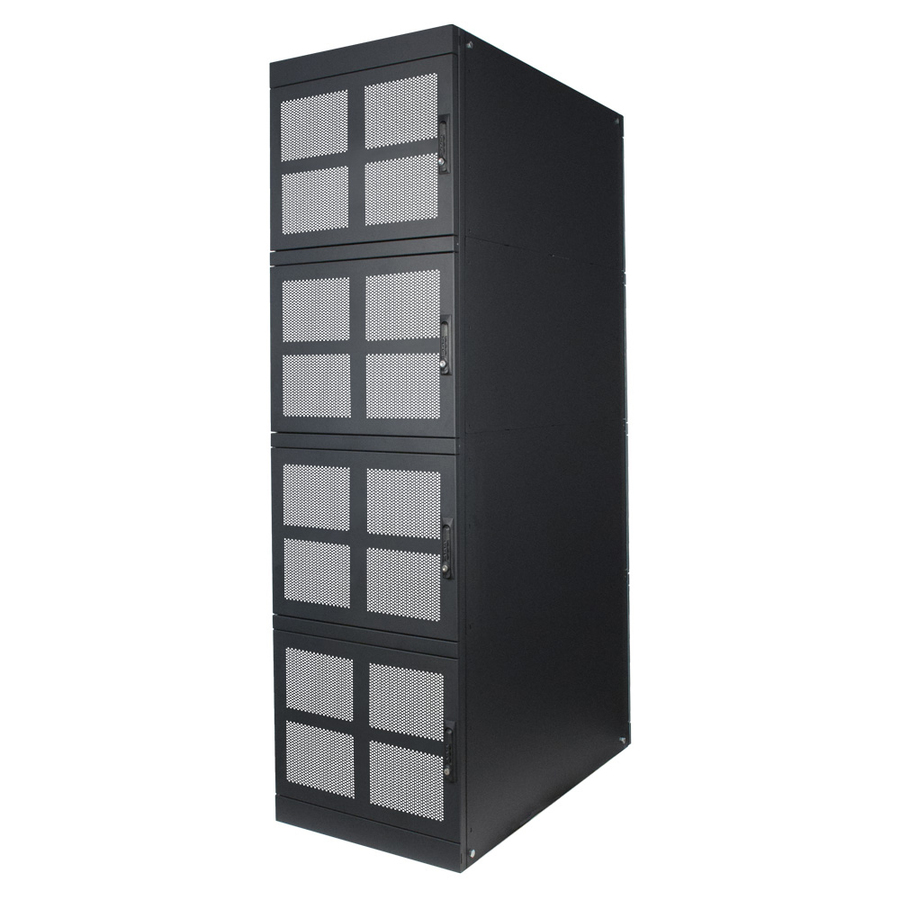
Representative hardware from the live Uniqcli catalog: sourced through US distribution, screened line by line, and configured for the program before it ships.
Can you integrate hardware from vendors we've already purchased separately?
Yes. Send us the bill of materials and where units are being shipped from — we can receive third-party hardware into our facility for integration alongside anything we source directly.
Do you image and configure to our specific baseline?
Yes. We load your OS images, firmware versions and configuration files and validate against your baseline before burn-in, rather than shipping factory-default units.
How is the equipment packaged for shipment?
Racked units ship in transit-rated rack cases with cabling labeled and coiled to the rack; individual kits are boxed with an asset manifest per box.
Can you hold integrated equipment and release it on a phased schedule?
Yes. Configured, tested equipment can be staged and released per site to your install calendar, so a regional rollout ships as numbered, repeatable bundles rather than all at once. Site teams receive what the install plan calls for, in the order it calls for it.
What asset and chain-of-custody records come with the delivery?
Serial numbers, asset tags and configuration records are captured at integration time and delivered as a structured inventory manifest, with chain-of-custody documentation from receipt through delivery. Your receiving team reconciles against the manifest instead of cataloging equipment on site.
How an engagement runs
From requirement to delivered, in four steps
1
Brief
Send the requirement as it exists: a statement of work, drawings, a bill of materials or a problem statement. A briefing call scopes it against the lines above.
2
Scope and quote
Feasibility, country-of-origin and §889 screening, and lead times come back with a line-item quote. Nothing is committed until the scope is agreed.
3
Build and integrate
Manufacture, rack, image, configure and test in the facility, so the first time the system is assembled is not on install day.
4
Deliver and sustain
Delivery with serialized chain-of-custody records, then warranty, RMA and lifecycle support on the same relationship.
Compliance and documentation
Screened before it is quoted, documented when it ships
Country of origin and §889 status are checked per line while the quote is being built, not after a program review asks. The same record travels with the order: what was sourced, where it came from, who handled it and when it shipped.
TAA (FAR 52.225-5) country-of-origin screening on every line
NDAA §889 covered-equipment screening on every line
FIPS 140-2/3 validated options where the requirement calls for it
DoDIN APL listing paths verified before a quote is issued
Section 508 / VPAT documentation available on request
Serialized chain-of-custody records delivered with every shipment
A bill of materials and an elevation diagram are enough. If some of the hardware is already bought and shipping from elsewhere, say so — it can be received into the same build.