
Best Rack Shelves for Server Cabinets
Cantilever, four-post, sliding and centre-mount trays for a 19-inch cabinet — read by mount type, depth, rack units and the weight the shelf is rated to carry.
Rack shelves in stock at Uniqcli
How to choose →A curated selection with live pricing — in-stock lines first, then back-ordered lines with a typical lead time. Every line is sourced through US distribution and screened for NDAA §889 status before checkout, with TAA verified on request.
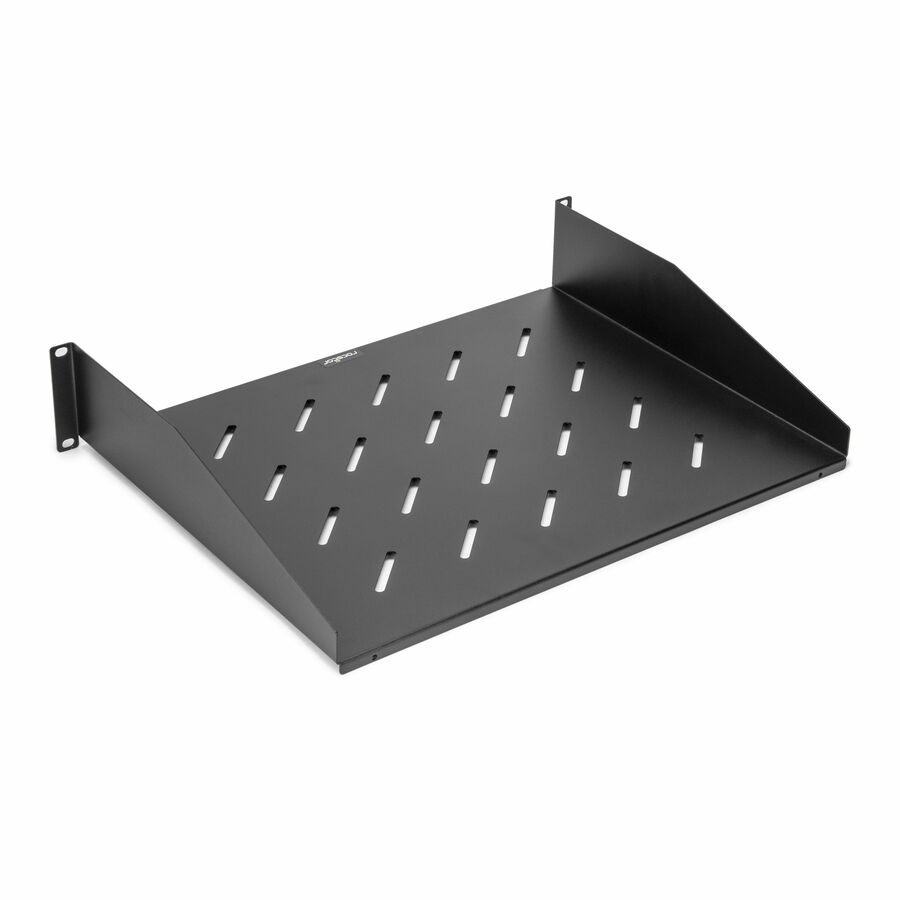
- RocstorRocstor Premium 2U Rack Center Rack Shelf Vented Cantilever 14in - For Rack, Cabinet, Equipment - 2U Rack Height - Rack-mountable - 2 Post - Black - Cold-rolled Steel (CRS), SPCC, Steel - 44 lb Maximum Weight Capacity - 44.20 lb Static/Stationary Weight CapacityY10E085-B1
$59.95
$50.13
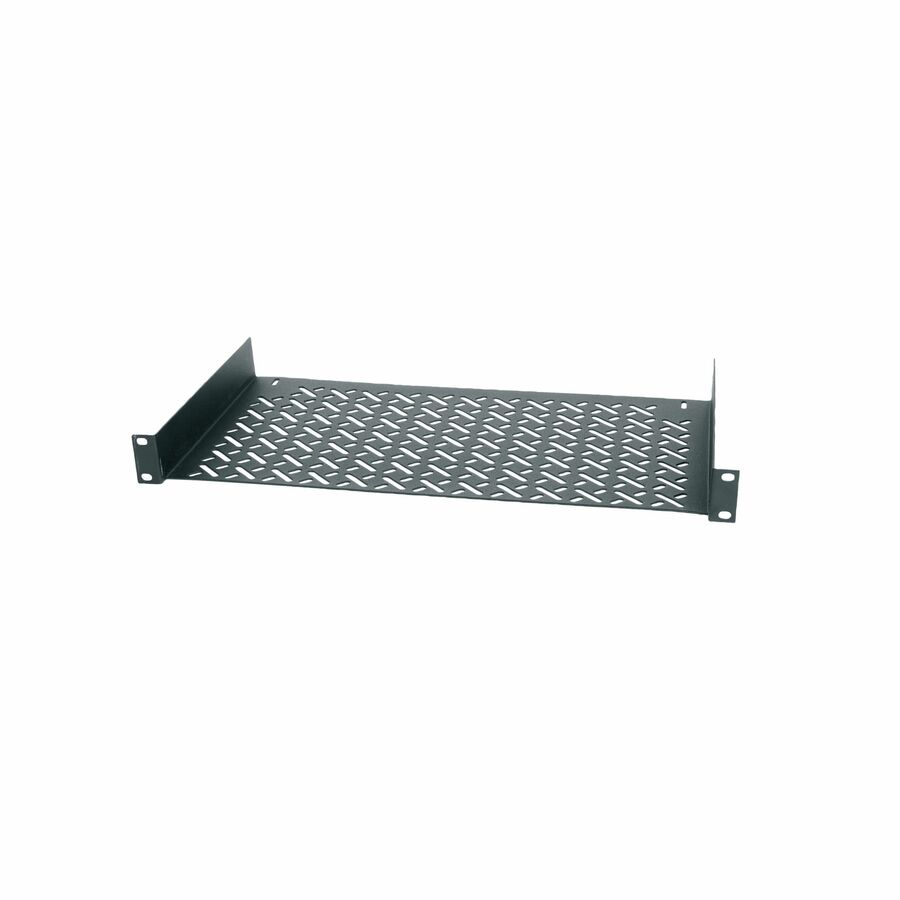
2 in stock - LegrandMiddle Atlantic 1RU Rack Mounted Shelf - Small Device Mounting Shelf - 10in Depth - 19" 1UUTR1
$65.00
$58.47
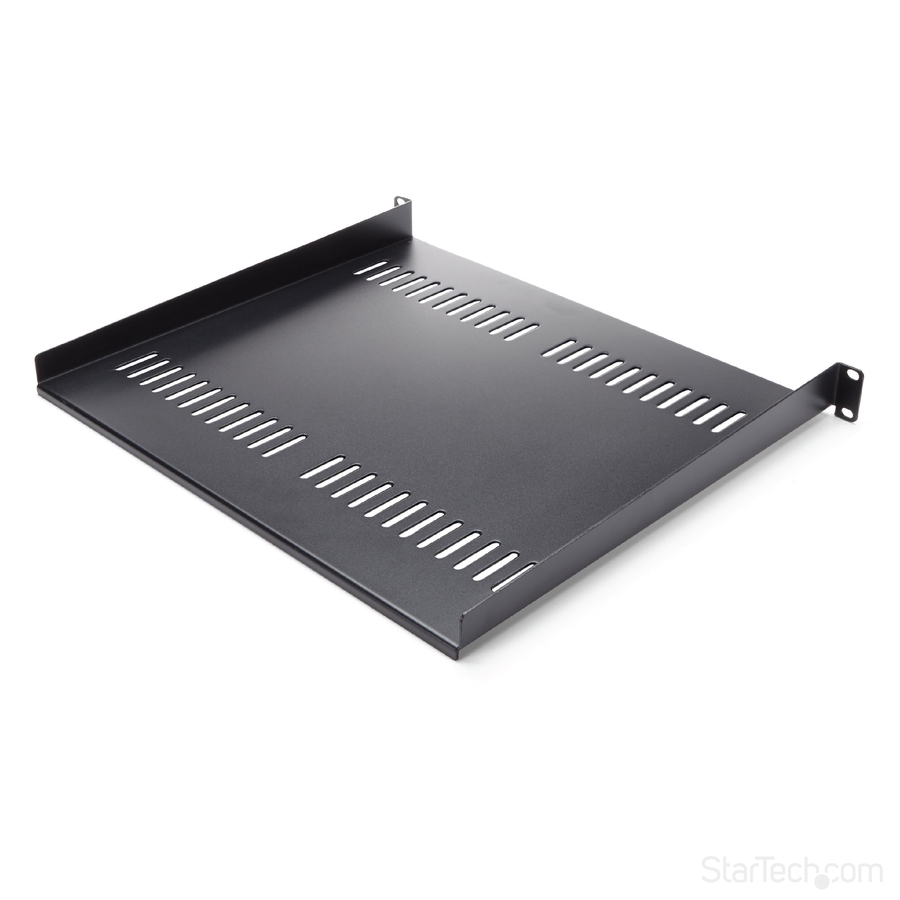
3,715 in stock - StarTech.comStarTech 1U Vented Server Rack Cabinet Shelf - Fixed 12" Deep Cantilever Rackmount Tray for 19" Data/AV/Network Enclosure w/Cage Nuts - 1U 19in vented server rack cabinet shelf/rackmount cantilever tray 12in deep - Universal fit in existing EIA/ECA-310 data/network racks - w/mounting hardware - Easy to install - Durable SPCC commercial cold-rolled steel 55lb weight cap.SHELF-1U-12-FIXED-V
$69.69
$64.11
1,993 in stock - LegrandMiddle Atlantic KD-series Rack Shelf - Rack-mountable - Black - SteelKDB
$71.00
$64.61
68 in stock - LegrandMiddle Atlantic KD Series KDE2 Knock-Down Rack Shelf - 2U Rack Height - BlackKDE2
$77.00
$65.00
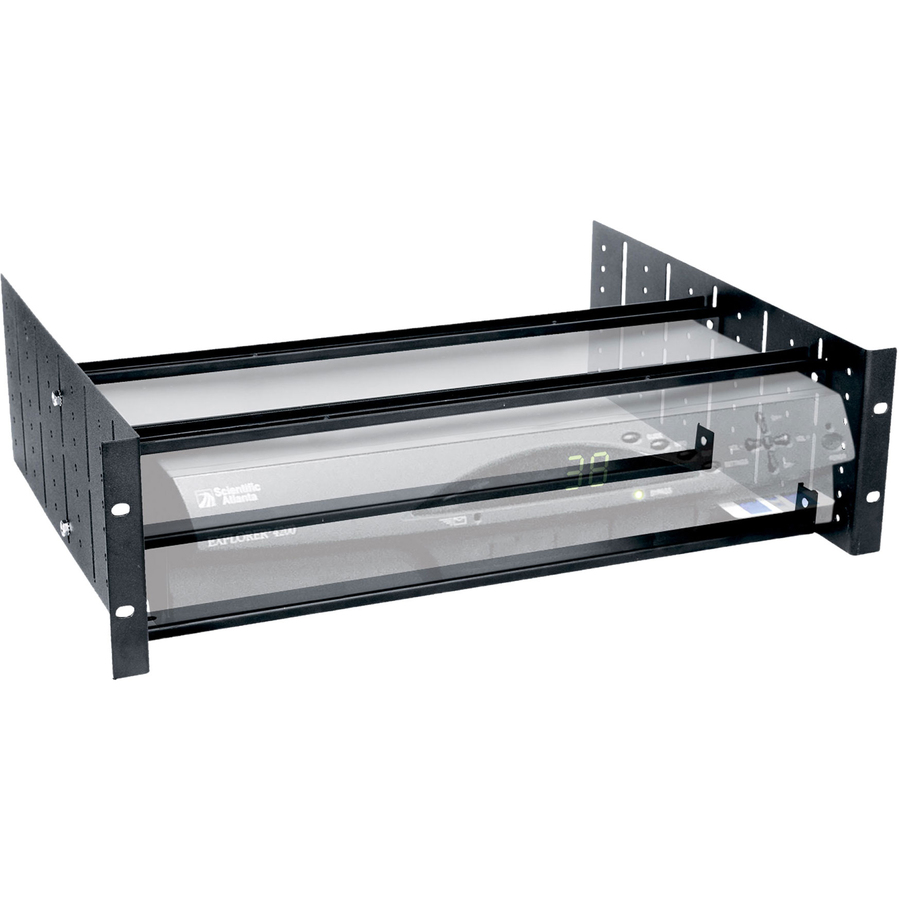
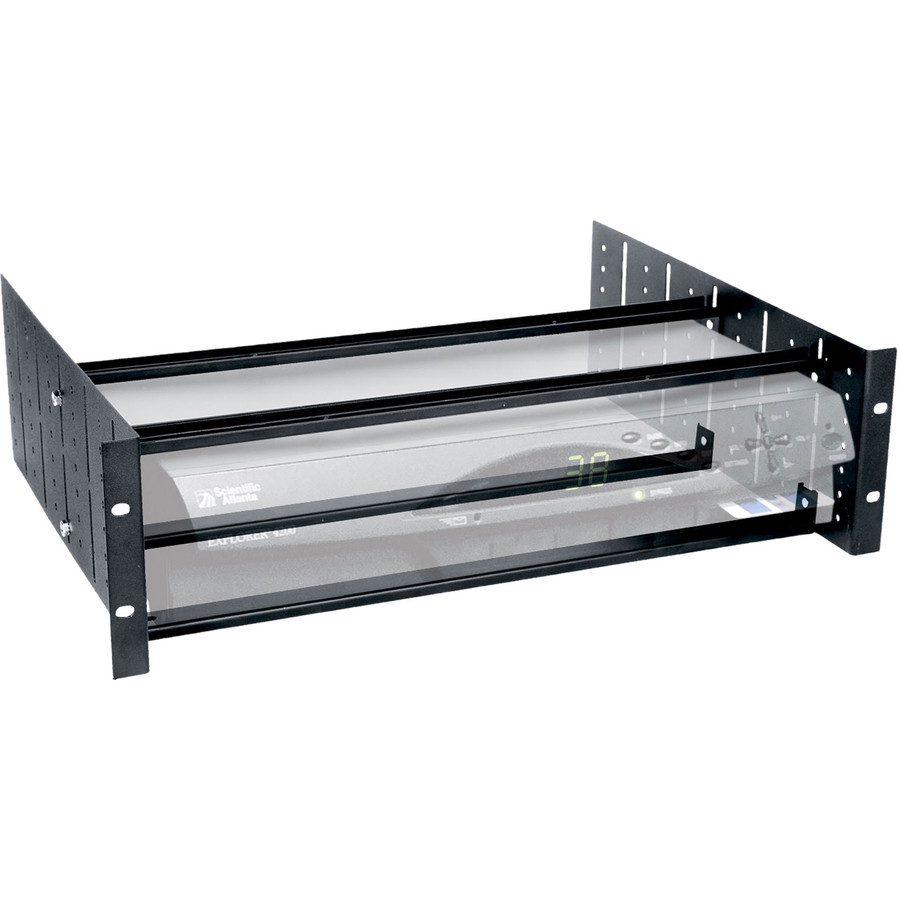
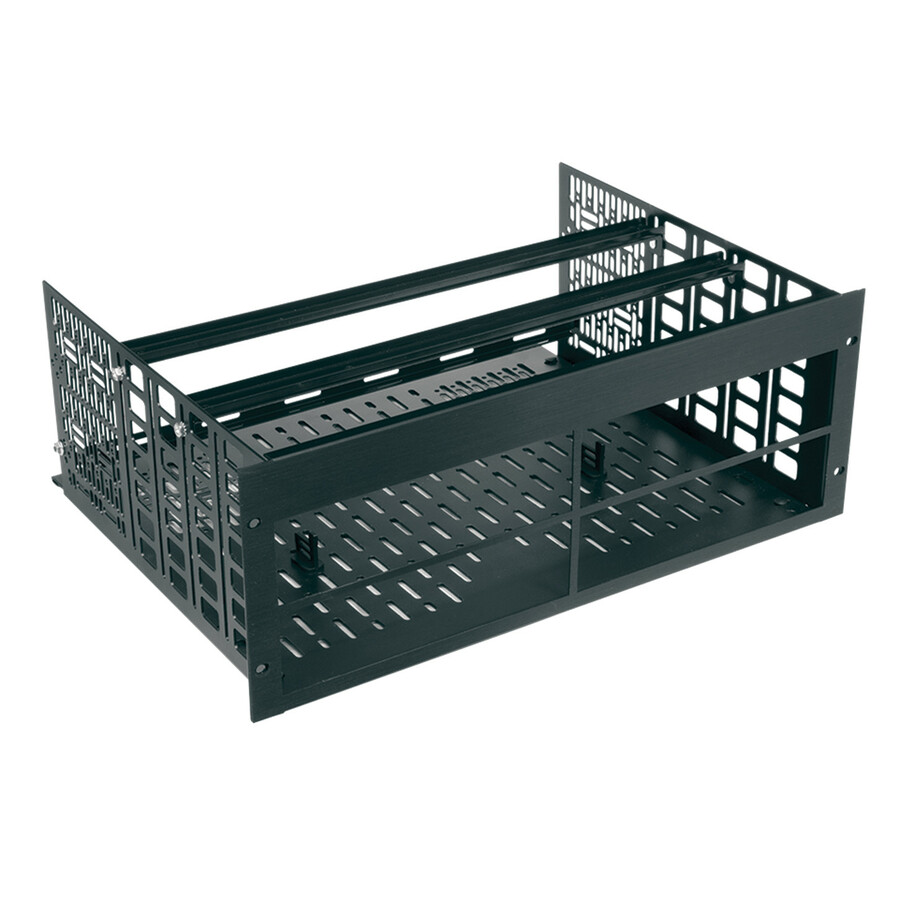
53 in stock - LegrandMiddle Atlantic KD Series KDE3 Knock-Down Rack Shelf - 3U Rack Height - SteelKDE3
$81.00
$68.55
46 in stock


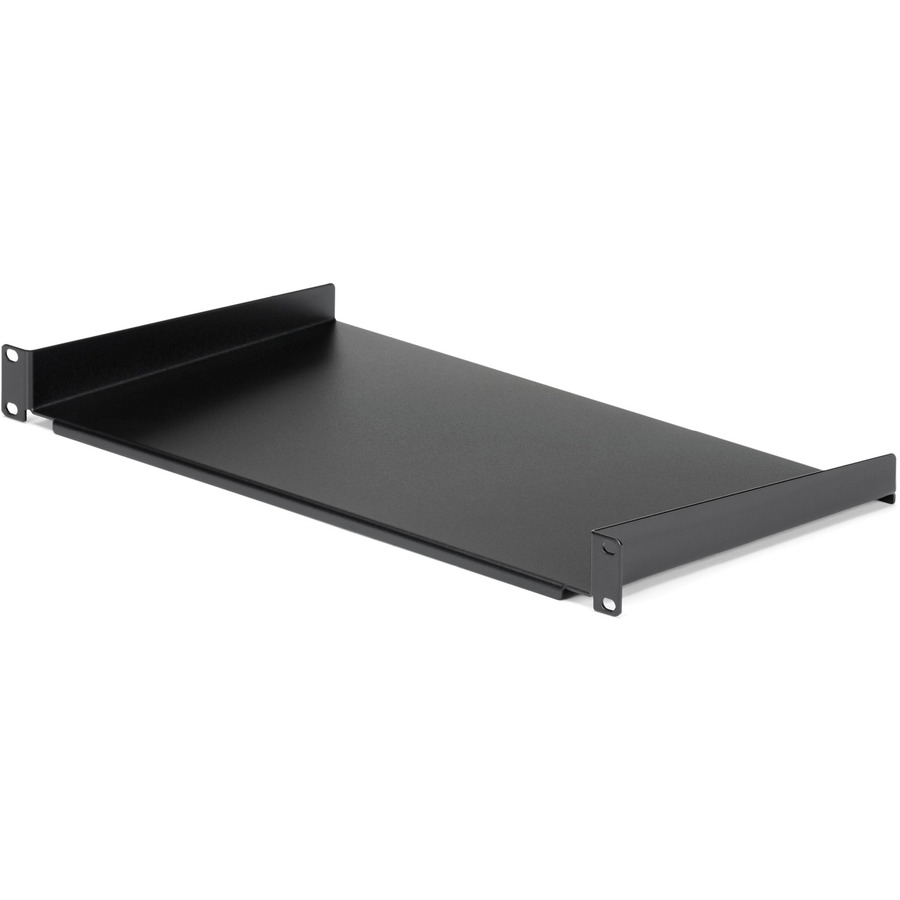
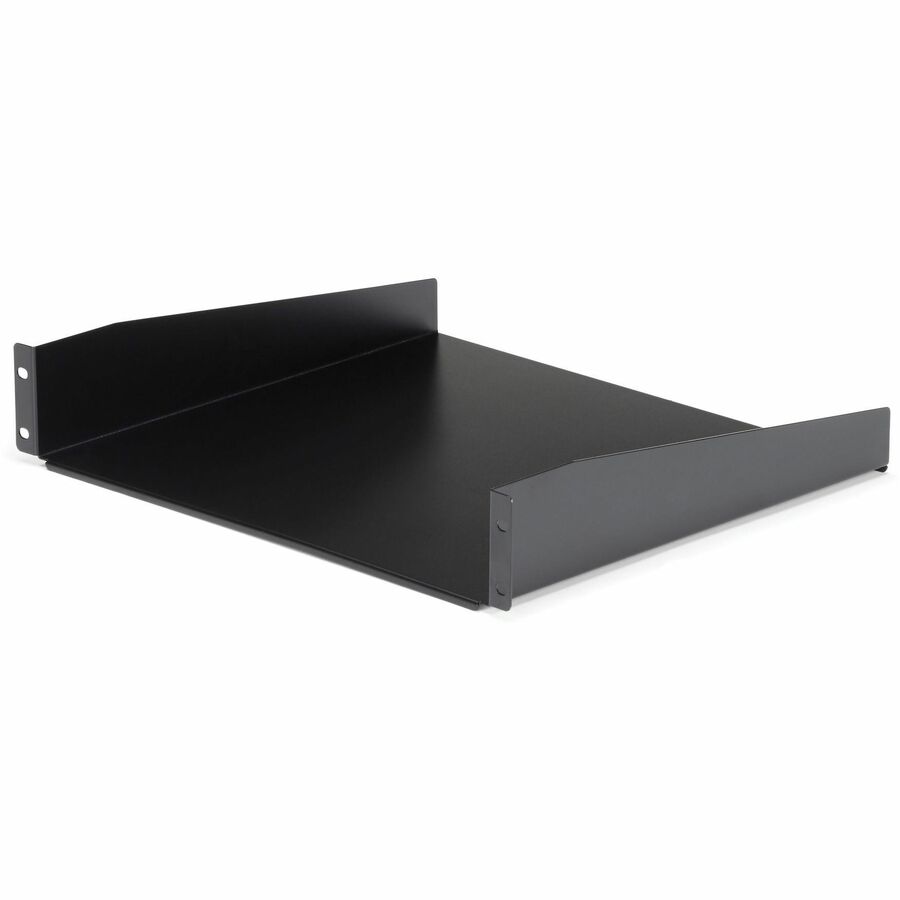
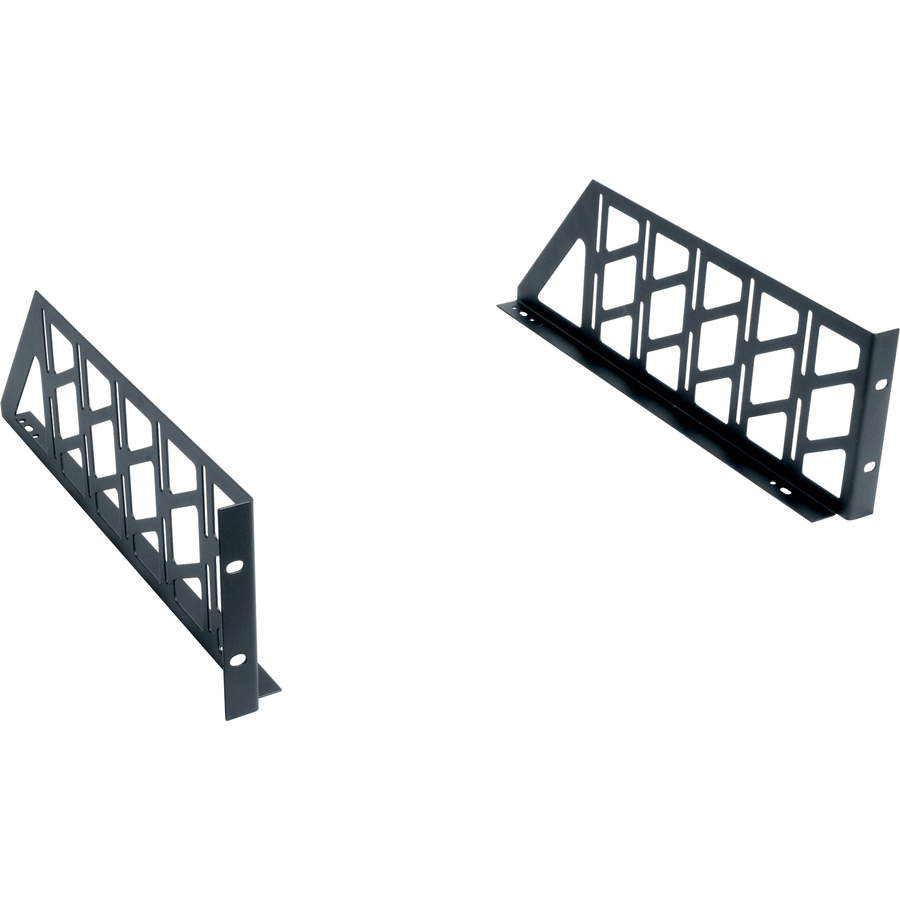
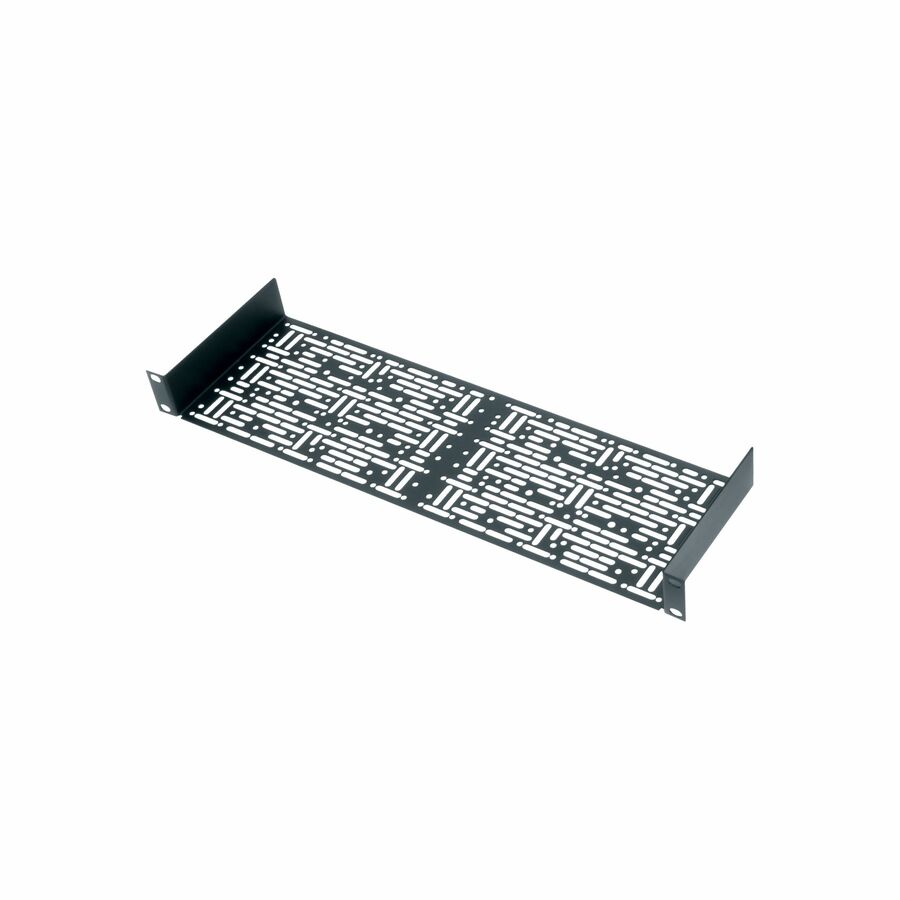
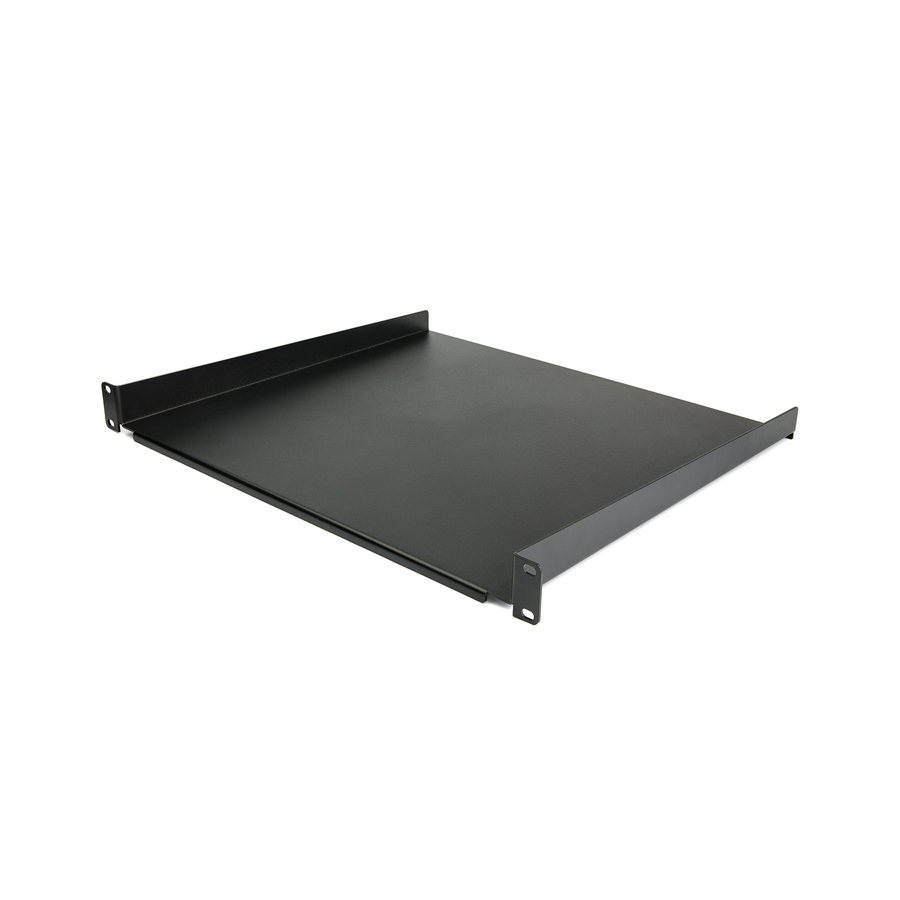
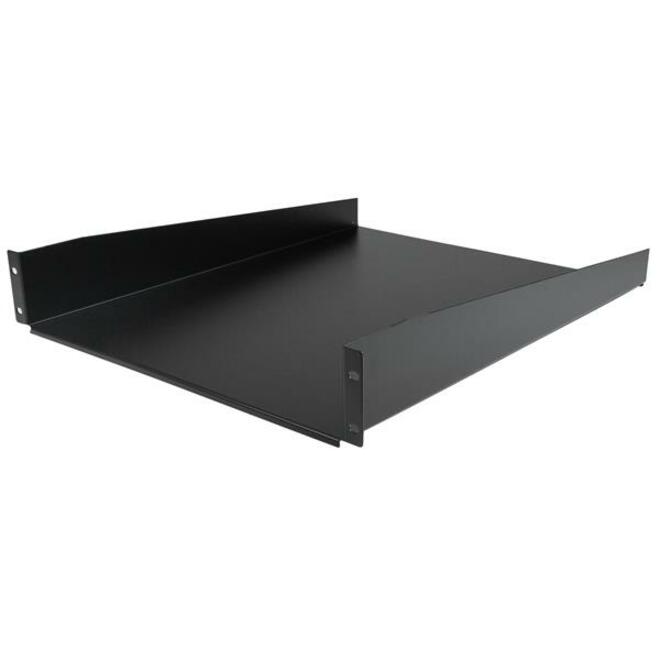
1U cantilever, 7in
StarTech.com
StarTech 1U Server Rack Shelf, Universal Rack Mount Cantilever Tray…
CABSHELF1U
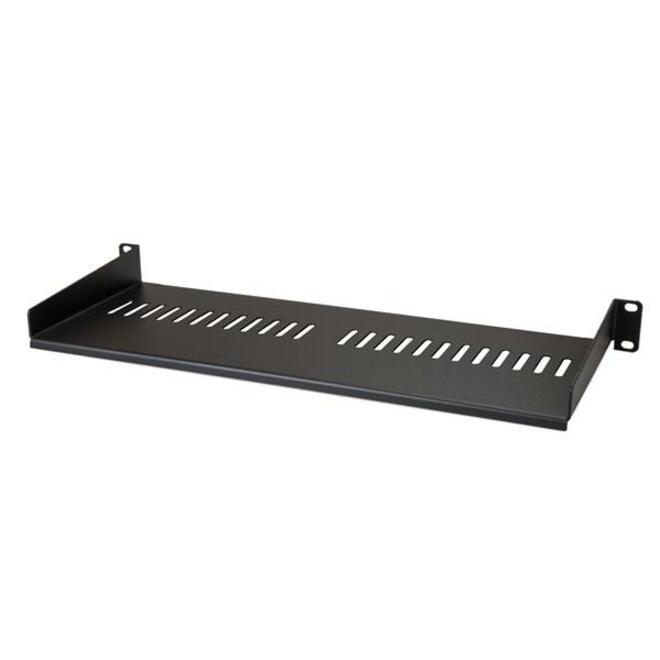
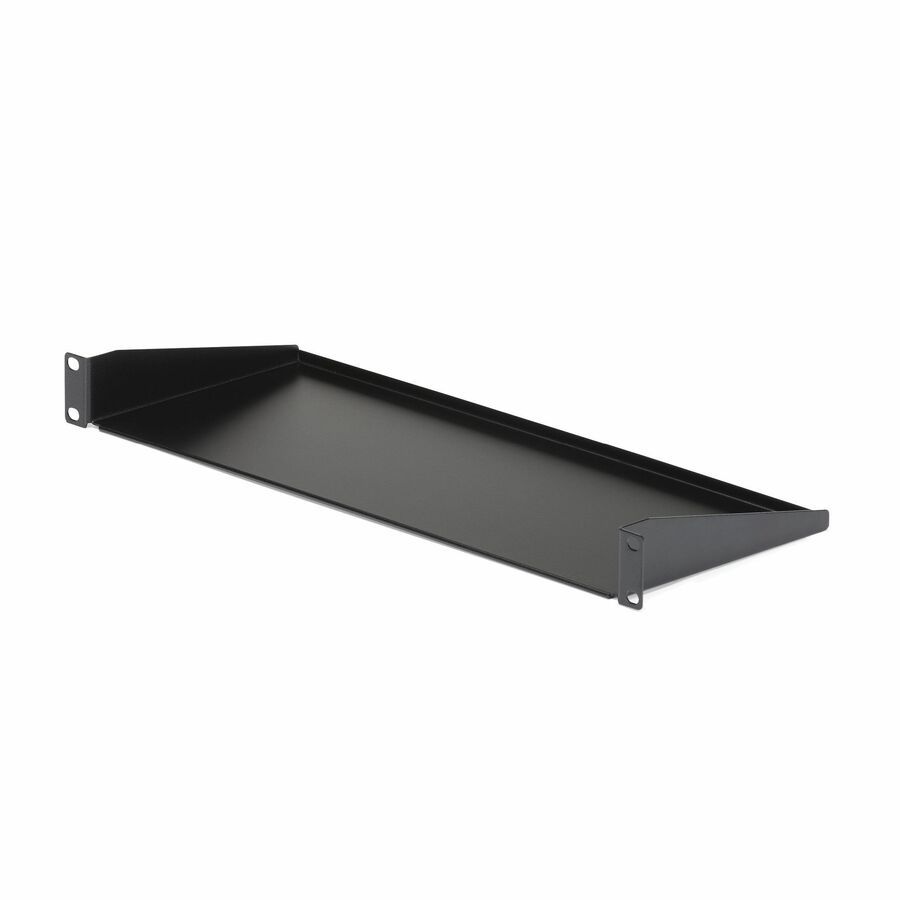
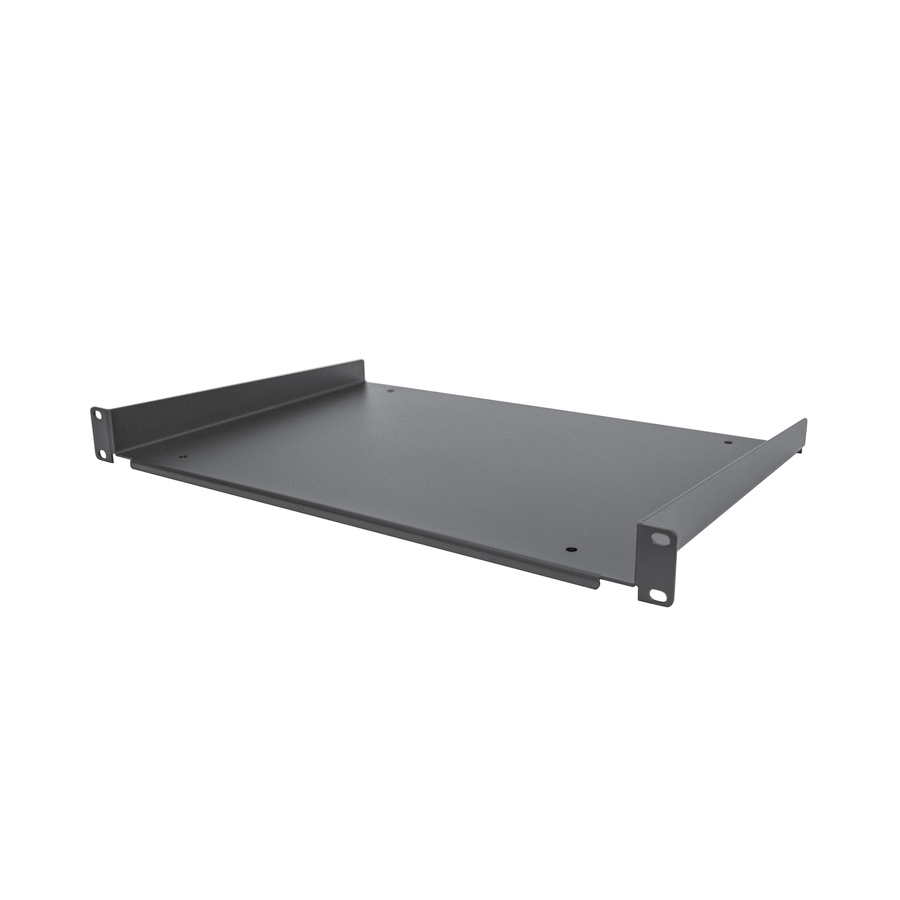
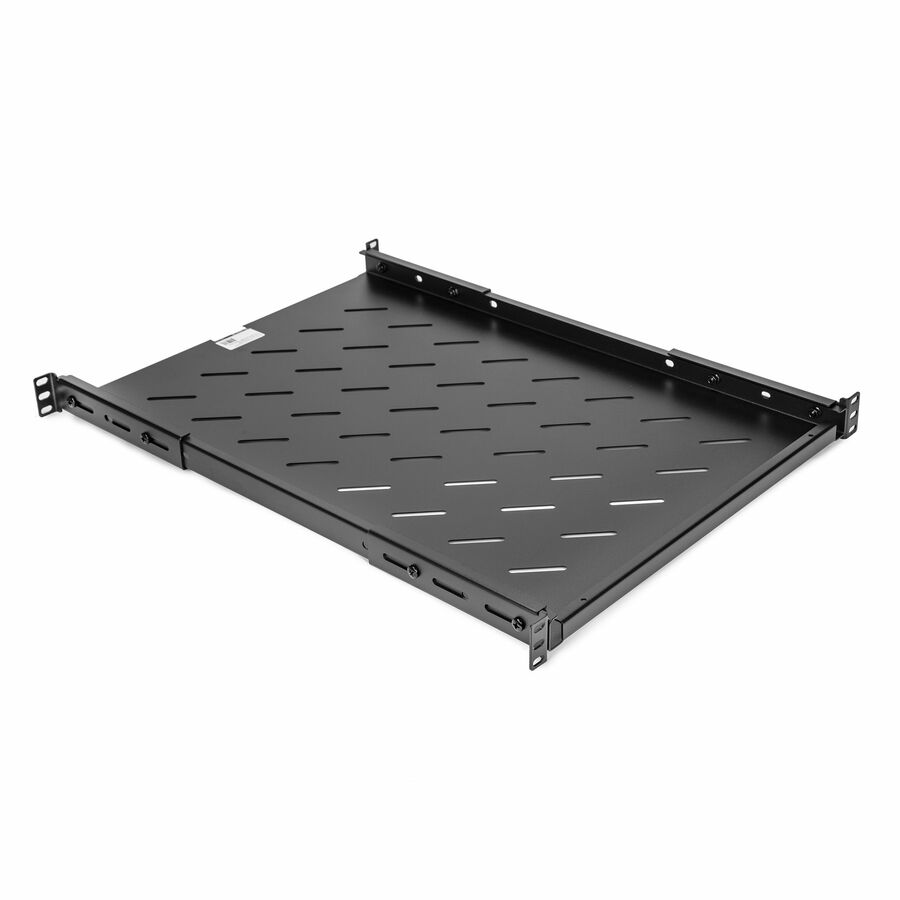
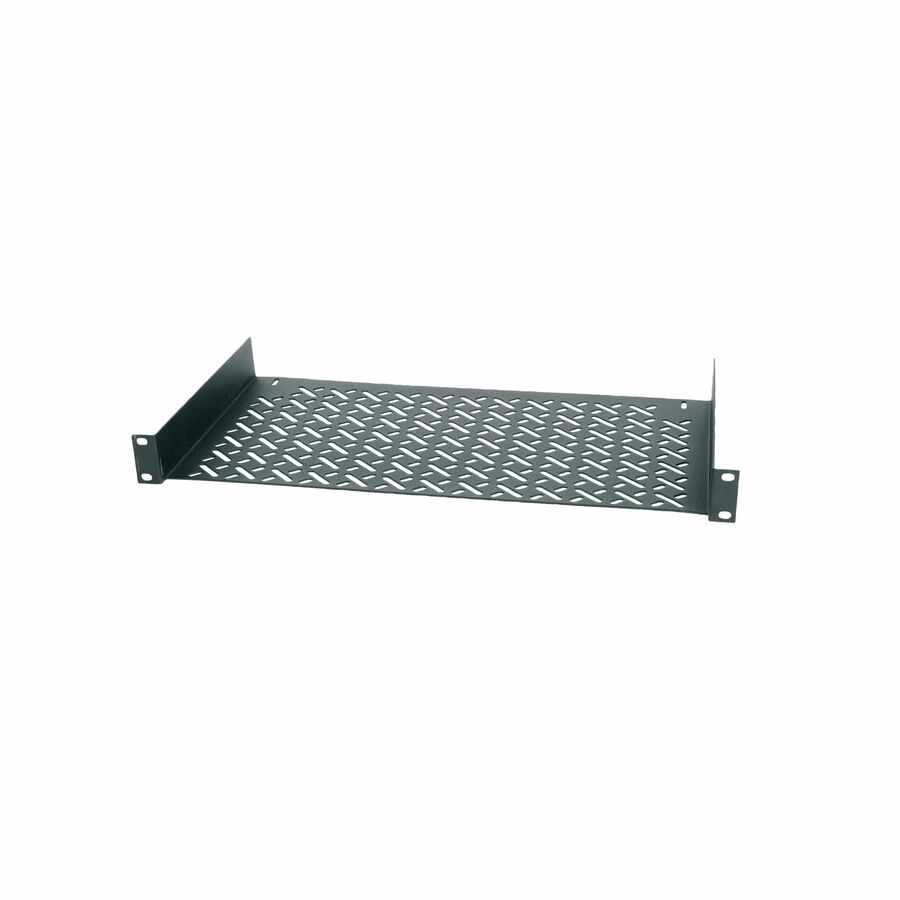
A 1U universal cantilever tray seven inches deep in cold-rolled steel, rated 33 lb and shipping with cage nuts and screws — the small-appliance shelf and the least expensive real tray here.
Cantilever: front posts only. Keep the load close to the rails.
$45.25*In stock1U vented, 25.6in deep
Rocstor
Rocstor 1U Universal Vented Rack Mount Shelf
Y10E021-B1
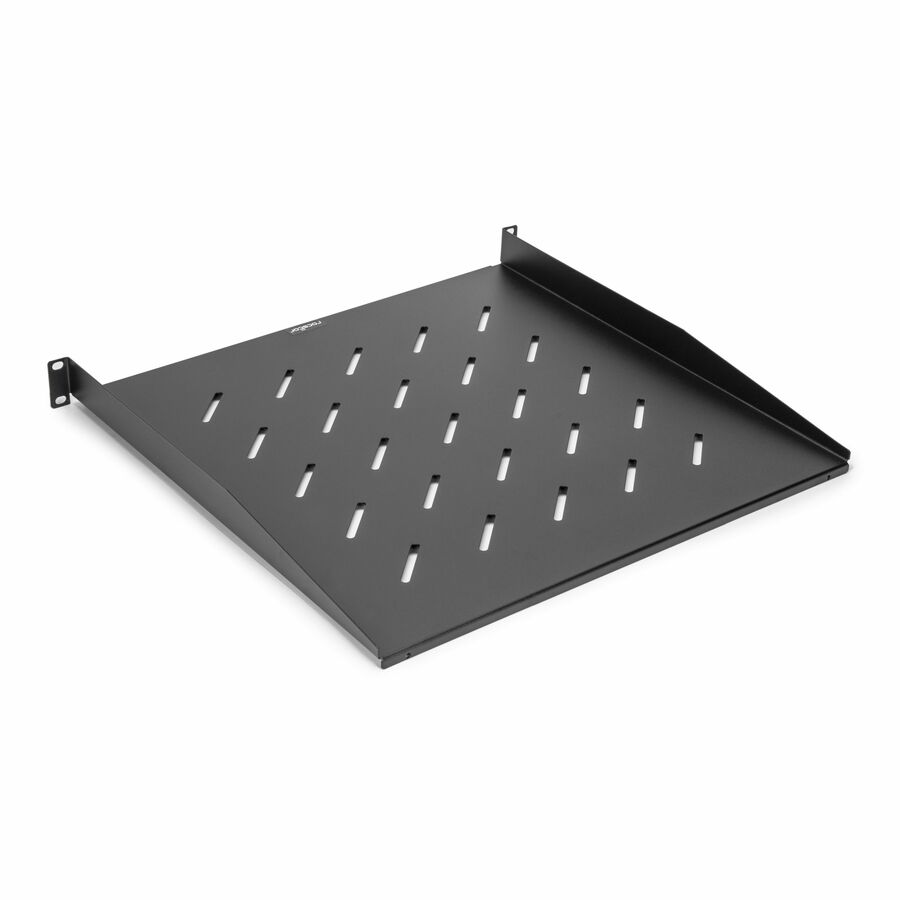
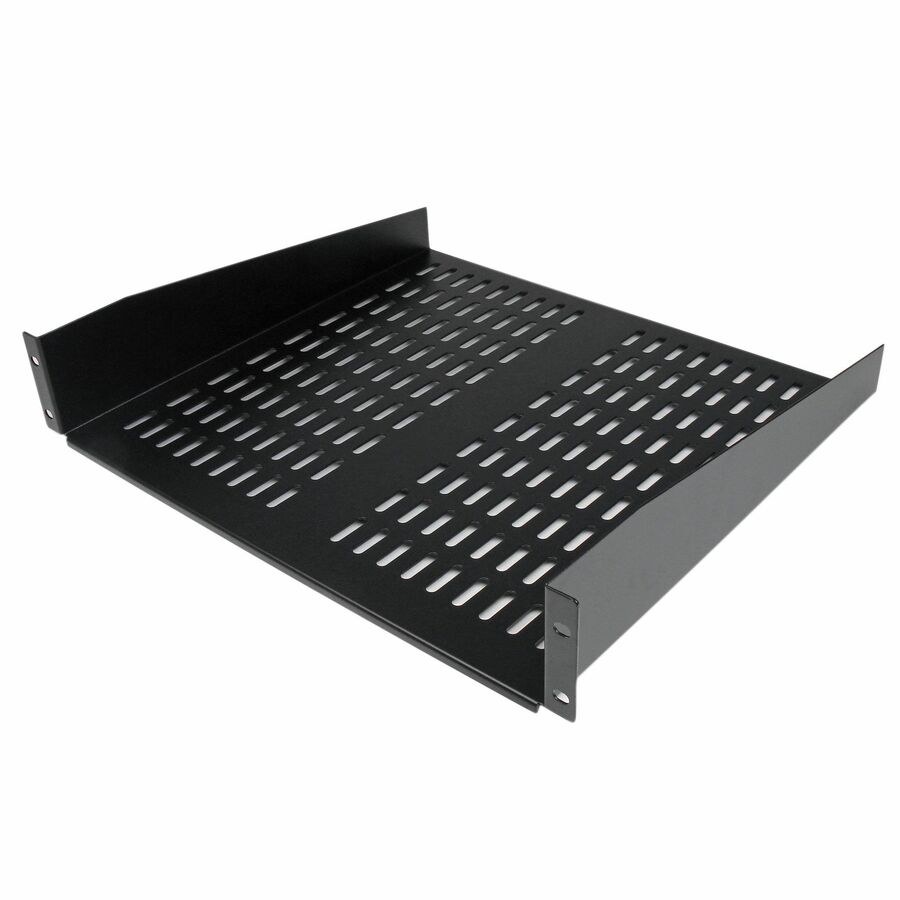
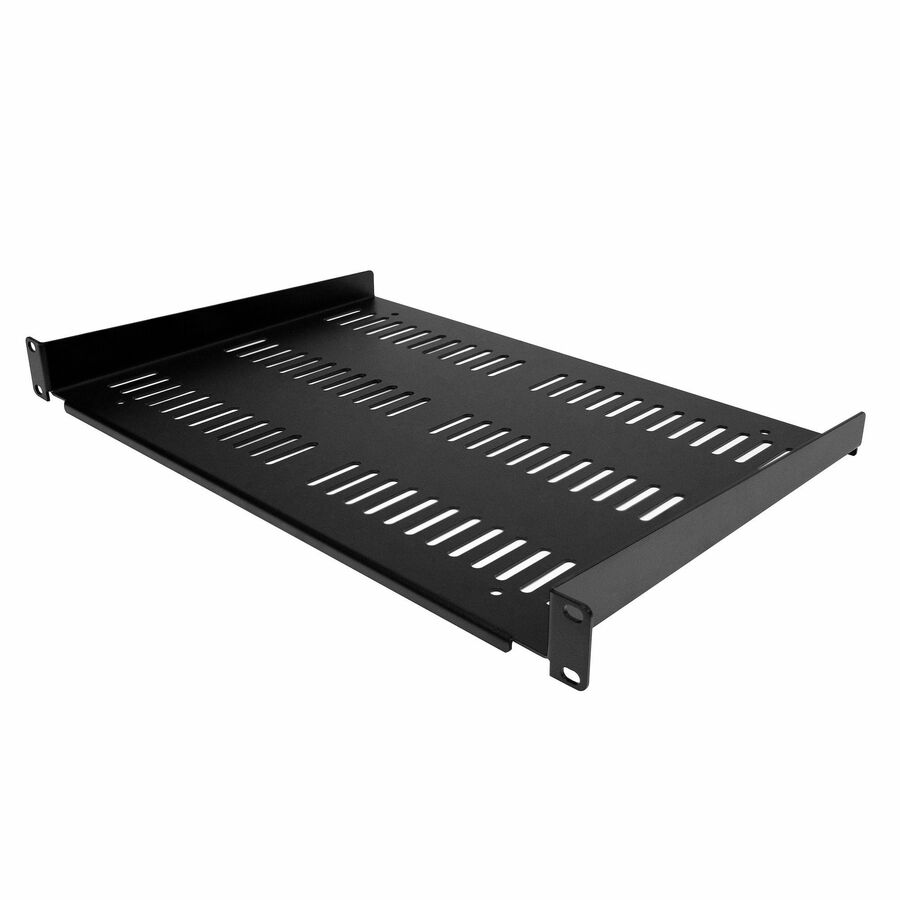
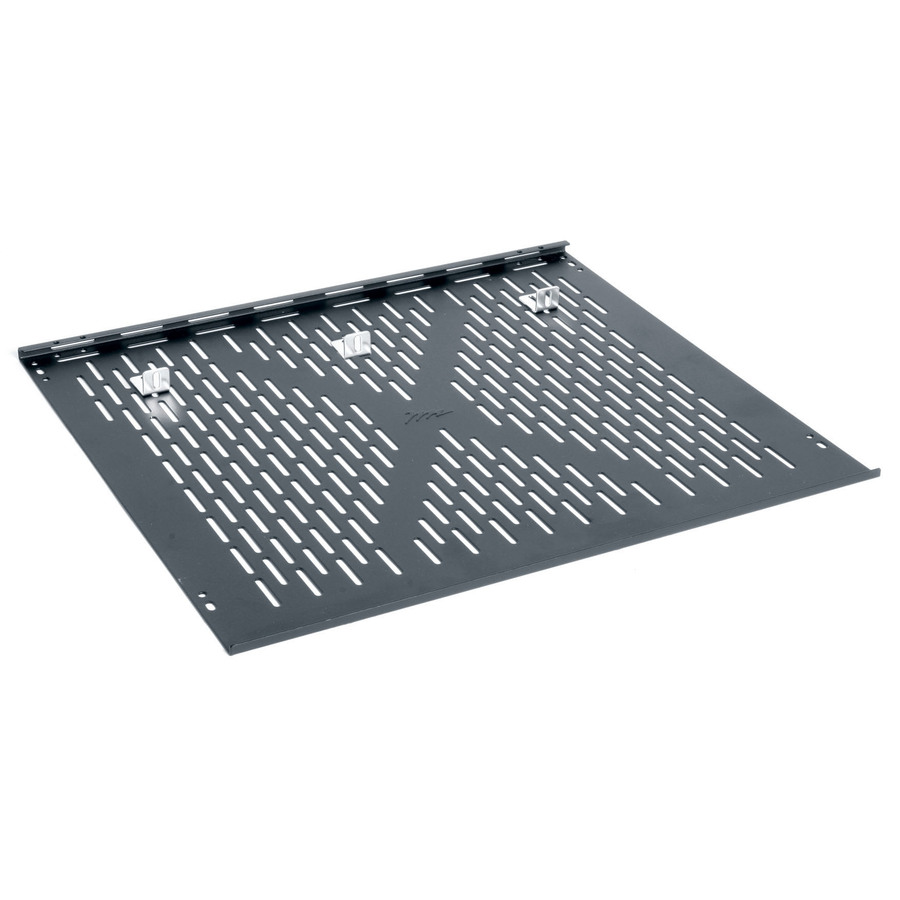
A 1U universal vented shelf 25.6 inches deep in cold-rolled steel rated 175 lb — full cabinet depth and a vented deck, for gear that needs support all the way back.
Vented deck: front-to-back airflow passes through the tray.
$64.47In stock2U centre mount, 20in
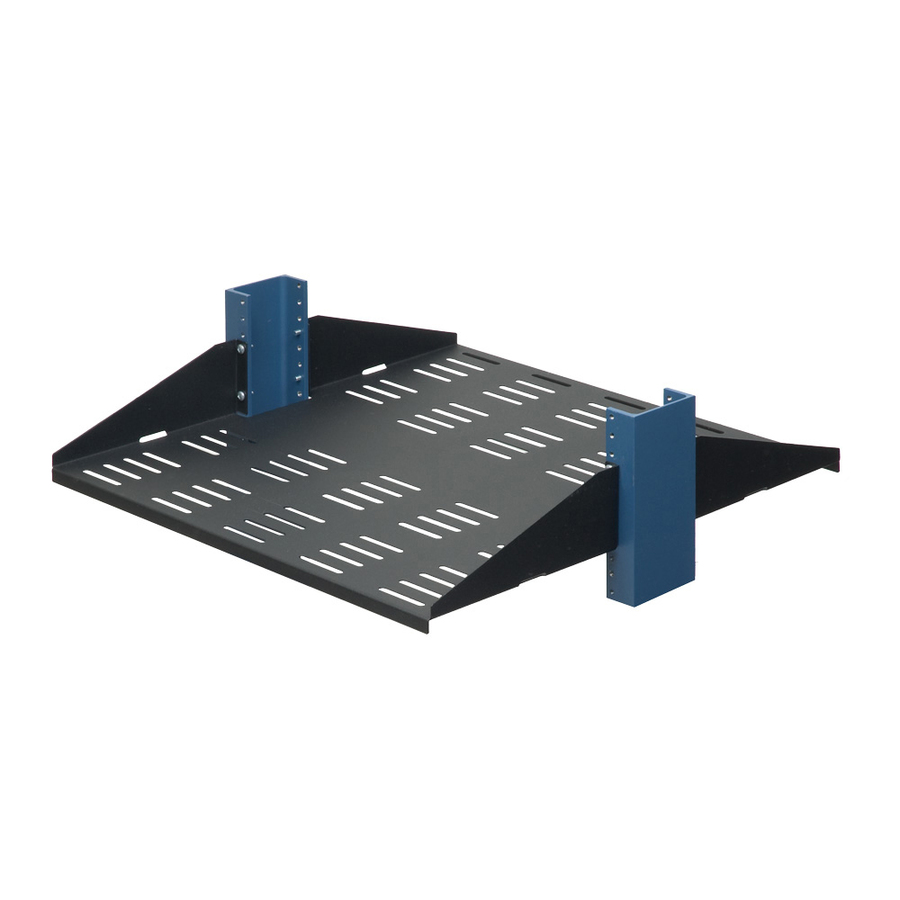
Rack Solutions
Rack Solutions 2U 2Post Center Mount Shelf 20in Depth…
2USHL-022FULL-20DV
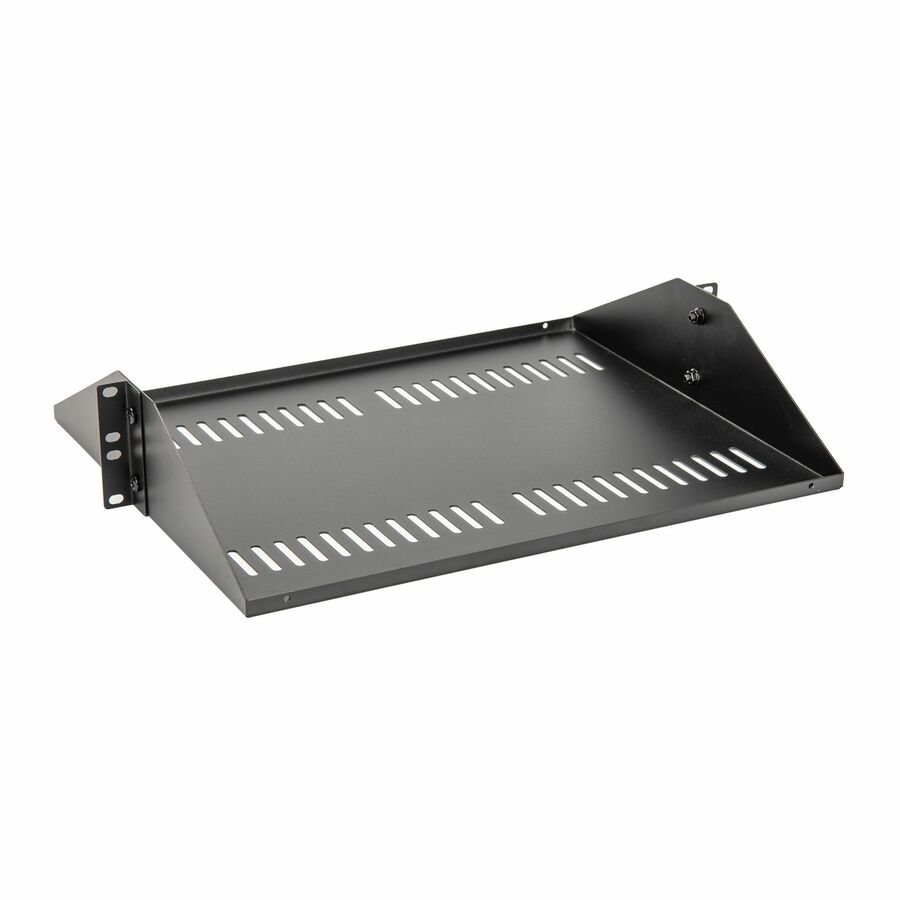
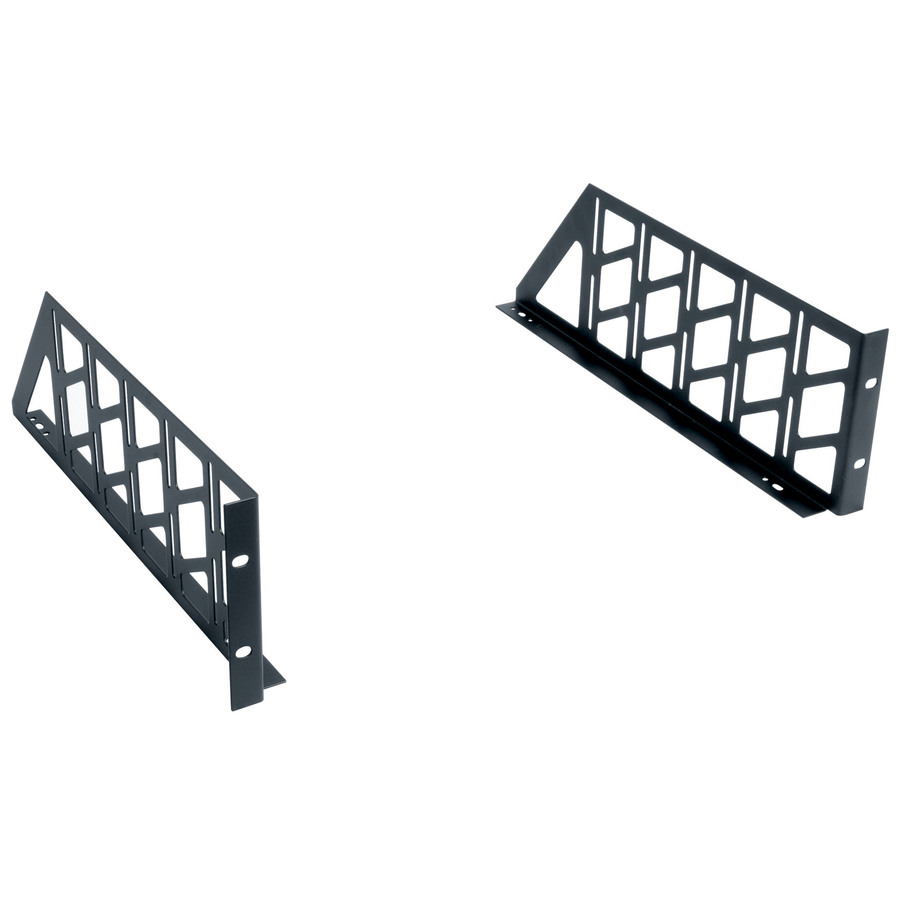
A 2U two-post centre-mount vented shelf twenty inches deep, flanged down — the balanced mount for a relay rack carrying more than a cantilever tray should hold.
Centre mount: hangs from the middle of the rails, splitting the load.
$67.25*Back-ordered1U vented, 10.8in deep
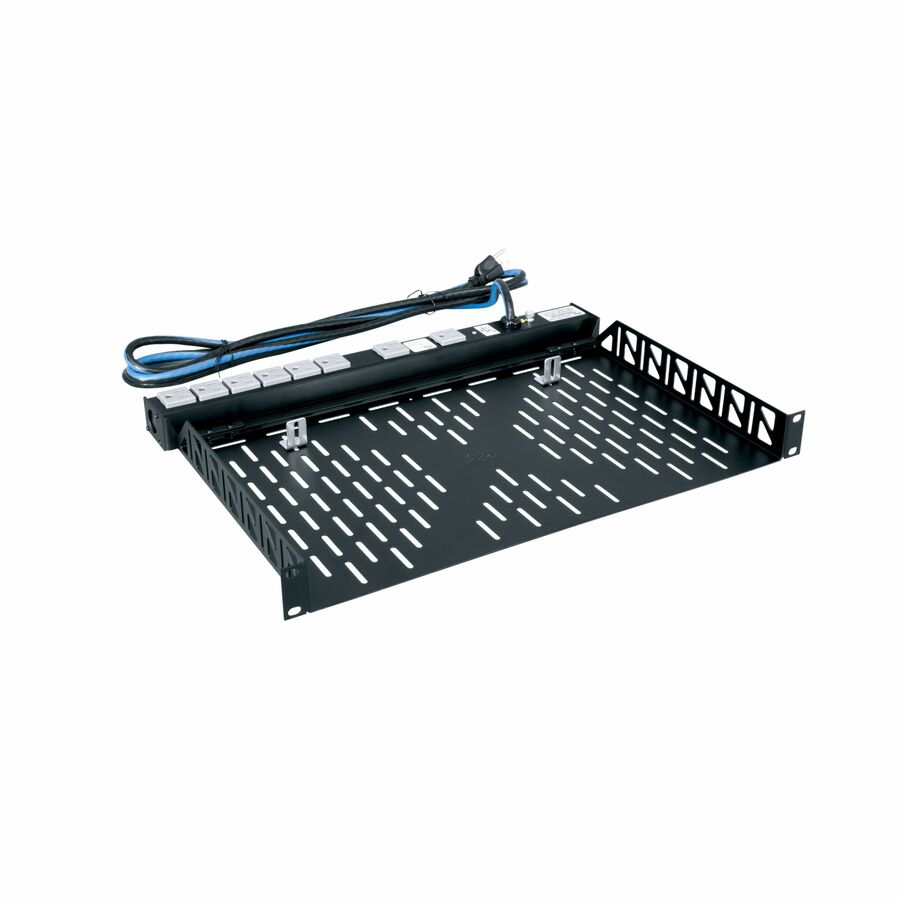
Legrand
Middle Atlantic 1RU Vented Utility Rackshelf
U1V
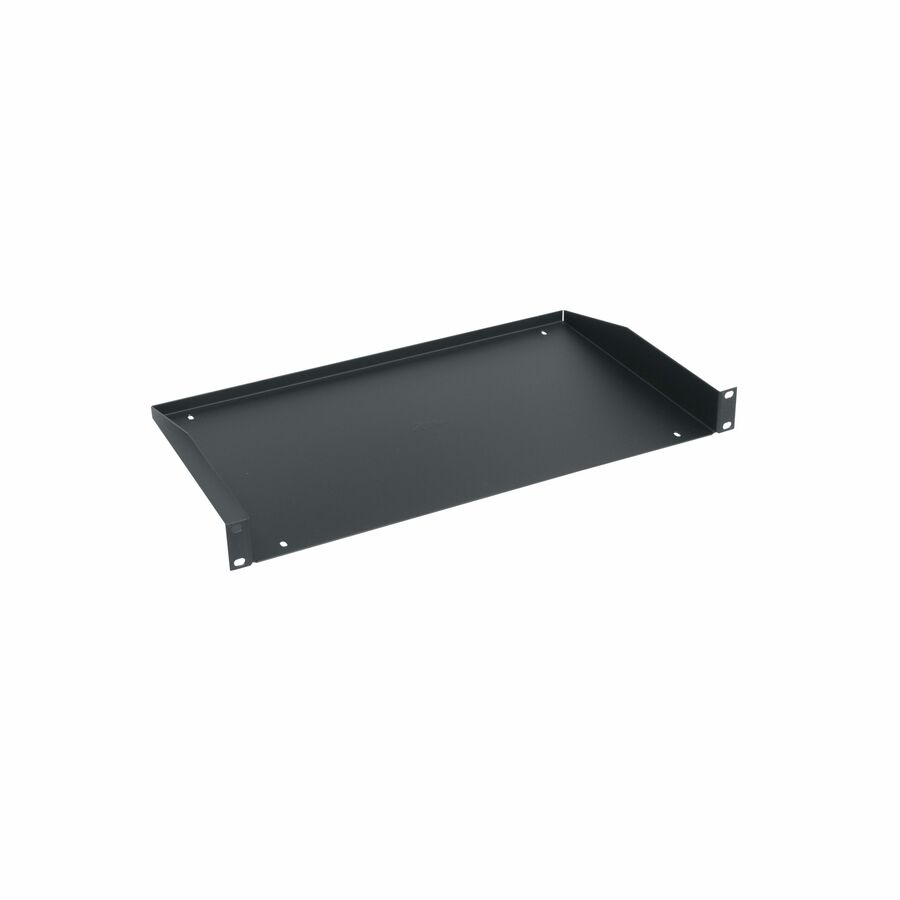
A 1U vented utility rackshelf 10.8 inches deep in steel, rated 35 lb — a shallow tray for a small box that needs a floor rather than a bracket.
35 lb rating: a light-equipment shelf.
$71.36In stock1U fixed, 12in deep
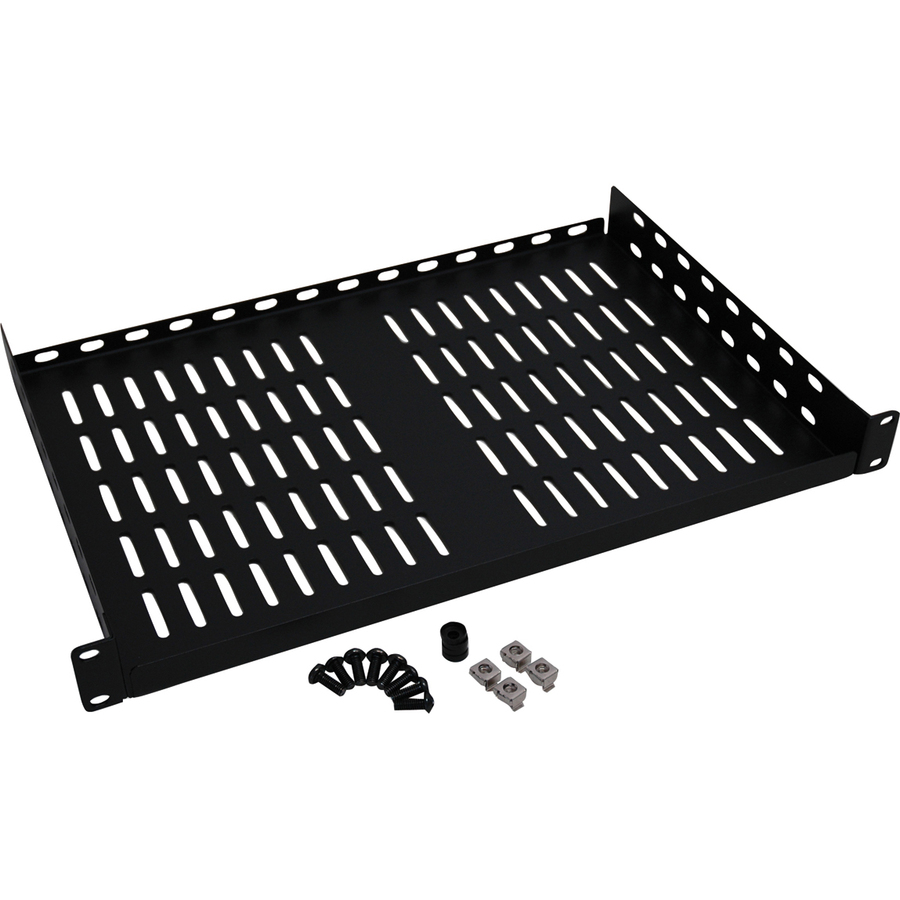
Eaton
Tripp Lite by Eaton SmartRack 1U Cantilever Fixed Shelf…
SRSHELF2P1U
A 1U cantilever fixed shelf twelve inches deep in cold-rolled steel rated 40 lb — the plain fixed tray for a switch, a media converter or a small appliance.
Fixed cantilever, 40 lb capacity.
$99.67In stock2U vented centre mount
Legrand
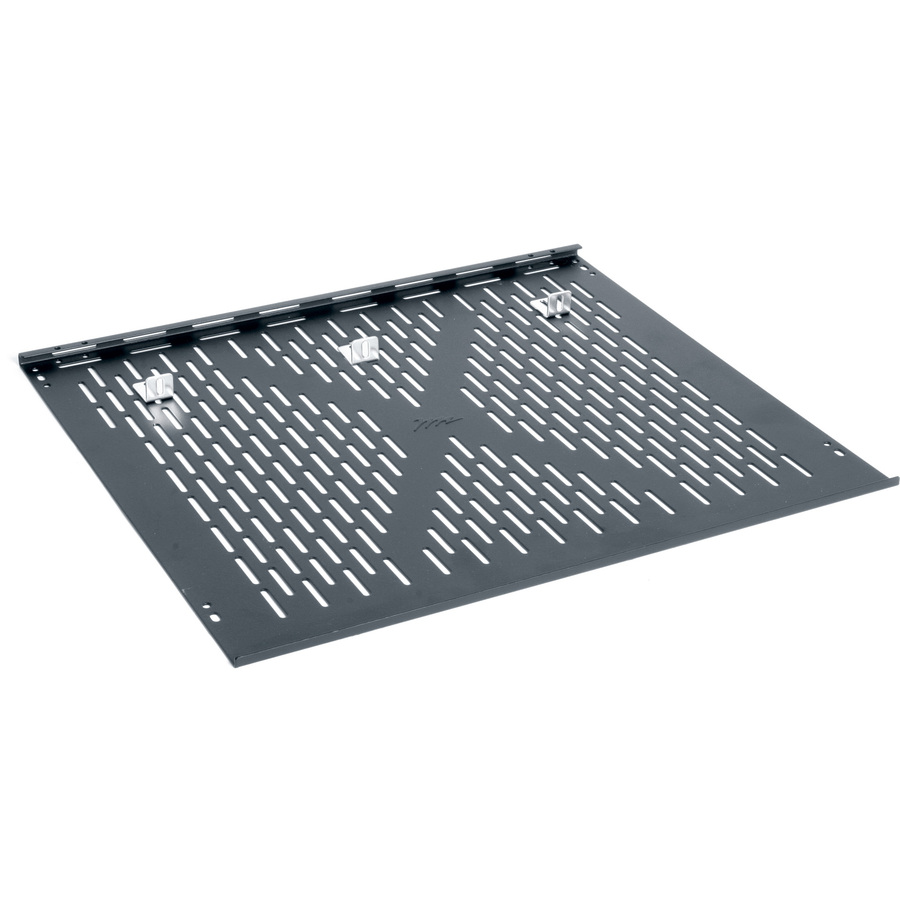
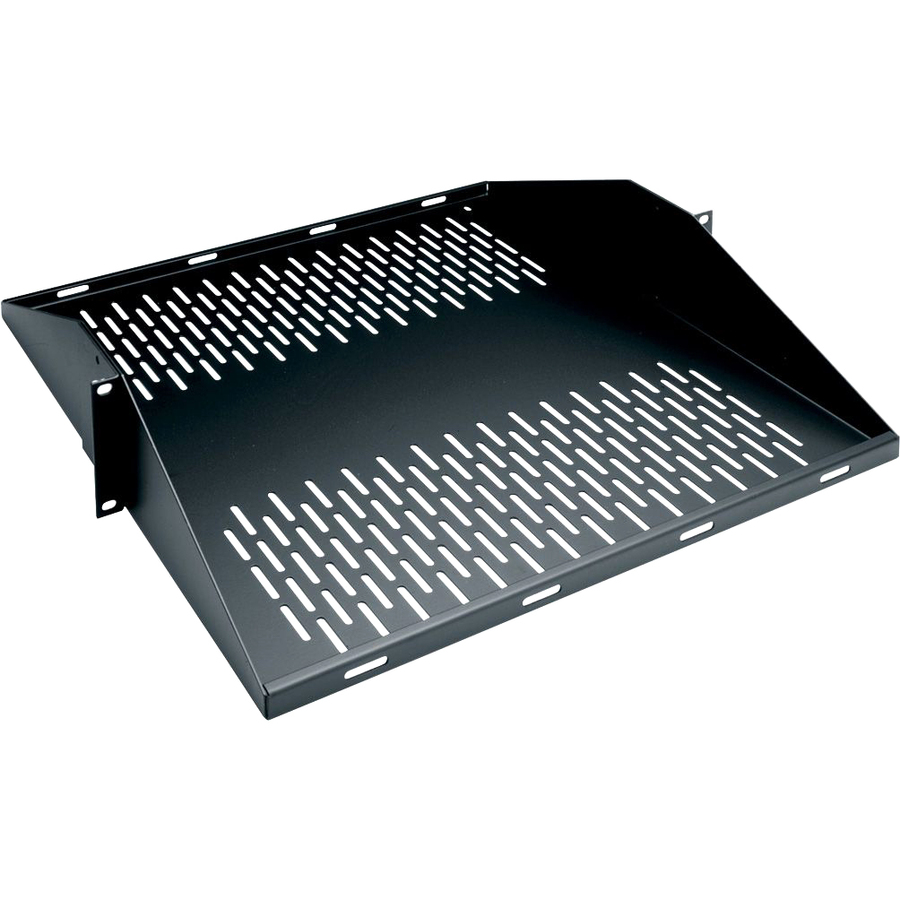
Middle Atlantic U2MS Vented Center Mount Rack Shelf
U2MS
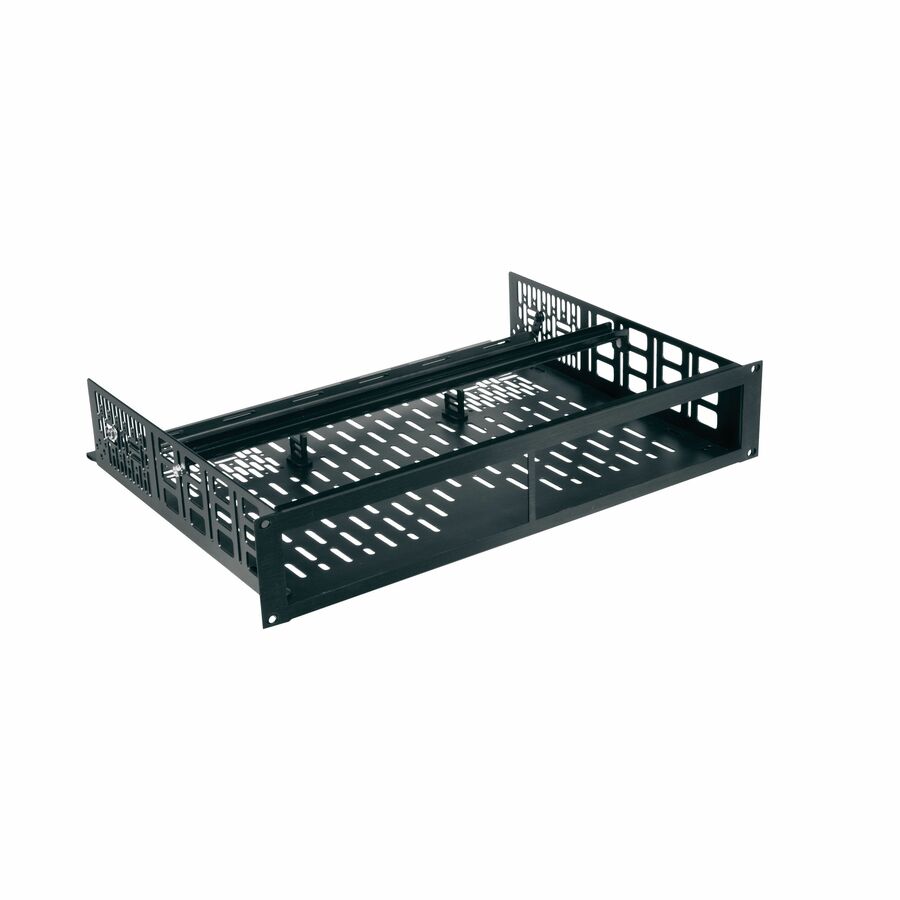
A 2U vented centre-mount steel rack shelf rated 50 lb — the two-unit centre-mount deck for a device too heavy to hang off the front posts alone.
Costs 2U of cabinet regardless of how tall the equipment is.
$123.35Back-ordered1RU front mount
PANDUIT
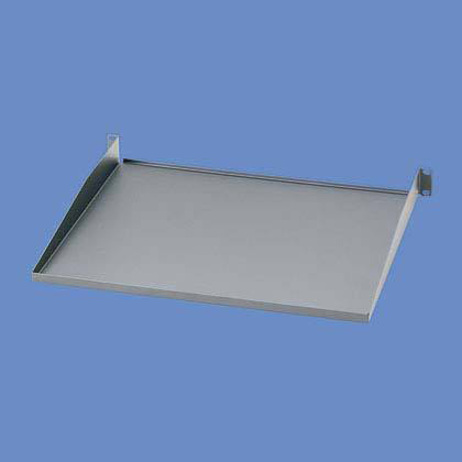
Panduit 1RU 19" Front Mount Rack Shelf
SRM19FM1
A 1RU 19-inch front-mount steel rack shelf rated 30 lb — the lightest-duty tray in this list, for a small box that simply needs somewhere to sit.
30 lb: read the rating against what actually goes on it.
$111.19Back-ordered1U vented, 20in fixed
StarTech.com
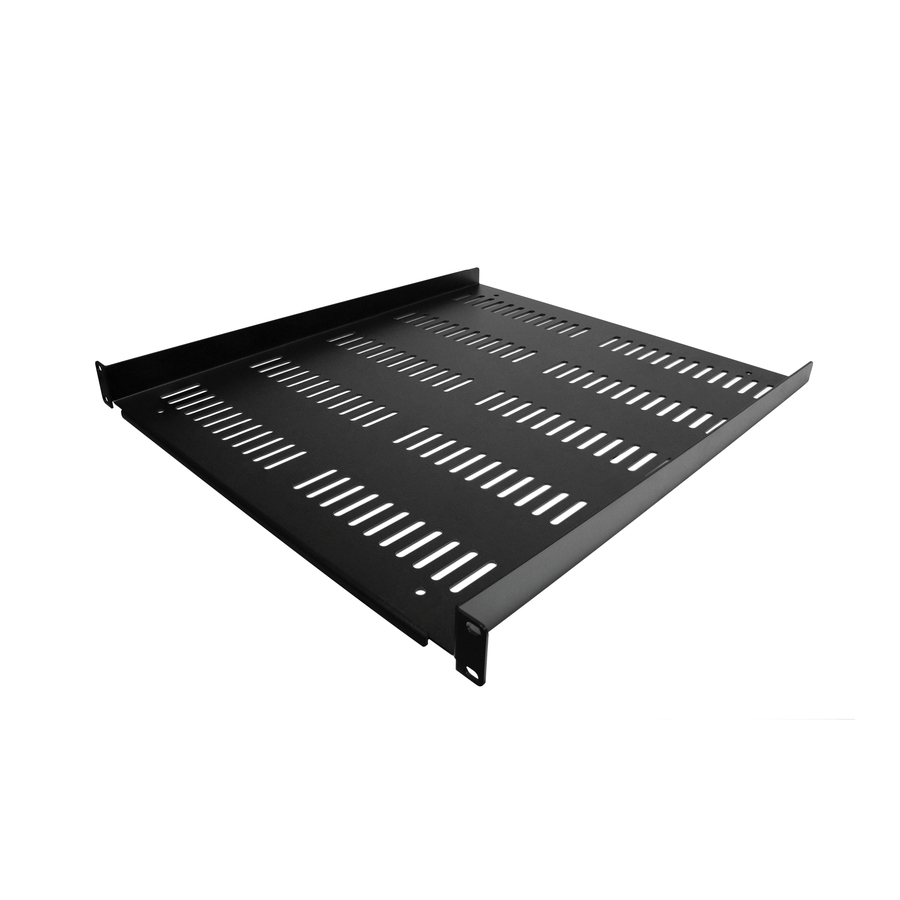
StarTech 1U Vented Server Rack Cabinet Shelf
SHELF-1U-20-FIXED-V
A 1U vented fixed cantilever tray twenty inches deep in cold-rolled steel rated 55 lb, with mounting hardware included — the deeper vented cantilever for a full-depth cabinet.
Cage nuts and screws included; universal EIA/ECA-310 fit.
$98.06In stock2U heavy duty, 300 lb
Rack Solutions
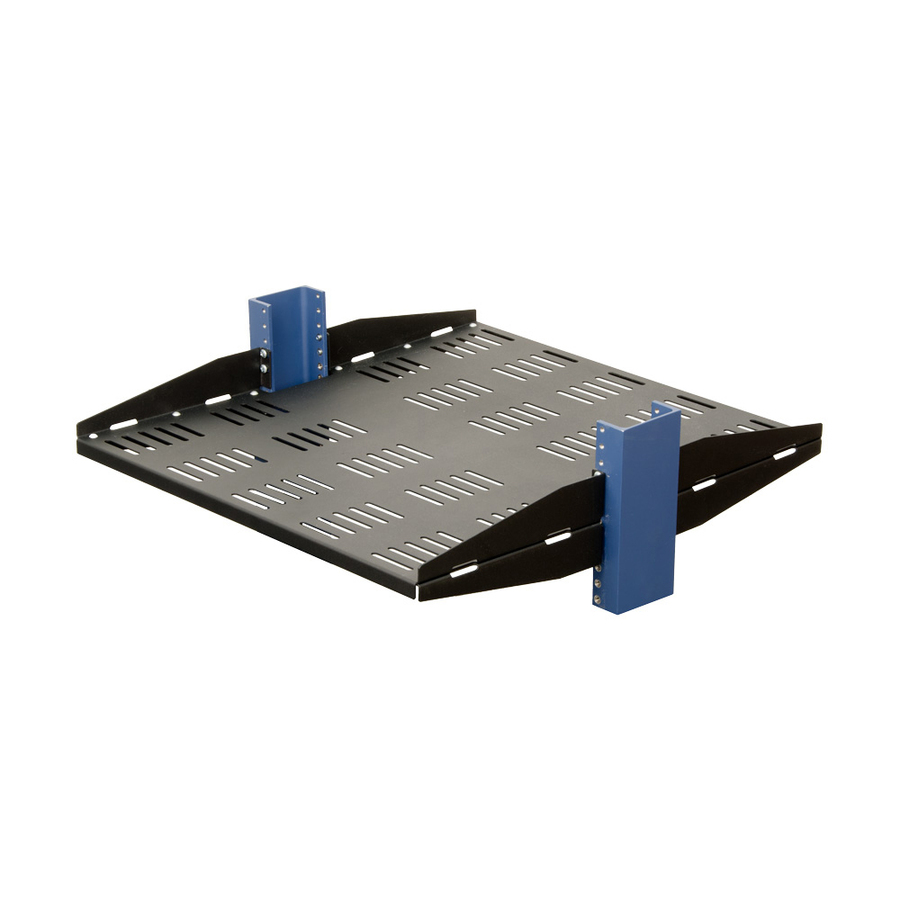
Rack Solutions 2U 2Post Heavy Duty Center Mount Vented Shelf 21in (D)
107-2852
A 2U two-post heavy-duty centre-mount vented shelf 21 inches deep in cold-rolled steel, rated 300 lb — the highest-capacity two-post tray on this list.
Titled TAA Compliant, which is a per-part fact to confirm on the row you order.
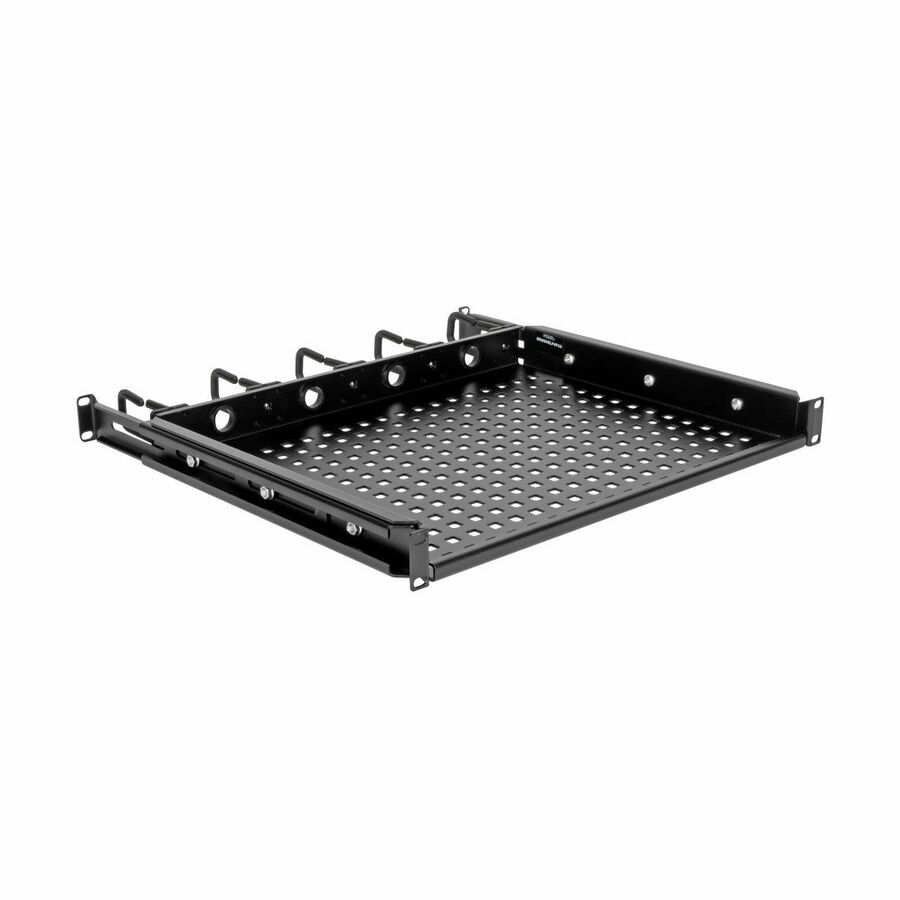
$120.82*Back-ordered1U vented, cable rings
Eaton
Tripp Lite by Eaton SmartRack Cantilevered Steel Rack Shelf
SRWSHELF4P1U
A 1U cantilevered vented shelf 14.2 inches deep with integrated cable rings, rated 50 lb and titled for PDUs, servers and access points — cable management built into the tray.
Integrated cable rings: no separate management bar needed.
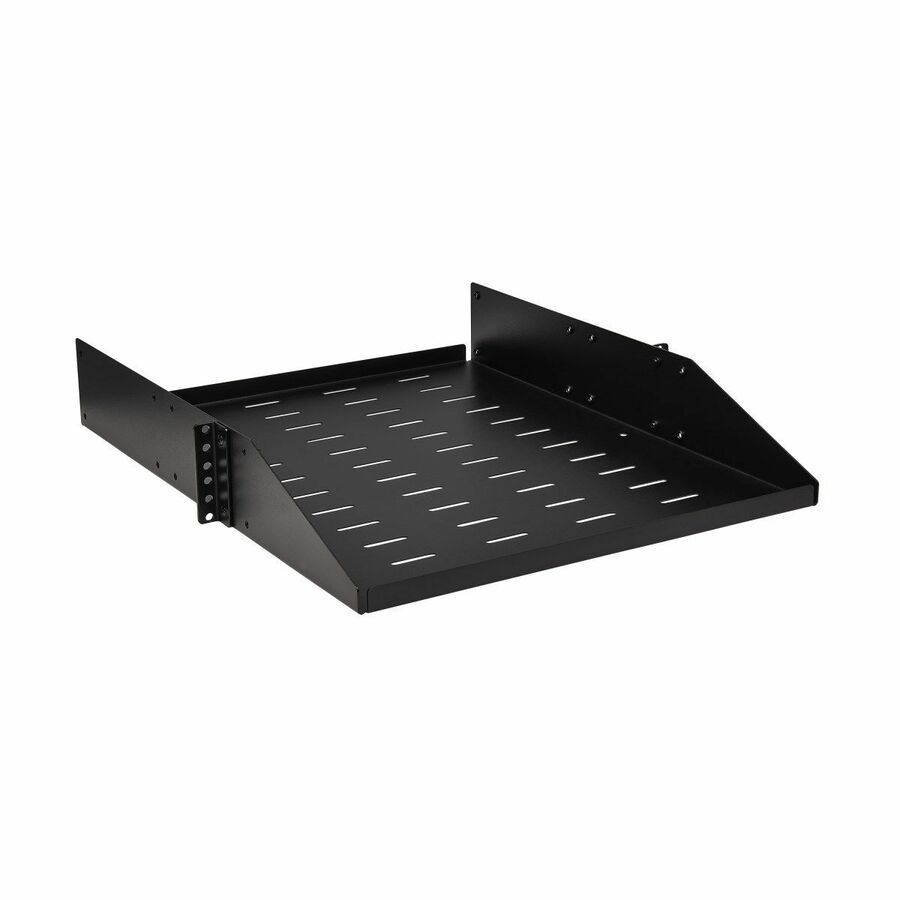
$149.00In stock2U universal, 100 lb
Eaton
Tripp Lite by Eaton SmartRack Universal-Mount Steel Rack Shelf
SRSHELF2PUNIV
A 2U universal-mount vented steel shelf 21.7 inches deep rated 100 lb, titled for data-centre, server, switch and router use — the general-purpose two-unit deck.
Universal mount: fits two-post and four-post rails.
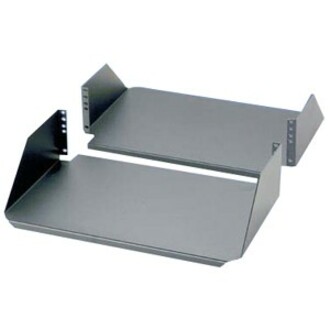
$152.08In stock3U cantilever, 200 lb
PANDUIT
Panduit SRM19CM3 Cantilevered Rack Shelf
SRM19CM3
A 3U cantilevered aluminium rack shelf rated 200 lb — an unusually high capacity for a cantilever mount, and a lighter deck than the equivalent steel tray.
Aluminium: lighter than steel at the same rating.
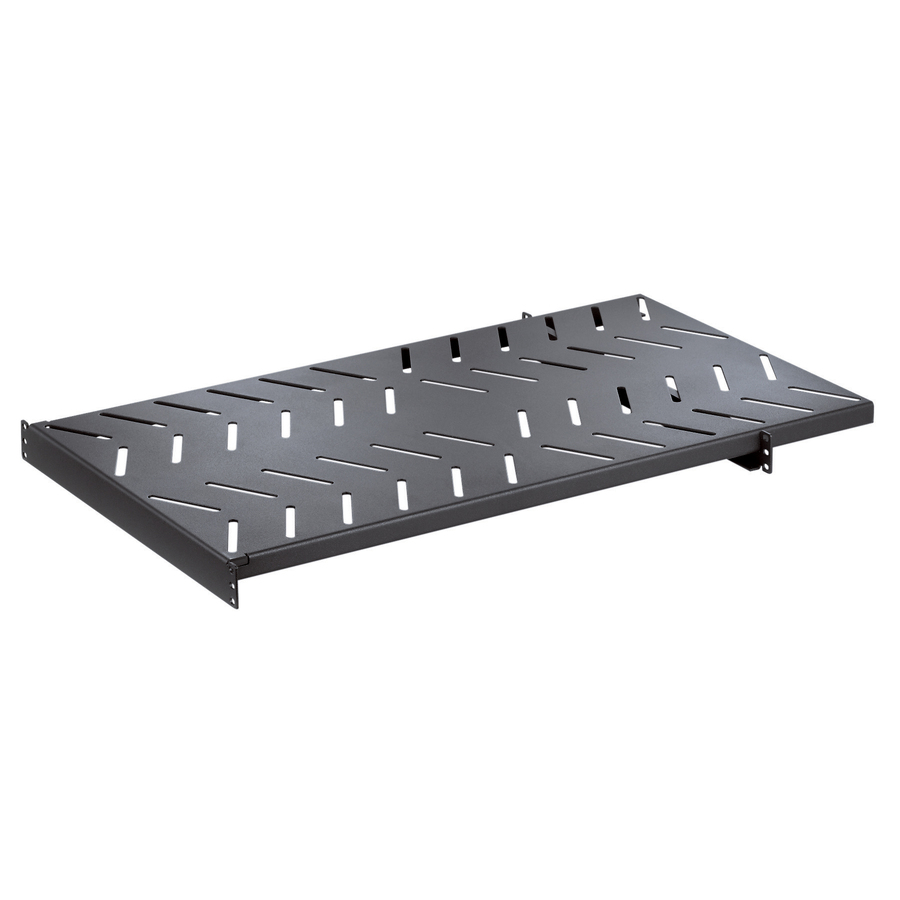
$267.50Back-ordered1RU four-post, 275 lb
PANDUIT
Panduit 1RU 19" x 23" Deep Mount 4-post Rack Shelf
RSHLF23
A 1RU four-post steel rack shelf 23 inches deep rated 275 lb — supported at the front and rear rails, which is where a server cabinet's real capacity comes from.
Four-post: needs rear rails and the correct mounting depth.
$323.46Back-ordered2U sliding with CMA
StarTech.com
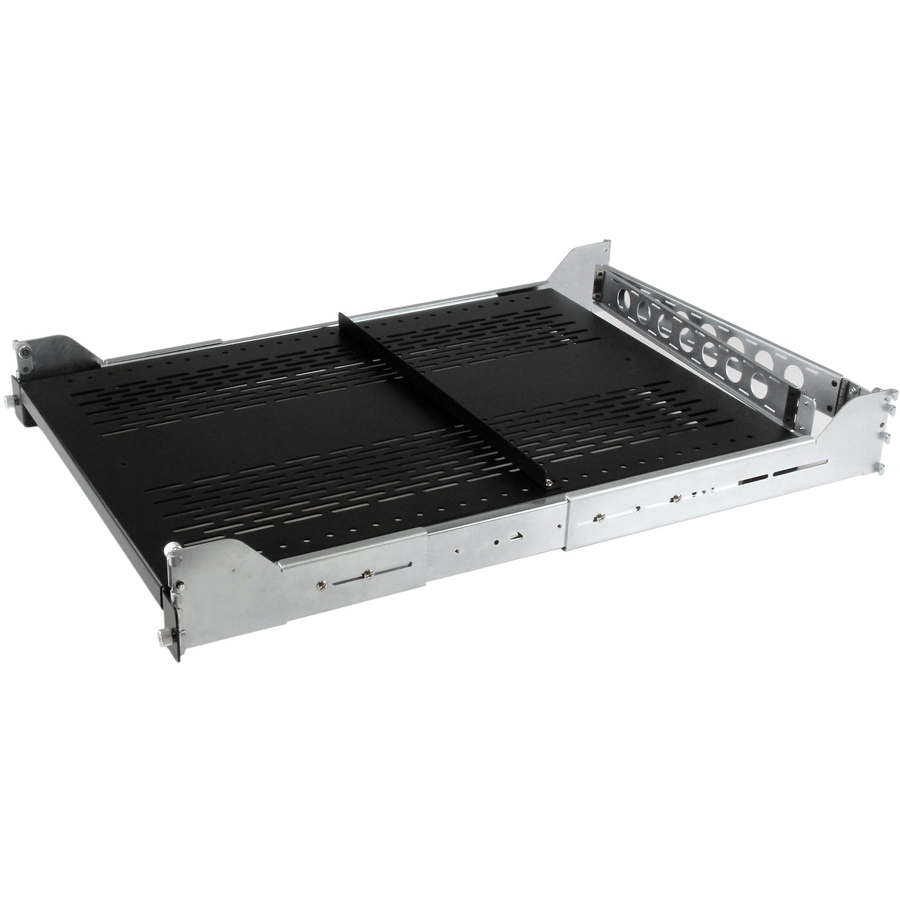
StarTech 2U Vented Sliding Rack Shelf w/ Cable Management Arm & 27.7…
UNISLDSHF192
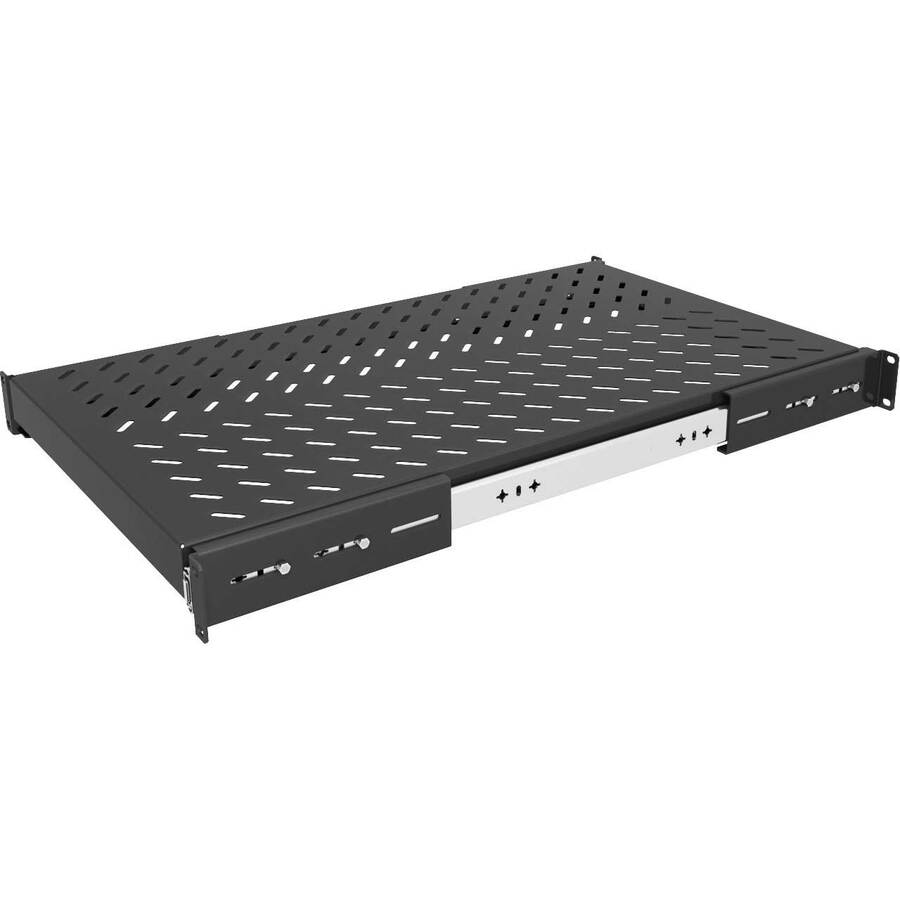
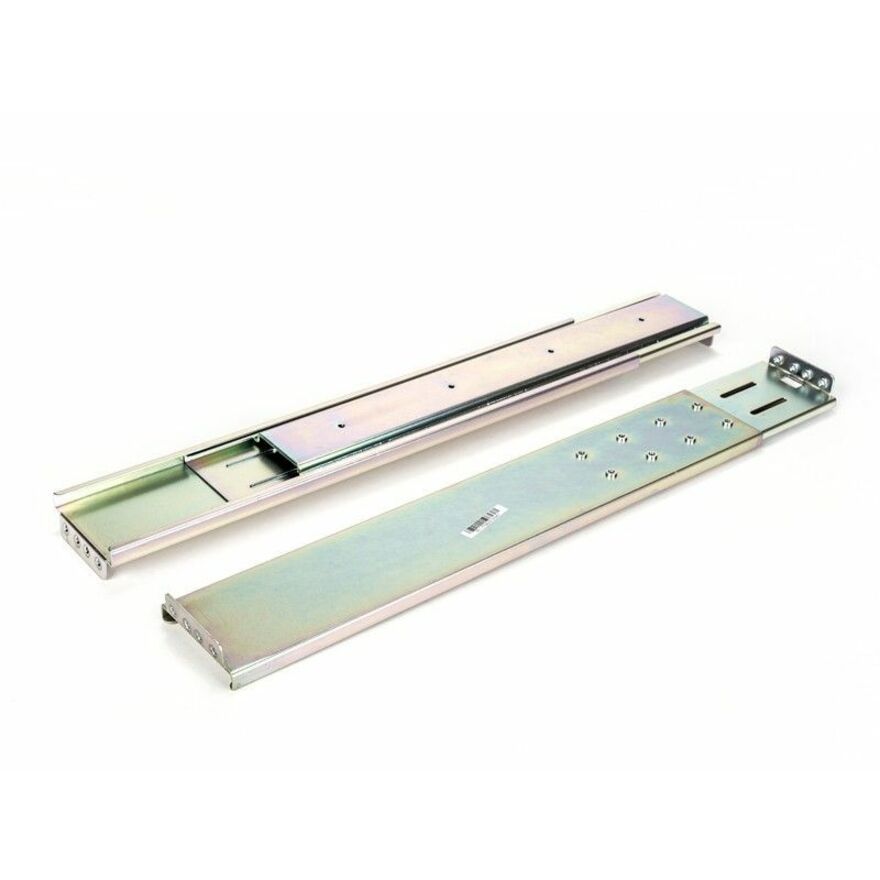
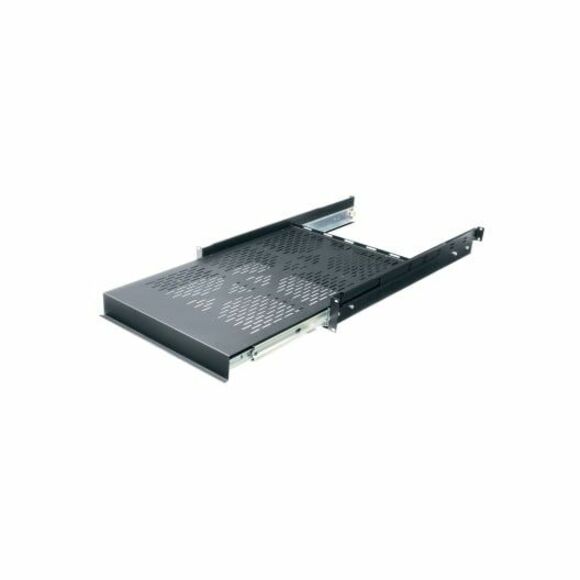
A 2U vented sliding shelf with a cable management arm and 27.7 to 31.6 inch adjustable mounting depth, 24 inches deep and rated 50 lb — the tray pulls forward for service.
Adjustable depth: measure the cabinet's rail spacing before ordering.
$242.34*In stock1U sliding, 27in deep
Innovation First International
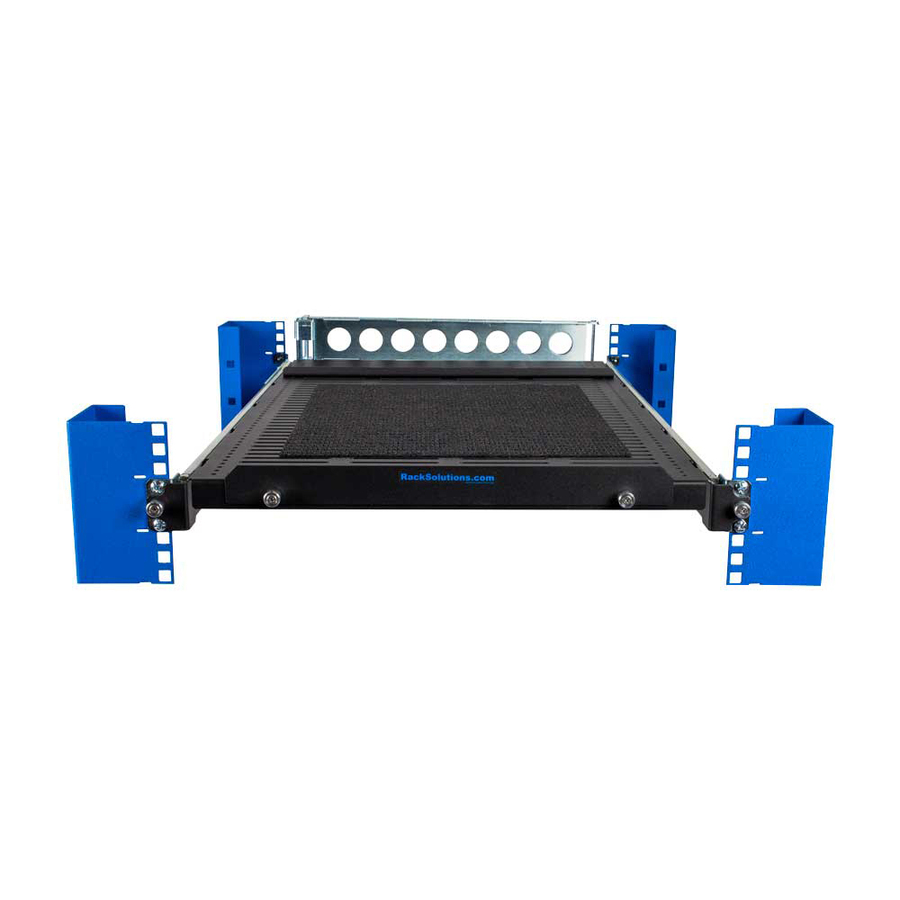
Rack Solutions 1U 115 Sliding Equipment Shelf 27in Depth with Cable…
1USHL-115
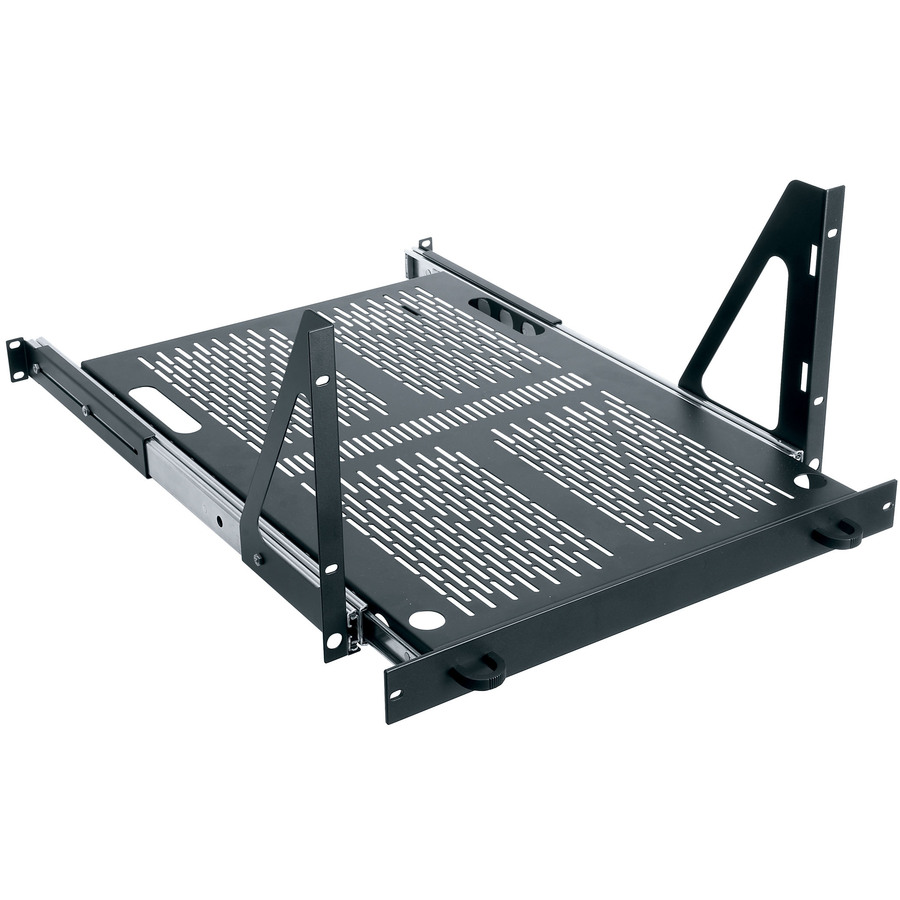
A 1U sliding equipment shelf 27 inches deep with a cable management arm — the single-unit sliding tray for a deep cabinet where the back of the gear has to be reachable.
Sliding shelves cost depth and money over a fixed tray of the same size.
$307.61*In stock1U sliding, 200 lb
Schneider Electric
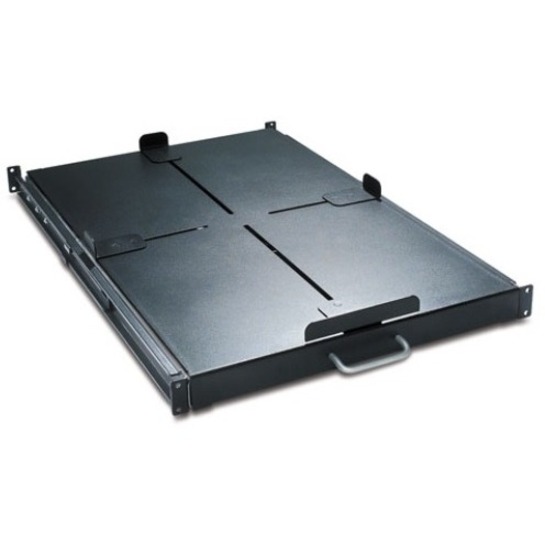
APC Sliding Shelf 200lbs/91kg Black
AR8128BLK
A 1U sliding shelf rated 200 lb static — the heaviest sliding tray in this list, for equipment that is both substantial and serviced in place.
200 lb static rating; two-year warranty stated on the row.
$961.20Back-orderedMore rack equipment in the Uniqcli catalog
See all 4,746 rack equipmentMore from across this category. In-stock lines lead, and a back-ordered line carries the same estimated availability its product page does — with live pricing throughout, NDAA §889 screening before checkout and TAA verified on request.
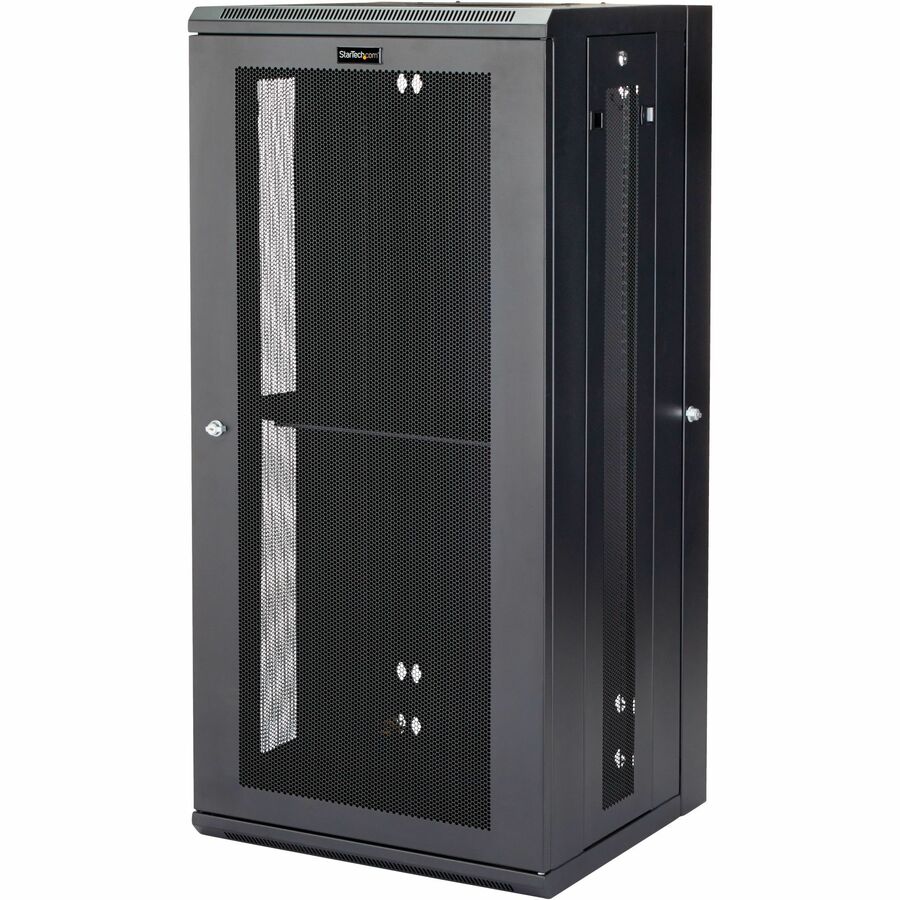
- LegrandMiddle Atlantic C5 Series Credenza Shelf System - 27in Depth - BlackC5-SH-SYS27
$698.00
$592.20
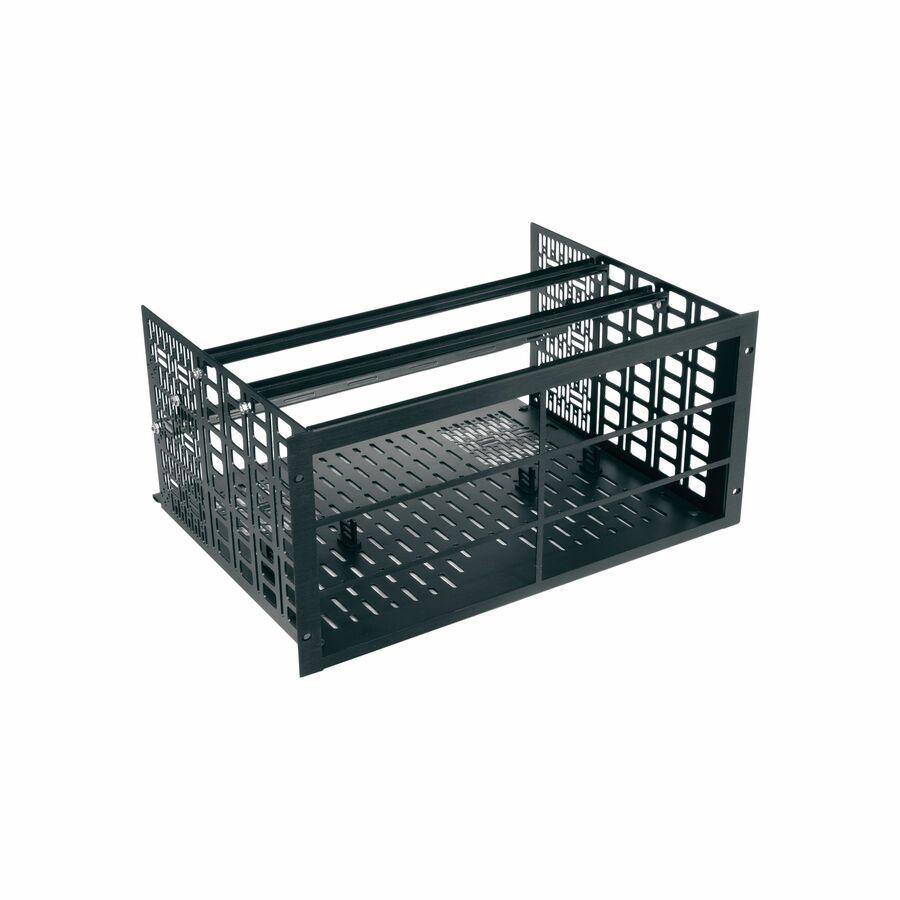
2 in stock - LegrandMiddle Atlantic TD8FLK Rack Shelf - 8U Rack Height x 19" Rack Width - Black - Steel - 3 Year WarrantyTD8FLK
$662.00
$557.78
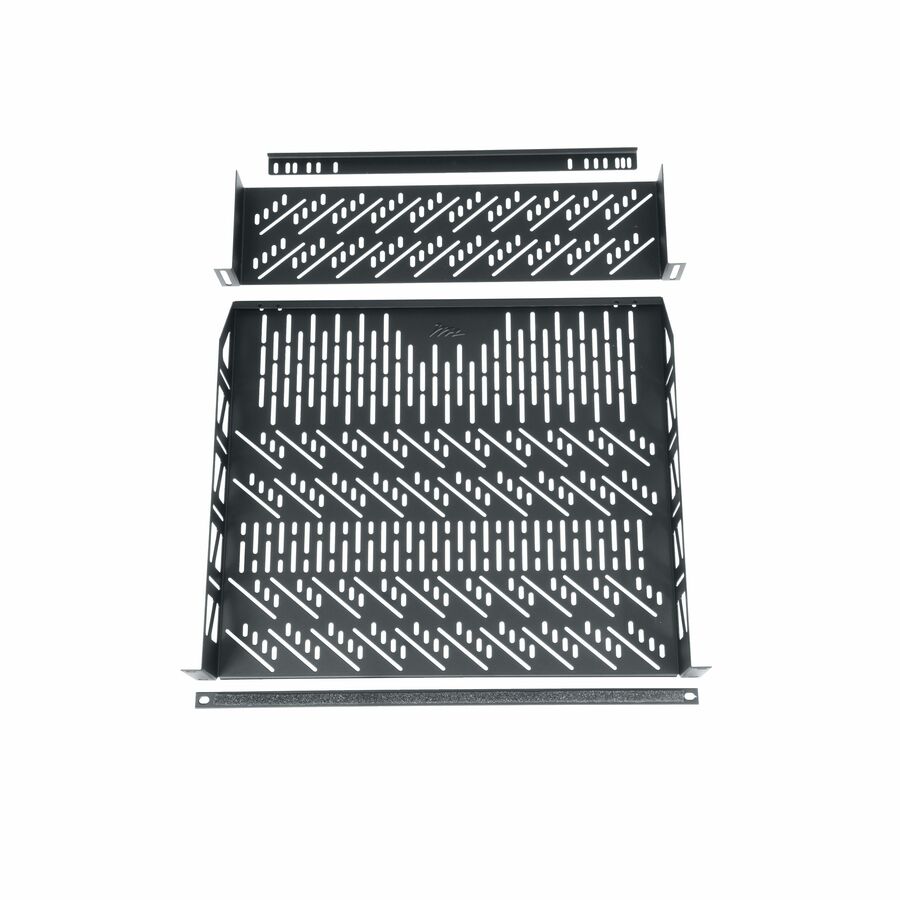
12 in stock - LegrandMiddle Atlantic U2RP6 Rack Shelf - 2U Rack Height - Black - Steel - 50 lb Maximum Weight CapacityU2RP6
$622.00
$536.82
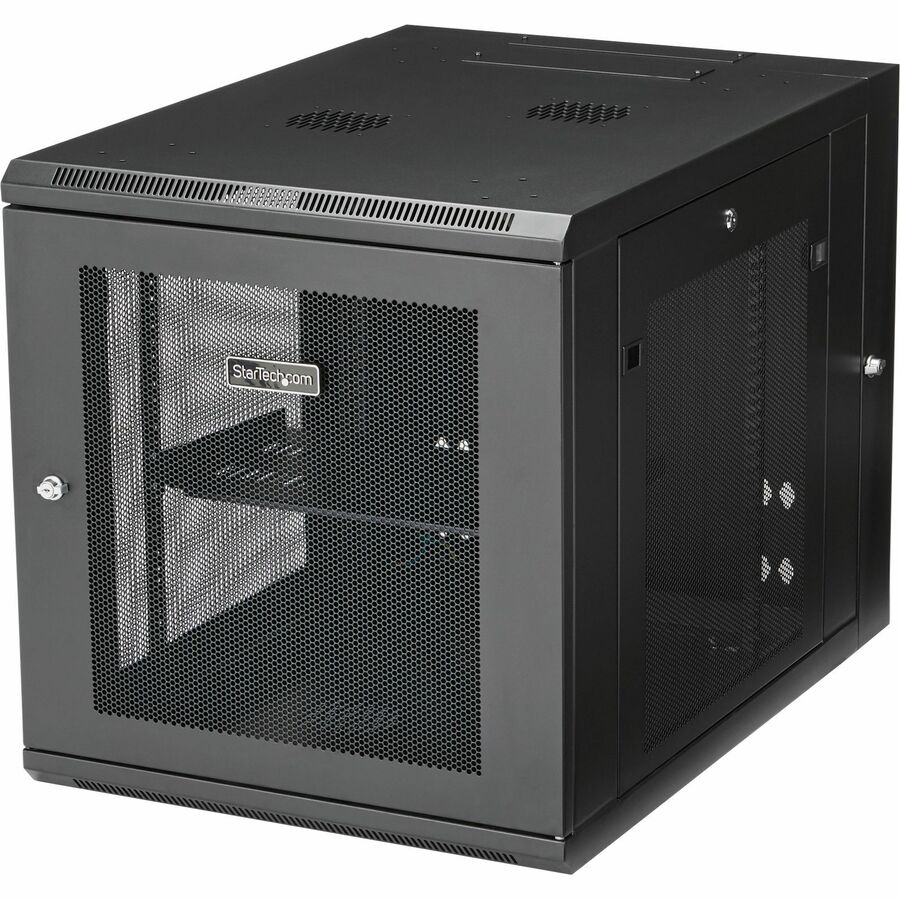
13 in stock - LegrandMiddle Atlantic Vertical Rackmount System - Rackmount Shelf - 35 lb Maximum Weight CapacityVRS
$328.00
$266.07
32 in stock - LegrandMiddle Atlantic 1/2 RU Mounting Shelf - 11in Deep - Pack of 4 - Rack-mountable - 15 lb Maximum Weight CapacityMS-11-4
$272.00
$220.64
26 in stock

Need pricing on rack shelves?
Tell us where to reach you and a Uniqcli specialist will follow up by email with current pricing, availability and lead time for the quantities you need — including parts that aren’t shown on this page.
Buying for an organization or for yourself — both work. No payment up front.
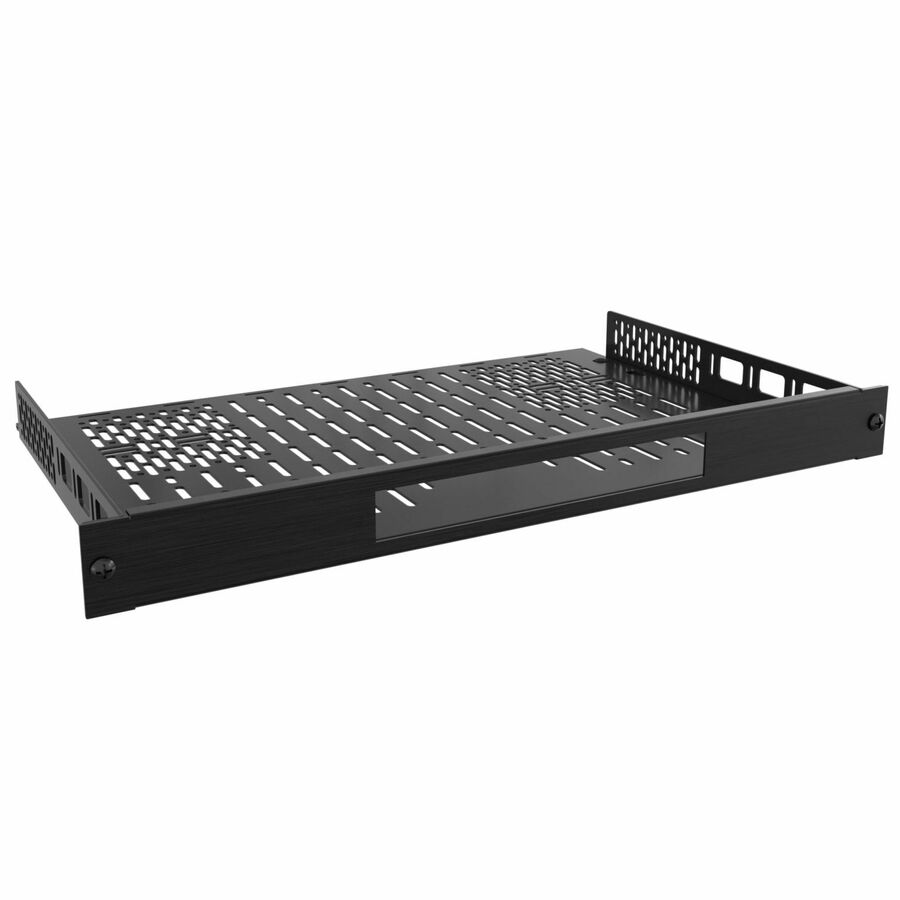
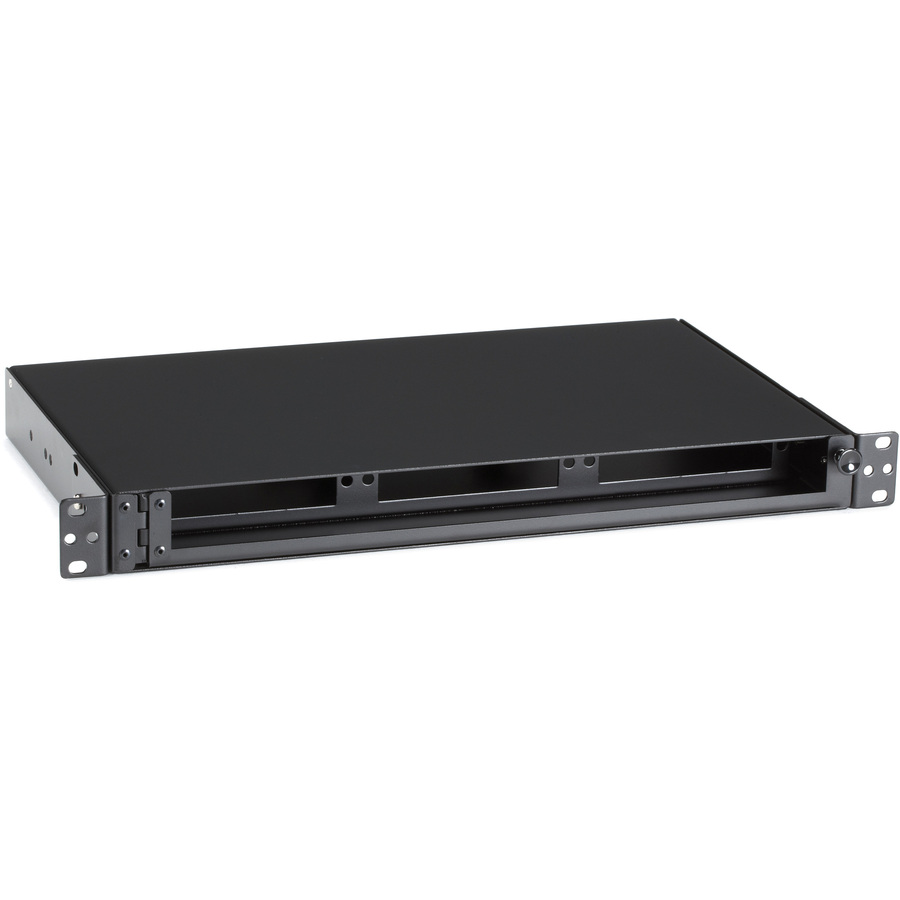
Almost everything in a rack bolts to the rails by its own ears. A shelf is what the rest of it stands on: the desktop that became a monitoring box, the small switch with no rack kit, the KVM, the network appliance nobody made a bracket for, the drive duplicator that lives in the cabinet three days a month. It is the least glamorous line on a rack build and one of the most consequential, because a shelf chosen a size too small or a rating too low turns into a sag, a blocked airflow path or an equipment failure that reads as something else entirely. Every row on this page states Shelf in the manufacturer's own catalog title, so what you are reading is a shelf rather than a bracket that mentions one.
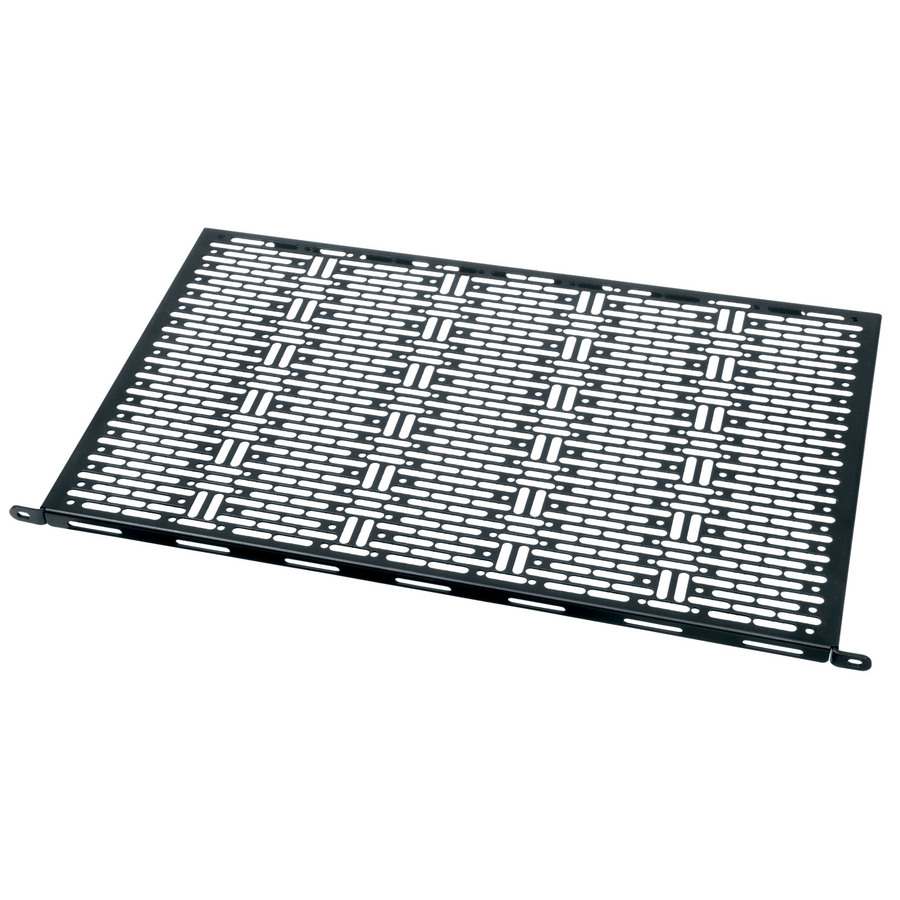
Three facts decide the part. The mount type comes first: a cantilever shelf fixes to the front posts only and holds its load out in front of them, which is the right answer in a two-post relay rack and for light equipment; a four-post shelf is supported at the front and the rear and carries far more, which is what a server cabinet's four rails exist for; a centre-mount shelf hangs from the middle of the rails, splitting the load. Depth is second and it is measured against the cabinet, not against the equipment — a 20-inch tray in a 42-inch-deep cabinet leaves the gear sitting well forward of the rear rails, and a tray deeper than the cabinet will not go in. Weight capacity is third, and the numbers on this shelf run from about 30 pounds for a 1U front-mount tray to a few hundred for a four-post or heavy-duty centre-mount one.
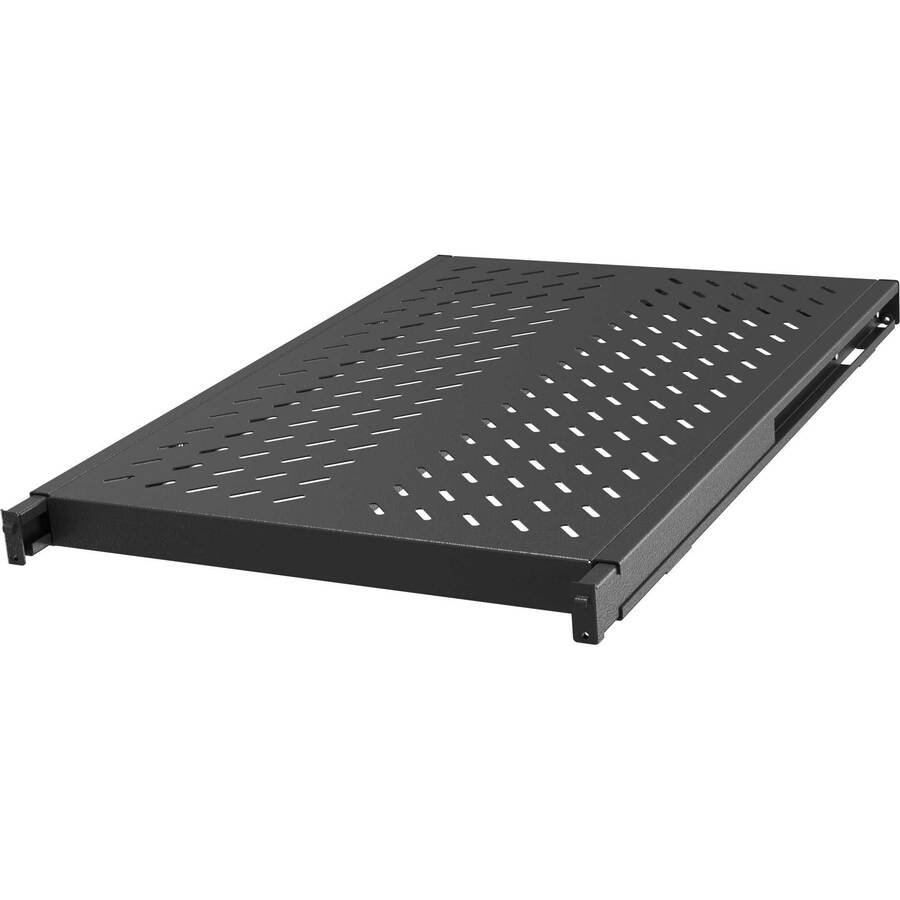
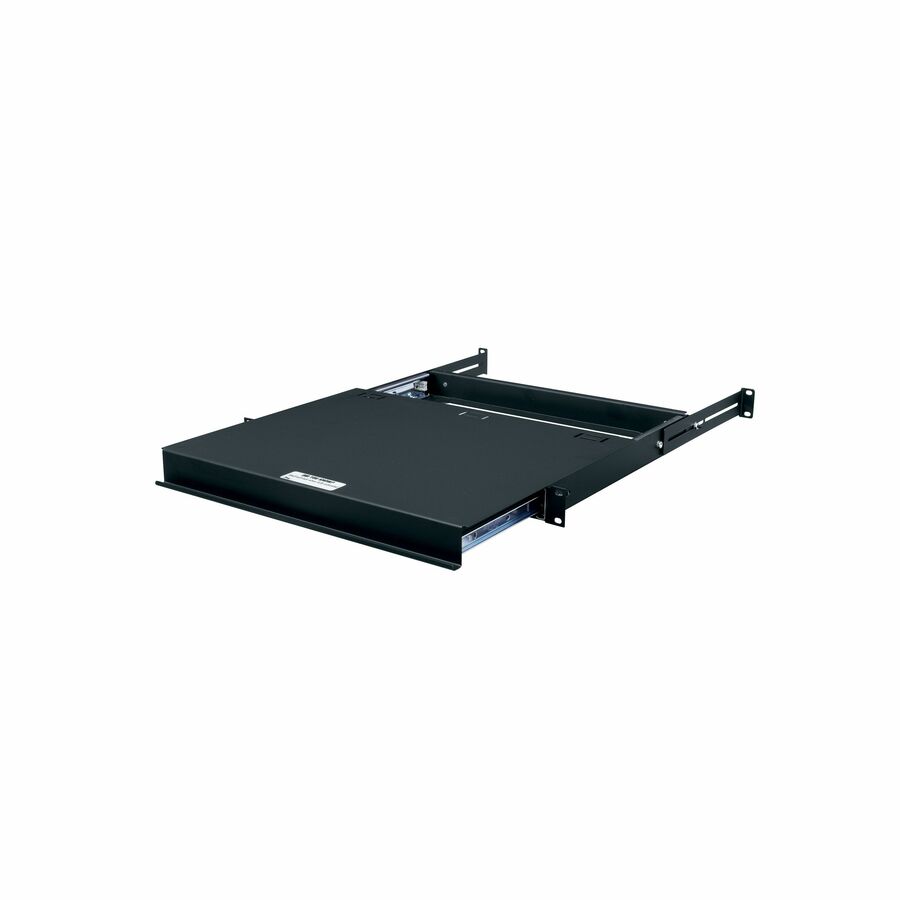
Two more choices follow from the room rather than from the equipment. Vented or solid decides how air moves: a vented shelf lets a cabinet's front-to-back airflow pass through the tray rather than around it, and in a warm cabinet that is worth more than the small amount of extra rigidity a solid deck gives. Fixed or sliding decides how the gear is serviced: a sliding shelf on rails, often with a cable management arm, pulls the equipment forward so someone can reach its back without unracking it, at the cost of depth, money and a little capacity. Send the cabinet's model and internal depth, the rail configuration and what is going on the tray, and the shelf can be matched to the rack rather than to a specification sheet.
Buyer's checklist
How to choose a rack shelf
- Start from the rack, not the equipment. A two-post relay rack takes cantilever and centre-mount shelves; a four-post server cabinet can take those and four-post shelves that are supported at the rear as well. The rail configuration is what decides which mount types are even available to you.
- Measure the cabinet's internal depth before choosing a tray depth. The shelf has to fit between the rails and still leave room for cable bends behind the equipment — and a tray much shallower than the gear leaves the load overhanging its own front edge.
- Read the weight capacity against what actually goes on it, plus a margin. Ratings here run from roughly 30 pounds on a light 1U front-mount tray to several hundred on a four-post or heavy-duty shelf, and a cantilever rating assumes the load sits near the posts rather than at the front lip.
- Choose vented over solid unless there is a reason not to. A vented deck lets the cabinet's front-to-back airflow pass through instead of around, which matters in any cabinet running warm; a solid deck is for small feet, spilled-liquid risk or equipment that would fall through the slots.
- Decide fixed versus sliding on how the equipment is serviced. A sliding shelf, especially with a cable management arm, lets someone reach the back of a device without unracking it — worth the depth and the money on anything touched regularly, unnecessary on a box that is set and forgotten.
- Count the rack units the shelf itself consumes, not just the equipment. A 2U shelf carrying a 1U-tall appliance costs 2U of cabinet, and on a full rack that arithmetic is what runs a build out of space before it runs out of power.
- Order the mounting hardware with the shelf. Cage nuts, screws and — for a four-post tray — the correct rear mounting depth adjustment are what make the shelf installable on the day; some shelves ship with them and some do not, and the row states which.
Cantilever, four-post, centre-mount: the mount is the capacity
A cantilever shelf bolts to the two front posts and holds its deck out in front of them, unsupported at the rear. That is the simplest and least expensive shelf in any catalogue and it is exactly right for a two-post relay rack, for light equipment, and for anything shallow enough that its weight sits close to the posts. It is also the mount whose rating is most easily misread: a cantilever capacity assumes the load is distributed over the tray and near the front rails, and hanging a heavy, deep box off the outer edge of one is how a shelf that was rated for the weight still bends. Depths on this shelf run from about seven inches for a small-appliance tray up to twenty-plus inches for a full-depth one.
A four-post shelf is supported at the front and rear rails and carries several times as much — the capacities here reach 250 to 300 pounds — which is what makes it the shelf for a server cabinet holding real equipment. It needs the rear rails to exist and it needs the mounting depth to be set correctly, which is why adjustable-depth four-post trays are common. A centre-mount shelf splits the difference by hanging from the middle of the rails, balancing the load rather than cantilevering it, and it is the usual answer in a two-post rack for something heavier than a cantilever tray should carry. Sliding shelves exist in cantilever and four-post shapes both, and add rails and often a cable management arm so the whole tray pulls forward for service.
Airflow, rack units and the rest of the build
A shelf is a horizontal surface in a vertical airflow path, and that is worth thinking about once. A vented deck lets the cabinet's front-to-back air pass through the tray, which keeps the equipment sitting on it in the same air stream as everything else in the rack; a solid deck redirects that air around the shelf and, in a warm cabinet with a full front, can create exactly the recirculation pocket that blanking panels are installed to prevent. Vented is the sensible default, and solid is a deliberate choice for small feet, for equipment that would fall through a slotted deck, or where something might be spilled.
The rest of the rack build travels with the shelf. Rack units are finite and a shelf spends them: a 2U tray carrying a 1U appliance costs two units of cabinet, and on a nearly-full rack that arithmetic decides whether the next device fits at all. Blanking panels, cable management, PDUs and the cabinet's own rail depth are all part of the same plan. Uniqcli quotes the shelves alongside the cabinet, the power and the cable management as one document, with TAA country-of-origin and NDAA §889 status screened per part number rather than per product family — which is what lets a full rack build be specified, screened and shipped against a single set of cabinet measurements.
FAQ
Common questions
- What is the difference between a cantilever and a four-post rack shelf?
- Where the shelf is supported. A cantilever shelf bolts to the two front posts only and holds its deck out in front of them, which is simple, inexpensive and right for a two-post relay rack or for light equipment sitting close to the rails. A four-post shelf is fixed to the front and rear rails and is supported at both ends, which lets it carry several times as much — the four-post trays here are rated to 250 and 275 pounds where cantilever trays are often rated to 30 to 50. A four-post shelf needs rear rails and needs its mounting depth set correctly, which is why many are depth-adjustable.
- How deep should a rack shelf be?
- Deep enough to support the equipment near its centre of gravity and shallow enough to leave room behind it for cable bends — which means the measurement to take is the cabinet's internal depth between the rails, not the equipment's own footprint. A tray much shallower than the device leaves the load overhanging the shelf's front edge, which is how a shelf rated for the weight still sags. A tray deeper than the cabinet's usable space simply will not mount. Depths on this shelf run from roughly seven inches for a small-appliance tray to over twenty for a full-depth one.
- Should I choose a vented or a solid rack shelf?
- Vented, unless there is a specific reason not to. A vented deck lets the cabinet's front-to-back airflow pass through the tray rather than around it, keeping equipment on the shelf in the same air stream as the rest of the rack; a solid deck redirects that air and, in a warm cabinet, can create the sort of recirculation pocket that blanking panels are fitted to prevent. Solid is the deliberate choice where equipment has small feet that would drop through a slotted deck, where something might be spilled, or where the extra rigidity of a continuous surface is actually needed.
- Do I need a sliding rack shelf?
- Only if the equipment on it gets touched. A sliding shelf rides rails and pulls the whole tray forward so someone can reach the back of a device — swap a cable, read a status light, press a button — without unracking anything, and a cable management arm keeps the cabling from snagging as it moves. That is genuinely valuable for anything serviced regularly. It costs depth, money and usually some weight capacity relative to a fixed tray of the same size, so for a device that is racked once and left alone a fixed shelf is the better buy.
- Will a rack shelf fit any 19-inch rack?
- Most fit any standard EIA/ECA-310 19-inch rack, and the rows here say so where the manufacturer states it — but two things still have to be checked. The mount type has to match the rack: a four-post shelf needs rear rails that a two-post relay rack does not have, and a centre-mount shelf hangs from the rails in a way a cantilever tray does not. And the depth has to fit the cabinet between its rails with room left for cabling. Send the cabinet model, its internal depth and the rail configuration and the shelf can be matched to the rack rather than to a specification sheet.
- Can business, government and education buyers order these?
- Every line Uniqcli quotes is sourced through US distribution and screened for TAA country-of-origin and NDAA §889 status before checkout — with documentation tied to the specific part number, not a product family.
Need rack shelves pricing?
Send a bill of materials or part numbers — we confirm stock and a below-market total, with TAA verified on request. No payment up front.