
Best Projector Replacement Lamps for Meeting and Teaching Rooms
OEM replacement lamp modules for installed projectors, with the wattage, lamp technology and rated hours taken from each manufacturer's own product data.
Projector replacement lamps in stock at Uniqcli
How to choose →A curated selection with live pricing — in-stock lines first, then back-ordered lines with a typical lead time. Every line is sourced through US distribution and screened for NDAA §889 status before checkout, with TAA verified on request.
- Battery TechnologyBTI V13H010L96-BTI PROJECTOR LAMP FOR EPSON 210W P-VIP - Projector LampV13H010L96-BTI
$73.00
$63.29
177 in stock - Battery TechnologyBTI Projector Lamp for Epson Brightlink 536WI - 215 W Projector Lamp - UHE - 5000 HourV13H010L87-BTI
$79.00
$67.79
13 in stock - Battery TechnologyBTI V13H010L79-BTI PROJECTOR LAMP FOR EPSON - Compatible OEM: V13H010L79 Model: EB-1430WI, EB-1430WT, EB-585WIV13H010L79-BTI
$84.00
$72.54
45 in stock - Battery TechnologyBTI SP-LAMP-095-BTI 170W P-VIP Projector Lamp - 170 W Projector Lamp - P-VIP - 6000 HourSP-LAMP-095-BTI
$87.99
$75.28
3 in stock - Battery TechnologyBTI ELPLP97-BTI PROJECTOR LAMP FOR EPSON 200W - 200 W Projector LampELPLP97-BTI
$89.99
$77.91
17 in stock - Battery TechnologyBTI Projector Lamp for Benq MH741 - 260 W Projector Lamp - UHP - 4000 Hour5J.JEA05.001-BTI
$97.09
2 in stock - Battery TechnologyBTI Replacement Lamp - 360 W Projector Lamp - ENXENX-5-BTI
$108.00
$100.27
2 in stock - Battery TechnologyBTI Projector Lamp - 220 W Projector Lamp - P-VIP - 6000 HourEST-P1-LAMP-BTI
$106.41
6 in stock - Battery TechnologyBTI Projector Lamp - 230 W Projector Lamp - UHE - 2000 HourV13H010L65-BTI
$107.78
4 in stock - ViewSonicViewSonic Projector Replacement Lamp for PJD6352 and PJD6352LS - Projector LampRLC-097
$139.00
$107.87
7 in stock
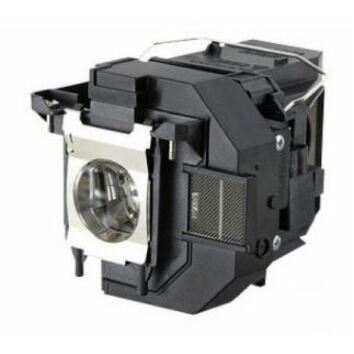

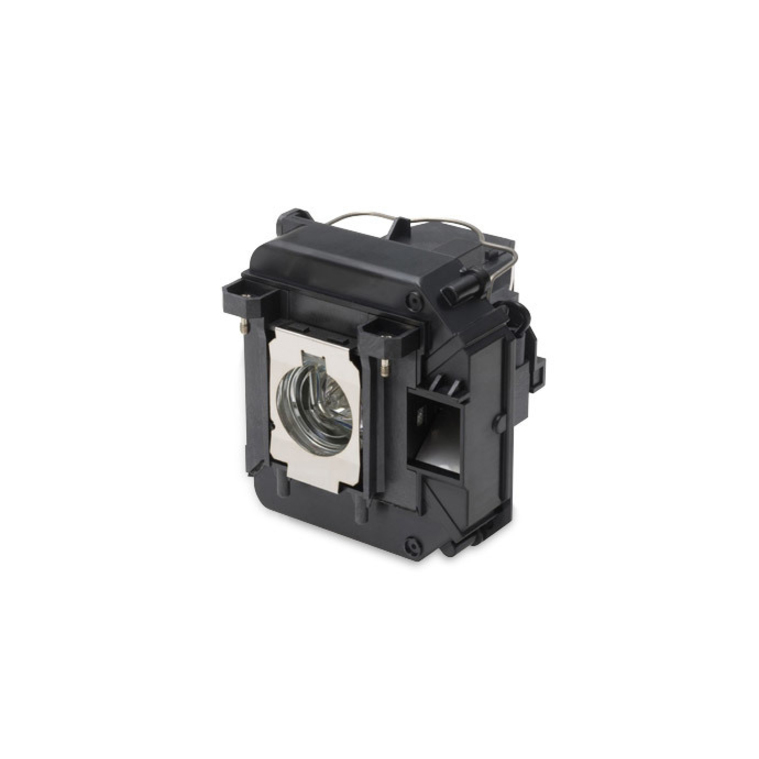
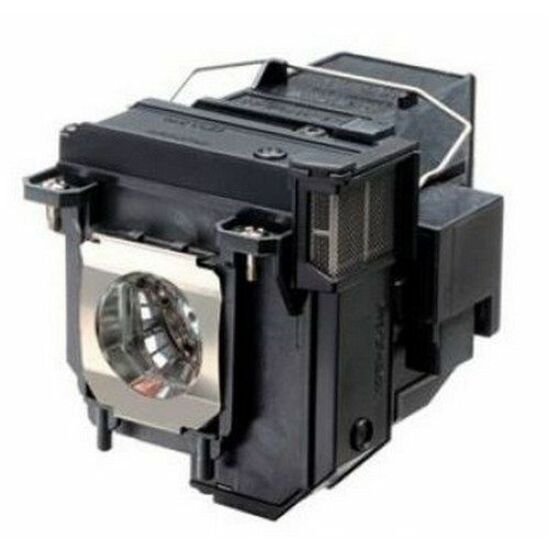
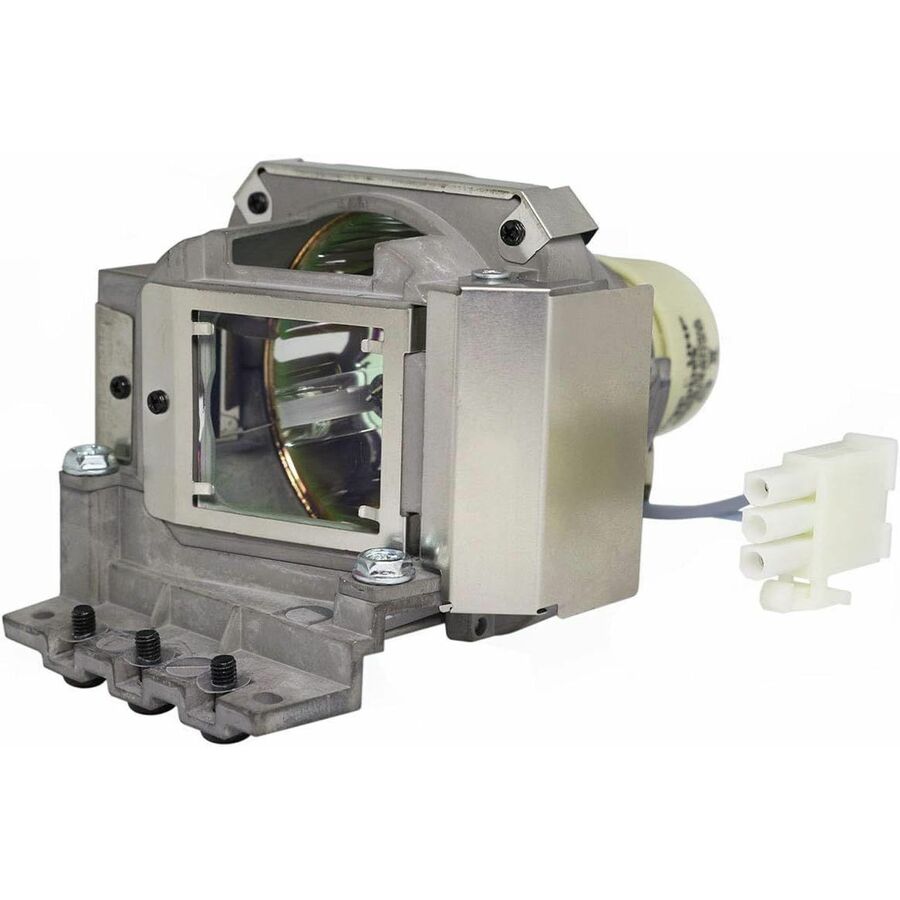
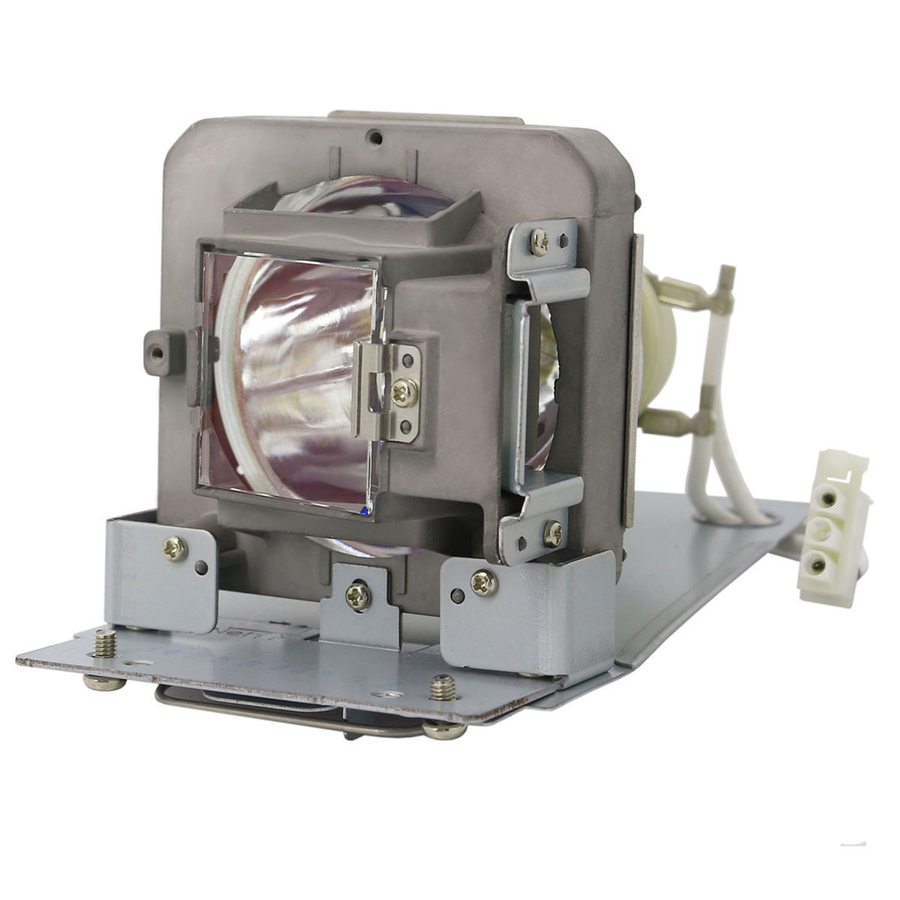
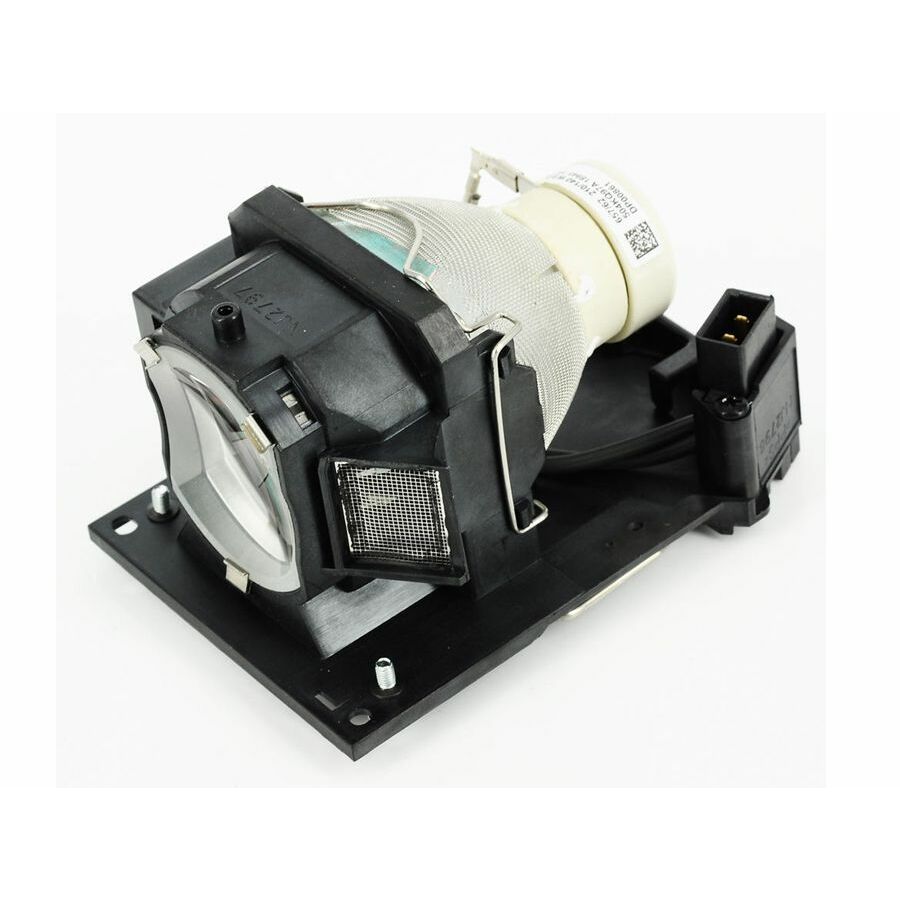


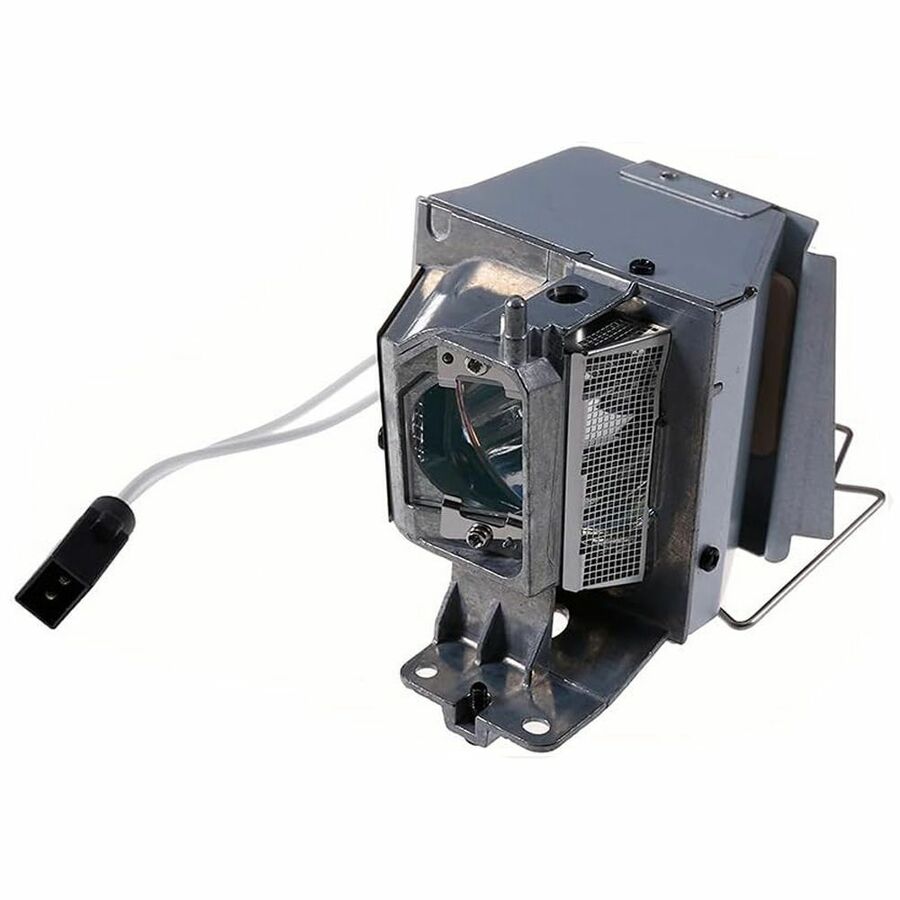
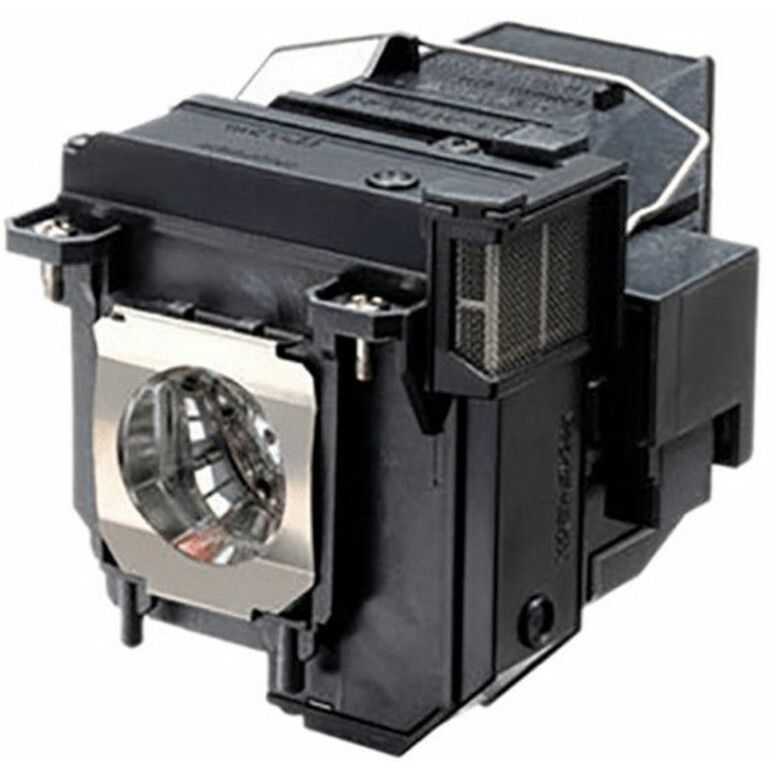


Common Epson UHE
Epson
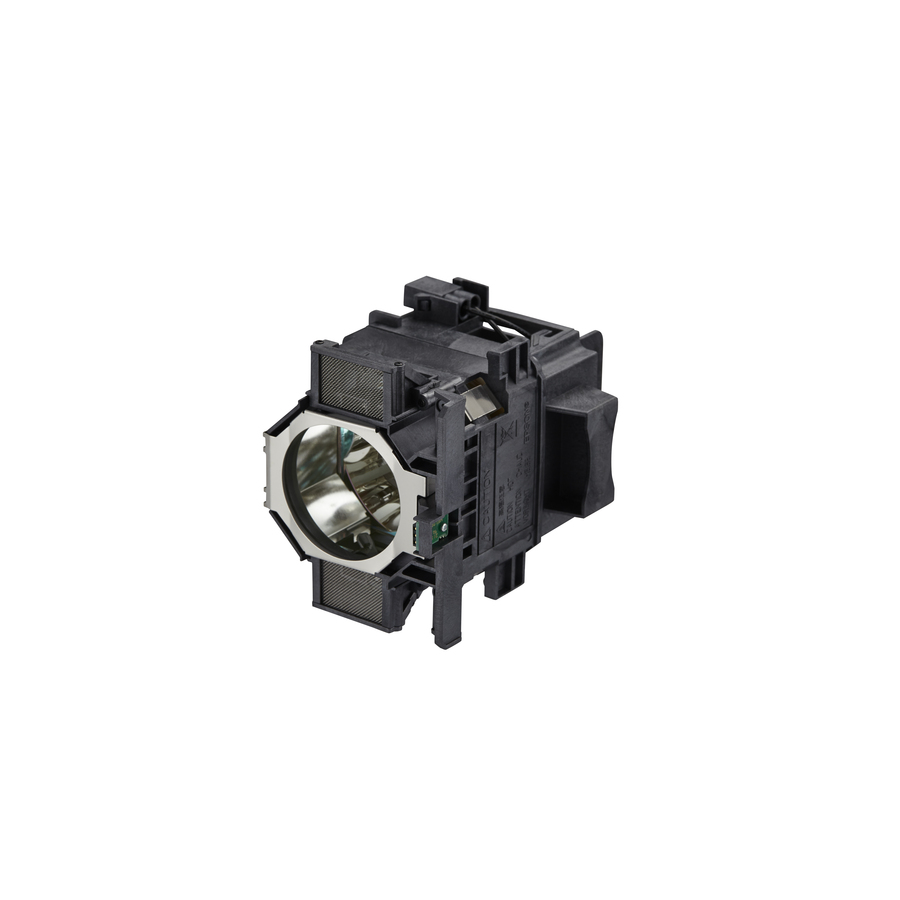
Epson ELPLP83 Replacement Projector Lamp (Portrait Mode
V13H010L83
The Epson ELPLP83 module, titled as a UHE replacement projector lamp and supplied for portrait-mode installations as a single unit. It is one of the most widely fitted parts in the Epson installed base, which is the practical reason to know its number: a building with several Epson rooms will often find one lamp part covers more than one of them.
$75.46Back-orderedEpson 250 W, 3,500 h
Epson
Epson Lamp - ELPLP85
V13H010L85
The ELPLP85 at 250 W, titled UHE and rated 3,500 hours. A single published hour figure rather than a normal-and-economy pair means the maintenance interval is simple to plan against, and 250 W sits in the middle of the range this page covers — the wattage class of a typical mid-brightness meeting or teaching room projector.
$127.40Back-orderedEpson dual-lamp
Epson
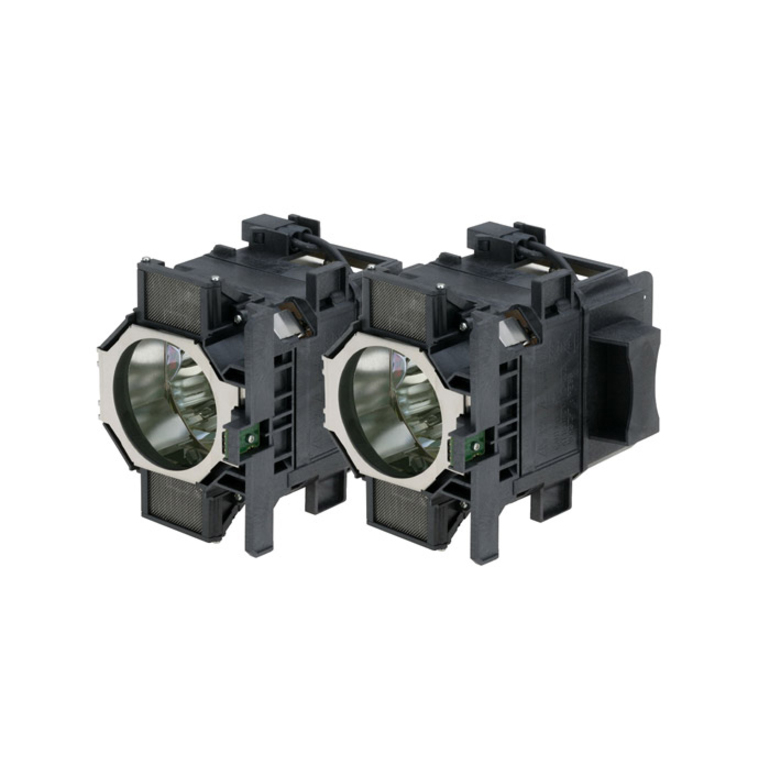
Epson ELPLP73 Dual Replacement Projector Lamp
V13H010L73
The ELPLP73, titled as a dual replacement lamp at 340 W and UHE, rated 2,500 hours. Dual-lamp chassis are the large-venue end of the installed base, and they change the maintenance conversation: the lamps age together, so replacing one and leaving the other produces a visible brightness mismatch across the image.
$1,051.54Back-orderedLongest economy hours
Sharp
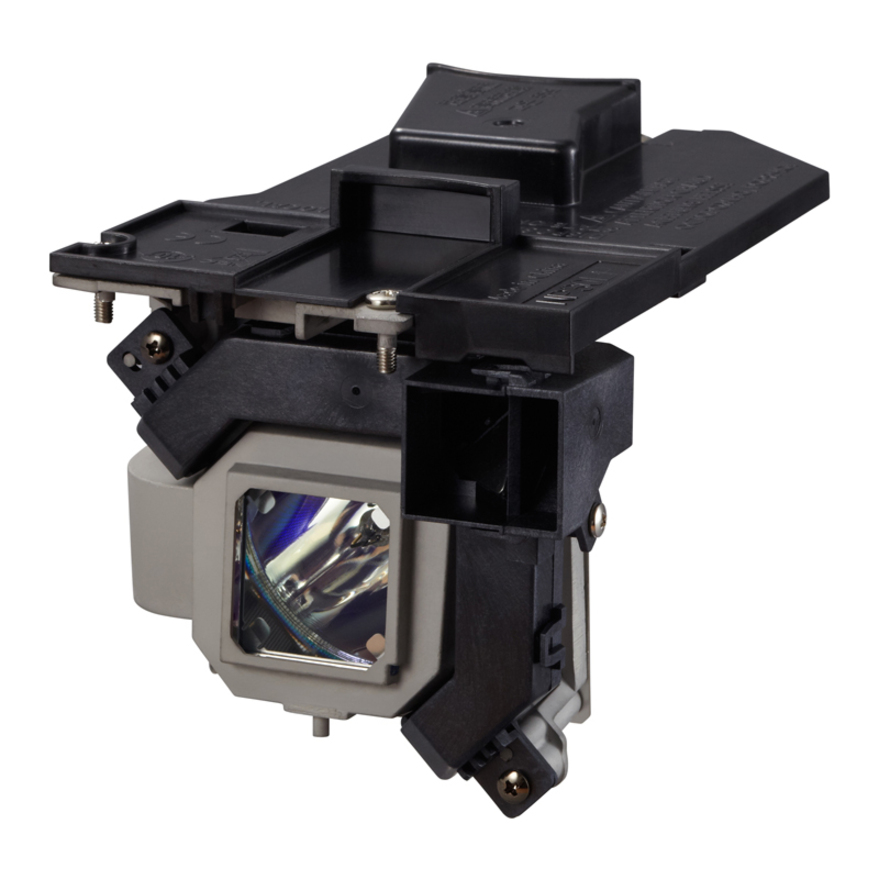
NEC Display Projector Lamp
NP27LP
An NEC Display module at 200 W, rated 4,500 hours in normal mode and 10,000 in economy — the widest normal-to-economy spread among the NEC parts here. That gap is exactly the trade this page keeps coming back to: the 10,000-hour figure is real, and it is only available to a room dim enough to run at reduced output.
$184.44In stockNEC 270 W
Sharp
NEC Display Projector Lamp
NP30LP
An NEC Display lamp at 270 W, rated 3,500 hours normal and 8,000 hours economy. The higher wattage puts it in brighter chassis than the 200 W part above, and the shorter normal-mode figure is the usual pattern — output and lamp life pull against each other on the same arc technology.
$194.68Back-orderedUltra short throw

Sharp
NEC Display Ultra Short Throw Replacement Lamp
NP17LP-UM
The NEC Display ultra-short-throw replacement lamp at 265 W, rated 3,000 hours normal and 6,000 economy. Its title names the throw class directly, which matters because ultra-short-throw units sit on a wall arm above the board — the part is easier to reach than a ceiling lamp, and the room is usually the one in constant daily use.
$226.68Back-orderedViewSonic 5,000 h
ViewSonic
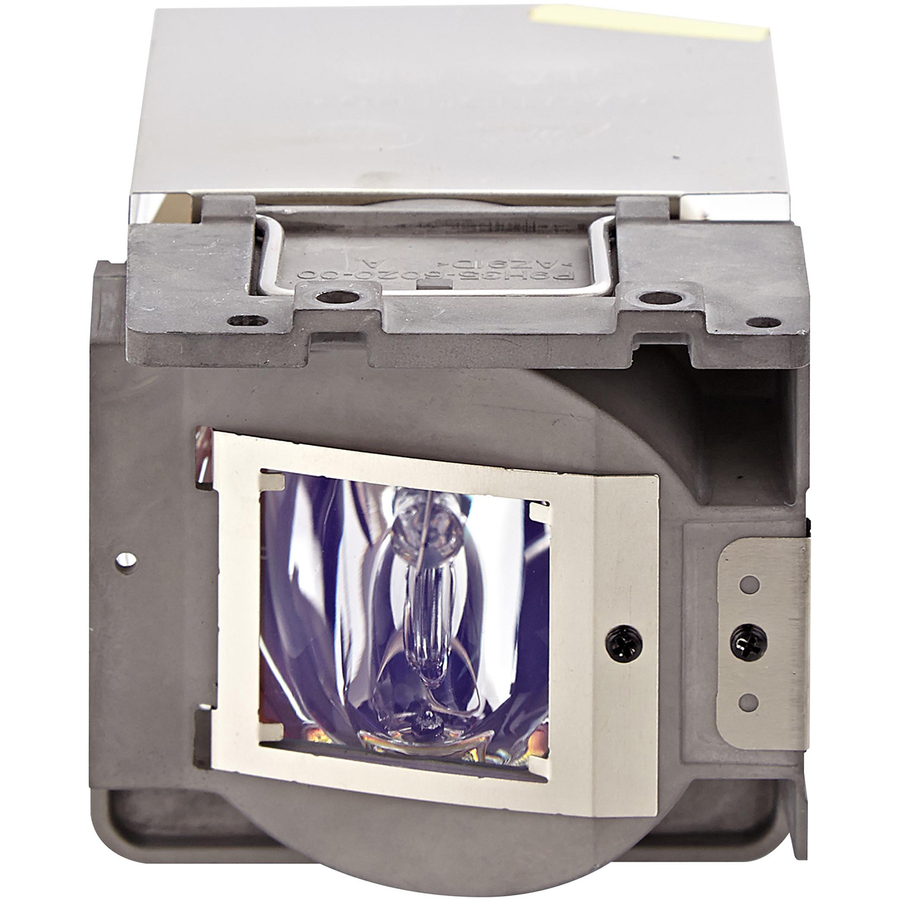
ViewSonic RLC-072 Replacement Lamp
RLC-072
A ViewSonic module at 180 W, rated 5,000 hours in normal mode and 6,000 in economy. The unusual thing here is how close the two figures are: the normal-mode rating is already long, so this is a lamp that does not need to be run dim to reach a sensible replacement interval.
$163.09Back-orderedViewSonic 240 W
ViewSonic
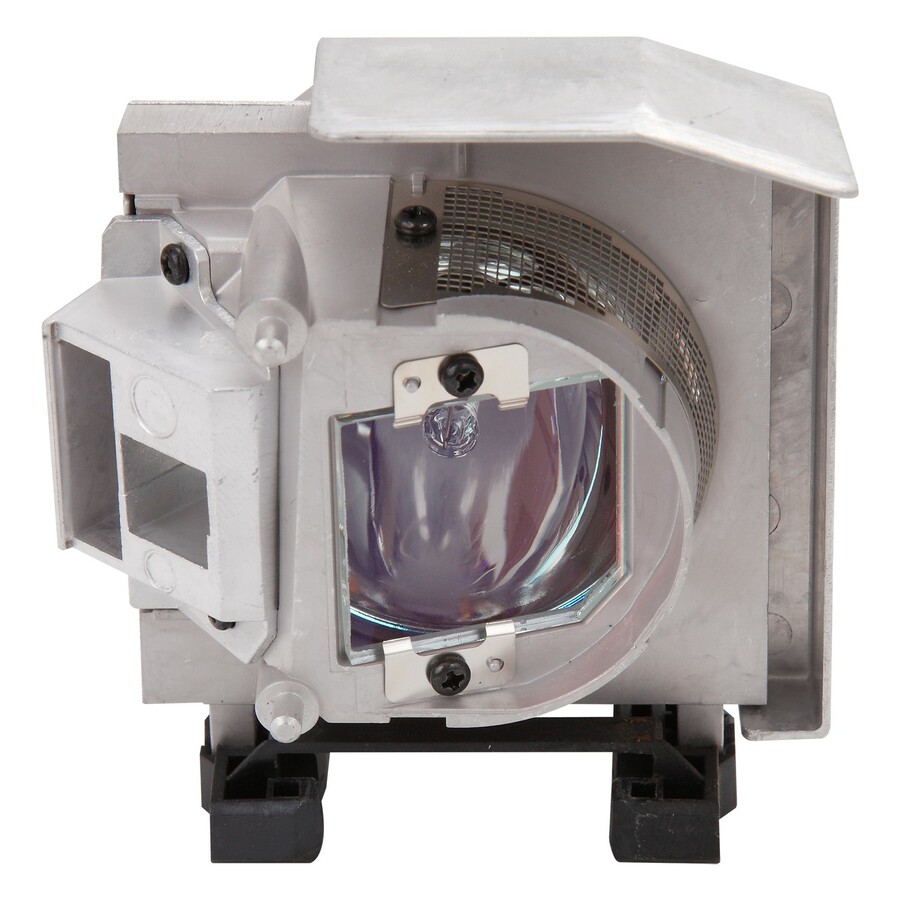
ViewSonic RLC-082 Replacement Lamp
RLC-082
A 240 W ViewSonic lamp rated 3,500 hours and 7,000 hours in ECO mode — a doubling between the two modes. In a small huddle room with the blinds drawn, running this part in ECO is the difference between an annual visit and one every other year.
$217.03Back-ordered20,000 h economy

ViewSonic
ViewSonic RLC-123
RLC-123
A 203 W ViewSonic replacement lamp for the PX703HD, titled DLP and rated 5,000 hours normal and 20,000 hours economy — by a wide margin the longest economy figure on this page. Treat the 20,000 as what it is: a rating at reduced output that a bright room will never reach.
$249.14In stockBenQ 240 W
BenQ
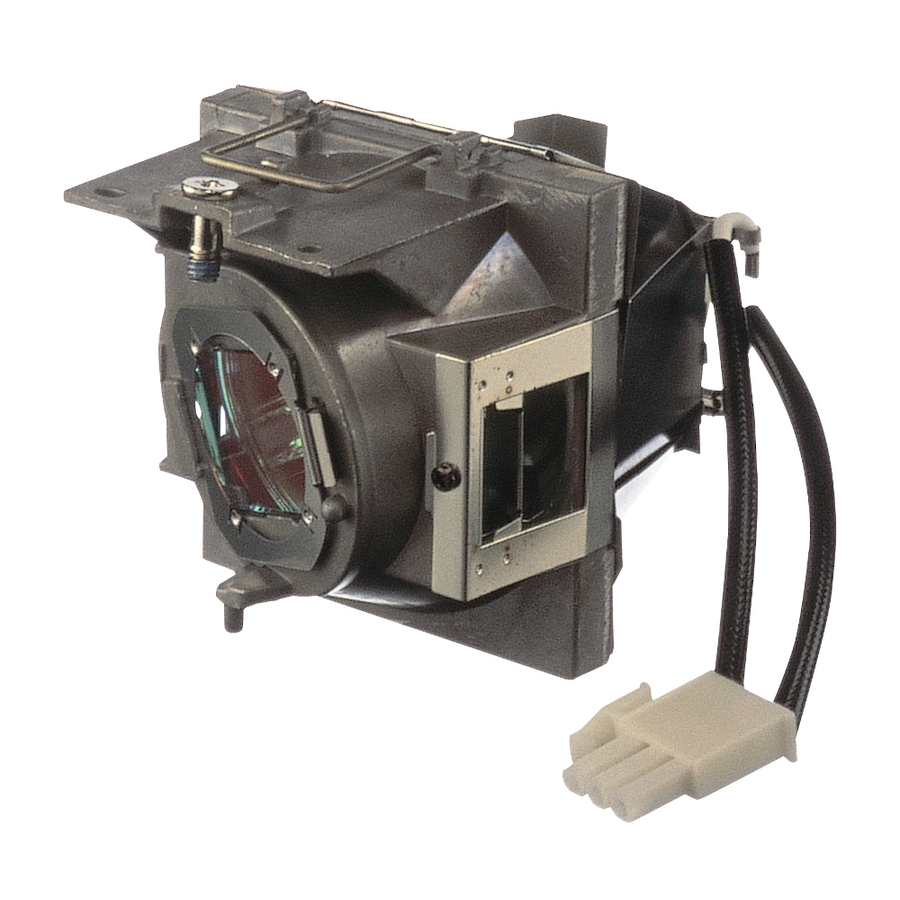
BenQ Projector Lamp
5J.JGR05.001
A BenQ projector lamp at 240 W with a single published rating of 4,000 hours. One figure rather than two makes it easy to schedule against, and 4,000 hours is a long interval for a lamp quoted without an economy mode — for a room running a few hours a day it is a multi-year part.
$154.85Back-orderedBenQ 230 W
BenQ
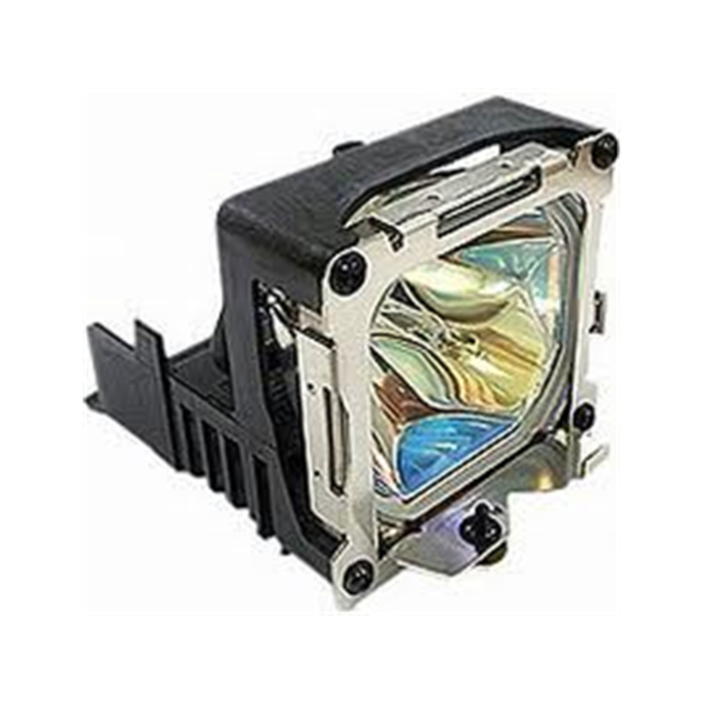
BenQ 5J.J3V05.001 Replacement Lamp
5J.J3V05.001
A BenQ replacement lamp at 230 W, rated 3,500 hours in normal mode and 5,000 in economy. It sits in the same wattage band as the mid-range Epson and NEC Display parts above, which is a useful reminder that wattage tells you about the chassis class and never about which part number fits.
$258.97Back-orderedVivitek 180 W
Delta Electronics
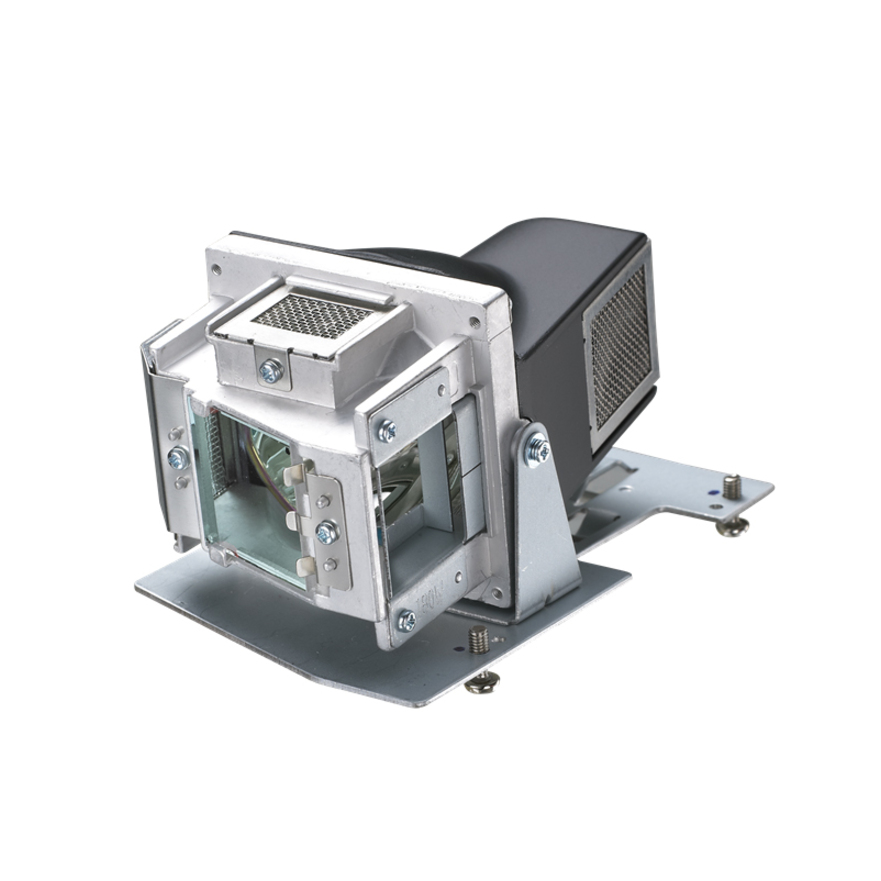
Vivitek 5811116320-S Replacement Lamp
5811116320-S
A Vivitek replacement lamp at 180 W, rated 3,000 hours standard and 4,000 hours in economy mode. The 180 W class is the entry end of the installed base on this page — smaller rooms, smaller screens — and the shorter economy spread means the mode choice matters less here than it does on the long-life parts.
$202.98Back-orderedVivitek 220 W
Delta Electronics
Vivitek 5811116635-SU Replacement Lamp
5811116635-SU
A Vivitek module at 220 W, titled 4,000 hours and 6,000 hours normal. It is the mid-wattage Vivitek part on this page and the one with the longest published life of the three, which makes it the easier of the family to plan a replacement cycle around.
$287.82Back-orderedVivitek 370 W
Delta Electronics
Vivitek Projector Lamp
5811118452-SVV
The high-output Vivitek part at 370 W, rated 1,500 hours in normal mode and 3,500 in economy. That short normal-mode figure is the clearest illustration on this page of what high brightness costs in consumables: a large-venue chassis run at full output is on a replacement cycle several times shorter than a small meeting room.
$411.15Back-orderedAcer P-VIP
Acer
Acer EC.JBU00.001 Replacement Lamp
EC.JBU00.001
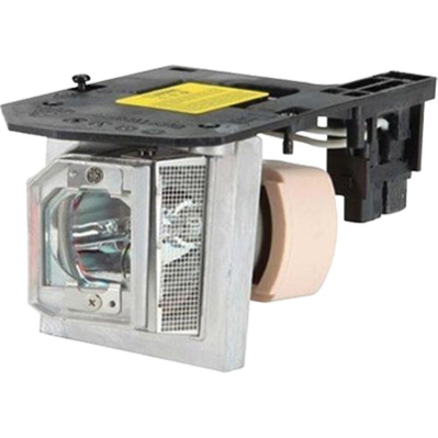
An Acer replacement lamp at 180 W, titled P-VIP and rated 3,000 hours standard and 4,000 hours in economy mode. P-VIP names the arc technology the chassis was designed around rather than an upgrade — read it as a description of the part, and match the module to the projector model as with every other lamp here.
$137.60Back-orderedMore lamps in the Uniqcli catalog
See all 581 lampsMore from across this category. In-stock lines lead, and a back-ordered line carries the same estimated availability its product page does — with live pricing throughout, NDAA §889 screening before checkout and TAA verified on request.
- Battery TechnologyBTI ET-LAD70W-BTI PROJECTOR LAMP FOR PANASONIC 310W P-VIP (TWIN) - 310 W Projector Lamp - P-VIPET-LAD70W-BTI
$848.99
$312.58
4 in stock - Battery TechnologyBTI ELPLP81-BTI PROJECTOR LAMP FOR EPSON 380W - 380 W Projector LampELPLP81-BTI
$803.99
$288.54
3 in stock - Battery TechnologyBTI Projector Lamp - 245 W Projector Lamp - UHP - 4000 HourDT01285-BTI
$499.00
$152.49
19 in stock - Battery TechnologyBTI Projector Lamp - 450 W Projector Lamp - UHP - 2000 Hour003-104599-02-BTI
$1,339.99
$1,152.51
2 in stock - Battery TechnologyBTI Projector Lamp - 210 W Projector Lamp - UHP - 4500 HourLMP-E211-BTI
$269.00
$111.93
6 in stock - Battery TechnologyBTI Projector Lamp - 280 W Projector Lamp - UHP - 5000 HourRLC-076-BTI
$259.00
$119.44
4 in stock - Battery TechnologyBTI Replacement Lamp - 350 W Projector Lamp - P-VIP - 1500 Hour00310085701-BTI
$365.00
$226.60
1 in stock - ViewSonicViewSonic Projector Replacement Lamp for PA504W - Projector LampRLC-130
$369.00
$258.13
96 in stock - ViewSonicViewSonic RLC-125 - Projector Replacement Lamp for PG707W - Projector LampRLC-125
$359.00
$249.14
142 in stock - ViewSonicViewSonic RLC-124 - Projector Replacement Lamp for PG707X - Projector LampRLC-124
$359.00
$249.14
48 in stock - ViewSonicViewSonic Projector Replacement Lamp for PX701-4K - Projector LampRLC-126
$359.00
$249.14
2 in stock








Need pricing on projector replacement lamps?
Tell us where to reach you and a Uniqcli specialist will follow up by email with current pricing, availability and lead time for the quantities you need — including parts that aren’t shown on this page.
Buying for an organization or for yourself — both work. No payment up front.
A projector lamp is the one consumable in a room build that is genuinely not interchangeable. Unlike a patch cable or a mount, the lamp is a module engineered around one projector chassis: the reflector geometry, the housing, the connector and the ballast drive are matched to that model, which is why manufacturers publish lamps by part number rather than by wattage. Every lamp on this page is an OEM module whose own title states what it is, and the specifications quoted below — wattage, lamp technology, and the rated hours in normal and economy mode — are read from that title rather than asserted.
The number that decides the maintenance budget is hours, and it comes in pairs. Almost every lamp here is rated twice: once in normal or standard mode and once in economy mode, and the gap between the two is large. The parts on this page run from 1,500 hours in normal mode at the high-wattage end up to 5,000 hours normal, with economy figures reaching 6,000, 8,000, 10,000 and in one case 20,000 hours. Economy mode buys those hours by reducing light output, which is a trade a dim conference room can absorb and a bright classroom often cannot — so the honest way to plan is to decide the mode the room will actually run in, then read the matching figure.
Wattage is the second axis, and it tracks the projector rather than the buyer's preference: the parts here span 180 W through 370 W, and a lamp is only ever correct for the chassis its part number names. Lamp technology is stated in several of these titles as well — UHE on the Epson modules, P-VIP on the Acer and one of the BenQ parts — and it is a description of the arc technology the projector was designed around, not an upgrade path. Where a room has reached the point of buying its second or third lamp, the useful comparison is no longer between lamps but between the lamp line and a laser or LED projector that removes the consumable entirely.
Buyer's checklist
How to choose a replacement projector lamp
- Match the lamp to the projector's model number, not to its wattage. Lamp modules are built around one chassis — housing, reflector, connector and ballast drive — so a part with the same wattage from the same manufacturer is still the wrong part. Read the model number off the label on the projector body rather than from an inventory record, which is where estates most often go wrong.
- Read the rated hours as a pair. Every lamp here that quotes hours quotes them twice, normal and economy, and the gap can be several thousand hours. Decide which mode the room will genuinely run in — a bright room will not tolerate economy — and budget against that figure, not the larger one.
- Buy the OEM module where the projector is under warranty or under a service contract. A third-party bulb fitted into an OEM housing is a different product from the module the manufacturer publishes, and it is the kind of substitution that gets raised when a projector is later returned for service.
- Count the labour, not just the lamp. On a ceiling-mounted unit the replacement is a ladder visit, a lamp-timer reset and often a room booked out of service, which across an estate frequently costs more than the part. That arithmetic is what decides when a room should stop buying lamps.
- Keep one spare per projector model on site, not one spare per room. Estates that standardise on two or three chassis can cover dozens of rooms with a handful of spares; estates with a different projector in every room cannot, which is an argument for standardising the next refresh.
- Handle and dispose of the lamp by the manufacturer's own instructions. High-pressure arc lamps are supplied with handling and disposal documentation for a reason, and the documentation that ships with the specific part is the authority — not a general rule of thumb.
- Reset the lamp timer after fitting. A projector that still thinks it is running an exhausted lamp will keep warning users and, on some models, will keep restricting output — which reads as a faulty new lamp and generates a support ticket that was never a hardware problem.
Normal mode, economy mode, and the hours figure that is actually yours
The single most misread specification on a projector lamp is its hour rating, because the headline number is usually the economy one. Look at the parts on this page and the pattern is immediate: a 200 W NEC Display module rated 4,500 hours normal and 10,000 hours economy; a 270 W module at 3,500 and 8,000; a ViewSonic module at 5,000 normal and 20,000 economy; a 370 W Vivitek part at only 1,500 hours normal against 3,500 in economy. Those are not different qualities of lamp. They are the same lamp measured under two drive currents, and the mode the room runs in is what decides which number belongs in the maintenance plan.
Economy mode reduces the lamp's power draw and its light output together, so it is effectively a brightness decision disguised as a lifespan decision. In a small dim meeting room with controlled lighting it is close to free, and it can double the interval between visits. In a teaching space with an uncontrolled window wall it is not available at all: the image was already marginal at full output, and dropping output is what turns a working room into a room nobody books. The practical rule is to set the mode from the room's ambient light first and then read the corresponding hour figure, rather than choosing a lamp on the larger number and discovering later that the room cannot run in that mode.
It is also worth knowing that an arc lamp does not fail cleanly at its rated hour count. Output falls gradually across the whole life of the lamp, so a projector at 80 percent of its rating is often visibly dimmer than it was on day one while still being reported as healthy. Rooms that are described as having gone dim usually have not developed a fault; they have simply reached the part of the curve where the difference is obvious. If a room's brightness is being questioned, the lamp hour counter in the projector's own menu is the first thing to read.
When to stop buying lamps
There is a point on every projector's life where the lamp line stops being maintenance and starts being a subsidy. The arithmetic is straightforward and it is worth doing per room rather than per estate: take the lamp part, add the labour to fit it at ceiling height, add the room's downtime, and divide by the hours the room actually runs in a year. A room used two hours a day and a room used six hours a day are on completely different schedules even with the identical projector, and averaging them hides the rooms that are costing real money.
The alternative is not a better lamp — it is a light source with no consumable. Laser and LED projectors are commonly published at 20,000 or 30,000 hours in normal mode, which for a room in daily use is the difference between a recurring line item with a ladder attached and a device the estate expects to leave alone until the next refresh. That does not make every lamp projector a replacement candidate: a chassis that is otherwise sound, correctly mounted and correctly resolved for the room is worth keeping, and a spare lamp on the shelf is the cheapest insurance it will ever get. The rooms to look at first are the ones on their third lamp, the ones where the mount makes access difficult, and the ones where the image was never bright enough to run in economy mode.
Where a room is genuinely at end of life, the replacement conversation is a room conversation rather than a box conversation — throw class, screen, mount, cable run and control all move with the projector. That is worth scoping before the next lamp is ordered rather than after.
What ships around a lamp order
Most lamp orders are not one lamp. An estate replacing lamps is usually doing a sweep — reading hour counters across a building, ordering against two or three projector models, and putting spares on the shelf for the models that are hardest to reach. Getting the part numbers right the first time is most of the work, and it is the part that goes wrong when the room inventory is out of date; a walk with a phone camera photographing the label on each projector body is unglamorous and it is faster than any spreadsheet.
Uniqcli quotes lamp modules alongside the rest of the room: replacement projectors where the lamp economics have stopped working, mounts and plates, projection screens, HDMI extension and structured cabling, and the installation labour to fit any of it. For a multi-room sweep, sequencing matters as much as the parts — rooms come free in a maintenance window, not in a purchasing quarter — so delivery batching belongs in the quote rather than in a follow-up email.
Send the projector models and the room list, and we will come back with the matching lamp part numbers, availability, lead times and volume pricing, with spares and any replacement units priced alongside, before anything is committed.
FAQ
Common questions
- How do I find the right replacement lamp for my projector?
- Work from the projector's model number, which is printed on a label on the chassis itself rather than on the remote or the mount. Lamp modules are engineered around one chassis — the housing, the reflector geometry, the connector and the ballast drive are all matched — so a lamp of the same wattage from the same manufacturer is still the wrong part if its number does not name your model. Manufacturers publish lamps by part number for exactly this reason, and every lamp on this page carries its own. If the label is unreadable or the projector is already mounted out of reach, the model is usually recoverable from the projector's on-screen information menu, and we can confirm the matching lamp part against it.
- What is the difference between the normal and economy hour ratings?
- They are the same lamp measured at two different drive levels. Almost every lamp on this page quotes both — for example 4,500 hours normal against 10,000 hours in economy mode on one NEC Display part, and 5,000 against 20,000 on a ViewSonic one — and economy mode achieves the longer figure by reducing power and light output together. That makes it a brightness decision as much as a lifespan one. In a small room with controlled lighting the reduction is barely noticeable and the extra hours are close to free; in a room with an uncontrolled window wall the image was already marginal at full output and economy mode is not usable. Decide the mode the room will really run in, then budget against the matching figure.
- Should we fit an OEM lamp module or a third-party bulb?
- Every lamp on this page is an OEM module published by the projector's own manufacturer, and that is the right specification wherever the projector is still under warranty or covered by a service agreement — a third-party bulb fitted into an OEM housing is a different product from the one the manufacturer supports, and substitution is the sort of thing that surfaces when a unit is later sent for service. The module also arrives as a complete assembly, which matters at ceiling height: fitting a bare bulb into an existing housing is fiddly work in an awkward position, and the housing itself degrades with heat over the projector's life.
- When does it make more sense to replace the projector than the lamp?
- Do the arithmetic per room rather than per estate. Add the lamp, the labour to fit it at ceiling height and the room's downtime, then divide by the hours that room actually runs in a year — two hours a day and six hours a day are completely different schedules on the identical projector. The rooms worth examining first are the ones on their third lamp, the ones where access is difficult, and the ones that were never bright enough to run in economy mode. Laser and LED projectors are commonly published at 20,000 or 30,000 hours in normal mode, which removes the consumable and the ladder visit together; where a chassis is otherwise sound and correctly matched to its room, a spare lamp on the shelf remains the cheaper answer.
- Can business, government and education buyers order these?
- Every line Uniqcli quotes is sourced through US distribution and screened for TAA country-of-origin and NDAA §889 status before checkout — with documentation tied to the specific part number, not a product family.
Need projector replacement lamps pricing?
Send a bill of materials or part numbers — we confirm stock and a below-market total, with TAA verified on request. No payment up front.