
Best Ceiling Speakers for Conference Rooms and Classrooms
In-ceiling speakers for meeting-room voice and program audio and classroom reinforcement — read by power handling, coverage angle, 70V/100V tap and IP paging.
Ceiling speakers in stock at Uniqcli
How to choose →A curated selection with live pricing — in-stock lines first, then back-ordered lines with a typical lead time. Every line is sourced through US distribution and screened for NDAA §889 status before checkout, with TAA verified on request.
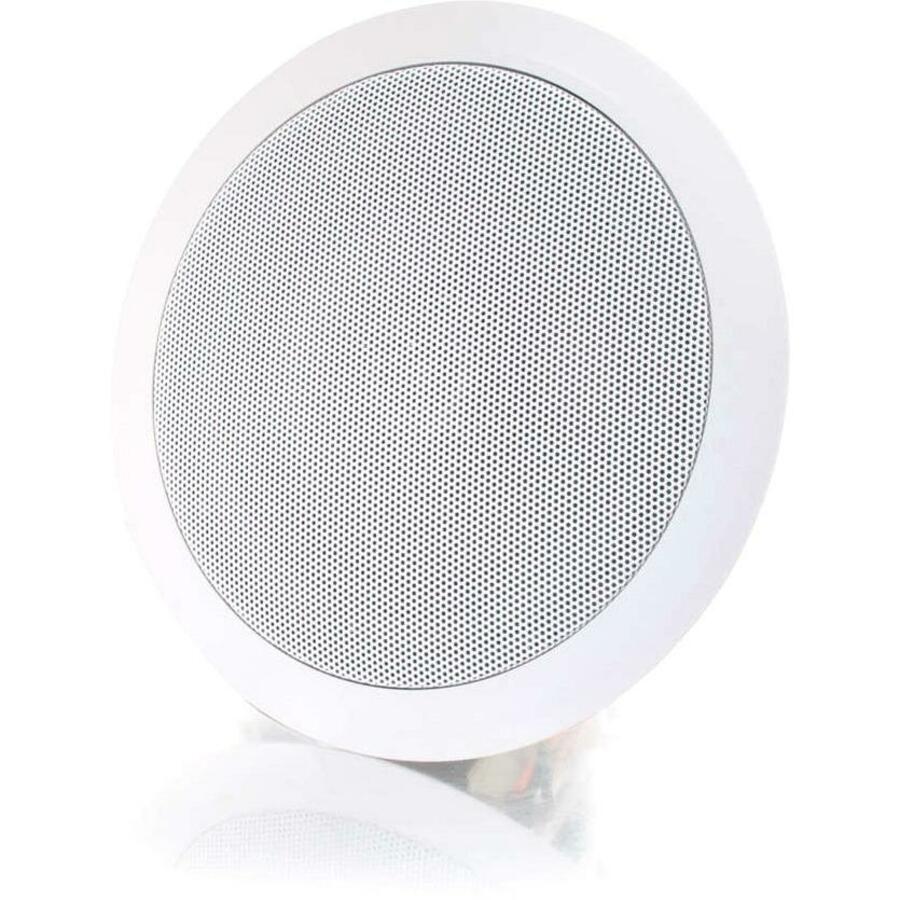
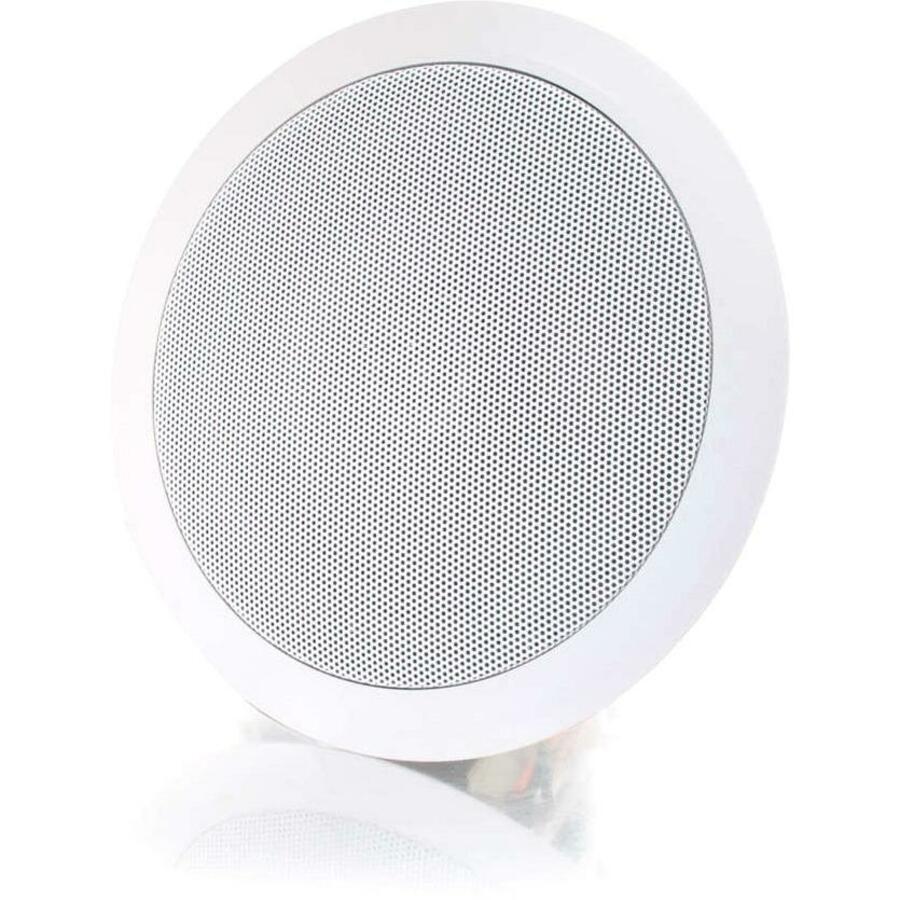
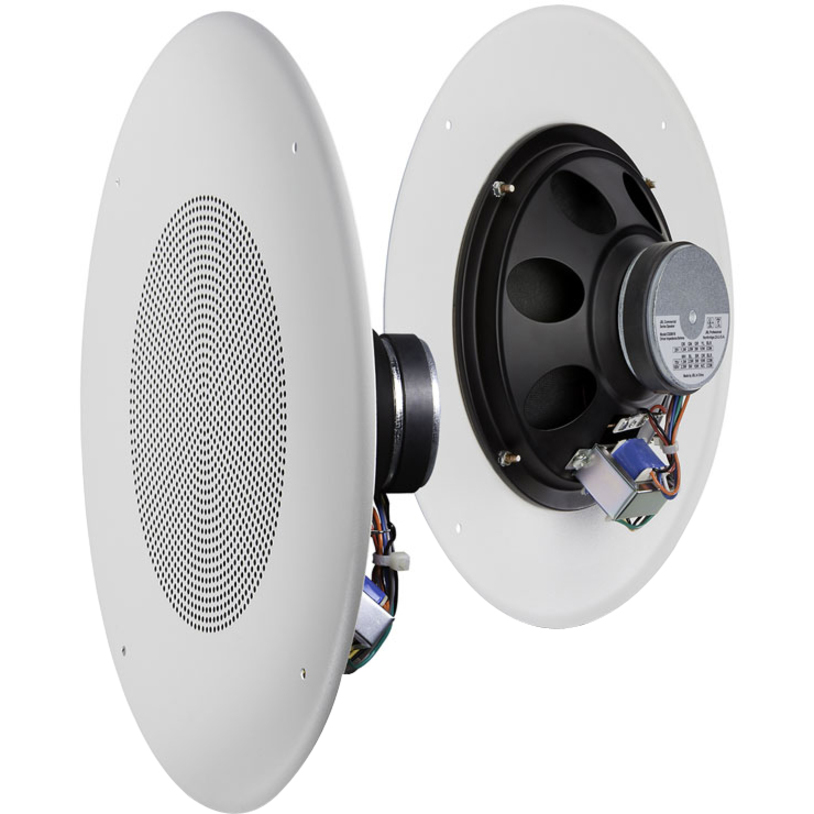
- LegrandC2G Ceiling Speaker - 2x2 Drop In Ceiling Speaker - Plenum Rated - 65 Hz to 17 kHz - 8 Ohm41508
$287.99
$204.87*
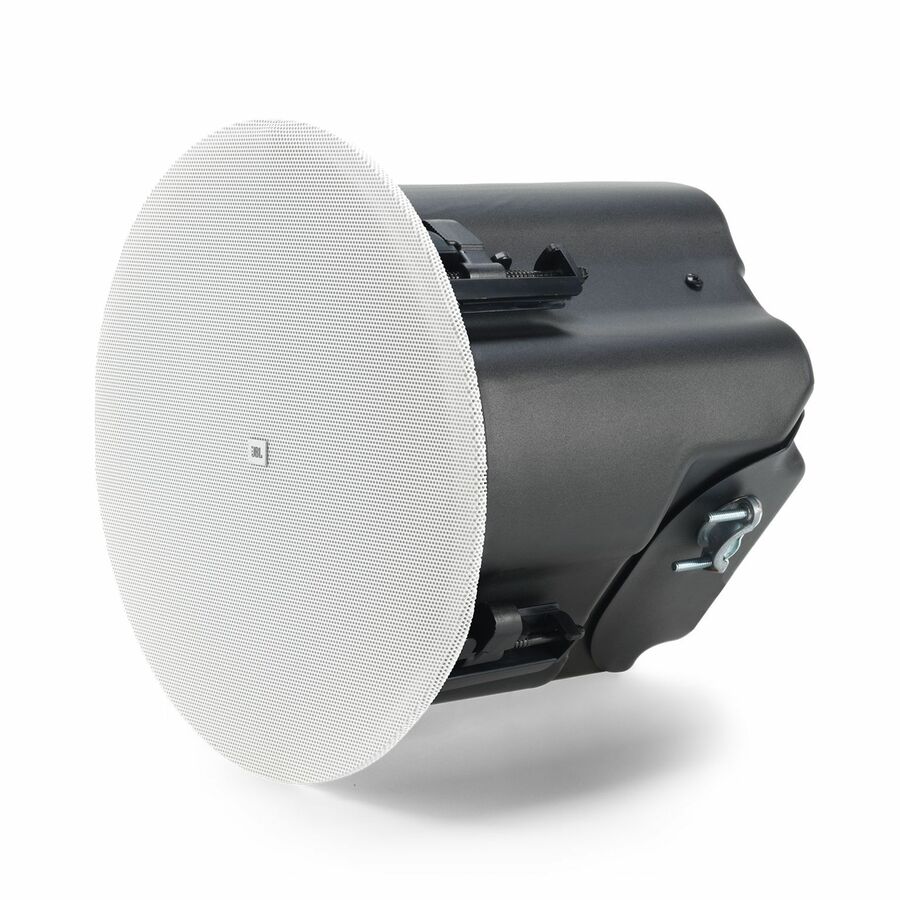
462 in stock - Harman International IndustriesJBL Control 2-way In-ceiling Speaker - 15 W RMS - 30 W (PMPO) Woofer Tweeter Midrange - 8 OhmCONTROL24CTMICRO
$230.00
$220.64
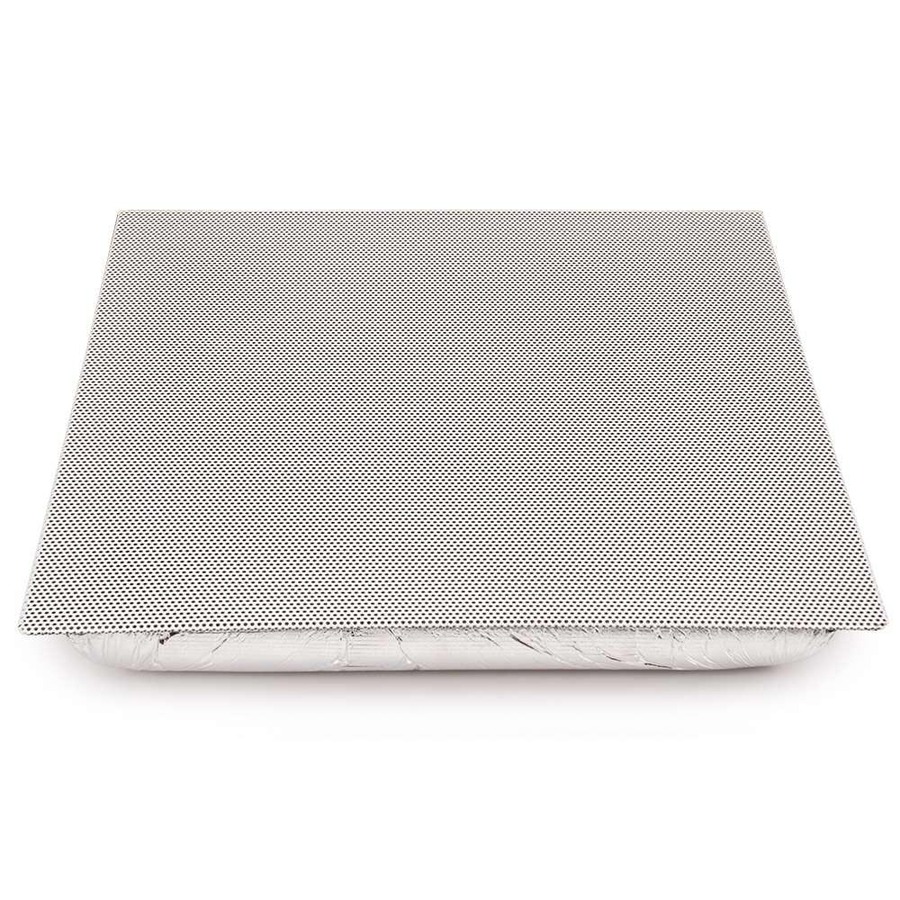
1 in stock - LegrandC2G Ceiling Speaker - 2x2 Drip In Ceiling Speaker - 70/25V - Plenum Rated - 65 Hz to 17 kHz41509
$338.99
$237.95*
212 in stock - LegrandC2G 2-way Ceiling Mountable Speaker - 20 W RMS - White - 5" Polypropylene Woofer - 0.50" Mylar Tweeter - 100 Hz to 20 kHz - 8 OhmCG39907
$110.99
$81.32
Back-orderedBack-ordered — estimated OEM lead time 3–8 weeks (Nov 13 – Dec 18 if ordered today).
Back-ordered — estimated OEM lead time 3–8 weeks (Nov 13 – Dec 18 if ordered today).
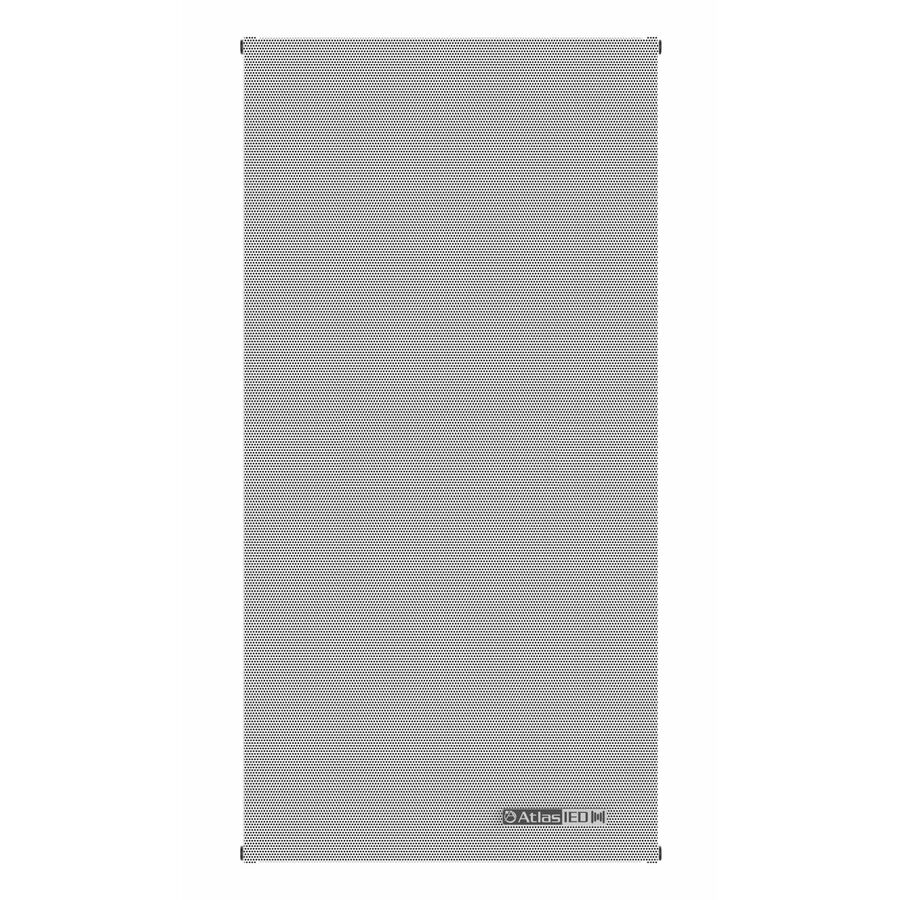
- AtlasIEDAtlasIED Strategy FAP40T Indoor In-ceiling Speaker - 16 W RMS - White - 32 W (PMPO) - 4" Polypropylene Woofer - 80 Hz to 15 kHz - 8 OhmFAP40T
$123.99
$108.70
Back-orderedBack-ordered — estimated OEM lead time 3–8 weeks (Nov 13 – Dec 18 if ordered today).
- AtlasIEDAtlasIED IP-SA Flush Mount, Surface Mount, Ceiling Mountable Speaker - 70 Hz to 15.50 kHz - 8 OhmIP-SA
$133.99
$115.45
Back-orderedBack-ordered — estimated OEM lead time 3–8 weeks (Nov 13 – Dec 18 if ordered today).
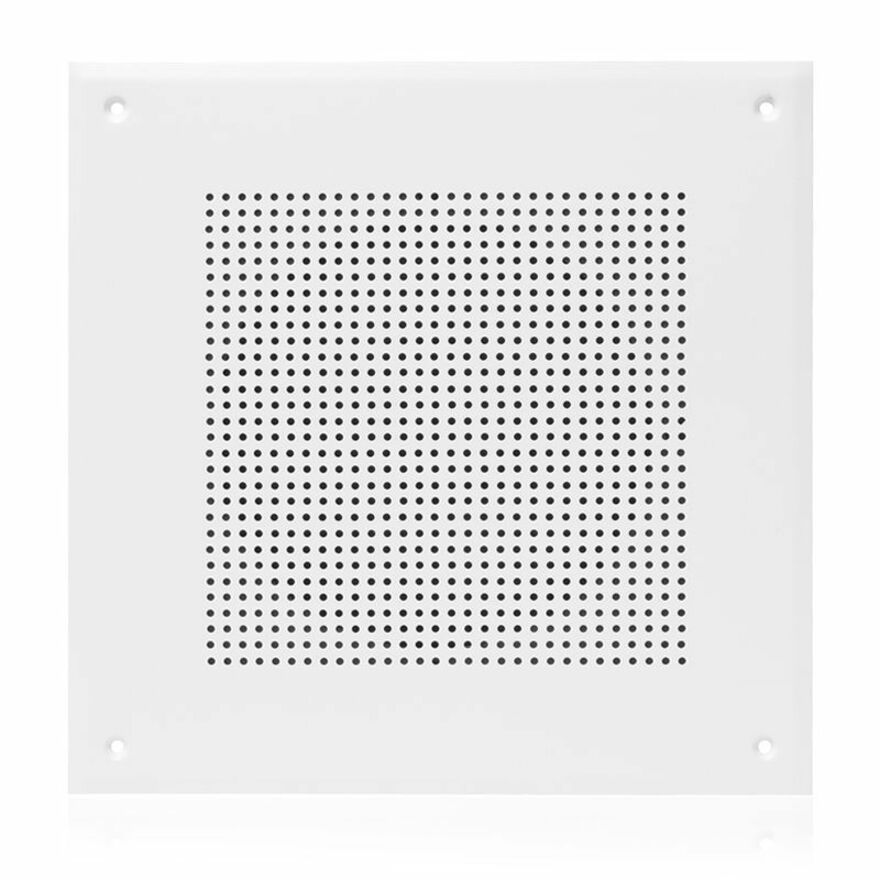
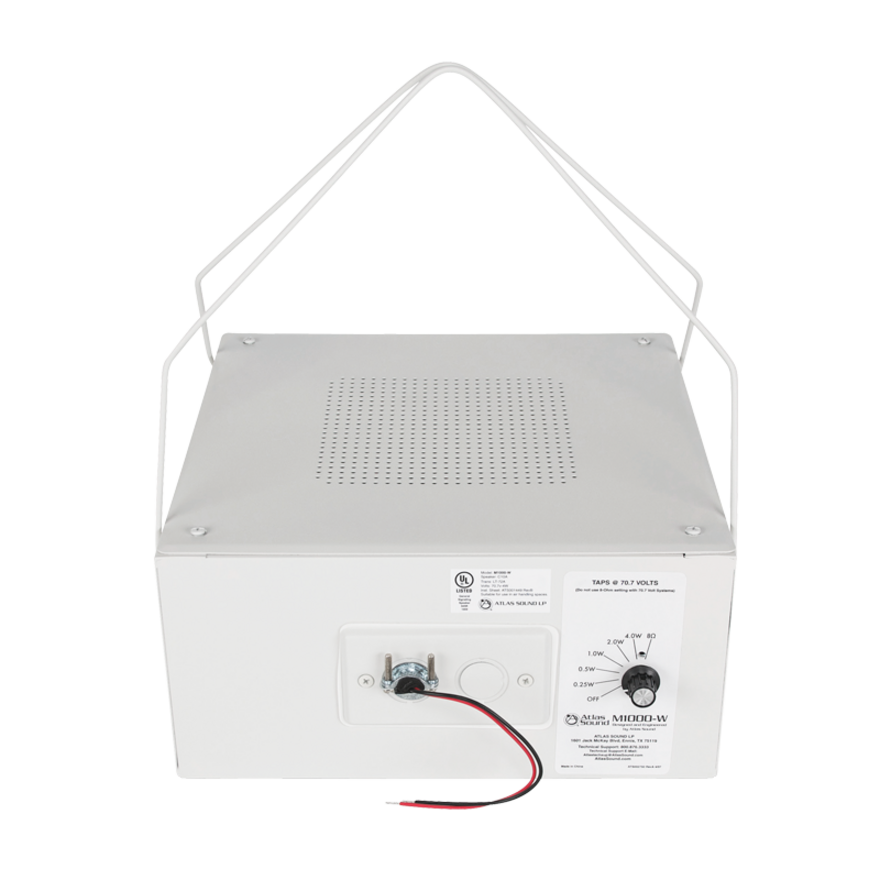
- AtlasIEDAtlasIED M1000-W In-ceiling, In-wall Speaker - White - 100 Hz to 10 kHz - 8 OhmM1000-W
$131.99
$115.67
Back-orderedBack-ordered — estimated OEM lead time 3–8 weeks (Nov 13 – Dec 18 if ordered today).
Back-ordered — estimated OEM lead time 3–8 weeks (Nov 13 – Dec 18 if ordered today).
Back-ordered — estimated OEM lead time 3–8 weeks (Nov 13 – Dec 18 if ordered today).
- AtlasIEDAtlasIED SBMS Ceiling Mountable Speaker - 25 W RMS - White - 8" - 85 Hz to 20 kHzSBMS
$154.99
$136.49
Back-orderedBack-ordered — estimated OEM lead time 3–8 weeks (Nov 13 – Dec 18 if ordered today).
- Crestron ElectronicsCrestron Saros ICI6T-W-T-EACH 2-way Flush Mount, Blind Mount, In-ceiling Speaker - 50 W RMS - White Textured - TAA Compliant - 6.50" Cone Woofer - 0.79" Dome Tweeter - 95 Hz to 15 kHz - 8 Ohm6507581
$190.00
$140.13*
Back-orderedBack-ordered — estimated OEM lead time 3–8 weeks (Nov 13 – Dec 18 if ordered today).


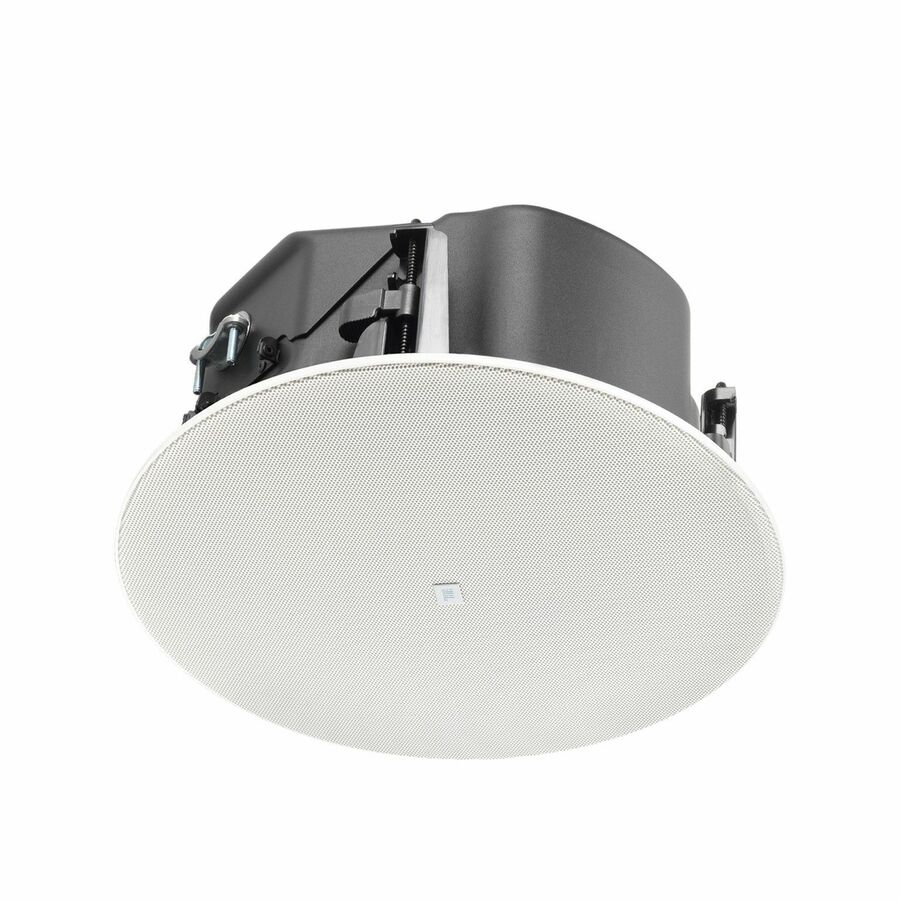
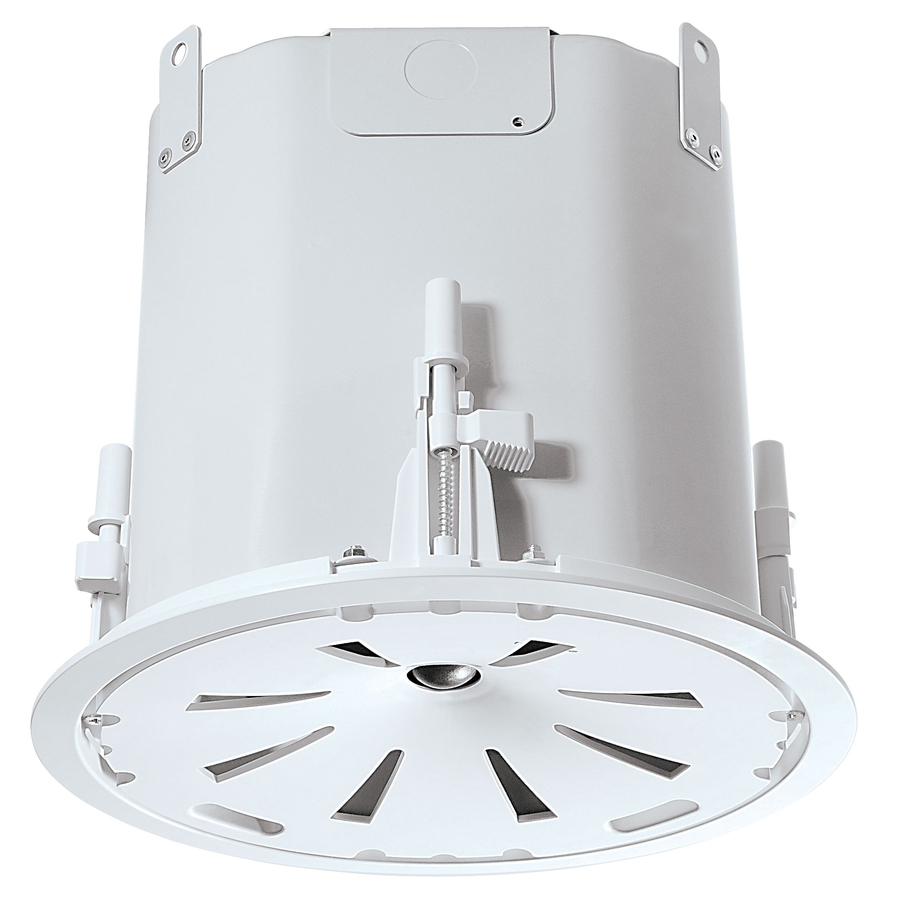
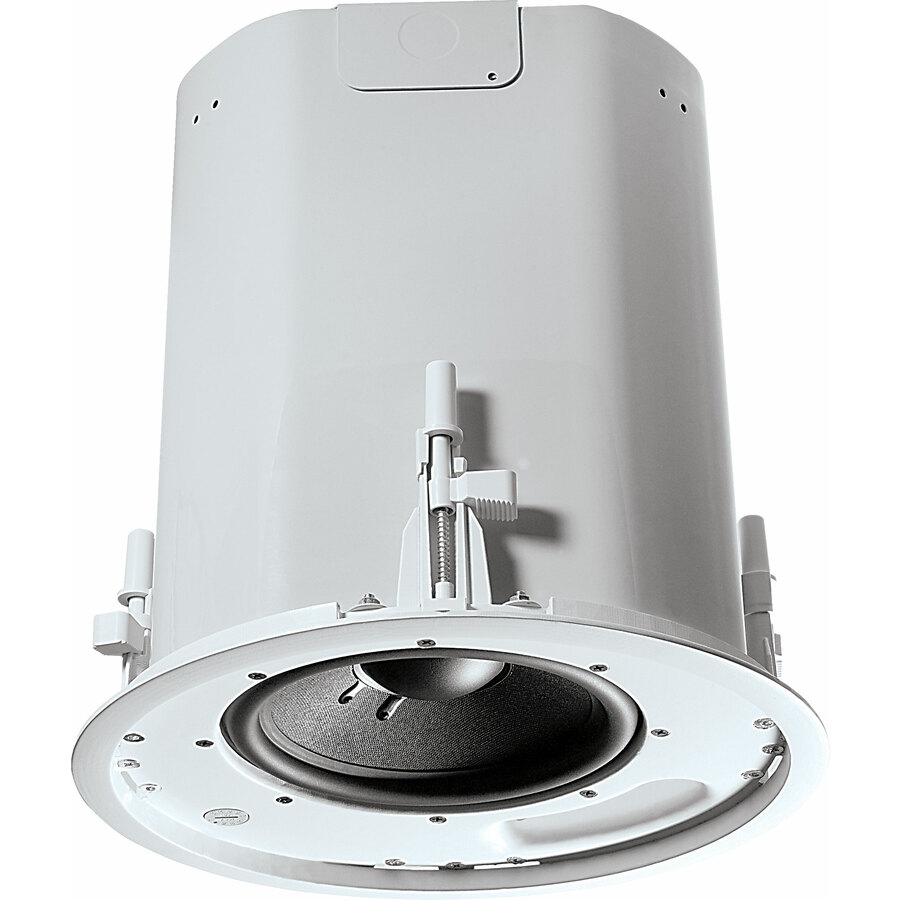
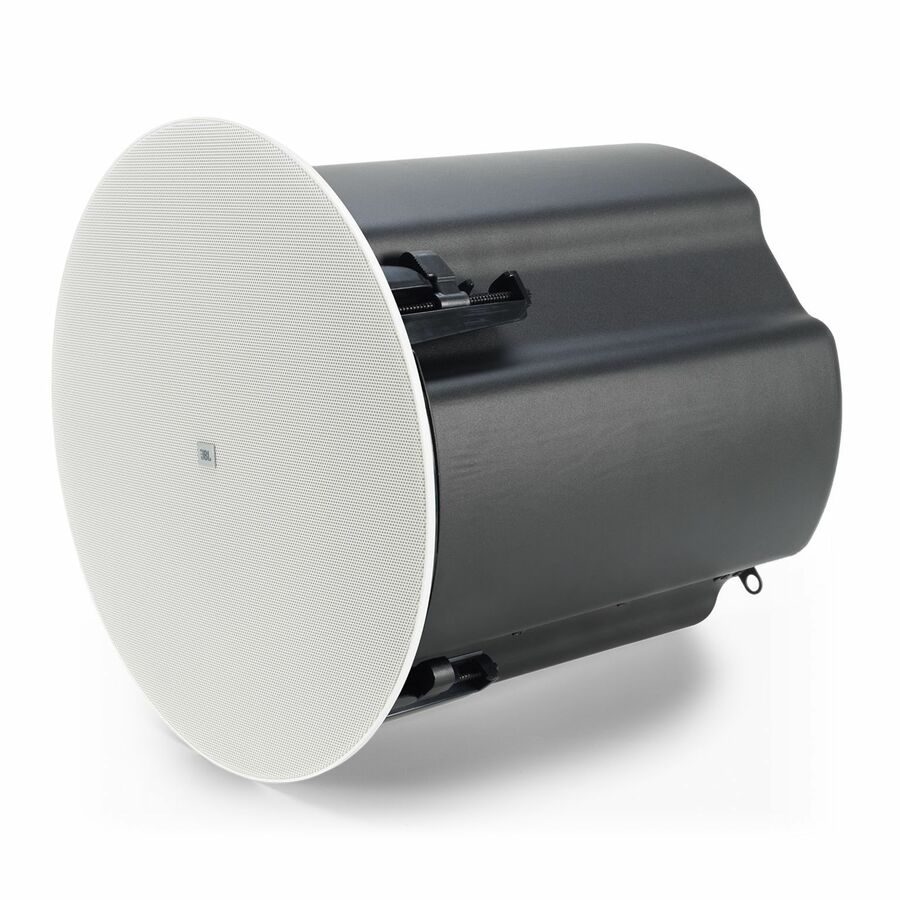
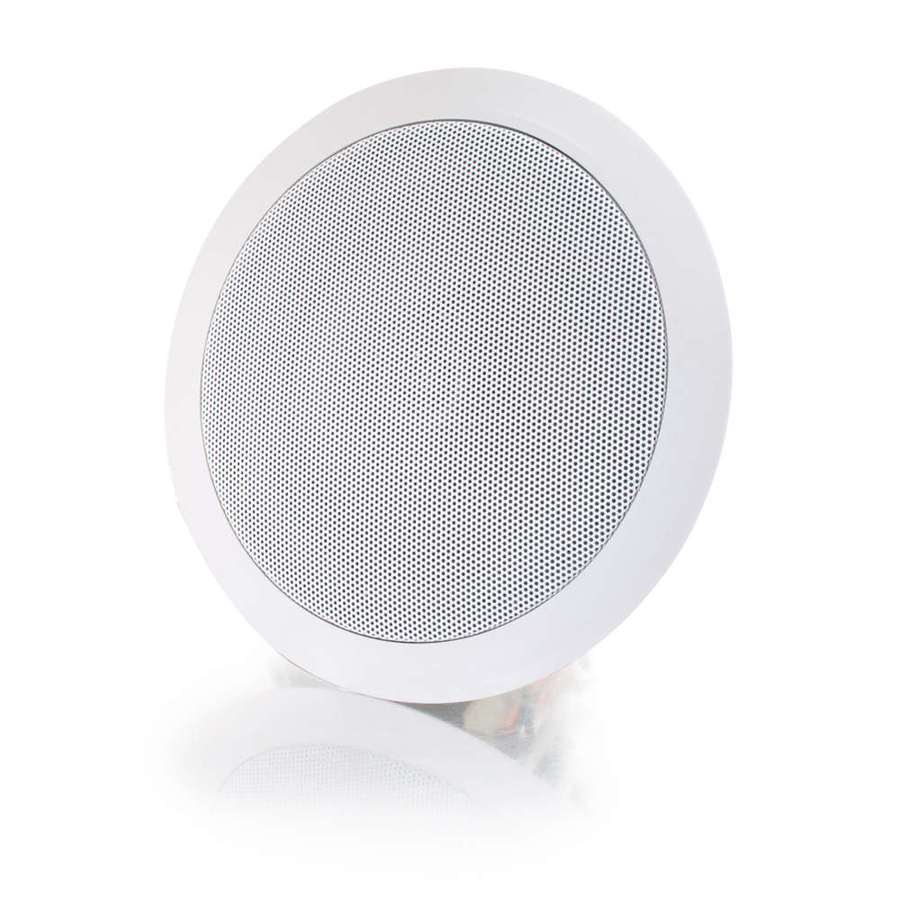
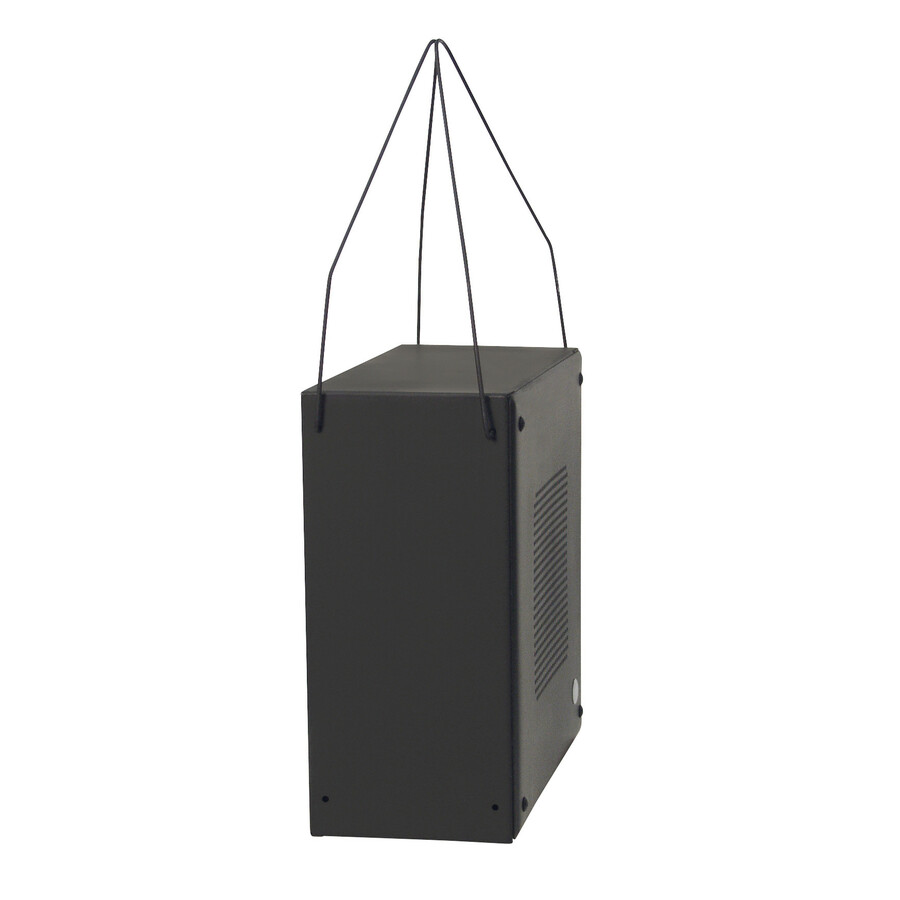
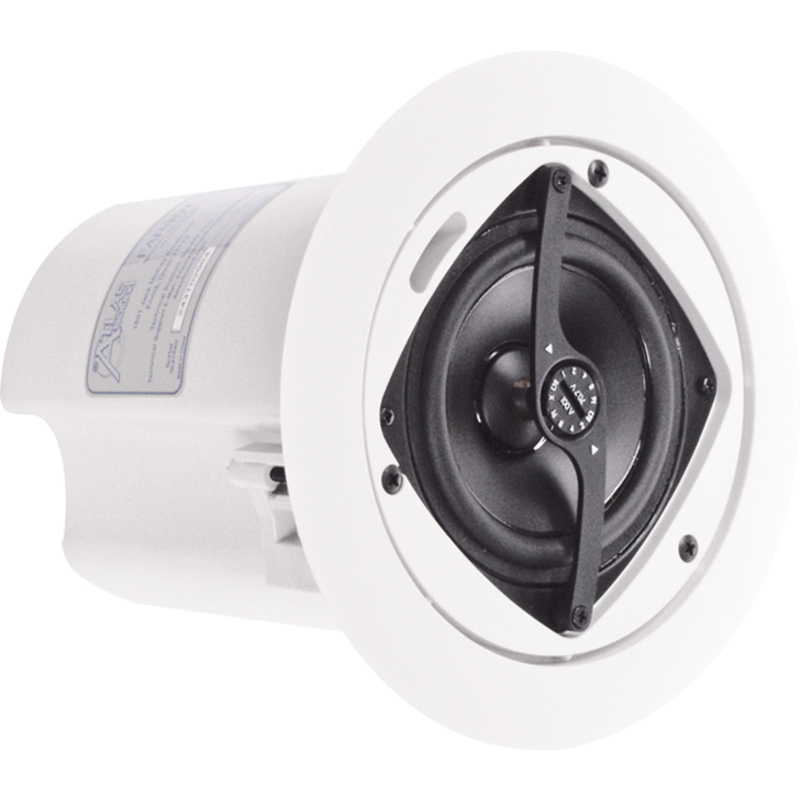
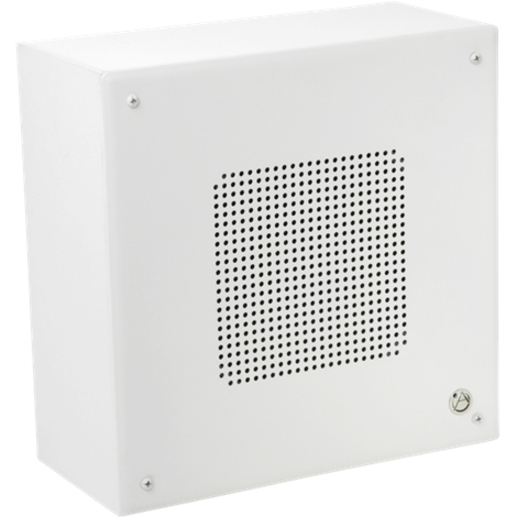
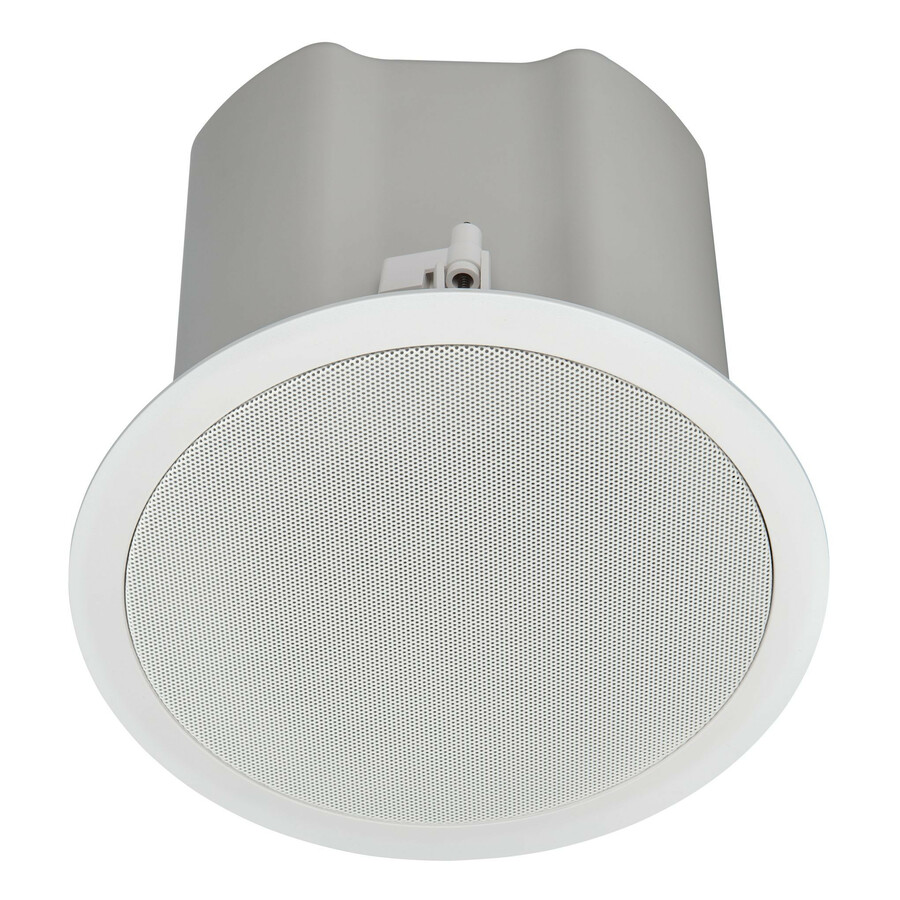

JBL commercial ceiling
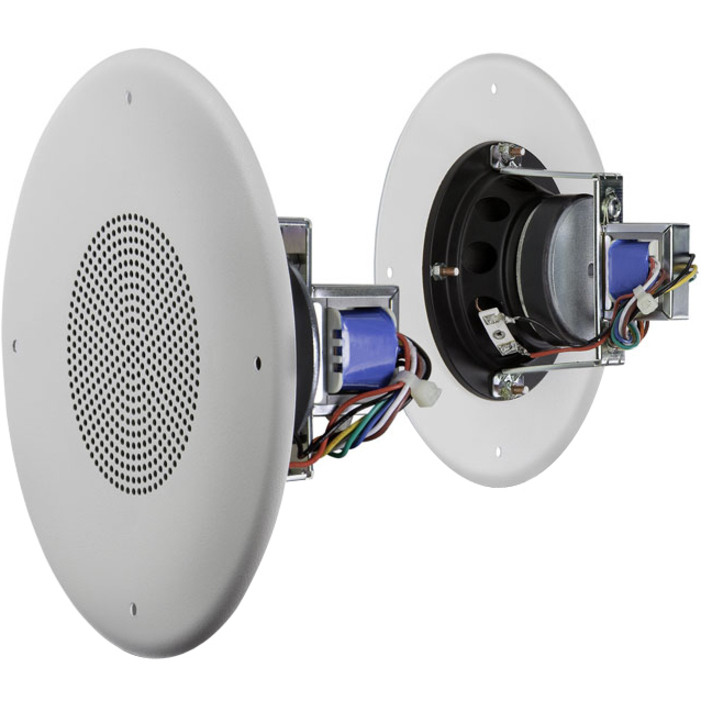
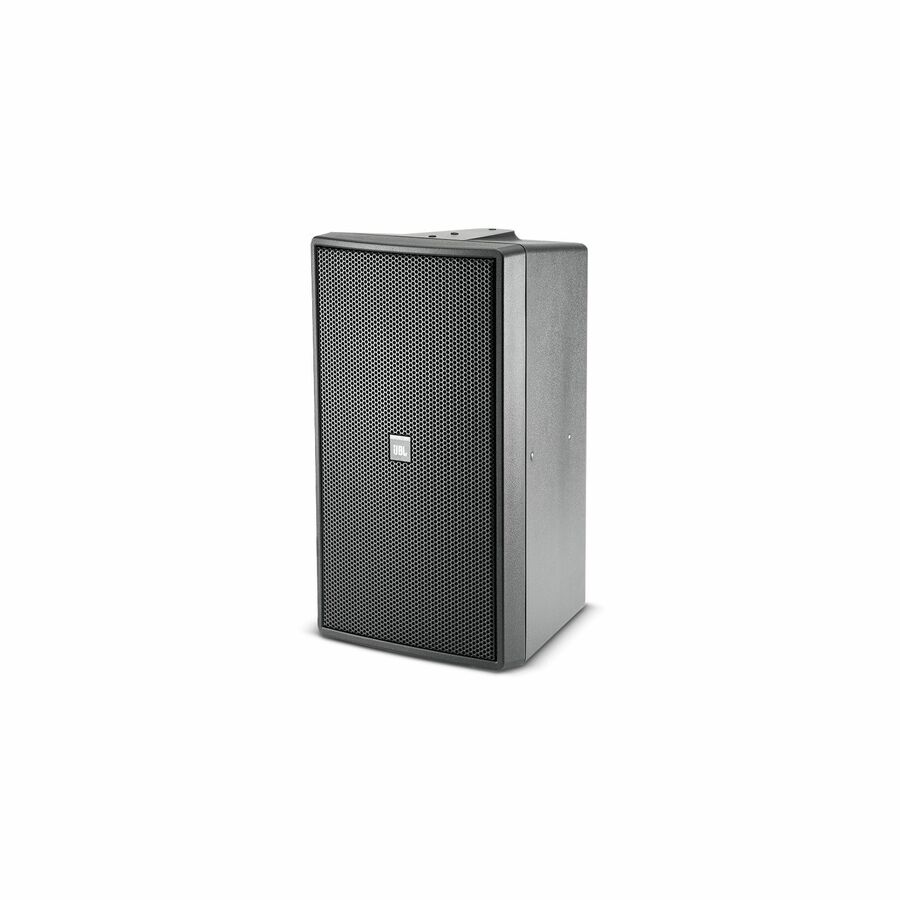
Harman International Industries
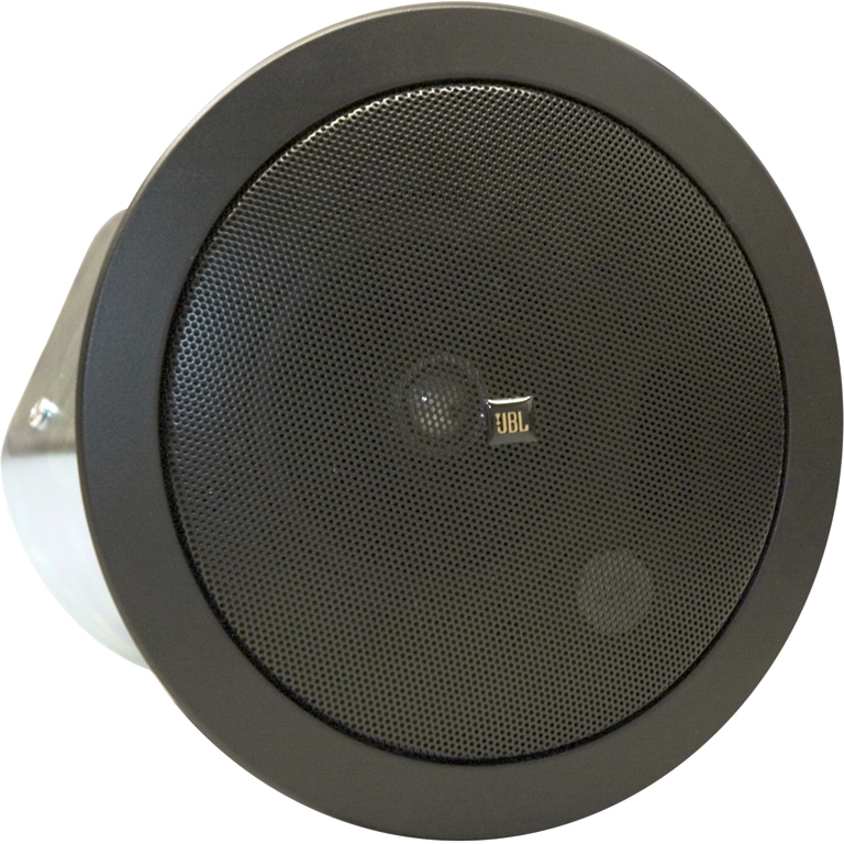
JBL Commercial CSS8004 Ceiling Mountable Speaker
CSS8004
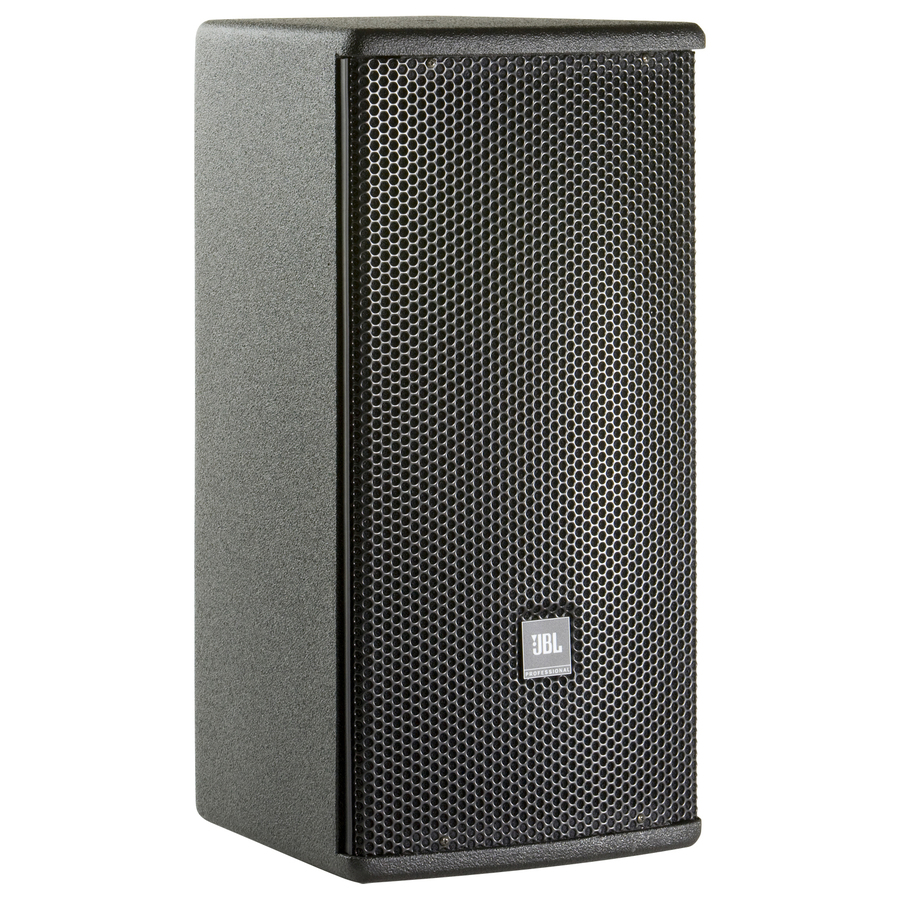
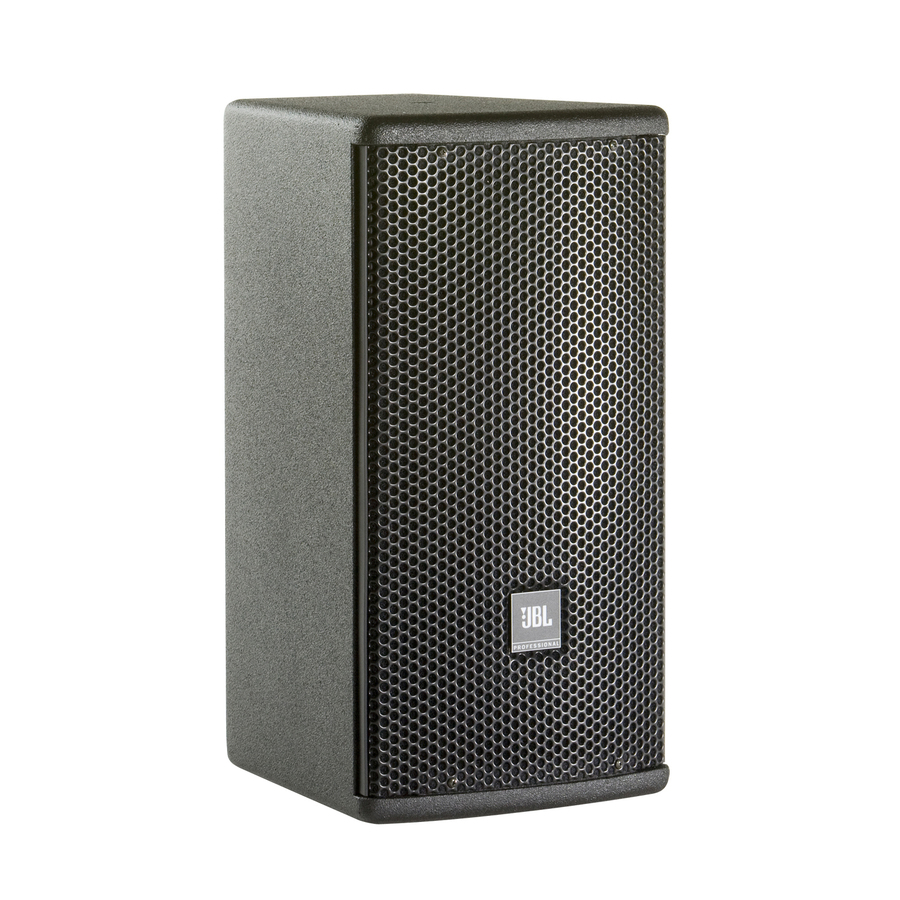
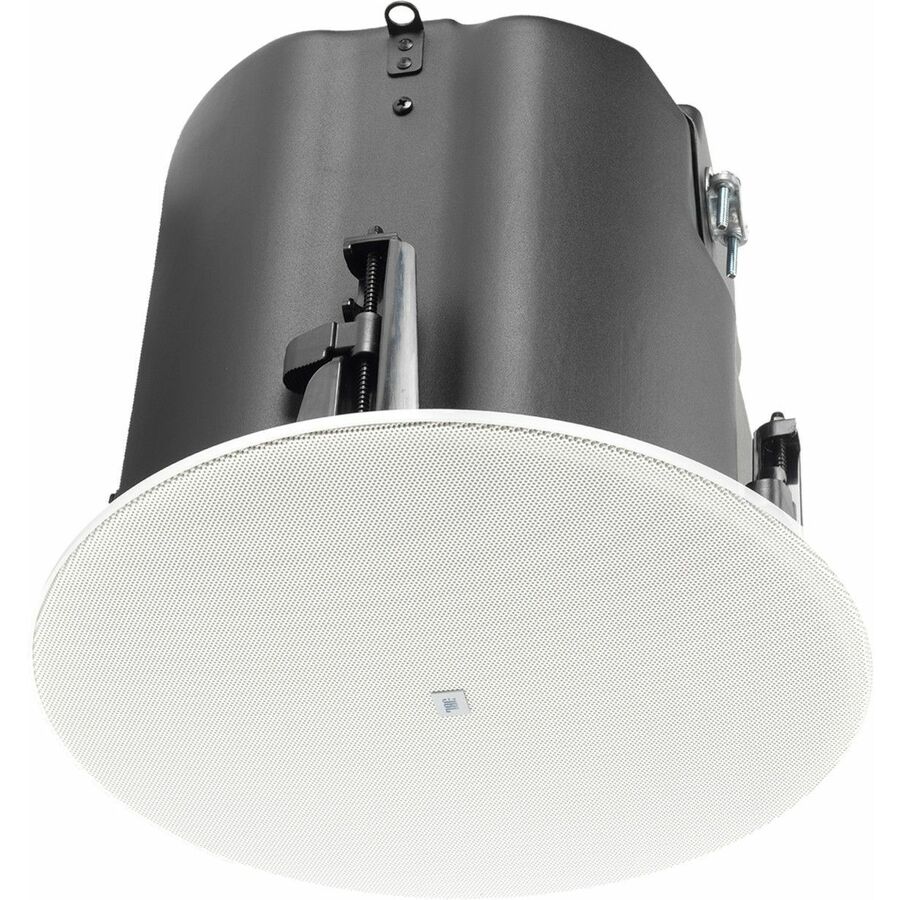
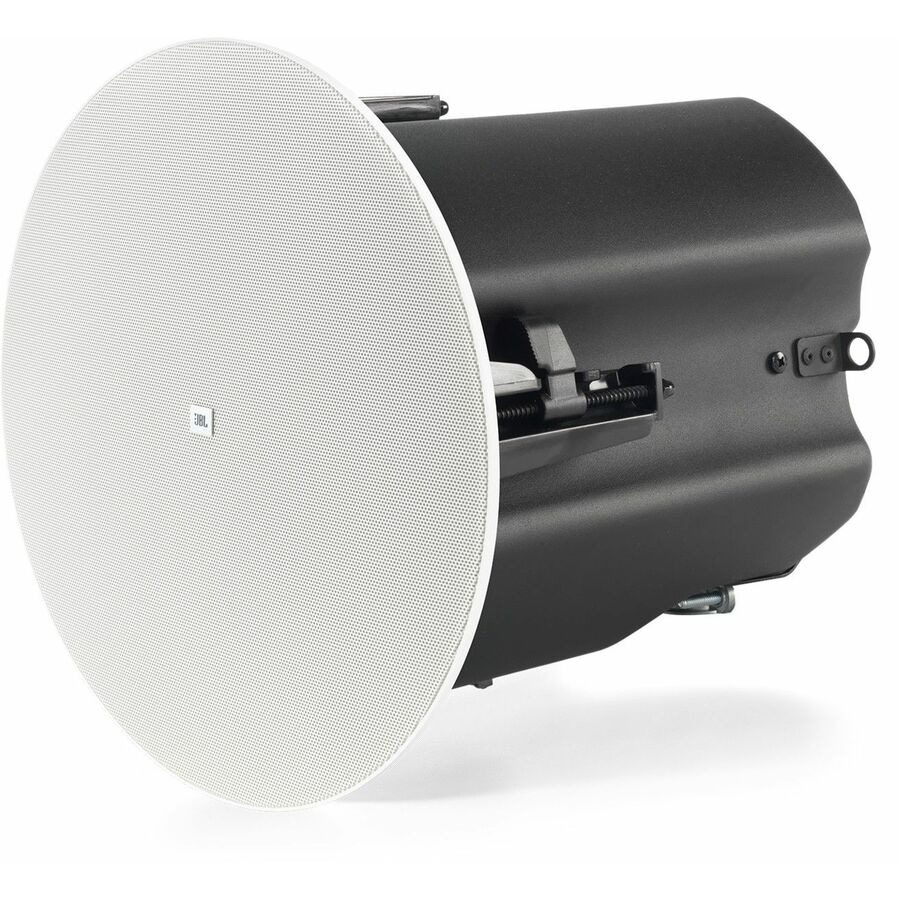
A JBL Commercial CSS8004 ceiling-mount speaker at 15 W with an 85 Hz to 18 kHz range — a full-range voice-and-program driver for a meeting room.
$161.03Back-orderedJBL Control 227C, 6.5"
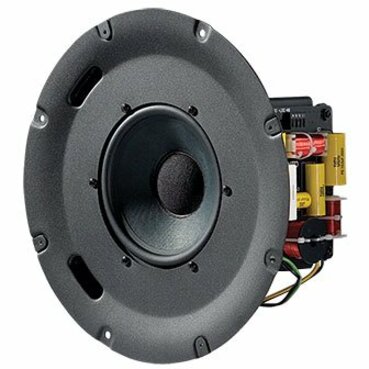
Harman International Industries
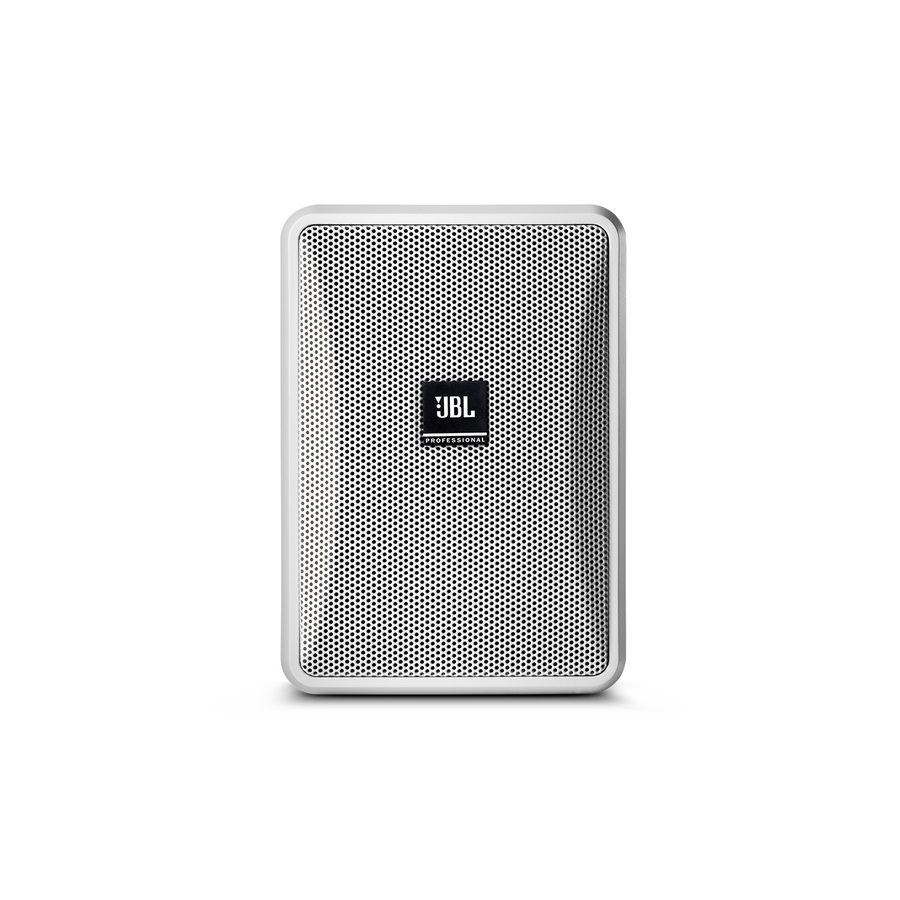
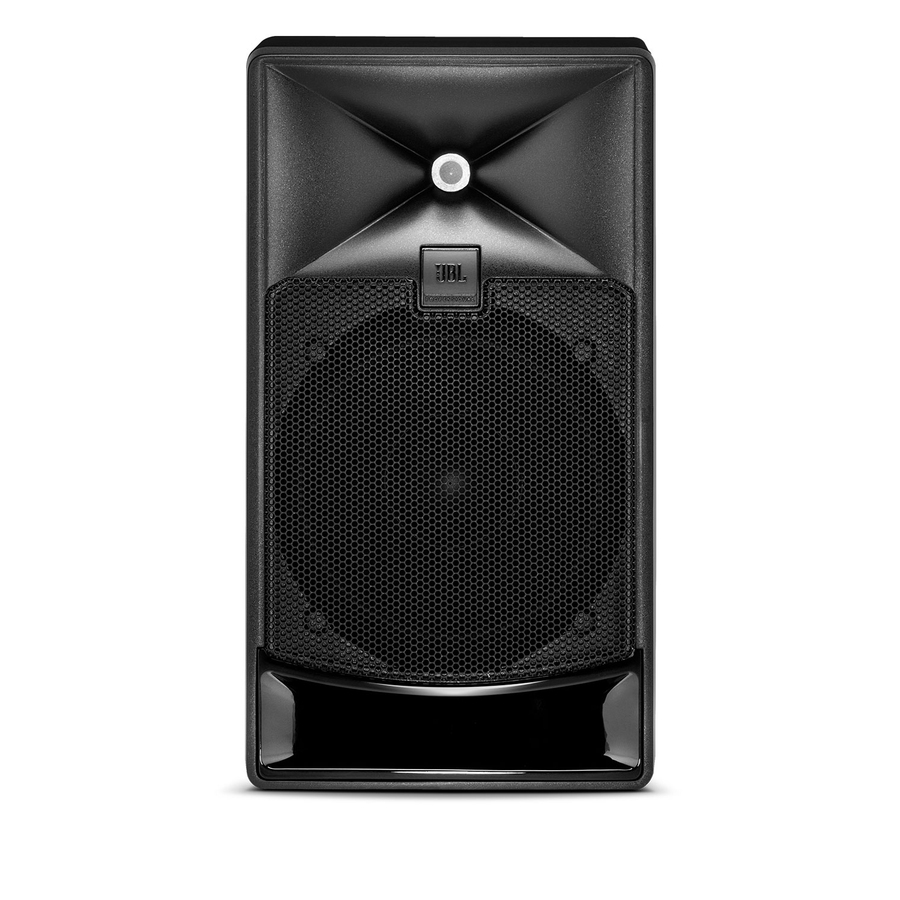
JBL Professional Control 227C 2-way In-ceiling Speaker
CONTROL 227C
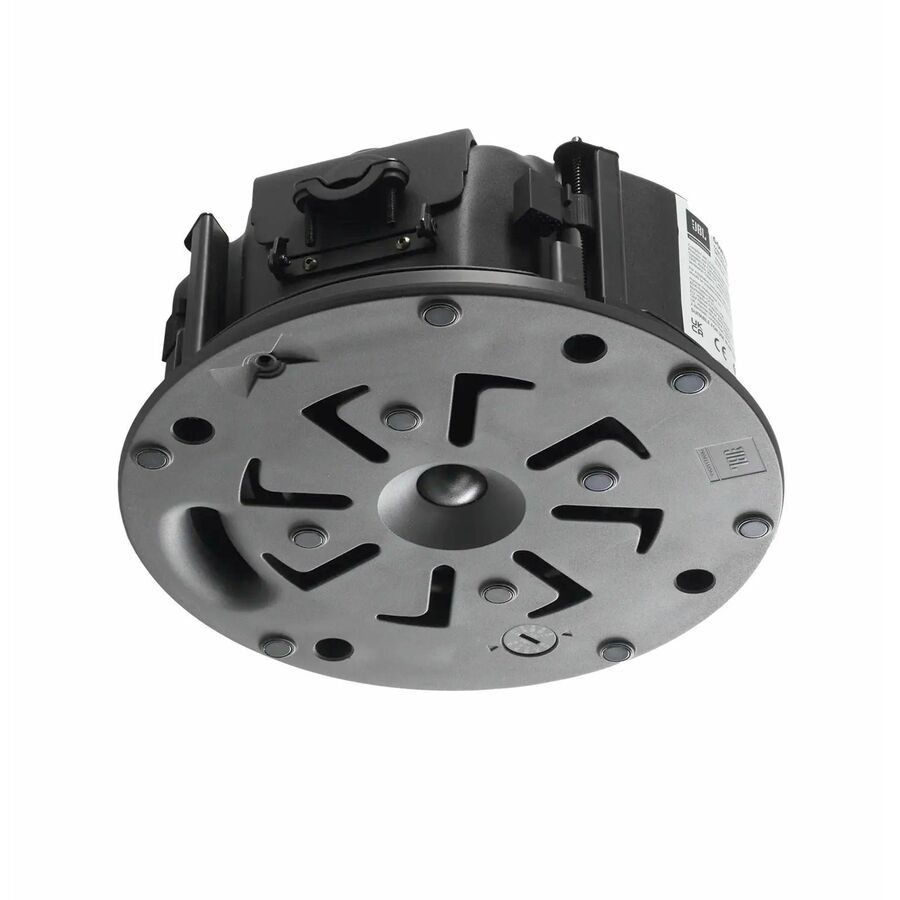
A JBL Professional Control 227C two-way in-ceiling speaker, 150 W with a 6.5-inch Kevlar woofer — full-range program audio for a larger room.
$330.32Back-orderedJBL Control 65P/T
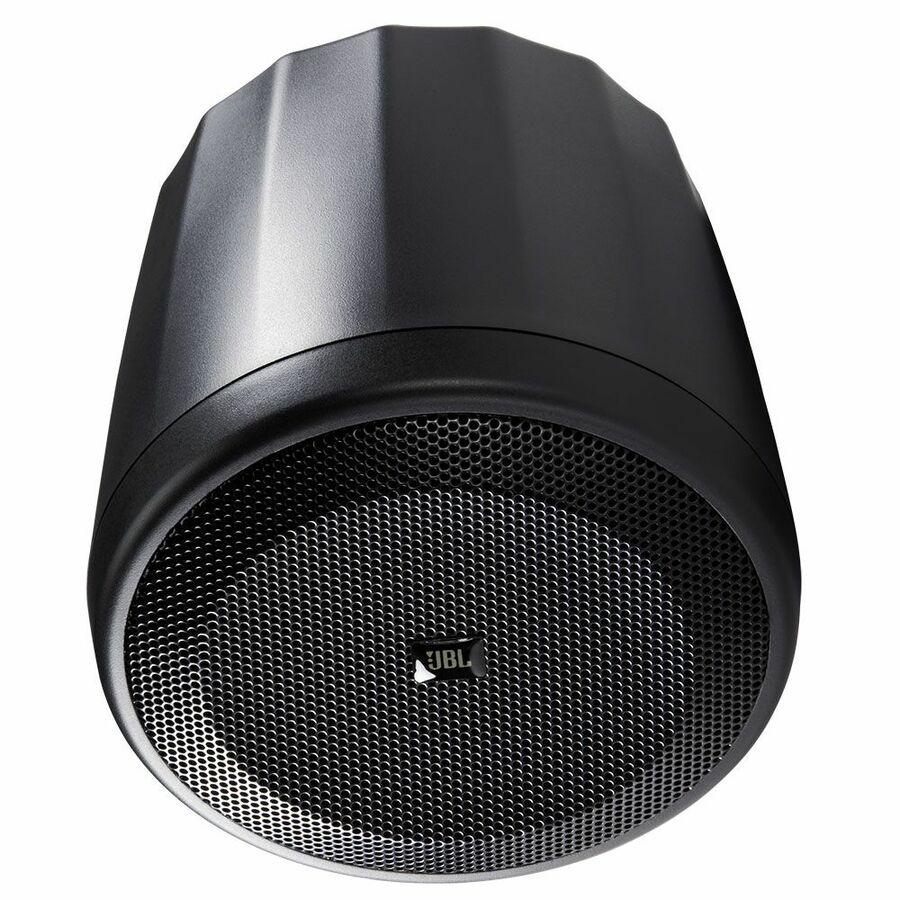
Harman International Industries
JBL Control 65 P/T 2-way Ceiling Mountable Speaker
C65PT
A JBL Control 65 P/T two-way ceiling-mount speaker, 75 W RMS with a 70V/100V transformer — a tapped speaker for a constant-voltage room line.
$527.12Back-orderedAtlasIED Strategy 6"
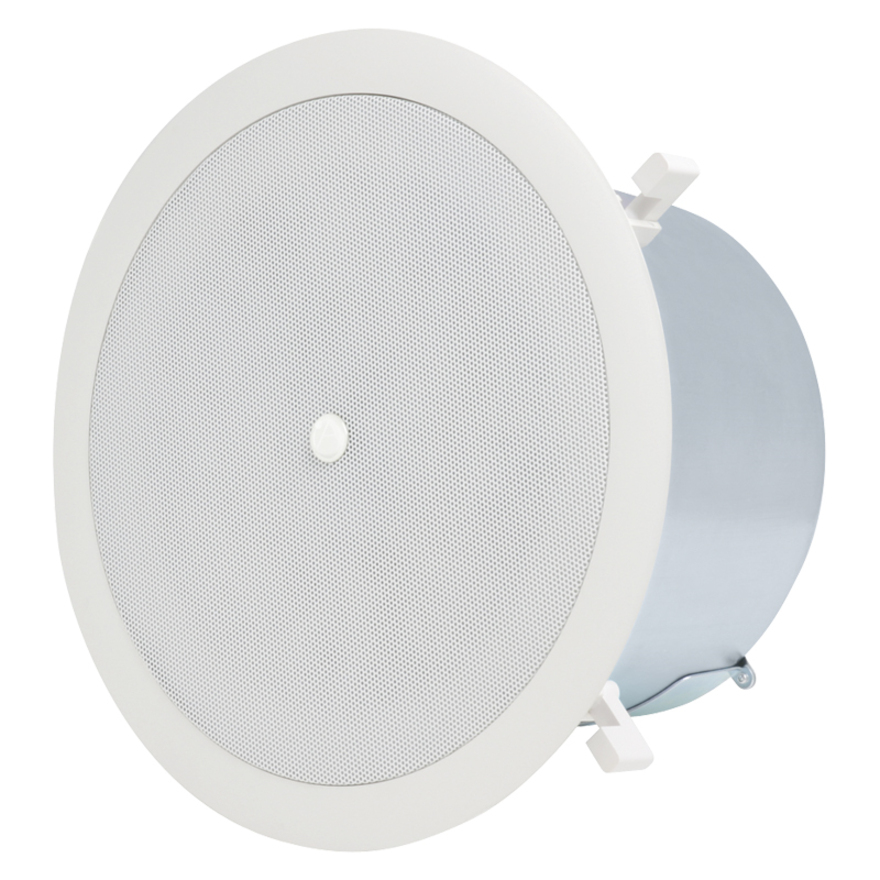
AtlasIED
AtlasIED Strategy FAP62T In-ceiling Speaker
FAP62T
An AtlasIED Strategy FAP62T in-ceiling speaker, 50 W RMS with a 6-inch polypropylene woofer and a 70V tap for a distributed voice line.
$191.88Back-orderedAtlasIED 2-way ceiling
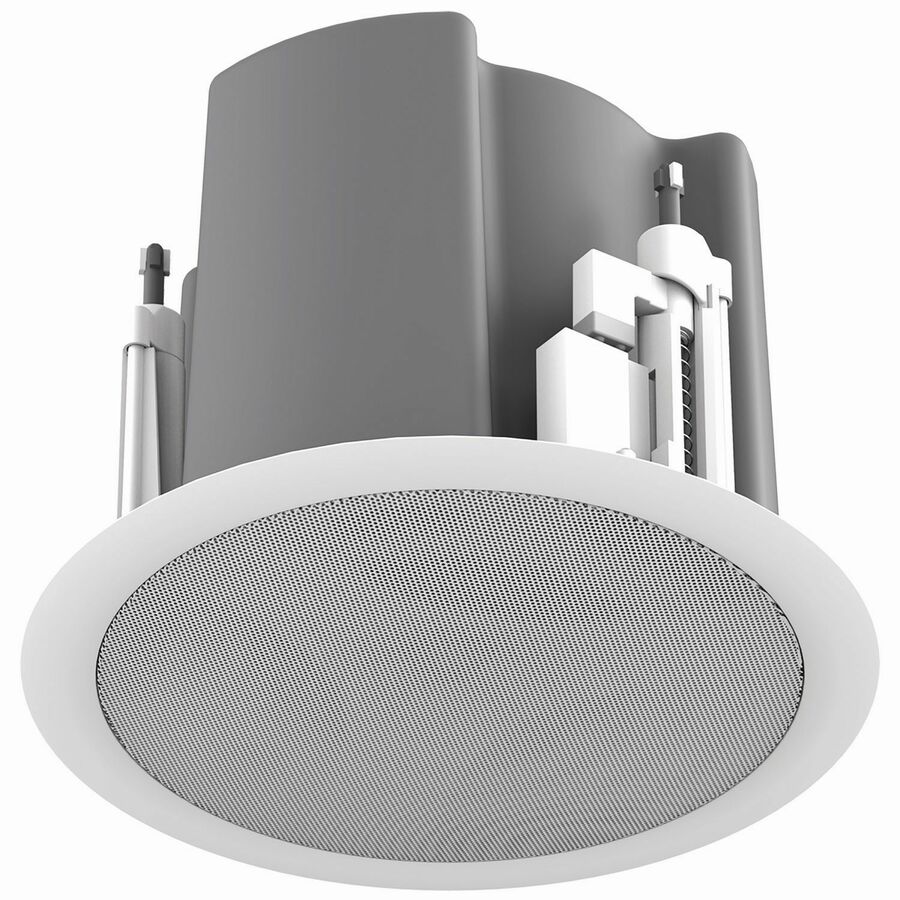
AtlasIED
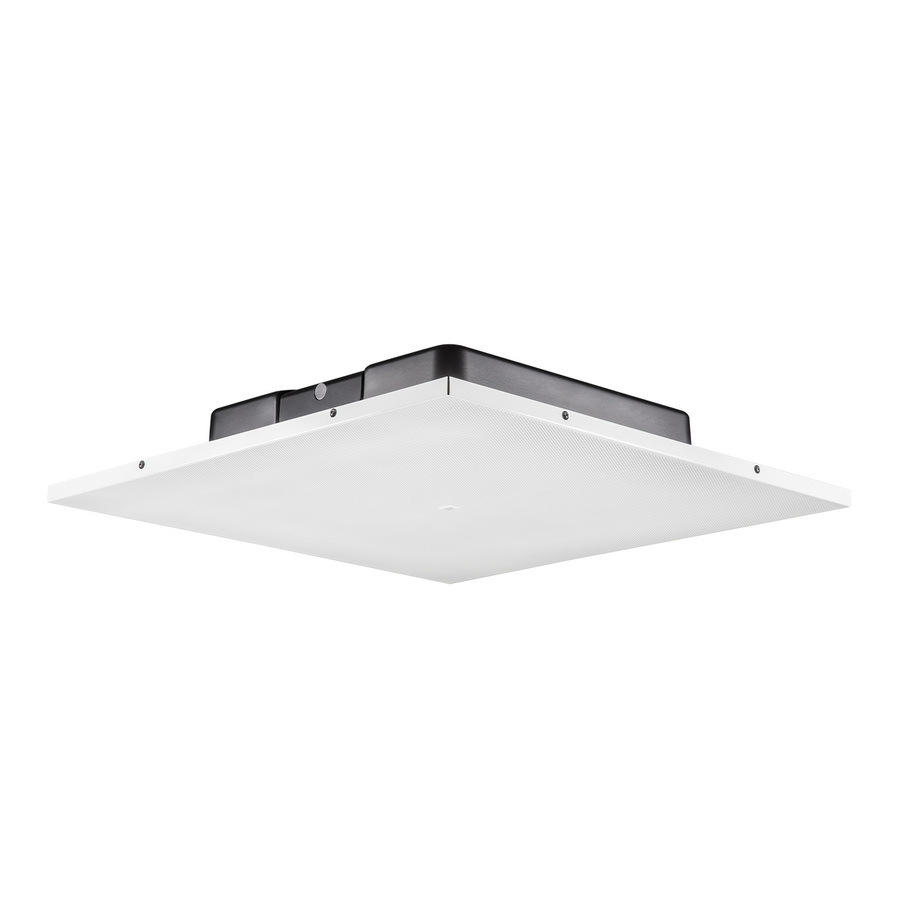
AtlasIED Strategy III FAP43T-W 2-way In-ceiling Speaker
FAP43T-W
An AtlasIED Strategy III FAP43T-W two-way in-ceiling speaker, 50 W RMS with a tweeter and a 70V transformer for even program coverage.
$174.14Back-orderedAtlasIED IP ceiling
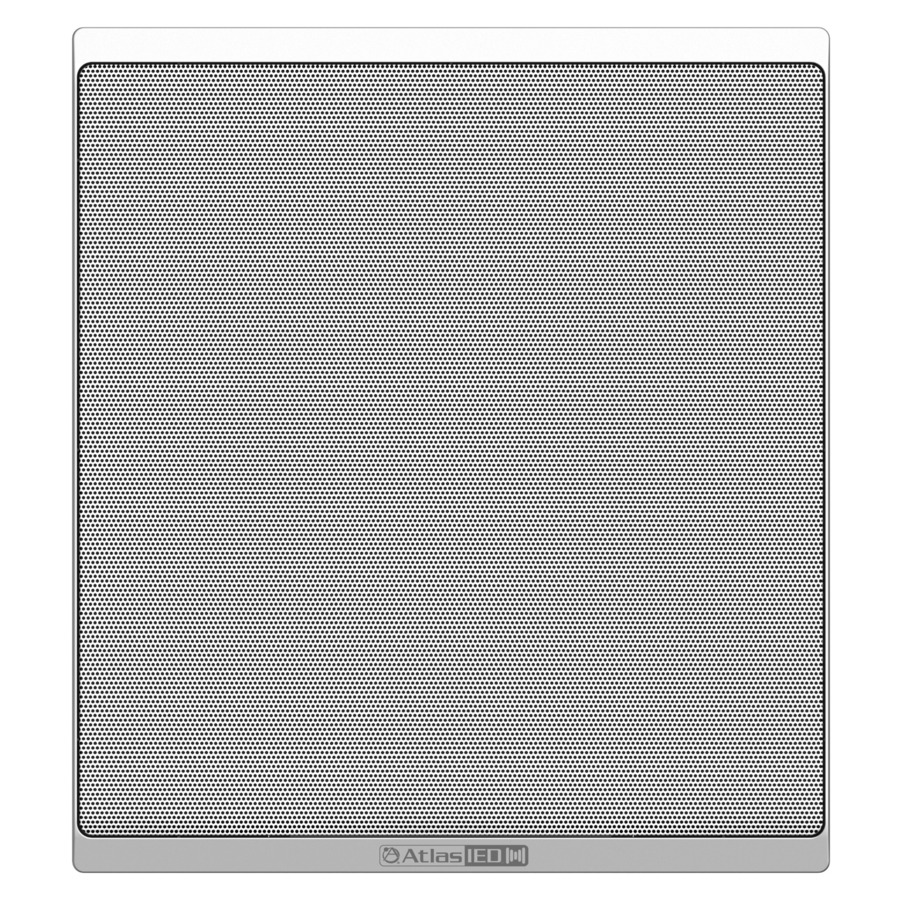
AtlasIED
AtlasIED IP-SM Indoor Ceiling Mountable, In-wall, Wall Mountable Speaker
IP-SM
An AtlasIED IP-SM network ceiling-mount speaker at 15 W — an IP endpoint for paging and voice alerts without a separate amplifier.
$1,087.82Back-orderedCrestron Saros 6.5"
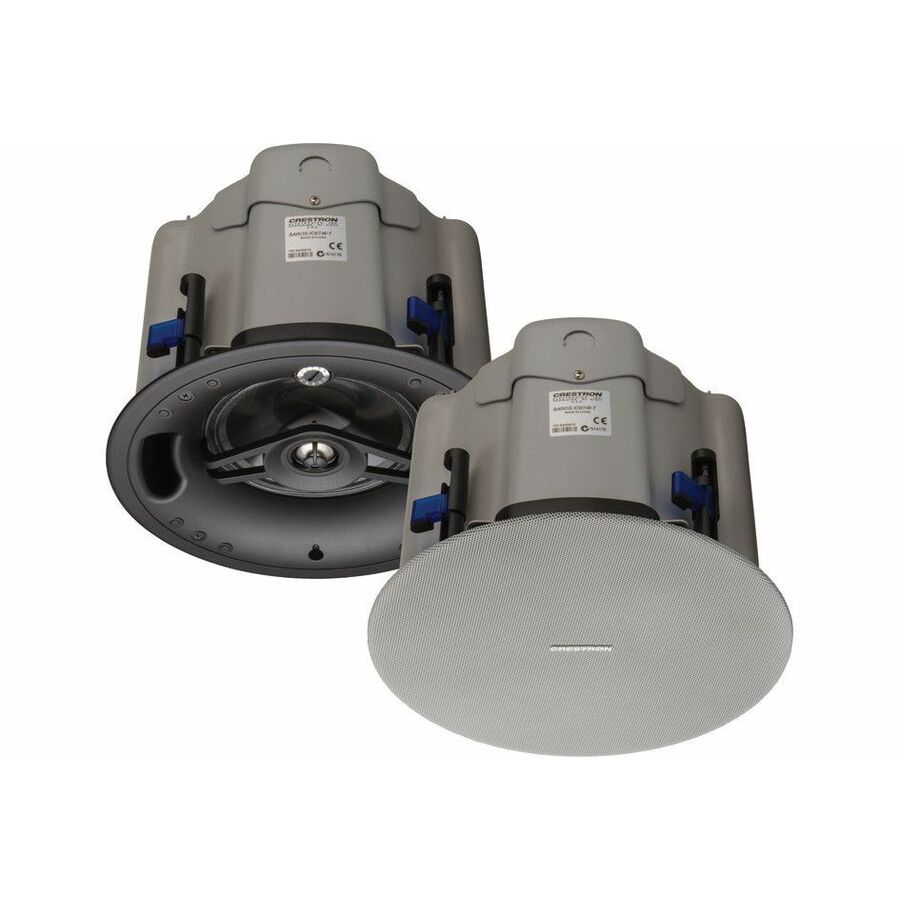
Crestron Electronics
Crestron Saros IC6T-W-T-EACH 2-way In-ceiling, Blind Mount, Flush Mount…
6507531
A Crestron Saros IC6T two-way in-ceiling speaker rated 125 W — a full-range ceiling speaker for a program-audio meeting room.
$197.01*Back-orderedCrestron Saros 5"

Crestron Electronics
Crestron Saros ICT5T-22 2-way In-ceiling, Ceiling Mountable Speaker
6510076
A Crestron Saros ICT5T two-way in-ceiling speaker, 30 W RMS with a 5-inch driver and a transformer tap — a distributed-line room speaker.
$215.51Back-orderedCrestron Saros LP 6.5"
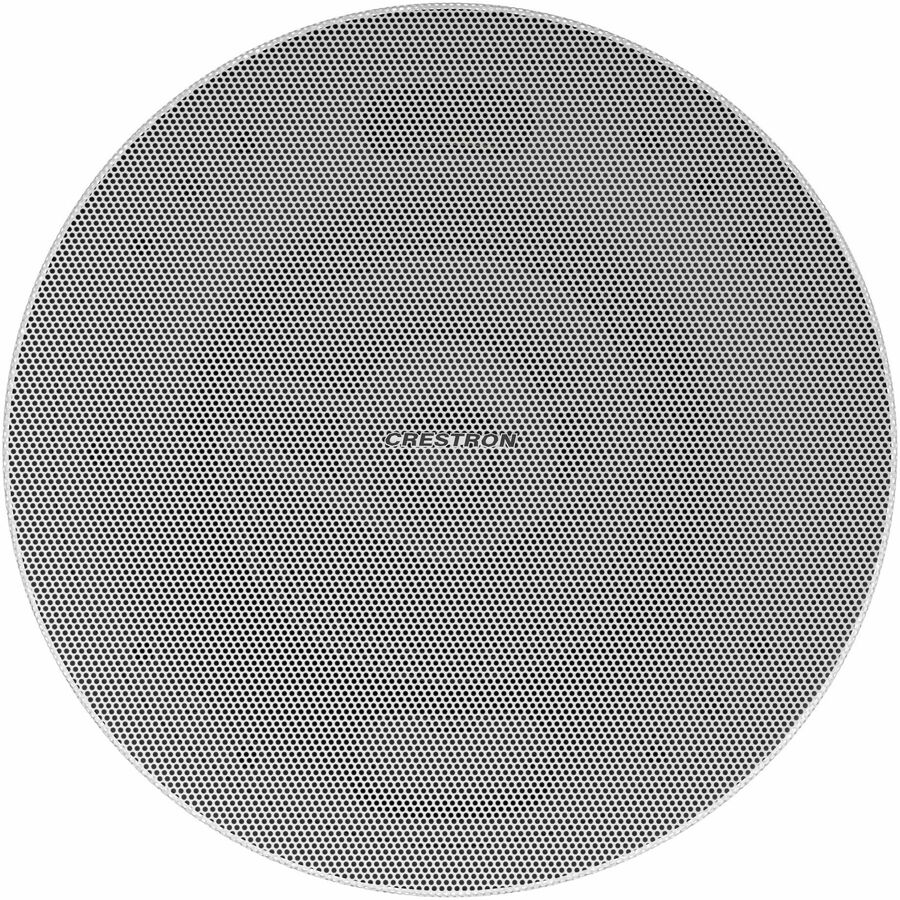
Crestron Electronics
Crestron Saros IC6VLPT-W-T-EACH 2-way Ceiling Mountable, In-ceiling…
6512986
A Crestron Saros IC6VLPT two-way low-profile in-ceiling speaker with a transformer tap — a full-range ceiling driver for even room coverage.
$263.79Back-orderedShure Microflex ceiling
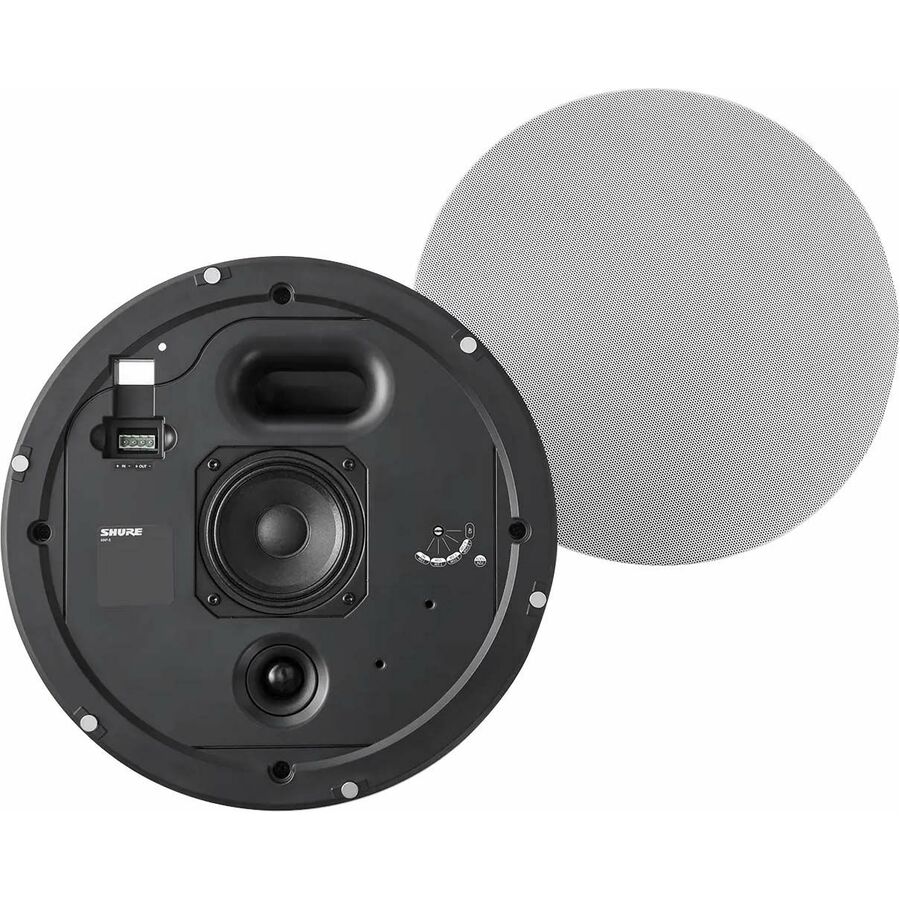
Shure
Shure Microflex MXP-5 Ceiling Mountable Speaker
MXP-5W
A Shure Microflex MXP-5 ceiling-mount speaker in white — a voice-reinforcement ceiling speaker for a conferencing room.
$278.22Back-orderedShure Microflex 2-way
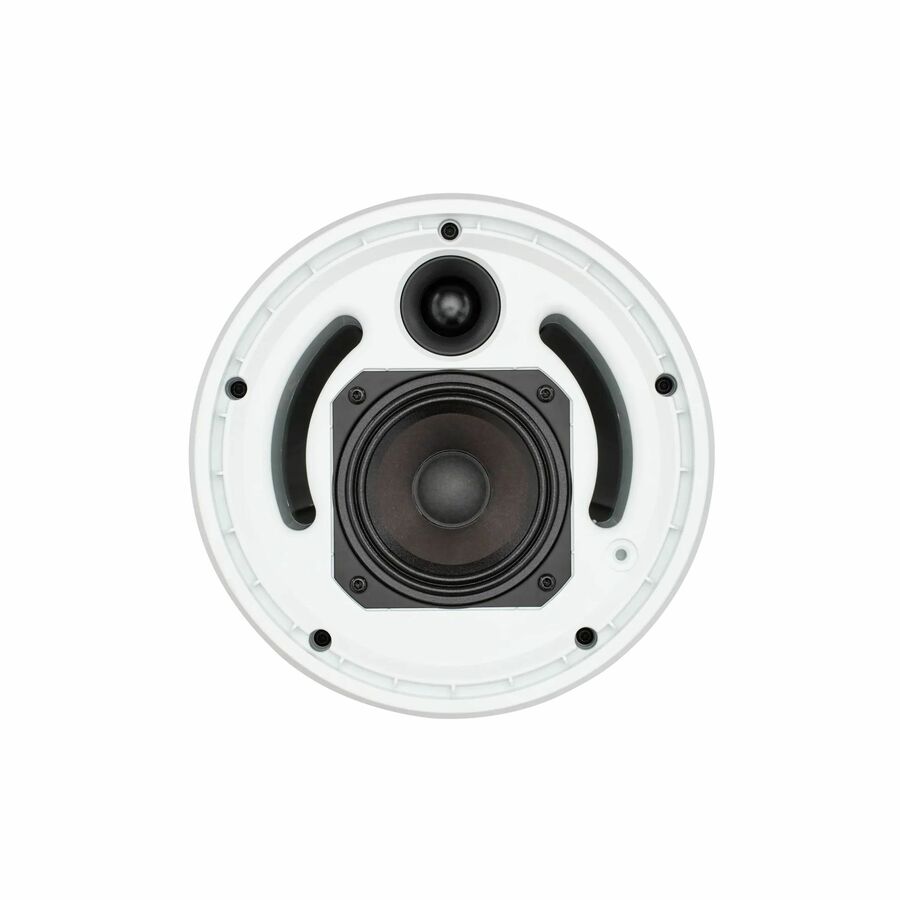
Shure
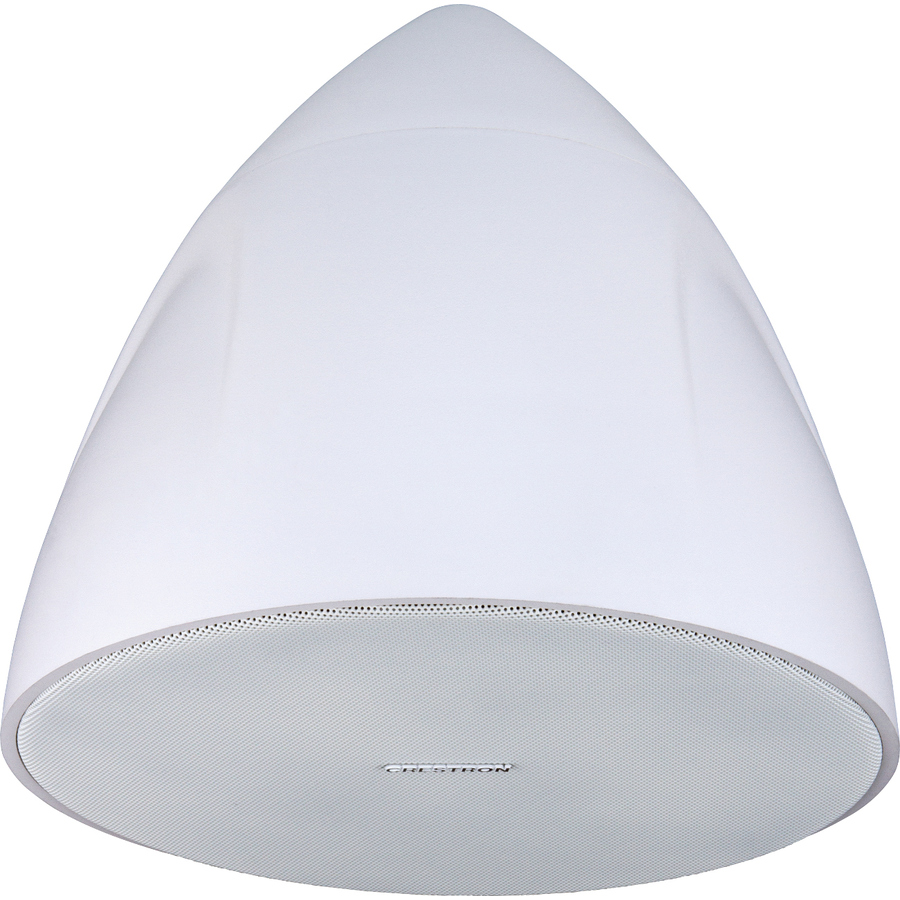
Shure Microflex MXN-6 2-way Pendant Mount, Ceiling Mountable Speaker
MXN-6W
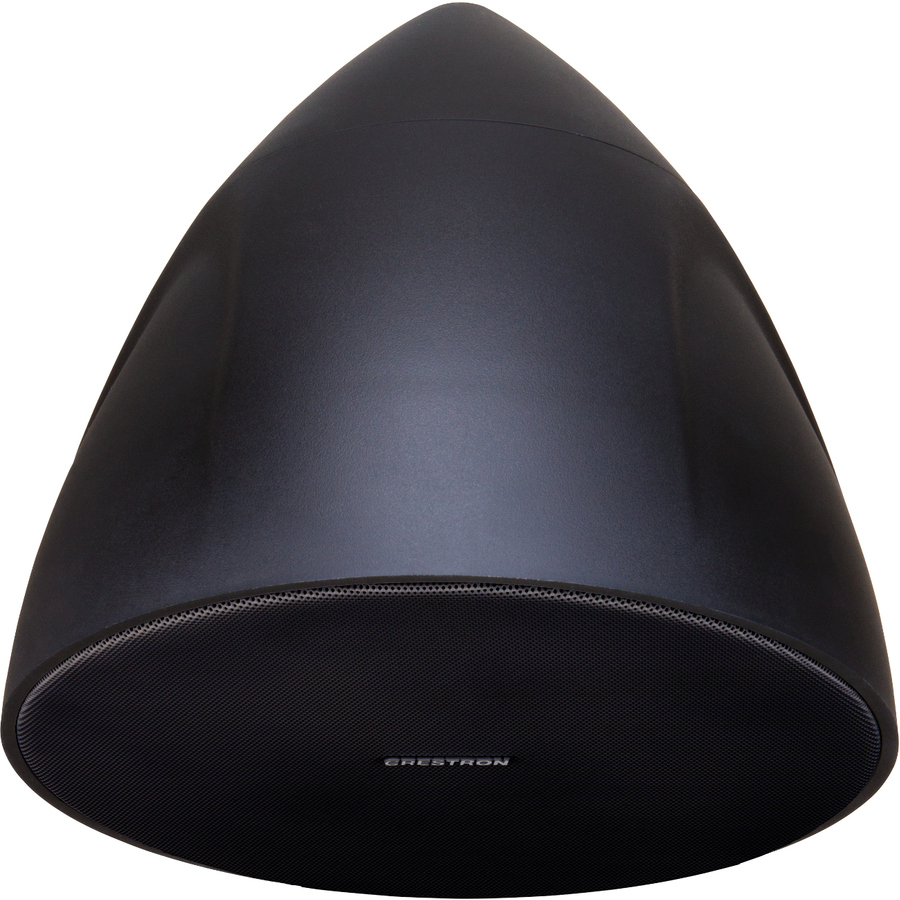
A Shure Microflex MXN-6 two-way pendant and ceiling-mount speaker with a 5.24-inch driver — full-range audio for an open or high ceiling.
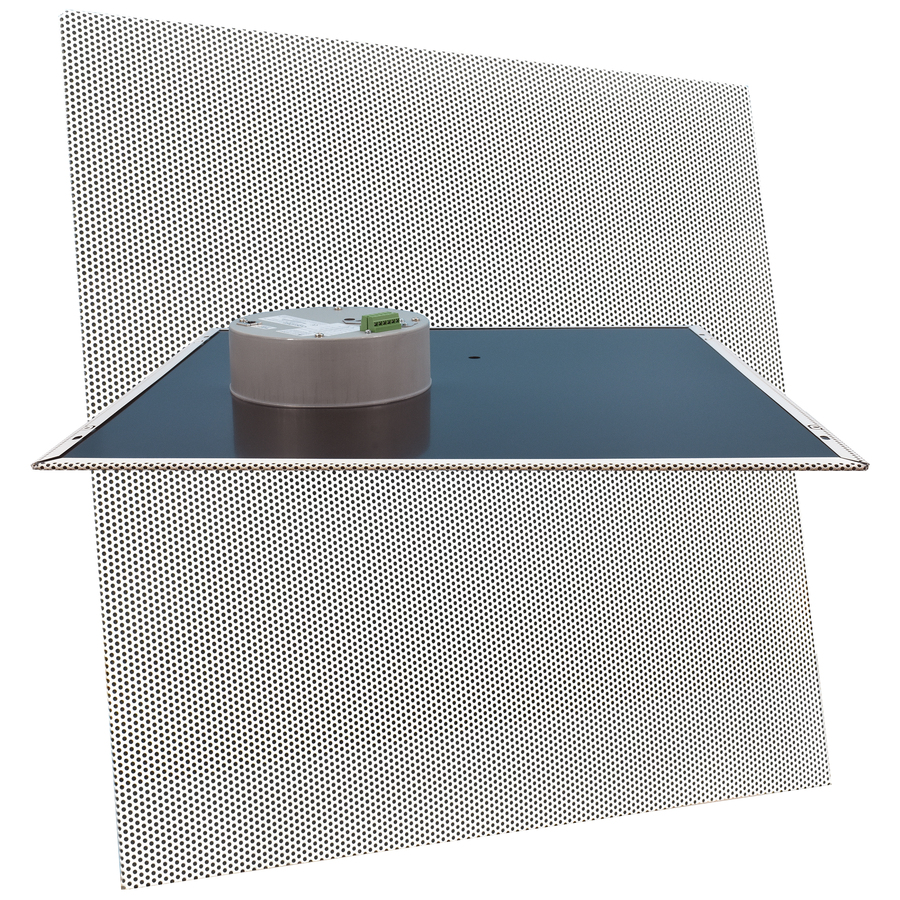
$664.01Back-orderedC2G plenum drop-in
Legrand
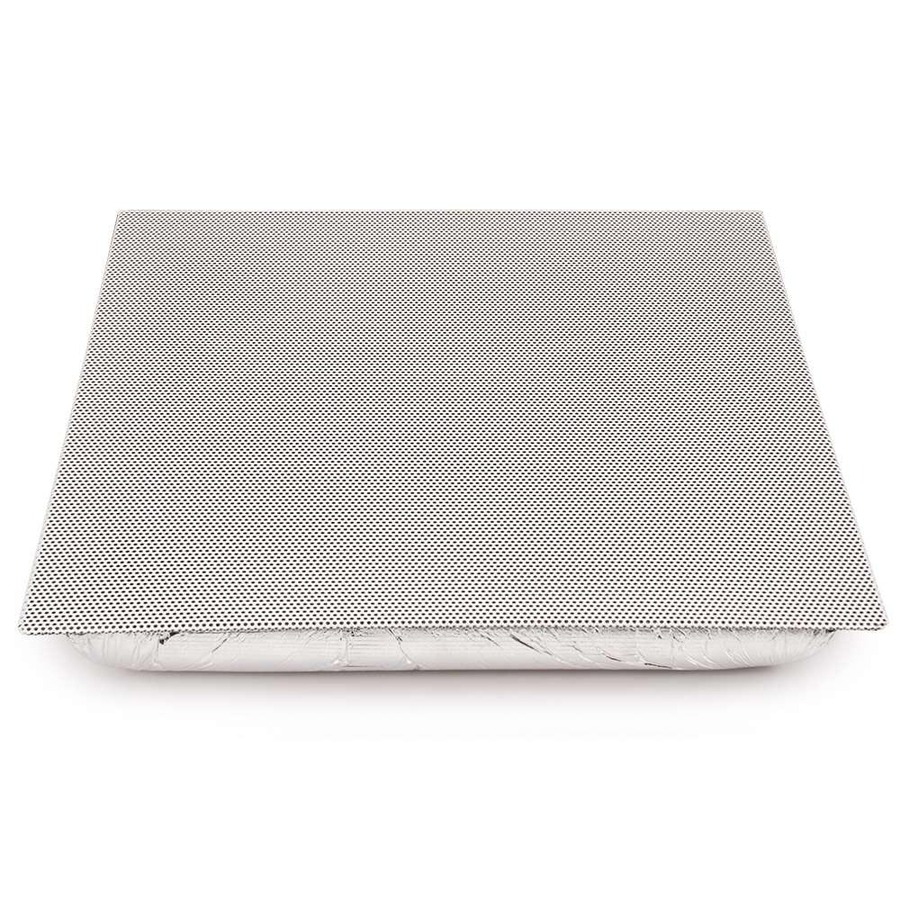
C2G Ceiling Speaker
41508
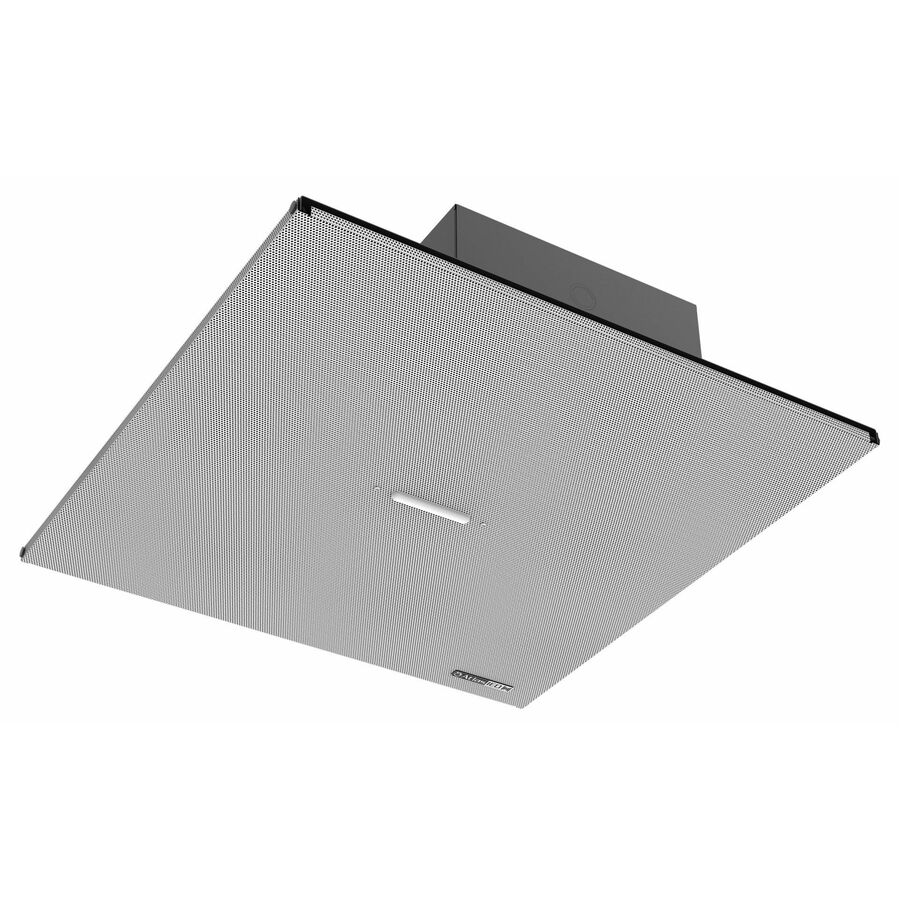
A C2G 2x2 drop-in ceiling speaker, plenum-rated with a 65 Hz to 17 kHz range — a tile-replacement speaker for a suspended ceiling.
$204.87*In stockC2G 5" 2-way ceiling
Legrand
C2G 2-way Ceiling Mountable Speaker
CG39907
A C2G two-way ceiling-mount speaker, 20 W RMS with a 5-inch polypropylene woofer and a tweeter — a background-program ceiling driver.
$81.32Back-orderedCyberData IP ceiling
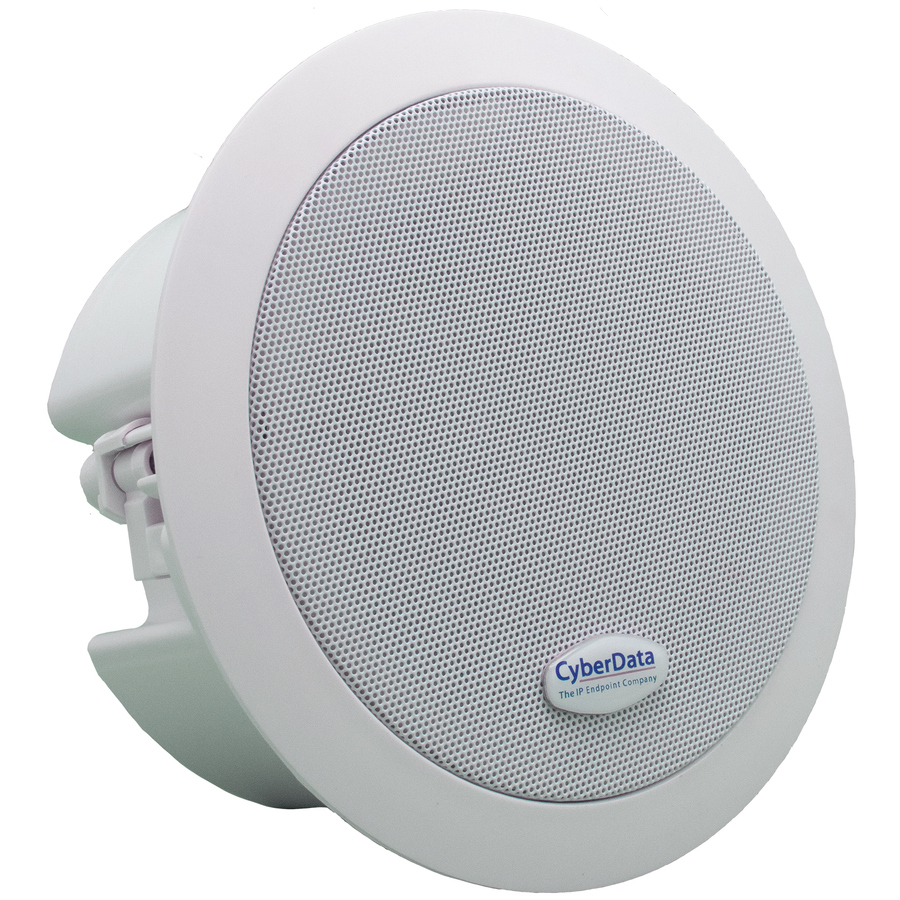
CyberData
CyberData Ceiling Mountable, In-wall Speaker
011121
A CyberData ceiling-mount and in-wall network speaker in signal white — an IP paging and alert endpoint for a classroom or corridor.
$115.81Back-orderedCyberData InformaCast
CyberData
CyberData InformaCast Ceiling Mountable Speaker
011504
A CyberData InformaCast ceiling-mount speaker — a network paging and mass-notification endpoint for an InformaCast-based system.
$362.28In stockCyberData InformaCast IC
CyberData
CyberData InformaCast In-ceiling Speaker
011521
A CyberData InformaCast in-ceiling network speaker — a flush ceiling endpoint for network paging and voice alerts.
Every row this page renders states ceiling in the manufacturer's own title, as this one does.
$747.66Back-orderedMore speakers in the Uniqcli catalog
See all 360 speakersMore from across this category. In-stock lines lead, and a back-ordered line carries the same estimated availability its product page does — with live pricing throughout, NDAA §889 screening before checkout and TAA verified on request.
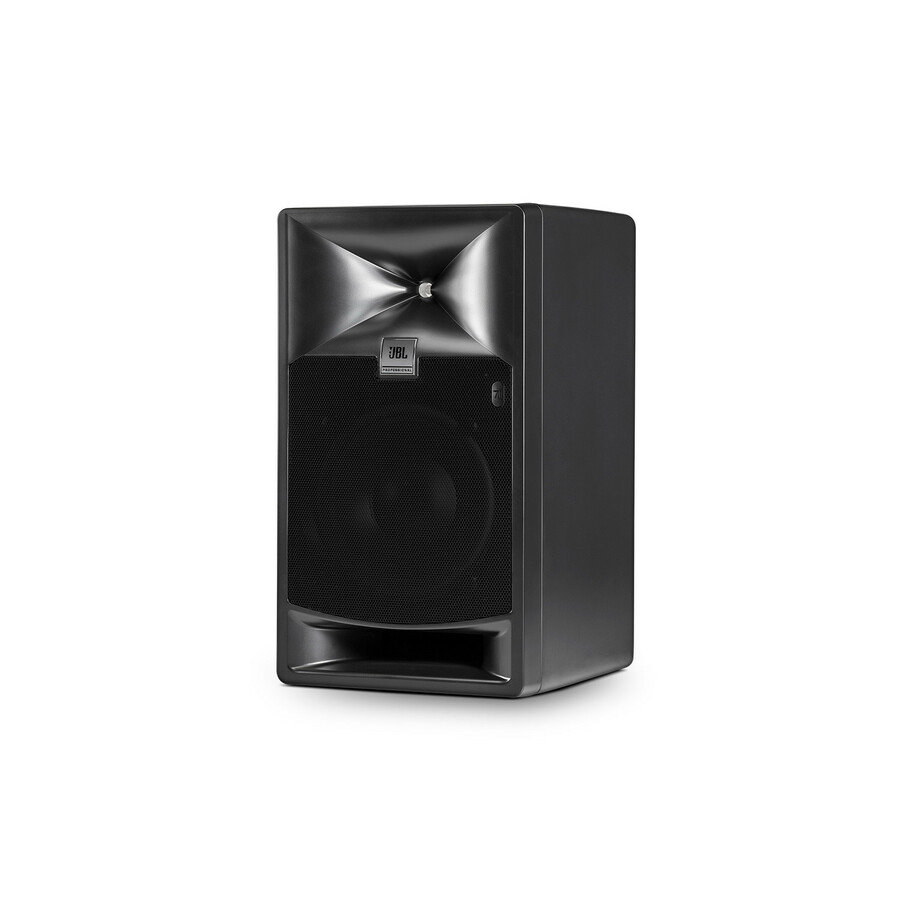
- Harman International IndustriesJBL Professional Master Reference LSR708I 2-way Wall Mountable, Ceiling Mountable Speaker - 8" - 45 Hz to 23 kHzLSR708I
$2,048.75
$1,192.74
Back-orderedBack-ordered — estimated OEM lead time 3–8 weeks (Nov 13 – Dec 18 if ordered today).
- AtlasIEDAtlasIED SHS-3T2WCP 2-way In-ceiling Speaker - White - 180 Hz to 10 kHzSHS-3T2WCP
$4,062.99
$3,398.75
Back-orderedBack-ordered — estimated OEM lead time 3–8 weeks (Nov 13 – Dec 18 if ordered today).
- Harman International IndustriesJBL Professional AC18/95 2-way Stand Mountable, Wall Mountable, Ceiling Mountable Speaker - 500 W RMS - Black - 1000 W (PMPO) - 8" - 1" - 63 Hz to 19 kHz - 8 OhmAC18/95
$1,450.00
$945.12
Back-orderedBack-ordered — estimated OEM lead time 3–8 weeks (Nov 13 – Dec 18 if ordered today).
- Harman International IndustriesJBL Professional AC18/26 2-way Stand Mountable, Wall Mountable, Ceiling Mountable Speaker - 250 W RMS - Black - 1000 W (PMPO) - 8" - 1" - 63 Hz to 19 kHz - 8 OhmAC18/26
$1,450.00
$945.18
Back-orderedBack-ordered — estimated OEM lead time 3–8 weeks (Nov 13 – Dec 18 if ordered today).
- Harman International IndustriesJBL Master Reference LSR705I 2-way Wall Mountable, Ceiling Mountable Speaker - 5" - 48 Hz to 23 kHzLSR705I
$1,048.75
$618.88
Back-orderedBack-ordered — estimated OEM lead time 3–8 weeks (Nov 13 – Dec 18 if ordered today).
- Harman International IndustriesJBL Professional AC16 2-way Stand Mountable, Wall Mountable, Ceiling Mountable Speaker - 160 W RMS - Black - 640 W (PMPO) - 6.50" - 1" - 65 Hz to 18 kHz - 16 OhmAC16
$1,200.00
$781.50
Back-orderedBack-ordered — estimated OEM lead time 3–8 weeks (Nov 13 – Dec 18 if ordered today).
- AtlasIEDAtlasIED IP-22SYSMF Indoor Ceiling Mountable Speaker - 12 W RMS - White - 25 W (PMPO) - 8" - 3" - 86 Hz to 15.50 kHzIP-22SYSMF
$1,574.99
$1,324.02
Back-orderedBack-ordered — estimated OEM lead time 3–8 weeks (Nov 13 – Dec 18 if ordered today).
- ShureShure Microflex MXN-6 2-way Pendant Mount, Ceiling Mountable Speaker - Black - 5.24"MXN-6B
$894.00
$663.89
Back-orderedBack-ordered — estimated OEM lead time 3–8 weeks (Nov 13 – Dec 18 if ordered today).
- ShureShure Microflex MXN-6 2-way Pendant Mount, Ceiling Mountable Speaker - White - 5.24"MXN-6W
$894.00
$664.01
Back-orderedBack-ordered — estimated OEM lead time 3–8 weeks (Nov 13 – Dec 18 if ordered today).
- Harman International IndustriesPremium Coverage Series - Control 447HC - High Ceiling Two-way 6.5" Coaxial, 75W, 85° Coverage, Loudspeaker with RBI - 112 W (PMPO) - 6.50" Paper Cone Woofer - 1" Soft Dome Tweeter - 55 Hz to 20 kHz - 8 OhmJBL-C447HC
$1,114.00
$884.34
Back-orderedBack-ordered — estimated OEM lead time 3–8 weeks (Nov 13 – Dec 18 if ordered today).
- AtlasIEDAtlasIED IP-8SM 2-way Indoor Wall Mountable, Ceiling Mountable Speaker - 15 W RMS - Neutral White - 8 OhmIP-8SM
$1,336.99
$1,120.69
Back-orderedBack-ordered — estimated OEM lead time 3–8 weeks (Nov 13 – Dec 18 if ordered today).
- AtlasIEDAtlasIED IP-SM Indoor Ceiling Mountable, In-wall, Wall Mountable Speaker - White - 15 W (PMPO) - 8" - 3" - 86 Hz to 15.50 kHz - 8 OhmIP-SM
$1,298.99
$1,087.82
Back-orderedBack-ordered — estimated OEM lead time 3–8 weeks (Nov 13 – Dec 18 if ordered today).
- Harman International IndustriesJBL Control 67 HC/T 2-way Ceiling Mountable Speaker - 75 W RMS - Black - 300 W (PMPO) - 6.50" Polypropylene Woofer - 1" Dome Tweeter - 75 Hz to 17 kHz - 8 OhmC67HCT
$1,100.00
$889.16
Back-orderedBack-ordered — estimated OEM lead time 3–8 weeks (Nov 13 – Dec 18 if ordered today).
- AtlasIEDAtlasIED IP-12SYSM Indoor Ceiling Mountable Speaker - 12 W RMS - White - 25 W (PMPO) - 8" - 3" - 86 Hz to 15.50 kHzIP-12SYSM
$1,313.99
$1,103.29
Back-orderedBack-ordered — estimated OEM lead time 3–8 weeks (Nov 13 – Dec 18 if ordered today).
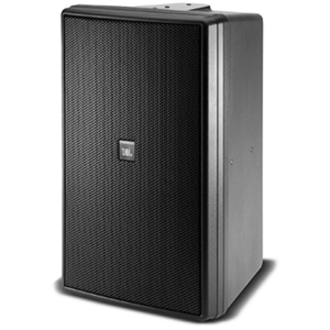
- Harman International IndustriesJBL Professional 3-way Indoor/Outdoor Ceiling Mountable Speaker - Black - 4 OhmCONTROL 30
$1,164.00
$964.82
Back-orderedBack-ordered — estimated OEM lead time 3–8 weeks (Nov 13 – Dec 18 if ordered today).
- Harman International IndustriesPremium Coverage Series - Control 447C/T - Two-way 6.5" Coaxial, 75W, 120° Coverage, Ceiling Loudspeaker with RBI - 112 W (PMPO) - 6.50" Paper Cone Woofer - 1" Soft Dome Tweeter - 55 Hz to 20 kHz - 8 OhmJBL-C447C/T
$930.00
$735.75
Back-orderedBack-ordered — estimated OEM lead time 3–8 weeks (Nov 13 – Dec 18 if ordered today).
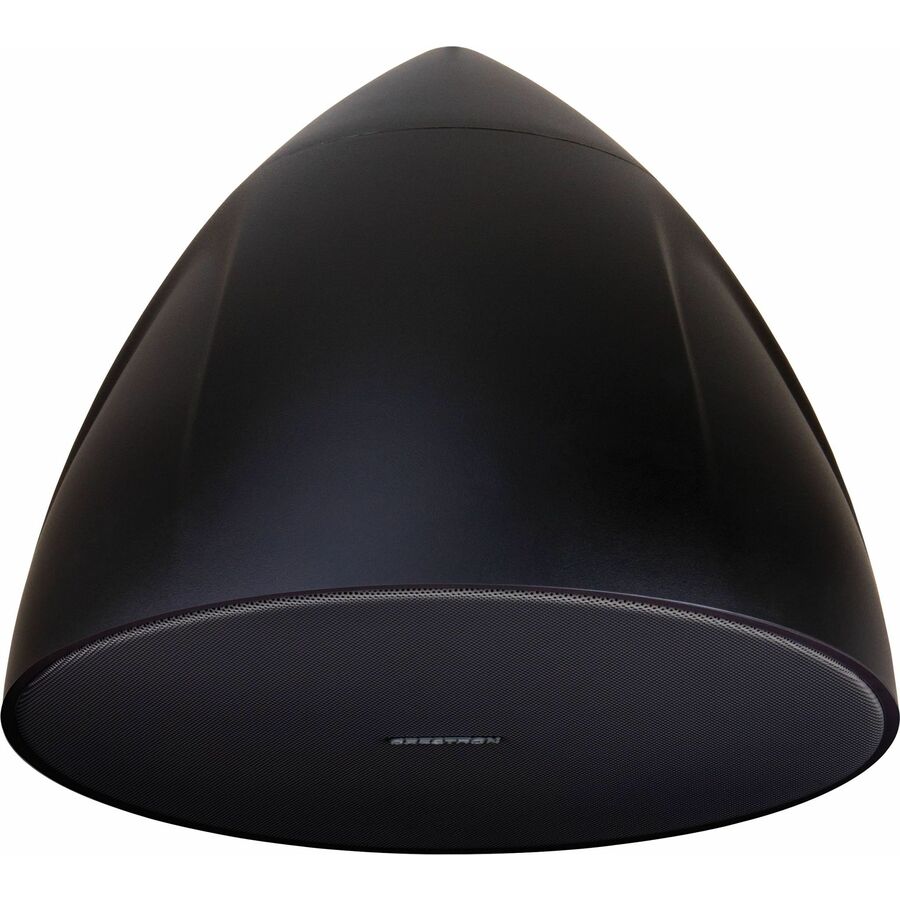
- Crestron ElectronicsCrestron Saros PDS8T-B-T-EACH 2-way Outdoor Pendant Mount, Ceiling Mountable Woofer - 100 W RMS - Black Textured - 8" Polypropylene Woofer - 45 Hz to 125 Hz - 8 Ohm6506439
$550.00
$374.97
Back-orderedBack-ordered — estimated OEM lead time 3–8 weeks (Nov 13 – Dec 18 if ordered today).
- Harman International IndustriesPremium Coverage Series - Control 445C/T - Two-way 5.25" Coaxial, 75W, 120° Coverage, Ceiling Loudspeaker with RBI - 112 W (PMPO) - 5.25" Paper Cone Woofer - 0.75" Soft Dome Tweeter - 55 Hz to 20 kHz - 8 OhmJBL-C445C/T
$804.00
$636.58
Back-orderedBack-ordered — estimated OEM lead time 3–8 weeks (Nov 13 – Dec 18 if ordered today).
- Harman International IndustriesJBL Commercial CSS8018 Ceiling Mountable Speaker - 20 W RMS - 50 Hz to 17 kHzCSS8018
$432.00
$268.69
Back-orderedBack-ordered — estimated OEM lead time 3–8 weeks (Nov 13 – Dec 18 if ordered today).
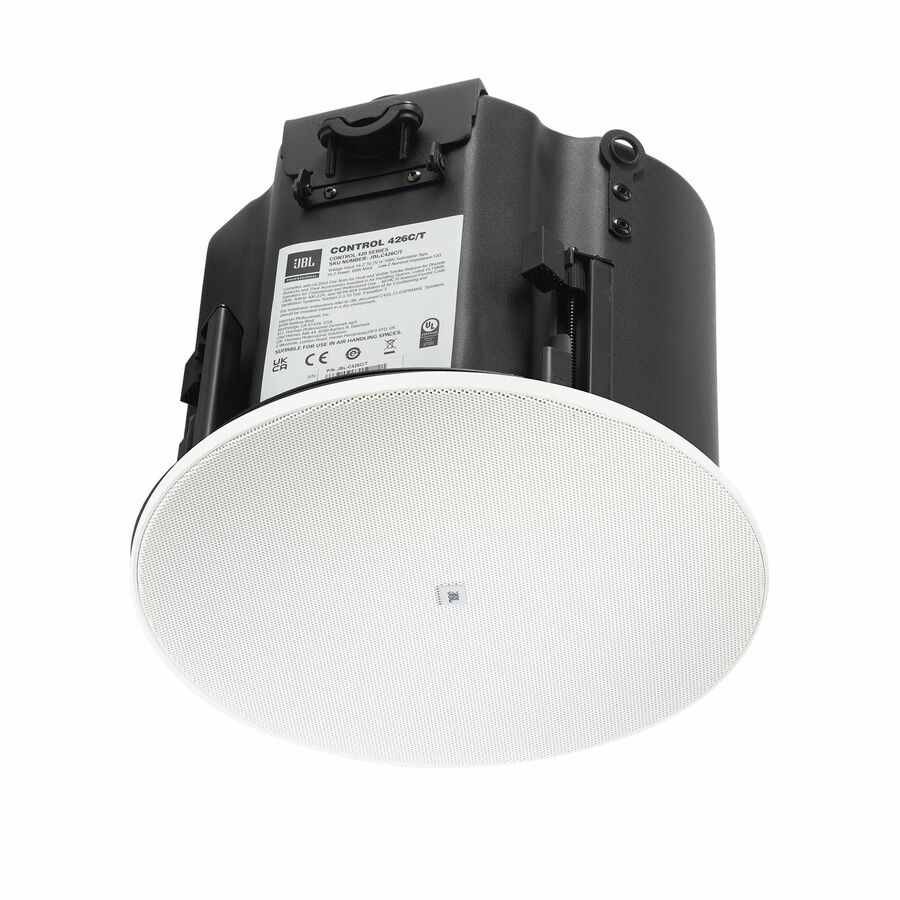
- Harman International IndustriesJBL Control 426LP 2-way Ceiling Mountable Speaker - 110 W RMS - Black - 300 W (PMPO) - 6.50" Paper Woofer - 0.98" Polyester Tweeter - 95 Hz to 19 kHz - 12 OhmJBL-C426LP
$690.00
$542.36
Back-orderedBack-ordered — estimated OEM lead time 3–8 weeks (Nov 13 – Dec 18 if ordered today).
- Crestron ElectronicsCrestron Saros PD6T-B-T-EACH 2-way Outdoor Ceiling Mountable, Pendant Mount Speaker - 125 W RMS - Black Textured - TAA Compliant - 6.50" Polypropylene Woofer - 0.98" - 50 Hz to 20 kHz - 8 Ohm6506404
$460.00
$313.89*
Back-orderedBack-ordered — estimated OEM lead time 3–8 weeks (Nov 13 – Dec 18 if ordered today).
- Harman International IndustriesJBL Professional Control 426C/T-LS 2-way Ceiling Mountable, Rail Mountable, Blind Mount Speaker - 75 W RMS - 300 W (PMPO) - 6.50" Paper Cone Woofer - 0.98" Textile Tweeter, Soft Dome Tweeter, Neodymium Tweeter - 72 Hz to 19 kHz - 12 OhmJBL-C426C/T-LS
$660.00
$518.17
Back-orderedBack-ordered — estimated OEM lead time 3–8 weeks (Nov 13 – Dec 18 if ordered today).
- Crestron ElectronicsCrestron Saros PD6T-W-T-EACH 2-way Outdoor Pendant Mount, Ceiling Mountable Speaker - 125 W RMS - White Textured - TAA Compliant - 6.50" Polypropylene Woofer - 0.98" Titanium Dome Tweeter - 50 Hz to 20 kHz - 8 Ohm6506406
$460.00
$318.18*
Back-orderedBack-ordered — estimated OEM lead time 3–8 weeks (Nov 13 – Dec 18 if ordered today).
- Harman International IndustriesStandard Coverage Series - Control 416C/T-VA - Two-way 6.5" Coaxial, 50W, 120° Coverage, Ceiling Loudspeaker for EN54-24 Applications - 75 W (PMPO) - 6.50" Paper Cone Woofer - 0.75" Soft Dome Tweeter - 61 Hz to 20 kHz - 8 OhmJBL-C416C/T-VA
$660.00
$520.40
Back-orderedBack-ordered — estimated OEM lead time 3–8 weeks (Nov 13 – Dec 18 if ordered today).

Need pricing on ceiling speakers?
Tell us where to reach you and a Uniqcli specialist will follow up by email with current pricing, availability and lead time for the quantities you need — including parts that aren’t shown on this page.
Buying for an organization or for yourself — both work. No payment up front.
A ceiling speaker is the quiet, even way to put sound into a conference room or a classroom — flush in the tile, out of sight, spreading coverage across the whole space instead of a single loud point at the front. Every row on this page is a ceiling speaker in the manufacturer's own catalog title, and the first decision is how the room is wired. A low-impedance pair or set suits a small huddle room driven directly from an amplifier; a 70-volt (or 100-volt) constant-voltage line, tapped per speaker, is how a mid-size room, a large classroom or a whole building distributes even sound across many speakers on one run. The titles below state the power and, where fitted, the transformer tap, so the speaker can be matched to the way the space is amplified.
The second fact is coverage against the ceiling height and the room. A ceiling speaker throws sound in a cone, and the wider the coverage angle and the higher the ceiling, the fewer speakers cover a given floor area — but seat every listener inside overlapping cones so no chair sits in a dead spot. A meeting room's job is usually voice: the far end of a video call, and program audio, has to be clear and even at every seat, which favors more speakers at modest power over a couple of loud ones. A classroom adds speech reinforcement so the back row hears the front, and a lecture hall pushes to higher-output two-way speakers. The specifications on these parts — driver size, power, frequency response and coverage — are what size the layout.
The rest of the decision is the type of speaker and how it is fed. A simple full-range ceiling driver covers voice and background program; a two-way speaker with a separate tweeter carries music and full-range program more faithfully; an IP-addressable ceiling speaker takes audio over the network for paging, alerts and voice announcements without a separate amplifier, which suits a school's paging system or a room tied into a campus notification platform. Send the room dimensions, the ceiling height, whether the job is voice, program or paging, and how the space is amplified — direct, 70-volt line, or networked — and the speaker, the count and the tap come back matched to the room.
Buyer's checklist
How to choose ceiling speakers for a room
- Decide the amplification first: low-impedance or 70V/100V line. A direct low-impedance pair or set suits a small room off one amplifier; a constant-voltage 70- or 100-volt line, tapped per speaker, distributes even sound across many speakers on one run for a large classroom or a whole building. The tap is stated on the transformer-equipped parts and it dictates the whole design.
- Size the coverage to ceiling height and floor area. A ceiling speaker throws a cone of sound, so higher ceilings and wider coverage angles spread each speaker further — but overlap the cones so every seat sits inside coverage and no chair is in a dead spot. Coverage angle and the recommended spacing are the layout facts.
- Match the speaker to the job: voice, program or paging. A meeting room is usually voice-first — clear, even call and program audio at every seat, which favors more speakers at modest power. A music or full-program room wants two-way speakers; a paging or alert system wants networked IP speakers. The title names the type.
- Read power handling and taps against the amplifier and the room. On a 70V line the per-speaker tap sets how much of the amplifier each speaker draws and therefore its loudness; total the taps against the amplifier's rating with headroom. On a low-impedance run, match the speaker impedance and power to the amp channel.
- Choose full-range or two-way by the content. A single full-range driver covers speech and background program cleanly; a two-way speaker with a dedicated tweeter reproduces music and full-range program more faithfully, which matters in a room that plays media rather than just carrying a call.
- Consider IP-addressable speakers where paging and alerts matter. A network ceiling speaker takes audio over the LAN for paging, mass notification and voice alerts without a separate amplifier — the right answer for a school paging system or a room tied into a campus notification platform, and stated as an IP or InformaCast part in the title.
- Confirm the mounting and the ceiling type. In-tile, new-construction and enclosed-back models fit different ceilings, and a plenum-rated speaker is required where the speaker sits in an air-handling space; the title and specs state the mount and rating so the fit is confirmed before the order.
70-volt line or low impedance: how the room is wired
The decision that shapes a ceiling-speaker install is the amplification scheme, because it determines how many speakers a single run can carry and how they are matched. A low-impedance setup drives one or a few speakers directly from an amplifier at 4 or 8 ohms — simple and full-fidelity, and the right answer for a small huddle room or a single meeting space with a couple of speakers. But it does not scale: put many speakers on a low-impedance line and the impedance math and cable runs become the problem. That is what constant-voltage distribution solves.
A 70-volt (or 100-volt) line runs a higher voltage down a single pair, and each speaker carries a small transformer tapped to draw a set number of watts from it. That lets one amplifier feed dozens of speakers across a large classroom, a corridor or a whole building on ordinary cable, with each speaker's loudness set by its tap — and the total of the taps sized against the amplifier's rated power with headroom to spare. Most of the ceiling speakers on this page that are built for rooms of any size carry a 70V/100V transformer with selectable taps, stated in the title, precisely because that is how a real meeting-room or classroom system is built. Read the tap and total it against the amplifier before the count is fixed.
Coverage, speaker type and paging
Coverage is the layout decision, and it comes from the fact that a ceiling speaker projects sound in a cone rather than a beam. The wider the coverage angle and the higher the ceiling, the larger the floor area each speaker covers — but the honest design overlaps the cones so every listener sits inside coverage and no seat falls into a gap. A meeting room's job is usually voice: the far end of a call and program audio have to be even and intelligible at every chair, which is better served by more speakers at modest power than by two loud ones. A classroom adds speech reinforcement so the back rows hear clearly, and a lecture hall or a music-capable room steps up to higher-output two-way speakers.
The speaker type and the feed finish the design. A full-range ceiling driver covers speech and background program cleanly and is often all a meeting room needs; a two-way speaker with a dedicated tweeter reproduces music and full-range program more faithfully for a room that plays media. Where the requirement is paging, mass notification or voice alerts, an IP-addressable ceiling speaker takes its audio over the network and needs no separate amplifier — the right fit for a school paging system or a room tied into a campus notification platform. Send the room size, ceiling height, whether the job is voice, program or paging, and how the room is amplified, and the speaker, the count and the tap come back matched to the space.
FAQ
Common questions
- What is the difference between 70V and low-impedance ceiling speakers?
- It is how the speakers are wired to the amplifier. A low-impedance setup drives one or a few speakers directly at 4 or 8 ohms — simple and full-fidelity, right for a small room with a couple of speakers. A 70-volt (or 100-volt) constant-voltage line runs a higher voltage down one pair, and each speaker carries a small transformer tapped to draw a set wattage, which lets one amplifier feed dozens of speakers across a large room or building. Total the per-speaker taps against the amplifier's rating with headroom; the tap is stated on the transformer-equipped parts.
- How many ceiling speakers do I need for a conference room?
- It comes from the room's size and ceiling height and the coverage cone of the speaker. A ceiling speaker throws sound in a cone, so a higher ceiling and a wider coverage angle spread each one further — but the design overlaps the cones so every seat sits inside coverage and no chair is in a dead spot. A small huddle room may need a single pair; a mid-size conference room typically wants four so voice and program audio are even at every seat. The coverage angle and recommended spacing on each part size the layout.
- Do I need two-way ceiling speakers or full-range?
- It depends on the content. A single full-range driver covers speech and background program audio cleanly and is often all a meeting room needs when the job is voice — the far end of a call and clear announcements. A two-way speaker with a dedicated tweeter reproduces music and full-range program more faithfully, which matters in a room that plays media, an auditorium or a space where audio quality is part of the experience. The titles name the driver configuration per part.
- Can ceiling speakers be used for paging and alerts?
- Yes. An IP-addressable ceiling speaker takes its audio over the network for paging, mass notification and voice alerts and needs no separate amplifier, which is the right answer for a school paging system or a room tied into a campus notification platform. Several of the speakers on this page are network endpoints, stated as IP or InformaCast parts in the title. For a paging design, confirm the notification platform the speaker integrates with and the network power it draws.
- Can business, government and education buyers order ceiling speakers here?
- Every line Uniqcli quotes is sourced through US distribution and screened for TAA country-of-origin and NDAA §889 status before checkout — with documentation tied to the specific part number, not a product family.
Need ceiling speakers pricing?
Send a bill of materials or part numbers — we confirm stock and a below-market total, with TAA verified on request. No payment up front.