
Best Open-Frame Server Racks and Relay Racks
Floor-standing two-post and four-post open-frame racks — read by rack units, post count, depth, static weight capacity and how much cable access the room actually needs.
Open-frame server racks in stock at Uniqcli
How to choose →A curated selection with live pricing — in-stock lines first, then back-ordered lines with a typical lead time. Every line is sourced through US distribution and screened for NDAA §889 status before checkout, with TAA verified on request.
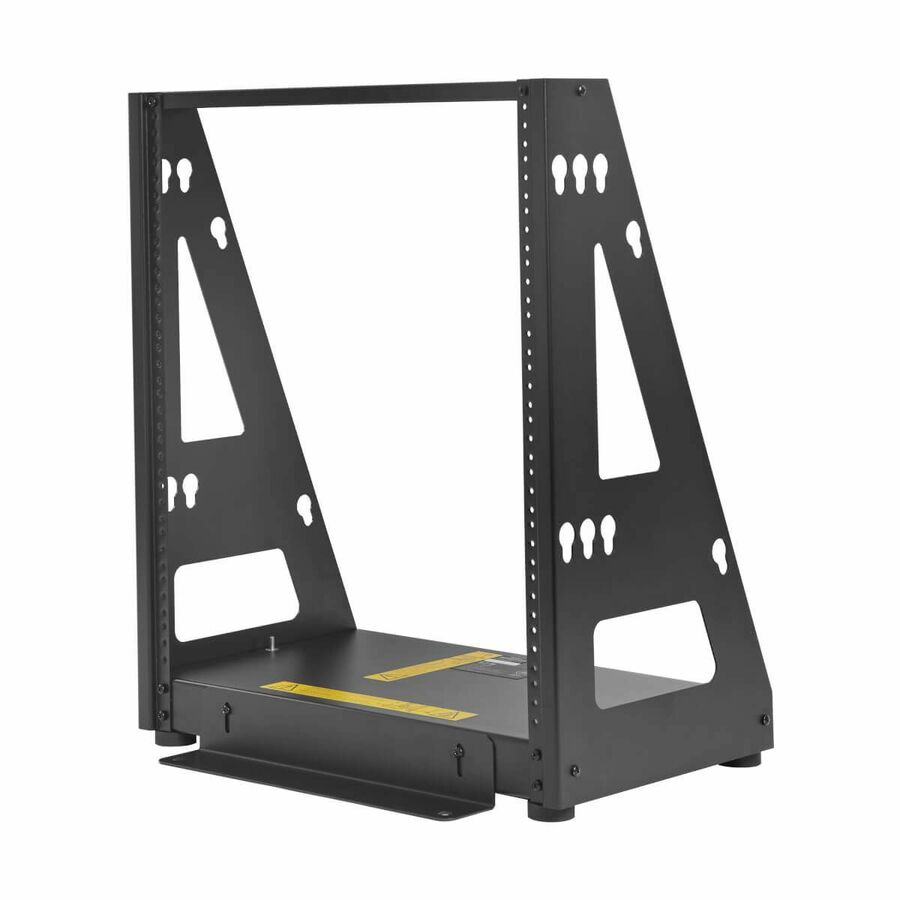
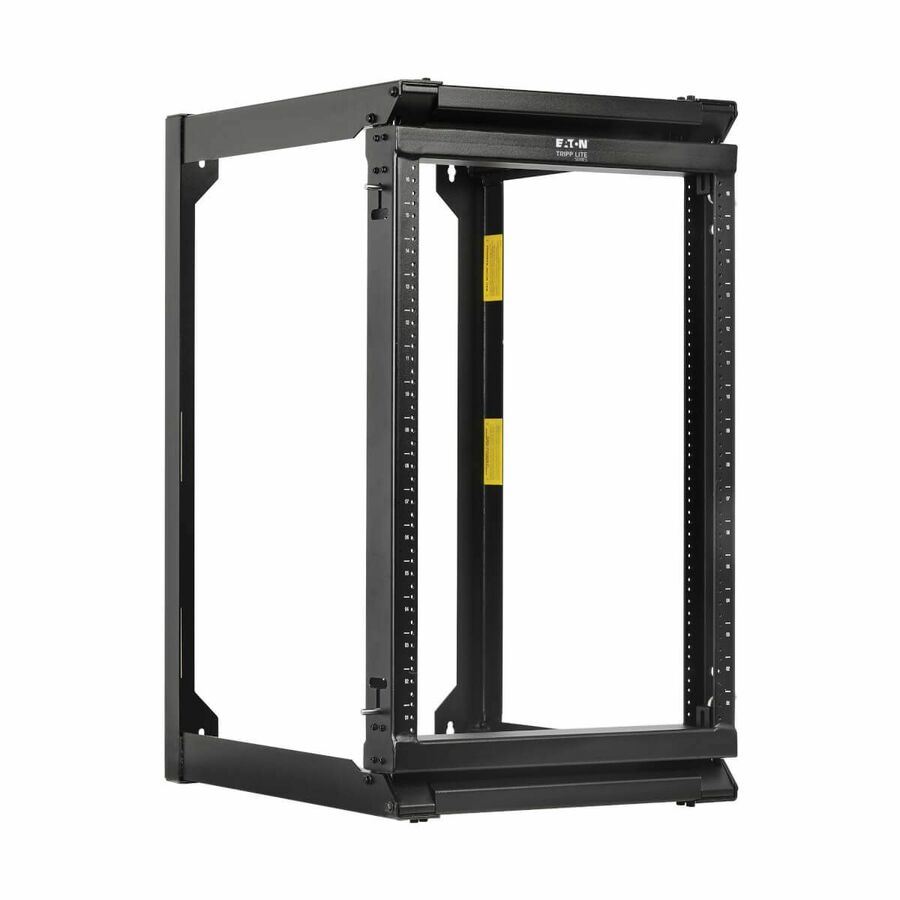
- EatonEaton Tripp Lite Series SmartRack Heavy-Duty 12U 2-Post Open Frame Rack - For Server, PDU, UPS, Networking, Patch Panel - 12U Rack Height x 19? Rack Width x 12.01? Rack Depth - Floor Standing Open Frame - 2 Post - Black Powder Coat - Steel - 350.53 lb Static/Stationary Weight CapacitySR2POST12HD
$262.48
$241.48
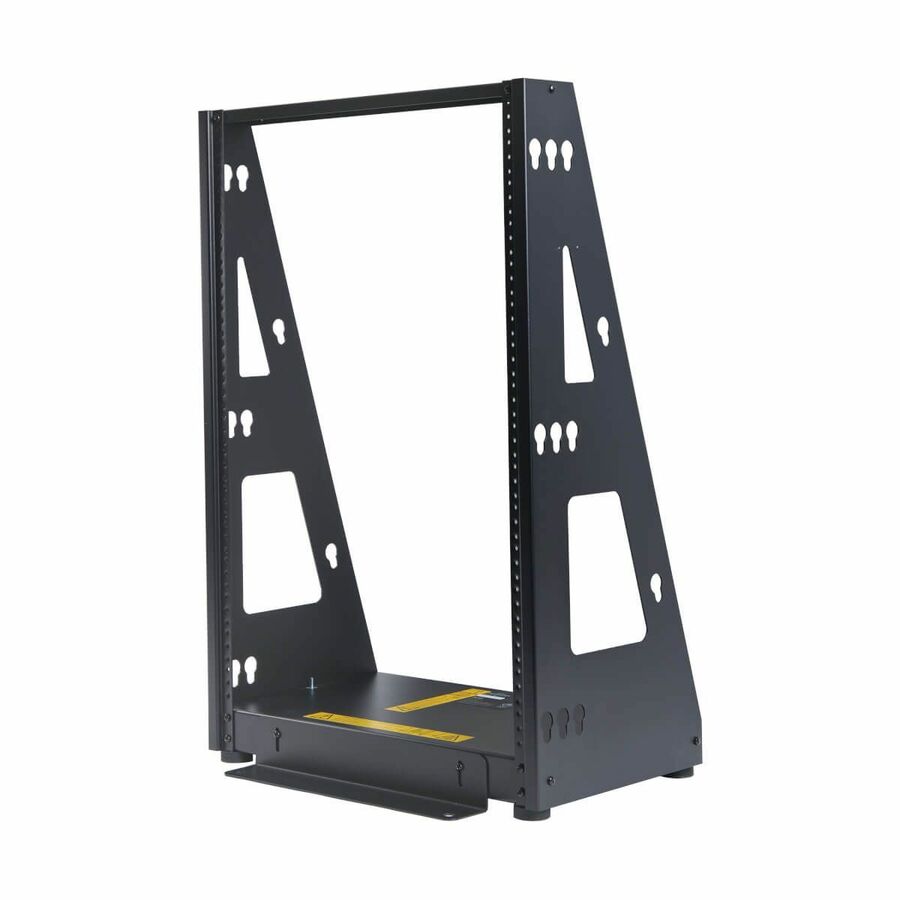
183 in stock - EatonTripp Lite by Eaton Open Frame Rack Server Cabinet 16U 2-Post Heavy Duty Compact - For Server, PDU, UPS, Networking, Patch Panel - 16U Rack Height x 19" Rack Width x 24.02" Rack Depth - Floor Standing Open Frame - 2 Post - Black Powder Coat - Steel - 350.53 lb Static/Stationary Weight CapacitySR2POST16HD
$299.33
$275.38
6 in stock - EatonEaton Tripp Lite Series SmartRack 45U Heavy-Duty 2-Post Open Frame Rack, 24-Inch Deep - For Networking, Switch, PDU, Patch Panel, Server, UPS - 45U Rack Height x 19" Rack Width - Floor Standing Open Frame - 2 Post - Black Powder Coat - Steel - 1999.59 lb Static/Stationary Weight CapacitySR2POSTDP24HD
$1,210.72
$1,113.86
14 in stock - LegrandOrtronics M6 Rack Frame - 19" Rack Width - Floor Standing Open Frame - Black - 75 lb Maximum Weight Capacity19-84-SSDA2132
$1,193.40
$1,154.18
94 in stock - LegrandMiddle Atlantic MRK3726LRD Rack Frame - 37U Rack Height - Floor Standing Open Frame - Black Powder Coat - SteelMRK3726LRD
$1,999.00
$1,689.95
9 in stock - LegrandMiddle Atlantic MRK Series 24RU Open-Frame AV Rack with Back Door - 31in Depth, 22in Width - For A/V Equipment - 24U Rack Height x 19" Rack Width x 29" Rack Depth - Floor Standing Open Frame - Black Powder Coat - Steel - 10000 lb Static/Stationary Weight CapacityMRK-2431
$2,045.00
$1,730.21
2 in stock - LegrandMiddle Atlantic MRK-4031LRD Rack Frame - 40U Rack Height x 19" Rack Width x 30.20" Rack Depth - Floor Standing Open Frame - Black - SteelMRK-4031LRD
$2,459.00
$2,071.22
14 in stock - LegrandMiddle Atlantic 2 Bay Riser Base for 36 Inch Deep for SNE Racks, 24 Inches Wide Racks - Floor Standing Open Frame - Black Powder CoatRIB-2-SNE24-36
$953.00
$801.33
Back-orderedBack-ordered — estimated OEM lead time 3–8 weeks (Nov 15 – Dec 20 if ordered today).


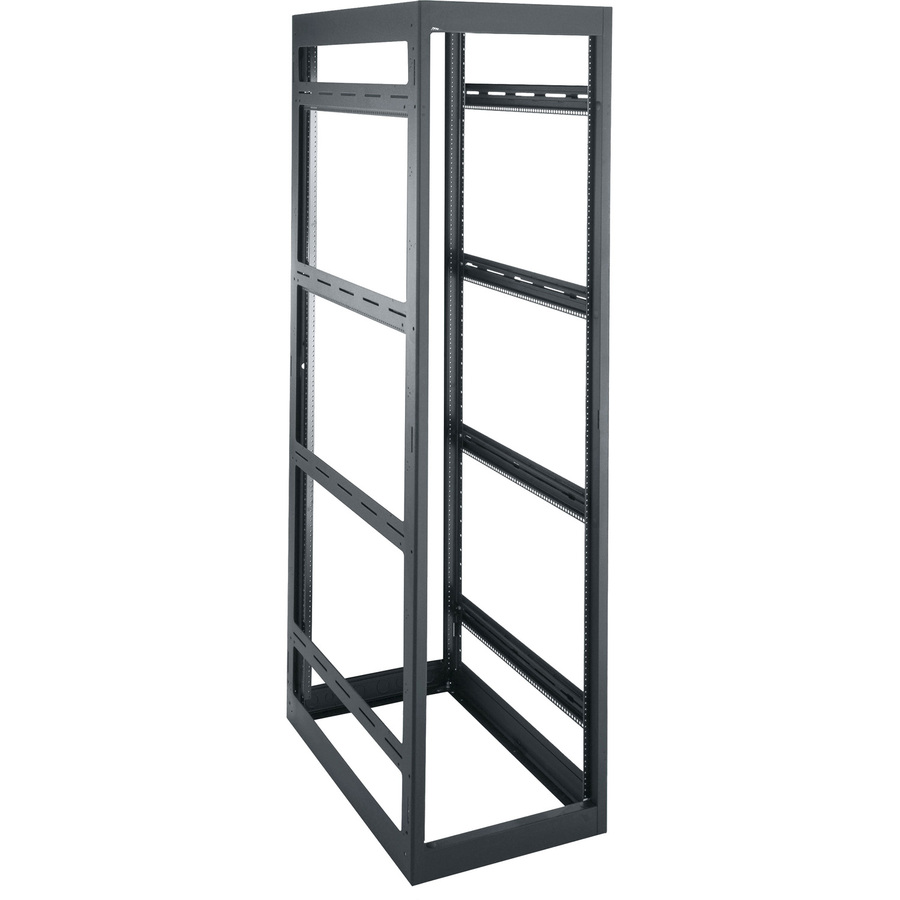
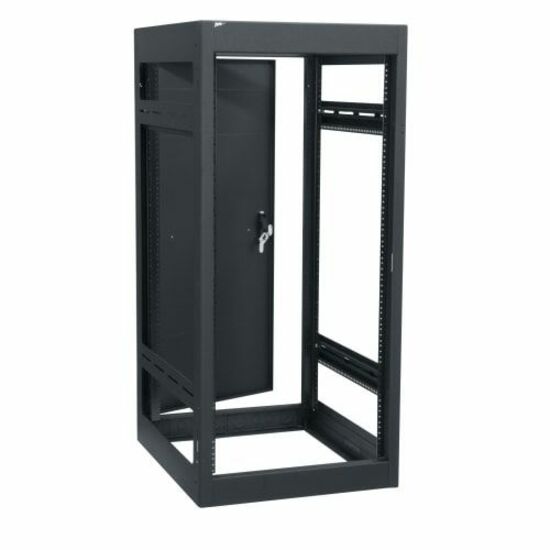
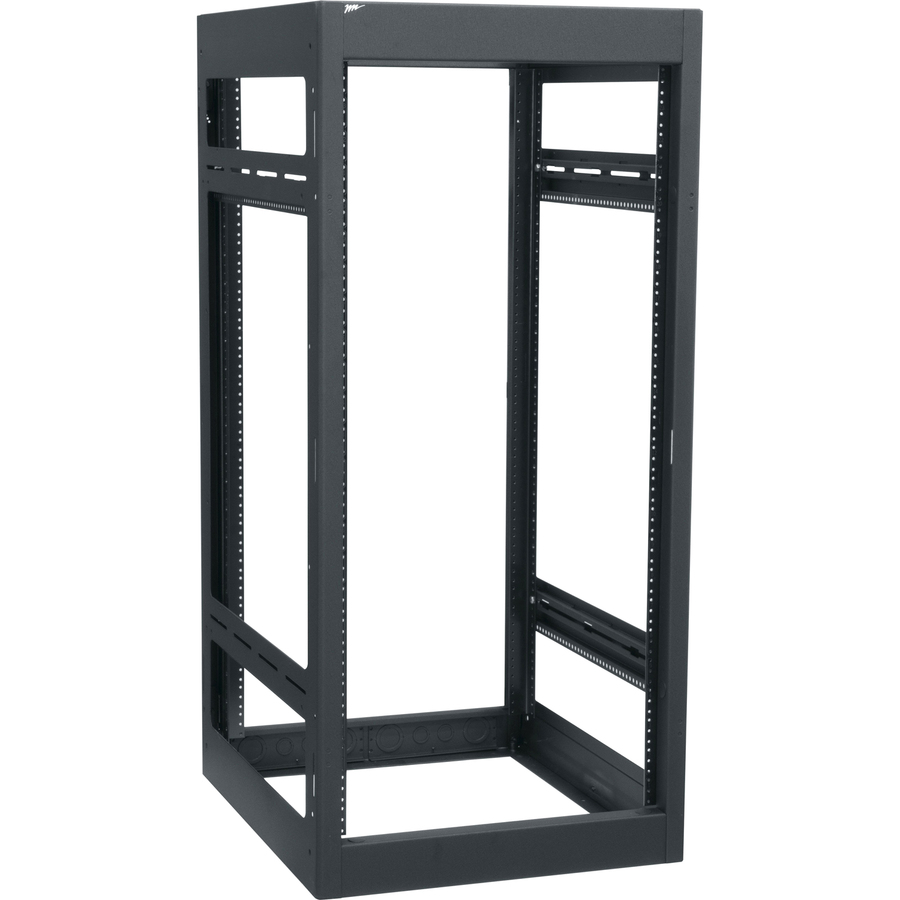
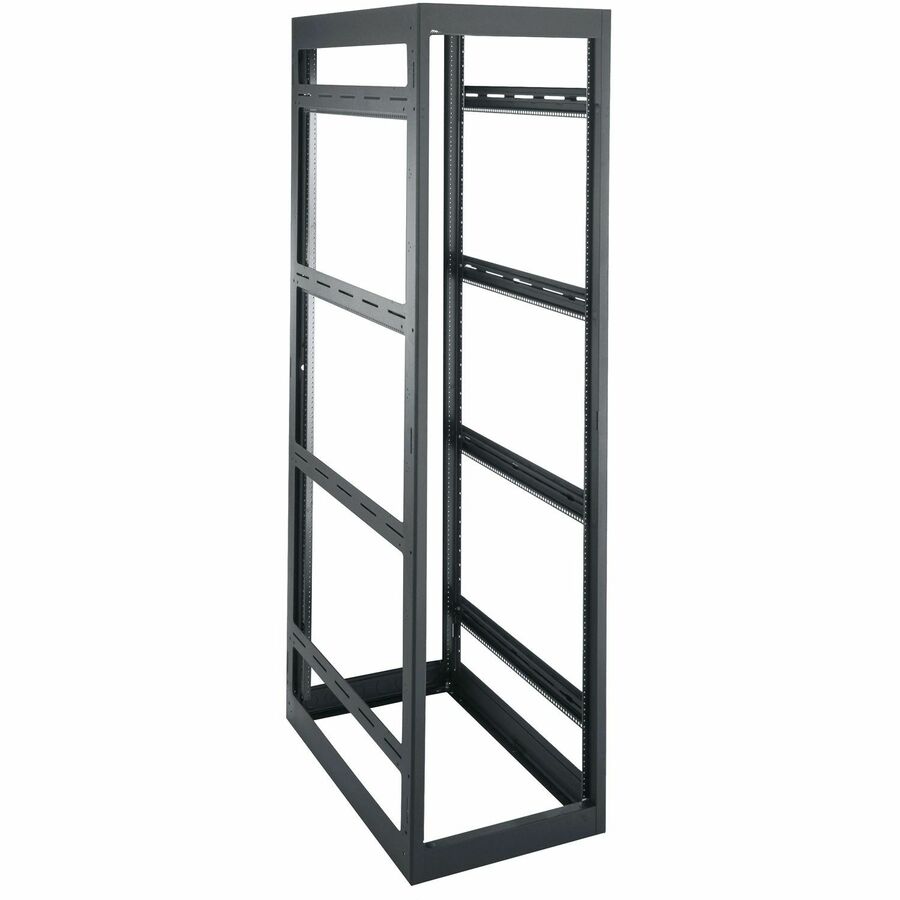
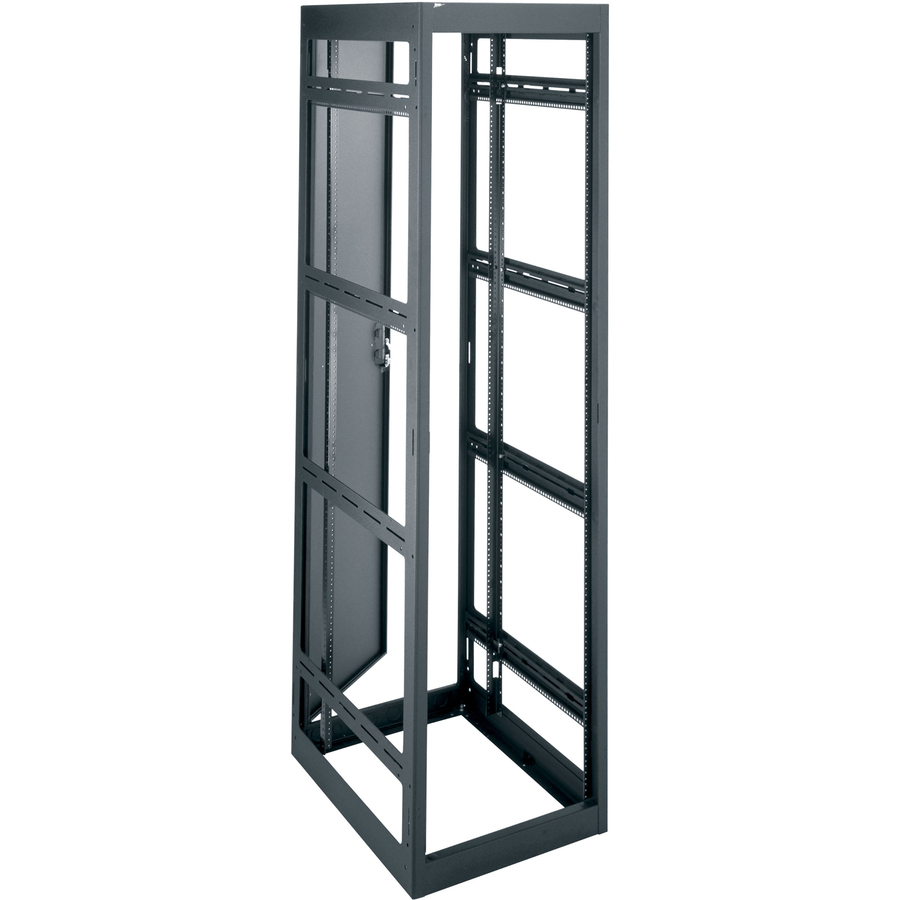
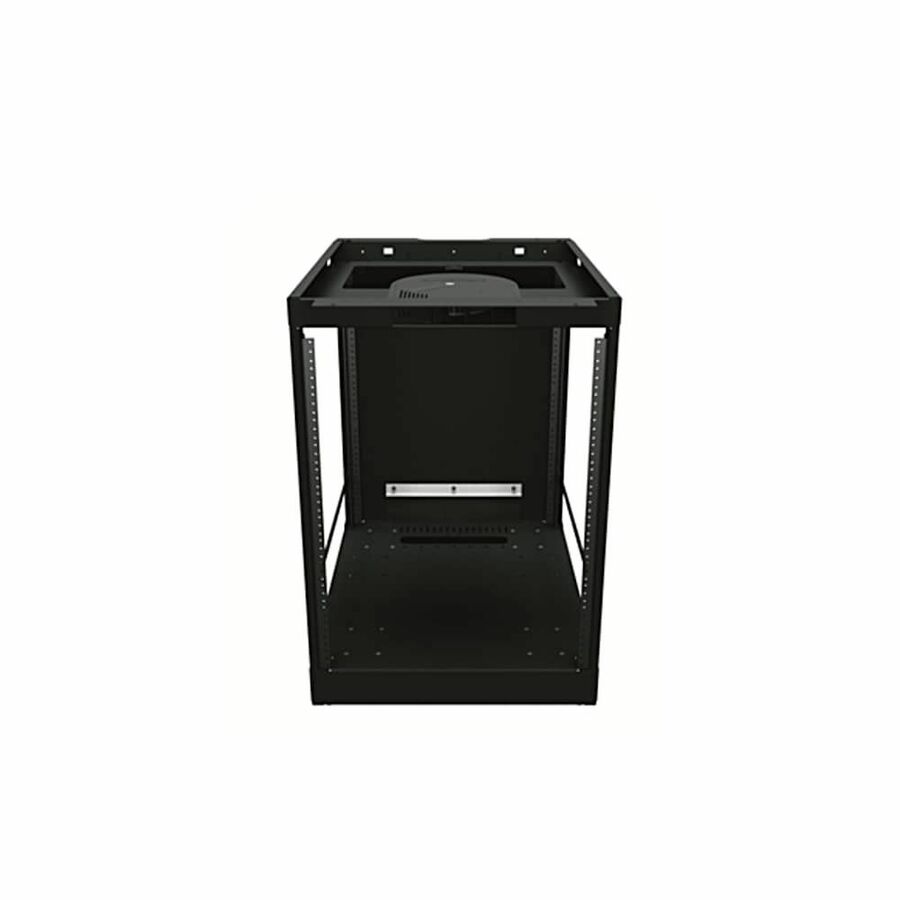
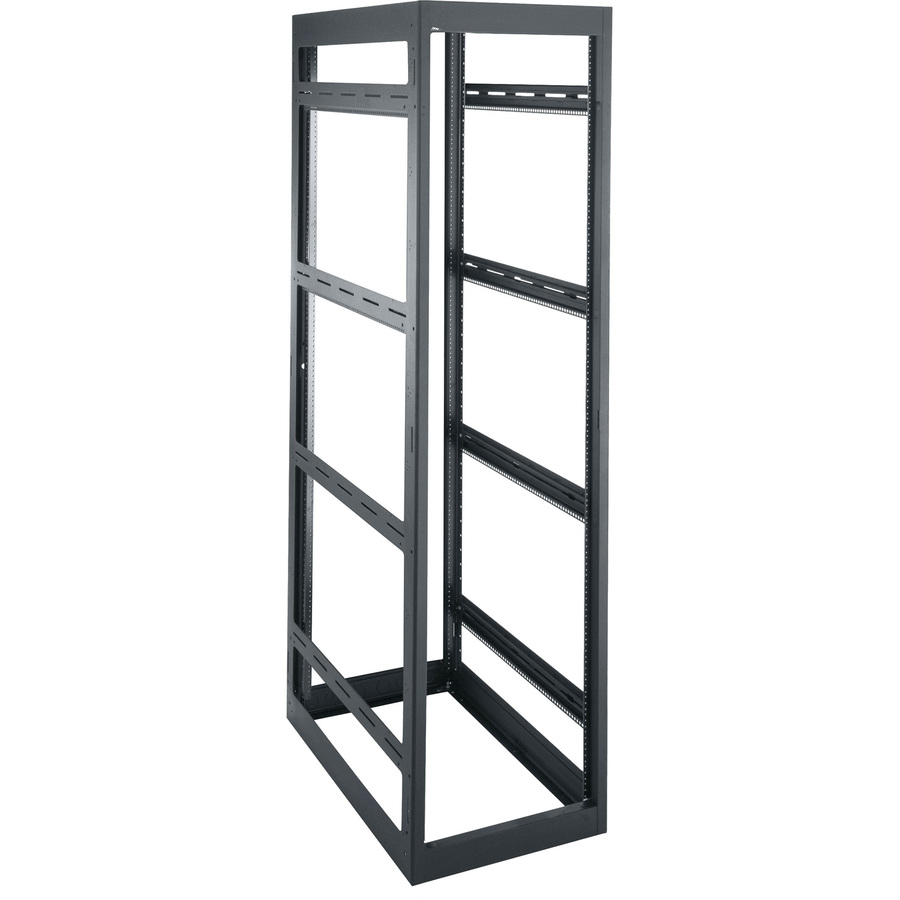
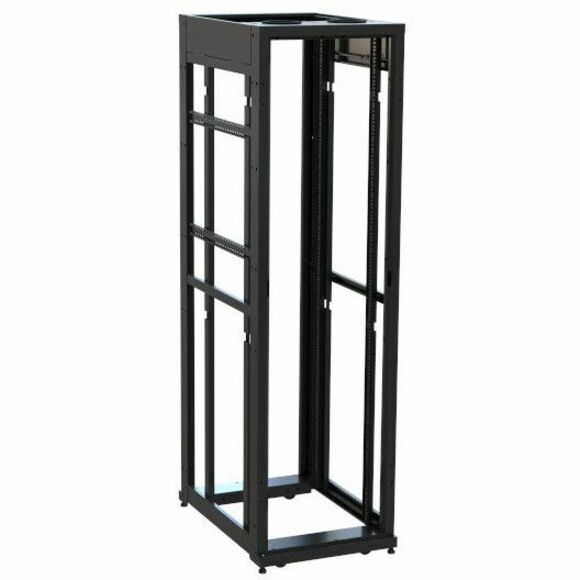
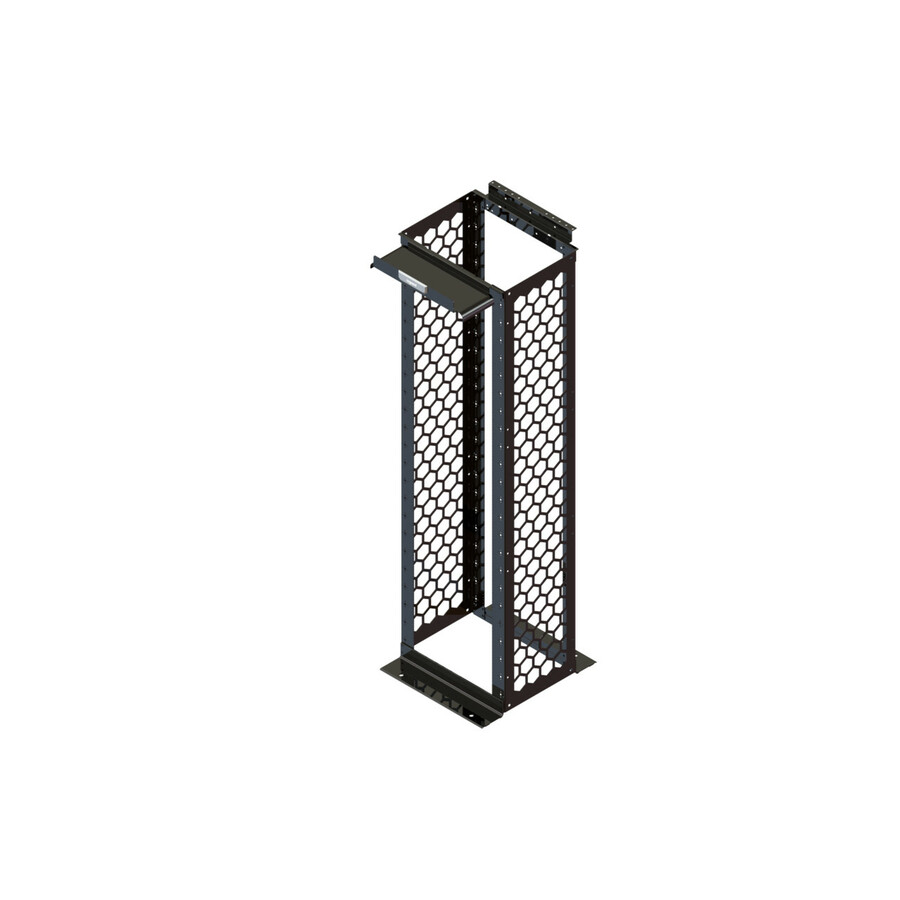
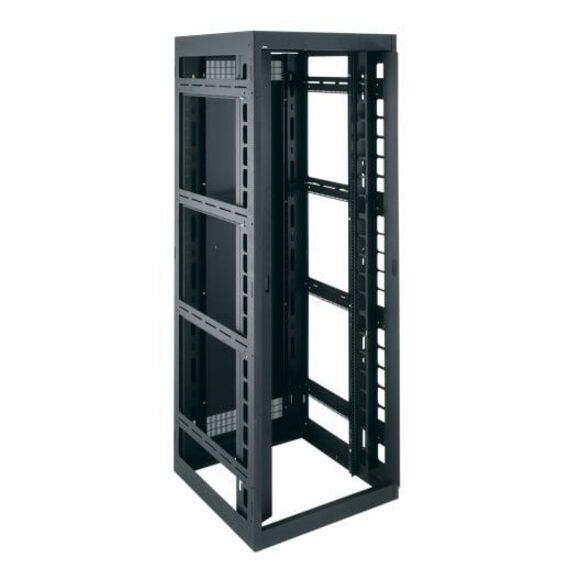
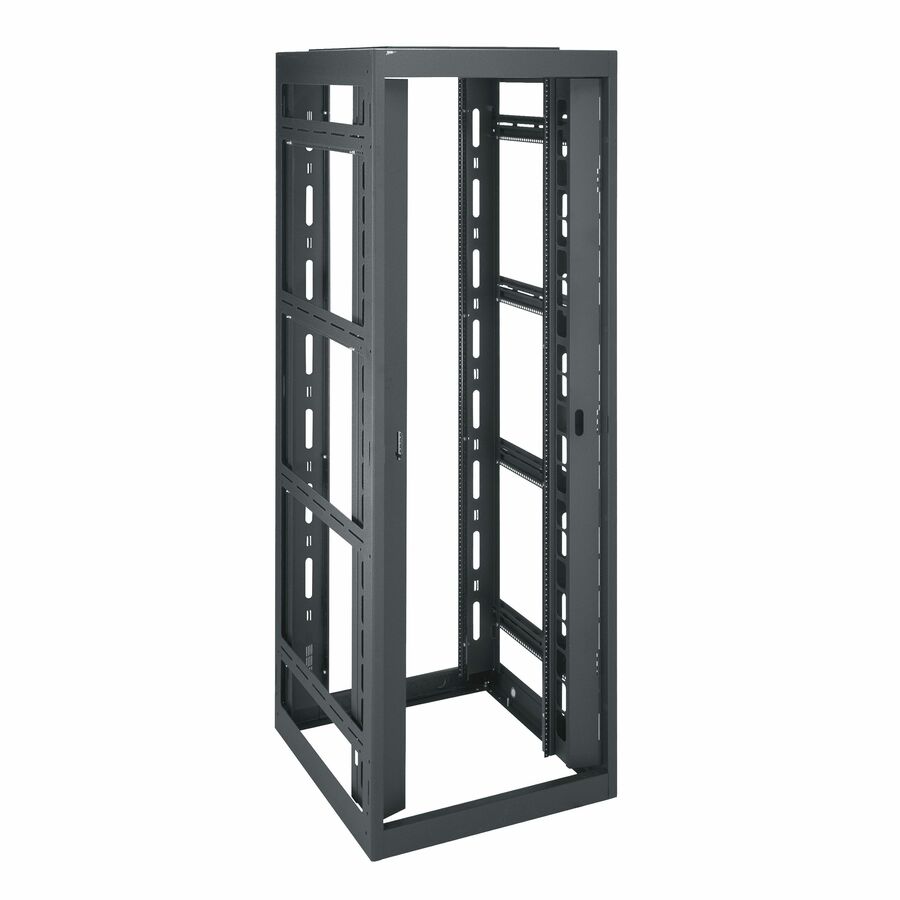
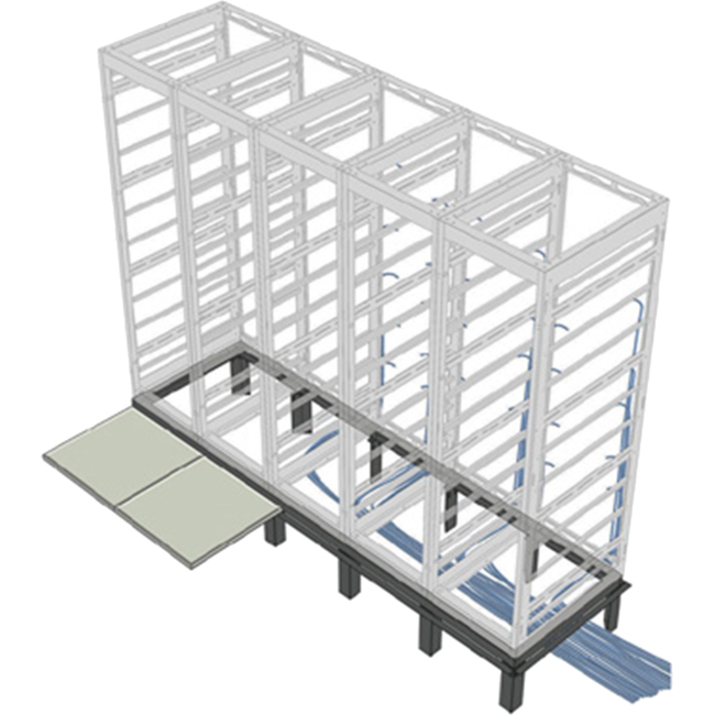
45U 2-post relay rack
Legrand
Middle Atlantic RLA 45RU Open-Frame Rack
RLA191245B
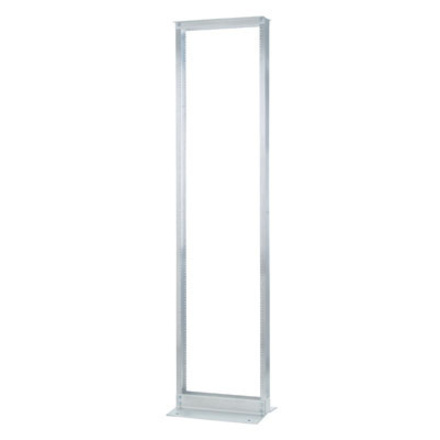
A Middle Atlantic RLA 45RU open-frame two-post rack in aluminum, 19" rack width with a 1,600 lb static capacity — the classic relay rack for a wall of patch panels and switches.
$365.76In stockOrtronics 45U 2-post
Legrand
Ortronics Q Rack Frame
19-84-T2SDB
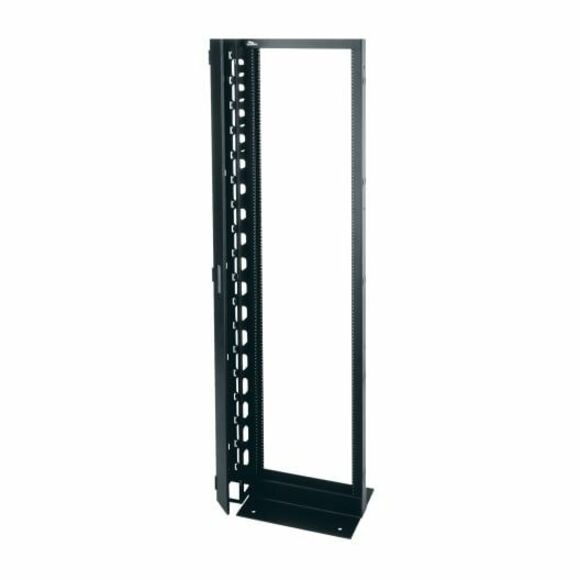
An Ortronics Q Rack Frame, 45U at 19" rack width in aluminum with a 1,000 lb static capacity — a two-post networking frame for an MDF or IDF.
$355.76In stock16U compact frame
Legrand
Middle Atlantic CFR Series 16RU Cabinet Frame
CFR-16-18
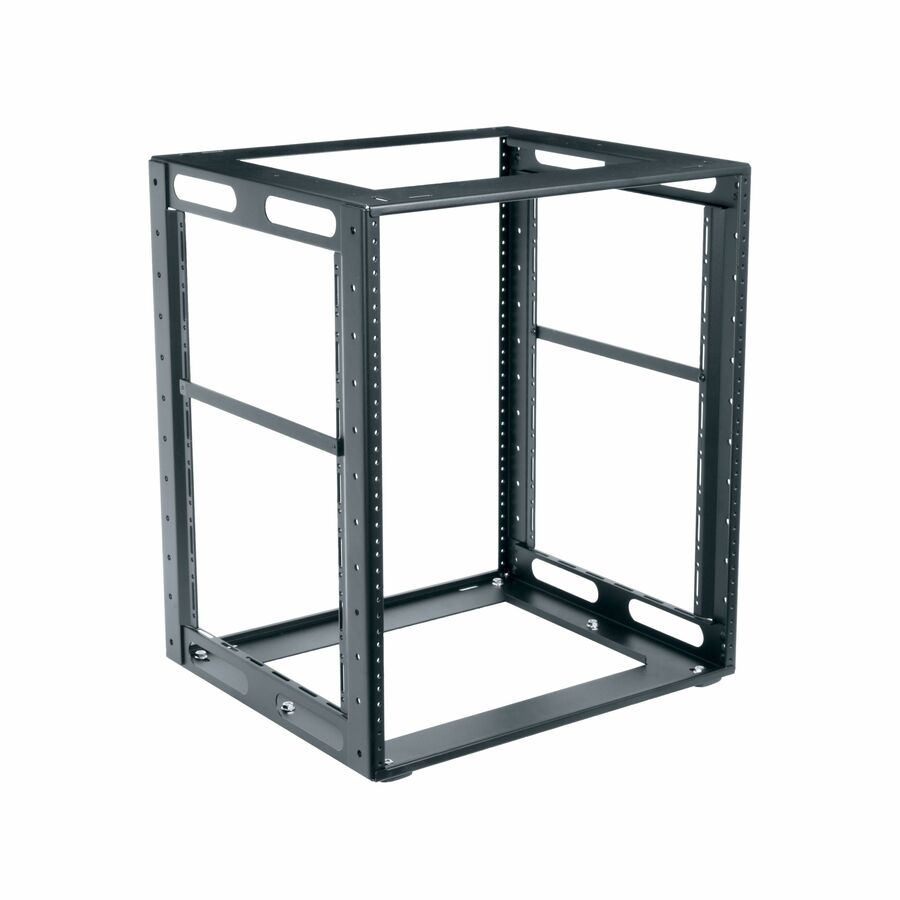
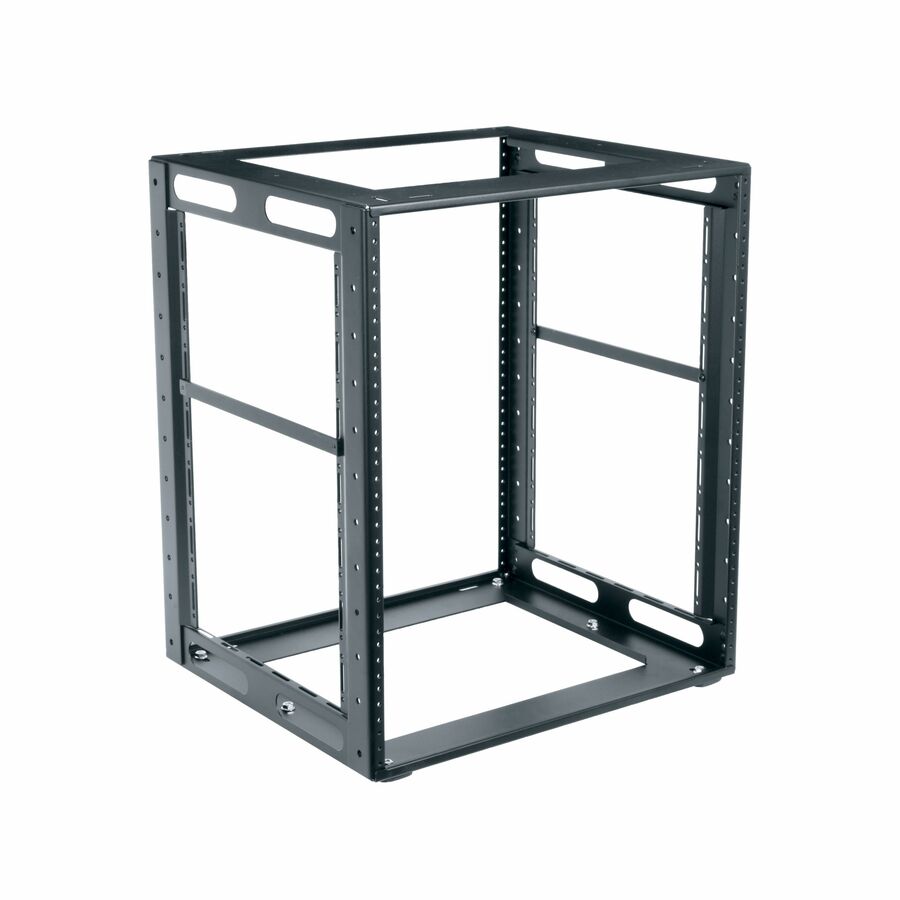
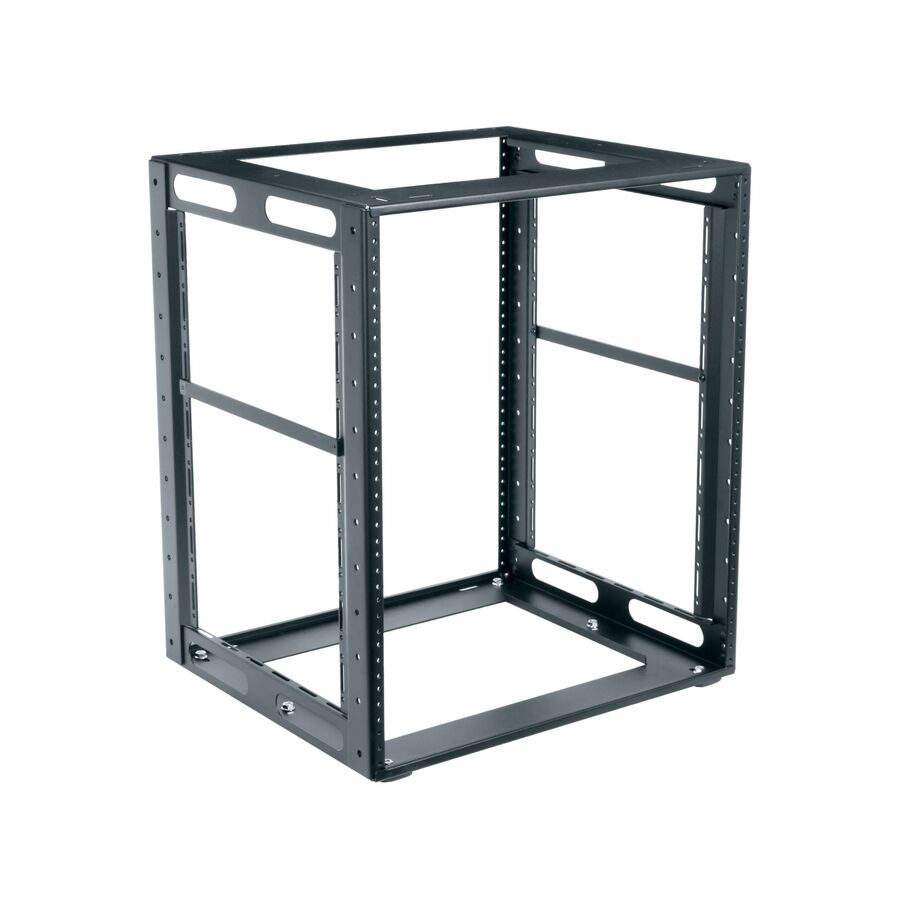
A Middle Atlantic CFR Series 16RU cabinet frame at 18in depth, steel with a 250 lb capacity — the small floor frame for a closet or a lab bench rather than a full rack row.
$484.02In stock40U AV rack
Legrand
Middle Atlantic MRK Series 40RU Open-Frame AV Rack
MRK4026LRD
A Middle Atlantic MRK Series 40RU open-frame AV rack, 26in deep and 22in wide in steel with a 10,000 lb static capacity — a heavy frame built for AV equipment racks.
$1,752.60In stock44U 4-post floor rack
Legrand
Middle Atlantic DRK Series 44RU Open-Frame Floor Standing Rack
DRK194436
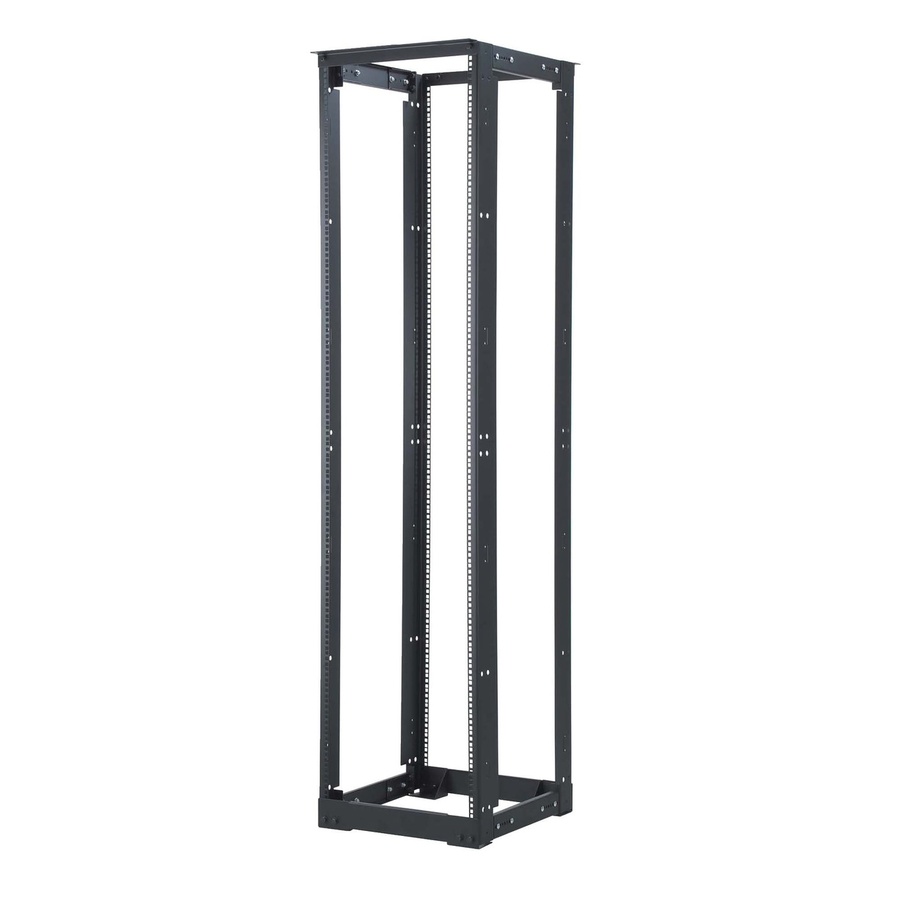
A Middle Atlantic DRK Series 44RU open-frame floor-standing rack, 36in deep and 30in wide with a 10,000 lb static capacity — the heavy four-post frame for a full equipment load.
$3,804.12In stockMighty Mo 4-post 45U
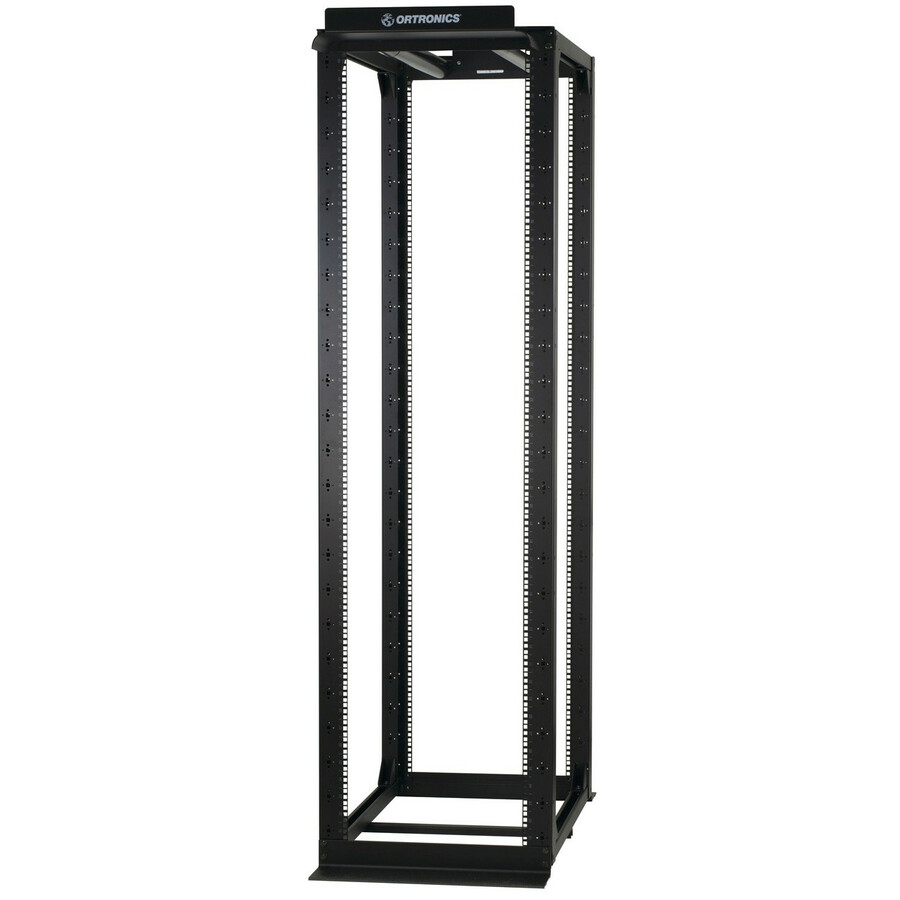
Legrand
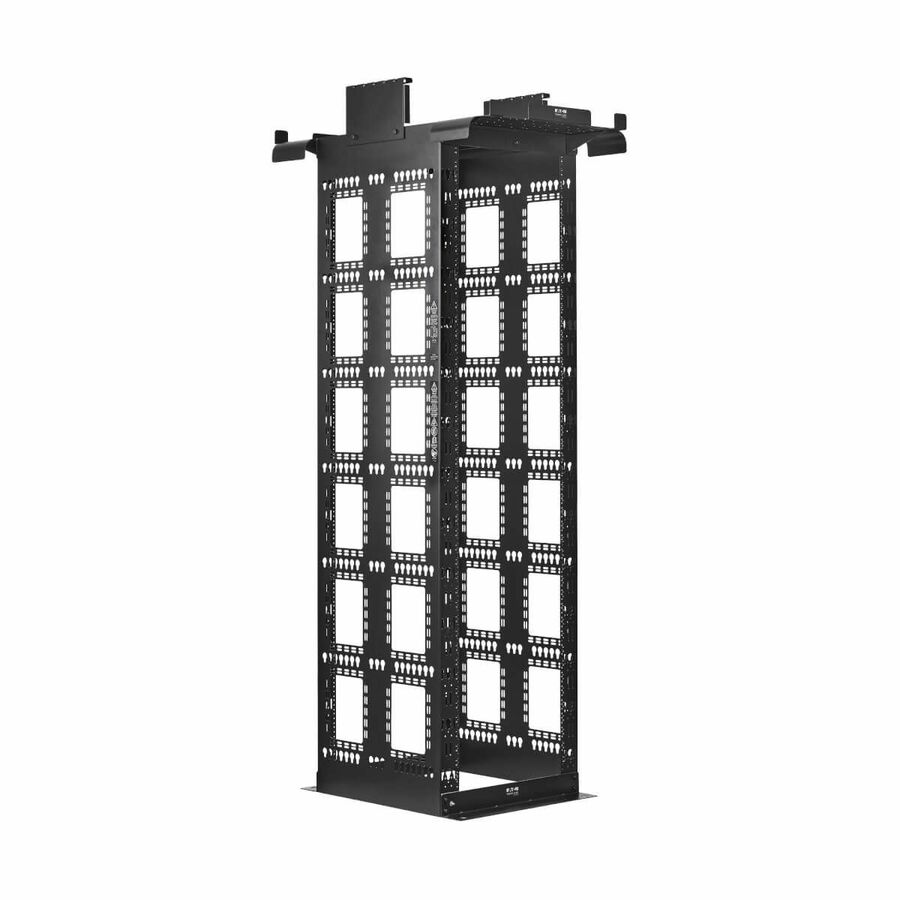
Ortronics Mighty Mo 20 Rack Frame
MM20736ADJ38-B
An Ortronics Mighty Mo 20 rack frame, 45U four-post and listed for servers, patch panels and networking — an adjustable-depth data frame from the Ortronics structured-cabling line.
$2,949.92Back-orderedPanduit 52U 4-post
PANDUIT
Panduit Four Post Rack Frame
R4PCN96
A Panduit four-post rack frame at 52U and 19" rack width in steel, rated 2,500 lb static — the tallest frame here, for a data-centre row that needs every rack unit.
$1,913.27Back-ordered52U in black
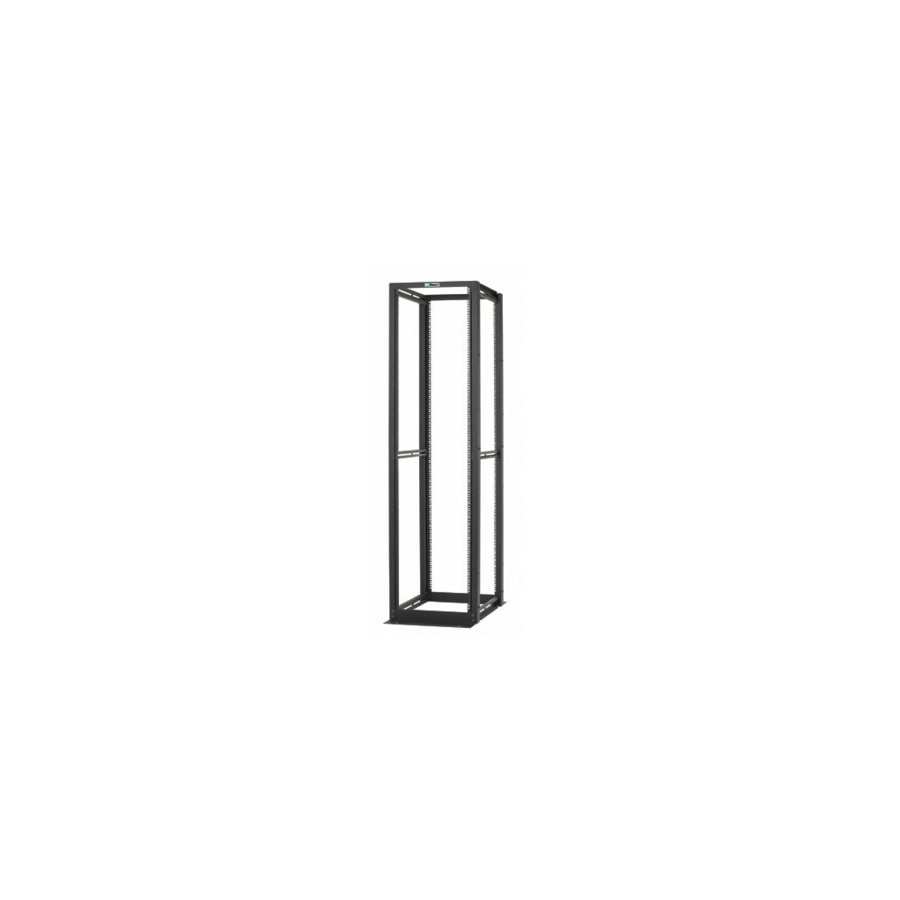
PANDUIT
Panduit Four Post Rack
R4P42CN96
A Panduit four-post rack, 52U at 19" width in black steel with a 2,500 lb static capacity — listed by the maker for LAN switches and patch panels.
$2,128.10Back-ordered52U in white
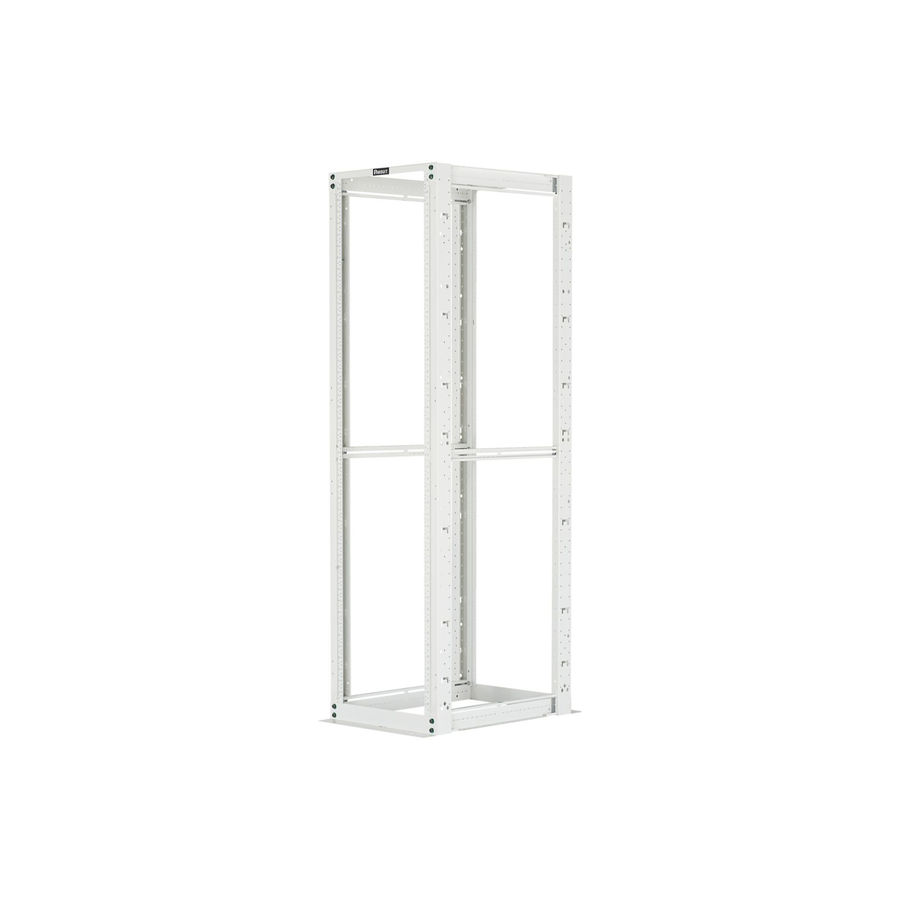
PANDUIT
Panduit Four Post Rack
R4P3696WH
A Panduit four-post rack, 52U in white steel at the same 2,500 lb static capacity — the finish option for a room specified in white racks and containment.
$2,046.84Back-ordered12U 2-post, compact
Eaton
Eaton Tripp Lite Series SmartRack Heavy-Duty 12U 2-Post Open Frame Rack
SR2POST12HD
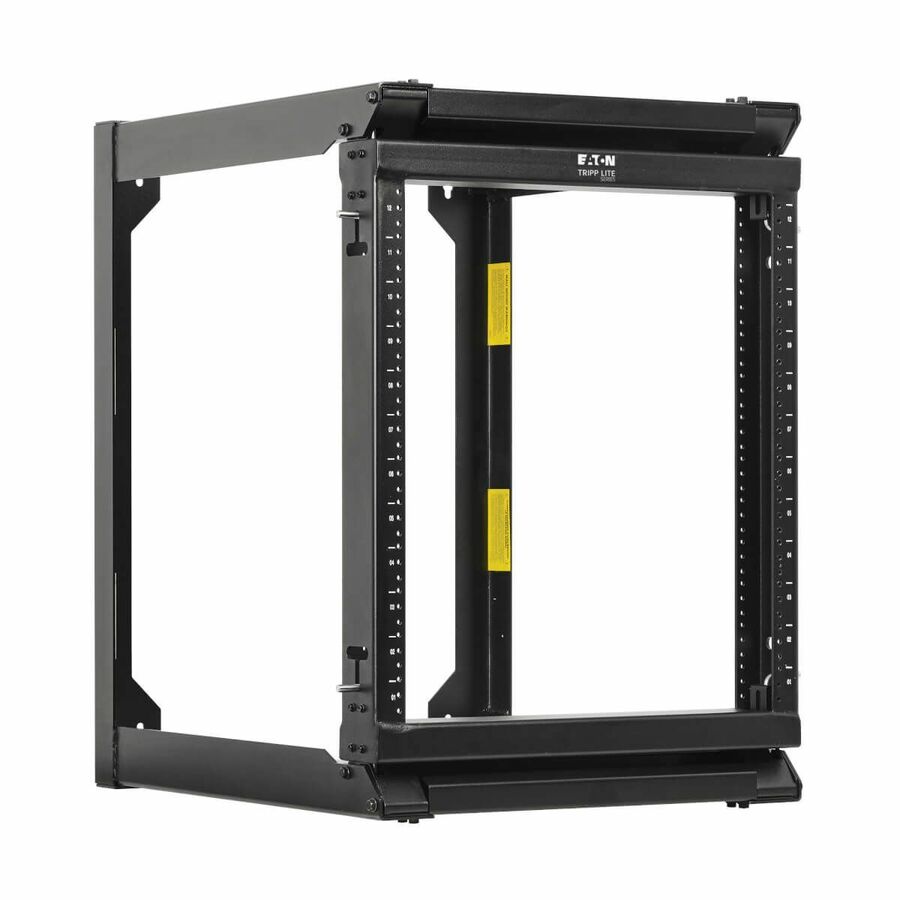
An Eaton Tripp Lite SmartRack heavy-duty 12U two-post open-frame rack, 19" wide and about 12in deep in powder-coated steel — a small floor frame for a branch closet.
$241.48In stock16U 2-post
Eaton
Tripp Lite by Eaton Open Frame Rack Server Cabinet 16U 2-Post Heavy…
SR2POST16HD
A Tripp Lite by Eaton 16U two-post open-frame rack at 19" width and roughly 24in depth in steel — the compact heavy-duty step up for a small server or network stack.
$275.38In stock45U 2-post, 24in deep
Eaton
Eaton Tripp Lite Series SmartRack 45U Heavy-Duty 2-Post Open Frame…
SR2POSTDP24HD
An Eaton Tripp Lite SmartRack 45U heavy-duty two-post open-frame rack, 24 inches deep with a static capacity just under 2,000 lb — a full-height relay rack with real depth behind the rails.
Every pick on this page states Open Frame in the manufacturer's own catalog title, as this one does.
$1,113.86In stockMore rack equipment in the Uniqcli catalog
See all 4,747 rack equipmentMore from across this category. In-stock lines lead, and a back-ordered line carries the same estimated availability its product page does — with live pricing throughout, NDAA §889 screening before checkout and TAA verified on request.
Back-ordered — estimated OEM lead time 3–8 weeks (Nov 15 – Dec 20 if ordered today).
Back-ordered — estimated OEM lead time 3–8 weeks (Nov 15 – Dec 20 if ordered today).
Back-ordered — estimated OEM lead time 3–8 weeks (Nov 15 – Dec 20 if ordered today).
- LegrandOrtronics MM20 Rack, 8ft X 30" Adjustable 4 Post, Black - For Server, Equipment - 51U Rack Height40" Rack Depth - Floor Standing Open Frame - 4 Post - Black - 2000 lb Maximum Weight Capacity - 2000 lb Static/Stationary Weight Capacity - 5 Year WarrantyMM20830ADJ38-B
$4,663.08
$3,694.23
Back-orderedBack-ordered — estimated OEM lead time 3–8 weeks (Nov 15 – Dec 20 if ordered today).
- LegrandMiddle Atlantic 45RU SNE Server Rack - 24in Width Server Data Rack - 36in Depth Data Rack Cabinet - Front to top airflow - For Patch Panel, LAN Switch, Server, Network Equipment, Data Center, Power Supply, Access Control System - 45U Rack Height x 19" Rack Width - Floor Standing Open Frame - 3000 lb Maximum Weight CapacitySNE24H-4536-A1
$6,240.00
$5,271.69
Back-orderedBack-ordered — estimated OEM lead time 3–8 weeks (Nov 15 – Dec 20 if ordered today).
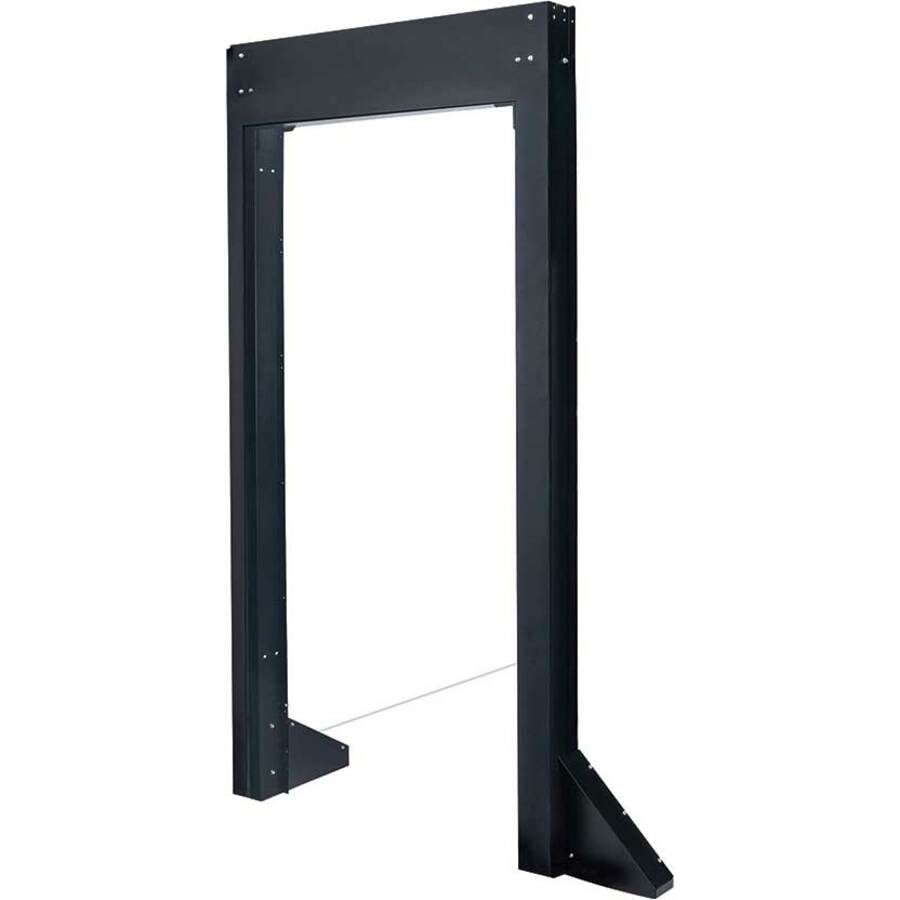
- PANDUITNet-Contain End of Row Frame - For Aisle Containment System - Floor Standing Open Frame - White - Steel - 1 Year WarrantyCUSREFRT9W1
$2,906.88
$2,083.92
Back-orderedBack-ordered — estimated OEM lead time 3–8 weeks (Nov 15 – Dec 20 if ordered today).
- PANDUITPanduit Net-Contain End of Row Frame - For Aisle Containment System - Floor Standing Open Frame - Black - Steel - 1 Year WarrantyCUSREFRT9B1
$2,768.52
$1,984.73
Back-orderedBack-ordered — estimated OEM lead time 3–8 weeks (Nov 15 – Dec 20 if ordered today).
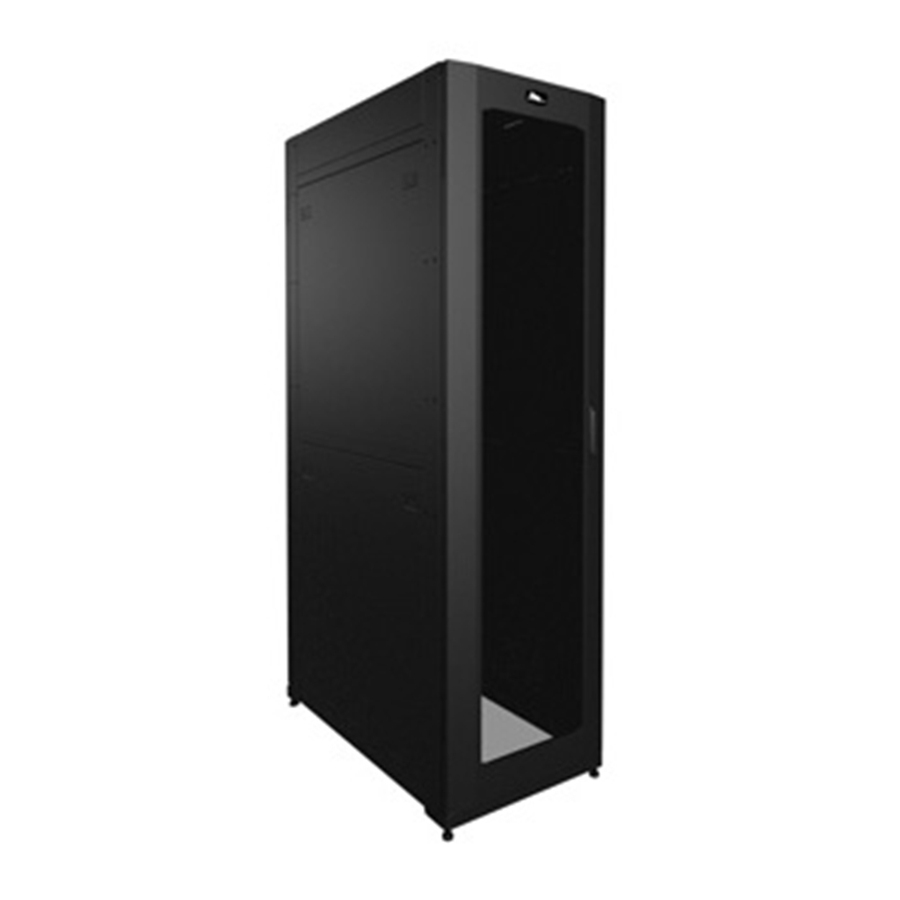
- LegrandMiddle Atlantic SNE 24RU Server Rack - 24in Width Server Data Rack - 42in Depth Data Rack Cabinet - For Server, Network Equipment, Data Center, Power Supply - 24U Rack Height x 19" Rack Width x 38.48" Rack Depth - Floor Standing Open Frame - Black Powder Coat - Steel - 1600 lb Dynamic/Rolling Weight Capacity - 12000 lb Static/Stationary Weight CapacitySNE24D-2442-P1
$3,764.00
$2,999.82
Back-orderedBack-ordered — estimated OEM lead time 3–8 weeks (Nov 15 – Dec 20 if ordered today).
- PANDUITPanduit Net-Contain End of Row Frame - For Aisle Containment System - Floor Standing Open Frame - Black - Steel, Polycarbonate - 1 Year WarrantyCUEFRT9W06B1
$2,635.76
$1,889.62
Back-orderedBack-ordered — estimated OEM lead time 3–8 weeks (Nov 15 – Dec 20 if ordered today).
- PANDUITPanduit Net-Contain End of Row Frame - For Aisle Containment System - Floor Standing Open Frame - White - Steel, Polycarbonate - 1 Year WarrantyCUEFRT9W06W1
$2,635.76
$1,889.65
Back-orderedBack-ordered — estimated OEM lead time 3–8 weeks (Nov 15 – Dec 20 if ordered today).
- PANDUITPanduit End of Row Frame - For Aisle Containment System - Floor Standing Open Frame - White - SteelCUSREFRT8W1
$2,597.81
$1,862.37
Back-orderedBack-ordered — estimated OEM lead time 3–8 weeks (Nov 15 – Dec 20 if ordered today).
Back-ordered — estimated OEM lead time 3–8 weeks (Nov 15 – Dec 20 if ordered today).
- PANDUITPanduit Four Post Rack - For LAN Switch, Patch Panel - 52U Rack Height - Floor Standing Open Frame - White - Steel - 2500 lb Static/Stationary Weight CapacityR4P3696WH
$2,761.97
$2,046.84
Back-orderedBack-ordered — estimated OEM lead time 3–8 weeks (Nov 15 – Dec 20 if ordered today).
- PANDUITPanduit Four Post Rack - For LAN Switch, Patch Panel - 52U Rack Height x 19" Rack Width - Floor Standing Open Frame - Black - Steel - 2500 lb Static/Stationary Weight CapacityR4P42CN96
$2,842.07
$2,128.10
Back-orderedBack-ordered — estimated OEM lead time 3–8 weeks (Nov 15 – Dec 20 if ordered today).
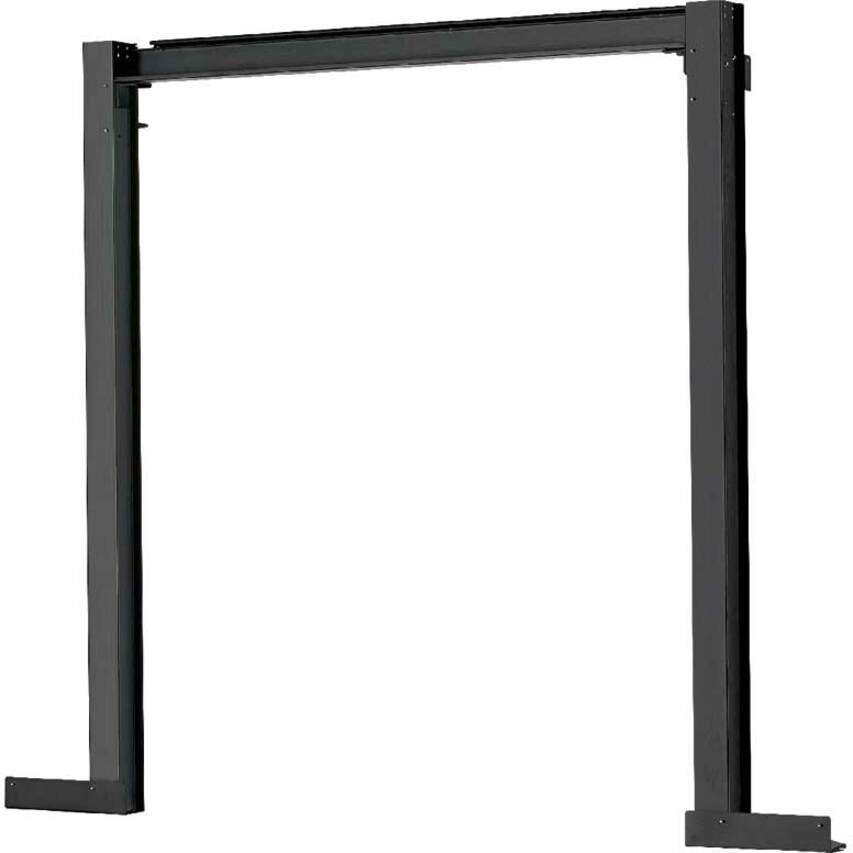
- PANDUITPanduit Net-Contain End of Row Frame - For Aisle Containment System - Floor Standing Open Frame - Black - Steel - 1 Year WarrantyCUSREFRT8B1
$2,474.09
$1,773.78
Back-orderedBack-ordered — estimated OEM lead time 3–8 weeks (Nov 15 – Dec 20 if ordered today).
- PANDUITPanduit Net-Contain End of Row Frame - For Aisle Containment System - Floor Standing Open Frame - White - Steel, Polycarbonate - 1 Year WarrantyCUEFRT8W06W1
$2,447.84
$1,754.88
Back-orderedBack-ordered — estimated OEM lead time 3–8 weeks (Nov 15 – Dec 20 if ordered today).
- LegrandMiddle Atlantic SNE 45RU Server Rack - 24in Width Server Data Rack - 48in Depth Data Rack Cabinet - For Server, LAN Switch, Patch Panel, Network Equipment, Data Center, Power Supply, Access Control System - 45U Rack Height x 19" Rack Width x 44.48" Rack Depth - Floor Standing Open Frame - Black Powder Coat - Steel - 12000 lb Static/Stationary Weight CapacitySNE24D-4548-P1
$4,869.00
$4,182.71
Back-orderedBack-ordered — estimated OEM lead time 3–8 weeks (Nov 15 – Dec 20 if ordered today).
- PANDUITPanduit Net-Contain End of Row Frame - For Aisle Containment System - Floor Standing Open Frame - White - Steel, Polycarbonate - 1 Year WarrantyCUEFRT9W04W1
$2,372.87
$1,701.13
Back-orderedBack-ordered — estimated OEM lead time 3–8 weeks (Nov 15 – Dec 20 if ordered today).
- PANDUITPanduit Four Post Rack Frame - For LAN Switch, Patch Panel - 52U Rack Height x 19" Rack Width - Floor Standing Open Frame - 4 Post - Black - Steel - 2500.04 lb Static/Stationary Weight CapacityR4PCN96
$2,577.89
$1,913.27
Back-orderedBack-ordered — estimated OEM lead time 3–8 weeks (Nov 15 – Dec 20 if ordered today).
- LegrandMiddle Atlantic SNE 42RU Server Rack - 24in Width Server Data Rack - 48in Depth Data Rack Cabinet - For Server, LAN Switch, Patch Panel, Network Equipment, Power Supply, Access Control System - 42U Rack Height x 19" Rack Width x 44.48" Rack Depth - Floor Standing Open Frame - Black Powder Coat - Steel - 12000 lb Static/Stationary Weight CapacitySNE24D-4248-P1
$4,595.00
$3,951.75
Back-orderedBack-ordered — estimated OEM lead time 3–8 weeks (Nov 15 – Dec 20 if ordered today).
- LegrandMiddle Atlantic SNE 45RU Server Rack - 24in Width Server Data Rack - 42in Depth Data Rack Cabinet - For Server, LAN Switch, Patch Panel, Network Equipment, Access Control System, Data Center, Power Supply - 45U Rack Height x 19" Rack Width x 38.48" Rack Depth - Floor Standing Open Frame - Black Powder Coat - Steel - 12000 lb Static/Stationary Weight CapacitySNE24D-4542-P1
$4,484.00
$3,855.56
Back-orderedBack-ordered — estimated OEM lead time 3–8 weeks (Nov 15 – Dec 20 if ordered today).
- LegrandMiddle Atlantic 42 RU AXS Series In Rack (IR), 26 Inches Deep - 42U Rack Height x 19" Rack Width x 26" Rack Depth - Floor Standing Open Frame - Black Powder Coat - Steel - 650 lb Maximum Weight Capacity - 3 Year WarrantyAXS-IR-4532-26
$3,940.00
$3,315.87
Back-orderedBack-ordered — estimated OEM lead time 3–8 weeks (Nov 15 – Dec 20 if ordered today).
- LegrandMiddle Atlantic 45RU SNE Server Rack - 24in Width Server Data Rack - 36in Depth Data Rack Cabinet - For Patch Panel, LAN Switch, Server, Network Equipment, Data Center, Access Control System - 45U Rack Height x 19" Rack Width x 32.48" Rack Depth - Floor Standing Open Frame - Black Powder Coat - Steel - 1600 lb Dynamic/Rolling Weight Capacity - 12000 lb Static/Stationary Weight CapacitySNE24D-4536-P1
$4,211.00
$3,621.80
Back-orderedBack-ordered — estimated OEM lead time 3–8 weeks (Nov 15 – Dec 20 if ordered today).
- LegrandMiddle Atlantic 42 RU AXS Series In Rack (IR), 26 Inches Deep - 38U Rack Height x 19" Rack Width x 26" Rack Depth - Floor Standing Open Frame - Black Powder Coat - Steel - 650 lb Maximum Weight Capacity - 3 Year WarrantyAXS-IR-4132-26
$3,687.00
$3,109.68
Back-orderedBack-ordered — estimated OEM lead time 3–8 weeks (Nov 15 – Dec 20 if ordered today).

Need pricing on open-frame server racks?
Tell us where to reach you and a Uniqcli specialist will follow up by email with current pricing, availability and lead time for the quantities you need — including parts that aren’t shown on this page.
Buying for an organization or for yourself — both work. No payment up front.
An open-frame rack is a rack with no doors and no side panels: just posts, rails and a footprint. That is not a cheaper cabinet — it is a different tool. In a network room where every port is patched and re-patched, the open frame gives you access to every side of every device without opening anything, dissipates heat by simply not trapping it, and costs a fraction of an enclosed cabinet with the same rack units. What it does not give you is physical security, dust control or contained airflow, which is exactly why the enclosed cabinet still exists and why the choice between them is about the room, not the budget.
The first real decision is two-post versus four-post. A two-post relay rack holds equipment by the front rails alone (or front and rear on a centre-mount), which is perfect for patch panels, switches and light gear, and it is the classic telecom and MDF rack. A four-post rack supports equipment at both front and rear, which is what deep, heavy, rail-mounted servers need — and the weight capacities on this page make the difference plain, running from a few hundred pounds on a compact two-post up to five figures on the heavy floor frames. Put a full-depth server on a two-post rack and you have cantilevered its whole weight off the front rails.
After that it is rack units, depth and the room. Count the equipment you have, add growth, and remember that patch panels and horizontal cable management consume rack units too; measure the deepest device before choosing a rack depth; and check the floor and the route into the room, because a 45U or 52U frame arrives as a serious piece of steel. Everything on this page states its rack height, width, depth and static weight capacity in the manufacturer's own title. Send the equipment list, the room and whether it needs to be secured, and the rack, the rails, the cable management and the PDU can be quoted together.
Buyer's checklist
How to choose an open-frame rack
- Decide open frame versus enclosed first, and decide it on the room. Open frames give total access, free airflow and the lowest cost per rack unit; an enclosed cabinet gives you a lock, dust control and contained airflow. If the room is not itself secure, or if the space is dusty or public, the open frame is the wrong answer regardless of price.
- Match post count to what you are mounting. Two-post relay racks carry patch panels, switches and light equipment on the front rails; four-post racks support deep, heavy, rail-mounted servers front and rear. A full-depth server on a two-post rack is a cantilever, not an installation.
- Read the static weight capacity against the real load. These titles state it explicitly, and the range across this page is wide — from a few hundred pounds on a compact two-post to five figures on the heavy floor frames. Total the equipment weight, then leave headroom.
- Size the rack units with the patching in mind. Count the equipment, then add the patch panels, the horizontal cable managers and the growth; a rack that fits exactly today has no room for the cable management that makes it maintainable.
- Measure the deepest device before picking a depth. Rack depth is stated per model here, and the wrong depth is the one mistake you cannot cable your way out of — the equipment either overhangs the posts or will not seat at all.
- Check the rail hole type against the mounting hardware. Square-hole, round-hole and tapped rails all exist on open frames; the rack, the cage nuts or screws, and any server rail kits have to agree, and it is cheaper to confirm than to discover on install day.
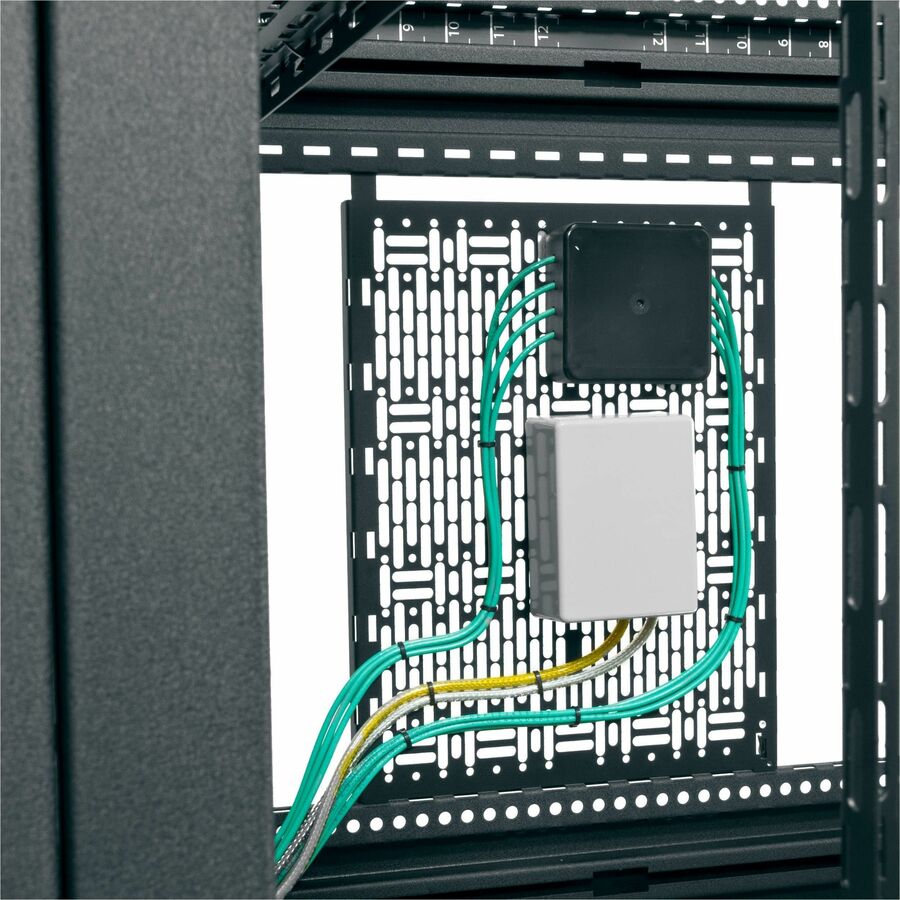
- Plan the cable management with the rack, not after it. Open frames are usually paired with vertical and horizontal managers and lacing bars; on a rack with no doors, the cable dressing IS the appearance of the room and the difference between a maintainable frame and a wall of spaghetti.
- Confirm the route, the floor and the seismic requirement before ordering a tall frame. A 45U or 52U rack is heavy, and some sites require a seismic-rated base — that is a structural decision to make before the rack arrives rather than after.
Two-post relay racks and four-post frames
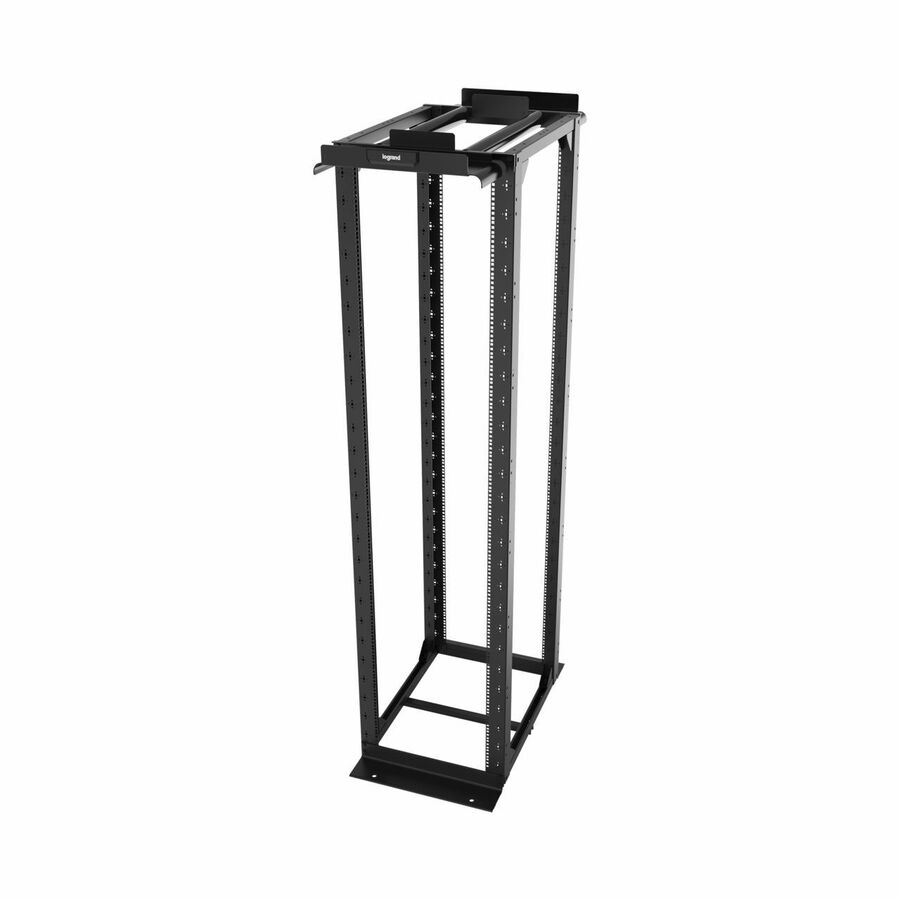
The two-post relay rack is the oldest shape in the room and still the right one for a lot of work. Two vertical posts on a floor base, equipment held by its front flanges — or centre-mounted where the gear supports it — and nothing at all in the way of your hands. For a wall of patch panels, a stack of switches and the light equipment that lives in an MDF or IDF, it is faster to work in, cheaper per rack unit and easier to cable than anything with doors. The compact 12U and 16U versions do the same job for a small closet or a lab bench.
A four-post frame exists because servers do not hang off their front ears. It supports equipment at the front and rear rails, takes the rail kits that come with rack-mount servers, and carries far more weight — which is why the four-post models on this page state capacities into the thousands of pounds. If the rack will ever hold a full-depth server, a UPS or a heavy storage chassis, buy four posts. If it holds network gear and patch panels for its whole life, two posts is not a compromise, it is the correct tool, and the money saved is better spent on cable management.
Where an open frame is the wrong answer
It is worth being blunt about the trade, because the price difference tempts people into the wrong room. An open-frame rack has no door to lock, so anyone who can reach the room can reach every port and every power cord; it has no sides, so dust and debris reach the equipment; and it cannot contain airflow, so it does not participate in a hot-aisle/cold-aisle scheme. In a locked, clean, climate-controlled comms room those are all non-issues and the open frame wins on access, airflow and cost. In a shared closet, a classroom, a warehouse corner or anywhere a member of the public can stand, they are the whole argument for an enclosed cabinet.
The middle ground is real: several models here are frames from families that also offer doors and side panels, so a frame bought now can be enclosed later without replacing the rack. That is worth knowing at purchase time if a room's security posture is likely to change. Send the room, the equipment list, the deepest device, the weight and whether the rack has to be lockable, and we will match the frame, the rails, the vertical cable management, the PDU and any base or seismic hardware as one order.
FAQ
Common questions
- What is the difference between a two-post and a four-post open rack?
- A two-post relay rack holds equipment by its front flanges — or centre-mounted where the gear allows — and is the classic rack for patch panels, switches and light network equipment. A four-post rack supports equipment at both front and rear rails, takes the rail kits that ship with rack-mount servers, and carries much more weight; the capacities stated in these titles run from a few hundred pounds on a compact two-post to five figures on the heavy four-post frames. If the rack will hold a full-depth server, a UPS or a heavy storage chassis, buy four posts.
- When should I choose an open frame instead of an enclosed cabinet?
- When the room itself provides the security and the cleanliness. An open frame gives unrestricted access to every side of every device, does not trap heat, and costs far less per rack unit — ideal in a locked, clean comms room where equipment is patched and re-patched. Choose an enclosed cabinet when you need a lock, when dust or debris are present, when the space is shared or public, or when the room runs a contained hot-aisle/cold-aisle airflow scheme that an open rack cannot participate in.
- How many rack units do I actually need?
- Count the equipment in rack units, then add what supports it: patch panels, horizontal cable managers, a shelf if anything unrackable lives there, blanking where you want tidy airflow, and honest growth. A rack sized exactly to today's equipment has no room for the cable management that keeps it maintainable, and on an open frame the cable dressing is the visible state of the room. Every model here states its rack height, width, depth and static weight capacity in the manufacturer's own title, so size against those figures rather than a photograph.
- Do open-frame racks work for servers?
- Four-post open-frame racks do — they support the server at both front and rear rails and take standard rail kits, which is exactly what a rack-mount server needs. Two-post relay racks generally do not: a full-depth server mounted only by its front ears is cantilevered off two rails, which is hard on the equipment and on the rack. Check the static weight capacity in the title against the total load, confirm the rack depth against the deepest chassis, and make sure the rail hole type and the server's rail kit agree before ordering.
- Can business, government and education buyers order these?
- Every line Uniqcli quotes is sourced through US distribution and screened for TAA country-of-origin and NDAA §889 status before checkout — with documentation tied to the specific part number, not a product family.
Need open-frame server racks pricing?
Send a bill of materials or part numbers — we confirm stock and a below-market total, with TAA verified on request. No payment up front.