
Best Lithium-Ion UPS Systems for IT Closets
Lithium-battery UPS for closets and small racks — line-interactive and double-conversion units in rack and tower formats.
Lithium-ion UPS systems in stock at Uniqcli
How to choose →A curated selection with live pricing — in-stock lines first, then back-ordered lines with a typical lead time. Every line is sourced through US distribution and screened for NDAA §889 status before checkout, with TAA verified on request.
- Schneider ElectricAPC Smart-UPS, Line Interactive, 500VA, Lithium-ion, Rackmount 1U, 120V, 4x NEMA 5-15R outlets, Network Card, Short Depth - 1U Rack-mountable - AVR - 3 Hour Recharge - 2.70 Minute Stand-by - 120 V AC Input - 120 V AC Output - Single Phase - Sine Wave - Serial Port - 4 x NEMA 5-15R Receptacle(s) - 4 x Battery/Surge OutletSCL500RM1UNC
$1,680.00
$1,495.20
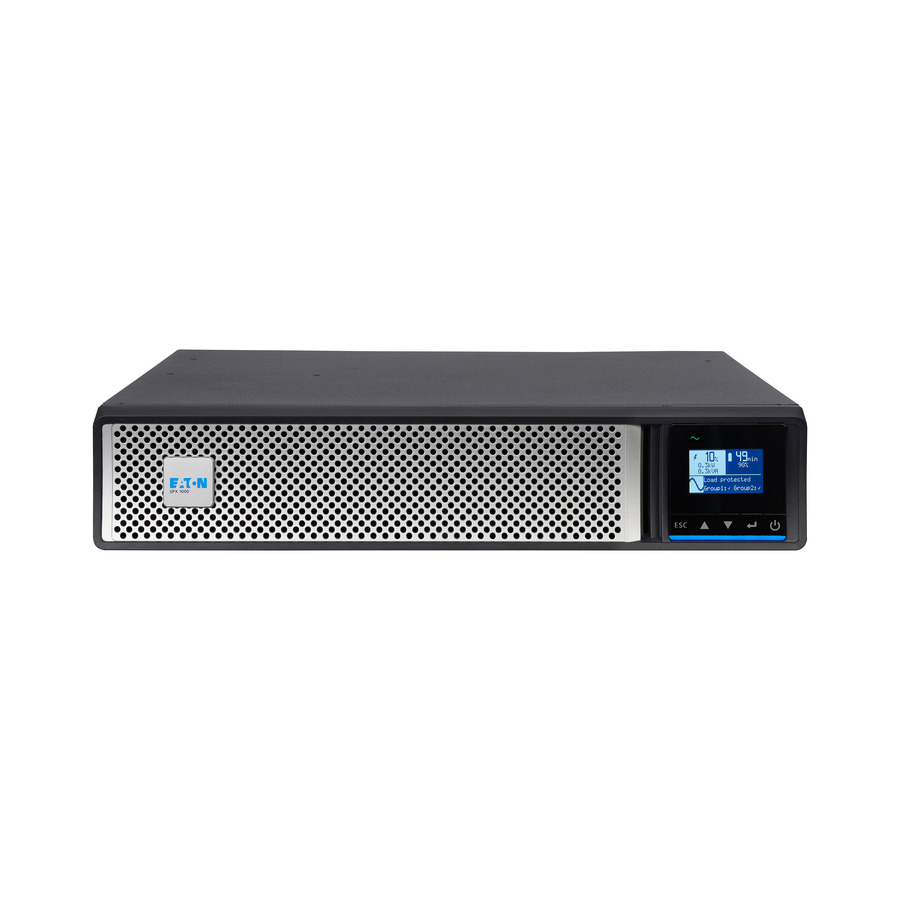
47 in stock - EatonEaton 5P UPS 1440VA 1100W 120V Line-Interactive UPS, 5-15P, 5x 5-15R Outlets, Lithium-ion Battery, True Sine Wave, Cybersecure Network Card Option, 1U - 1U Rack/Wall Mountable - 4 Minute Stand-by - 120 V AC, 100 V AC, 125 V AC Input - 120 V AC, 100 V AC, 125 V AC Output - 6 x NEMA 5-15R5P1500R-L
$2,512.64
$2,311.63
139 in stock - EatonEaton 5P UPS 1550VA 1100W 230V Line-Interactive UPS, C14 Input, 6 C13 Outlets, Lithium-ion Battery, True Sine Wave, Cybersecure Network Card Option, 1U - 1U Rack-mountable, Wall Mountable - 230 V AC Input - 200 V AC, 208 V AC, 220 V AC, 230 V AC, 240 V AC Output - 6 x IEC 60320 C135P1550GR-L
$2,733.12
$2,514.47
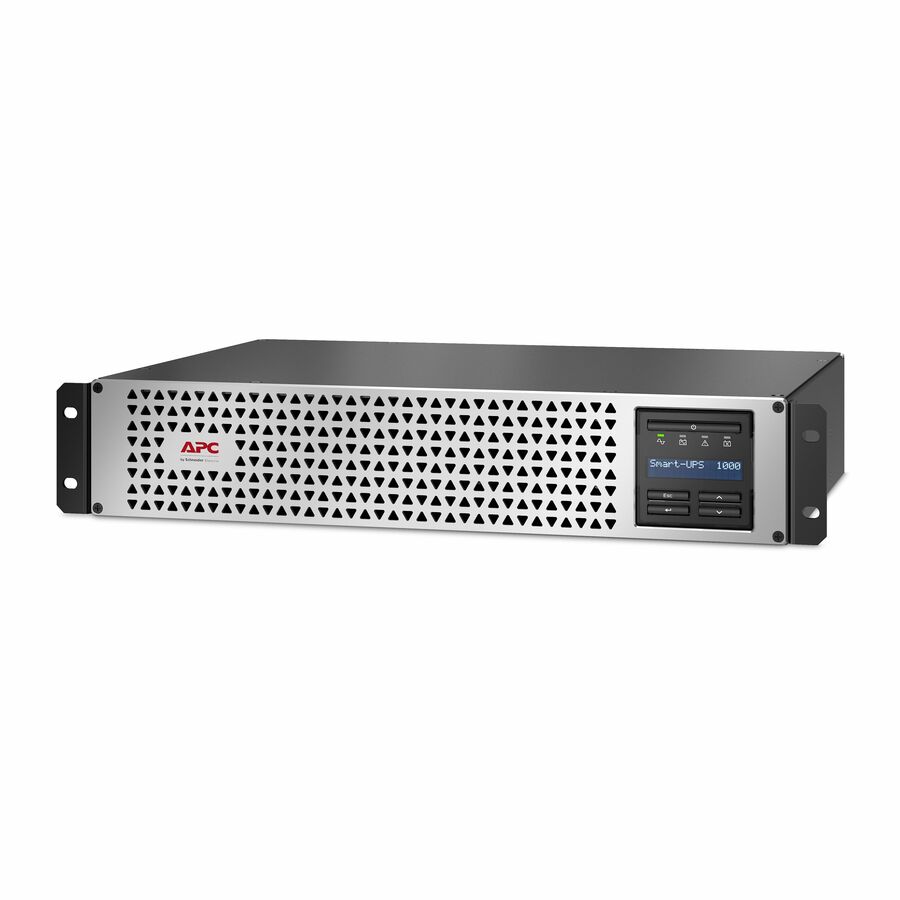
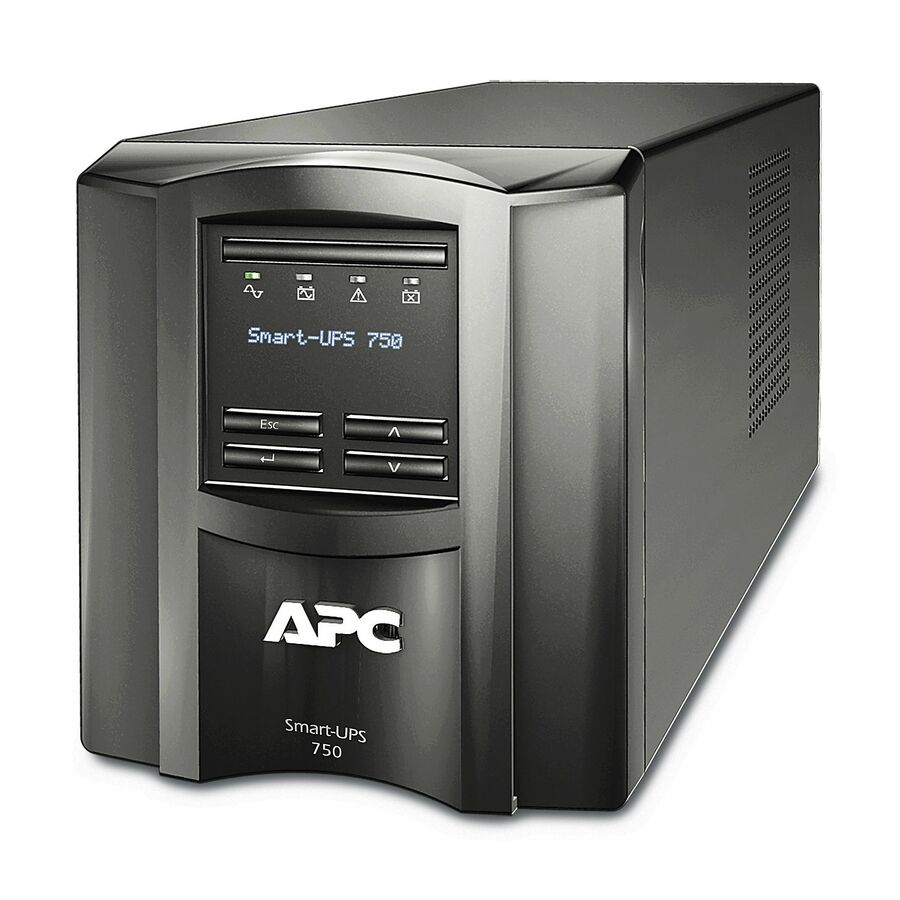
27 in stock - Schneider ElectricAPC Smart-UPS, Line Interactive, 1000VA, Lithium-ion, Rackmount 2U, 120V, 6x NEMA 5-15R outlets, SmartConnect Port+SmartSlot, Short Depth, AVR, LCD - 2U Rack-mountable - 3 Hour Recharge - 120 V AC Input - 120 V AC Output - Single Phase - Sine Wave - Serial Port - 6 x NEMA 5-15R Receptacle(s) - 6 x Battery/Surge Outlet - SmartConnectSMTL1000RM2UC
$2,885.00
$2,567.65
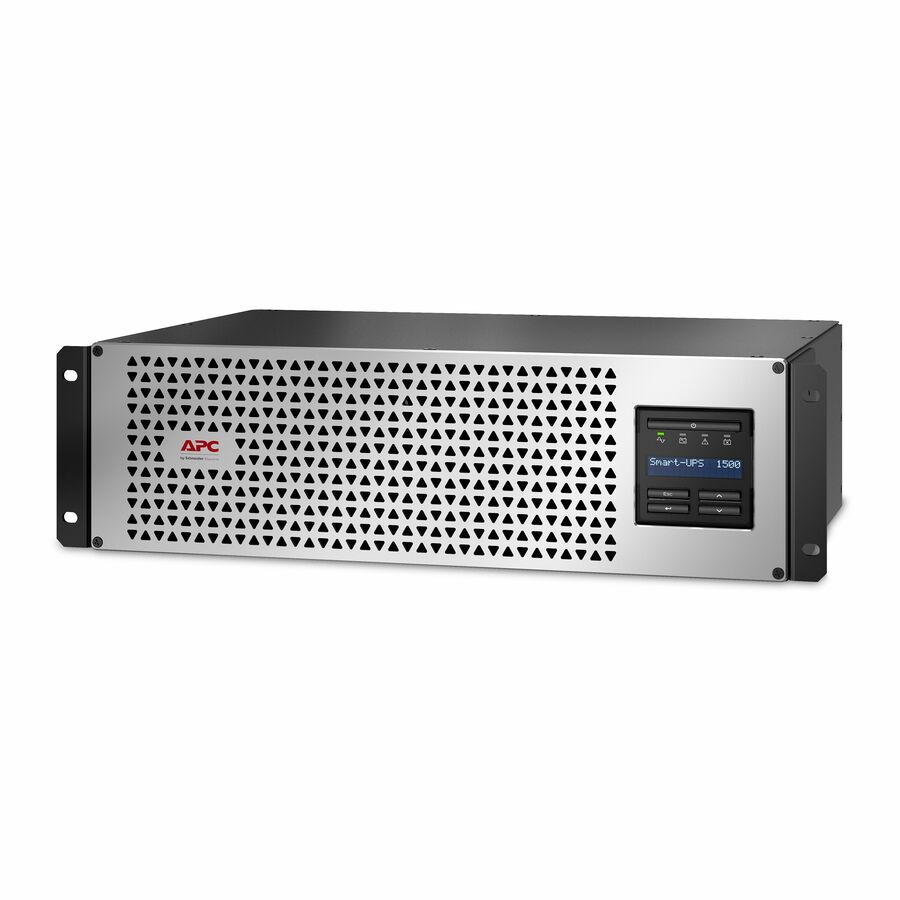
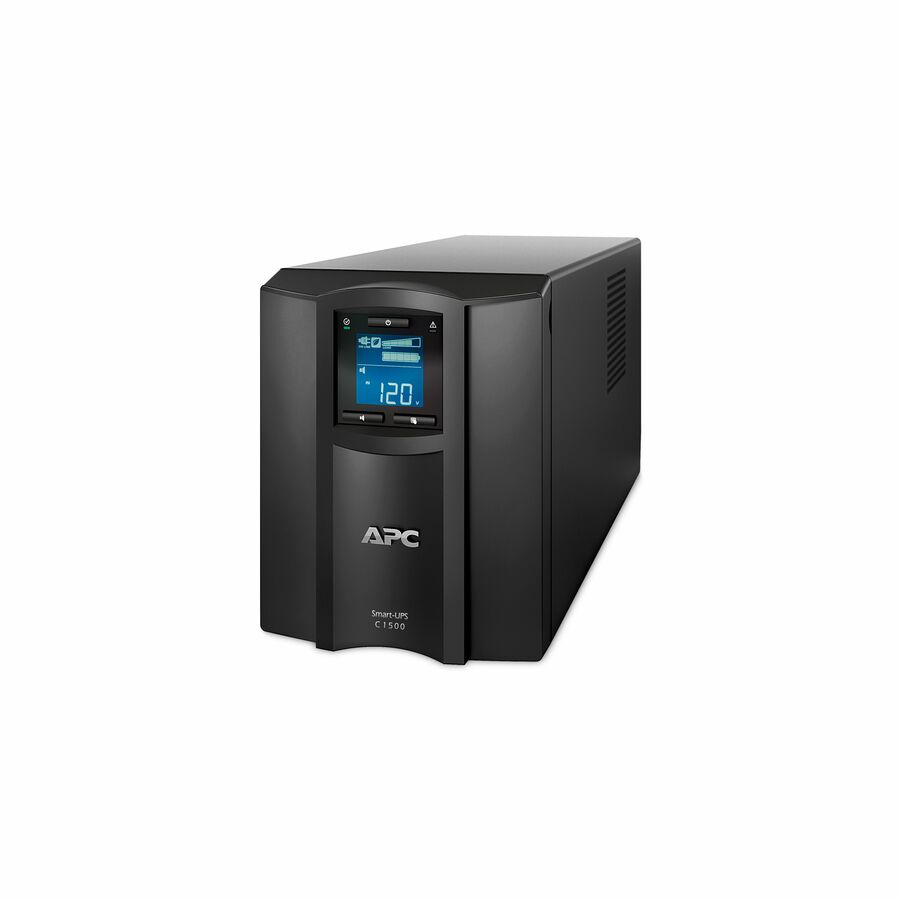
34 in stock - Schneider ElectricAPC Smart-UPS, Line Interactive, 1500VA, Lithium-ion, Rackmount 3U, 120V, 6x NEMA 5-15R outlets, SmartConnect Port+SmartSlot, Short Depth, AVR, LCD - 3U Rack-mountable - 3 Hour Recharge - 2.10 Minute Stand-by - 120 V AC Input - 120 V AC Output - Single Phase - Sine Wave - 6 x NEMA 5-15R Receptacle(s) - 6 x Battery/Surge Outlet - SmartConnectSMTL1500RM3UC
$3,505.00
$3,119.45
41 in stock - Schneider ElectricAPC Smart-UPS, Line Interactive, 1000VA, Lithium-ion, Rackmount 2U, 120V, 6x NEMA 5-15R outlets, SmartConnect Port+Network Card, Short Depth, AVR - 2U Rack-mountable - 3 Hour Recharge - 120 V AC Input - 120 V AC Output - Single Phase - 6 x NEMA 5-15R Receptacle(s) - SmartConnectSMTL1000RM2UCNC
$3,870.00
$3,444.30
39 in stock - Schneider ElectricAPC Smart-UPS, Line Interactive, 1500VA, Lithium-ion, Rackmount 3U, 120V, 6x NEMA 5-15R outlets, SmartConnect Port+Network Card, Short Depth, AVR, LCD - 3U Rack-mountable - 3 Hour Recharge - 3.03 Minute Stand-by - 120 V AC Input - 120 V AC Output - Single Phase - Sine Wave - Serial Port - 6 x NEMA 5-15R Receptacle(s) - 6 x Battery/Surge Outlet - SmartConnectSMTL1500RM3UCNC
$4,490.00
$3,996.10
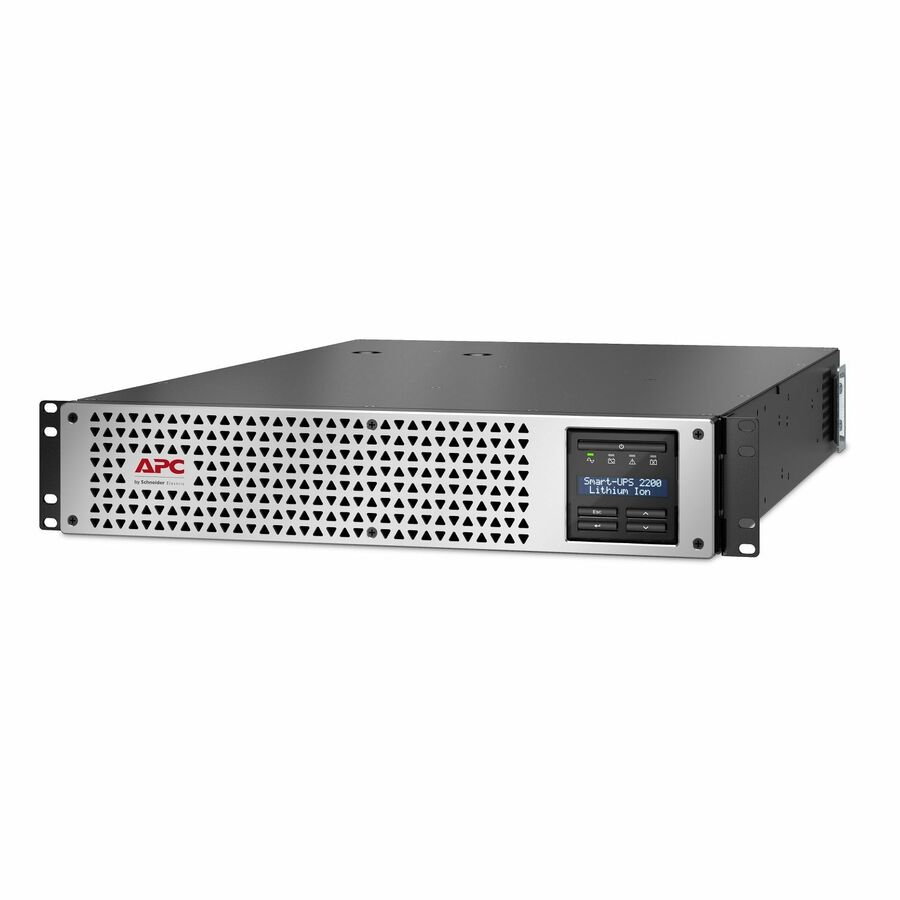
36 in stock - Schneider ElectricAPC Smart-UPS, Line Interactive, 2200VA, Lithium-ion, Rackmount 2U, 120V, 2x NEMA 5-20R+6x NEMA 5-15R outlets, SmartConnect Port+Network Card, AVR - 2U - 2 Hour Recharge - 120 V AC Input - 120 V AC Output - Single Phase - Sine Wave - 2 x NEMA 5-20R, 6 x NEMA 5-15R Receptacle(s) - 8 x Battery/Surge Outlet - SmartConnectSMTL2200RM2UCNC
$6,350.00
$5,651.50
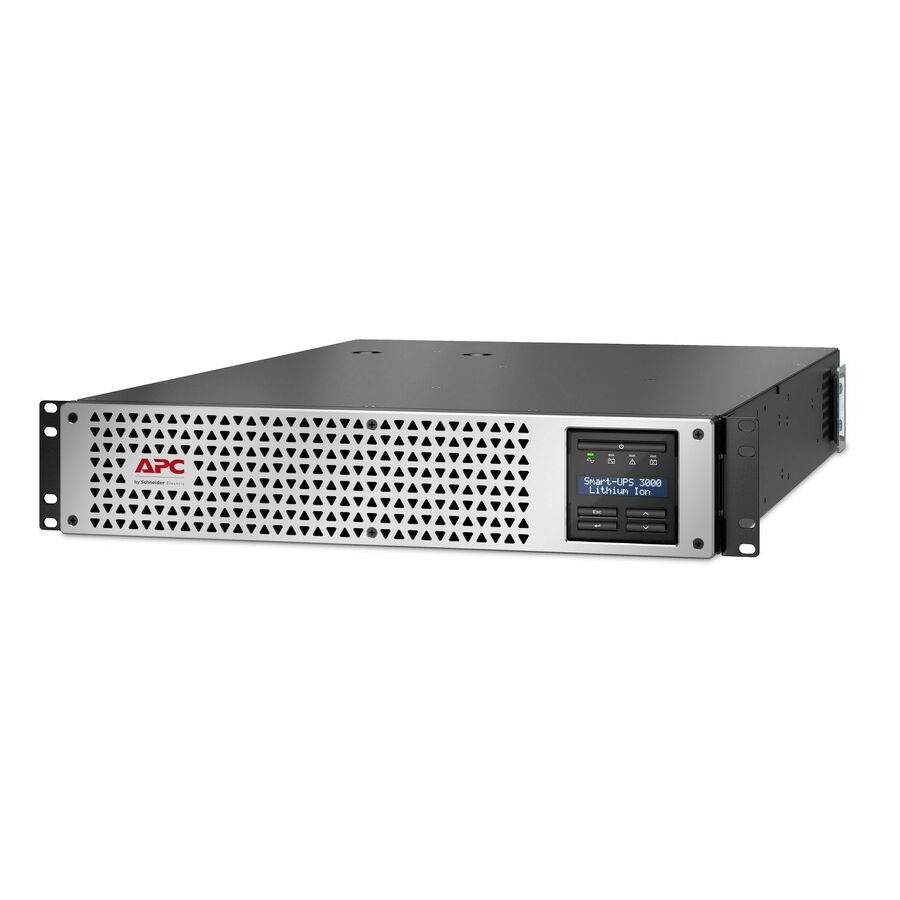
1 in stock - Schneider ElectricAPC Smart-UPS, Line Interactive, 3kVA, Lithium-ion, Rackmount 2U, 120V, 2x NEMA 5-20R+6x NEMA 5-15R outlets, SmartConnect Port+Network Card, AVR, LCD - 2U Rack-mountable - 2 Hour Recharge - 120 V AC Input - 120 V AC Output - Single Phase - Sine Wave - 2 x NEMA 5-20R, 6 x NEMA 5-15R Receptacle(s) - 8 x Battery/Surge Outlet - SmartConnectSMTL3000RM2UCNC
$7,125.00
$6,341.25
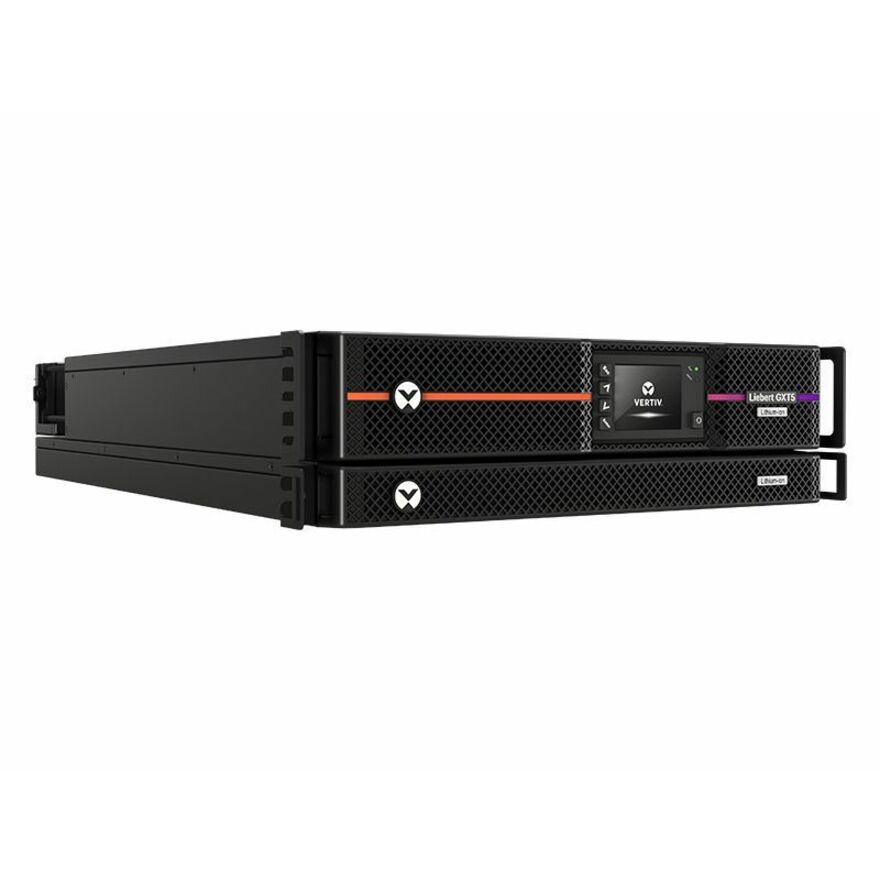
12 in stock - VertivVertiv Liebert GXT5 Lithium-Ion Online UPS 6000VA/6000W 200V-240V 3U Rack/Tower (GXT5LI-6000GVRT3UXLN) - Single-phase UPS | 1.0 Output Power Factor | Lowest TCO | Full-color LCD Interface| 5-Year Warranty | with Hardwired Input and Hardwired Output, RDU120 Web Card, Extended Runtime Capability, and Integrated Maintenance Bypass Cabinet (MBC)GXT5LI-6000GVRT3UXLN
$13,880.00
$10,576.56
34 in stock - VertivVertiv Liebert GXT5 Lithium-Ion Online UPS 5000VA/5000W 120V/208V Rack/Tower UPS - Single-phase UPS | 1.0 Output Power Factor | Lowest TCO | Full-color LCD Interface| 5-Year Warranty | with (2) NEMA L14-30R Outlets, IntelliSlot with RDU120, Extended Runtime Capability, and Integrated Maintenance Bypass Cabinet (MBC)GXT5LI-5000MVRT3UXLN
$15,135.00
$11,532.87
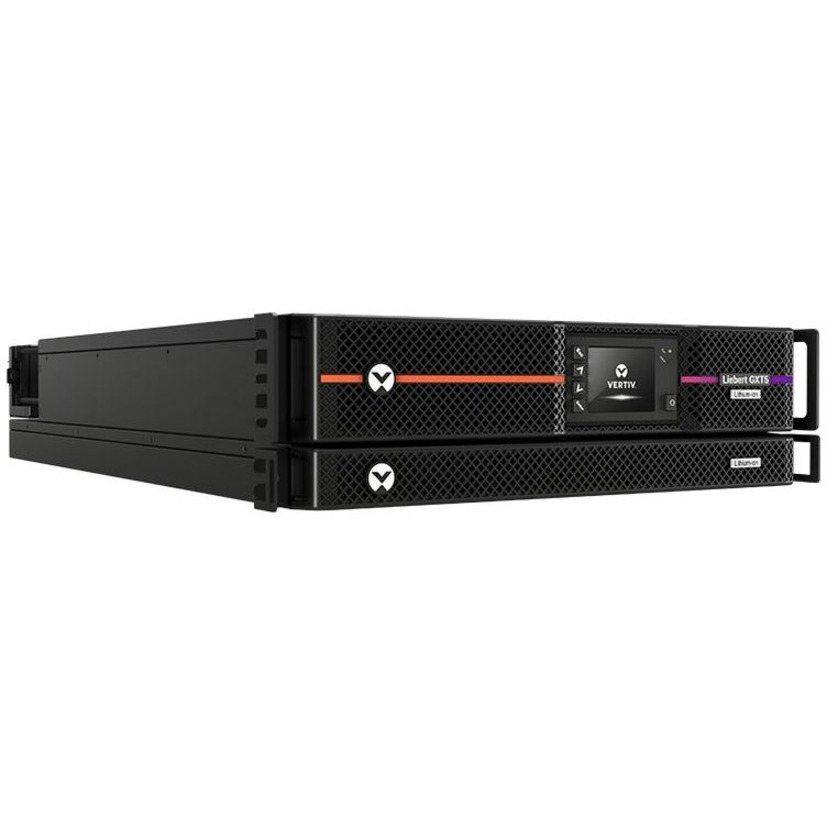
191 in stock - VertivVertiv Liebert GXT5 Lithium-Ion Online UPS 8000VA/8000W 200V-240V 3U Rack/Tower (GXT5LI-8000GVRT3UXLN) - Single-phase UPS | 1.0 Output Power Factor | Lowest TCO | Full-color LCD Interface| 5-Year Warranty | with Hardwired Input and Hardwired Output, RDU120 Web Card, Extended Runtime Capability, and Integrated Maintenance Bypass Cabinet (MBC)GXT5LI-8000GVRT3UXLN
$16,193.00
$12,339.07
5 in stock


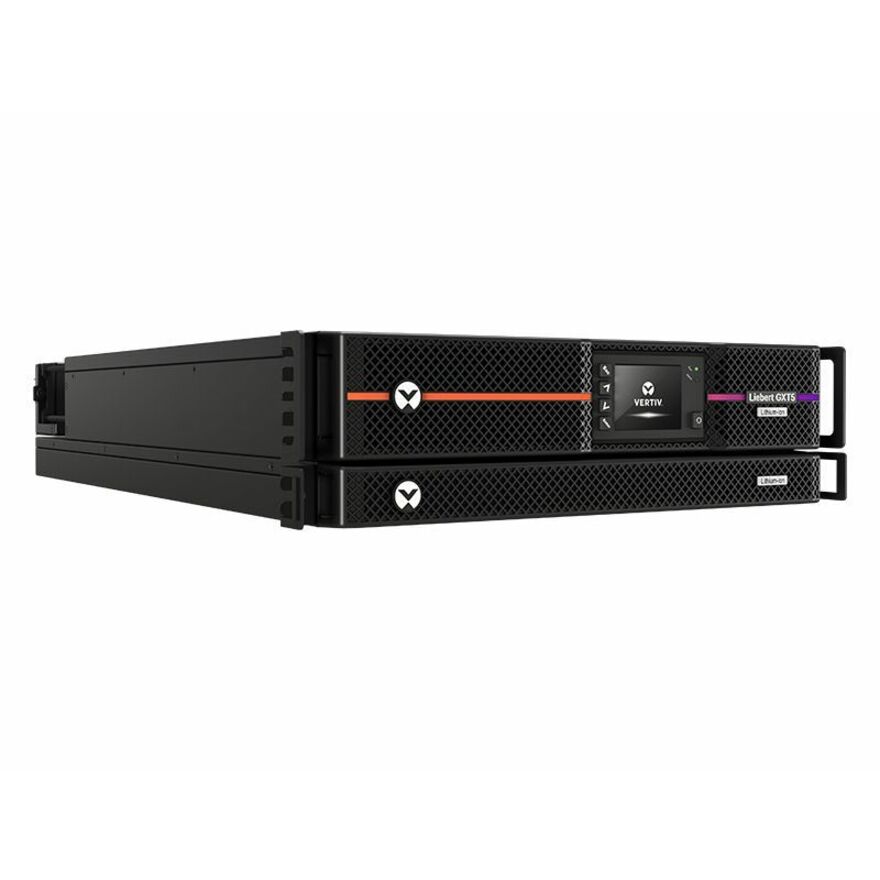
400VA, standby
Vertiv
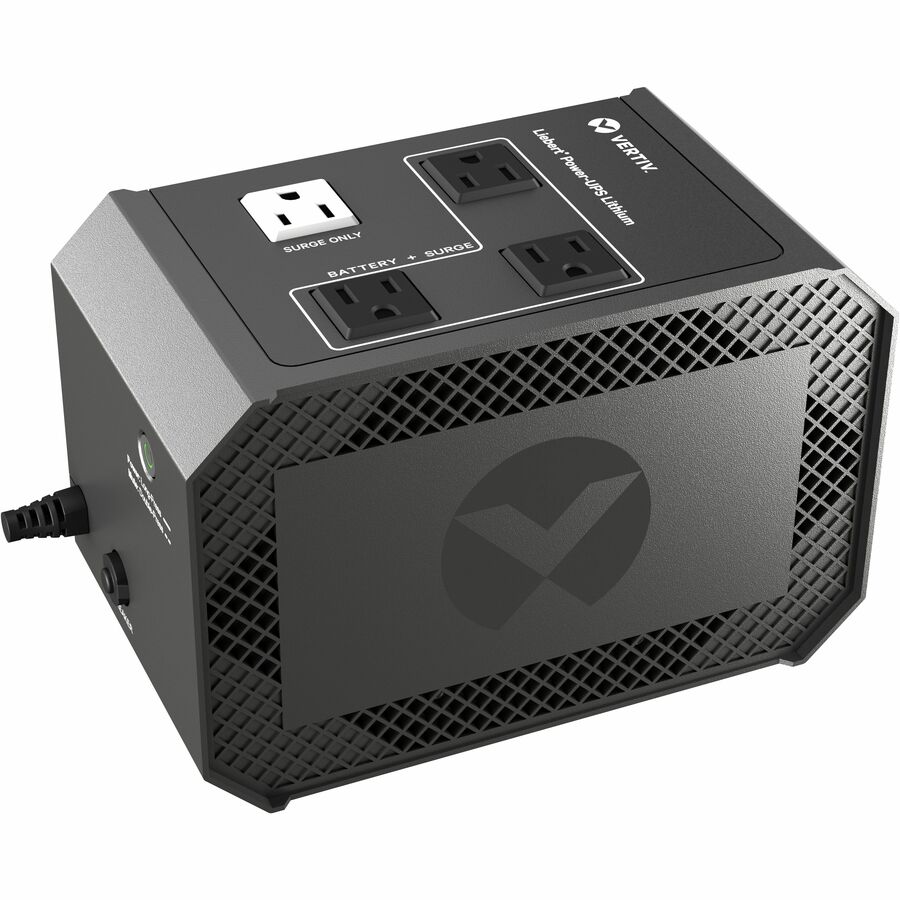
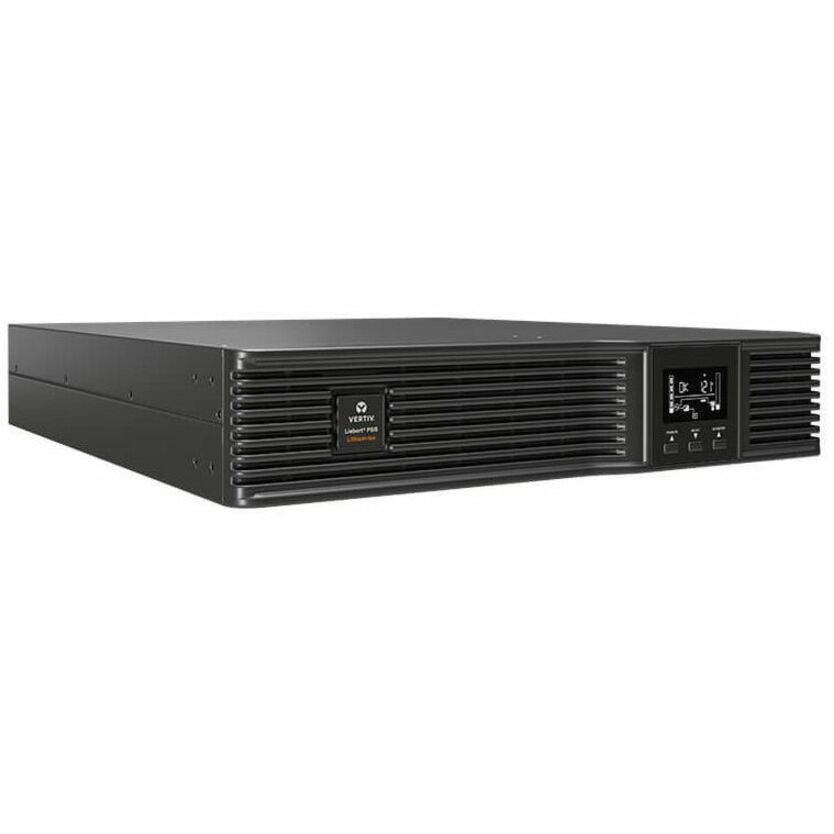
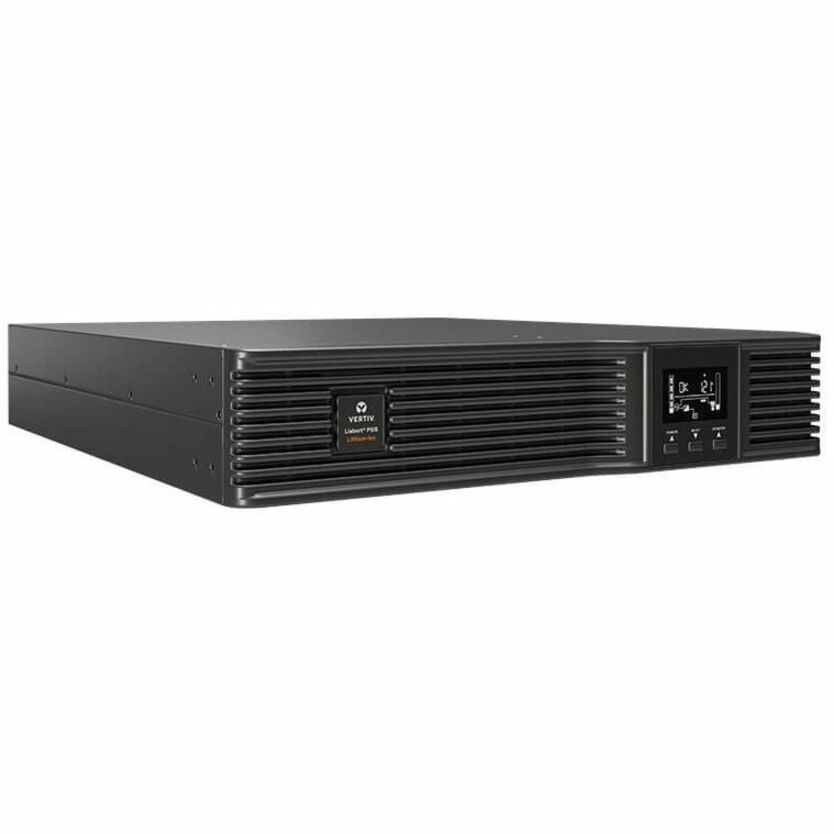
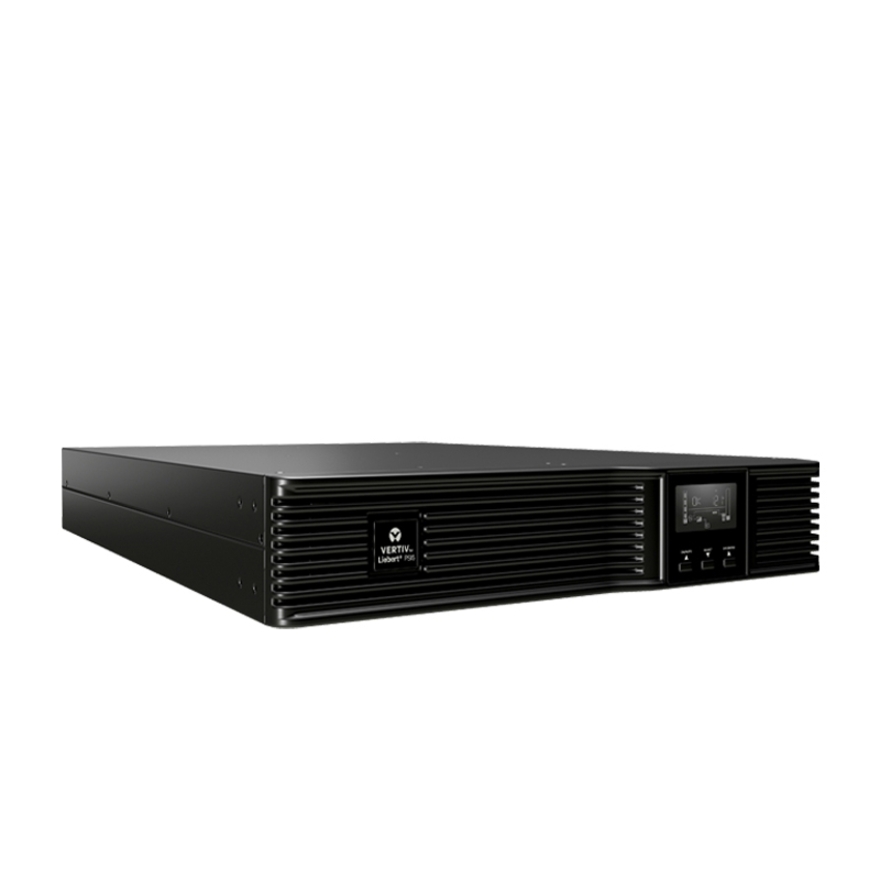
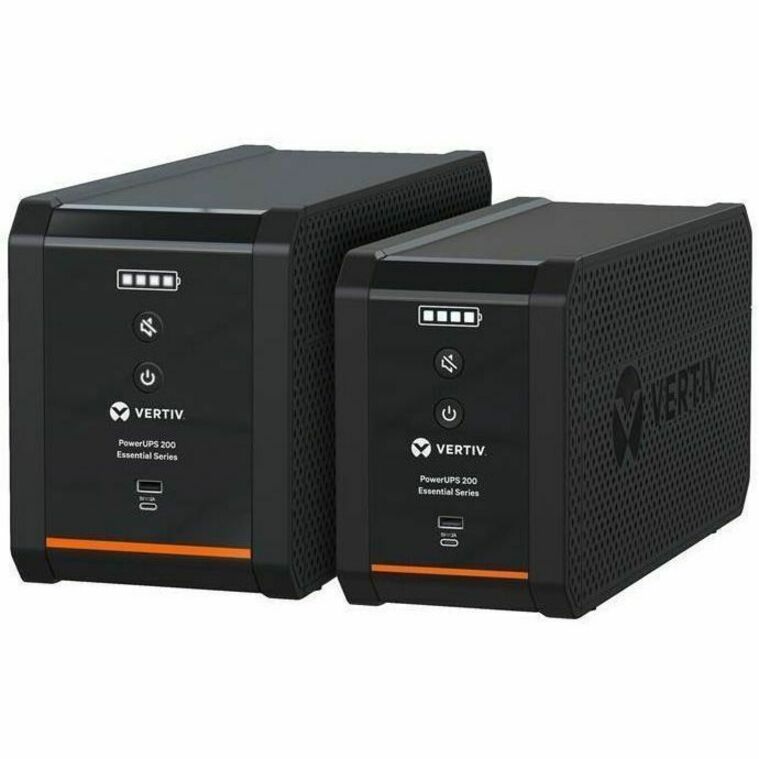
Vertiv Liebert Power-UPS Lithium 400VA/240W 120V Standby Lithium-Ion UPS
PUL-400LVT
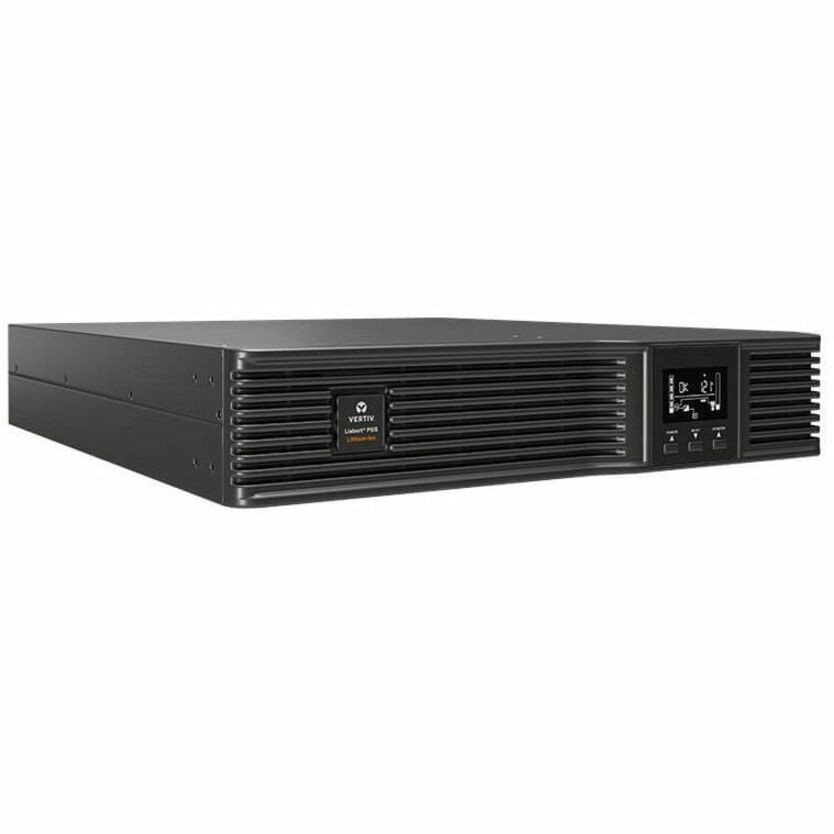
Vertiv Liebert PSU-family lithium-ion UPS, 400VA/240W, 120V single-phase standby — the smallest unit here, for a single edge device or a small PoE injector.
$237.74In stock1500VA mini-tower
Vertiv
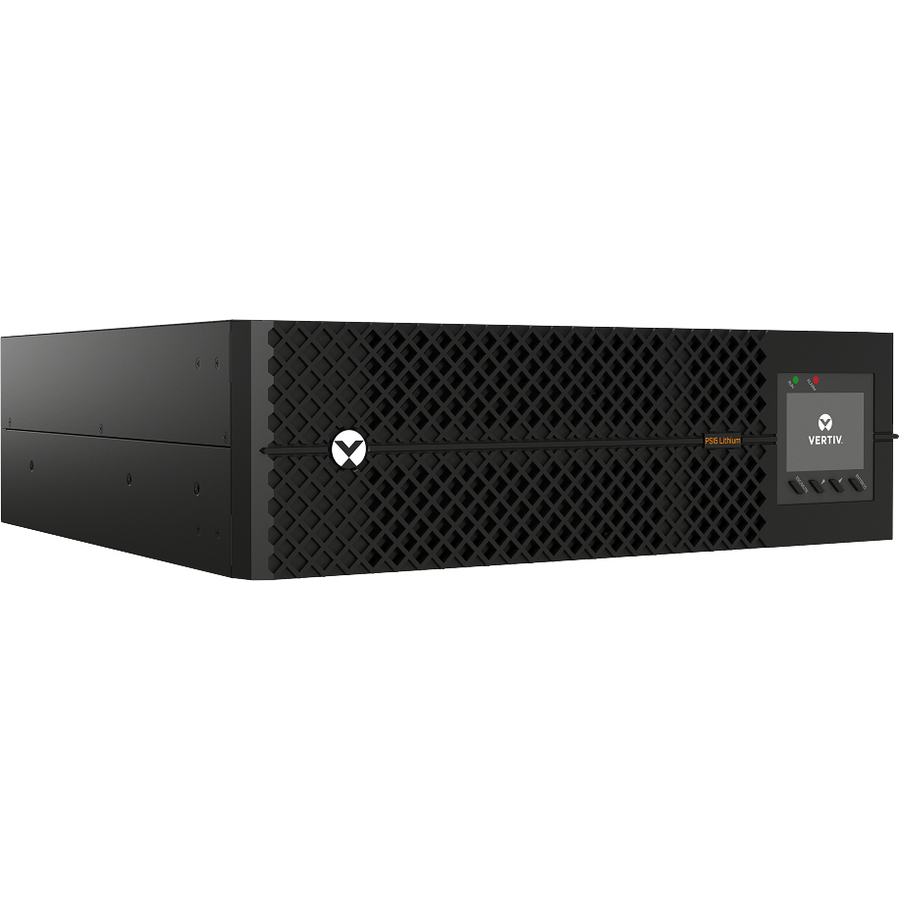
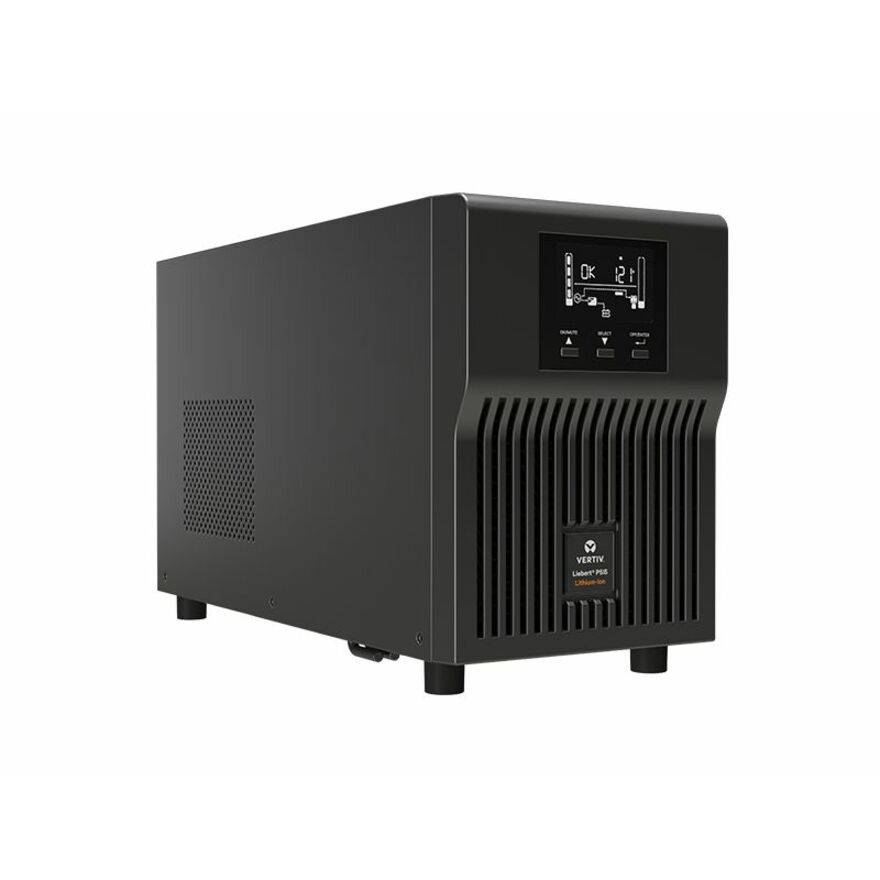
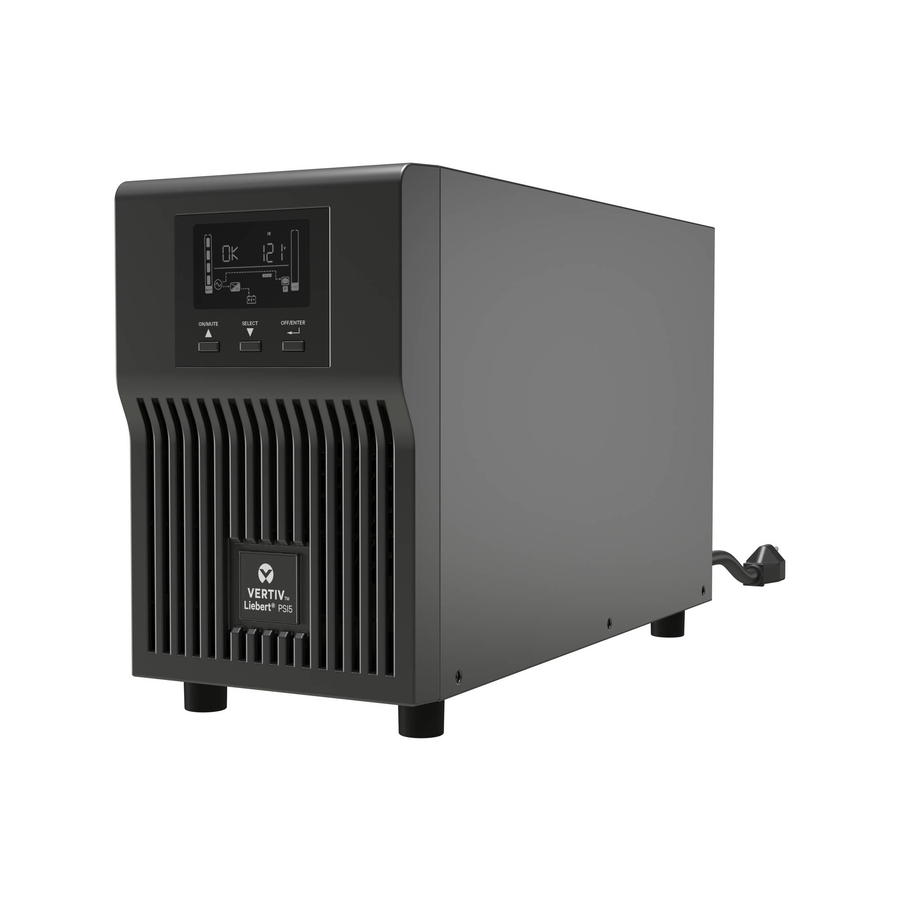
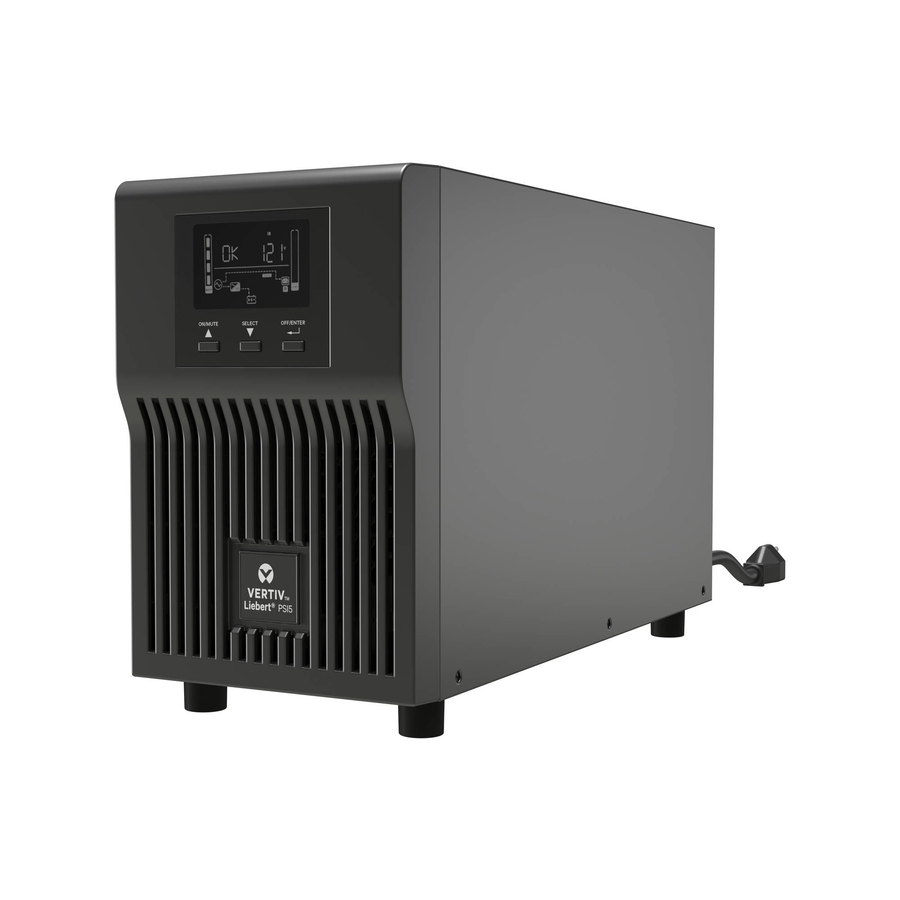
Vertiv Liebert PSI5 Lithium-Ion UPS 1500VA/1350W 120V AVR Mini Tower
PSI5-1500MT120LI
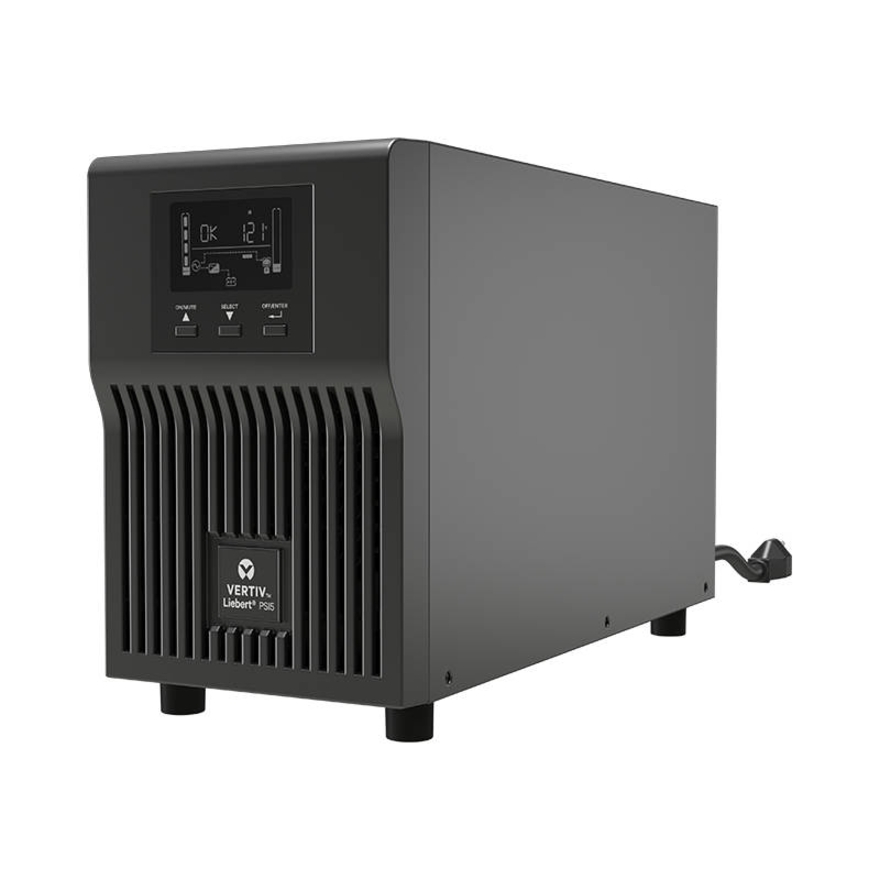
Vertiv Liebert PSI5 lithium-ion UPS, 1500VA/1350W, 120V line-interactive mini-tower with AVR and remote management — a compact tower for a closet with no rack.
$1,304.54Back-ordered1500VA rack/tower, TAA
Vertiv
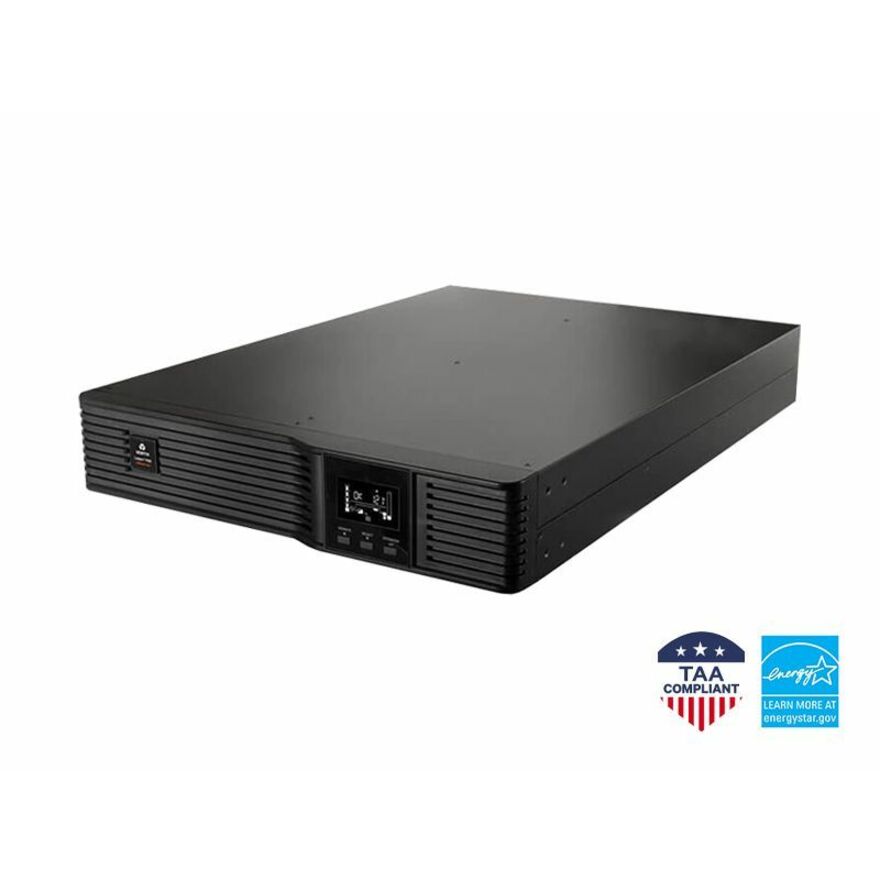
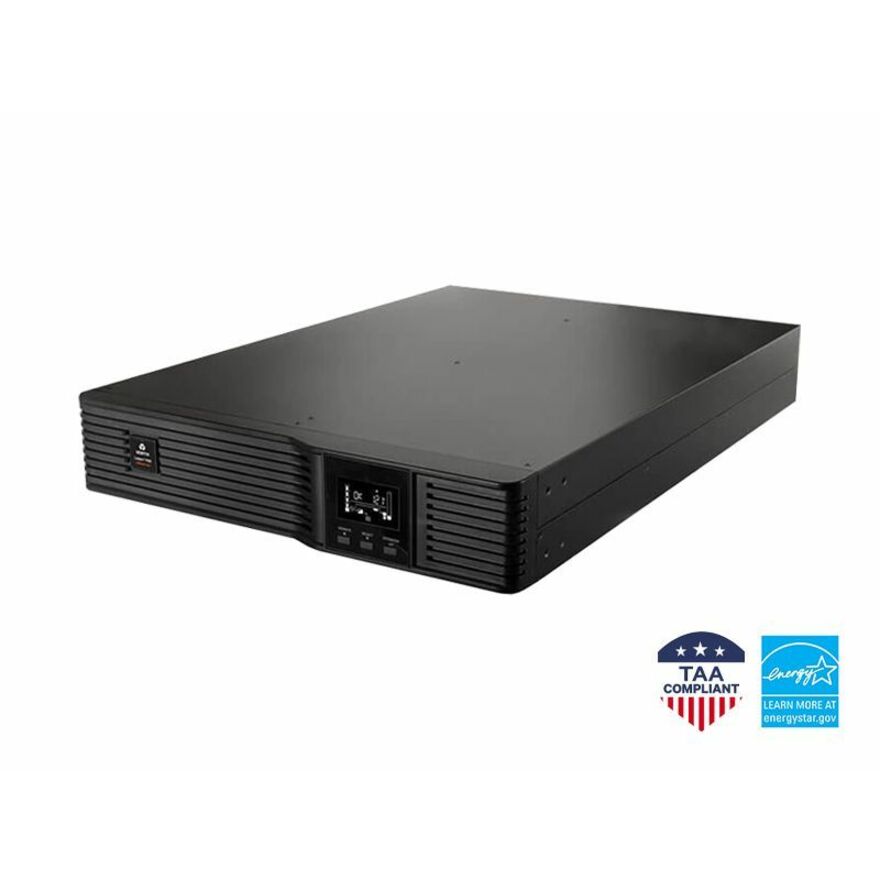
Vertiv Liebert PSI5 Lithium-Ion TAA UPS 1500VA/1350W 120V Rack/Tower
PSI5-1500RT120LITAA
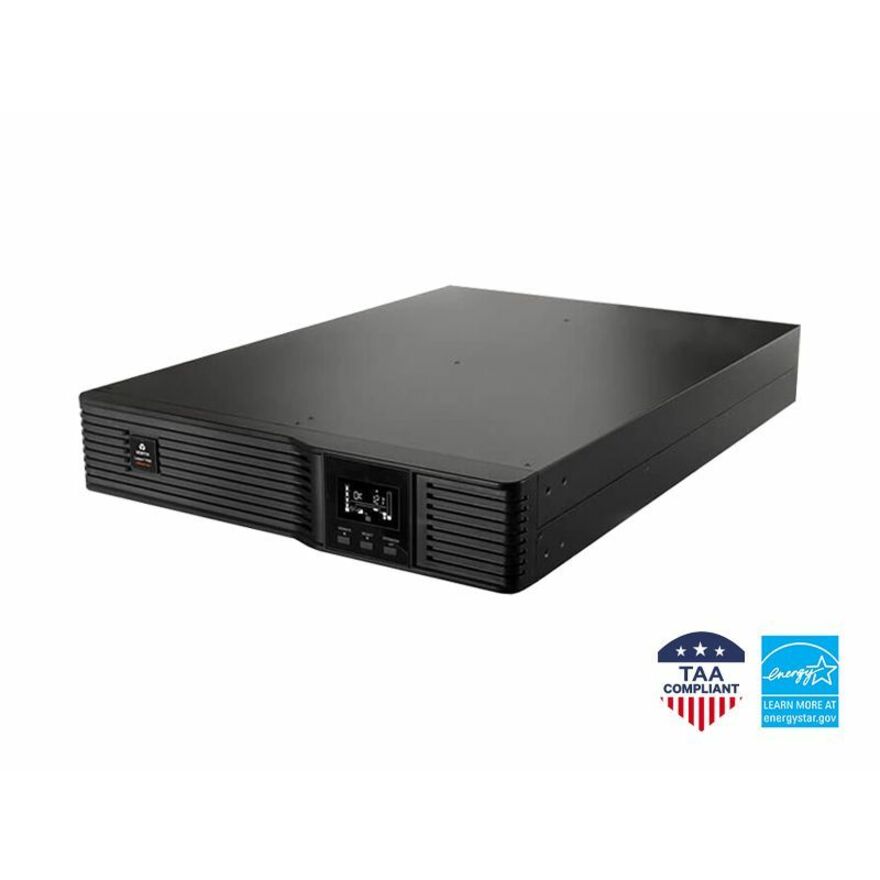
Vertiv Liebert PSI5 lithium-ion UPS, 1500VA/1350W, 120V line-interactive in a 2U rack/tower body — the convertible-format 1500VA unit for a closet that may or may not have a rack.
Titled TAA.
$2,154.94*In stock500VA, 1U
Schneider Electric
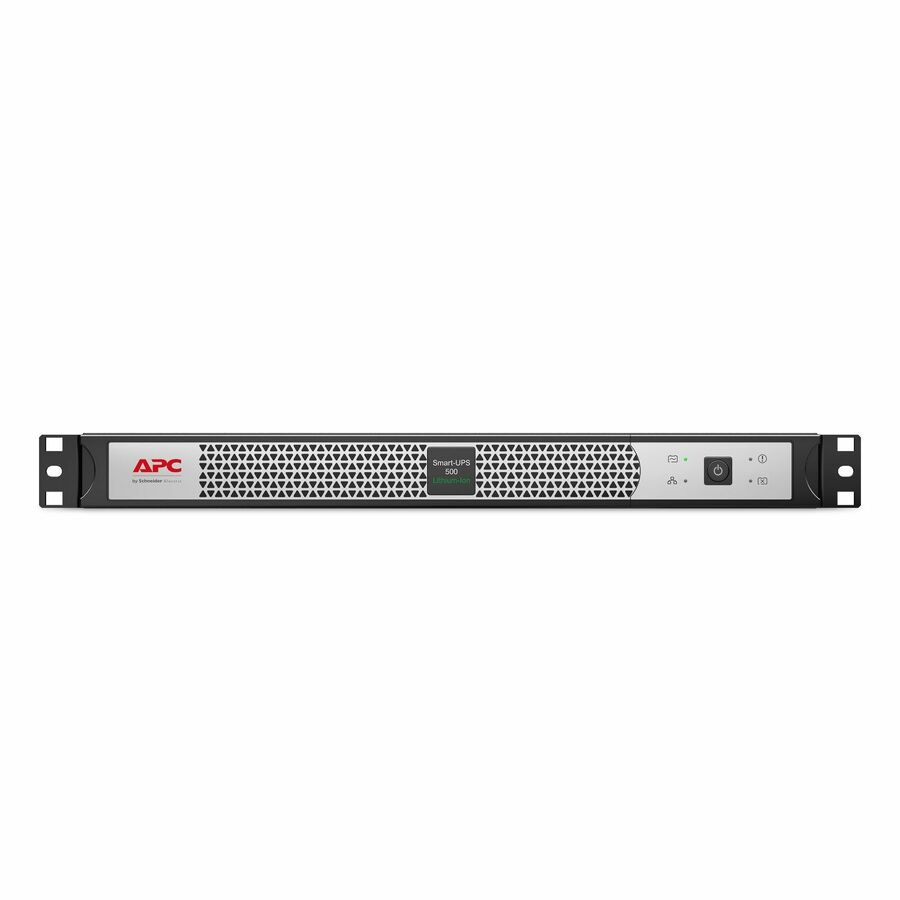
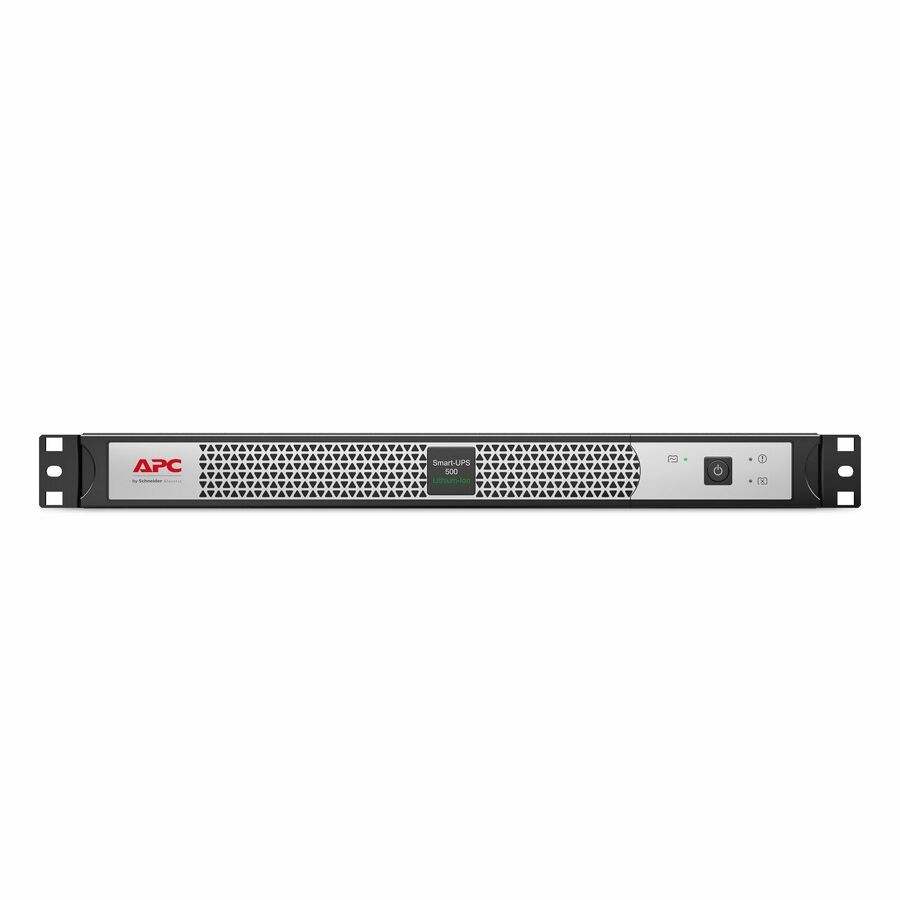
APC Smart-UPS, Line Interactive, 500VA, Lithium-ion, Rackmount 1U…
SCL500RM1U
APC Smart-UPS lithium-ion, 500VA line-interactive, rackmount 1U, 120V with four NEMA 5-15R outlets in a short-depth body — the low-VA rack unit for a shallow closet enclosure.
$679.96Back-ordered750VA, 2U
Schneider Electric
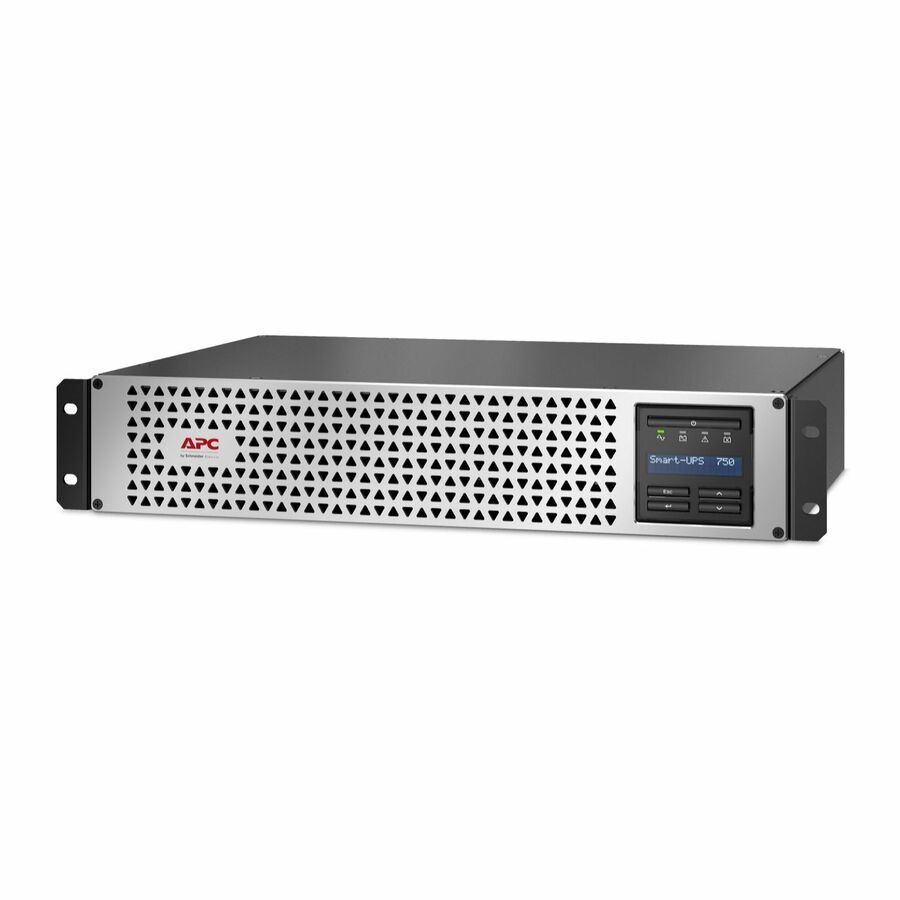
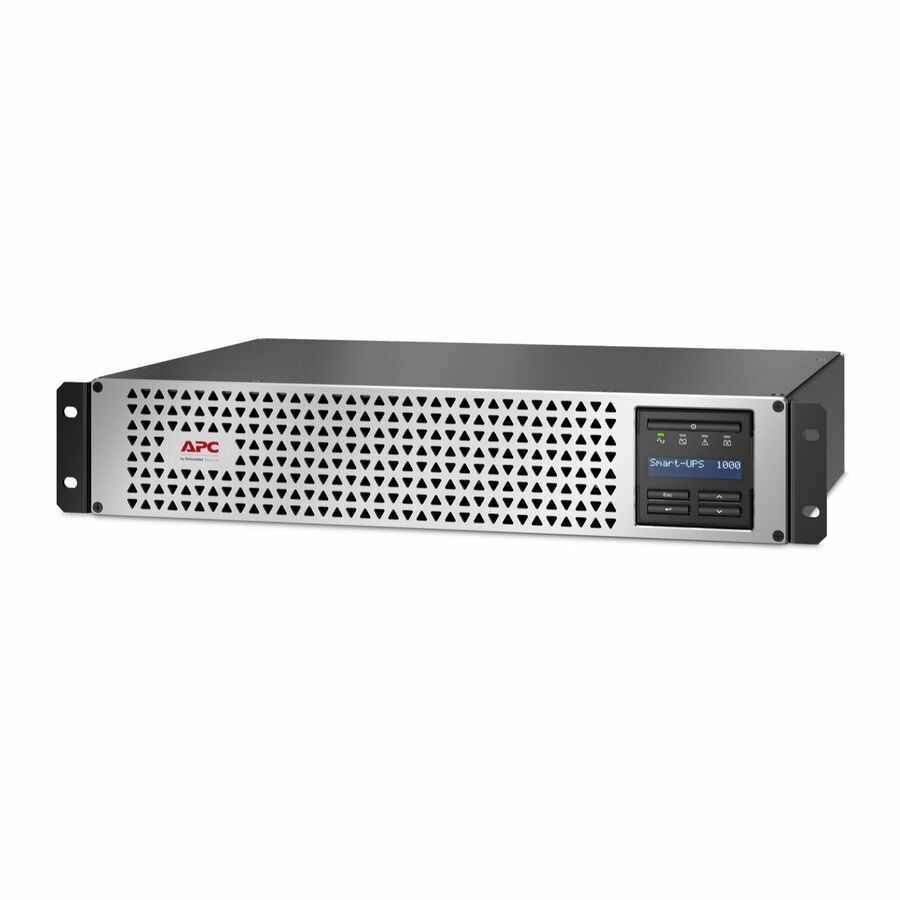
APC Smart-UPS, Line Interactive, 750VA, Lithium-ion, Rackmount 2U…
SMTL750RM2UC
APC Smart-UPS lithium-ion, 750VA line-interactive, rackmount 2U, 120V with six NEMA 5-15R outlets and SmartConnect — a managed mid-VA unit for an access-layer rack.
$1,708.80In stock1500VA, 3U
Schneider Electric
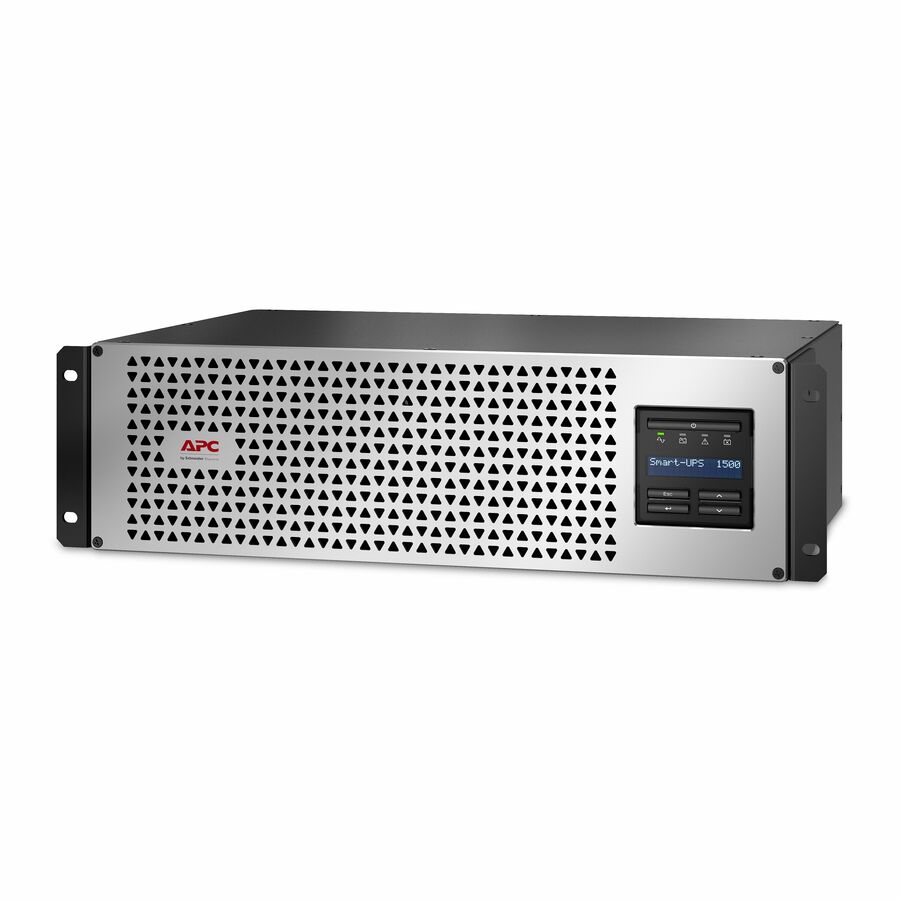
APC Smart-UPS, Line Interactive, 1500VA, Lithium-ion, Rackmount 3U…
SMTL1500RM3UC
APC Smart-UPS lithium-ion, 1500VA line-interactive, rackmount 3U, 120V with six NEMA 5-15R outlets and SmartConnect — the higher-VA managed APC unit for a busier closet.
$3,119.45In stock1500VA SmartPro, 2U
Eaton
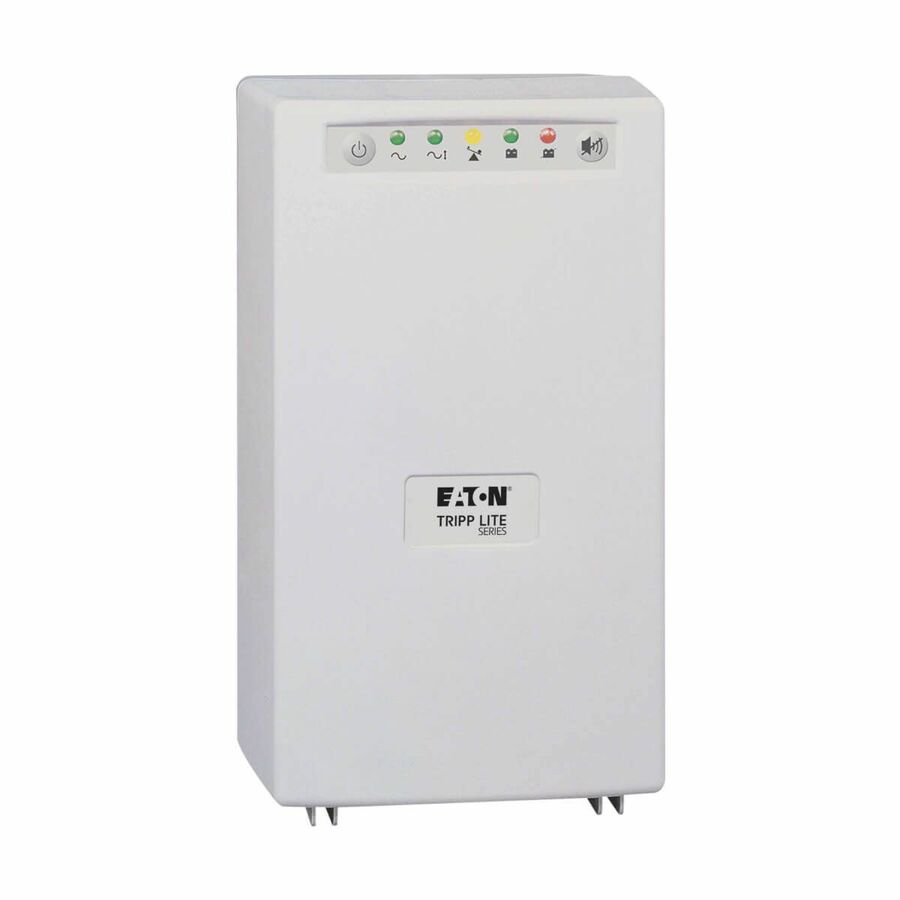
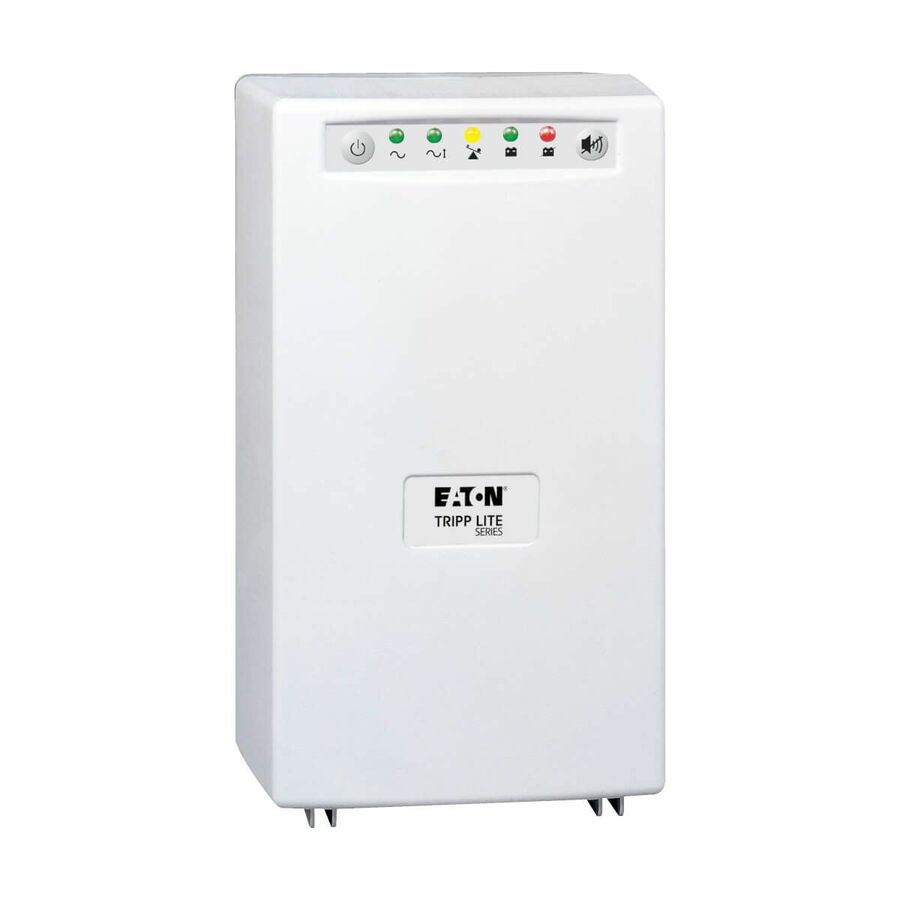
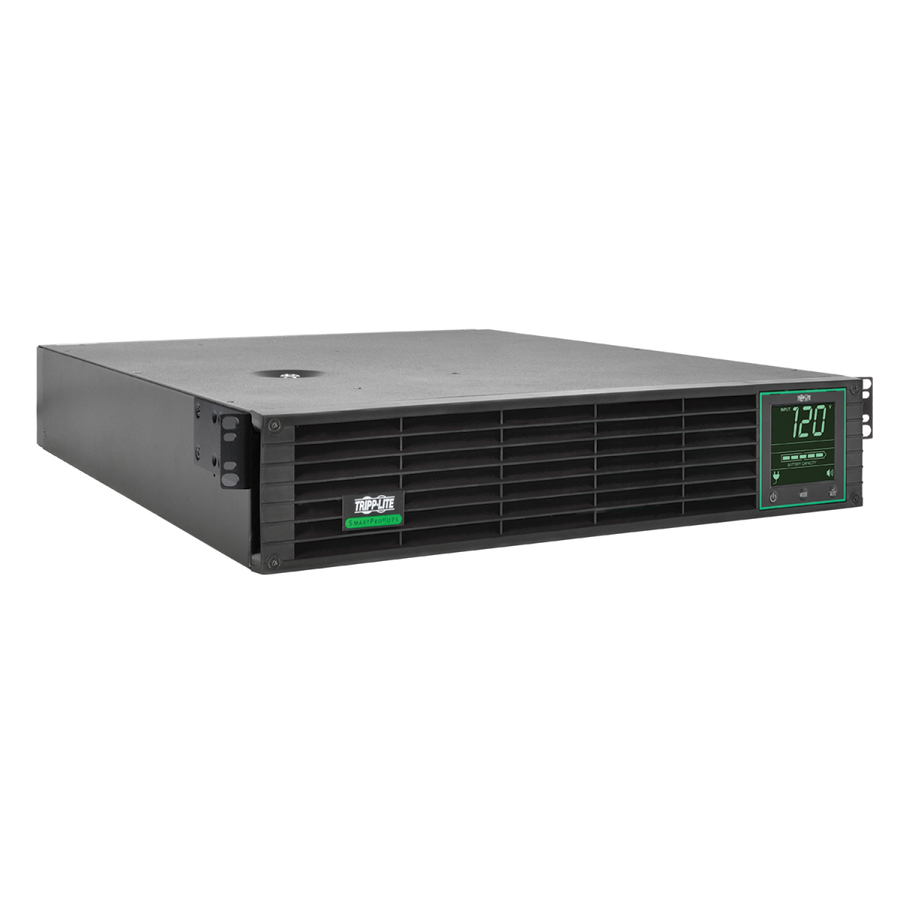
Tripp Lite by Eaton UPS SmartPro UPS Lithium Battery Backup
SMART1500RM2UL
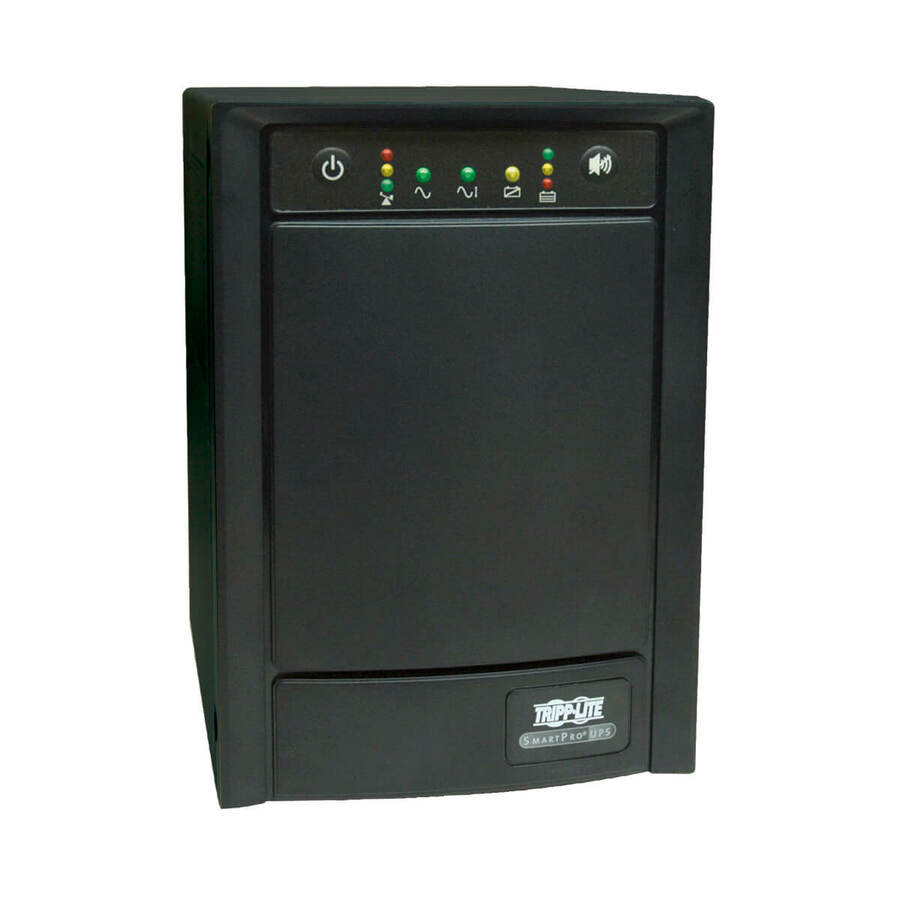
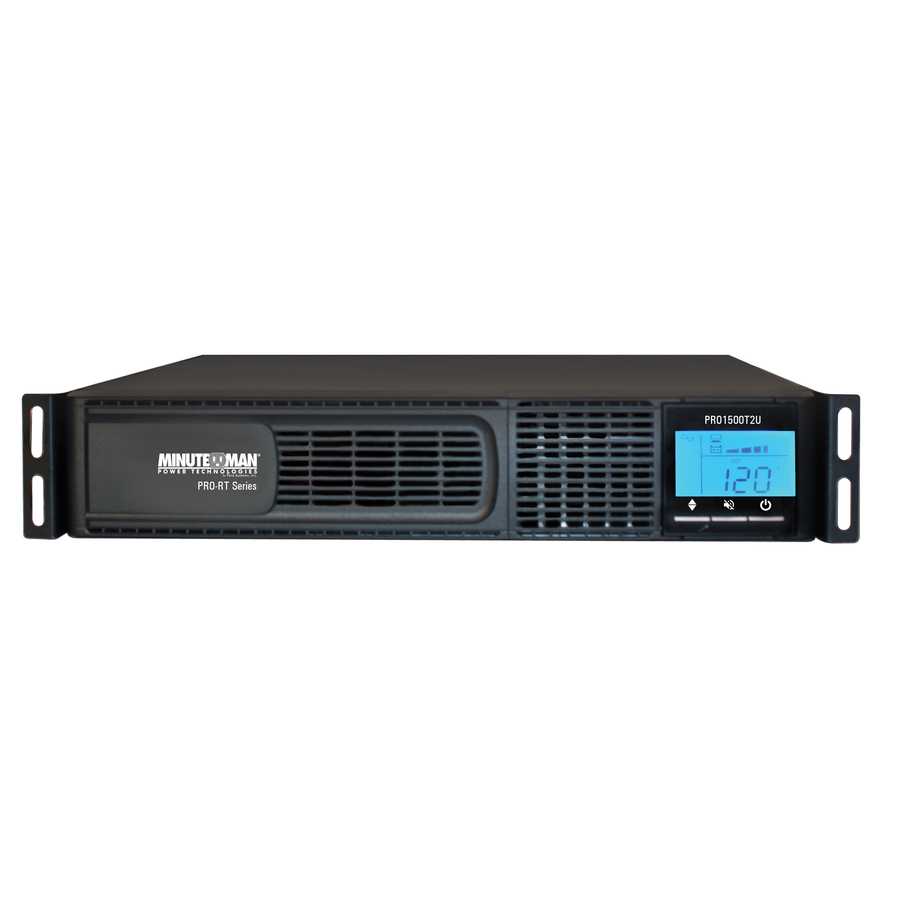
Tripp Lite by Eaton SmartPro lithium UPS, 120V 1500VA/1440W line-interactive 2U sine-wave — a rackmount lithium unit with sine-wave output for a small server rack.
$2,759.41Back-ordered5P line-interactive
Eaton
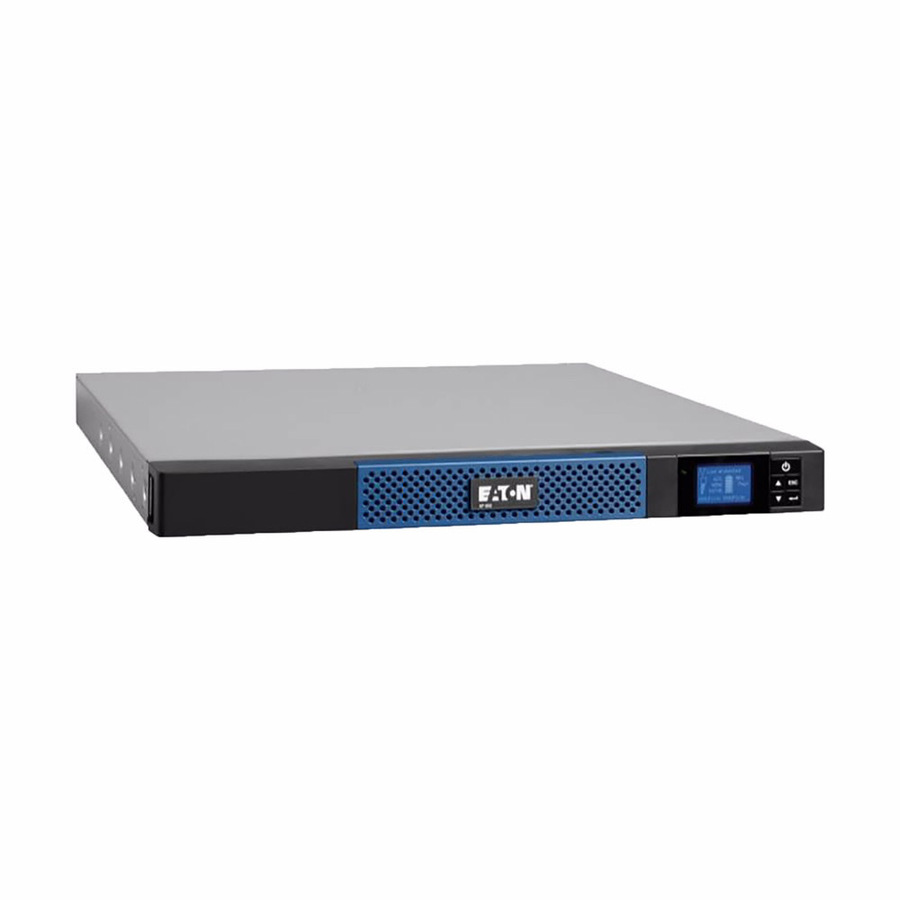
Eaton 5P UPS 1440VA 1100W 120V Line-Interactive UPS, 5-15P, 5x 5-15R…
5P1500R-L
Eaton 5P lithium-ion UPS, 1440VA/1100W, 120V line-interactive rack unit with a 5-15P inlet and five 5-15R outlets and true sine-wave output — Eaton's managed 5P family in lithium.
$2,311.63In stock1500VA 9PX, online
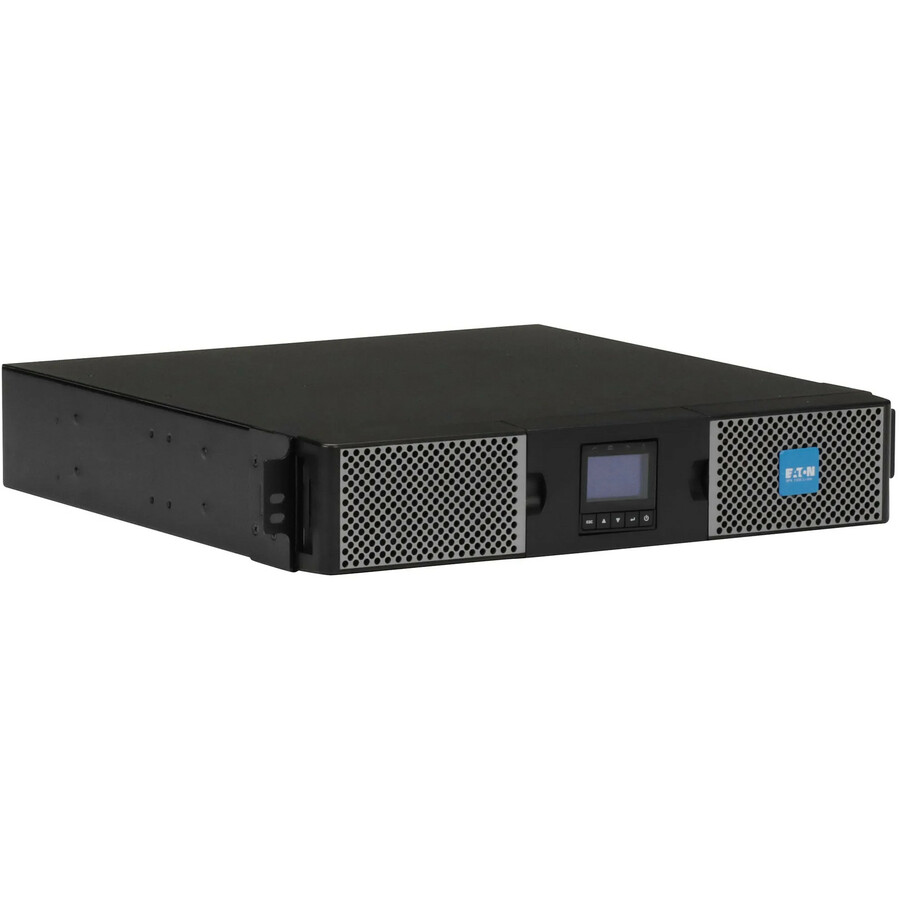
Eaton
Eaton 9PX 1500VA 1350W 120V Online Double-Conversion UPS
9PX1500RT-L
Eaton 9PX lithium-ion UPS, 1500VA/1350W, 120V online double-conversion rack/tower with eight 5-15R outlets — continuous inverter power for sensitive or mission-critical gear.
$3,587.08Back-ordered2U convertible
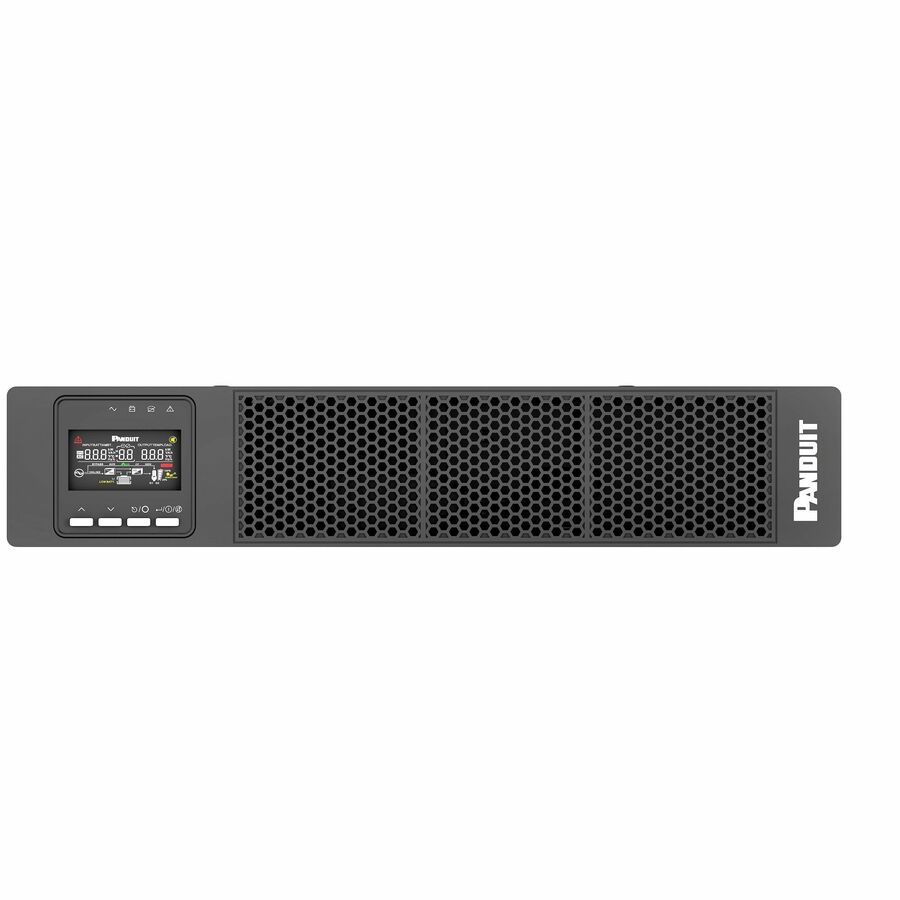
PANDUIT
Panduit UPS Lithium-Ion
U01S14L
Panduit SmartZone lithium-ion UPS in a 2U tower/rack-convertible body, 120V input with a stated recharge and standby window — a managed lithium unit for a Panduit-standardised rack.
$1,785.39Back-ordered1-3kVA compact
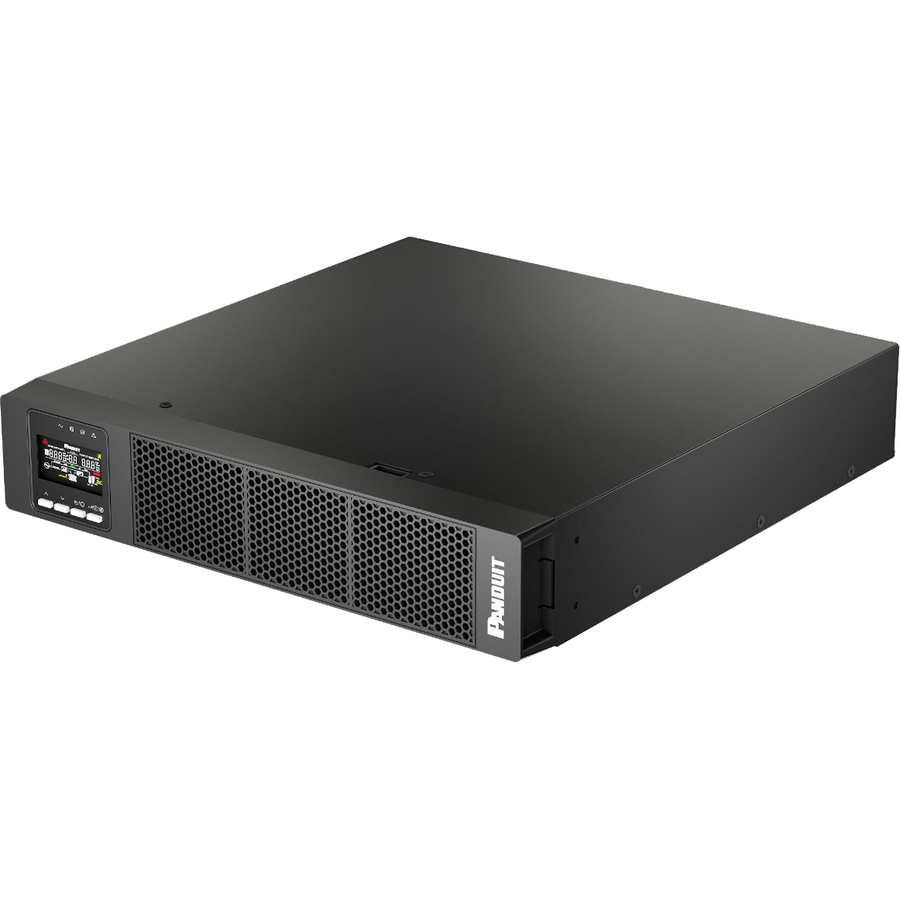
PANDUIT
Panduit SmartZone UPS 1-3kVA Lithium Ion
U02N11L
Panduit SmartZone lithium-ion UPS, 1-3kVA class, 2U compact tower/rack-convertible with AVR — the higher-capacity Panduit lithium option for a small comms room.
$2,174.26Back-ordered1500VA sine-wave
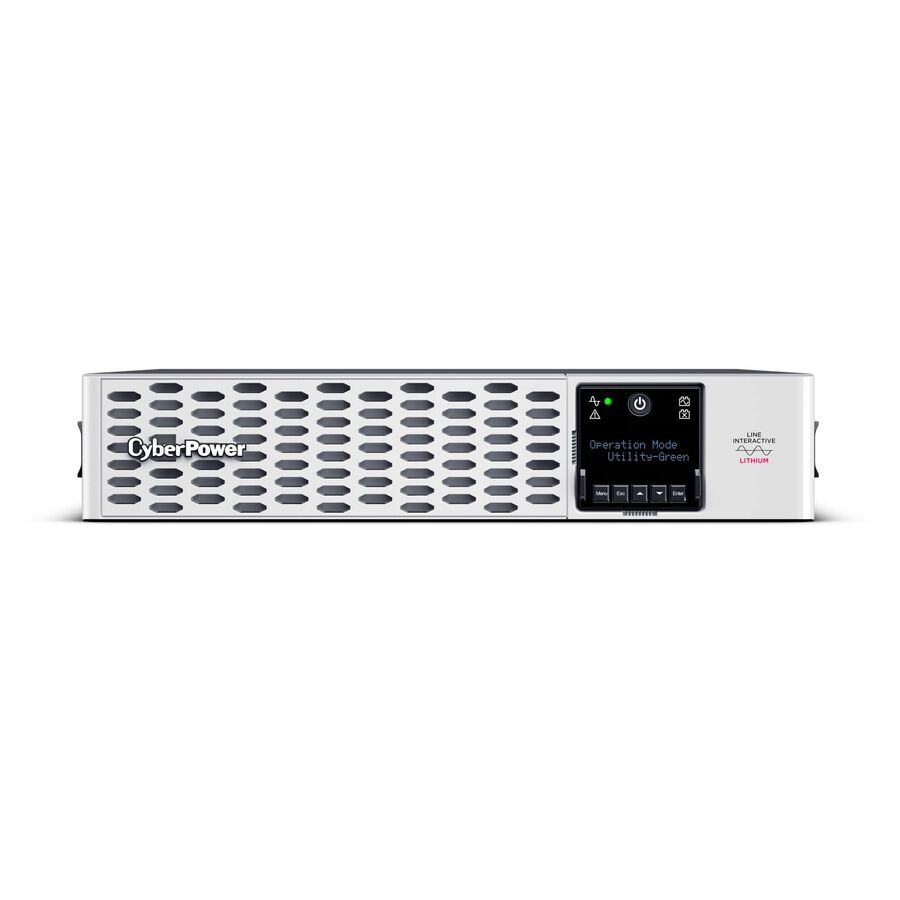
CyberPower Systems
CyberPower PRL1500RT2UC Smart App Sinewave UPS Systems
PRL1500RT2UC
CyberPower Smart App Sinewave lithium UPS, 1500VA/1500W, 100-120VAC 2U rack/tower with a 5-15P inlet — a sine-wave lithium unit for equipment that dislikes stepped waveforms.
$2,855.76Back-orderedBrowse all 1,114 UPS systems
Not the right one above? Filter the whole range by the specs that matter — live pricing and honest availability on every row, the same NDAA §889 screening before checkout, and TAA verified on request.
Showing 24 of 1,114 UPS systems
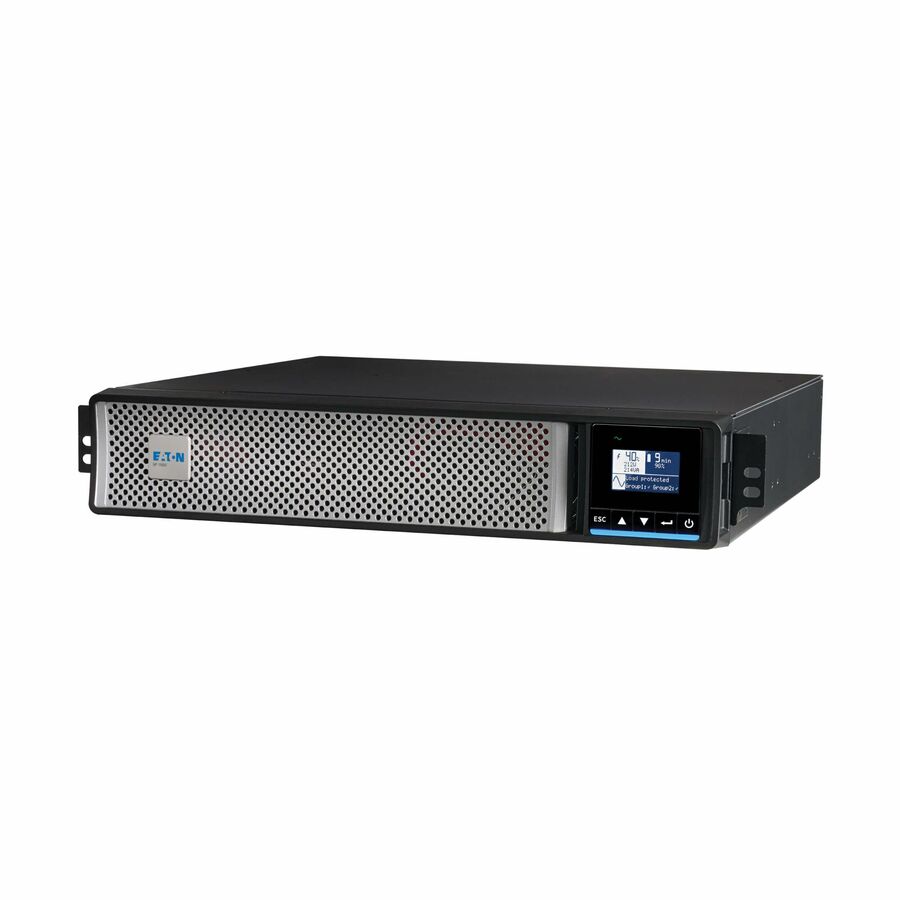
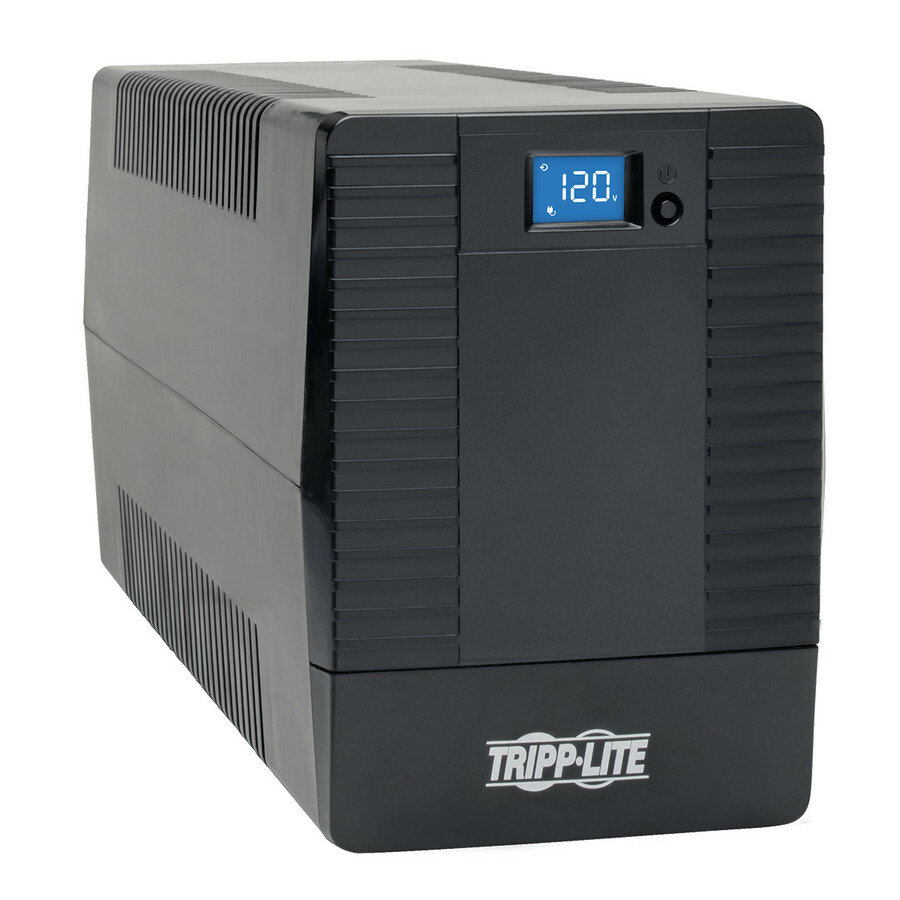
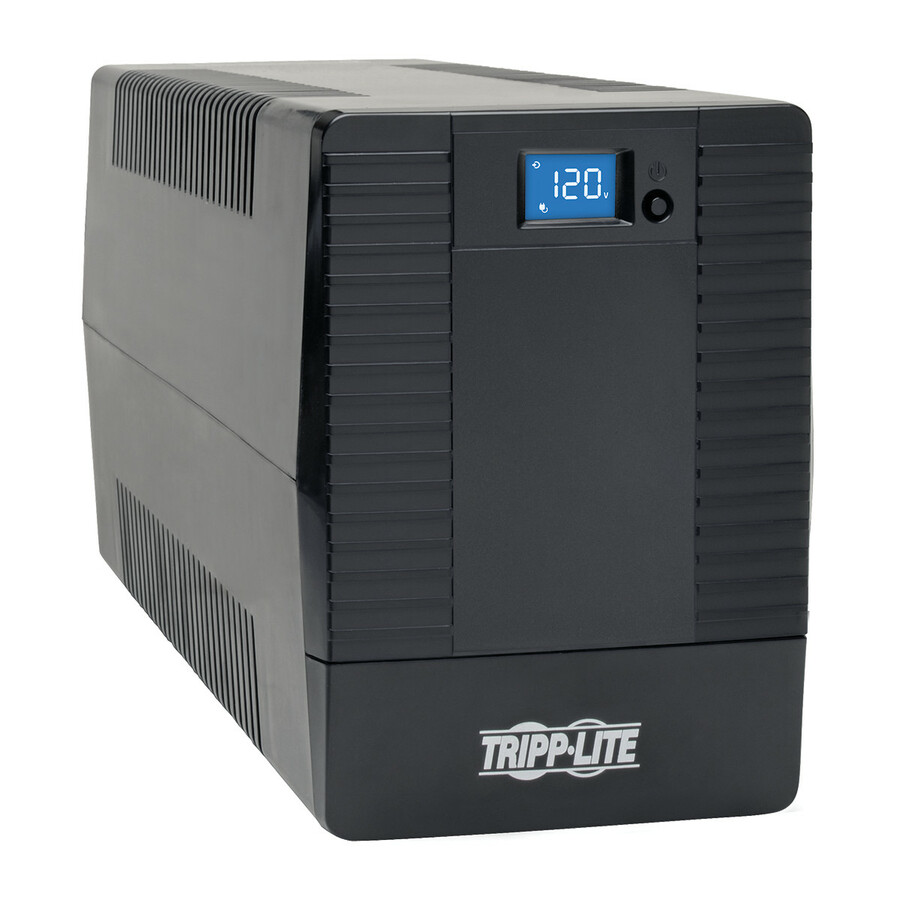
- EatonEaton 5P Gen2 5P1500RTG2 1440VA Rack/Tower UPS - 2U Rack/Tower - AVR - 9 Hour Recharge - 5 Minute Stand-by - 120 V AC Input - 100 V AC, 120 V AC, 125 V AC Output - Single Phase - Sine Wave, Pure Sine Wave - Serial Port - LCD Display - 8 x NEMA 5-15R Receptacle(s) - Network-M3 Card, RS-2325P1500RTG2
$1,142.00
$1,050.64
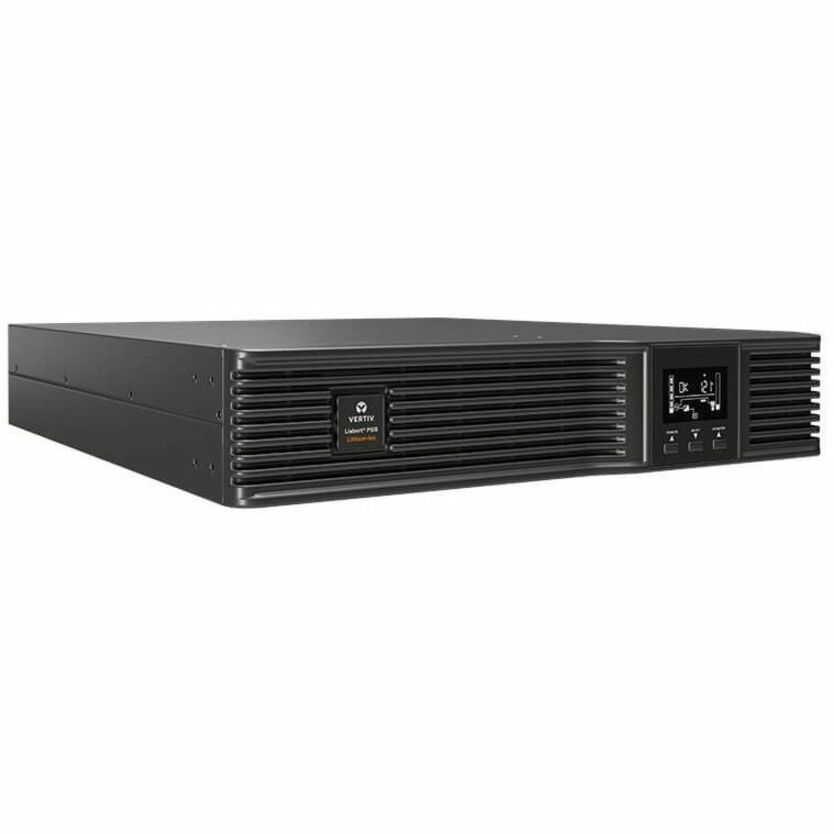
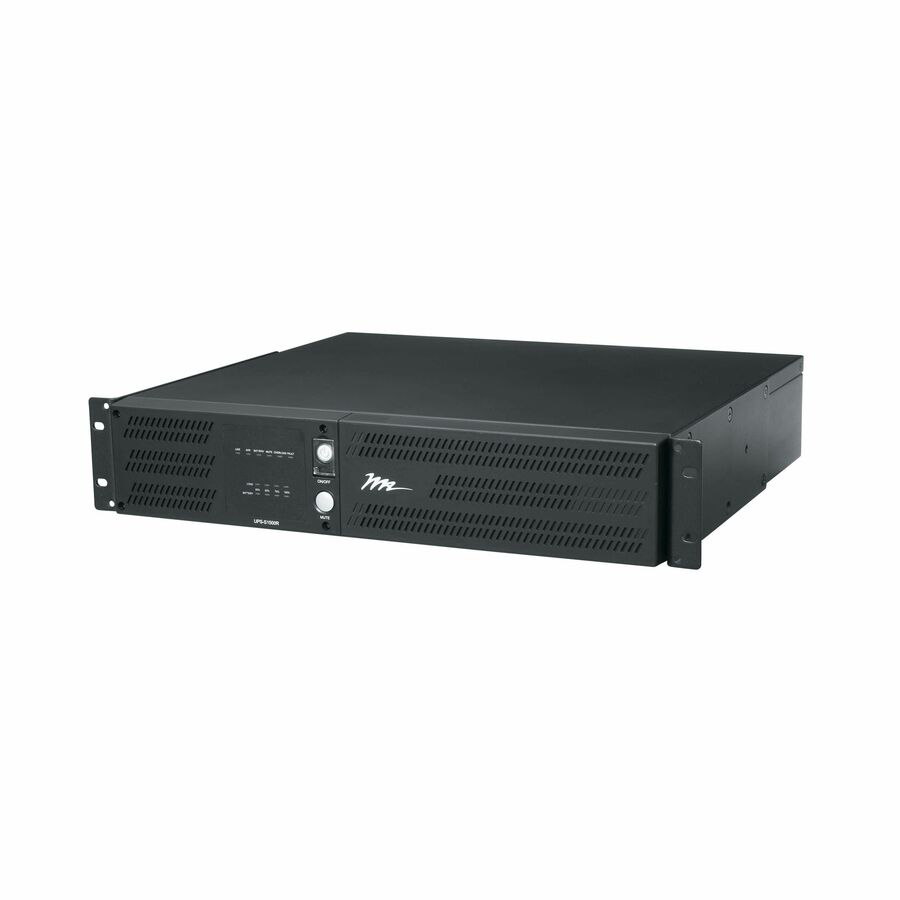
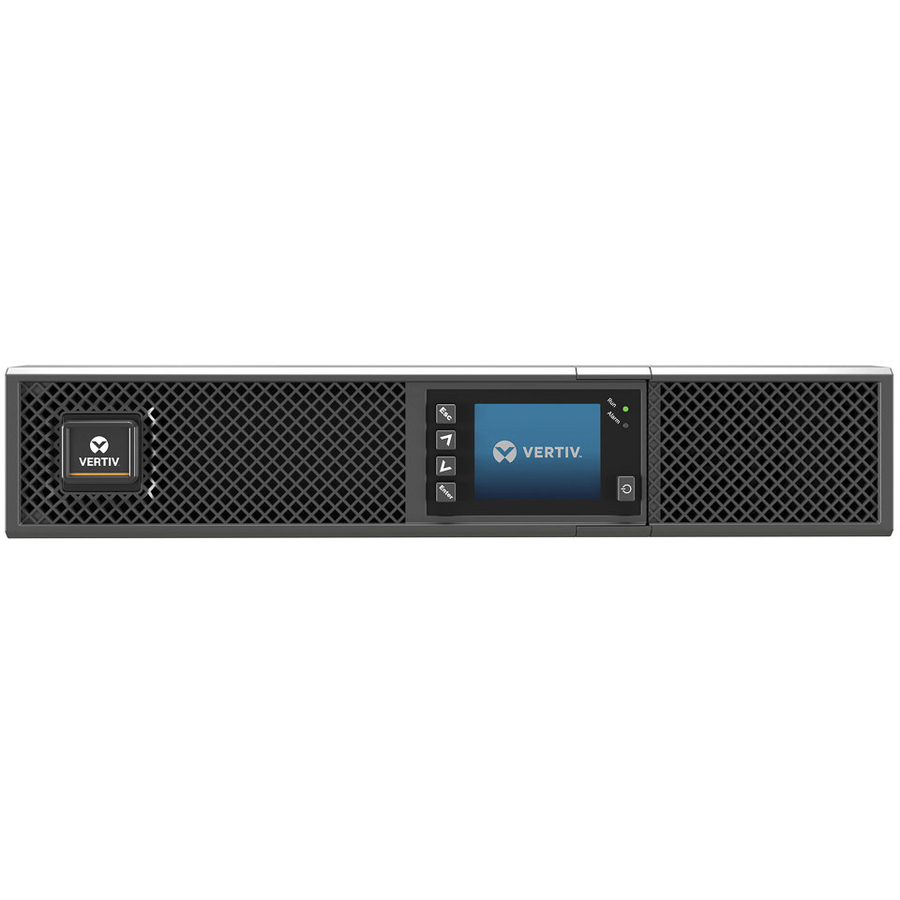
51 in stock - VertivVertiv Liebert GXT5 UPS - 500VA/500W 120V | Online Rack Tower Energy Star - Double Conversion| 2U| Optional RDU120 Card| Color/Graphic LCD| 3-Year WarrantyGXT5-500LVRT2UXL
$1,554.00
$1,184.15
161 in stock
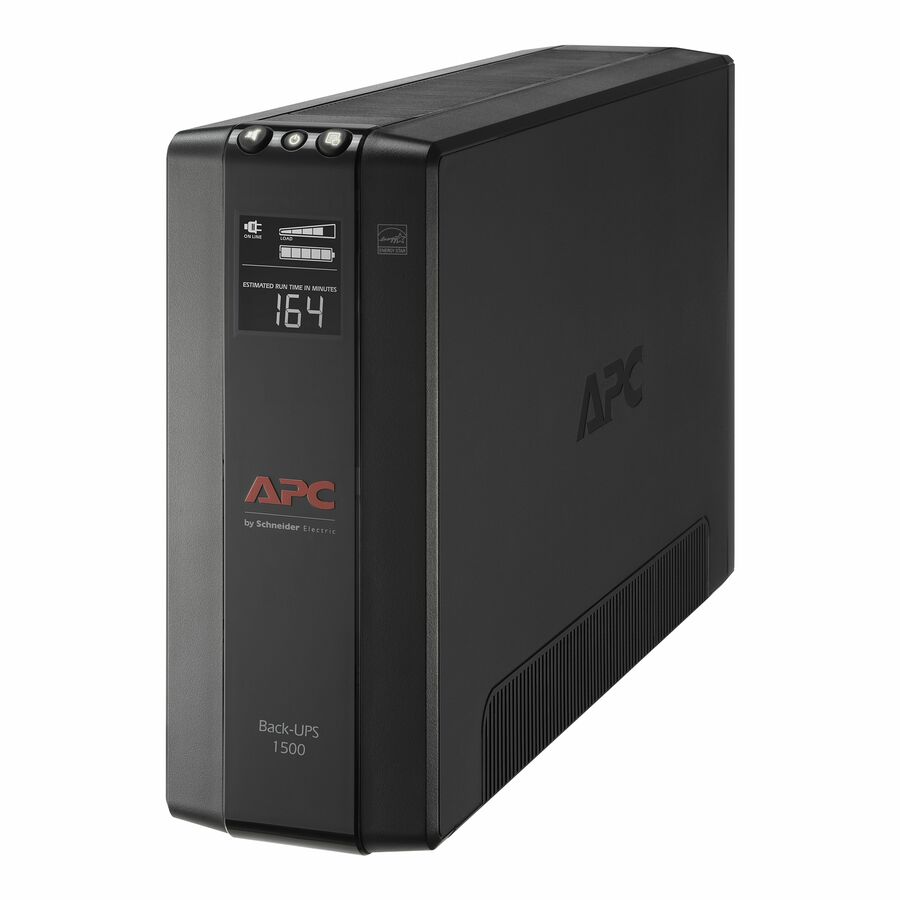
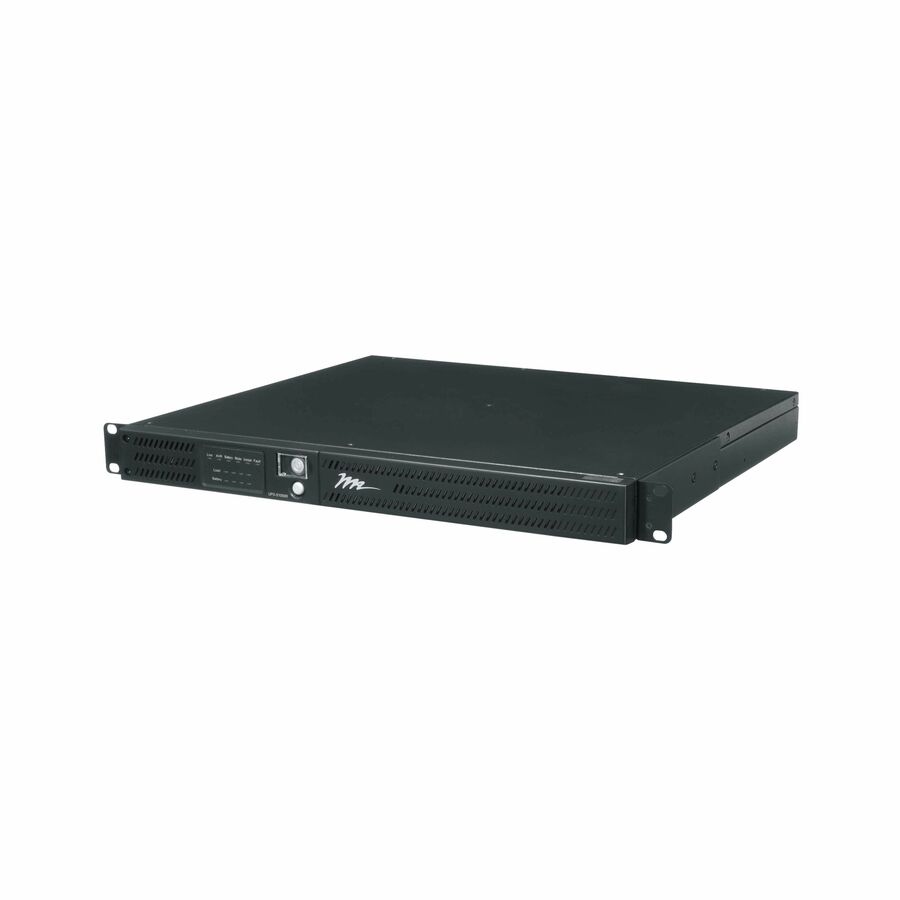
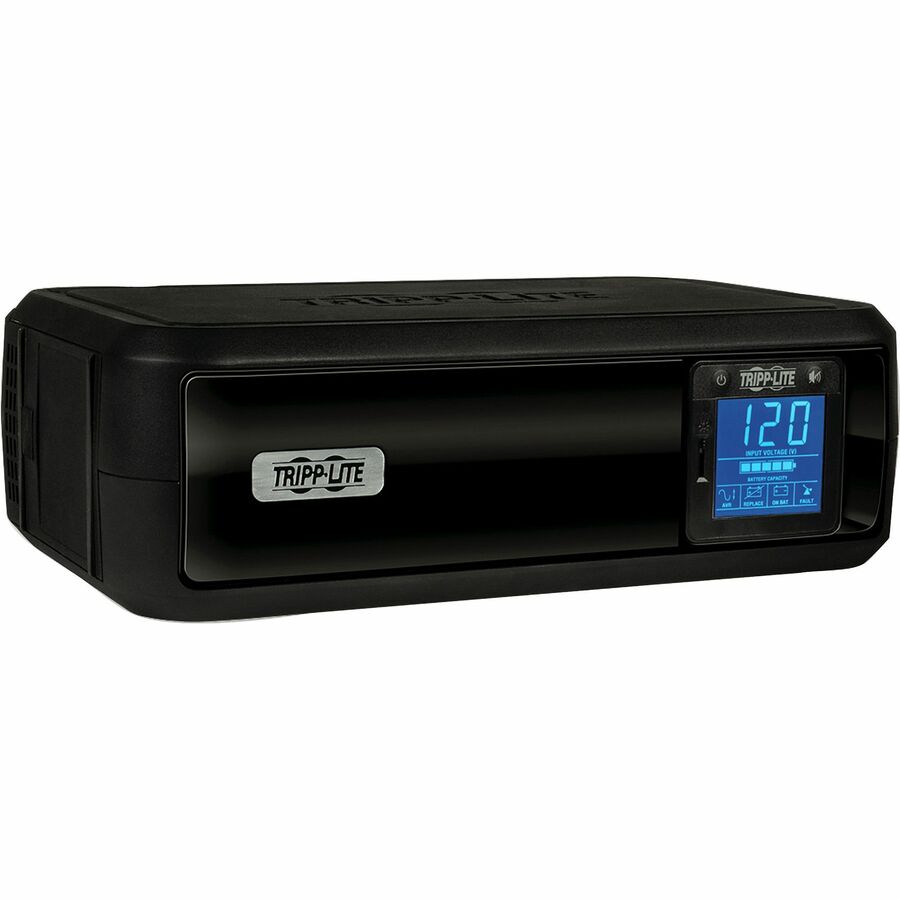
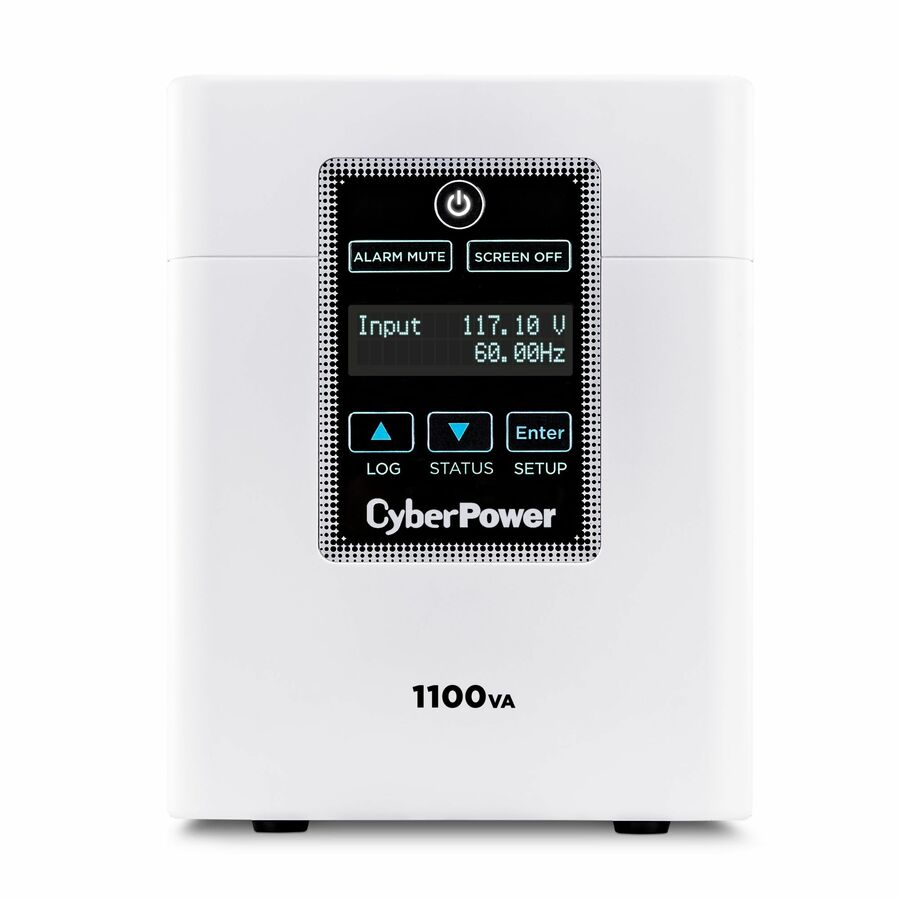
Specifications are read from the manufacturer product title as supplied to us; where a value is not stated it is left blank rather than estimated. Every line is screened for NDAA §889 status before checkout, with TAA verified on request.
Need pricing on lithium-ion UPS systems?
Tell us where to reach you and a Uniqcli specialist will follow up by email with current pricing, availability and lead time for the quantities you need — including parts that aren’t shown on this page.
Buying for an organization or for yourself — both work. No payment up front.
A lithium-ion UPS does the same job as a valve-regulated lead-acid one; the chemistry changes the calculus in a closet, holding capacity across a longer service life and a wider temperature band. Inside the lithium set the decision is topology and VA: line-interactive for switches, access stacks and small servers, online double-conversion where the load needs conditioned power.
A lithium-ion UPS is the same job as a valve-regulated lead-acid one — ride through a power loss and let equipment shut down cleanly or a generator start — but the chemistry changes the calculus in a closet. Lithium cells hold their capacity across a much longer service life and a wider temperature band, which is what makes them worth their higher purchase price in a wiring closet that is warm, hard to reach and rarely visited: the battery a lead-acid unit would need swapped every three to five years is one the lithium unit is likelier to carry for the life of the equipment it protects. Every unit on this page names a lithium chemistry in the manufacturer's own title, which is the fact a facilities buyer is checking before anything else.
The decision inside the lithium set is the same as for any UPS: topology and VA. Line-interactive units correct minor sags and swells and switch to battery on a real outage, which is right for a closet of switches, an access-layer stack or a small server; online double-conversion units run the load off the inverter continuously and hand it perfectly conditioned power, which is what sensitive or mission-critical gear wants. VA rating sizes the runtime and the load — the units here run from 400VA up to 2200VA — and the honest practice is to size the connected load with headroom and then confirm the runtime you actually need, because a UPS sized to the load but not to the runtime buys seconds when you needed minutes.
The third decision is format and where it lives. Rackmount 1U, 2U and 3U units go into the closet's own rack; convertible rack/tower units suit a closet with no rack or a shelf beside it. Cards carry live pricing and current availability from the catalog; send the connected load, the runtime you need and whether a rack is available, and we will size the UPS, its runtime and any network card together.
Buyer's checklist
How to choose a lithium-ion UPS
- Buy lithium for the places you do not want to revisit. The higher purchase price pays back as a battery that holds capacity across a longer life and a wider temperature range — which is exactly the warm, rarely-visited closet where a lead-acid battery ages fastest and gets replaced most.
- Match the topology to the load. Line-interactive units suit switches, access-layer stacks and small servers and switch to battery on a real outage; online double-conversion units run the load off the inverter continuously for sensitive or mission-critical equipment. The titles here state which each unit is.
- Size the load, then confirm the runtime. Sum the connected draw with headroom, then check the runtime the unit gives at that load against the time you actually need to shut down or start a generator. The units here span 400VA to 2200VA; a UPS sized to the load but not the runtime buys seconds when you needed minutes.
- Choose the format for the closet. Rackmount 1U/2U/3U units go into the closet's rack; convertible rack/tower units suit a closet with no rack or a shelf. Read the U-height and depth against the space, especially in a shallow or wall-mounted enclosure.
- Add a network card where the closet is unattended. A management card lets the UPS signal a clean shutdown to the equipment and report its state remotely — several units here ship with SmartConnect or a network card, and it is the difference between a graceful shutdown and a hard drop in a room nobody is in.
- Confirm the outlet type and count against the gear. The titles name the outlet mix — NEMA 5-15R, C13 and others; match it to the equipment's plugs so the UPS actually powers the rack rather than needing adapters.
- Order the UPS with the PDU, the rack and the shutdown plan. The UPS, the rack PDU it feeds, the network card and the management software land on the same install; quoting them together keeps the closet build on one delivery.
Why lithium in a closet, and what it changes
The case for a lithium-ion UPS is strongest exactly where a UPS is least convenient to maintain. A wiring or IT closet is often warm, cramped and visited only when something breaks, and heat is what ages a valve-regulated lead-acid battery fastest — a lead-acid UPS in a warm closet can need its battery replaced every few years, each swap a scheduled visit and a window of reduced protection. Lithium cells hold their capacity across a longer service life and tolerate a wider temperature band, so the battery is likelier to last the life of the equipment it protects, which is where the higher purchase price is recovered.
Lithium also changes the physical and management picture in small ways worth knowing. The packs are lighter and denser for the same runtime, which matters on a shelf or a wall mount, and lithium UPS systems are built with battery management that reports state of health rather than leaving you to guess a lead-acid battery's remaining life. None of that removes the ordinary UPS decisions — topology, VA, runtime and format still have to be sized — but it does mean the sizing is done once and revisited far less often than a lead-acid unit would force.
Topology, runtime and what ships around the UPS
Topology is the decision the load makes for you. A line-interactive UPS corrects minor voltage sags and swells with an automatic voltage regulator and switches to battery on a genuine outage, and it is the right and economical choice for a closet of network switches, an access-layer stack or a small server. An online double-conversion UPS rebuilds the waveform continuously, so the load always sees clean inverter power with no transfer at all — the topology for sensitive electronics, a small storage array, or anything where even a few milliseconds of transfer is a risk. The units here are titled by topology, and several online models sit alongside the line-interactive majority.
A UPS is one part of a closet's power plan. It feeds a rack PDU, it protects switching and servers that need a signalled clean shutdown, and it reports to a management card or software so an unattended room fails gracefully. Uniqcli quotes the UPS alongside the PDU, the rack, the network card and the shutdown software, so a closet or a small edge site lands as one accountable order. Send the connected load, the runtime target, the outlet mix and whether a rack is available, and we will come back with sized part numbers, availability, lead times and volume pricing.
FAQ
Common questions
- Why choose a lithium-ion UPS over a lead-acid one?
- For service life and temperature tolerance in places you do not want to revisit. Lithium cells hold their capacity across a much longer life and a wider temperature band than valve-regulated lead-acid, which matters most in a warm, cramped, rarely-visited IT or wiring closet — the exact environment where a lead-acid battery ages fastest and needs swapping every few years. The lithium unit costs more up front and is likelier to carry its battery for the life of the equipment it protects, so the purchase price is recovered in the maintenance visits and replacement batteries you do not buy.
- Line-interactive or online double-conversion?
- It depends on how sensitive the load is. A line-interactive UPS corrects minor sags and swells and switches to battery on a real outage, which is the right and economical choice for network switches, access-layer stacks and small servers. An online double-conversion UPS runs the load off its inverter continuously, handing it perfectly conditioned power with no transfer, which is what sensitive electronics or mission-critical gear want. The titles on this page state which topology each unit is, and both appear across the VA range.
- How do I size the VA rating?
- Add the connected draw of everything the UPS will protect, leave headroom, and then confirm the runtime the unit gives at that load against the time you actually need — enough to shut down cleanly or to start and transfer to a generator. The units here run from 400VA to 2200VA. The common mistake is sizing to the load but not the runtime: a UPS large enough to carry the watts may still only give seconds of runtime at that load when you needed minutes, so check both numbers.
- Do these lithium UPS systems support remote management?
- Many do. Several units on this page ship with a network management card or SmartConnect, and where they do not, a card is usually an option. In an unattended closet the card is what lets the UPS signal a clean, ordered shutdown to the equipment before the battery is exhausted and report its own state of health remotely — the difference between a graceful shutdown and a hard drop in a room nobody is in. Confirm the management option on the specific unit and we can quote the card and the shutdown software alongside.
- Can business, government and education buyers order these?
- Every line Uniqcli quotes is sourced through US distribution and screened for TAA country-of-origin and NDAA §889 status before checkout — with documentation tied to the specific part number, not a product family.
Need lithium-ion UPS systems pricing?
Send a bill of materials or part numbers — we confirm stock and a below-market total, with TAA verified on request. No payment up front.