
Best Mobile Display Carts for Classrooms and Training Rooms
Rolling stands for flat panels from 32 to 105 inches, plus the AV and presentation carts that share the room — by screen range, weight capacity and lift type.
Mobile display carts in stock at Uniqcli
How to choose →A curated selection with live pricing — in-stock lines first, then back-ordered lines with a typical lead time. Every line is sourced through US distribution and screened for NDAA §889 status before checkout, with TAA verified on request.
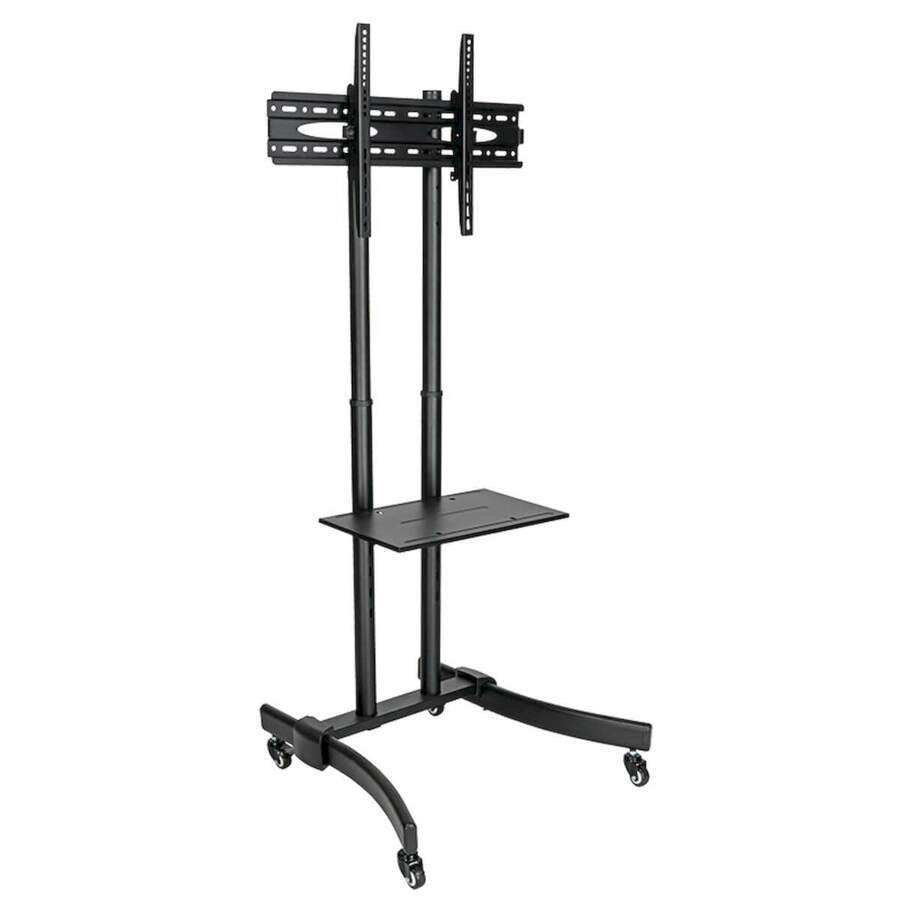
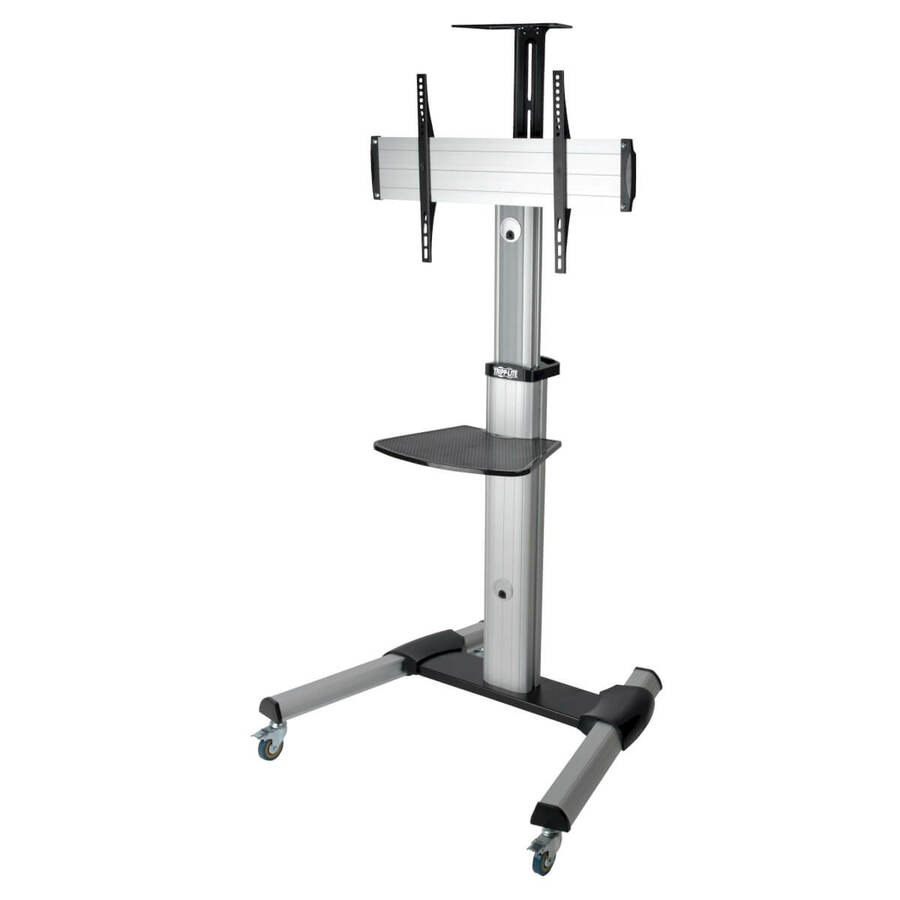
- EatonTripp Lite by Eaton TV Mobile Flat-Panel Floor Stand Cart Height Adjustable LCD- 37" to 70" TVs and Monitors - Up to 70" Screen Support - 88 lb Load Capacity - 1 x Shelf(ves) - 67.5" Height x 27.6" Width x 27.6" Depth - Floor Stand - Steel, Aluminum - Black, SilverDMCS3770L
$378.87
$348.56
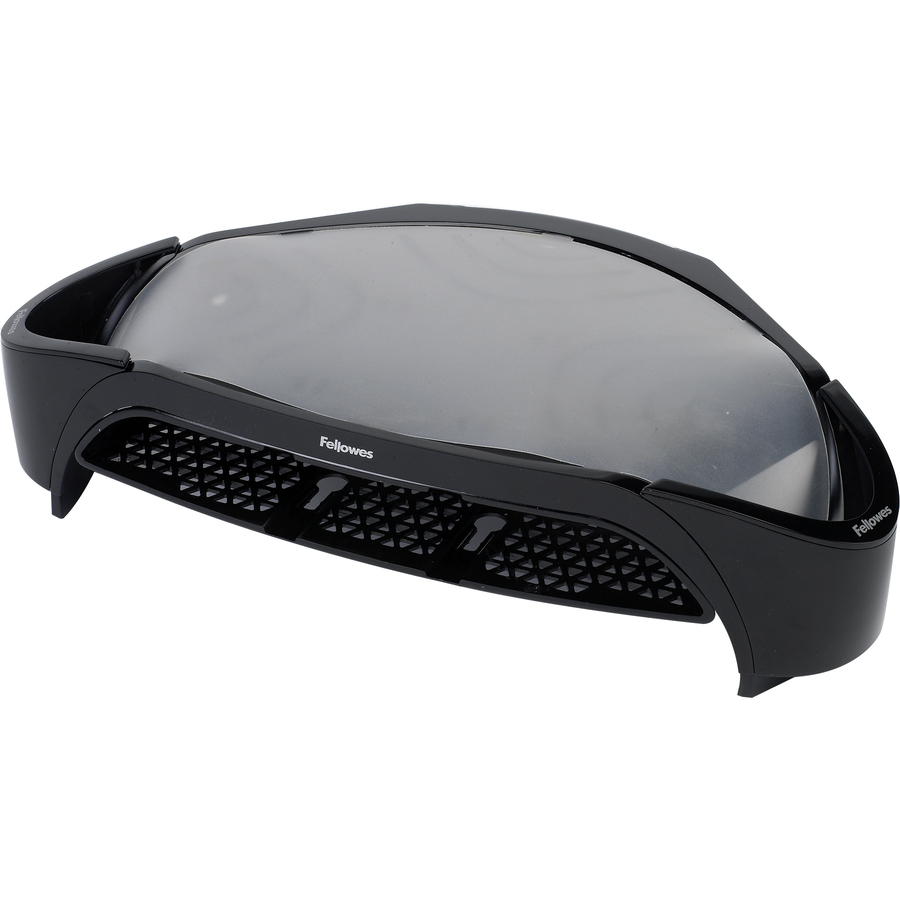
465 in stock - FellowesFellowes Smart Suites Monitor Riser Plus - Up to 21" Screen Support - 22.05 lb Load Capacity - Flat Panel Display Type Supported - 4" Height x 18.81" Width x 12.94" Depth - Desktop - Acrylonitrile Butadiene Styrene (ABS) - Black - 2 / Carton8020801
$88.99
$50.22
Back-orderedBack-ordered — estimated OEM lead time 3–8 weeks (Nov 13 – Dec 18 if ordered today).
Back-ordered — we expect to receive stock the week of Oct 26 – Nov 1 and will process your delivery right after.
Back-ordered — estimated OEM lead time 3–8 weeks (Nov 13 – Dec 18 if ordered today).
- Bretford ManufacturingBretford A2642-P5 Height Adjustable A/V Cart - Steel - BlackA2642-P5
$308.38
Back-orderedBack-ordered — estimated OEM lead time 3–8 weeks (Nov 13 – Dec 18 if ordered today).
Back-ordered — estimated OEM lead time 3–8 weeks (Nov 13 – Dec 18 if ordered today).
Back-ordered — estimated OEM lead time 3–8 weeks (Nov 13 – Dec 18 if ordered today).
- Bretford ManufacturingBretford Basics A2642DNS AV Notebook Cart - 5 x Shelf(ves) - 42" Height x 24" Width x 18" Depth - Powder Coated - Steel - BlackA2642DNS
$371.77
Back-orderedBack-ordered — estimated OEM lead time 3–8 weeks (Nov 13 – Dec 18 if ordered today).
- Bretford ManufacturingBretford A2642NS-P5 Multipurpose Cart - Steel, Steel - BlackA2642NS-P5
$372.33
Back-orderedBack-ordered — estimated OEM lead time 3–8 weeks (Nov 13 – Dec 18 if ordered today).
- Bretford ManufacturingBretford A2642-E5 Adjustable Multipurpose Cart - Steel - BlackA2642-E5
$386.00
Back-orderedBack-ordered — estimated OEM lead time 3–8 weeks (Nov 13 – Dec 18 if ordered today).
- Bretford ManufacturingBretford A2642NSE Multipurpose Cart - 3 x Shelf(ves) - 42" Height x 24" Width x 18" Depth - Steel, Steel - Black - 1 EachA2642NSE
$404.48
Back-orderedBack-ordered — estimated OEM lead time 3–8 weeks (Nov 13 – Dec 18 if ordered today).
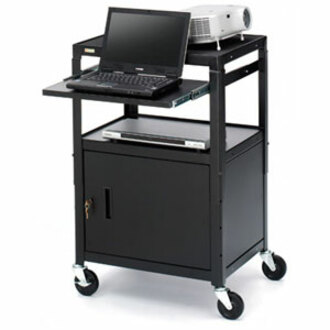
- Bretford ManufacturingBretford CA2642 Height Adjustable A/V Cart With Cabinet - 1 x Shelf(ves) - 42" Height x 24" Width x 18" DepthCA2642
$428.49
Back-orderedBack-ordered — estimated OEM lead time 3–8 weeks (Nov 13 – Dec 18 if ordered today).
Back-ordered — estimated OEM lead time 3–8 weeks (Nov 13 – Dec 18 if ordered today).






Medium 32–65 inch
Legrand
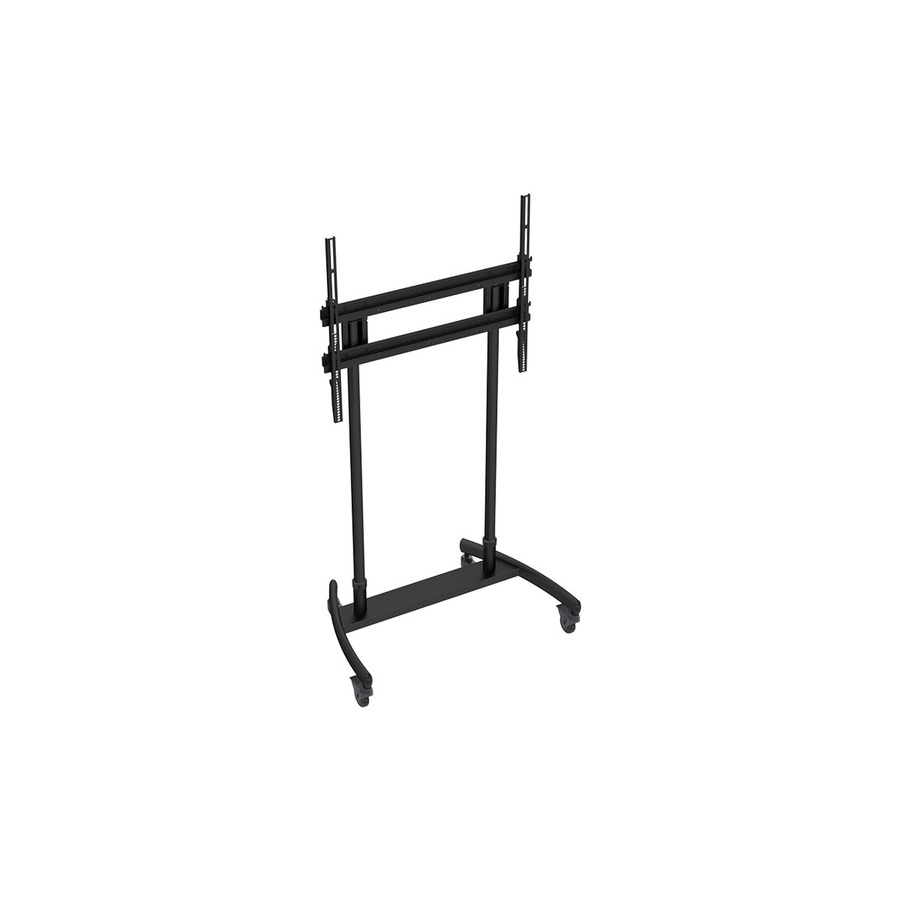
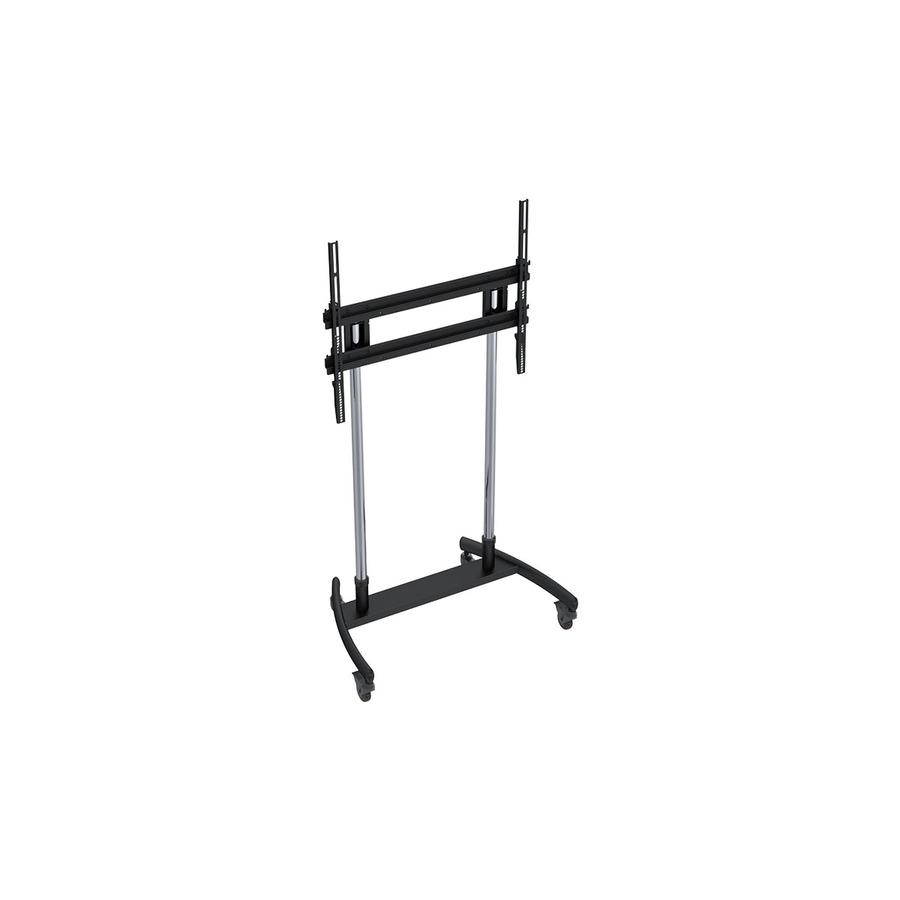
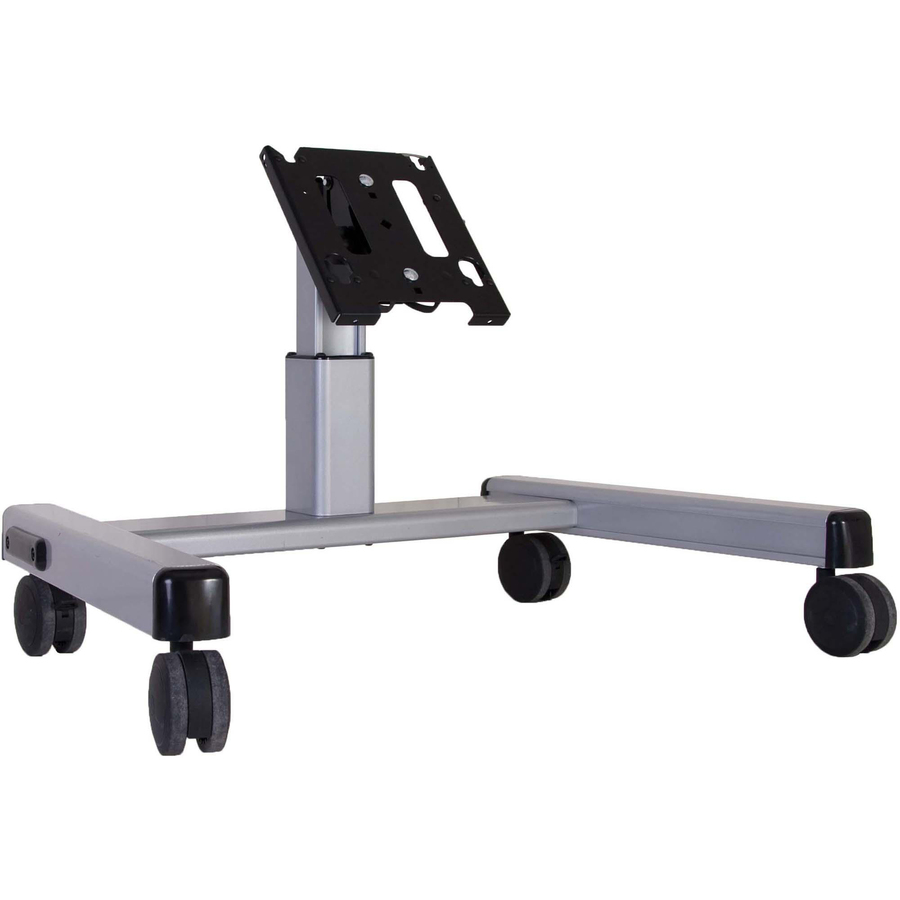
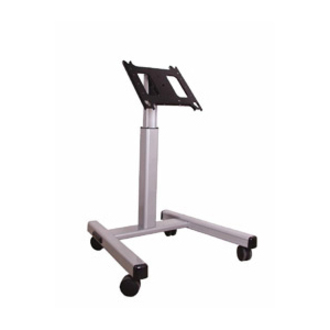
Chief Confidence Medium 2' Monitor Mobile Cart
MFQUB
Chief's Confidence medium cart for displays from 32 to 65 inches with a 125 lb capacity on a two-foot column — the standard classroom size on a compact footprint.
$972.14Back-orderedTAA-titled 42–68 inch
Legrand
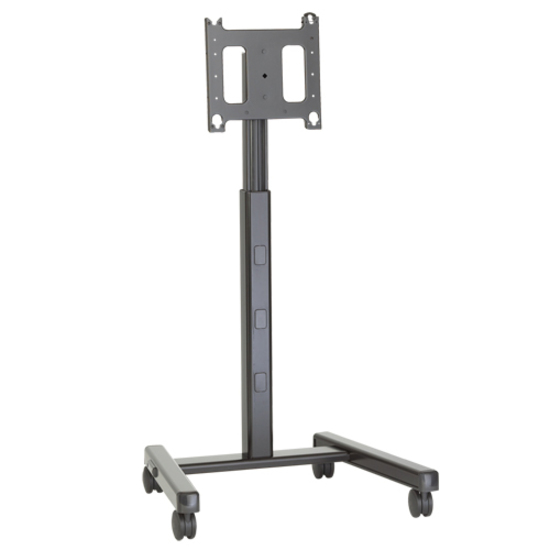
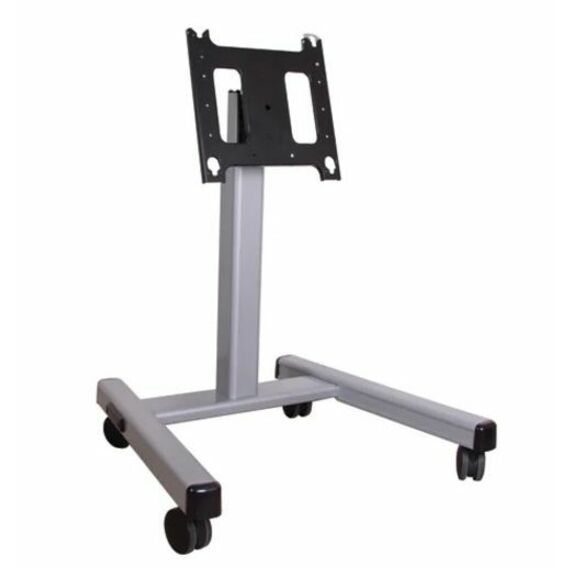
Chief Large Flat Panel Mobile AV Cart
PFCUB-G
Chief's large flat-panel mobile AV cart for 42 to 68 inch TVs with a 200 lb capacity, standing 81.6 inches tall on a 37.1 by 32.1 inch base.
Titled TAA Compliant by the manufacturer — a per-part designation, never a family rule.
$1,464.27Back-ordered2x2 video wall cart
Legrand
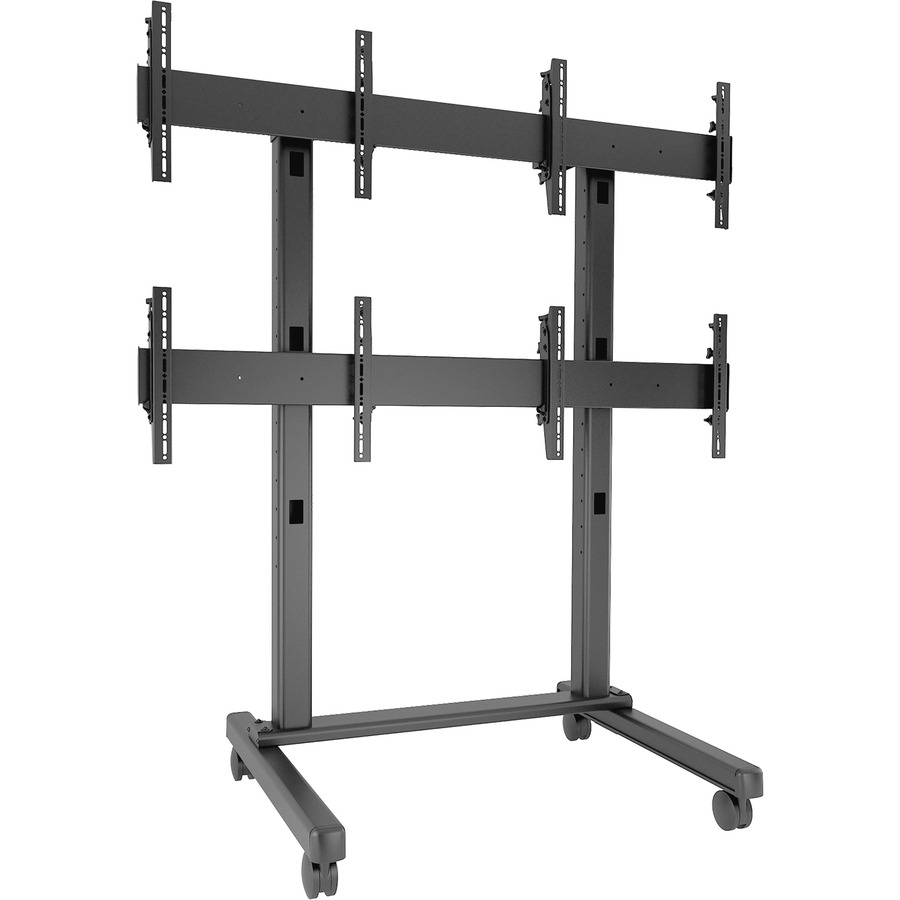
Chief Fusion Large 2x2 Freestanding Video Wall Mobile TV Cart…
LVM2X2U
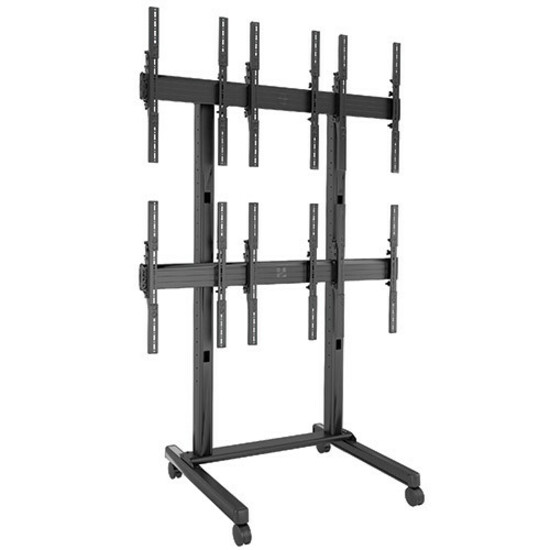
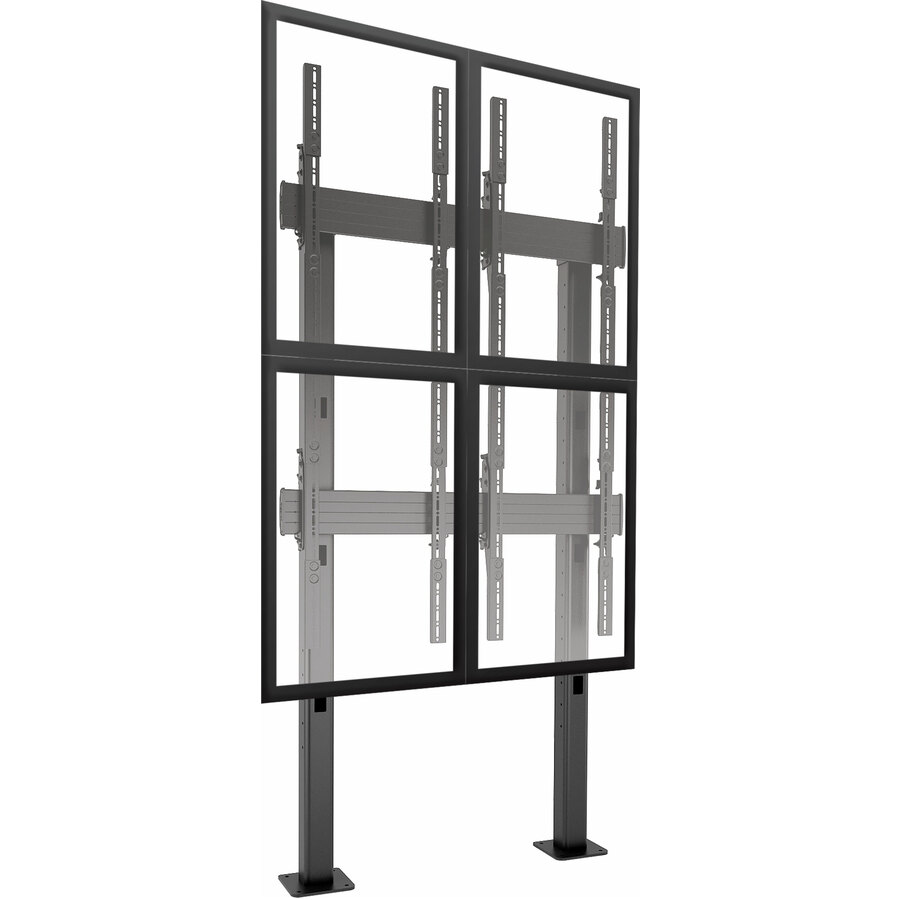
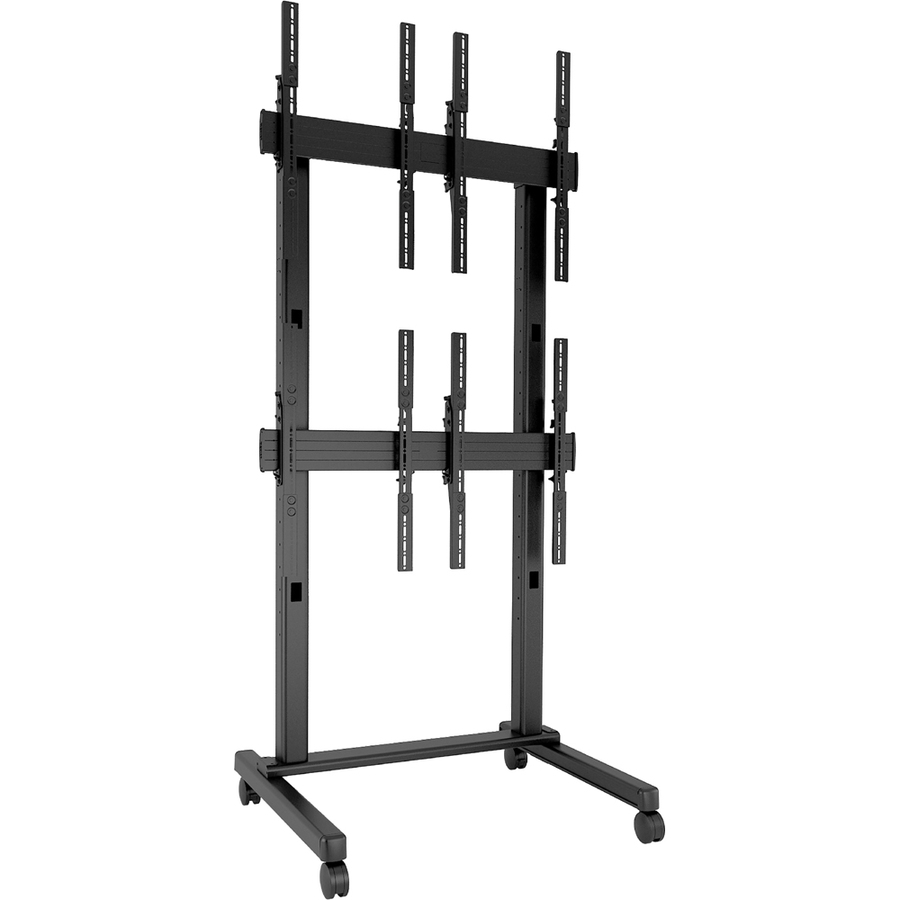
Chief's Fusion freestanding 2x2 video wall cart for 42 to 50 inch displays at 125 lb capacity across a 72.5 inch width — a four-panel canvas that rolls in and out of a room.
$5,562.67Back-ordered37–70 inch adjustable
Eaton
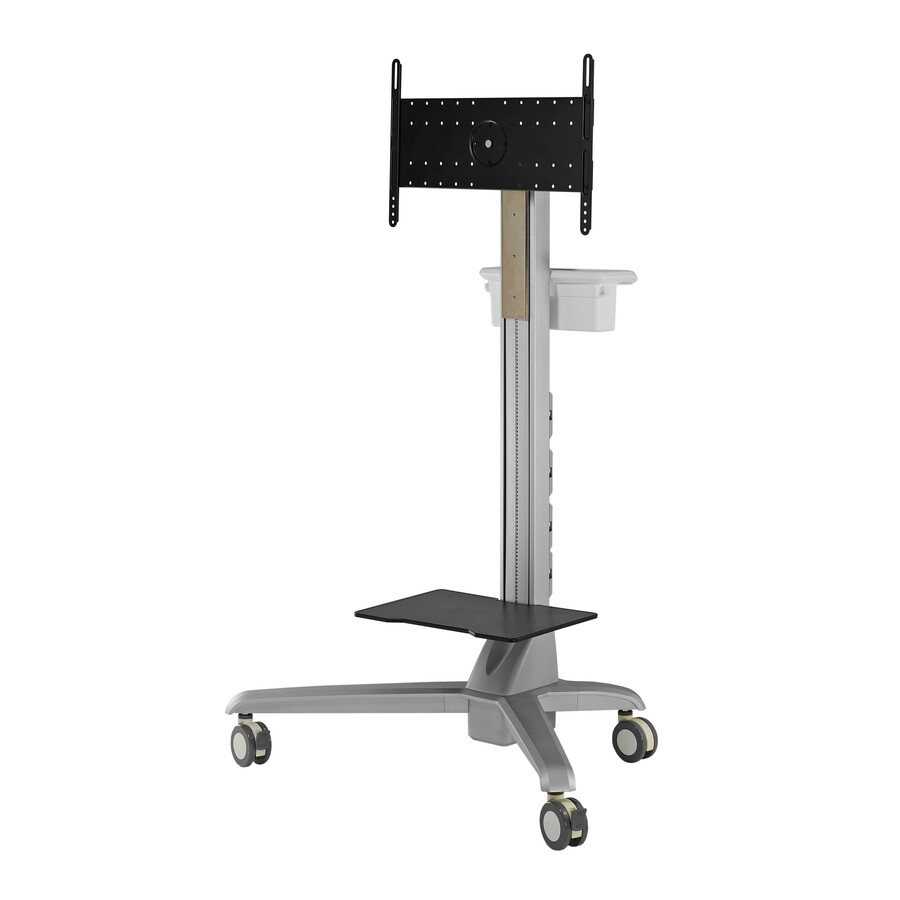
Tripp Lite by Eaton TV Mobile Flat-Panel Floor Stand Cart Height…
DMCS3770L
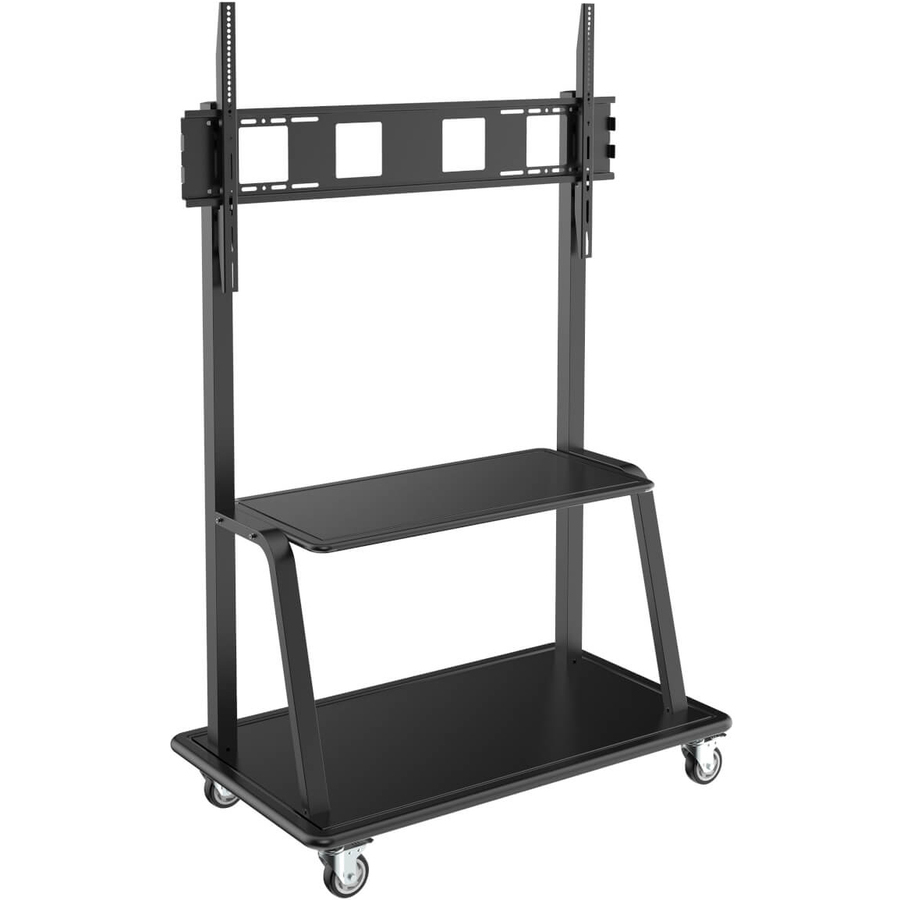
Tripp Lite by Eaton's height-adjustable floor cart for 37 to 70 inch TVs and monitors, 88 lb capacity with one shelf, on a 27.6 inch square steel and aluminium base.
$348.56In stockDual-screen cart
Eaton
Eaton Tripp Lite Series Rolling Dual-Screen TV/Monitor Cart
DMCSD3545M
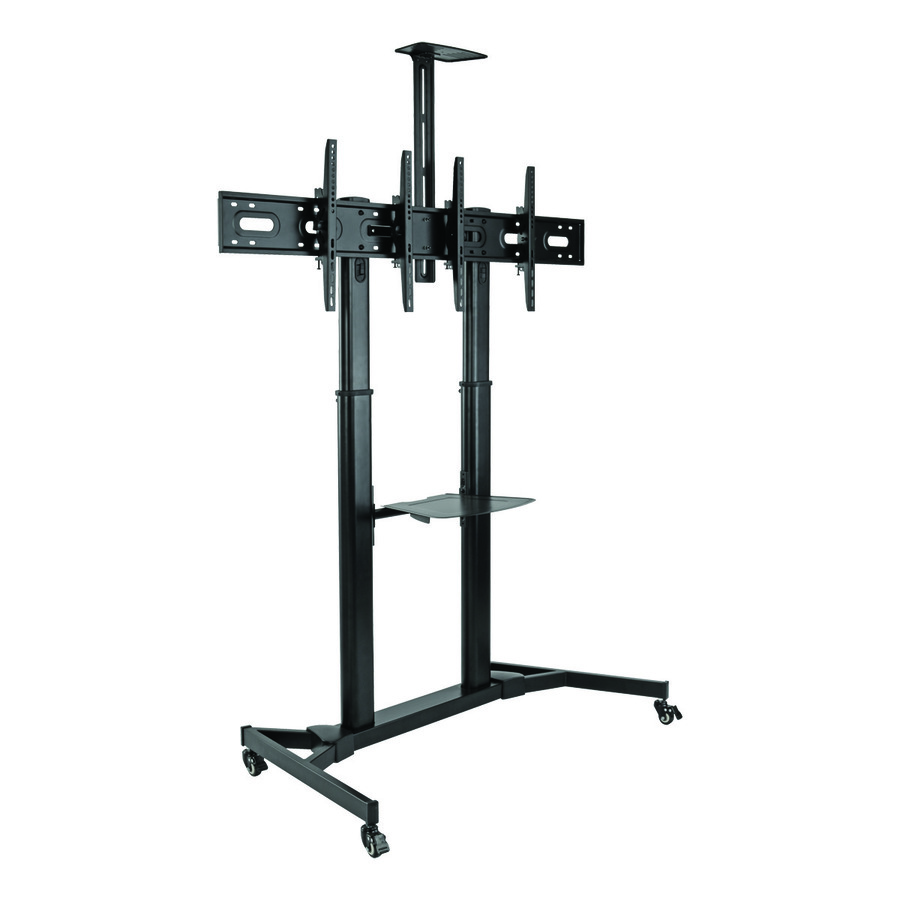
A rolling dual-screen cart for two 35 to 45 inch displays mounted side by side, 176 lb capacity across two shelves — for a comparison, dispatch or monitoring position on wheels.
$706.56In stock60–105 inch heavy duty
Eaton
Tripp Lite by Eaton Heavy-Duty Rolling TV Cart for 60" to 105"…
DMCS60105XXDD
Tripp Lite by Eaton's heavy-duty rolling cart for 60 to 105 inch flat screens with a 330 lb capacity, two shelves and locking casters — the largest screen range on this page.
At this size the base footprint and the route are the constraint; measure doorways and lift edges before ordering.
$1,461.74In stockUp to 65 inch manual
Amer Networks
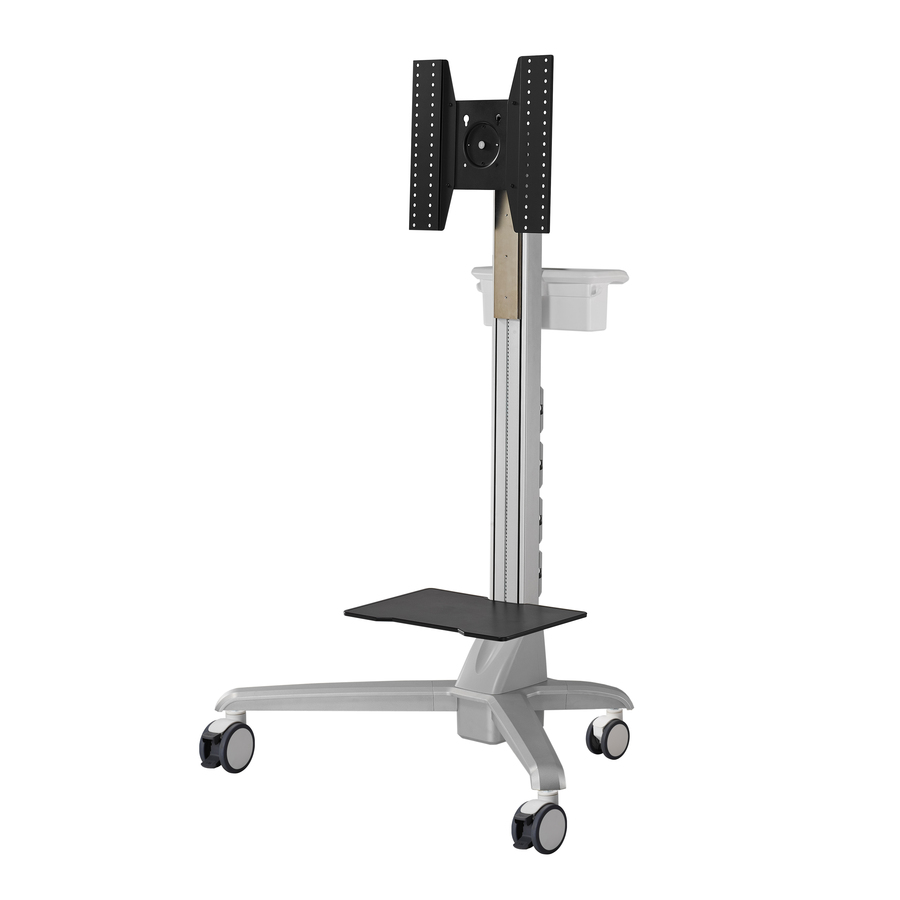
Amer Mobile Media Conference Computer & TV Display Cart
AMRM4
Amer's mobile media cart for computer and TV displays up to 65 inches at 77 lb capacity, 67.4 inches tall on a 44.29 by 32.28 inch steel and aluminium base.
$966.41Back-orderedMotorized lift
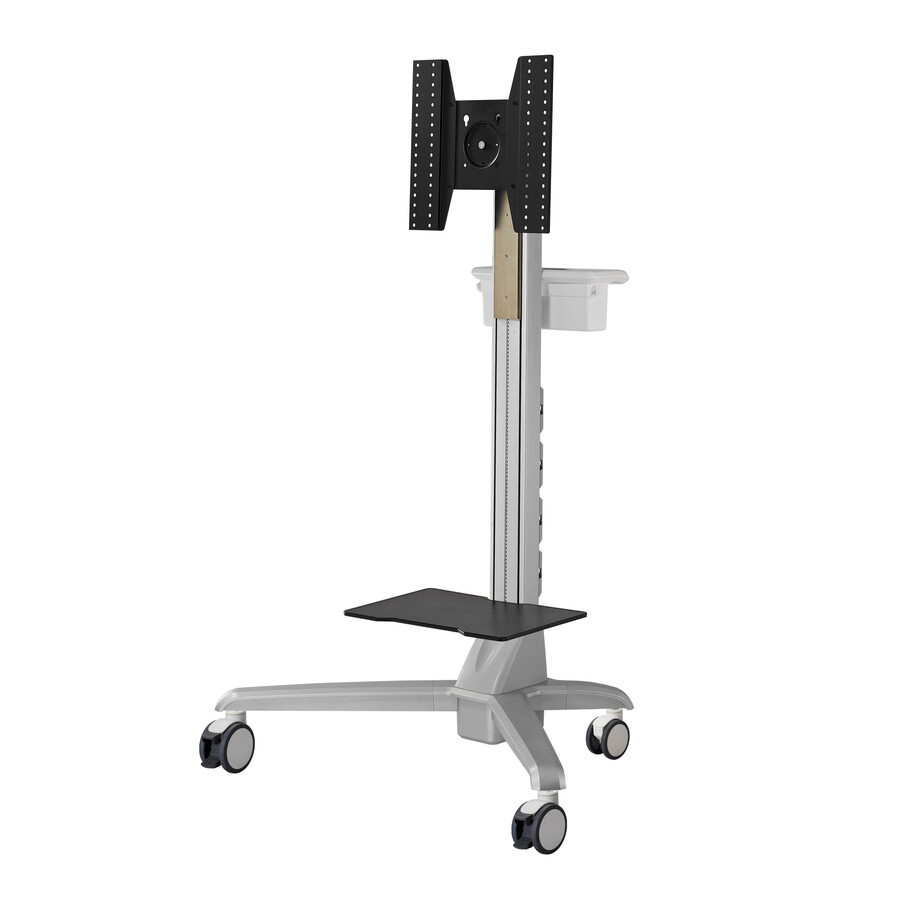
Amer Networks
Amer Mobile Media Conference Computer & TV Display Cart With Motorized…
AMRM4E
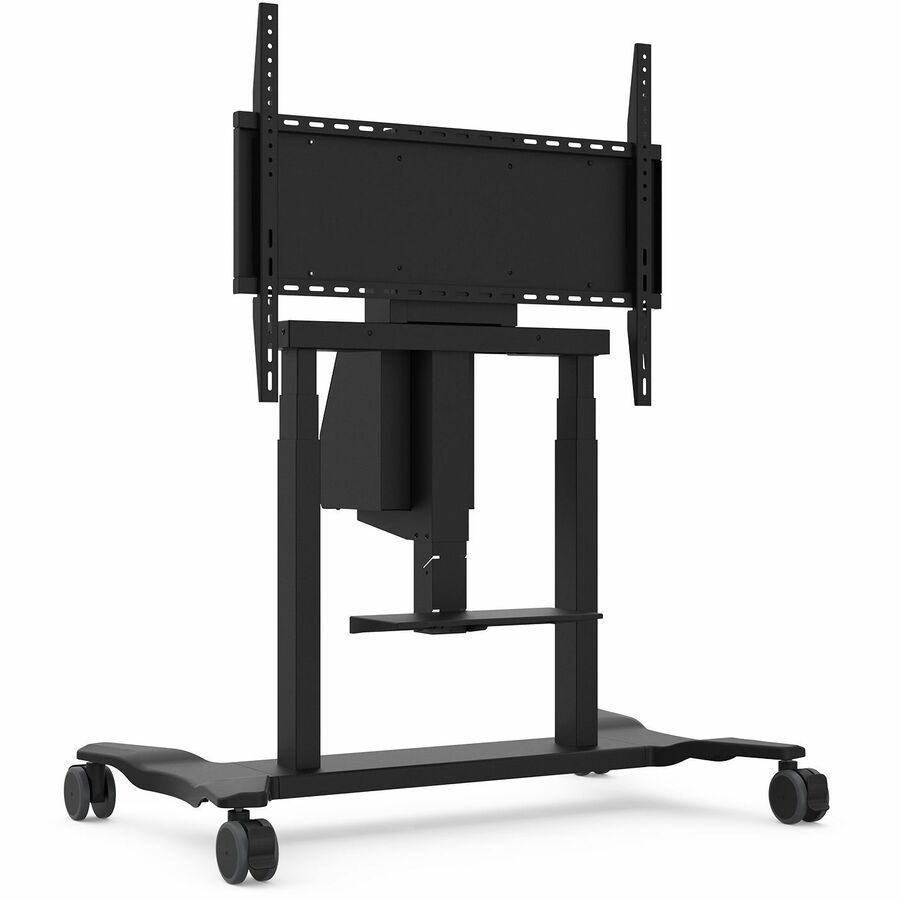
The same Amer cart with a motorized lift and a 110 lb capacity — the accessible option where a screen has to come down to a seated user without anyone wrestling a column.
$1,156.39Back-orderedMotorized, 176 lb
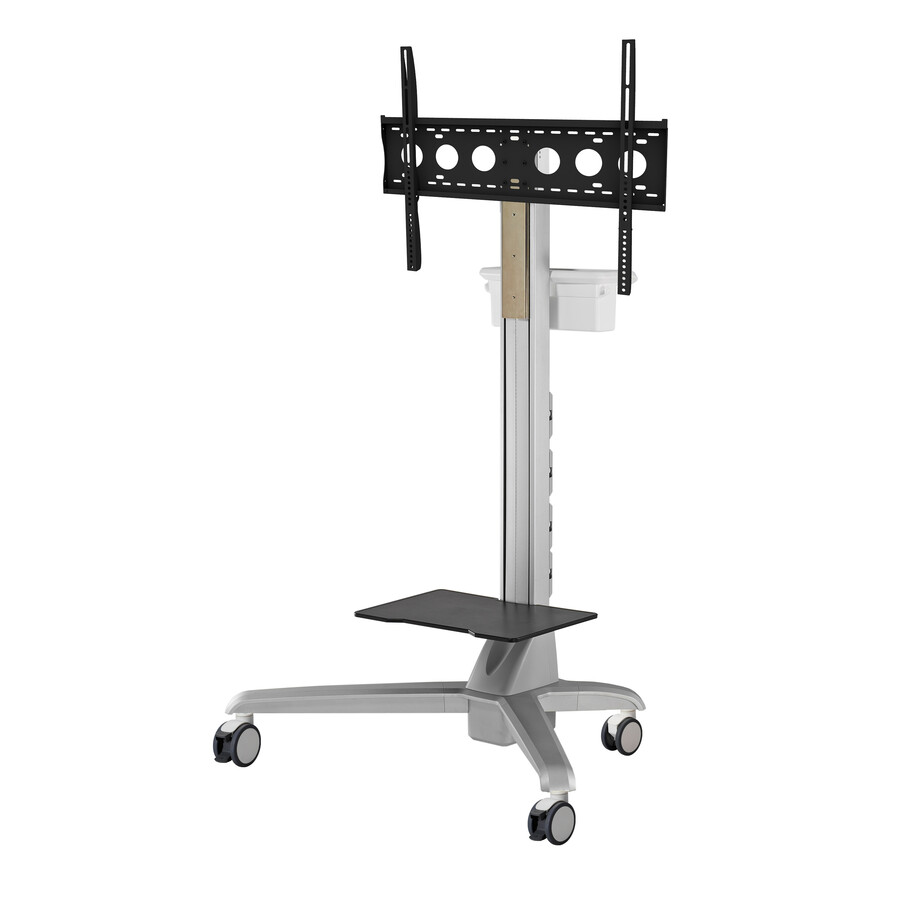
Amer Networks
Amer Mobile Media Conference Computer / TV Display Cart with Motorized…
AMRM6E1
Amer's motorized-lift media cart for displays up to 65 inches with a 176 lb capacity at 70.12 inches tall — the heavier of the two powered Amer rows for a loaded conferencing position.
$1,201.81Back-ordered55–86 inch, lockable
ViewSonic
ViewSonic VB-STND-001 Mobile TV Cart for 55 to 86 inch screens up…
VB-STND-001
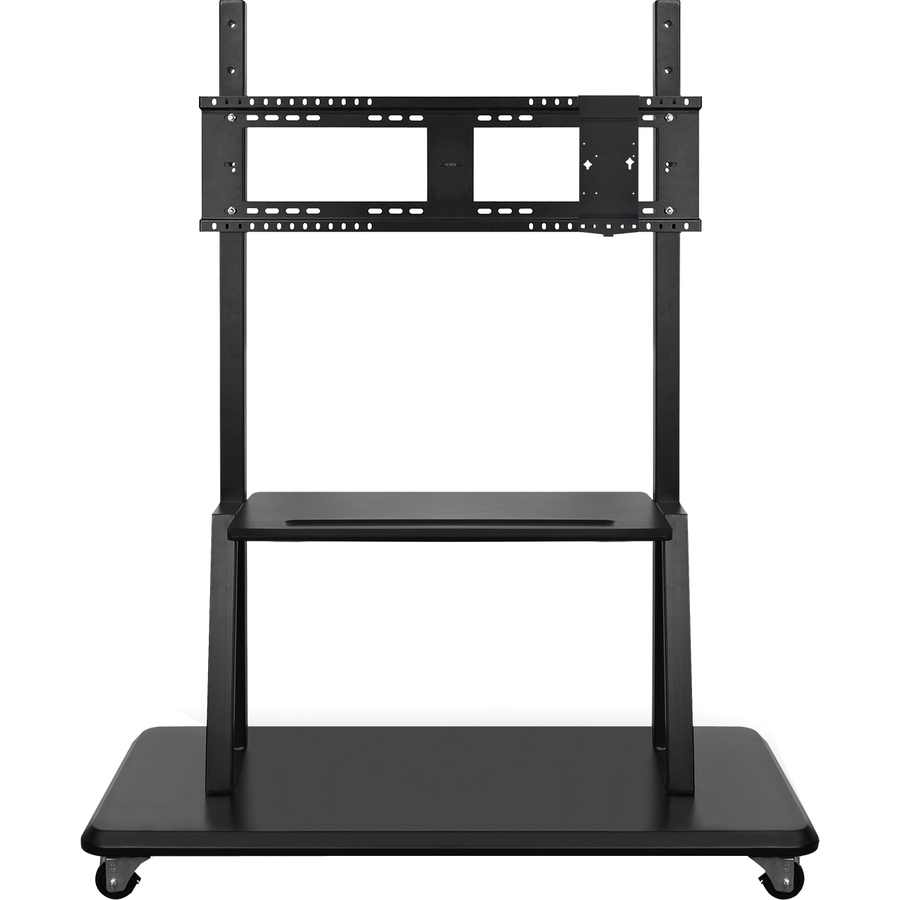
ViewSonic's mobile cart for 55 to 86 inch screens up to 265 lb, taking VESA patterns from 400x200 to 900x600 mm, with a storage tray and lockable wheels.
$708.88In stock55–86 inch motorized
ViewSonic
ViewSonic VB-STND-007 Universal Display Cart for 55 to 86 inch screens…
VB-STND-007
ViewSonic's universal display cart for the same 55 to 86 inch range and 265 lb capacity, with an electric height-adjustable column and a motorized lift.
$1,998.23In stockUp to 98 inch, TAA
Premier Mounts
Premier Mounts Large Format Mobile Cart for Flat-panels up to 300 lbs
LFC-L
Premier Mounts' large-format cart for flat panels up to 300 lb and 98 inches, standing 84.72 inches tall on a 44.94 inch wide chrome base — the highest load capacity here.
Titled TAA Compliant by the manufacturer — a per-part designation, never a family rule.
$845.92*In stock60–100 inch universal
StarTech.com
StarTech Mobile TV Stand, Heavy Duty Universal TV Cart for 60-100 inch…
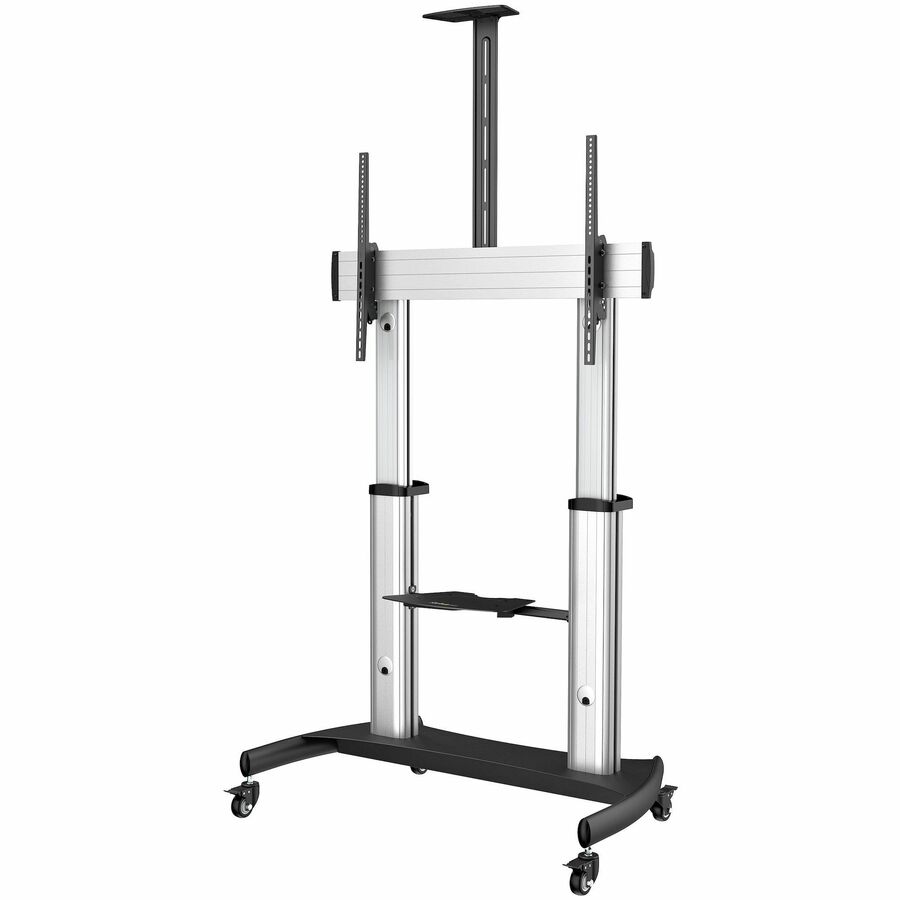
STNDMTV100
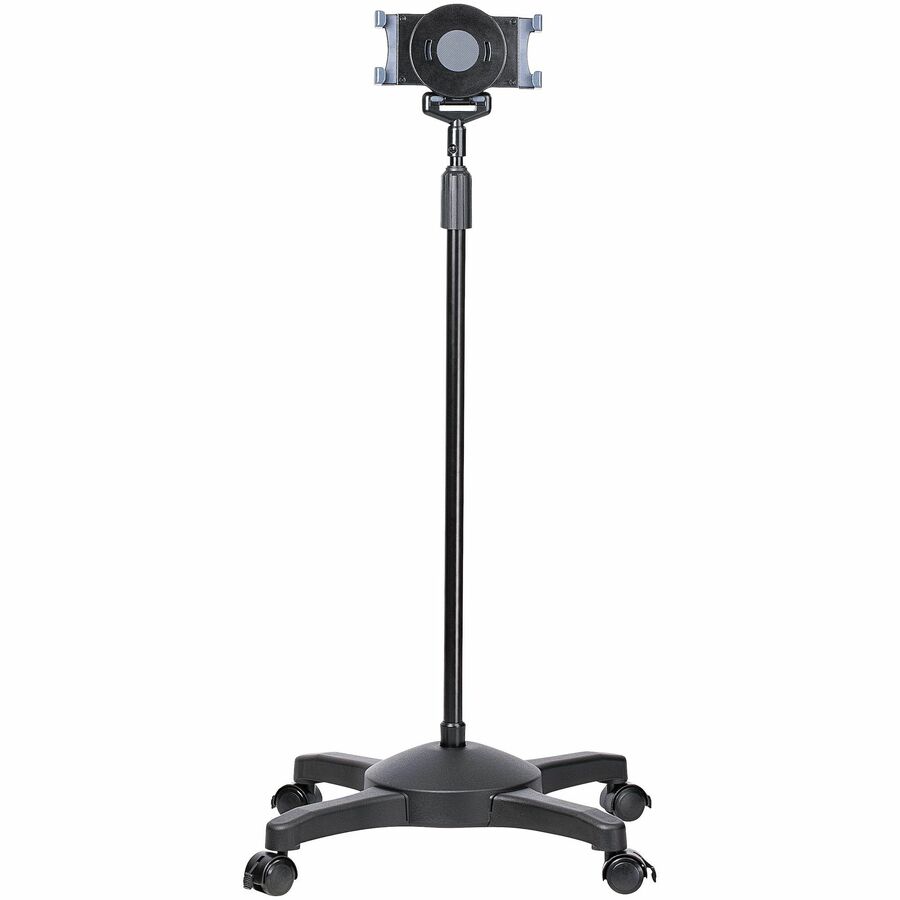
StarTech's heavy-duty universal TV cart for 60 to 100 inch VESA displays up to 220 lb, with 19 inches of height adjustment, tilt, and webcam and media shelves rated 5 kg each.
$720.35In stockAV cart, not a display
Bretford Manufacturing
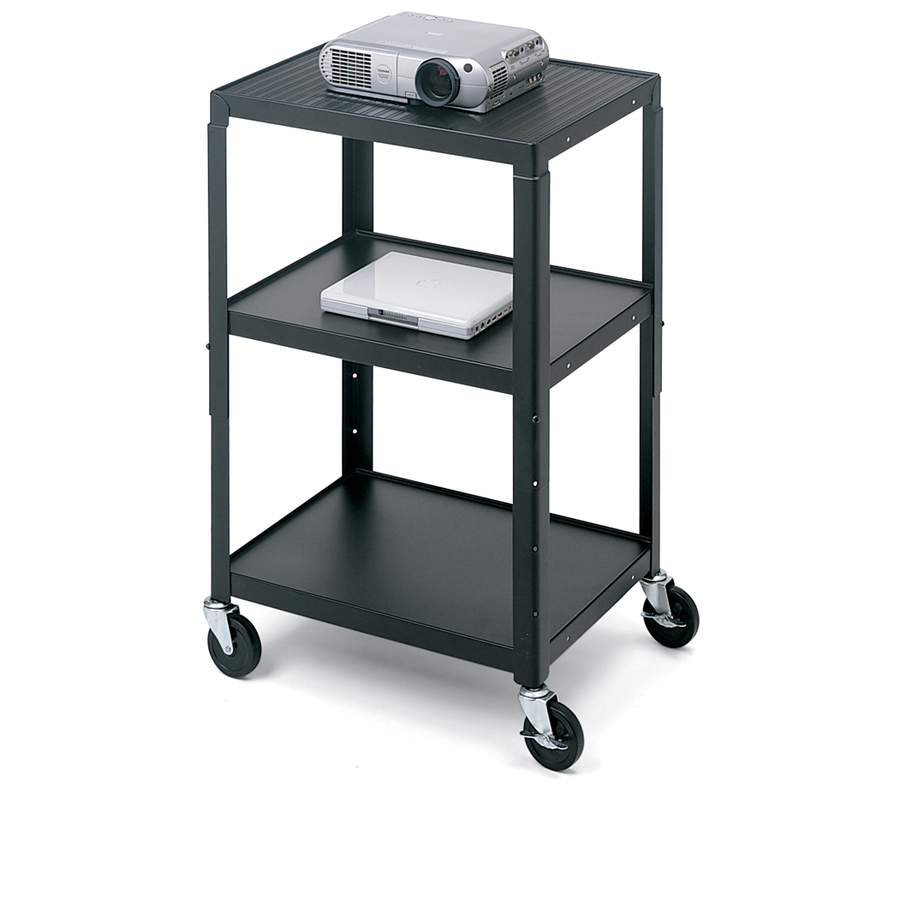
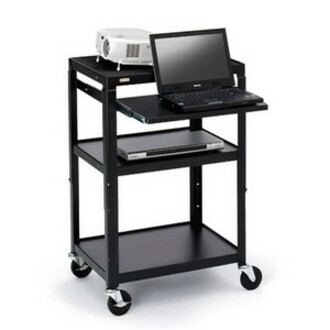
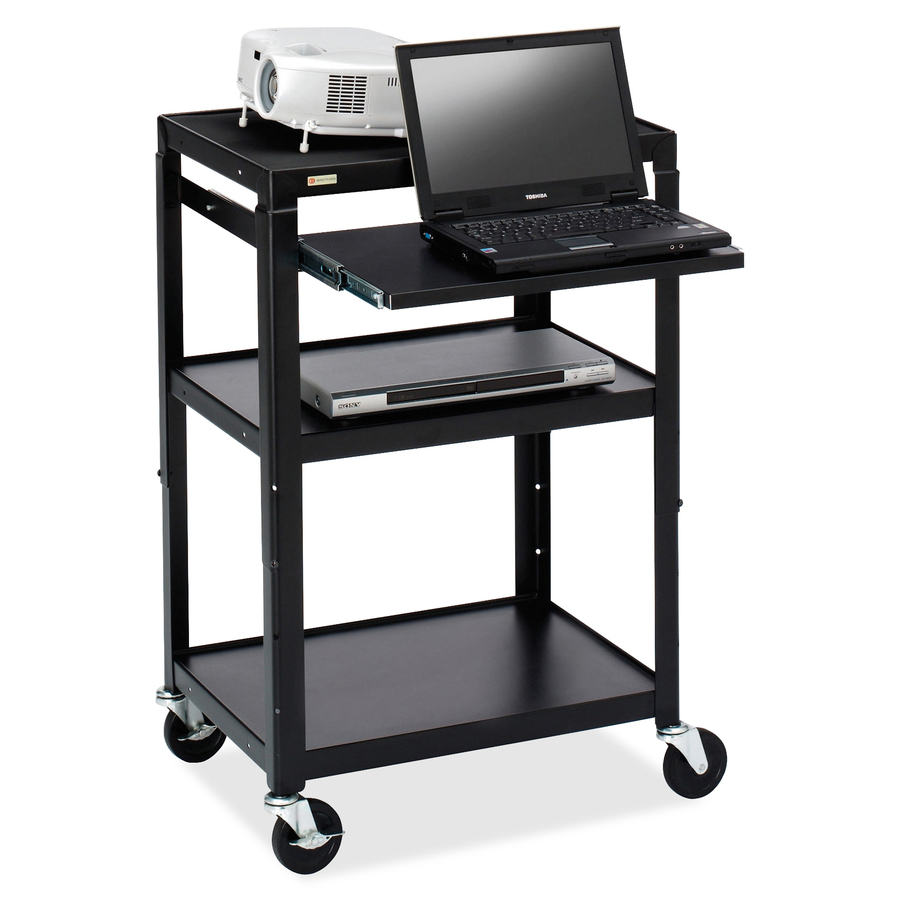
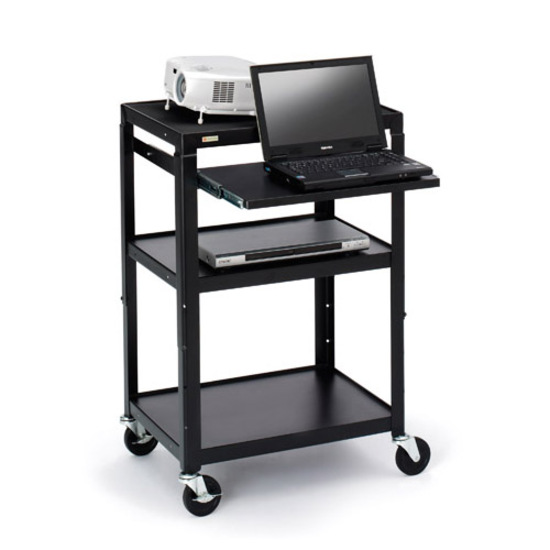
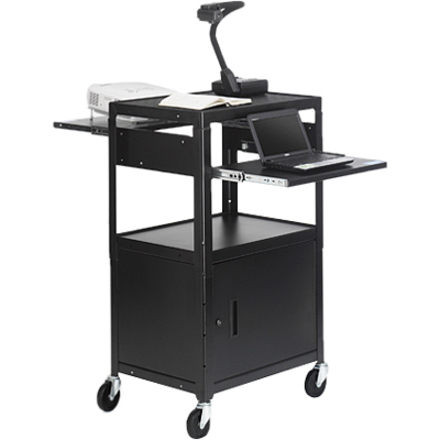
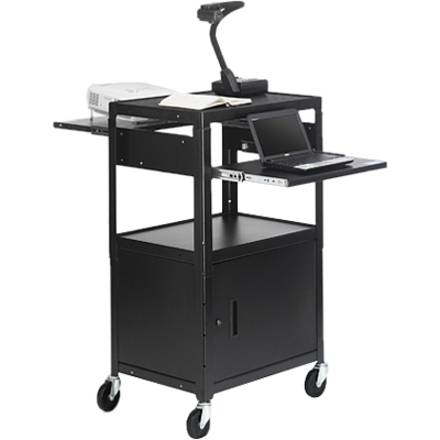
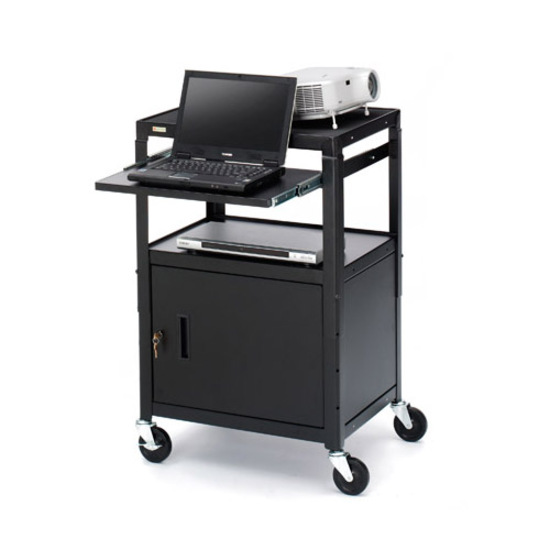
Bretford A2642 Height Adjustable A/V Cart
A2642
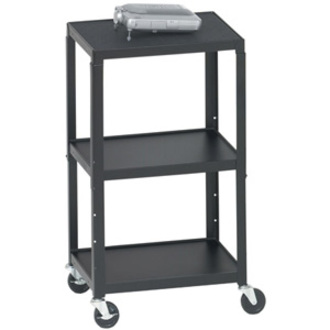
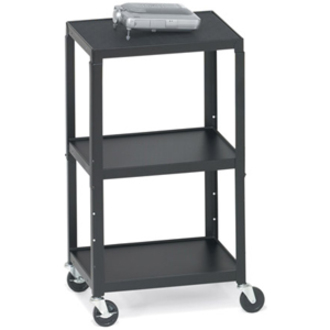
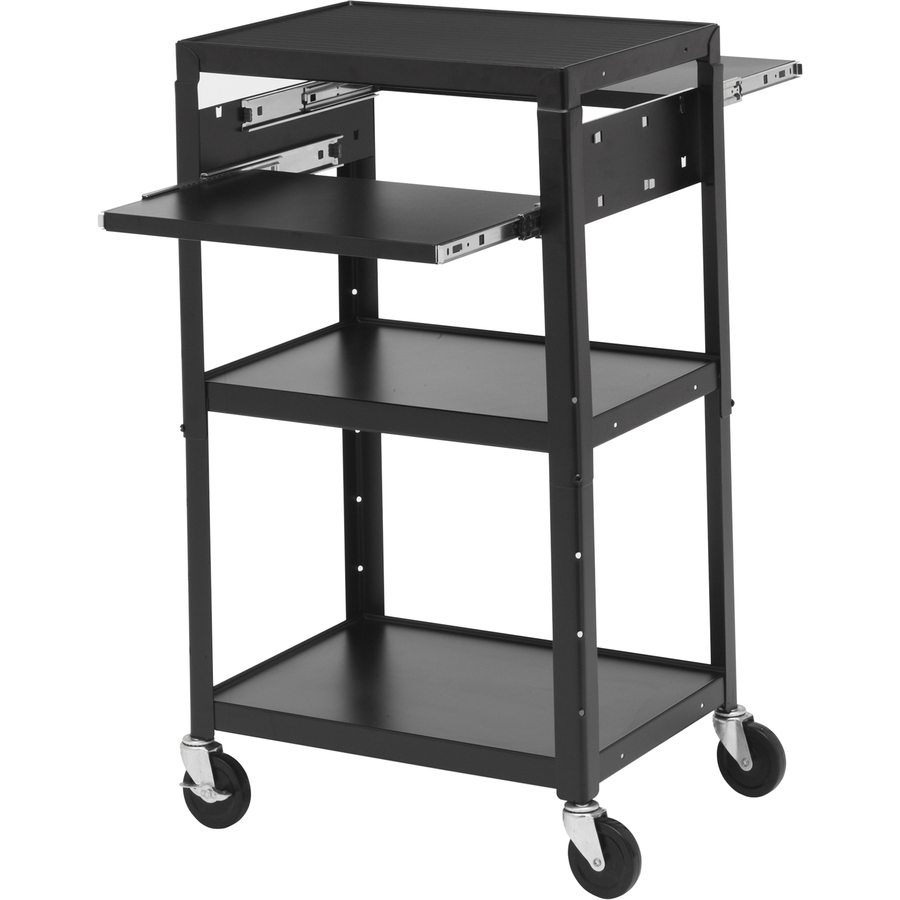
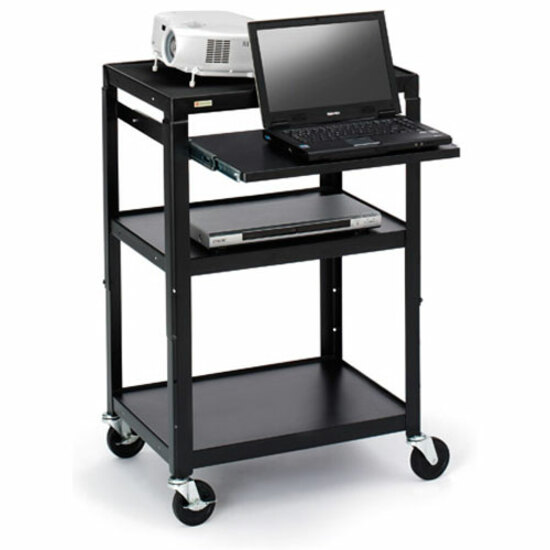
Bretford's height-adjustable A/V cart — a shelf-based classroom cart for a projector, laptop, document camera or sound system rather than a VESA-mounted panel.
Named here because the fence above is the catalog's whole mobile-cart shelf: this is the AV-cart half of the room, not a display cart.
$274.50Back-orderedMore display stands and cabinets in the Uniqcli catalog
See all 1,401 display stands and cabinetsMore from across this category. In-stock lines lead, and a back-ordered line carries the same estimated availability its product page does — with live pricing throughout, NDAA §889 screening before checkout and TAA verified on request.
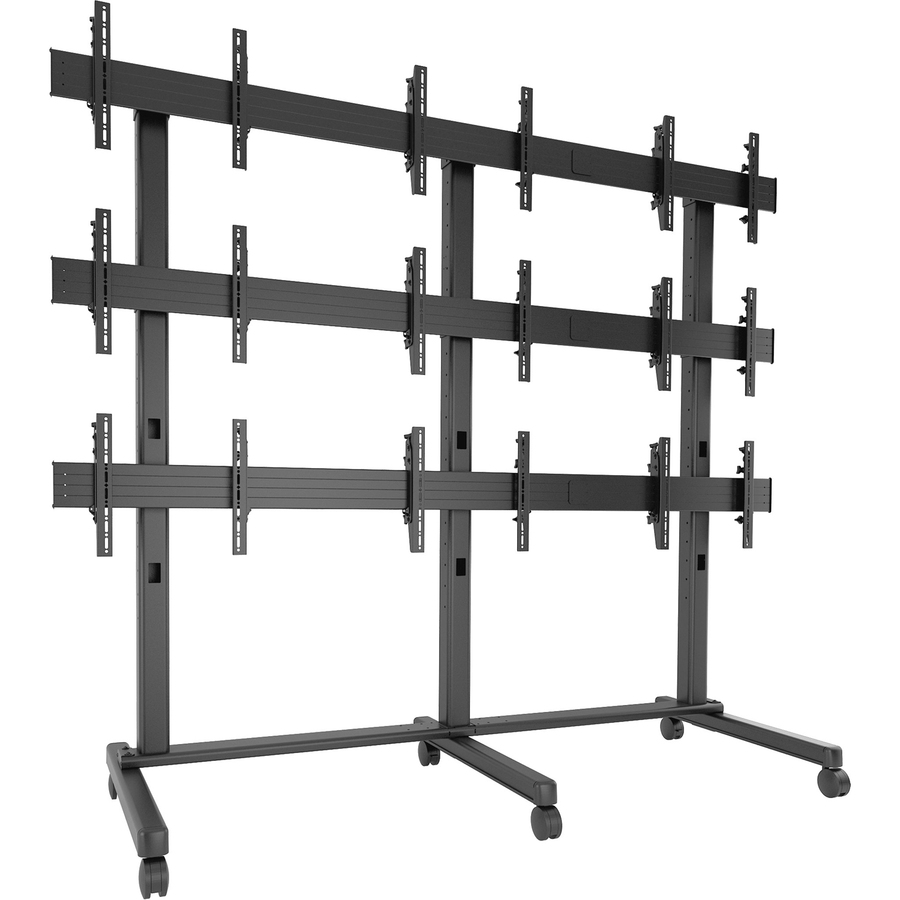
- LegrandChief Fusion Large 3x3 Freestanding Video Wall Mobile TV Cart - For 42-50 Inch Displays - TAA Complaint - Black - Up to 55" Screen Support - 100 lb Load Capacity - Flat Panel Display Type Supported - Floor Stand - BlackLVM3X3U
$9,658.00
$8,765.07
Back-orderedBack-ordered — estimated OEM lead time 3–8 weeks (Nov 13 – Dec 18 if ordered today).
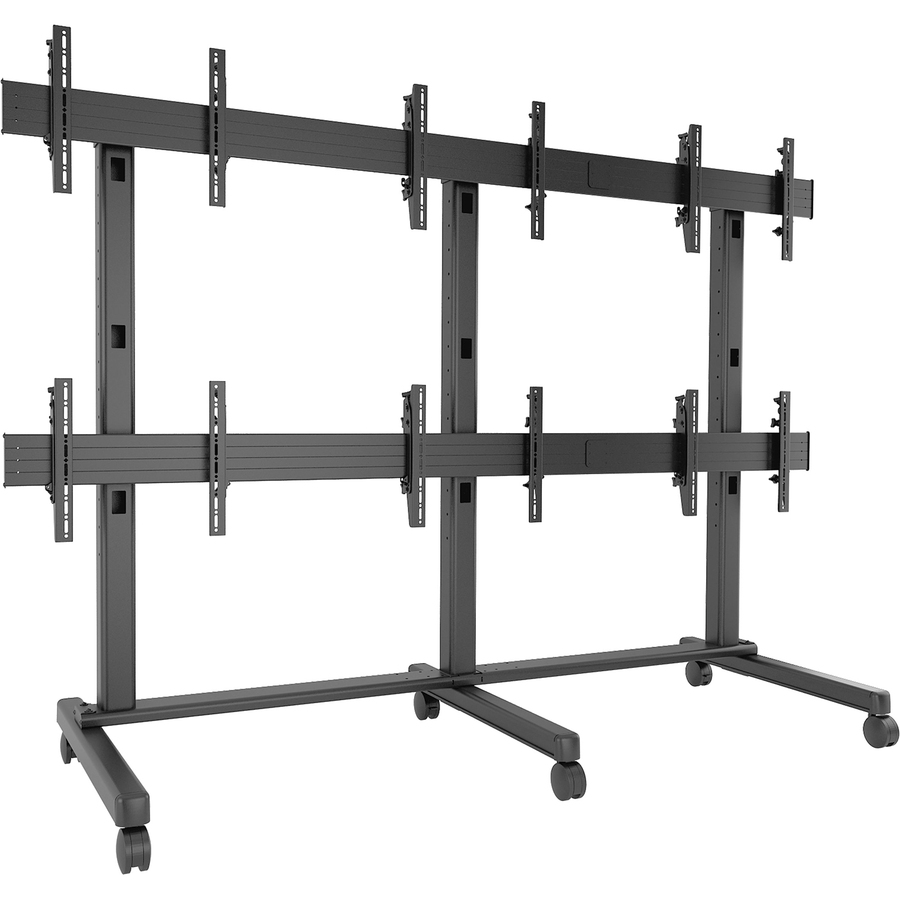
- LegrandChief 3x2 Adjustable Landscape Adjustable Freestanding Video Wall Mobile Cart - For 42-46 Inch Flat Panel TVs - Black - Up to 55" Screen Support - 125 lb Load Capacity - Flat Panel Display Type Supported - Floor Stand - BlackLVM3X2U
$7,404.00
$6,712.89
Back-orderedBack-ordered — estimated OEM lead time 3–8 weeks (Nov 13 – Dec 18 if ordered today).
- LegrandChief Fusion 3x2 Portrait Adjustable Large Freestanding Video Wall Mobile Cart - For 42-46 Inch Flat Panel TVs - Black - Up to 46" Screen Support - 600 lb Load Capacity - Flat Panel Display Type Supported - BlackLVM3X2UP
$7,404.00
$6,719.96
Back-orderedBack-ordered — estimated OEM lead time 3–8 weeks (Nov 13 – Dec 18 if ordered today).
- LegrandChief Fusion 2x2 Portrait Adjustable Large Freestanding Video Wall Mobile Cart - For 42-50 Inch Flat Panel TVs - Black - Up to 50" Screen Support - 100 lb Load Capacity - Flat Panel Display Type Supported - DepthFloor Stand - BlackLBM2X2UP
$6,115.00
$5,544.27
Back-orderedBack-ordered — estimated OEM lead time 3–8 weeks (Nov 13 – Dec 18 if ordered today).
- LegrandChief Fusion 2x2 Portrait Adjustable Freestanding Video Wall Mobile Cart - Black - Up to 50" Screen Support - 400 lb Load Capacity - Flat Panel Display Type Supported - DepthFloor Stand - BlackLVM2X2UP
$6,115.00
$5,554.19
Back-orderedBack-ordered — estimated OEM lead time 3–8 weeks (Nov 13 – Dec 18 if ordered today).
- LegrandChief Fusion Large 2x2 Freestanding Video Wall Mobile TV Cart for Displays 42-50" - Black - Up to 65" Screen Support - 125 lb Load Capacity - Flat Panel Display Type Supported72.5" Width - Floor Stand - BlackLVM2X2U
$6,115.00
$5,562.67
Back-orderedBack-ordered — estimated OEM lead time 3–8 weeks (Nov 13 – Dec 18 if ordered today).
- LegrandChief Fusion 3x1 Portrait Adjustable Large Freestanding Video Wall Mobile Cart - For 42-46 Inch Flat Panel TVs - Black - Up to 46" Screen Support - 375 lb Load Capacity - Flat Panel Display Type Supported - DepthFloor Stand - BlackLVM3X1UP
$5,469.00
$4,963.10
Back-orderedBack-ordered — estimated OEM lead time 3–8 weeks (Nov 13 – Dec 18 if ordered today).
- LegrandChief X-Large Adjustable Mobile TV Cart - For Displays 55-100" - Black - Up to 100" Screen Support - 310 lb Load Capacity - Floor - BlackXPD1U
$4,031.00
$3,724.14
Back-orderedBack-ordered — estimated OEM lead time 3–8 weeks (Nov 13 – Dec 18 if ordered today).
- LegrandChief Fusion Video Conferencing Display Cart - For Displays 55-70" - Black - 37" to 70" Screen Support - 250 lb Load Capacity - 1 x Shelf(ves) - 54.9" Height x 38.8" Width x 29" Depth - Glass - BlackXVAUB
$3,799.00
$3,545.54
Back-orderedBack-ordered — estimated OEM lead time 3–8 weeks (Nov 13 – Dec 18 if ordered today).
- LegrandChief Large Height-Adjustable Mobile TV Cart - For 42-86 Inch TVs - Black - 200 lb Load Capacity - Flat Panel Display Type Supported31.1" Width - BlackPFCUB
$1,360.00
$1,237.02
Back-orderedBack-ordered — estimated OEM lead time 3–8 weeks (Nov 13 – Dec 18 if ordered today).
- LegrandChief Large Flat Panel Mobile AV Cart - For 42-68 Inch TVs - TAA Compliant - Black - Up to 71" Screen Support - 200 lb Load Capacity - 81.6" Height x 37.1" Width x 32.1" Depth - Floor - Black, SilverPFCUB-G
$1,572.00
$1,464.27
Back-orderedBack-ordered — estimated OEM lead time 3–8 weeks (Nov 13 – Dec 18 if ordered today).
- LegrandChief Confidence Large 2' Mobile TV Cart - For 42-86 Inch TVs - Black - Up to 200lb - Up to 71" Flat Panel Display - BlackPFQUB
$1,144.00
$1,081.04
Back-orderedBack-ordered — estimated OEM lead time 3–8 weeks (Nov 13 – Dec 18 if ordered today).
- LegrandChief Large Confidence 3-4' Monitor Cart - For Displays 42-86" - Black - Up to 200lb - Up to 65" Flat Panel DisplayPFMUB
$1,193.00
$1,131.76
Back-orderedBack-ordered — estimated OEM lead time 3–8 weeks (Nov 13 – Dec 18 if ordered today).
- LegrandChief Confidence Medium 2' Monitor Mobile Cart - For Displays 32-65" - Black - Up to 125lb - Up to 55" Flat Panel Display - BlackMFQUB
$1,027.00
$972.14
Back-orderedBack-ordered — estimated OEM lead time 3–8 weeks (Nov 13 – Dec 18 if ordered today).
- LegrandChief Medium Confidence 3' to 4' Monitor Mobile Cart - For Displays 32-65" - Black - 125 lb Load Capacity - 54.9" Height x 36.1" Width x 25.2" Depth - BlackMFMUB
$1,074.00
$1,020.11
Back-orderedBack-ordered — estimated OEM lead time 3–8 weeks (Nov 13 – Dec 18 if ordered today).
- Amer NetworksAmer Mobile Media Conference Computer / TV Display Cart with Motorized Lift - Up to 65" Screen Support - 176.40 lb Load Capacity - 70.12" Height x 44.29" Width x 31.65" Depth - Steel, Plastic, Aluminum AlloyAMRM6E1
$1,201.81
Back-orderedBack-ordered — estimated OEM lead time 3–8 weeks (Nov 13 – Dec 18 if ordered today).
- Amer NetworksAmer Mobile Media Conference Computer & TV Display Cart With Motorized Lift - Up to 65" Screen Support - 110.20 lb Load Capacity - 67.40" Height x 44.29" Width x 32.28" Depth - Steel, Plastic, Aluminum AlloyAMRM4E
$1,156.39
Back-orderedBack-ordered — estimated OEM lead time 3–8 weeks (Nov 13 – Dec 18 if ordered today).
- Amer NetworksAmer Mobile Media Conference Computer / TV Display Cart - Up to 65" Screen Support - 77.16 lb Load Capacity - 66.93" Height x 44.29" Width x 32.28" DepthAMRM6
$1,017.69
Back-orderedBack-ordered — estimated OEM lead time 3–8 weeks (Nov 13 – Dec 18 if ordered today).
- Amer NetworksAmer Mobile Media Conference Computer & TV Display Cart - Up to 65" Screen Support - 77.35 lb Load Capacity - 67.40" Height x 44.29" Width x 32.28" Depth - Steel, Plastic, Aluminum AlloyAMRM4
$966.41
Back-orderedBack-ordered — estimated OEM lead time 3–8 weeks (Nov 13 – Dec 18 if ordered today).
Back-ordered — estimated OEM lead time 3–8 weeks (Nov 13 – Dec 18 if ordered today).
- Bretford ManufacturingBretford CA2642DNS-E5 Multimedia Cabinet Cart - Up to 20" Screen Support - 3 x Shelf(ves) - Hinged Door - 43" Height x 24" Width x 18" Depth - Steel - BlackCA2642DNS-E5
$672.51
Back-orderedBack-ordered — estimated OEM lead time 3–8 weeks (Nov 13 – Dec 18 if ordered today).
- Bretford ManufacturingBretford CA2642DNSE Multimedia Cabinet Cart - Up to 20" Screen Support - 3 x Shelf(ves) - Hinged Door - 42" Height x 24" Width x 18" Depth - Steel - BlackCA2642DNSE
$619.76
Back-orderedBack-ordered — estimated OEM lead time 3–8 weeks (Nov 13 – Dec 18 if ordered today).
- Bretford ManufacturingBretford CA2642NS-E5 Multipurpose Cart with Cabinet - BlackCA2642NS-E5
$619.32
Back-orderedBack-ordered — estimated OEM lead time 3–8 weeks (Nov 13 – Dec 18 if ordered today).
- Bretford ManufacturingBretford CA2642NSE Adjustable Height Multipurpose Cart with Cabinet - Steel, Steel, Steel - BlackCA2642NSE
$586.22
Back-orderedBack-ordered — estimated OEM lead time 3–8 weeks (Nov 13 – Dec 18 if ordered today).


Need pricing on mobile display carts?
Tell us where to reach you and a Uniqcli specialist will follow up by email with current pricing, availability and lead time for the quantities you need — including parts that aren’t shown on this page.
Buying for an organization or for yourself — both work. No payment up front.
A mobile display cart is what turns one large screen into a shared resource. A district that cannot wall-mount a panel in every room, a training suite whose layout changes weekly, a hospital education wing, a command post that stands up and comes down — all of them buy the same thing: a rolling frame that holds a flat panel at the right height, takes a knock in a doorway, and locks where it is put. The screen is the visible part of the decision and the cart is the part that determines whether the screen survives five years of being pushed down a corridor.
Three numbers on the row decide the fit, and getting any of them wrong is expensive. The screen size range is a range for a reason — a cart rated for 42 to 86 inches is describing both the mounting pattern it accepts and the balance of the base under a panel of that size, so a 90-inch screen on a cart that stops at 86 is not a stretch, it is a tipping hazard. The load capacity has to cover the panel plus everything bolted to it: a camera, a soundbar, a small player, the shelf they sit on. The height behaviour is the third: a fixed-height cart is simpler and cheaper, a manually adjustable column suits a room where the audience is sometimes seated and sometimes standing, and a motorized lift is what you specify when the screen has to reach a seated wheelchair user or a standing presenter several times a day without anyone wrestling it.
The grid below is the catalog's whole mobile-cart shelf for this category, which means it holds two related things: the display carts a screen bolts onto, and the AV, presentation and multipurpose carts that carry the rest of the room's equipment. Both belong in a classroom conversation and the picks below label which is which. Read the VESA pattern against the panel before ordering, decide where the power strip and the cable management live, and remember that a cart is a moving object — casters, locks and a base wide enough to stay under the load are the parts that fail first. Cards carry live pricing and current availability from the catalog.
Buyer's checklist
How to choose a mobile display cart
- Read the screen size range as a hard limit in both directions. It describes the mounting pattern the cart accepts and the stability of the base under that panel; a screen above the top of the range is a tipping risk, and a screen well below it often will not reach the mounting holes without an adapter plate.
- Add up the real load, not the panel weight. The rating has to cover the display plus the camera, soundbar, player, shelf and anything else bolted to the column. Several carts here state a load capacity in the title, and the honest number to size against is the assembled cart, not the box the screen came in.
- Confirm the VESA pattern against the exact panel model. Carts state the patterns they accept — the wide ranges quoted here cover most commercial displays, but a large panel with an unusual pattern needs an adapter plate ordered at the same time, not discovered on installation day.
- Choose the height behaviour by how often it moves. Fixed height is cheapest and fine for a dedicated screen; a manual adjustable column suits a room that alternates seated and standing use; a motorized lift is the specification for accessibility and for anything a presenter changes several times a day.
- Look at the base and the casters before anything else on a cart that actually travels. Locking casters are the difference between a parked screen and a moving one, and the base footprint is what keeps the assembly upright over a threshold, a lift edge or a cable ramp.
- Plan the power and the cable run with the cart. A rolling screen still needs an outlet, and the tidy answer is a power strip mounted to the column, a short captive HDMI run and a cable wrap — decided at the order, not improvised with tape afterwards.
- Standardize on one or two carts per screen size across a site. One model means one assembly procedure, one set of spare casters and one answer when a room changes; five models means five sets of hardware in the storeroom and none of them the right one.
Display cart, AV cart or presentation cart
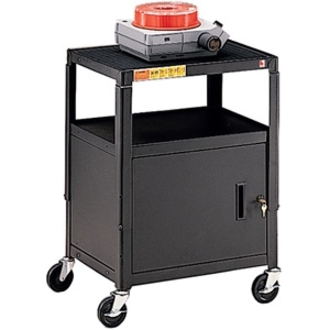
These three share a shelf, a room and a set of wheels, and they do different jobs. A display cart is a column and a base built around a VESA mount: the screen is the payload, and everything else on the cart is an accessory to it. An AV or presentation cart is a set of shelves on casters — it carries a projector, a laptop, a document camera, a sound system or whatever the lesson needs, and any screen on it is small and sits on a shelf rather than bolted to a column. A cabinet cart is the same thing with a lockable door, which is what a school specifies when the equipment stays in a shared corridor overnight.
The confusion is worth resolving before ordering because the two are not substitutes. A large flat panel does not go on a shelf, and a projector, a laptop and a speaker do not bolt to a VESA plate. Rooms that do both — a training suite with a large screen and a stack of source equipment — usually end up with a display cart carrying a shelf accessory, or with two carts, and either is cheaper to decide on paper than to discover once the screen is unboxed.
What ships alongside the cart
A cart is rarely the whole order. The panel itself, an adapter plate where the VESA pattern is unusual, a camera and its shelf for a room that also does video calls, a small player or a compute stick, a power strip mounted to the column, a cable wrap for the run down the back, and often a soundbar bracket — all of them land on the same purchase order, and all of them have to agree about weight and mounting pattern. Assembly is worth planning too: these arrive flat, several take two people and an hour, and a delivery of twenty to a school in August is a project rather than a delivery.
Uniqcli quotes the cart, the display, the mounting hardware and the room's AV together so a classroom or training-room refresh lands as one accountable order rather than four. Send the screen sizes and models, the number of rooms, whether the carts travel between them and whether any position needs a motorized lift for accessibility, and we will come back with sized part numbers, availability, lead times and volume pricing.
FAQ
Common questions
- What size screen will a mobile display cart hold?
- Each cart states its own range, and the ranges on this page run from 32 inches at the small end to 105 inches at the large. Treat the top of the range as a hard limit rather than a guideline: it reflects both the mounting pattern the cart accepts and the stability of the base under a panel of that size and weight, so a larger screen on a smaller cart is a tipping hazard rather than a tight fit. At the other end, a small screen on a large cart often cannot reach the mounting holes without an adapter plate. Check the exact panel model against the range and the stated load capacity before ordering.
- Do I need a motorized height-adjustable cart?
- Only where the height genuinely changes. A fixed-height cart is the cheapest and most reliable answer for a screen that lives at one height in one room. A manually adjustable column covers a room that alternates between seated and standing use and is adjusted occasionally. A motorized lift earns its cost in two situations: accessibility, where a screen has to come down to a seated user reliably and without effort, and high-traffic training rooms where the height changes several times a day and a manual column would simply stop being adjusted.
- Can a display cart carry a camera and a soundbar too?
- Usually yes, and the load capacity is the number that decides it. A video-conferencing position adds a camera, its shelf, often a soundbar and its bracket, and sometimes a small player — together those are a meaningful fraction of the rating on a lighter cart. Add the panel and every accessory, then check the total against the stated capacity, and order the camera shelf and any bracket with the cart rather than after: the mounting points are model-specific and the accessory that fits one column will not necessarily fit another.
- Are these carts stable enough to move with the screen mounted?
- That is what the base and the casters are for, and it is worth reading them as carefully as the screen range. The carts here quote base footprints and load capacities, and the ones intended to travel carry locking casters so the assembly parks where it is put. Practical rules do the rest: move it slowly, take thresholds and lift edges square rather than at an angle, keep the screen at its lowest setting while moving on an adjustable column, and lock the casters before anyone touches the panel. Where carts cross rough thresholds daily, size up on base width rather than on screen range.
- Can business, government and education buyers order these?
- Every line Uniqcli quotes is sourced through US distribution and screened for TAA country-of-origin and NDAA §889 status before checkout — with documentation tied to the specific part number, not a product family.
Need mobile display carts pricing?
Send a bill of materials or part numbers — we confirm stock and a below-market total, with TAA verified on request. No payment up front.