
Best LED Video Walls for Lobbies and Control Rooms
Direct-view LED cabinets and all-in-one panels for lobbies, control rooms and command centres — read by pixel pitch, brightness and how the wall is assembled.
Direct-view LED displays in stock at Uniqcli
How to choose →A curated selection with live pricing — in-stock lines first, then back-ordered lines with a typical lead time. Every line is sourced through US distribution and screened for NDAA §889 status before checkout, with TAA verified on request.
- SamsungSamsung Premium IW012A Digital Signage Display - LCD - High Dynamic Range (HDR) - 640 x 360 - Direct View LED - 1600 Nit - TAA CompliantLH012IWAMWS/GO
$9,100.00
$7,955.80*
82 in stock - SamsungSamsung IE040A-F (P4.0) LED Signage - LCD - High Dynamic Range (HDR) - 60 x 135 - Direct View LED - 800 Nit - TizenLH040IEACFS/GO
$540.00
$406.37
Back-orderedBack-ordered — estimated OEM lead time 3–8 weeks (Nov 13 – Dec 18 if ordered today).
- SamsungSamsung Digital Signage Display - LCD - High Dynamic Range (HDR) - 60 x 135 - Direct View LED - 800 Nit - TizenLH040IEACFS/ZA
$540.00
$406.37
Back-orderedBack-ordered — estimated OEM lead time 3–8 weeks (Nov 13 – Dec 18 if ordered today).
- ViewSonicViewSonic LED Module for LDC031-180 - LCD - Direct View LEDLD-M031-180
$599.00
$441.47
Back-orderedBack-ordered — estimated OEM lead time 3–8 weeks (Nov 13 – Dec 18 if ordered today).
- LG ElectronicsLG 2.50 mm LCCM Series Flexible Direct View LED - High Dynamic Range (HDR) - 128 x 64 - 1200 NitLCCM025-GN
$600.00
$510.00
Back-orderedBack-ordered — estimated OEM lead time 3–8 weeks (Nov 13 – Dec 18 if ordered today).
- SamsungSamsung IE025A-F (P2.5) LED Signage - LCD - High Dynamic Range (HDR) - 96 x 216 - Direct View LED - 1000 Nit - TizenLH025IEACFS/GO
$714.00
$548.71
Back-orderedBack-ordered — estimated OEM lead time 3–8 weeks (Nov 13 – Dec 18 if ordered today).
- LG ElectronicsLG LSBC039-CD Digital Signage Display - High Dynamic Range (HDR) - Direct View LED - 1000 Nit - TAA CompliantLSBC039-CD
$722.00
$613.70*
Back-orderedBack-ordered — estimated OEM lead time 3–8 weeks (Nov 13 – Dec 18 if ordered today).
- SamsungSamsung P4.0 LED Signage IF040R-F - LCD - High Dynamic Range (HDR) - 60 x 135 - Direct View LED - 1500 NitLH040IFRCFS/GO
$710.00
$635.34
Back-orderedBack-ordered — estimated OEM lead time 3–8 weeks (Nov 13 – Dec 18 if ordered today).
- SamsungSamsung P4.0 LED Signage IF040R-F - LCD - High Dynamic Range (HDR) - 60 x 135 - Direct View LED - 1500 NitLH040IFRCFS/ZA
$710.00
$635.34
Back-orderedBack-ordered — estimated OEM lead time 3–8 weeks (Nov 13 – Dec 18 if ordered today).
- LG ElectronicsLG LSBC039-CDL Digital Signage Display - LCD - 128 x 64 - Direct View LED - TAA CompliantLSBC039-CDL
$818.00
$695.30*
Back-orderedBack-ordered — estimated OEM lead time 3–8 weeks (Nov 13 – Dec 18 if ordered today).
- LG ElectronicsLG LSBC026-CD Digital Signage Display - LCD - High Dynamic Range (HDR) - 84 x 168 - Direct View LED - 1000 Nit - TAA CompliantLSBC029-CD
$837.00
$711.45*
Back-orderedBack-ordered — estimated OEM lead time 3–8 weeks (Nov 13 – Dec 18 if ordered today).
- LG ElectronicsLG GSPA066-GB Digital Signage Display - LCD - High Dynamic Range (HDR) - Direct View LED - 8000 NitGSPA066-GB.AUSQ
$853.00
$725.05
Back-orderedBack-ordered — estimated OEM lead time 3–8 weeks (Nov 13 – Dec 18 if ordered today).
- ViewSonicViewSonic LED Module for LDC031-120 - LCD - Direct View LEDLD-M031-120
$1,049.00
$773.50
Back-orderedBack-ordered — estimated OEM lead time 3–8 weeks (Nov 13 – Dec 18 if ordered today).
- LG ElectronicsLG 1.90 mm LCCM Series Flexible Direct View LED - High Dynamic Range (HDR) - 168 x 84 - 800 NitLCCM019-GN
$963.00
$818.55
Back-orderedBack-ordered — estimated OEM lead time 3–8 weeks (Nov 13 – Dec 18 if ordered today).
- LG ElectronicsLG LSBC026-CDR Digital Signage Display - LCD - Direct View LED - TAA CompliantLSBC026-CDR
$985.00
$837.25*
Back-orderedBack-ordered — estimated OEM lead time 3–8 weeks (Nov 13 – Dec 18 if ordered today).
- LG ElectronicsLG Compact LSBC019-CD Digital Signage Display - LCD - 2x4 Video Wall - High Dynamic Range (HDR) - 256 x 512 - Direct View LED - 1000 Nit - WebOSLSBC019-CD
$1,042.00
$885.70
Back-orderedBack-ordered — estimated OEM lead time 3–8 weeks (Nov 13 – Dec 18 if ordered today).
- SamsungSamsung IE020A-F (P2.0) LED Signage - LCD - High Dynamic Range (HDR) - 120 x 270 - Direct View LED - 1000 Nit - TizenLH020IEACFS/GO
$1,070.00
$953.01
Back-orderedBack-ordered — estimated OEM lead time 3–8 weeks (Nov 13 – Dec 18 if ordered today).
- LG ElectronicsLG LSCB025-CKC Digital Signage Display - LCD - 120 x 135 - Direct View LED - 800 NitLSCB025-CKC.AUSQ
$1,233.00
$1,048.05
Back-orderedBack-ordered — estimated OEM lead time 3–8 weeks (Nov 13 – Dec 18 if ordered today).
- SamsungSamsung IE040A (P4.0) LED Signage - LCD - High Dynamic Range (HDR) - 240 x 135 - Direct View LED - 800 Nit - TizenLH040IEACLS/GO
$1,500.00
$1,142.74
Back-orderedBack-ordered — estimated OEM lead time 3–8 weeks (Nov 13 – Dec 18 if ordered today).
- SamsungSamsung IFR-F P1.5 Indoor LED - LCD - High Dynamic Range (HDR) - 120 x 270 - Direct View LED - 1600 NitLH020IFRCFS/GO
$1,430.00
$1,258.88
Back-orderedBack-ordered — estimated OEM lead time 3–8 weeks (Nov 13 – Dec 18 if ordered today).
- SamsungSamsung P2.0 LED Signage IF020R-F - LCD - High Dynamic Range (HDR) - 120 x 270 - Direct View LED - 1600 NitLH020IFRCFS/ZA
$1,430.00
$1,258.88
Back-orderedBack-ordered — estimated OEM lead time 3–8 weeks (Nov 13 – Dec 18 if ordered today).
- LG ElectronicsLG LSCA039-RK2 Digital Signage Display - LCD - Direct View LED - 1000 NitLSCA039-RK2
$1,490.00
$1,266.50
Back-orderedBack-ordered — estimated OEM lead time 3–8 weeks (Nov 13 – Dec 18 if ordered today).
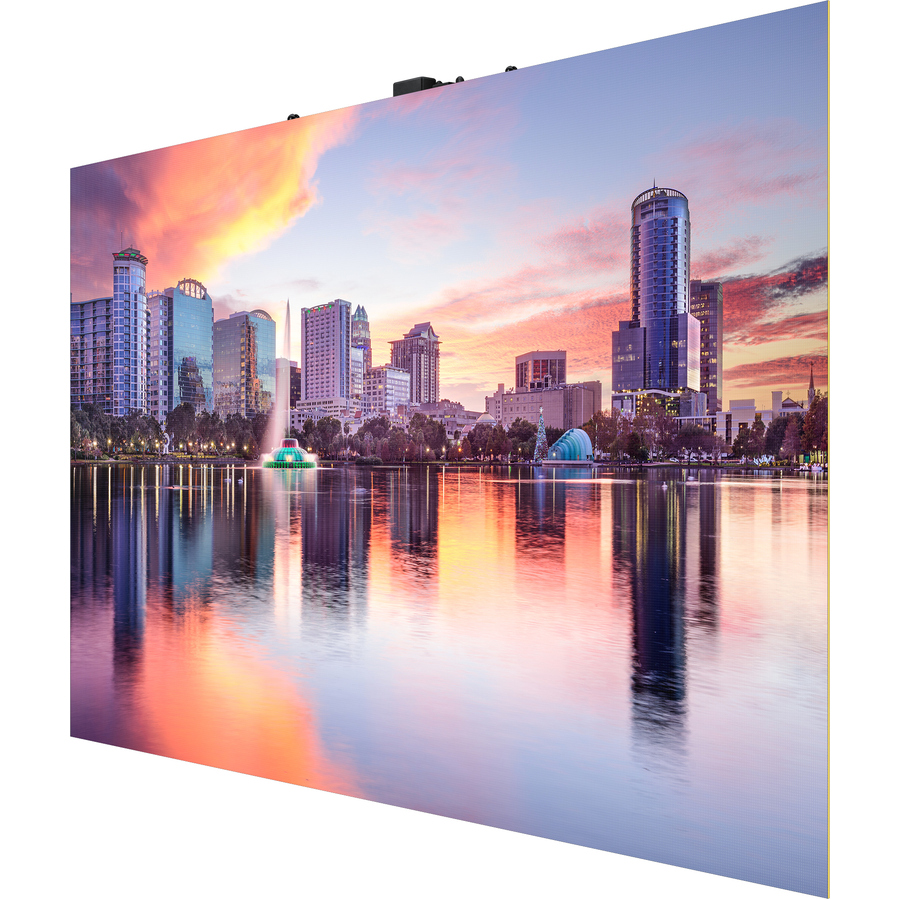

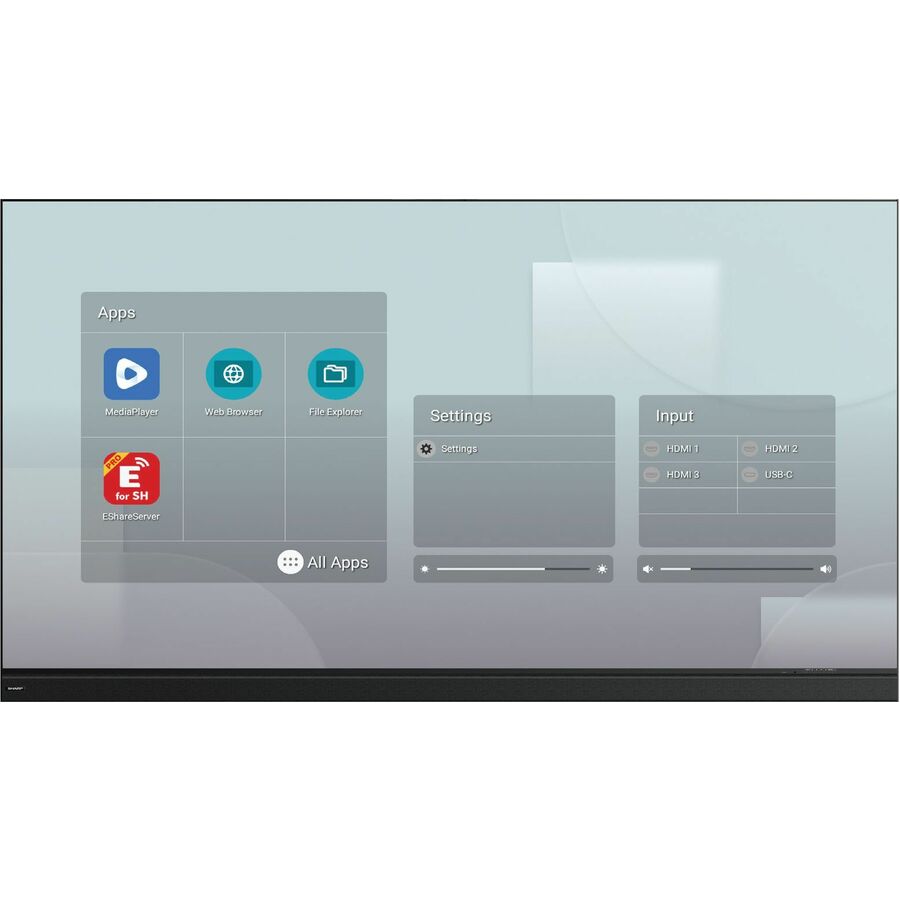

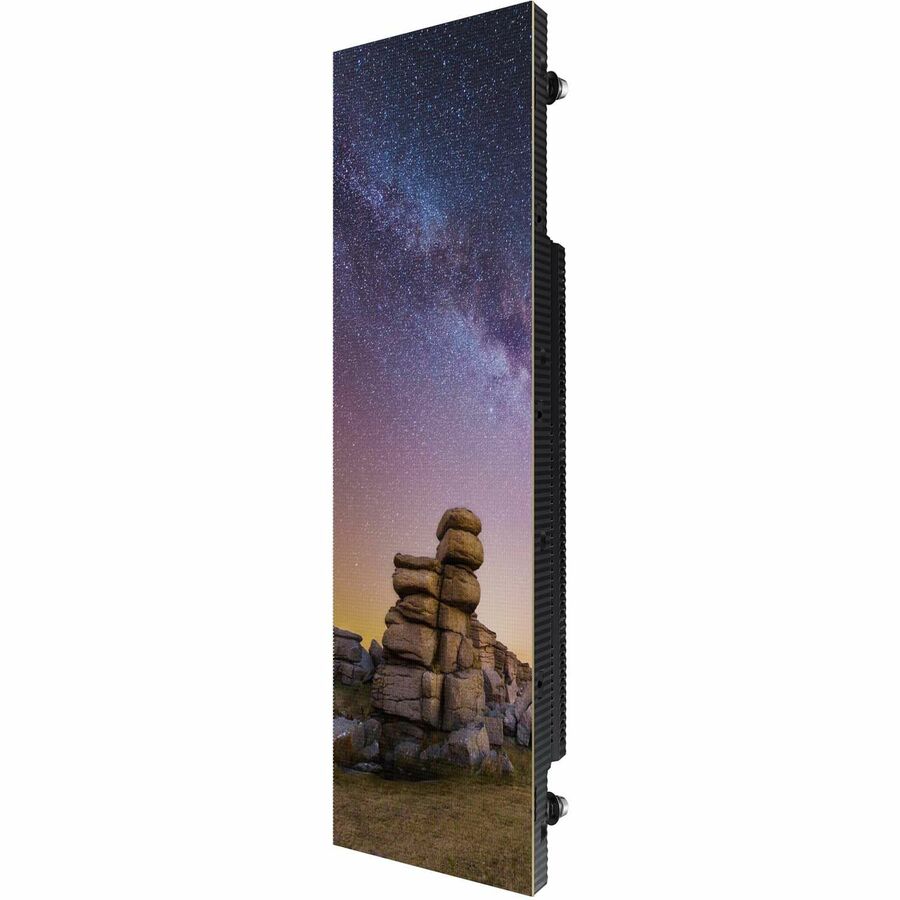
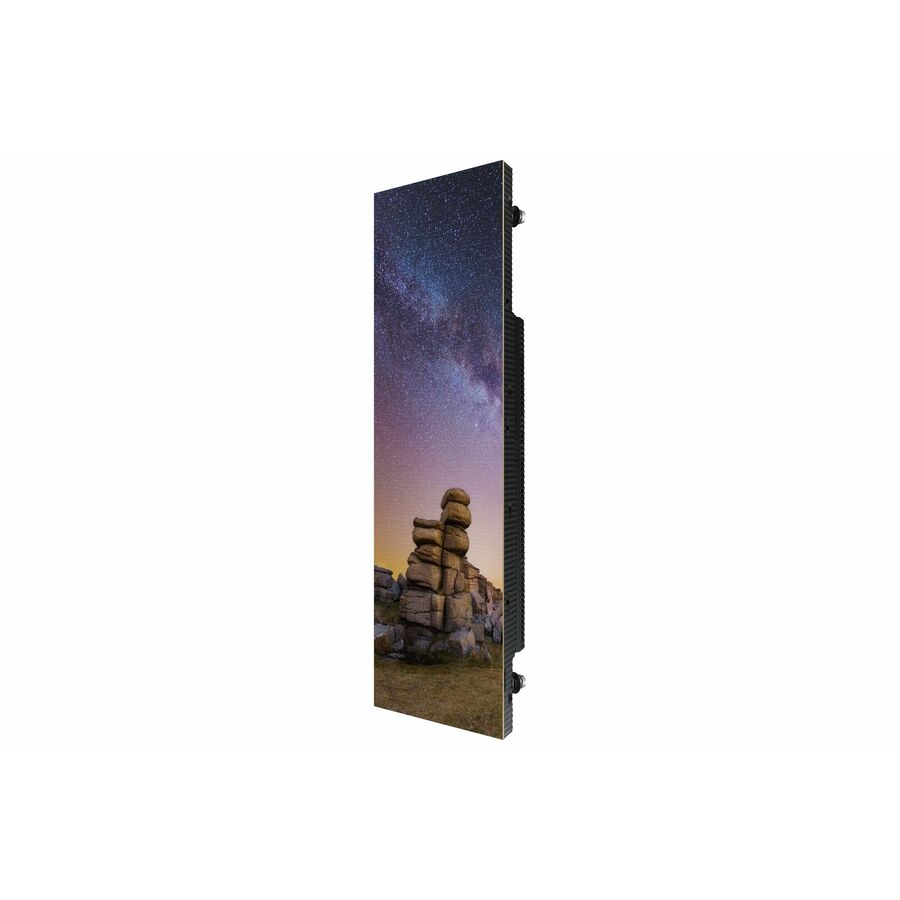


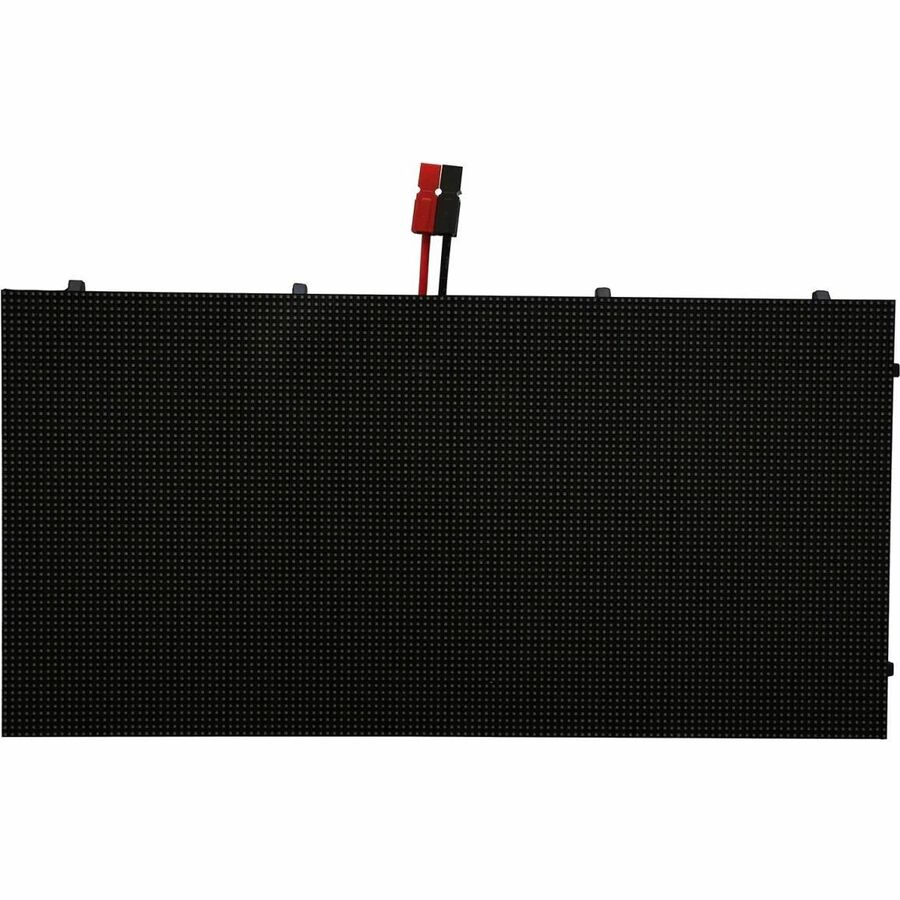




P2.5 all-in-one
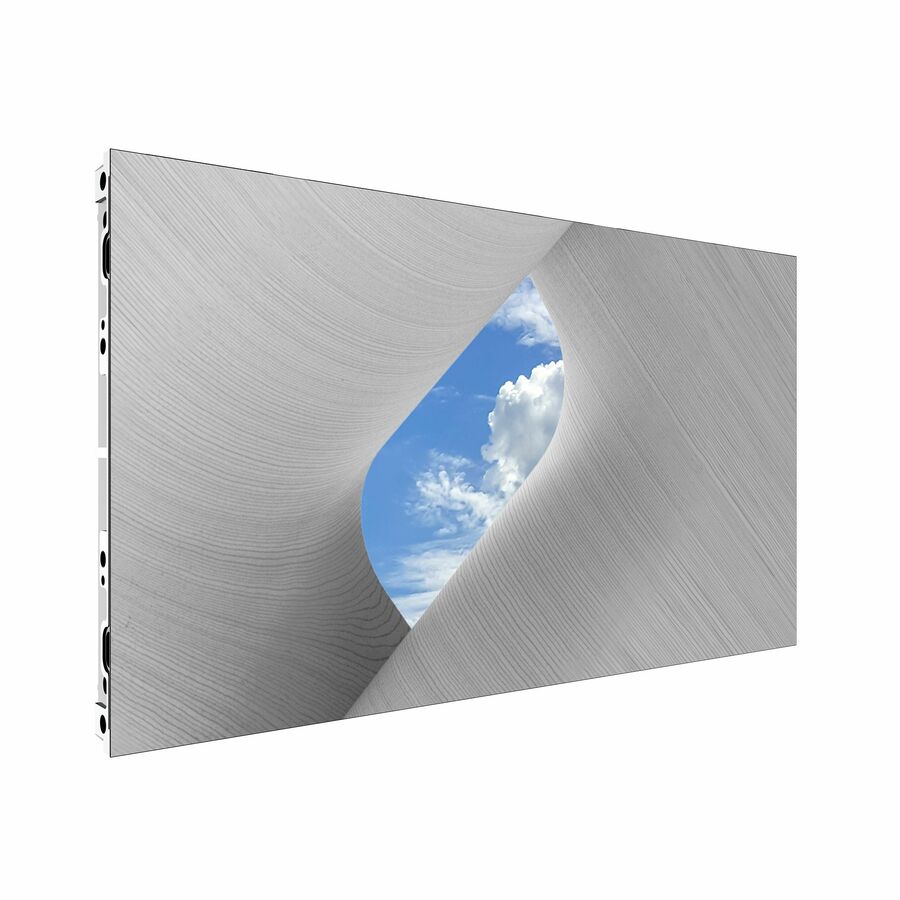
ViewSonic
ViewSonic Direct View LED LDC027-250
LDC027-250
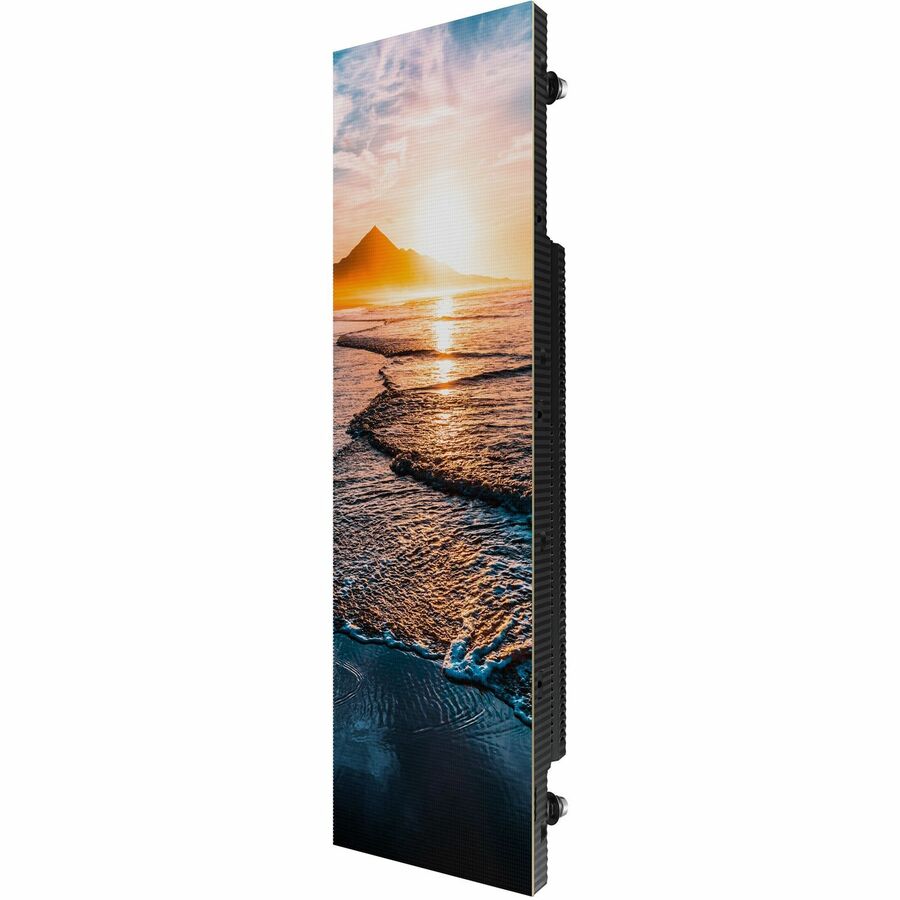
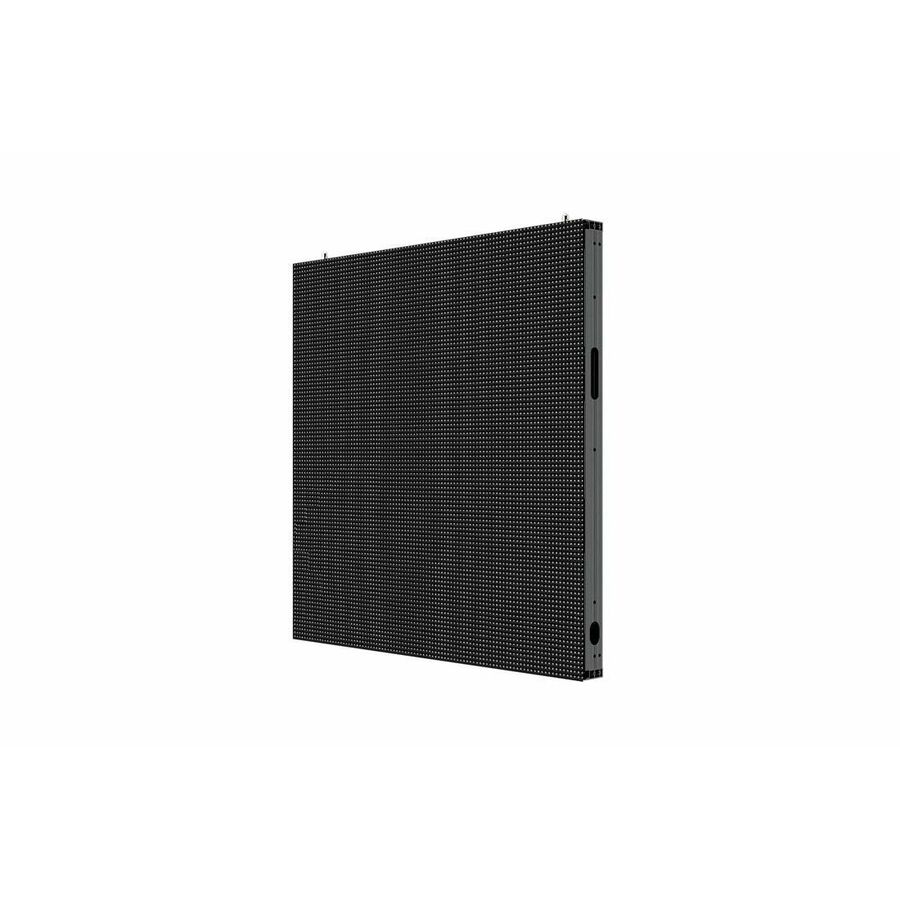
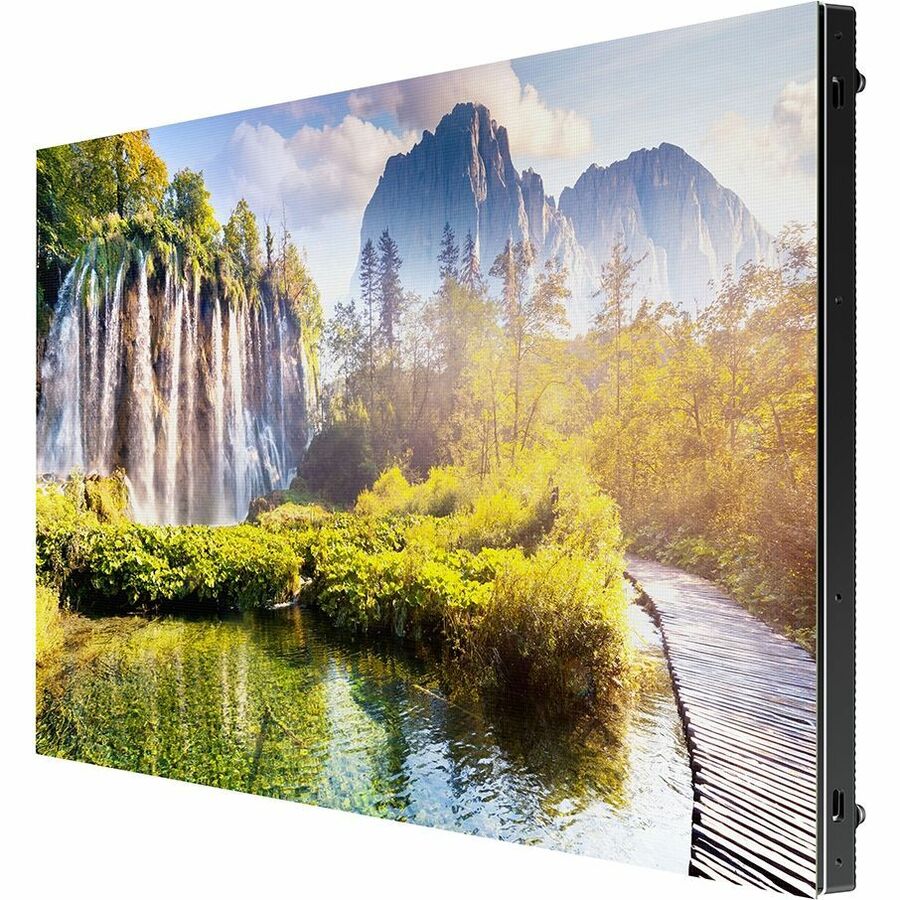
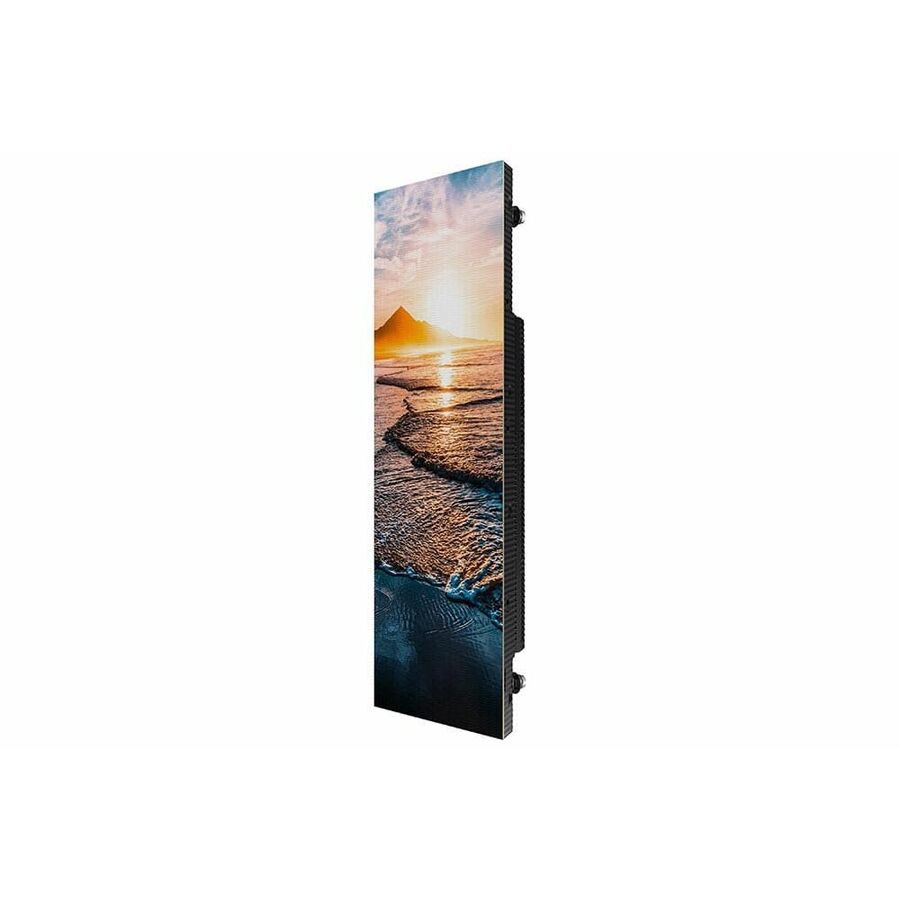
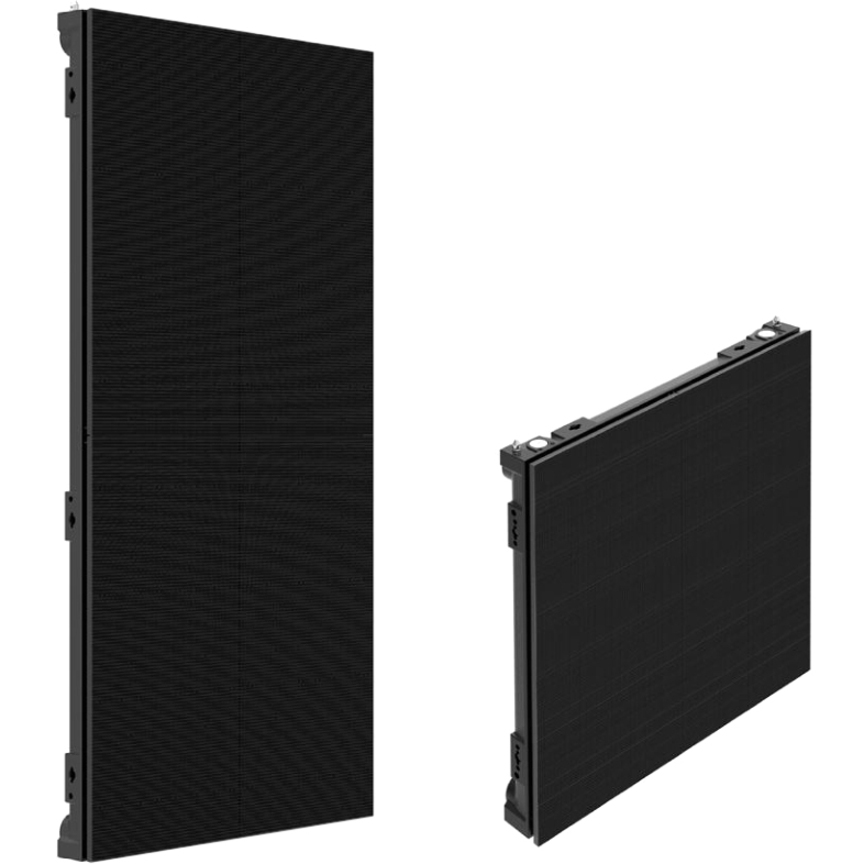
A configurable all-in-one direct-view LED display at P2.5 pitch in a 16:9 aspect ratio with a GOB surface — the entry point into a finished LED wall rather than a module set.
$1,326.91Back-orderedP1.5 all-in-one
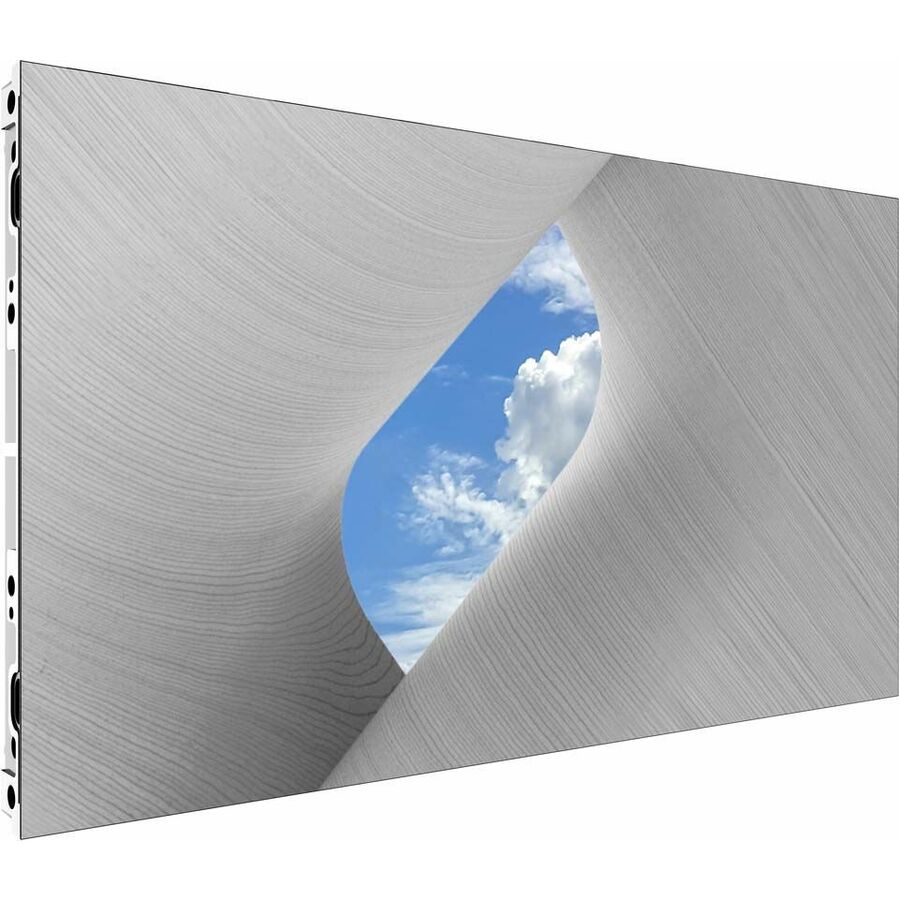
ViewSonic
ViewSonic Direct View LED LDC027-150
LDC027-150
The same configurable all-in-one 16:9 GOB family at P1.5 pitch, for a surface people will stand close to and read rather than glance at from across a room.
$1,990.99Back-ordered136 inch, TAA
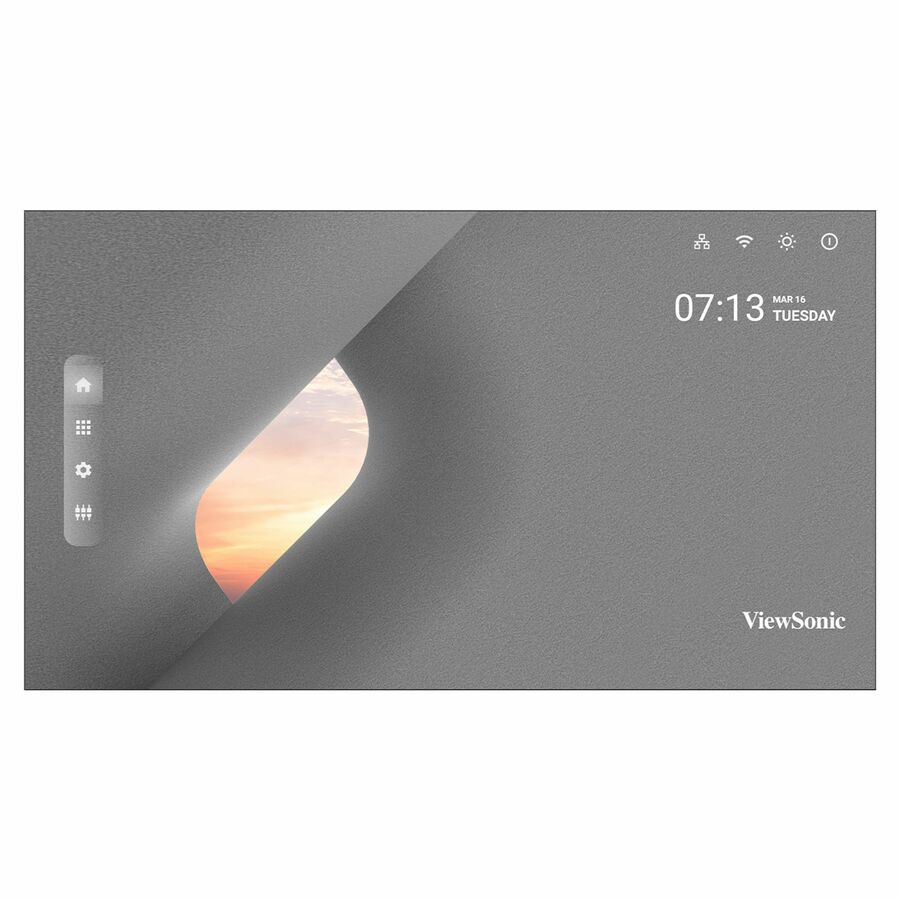
ViewSonic
ViewSonic 136" All-in-One Direct View LED Display, TAA Compliant
LDM136-151-TAA
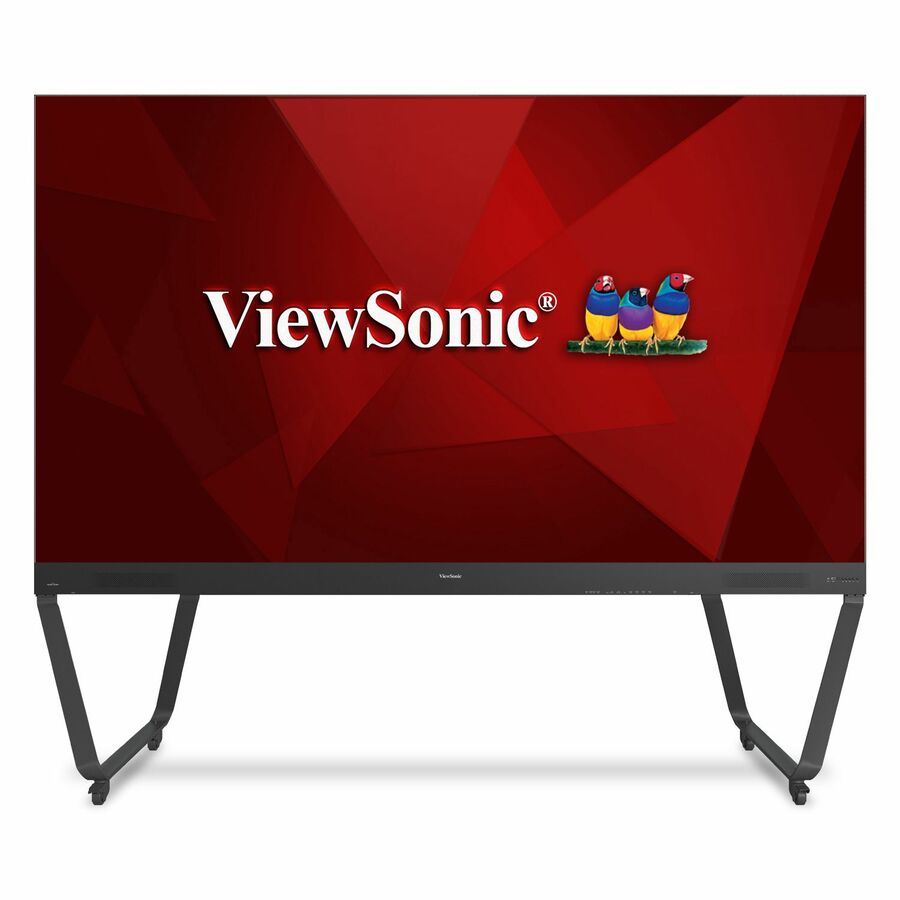
A 136-inch all-in-one direct-view LED display rated for 24/7 operation at 1080p and 600 nits, with speakers, wireless LAN and Ethernet built in.
Titled TAA Compliant by the manufacturer — a per-part fact to confirm on the row you order.
$34,863.07*Back-ordered2x4 wall, 1000 nit
LG Electronics
LG Compact LSBC019-CD Digital Signage Display
LSBC019-CD
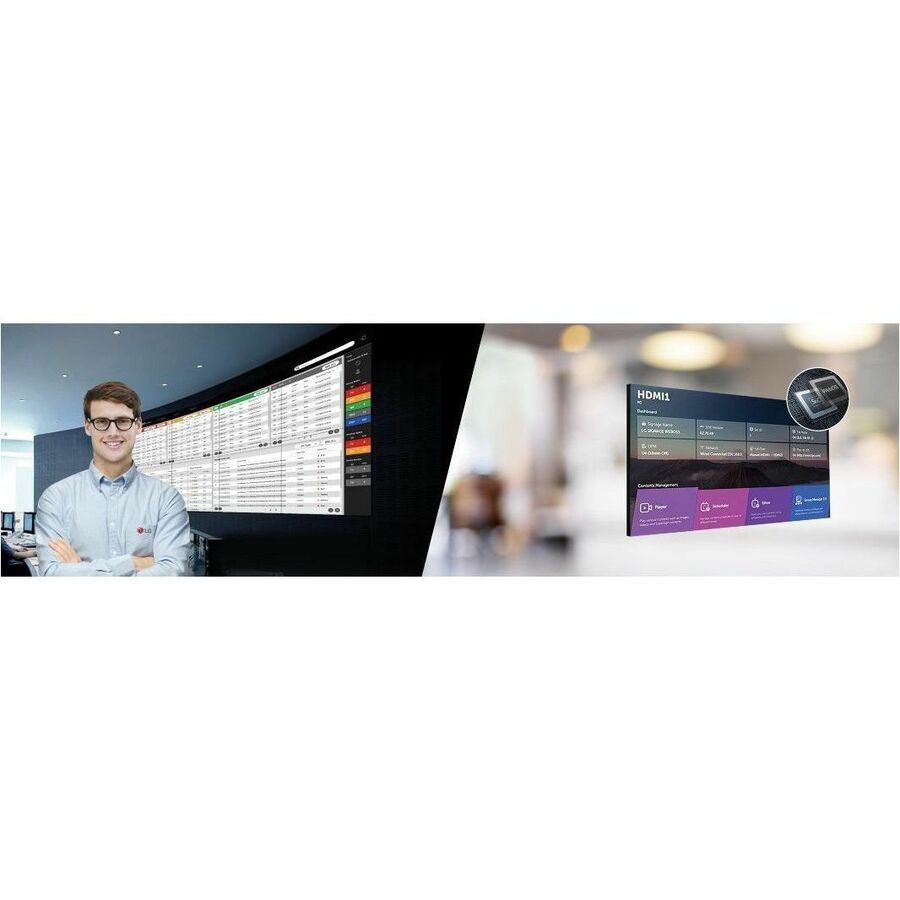
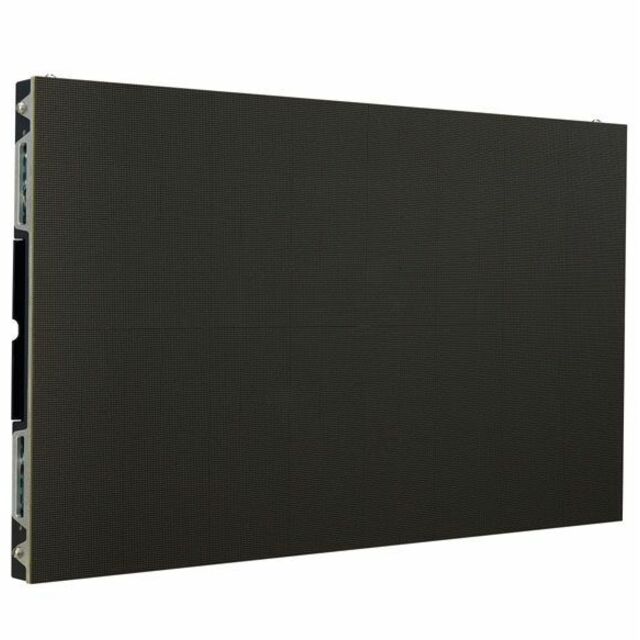
A compact direct-view LED signage display configured as a 2x4 video wall, with high dynamic range, 1000 nits and webOS on board for playback without an external player.
$885.70Back-ordered2.5 mm value series

LG Electronics
LG 2.5 mm LSBF Value Series TAA Compliant Direct View LED
LSBF025-GD
A 2.5 mm value-series direct-view LED display with high dynamic range at 600 nits — the pitch and brightness combination that suits a lobby or corridor wall read from a few metres.
Titled TAA Compliant by the manufacturer, on that specific part number.
$2,749.75*Back-orderedOutdoor, 7000 nit

LG Electronics
LG Outdoor LED GSEG Ultra High Brightness Series
GSEG083-GR.AUSQ
An outdoor ultra-high-brightness direct-view LED series rated at 7000 nits with high dynamic range and webOS — built for a surface that has to compete with daylight.
Request pricingP4.0, 1500 nit
Samsung
Samsung P4.0 LED Signage IF040R-F
LH040IFRCFS/GO
A P4.0 direct-view LED signage cabinet with high dynamic range at 1500 nits, a coarser pitch sized for the viewing distances of an atrium or a large retail floor.
$635.34Back-orderedP1.5 fine pitch
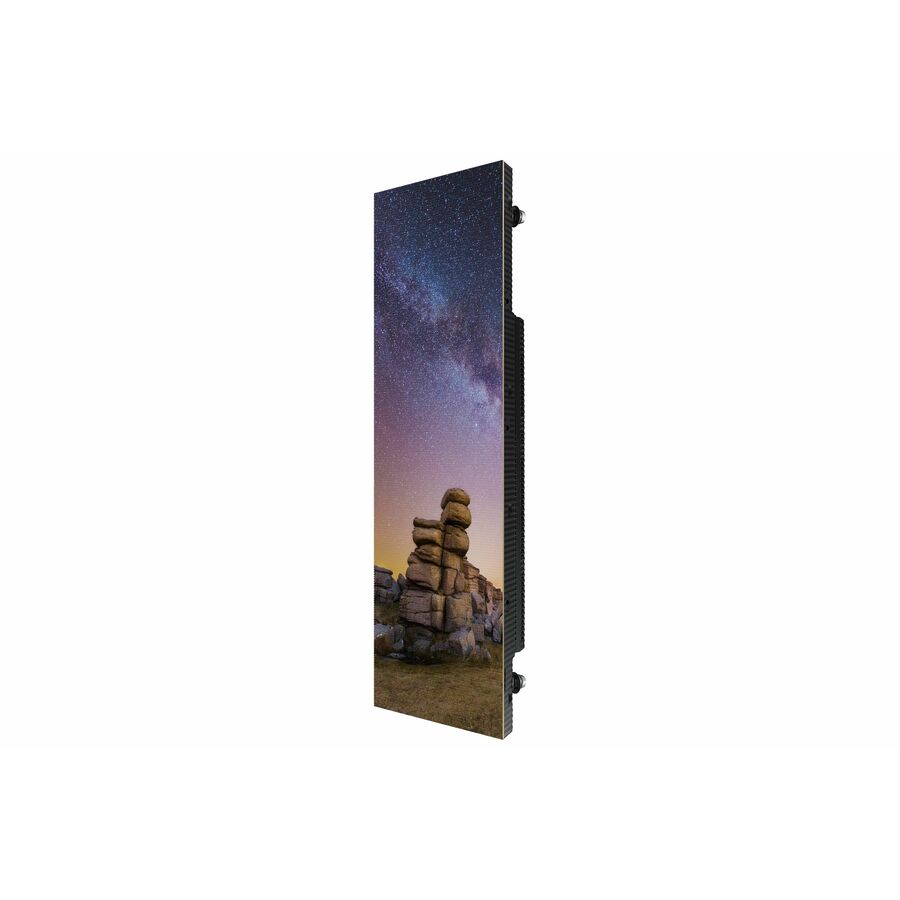
Samsung
Samsung IE015A-F (P1.5) LED Signage
LH015IEACFS/GO
A P1.5 direct-view LED signage cabinet with high dynamic range at 1000 nits and Tizen on board — the fine-pitch end of the same family, for close viewing.
$1,306.08Back-orderedPremium, 1600 nit
Samsung
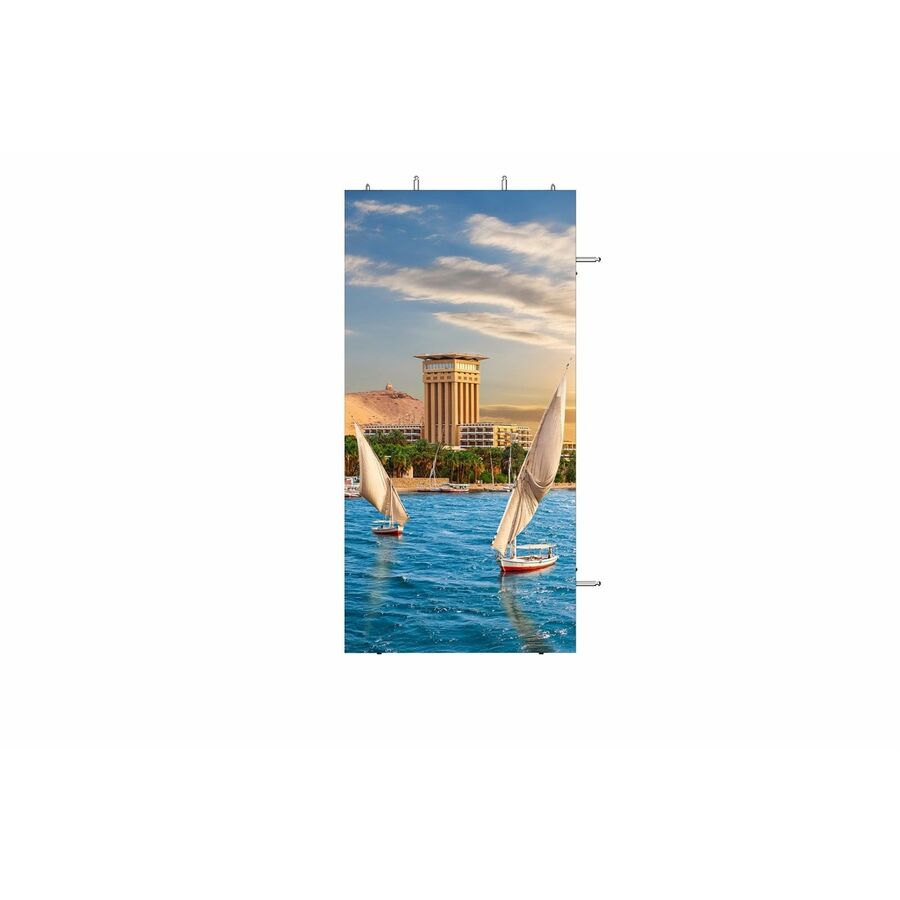
Samsung Premium IW012A Digital Signage Display
LH012IWAMWS/GO
A premium direct-view LED display with high dynamic range at 1600 nits and a 640 x 360 module grid, for a wall that has to hold detail and brightness together.
Titled TAA Compliant by the manufacturer on that part number.
$7,955.80*In stockVenue Pro VX
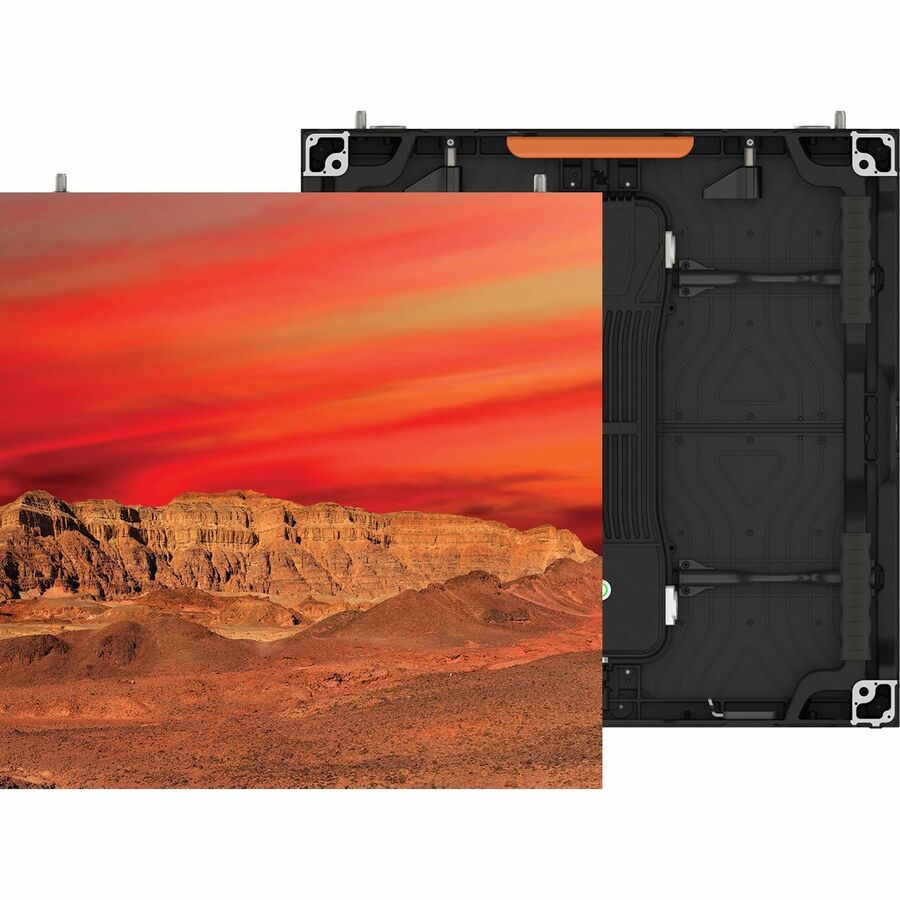
Leyard
Planar Venue Pro VX VPI-1.9VX Digital Signage Display
998-3200-00
A Venue Pro VX direct-view LED signage display rated for 24/7 operation with high dynamic range at 1200 nits — a continuous-duty cabinet rather than an office-hours panel.
$2,503.05Back-orderedVenue Pro, 1500 nit
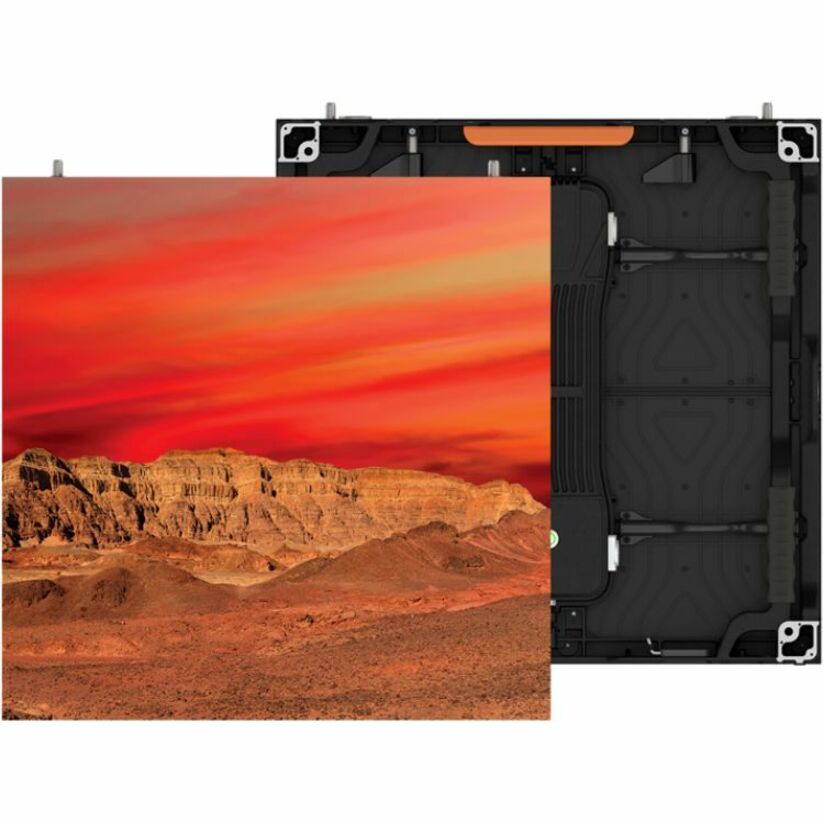
Leyard
Planar Venue Pro VX VPI-2.5VX B Digital Signage Display
998-3203-00
The brighter Venue Pro VX variant at 1500 nits, also rated for 24-hour operation, for a room where ambient light is higher than a controlled indoor space.
$2,109.62Back-orderedDirectLight Pro HD
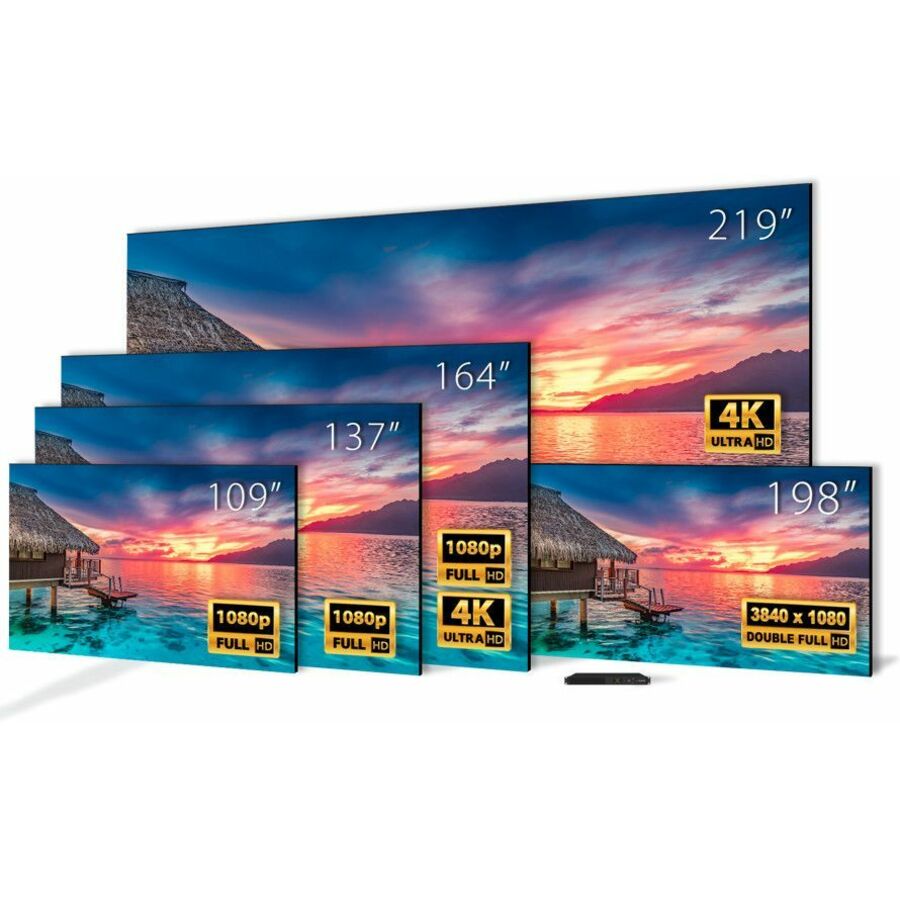
Leyard
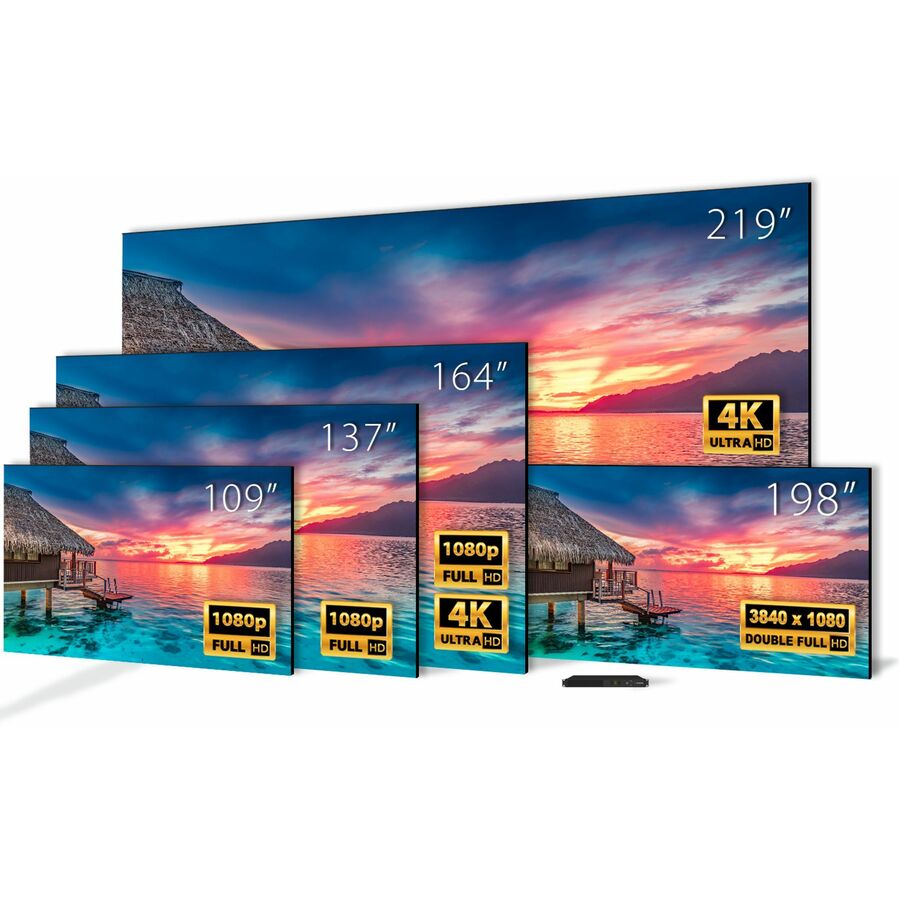
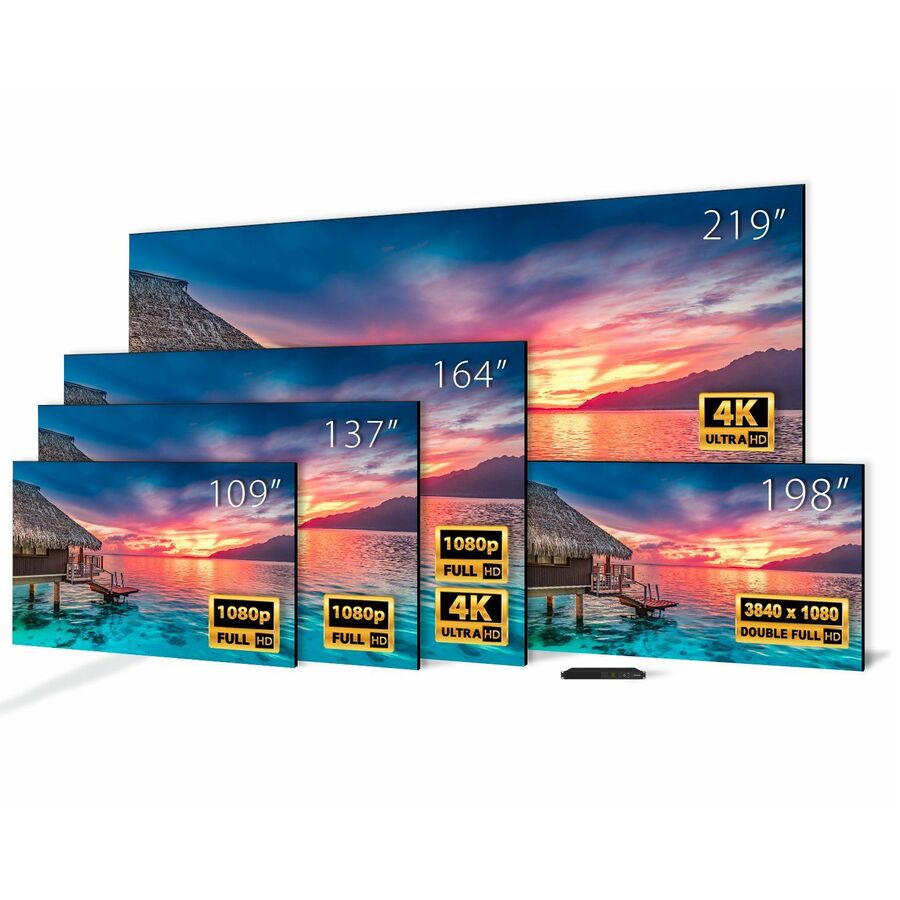
Planar DirectLight ProComplete HD 164 LED Video Wall
998-4280-00
A complete DirectLight Pro HD 164 LED video wall at 3840 x 2160 and 2000 nits, rated for 24/7 operation — a full wall package rather than a cabinet count.
Titled TAA Compliant by the manufacturer on that part number.
$76,773.70*Back-ordered8x8 FHD kit

Sharp
NEC Display 217" E Series FHD LED Kit
LED-E025I-217
A 217-inch E Series FHD LED kit configured as an 8x8 video wall at 1920 x 1080 and 1100 nits, supplied as a kit so the array and its parts arrive together.
$79,430.36Back-ordered4x4 module bundle
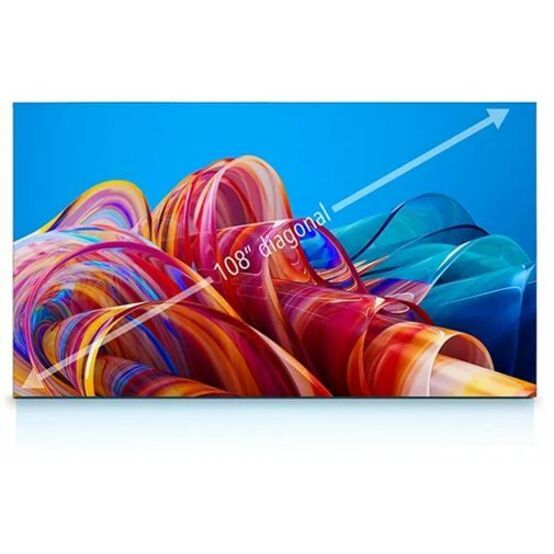
Sharp Electronics
Sharp LD-EC121 4x4 108in Modules(Bundle)
LD-EC121-F
A 4x4 video wall bundle of 108-inch modules at 1920 x 1080 and 660 nits — the modular route, bought as a bundle so the module count is settled at the order rather than on site.
$37,806.05Back-orderedAcclaim, 800 nit
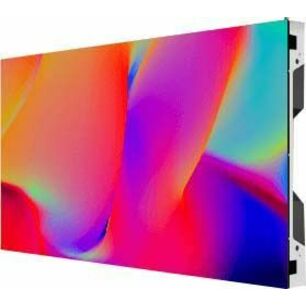
Absen American
Absen Acclaim A2715 V3 Digital Signage Display
B4515-1-02
An Acclaim-series direct-view LED display on a 384 x 216 module grid in 16:9 at 800 nits, a compact indoor cabinet for a smaller feature wall.
Request pricing138 inch AiO panel
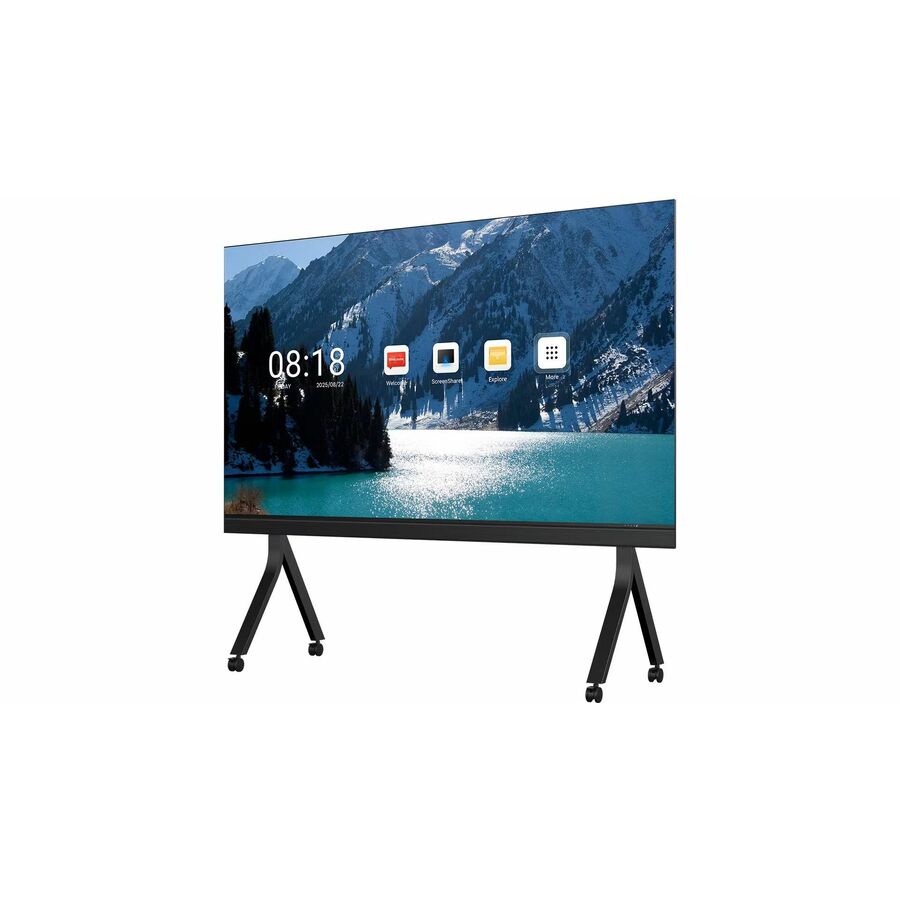
Maxnerva Technology Services
INFOCUS, DIRECT VIEW LED PANEL, 138" 1.5mm 1080p AiO, INDv138
INDv138
A 138-inch all-in-one direct-view LED panel at 1.5 mm pixel pitch and 1080p with a GOB surface, 550 nits, integrated speakers and its own Android playback system.
Every row this page renders carries Direct View LED in the manufacturer's own title, as this one does.
$31,548.27Back-orderedMore digital signage systems in the Uniqcli catalog
See all 1,751 digital signage systemsMore from across this category. In-stock lines lead, and a back-ordered line carries the same estimated availability its product page does — with live pricing throughout, NDAA §889 screening before checkout and TAA verified on request.
- LG ElectronicsLG Ultra Stretch LSCB-V589C Digital Signage Display - 49.08 ft LCD - Direct View LED - 800 NitWi-Di Technology - WebOSLSCB-V589C.EUS
$770,255.00
$654,716.75
Back-orderedBack-ordered — estimated OEM lead time 3–8 weeks (Nov 13 – Dec 18 if ordered today).
- ViewSonicViewSonic LDP136-071C - Pre-configured 136" 4K All-In-One Direct View LED Display - 11.33 ft LCD - Rockchip RK3399 - 4 GB DDR4 SDRAM - 3840 x 2160 - 16:9 - Direct View LED - 600 Nit - 2160p - HDMI - USB - Serial - Wireless LAN - Ethernet - Android 9.0 PieLDP136-071C
$199,999.00
$116,213.17
Back-orderedBack-ordered — estimated OEM lead time 3–8 weeks (Nov 13 – Dec 18 if ordered today).
- ViewSonicViewSonic LDP217-121C 217" 4K All-In-One Direct View LED Display - 18.08 ft LCD - Rockchip RK3399 - 4 GB DDR4 SDRAM - 3840 x 2160 - 16:9 - Direct View LED - 600 Nit - 2160p - HDMI - USB - Serial - Wireless LAN - Ethernet - Android 9.0 PieLDP217-121C
$189,999.00
$113,999.57
Back-orderedBack-ordered — estimated OEM lead time 3–8 weeks (Nov 13 – Dec 18 if ordered today).
- LeyardPlanar DirectLight Pro Complete UHD219-12MHUD Digital Signage Display - 18.25 ft LCD - 24 Hours/7 Days Operation - 3840 x 2160 - Direct View LED - 2000 Nit - 2160p - HDMI - USB - SerialEthernet - TAA Compliant998-4282-00
$237,269.00
$166,424.07*
Back-orderedBack-ordered — estimated OEM lead time 3–8 weeks (Nov 13 – Dec 18 if ordered today).
- LG ElectronicsLG Ultra HD LSCC-U325C Digital Signage Display - 27.10 ft LCD - 3840 x 2160 - Direct View LED - 800 Nit - 2160pLSCC-U325C
$433,635.00
$368,589.75
Back-orderedBack-ordered — estimated OEM lead time 3–8 weeks (Nov 13 – Dec 18 if ordered today).
- LeyardPlanar DirectLight Pro Complete UHD 164LED Video Wall - 13.67 ft LCD - 24 Hours/7 Days Operation - 3840 x 2160 - Direct View LED - 1600 Nit - 2160p - HDMI - Serial - TAA Compliant998-4281-00
$249,640.00
$187,845.11*
Back-orderedBack-ordered — estimated OEM lead time 3–8 weeks (Nov 13 – Dec 18 if ordered today).
- SamsungSamsung The Wall All-in-One 146" (2K) - 12.17 ft LCD - High Dynamic Range (HDR) Neural Quantum Processor 4K - 1920 x 1080 - Full HD - Direct View LED - 1600 Nit - 1080p - HDMI - USB - SerialEthernet - Tizen 6.5LH016IABMHS/GO
$123,200.00
$62,454.60
Back-orderedBack-ordered — estimated OEM lead time 3–8 weeks (Nov 13 – Dec 18 if ordered today).
- ViewSonicViewSonic LDP163-091C 163" 4K All-In-One Direct View LED Displays - 13.58 ft LCD - Rockchip RK3399 - 4 GB DDR4 SDRAM - 3840 x 2160 - 16:9 - Direct View LED - 600 Nit - 2160p - HDMI - USB - Serial - Wireless LAN - Ethernet - Android 9.0 PieLDP163-091C
$169,999.00
$110,679.16
Back-orderedBack-ordered — estimated OEM lead time 3–8 weeks (Nov 13 – Dec 18 if ordered today).
- LG ElectronicsLG LSBB-U163C Digital Signage Display - 13.58 ft LCD - 6x6 Video Wall - 3840 x 2160 - 16:9 - Direct View LED - 600 Nit - 2160pLSBB-U163C.EUS
$287,772.00
$244,606.20
Back-orderedBack-ordered — estimated OEM lead time 3–8 weeks (Nov 13 – Dec 18 if ordered today).
- LG ElectronicsLG 217" 4K UHD LSCC Ultra Slim Indoor LED Ultimate Business Display - 18.08 ft LCD - 16:9 - Direct View LED - 800 Nit - webOS 4.1LSCC-U217C
$264,248.00
$224,610.80
Back-orderedBack-ordered — estimated OEM lead time 3–8 weeks (Nov 13 – Dec 18 if ordered today).
- Maxnerva Technology ServicesInFocus INDV220 Digital Signage Display - 18.33 ft LCD - 24 Hours/7 Days Operation - ARM Cortex A72 - 4 GB SDRAM - 1920 x 1080 - 16:9 - Direct View LED - 550 Nit - 1080p - HDMI - USB - Serial - Wireless LAN - Bluetooth - Ethernet - Android 9.0 PieINDv220
$80,114.00
$50,163.74
Back-orderedBack-ordered — estimated OEM lead time 3–8 weeks (Nov 13 – Dec 18 if ordered today).
- SamsungSamsung The Wall All-in-One Non-WiFi Non-Bluetooth 146" (2K) - 12.17 ft LCD - High Dynamic Range (HDR) Neural Quantum Processor 4K - 1920 x 1080 - Direct View LED - 500 Nit - 1080pLH016IABMHG/GO
$123,200.00
$93,597.67
Back-orderedBack-ordered — estimated OEM lead time 3–8 weeks (Nov 13 – Dec 18 if ordered today).
- Maxnerva Technology ServicesINFOCUS, DIRECT VIEW LED PANEL, 110" 1.2mm 1080p FOLDABLE AiO, INDvF110 - 550 NITS, 1080P, GOB, 1.2mm PIXEL PITCH, 100,000 HOURS, 170º H&V VIEWING, ANDROID 9, DUAL CORTEX-A72 + QUAD CORETEX-A53 2.0GHZ, 4GB RAM + 32GB ROMINDvF110
$69,052.00
$43,177.41
Back-orderedBack-ordered — estimated OEM lead time 3–8 weeks (Nov 13 – Dec 18 if ordered today).
- Sharp ElectronicsSharp LD-D121-U Digital Signage Display - 18.33 ft LCD - 3840 x 2160 - 16:9 - Direct View LED - 880 Nit - 2160p - USBEthernetLD-D121-U
$332,937.00
$308,083.79
Back-orderedBack-ordered — estimated OEM lead time 3–8 weeks (Nov 13 – Dec 18 if ordered today).
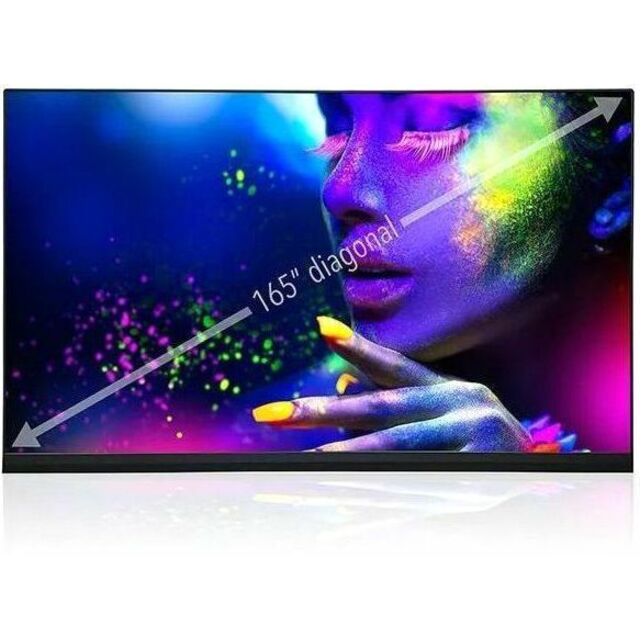
- Sharp ElectronicsSharp 165" D-Series UHD LED Kit - 13.75 ft LCD - 3840 x 2160 - 16:9 - Direct View LED - 880 Nit - 2160p - USB - SerialEthernetLD-D091-U
$320,700.00
$296,661.00
Back-orderedBack-ordered — estimated OEM lead time 3–8 weeks (Nov 13 – Dec 18 if ordered today).
- SamsungSamsung IAC 130 2K Digital Signage Display - 10.83 ft LCD - High Dynamic Range (HDR) - 1920 x 1080 - Direct View LED - 1000 Nit - 1080p - HDMI - USB - Serial - Wireless LAN - Bluetooth - Ethernet - Tizen 6.5 - BlackLH015IACCHS/ZA
$53,600.00
$29,910.50
Back-orderedBack-ordered — estimated OEM lead time 3–8 weeks (Nov 13 – Dec 18 if ordered today).
- Maxnerva Technology ServicesInFocus INDV165 Digital Signage Display - 13.75 ft LCD - 24 Hours/7 Days Operation - ARM Cortex A72 - 4 GB SDRAM - 1920 x 1080 - 16:9 - Direct View LED - 550 Nit - 1080p - HDMI - USB - Serial - Wireless LAN - Bluetooth - Ethernet - Android 9.0 PieINDv165
$61,149.00
$38,263.47
Back-orderedBack-ordered — estimated OEM lead time 3–8 weeks (Nov 13 – Dec 18 if ordered today).
- Sharp ElectronicsSharp LD-FA122-U Digital Signage Display - 18.33 ft LCD - 3840 x 2160 - 16:9 - Direct View LED - 880 Nit - HDMI - USBEthernetLD-FA122-U
$301,199.00
$278,785.06
Back-orderedBack-ordered — estimated OEM lead time 3–8 weeks (Nov 13 – Dec 18 if ordered today).
- Sharp ElectronicsSharp LD-FE123-U Digital Signage Display - 18.33 ft LCD - 3840 x 2160 - 16:9 - Direct View LED - 770 Nit - HDMIEthernetLD-FE123-U
$292,877.00
$271,092.02
Back-orderedBack-ordered — estimated OEM lead time 3–8 weeks (Nov 13 – Dec 18 if ordered today).
- Sharp ElectronicsSharp 165" FA Series UHD LED kit - 13.75 ft LCD - 3840 x 2160 - 16:9 - Direct View LED - 660 Nit - 2160p - HDMI - USB - SerialEthernetLD-FA092-U
$275,999.00
$255,287.55
Back-orderedBack-ordered — estimated OEM lead time 3–8 weeks (Nov 13 – Dec 18 if ordered today).
- Sharp ElectronicsSharp LD-FE122-U Digital Signage Display - 18.33 ft LCD - 3840 x 2160 - 16:9 - Direct View LED - 770 Nit - HDMIEthernetLD-FE122-U
$267,599.00
$247,724.51
Back-orderedBack-ordered — estimated OEM lead time 3–8 weeks (Nov 13 – Dec 18 if ordered today).
- Maxnerva Technology ServicesINFOCUS, DIRECT VIEW LED PANEL, 138" 1.5mm 1080p AiO, INDv138 - 550 NITS, 1080P, GOB, 1.5mm PIXEL PITCH, 100,000 HOURS, 170º H&V VIEWING, 2 X 20W SPEAKERS, HDMI IN, USB-C, 3.5MM AUDIO IN, HDMI OUT, OPTICAL AUDIO OUT, 3.5MM AUDIO OUT, RS232, RS485, ANDROID 9, DUAL CORTEX-A72 + QUAD CORETEX-A53 2.0GHZ, 4GB RAM + 32GB ROMINDv138
$50,719.00
$31,548.27
Back-orderedBack-ordered — estimated OEM lead time 3–8 weeks (Nov 13 – Dec 18 if ordered today).
- Maxnerva Technology ServicesINFOCUS, DIRECT VIEW LED PANEL, 138" 1.5mm 1080p FOLDABLE AiO, INDvF138 - 550 NITS, 1080P, GOB, 1.5mm PIXEL PITCH, 100,000 HOURS, 170º H&V VIEWING, ANDROID 9, DUAL CORTEX-A72 + QUAD CORETEX-A53 2.0GHZ, 4GB RAM + 32GB ROMINDvF138
$50,812.00
$31,791.75
Back-orderedBack-ordered — estimated OEM lead time 3–8 weeks (Nov 13 – Dec 18 if ordered today).
- ViewSonic163" All-in-One Direct View LED Display, 1920 x 1080 Resolution, 600-nit Brightness, Portrait Orientation, Picture-in-Picture - Direct View LEDLDP163-181 - 1080p 32:9 All-in-One DvLED Display w/ Integrated Software - 600 cd/m2 - 163"LDP163-181
$101,537.00
$83,009.06
Back-orderedBack-ordered — estimated OEM lead time 3–8 weeks (Nov 13 – Dec 18 if ordered today).




Need pricing on direct-view LED displays?
Tell us where to reach you and a Uniqcli specialist will follow up by email with current pricing, availability and lead time for the quantities you need — including parts that aren’t shown on this page.
Buying for an organization or for yourself — both work. No payment up front.
The phrase "LED video wall" gets used for two different things, and the difference decides the budget. One is an array of LCD panels with narrow bezels, tiled into a grid; you can see the seams if you look, and the technology is the same as a desk monitor. The other is direct-view LED, where the light-emitting diodes are the picture itself — no bezels, no seams, and a surface that can be built to any shape and size the structure will carry. Everything on this page is the second kind, because every row carries "Direct View LED" in the manufacturer's own catalog title.
That fence is deliberate and it is narrower than a keyword search would give you. Search the signage shelf for "LED" and most of what comes back is an LCD panel whose title mentions LED because the backlight is LED — a perfectly good display, and not a direct-view LED wall. Filtering on the manufacturer's own product-class phrase is the only way to make the page's own H1 true for every card on it, and it is the same discipline the TAA lanes on this site use for origin claims.
One honest note about what you are buying. A direct-view LED wall is usually not one product: it is a set of cabinets or modules, a receiving and control system, a mounting structure and a commissioning visit, and the catalog rows below are the display half of that. Some of them are all-in-one panels that arrive as a finished screen at a fixed size; others are cabinets and modules that tile to whatever the room needs. Both shapes are on this page, and the titles tell you which is which.
Buyer's checklist
How to choose a direct-view LED wall
- Set the pixel pitch from the closest viewing distance, not from the room's size. Pitch is the millimetre spacing between LEDs, so a tighter pitch is what lets a viewer stand near the wall without seeing the grid; a lobby wall read from across an atrium tolerates a much looser pitch than a control-room wall read from a desk two metres away.
- Read the brightness against the light in the actual room. The titles on this page state nits directly, and the spread is enormous — hundreds of nits for an indoor lobby, thousands for a shopfront facing daylight, and higher again for genuinely outdoor mounting. Over-specifying brightness costs money and power; under-specifying it produces a wall nobody can read at midday.
- Decide all-in-one versus modular early, because they are different projects. An all-in-one panel arrives as a finished screen at a fixed size and installs like a very large display. A cabinet or module system is configured to the wall you want, which is the only route to a non-standard shape or size — and it brings a configuration and commissioning step with it.
- Confirm indoor versus outdoor rating from the title, not from the brochure photograph. Outdoor-rated and high-brightness series are distinct product lines with their own sealing, brightness and thermal design, and an indoor cabinet mounted outside is a warranty conversation rather than an installation.
- Budget the parts that are not the display. Receiving cards and controllers, the mounting structure, power distribution, signal cabling and a commissioning visit are all real lines on a working wall, and a quote that lists only the cabinets is not a quote for a wall.
- Plan service access before the structure is fixed. Front-serviceable modules can be swapped from the room side; rear-serviceable ones need clearance behind the wall. That single decision determines how much space the wall consumes and how expensive a dead module is to replace three years in.
- Match the resolution to the source you will actually feed it. A wall assembled to an arbitrary size will not land on a tidy 1080p or 2160p grid unless it was configured to, and scaling a mismatched source is where a lot of the visible quality of a wall is won or lost.
- Where an order carries a country-of-origin requirement, check the designation on the exact part number rather than the range. Several manufacturers list a TAA-designated cabinet beside an otherwise identical one, and the two are indistinguishable on a room drawing.
Pixel pitch, viewing distance and where the money goes
Pitch is the single specification that drives cost on a direct-view LED wall, and it is the one most often chosen by feel. The number is the spacing in millimetres between adjacent LEDs, so halving the pitch roughly quadruples the diode count for the same physical area — which is why a fine-pitch control-room wall and a coarse-pitch lobby wall of identical size can sit an order of magnitude apart on price. The useful discipline is to work from the nearest realistic viewing position rather than the furthest: a wall behind a reception desk is read from a metre away by the receptionist and from twelve metres by everyone else, and the person at a metre sets the requirement.
Brightness follows the room rather than the wall. The selection here spans indoor panels in the hundreds of nits through high-brightness outdoor series in the thousands, and the titles state the figure per part. A lobby with controlled lighting does not need a shopfront's output; a window-facing wall competing with direct sun does, and no amount of pitch compensates for a picture the ambient light washes out. The two specifications are chosen together: pitch decides how close someone can stand, brightness decides whether they can see it at all.
All-in-one panels versus cabinets, and the parts nobody quotes
An all-in-one direct-view LED panel is the least complicated way into the category. It arrives as a finished screen at a fixed diagonal, often with an integrated media player and speakers, and it installs much like a very large display — one part number, one mount, one power feed. For a meeting room, a training space or a lobby feature wall at a standard size, that simplicity is worth a great deal, and it removes the configuration step entirely. What it cannot do is fit a shape the manufacturer did not build.
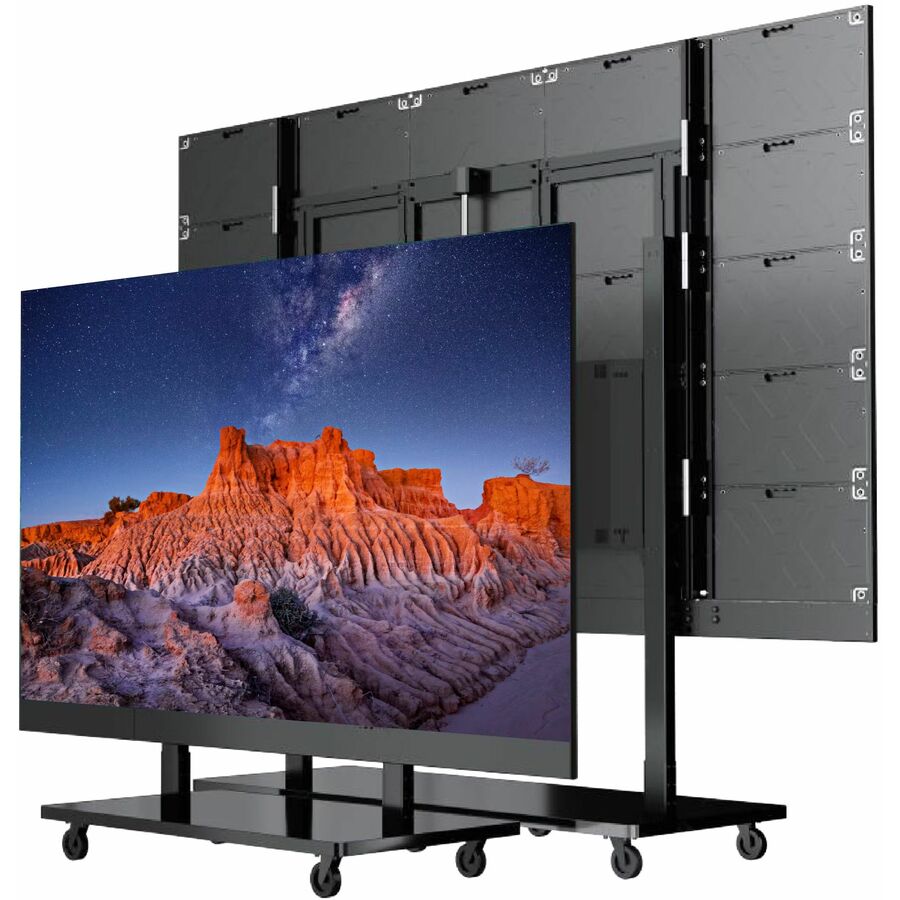
Cabinet and module systems are the other road, and they are what make a wall fit a room rather than the other way round. The cabinets tile to the width and height you configure, which is the only way to build a non-standard aspect ratio, a curve, or a surface that wraps a structural column. The price of that flexibility is a project: a receiving and control system to drive the array, a mounting structure rated for the assembled weight, power distribution sized to the full load, and a commissioning pass to align brightness and colour across every module so the wall reads as one surface. Front-serviceable designs let a technician pull a failed module from the room side, which is worth planning for at the structure stage rather than discovering later. Send the room dimensions, the nearest viewing position, the ambient light conditions and the sources you intend to feed it, and the display, the structure and the control hardware can be quoted together on one document.
FAQ
Common questions
- What is the difference between an LED video wall and an LCD video wall?
- An LCD video wall is a grid of tiled LCD panels with narrow bezels, so there are visible seams between the panels even on the tightest designs. A direct-view LED wall has no seams at all: the light-emitting diodes form the image directly, and the surface is continuous across however many cabinets are assembled. Confusion arises because most LCD panels are LED-backlit and their titles say so — which is why every row on this page carries the phrase Direct View LED in the manufacturer's own title rather than just the word LED.
- What pixel pitch do I need?
- Work from the closest position anyone will realistically view the wall from, not from the room's overall size. Pitch is the millimetre spacing between diodes, so a tighter pitch is what lets a viewer stand near the surface without resolving the grid — which is why control rooms and boardrooms specify fine pitch and large-format lobby or venue walls, read from much further back, do not need to. Because diode count rises sharply as pitch falls, this is also the specification that drives the budget more than any other.
- Is an all-in-one LED panel the same thing as a video wall?
- It is the packaged version of one. An all-in-one direct-view LED display arrives as a finished screen at a fixed size, frequently with an integrated player, and installs like a single very large display. A cabinet or module system is configured to the dimensions you want and assembled on site, which is what allows a non-standard size, shape or curve. Both appear on this page and the manufacturer titles say which is which; the all-in-one is simpler to buy and install, the modular system is what fits a room that is not a standard rectangle.
- What else is needed besides the LED cabinets?
- A working wall is a display, a control layer and a structure. Beyond the cabinets or modules themselves you should expect receiving and control hardware to drive the array, a mounting structure rated for the assembled weight, power distribution sized for the full load, signal cabling, and a commissioning pass that aligns brightness and colour across modules so the surface reads as one picture. Service access — whether modules pull from the front or the rear — is decided by the structure, so plan it before the structure is fixed rather than after.
- Can business, government and education buyers order these?
- Every line Uniqcli quotes is sourced through US distribution and screened for TAA country-of-origin and NDAA §889 status before checkout — with documentation tied to the specific part number, not a product family.
Need direct-view LED displays pricing?
Send a bill of materials or part numbers — we confirm stock and a below-market total, with TAA verified on request. No payment up front.