
Best Hardware-Encrypted Drives for Regulated Data
PIN-keypad, FIPS-validated and self-encrypting drives whose manufacturers state encryption in the part's own title — read alongside how to verify the claim before it goes on a purchase order.
Hardware-encrypted drives in stock at Uniqcli
How to choose →A curated selection with live pricing — in-stock lines first, then back-ordered lines with a typical lead time. Every line is sourced through US distribution and screened for NDAA §889 status before checkout, with TAA verified on request.
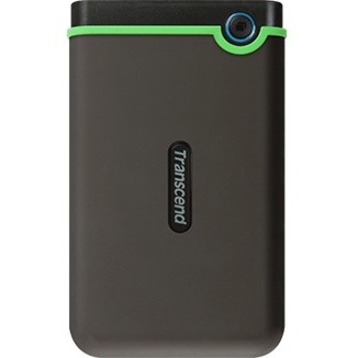
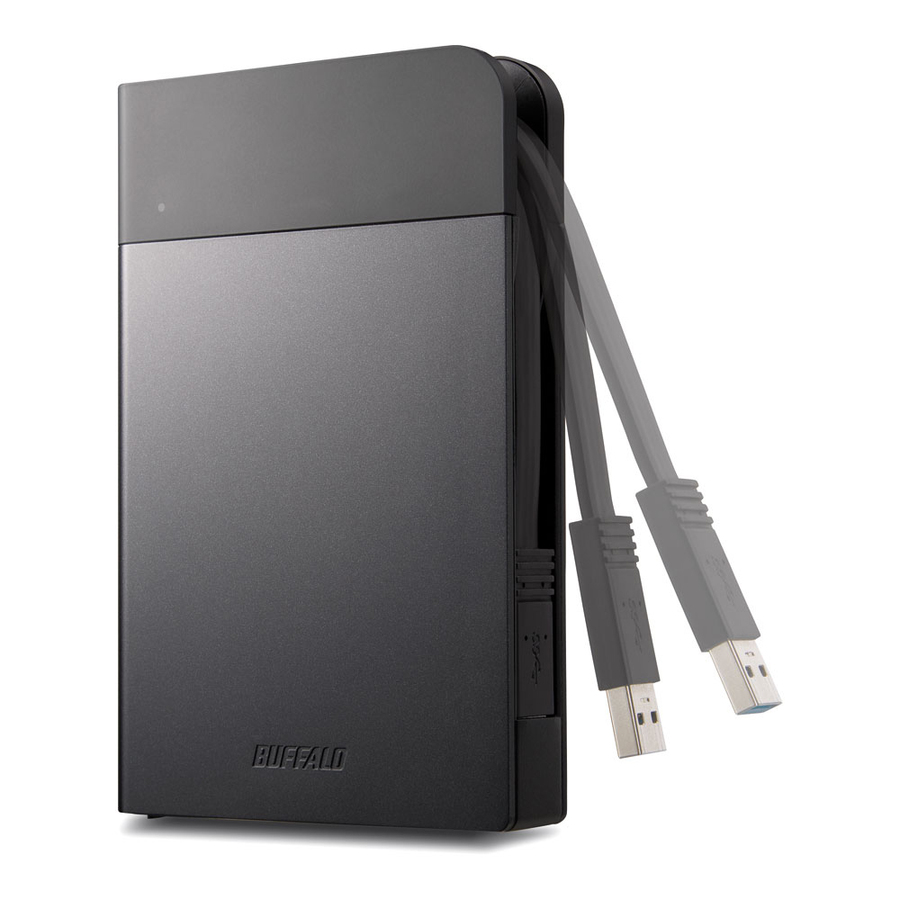
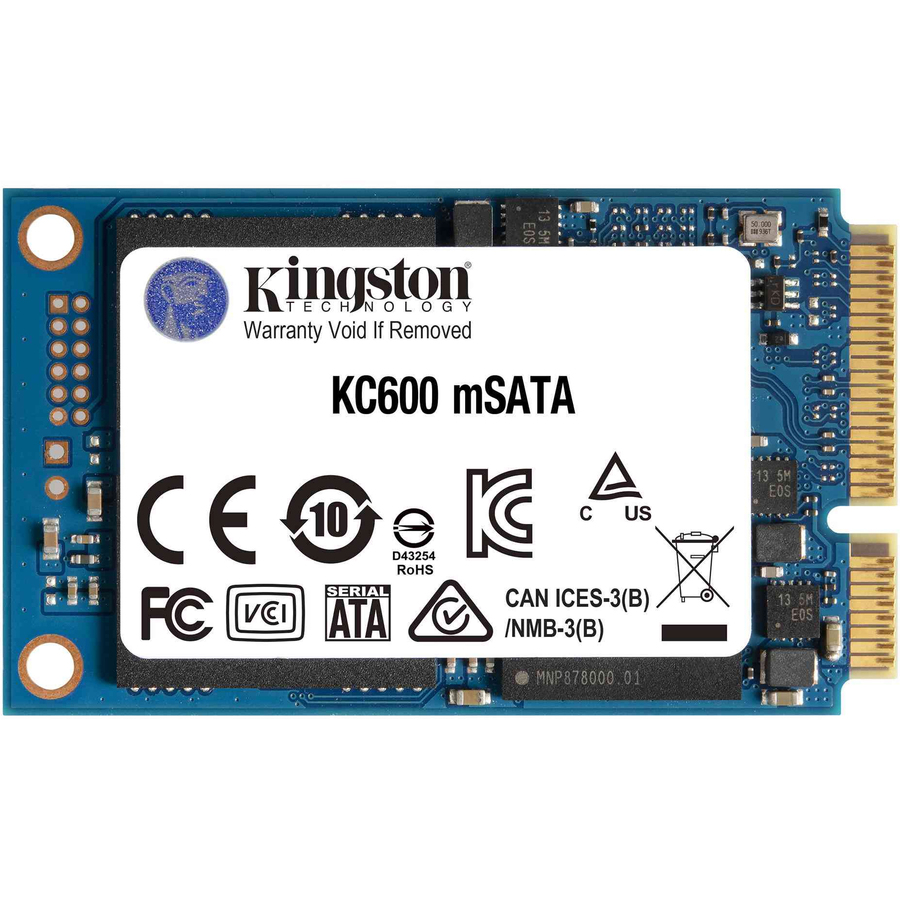
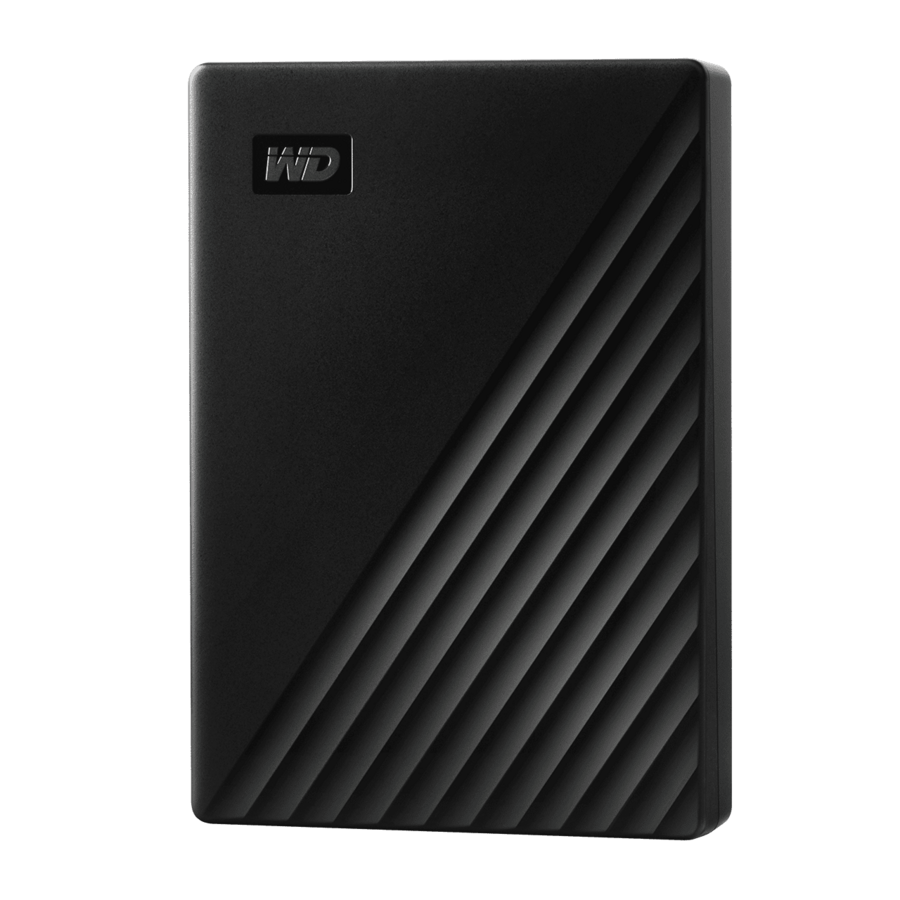

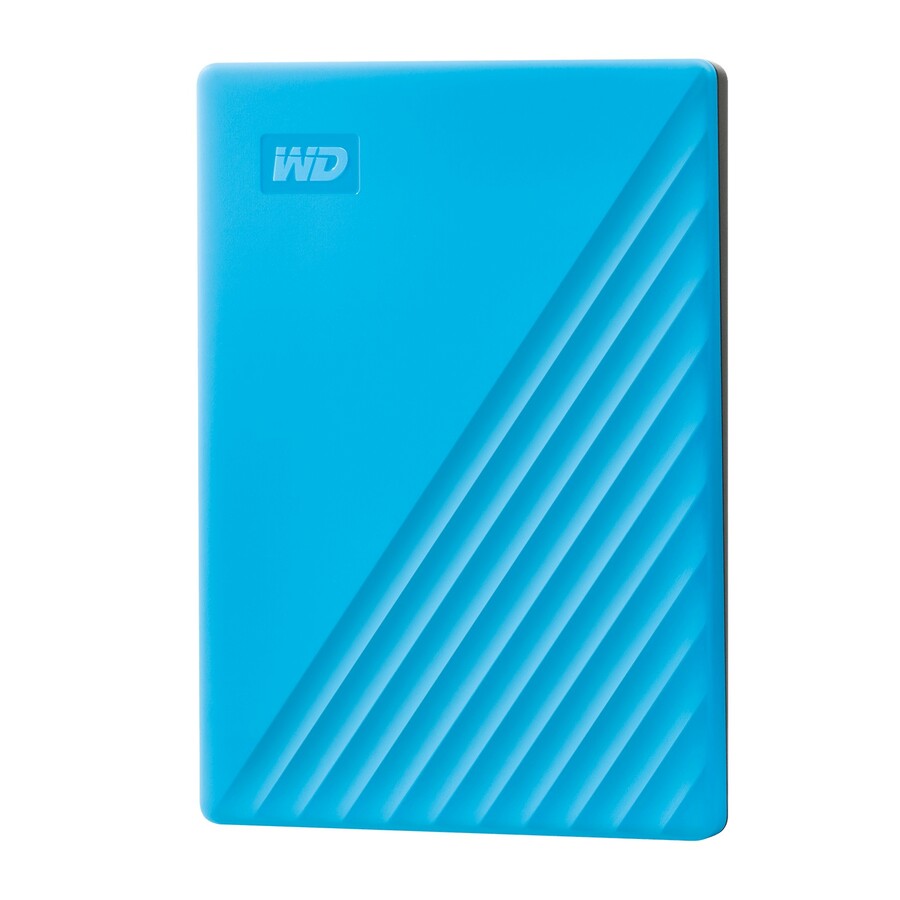
PIN-keypad, FIPS pending
iStorage/Kanguru
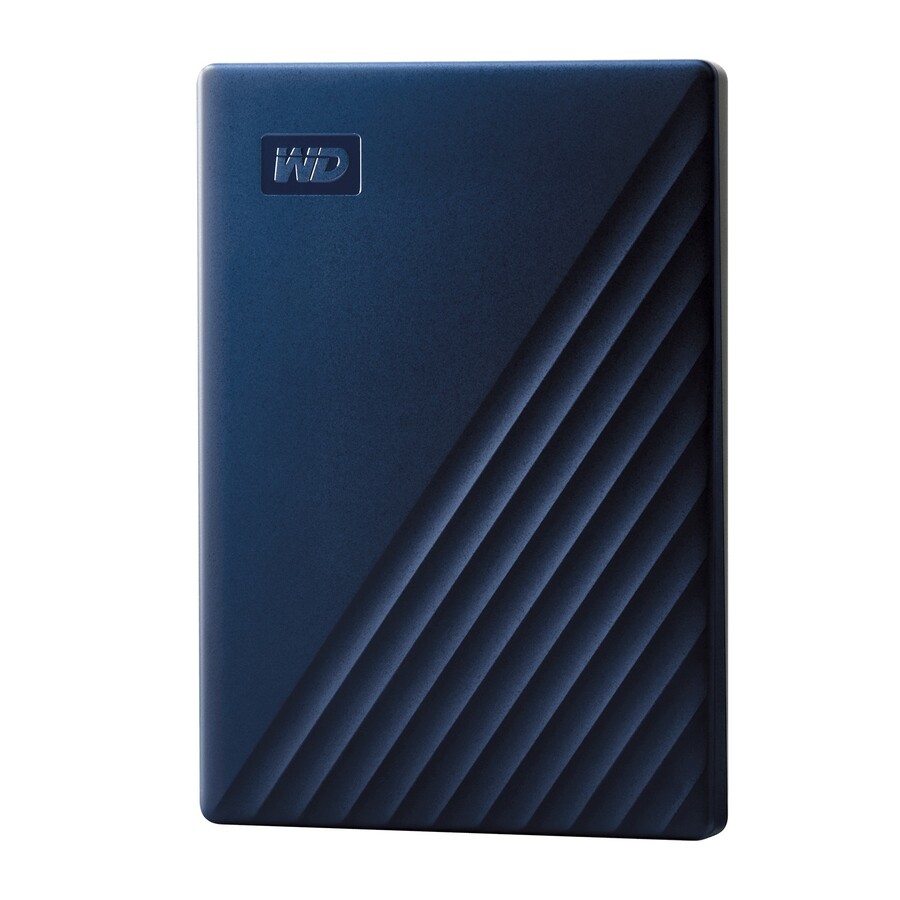
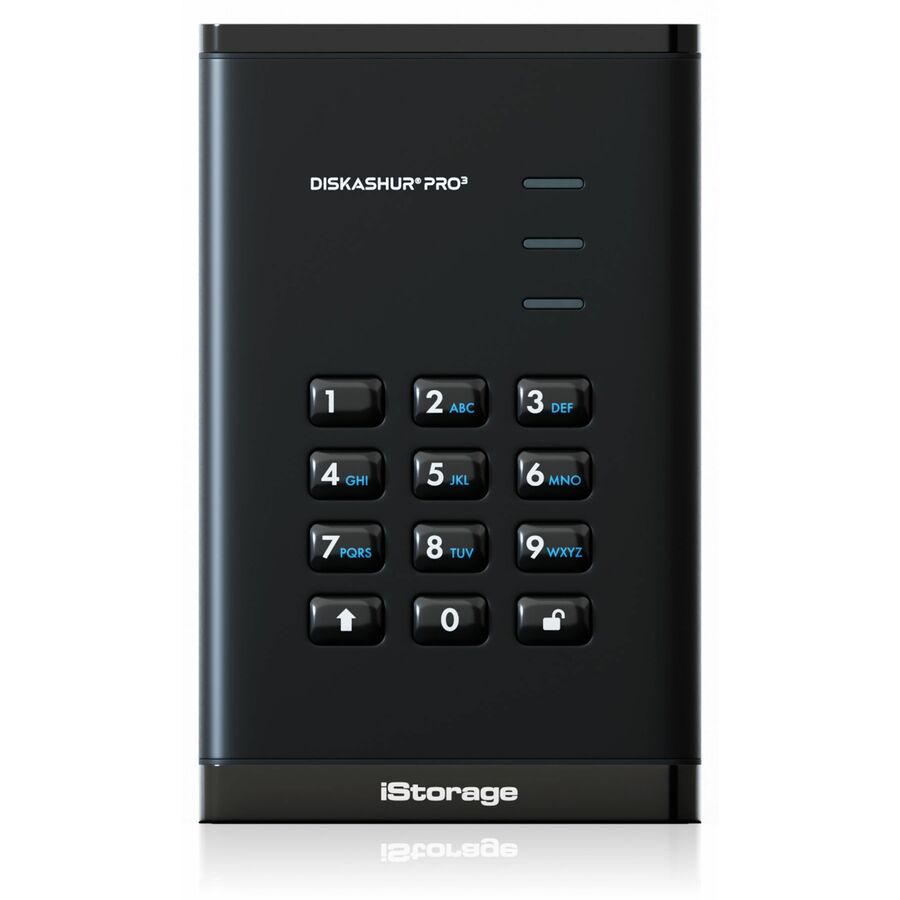
iStorage diskAshur PRO3 1 TB Portable Hard Drive | FIPS 140-3 Level 3…
IS-DAP3-256-1000-F
An iStorage diskAshur PRO3 1 TB portable hard drive with a PIN keypad, FIPS 140-3 Level 3 (pending), a Common Criteria EAL 5+ component and 256-bit encryption — a software-free secure drive for data that crosses machines.
Read the exact FIPS designation against the NIST CMVP list; it is a per-part fact.
$431.92*In stockFIPS 140-2 encrypted
iStorage/Kanguru
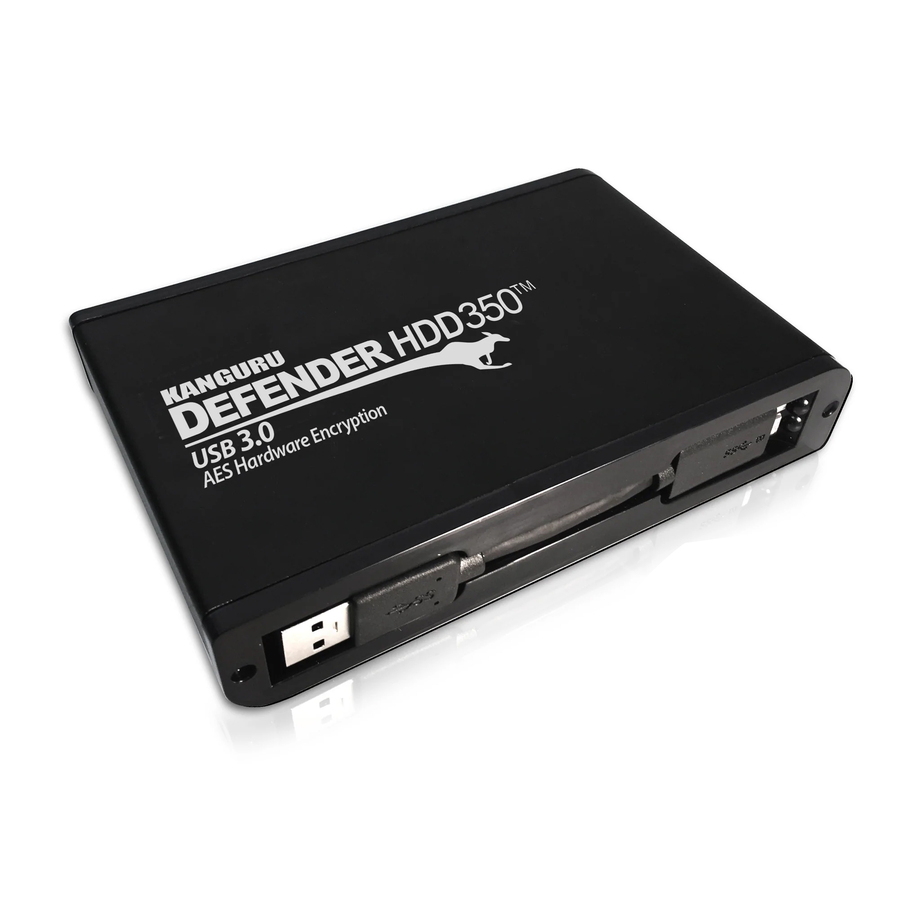
Kanguru Defender HDD350 2 TB FIPS 140-2 Certified
KDH3B-350F-2T
A Kanguru Defender HDD350 2 TB external drive titled FIPS 140-2 Certified and hardware-encrypted, with 256-bit encryption over USB — a validated portable for sensitive files.
Titled FIPS 140-2 Certified and TAA — confirm both on the exact part.
$365.48*Back-orderedSelf-encrypting NVMe SSD
iStorage/Kanguru
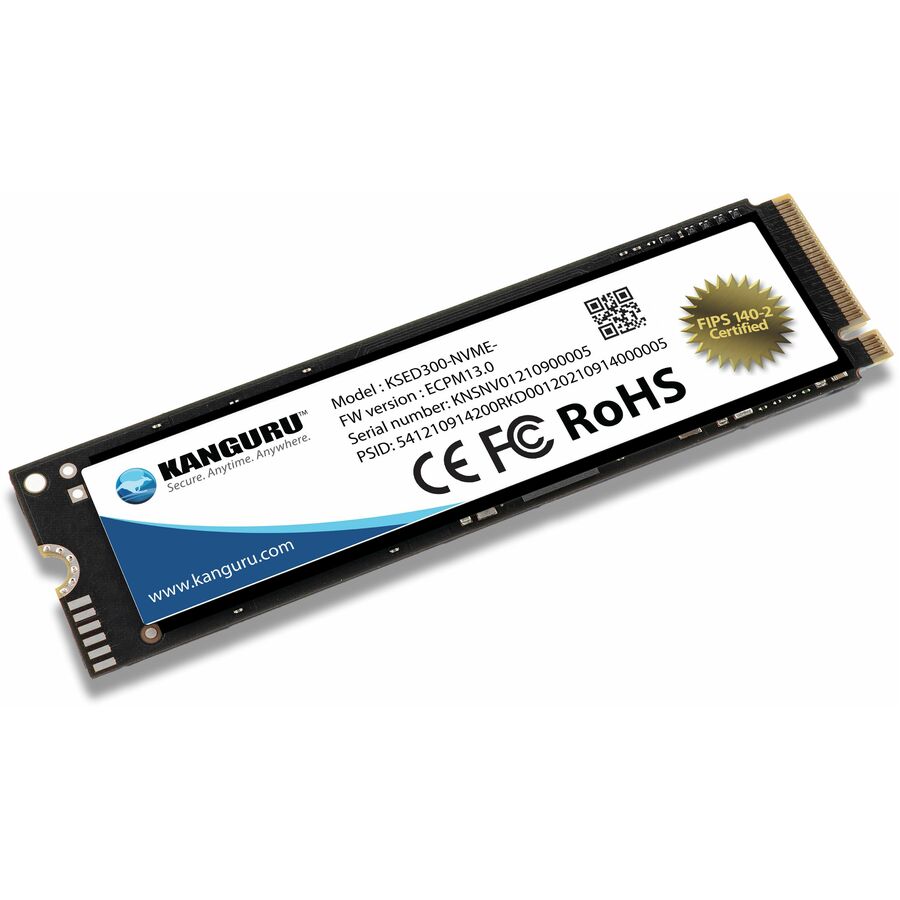
Kanguru Defender SED300 Hardware-Based Self-Encrypting Internal…
KSED300-NVME-500G
A Kanguru Defender SED300 500 GB internal M.2 NVMe SSD, hardware-based self-encrypting and FIPS 140-2 certified with 256-bit AES — a self-encrypting boot or data drive for a secured workstation.
Titled FIPS 140-2 Certified and TAA.
$1,093.17*Back-orderedServer SED, mixed use
Kingston Technology
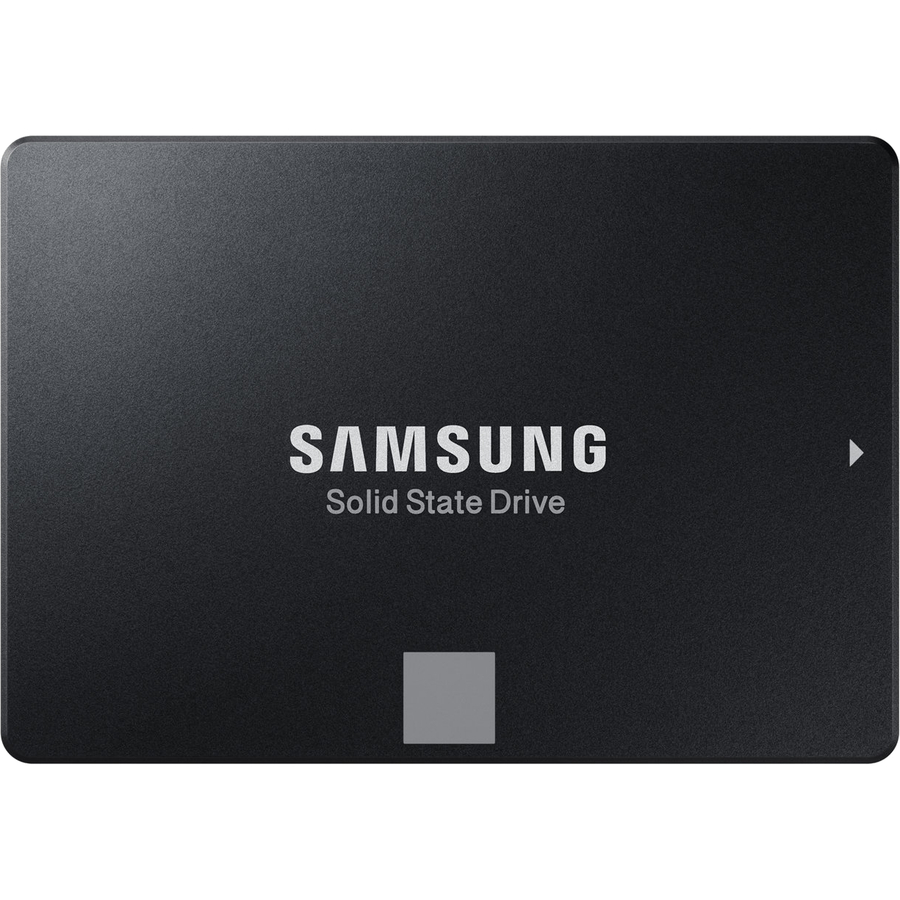
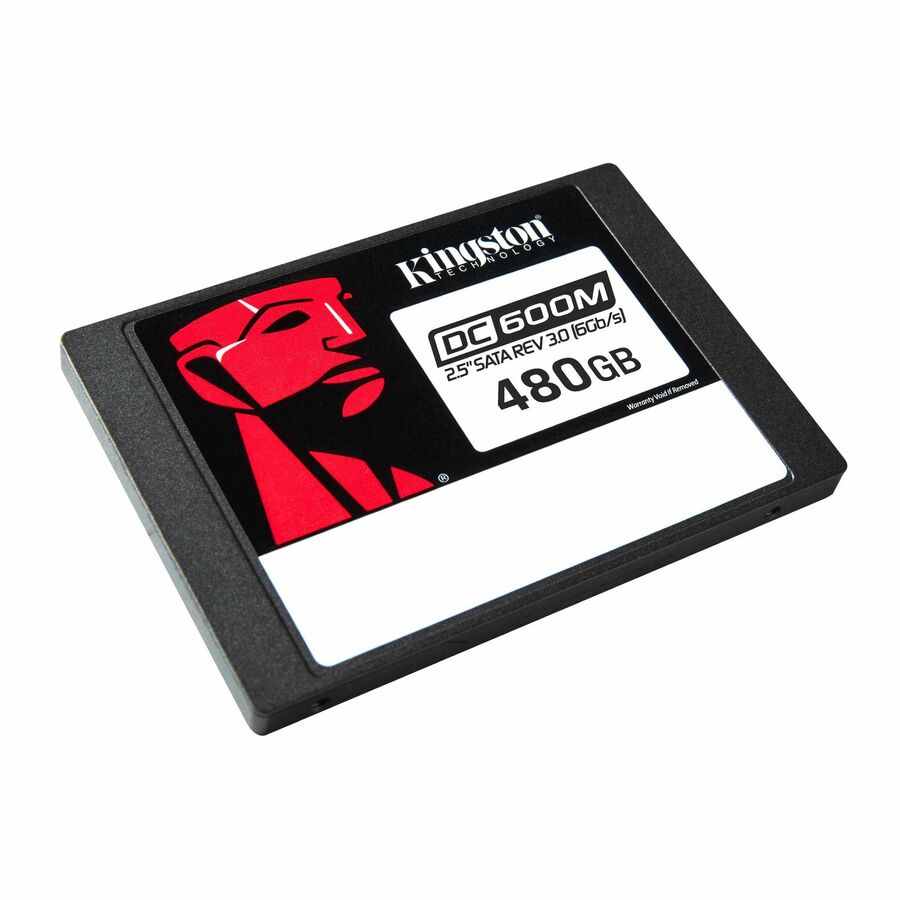
Kingston DC600M 480 GB Solid State Drive
SEDC600M/480G
A Kingston DC600M 480 GB 2.5-inch SATA data-center SSD with a 256-bit AES encryption standard — a self-encrypting mixed-use server drive that is cryptographically erasable at decommission.
$602.40In stockIronKey portable SSD
Kingston Technology
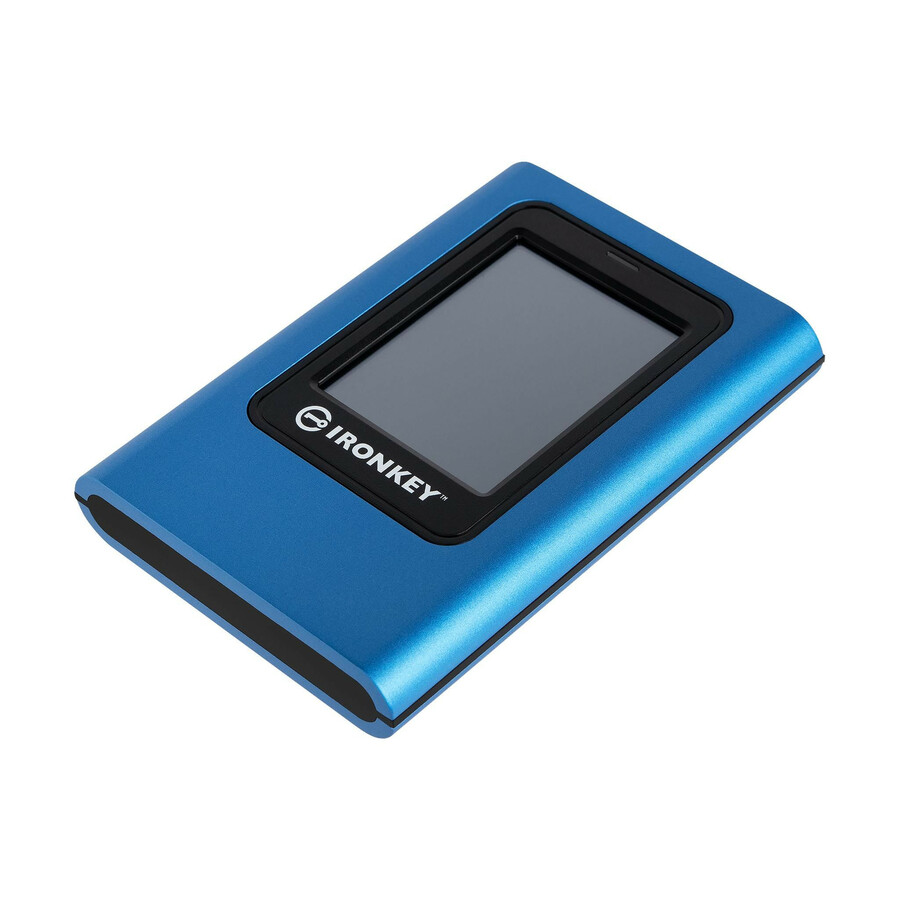
IronKey Vault Privacy 80 IKVP80ES/960G 960 GB Portable Solid State Drive
IKVP80ES/960G
A Kingston IronKey Vault Privacy 80 960 GB external SSD with a 256-bit AES encryption standard — a hardware-encrypted portable for a user who needs a fast, secure external.
$488.80In stockEnterprise SATA SED
Micron Technology
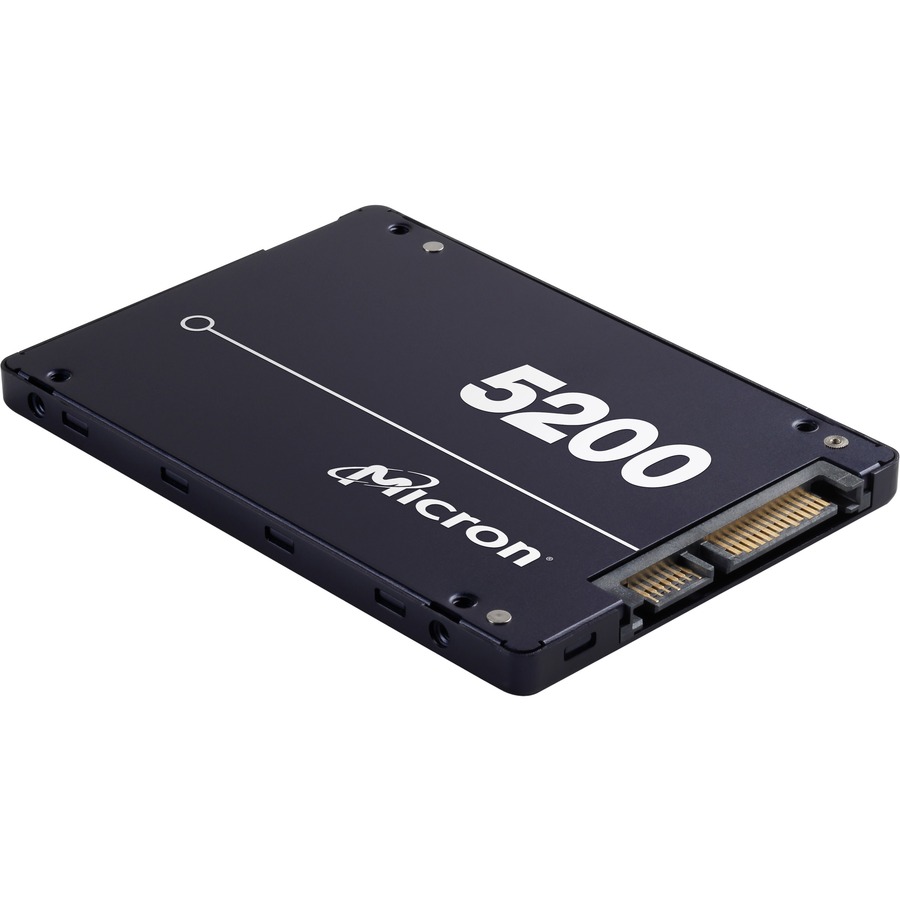
Micron 5200 5200 PRO 960 GB Solid State Drive
MTFDDAK960TDD-1AT1ZABYY
A Micron 5200 PRO 960 GB 2.5-inch SATA server SSD with a 256-bit encryption standard, hot-pluggable — a self-encrypting mixed-use drive for a server bay, titled TAA.
Titled TAA — confirm on the part.
$1,575.63*Back-orderedPortable AES SSD
Micron Technology
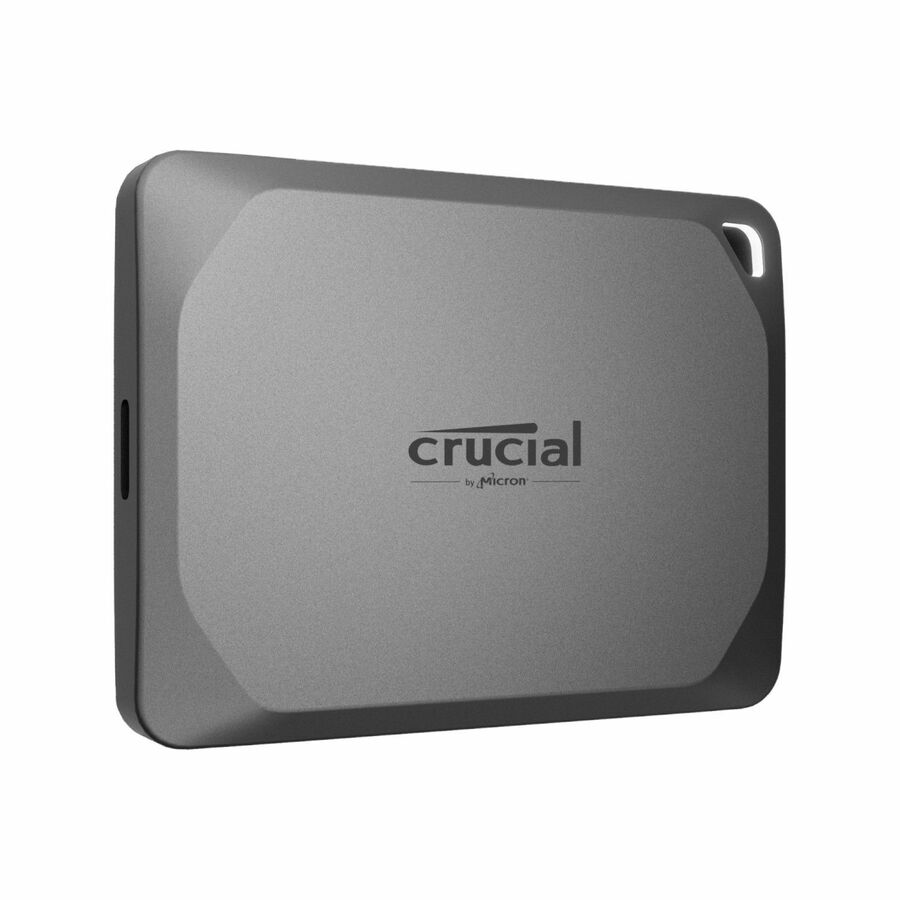
Crucial X9 Pro 2 TB Portable Solid State Drive
CT2000X9PROSSD9
A Crucial X9 Pro 2 TB portable SSD from Micron with a 256-bit AES encryption standard over USB 3.2 — a pocket external that encrypts on the drive rather than in host software.
$980.84Back-orderedValue 2.5-inch SATA SED
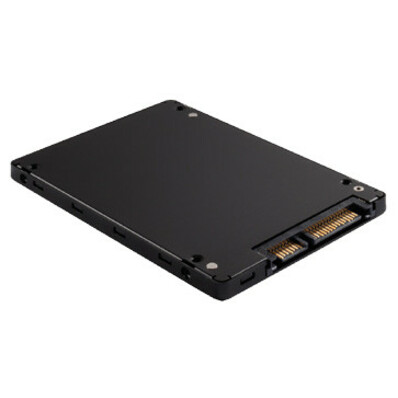
Micron Technology
Micron 1100 256 GB Solid State Drive
MTFDDAK256TBN-1AR1ZABYY
A Micron 1100 256 GB 2.5-inch SATA SSD with a 256-bit encryption standard — a self-encrypting client drive for a laptop or desktop refresh where the disk must be erasable on return.
$260.59Back-orderedRugged NVMe, TAA
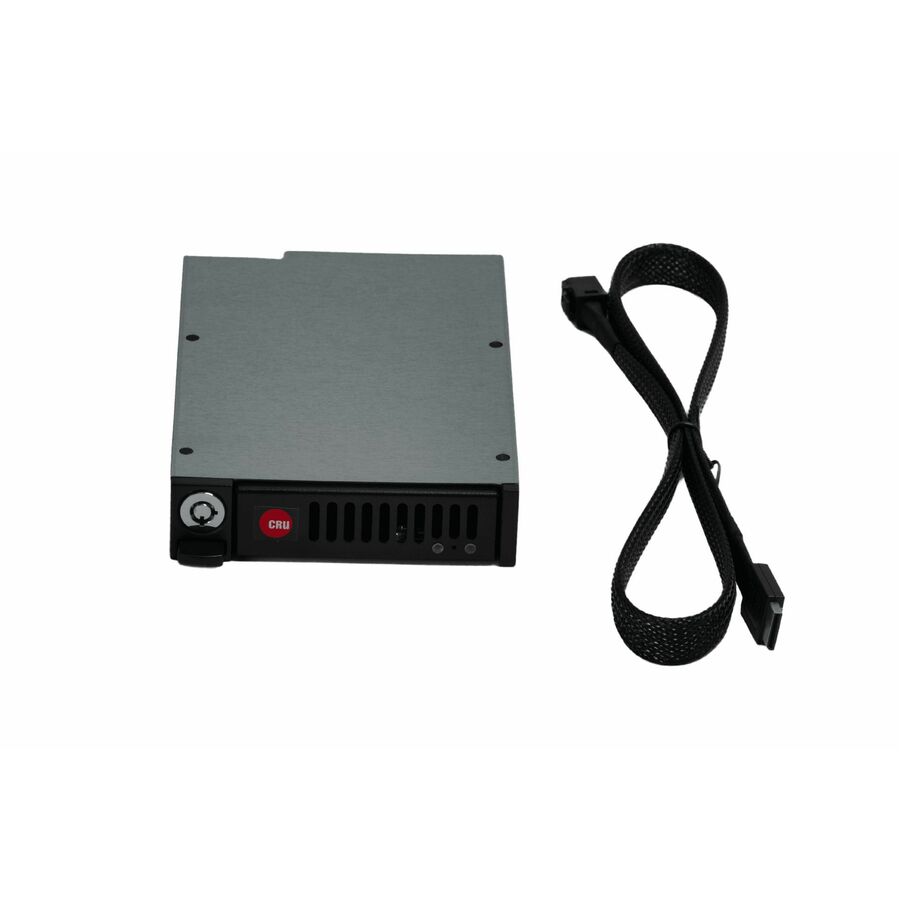
CRU Acquisitions
CRU QX310 512 GB Rugged Solid State Drive
QX310-M2N25124
A CRU QX310 512 GB rugged internal NVMe SSD with a 256-bit AES encryption standard, TAA compliant — a self-encrypting drive for a hardened or removable-media system.
Titled TAA.
$439.72*Back-orderedApricorn Aegis Padlock
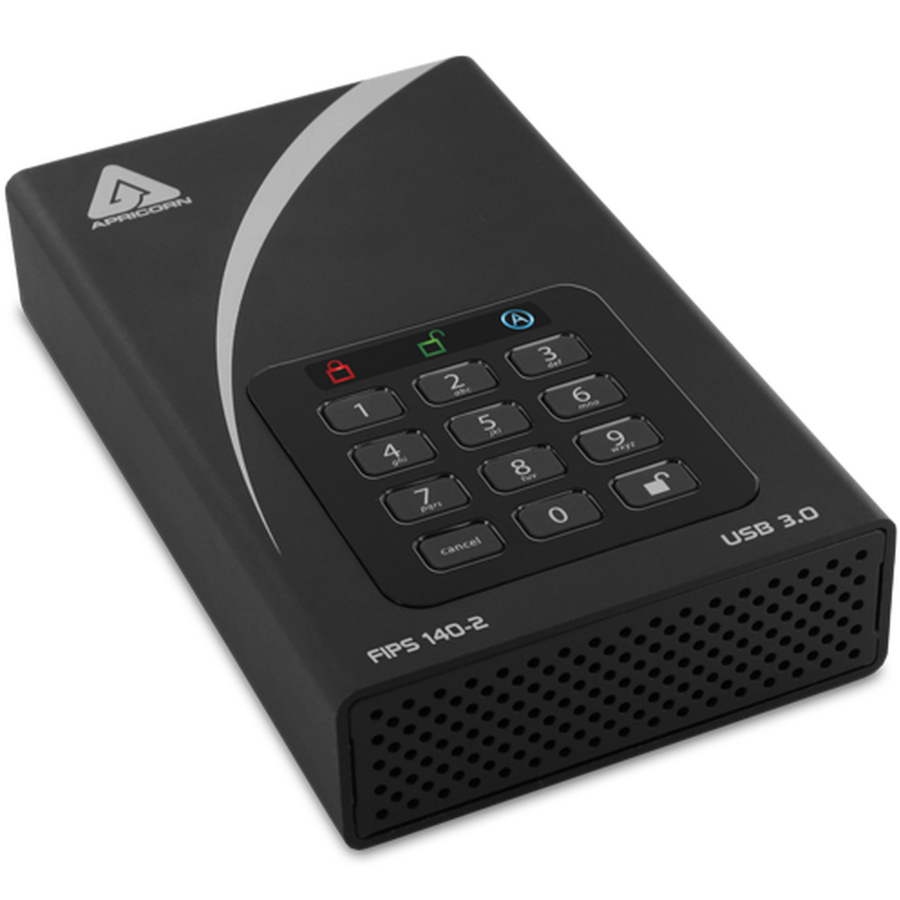
Apricorn
Apricorn Aegis Padlock DT FIPS ADT-3PL256F-6000 6 TB Hard Drive
ADT-3PL256F-6000
An Apricorn Aegis Padlock DT FIPS 6 TB desktop drive — a keypad-unlocked, hardware-encrypted external in the FIPS-validated Aegis line, TAA compliant, for larger secure archives.
Titled FIPS and TAA — verify the FIPS reference on the exact part.
$874.99*Back-orderedApricorn internal SSD
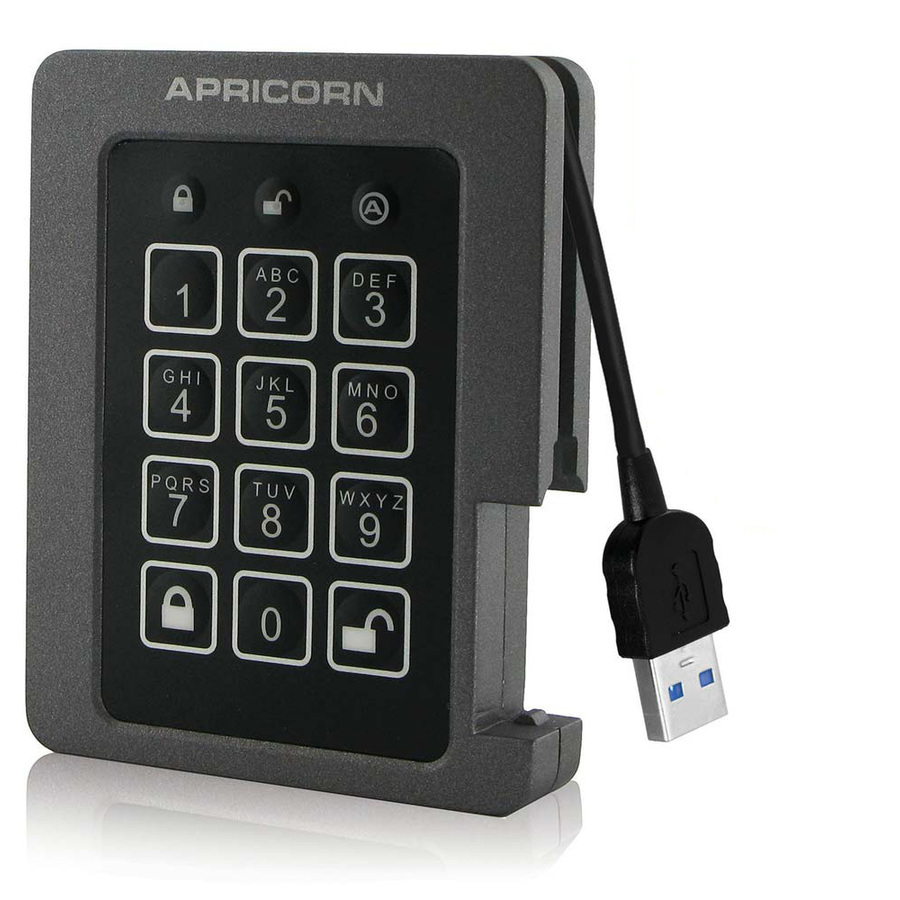
Apricorn
Apricorn Aegis Padlock ASSD-3PL256-1TBF 1 TB Solid State Drive
ASSD-3PL256-1TBF
An Apricorn Aegis Padlock 1 TB 2.5-inch internal SSD — a hardware-encrypted, keypad-managed drive in a fixed internal form, TAA compliant, for a secured build.
Titled TAA.
$918.26*In stockApricorn rugged portable
Apricorn
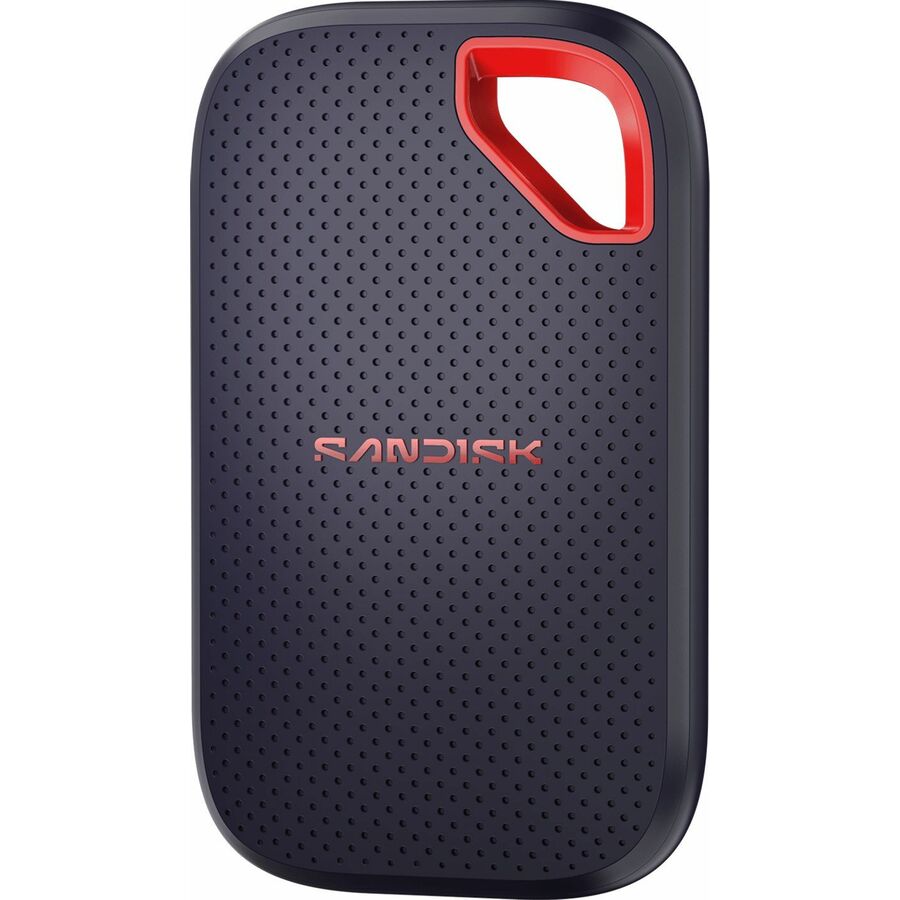
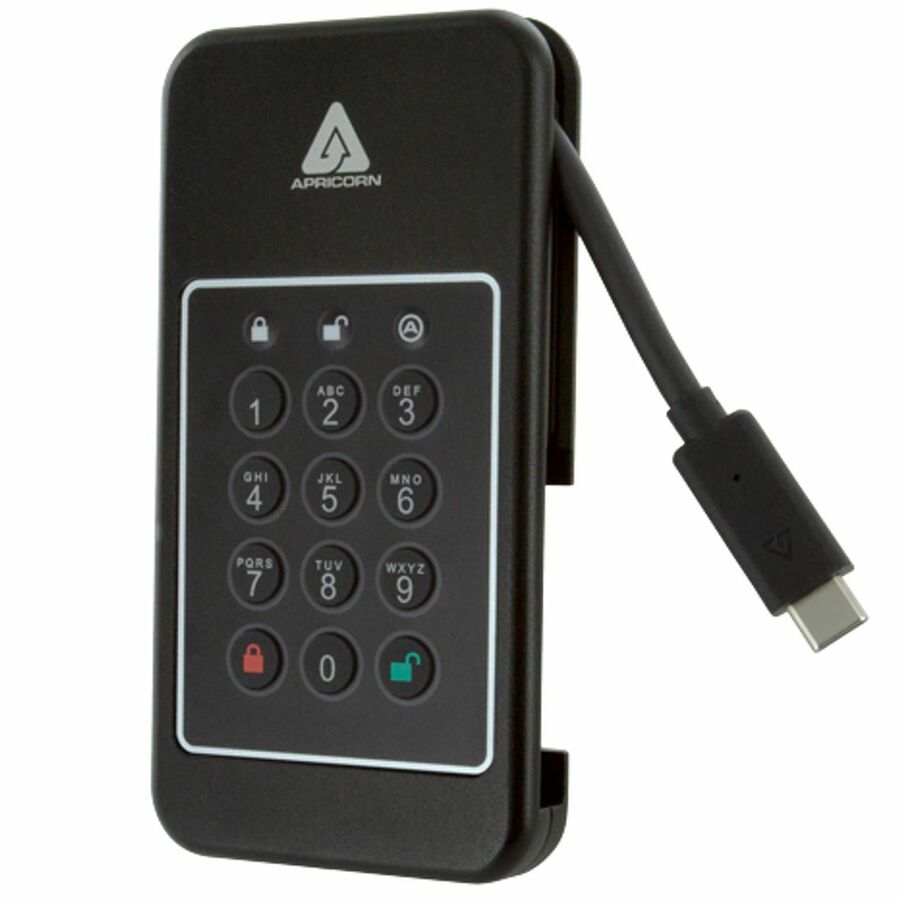
Apricorn Aegis NVX 1 TB Portable Rugged Solid State Drive
ANVX-1TB
An Apricorn Aegis NVX 1 TB portable rugged SSD — a hardware-encrypted external built to survive field handling, TAA compliant, for data that travels rough.
Titled TAA.
$1,016.82*Back-orderedRocstor DataSecure
Rocstor
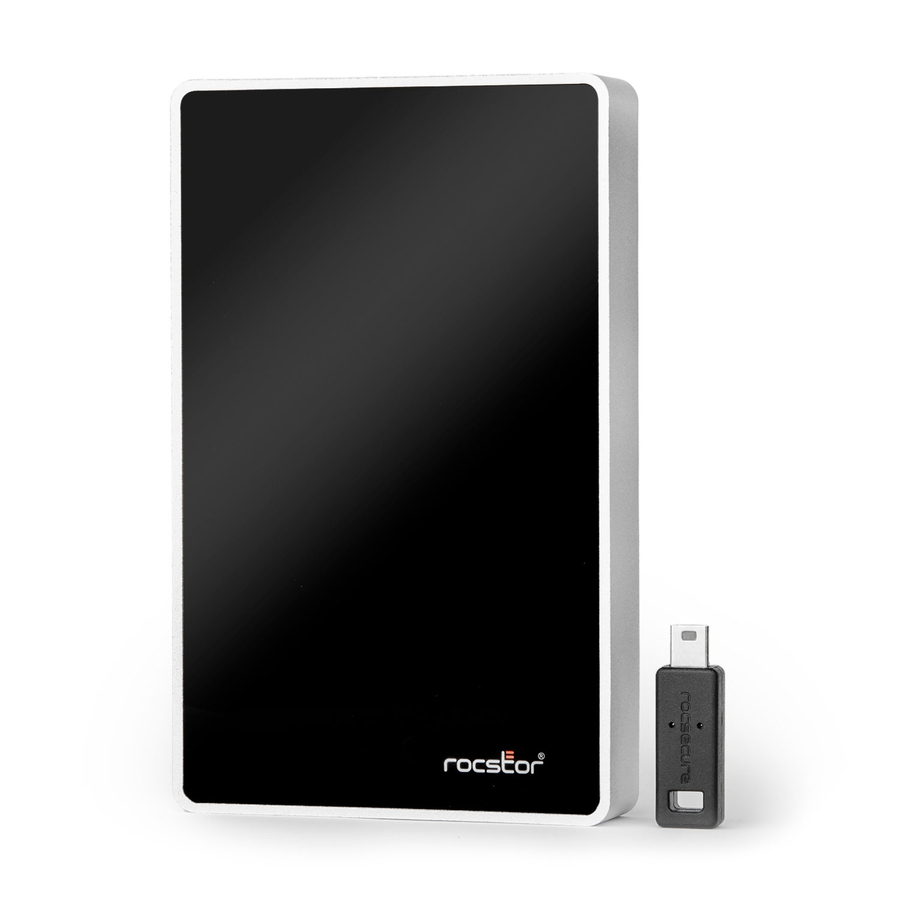
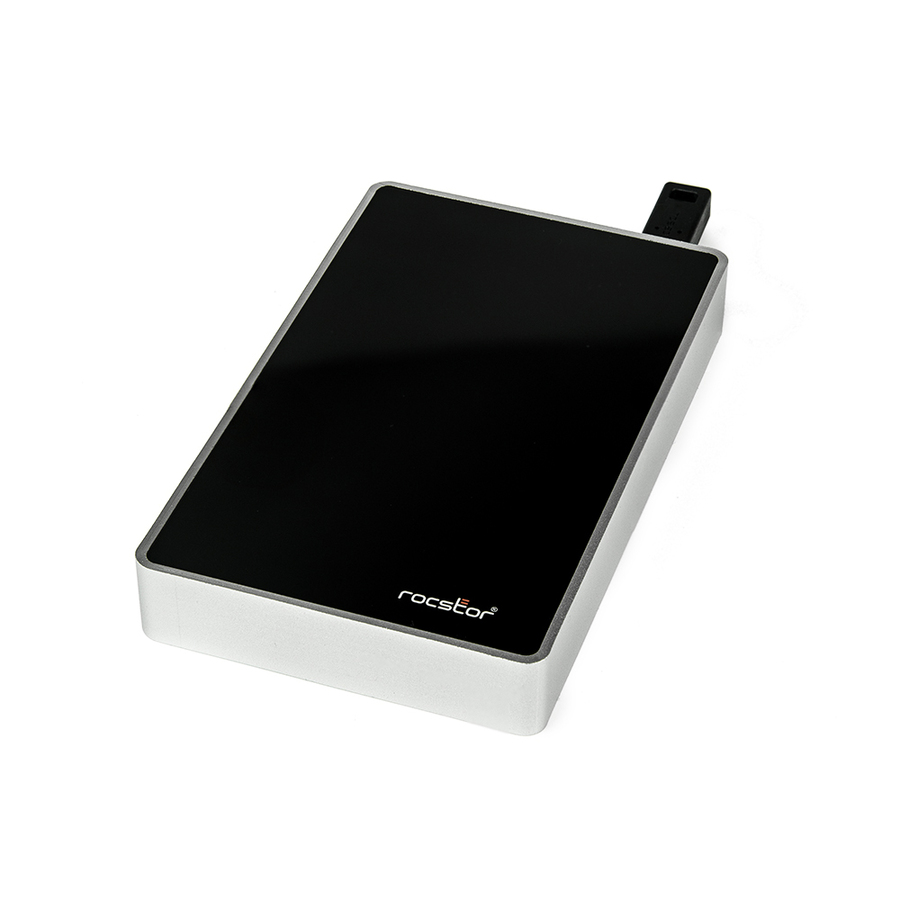
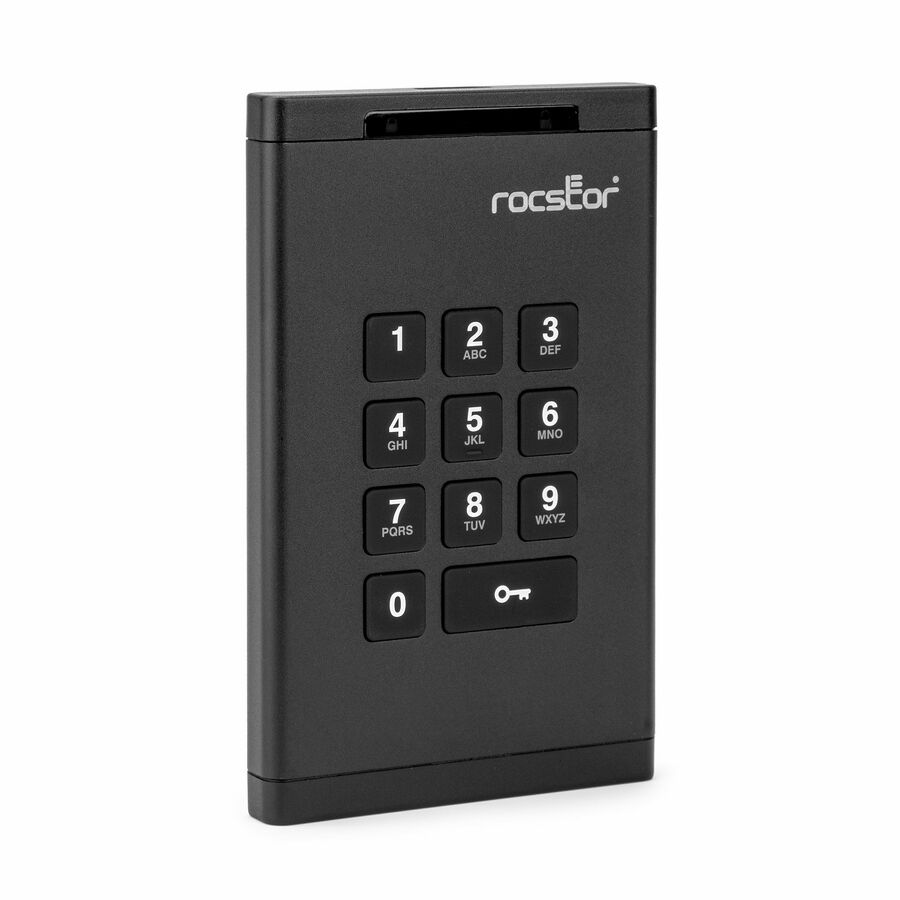
Rocstor DataSecure EX20 1 TB Portable Rugged Hard Drive
E76010-B1
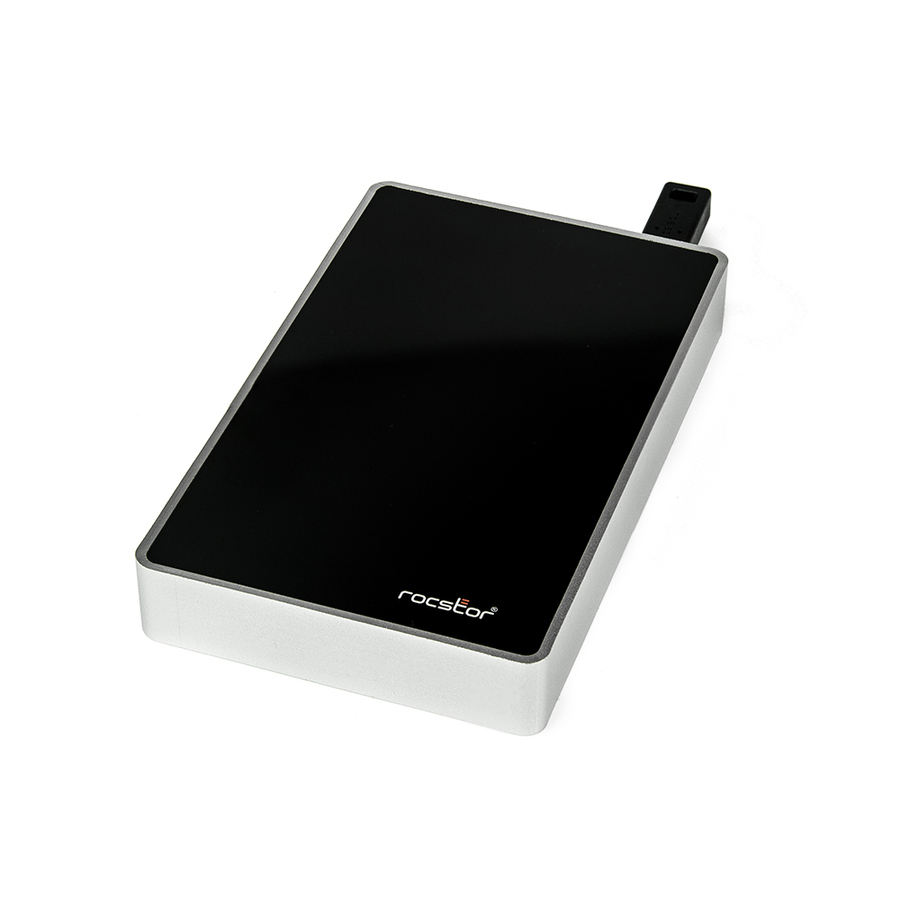
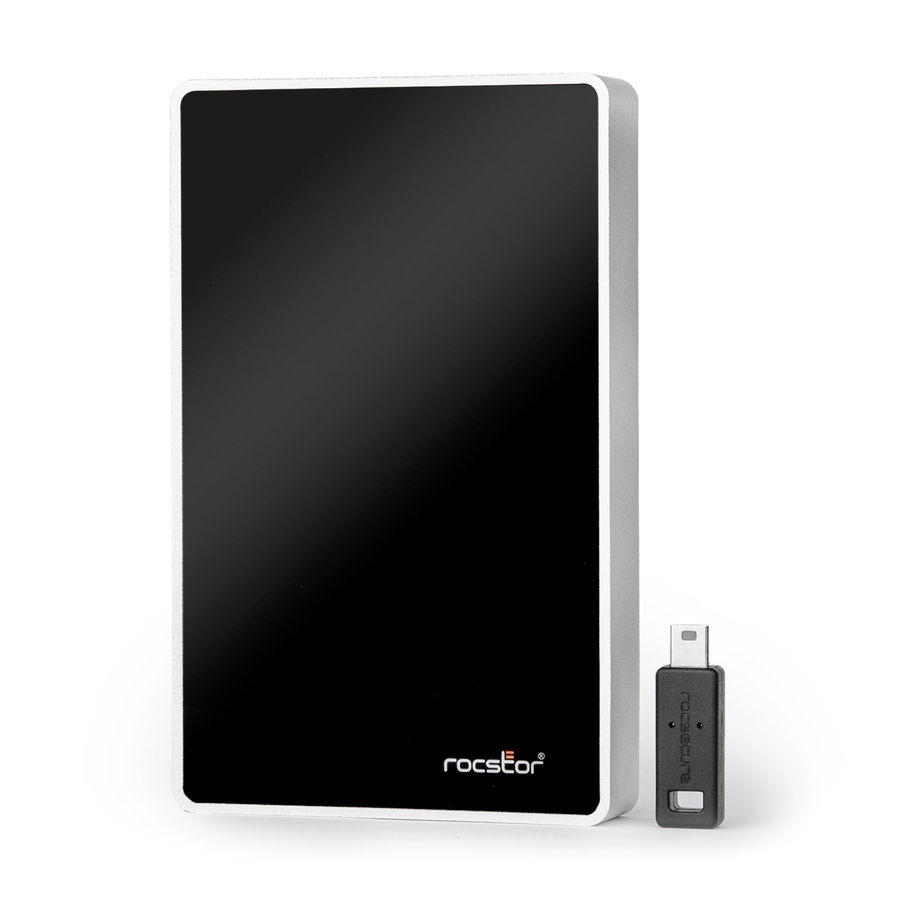
A Rocstor DataSecure EX20 1 TB portable rugged hard drive — a hardware-encrypted external in black, TAA compliant, for field data that has to be both secure and shock-tolerant.
Titled TAA.
Request pricingRocstor Rocsecure
Rocstor
Rocstor Rocsecure EX32 2 TB Portable Rugged Hard Drive
E68016-01
A Rocstor Rocsecure EX32 2 TB portable rugged hard drive — a hardware-encrypted external for a user who needs capacity and durability in a secure, self-contained drive.
$314.05*In stockMore drives and SSDs in the Uniqcli catalog
See all 9,677 drives and SSDsMore from across this category. In-stock lines lead, and a back-ordered line carries the same estimated availability its product page does — with live pricing throughout, NDAA §889 screening before checkout and TAA verified on request.
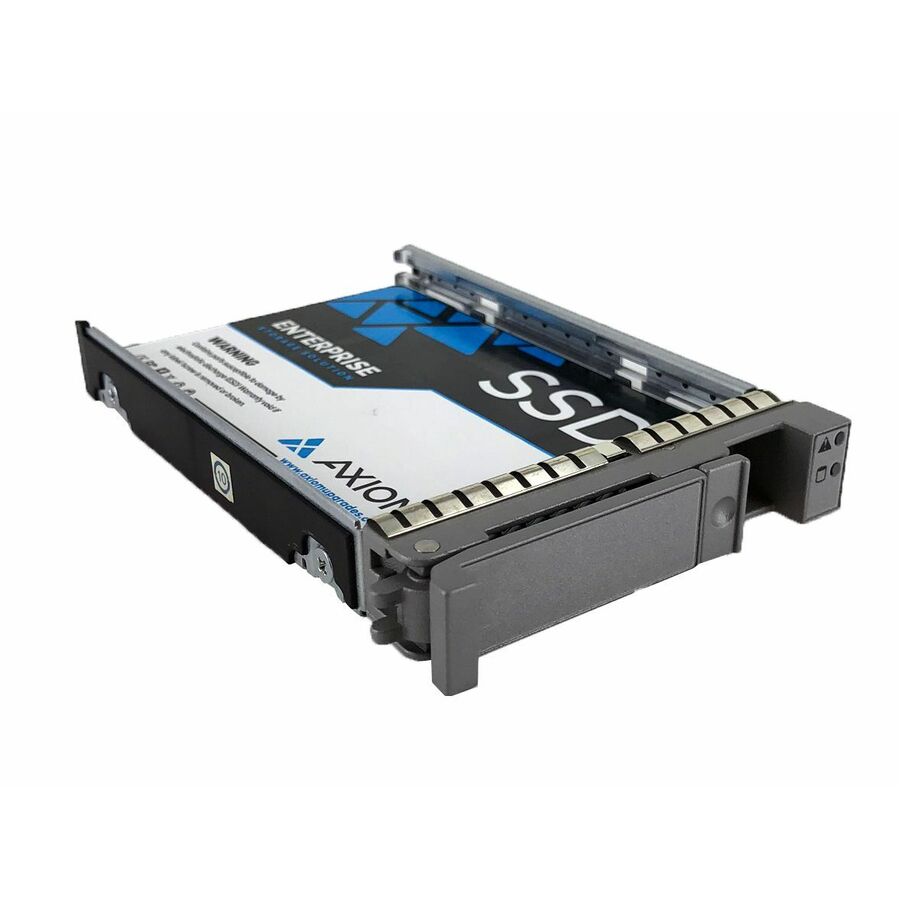
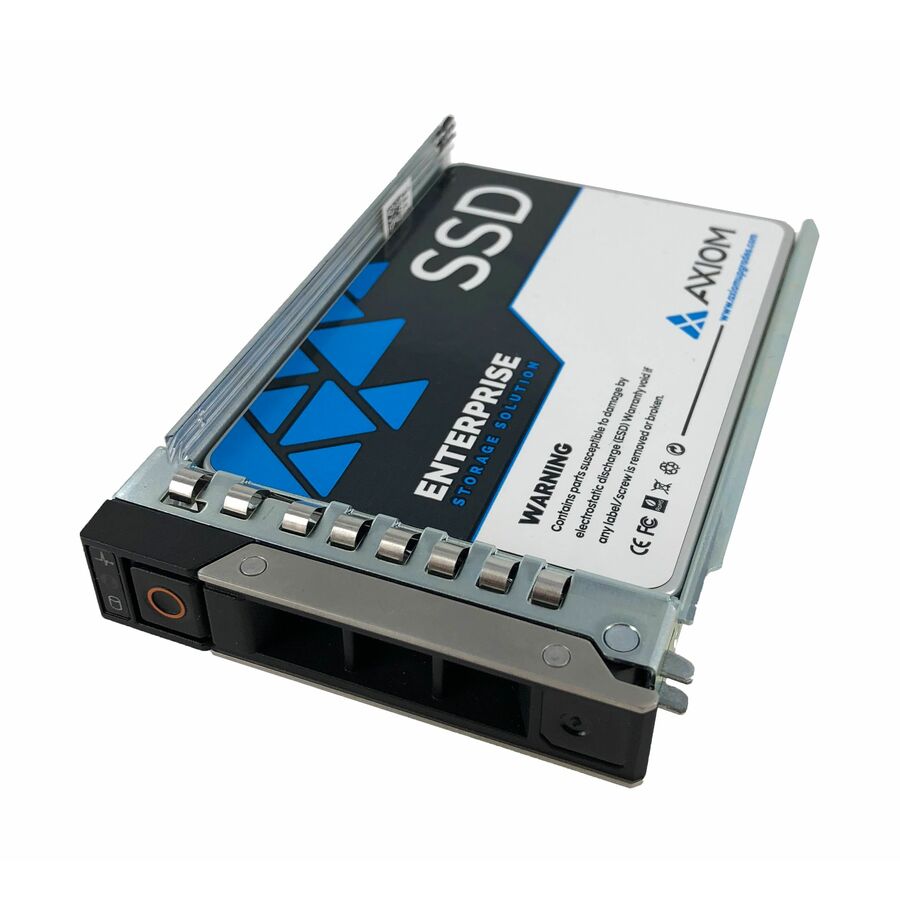
Need pricing on hardware-encrypted drives?
Tell us where to reach you and a Uniqcli specialist will follow up by email with current pricing, availability and lead time for the quantities you need — including parts that aren’t shown on this page.
Buying for an organization or for yourself — both work. No payment up front.
A hardware-encrypted drive does its encryption on the drive itself, in a dedicated controller, rather than in software running on the host — and for regulated data that distinction is the whole point. Hardware encryption travels with the media: the data is written encrypted with the key held on the device, it does not depend on the host operating system, it does not ask a borrowed machine to run an installer, and it does not quietly fail open because someone declined a prompt. Every drive on this page states encryption in the manufacturer's own catalog title, most of it 256-bit AES performed on the drive, which is a different proposition from a folder protected by whatever software the last user happened to have.
The drives split into two families, and the choice is about where the data lives. The first is the portable secure drive — a PIN-keypad or software-free external that is unlocked before or independent of the host, built for data that moves between people, sites or organizations. Several of these carry a FIPS 140-2 or FIPS 140-3 validation at a named level and a Common Criteria evaluation in their own titles, which is what a government or regulated buyer is usually asked to point at. The second is the self-encrypting enterprise SSD — a 2.5-inch, M.2 or U.2 drive that lives inside a laptop, workstation or server and does AES on the controller so that a decommissioned or stolen unit can be cryptographically erased in an instant rather than shredded.
A validation claim deserves care, and this is the one place the copy will be explicit about it. Several of these parts state FIPS 140-2 or FIPS 140-3 certification at a named level in their own titles. That is the manufacturer's statement about a specific cryptographic module, and it is verifiable — NIST's Cryptographic Module Validation Program publishes the certificate list at csrc.nist.gov, and the certificate is what a reviewer will ask you to point at, not the product page. Read the exact designation on the exact part number you order, because it is a per-part fact rather than a property of the brand, and Uniqcli can put the drives, the capacities and the FIPS references on one quote.
Buyer's checklist
How to choose a hardware-encrypted drive
- Decide where the data lives first: a portable secure drive for data that moves between people, sites or organizations, or a self-encrypting internal SSD for a laptop, workstation or server that has to be cryptographically erasable on decommission.
- For portable drives, choose the unlock method: an onboard PIN keypad works on a machine with no software and no rights to install any, which is why keypad drives dominate field and cross-organization use.
- Read the validation claim on the exact part. A FIPS 140-2 or FIPS 140-3 level and a Common Criteria evaluation are the manufacturer's statement about a specific module — verify it against the NIST CMVP certificate list, not the product page.
- For internal drives, confirm the self-encrypting mode the platform expects (TCG Opal, or an ATA/enterprise SED profile) so the encryption can actually be enabled and managed by the host or the management console.
- Match the interface and form factor to the machine: 2.5-inch SATA for a fleet laptop or a server bay, M.2 or U.2 NVMe for a workstation, and USB-C or USB 3.x for a portable — the encryption does not relax the physical fit.
- Size the capacity for the data and the retention, and remember that a hardware-encrypted drive's real security value is the day it is lost or retired — cryptographic erase turns a decommissioned drive into a one-command wipe rather than a shredding job.
- Where the purchase order names TAA, read it on the part number. Several of these drives carry TAA in the manufacturer's own title and others do not — it is a per-part fact to confirm on the exact row you order.
Portable secure drives: keypad, FIPS and Common Criteria
A portable secure drive is bought for the day it leaves the building, and everything about its specification follows from that. The drives here are unlocked on the device itself — most of them by an onboard PIN keypad — which means they work on a machine that has no software installed and no rights to install any, the reason keypad drives dominate field work and any use that crosses organizational boundaries. The encryption is performed on the drive with the key held there, so a lost drive is a locked drive rather than a data-loss incident, and after a set number of wrong attempts many of them cryptographically erase themselves rather than yield.
The validation is what a regulated buyer is actually being asked about. Several of these drives state FIPS 140-2 or FIPS 140-3 at a named level, and several add a Common Criteria EAL evaluation, in their own titles — and those are verifiable claims, not marketing. The FIPS certificate lives on the NIST CMVP list at csrc.nist.gov, and a reviewer will ask for the certificate number, not a screenshot of the box. Read the designation on the exact part, because a manufacturer's FIPS 140-3 model and its non-FIPS twin can sit side by side in the same range, and confirm it on the quote — a designation is a statement about that specific part number, not the family.
Self-encrypting enterprise SSDs: erase, don't shred
The other half of this page lives inside the machine. A self-encrypting drive (SED) does AES on its own controller, transparently, so that everything written to it is already encrypted with a key the drive holds — and the payoff arrives at end of life. Because the data is only ever readable through that key, a cryptographic erase that discards the key renders the whole drive unreadable in an instant, which turns a fleet decommission or a returned server from a physical-destruction project into a one-command wipe. That is why enterprise SSDs from Kingston, Micron and others state a 256-bit AES encryption standard in their own titles even when the drive is otherwise an ordinary server or mixed-use disk.
Using it means enabling it. A self-encrypting drive ships with the encryption engine present but often not activated, and the mode the platform expects — TCG Opal for a client, an ATA or enterprise SED profile for a server — has to match what the host or the management console can drive, or the encryption is a feature nobody turned on. Plan the enablement and the key management with the deployment, not after it, and read the exact SED profile on the part. Uniqcli can quote the drives, the capacities and the management path together so the encryption is specified as part of the build rather than discovered during an audit.
FAQ
Common questions
- What is the difference between hardware and software encryption on a drive?
- Where the work happens and what it depends on. Hardware encryption is performed on the drive's own controller, with the key held on the device, so it travels with the media — it does not rely on the host operating system, it works on a machine with no software installed, and it cannot quietly fail open because a prompt was declined. Software encryption runs on the host and protects files or a volume through whatever software is installed and configured correctly. Every drive on this page is hardware-encrypted, most of it 256-bit AES on the drive itself, which is the property a regulated review is usually asking about.
- How do I verify a FIPS 140-2 or FIPS 140-3 claim?
- Against the source, not the box. FIPS validation is a statement about a specific cryptographic module, and every validated module has a certificate on NIST's Cryptographic Module Validation Program list at csrc.nist.gov. Read the exact FIPS level and model in the manufacturer's own title, then confirm the certificate number on the CMVP list — that certificate is what a reviewer will ask you to point at. It is a per-part fact: a FIPS 140-3 model and its non-FIPS sibling can sit next to each other in the same product range, so verify the exact part number you intend to order and put the reference on the quote.
- What is a self-encrypting drive, and why does it matter at decommission?
- A self-encrypting drive (SED) does AES encryption on its own controller, transparently, so everything written to it is already encrypted with a key the drive holds. The reason it matters most at end of life is cryptographic erase: because the data is only readable through that key, discarding the key makes the entire drive unreadable in an instant. That turns a fleet decommission or a returned server from a physical-destruction job into a one-command wipe, which is why enterprise SSDs state a 256-bit AES encryption standard in their titles. The mode has to be enabled and managed — TCG Opal for a client, an enterprise SED profile for a server — so plan the enablement with the deployment.
- Do these drives work without installing software on the computer?
- The portable secure drives are built exactly for that. A PIN-keypad drive is unlocked on the device itself before or independent of the host, so it works on a machine that has no software installed and no rights to install any — the reason keypad drives dominate field use and any workflow that crosses organizations. The self-encrypting internal SSDs are different: the encryption is transparent to the host, but enabling and managing the SED mode is done through the platform or a management console. So for a truly software-free experience, choose a keypad portable drive; for a machine you control and manage, a self-encrypting internal drive is the fit.
- Can business, government and education buyers order these?
- Every line Uniqcli quotes is sourced through US distribution and screened for TAA country-of-origin and NDAA §889 status before checkout — with documentation tied to the specific part number, not a product family.
Need hardware-encrypted drives pricing?
Send a bill of materials or part numbers — we confirm stock and a below-market total, with TAA verified on request. No payment up front.