
Best Encrypted USB Flash Drives for Secure Data Transfer
PIN-keypad, fingerprint and software-free hardware-encrypted USB drives whose manufacturers state the encryption in the part's own title — read alongside how to verify the claim.
Encrypted USB flash drives in stock at Uniqcli
How to choose →A curated selection with live pricing — in-stock lines first, then back-ordered lines with a typical lead time. Every line is sourced through US distribution and screened for NDAA §889 status before checkout, with TAA verified on request.
- iStorage/KanguruiStorage datAshur Personal2 16 GB | Secure Flash Drive | PIN protected | Portable | AES-XTS 256-bit Full Disk Hardware Encryption | USB 3.0 - 16 GB - USB 3.2 (Gen 1) Type A - 169 MB/s Read Speed - 111 MB/s Write Speed - Black - 256-bit AES, 256-bit SHAIS-FL-DAP3-B-16
$125.90
2 in stock - iStorage/KanguruiStorage datAshur Personal2 32 GB | Secure Flash Drive | PIN protected | Portable | AES-XTS 256-bit Full Disk Hardware Encryption | USB 3.0 - 32 GB - USB 3.2 (Gen 1) Type A - 169 MB/s Read Speed - 111 MB/s Write Speed - Black - 256-bit AES, 256-bit SHAIS-FL-DAP3-B-32
$144.52
2 in stock - iStorage/KanguruiStorage datAshur Personal2 64 GB | Secure Flash Drive | PIN protected | Portable | AES-XTS 256-bit Full Disk Hardware Encryption | USB 3.0 - 64 GB - USB 3.2 (Gen 1) Type A - 169 MB/s Read Speed - 111 MB/s Write Speed - Black - 256-bit AES, 256-bit SHAIS-FL-DAP3-B-64
$177.89
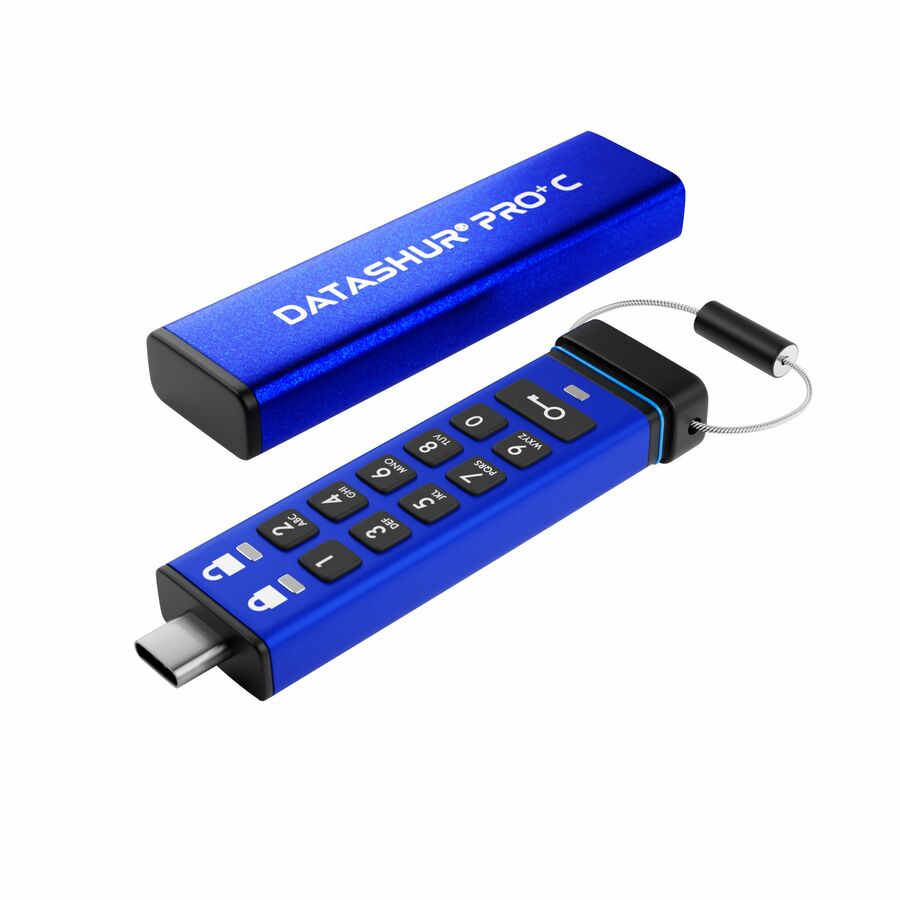
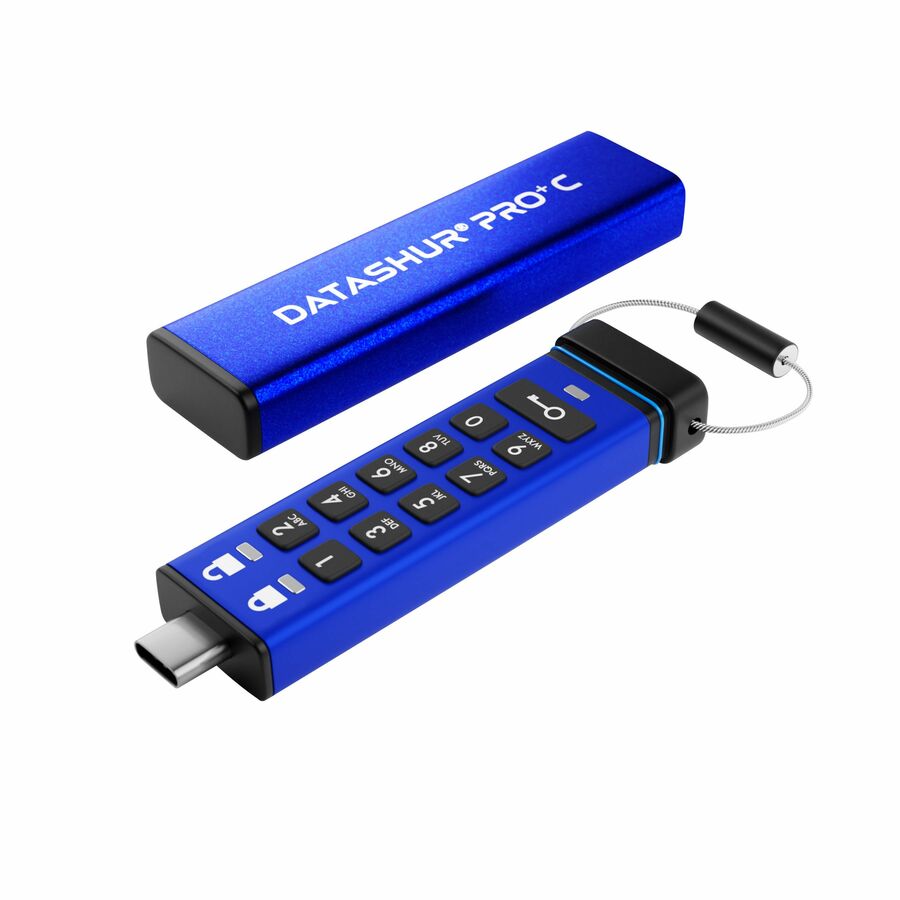
7 in stock - iStorage/KanguruiStorage datAshur PRO+C 32GB | FIPS 140-3 Level 3 Certified | Secure USB Type-C Hardware Encrypted Drive | PIN protected | Type C-A adapter included - TAA Compliant - 32 GB - USB 3.2 (Gen 1) Type C - 310 MB/s Read Speed - 246 MB/s Write Speed - 256-bit AES, XTS-AES - 3 Year WarrantyIS-FL-DA3C-256-32
$189.08
2 in stock

PIN-protected entry
iStorage/Kanguru
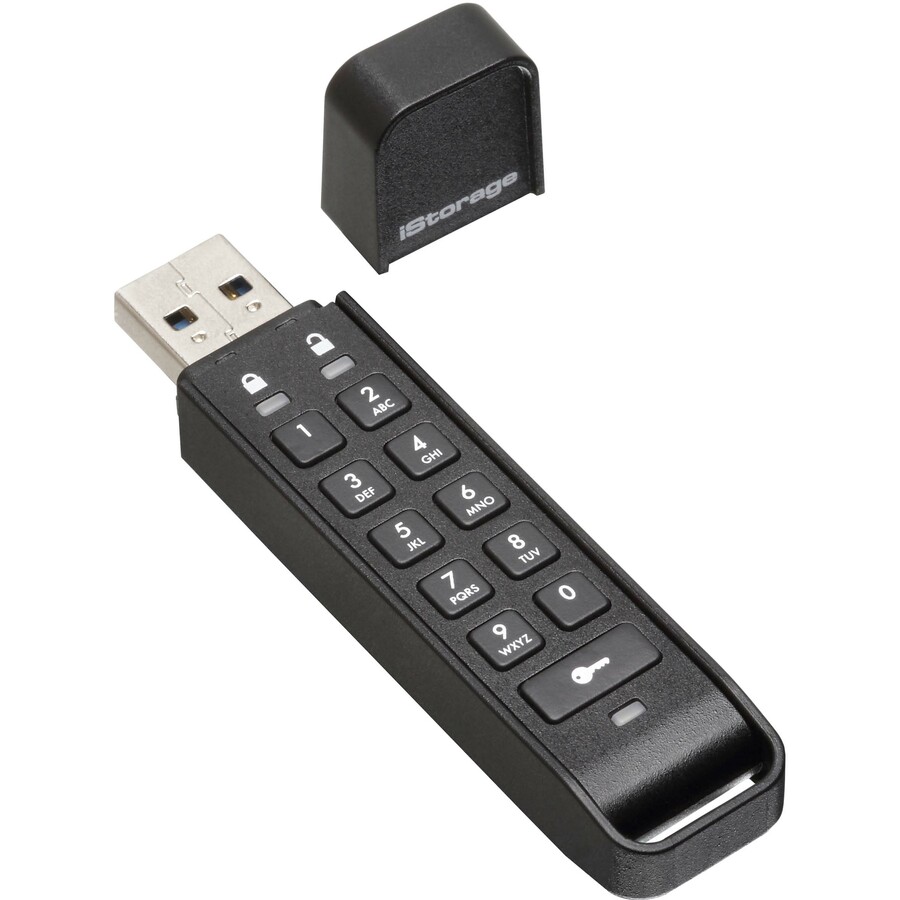
iStorage datAshur Personal2 16 GB | Secure Flash Drive | PIN protected…
IS-FL-DAP3-B-16
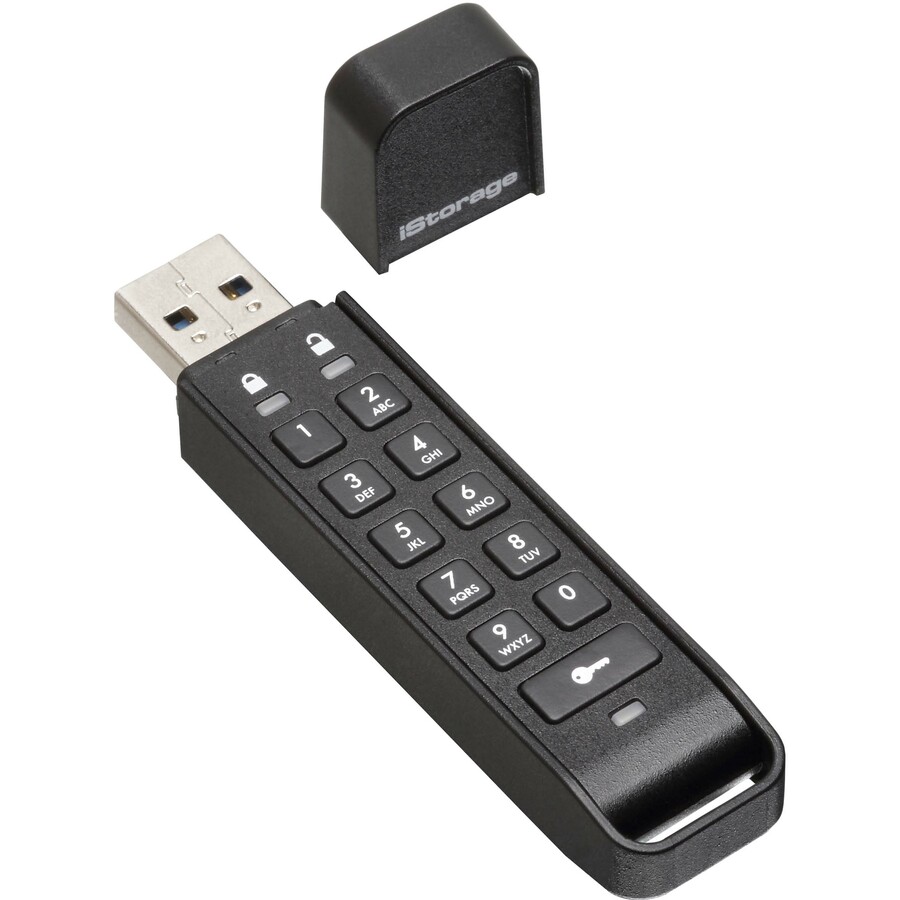
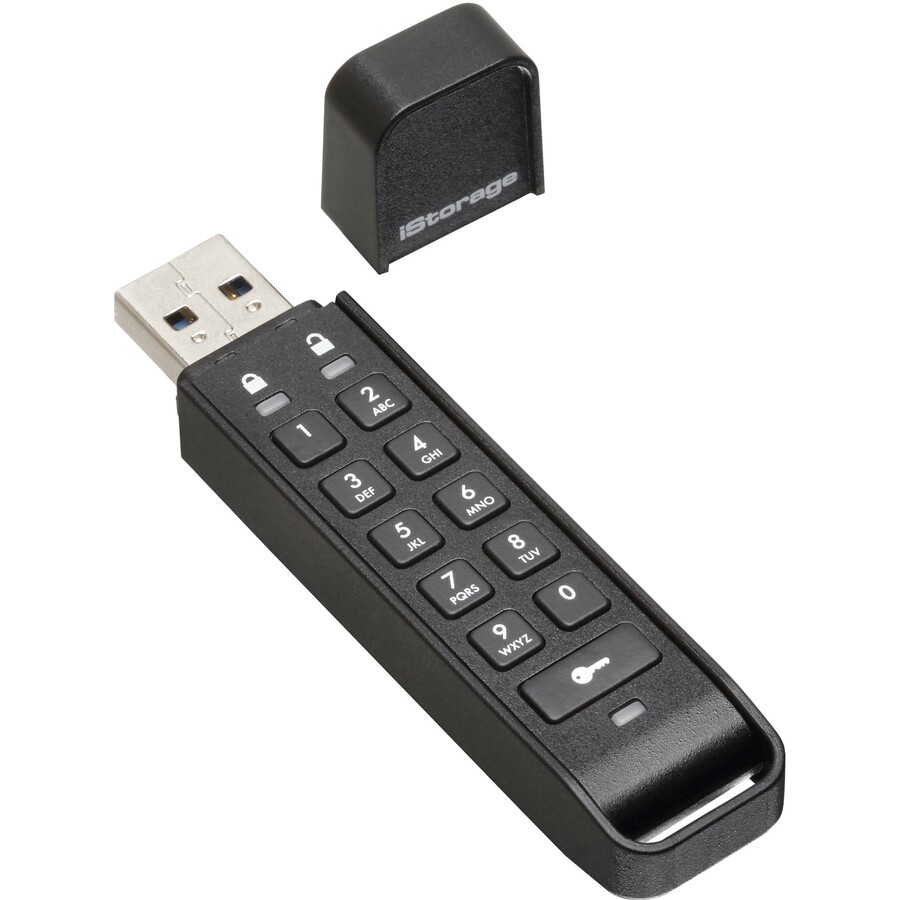
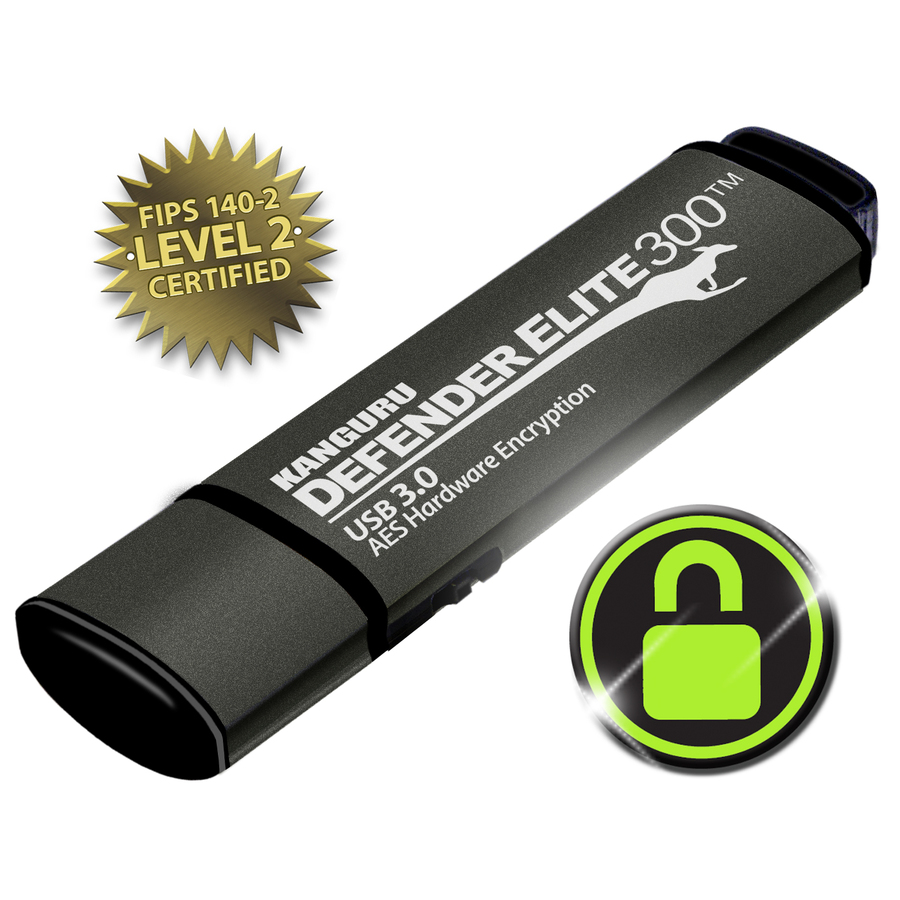
A datAshur Personal2 at 16 GB: PIN protected, with AES-XTS 256-bit full-disk hardware encryption stated on the title and no software to install on the host. The straightforward issue drive where the requirement is that a lost stick reveals nothing.
Its title states 256-bit AES and 256-bit SHA; it names no FIPS certification, and this page does not claim one for it.
$125.90In stockFingerprint access
iStorage/Kanguru
Kanguru Defender Bio-Elite30 Fingerprint Hardware Encrypted USB Flash…
KDBE30-64G
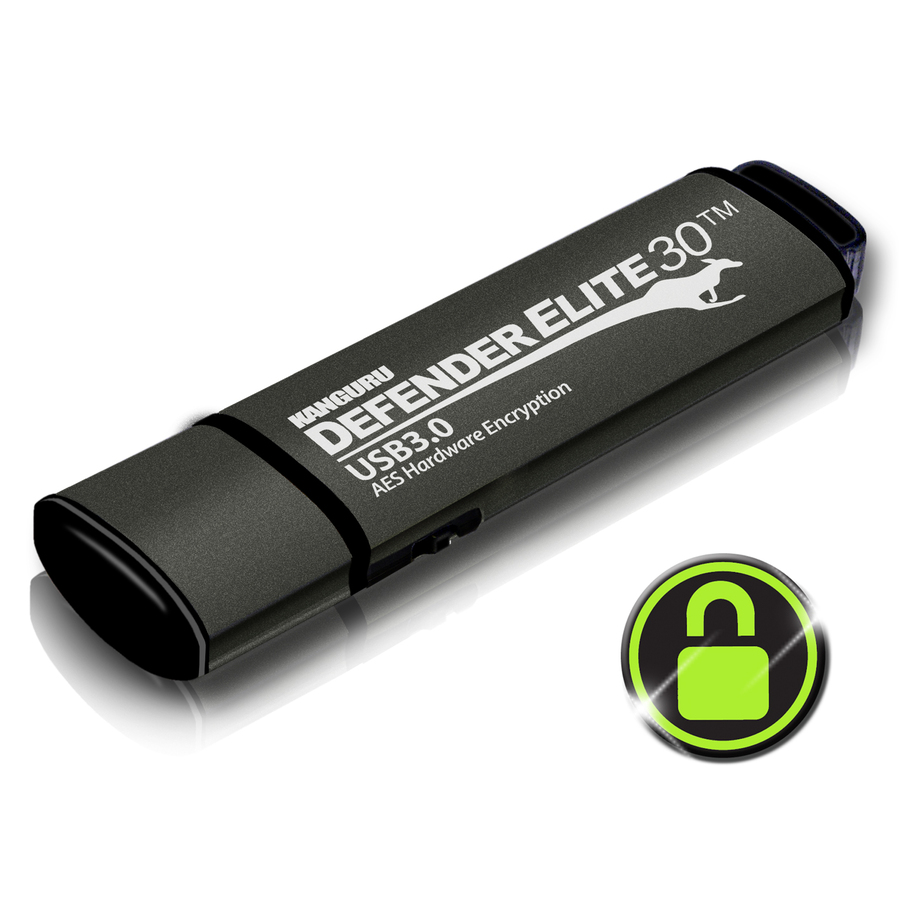
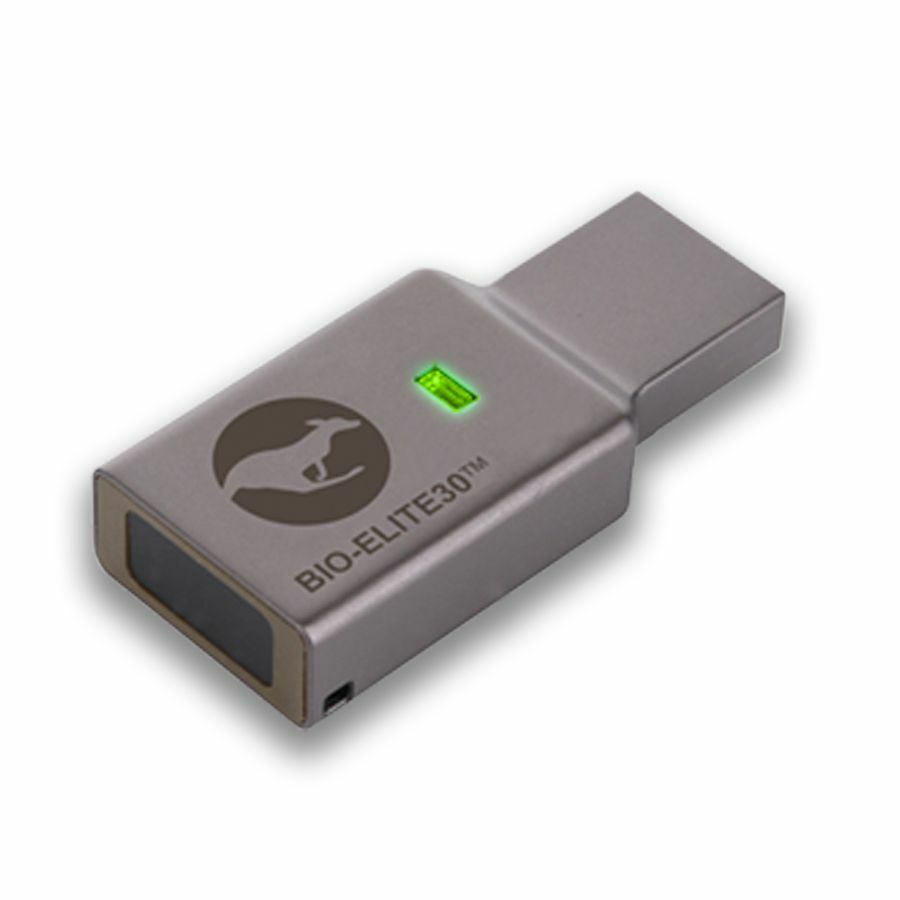
The Defender Bio-Elite30 at 64 GB — fingerprint access to an AES 256-bit hardware-encrypted drive, per the manufacturer's own title. Enrollment replaces the memorized PIN, which suits an individually issued drive far better than a shared pool.
$155.65*Back-orderedFIPS 140-3, Type-C
iStorage/Kanguru
iStorage datAshur PRO+C 128GB | FIPS 140-3 Level 3 Certified | Secure…
IS-FL-DA3C-256-128
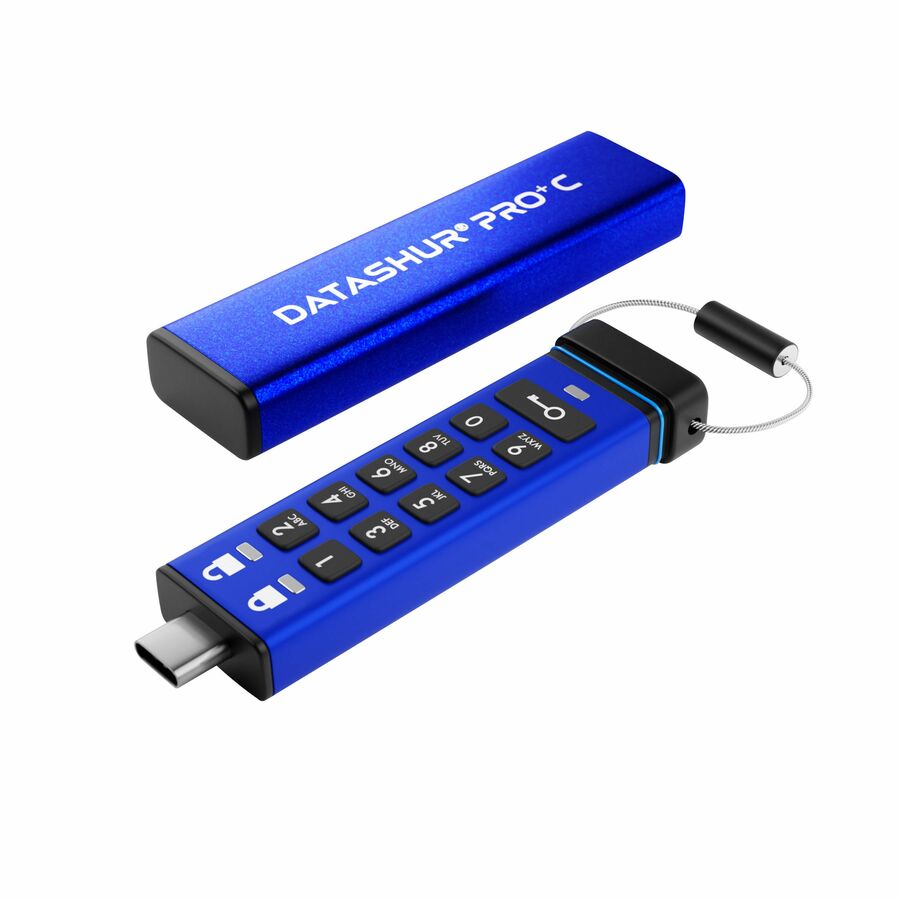
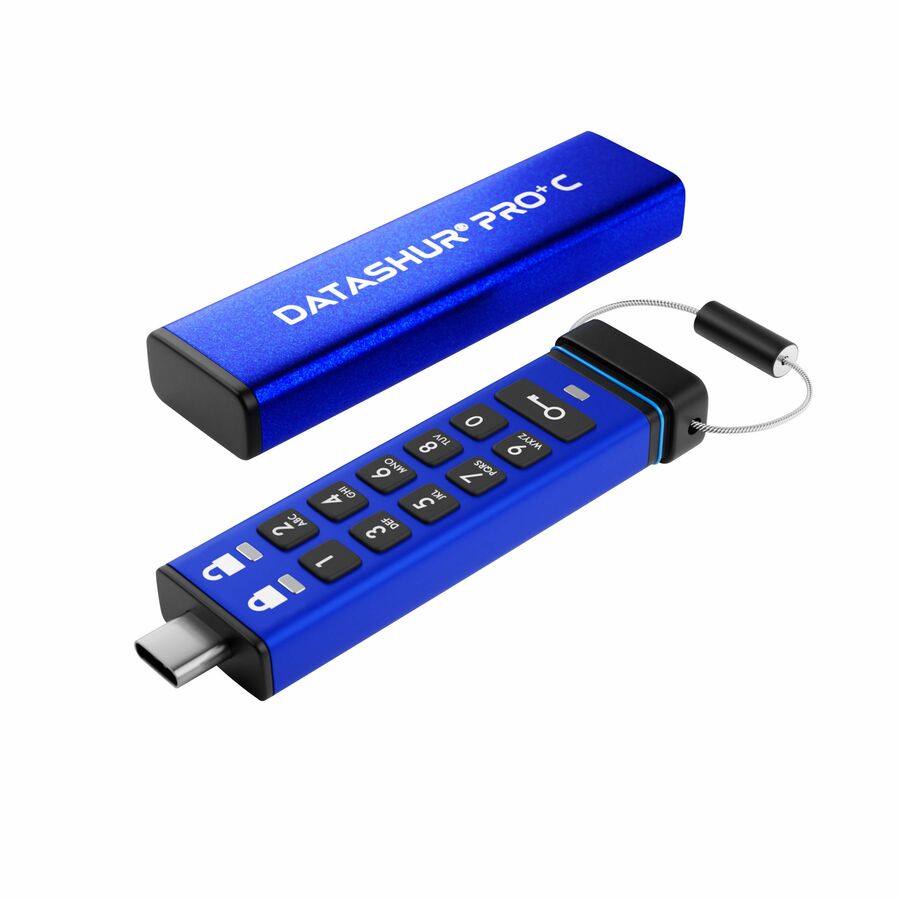
A datAshur PRO+C at 128 GB, titled FIPS 140-3 Level 3 Certified: PIN protected, USB 3.2 Gen 1 Type-C with a Type C-to-A adapter included, 256-bit AES and XTS-AES. The title also states TAA Compliant — verify both the certificate and that designation on the part number you order.
Look the module up on NIST's CMVP list at csrc.nist.gov before citing the certification in a determination.
$277.22In stockSoftware-free keypad
Apricorn
Apricon Aegis Secure Key 3NX: Software-Free 256-Bit AES XTS Encrypted…
ASK3-NX-8GB
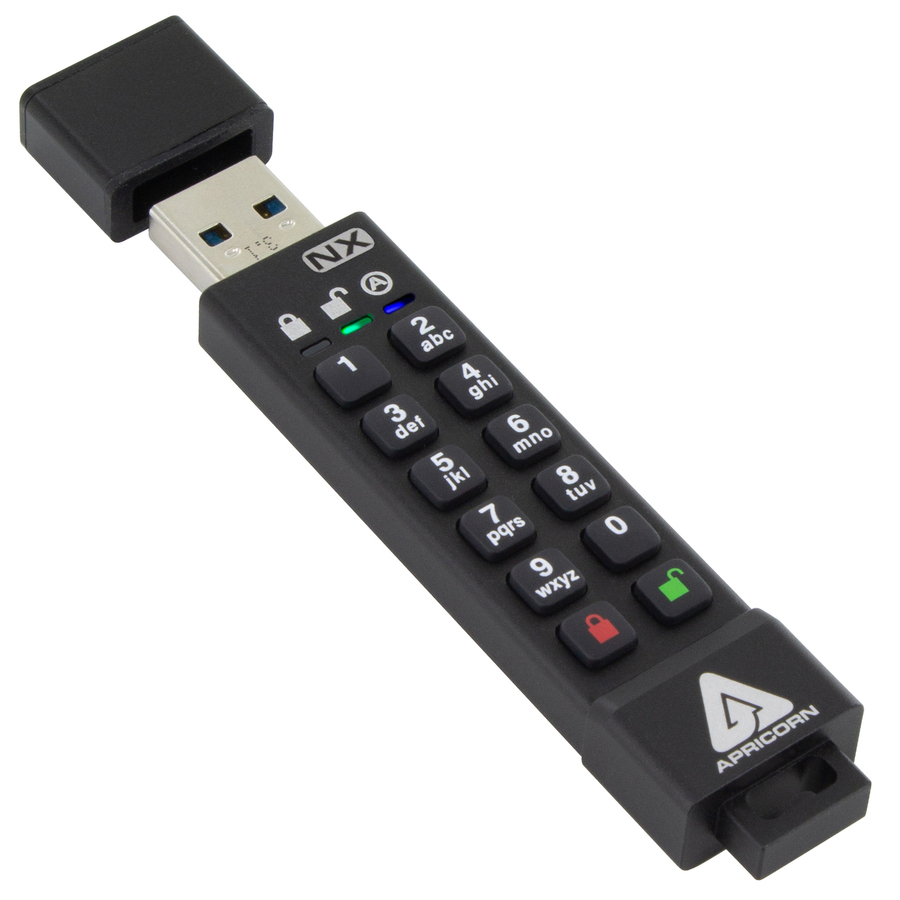
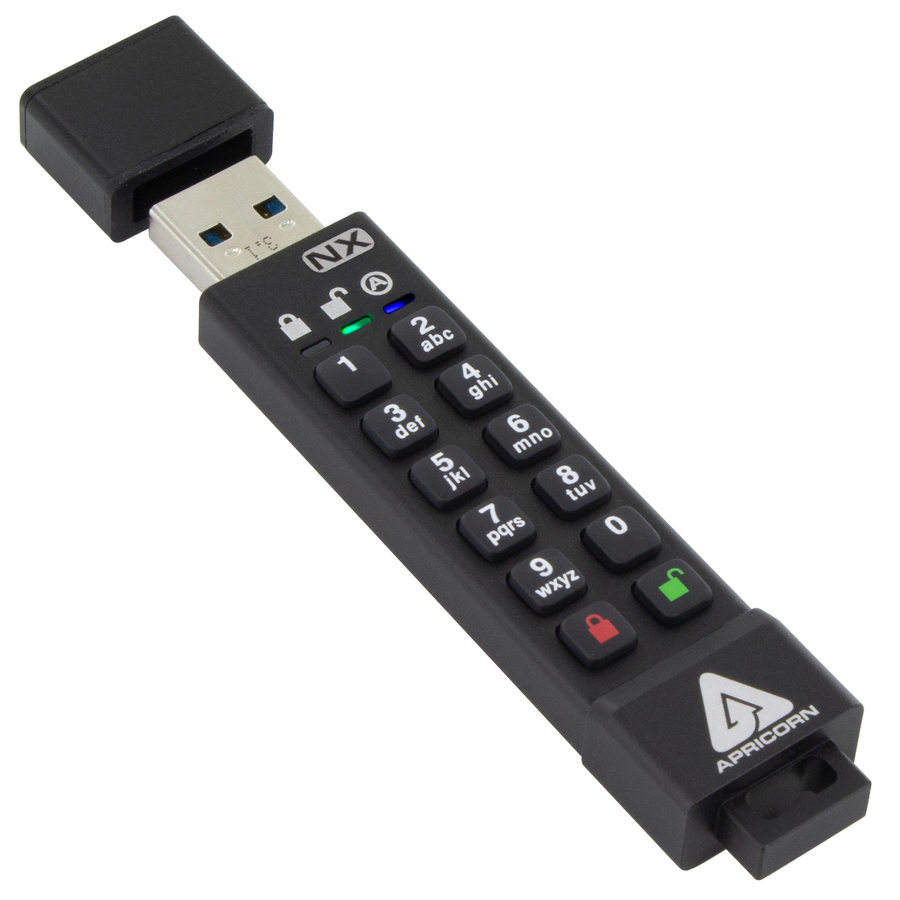
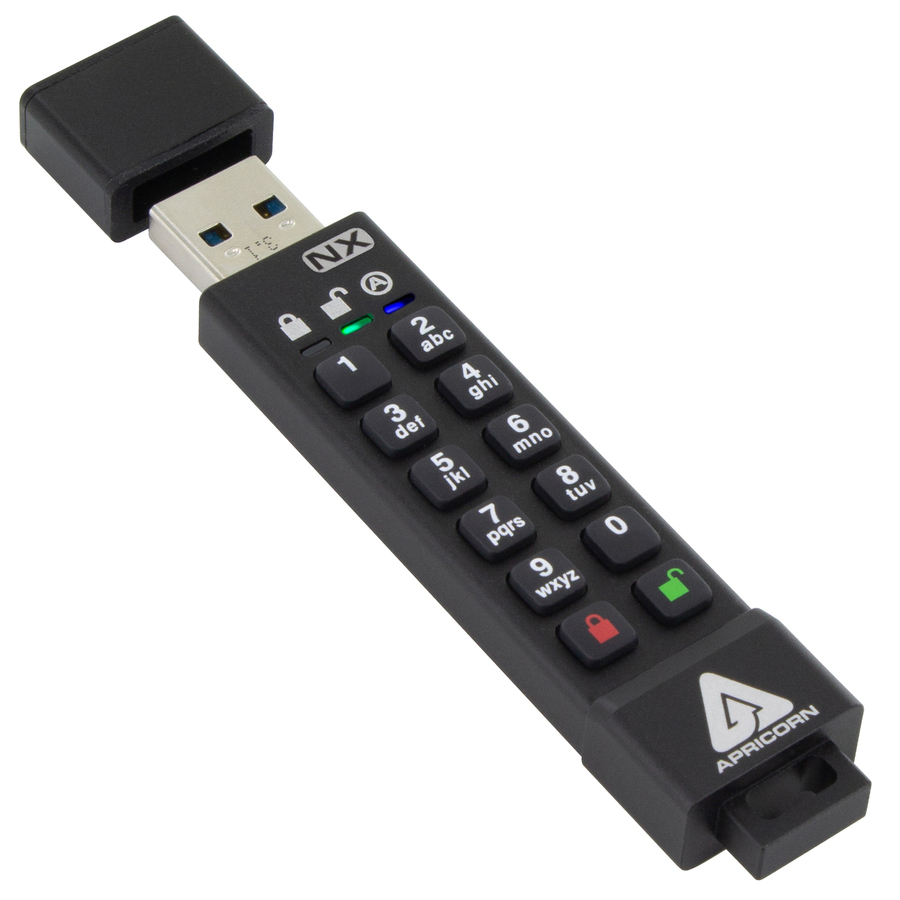
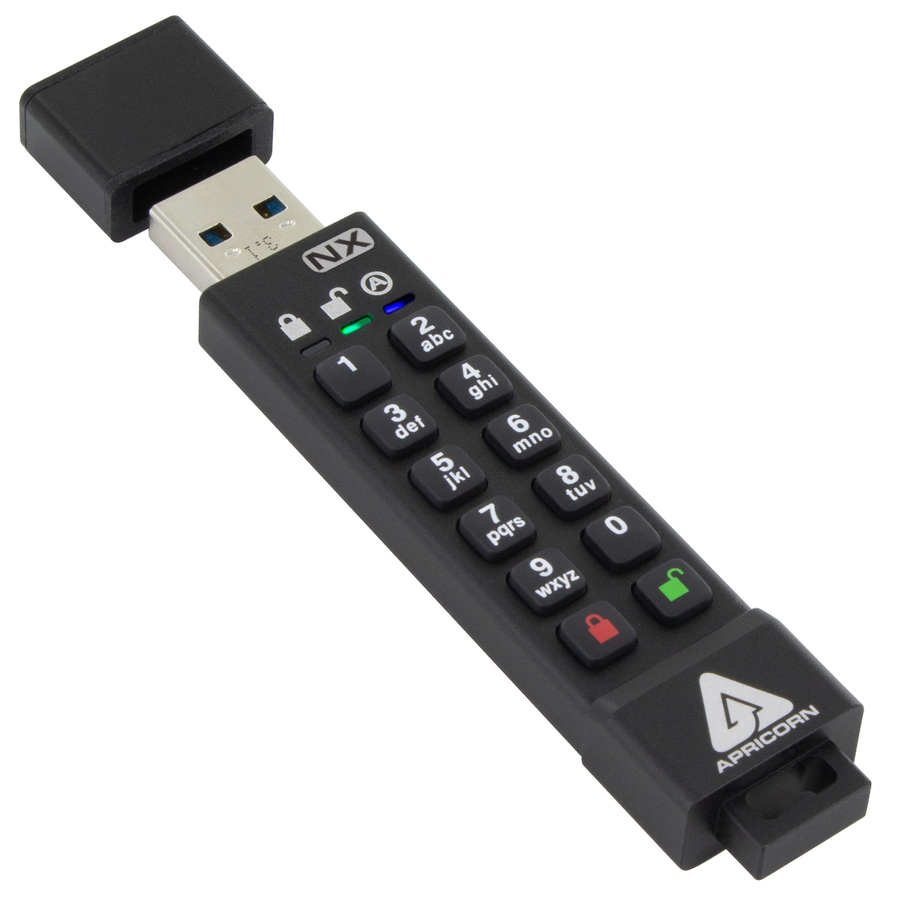
An Aegis Secure Key 3NX at 8 GB: software-free, 256-bit AES-XTS with an onboard keypad, and FIPS 140-2 level 3 validation stated in the manufacturer's own title. Unlocked before it touches a host, which is what makes it usable on machines you do not administer.
$163.09In stockKeypad, mid capacity
Apricorn
Apricon Aegis Secure Key 3NX: Software-Free 256-Bit AES XTS Encrypted…
ASK3-NX-32GB
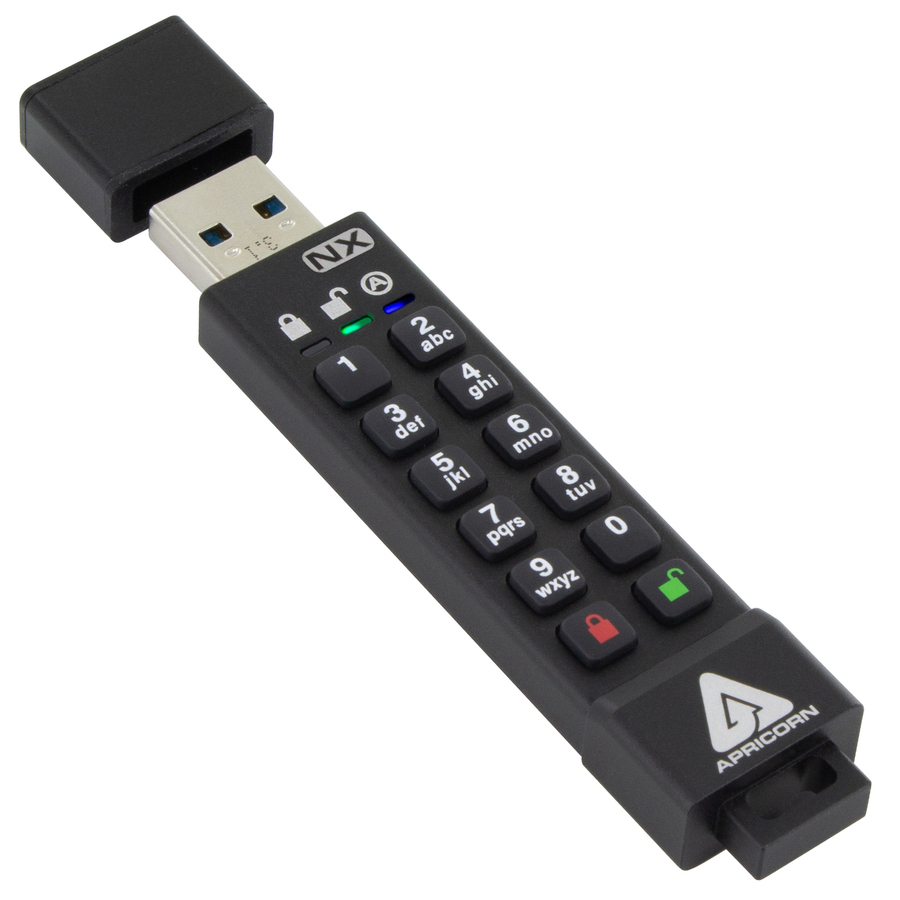
The same software-free keypad design at 32 GB. Capacity is the only variable that changes across this family, which is the useful property when an organization wants one part number, one training note and one support script across several issue sizes.
$185.34In stockKeypad, larger transfers
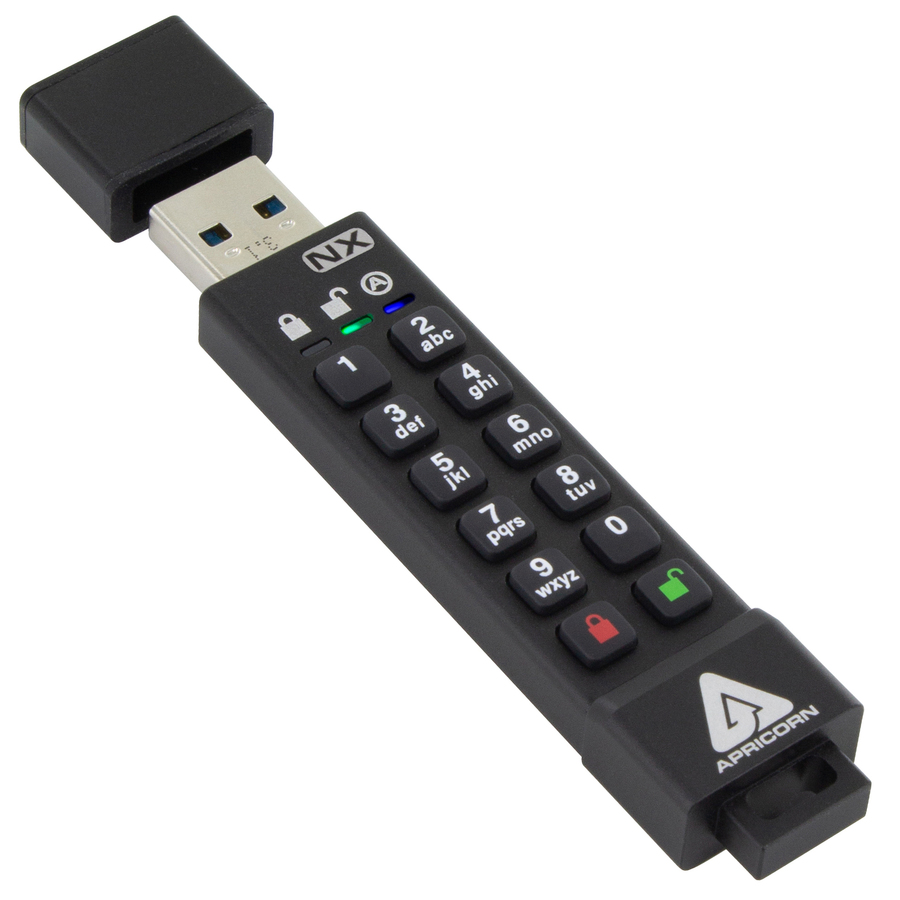
Apricorn
Apricon Aegis Secure Key 3NX: Software-Free 256-Bit AES XTS Encrypted…
ASK3-NX-128GB
The 128 GB member of the same keypad family, for transfers that genuinely need the space — imagery, capture files, a full project handover. Buy the smallest capacity that does the job: a bigger encrypted drive simply carries more of the organization into the taxi.
$283.47In stockTAA-designated, 64 GB
Rocstor
Rocstor DataSecure FX5 64GB Encrypted USB Flash Drive
E82014-B1
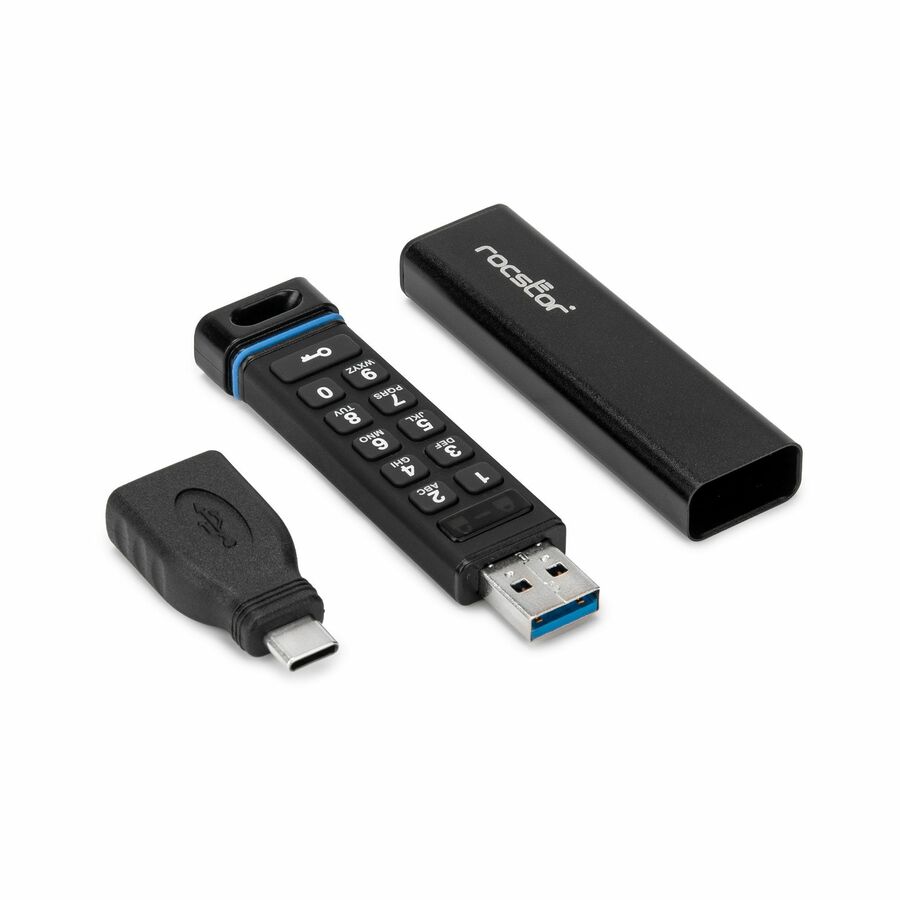
A DataSecure FX5 at 64 GB on USB 3.2 Gen 1 Type-A, with 256-bit AES-XTS and TAA Compliant both stated in the title, plus published read and write speeds. A per-part origin designation to confirm on the exact number where a purchase order carries the clause.
$193.32*In stockTAA-designated, 128 GB
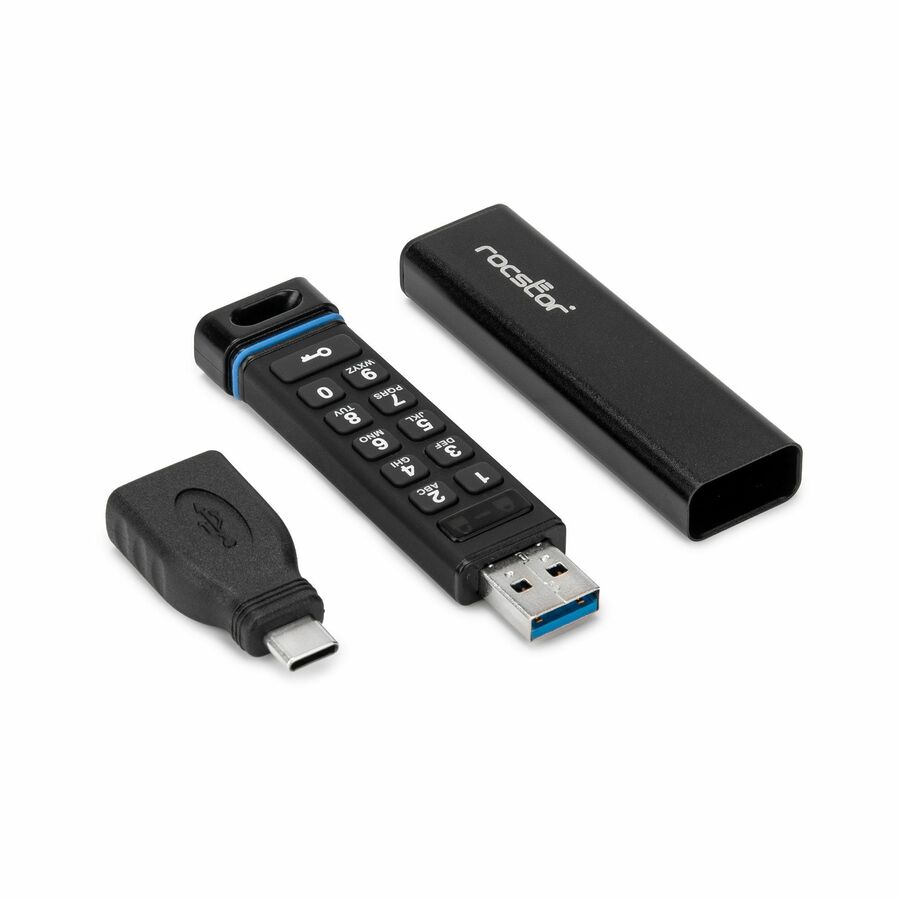
Rocstor
Rocstor DataSecure FX5 128GB Encrypted USB Flash Drive
E82016-B1
The 128 GB drive in the same DataSecure FX5 family — identical interface, algorithm and designation on its own title, with capacity the only difference. The middle issue size for an organization standardizing on one encrypted part number.
$236.28*In stockTAA-designated, 256 GB
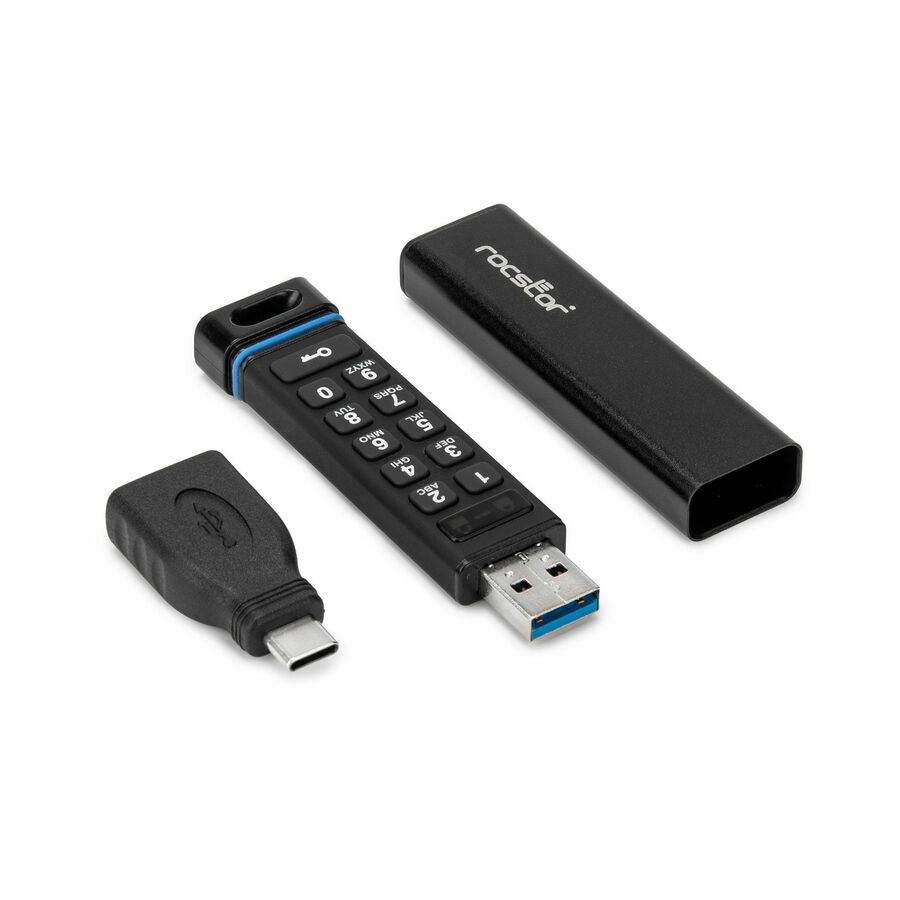
Rocstor
Rocstor DataSecure FX5 256GB Encrypted USB Flash Drive
E82018-B1
The 256 GB member of that family, again with 256-bit AES-XTS and TAA Compliant on the title. Worth reading where a single drive has to carry a whole engagement's material and the origin clause applies to the order.
$258.03*In stockFive-year warranty
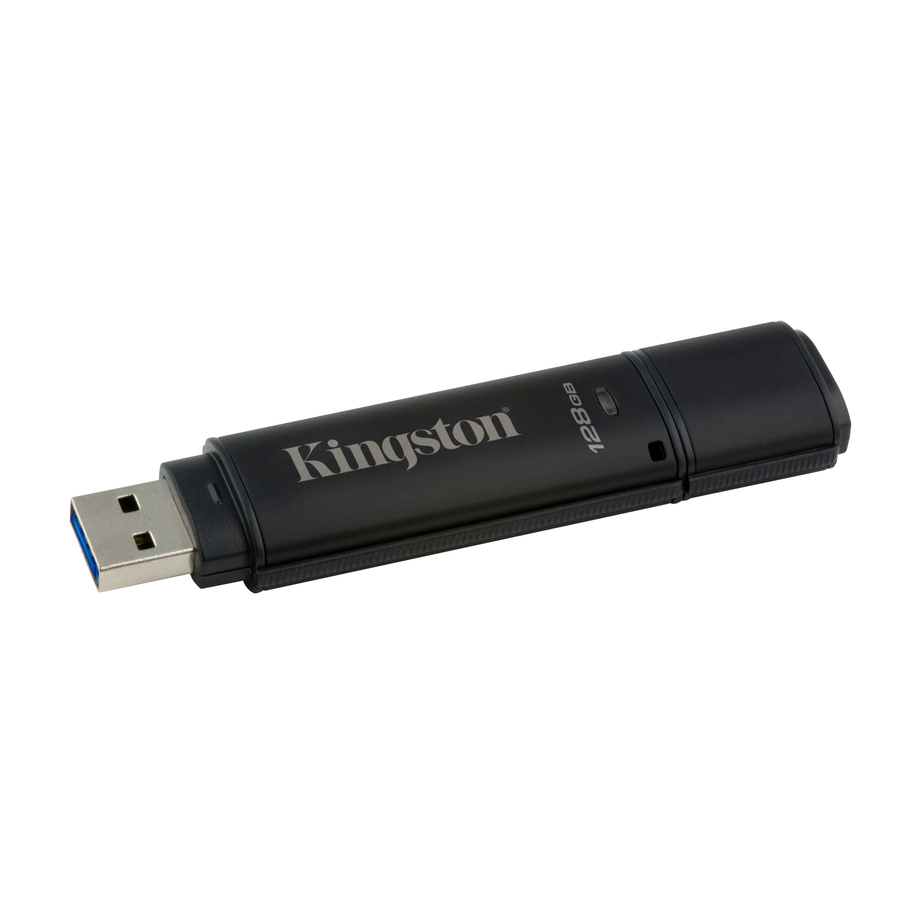
Kingston Technology
Kingston DT4000G2 ENCRYPTED USB FLASH
DT4000G2DM/128GB
A 128 GB encrypted USB drive with 256-bit AES, published read and write speeds, a five-year warranty and TAA Compliant all stated on its own title. The longest warranty term in this selection, which matters on a part that is issued once and carried for years.
Its title names neither a FIPS certification nor an unlock method — confirm both against the exact part before standardizing on it.
$255.20*Back-orderedMore USB flash drives in the Uniqcli catalog
See all 632 USB flash drivesMore from across this category. In-stock lines lead, and a back-ordered line carries the same estimated availability its product page does — with live pricing throughout, NDAA §889 screening before checkout and TAA verified on request.
- iStorage/KanguruiStorage datAshur PRO+C 512GB | FIPS 140-3 Level 3 Certified | Secure USB Type-C Hardware Encrypted Drive | PIN protected | Type C-A adapter included - TAA Compliant - 512 GB - USB 3.2 (Gen 1) Type C - 310 MB/s Read Speed - 246 MB/s Write Speed - 256-bit AES, XTS-AES - 3 Year WarrantyIS-FL-DA3C-256-512
$772.39
1 in stock - iStorage/KanguruiStorage datAshur PRO+C 256GB | FIPS 140-3 Level 3 Certified | Secure USB Type-C Hardware Encrypted Drive | PIN protected | Type C-A adapter included - TAA Compliant - 256 GB - USB 3.2 (Gen 1) Type C - 310 MB/s Read Speed - 246 MB/s Write Speed - Blue - 256-bit AES, XTS-AES - 3 Year WarrantyIS-FL-DA3C-256-256
$442.87
1 in stock - iStorage/KanguruiStorage datAshur PRO+C 128GB | FIPS 140-3 Level 3 Certified | Secure USB Type-C Hardware Encrypted Drive | PIN protected | Type C-A adapter included - TAA Compliant - 128 GB - USB 3.2 (Gen 1) Type C - 310 MB/s Read Speed - 246 MB/s Write Speed - 256-bit AES, XTS-AES - 3 Year WarrantyIS-FL-DA3C-256-128
$277.22
4 in stock - Kingston TechnologyKingston DT4000G2 ENCRYPTED USB FLASH - 128 GB - USB 3.0 - 250 MB/s Read Speed - 85 MB/s Write Speed - 256-bit AES - 5 Year Warranty - TAA CompliantDT4000G2DM/128GB
$319.00
$255.20*
Back-orderedBack-ordered — estimated OEM lead time 3–8 weeks (Nov 14 – Dec 19 if ordered today).
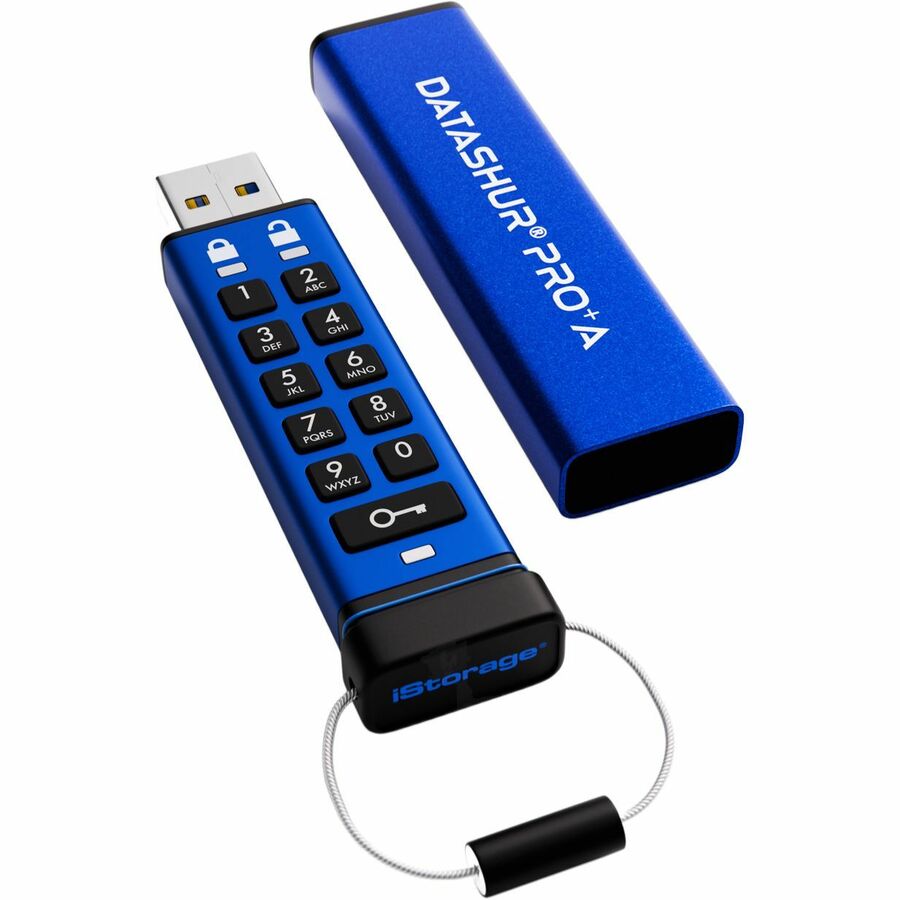
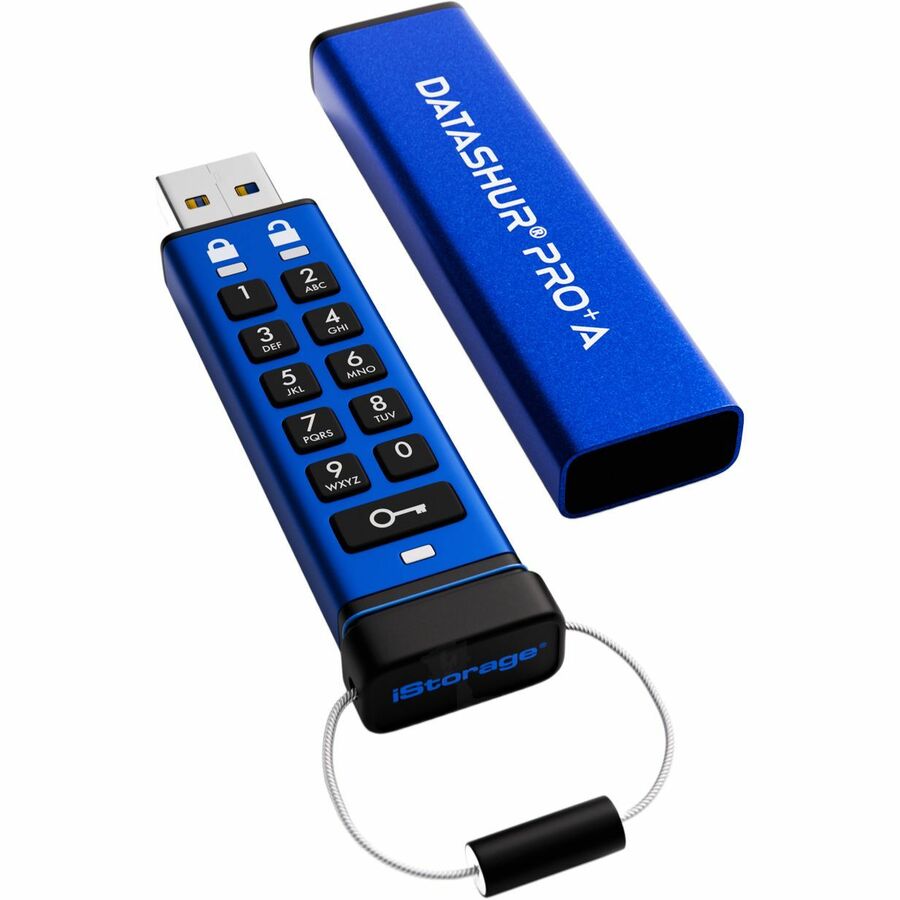
- iStorage/KanguruiStorage datAshur PRO+A FIPS 140-3, Level 3 Hardware Encrypted Flash Drive - FIPS 140-3 Level 3 USB 3.2 (Gen 1) Type-A hardware encrypted flash drive-TAA CompliantIS-FL-DA3A-256-512
$772.38*
Back-orderedBack-ordered — estimated OEM lead time 3–8 weeks (Nov 14 – Dec 19 if ordered today).
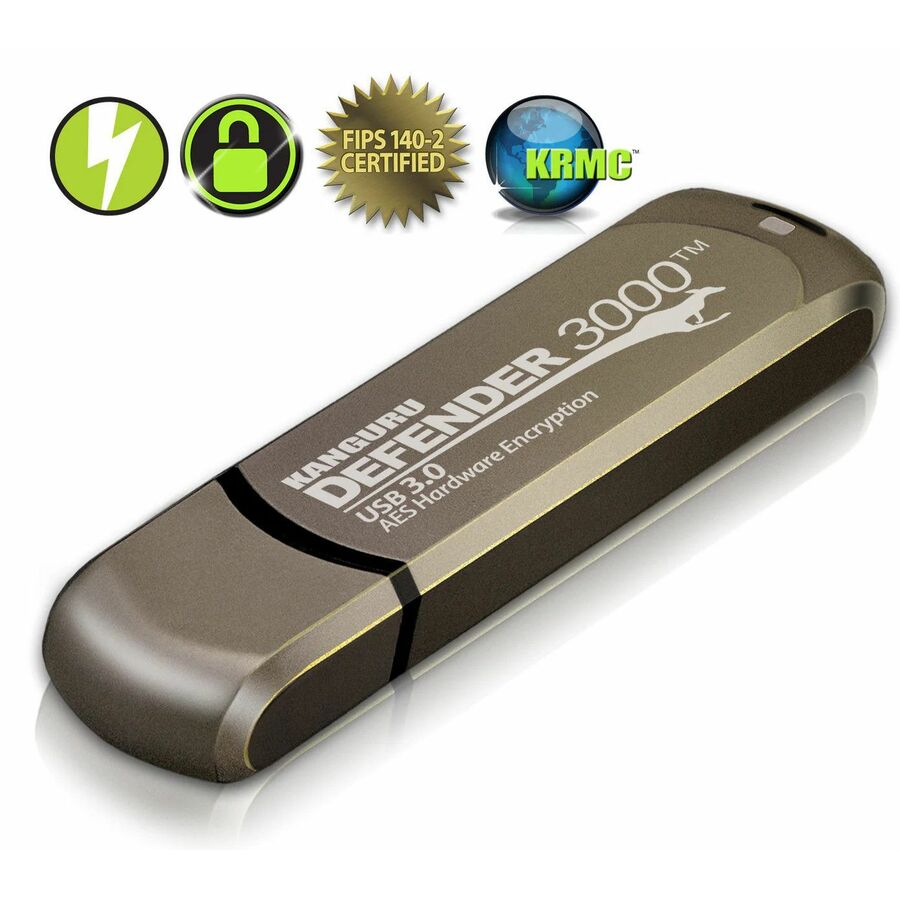
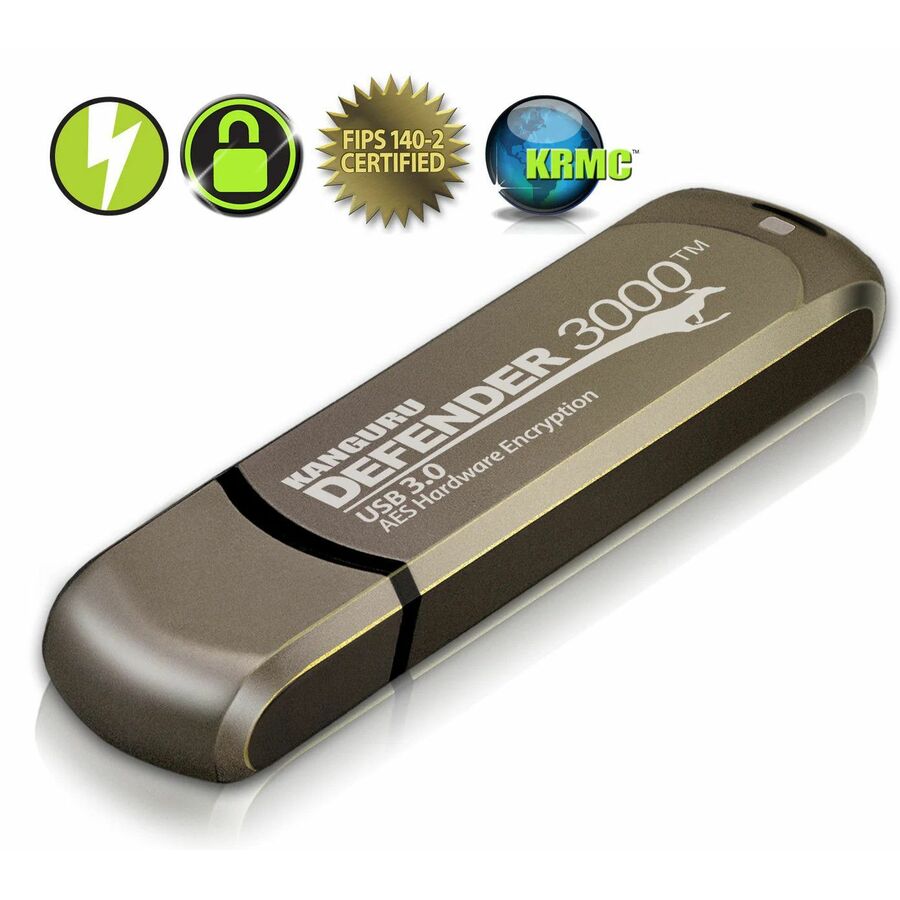
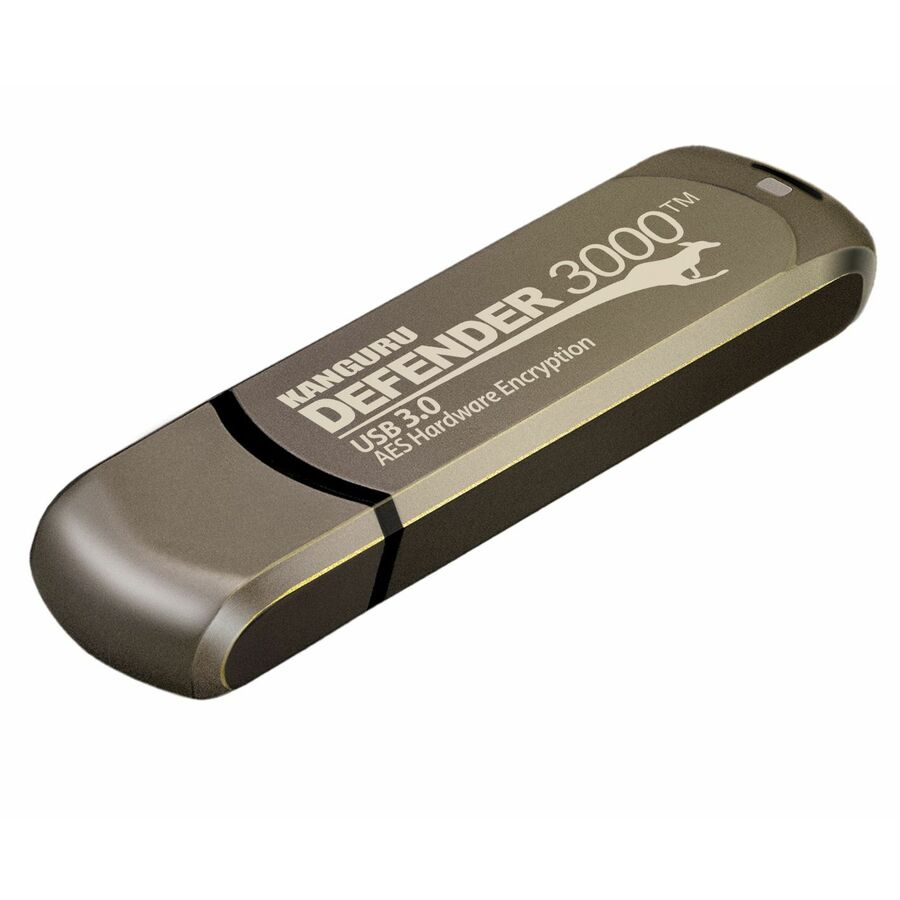
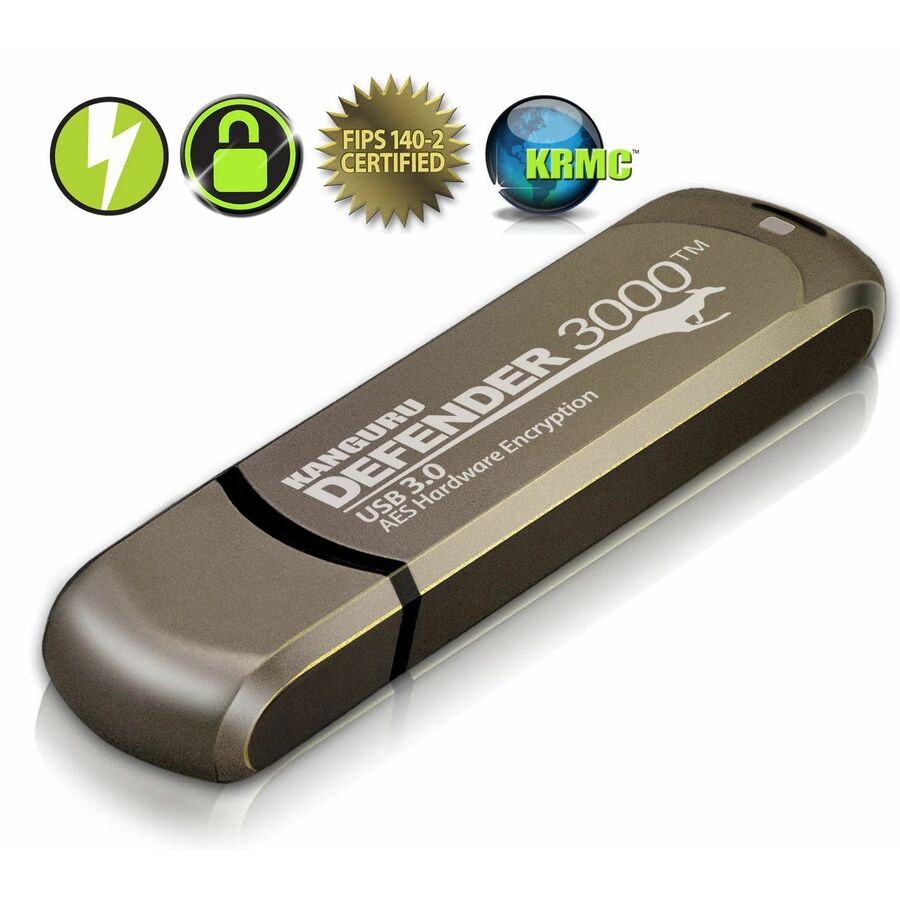
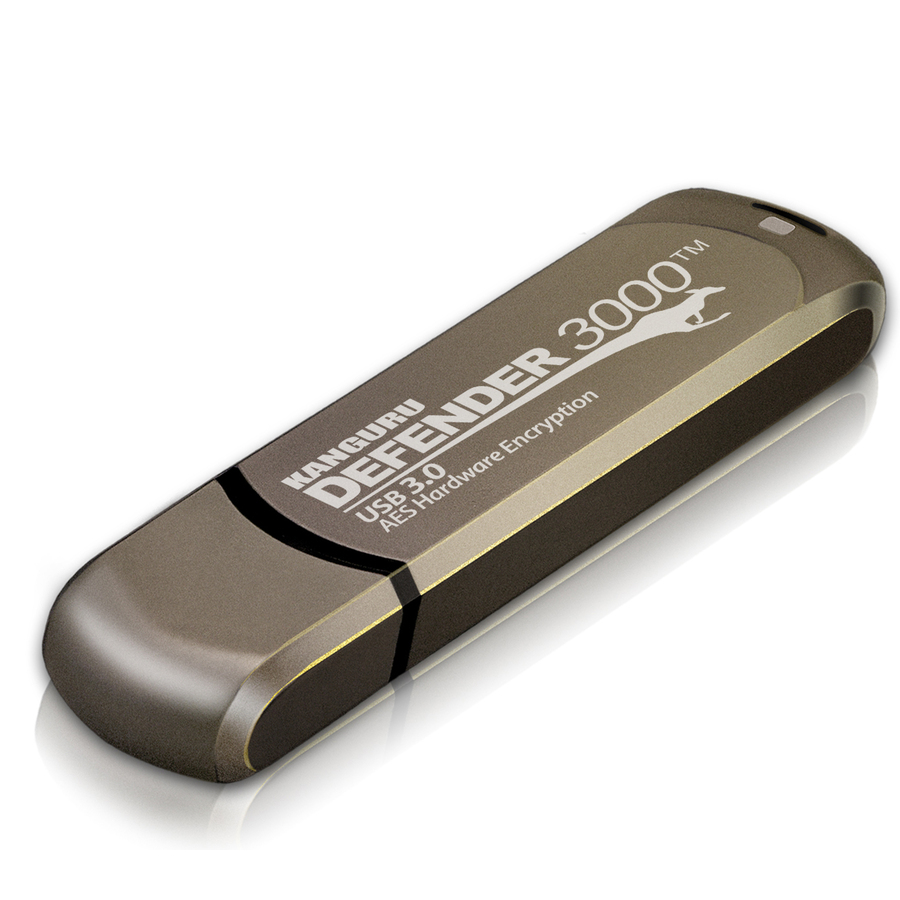
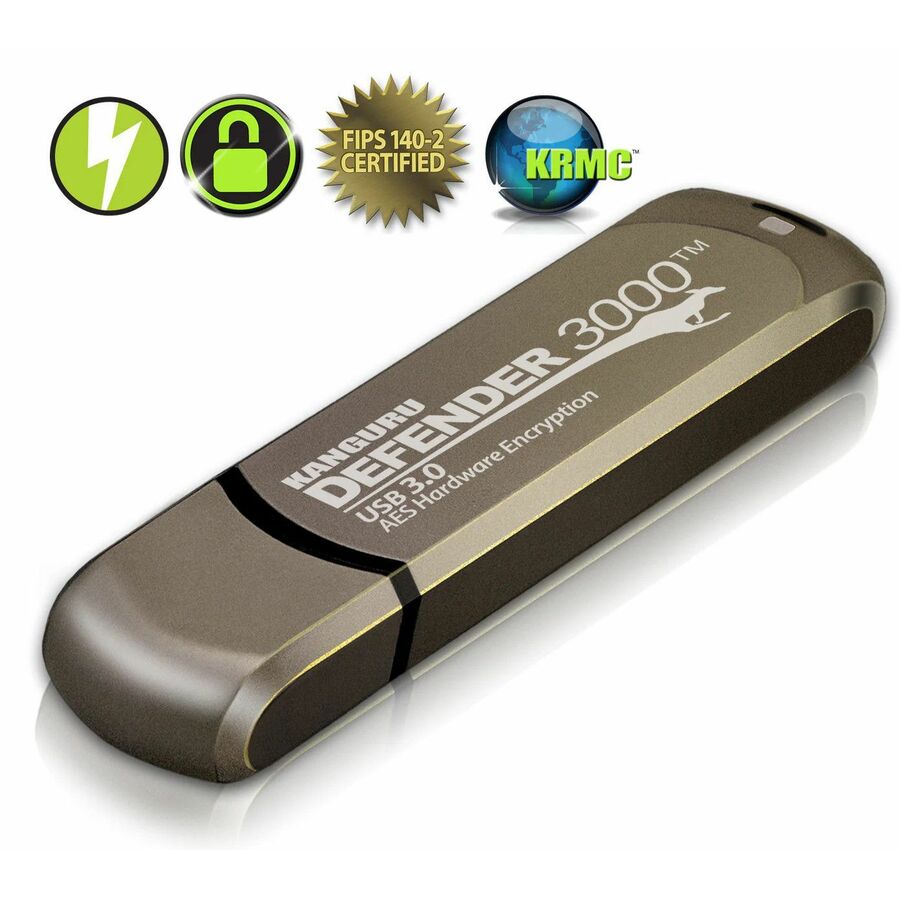
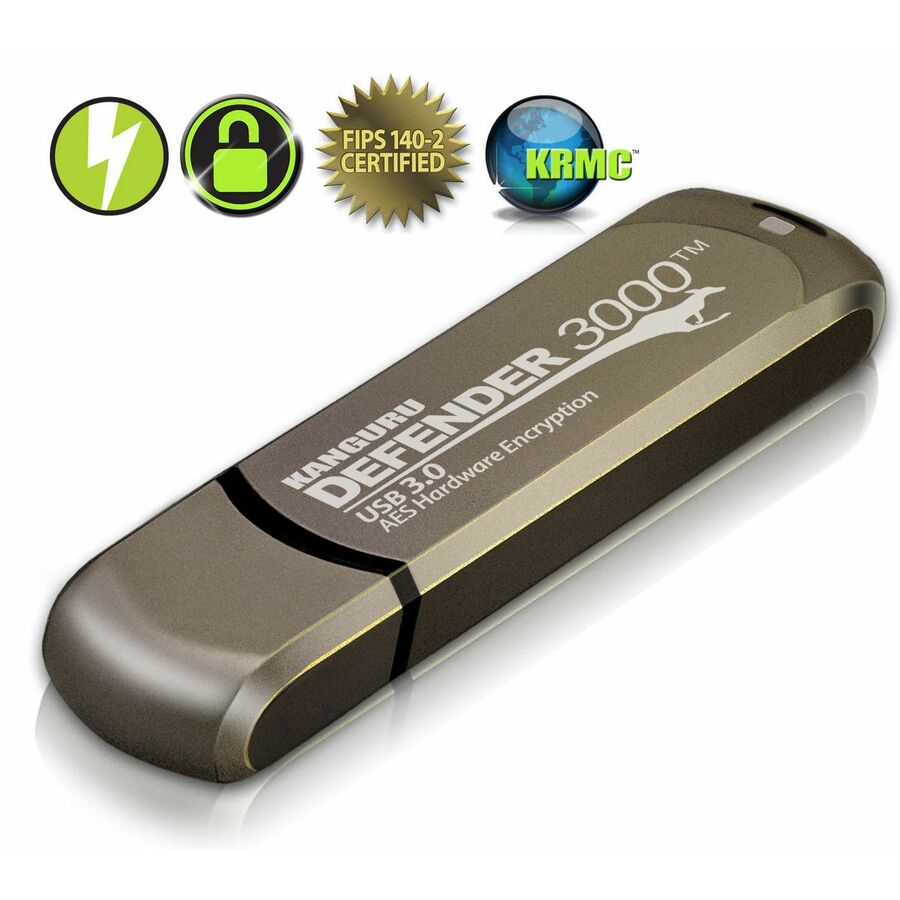
- iStorage/KanguruKanguru Defender3000 FIPS 140-3 Certified Level 3, SuperSpeed USB 3.0 Secure Flash Drive, 512G - FIPS 140-3, Level 3 Certified, AES 256-Bit Hardware Encrypted, SuperSpeed USB 3.0, Remotely Manageable, TAA CompliantKDF3000-512G
$662.03*
Back-orderedBack-ordered — estimated OEM lead time 3–8 weeks (Nov 14 – Dec 19 if ordered today).
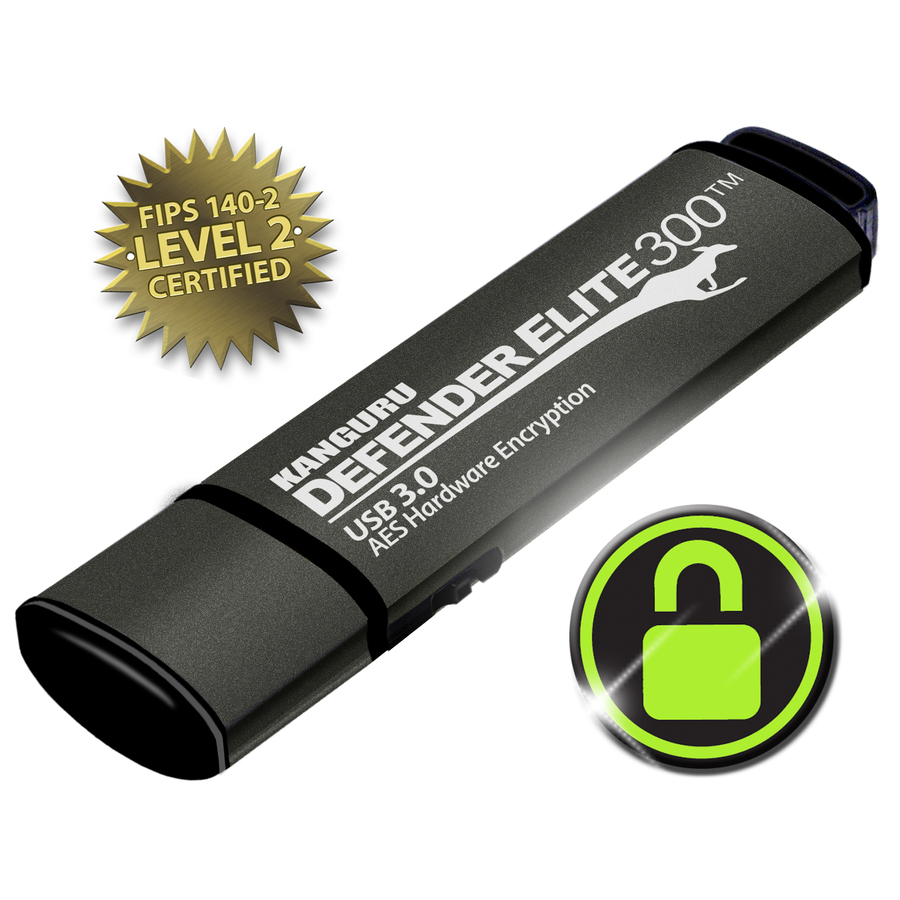
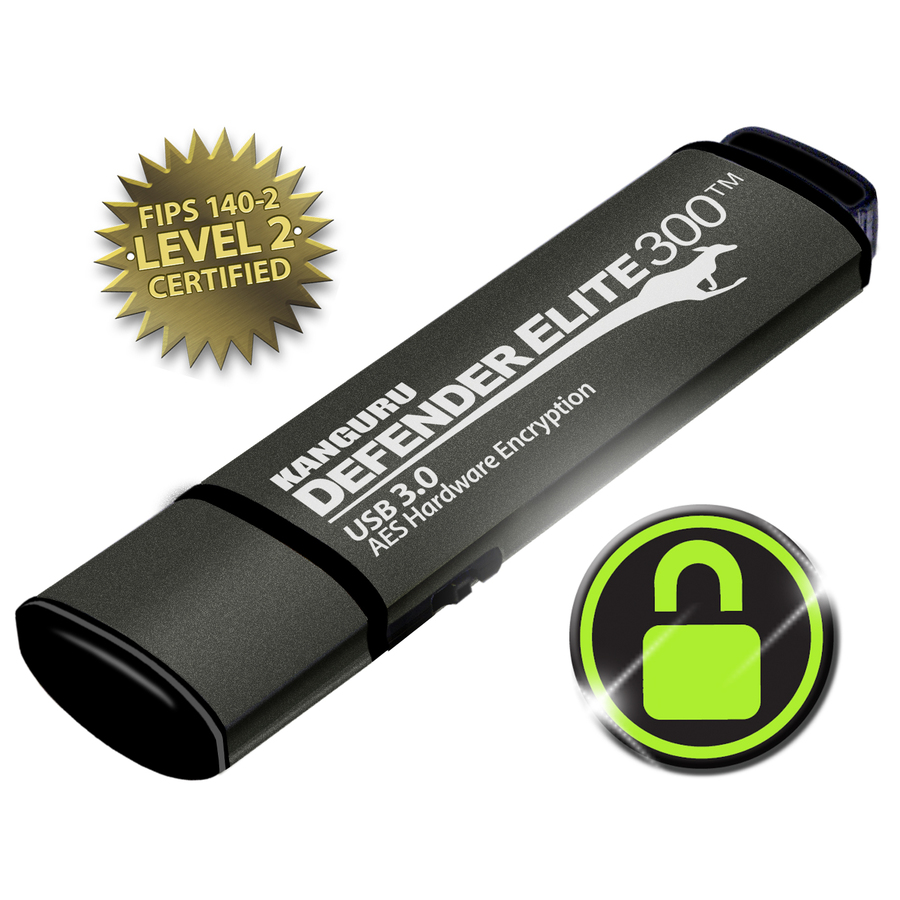
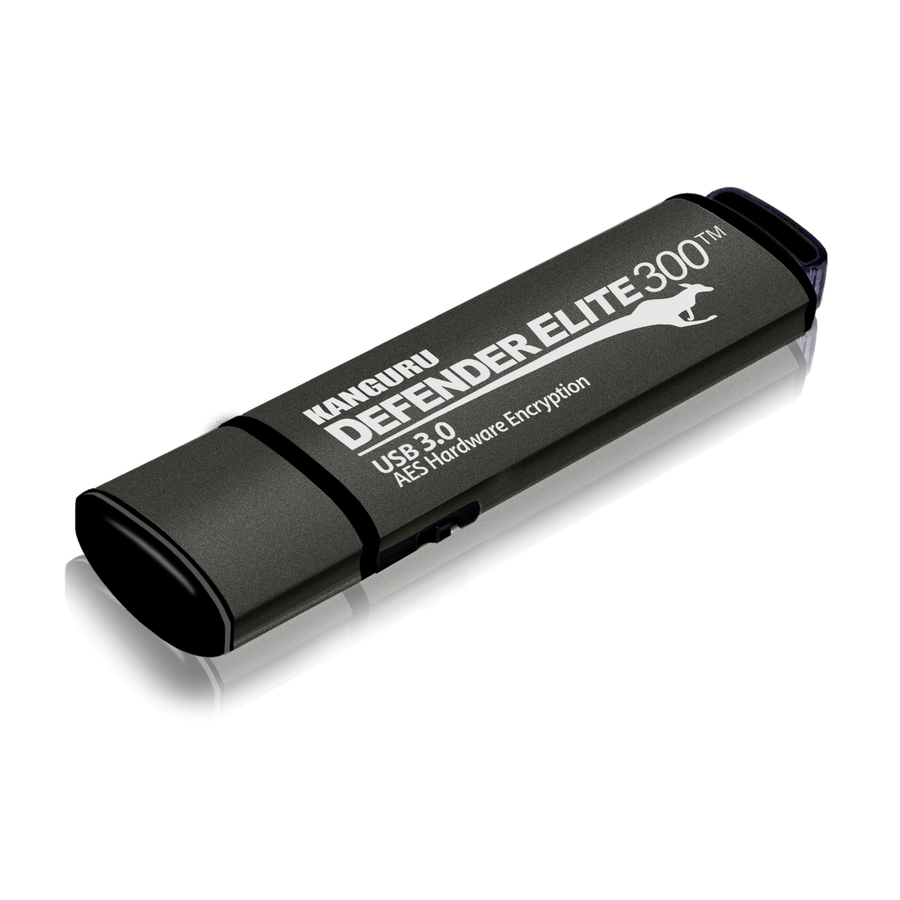
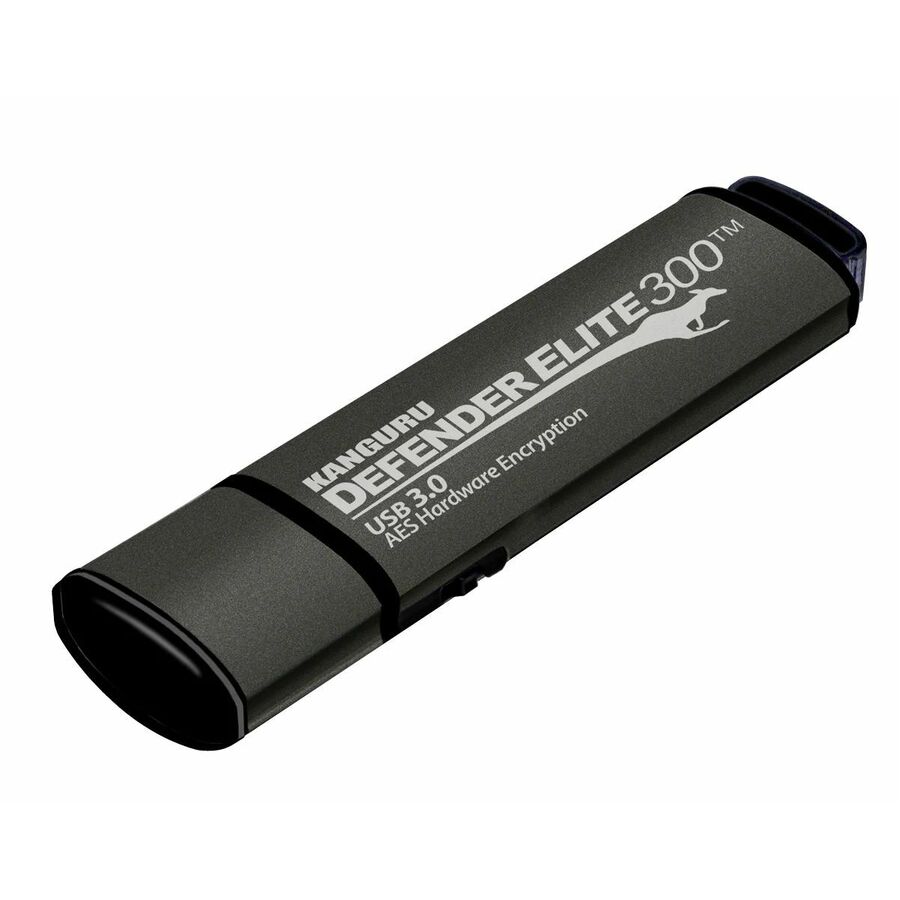
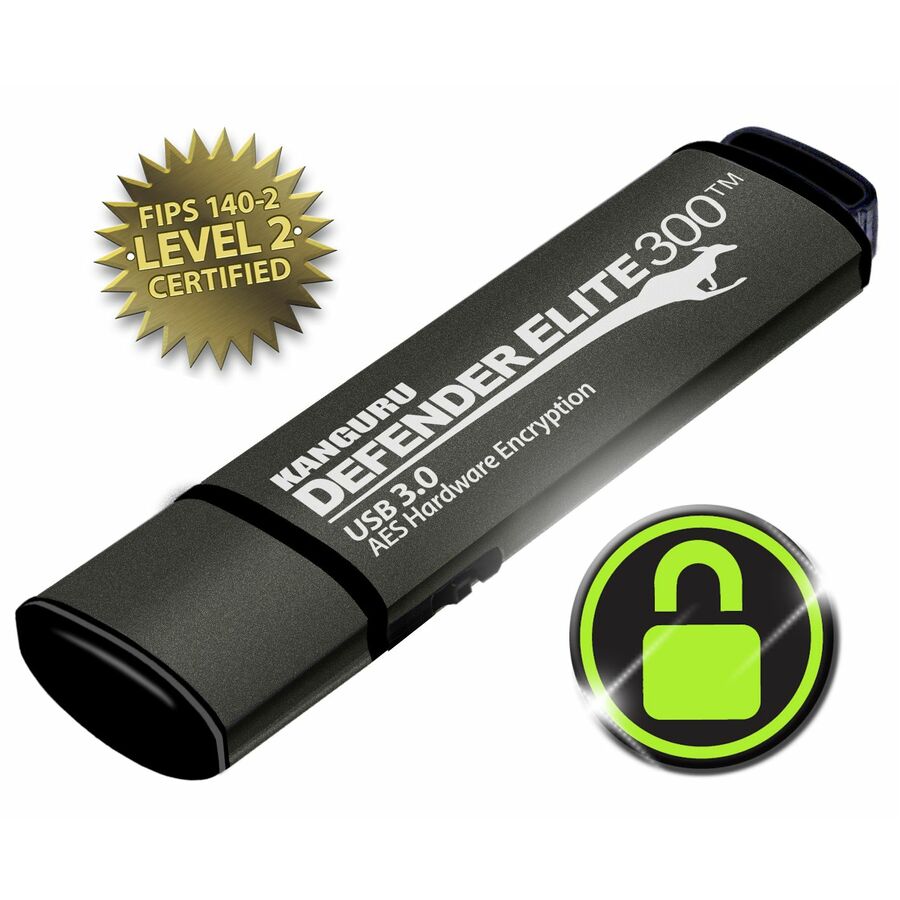
- iStorage/KanguruKanguru Defender Elite300 FIPS 140-2 Certified, Encrypted Flash Drive, 512G - FIPS 140-2 Certified Level 2, AES 256-Bit, Hardware Encrypted Flash Drive, 512GKDFE300-512G
$656.52*
Back-orderedBack-ordered — estimated OEM lead time 3–8 weeks (Nov 14 – Dec 19 if ordered today).
Back-ordered — estimated OEM lead time 3–8 weeks (Nov 14 – Dec 19 if ordered today).
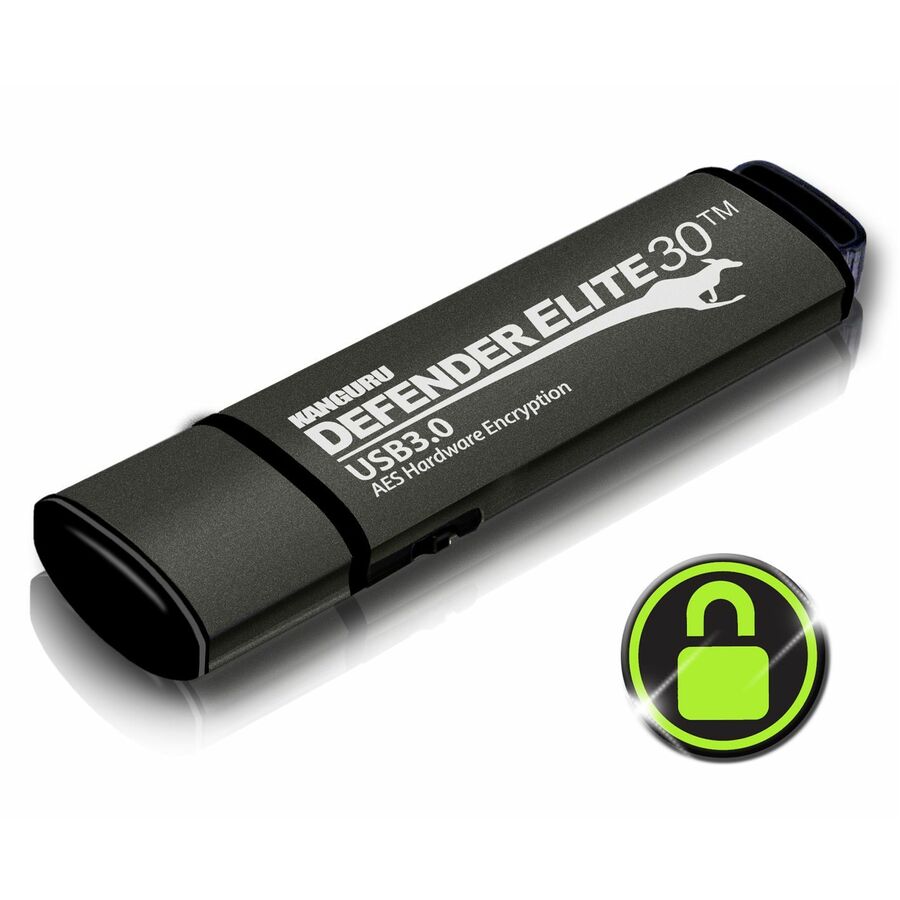
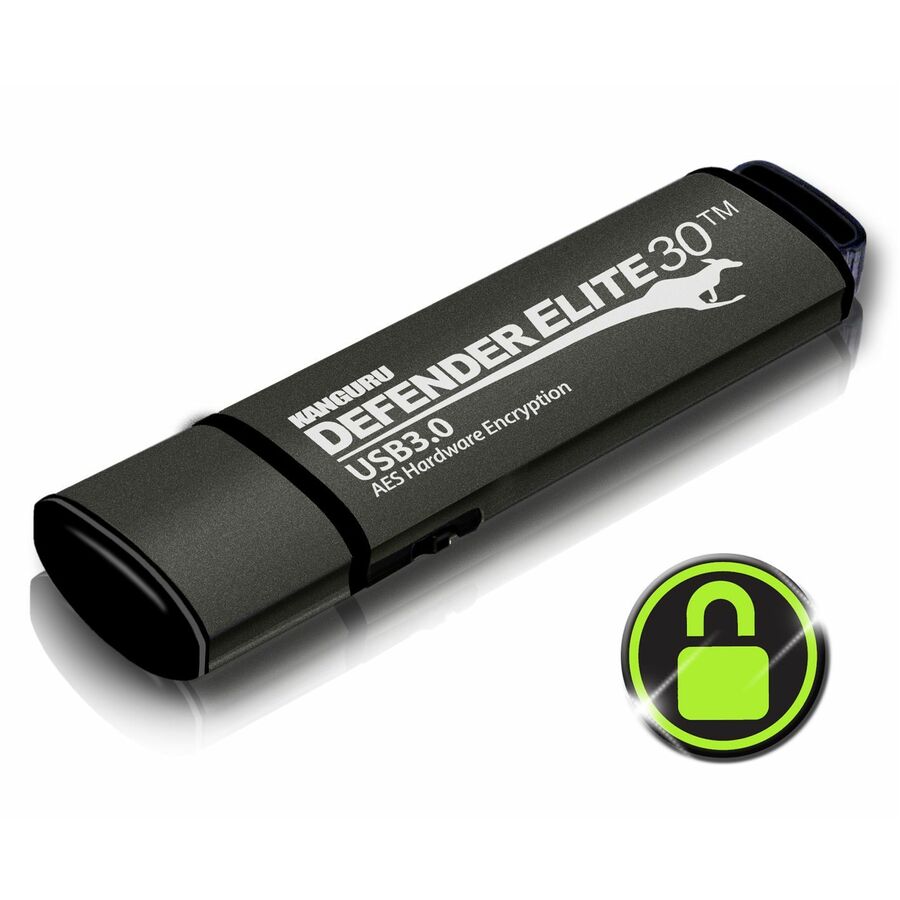
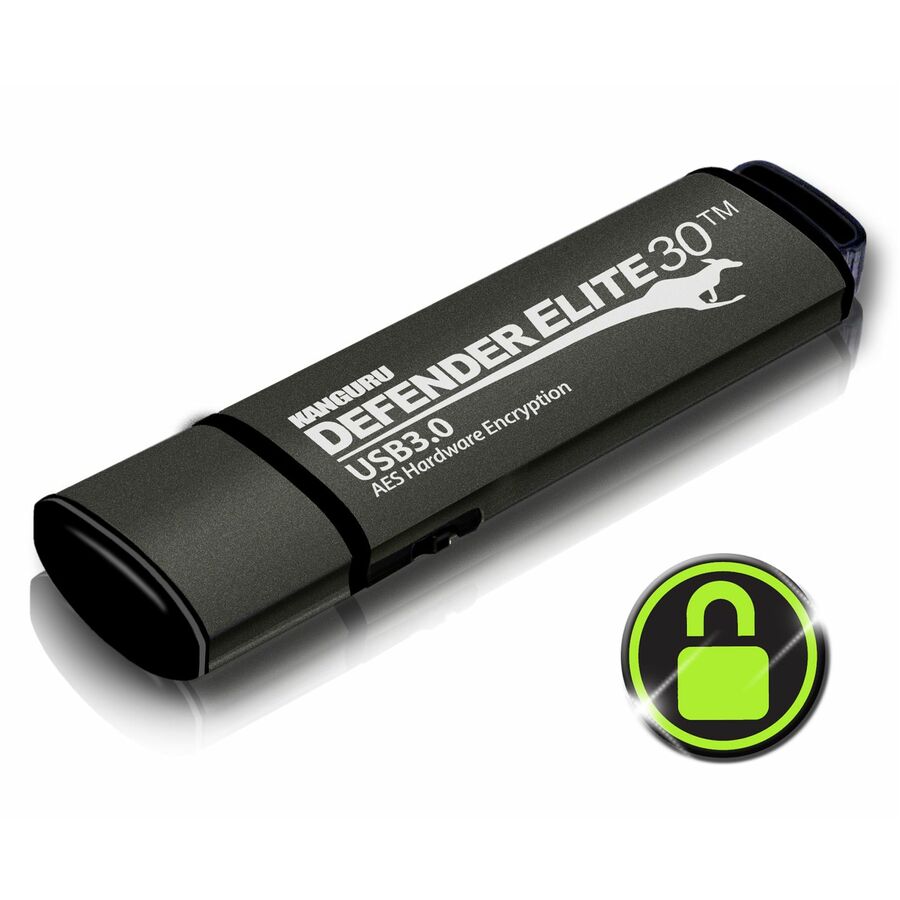
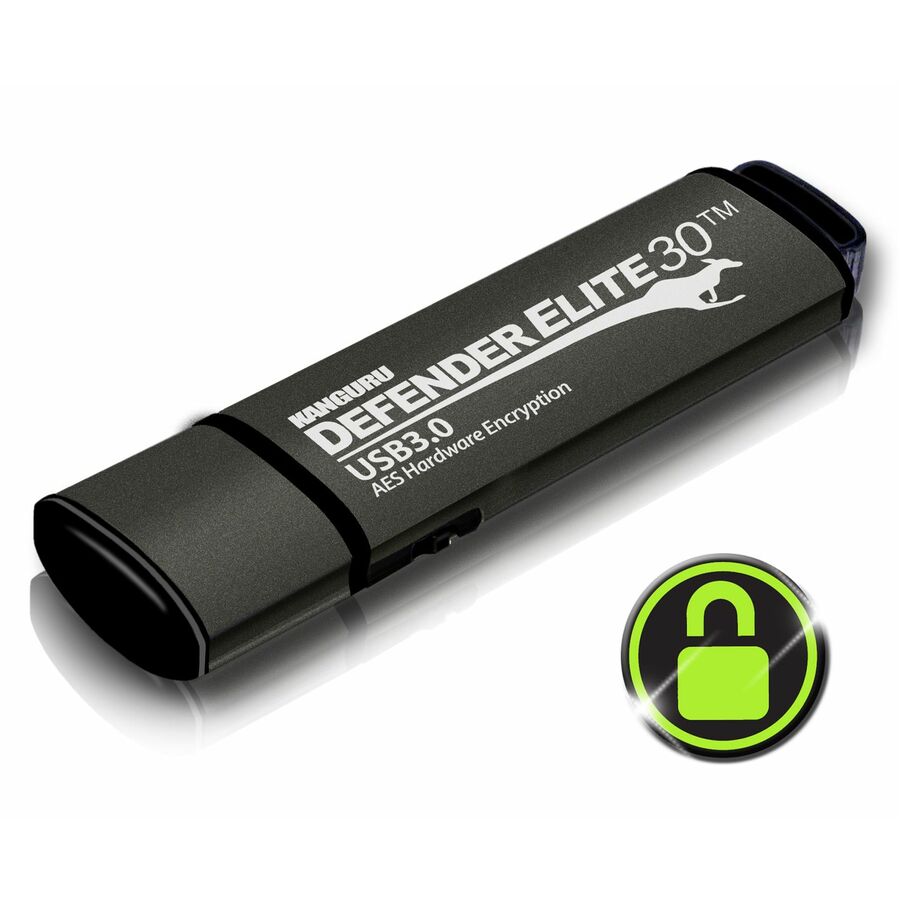
- iStorage/KanguruKanguru Defender Elite30, Hardware Encrypted, Secure, SuperSpeed USB 3.0 Flash Drive, 256G - AES 256-Bit Hardware Encrypted, USB3.0, Write-Protect Switch, Remotely Manageable, TAA CompliantKDFE30-256G
$442.81*
Back-orderedBack-ordered — estimated OEM lead time 3–8 weeks (Nov 14 – Dec 19 if ordered today).
- iStorage/KanguruiStorage datAshur PRO+A FIPS 140-3, Level 3 Hardware Encrypted Flash Drive - FIPS 140-3 Level 3 USB 3.2 (Gen 1) Type-A hardware encrypted flash drive-TAA CompliantIS-FL-DA3A-256-256
$442.81*
Back-orderedBack-ordered — estimated OEM lead time 3–8 weeks (Nov 14 – Dec 19 if ordered today).
- iStorage/KanguruKanguru Defender Elite30, Hardware Encrypted, Secure, SuperSpeed USB 3.0 Flash Drive, 128G - AES 256-Bit Hardware Encrypted, USB3.0, Write-Protect Switch, Remotely Manageable, TAA CompliantKDFE30-128G
$332.65*
Back-orderedBack-ordered — estimated OEM lead time 3–8 weeks (Nov 14 – Dec 19 if ordered today).
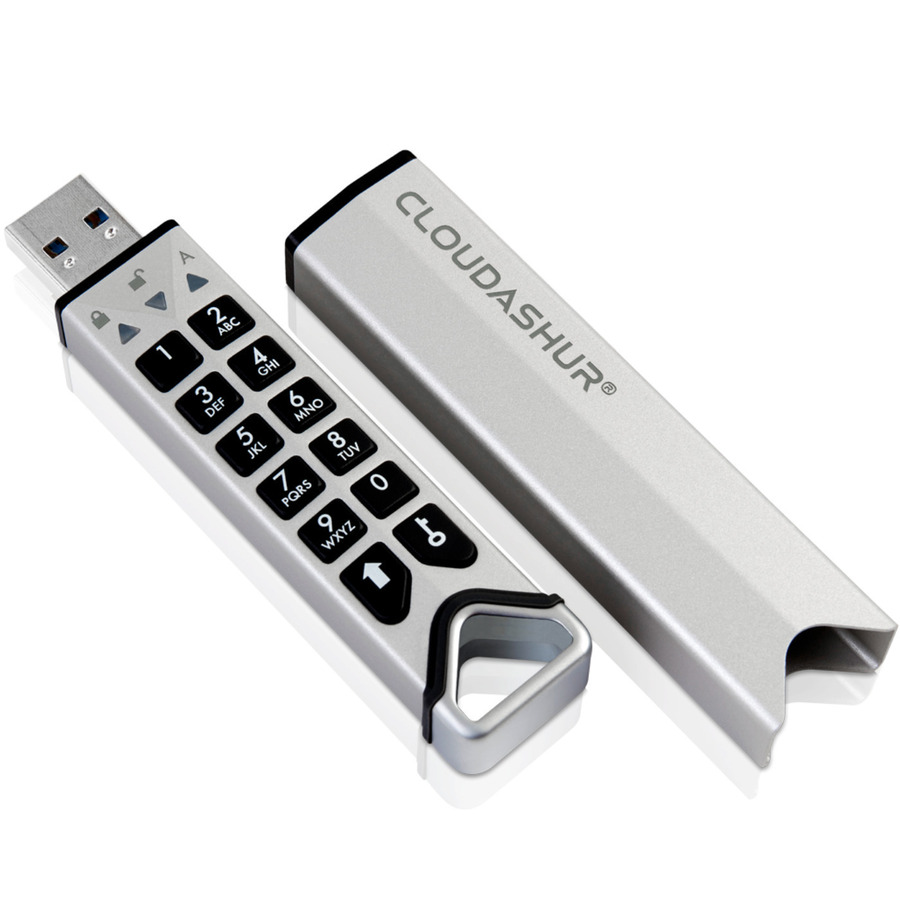
- iStorage/KanguruiStorage cloudAshur Hardware encrypted Security Module - Encrypt, share and manage your data in the cloud in the most secure way possible. - USB Type A - 256-bit AESIS-EM-CA-256
$324.23
Back-orderedBack-ordered — estimated OEM lead time 3–8 weeks (Nov 14 – Dec 19 if ordered today).
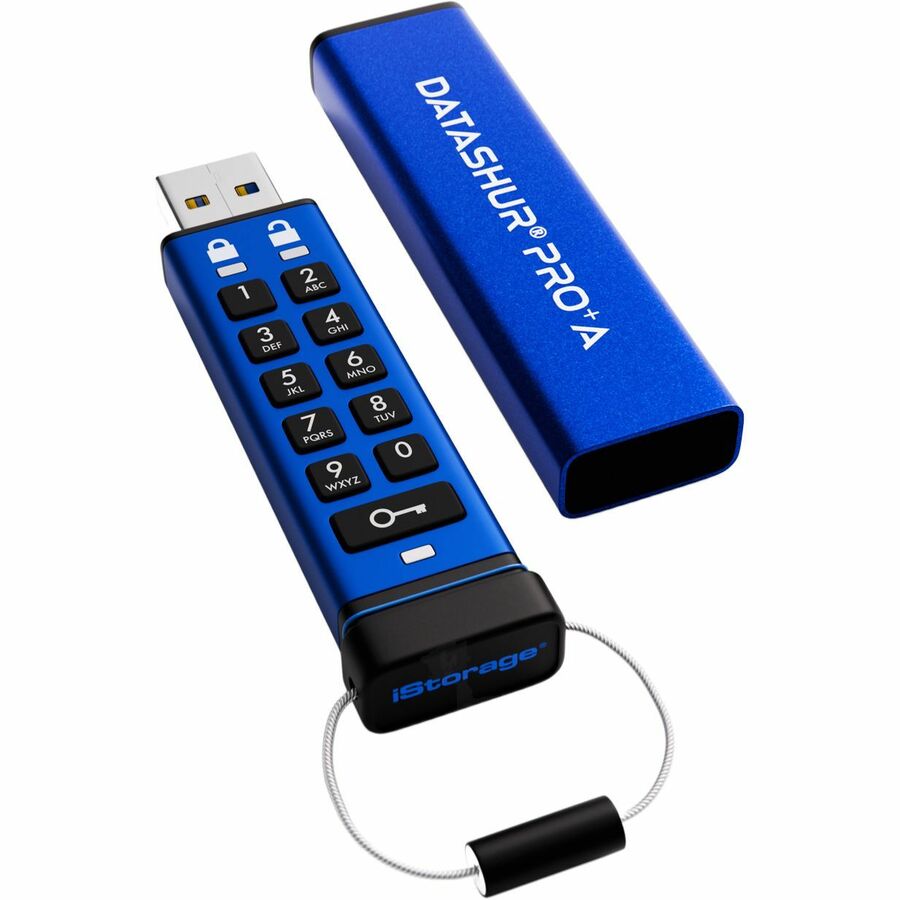
- iStorage/KanguruiStorage datAshur PRO+A FIPS 140-3, Level 3 Hardware Encrypted Flash Drive - FIPS 140-3 Level 3 USB 3.2 (Gen 1) Type-A hardware encrypted flash drive-TAA CompliantIS-FL-DA3A-256-128
$277.20*
Back-orderedBack-ordered — estimated OEM lead time 3–8 weeks (Nov 14 – Dec 19 if ordered today).
- iStorage/KanguruiStorage datAshur PRO+A FIPS 140-3, Level 3 Hardware Encrypted Flash Drive - FIPS 140-3 Level 3 USB 3.2 (Gen 1) Type-A hardware encrypted flash drive-TAA CompliantIS-FL-DA3A-256-64
$221.75*
Back-orderedBack-ordered — estimated OEM lead time 3–8 weeks (Nov 14 – Dec 19 if ordered today).
Need pricing on encrypted USB flash drives?
Tell us where to reach you and a Uniqcli specialist will follow up by email with current pricing, availability and lead time for the quantities you need — including parts that aren’t shown on this page.
Buying for an organization or for yourself — both work. No payment up front.
An encrypted USB drive is bought for the day it is lost, and everything about the specification follows from that. The drives on this page all state encryption in the manufacturer's own catalog title — most of them hardware encryption performed on the drive itself, with AES-XTS at 256 bits named per part — which is a different proposition from a folder of files protected by whatever software the last user happened to install. Hardware encryption travels with the drive: it does not depend on the host, it does not ask a borrowed machine to run an installer, and it does not quietly fail open because someone declined a prompt.
The second decision is how the drive is unlocked, and it is more of an operational question than a security one. A drive with an onboard keypad is unlocked before it is plugged in, which means it works on a machine that has no software installed and no rights to install any — the reason keypad drives dominate field and cross-organization use. A fingerprint drive removes the memorized PIN and the shoulder-surfing risk with it, at the cost of an enrollment step and a device that is tied to particular people. A host-software drive can support central management and password recovery, which is what an estate with hundreds of drives eventually needs, but it also introduces the one dependency the other two avoid.
The third fact on these titles is a validation claim, and it deserves care: several of these parts state FIPS 140-2 or FIPS 140-3 certification at a named level in their own titles. That is the manufacturer's statement about a specific cryptographic module, and it is verifiable — NIST's Cryptographic Module Validation Program publishes the certificate list at csrc.nist.gov, and the certificate is what a reviewer will ask you to point at, not the product page. The selection below spans the manufacturers Uniqcli carries in this category, with live pricing printed on each card and availability shown per row rather than promised in this copy.
Buyer's checklist
How to choose an encrypted USB drive for an organization
- Read the encryption claim on the exact part number and confirm what it covers: these titles name hardware encryption with AES or AES-XTS at 256 bits per part, and hardware encryption on the drive is a materially different control from file-level software encryption on the host.
- Where a FIPS level is stated, verify the certificate rather than the sentence. The manufacturer's title names the standard and level; NIST's Cryptographic Module Validation Program at csrc.nist.gov is where the certificate for that specific module is published, and that is the record a reviewer will want.
- Note the standard's own timetable before you build a policy around it. As of August 2026, FIPS 140-2 certificates are scheduled to move to the CMVP Historical list on 21 September 2026, with FIPS 140-3 the current validation programme — check the certificate's current status at the source rather than working from a datasheet's publication date.
- Pick the unlock method for the situation, not the specification sheet: an onboard keypad unlocks before the drive touches a host and needs no installed software, a fingerprint reader removes the memorized PIN, and a host-software drive is the one that can offer central management and password recovery.
- Buy the smallest capacity that does the job. An encrypted drive is a transfer tool, and a larger one simply carries more of the organization's data into the taxi someone leaves it in.
- Match the connector to the fleet — Type-A and Type-C parts both appear here, and where a title includes an adapter it says so. A drive that needs a dongle to reach the machines it is bought for is a drive that gets left behind.
- Plan the recovery story before the rollout, not after the first forgotten PIN. Some products offer administrator or recovery roles and some are deliberately software-free with no back door at all; both are legitimate designs and only one of them fits an estate that loses passwords.
- Where the purchase order names TAA, read the designation on the part number — several rows here state it in their own titles, and it is a per-part fact rather than a brand rule.
What the encryption claim on the title does and does not settle
The claim in a title is a statement about the drive's own cryptographic function: data written to it is encrypted on the device with the named algorithm, and it is unreadable without the credential. That is the property that makes a lost drive an inconvenience rather than a disclosure, and it is why hardware encryption performed by the drive is worth more than a software product installed on whichever machine last touched it. Where a title also names a validation — FIPS 140-2 at a level, or FIPS 140-3 at a level — it is asserting that a cryptographic module was tested against that standard by an accredited laboratory and holds a certificate. That certificate is a public record, and verifying it takes one lookup on csrc.nist.gov against the exact module the part uses.
What none of that settles is whether the drive satisfies a particular obligation. A validated module is one control among several: whether a given category of data may leave a system on removable media at all, whether the drive must be inventoried, how it is sanitized and how it is disposed of are questions answered by the programme's own rules and by the organization's policy, not by a product title. Treat the encryption claim as a necessary condition you can verify per part, keep the certificate reference with the asset record, and settle the handling rules separately — those two things being confused is how an organization ends up with a compliant drive and a non-compliant process.
Keypad, fingerprint or host software — the operational trade
A keypad drive is the one that works anywhere. The PIN is entered on the device itself, so the drive arrives at the host already unlocked and the host is never asked to install, elevate or trust anything — which is exactly what a contractor's laptop, a partner organization's front desk or a machine in a facility you do not administer will allow. The costs are the ones you would expect: a physical keypad to wear out, a battery in some designs, and a memorized PIN that will eventually be forgotten. Read the title for what happens next, because products differ on whether an administrator credential exists at all.
A fingerprint drive trades the PIN for enrollment. It is fast in daily use and it removes the number that gets written on a sticky note, but it binds the drive to enrolled people, which suits an individual issue and suits a shared pool badly. Host-software drives sit at the other end: they are the ones that can report into a management console, enforce a password policy across an estate and offer a recovery path, and they are also the ones that will not open on a machine that cannot run their client. Most organizations of any size end up with two of these three in service, issued for different jobs — and standardizing on one part number per job is what keeps the training, the support call and the spare drawer simple.
Keep exploring
Where these drives usually sit in a programme
FAQ
Common questions
- What is the difference between hardware and software encryption on a USB drive?
- Hardware encryption is performed by a controller inside the drive: the data is encrypted on the device, the credential is checked by the device, and no software has to be installed on the host for any of it to work. Software encryption is a program on the computer that encrypts files or a container before they are written to ordinary storage, which means the protection depends on that program being present, correctly configured and actually used. Every row on this page states encryption in the manufacturer's own title, and most of them state that it is hardware-based with AES or AES-XTS at 256 bits. For a drive that will be carried between organizations and plugged into machines you do not administer, the hardware route is the one that keeps working.
- Is FIPS 140-2 still an acceptable claim in 2026?
- It depends on the requirement you are answering, and the timetable is public. FIPS 140-3 is the current validation programme, and as of August 2026 FIPS 140-2 certificates are scheduled to move to the NIST Cryptographic Module Validation Program's Historical list on 21 September 2026. Modules on the Historical list do not stop working, but many programmes require a module that is currently validated, and some require a specific level. Both standards appear in the titles on this page, at named levels. The right move is the same either way: look up the certificate for the specific module at csrc.nist.gov, confirm its current status against your own requirement, and keep the certificate reference with the asset record.
- Keypad or fingerprint — which should we issue?
- Choose on where the drive gets used. A keypad drive is unlocked before it reaches a computer, so it works on any machine including ones your organization does not administer and cannot install software on — the usual reason field staff and cross-organization transfers get keypad drives. A fingerprint drive is quicker in daily use and removes the memorized PIN, but enrollment ties it to particular people, which suits an individually issued drive and does not suit a shared pool. Where an estate needs central policy and password recovery, that is a third category again, and it comes with a host-software dependency the other two avoid.
- What happens if someone forgets the PIN?
- That depends on the product's design, and it is worth settling before the drives are handed out rather than after the first call. Some of these are deliberately software-free with no back door: the credential is the only way in, and a forgotten one means the drive is reset and its contents are gone. Others support an administrator or recovery role, and drives managed through host software can generally be recovered through their console. Neither design is wrong; they answer different risk appetites. Decide which behaviour your organization can live with, then buy the product that has it — and either way, an encrypted transfer drive should never be the only copy of anything.
- Can business, government and education buyers order these?
- Every line Uniqcli quotes is sourced through US distribution and screened for TAA country-of-origin and NDAA §889 status before checkout — with documentation tied to the specific part number, not a product family.
Need encrypted USB flash drives pricing?
Send a bill of materials or part numbers — we confirm stock and a below-market total, with TAA verified on request. No payment up front.