
Best FIPS 140-2 Validated USB Drives
Hardware-encrypted USB flash drives that state FIPS 140-2 validation in the manufacturer's own title — with how to confirm the certificate before the part goes on a purchase order.
FIPS 140-2 validated USB drives in stock at Uniqcli
How to choose →A curated selection with live pricing — in-stock lines first, then back-ordered lines with a typical lead time. Every line is sourced through US distribution and screened for NDAA §889 status before checkout, with TAA verified on request.
- iStorage/KanguruiStorage datAshur PRO 8 GB | Secure Flash Drive | FIPS 140-2 Level 3 Certified| NLNCSA DEP-V Certified | NATO Restricted Certified | PIN protected | Dust/Water Resistant - 8 GB - USB 3.2 (Gen 1) Type A - 169 MB/s Read Speed - 135 MB/s Write Speed - Blue - 256-bit AESIS-FL-DA3-256-8
$125.93
7 in stock - iStorage/KanguruiStorage datAshur PRO 16 GB | Secure Flash Drive | FIPS 140-2 Level 3 Certified| NLNCSA DEP-V Certified | NATO Restricted Certified | PIN protected | Dust/Water Resistant - 16 GB - USB 3.2 Type A - 169 MB/s Read Speed - 135 MB/s Write Speed - Blue - 256-bit AESIS-FL-DA3-256-16
$138.97
1 in stock - iStorage/KanguruiStorage datAshur PRO2 16 GB | Secure Flash Drive | FIPS 140-2 Level 3 Certified | PIN protected | Dust/Water-Resistant | Incorporated Common Criteria EAL 5+ | TAA Compliant - 16 GB - USB 3.2 (Gen 1) Type A - 168 MB/s Read Speed - 116 MB/s Write Speed - Black - 256-bit AESIS-FL-DP2-256-16
$200.13
8 in stock - iStorage/KanguruiStorage datAshur PRO 64 GB | Secure Flash Drive | FIPS 140-2 Level 3 Certified| NLNCSA DEP-V Certified | NATO Restricted Certified | PIN protected | Dust/Water Resistant - 64 GB - USB 3.2 (Gen 1) Type A - 169 MB/s Read Speed - 135 MB/s Write Speed - Blue - 256-bit AESIS-FL-DA3-256-64
$210.68
2 in stock - iStorage/KanguruiStorage datAshur PRO2 32 GB | Secure Flash Drive | FIPS 140-2 Level 3 Certified | PIN protected | Dust/Water-Resistant | Incorporated Common Criteria EAL 5+ | TAA Compliant - 32 GB - USB 3.2 (Gen 1) Type A - 168 MB/s Read Speed - 116 MB/s Write Speed - Black - 256-bit AESIS-FL-DP2-256-32
$216.22
1 in stock - iStorage/KanguruiStorage datAshur PRO2 64 GB | Secure Flash Drive | FIPS 140-2 Level 3 Certified | PIN protected | Dust/Water-Resistant | Incorporated Common Criteria EAL 5+ | TAA Compliant - 64 GB - USB 3.2 (Gen 1) Type A - 168 MB/s Read Speed - 116 MB/s Write Speed - Black - 256-bit AESIS-FL-DP2-256-64
$255.04
1 in stock - iStorage/KanguruiStorage datAshur PRO 4 GB | Secure Flash Drive | FIPS 140-2 Level 3 Certified| NLNCSA DEP-V Certified | NATO Restricted Certified | PIN protected | Dust/Water Resistant - 4 GB - USB 3.2 Type A - 169 MB/s Read Speed - 135 MB/s Write Speed - Blue - 256-bit AESIS-FL-DA3-256-4
$114.19
Back-orderedBack-ordered — estimated OEM lead time 3–8 weeks (Nov 14 – Dec 19 if ordered today).
- iStorage/KanguruiStorage datAshur PRO 32 GB | Secure Flash Drive | FIPS 140-2 Level 3 Certified| NLNCSA DEP-V Certified | NATO Restricted Certified | PIN protected | Dust/Water Resistant - 32 GB - USB 3.2 (Gen 1) Type A - 169 MB/s Read Speed - 135 MB/s Write Speed - Blue - 256-bit AESIS-FL-DA3-256-32
$172.33
Back-orderedBack-ordered — estimated OEM lead time 3–8 weeks (Nov 14 – Dec 19 if ordered today).
- iStorage/KanguruiStorage datAshur PRO 128 GB | Secure Flash Drive | FIPS 140-2 Level 3 Certified| NLNCSA DEP-V Certified | NATO Restricted Certified | PIN protected | Dust/Water Resistant - 128 GB - USB 3.2 (Gen 1) Type A - 169 MB/s Read Speed - 135 MB/s Write Speed - Blue - 256-bit AESIS-FL-DA3-256-128
$288.29
Back-orderedBack-ordered — estimated OEM lead time 3–8 weeks (Nov 14 – Dec 19 if ordered today).
- iStorage/KanguruiStorage datAshur PRO2 128 GB | Secure Flash Drive | FIPS 140-2 Level 3 Certified | PIN protected | Dust/Water-Resistant | Incorporated Common Criteria EAL 5+ | TAA Compliant - 128 GB - USB 3.2 (Gen 1) Type A - 168 MB/s Read Speed - 116 MB/s Write Speed - Black - 256-bit AESIS-FL-DP2-256-128
$332.66
Back-orderedBack-ordered — estimated OEM lead time 3–8 weeks (Nov 14 – Dec 19 if ordered today).
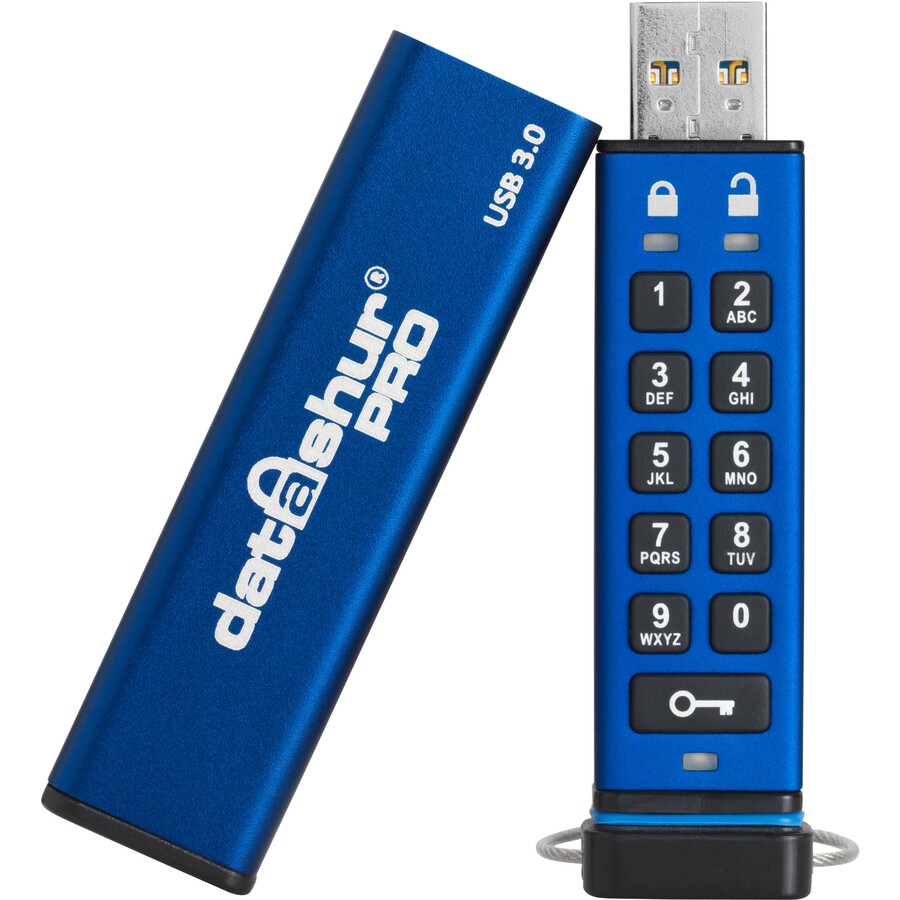
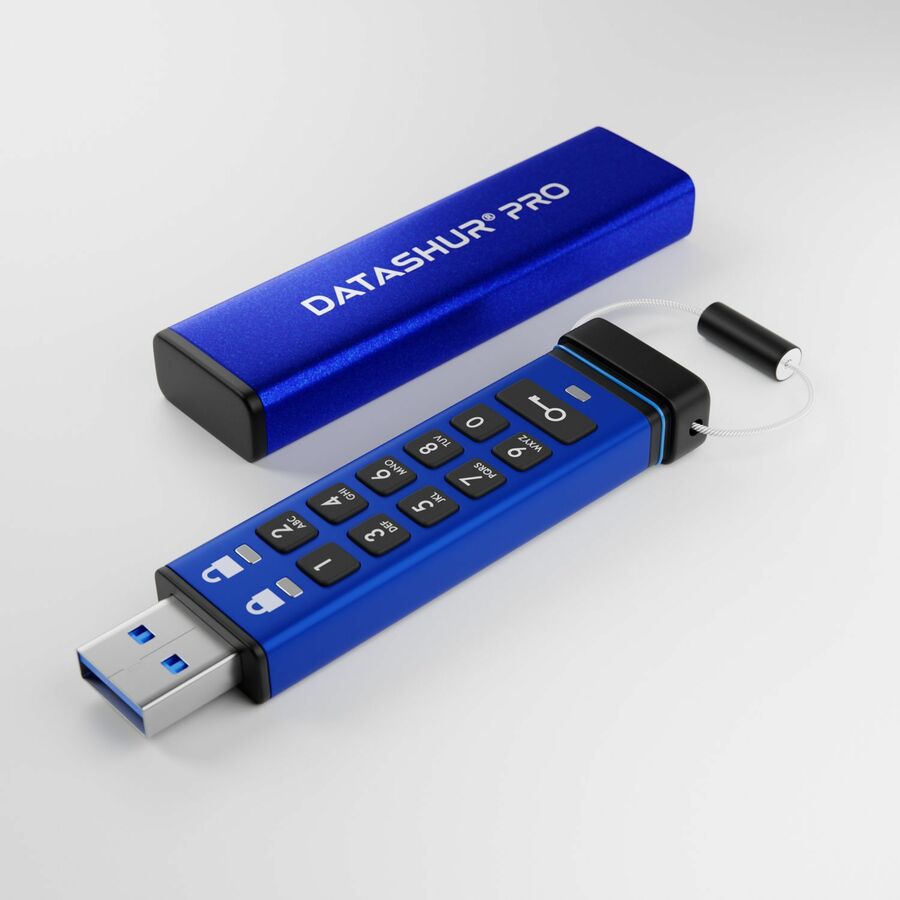

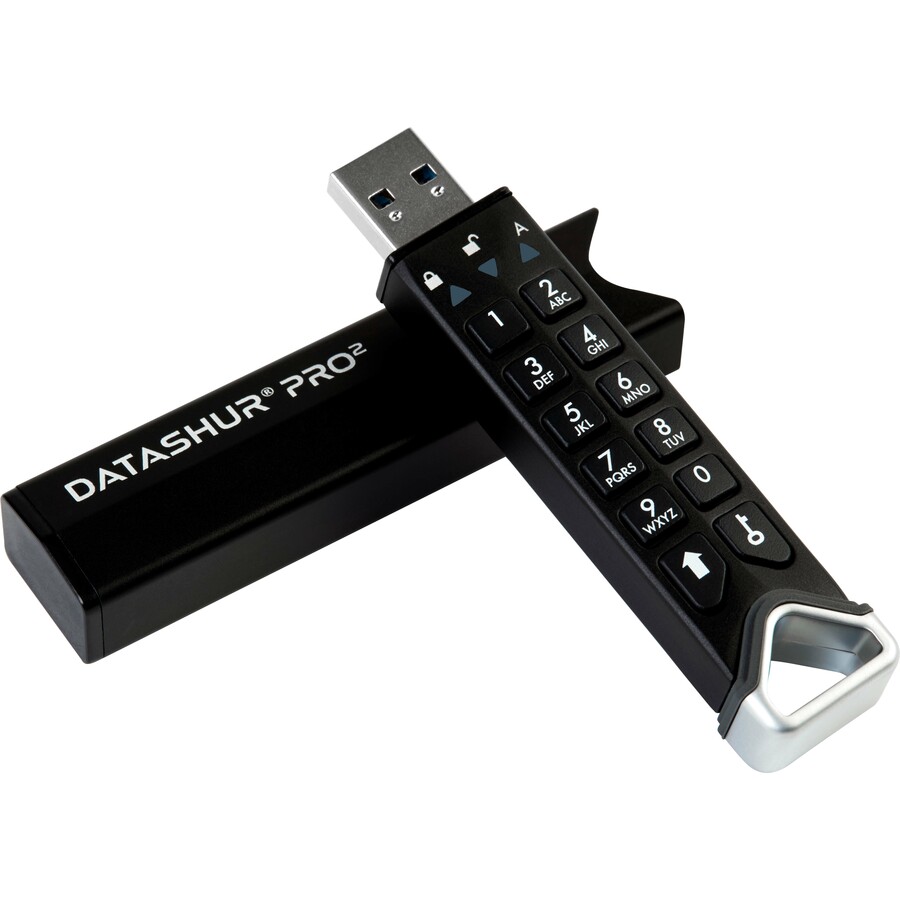
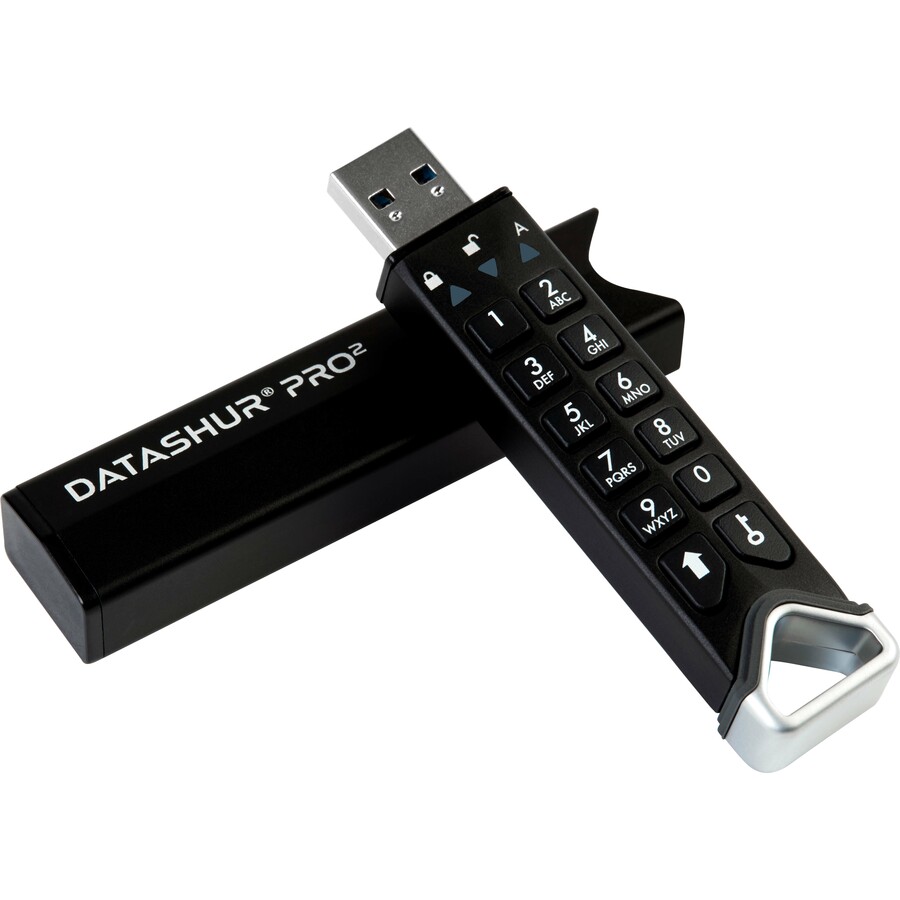
datAshur PRO 4 GB
iStorage/Kanguru
iStorage datAshur PRO 4 GB | Secure Flash Drive | FIPS 140-2 Level 3…
IS-FL-DA3-256-4
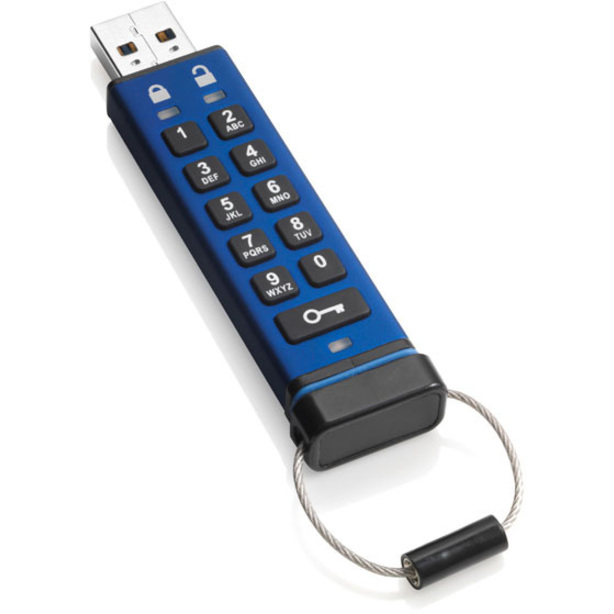
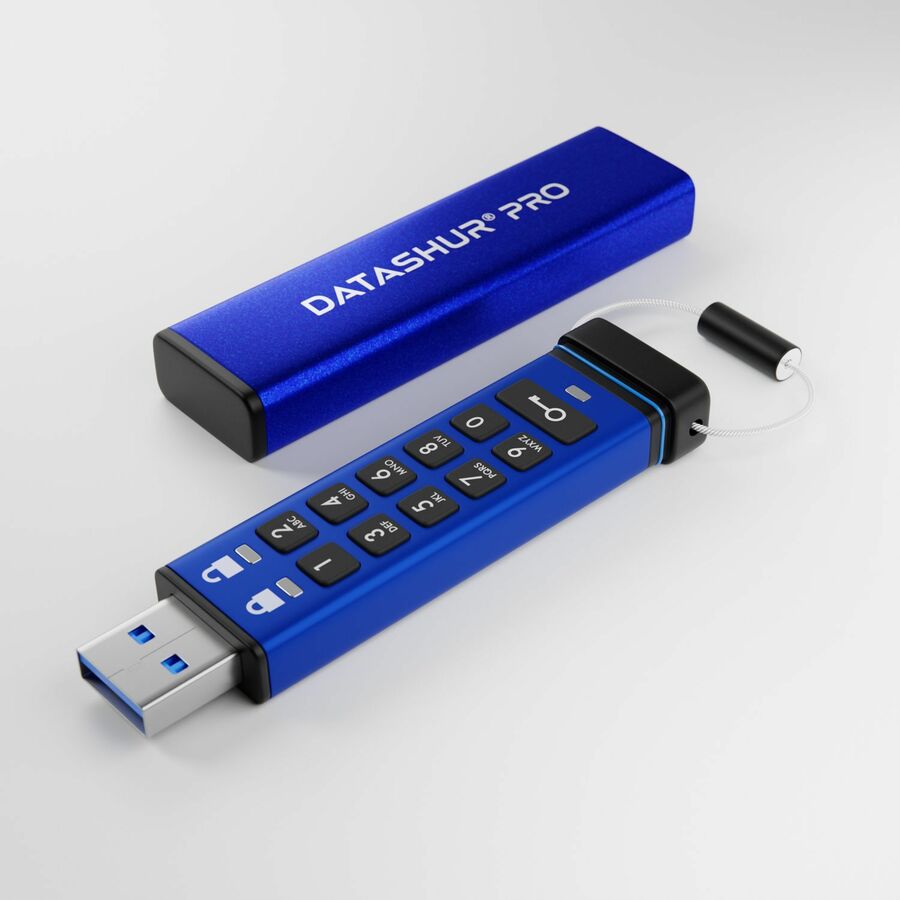
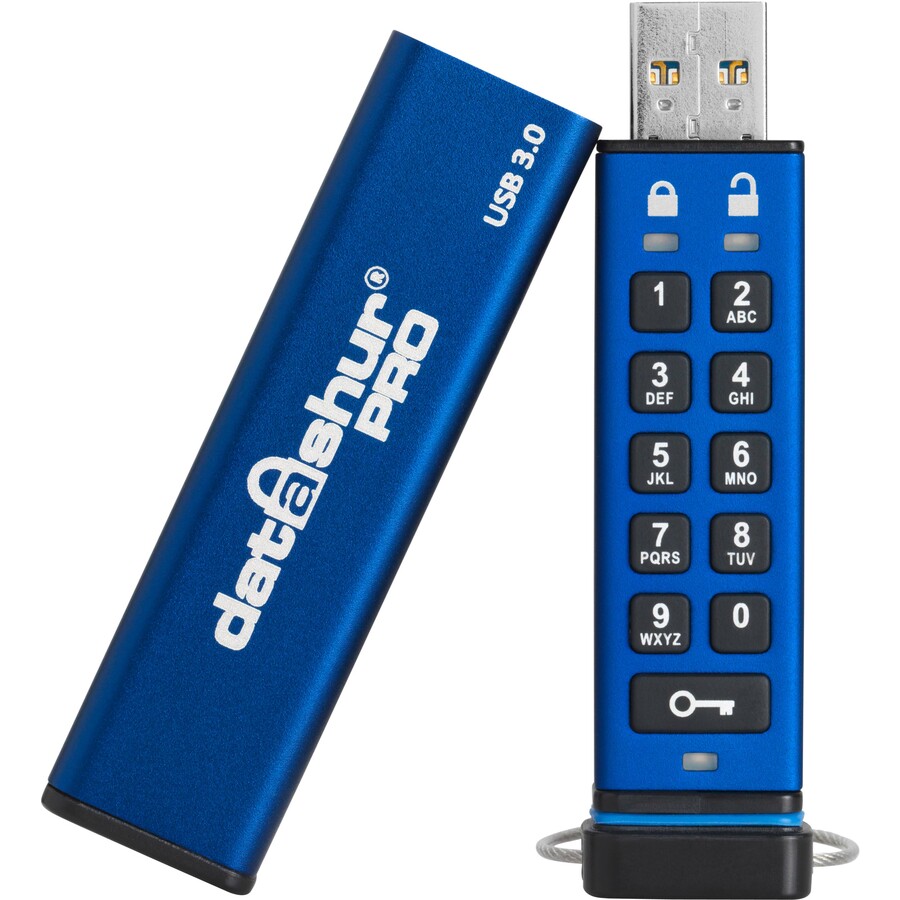
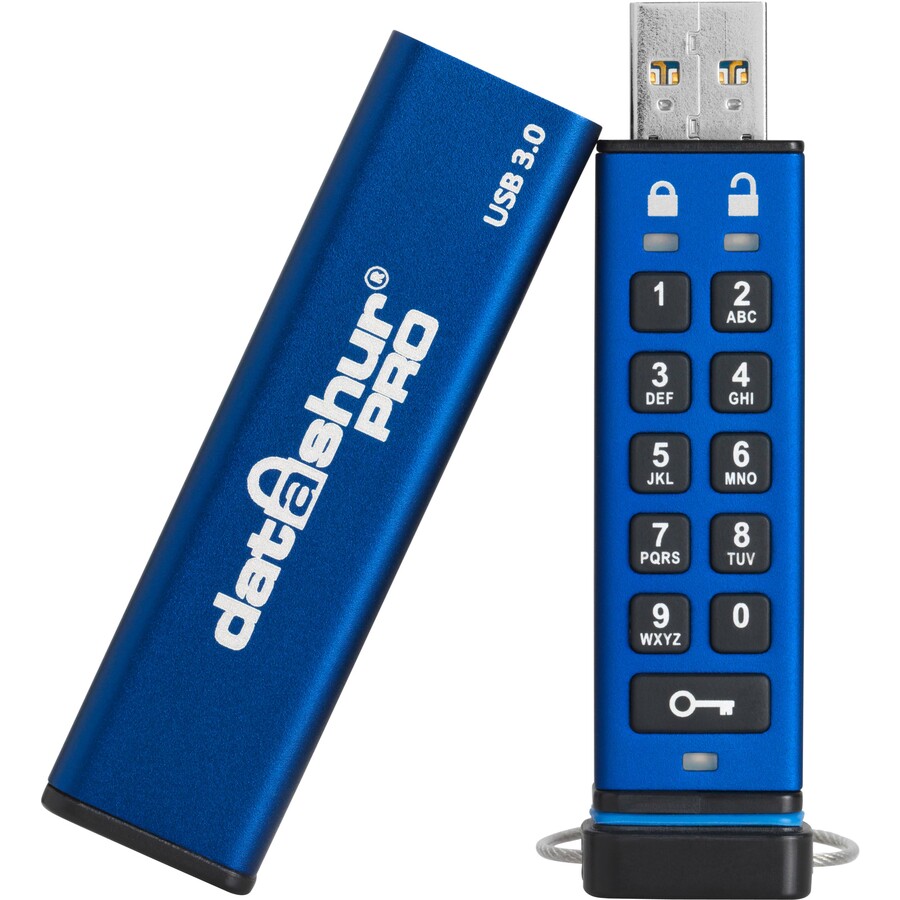
An iStorage datAshur PRO 4 GB secure flash drive titled FIPS 140-2 Level 3 Certified, with an onboard PIN keypad and 256-bit hardware encryption — a software-free key for a credential or a small sensitive file.
Titled FIPS 140-2 Level 3 — confirm the CMVP certificate on the exact part.
$114.19Back-ordereddatAshur PRO 16 GB
iStorage/Kanguru
iStorage datAshur PRO 16 GB | Secure Flash Drive | FIPS 140-2 Level 3…
IS-FL-DA3-256-16
An iStorage datAshur PRO 16 GB keypad-unlocked secure flash drive titled FIPS 140-2 Level 3 Certified, hardware-encrypted with 256-bit AES — a mid-capacity secure key for documents that leave the building.
Titled FIPS 140-2 Level 3.
$138.97In stockdatAshur PRO 64 GB
iStorage/Kanguru
iStorage datAshur PRO 64 GB | Secure Flash Drive | FIPS 140-2 Level 3…
IS-FL-DA3-256-64
An iStorage datAshur PRO 64 GB PIN-keypad secure flash drive titled FIPS 140-2 Level 3 Certified with 256-bit hardware encryption — capacity for a working set of sensitive files carried between machines.
Titled FIPS 140-2 Level 3.
$210.68In stockdatAshur PRO 256 GB
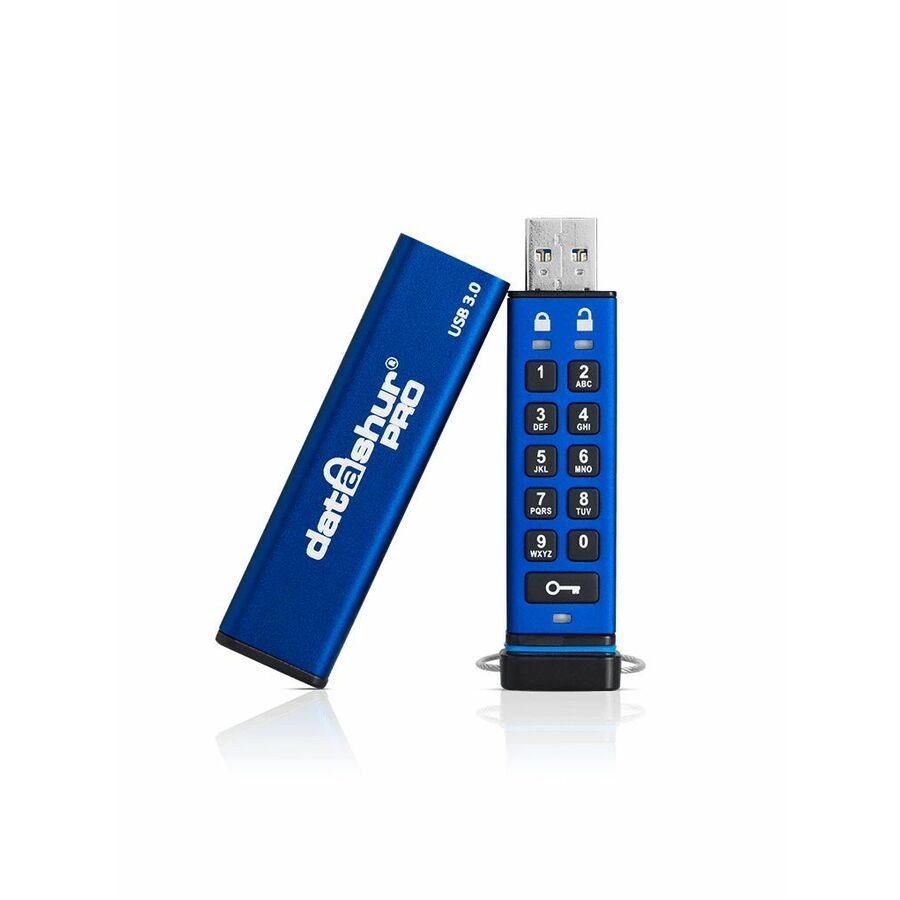
iStorage/Kanguru
iStorage datAshur PRO 256 GB | Secure Flash Drive | FIPS 140-2 Level 3…
IS-FL-DA3-256-256
An iStorage datAshur PRO 256 GB keypad secure flash drive titled FIPS 140-2 Level 3 Certified, hardware-encrypted — a high-capacity validated key for a larger portable data set.
Titled FIPS 140-2 Level 3.
$387.46Back-ordereddatAshur PRO2 16 GB
iStorage/Kanguru
iStorage datAshur PRO2 16 GB | Secure Flash Drive | FIPS 140-2 Level 3…
IS-FL-DP2-256-16
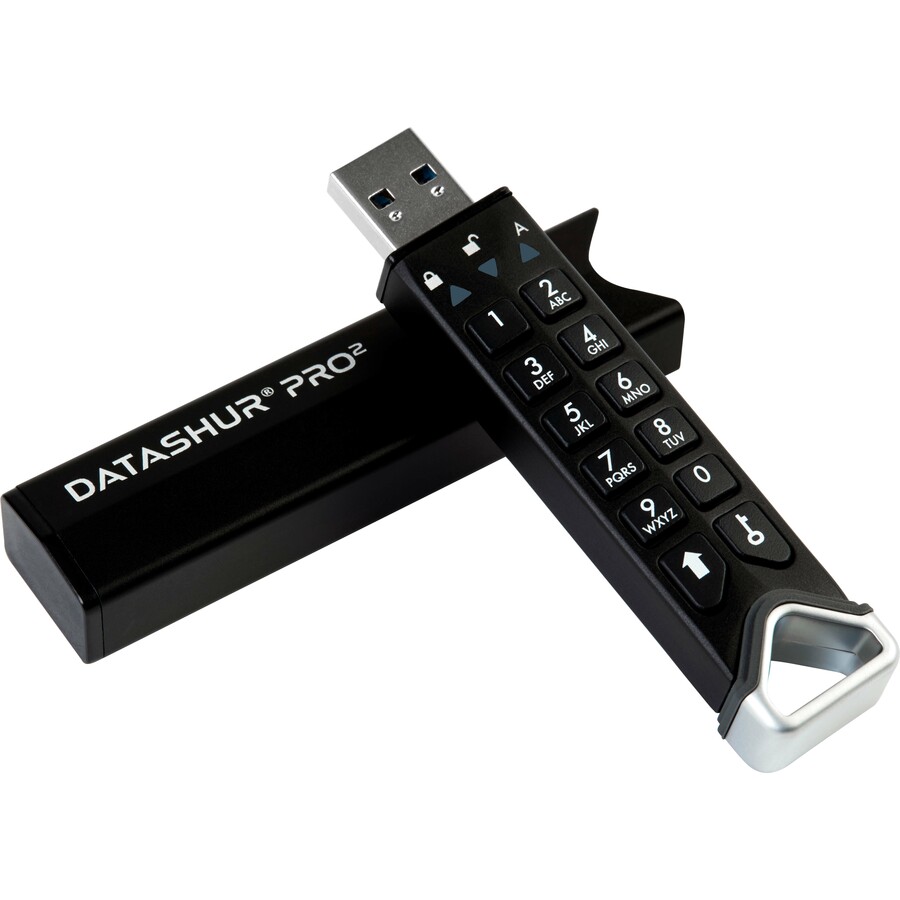
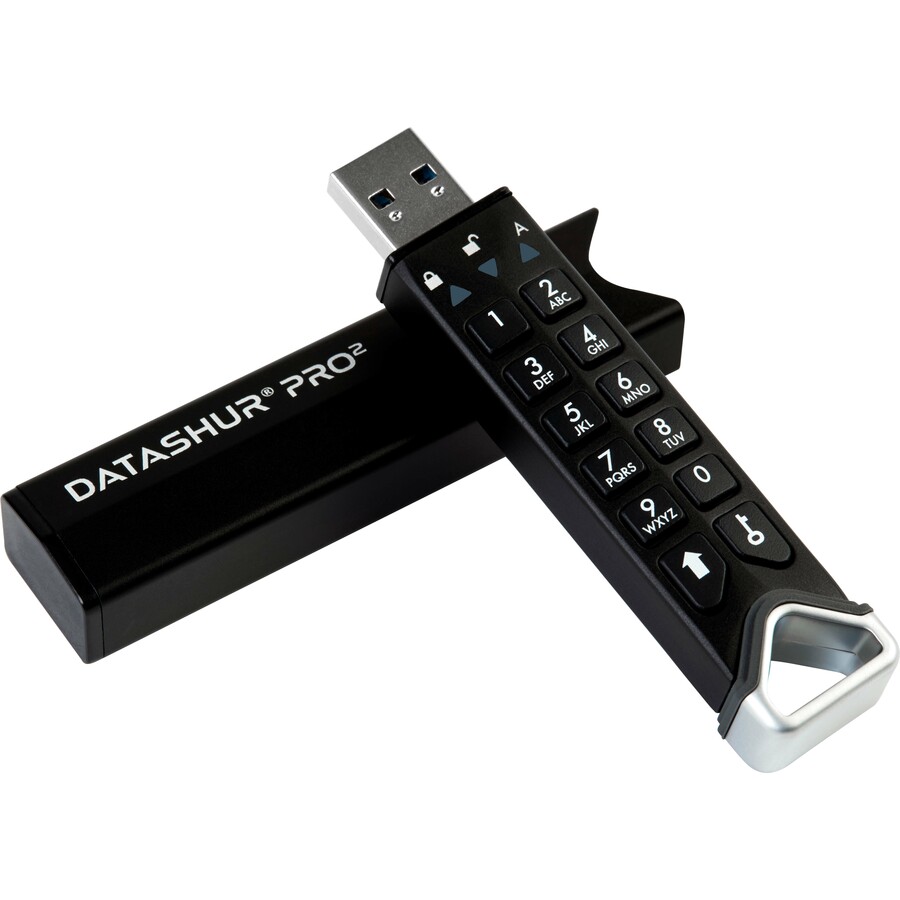
An iStorage datAshur PRO2 16 GB secure flash drive titled FIPS 140-2 Level 3 Certified, PIN-protected with 256-bit hardware encryption — the PRO2 keypad line for data that crosses organizations.
Titled FIPS 140-2 Level 3.
$200.13In stockdatAshur PRO2 64 GB
iStorage/Kanguru
iStorage datAshur PRO2 64 GB | Secure Flash Drive | FIPS 140-2 Level 3…
IS-FL-DP2-256-64
An iStorage datAshur PRO2 64 GB keypad-unlocked secure flash drive titled FIPS 140-2 Level 3 Certified, hardware-encrypted — a mid-to-high capacity validated key in the PRO2 family.
Titled FIPS 140-2 Level 3.
$255.04In stockdatAshur PRO2 256 GB
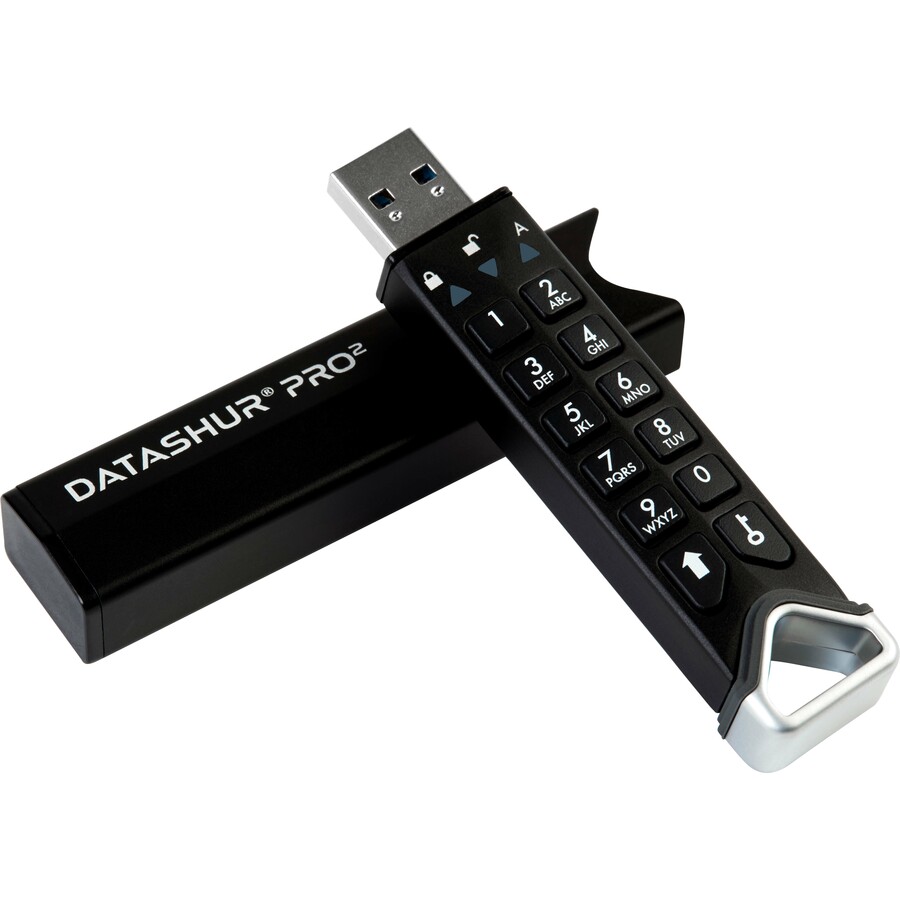
iStorage/Kanguru
iStorage datAshur PRO2 256 GB | Secure Flash Drive | FIPS 140-2 Level 3…
IS-FL-DP2-256-256
An iStorage datAshur PRO2 256 GB secure flash drive titled FIPS 140-2 Level 3 Certified with an onboard keypad and 256-bit hardware encryption — a large validated portable for a substantial secure data set.
Titled FIPS 140-2 Level 3.
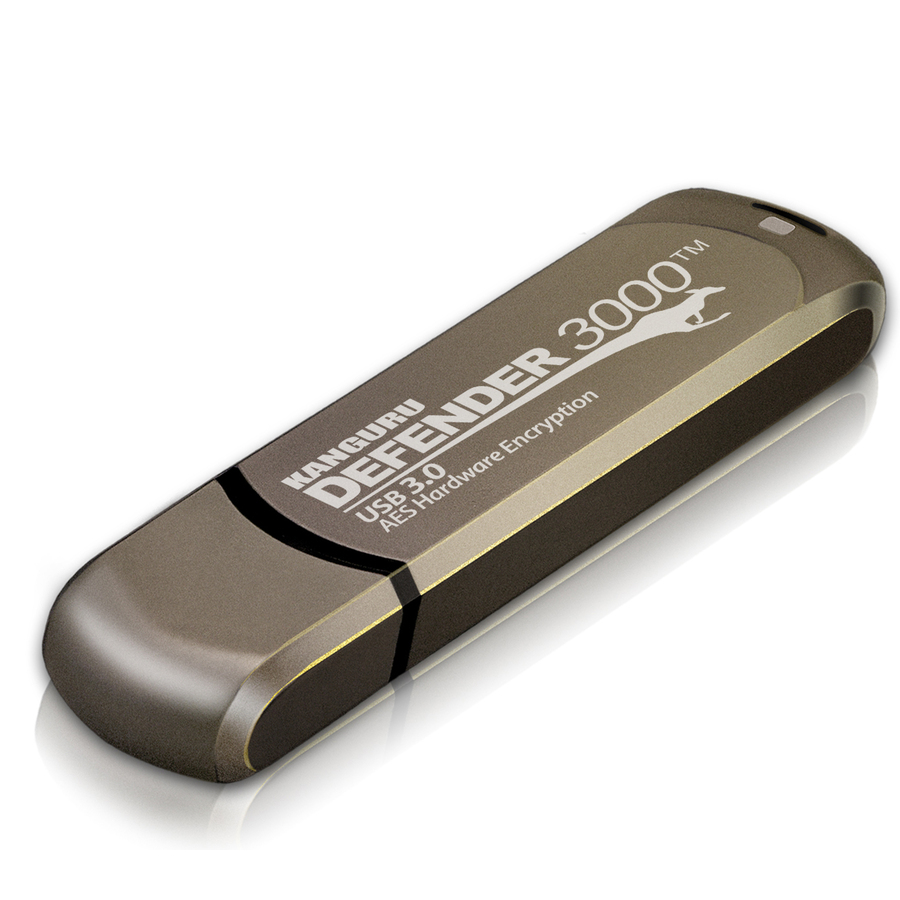
$531.38Back-orderedDefender3000 16 GB
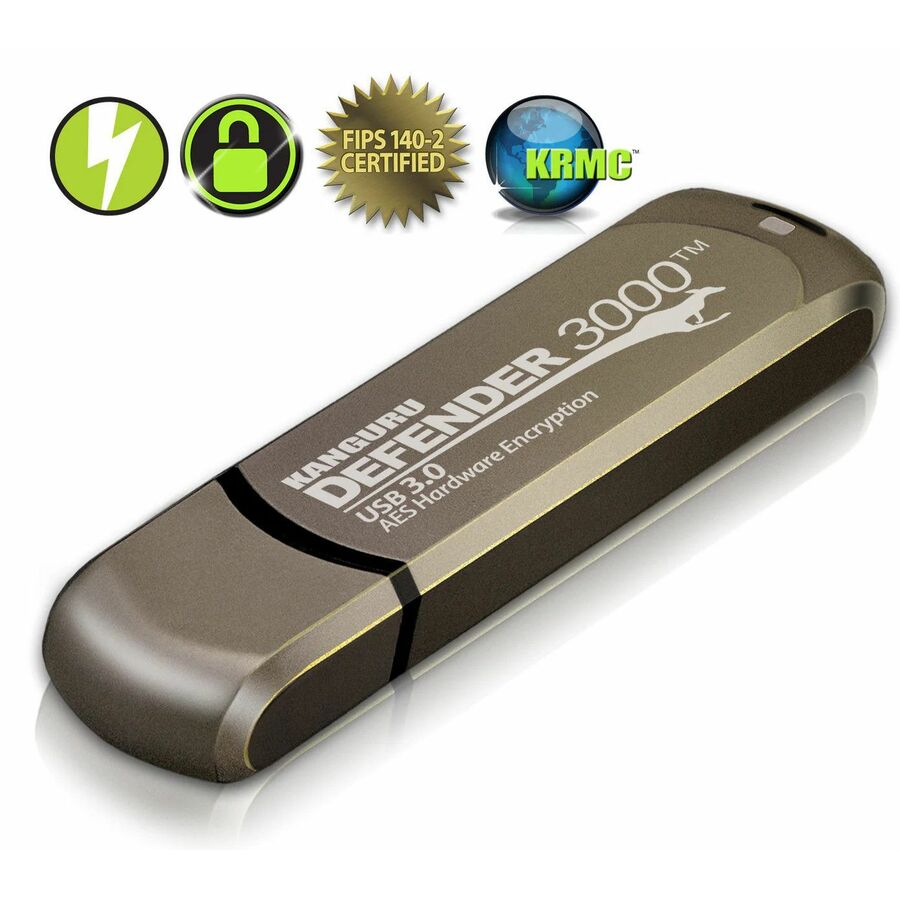
iStorage/Kanguru
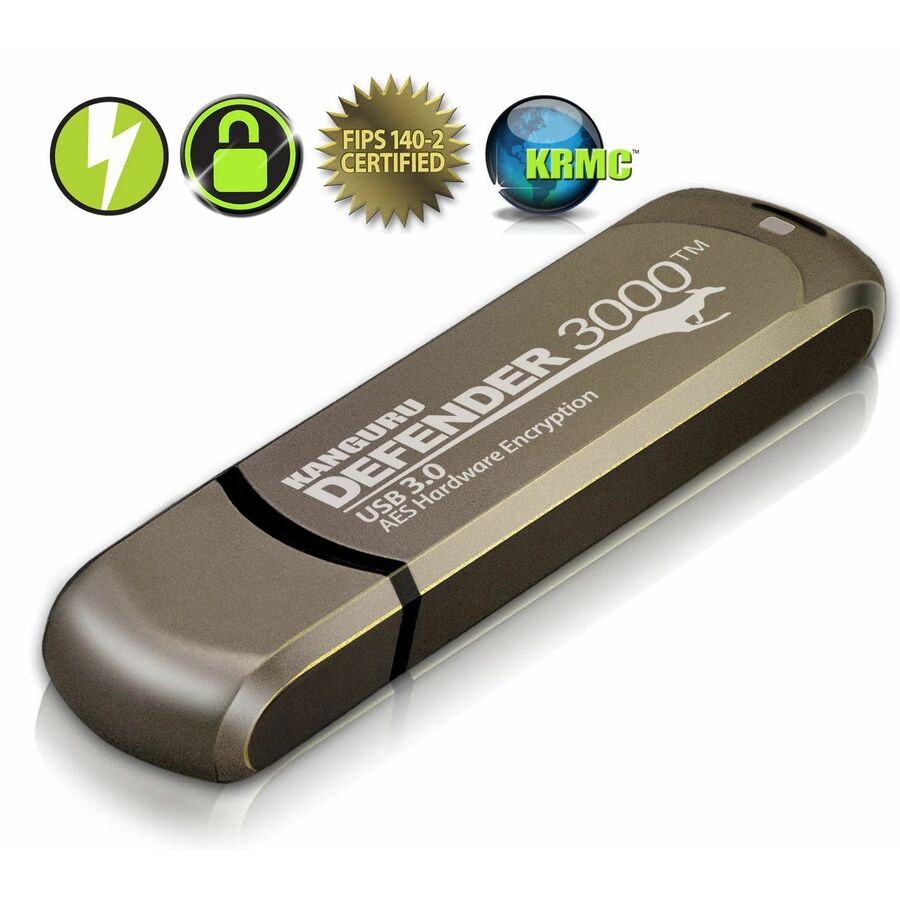
Kanguru Defender3000 FIPS 140-3 Certified Level 3, SuperSpeed USB 3.0…
KDF3000-16G
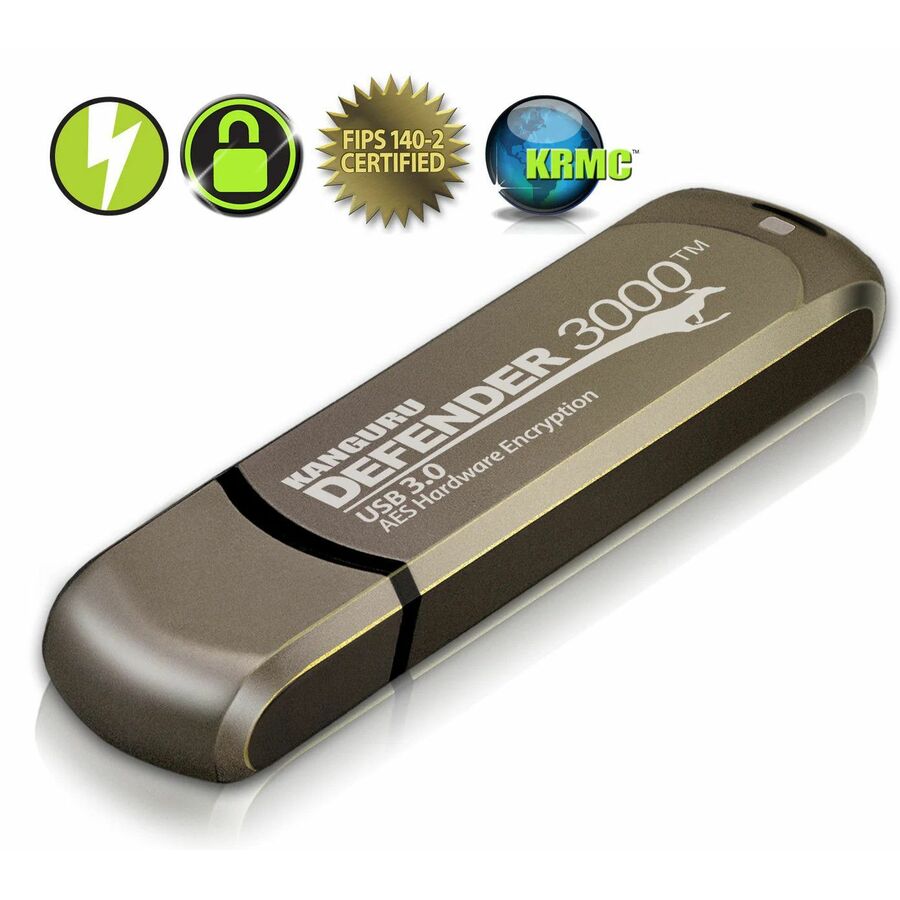
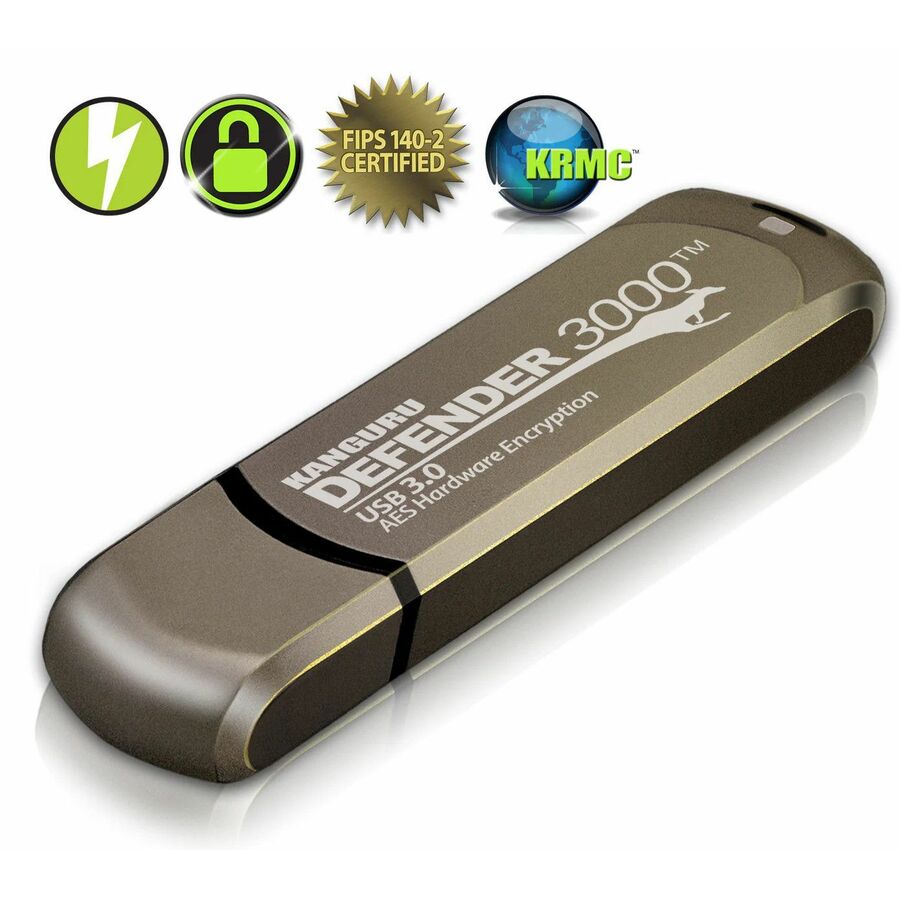
A Kanguru Defender3000 16 GB SuperSpeed USB 3.0 secure flash drive titled FIPS 140-2 Certified Level 3, hardware-encrypted — a validated key for sensitive files on a machine with no software installed.
Titled FIPS 140-2 Certified Level 3.
$135.93*In stockDefender3000 64 GB
iStorage/Kanguru
Kanguru Defender3000 FIPS 140-2 Certified Level 3, SuperSpeed USB 3.0…
KDF3000-64G
A Kanguru Defender3000 64 GB USB 3.0 secure flash drive titled FIPS 140-2 Certified Level 3, hardware-encrypted with 256-bit AES — capacity for a working set of protected data.
Titled FIPS 140-2 Certified Level 3.
$221.77*In stockDefender3000 1 TB
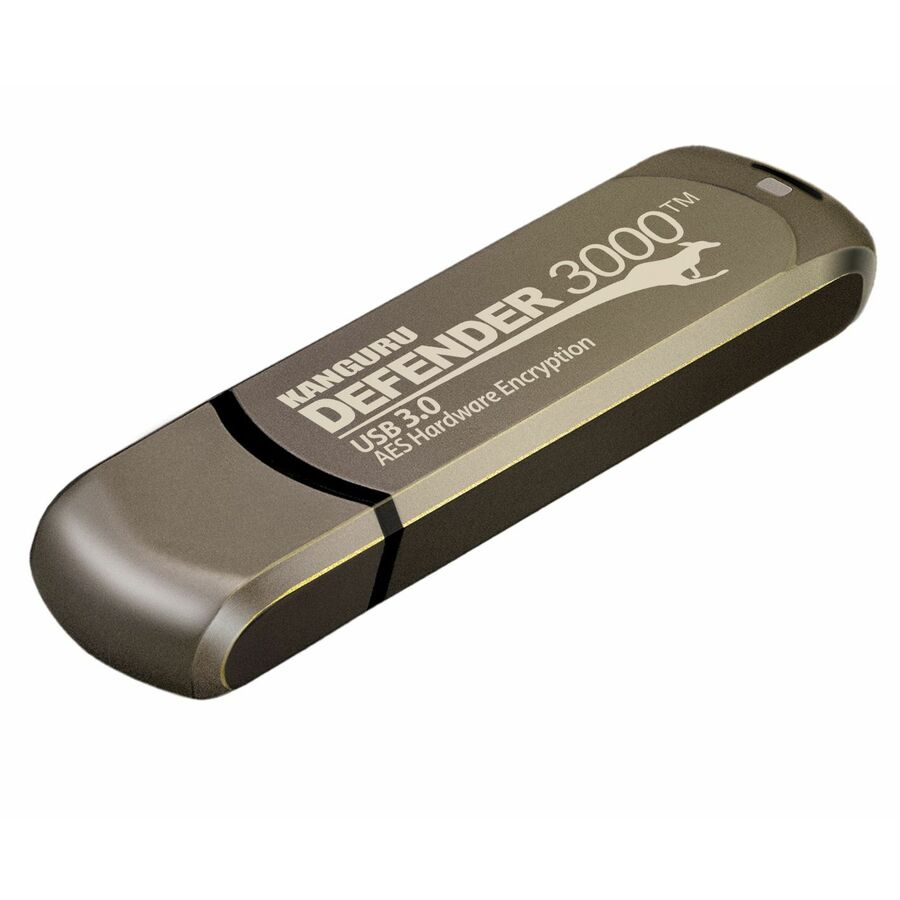
iStorage/Kanguru
Kanguru Defender3000 FIPS 140-3 Certified Level 3, SuperSpeed USB 3.0…
KDF3000-1T
A Kanguru Defender3000 1 TB secure flash drive titled FIPS 140-2 Certified Level 3, hardware-encrypted — the top capacity in the line for a large validated portable that still fits a keychain.
Titled FIPS 140-2 Certified Level 3.
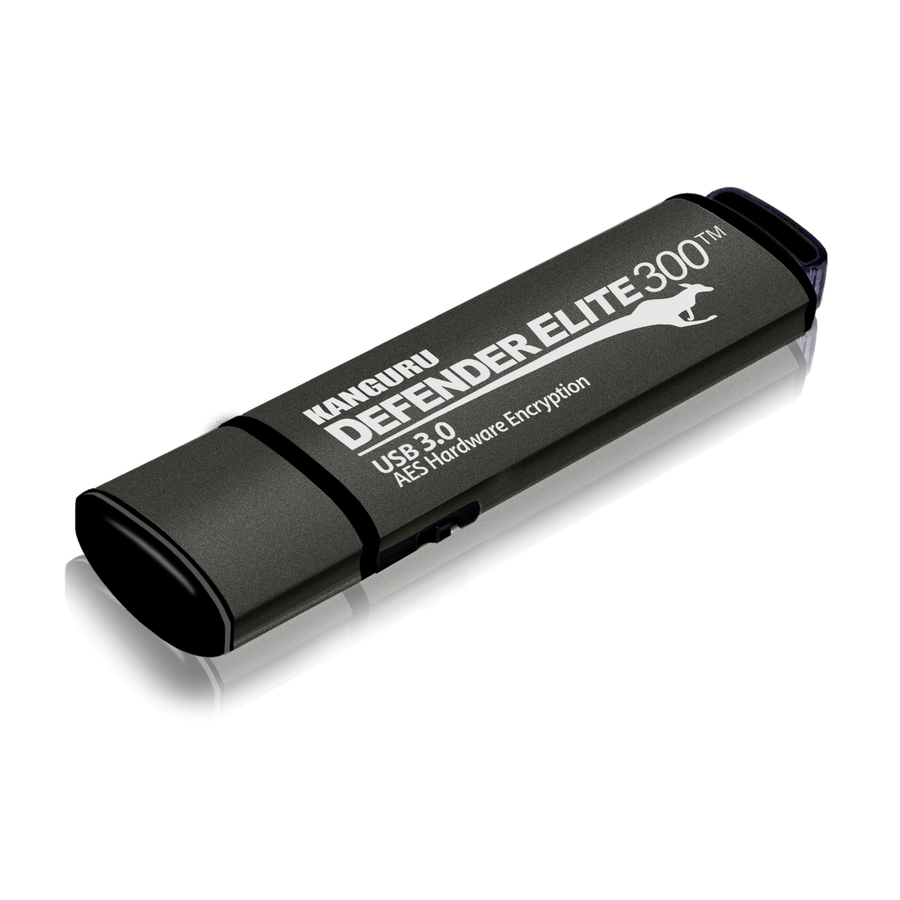
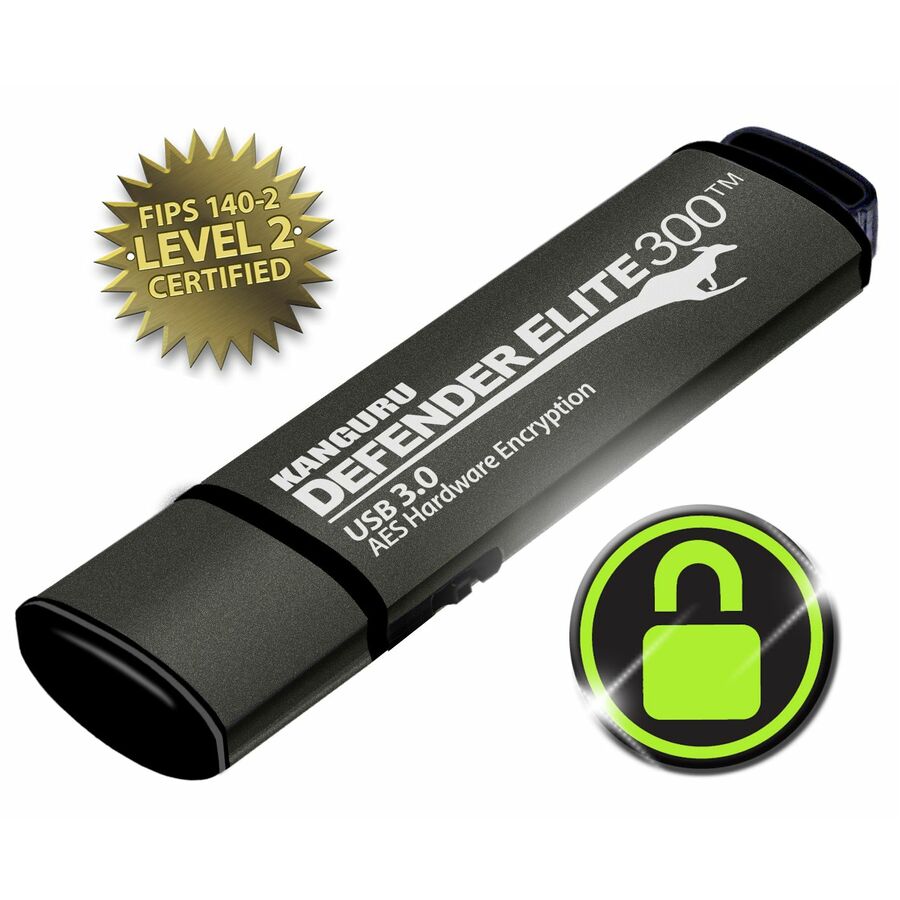
$983.86*In stockKanguru Elite300 32 GB
iStorage/Kanguru
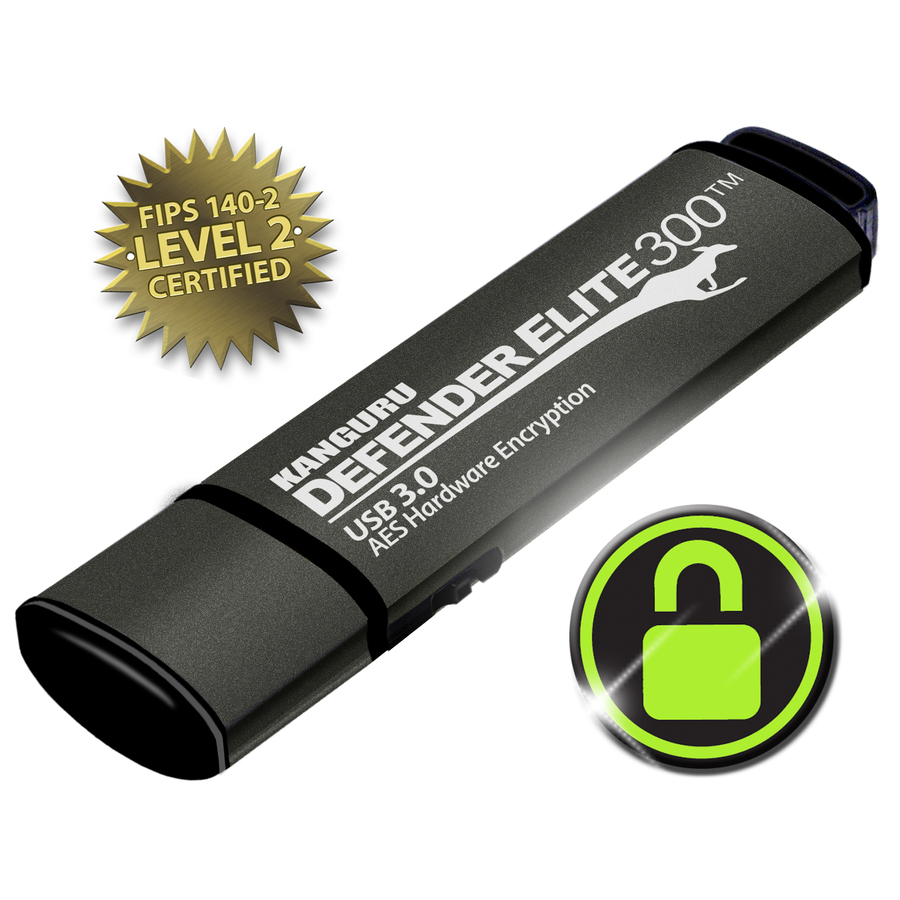
Kanguru Defender Elite300 FIPS 140-2 Certified, AES XTS 256-Bit…
KDFE300-32G
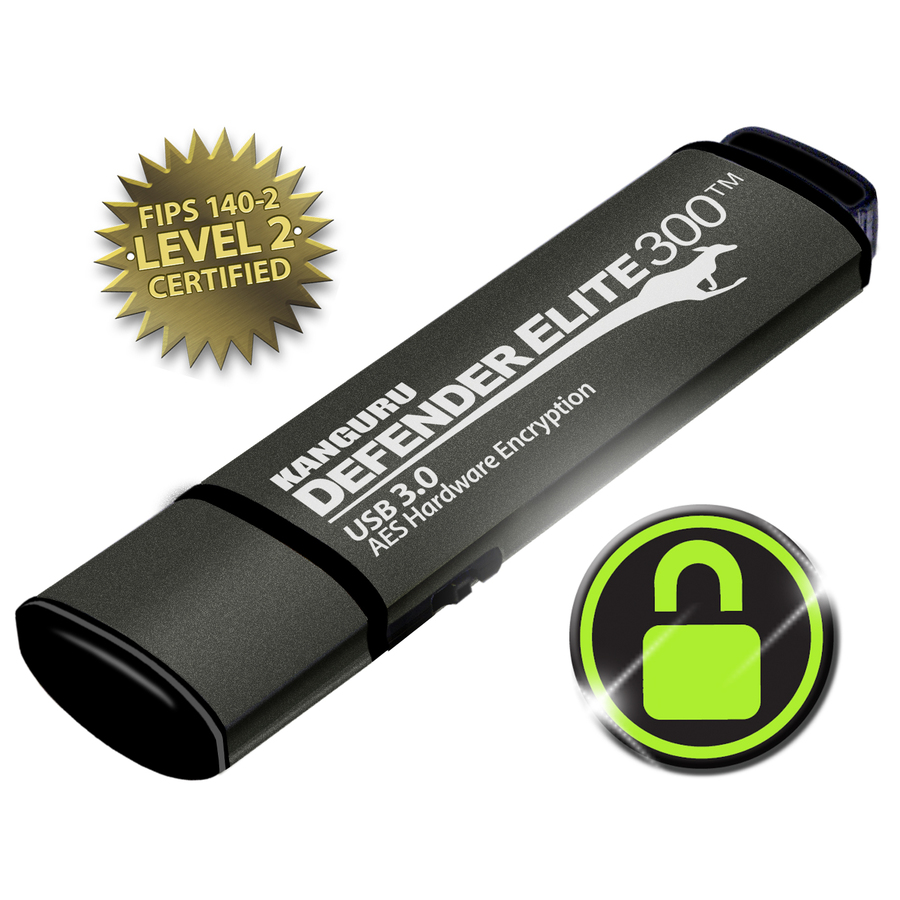
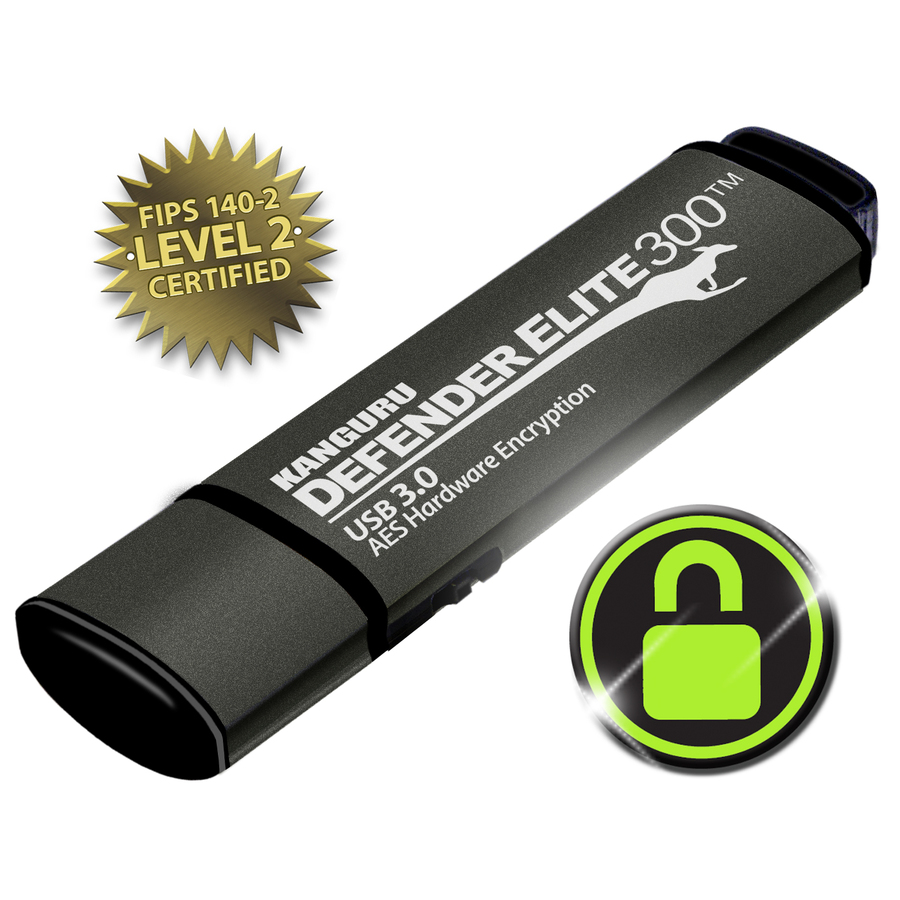
A Kanguru Defender Elite300 32 GB USB 3.0 secure flash drive titled FIPS 140-2 Certified, AES XTS 256-bit hardware-encrypted — a software-free validated key for regulated files.
Titled FIPS 140-2 Certified.
$161.21*In stockDefender Elite300 128 GB
iStorage/Kanguru
Kanguru Defender Elite300 FIPS 140-2 Certified, AES XTS 256-Bit…
KDFE300-128G
A Kanguru Defender Elite300 128 GB secure flash drive titled FIPS 140-2 Certified, AES XTS 256-bit hardware-encrypted — mid-to-high capacity in the Elite300 line for documents and images.
Titled FIPS 140-2 Certified.
$381.92*In stockDefender Elite300 512 GB
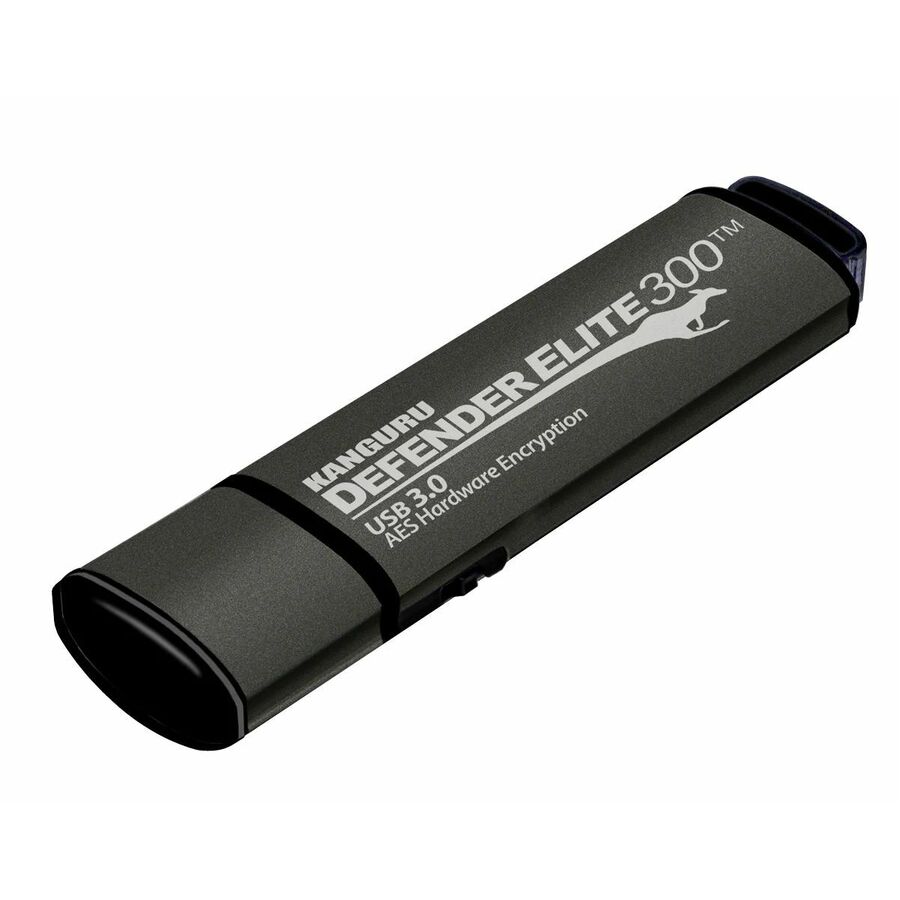
iStorage/Kanguru
Kanguru Defender Elite300 FIPS 140-2 Certified, Encrypted Flash Drive…
KDFE300-512G
A Kanguru Defender Elite300 512 GB secure flash drive titled FIPS 140-2 Certified, AES XTS 256-bit encrypted — a high-capacity validated key for a larger portable secure data set.
Titled FIPS 140-2 Certified.
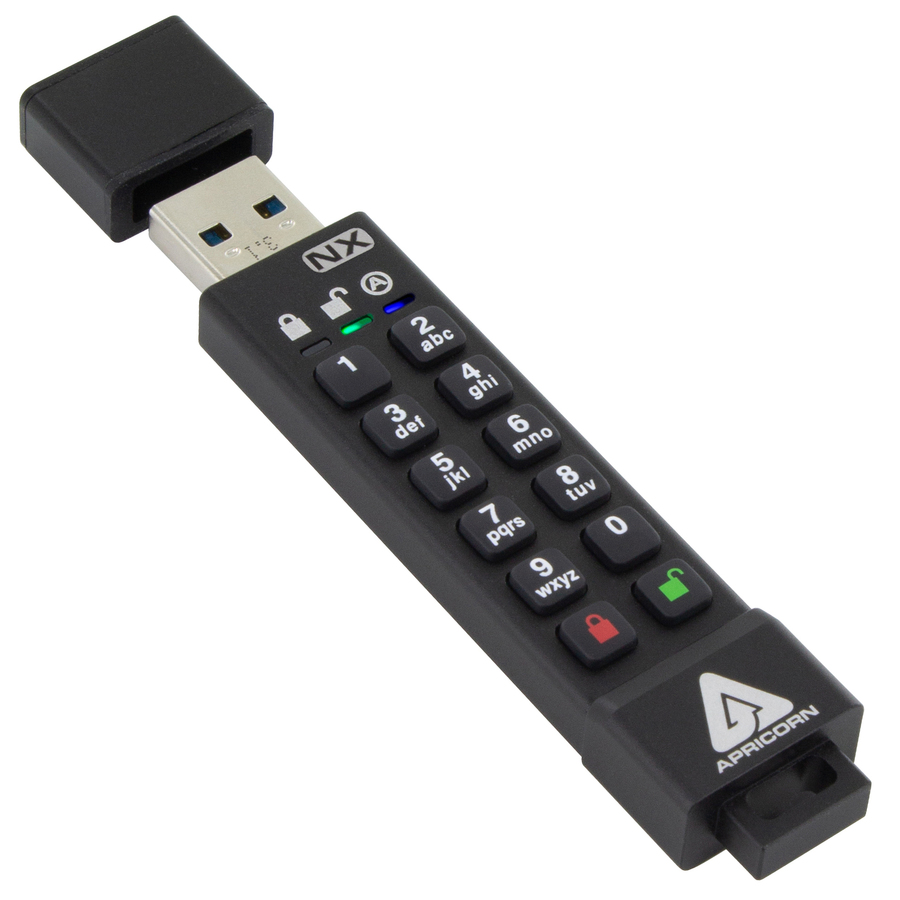
$656.52*Back-orderedAegis Secure Key 4 GB
Apricorn
Apricon Aegis Secure Key 3NX: Software-Free 256-Bit AES XTS Encrypted…
ASK3-NX-4GB
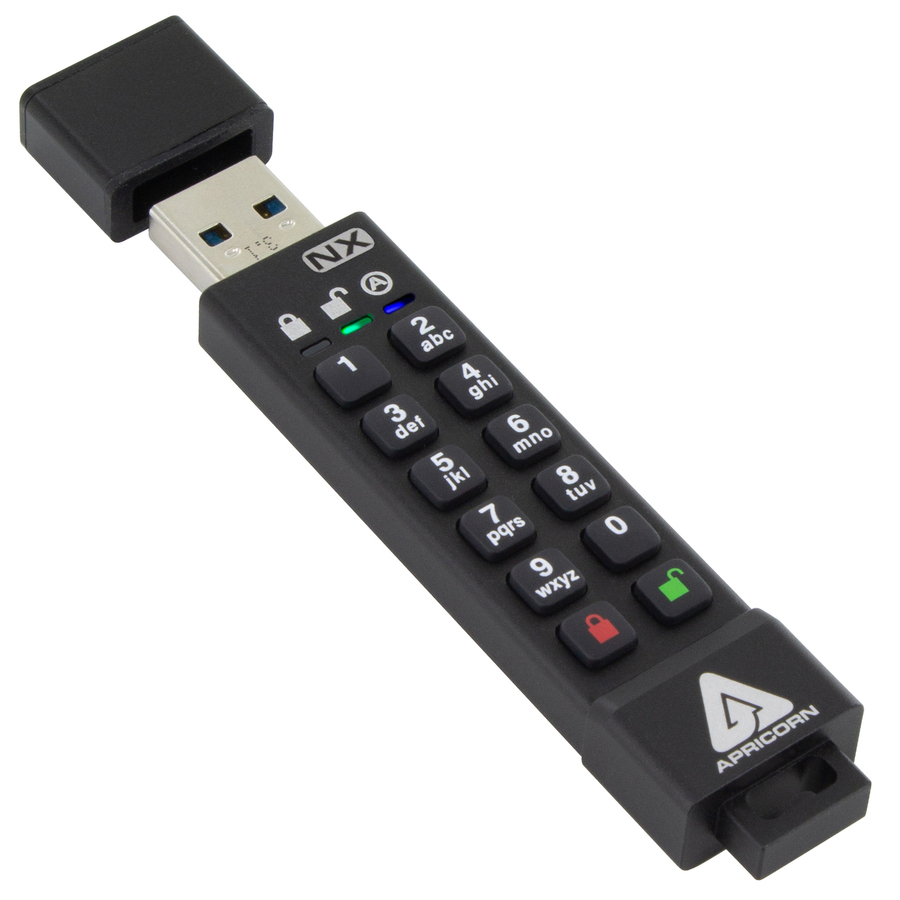
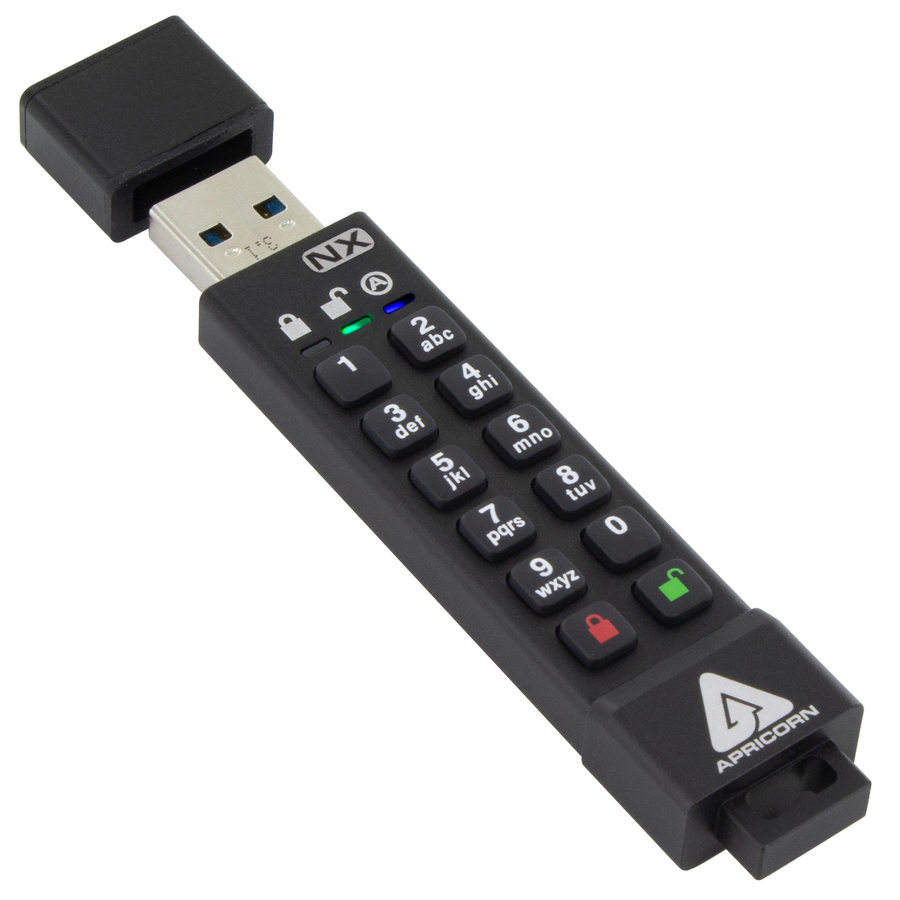
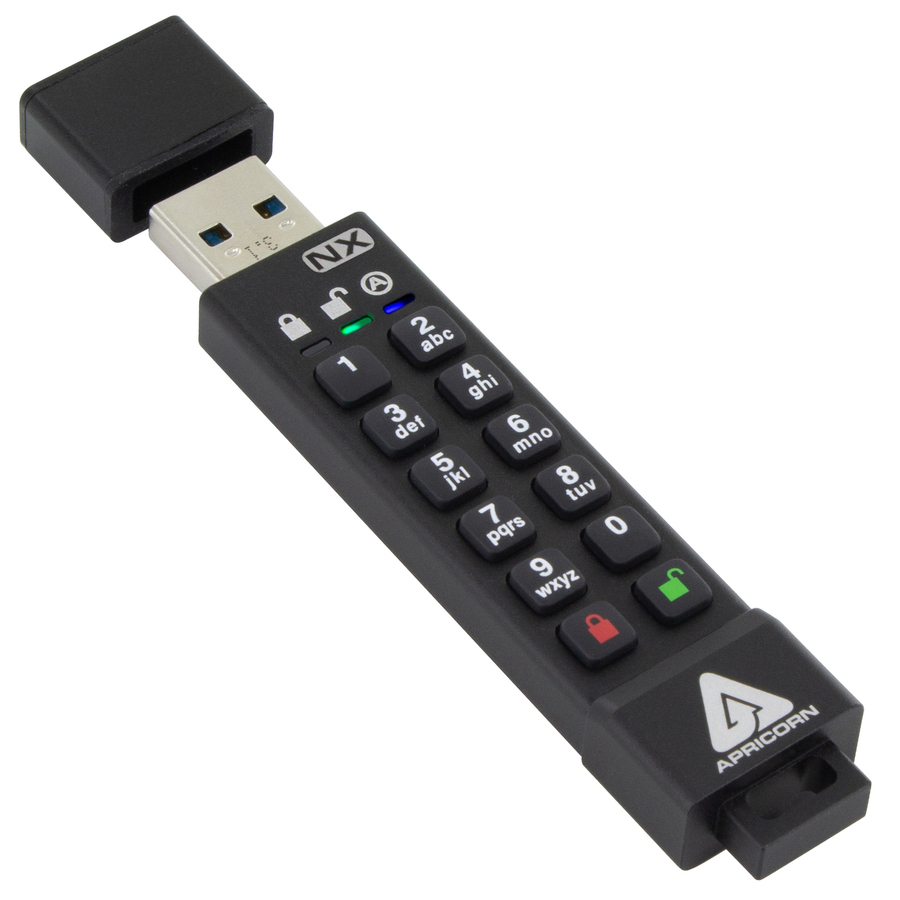
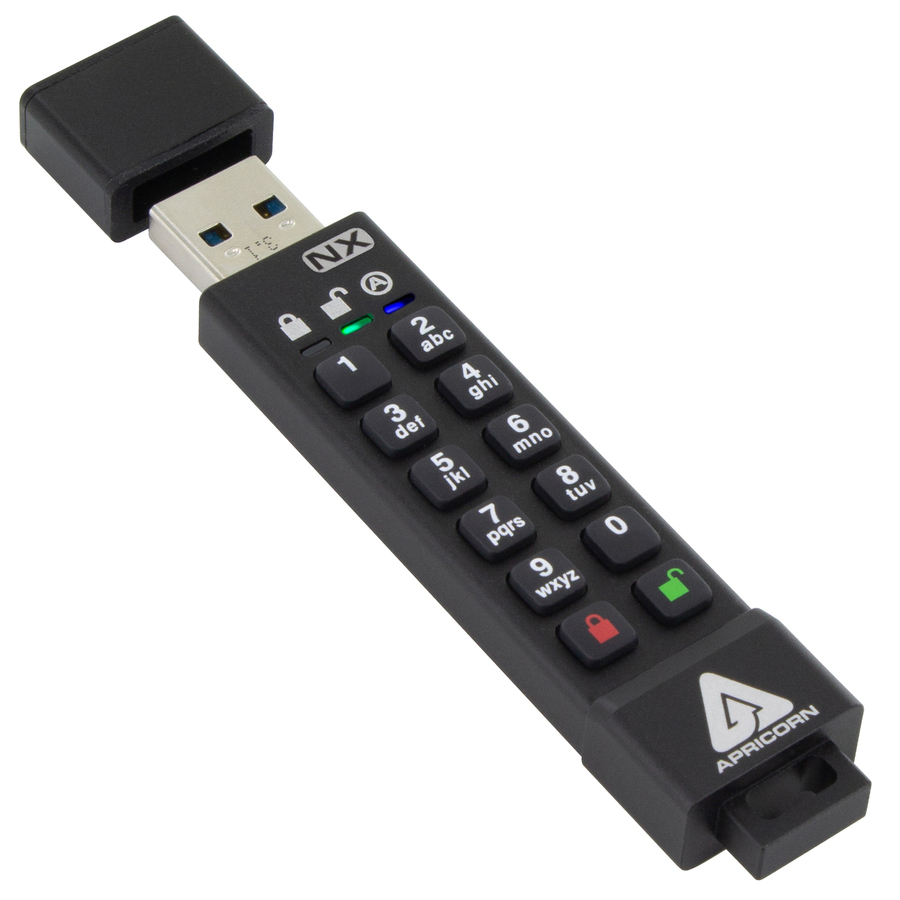
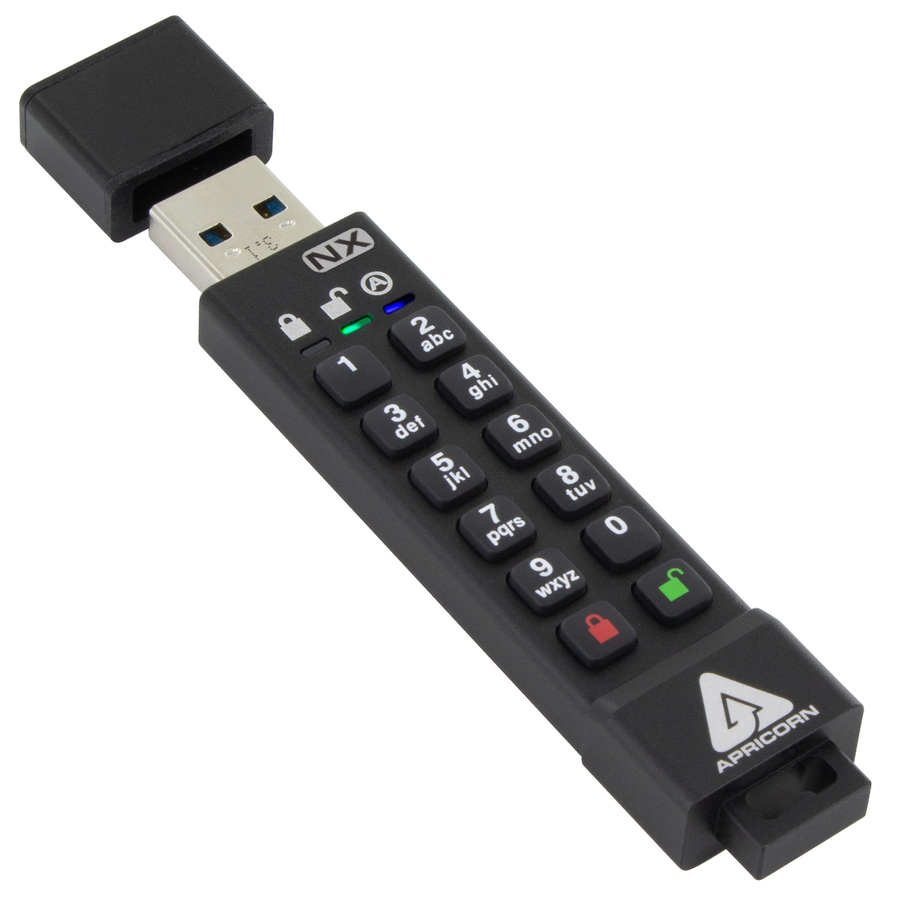
An Apricorn Aegis Secure Key 3NX 4 GB software-free 256-bit AES XTS encrypted USB flash key titled with FIPS 140-2 Level 3 validation and an onboard keypad — a compact validated key for a credential or small file.
Titled FIPS 140-2 Level 3 validation.
$152.15In stockAegis Secure Key 16 GB
Apricorn
Apricon Aegis Secure Key 3NX: Software-Free 256-Bit AES XTS Encrypted…
ASK3-NX-16GB
An Apricorn Aegis Secure Key 3NX 16 GB keypad USB flash key, software-free with 256-bit AES XTS encryption and FIPS 140-2 Level 3 validation in its title — a mid-capacity validated key for sensitive documents.
Titled FIPS 140-2 Level 3 validation.
$173.66In stockAegis Secure Key 64 GB
Apricorn
Apricon Aegis Secure Key 3NX: Software-Free 256-Bit AES XTS Encrypted…
ASK3-NX-64GB
An Apricorn Aegis Secure Key 3NX 64 GB software-free 256-bit AES XTS encrypted keypad flash key with FIPS 140-2 Level 3 validation in its title — capacity for a working set carried between machines with no software.
Titled FIPS 140-2 Level 3 validation.
$217.44In stockMore secure flash drives in the Uniqcli catalog
See all 632 secure flash drivesMore from across this category. In-stock lines lead, and a back-ordered line carries the same estimated availability its product page does — with live pricing throughout, NDAA §889 screening before checkout and TAA verified on request.
- iStorage/KanguruiStorage datAshur PRO2 512 GB | Secure Flash Drive | FIPS 140-2 Level 3 Certified | PIN protected | Dust/Water-Resistant | Incorporated Common Criteria EAL 5+ | TAA Compliant - 512 GB - USB 3.2 (Gen 1) Type A - 168 MB/s Read Speed - 116 MB/s Write Speed - Black - 256-bit AESIS-FL-DP2-256-512
$827.57
Back-orderedBack-ordered — estimated OEM lead time 3–8 weeks (Nov 14 – Dec 19 if ordered today).
- iStorage/KanguruKanguru Defender Elite300 FIPS 140-2 Certified, Encrypted Flash Drive, 512G - FIPS 140-2 Certified Level 2, AES 256-Bit, Hardware Encrypted Flash Drive, 512GKDFE300-512G
$656.52*
Back-orderedBack-ordered — estimated OEM lead time 3–8 weeks (Nov 14 – Dec 19 if ordered today).
- iStorage/KanguruiStorage datAshur PRO2 256 GB | Secure Flash Drive | FIPS 140-2 Level 3 Certified | PIN protected | Dust/Water-Resistant | Incorporated Common Criteria EAL 5+ | TAA Compliant - 256 GB - USB 3.2 (Gen 1) Type A - 168 MB/s Read Speed - 116 MB/s Write Speed - Black - 256-bit AESIS-FL-DP2-256-256
$531.38
Back-orderedBack-ordered — estimated OEM lead time 3–8 weeks (Nov 14 – Dec 19 if ordered today).
Back-ordered — estimated OEM lead time 3–8 weeks (Nov 14 – Dec 19 if ordered today).
- iStorage/KanguruiStorage datAshur PRO 256 GB | Secure Flash Drive | FIPS 140-2 Level 3 Certified| NLNCSA DEP-V Certified | NATO Restricted Certified | PIN protected | Dust/Water Resistant - 32 GB - USB 3.2 (Gen 1) Type A - 169 MB/s Read Speed - 135 MB/s Write Speed - Blue - 256-bit AESIS-FL-DA3-256-256
$387.46
Back-orderedBack-ordered — estimated OEM lead time 3–8 weeks (Nov 14 – Dec 19 if ordered today).
Need pricing on FIPS 140-2 validated USB drives?
Tell us where to reach you and a Uniqcli specialist will follow up by email with current pricing, availability and lead time for the quantities you need — including parts that aren’t shown on this page.
Buying for an organization or for yourself — both work. No payment up front.
A validated encrypted USB drive is one whose cryptographic module holds a certificate under NIST's Cryptographic Module Validation Program, at a named security level. Check that claim against the CMVP list at csrc.nist.gov for the exact part number, never against the marketing copy. The second decision is how the drive is opened: an onboard PIN keypad needs no software on the host machine.
FIPS 140-2 is a US government standard for cryptographic modules, and on a USB flash drive it means the encryption engine on the drive has been tested and validated against that standard at a named level. Every drive on this page states FIPS 140-2 in the manufacturer's own catalog title, which is the point: the claim is verifiable rather than implied, and it is the property a regulated review is usually asking about when sensitive data has to leave a controlled machine on removable media. These are hardware-encrypted drives — the encryption happens on a dedicated controller with the key held on the device, most of it 256-bit AES — so a lost drive is a locked drive rather than a disclosure event.
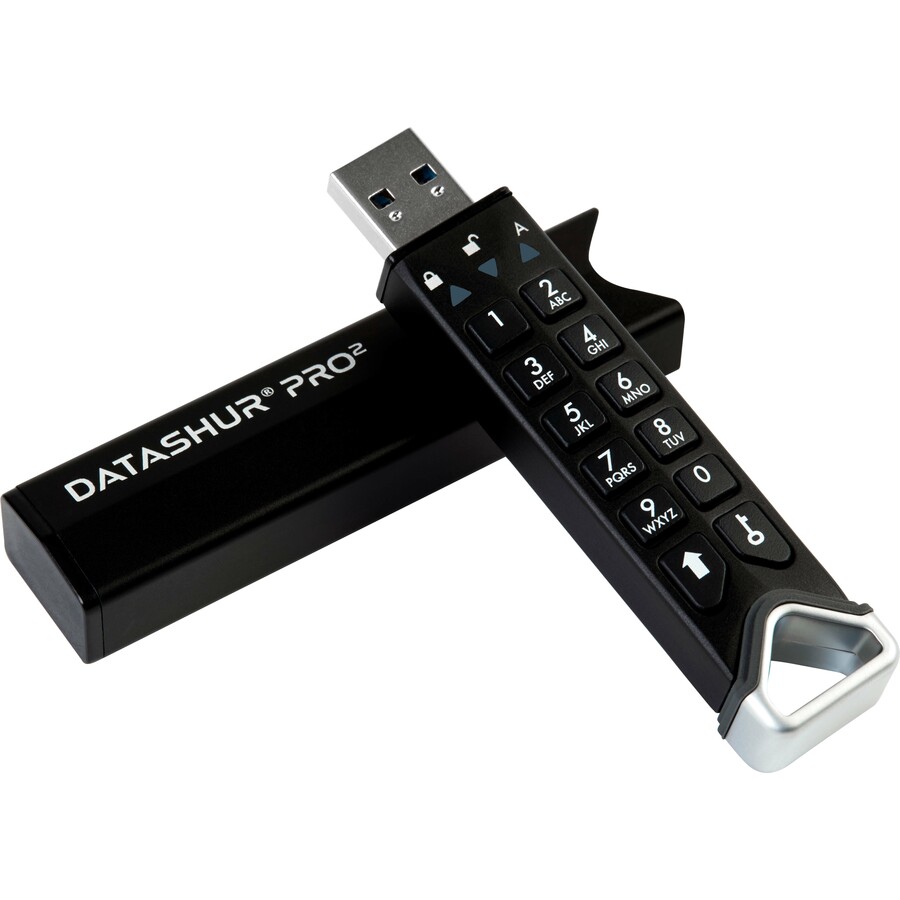
The drives here come from three marques and split cleanly by how they are unlocked. The iStorage datAshur PRO and datAshur PRO2 and the Kanguru Defender3000 unlock on an onboard PIN keypad, which is what lets them work on a machine that has no software installed and no rights to install any — the reason keypad drives dominate field use and any workflow that crosses organizations. The Kanguru Defender Elite300 and the Apricorn Aegis Secure Key 3NX are software-free secure keys in the same family. Capacities run from a few gigabytes for a credential or a key file up to a terabyte for a working set, and the choice is the data, not the drive.
A validation claim deserves care, and this is the one place the copy will be explicit about it. FIPS 140-2 is a statement about a specific cryptographic module at a specific level, and every validated module has a certificate on NIST's Cryptographic Module Validation Program list at csrc.nist.gov. Read the exact designation and level on the exact part number you intend to order, because it is a per-part fact rather than a property of the brand, and confirm the certificate number on the CMVP list — that certificate is what a reviewer will ask you to point at, not the product page. Uniqcli can put the drives, the capacities and the FIPS references on one quote.
Buyer's checklist
How to choose a FIPS 140-2 validated USB drive
- Read the FIPS 140-2 designation and level on the exact part, then confirm the certificate number against the NIST CMVP list at csrc.nist.gov — the validation is a statement about a specific module, not the brand or the family.
- Choose the unlock method: an onboard PIN keypad works on a machine with no software and no rights to install any, which is why keypad drives dominate field and cross-organization use.
- Size the capacity to the data — a few gigabytes for a credential or key file, tens to hundreds for documents and images, up to a terabyte for a working set — remembering the drive's real value is the day it is lost.
- Match the USB interface and connector to the machines that will read it (USB-A or USB-C, USB 3.x speed) so the drive fits the fleet without an adapter.
- Understand the brute-force behavior: many of these drives cryptographically erase themselves after a set number of wrong attempts, which is a feature to plan the credential recovery around, not a surprise.
- Where the purchase order names TAA, read it on the part number — several of these drives state TAA in the manufacturer's own title and others do not, so confirm it on the exact row you order.
- Standardize on one or two models across the fleet so the enrollment, the reset workflow and the spares are one process rather than several.
What FIPS 140-2 validation actually certifies
FIPS 140-2 is a validation of the cryptographic module, not a marketing badge, and reading it correctly is most of the work. The standard defines security levels, and a drive's title will usually state the level it was validated at — Level 3, for example, adds physical tamper-evidence and identity-based controls over the lower levels. Because it is the module that is validated, the certificate is issued to a specific model and configuration, which is why a manufacturer's FIPS-validated part and a similar-looking non-FIPS sibling can sit next to each other in one range. The way to be sure is to read the model on the exact part number and match it to the certificate.
That certificate lives on the NIST Cryptographic Module Validation Program list at csrc.nist.gov, and it is a public record. A reviewer will ask for the certificate number, not a photograph of the box, so the reliable path is to note the exact model you intend to order, find its CMVP entry, and put the reference on the quote alongside the part. FIPS 140-2 is the standard the government has procured against for years; NIST has since published FIPS 140-3, so on newer parts you will see both, and the same per-part verification applies to either.
Keypad versus software-free: how the drive is unlocked
The drives here unlock on the device itself, and the mechanism is the first practical decision. A PIN-keypad drive — the iStorage datAshur family, the Kanguru Defender3000 — is unlocked by entering a code on the drive before it is ever plugged in, so it works on a machine that has no software installed and no administrative rights to install any. That is exactly the situation of field work, shared workstations and any handoff that crosses an organizational boundary, which is why keypad drives are the default for data that travels between people. The encryption is performed on the drive with the key held there, so the drive is secure at rest whether or not the host does anything.
The software-free secure keys — the Kanguru Defender Elite300, the Apricorn Aegis Secure Key 3NX — are built on the same principle for users who need a validated key rather than a larger portable. Across all of them, the enrollment and the reset are the part to plan: many will cryptographically wipe themselves after a set number of failed attempts, which is the security feature working as designed, so the recovery workflow and the number of spares belong in the deployment plan. Uniqcli can quote the models, the capacities and the FIPS references together so the validated drives are specified as part of the build rather than sourced one at a time.
FAQ
Common questions
- What does FIPS 140-2 validation mean on a USB drive?
- It means the cryptographic module on the drive — the part that performs the encryption — has been tested and validated against the US government's FIPS 140-2 standard at a named security level. Every drive on this page states FIPS 140-2 in the manufacturer's own title, and the encryption is hardware-based, performed on the drive's controller with the key held on the device. The validation is a statement about a specific module and configuration, which is why you read the exact designation and level on the exact part you order rather than treating it as a property of the brand.
- How do I verify a FIPS 140-2 claim?
- Against the source, not the box. Every validated cryptographic module has a certificate on NIST's Cryptographic Module Validation Program list at csrc.nist.gov. Read the exact FIPS level and model in the manufacturer's own title, then confirm the certificate number on the CMVP list — that certificate is what a reviewer will ask you to point at. It is a per-part fact: a FIPS-validated model and a non-FIPS sibling can sit side by side in the same range, so verify the exact part number you intend to order and put the reference on the quote.
- What is the difference between a keypad drive and a software-unlock drive?
- A PIN-keypad drive is unlocked by entering a code on the drive itself before it is plugged in, so it works on any machine with no software installed and no rights to install any — the reason keypad drives dominate field use and any workflow that crosses organizations. A software-unlock drive relies on an application on the host. Every drive on this page is a hardware-encrypted, device-unlocked drive; the keypad models (iStorage datAshur, Kanguru Defender3000) are the fit when the drive has to move between machines you do not control.
- What is the difference between FIPS 140-2 and FIPS 140-3?
- They are successive versions of the same NIST standard for cryptographic modules. FIPS 140-2 is the version most currently fielded validated drives were certified under, and NIST has since published FIPS 140-3, so newer parts may state either. The verification path is identical: read the exact designation and level on the part, then confirm the certificate on the NIST CMVP list at csrc.nist.gov. Because validation is per module, whether a specific part is 140-2 or 140-3 is a fact about that part number — read it on the row you order and put the reference on the quote.
- What are the requirements for FIPS 140-3 compliant hardware?
- FIPS 140-3 sets security requirements for the cryptographic module itself, and it references the international standards ISO/IEC 19790:2012 and ISO/IEC 24759:2017. It defines four increasing security levels and covers areas such as module specification and interfaces, roles and authentication, physical security, key management, self-tests and life-cycle assurance. A device meets it only by holding a certificate issued through NIST's Cryptographic Module Validation Program — read the certificate for the exact part number.
- Can business, government and education buyers order these?
- Every line Uniqcli quotes is sourced through US distribution and screened for TAA country-of-origin and NDAA §889 status before checkout — with documentation tied to the specific part number, not a product family.
Need FIPS 140-2 validated USB drives pricing?
Send a bill of materials or part numbers — we confirm stock and a below-market total, with TAA verified on request. No payment up front.