
Best Hardware-Encrypted External Drives for Healthcare
PIN-keypad, AES-256 and FIPS-validated portable and desktop drives for moving sensitive records and imaging between sites — read by encryption, form factor and capacity.
Hardware-encrypted external drives in stock at Uniqcli
How to choose →A curated selection with live pricing — in-stock lines first, then back-ordered lines with a typical lead time. Every line is sourced through US distribution and screened for NDAA §889 status before checkout, with TAA verified on request.
- iStorage/KanguruiStorage diskAshur3 1 TB Portable Hard Drive - 2.5? | Black | Incorporated Common Criteria EAL 5+ | PIN protected | AES 256-bit Full Disk Hardware Encryption | Dust/Water Resistant | TAA Compliant - Printer, Scanner, Camera Device Supported - USB 3.2 (Gen 1) Type C - 256-bit Encryption StandardIS-DA3-256-1000-B
$376.55*
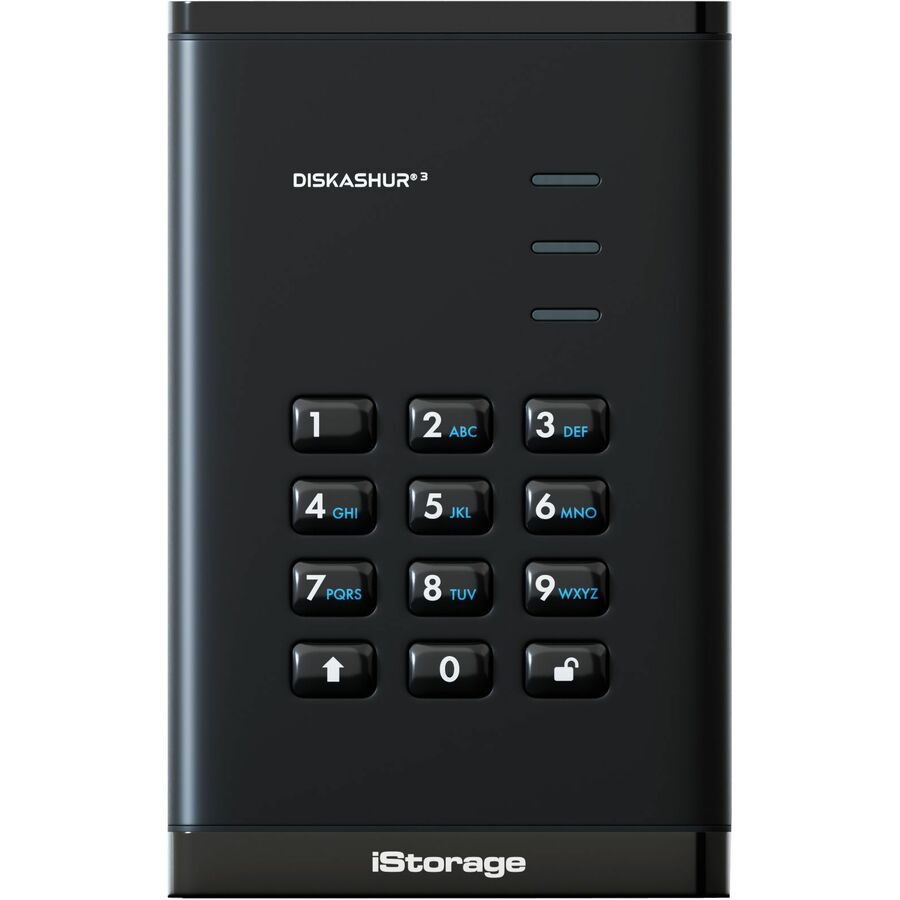
2 in stock - iStorage/KanguruiStorage diskAshur3 1 TB Portable Solid State Drive | Black | Incorporated Common Criteria EAL 5+ | PIN protected | AES 256-bit Full Disk Hardware Encryption | Dust/Water Resistant | TAA Compliant - Printer, Scanner, Camera Device Supported - USB 3.2 (Gen 1) Type C - 256-bit Encryption StandardIS-DA3-256-SSD-1000-B
$454.05*
1 in stock - iStorage/KanguruiStorage diskAshur3 2 TB Portable Hard Drive | Black | Incorporated Common Criteria EAL 5+ | PIN protected | AES 256-bit Full Disk Hardware Encryption | Dust/Water Resistant | TAA Compliant - Printer, Scanner, Camera Device Supported - USB 3.2 (Gen 1) Type C - 256-bit Encryption StandardIS-DA3-256-2000-B
$487.27*
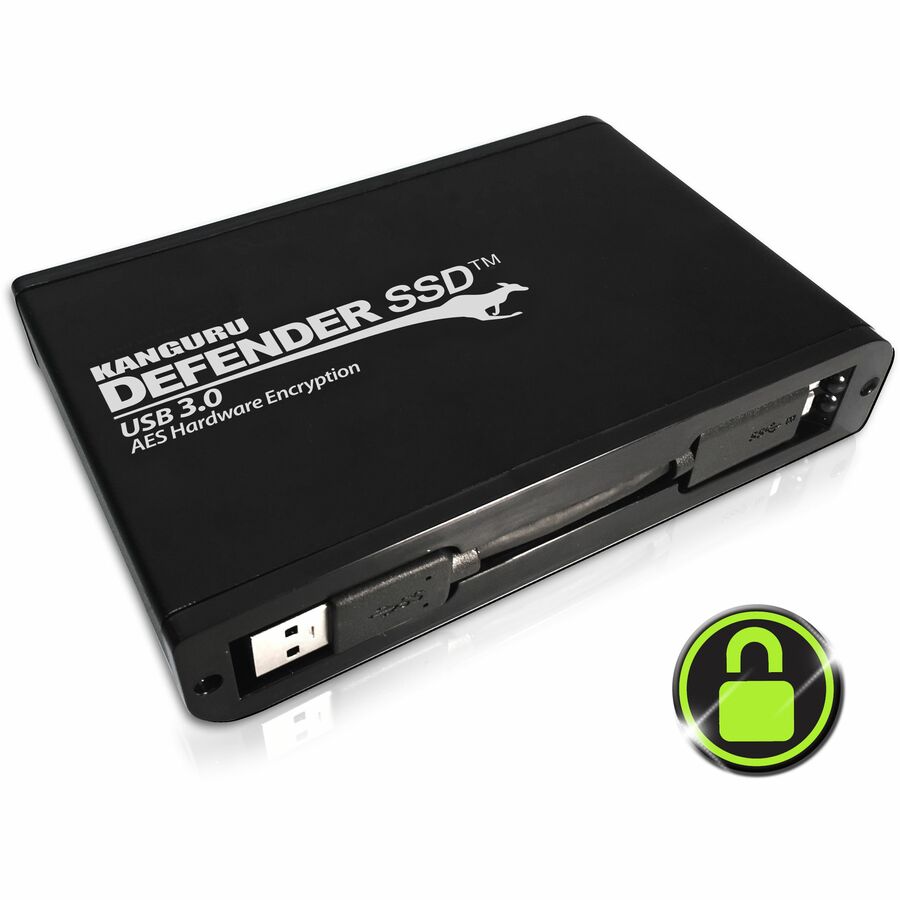
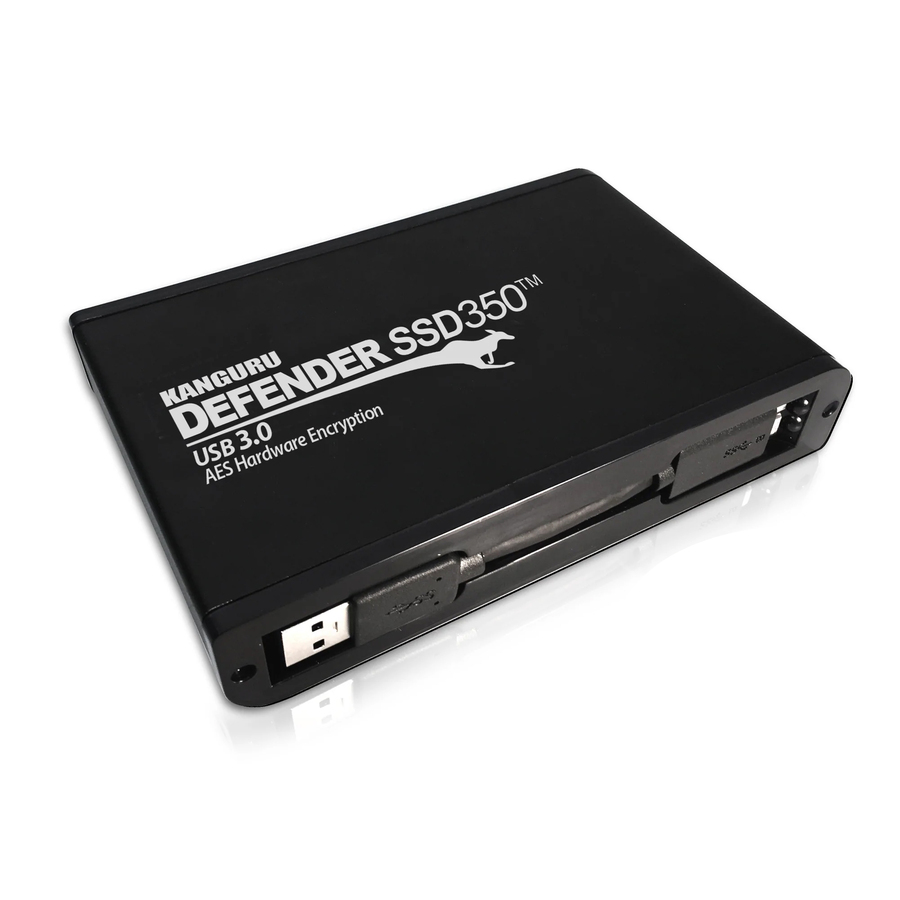
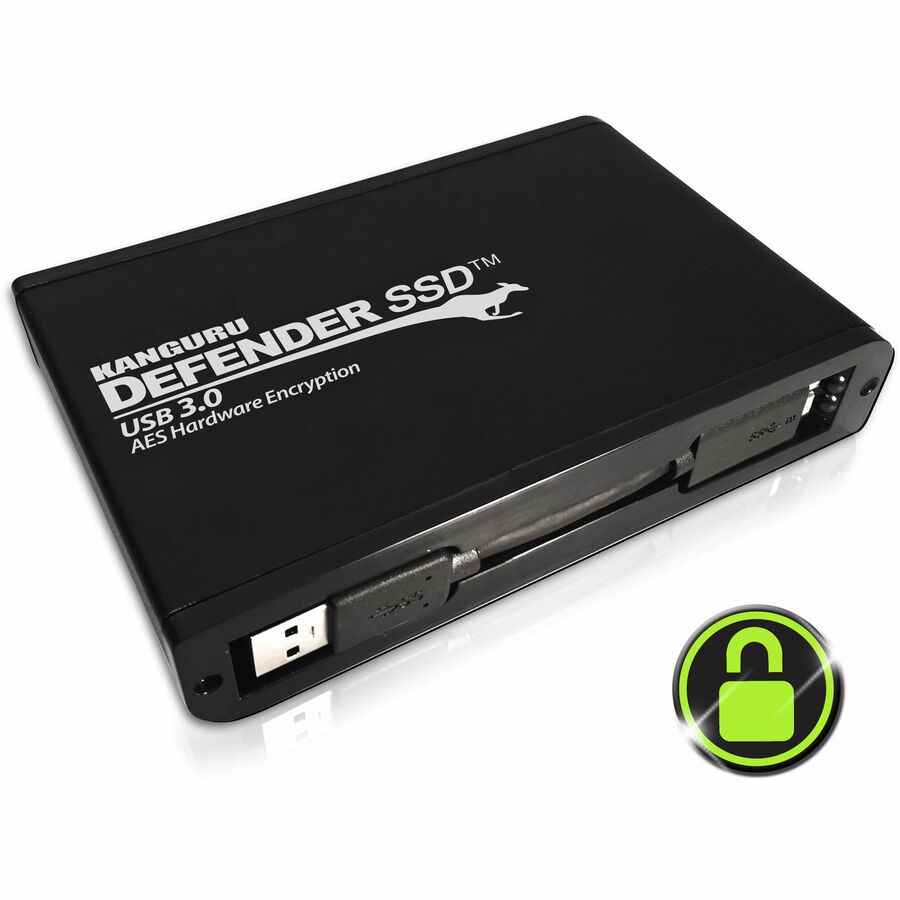
1 in stock - iStorage/KanguruKanguru Defender SSD350 1 TB FIPS 140-2 Certified - Hardware Encrypted Solid State Drive - 2.5" External - SATA (SATA/600) - Matte Black - TAA Compliant - Server Device Supported - USB 3.2 (Gen 1) - 120 MB/s Maximum Read Transfer Rate - 256-bit Encryption Standard - 3 Year WarrantyKDH3B-350F-1TSSD
$498.46*
2 in stock - iStorage/KanguruiStorage diskAshur3 5 TB Portable Hard Drive | Black | Incorporated Common Criteria EAL 5+ | PIN protected | AES 256-bit Full Disk Hardware Encryption | Dust/Water Resistant | TAA Compliant - Printer, Scanner, Camera Device Supported - USB 3.2 (Gen 1) Type C - 256-bit Encryption StandardIS-DA3-256-5000-B
$728.46*
1 in stock - iStorage/KanguruiStorage diskAshur3 2 TB Portable Solid State Drive | Black | Incorporated Common Criteria EAL 5+ | PIN protected | AES 256-bit Full Disk Hardware Encryption | Dust/Water Resistant | TAA Compliant - Printer, Scanner, Camera Device Supported - USB 3.2 (Gen 1) Type C - 256-bit Encryption StandardIS-DA3-256-SSD-2000-B
$772.63*
3 in stock - iStorage/KanguruiStorage diskAshur3 8 TB Portable Solid State Drive | Black | Incorporated Common Criteria EAL 5+ | PIN protected | AES 256-bit Full Disk Hardware Encryption | Dust/Water Resistant | TAA Compliant - Printer, Scanner, Camera Device Supported - USB 3.2 (Gen 1) Type C - 256-bit Encryption StandardIS-DA3-256-SSD-8000-B
$5,216.20*
1 in stock - iStorage/KanguruDefender HDD 35 AES 256-Bit Hardware Encrypted External Hard Drive - Confidently store sensitive data on this military grade, hardware encrypted hard driveKDH3B-35-2T
$277.35*
Back-orderedBack-ordered — estimated OEM lead time 3–8 weeks (Nov 16 – Dec 21 if ordered today).
- iStorage/KanguruiStorage diskAshur3 500 GB Portable Hard Drive | Black | Incorporated Common Criteria EAL 5+ | PIN protected | AES 256-bit Full Disk Hardware Encryption | Dust/Water Resistant | TAA Compliant - Printer, Scanner, Camera Device Supported - USB 3.2 (Gen 1) Type C - 256-bit Encryption StandardIS-DA3-256-500-B
$299.56*
Back-orderedBack-ordered — estimated OEM lead time 3–8 weeks (Nov 16 – Dec 21 if ordered today).
- iStorage/KanguruiStorage diskAshur3 512 GB Portable Solid State Drive | Black | Incorporated Common Criteria EAL 5+ | PIN protected | AES 256-bit Full Disk Hardware Encryption | Dust/Water Resistant | TAA Compliant - Printer, Scanner, Camera Device Supported - USB 3.2 (Gen 1) Type C - 256-bit Encryption StandardIS-DA3-256-SSD-512-B
$354.40*
Back-orderedBack-ordered — estimated OEM lead time 3–8 weeks (Nov 16 – Dec 21 if ordered today).
Back-ordered — estimated OEM lead time 3–8 weeks (Nov 16 – Dec 21 if ordered today).
- iStorage/KanguruDefender SSD 35 AES 256-Bit Hardware Encrypted External Solid State Drive - Confidently store sensitive data on this military grade, hardware encrypted hard driveKDH3B-35-1TSSD
$465.08*
Back-orderedBack-ordered — estimated OEM lead time 3–8 weeks (Nov 16 – Dec 21 if ordered today).
- iStorage/KanguruDefender HDD 35 AES 256-Bit Hardware Encrypted External Hard Drive - Confidently store sensitive data on this military grade, hardware encrypted hard driveKDH3B-35-5T
$520.50*
Back-orderedBack-ordered — estimated OEM lead time 3–8 weeks (Nov 16 – Dec 21 if ordered today).
Back-ordered — estimated OEM lead time 3–8 weeks (Nov 16 – Dec 21 if ordered today).
- iStorage/KanguruiStorage diskAshur3 4 TB Portable Hard Drive | Black | Incorporated Common Criteria EAL 5+ | PIN protected | AES 256-bit Full Disk Hardware Encryption | Dust/Water Resistant | TAA Compliant - Printer, Scanner, Camera Device Supported - USB 3.2 (Gen 1) Type C - 256-bit Encryption StandardIS-DA3-256-4000-B
$684.31*
Back-orderedBack-ordered — estimated OEM lead time 3–8 weeks (Nov 16 – Dec 21 if ordered today).
- iStorage/KanguruDefender SSD 35 AES 256-Bit Hardware Encrypted External Solid State Drive - Confidently store sensitive data on this military grade, hardware encrypted hard driveKDH3B-35-2TSSD
$794.57*
Back-orderedBack-ordered — estimated OEM lead time 3–8 weeks (Nov 16 – Dec 21 if ordered today).
- iStorage/KanguruKanguru Defender SSD350 2 TB FIPS 140-2 Certified - Hardware Encrypted Solid State Drive - 2.5" External - SATA (SATA/600) - Matte Black - TAA Compliant - Server Device Supported - USB 3.2 (Gen 1) - 120 MB/s Maximum Read Transfer Rate - 256-bit Encryption Standard - 3 Year WarrantyKDH3B-350F-2TSSD
$827.67*
Back-orderedBack-ordered — estimated OEM lead time 3–8 weeks (Nov 16 – Dec 21 if ordered today).
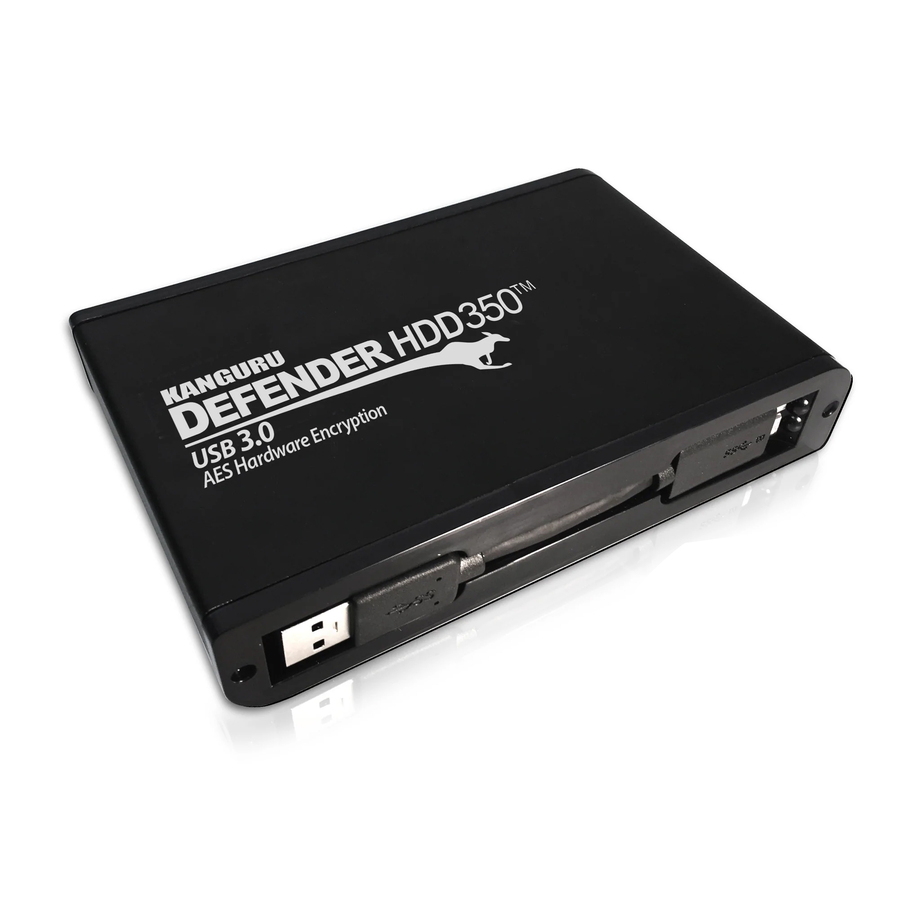
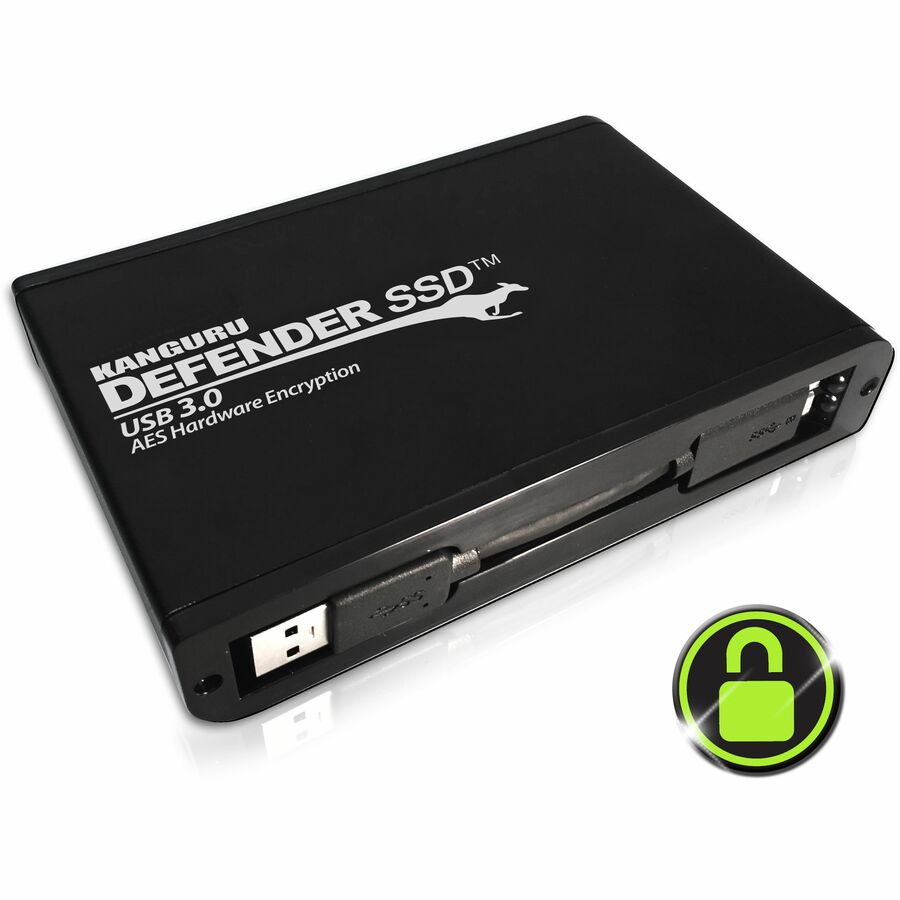
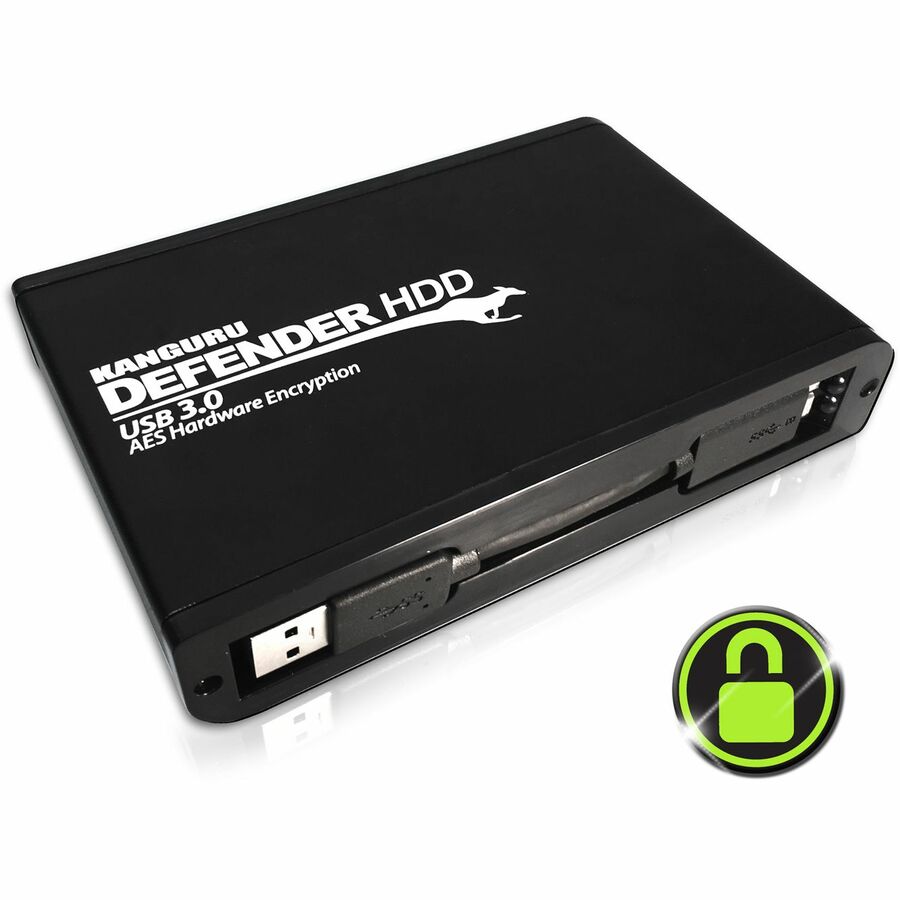
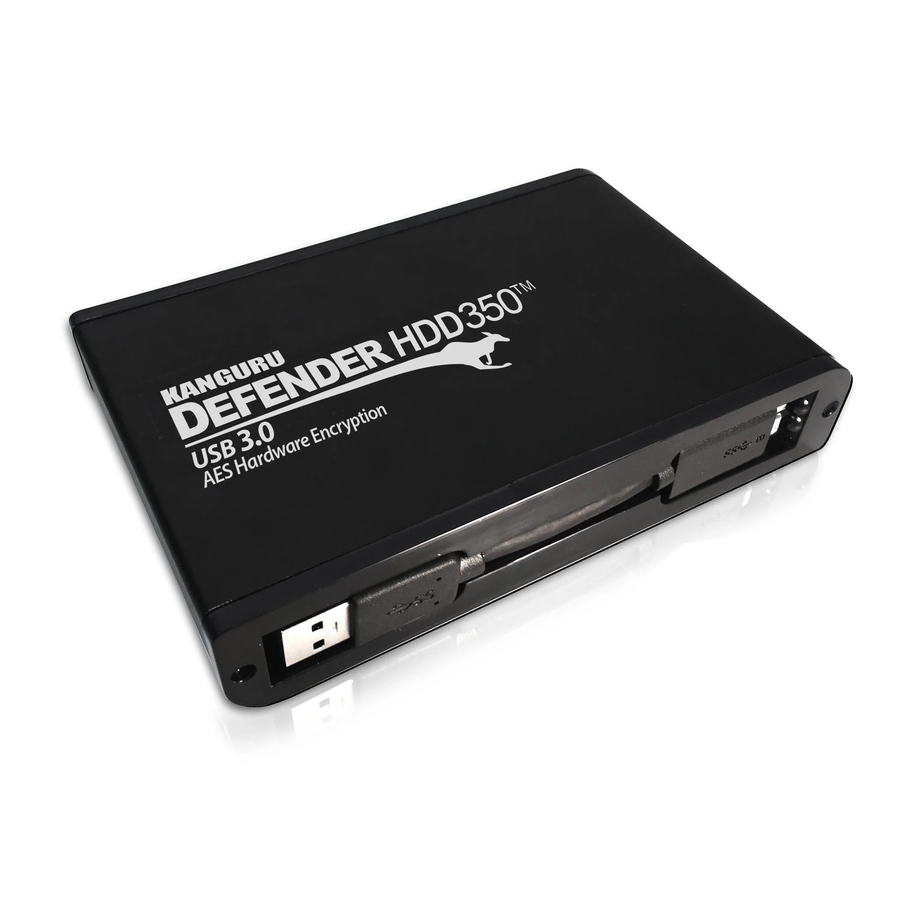
iStorage PRO3, FIPS
iStorage/Kanguru
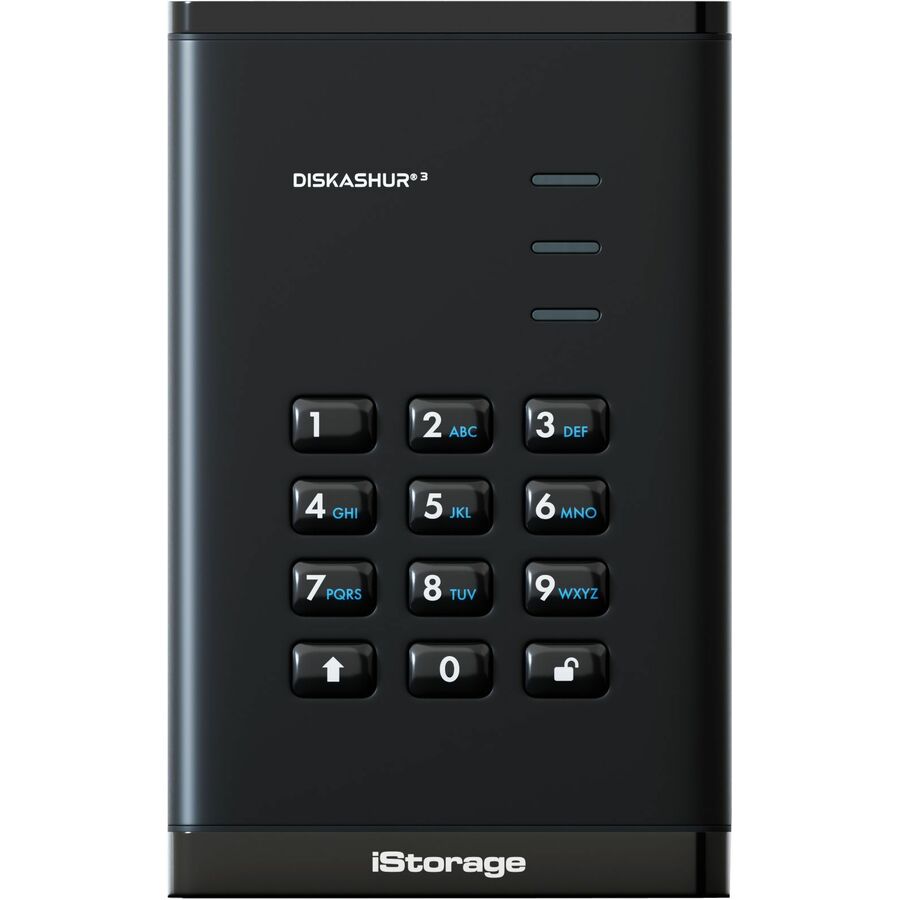
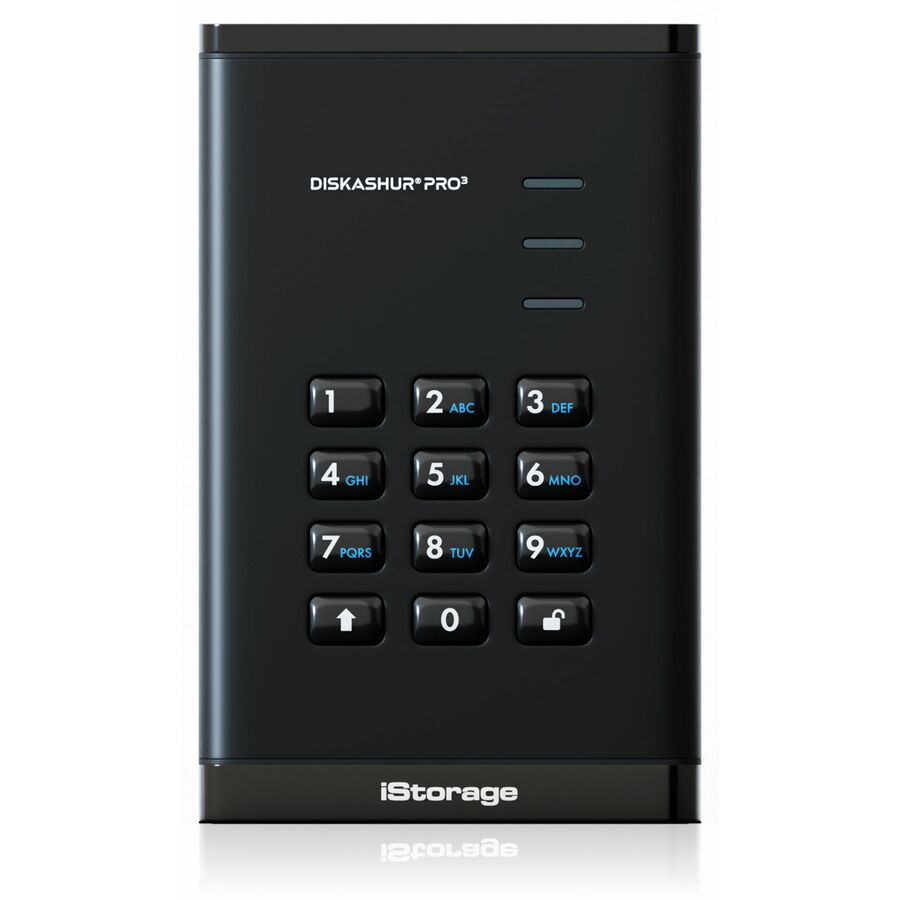
iStorage diskAshur PRO3 2 TB Portable Hard Drive | FIPS 140-3 Level 3…
IS-DAP3-256-2000-F
iStorage's diskAshur PRO3 2 TB portable hard drive — PIN-protected AES-256 hardware encryption, FIPS 140-3 Level 3 pending and Common Criteria EAL 5+, over USB-C, dust and water resistant.
Titled TAA Compliant — a per-part fact to confirm on the exact row ordered.
$551.88*Back-orderediStorage diskAshur3
iStorage/Kanguru
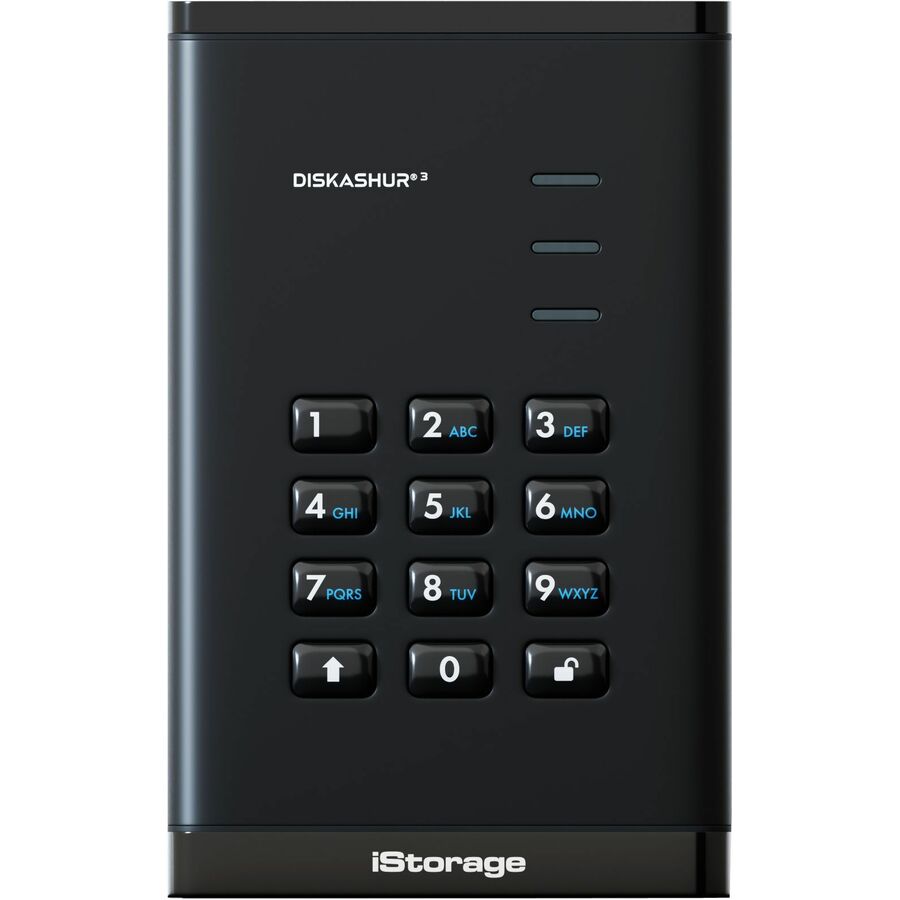
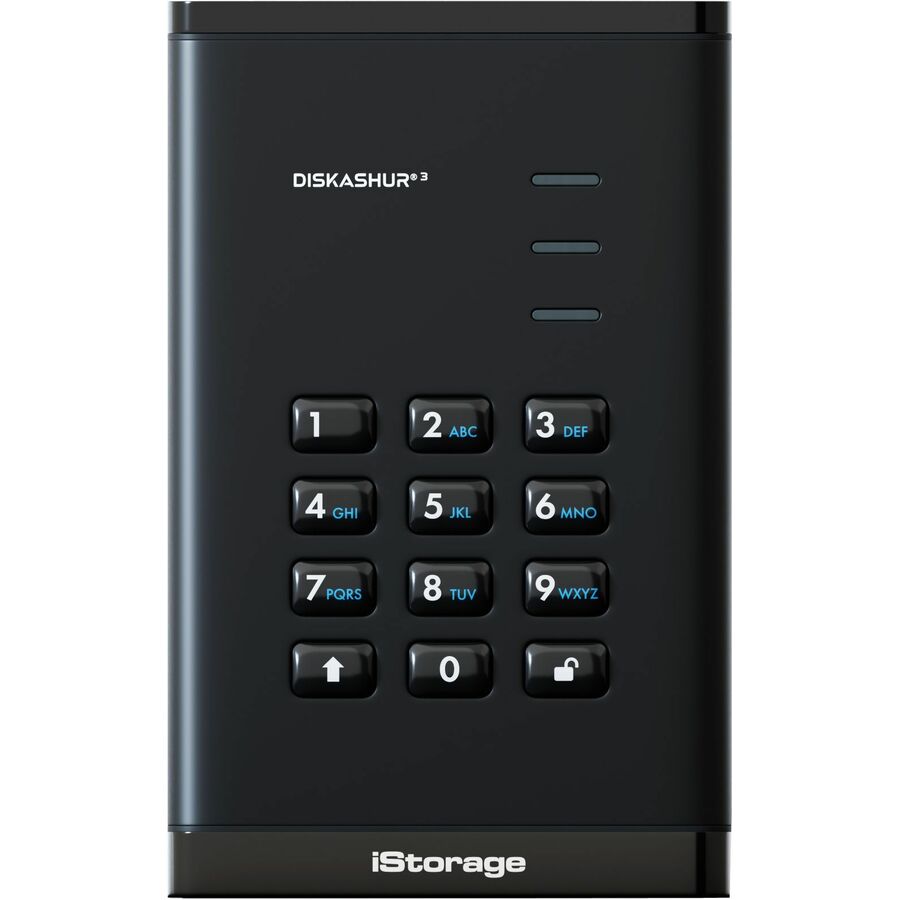
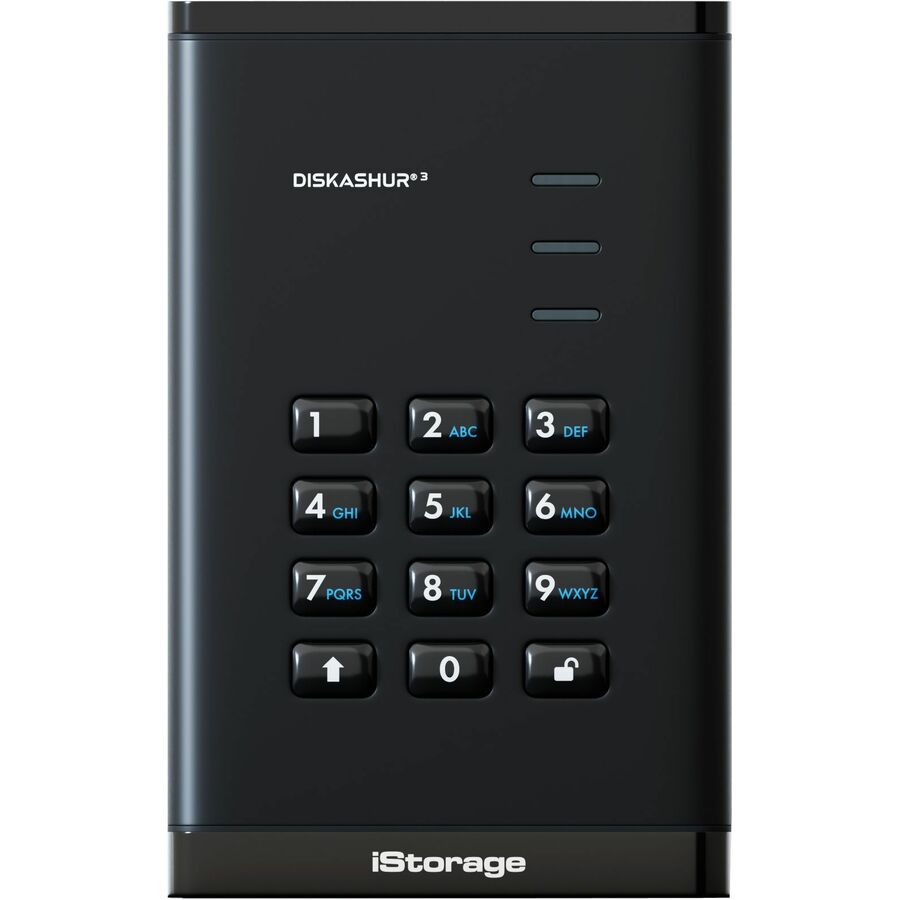
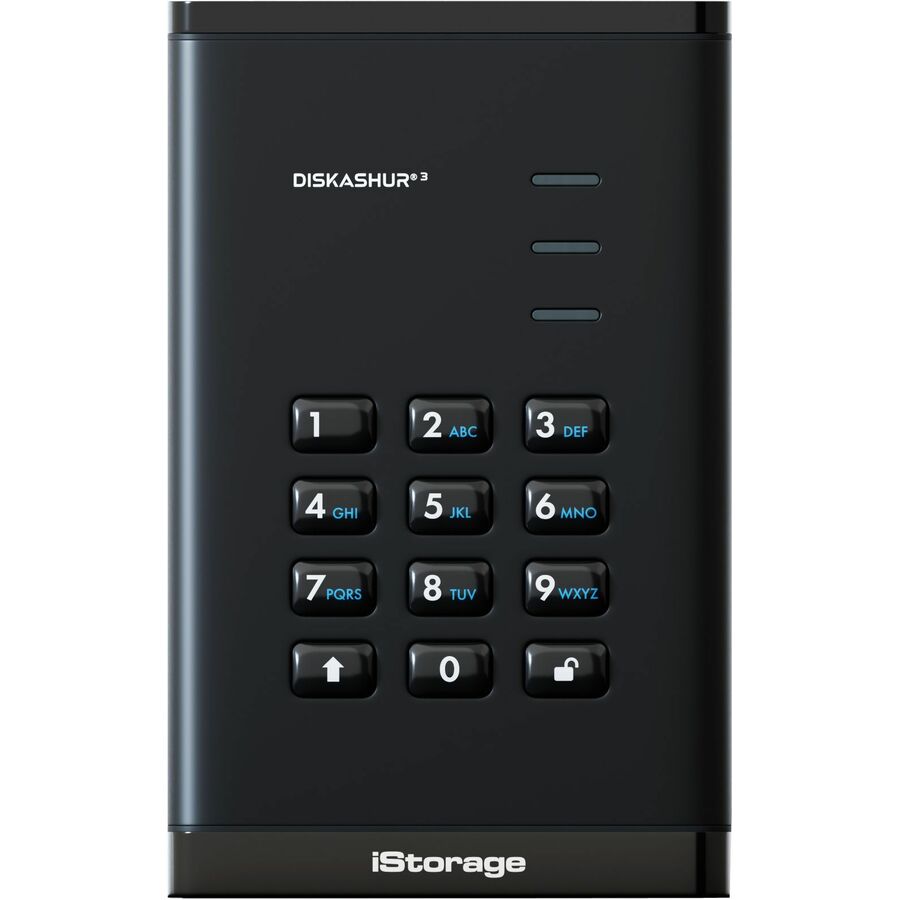
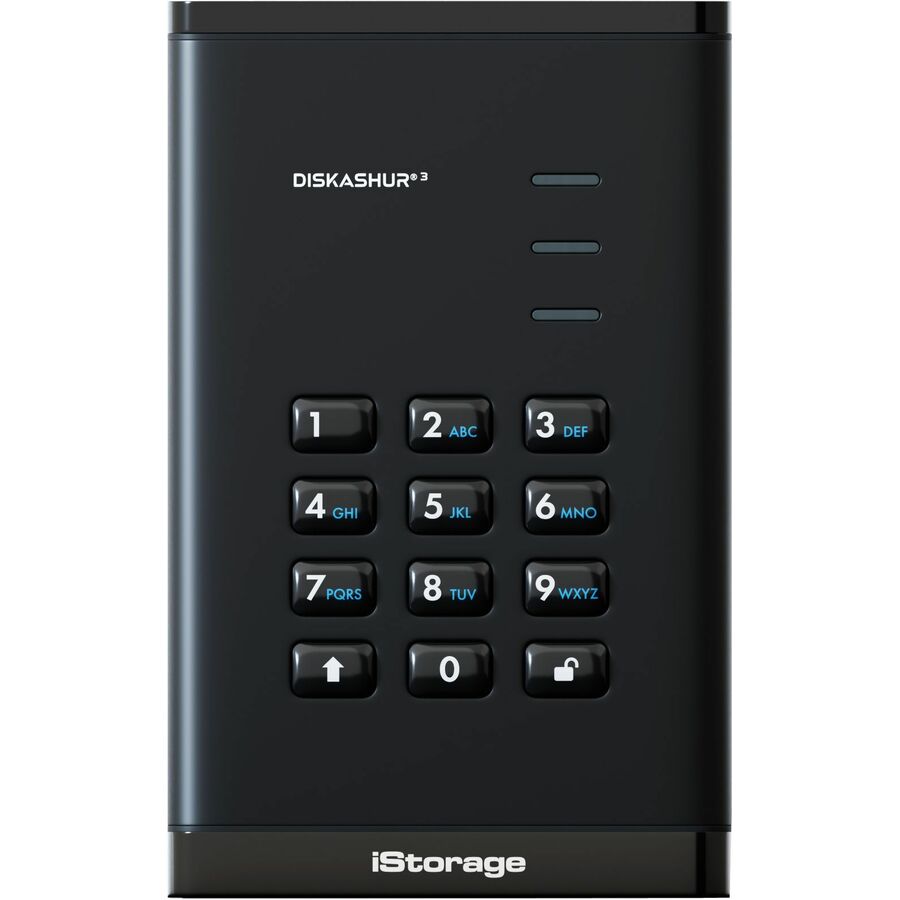
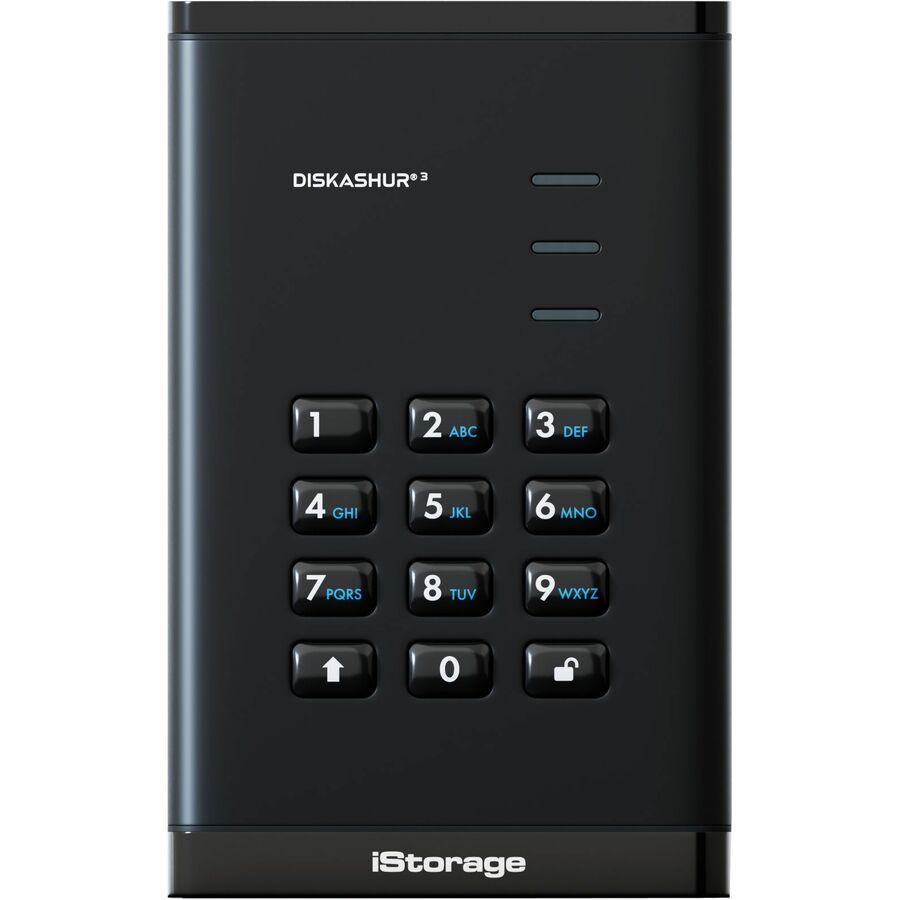
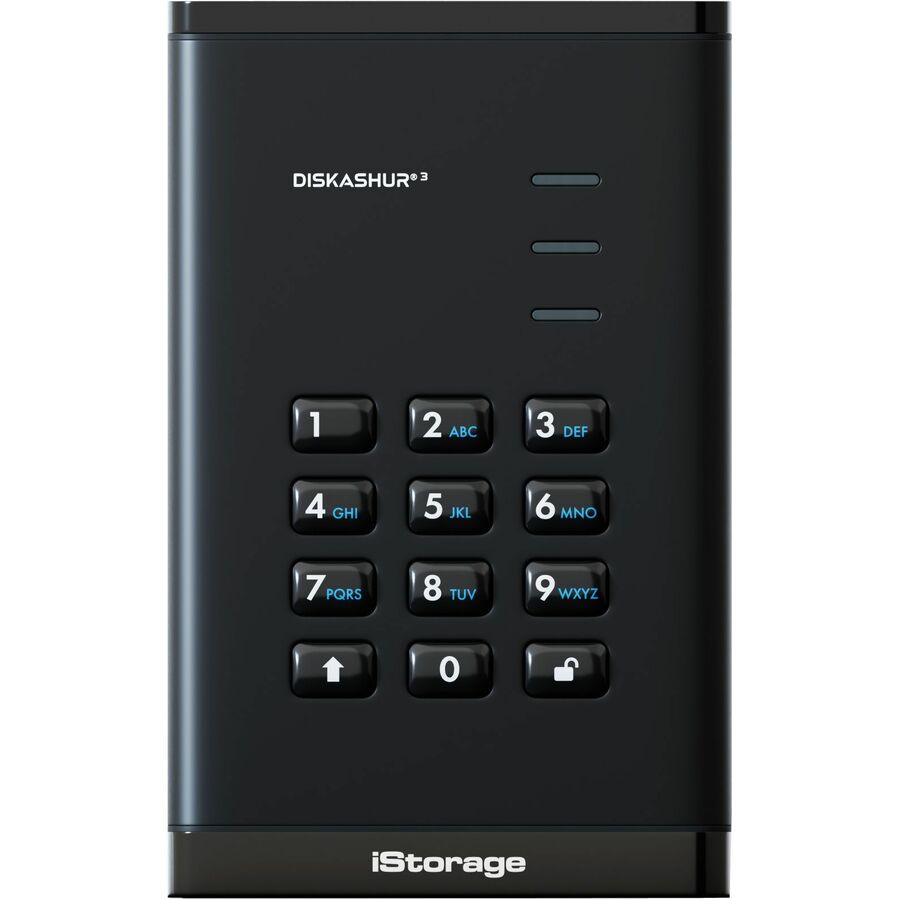
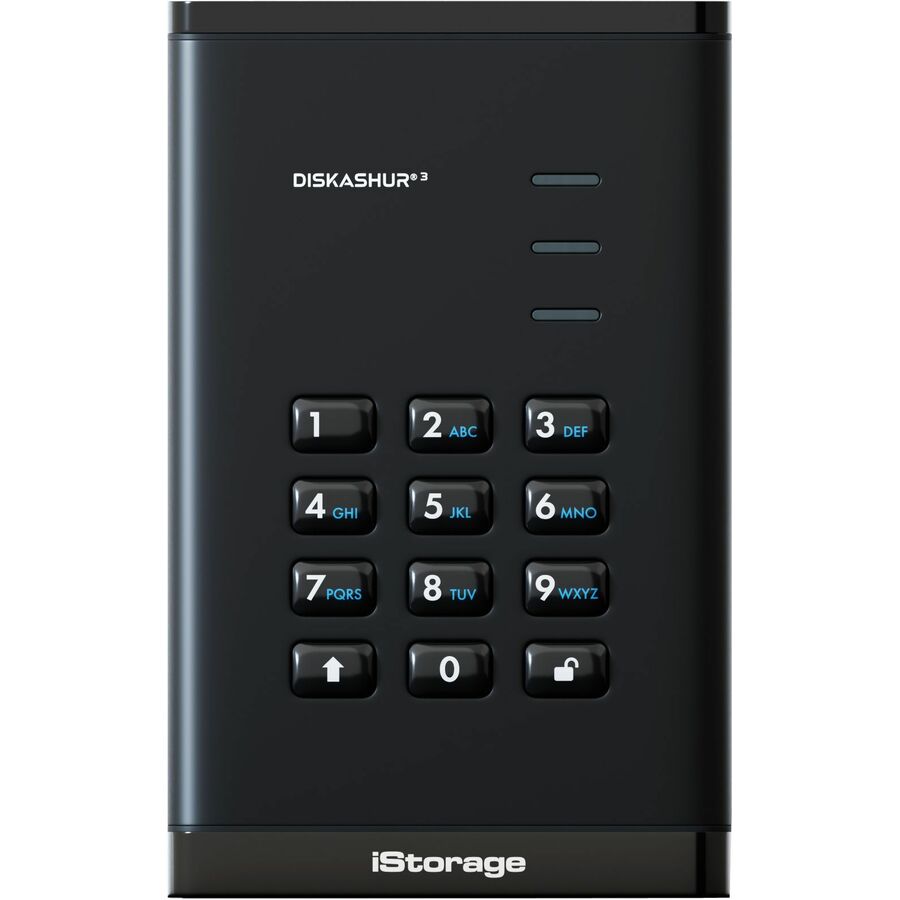
iStorage diskAshur3 1 TB Portable Hard Drive
IS-DA3-256-1000-B
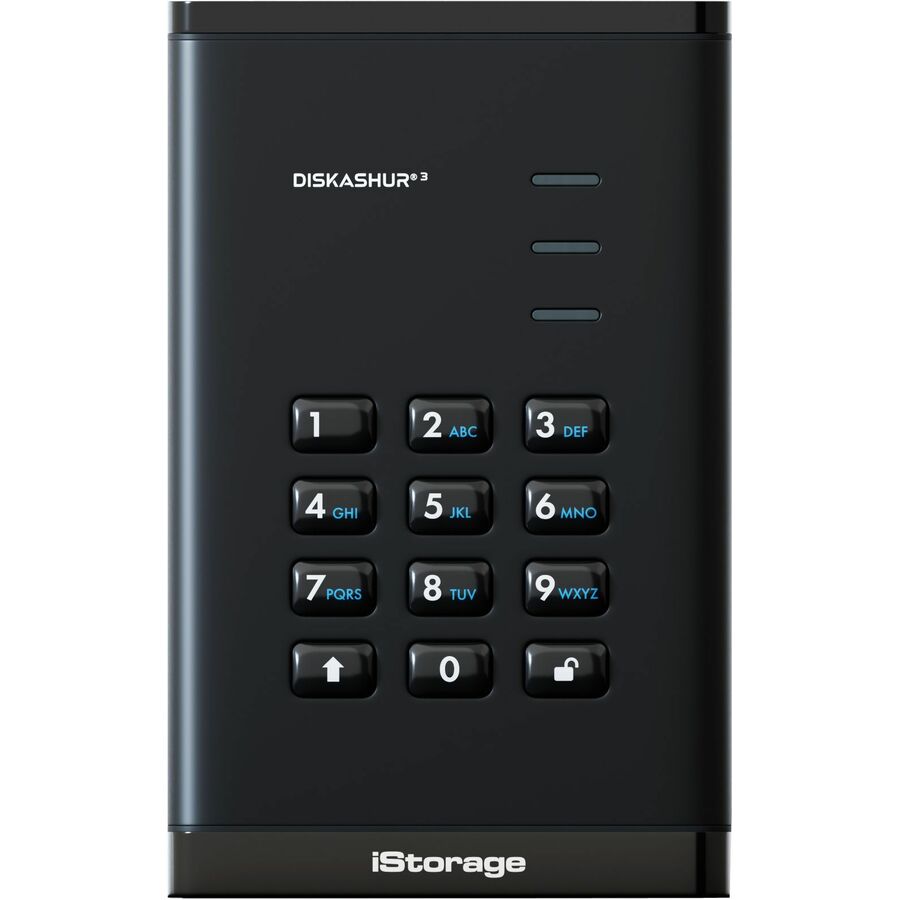
The iStorage diskAshur3 1 TB portable drive with a PIN keypad, AES-256 full-disk hardware encryption and Common Criteria EAL 5+ — a pocket 2.5-inch unit that unlocks on-device with no host software.
Titled TAA Compliant — a per-part fact to confirm on the exact row ordered.
$376.55*In stockKanguru Defender SSD
iStorage/Kanguru
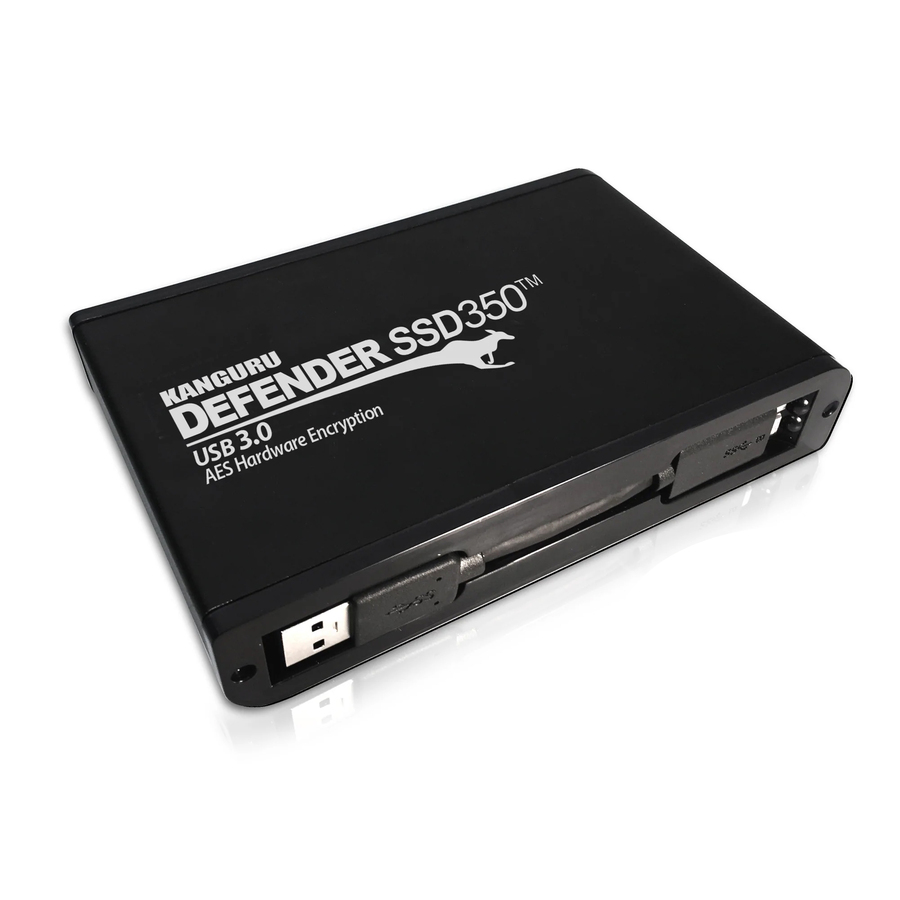
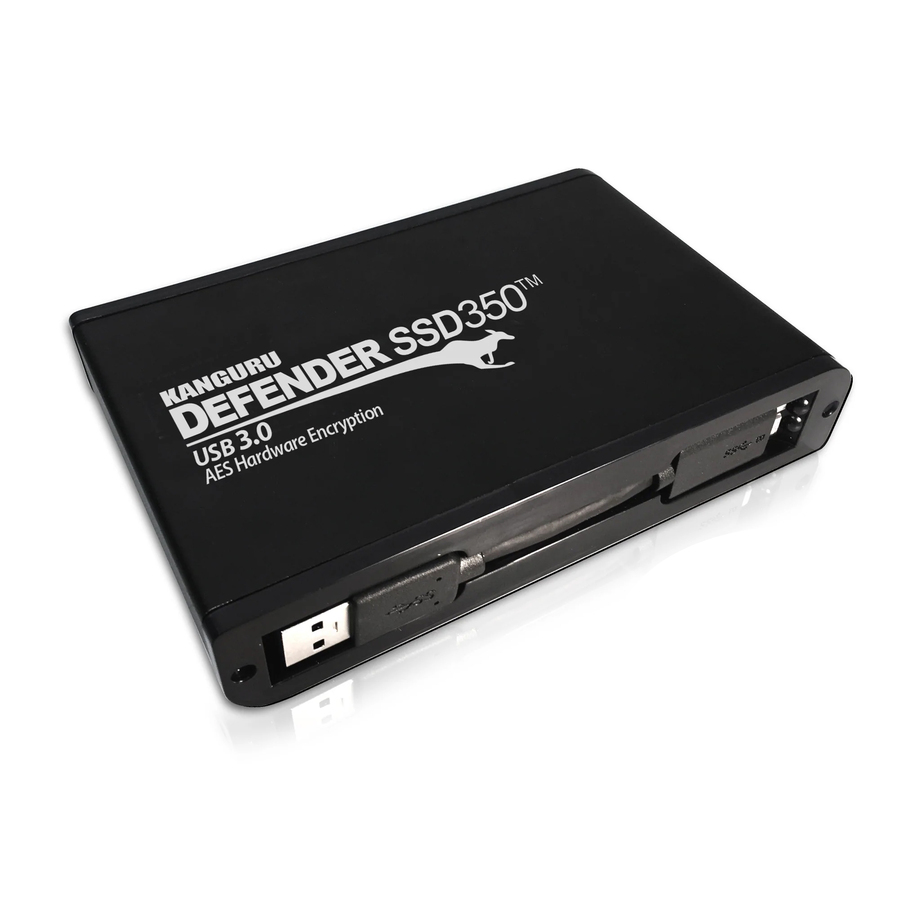
Kanguru Defender SSD350 1 TB FIPS 140-2 Certified
KDH3B-350F-1TSSD
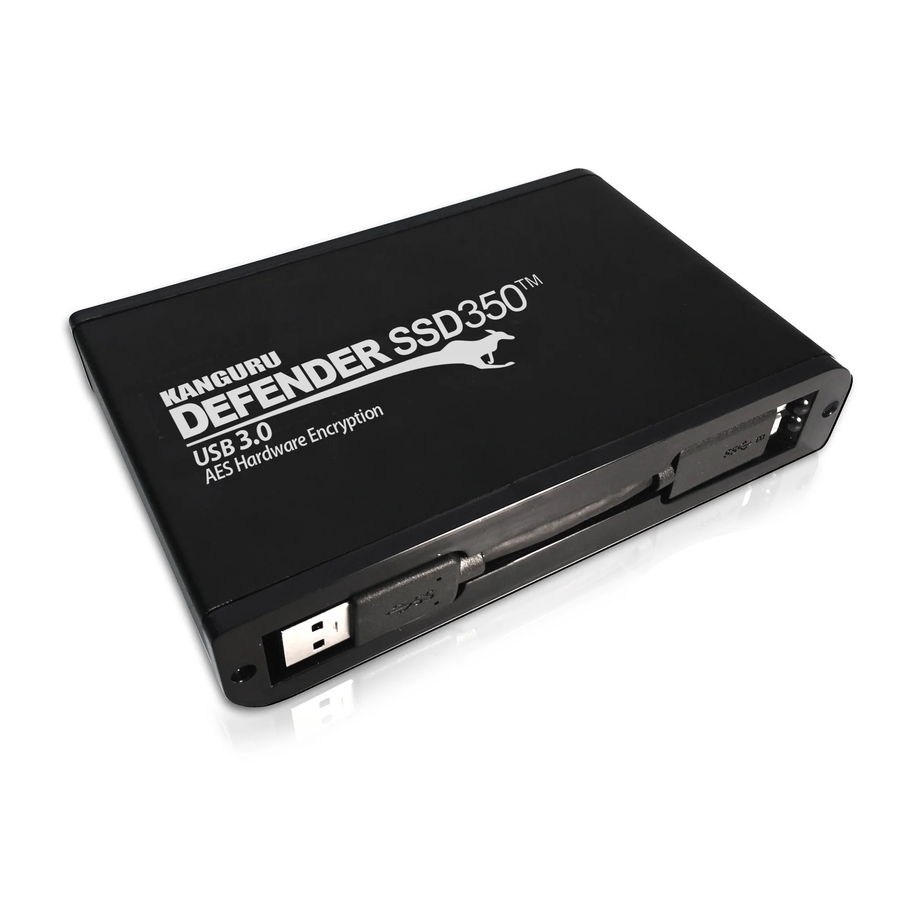
Kanguru's Defender SSD350 1 TB, a FIPS 140-2 certified hardware-encrypted 2.5-inch external SSD with AES-256 over USB — the validated flash option for a fast, secure working set.
Titled TAA Compliant — a per-part fact to confirm on the exact row ordered.
$498.46*In stockKanguru Defender HDD
iStorage/Kanguru
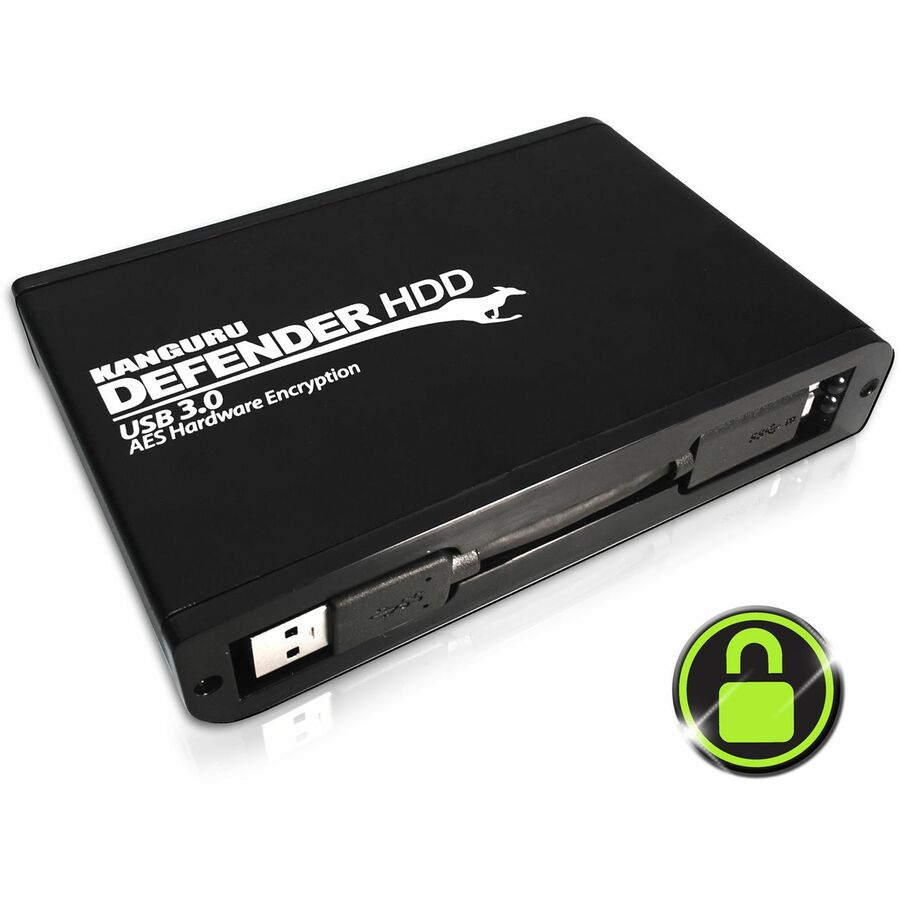
Defender HDD 35 AES 256-Bit Hardware Encrypted External Hard Drive
KDH3B-35-2T
The Kanguru Defender HDD 35, a 2 TB AES 256-bit hardware-encrypted external hard drive — a higher-capacity secure spinner for carrying a larger records set between sites.
$277.35*Back-orderedApricorn Fortress L3
Apricorn
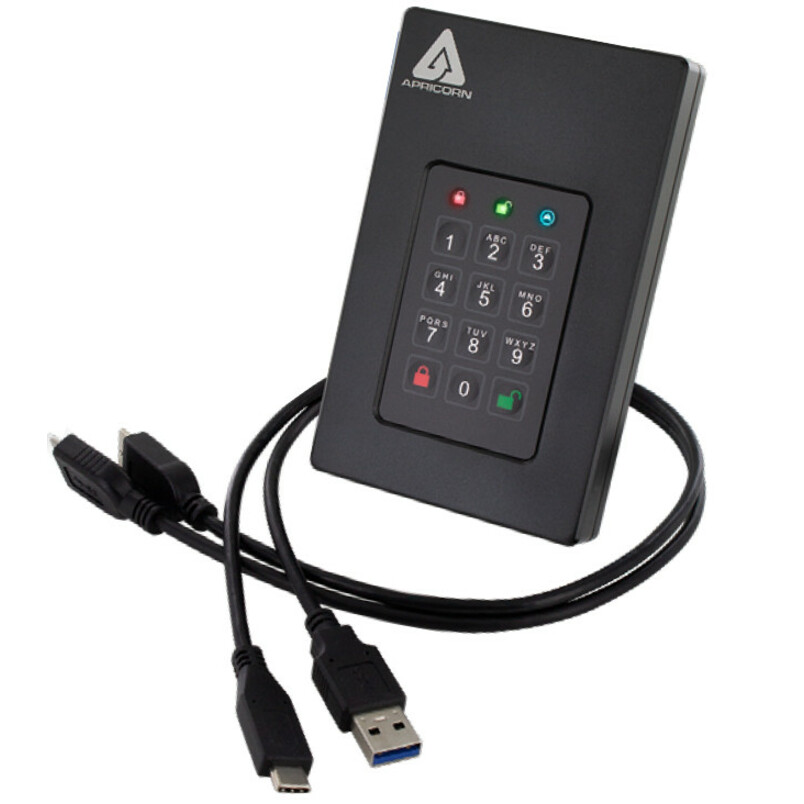
Apricorn Aegis Fortress L3 8 TB Portable Solid State Drive
AFL3-S8TB
Apricorn's Aegis Fortress L3 8 TB portable SSD with a PIN keypad and AES-256 hardware encryption over USB 3.2 — a high-capacity, high-endurance secure drive for a large imaging archive.
Titled TAA Compliant — a per-part fact to confirm on the exact row ordered.
$9,629.42*Back-orderedApricorn Padlock DT
Apricorn
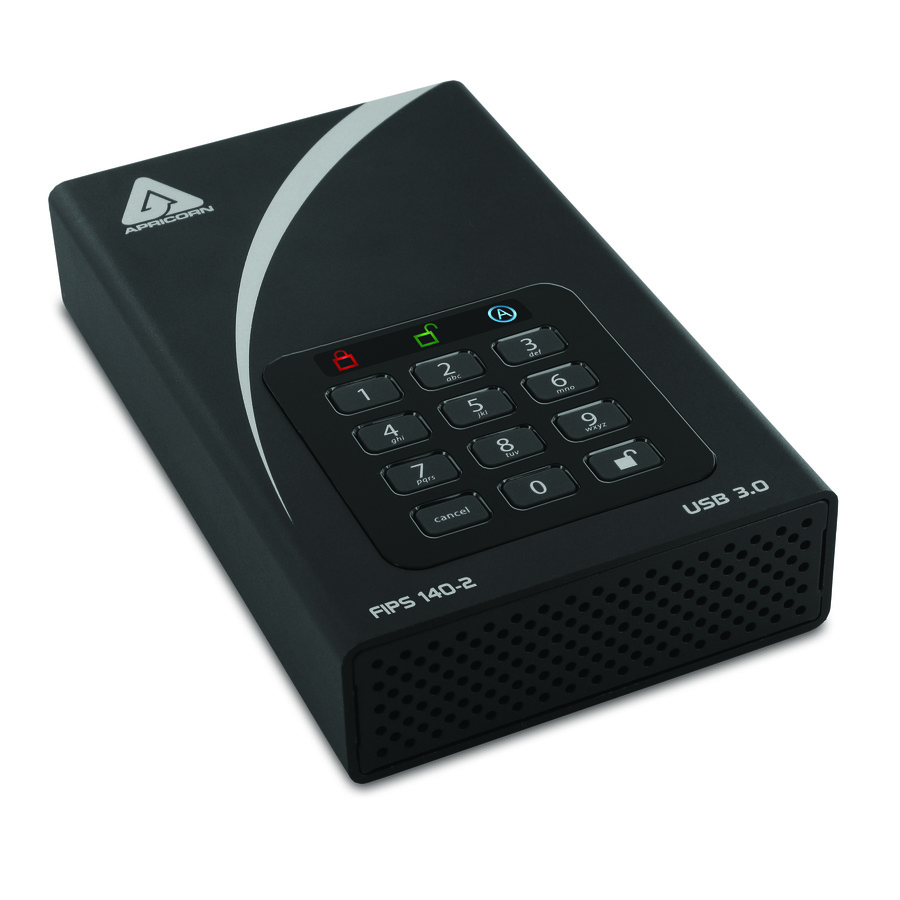
Apricorn Aegis Padlock DT FIPS ADT-3PL256F-12TB 12 TB Desktop Hard Drive
ADT-3PL256F-12TB
The Apricorn Aegis Padlock DT FIPS 12 TB desktop drive — a keypad-unlocked 3.5-inch external with 256-bit hardware encryption for the larger archive that stays in a records office.
Titled TAA Compliant — a per-part fact to confirm on the exact row ordered.
$1,531.59*Back-orderedApricorn Aegis NVX
Apricorn
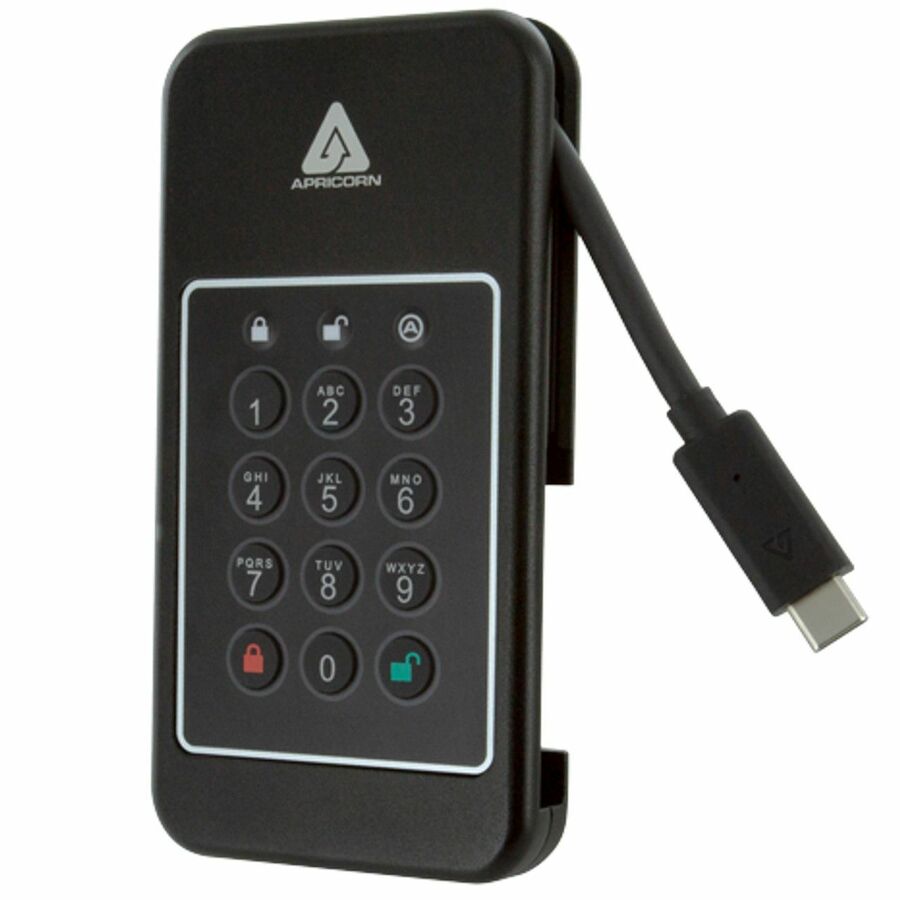
Apricorn Aegis NVX 2 TB Portable Rugged Solid State Drive
ANVX-2TB
Apricorn's Aegis NVX 2 TB portable rugged SSD with a PIN keypad, AES-256 hardware encryption and USB-C — a compact, hardened unit for a mobile clinician or courier carrying a working set.
Titled TAA Compliant — a per-part fact to confirm on the exact row ordered.
$1,728.15*In stockKingston IronKey VP80
Kingston Technology
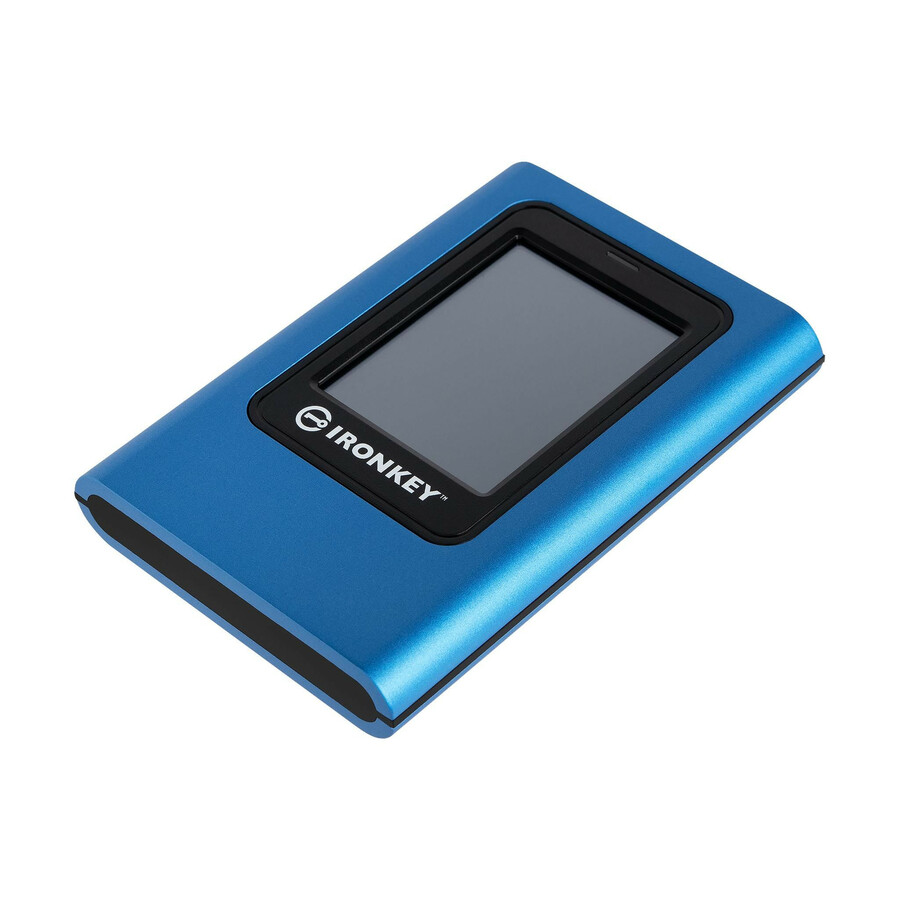
IronKey Vault Privacy 80 IKVP80ES/960G 960 GB Portable Solid State Drive
IKVP80ES/960G
The Kingston IronKey Vault Privacy 80 960 GB portable SSD with an on-drive touchscreen and 256-bit AES hardware encryption over USB 3.2 — a screen-unlock secure external for desktop and mobile use.
$488.80In stockRocstor Rocsecure
Rocstor
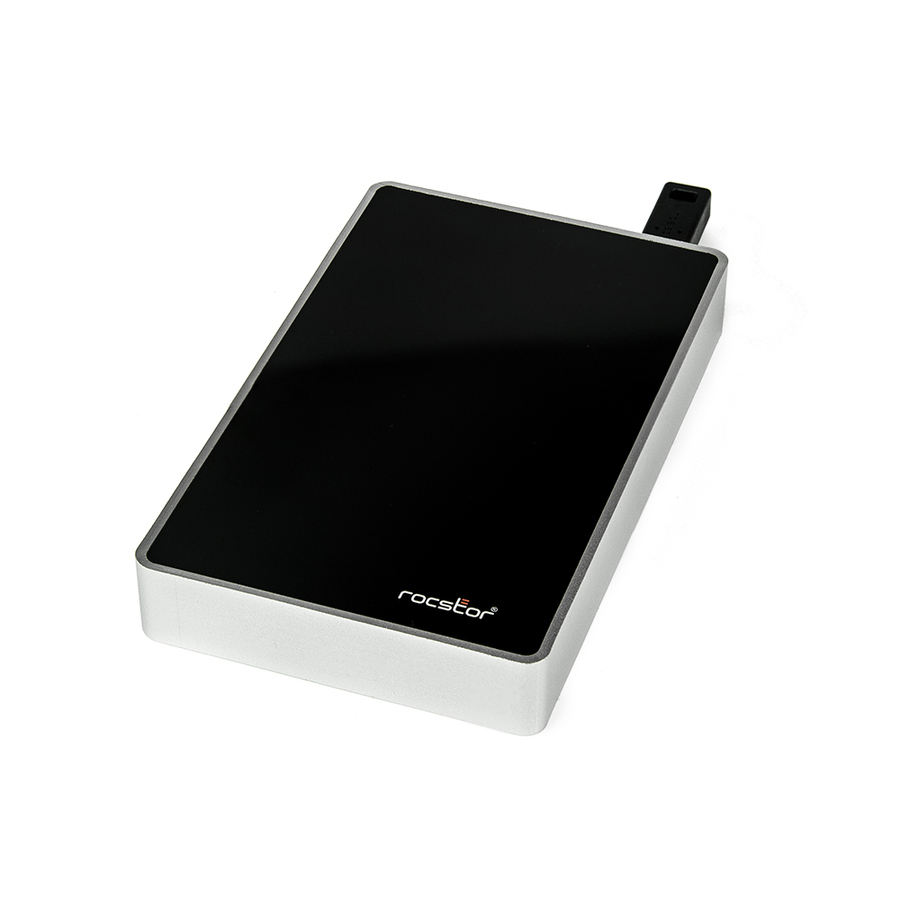
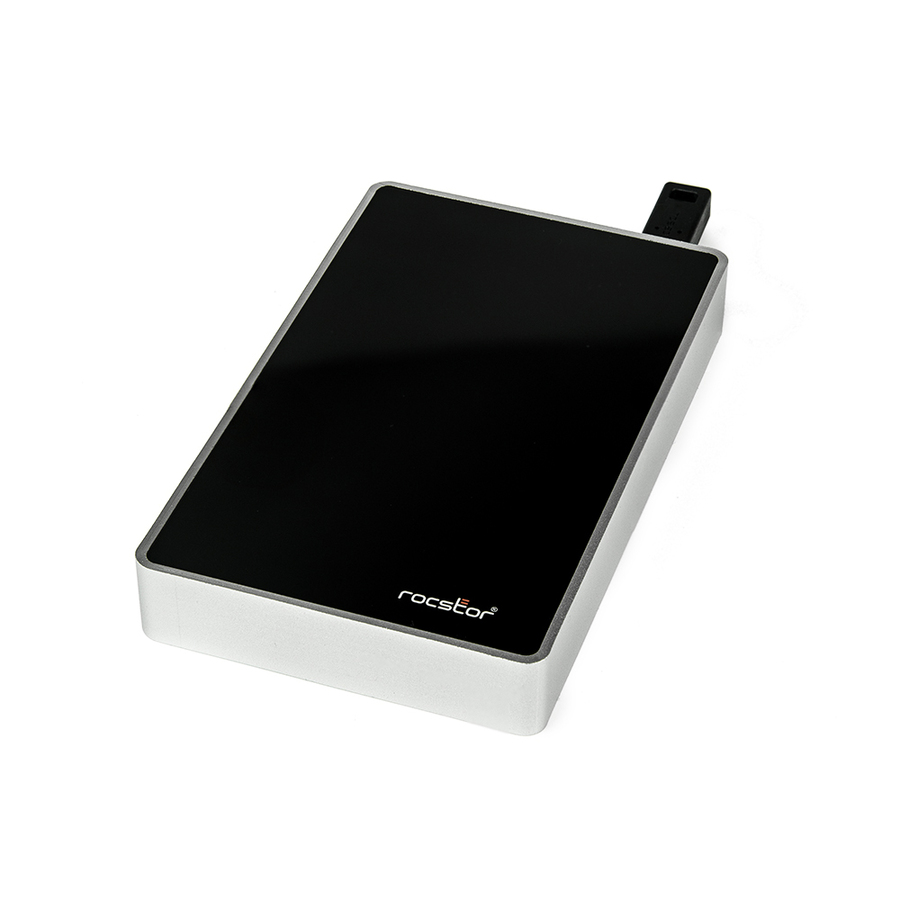
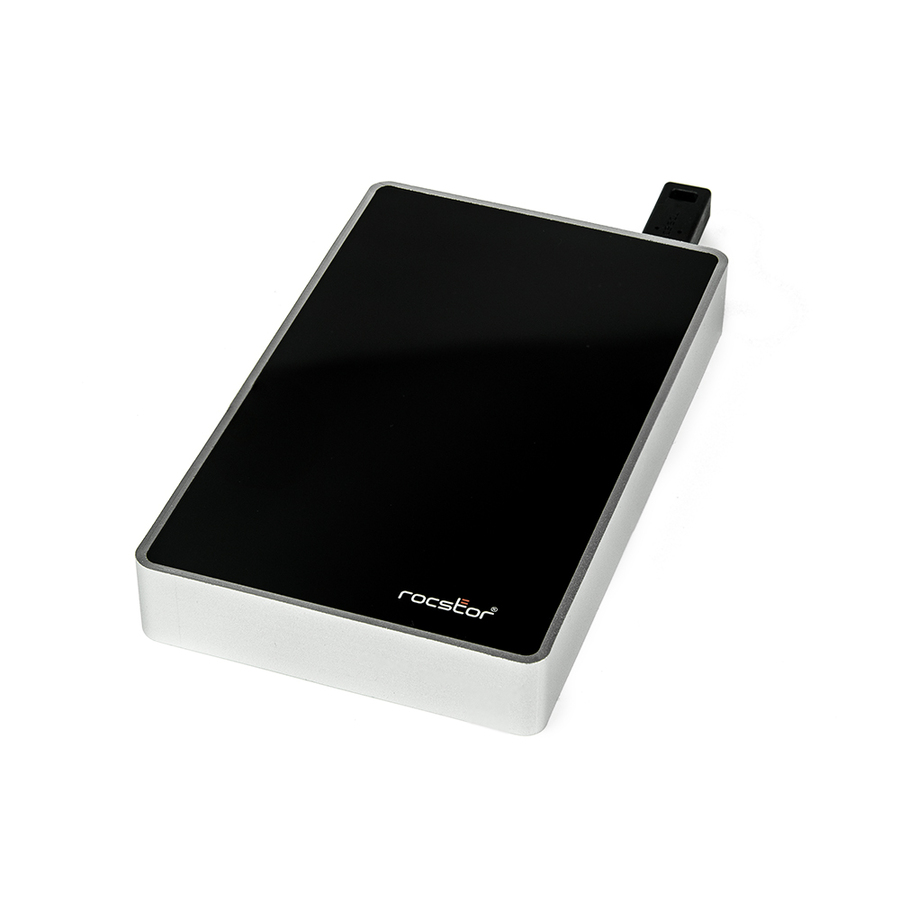
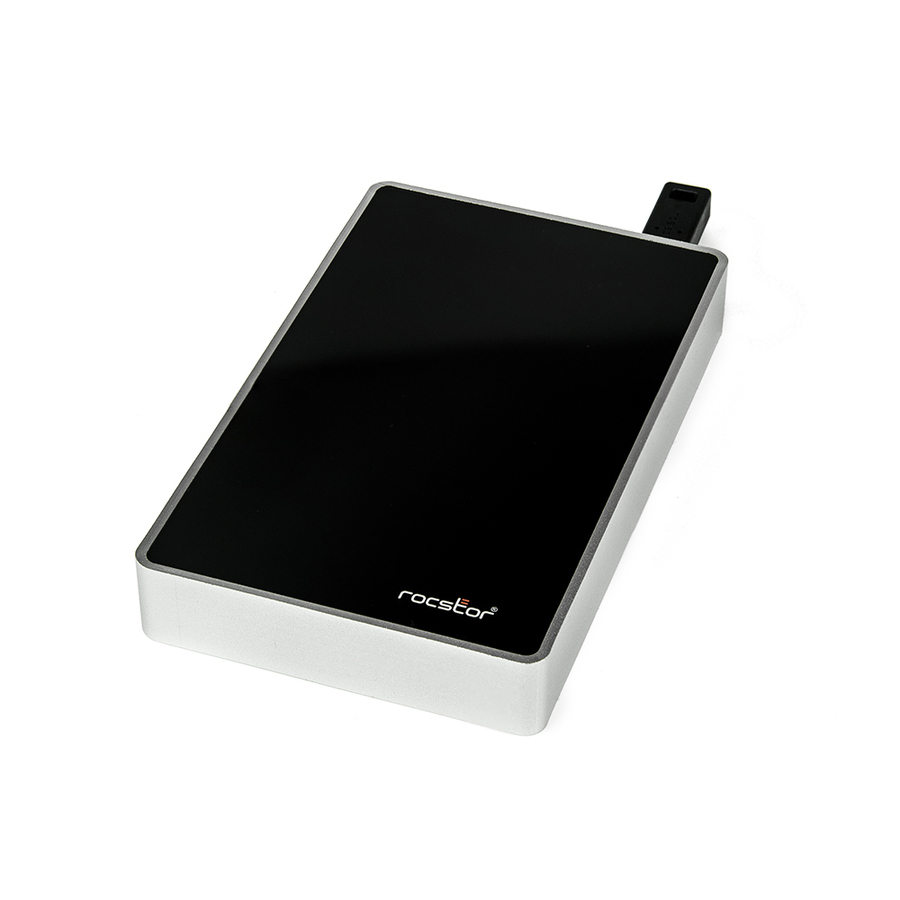
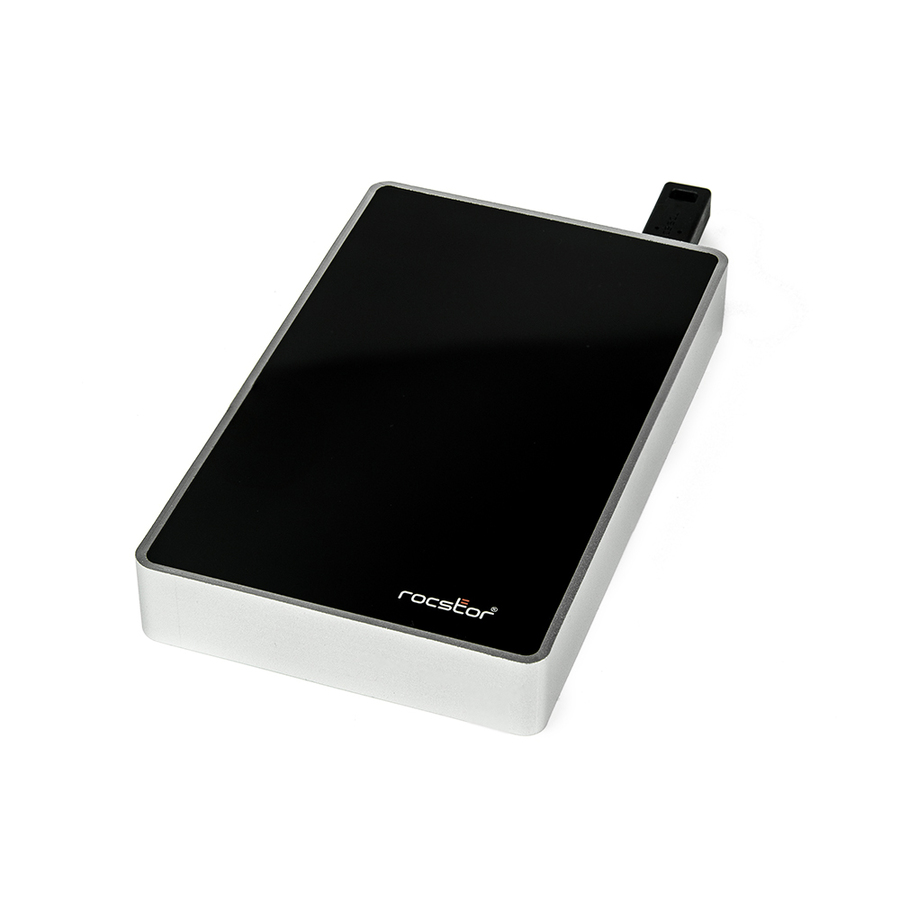
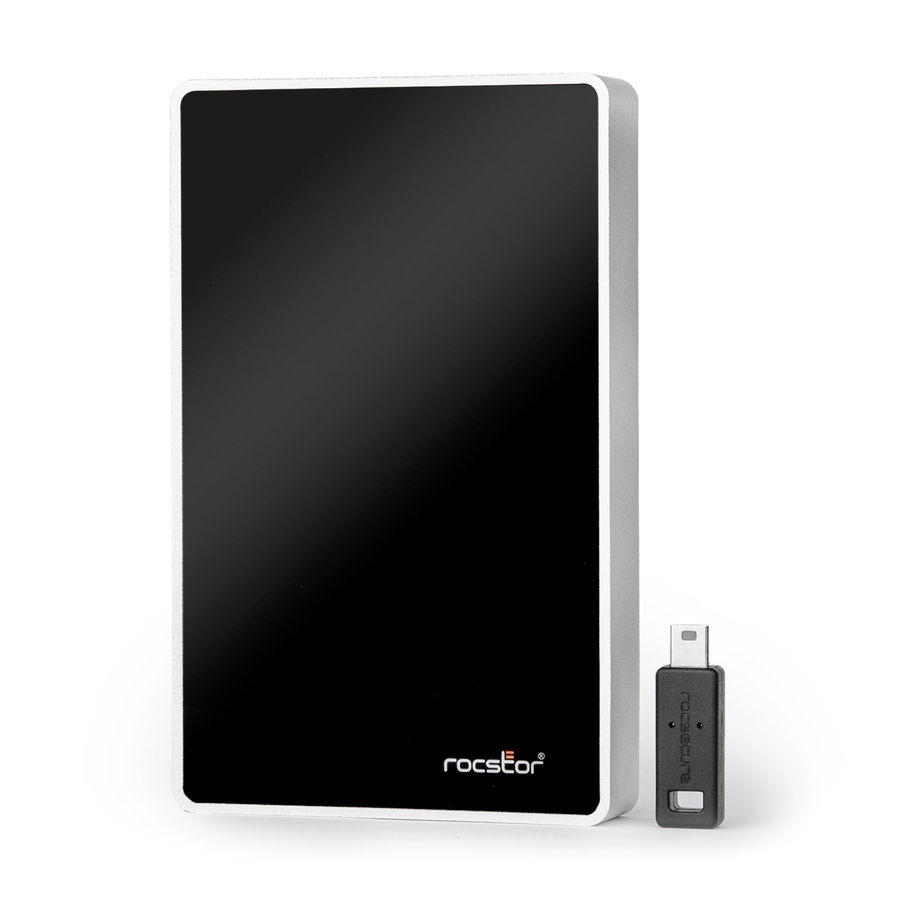
Rocstor Rocsecure EX32 2 TB Portable Rugged Hard Drive
E68016-01
Rocstor's Rocsecure EX32 2 TB portable rugged hard drive with 256-bit AES hardware encryption over USB 3.1 — a hardened 2.5-inch secure spinner for field carry.
Titled TAA Compliant — a per-part fact to confirm on the exact row ordered.
$314.05*In stockRocstor DataSecure
Rocstor
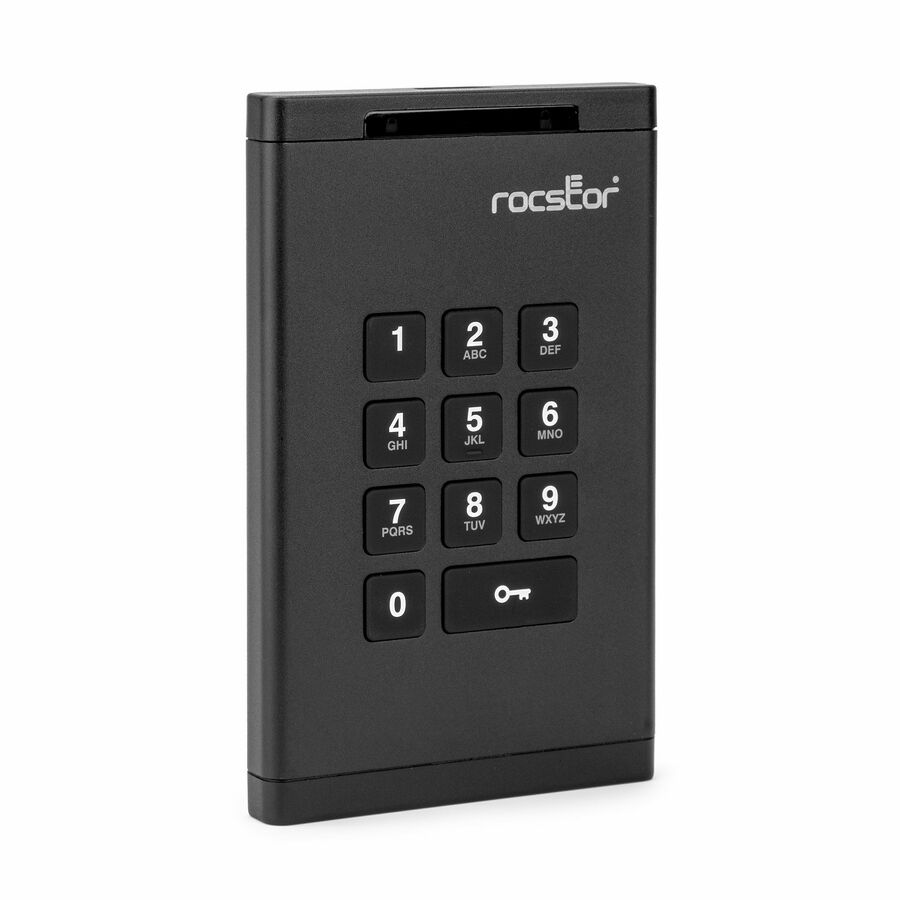
Rocstor DataSecure EX20 2 TB Portable Rugged Solid State Drive
E76020-B1
The Rocstor DataSecure EX20 2 TB portable rugged SSD with 256-bit AES-XTS hardware encryption over USB-C — a fast, hardened flash unit for moving a working set securely.
Titled TAA Compliant — a per-part fact to confirm on the exact row ordered.
Request pricingioSafe Solo G3
CDSG
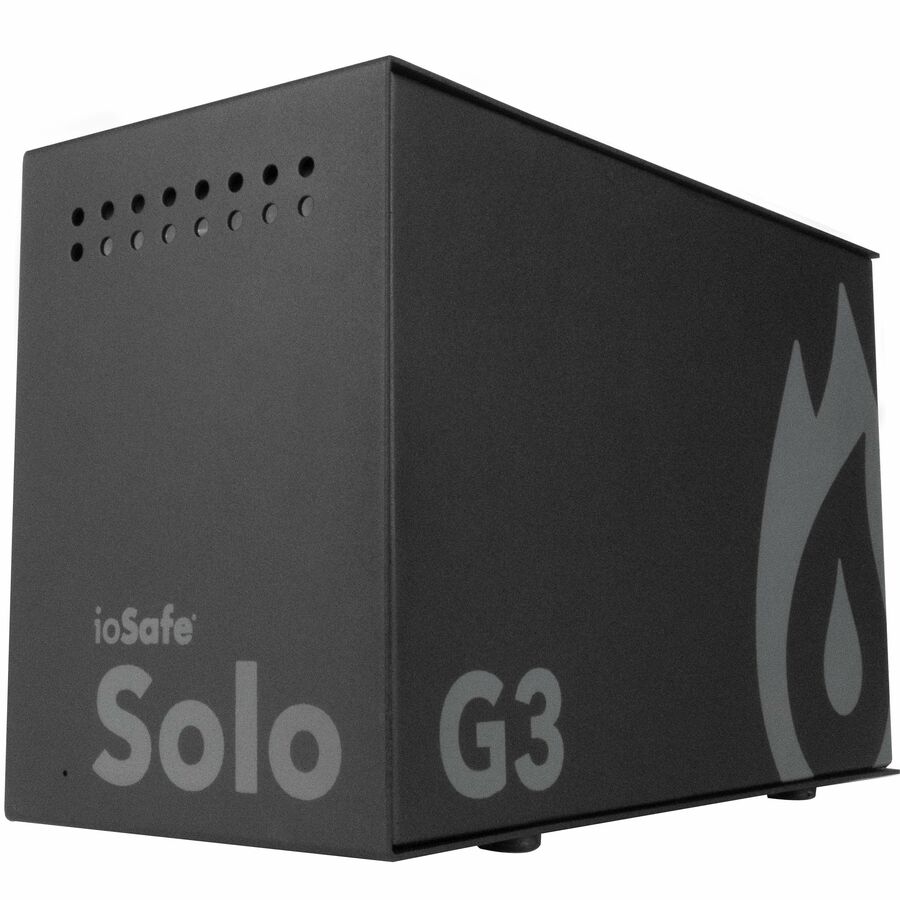
ioSafe Solo G3 Black Edition 3 TB Desktop Hard Drive
71300-1237-1200
ioSafe's Solo G3 3 TB desktop external drive with 256-bit AES encryption in a fire- and water-resistant enclosure — a records-office unit built to survive the room, not only the thief.
$432.51Back-orderedBuffalo MiniStation
Buffalo
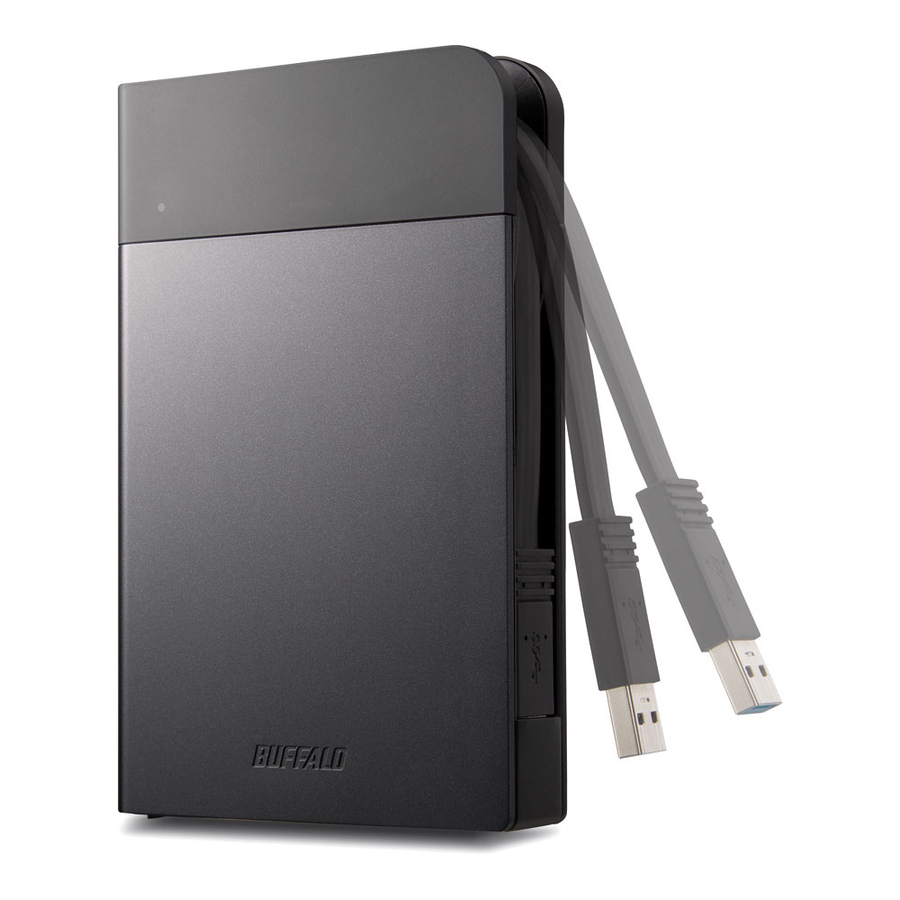
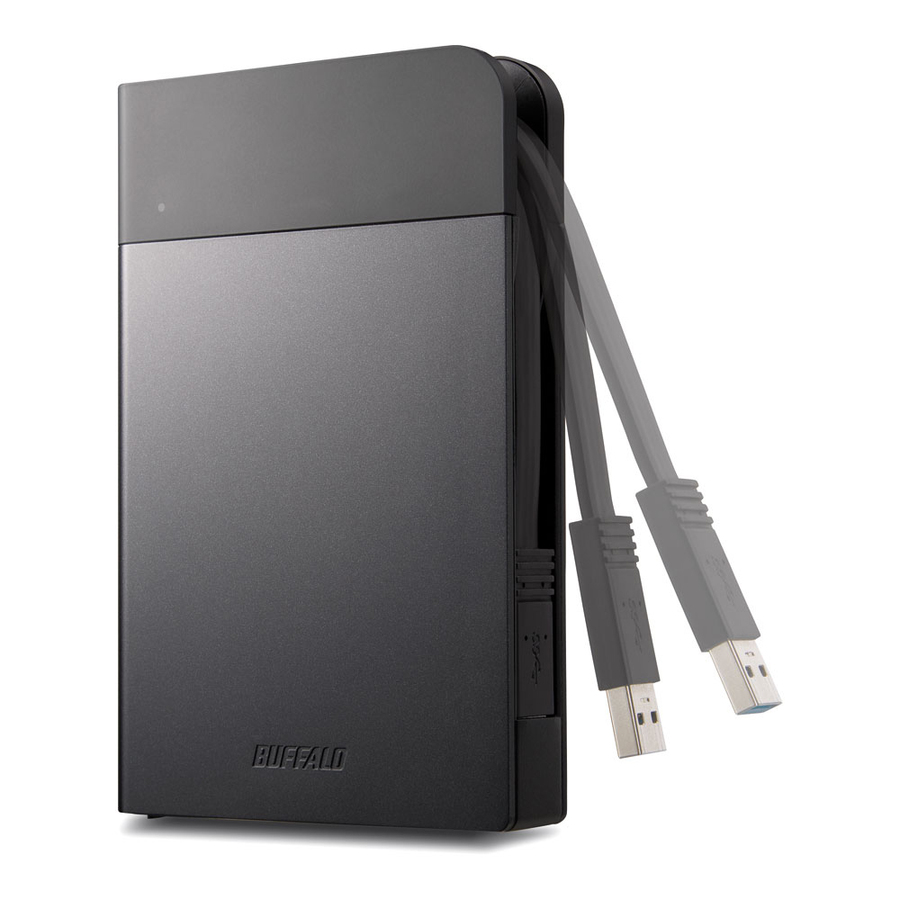
BUFFALO MiniStation Extreme NFC USB 3.0 2 TB Rugged Portable Hard Drive…
HD-PZN2.0U3B
The Buffalo MiniStation Extreme NFC 2 TB rugged portable drive with hardware encryption and NFC unlock over USB 3.0 — a shock-, water- and dust-resistant unit for carrying data between sites.
$185.99*In stockSamsung T9 SSD
Samsung
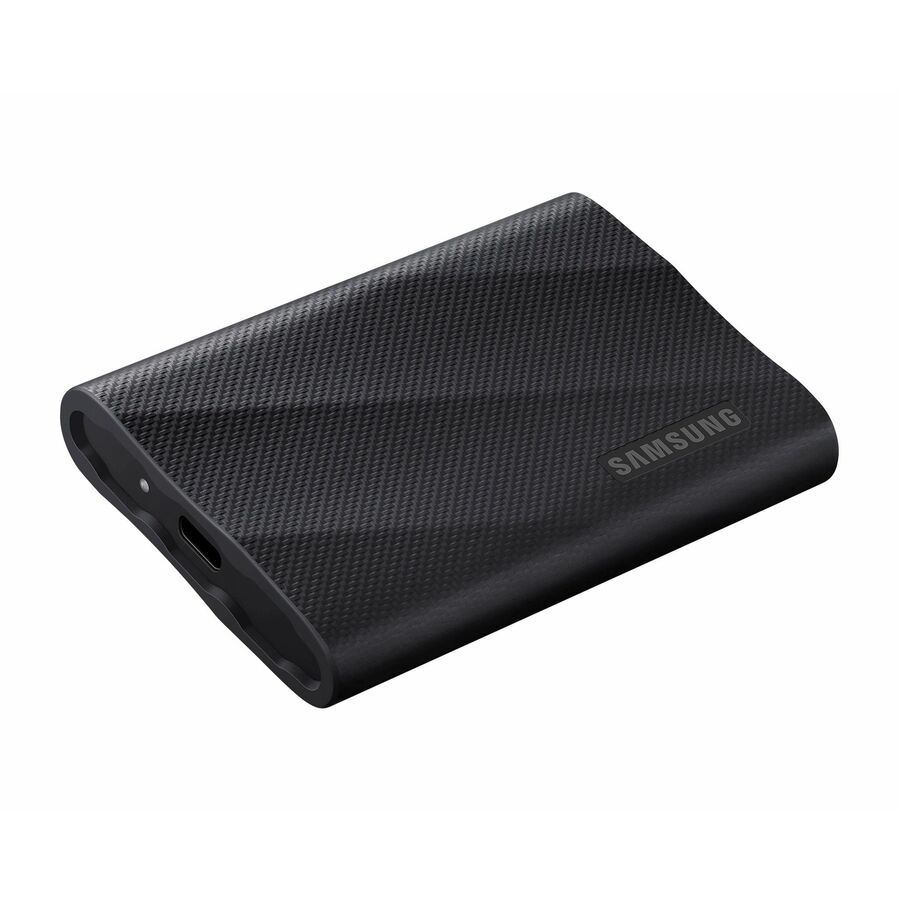
Samsung T9 2 TB Portable Solid State Drive
MU-PG2T0B/AM
Samsung's T9 2 TB portable SSD with 256-bit AES hardware encryption over USB 3.2 Gen 2 — a fast, compact external for a clinician moving a large working set quickly between machines.
Request pricingCrucial X10 Pro
Micron Technology
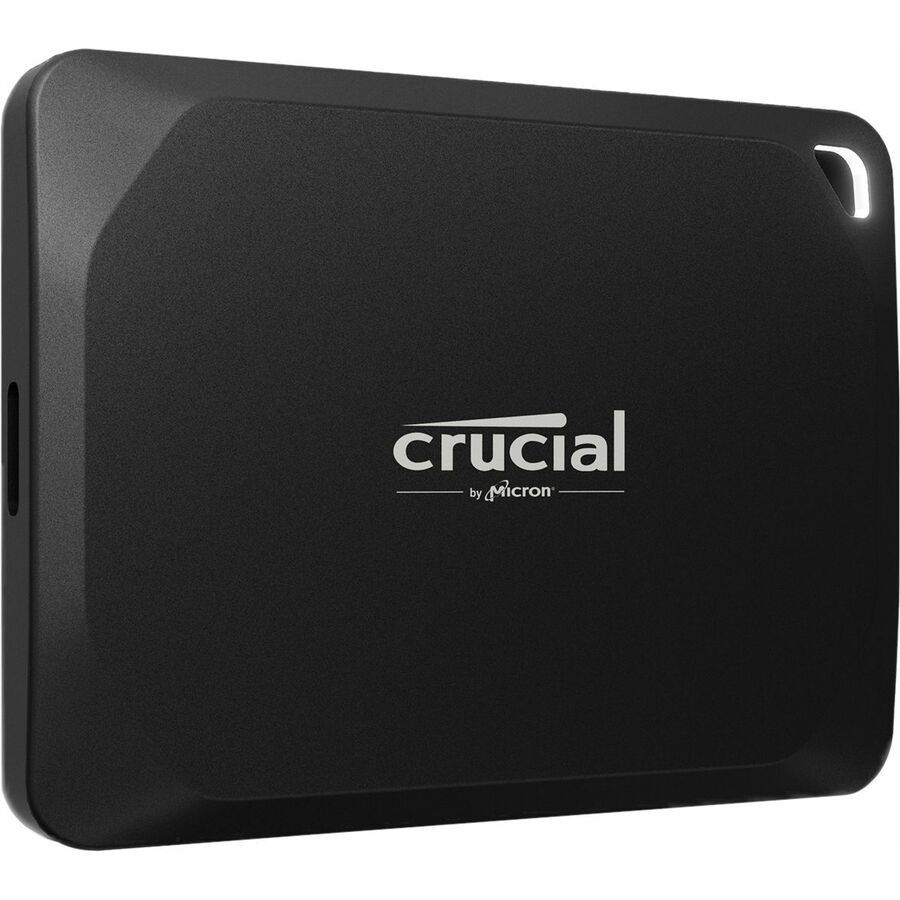
Crucial X10 Pro CT1000X10PROSSD9 1 TB Portable Solid State Drive
CT1000X10PROSSD9
The Crucial X10 Pro 1 TB portable SSD with 256-bit AES hardware encryption over USB-C — a small, high-speed secure external for a compact working set carried between sites.
$1,953.34Back-orderedTranscend ESD330C
Transcend Information
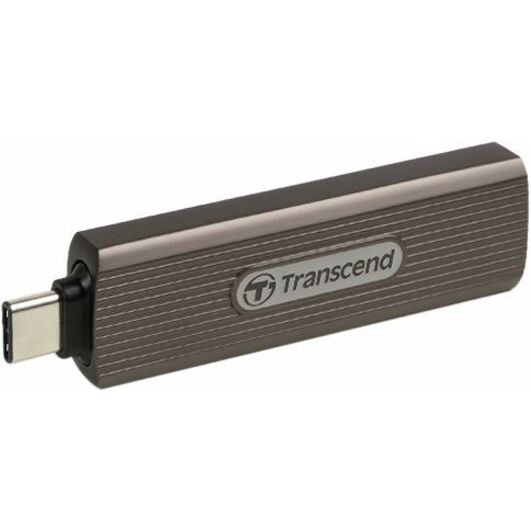
Transcend ESD330C 1 TB Portable Solid State Drive
TS1TESD330C
Transcend's ESD330C 1 TB portable SSD with 256-bit AES hardware encryption over USB-C — a light, value-tier secure external for everyday transport of a working data set.
$382.49Back-orderedMore hard drives and SSDs in the Uniqcli catalog
See all 9,677 hard drives and SSDsMore from across this category. In-stock lines lead, and a back-ordered line carries the same estimated availability its product page does — with live pricing throughout, NDAA §889 screening before checkout and TAA verified on request.
- iStorage/KanguruiStorage diskAshur3 16 TB Portable Solid State Drive | Black | Incorporated Common Criteria EAL 5+ | PIN protected | AES 256-bit Full Disk Hardware Encryption | Dust/Water Resistant | TAA Compliant - Printer, Scanner, Camera Device Supported - USB 3.2 (Gen 1) Type C - 256-bit Encryption StandardIS-DA3-256-SSD-16000-B
$15,714.34*
Back-orderedBack-ordered — estimated OEM lead time 3–8 weeks (Nov 16 – Dec 21 if ordered today).
- iStorage/KanguruKanguru Defender SSD350 8 TB FIPS 140-2 Certified - Hardware Encrypted Solid State Drive - 2.5" External - SATA (SATA/600) - Matte Black - TAA Compliant - Server Device Supported - USB 3.2 (Gen 1) - 120 MB/s Maximum Read Transfer Rate - 256-bit Encryption Standard - 3 Year WarrantyKDH3B-350F-8TSSD
$4,346.84*
Back-orderedBack-ordered — estimated OEM lead time 3–8 weeks (Nov 16 – Dec 21 if ordered today).
- iStorage/KanguruDefender SSD 35 AES 256-Bit Hardware Encrypted External Solid State Drive - Confidently store sensitive data on this military grade, hardware encrypted hard driveKDH3B-35-8TSSD
$4,314.25*
Back-orderedBack-ordered — estimated OEM lead time 3–8 weeks (Nov 16 – Dec 21 if ordered today).
- iStorage/KanguruiStorage diskAshur3 4 TB Portable Solid State Drive | Black | Incorporated Common Criteria EAL 5+ | PIN protected | AES 256-bit Full Disk Hardware Encryption | Dust/Water Resistant | TAA Compliant - Printer, Scanner, Camera Device Supported - USB 3.2 (Gen 1) Type C - 256-bit Encryption StandardIS-DA3-256-SSD-4000-B
$2,265.34*
Back-orderedBack-ordered — estimated OEM lead time 3–8 weeks (Nov 16 – Dec 21 if ordered today).
- iStorage/KanguruKanguru Defender SSD350 4 TB FIPS 140-2 Certified - Hardware Encrypted Solid State Drive - 2.5" External - SATA (SATA/600) - Matte Black - TAA Compliant - Server Device Supported - USB 3.2 (Gen 1) - 120 MB/s Maximum Read Transfer Rate - 256-bit Encryption Standard - 3 Year WarrantyKDH3B-350F-4TSSD
$2,178.21*
Back-orderedBack-ordered — estimated OEM lead time 3–8 weeks (Nov 16 – Dec 21 if ordered today).
- iStorage/KanguruDefender SSD 35 AES 256-Bit Hardware Encrypted External Solid State Drive - Confidently store sensitive data on this military grade, hardware encrypted hard driveKDH3B-35-4TSSD
$2,145.52*
Back-orderedBack-ordered — estimated OEM lead time 3–8 weeks (Nov 16 – Dec 21 if ordered today).
Need pricing on hardware-encrypted external drives?
Tell us where to reach you and a Uniqcli specialist will follow up by email with current pricing, availability and lead time for the quantities you need — including parts that aren’t shown on this page.
Buying for an organization or for yourself — both work. No payment up front.
A hardware-encrypted external drive answers one problem cleanly: a drive walks out of the building — lost in a car, left in a taxi, taken from a desk — and the data on it stays unreadable. In a clinic, a practice or a hospital IT closet, that is the difference between a mislaid drive and a serious incident, because the records and imaging these devices carry are exactly the kind that must never be readable by whoever picks them up. The drives on this page do the encryption on the device itself, in a dedicated controller, with a key that never reaches the host PC — so protection does not depend on someone remembering to switch on software encryption, and it survives the drive being pulled and read on another machine.
Read hardware encryption versus software first, because it is the whole point of the class. A software-encrypted volume is only protected while the host software is installed and enabled; move the drive to another computer and the protection can be bypassed or simply forgotten. A hardware-encrypted drive encrypts everything written to it with an on-board AES engine keyed to a credential the drive holds, so the data is ciphertext the moment it lands and stays that way anywhere. The strongest units here go further: a physical PIN keypad that unlocks the drive before it ever mounts (so the key is never typed on a keyboard that could be logged), and independent validation — FIPS 140-2 certification, FIPS 140-3 in process, or Common Criteria EAL — that the encryption is implemented the way it claims.
Then match the form factor and capacity to how the data actually moves. A pocket 2.5-inch portable or a compact SSD is right for a clinician or courier carrying a working set between sites; a desktop 3.5-inch unit with a keypad holds the larger archive that lives in a records office; and a ruggedized or fire-and-water-resistant drive suits a set that has to survive the environment as well as the thief. Decide the unlock method too — a keypad drive needs no software on the host and works on any machine, which matters for shared and locked-down workstations. Cards carry live pricing and current availability from the catalog.
Buyer's checklist
How to choose a hardware-encrypted external drive
- Insist on hardware encryption, not software. A hardware-encrypted drive encrypts on-device with a dedicated AES engine and a key the drive holds, so the data is ciphertext everywhere and protection cannot be forgotten or bypassed by moving the drive to another PC — which is exactly the failure mode a lost-drive incident turns on.
- Prefer a PIN-keypad unlock for shared and locked-down PCs. A keypad drive authenticates on the device before it mounts, needs no client software on the host, and works on any machine — so the credential is never typed on a host keyboard, and a locked-down or shared workstation can still use it.
- Read the validation, and read what it actually says. FIPS 140-2 'certified', FIPS 140-3 'Level 3 pending', and Common Criteria EAL are distinct claims printed in the drive's own title; where a program or contract asks for a validation level, buy the model that states it rather than assuming a family carries it.
- Match the form factor to how the data travels. A 2.5-inch portable or compact SSD suits a working set carried between sites; a 3.5-inch desktop unit with a keypad holds the larger records-office archive; a ruggedized or fire-and-water-resistant drive suits a set that must survive the environment, not only the thief.
- Size capacity to the working set, and keep a copy elsewhere. An encrypted external is a secure transport and a second copy, not the only copy — pair it with a backup so an encrypted drive that fails or is wiped after too many wrong PIN attempts does not take the data with it. Size it to the set that actually moves rather than the whole archive.
- Check the interface and speed against the volume. USB-C and USB 3.2 units move a large imaging set quickly; a keypad HDD is slower but higher-capacity for archive; confirm the connector matches the fleet's ports and that the read speed suits how much data crosses the drive in a working session.
- Plan the fleet, not just the drive. Standardize on one or two models so unlock behavior, admin/user PIN policy and brute-force lockout are consistent across a team; specify a spare or two so a failed or locked drive does not stall the work while a replacement is sourced.
Hardware encryption, keypad unlock and independent validation
The value of every drive on this page is that the encryption is not optional and not the host's job. An on-board controller encrypts everything written with AES-256 and holds the key itself, so the contents are ciphertext the instant they are written and stay that way if the drive is pulled and read elsewhere. The keypad models add the strongest unlock story: a PIN entered on the drive's own buttons authenticates before the drive mounts, which means the credential is never typed on a computer that could be keylogged, and the drive works on any machine with no software installed — the right fit for shared, imaged and locked-down workstations.
Where a requirement names a validation level, buy the model that names it back. FIPS 140-2 certification, FIPS 140-3 validation in process, and Common Criteria EAL are separate, specific claims, and the titles here state which a given part carries — iStorage's diskAshur PRO3 (FIPS 140-3 Level 3 pending, Common Criteria EAL 5+), Kanguru's Defender lines (FIPS 140-2 certified), Apricorn's Aegis FIPS models. Read the claim on the exact part number rather than assuming the family carries it uniformly, because within one range some models are validated and some are not.
Form factor, capacity and buying the fleet as one
Match the drive to the journey. A pocket 2.5-inch portable or a compact SSD is what a clinician, records clerk or courier carries between sites with a working set; a 3.5-inch desktop unit with a keypad holds the larger archive that lives in a records office and rarely leaves it; and a fire- and water-resistant unit protects a set that has to survive the room, not only the thief. An encrypted external is always a secure transport and a second copy — never the only copy — so it belongs beside a backup, not in place of one.
Buy the whole picture at once. Send us the working-set size, whether the drives travel or stay put, whether a validation level is required, and how many people carry one, and we will come back with part numbers, availability, lead times and volume pricing — with the spare units and the admin-PIN policy on the same document, so a team standardizes on one behavior rather than a drawer of mismatched drives. Several models here are TAA-designated in the manufacturer's own catalog title; where an order carries a country-of-origin clause, request a TAA-verified quote and screening is performed before it is issued, tied to the specific part number.
FAQ
Common questions
- What is the difference between hardware and software drive encryption?
- Where the encryption lives, and whether it can be bypassed. Software encryption is applied by a program on the host computer; it protects the data only while that software is installed and enabled, and moving the drive to another machine can bypass it or leave it simply switched off. Hardware encryption is done on the drive itself by a dedicated AES engine, using a key the drive holds and the host never sees, so everything written is ciphertext the moment it lands and stays encrypted anywhere the drive is plugged in. For a drive whose whole job is to carry sensitive records out of the building safely, hardware encryption is the property that makes a lost drive a non-event rather than an incident.
- Why choose a PIN-keypad drive over a software-managed one?
- Because the unlock happens on the drive, not on the computer. A keypad drive authenticates with a PIN entered on its own buttons before it ever mounts, so the credential is never typed on a host keyboard that could be logged, and the drive needs no client software — it works on any machine, including the shared, imaged and locked-down PCs common in healthcare settings where you cannot install a vendor agent. That independence from the host is also why keypad drives cross between Windows, Mac and even equipment PCs without a driver. The trade-off is that you must manage PINs and lockout policy, which is why standardizing a fleet on one keypad model is worth doing.
- What do FIPS and Common Criteria mean on these drives?
- They are independent validations that the encryption is built the way it claims, and they are specific — read the exact wording on the part. 'FIPS 140-2 certified' means the cryptographic module passed that US government standard's testing; 'FIPS 140-3 Level 3 pending' means validation to the newer standard is in process, not yet complete; and 'Common Criteria EAL' is a separate international assurance level. The titles here state which claim a given model carries, and within one product range some models are validated and some are not. Where a program or contract requires a validation level, buy the model that states it on its own label rather than assuming the family carries it, and confirm the exact part number.
- Can I use one encrypted drive as my only copy of the data?
- No — treat an encrypted external as a secure transport and a second copy, never the sole copy. These drives protect confidentiality extremely well, but they are still single devices that can fail, be physically lost, or be wiped by their own brute-force protection after too many wrong PIN attempts, which is a deliberate security feature, not a fault. The safe pattern is an encrypted drive alongside a separate backup — a second encrypted drive or a secured server or NAS — so a lost, failed or locked drive costs you the device and not the data. Size the drive to the working set that actually moves rather than trying to carry the whole archive on one unit.
- Are these external drives TAA compliant?
- It is a per-part-number fact, not a brand rule, and this page is mixed: several models carry a TAA designation in the manufacturer's own catalog title while otherwise similar models do not. Where our catalog data records a part number as TAA compliant, that is what we are reporting on the card. Where an order carries a country-of-origin clause, request a TAA-verified quote and read the designation on the exact part number ordered — screening is performed before the quote and screening results are available with it, tied to that part number and never restated as a Uniqcli certification.
- Can business, government and education buyers order these?
- Every line Uniqcli quotes is sourced through US distribution and screened for TAA country-of-origin and NDAA §889 status before checkout — with documentation tied to the specific part number, not a product family.
Need hardware-encrypted external drives pricing?
Send a bill of materials or part numbers — we confirm stock and a below-market total, with TAA verified on request. No payment up front.