
Short answer
Dedicated internet access commits a stated rate to one customer on an unshared, symmetrical circuit under an SLA that puts numbers on availability, repair time, latency, jitter and loss. Shared internet sells an up-to speed across a pool of subscribers with no commitment at peak hours. Choose dedicated for sites that host, back up or owe uptime; choose shared for branches that browse.
Key facts
- A dedicated circuit is sold on a committed information rate; under MEF 10.4 traffic within the CIR is service-assured and the SLA applies to it.
- A shared plan's number is a ceiling: carrier pages describe performance as up to the advertised speed, depending on local network usage.
- Dedicated circuits are symmetrical by definition; shared plans are asymmetrical on nearly every tier, with the upstream a fraction of the downstream.
- A DIA SLA states availability, mean time to repair, latency, jitter and packet loss, and pays a credit when a figure is missed; shared plans carry none.
- Dedicated circuits are provisioned with static or BGP routing and customer subnets from /30 to /24 (Equinix); on shared plans a static address is an add-on.
- The FCC's fixed broadband benchmark is 100 Mbps down and 20 Mbps up (March 2024), the floor a shared business plan is measured against.
Dedicated internet access (DIA) and shared internet are two ways to buy the same thing, a path to the public internet, under two different contracts. A dedicated circuit commits a stated rate to one customer: the bandwidth on that physical connection is not shared with anyone else, it is the same in both directions, and a service-level agreement states what the carrier owes on availability, repair time, latency, jitter and packet loss. A shared plan, whether cable, GPON fiber sold in tiers or fixed wireless, sells a rate "up to" a ceiling across a pool of subscribers, with no commitment on what any one of them gets at 2 p.m. on a Tuesday.
The buying question is not which one is better. It is whether the site's work tolerates a best-effort connection or needs a committed one. A branch office that browses, emails and takes a few video calls is served well by a shared business plan at a fraction of the cost. A site that hosts anything, backs up to a cloud target overnight, runs a call center, carries a VPN concentrator or has an uptime clause in someone else's contract needs the rate and the remedies a dedicated circuit comes with. This page separates the two on the terms that matter, and points to the circuit pages when it is time to quote one.
At a glance
Side by side
| Factor | Dedicated internet access (DIA) | Shared internet (business broadband) |
|---|---|---|
| Bandwidth commitment | A committed information rate (CIR): traffic within it is service-assured, and the carrier is measured against it | An "up to" speed; the plan describes a ceiling, not a floor, and the carrier commits to nothing below it |
| Who shares the line | The bandwidth on the physical circuit belongs to one customer; the only contention is the customer's own users | A pool of subscribers shares the access segment, a cable node or a PON split, and peak-hour load comes from the neighbors |
| Symmetry | Symmetrical by definition; upload equals download at the committed rate | Asymmetrical on nearly every plan; the upstream is a fraction of the downstream |
| Service-level agreement | Availability, mean time to repair, latency, jitter and packet loss are stated, measured and credited when missed | None on performance; a repair is a trouble ticket with no committed clock |
| Addressing | Static public addresses are normal, and a block or a BGP session can be ordered for sites that host infrastructure | Dynamic addressing by default; a static address, and with some operators a small block, is an add-on |
| Monitoring and support | Carrier monitors the circuit and its edge device; enterprise support with a committed response | Business-class support hours on a shared plan; the operator sees the node, not the customer's link |
| Delivery | Fiber almost without exception, as an active Ethernet handoff or a PON allocation; a build to the address if no fiber entrance exists | Whatever serves the address today: coax, PON fiber in tiers, fixed wireless or LTE/5G |
| Provisioning | A carrier order with a site survey and, often, construction; the longest line on a rollout plan | Days to a few weeks where the drop exists; self-install kits on many plans |
| Cost basis | Priced per circuit and per committed megabit; the customer pays for the whole rate whether it is used or not | Priced per plan tier across a shared plant; the lowest cost per megabit in exchange for no commitment |
| Who it fits | Sites that host, back up, take calls, run VPN concentrators or carry an uptime obligation to someone else | Branches that browse, email and collaborate, and any site where a failover link rather than a second circuit is the right hedge |
What "committed" means on the contract
The term that separates the two products is the committed information rate. MEF 10.4, the industry specification for subscriber Ethernet services, describes a subscriber's traffic in terms of a committed rate, the CIR, and an excess rate, the EIR: frames within the committed rate are service-assured and the service-level specification applies to them, frames in the excess band are delivered when capacity allows and are exempt from it, and frames beyond both are dropped. A dedicated internet circuit is sold on that model. The rate on the order is a CIR, and the SLA's latency, jitter, loss and availability figures are promises about traffic inside it.
A shared plan has no CIR. The advertised number is a ceiling the access segment can deliver when nobody else is using it, and the carrier's own pages say so: performance is "up to" the advertised speed and depends on local network usage. That is not a defect; it is the pricing model. A cable node or a PON split shares its capacity among every subscriber on it, and selling a ceiling rather than a floor is what makes a shared plan cost a fraction of a circuit.
Contention: where the shared plan's speed goes at 2 p.m.
Every access technology except a dedicated circuit shares its last segment. On cable, every modem on a coax node shares that node's downstream and upstream spectrum; on a passive optical network, every optical network terminal on a splitter shares one port on the carrier's line terminal; on fixed wireless, every subscriber on a sector shares the sector. The ratio of subscribers to the capacity they share is the contention ratio, and it is set by the operator, not printed on the plan. When the neighbors are busy, the plan delivers less than its ceiling, and the operator has committed to nothing that says otherwise.
A dedicated circuit removes the neighbors. The bandwidth on that physical connection belongs to one customer, so the only contention is the customer's own traffic, which the customer can see, shape and plan for. That is why a dedicated circuit holds its rate at the same level regardless of the time of day, and why the carrier can put numbers on latency and jitter: it controls the whole path from the customer's demarc to its core.
Reading a DIA service-level agreement
An SLA is a list of measurements and the credit the carrier owes when it misses them. The usual entries are availability, stated as a percentage of the month the circuit is up; mean time to repair, the clock that starts when a trouble ticket is opened; and the network performance figures, round-trip latency, jitter and packet loss, measured across the carrier's network rather than to an arbitrary internet host. The remedy is a bill credit, and it is claimed, not automatic, so the customer's own monitoring is what proves a miss. Read the measurement points before the percentages: an SLA measured core-to-core says nothing about the last mile unless the last mile is named.
The other half of the agreement is what the carrier watches. A dedicated circuit is normally monitored by the carrier down to the edge device it installs, with alarms raised on its side before a user calls. On a shared plan the operator watches the node; the customer's link is invisible to it until a ticket is opened. For a site that carries an uptime clause to a customer of its own, that difference is the reason the circuit exists.
Static addresses, hosting and the second link
A site that hosts anything reachable from the internet, a VPN concentrator, a mail relay, a customer portal, a camera system with remote access, needs addresses that do not change. Static public addresses are the normal state of a dedicated circuit, and a block or a BGP session can be ordered when the site announces its own space; on a shared plan a static address, or with some operators a small block of them, is an add-on where the operator offers one and a block is unusual. The AT&T and Verizon business pages both draw the line here: static addressing and on-site hosting are listed among the reasons to move to a dedicated product.
The circuit is not the whole design. A dedicated circuit and a shared plan from a different carrier on a different medium, or an LTE/5G failover router, cover each other's failure modes at a fraction of a second circuit's cost, and an SD-WAN or dual-WAN edge decides which traffic rides which link. The circuit is quoted per address on the connectivity pages; the edge router, the firewall it lands on and the failover path are equipment we quote and stage, and they are the picks below.
Choose dedicated internet access when
- The site carries an uptime, latency or repair-time obligation to someone else, and needs a carrier's SLA behind it
- Uploads matter as much as downloads: backups to a cloud target, video and voice at volume, replication, remote access into the site
- The site hosts services that need static public addresses, a block, or its own BGP announcement
- The traffic must hold its rate at peak hours because a shared node's afternoon slowdown would be a business problem
Choose shared business internet when
- The site browses, emails and collaborates, and the work tolerates a best-effort rate at peak hours
- A dedicated circuit is not built to the address yet and the site has to open before it is
- The budget buys more sites or a second, diverse link with a shared plan than it would with one circuit
- The plan is the failover behind a dedicated circuit rather than the primary path
Bottom line
Buy dedicated for any site that hosts, backs up or owes uptime; buy shared for branches that browse. A dedicated circuit commits a rate to one customer and puts numbers and credits on availability, repair and performance; a shared plan sells a ceiling across a pool of neighbors for a fraction of the cost. Decide on what the site owes and what it uploads: an uptime obligation, hosted services or a heavy upstream load call for the circuit, and everything else is well served by a shared business plan with a diverse failover link beside it. Most estates run both, a circuit at the sites that carry obligations and shared plans everywhere else, with the edge router choosing the path.
Products for this decision
Branch failover behind a circuit
ERICSSON
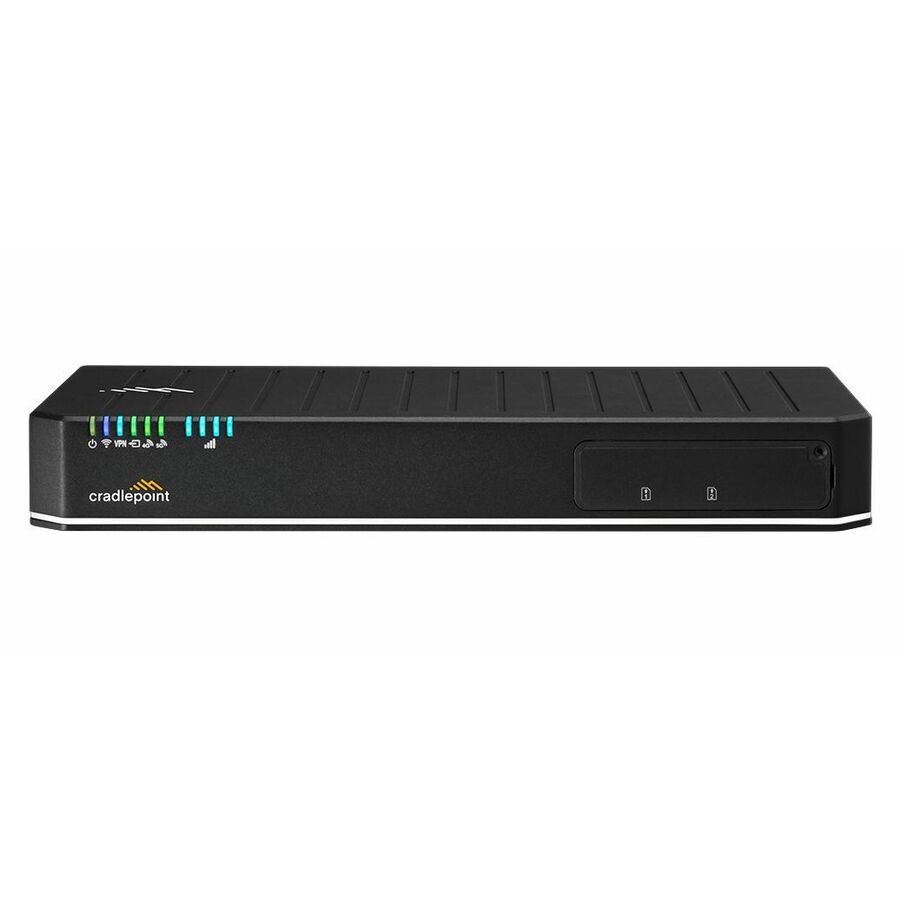
CradlePoint E3000-5GB Wi-Fi 6 IEEE 802.11ax 2 SIM Ethernet, Cellular…
BFN5-30005GB-GN
CradlePoint's E3000 with a 5G modem and two SIMs: the failover path that keeps a branch up when the primary circuit fails, on a different medium from the fiber it backs up.
The router is the hardware line; the NetCloud subscription that licenses it is quoted with its term.
Request pricingSmall-site edge with 5G
ERICSSON
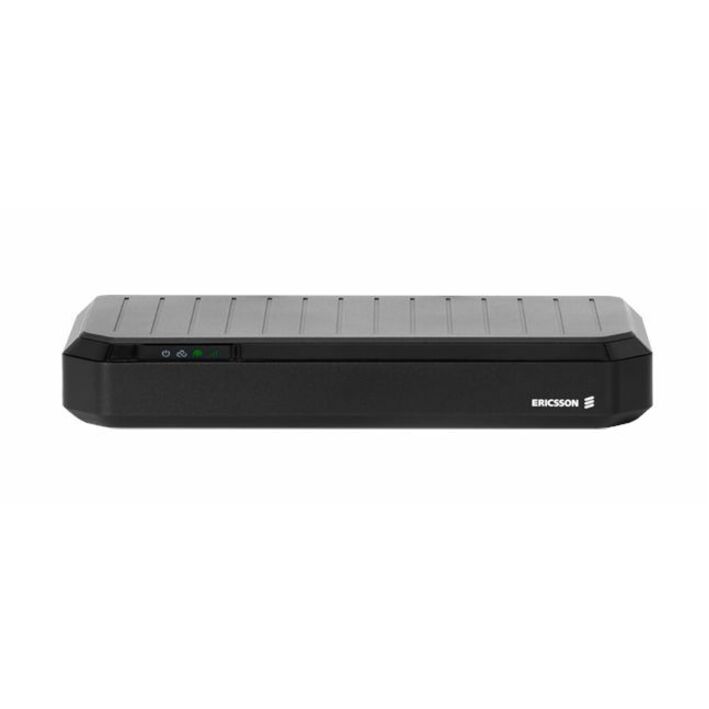
CradlePoint E400-5GE-AM Wi-Fi 7 IEEE 802.11be/k/v 2 SIM Ethernet…
BLM5-E400-5GE-AM-N
The E400 5G with Wi-Fi 7 for a smaller site: a dual-SIM cellular WAN beside the wired one, so a shared plan and a cellular link cover each other's failure modes.
Confirm carrier band support for the site's address before ordering the SIM plan.
Request pricingRuggedized site edge
ERICSSON
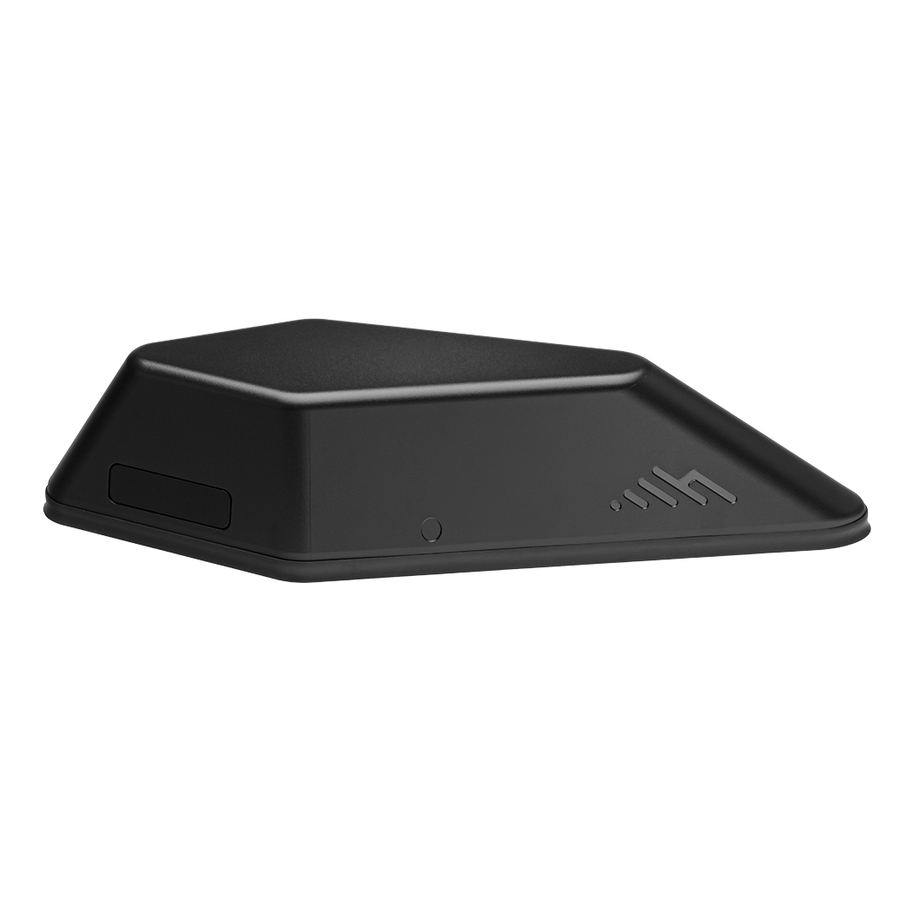
CradlePoint R2105 Wi-Fi 6 IEEE 802.11ax 2 SIM Cellular, Ethernet…
MBA5-2105-5GB-GA
The R2105 5G router for a kiosk, cabinet or vehicle where the cellular link is the primary path and a wired plan, when one exists, is the second.
Mounting and antenna placement decide cellular performance more than the plan tier does; plan the survey with the order.
$4,479.69Back-orderedFAQ
Common questions
- Is dedicated internet worth it?
- It is worth it where the site owes something it cannot deliver on a best-effort plan: an uptime or repair clock to a customer, hosted services on static addresses, or an upstream load that a shared plan's afternoon slowdown would break. For a branch that browses and collaborates it usually is not, and the money buys more with a shared business plan and a diverse failover link. Price the circuit against the cost of the outage it prevents, not against the shared plan's monthly fee.
- What does dedicated Internet access mean?
- It means a circuit whose bandwidth belongs to one customer: a committed rate that is not shared with anyone else, the same in both directions, delivered under a service-level agreement that states availability, repair time, latency, jitter and packet loss and credits the customer when a figure is missed. It is delivered on fiber almost without exception, with static public addressing as the normal state, and it is quoted and built per address.
- Is FWA better than fiber?
- Fixed wireless access is a shared medium with a radio path in it, so it is a best-effort service by construction: subscribers on a sector share the sector, and weather, line of sight and load all move the rate. Fiber is where a committed circuit is delivered. FWA is a good primary link where nothing else reaches the address and a good failover beside a circuit; it is not a substitute for a dedicated circuit at a site that carries an obligation.
- What is a contention ratio?
- The ratio of subscribers to the capacity they share on an access segment: a cable node, a PON splitter or a wireless sector. It is set by the operator and is not printed on the plan, which is why a shared plan's speed is described as up to a ceiling. A dedicated circuit has no contention ratio in that sense; the only competition for its bandwidth is the customer's own users.
- Do I need a dedicated circuit to get a static IP address?
- No, but a dedicated circuit is where static addressing is the normal product. Many operators sell a static address, or a small block, as an add-on to a business plan, which is enough for a VPN endpoint or a camera system. A block of addresses, or a BGP session so the site can announce its own space, is ordered on a dedicated circuit; sites that host infrastructure are the case the carrier pages name for moving to one.
- Can a dedicated circuit and a shared plan run together?
- Yes, and most multi-site estates do. A dedicated circuit at the sites that carry obligations, a shared plan on a different medium or an LTE/5G router as the second link, and an SD-WAN or dual-WAN edge that steers each application to the path that meets its policy. The circuit is quoted per address; the edge router, the firewall and the failover path are equipment quoted and staged with it.
Sources
- 1.MEF 10.4 — Subscriber Ethernet Service Attributes (committed and excess information rate, service-level specification)mplify.net
- 2.Verizon Business — Difference between shared and dedicated internetverizon.com
- 3.AT&T Business — Dedicated Internet vs high-speed (shared) internetbusiness.att.com
- 4.CableLabs — DOCSIS 3.1 technology (shared-node downstream and upstream capacity)cablelabs.com
- 5.FCC news release, March 14, 2024 — broadband speed benchmark raised to 100/20 Mbpsdocs.fcc.gov
- 6.Equinix Internet Access — IP address allocation (static, direct and BGP routing configurations; customer IPv4 subnets /30 to /24)docs.equinix.com