
Short answer
Toner is a dry powder that a laser or LED printer fuses to the page with heat; ink is a liquid that an inkjet sprays through nozzles. They are not interchangeable — the printer decides which it takes. To compare running cost, divide each cartridge by its declared ISO page yield rather than comparing printer prices.
Key facts
- Toner is a dry powder fused to the page by heat in an electrophotographic printer; ink is a liquid sprayed by an inkjet.
- Mono toner yield is declared to ISO/IEC 19752 and colour toner yield to ISO/IEC 19798; inkjet cartridge yield uses ISO/IEC 24711.
- Those ISO standards fix page coverage, printer settings and test conditions, so declared yields from different manufacturers compare.
- Declared yield is per cartridge, so cost per page — not cartridge price — is the only figure that compares a toner against an ink.
- A cartridge fits one print technology: a laser printer takes toner, an inkjet takes ink, and neither accepts the other.
Nobody chooses between toner and ink for an existing machine. A laser printer takes toner and an inkjet takes ink, the cartridges are not interchangeable in either direction, and ordering the wrong one is a returns ticket rather than a debate. The question is really being asked in one of two situations: someone is holding a model number and wants to know which consumable to buy, or someone is specifying a printer and wants to know which technology will cost less to run over a three-year term.
For the first situation the answer is on the printer. Laser and LED machines are electrophotographic: a charged drum picks up powdered toner and a heated fuser bonds it to the sheet, which is why a page leaving a laser printer is warm. Inkjets spray liquid through a print head, which is why the output is briefly damp and why a machine left unused for weeks can arrive at a clogged nozzle.
For the second situation, ignore the headline printer price and compare cost per page. Both technologies declare cartridge yields against published ISO standards precisely so the numbers can be put next to each other, and a high-yield ink cartridge can out-yield a small toner. Divide what a cartridge costs by the pages it is declared to produce, do it for every cartridge the machine needs including colour, and the two technologies stop being a matter of opinion.
At a glance
Side by side
| Factor | Toner | Ink |
|---|---|---|
| Physical state | Dry powder — fine polymer and pigment particles | Liquid — a dye or pigment suspension |
| Printer type | Laser and LED electrophotographic printers and MFPs | Inkjet printers and MFPs |
| How it reaches the page | A charged drum picks up powder; a heated fuser bonds it to the sheet | Thermal or piezo nozzles spray droplets straight onto the sheet |
| Yield standard | ISO/IEC 19752 for mono, ISO/IEC 19798 for colour | ISO/IEC 24711 |
| What the standard fixes | Page coverage, printer settings and test conditions, so yields compare | The same, which is why an ink yield and a toner yield can be set side by side |
| Comparing running cost | Cartridge cost divided by declared pages, summed over every cartridge the machine takes | Same method — a high-yield ink cartridge can out-yield a small toner |
| Idle behaviour | Powder does not dry, so long gaps between jobs are not a problem | Nozzles can dry or clog on a machine left unused |
| Other consumables | Drum, fuser and transfer units are separate wear items on many models | Print head sits in the cartridge or the printer; some models add a maintenance box |
| Where each fits | Shared office volume, long mono runs, output handled while still warm | Low-volume desks, wide colour gamut, photo and label work |
Buy toner when
- The machine is a laser or LED printer or MFP — it takes nothing else
- The site prints in bursts with weeks of nothing in between and cannot afford a clogged head
- Mono document volume is the workload and pages have to come out fast and dry
- Several people share one machine and cartridge changes should be rare
Buy ink when
- The machine is an inkjet printer or MFP — it takes nothing else
- Colour fidelity across a wide gamut matters more than pages per minute
- The output is photographic, on heavy or coated stock, or on media a fuser would not tolerate
- The desk prints a little of everything and a high-yield cartridge covers months of it
Bottom line
For an existing machine there is no decision: read the model number, order the consumable it takes, and check that the cartridge is listed for that exact model rather than the family. For a new machine, the honest comparison is cost per page over every cartridge the printer needs, using yields declared to ISO/IEC 19752, 19798 and 24711 so the figures are on the same basis. Laser wins on shared office volume and on tolerance of long idle periods; inkjet wins on colour range, on media a fuser cannot handle, and on desks where a single high-yield cartridge lasts most of a year. Neither is universally cheaper, and the printer's own supplies list settles it faster than any general rule.
Products for this decision
Laser toner
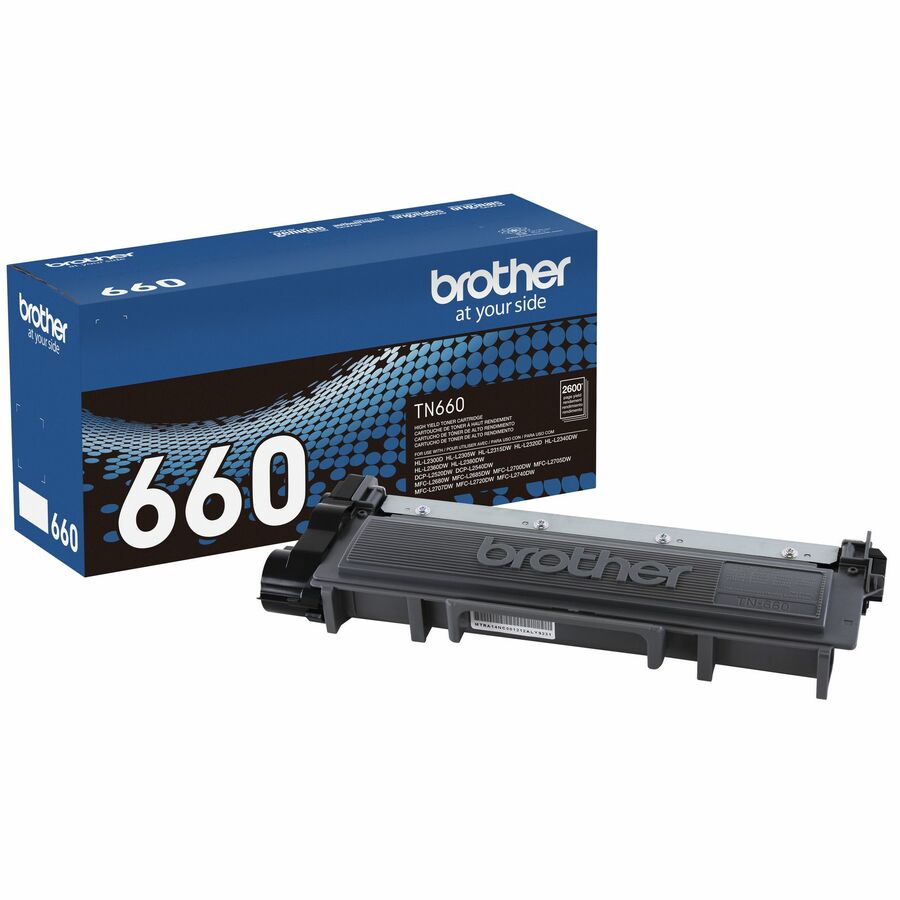
Brother Industries
Brother Genuine TN660 High Yield Black Toner Cartridge
TN660
A high-yield black toner cartridge for Brother mono laser printers — the consumable a shared office machine gets through, with no drying risk between jobs.
Check the cartridge against the exact printer model, not the product family.
$91.64In stockHigh-yield ink
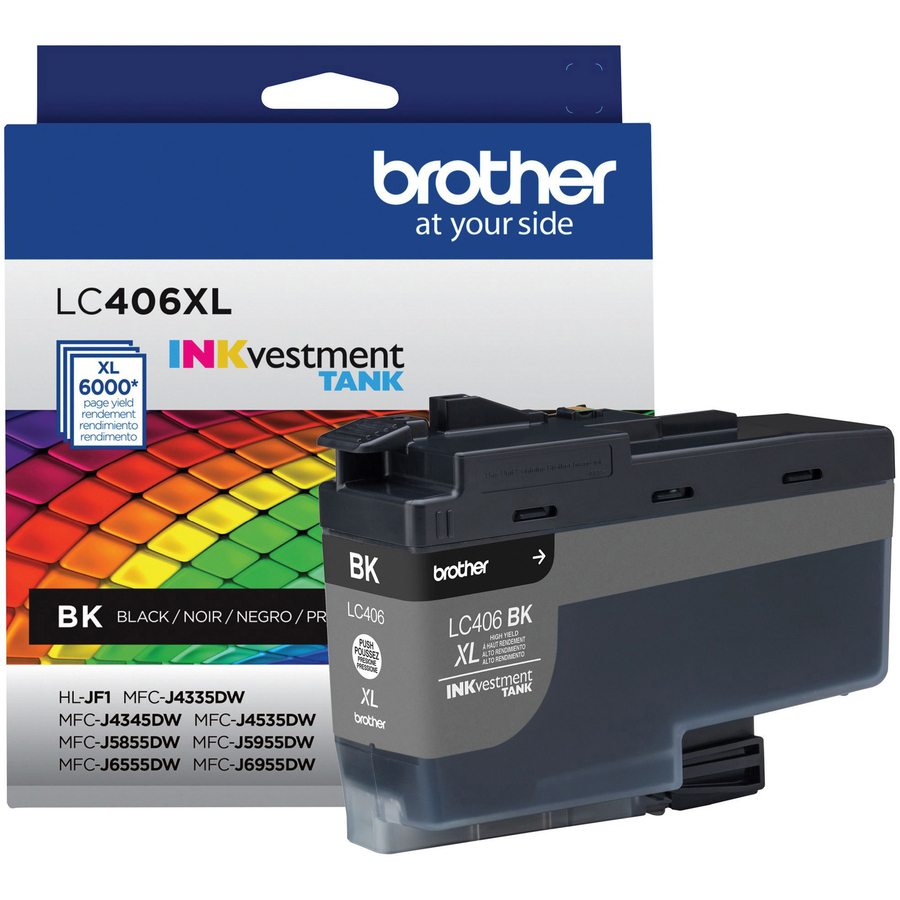
Brother Industries
Brother INKvestment LC406XLBK Original High Yield Inkjet Ink Cartridge
LC406XLBKS
A Brother INKvestment high-yield black inkjet cartridge declared at 6,000 pages — the ink side of the cost-per-page comparison, at toner-class yield.
$90.91Back-orderedStandard-yield ink
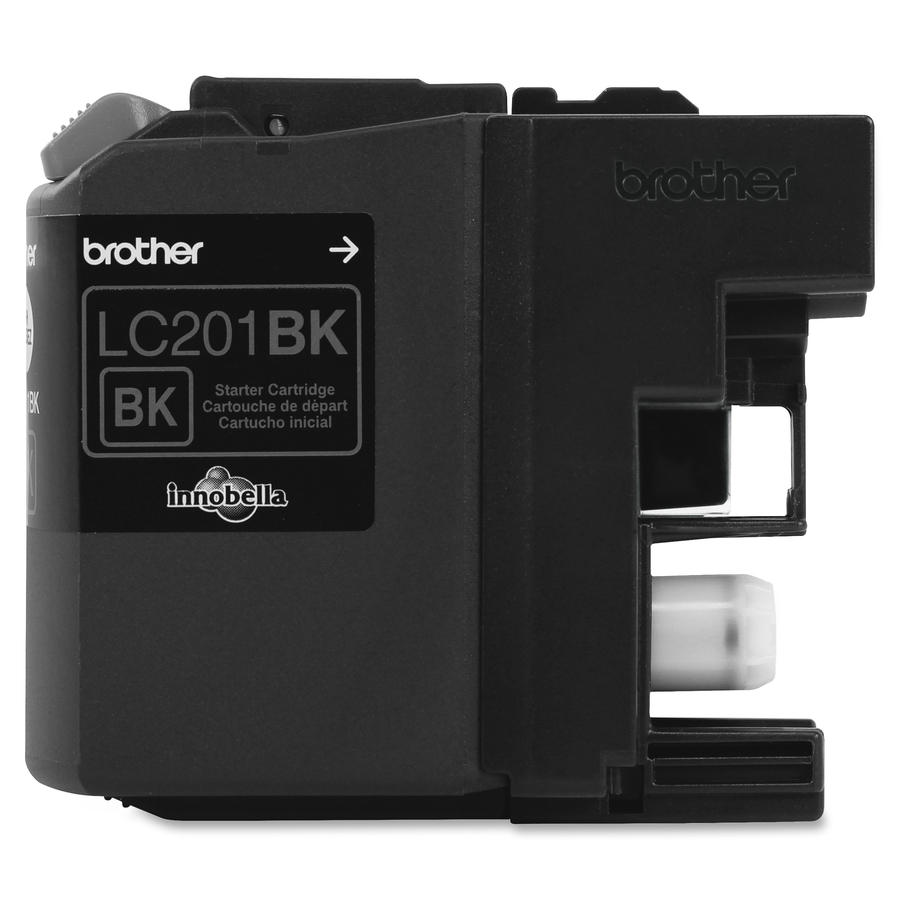
Brother Industries
Brother Genuine Innobella LC201BK Black Ink Cartridge
LC201BK
A standard-yield black inkjet cartridge declared at 260 pages, which is what makes the cost-per-page arithmetic worth doing before a fleet decision.
Request pricingFAQ
Common questions
- How do I know if I need ink or toner?
- Read the printer, not the cartridge. A laser or LED printer takes toner; an inkjet takes ink. The manufacturer's supplies list for that exact model number is the authoritative answer, because cartridge families are narrow and a part that fits the model above yours often will not seat.
- Is toner just black ink?
- No. Toner is a dry powder of polymer and pigment that a heated fuser bonds to the paper; ink is a liquid sprayed through nozzles. They are different materials handled by different mechanisms, which is why an inkjet cannot use toner and a laser printer cannot use ink.
- Does ink last longer than toner?
- Not as a rule — it depends on the cartridge. Both technologies declare yields against ISO standards, and a super-high-yield ink cartridge can be declared at thousands of pages while a small toner is declared at a few hundred. Compare the declared yields for the two specific cartridges rather than the technologies.
- Is toner used instead of ink?
- Only in the sense that a laser printer uses toner where an inkjet would use ink. It is not a substitution you can make on a given machine: the imaging path, the drum and the fuser are built around one or the other, and the cartridges are physically and electrically different.
- How do I compare toner and ink running costs?
- Take each cartridge the printer needs, divide its cost by its declared ISO page yield, and add up the result for a full set including colour where the machine uses it. That gives cost per page on a common basis. Then check the machine's other wear items — drums, fusers and maintenance boxes have their own replacement intervals and belong in the same sum.
Sources
- 1.Xerox — Toner yields and the ISO yield standardsxerox.com
- 2.Lexmark — ISO page yieldslexmark.com
- 3.IEC — ISO/IEC 19752, monochrome toner cartridge yieldwebstore.iec.ch
- 4.IEC — ISO/IEC 19798, colour toner cartridge yieldwebstore.iec.ch