
Best Bulk Ethernet Cable for Installers
Solid-conductor Cat6 and Cat6A bulk cable in 1000ft and 500ft boxes and spools — each card stating its category, jacket rating and shielding.
Bulk Ethernet cable in stock at Uniqcli
How to choose →A curated selection with live pricing — in-stock lines first, then back-ordered lines with a typical lead time. Every line is sourced through US distribution and screened for NDAA §889 status before checkout, with TAA verified on request.
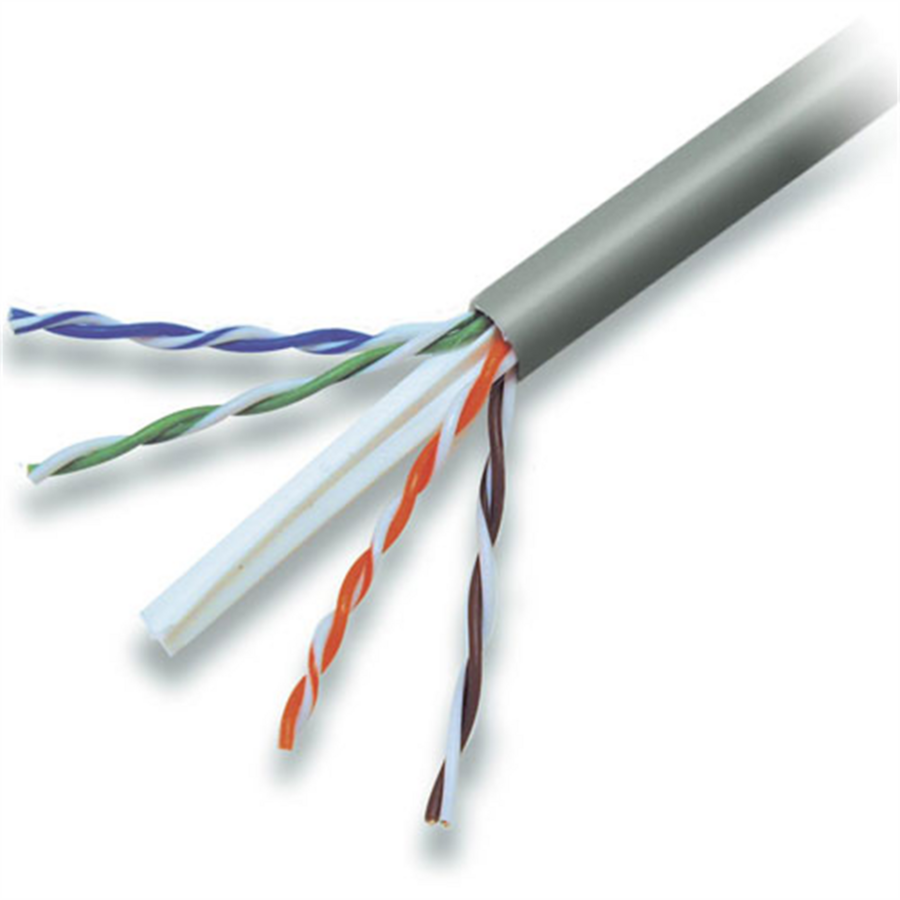
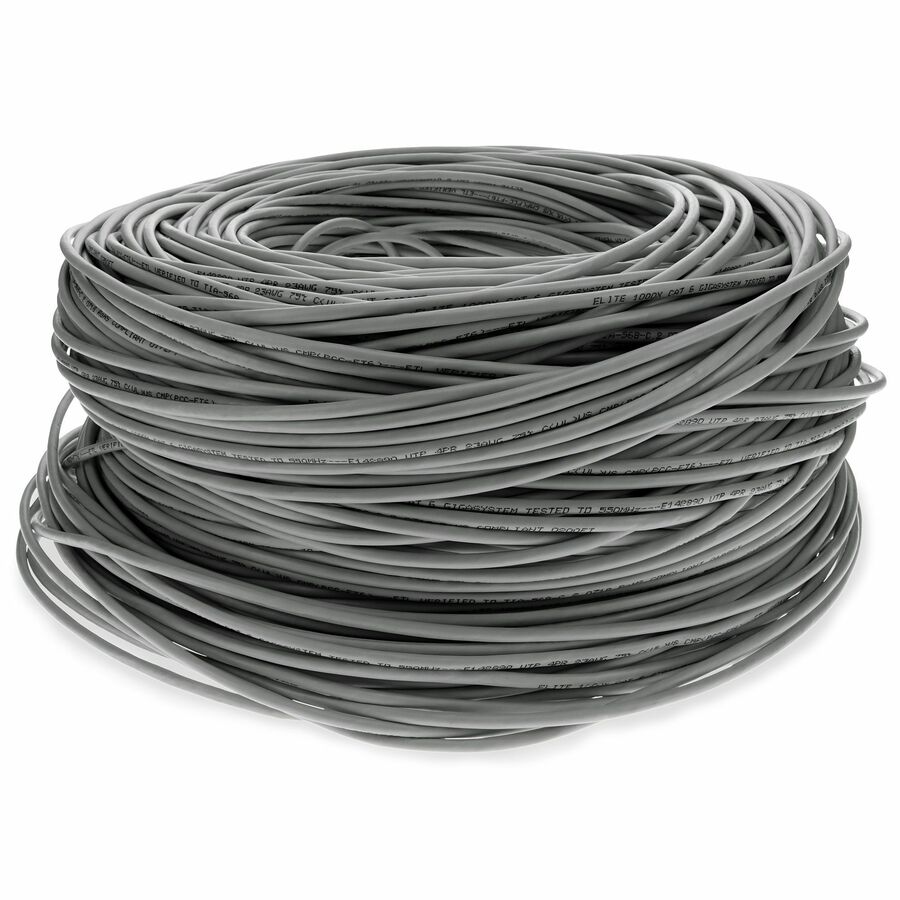
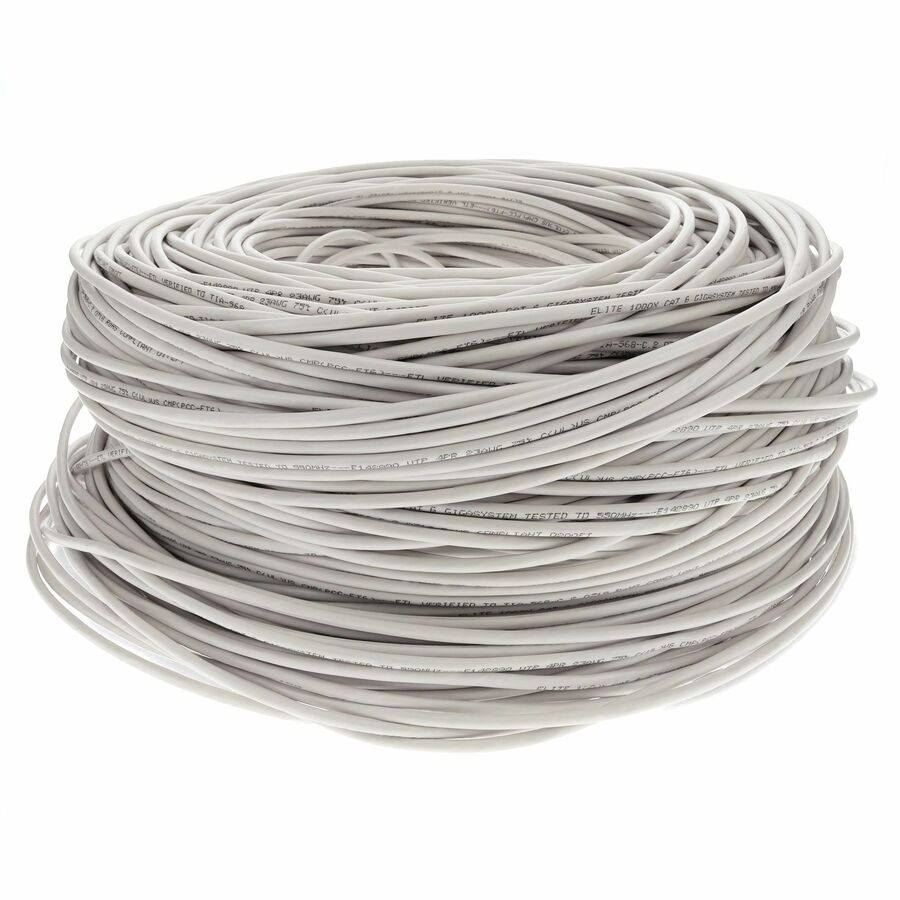
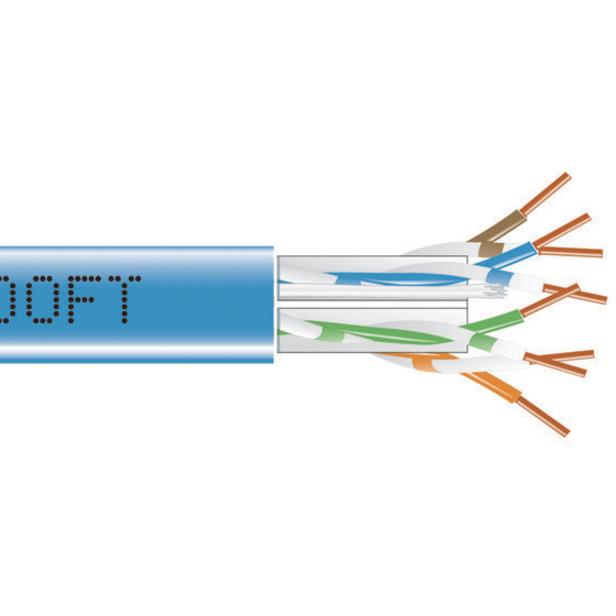
- AddOnAddOn 1000ft Non-Terminated Gray CAT5E PVC Solid Bulk Cable CAT 5E - 1000 ft Category 5e Network Cable for Network Device, Patch Panel, Hub, Switch - First End: Bare Wire - Second End: Bare Wire - 1 Gbit/s - Patch Cable - Unshielded Twisted Pair (UTP) - 24 AWG - Gray - 1.0ADD-CAT5EBULK1K-GY
$326.00
$299.92
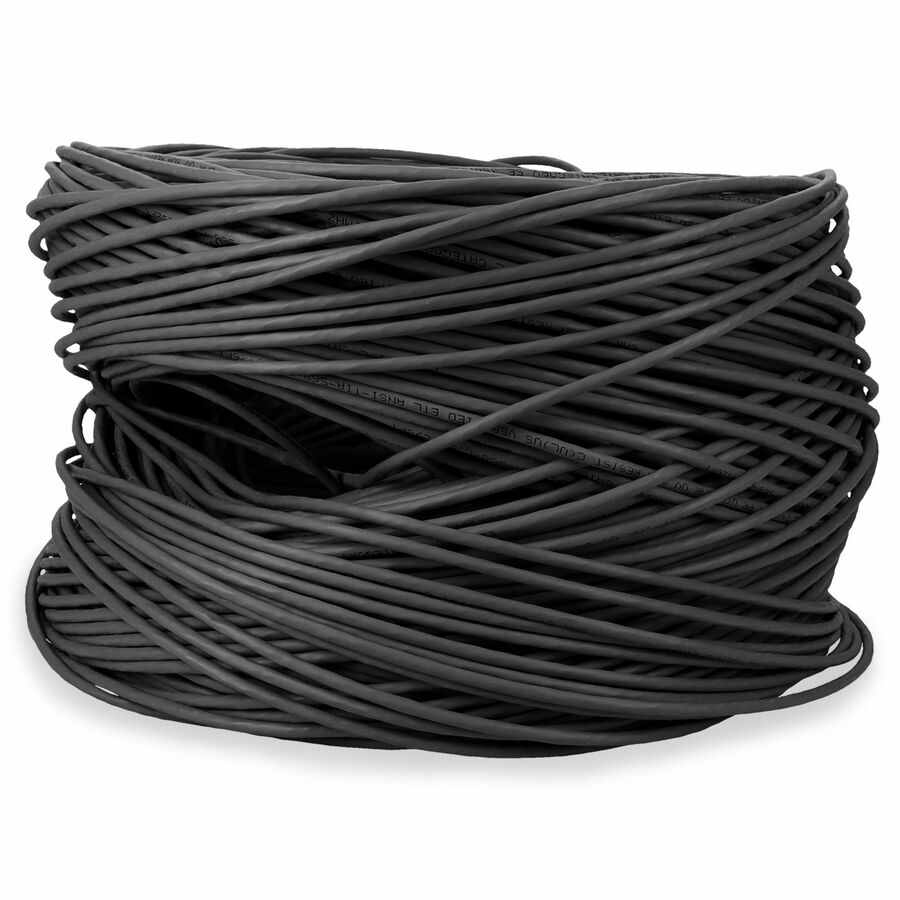
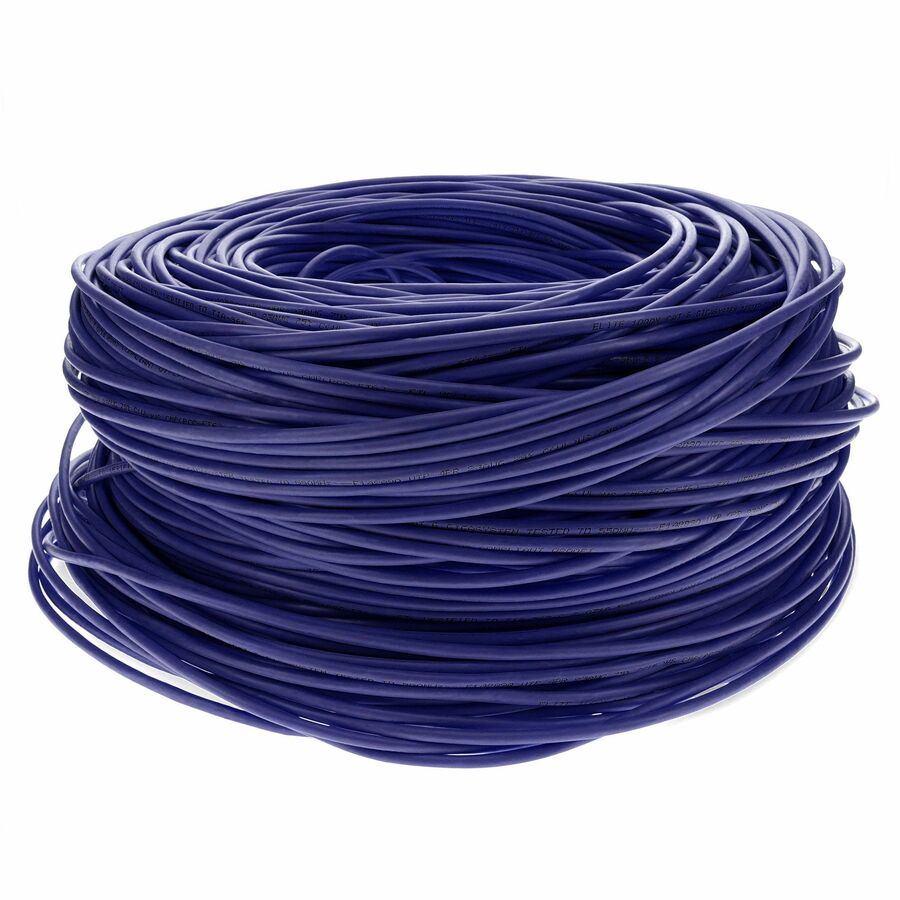
7 in stock - AddOnAddOn 1000ft Non-Terminated Purple CAT5E PVC Solid Bulk Cable CAT 5E - 1000 ft Category 5e Network Cable for Patch Panel, Hub, Switch, Media Converter, Router, Network Device - First End: Bare Wire - Second End: Bare Wire - Patch Cable - Unshielded Twisted Pair (UTP) - 24 AWG - Snagless - Purple - 1.0ADD-CAT5EBULK1K-PE
$366.00
$336.72
2 in stock - AddOnAddOn 1000ft Non-Terminated Gray CAT6 PVC Solid Bulk Cable CAT 6 - 1000 ft Category 6 Network Cable for Network Device, Patch Panel, Hub, Switch, Media Converter, Router - First End: Bare Wire - Second End: Bare Wire - Patch Cable - Unshielded Twisted Pair (UTP) - 24 AWG - Snagless - Gray - 1.0ADD-CAT6BULK1K-GY
$600.00
$552.00
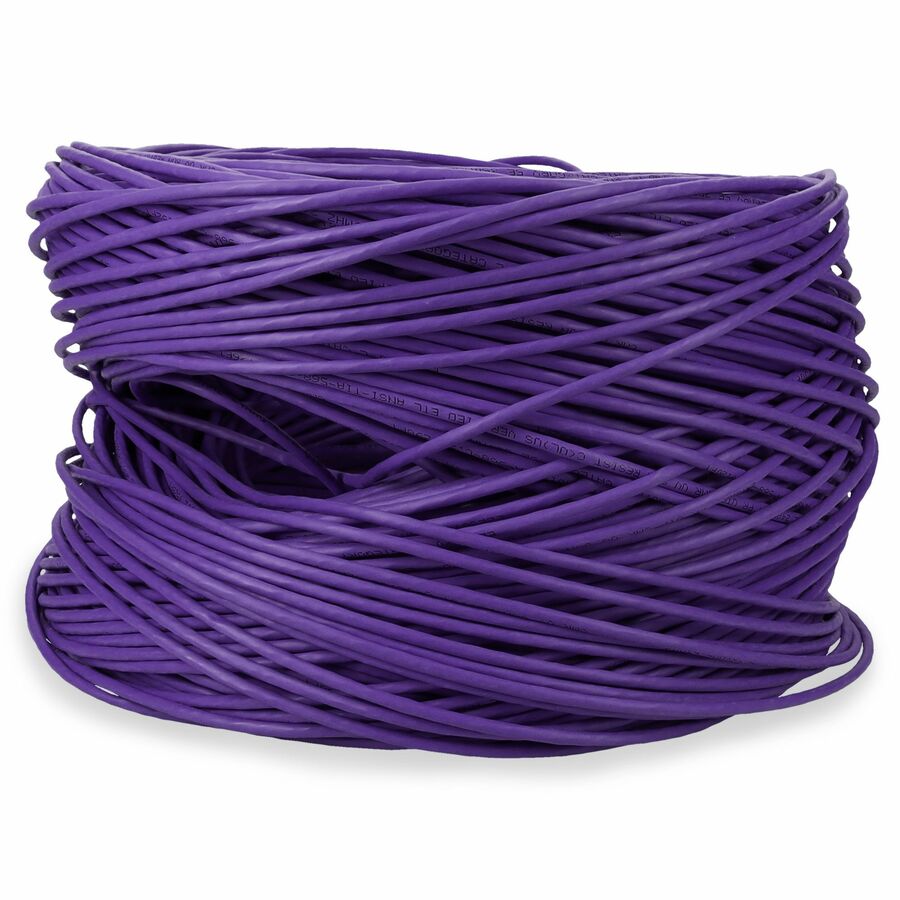
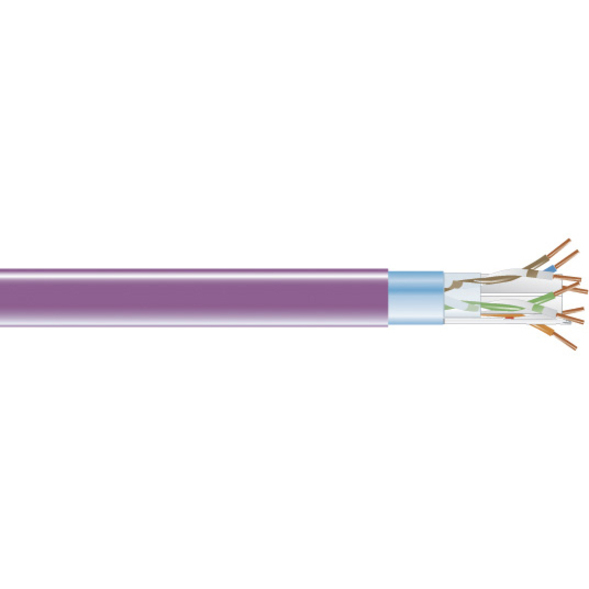
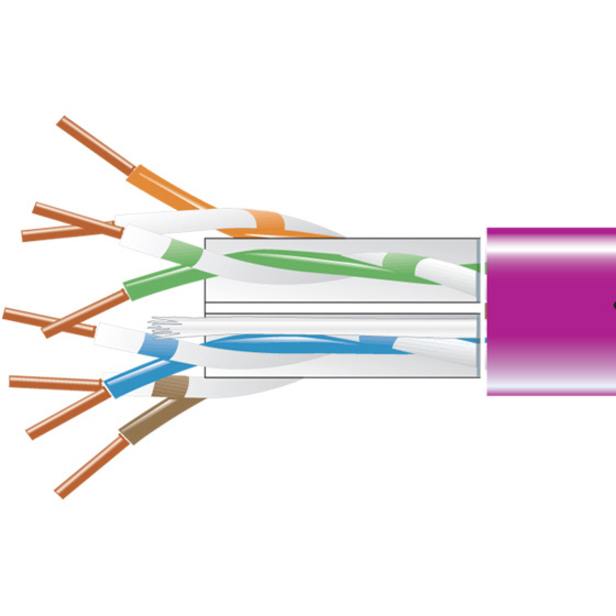
3 in stock - AddOnAddOn 1000ft Non-Terminated Purple CAT6 PVC Solid Bulk Cable CAT 6 - 1000 ft Category 6 Network Cable for Patch Panel, Hub, Switch, Media Converter, Router, Network Device - First End: Bare Wire - Second End: Bare Wire - Patch Cable - Unshielded Twisted Pair (UTP) - 24 AWG - Snagless - Purple - 1.0ADD-CAT6BULK1K-PE
$600.00
$552.00
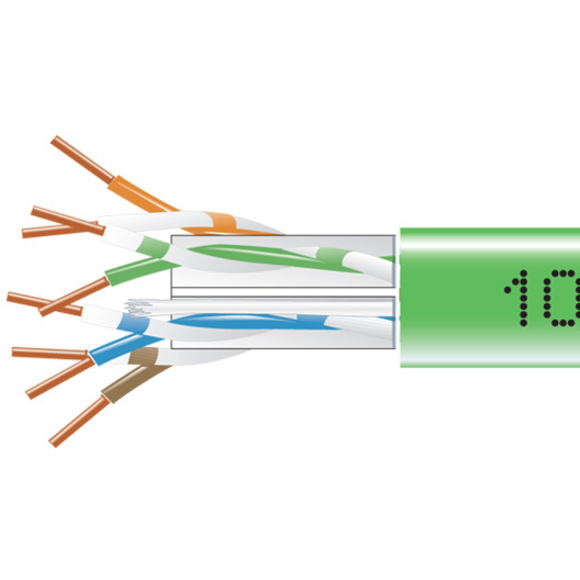
2 in stock - AddOnAddOn 1000ft Non-Terminated White CAT6 PVC Solid Bulk Cable CAT 6 - 1000 ft Category 6 Network Cable for Patch Panel, Hub, Switch, Media Converter, Router, Network Device - First End: Bare Wire - Second End: Bare Wire - Patch Cable - Unshielded Twisted Pair (UTP) - 24 AWG - Snagless - White - 1.0ADD-CAT6BULK1K-WE
$600.00
$552.00
10 in stock


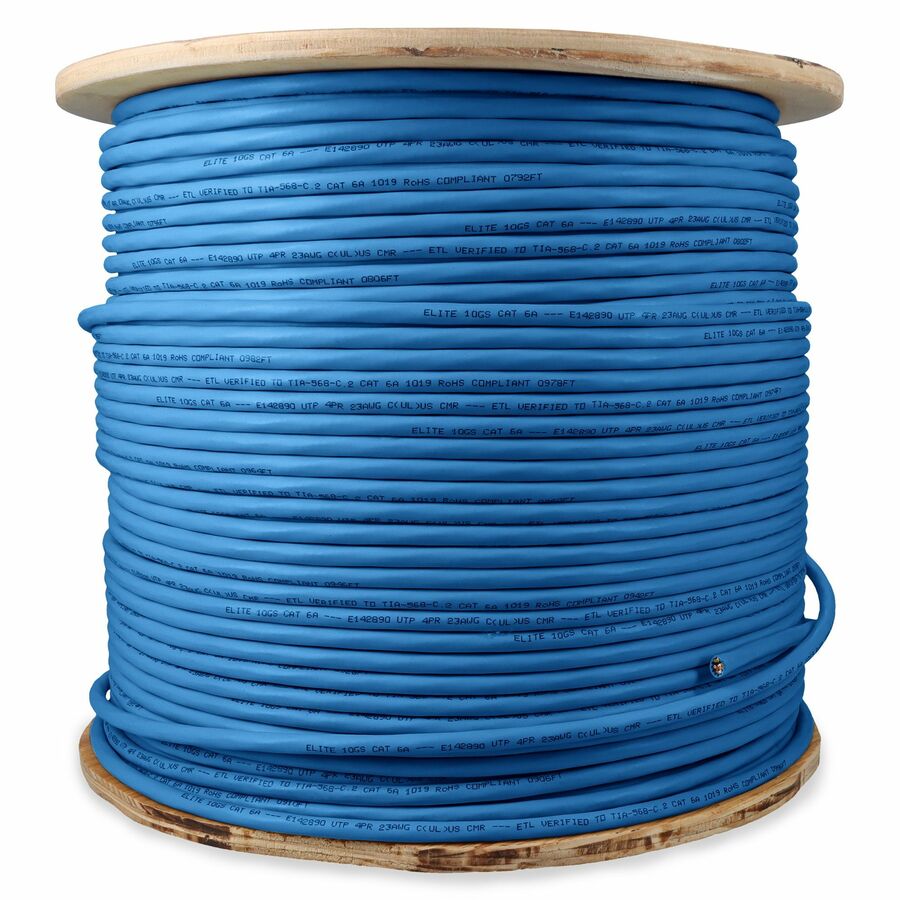
Plenum Cat6
Belkin International
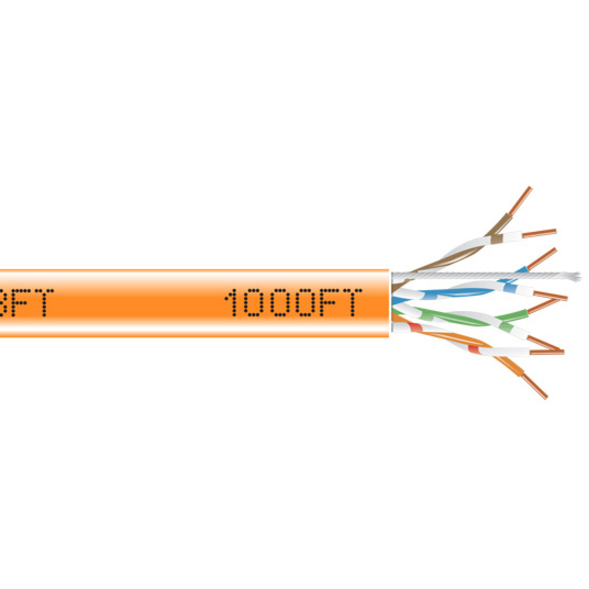
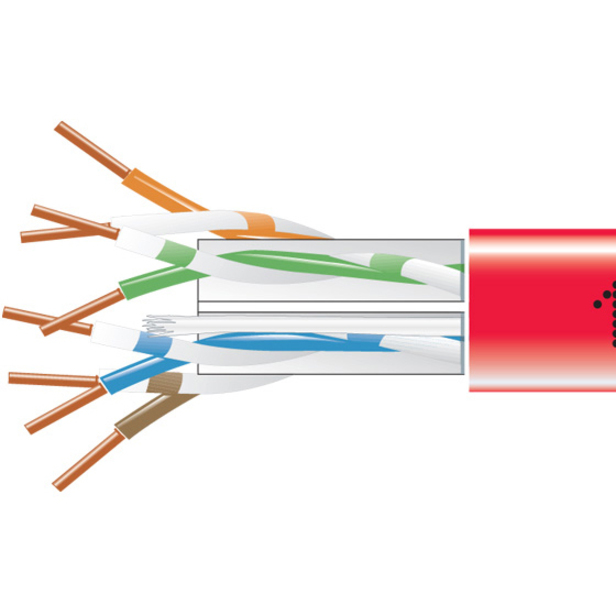
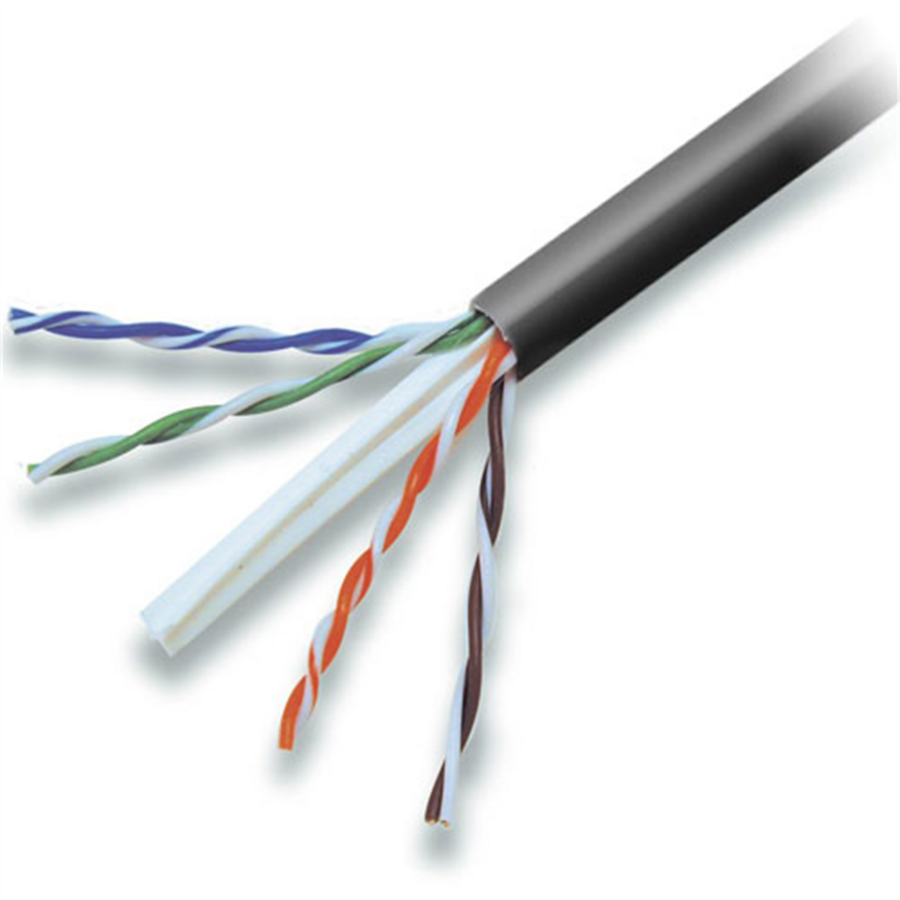
Belkin CAT6 Solid Bulk Cable, Plenum - 1000 ft
A7L704-1000OR-P
A 1000-foot box of Belkin Cat6 solid bulk cable in a plenum (CMP) jacket is the workhorse for horizontal drops that pass through an air-handling ceiling. Confirm your space actually requires plenum against the local code — where it does, a riser or PVC jacket is a code failure regardless of performance.
Request pricing10G Cat6A
AddOn
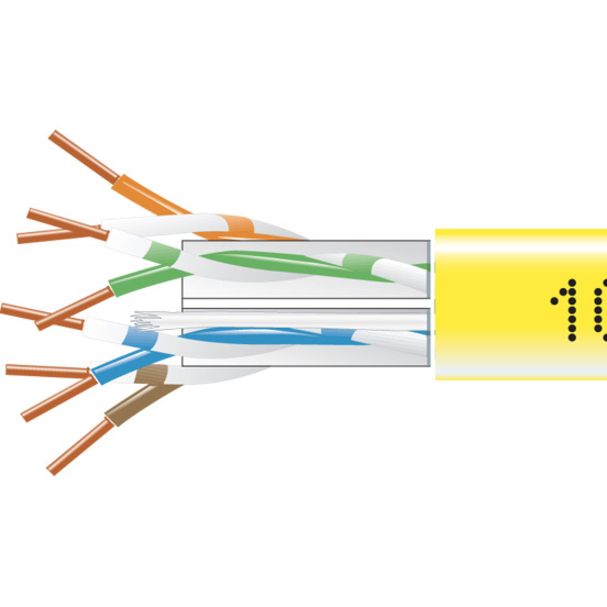
AddOn 1000ft Non-Terminated Blue CAT6A PVC Solid Bulk Cable CAT 6A
ADD-CAT6ABULK1K-BE
AddOn's Cat6A solid bulk cable carries 10 Gigabit across a full 100-metre channel — the cable for backbone uplinks and homeruns to a dense access-point design rather than for every desk drop. The larger conductor and bend radius are the trade for that reach.
$853.76In stockShielded Cat6
AddOn
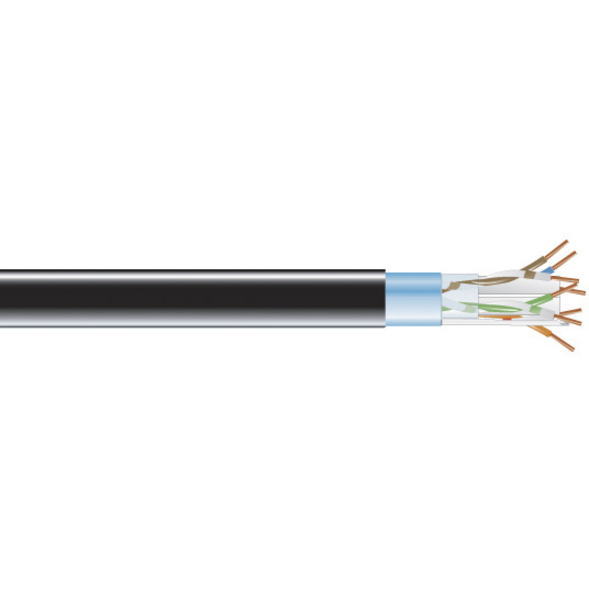
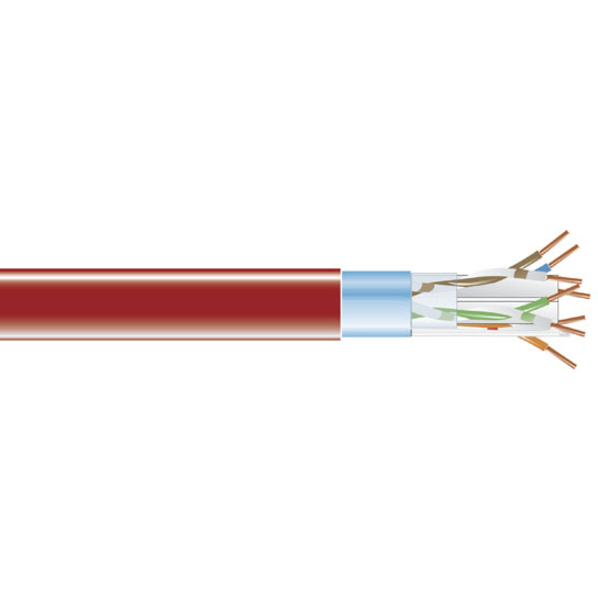
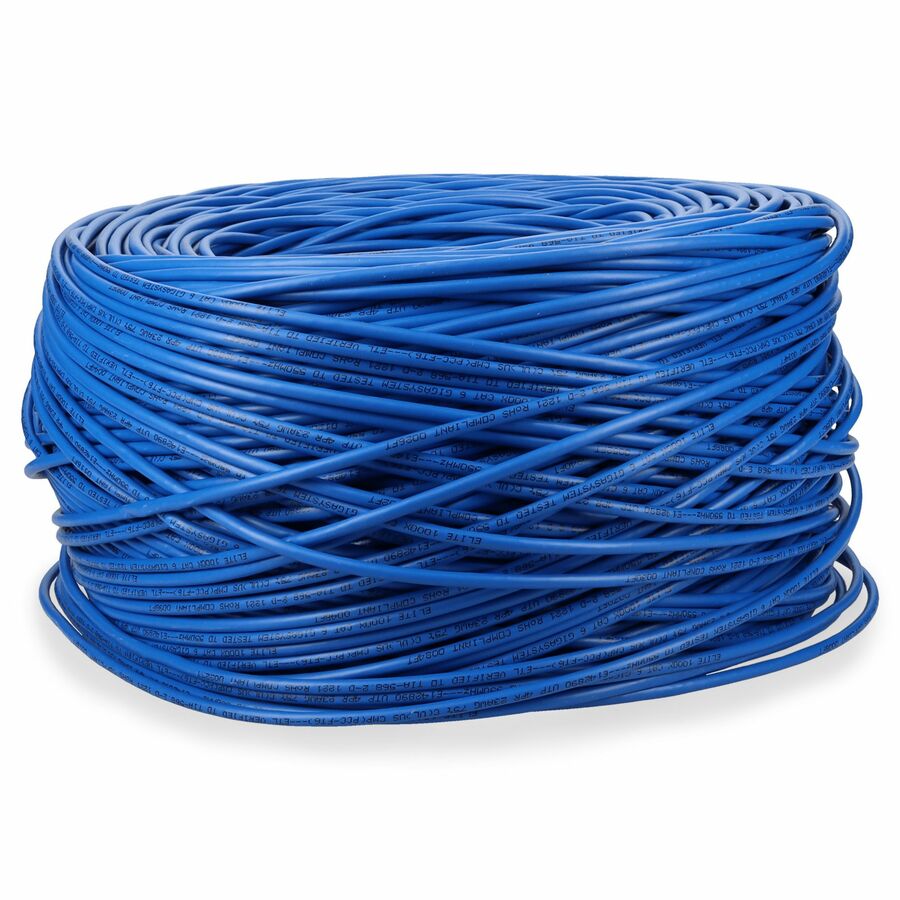
AddOn 1000ft Non-Terminated Blue CAT6 Shielded Plenum-Rated Solid Bulk…
ADD-CAT61KFP-BE
A shielded, plenum-rated Cat6 solid bulk cable earns its place in electrically noisy runs near motors, ballasts or heavy conductors. Bond and ground the shield correctly at termination — a shielded cable terminated like an unshielded one can perform worse than plain UTP.
$1,301.80Back-orderedBrowse all 48,481 cabling
Not the right one above? Filter the whole range by the specs that matter — live pricing and honest availability on every row, the same NDAA §889 screening before checkout, and TAA verified on request.
Showing 24 of 48,481 cabling
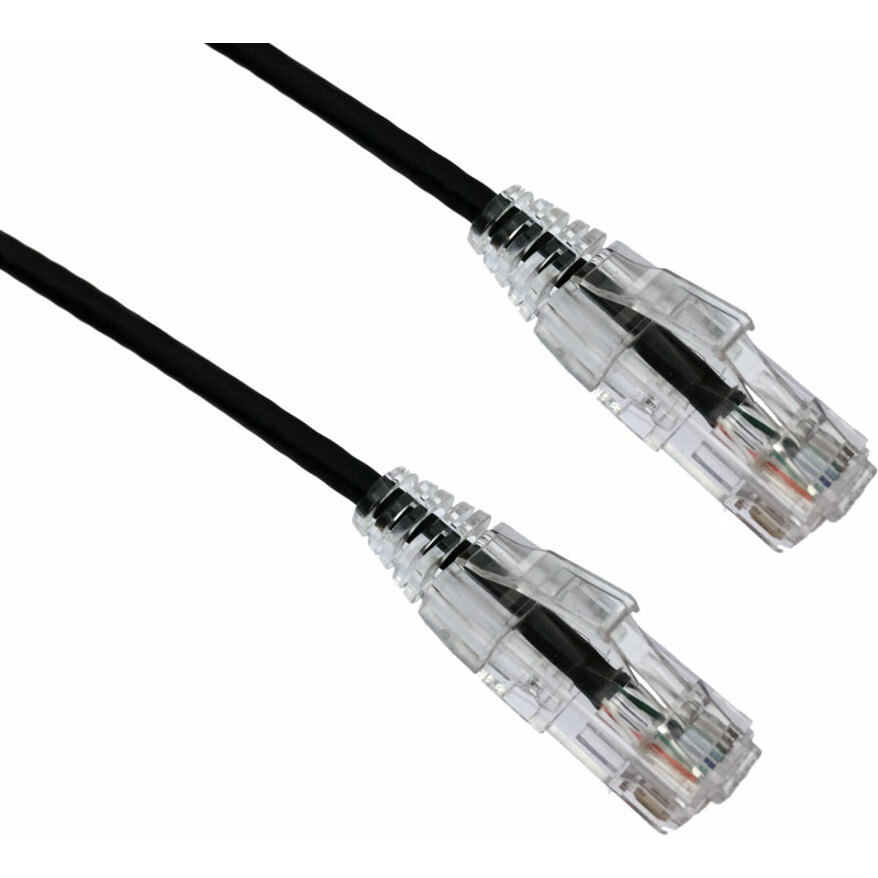
- Axiom Memory SolutionsAxiom 25FT CAT6A BENDnFLEX Ultra-Thin Snagless Patch Cable 650mhz (Black) - 25 ft Category 6a Network Cable for Network Device - First End: 1 x RJ-45 Network - Male - Second End: 1 x RJ-45 Network - Male - 10 Gbit/s - Patch Cable - Shielding - Gold Plated Contact - 28 AWG - Black - TAA CompliantC6ABFSB-K25-AX
$28.00
$26.71
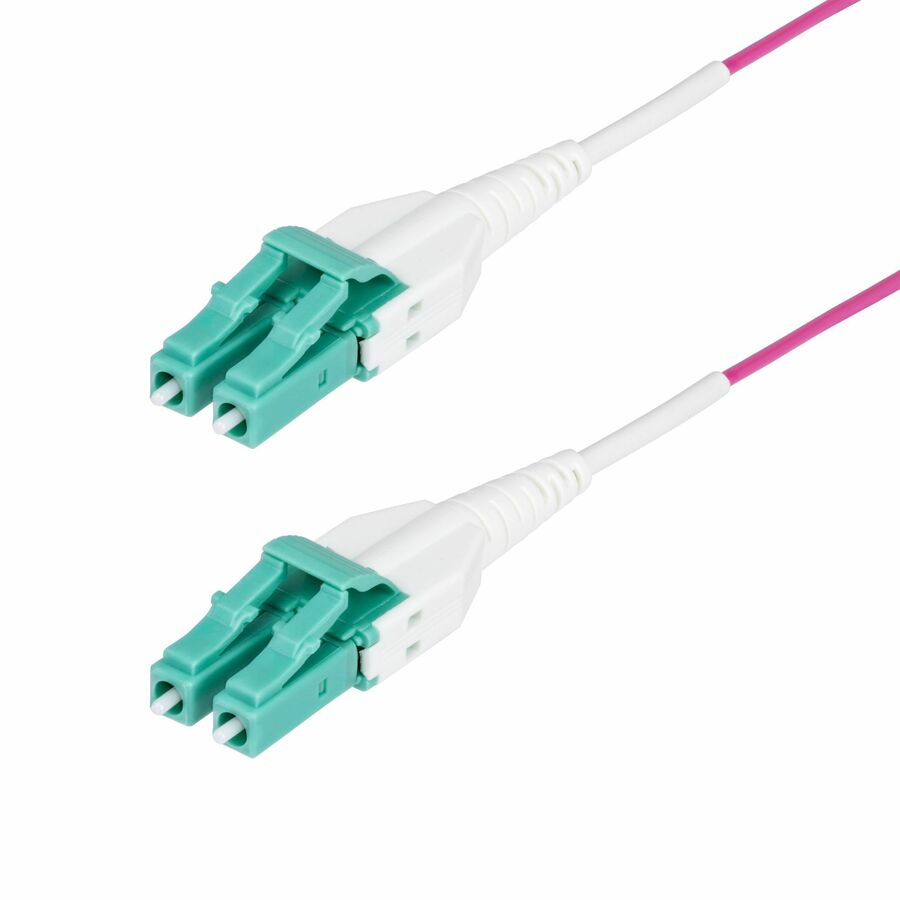
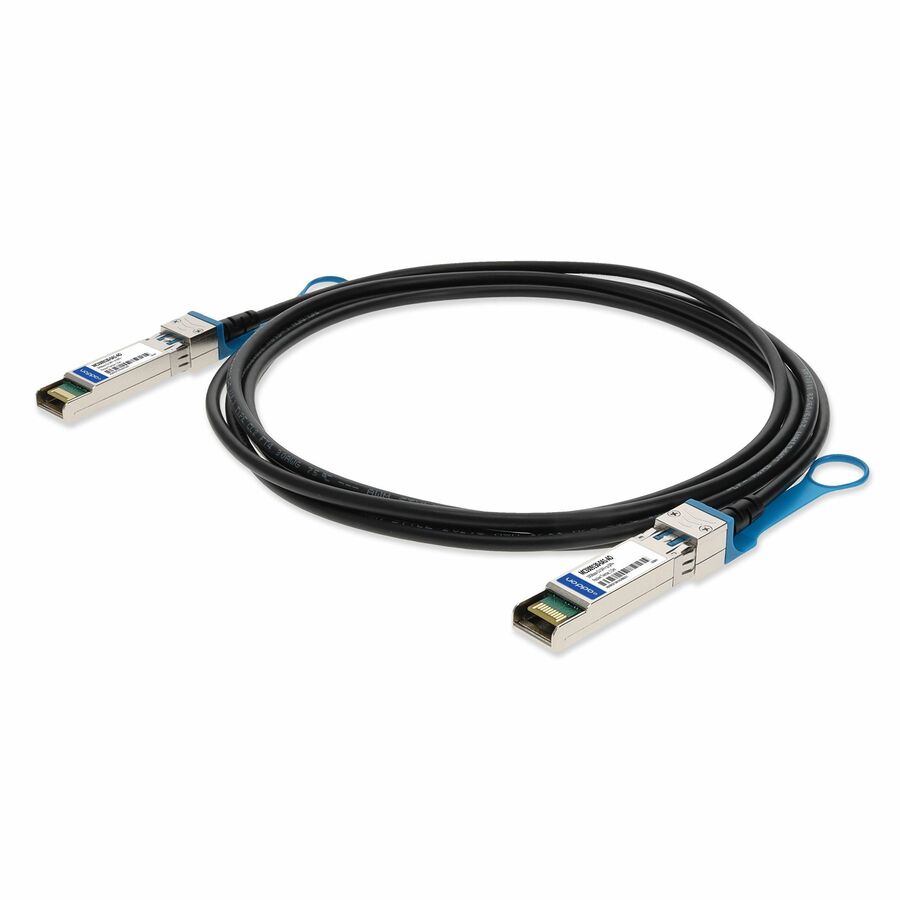
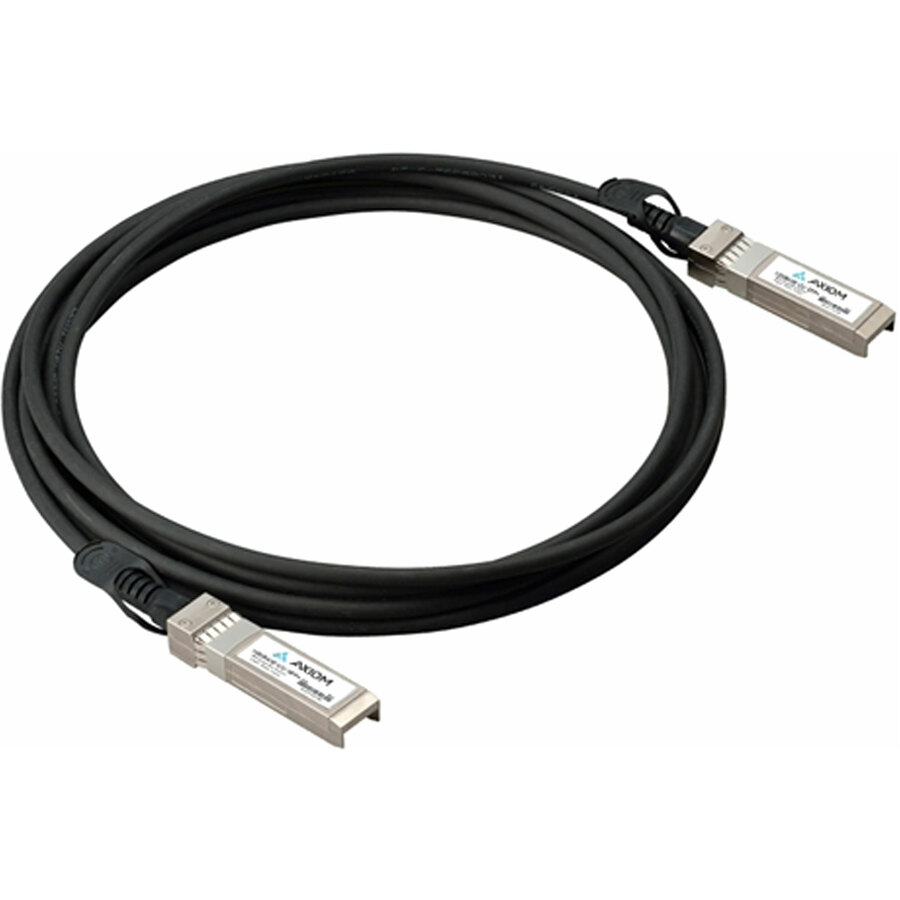
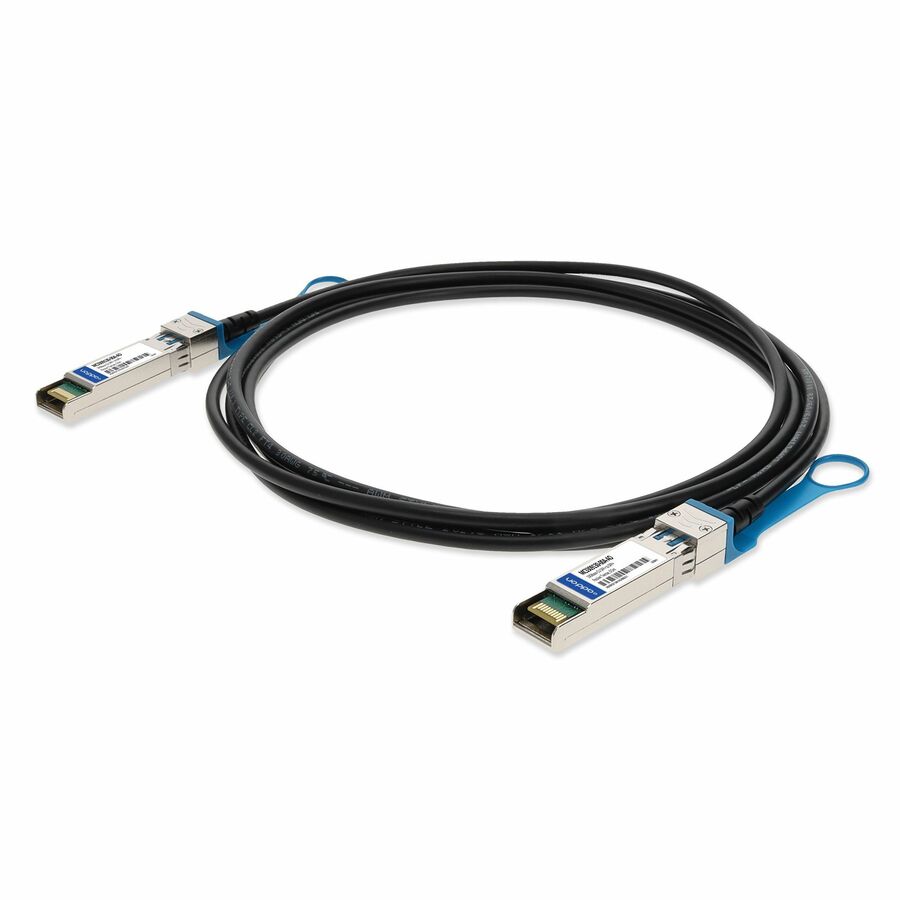
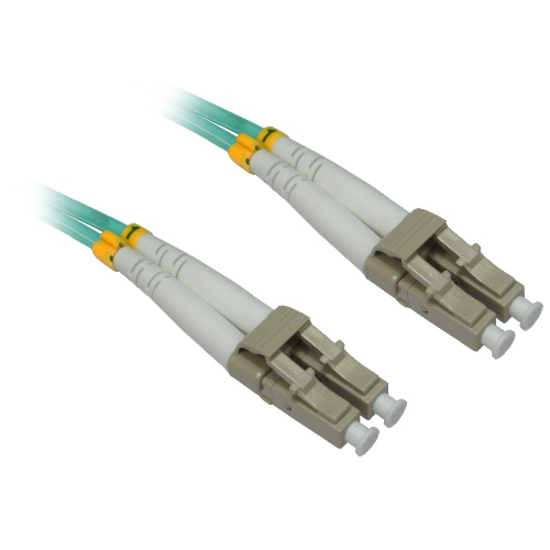
48 in stock - AddOnAddOn Mellanox® MC3309130-0A1 Compatible TAA Compliant 10GBase-CU SFP+ Direct Attach Cable (Passive Twinax, 1.5m) - 4.92 ft Twinaxial Network Cable for Network Device - First End: 1 x SFP+ Network - Second End: 1 x SFP+ Network - 10 Gbit/s - 30 AWG - Black - 1.0 - TAA CompliantMC3309130-0A1-AO
$32.00
$29.44
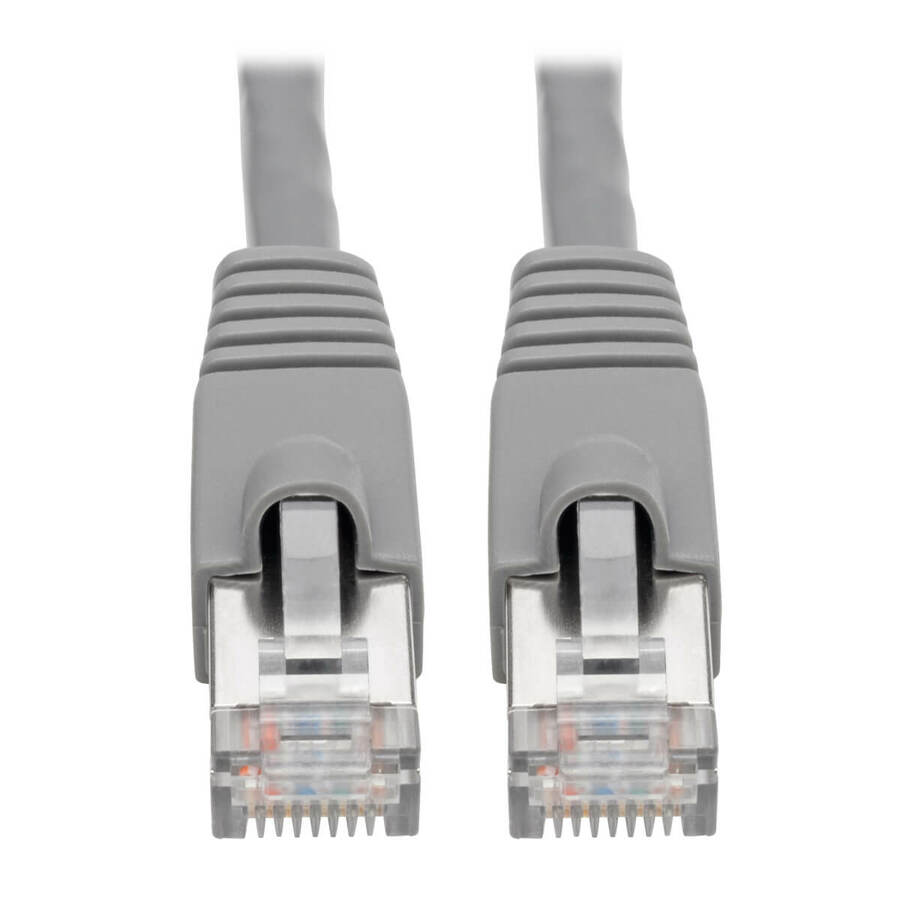
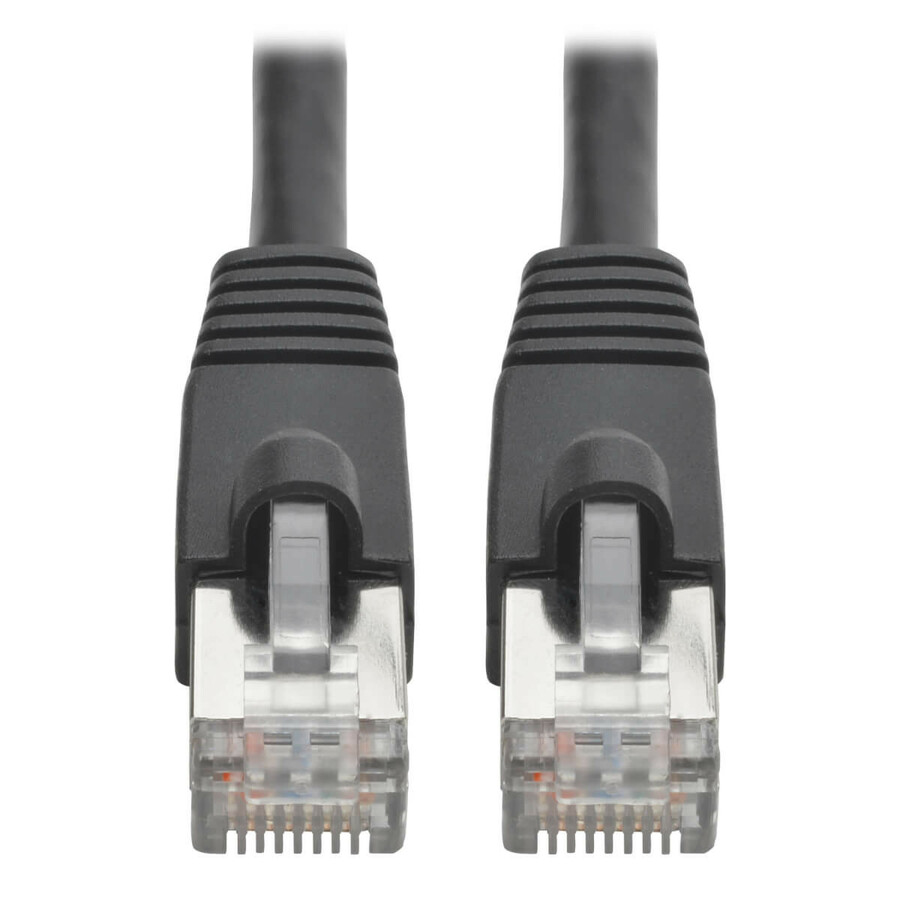
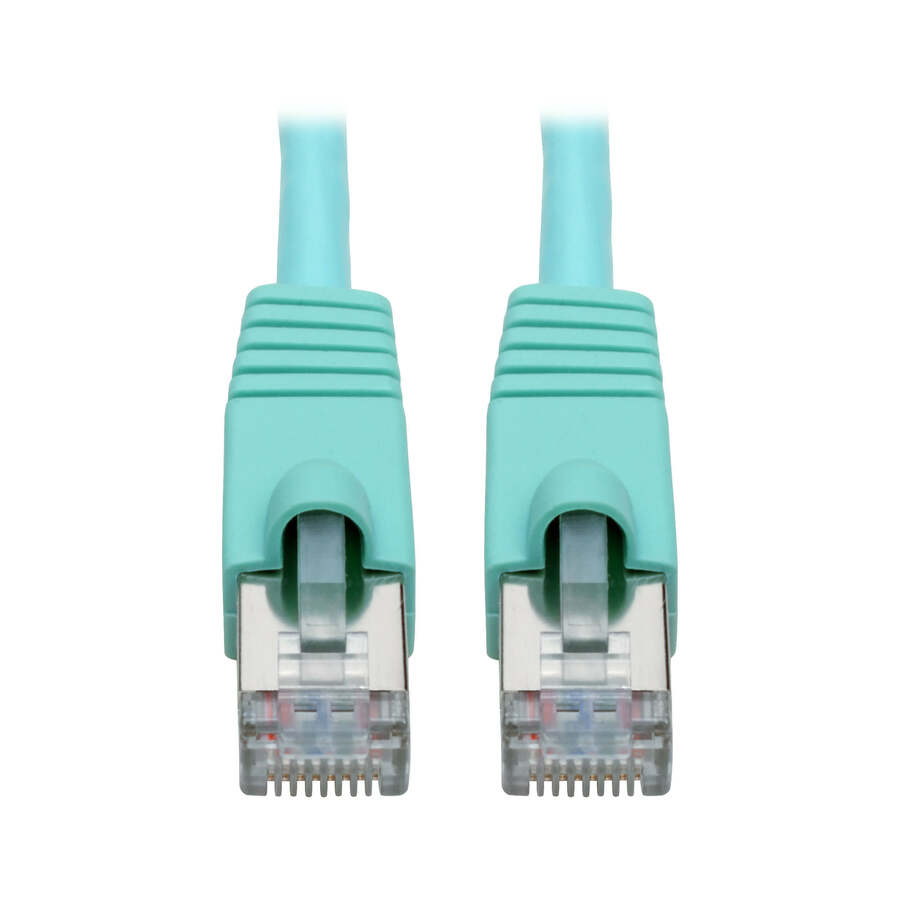
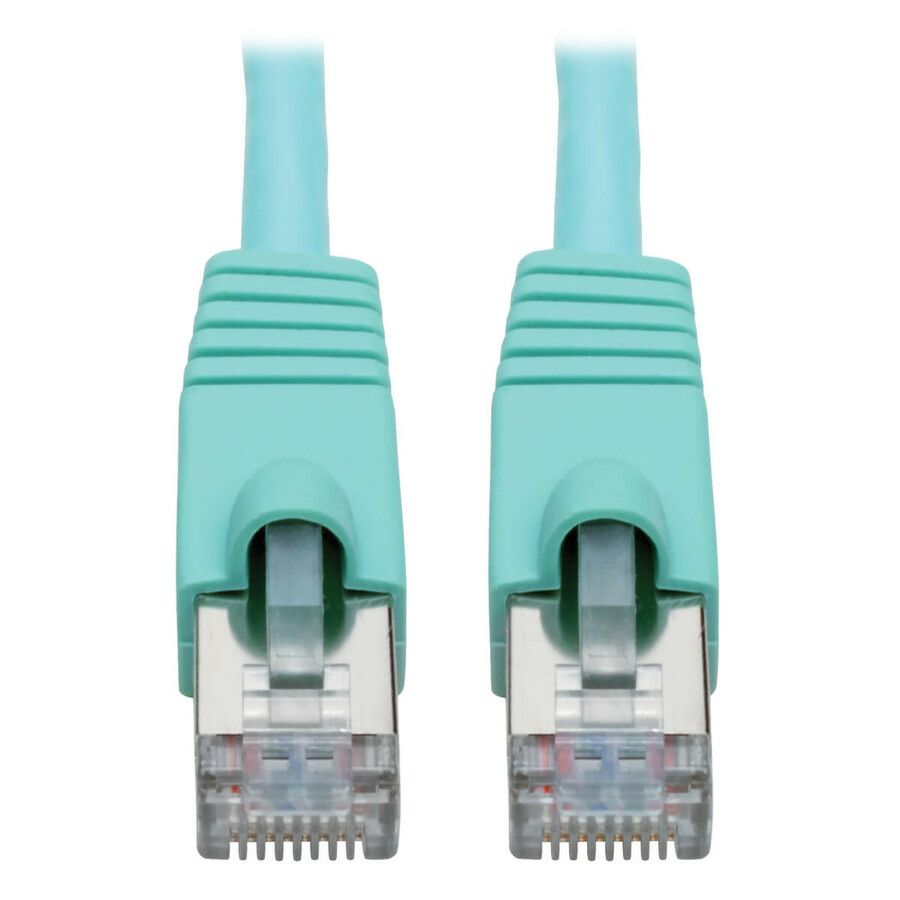
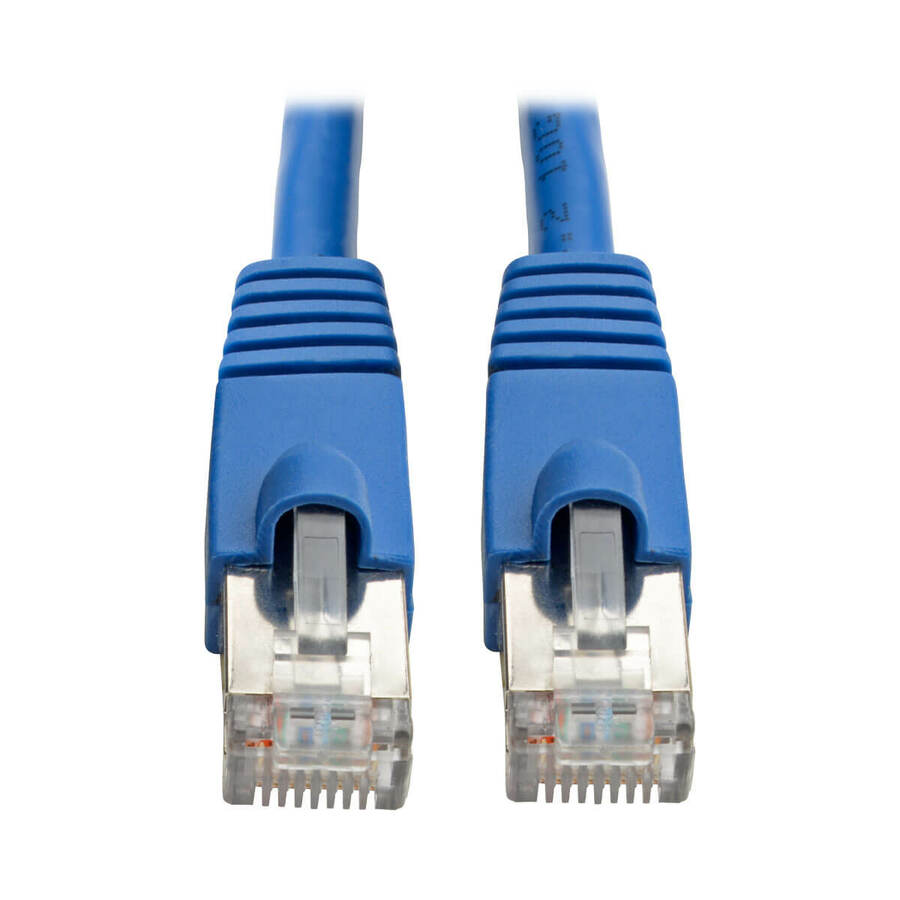
111 in stock - EatonTripp Lite by Eaton Cat6a 10G Snagless Shielded STP Ethernet Cable (RJ45 M/M) PoE Blue 7 ft. (2.13 m) - 7 ft Category 6a Network Cable for Network Device - First End: 1 x RJ-45 Network - Male - Second End: 1 x RJ-45 Network - Male - 10 Gbit/s - Patch Cable - Shielding - 26 AWG - BlueN262-007-BL
$23.65
$21.76
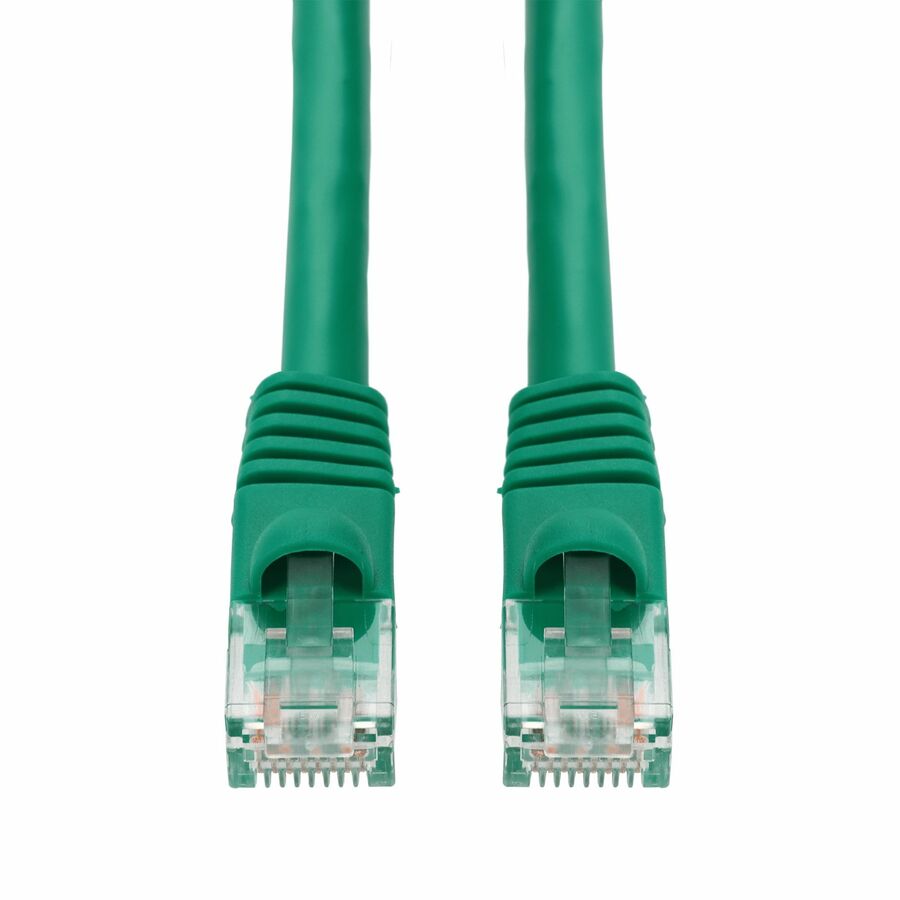
1,533 in stock - AddOnAddOn 2.5ft Green CAT 6 PVC Ethernet Cable Snagless Bubble Boot RJ-45 M/M - 2.50 ft Category 6 Network Cable for Network Device - First End: 1 x RJ-45 Network - Male - Second End: 1 x RJ-45 Network - Male - Patch Cable - Unshielded Twisted Pair (UTP) - CM - 24 AWG - Green - 1 PieceADD-2-5FCAT6-GN
$23.50
$21.62
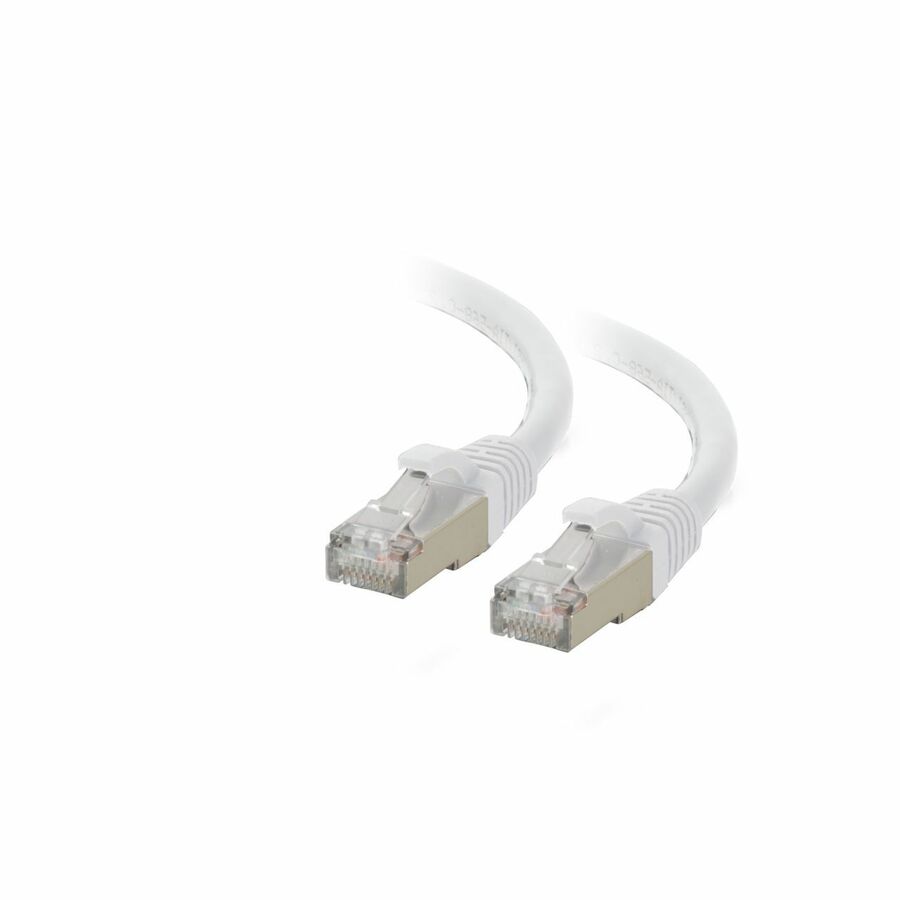
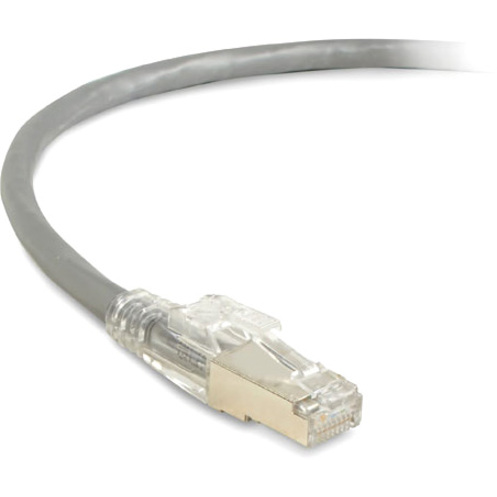
49 in stock - Black BoxBlack Box GigaTrue 3 Cat.6 (S/FTP) Patch Network Cable - 7 ft Category 6 Network Cable for Patch Panel, Wallplate, Network Device - First End: 1 x RJ-45 Network - Male - Second End: 1 x RJ-45 Network - Male - 1 Gbit/s - Patch Cable - Shielding - Gold Plated Contact - CM - 24 AWG - GrayC6PC70S-GY-07
$23.71
$20.34
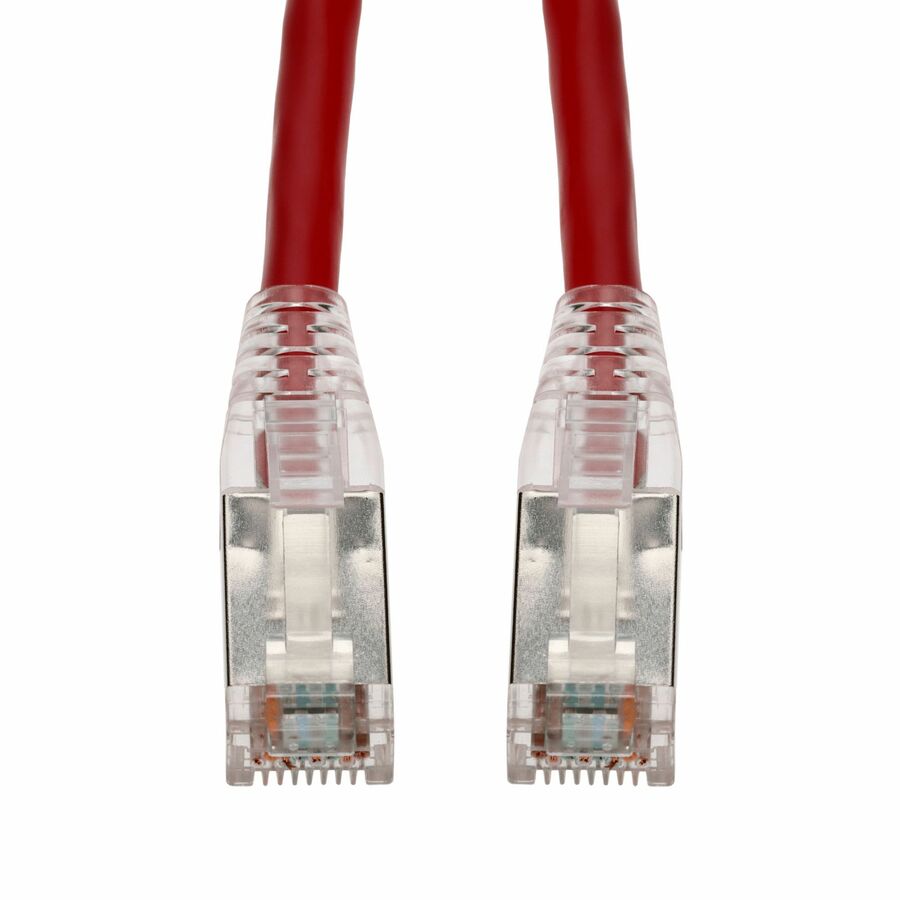
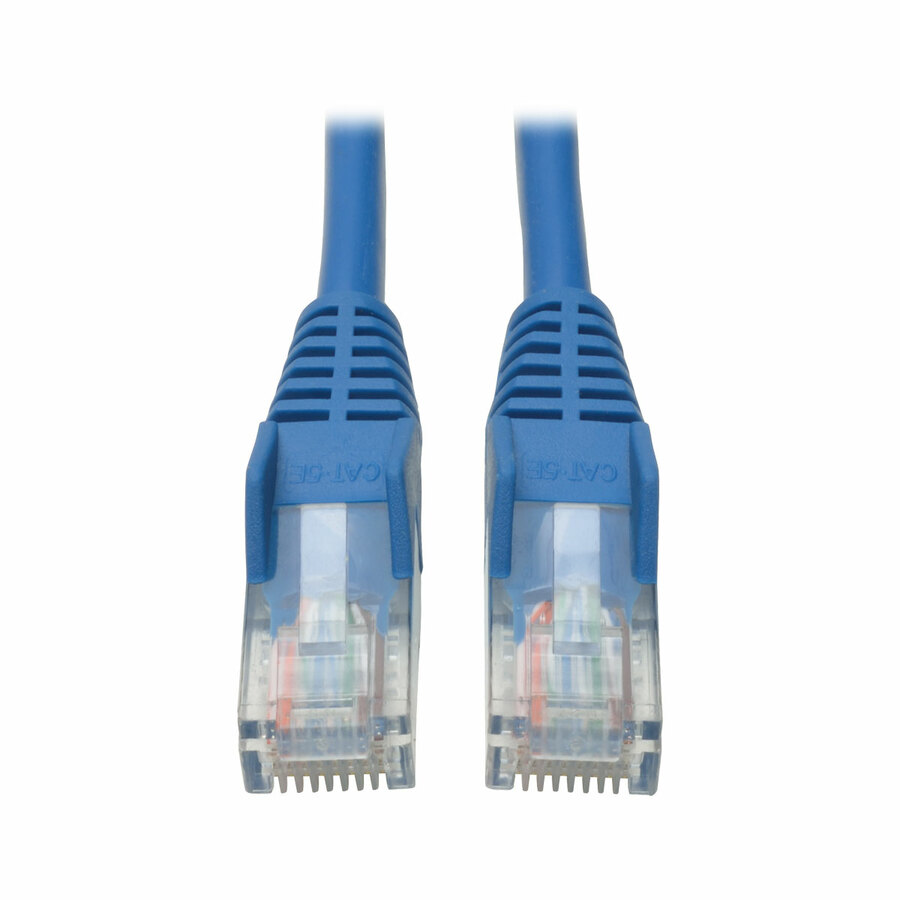
386 in stock - EatonEaton Tripp Lite Series Cat5e 350 MHz Snagless Molded (UTP) Ethernet Cable (RJ45 M/M), PoE - Blue, 40 ft. (12.19 m) - 40 ft Category 5e Network Cable for Network Device - First End: 1 x RJ-45 Network - Male - Second End: 1 x RJ-45 Network - Male - Patch Cable - BlueN001-040-BL
$29.64
$27.27
615 in stock
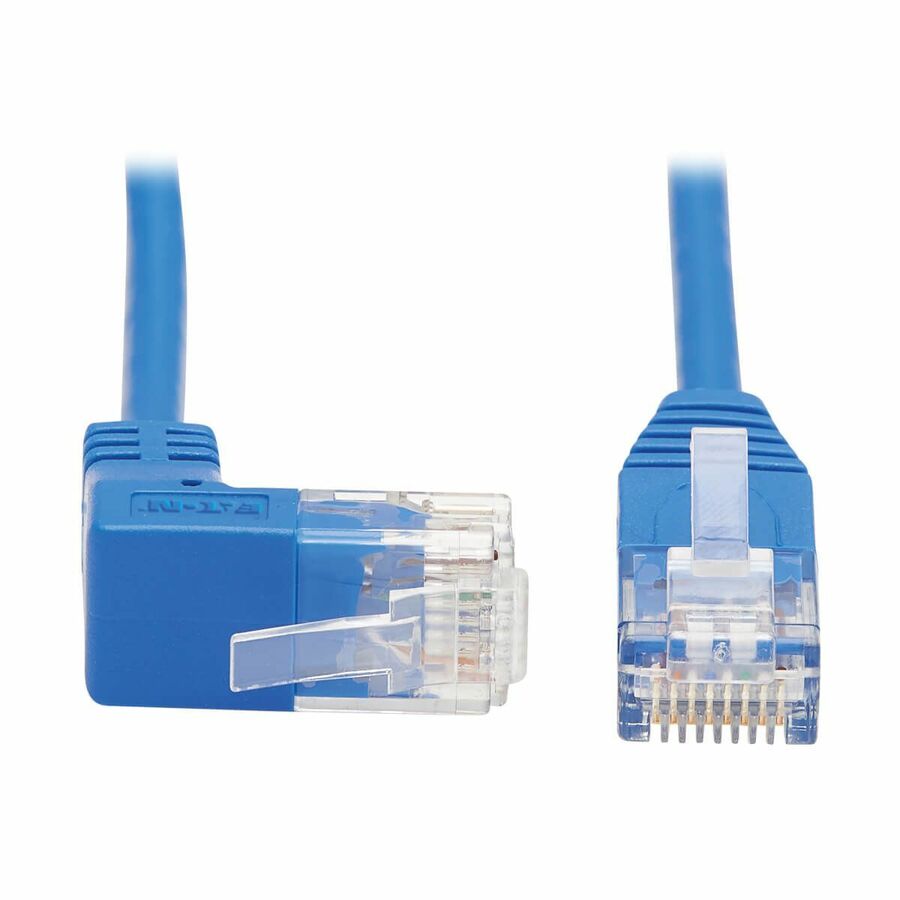
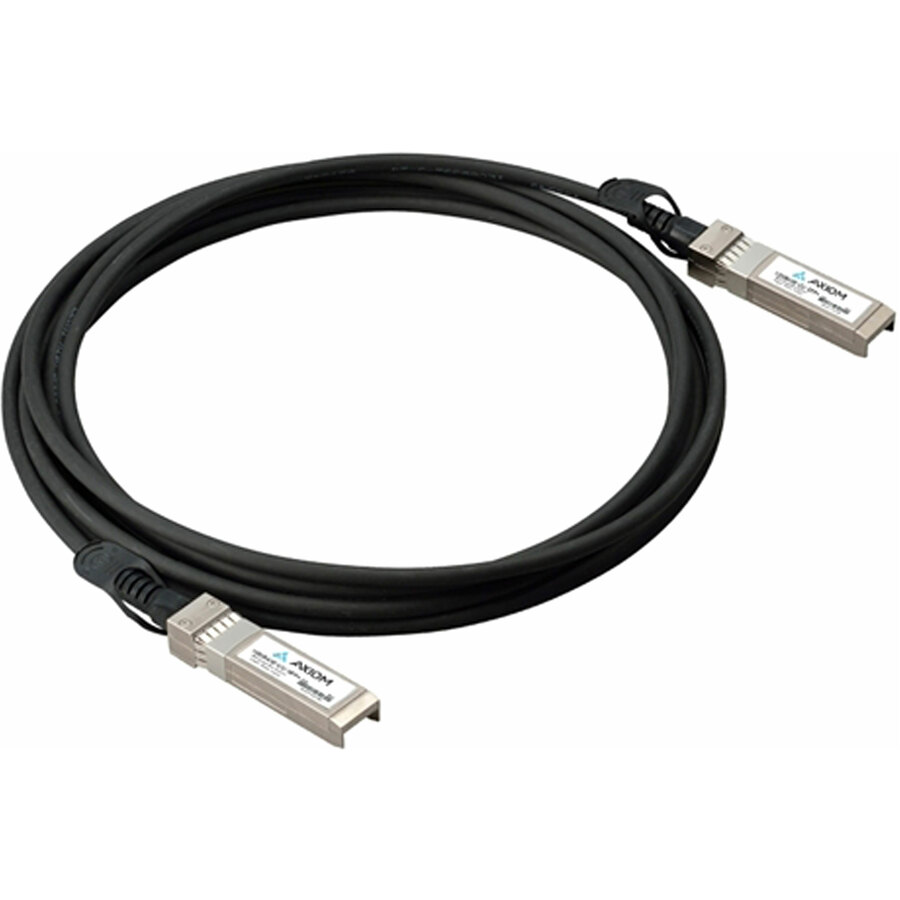
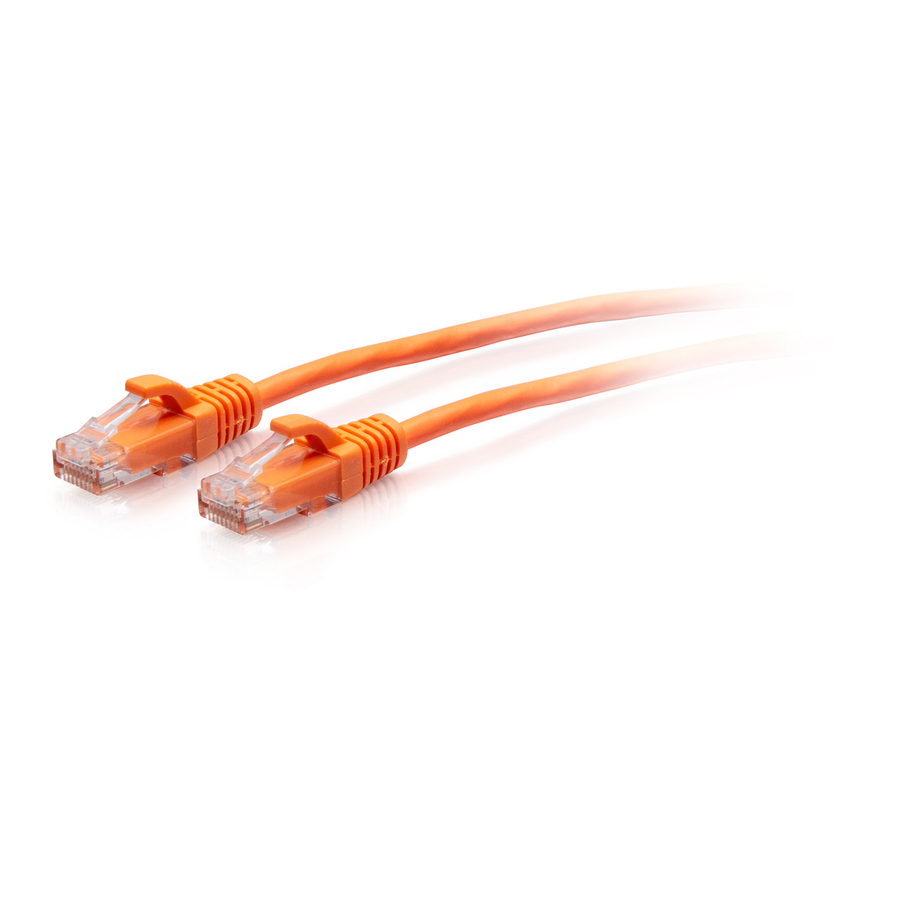
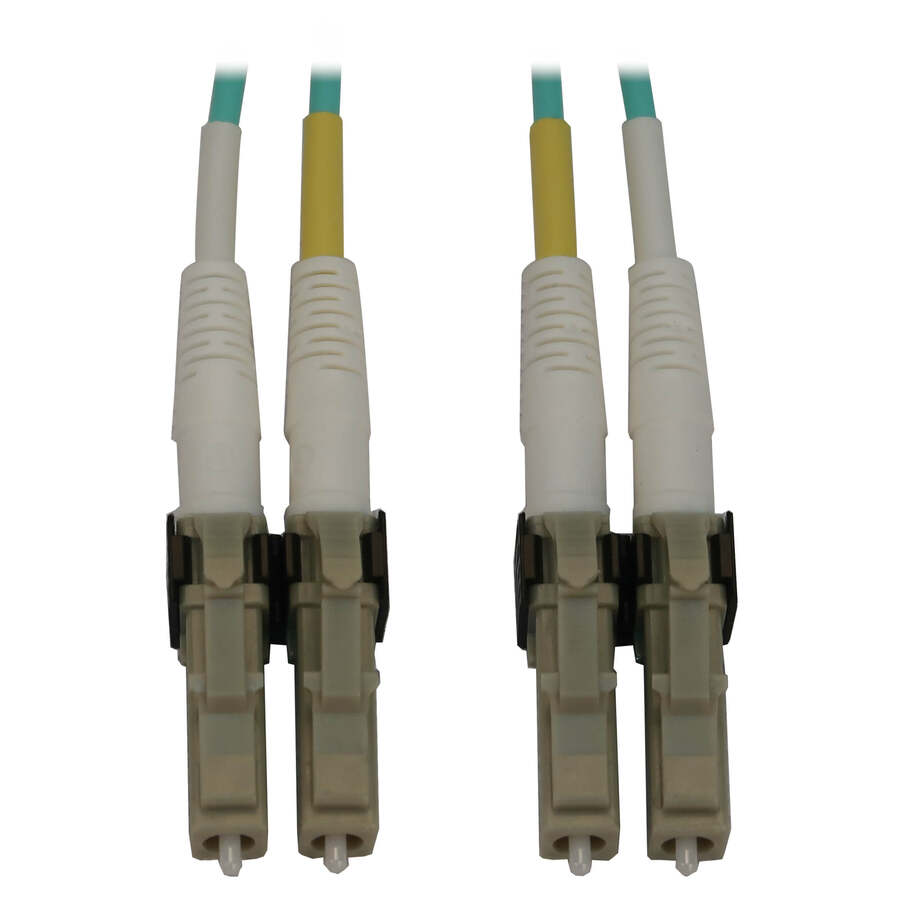
Specifications are read from the manufacturer product title as supplied to us; where a value is not stated it is left blank rather than estimated. Every line is screened for NDAA §889 status before checkout, with TAA verified on request.
Need pricing on bulk Ethernet cable?
Tell us where to reach you and a Uniqcli specialist will follow up by email with current pricing, availability and lead time for the quantities you need — including parts that aren’t shown on this page.
Buying for an organization or for yourself — both work. No payment up front.
Bulk Ethernet cable is the cable you pull, not the cable you plug in: solid-conductor, non-terminated, punched down to keystones and panels at both ends. Category follows the run — Cat6 for 1 Gigabit across a full 100-metre channel and 10 Gigabit over shorter runs, Cat6A for 10 Gigabit across the full 100 metres — and the jacket follows the building, not the budget.
Bulk Ethernet cable is the cable you pull, not the cable you plug in. It ships non-terminated on a spool or in a pull box, uses a solid copper conductor built for permanent horizontal runs behind walls and above ceilings, and gets punched down to keystones and patch panels at both ends. That is a different product from a patch cord, and buying the wrong one is a mistake that shows up months later as failed certifications or a jacket that a fire inspector rejects. Everything below is drawn live from what Uniqcli lists, sorted so in-stock boxes appear first, and every card carries the word Bulk in the manufacturer's own solid-conductor product title.
The first decision is the category, and it is a bandwidth-and-distance calculation. Cat6 carries 1 Gigabit across a full 100-metre channel and 10 Gigabit over shorter runs, which covers the overwhelming majority of office and classroom drops. Cat6A carries 10 Gigabit across the full 100 metres and is the choice for links that have to run long at 10G — uplinks, access-point homeruns on a dense wireless design, and anything a specification calls out at 10GBASE-T. Buying Cat6A everywhere is money spent on distance most drops never use; buying Cat6 where a specification demands Cat6A is a re-pull. Match the category to the run.
The second decision is the jacket, and it is set by the building, not the budget. Plenum-rated (CMP) cable is required in air-handling spaces — the plenum above a dropped ceiling in most commercial construction — because of how it behaves in a fire, and a riser-rated (CMR) or PVC cable in that space is a code failure. Riser cable is for vertical runs between floors. After the jacket comes shielding, where a shielded (F/UTP or S/FTP) construction earns its cost in electrically noisy environments and unshielded (UTP) is the default elsewhere. Read the category, jacket and shielding stated in each product title against the run and the local code before you order a box.
Buyer's checklist
How to choose bulk Ethernet cable
- Confirm it is solid-conductor, non-terminated bulk cable for a permanent run — stranded patch cable and bulk-packaged patch cords are a different product and do not belong in a wall.
- Match the category to the run: Cat6 for the 1G and short-reach 10G drops that cover most of a building, Cat6A where a link has to carry 10 Gigabit across a full 100-metre channel.
- Set the jacket by the space and the local code — plenum (CMP) for air-handling spaces above a dropped ceiling, riser (CMR) for vertical runs between floors, PVC only where neither applies.
- Choose shielding for the environment: shielded (F/UTP or S/FTP) in electrically noisy runs near motors or ballasts, unshielded (UTP) as the default elsewhere — and bond a shielded run properly or it does more harm than good.
- Read the conductor gauge in the title; solid 23 and 24 AWG are the installer standard, and a thinner conductor trades distance and heat headroom for price.
- Buy the box quantity and colour scheme the job needs up front — colour-coding runs by function at pull time is far cheaper than tracing them later.
- Standardize on one category and jacket per building section so certification, spares and future moves stay uniform.
Category: Cat6 or Cat6A
The category decision is a bandwidth-and-distance calculation, not a future-proofing slogan. Cat6 carries 1 Gigabit across a full 100-metre channel and 10 Gigabit over shorter runs, which is the right specification for the overwhelming majority of office and classroom drops that terminate well inside that reach. Cat6A carries 10 Gigabit across the full 100 metres, and it earns its higher cost and larger bend radius exactly where a link has to run long at 10G — building uplinks, homeruns to a dense access-point design, and drops a specification calls out for 10GBASE-T.
The trap at both ends is uniformity for its own sake. Pulling Cat6A to every desk spends money on distance that a 15-metre drop never uses and makes the cable harder to route and terminate; pulling Cat6 where a design needs 10G at range is a re-pull once certification fails. The disciplined answer is to categorize by run — Cat6A on the backbone and the long or dense-wireless links, Cat6 on the general drops — and to standardize within each so the estate stays legible.
Jacket and shielding are code and environment, not preference
The jacket rating is the part of a bulk-cable order that is least about preference and most about passing inspection. Plenum-rated (CMP) cable is required in the air-handling plenum above a dropped ceiling in most commercial construction, because of how the jacket behaves and what it releases in a fire — a riser or PVC cable in that space is a code failure regardless of how well the link performs. Riser-rated (CMR) cable is for vertical shafts between floors. Read the jacket in the product title against the space each run passes through and the authority having jurisdiction, not against the price column.
Shielding is the environment call. A shielded construction — F/UTP or S/FTP — rejects electromagnetic interference in runs that pass near motors, ballasts, large conductors or industrial equipment, which is where an unshielded run picks up noise that degrades a 10G link. It only helps if the shield is bonded and grounded correctly at termination; a shielded cable terminated like an unshielded one can be worse than plain UTP. Unshielded (UTP) is the correct, cheaper default for ordinary commercial runs.
Buying the box for the job
Bulk cable is bought by the box, so buy the quantity and the colours the job actually needs before the pull rather than after. A 1000-foot box is the installer standard; 500-foot boxes suit smaller jobs and touch-ups. Colour-coding runs by function — voice, data, security, wireless — at pull time costs nothing extra and saves hours of tracing when the estate is moved, added to or troubleshot years later, which is why experienced installers spec a colour scheme up front.
Standardization is what keeps a cabling plant certifiable and maintainable. One category and one jacket per building section means one certification profile, one spares box and one predictable answer when a future move-add-change needs another run. Read the conductor gauge and construction in each title so the boxes on the truck actually match the plan, and where a run crosses into a plenum or a shielded environment, let the code and the environment pick the cable rather than the unit price.
FAQ
Common questions
- What is the difference between bulk cable and patch cable?
- Bulk cable is the cable you pull for a permanent run: it ships non-terminated on a spool or in a box, uses a solid copper conductor built to be punched down to keystones and patch panels, and lives behind walls and above ceilings. A patch cable is a short, factory-terminated, stranded-conductor cord for the flexible last hop between a jack and a device. Solid conductor does not tolerate repeated flexing and stranded conductor is not rated for a permanent run, so the two are not interchangeable — a wall run wants bulk solid cable.
- Do I need plenum or riser bulk cable?
- It is set by the space each run passes through and the local code, not by preference. Plenum-rated (CMP) cable is required in air-handling spaces — the plenum above a dropped ceiling in most commercial buildings — and a riser or PVC cable there is a code failure regardless of performance. Riser-rated (CMR) cable is for vertical runs between floors. When a run passes through both kinds of space, the more stringent rating governs, and the authority having jurisdiction is the final word. Read the jacket rating in each product title against the run before you order.
- Should I buy Cat6 or Cat6A for a new install?
- Match the category to the run rather than pulling one everywhere. Cat6 carries 1 Gigabit across a full 100-metre channel and 10 Gigabit over shorter runs, which covers the majority of office and classroom drops. Cat6A carries 10 Gigabit across the full 100 metres and is the right choice for backbone uplinks, homeruns to a dense wireless design, and any link a specification calls out at 10GBASE-T. Cat6A everywhere spends money on distance most drops never use; Cat6 where 10G at range is required is a re-pull.
- Can Uniqcli quote bulk cable for a whole building or campus?
- Every line Uniqcli quotes is sourced through US distribution and screened for TAA country-of-origin and NDAA §889 status before checkout — with documentation tied to the specific part number, not a product family.
Need bulk Ethernet cable pricing?
Send a bill of materials or part numbers — we confirm stock and a below-market total, with TAA verified on request. No payment up front.