
Best Rugged Mobile Computers for Warehouse Picking
Rugged Android handheld computers and terminals for picking, receiving and cycle counts — selected by scan engine, drop and sealing rating, keypad and connectivity.
Rugged mobile computers in stock at Uniqcli
How to choose →A curated selection with live pricing — in-stock lines first, then back-ordered lines with a typical lead time. Every line is sourced through US distribution and screened for NDAA §889 status before checkout, with TAA verified on request.
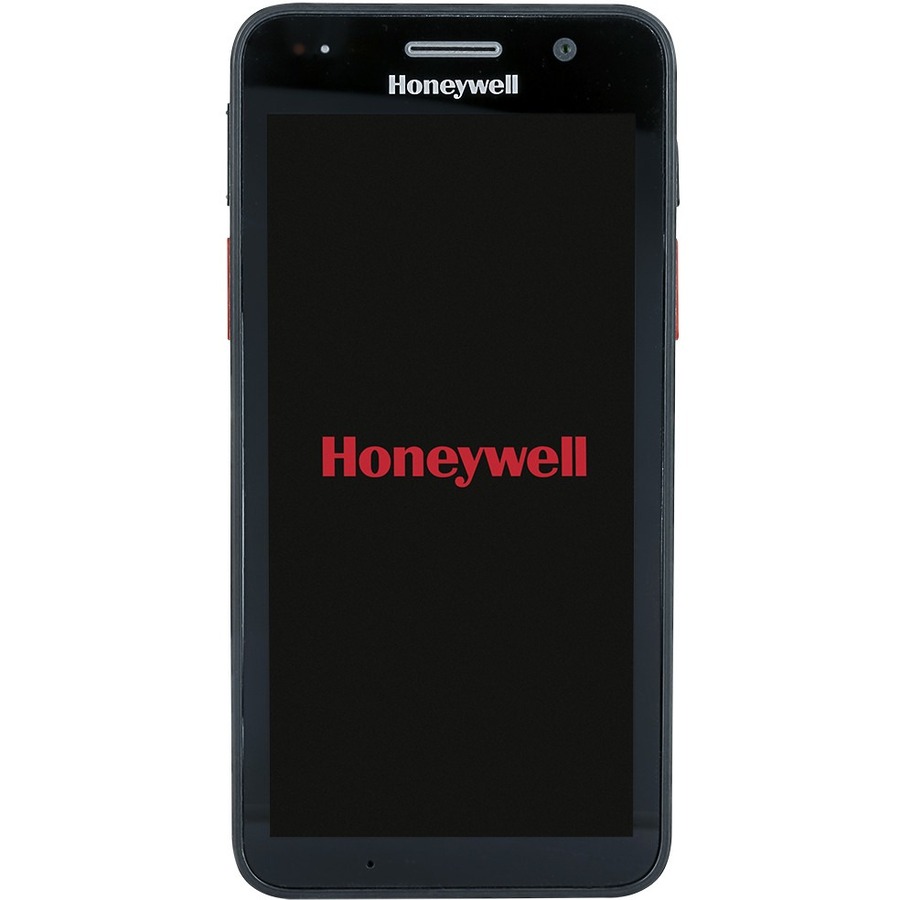
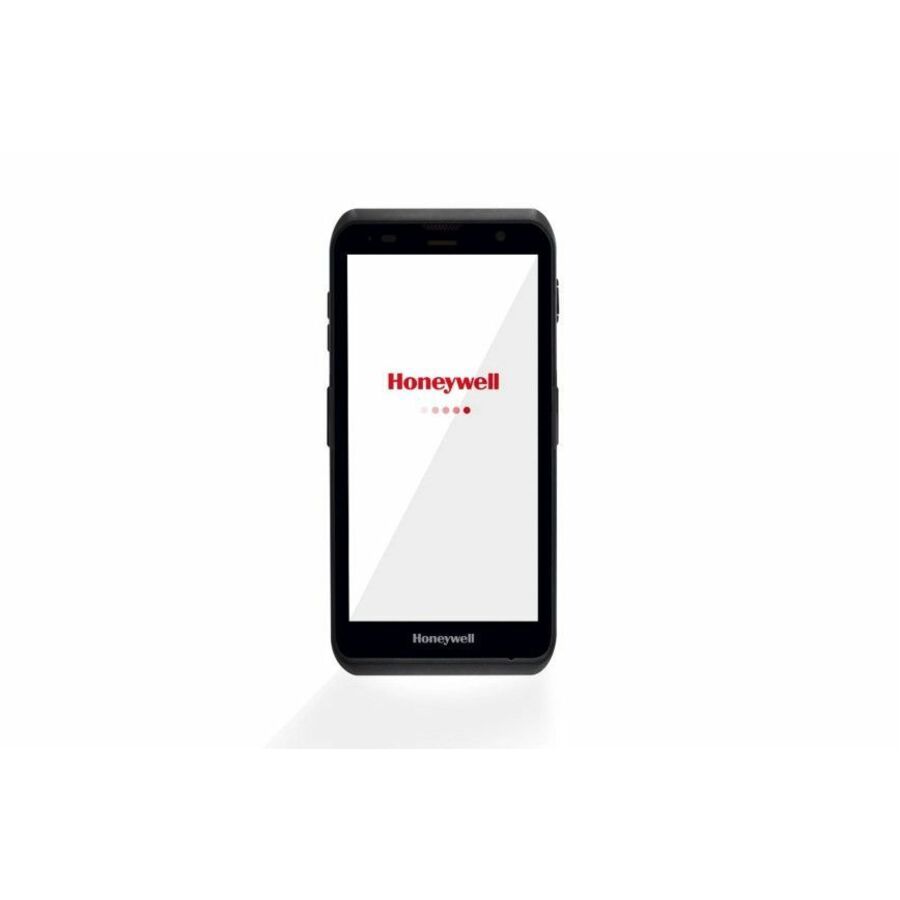
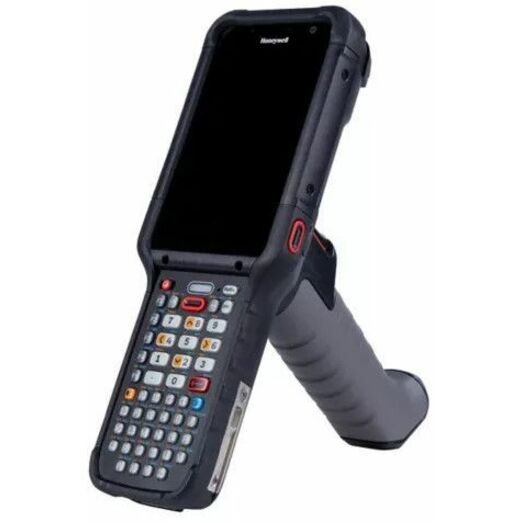
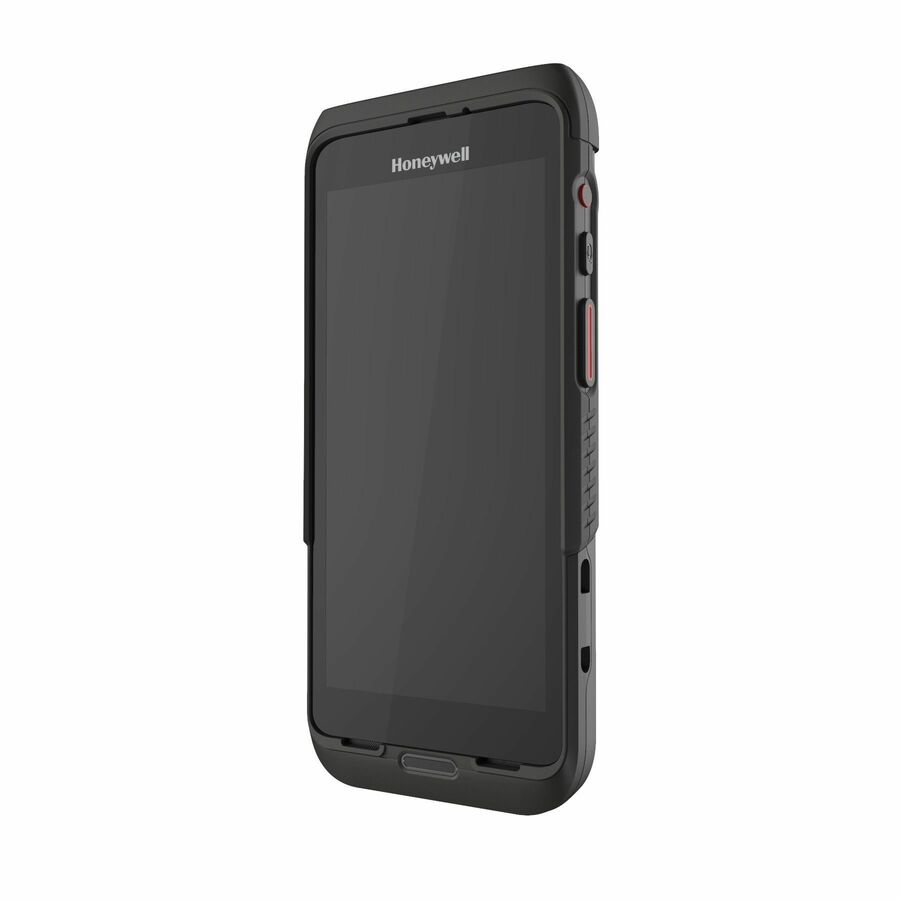
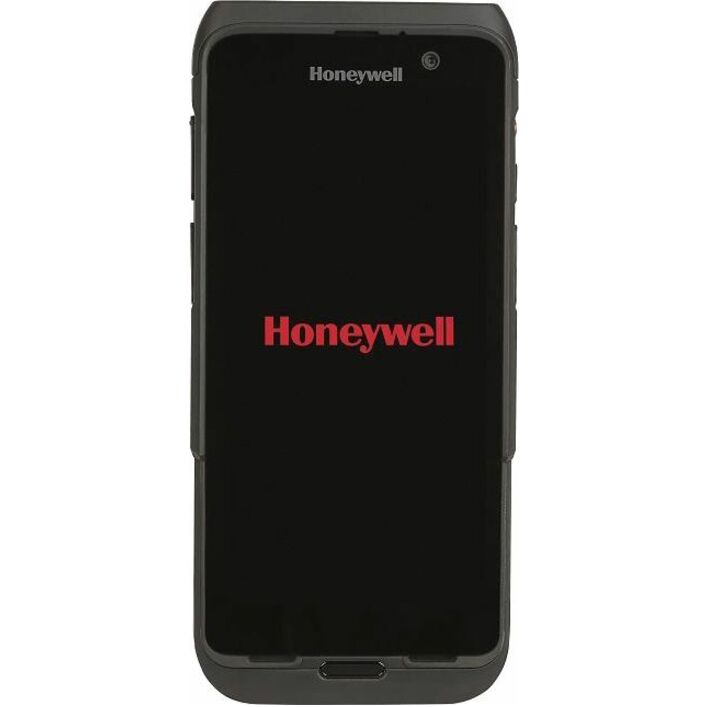
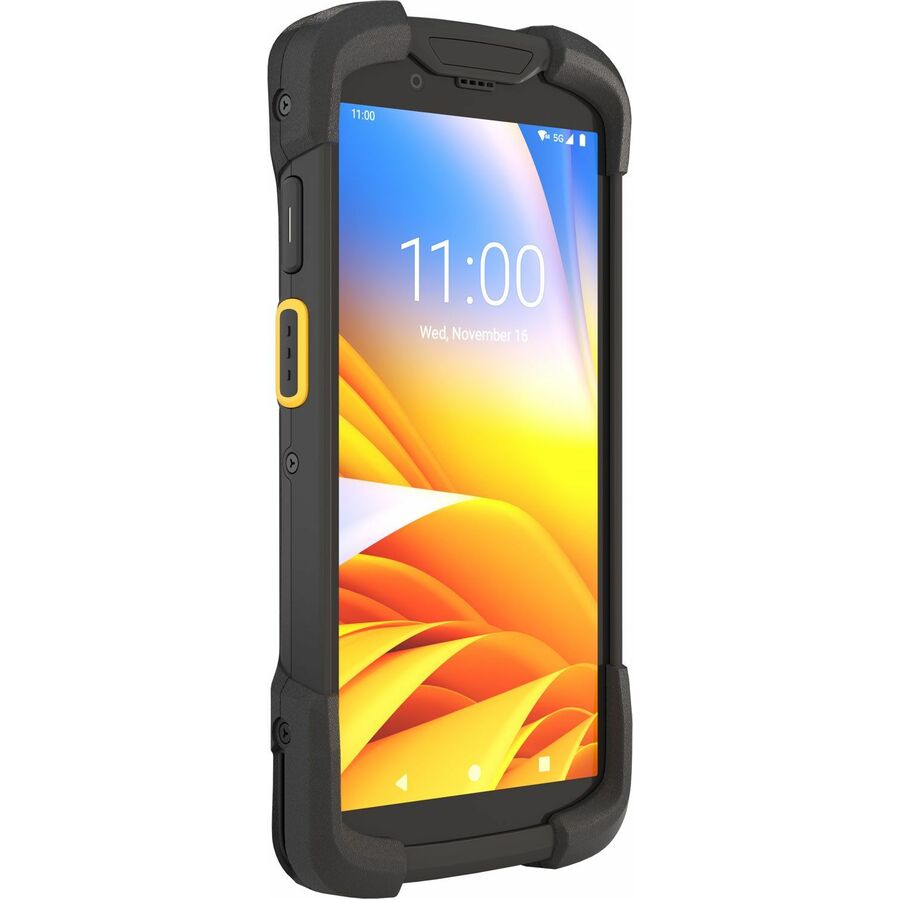
- Honeywell InternationalHoneywell CT30 XP Health Care Mobile Computer - 1D, 2D - Qualcomm 2 GHz - 6 GB RAM - 64 GB Flash - 5.5" Full HD Touchscreen - LED - Front Camera - Rear Camera - Android 11 Upgradable to Android 14 - Wireless LAN - Bluetooth - Rugged - Battery Included - IP67CT30P-X0N-30D10HG
$825.14
$643.35
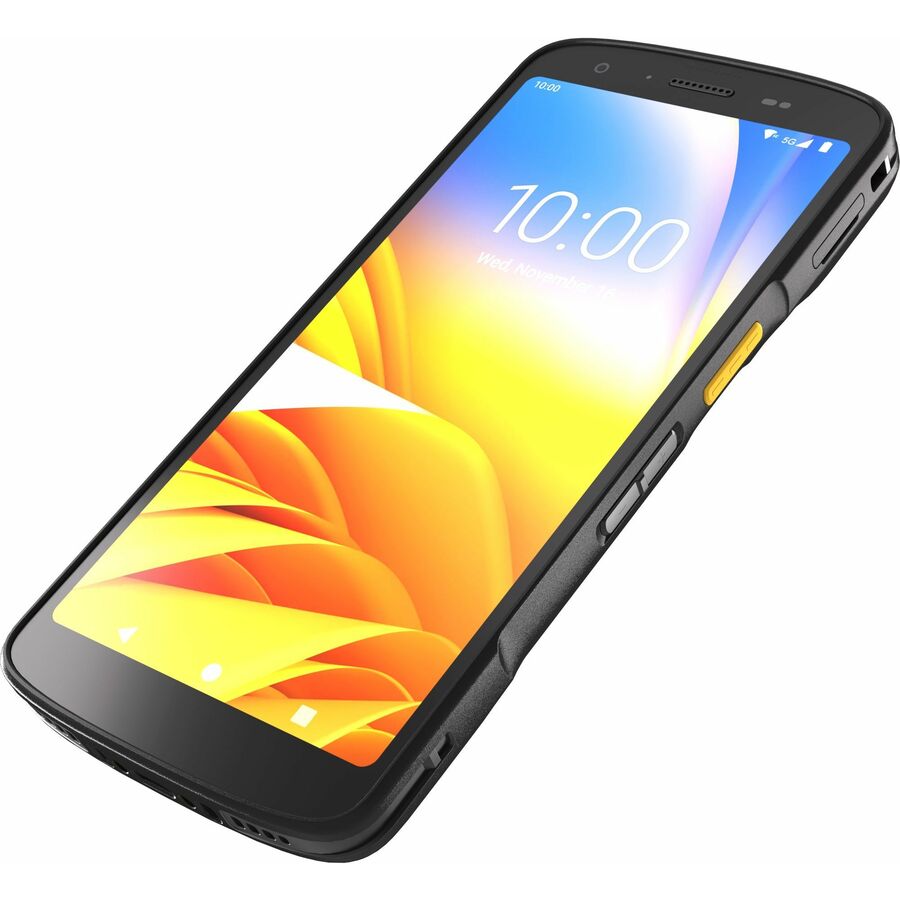
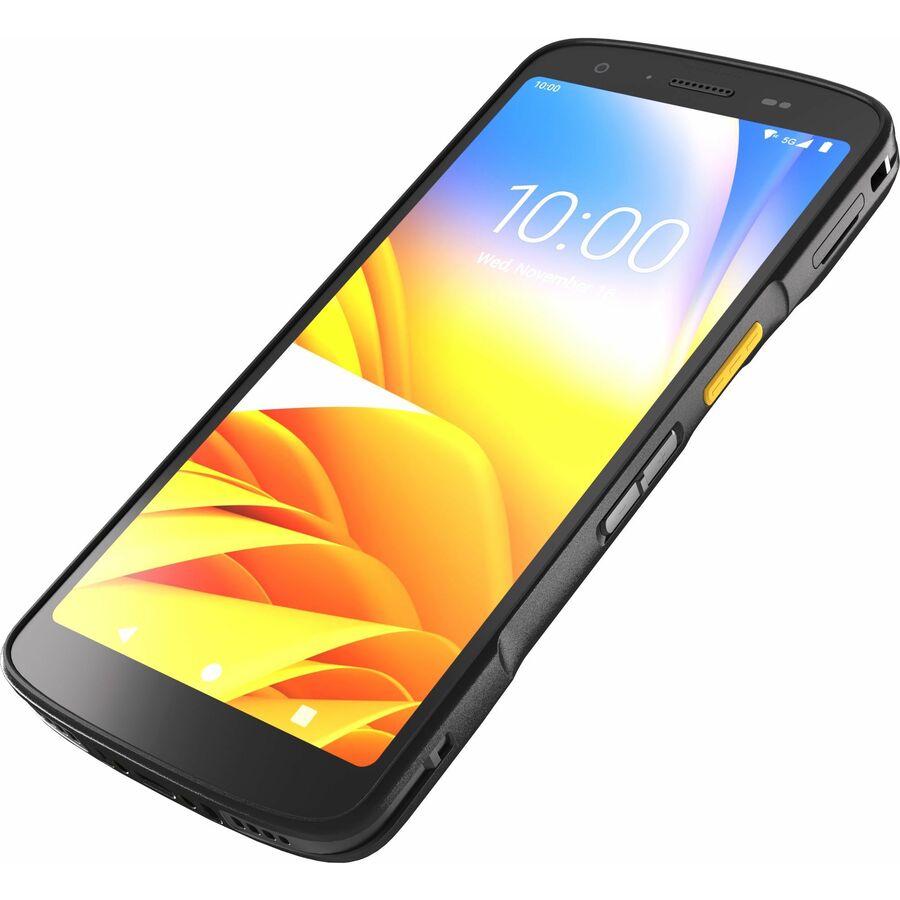
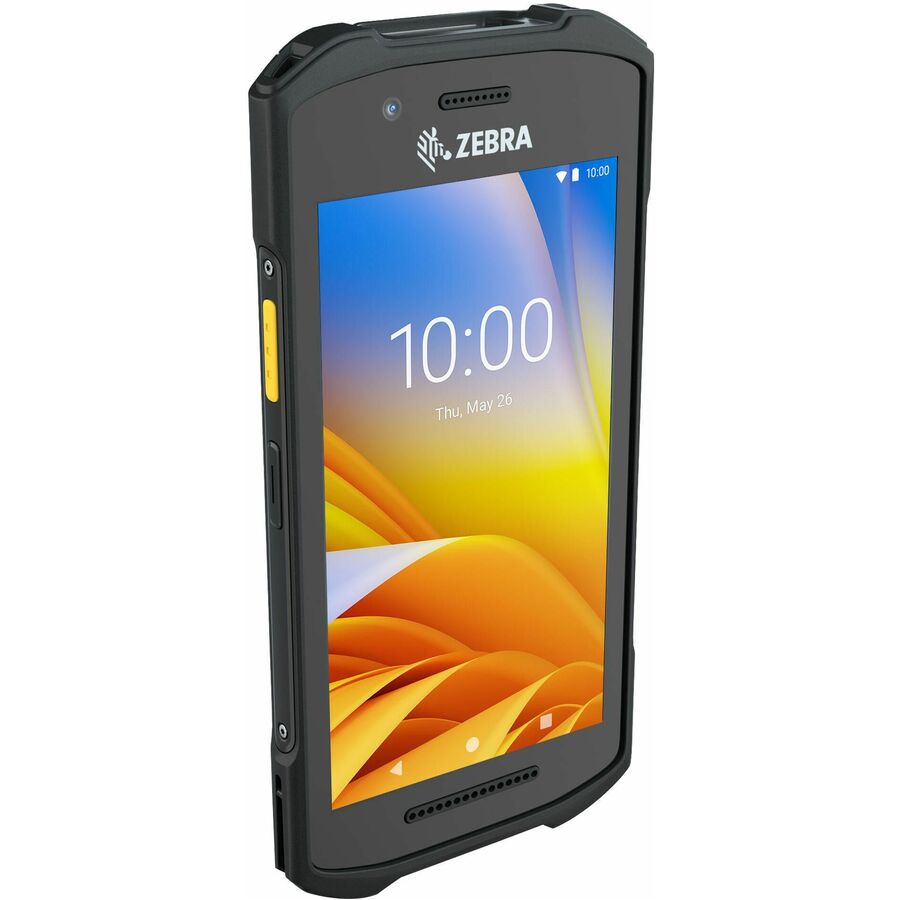
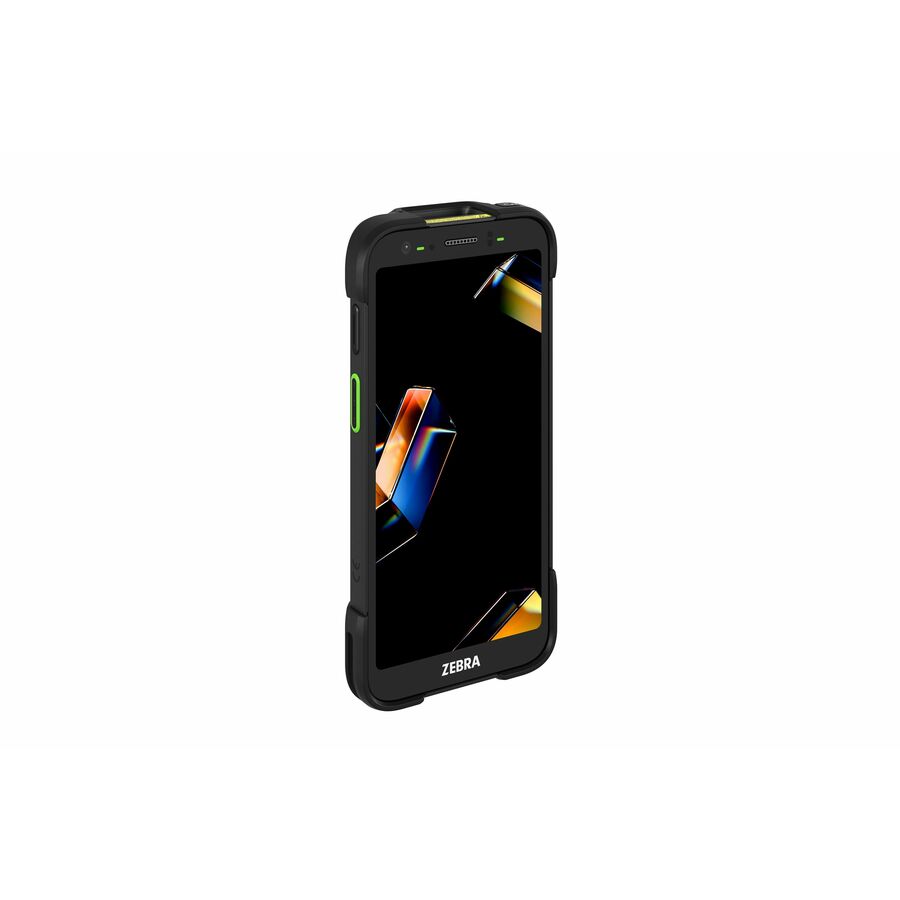
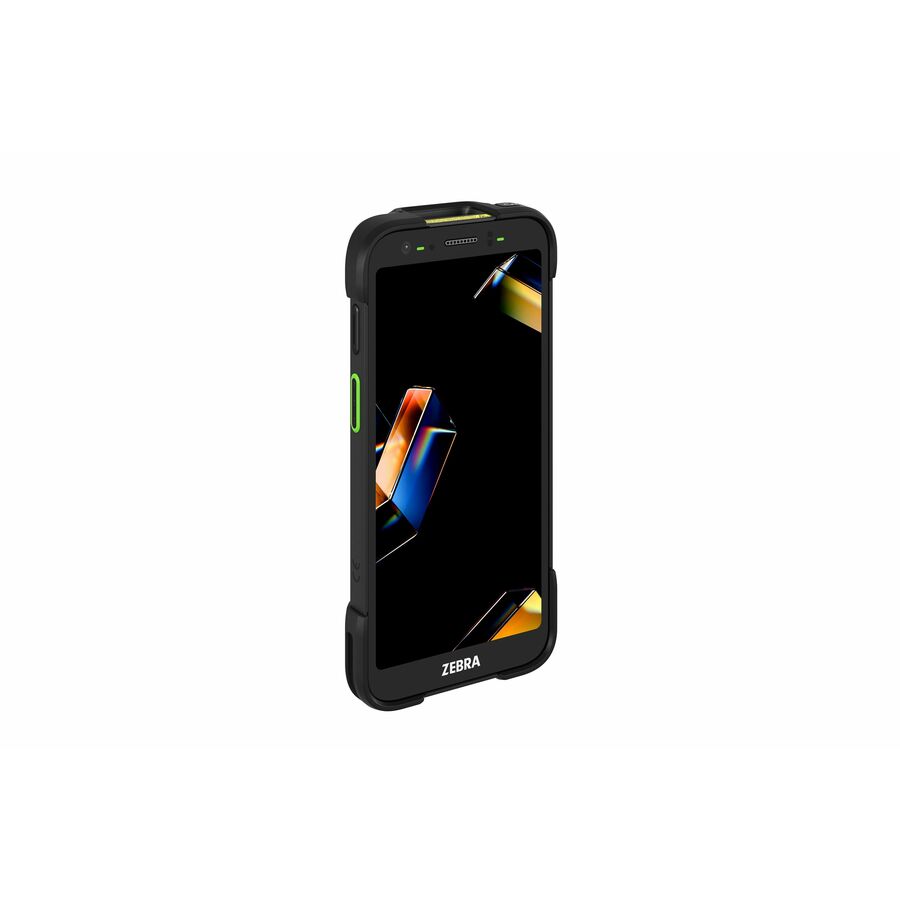
8 in stock - Zebra TechnologiesZebra TC22 Handheld Terminal - 1D, 2D - SE4710Scan Engine2.10 GHz - 6 GB RAM - 64 GB Flash - 6" Full HD Touchscreen - LED - Front Camera - Rear Camera - Android 13 Upgradable to Android 16 - Wireless LAN - Bluetooth - Rugged - TAA Compliant - Battery Included - IP65, IP68WLMT0-T22B6ABE2-NA
$1,676.84*
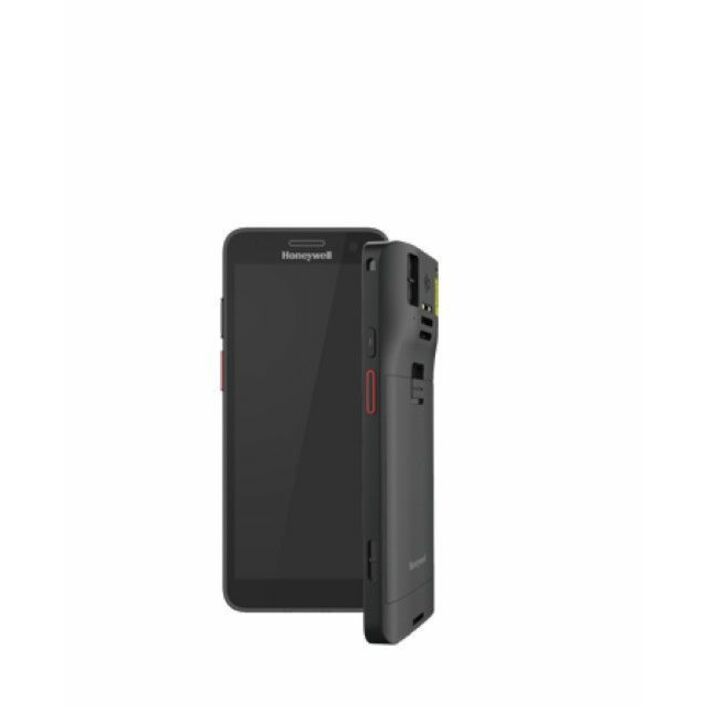
84 in stock - Honeywell InternationalHoneywell ScanPal EDA52 Handheld Terminal - 1D, 2D - S0703Scan Engine - Qualcomm Snapdragon 2 GHz - 3 GB RAM - 32 GB Flash - 5.5" HD Touchscreen - LED - Front Camera - Rear Camera - Android 11 Upgradable to Android 13 - Wireless LAN - Bluetooth - Rugged - Battery Included - IP67EDA52-00AE31N21UK
$2,168.11
$1,689.77
7 in stock - Zebra TechnologiesZebra TC27 Mobile Computer - 1D, 2D - 5G, 4G, 3G - SE4710Scan Engine2.10 GHz - 6 GB RAM - 64 GB Flash - 6" Full HD+ Touchscreen - LED - Front Camera - Rear Camera - Android Upgradable to Android 16 - Wireless LAN - Bluetooth - Rugged - Battery Included - IP68, IP65WCMTA-T27B6ABC2-NA
$1,705.78
163 in stock - Zebra TechnologiesZebra TC27 Handheld Terminal - 1D, 2D - 5G, LTE - SE55Scan Engine - Qualcomm 2.10 GHz - 6 GB RAM - 64 GB Flash - 6" Full HD Touchscreen - LED - Front Camera - Rear Camera - Android Upgradable to Android 16 - Wireless LAN - Bluetooth - Rugged - TAA Compliant - Battery Included - IP65, IP68WCMTA-T27B6ABE2-NA
$1,778.14*
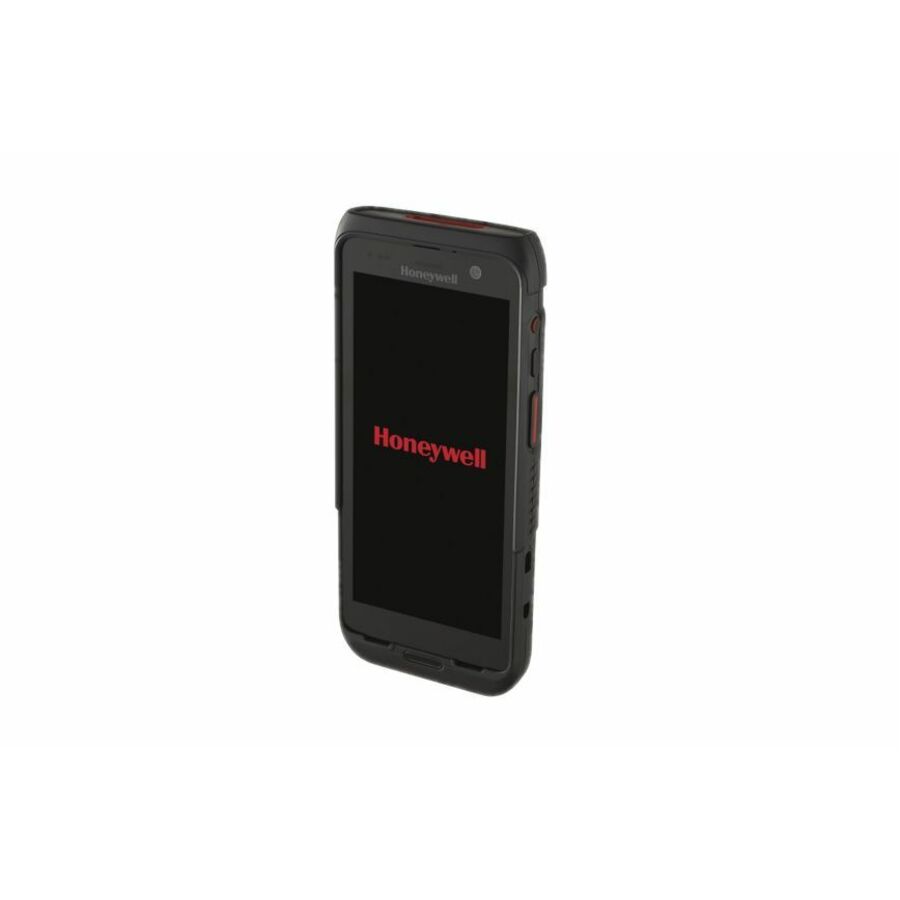
1 in stock - Honeywell InternationalHoneywell CT37 Mobile Computer - 1D, 2D - 5G, 4G, 3G, LTE, UMTS, HSPA+, 4G LTE, 2G - 36.09 ft - S0703Scan Engine - Qualcomm 2.40 GHz - 8 GB RAM - 128 GB Flash - 6" Full HD Touchscreen - LED - Front Camera - Rear Camera - Android Upgradable to Android 18 - Wireless LAN - Bluetooth - Rugged - Battery Included - IP65, IP68CT37-X0N-57S10DG
$2,437.58
$1,900.14
4 in stock - Zebra TechnologiesZebra TC27 Handheld Terminal - 1D, 2D - 5G, 4G, 3G, 2G, HSPA+, LTE - SE55Scan Engine2.10 GHz - 6 GB RAM - 64 GB Flash - 6" Full HD Touchscreen - LED - Front Camera - Rear Camera - Android 13 Upgradable to Android 16 - Wireless LAN - Bluetooth - Rugged - TAA Compliant - Battery Included - IP68, IP65WCMTA-T27B6CBC2-NA
$1,912.54*
7 in stock - Zebra TechnologiesZebra TC22 Handheld Terminal - 1D, 2D - SE4710Scan Engine2.10 GHz - 8 GB RAM - 128 GB Flash - 6" Full HD Touchscreen - LED - Front Camera - Rear Camera - Android 13 Upgradable to Android 16 - Wireless LAN - Bluetooth - Rugged - TAA Compliant - IP65, IP68WLMT0-T22B8ABD8-NA
$1,945.63*
102 in stock - Honeywell InternationalHoneywell CT30 XP Handheld Computer - 1D, 2D - 48"Snapdragon 2 GHz - 6 GB RAM - 64 GB Flash - 5.5" Full HD Touchscreen - LED - Front Camera - Rear Camera - Android 11 Upgradable to Android 14 - Wireless LAN - Bluetooth - Rugged - Battery Included - IP67CT30P-X0N-38D10DG
$2,494.72
$1,954.38
59 in stock - Honeywell InternationalHoneywell CT37 Handheld Computer - 5G, 4G, 3G, LTE, UMTS, HSPA+, 4G LTE2.40 GHz - 8 GB RAM - 128 GB Flash - 6" Full HD Touchscreen - LED - Front Camera - Rear Camera Upgradable to Android 18 - Wireless LAN - Bluetooth - Rugged - IP65, IP68CT37-X1N-57E10DG
$2,666.33
$2,078.42
1 in stock - Zebra TechnologiesZebra TC22 Mobile Computer - 1D, 2D - SE55Scan Engine2.10 GHz - 8 GB RAM - 128 GB Flash - 6" Full HD+ Touchscreen - LED - Front Camera - Rear Camera - Android Upgradable to Android 16 - Wireless LAN - Bluetooth - Rugged - TAA Compliant - Battery Included - IP65, IP68WLMT0-T22B8CBD8-NA
$2,235.08*
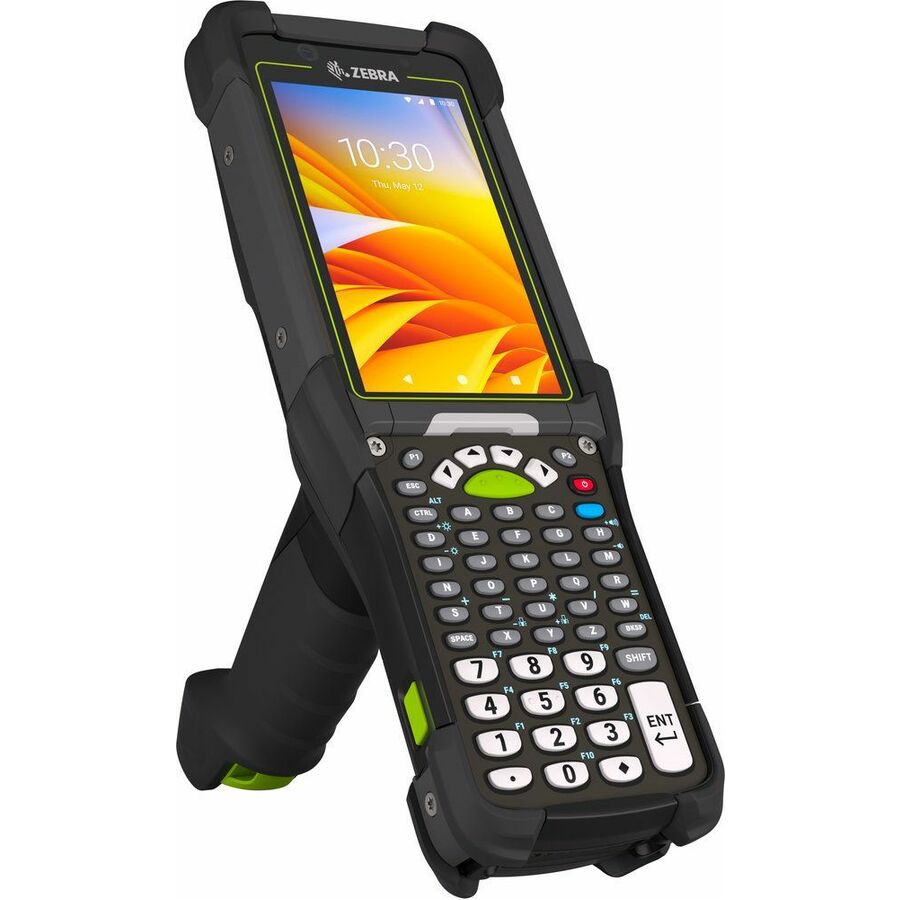
23 in stock - Zebra TechnologiesZebra MC3400 Mobile Computer - 1D, 2D - SE4710Scan Engine - Qualcomm 2.40 GHz - 4 GB RAM - 64 GB Flash - 4" WVGA TouchscreenFront Camera - Rear Camera - 38 Keys - Function Numeric Keyboard - Android Upgradable to Android 15 - Wireless LAN - Bluetooth - Rugged - TAA Compliant - Battery Included - IP65, IP67MC3401-0G1D43SS-NA
$2,795.97
$2,280.63*
6 in stock - Honeywell InternationalHoneywell CT70 Handheld Terminal - 1D, 2D - LTE Advanced, LTE, UMTS, HSPA+, 4G, 3G, 2G, 5G - S0703Scan Engine - Qualcomm Snapdragon 2.90 GHz - 8 GB RAM - 128 GB Flash - 6" Full HD TouchscreenFront Camera - Rear Camera - Android Upgradable to Android 19 - Wireless LAN - Bluetooth - Rugged - Battery Included - IP68, IP65CT70-X1N-057CE104G
$3,018.46
$2,352.96
10 in stock - Honeywell InternationalHoneywell CT70 Handheld Terminal - 1D, 2D - LTE Advanced, LTE, UMTS, HSPA+, 4G, 3G, 2G, 5G - S0703Scan Engine - Qualcomm Snapdragon 2.90 GHz - 8 GB RAM - 128 GB Flash - 6" Full HD TouchscreenFront Camera - Rear Camera - Android Upgradable to Android 19 - Wireless LAN - Bluetooth - Rugged - Battery Included - IP68, IP65CT70-X1N-057CW104G
$3,037.44
$2,367.70
10 in stock - Zebra TechnologiesZebra TC53e Handheld Terminal - 1D, 2D - SE4720Scan Engine2.40 GHz - 6 GB RAM - 64 GB Flash - 6" Full HD+ Touchscreen - LED - Front Camera - Rear Camera - Android Upgradable to Android 17 - Wireless LAN - Bluetooth - Rugged - Battery Included - IP65, IP68TC530E-0T1E1B1000-NA
$3,404.12
$2,776.68
204 in stock - Zebra TechnologiesZebra TC53e Handheld Terminal - 1D, 2D - SE4720Scan Engine - Qualcomm 2.40 GHz - 6 GB RAM - 64 GB Flash - 6" Full HD+ Touchscreen - LED - Front Camera - Rear Camera - Android Upgradable to Android 17 - Wireless LAN - Bluetooth - Rugged - Battery Included - IP65, IP68TC530E-0T1E1B1001-NA
$3,476.85
$2,836.02
7 in stock - Honeywell InternationalHoneywell CT47 Ultra-Rugged Mobile Computer - 1D, 2D - 4G, 4G LTE, 5G, 3G, 2G, LTE, UMTS, HSPA+ - 78.74 ft - S0703Scan Engine - Qualcomm 2.70 GHz - 8 GB RAM - 128 GB Flash - 5.5" Full HD Touchscreen - LED - Front Camera - Rear Camera - Android 12 - Wireless LAN - Bluetooth - Rugged - Battery Included - IP65, IP68CT47-X0N-58D100G
$3,970.75
$3,095.14
54 in stock


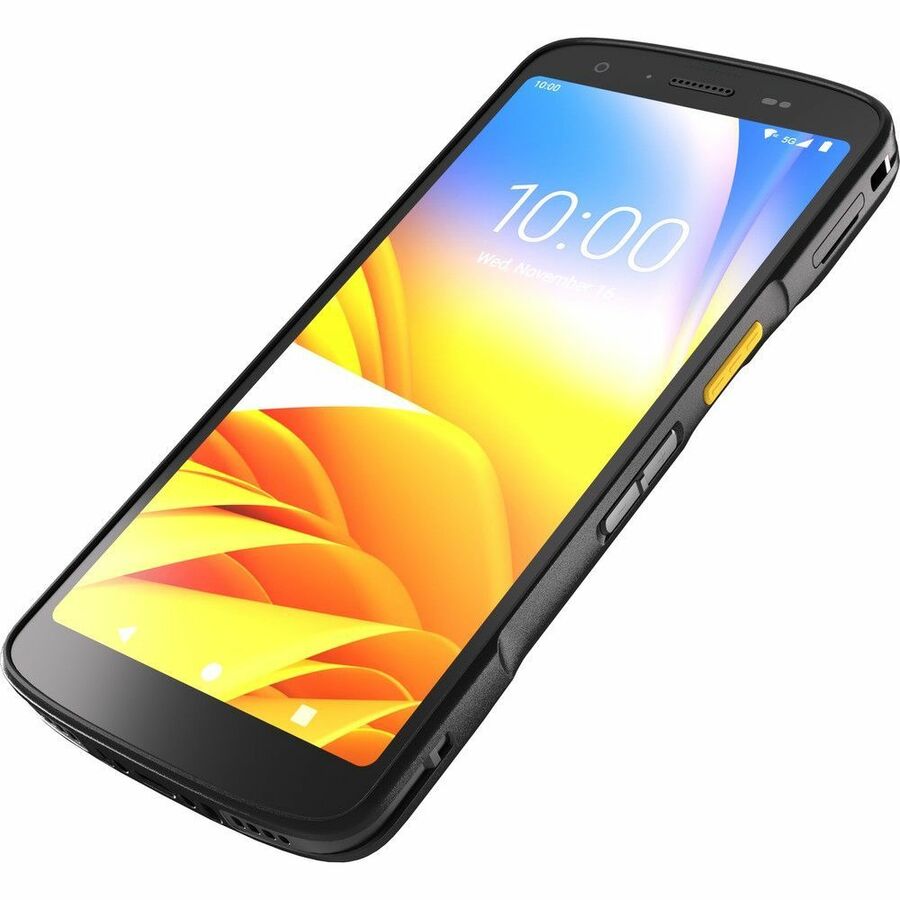
Zebra TC21, entry pick
Zebra Technologies
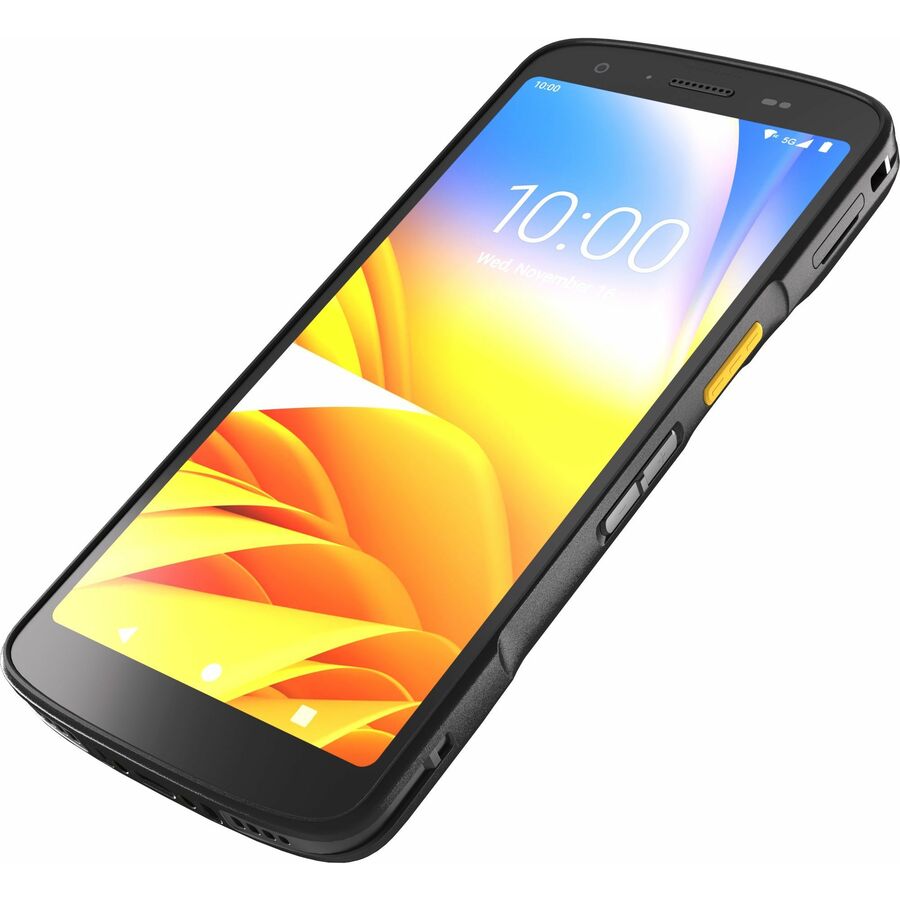
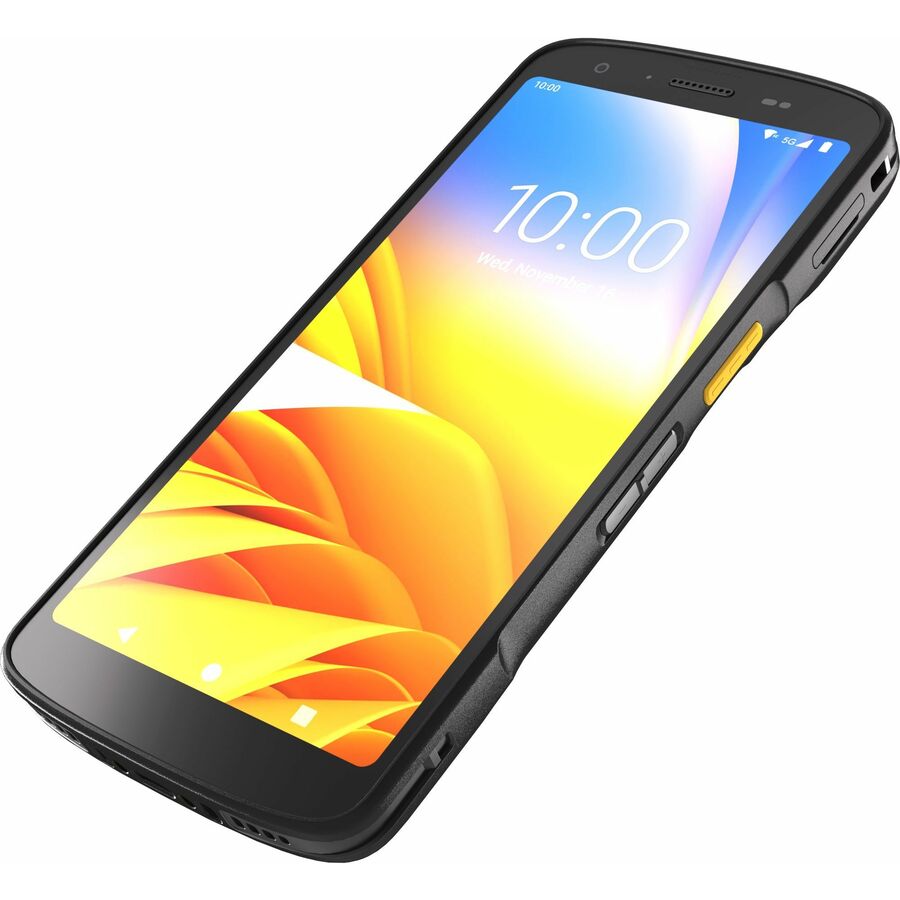
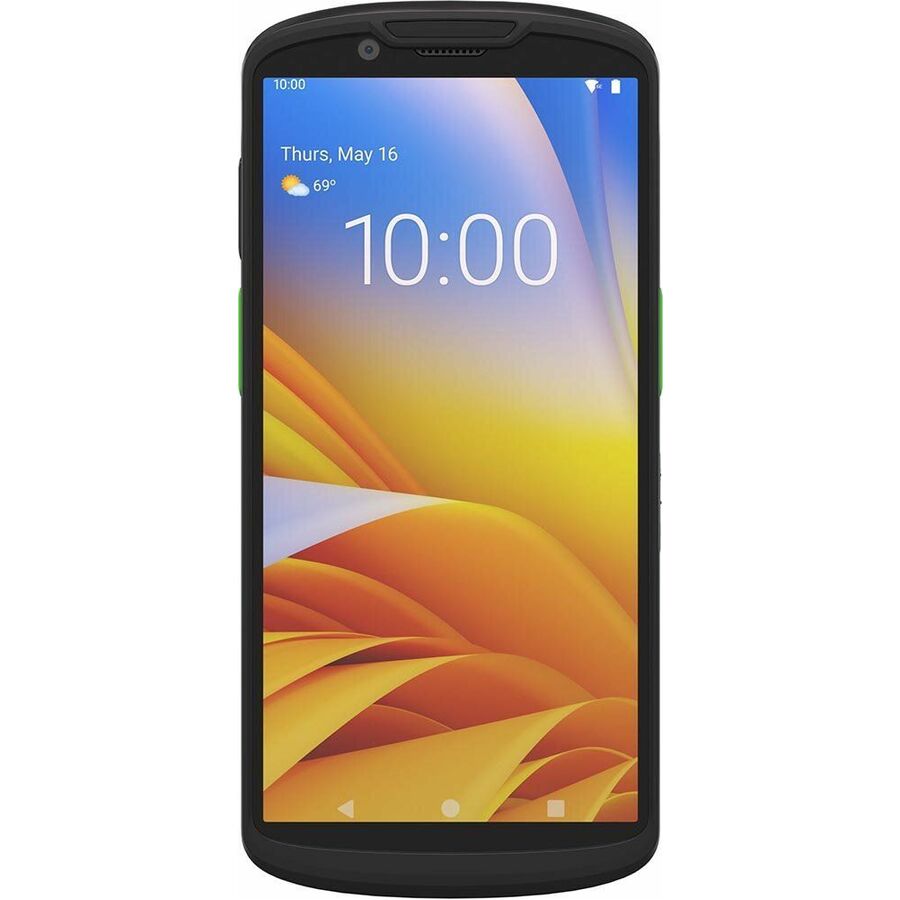
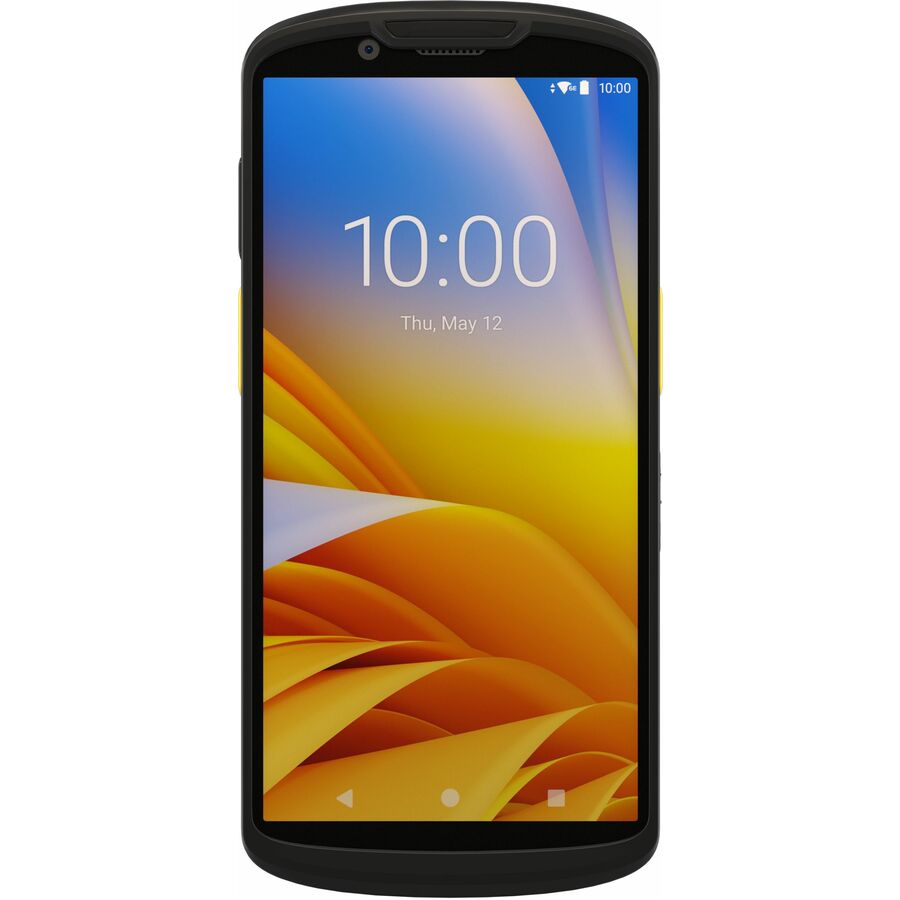
Zebra TC21 Handheld Terminal
TC210K-0HD224-NA
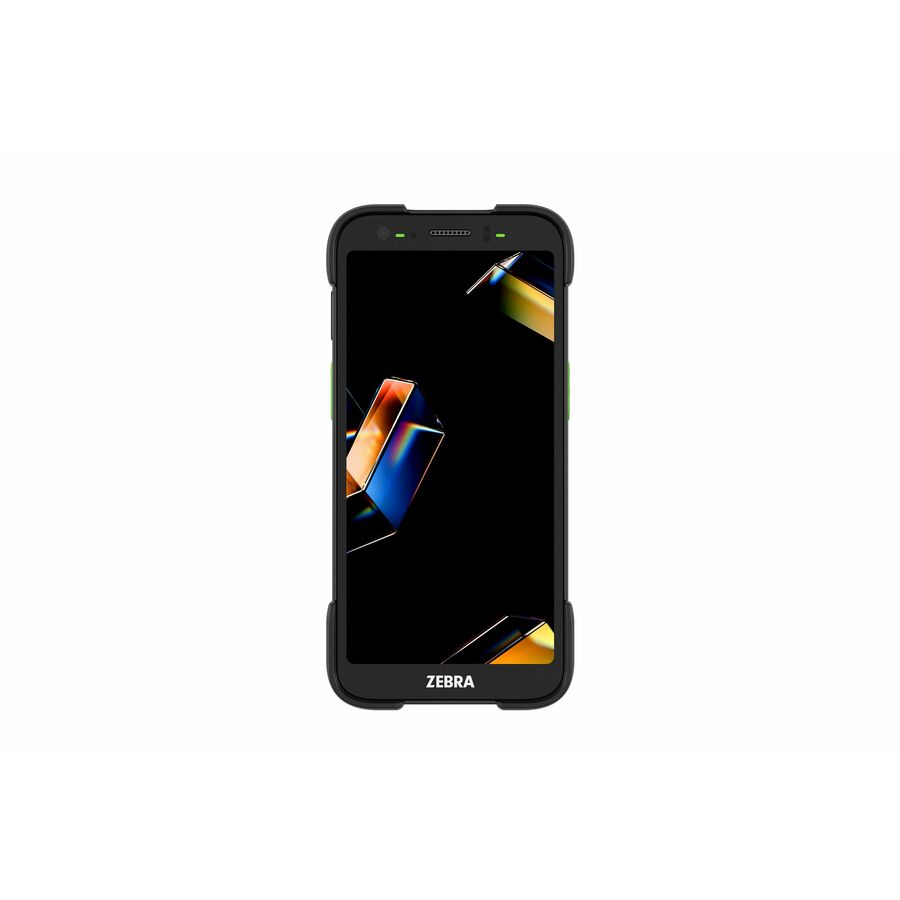
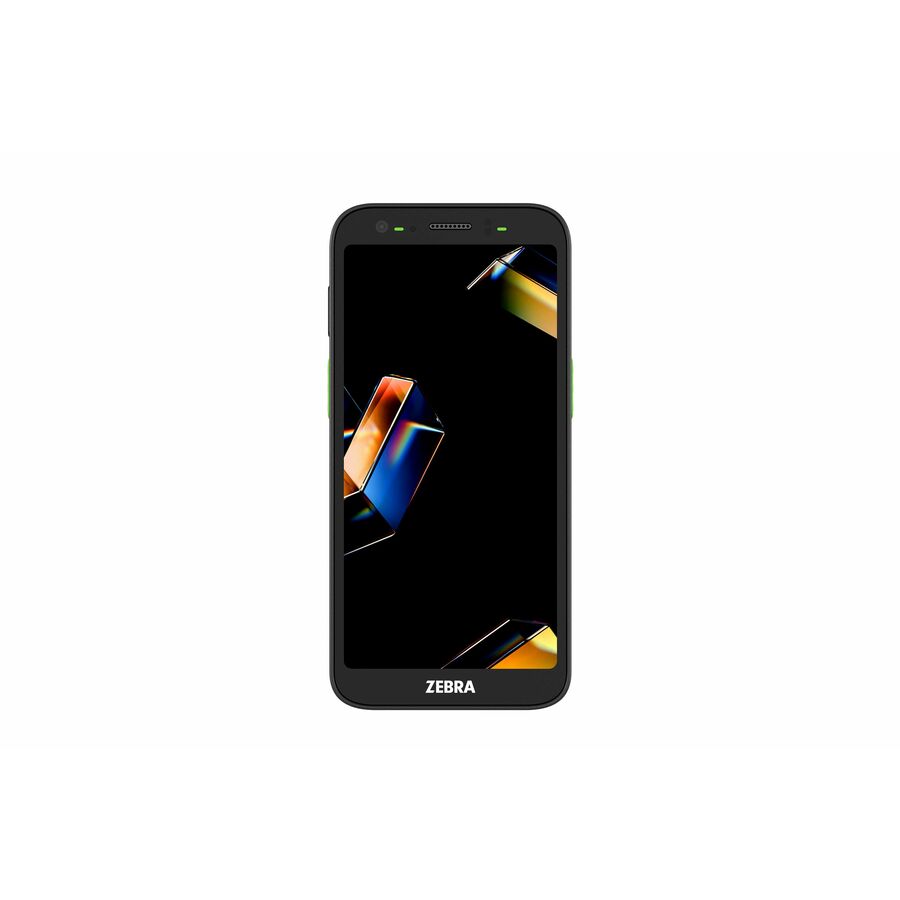
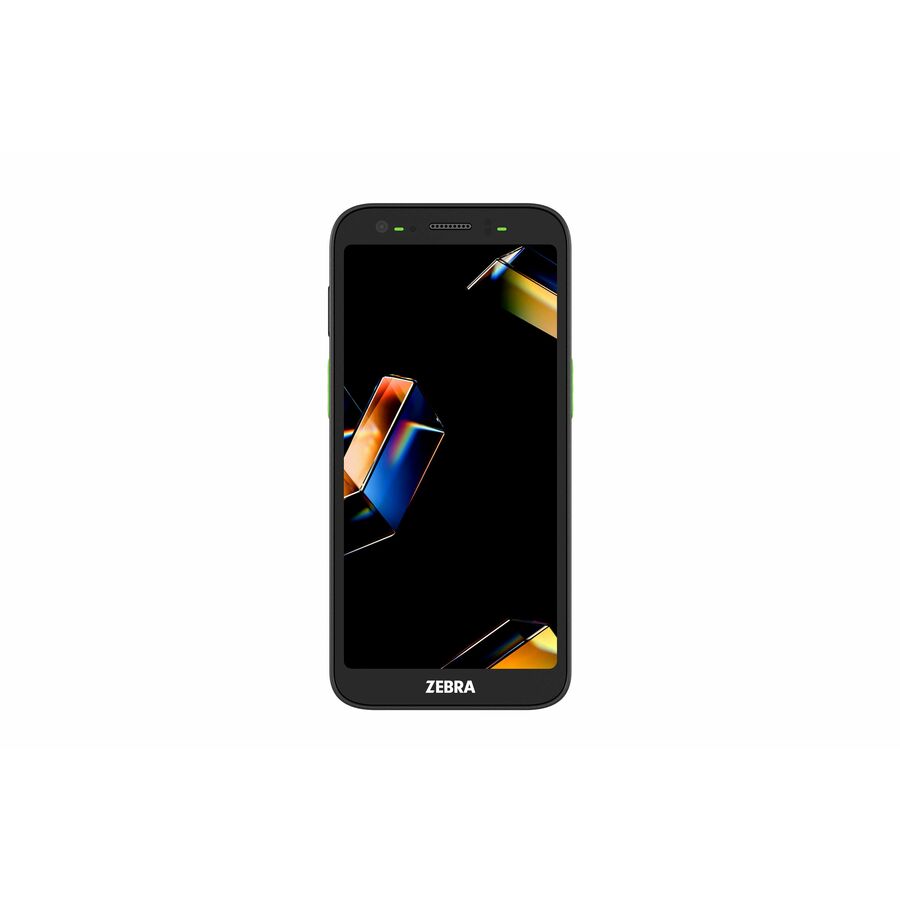
Zebra's TC21 rugged handheld terminal on Android with a 5-inch HD touchscreen and Wi-Fi — an IP67-sealed unit for in-building picking and receiving where cellular is not needed.
Titled TAA Compliant — a per-part fact to confirm on the exact row ordered.
Request pricingZebra TC26, cellular
Zebra Technologies
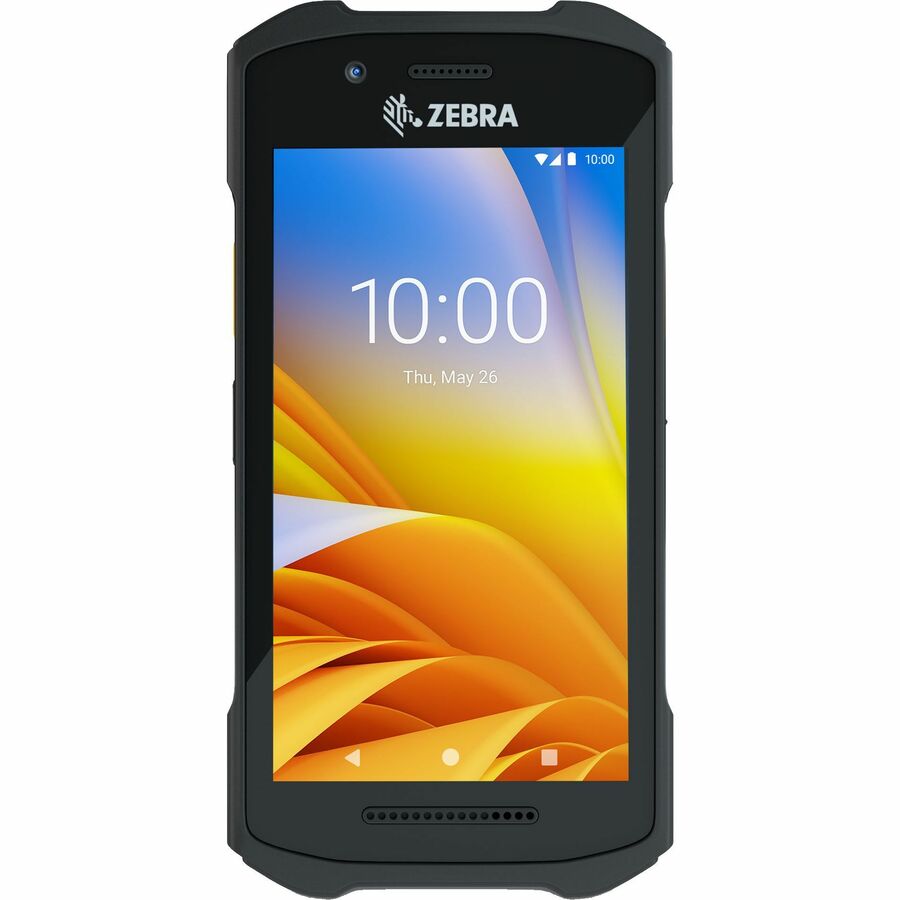
Zebra TC26 Handheld Terminal
TC26AK-21A222-NA
The Zebra TC26 pairs the same 5-inch rugged Android platform with an SE4710 2D imager and UMTS/LTE — the cellular sibling for yard, dock-to-door and off-Wi-Fi work, rated IP67.
$1,209.06Back-orderedZebra TC22, 6-inch
Zebra Technologies
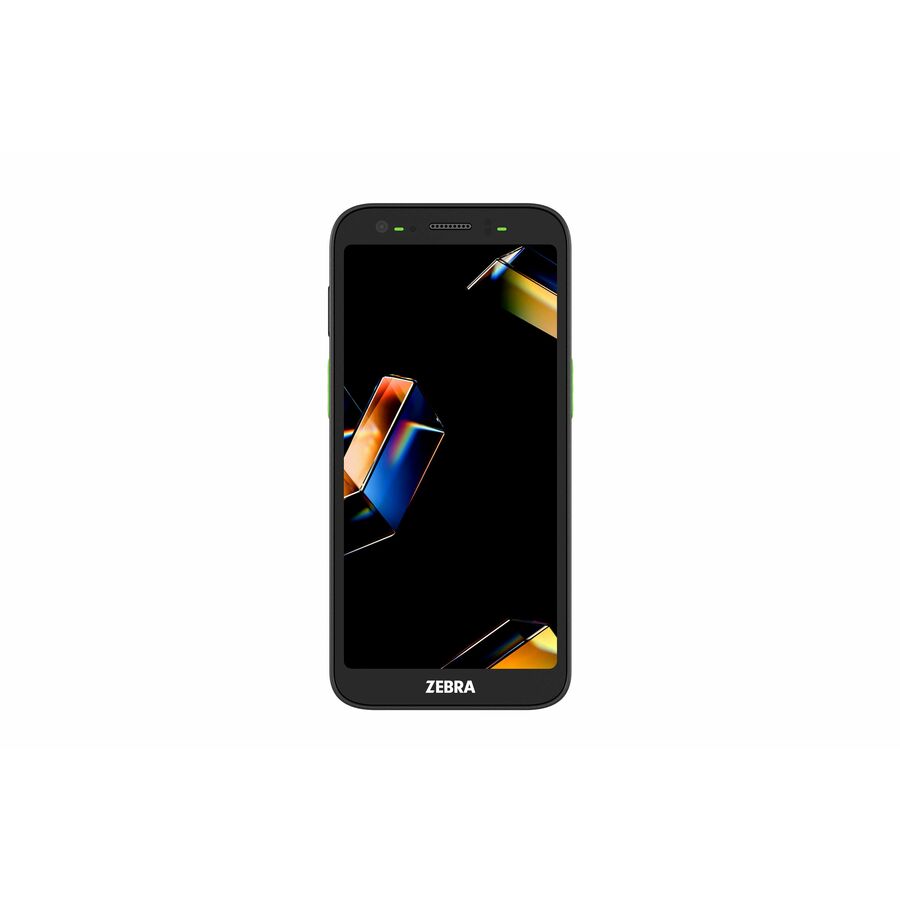
Zebra TC22 Handheld Terminal
WLMT0-T22B6ABE2-NA
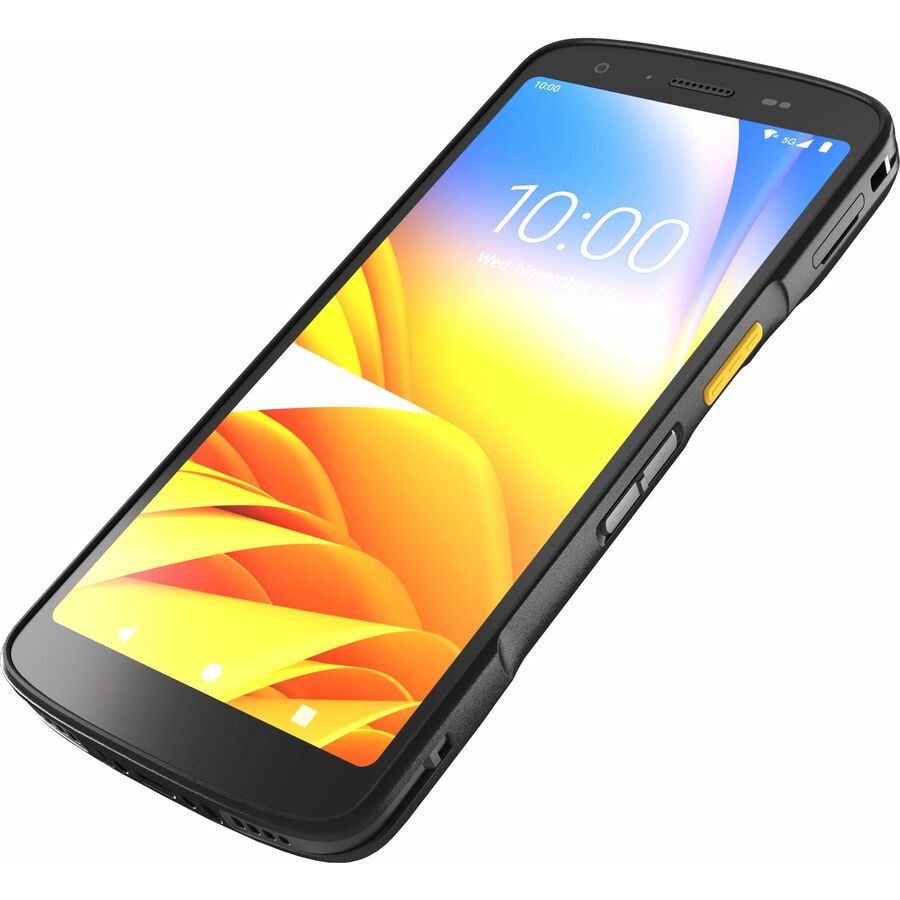
Zebra's TC22 rugged mobile computer with a 6-inch Full HD touchscreen, SE4710 imager and IP65/IP68 sealing — a larger screen for a graphical WMS, upgradable through Android 16.
Titled TAA Compliant — a per-part fact to confirm on the exact row ordered.
$1,676.84*In stockZebra TC27, 5G
Zebra Technologies
Zebra TC27 Mobile Computer
WCMTA-T27B6ABC2-NA
The Zebra TC27 adds 5G to the 6-inch rugged Android platform with an SE4710 imager and IP68/IP65 sealing — the connected flagship for pickers who move between building and yard.
$1,705.78In stockZebra MC3400 gun
Zebra Technologies
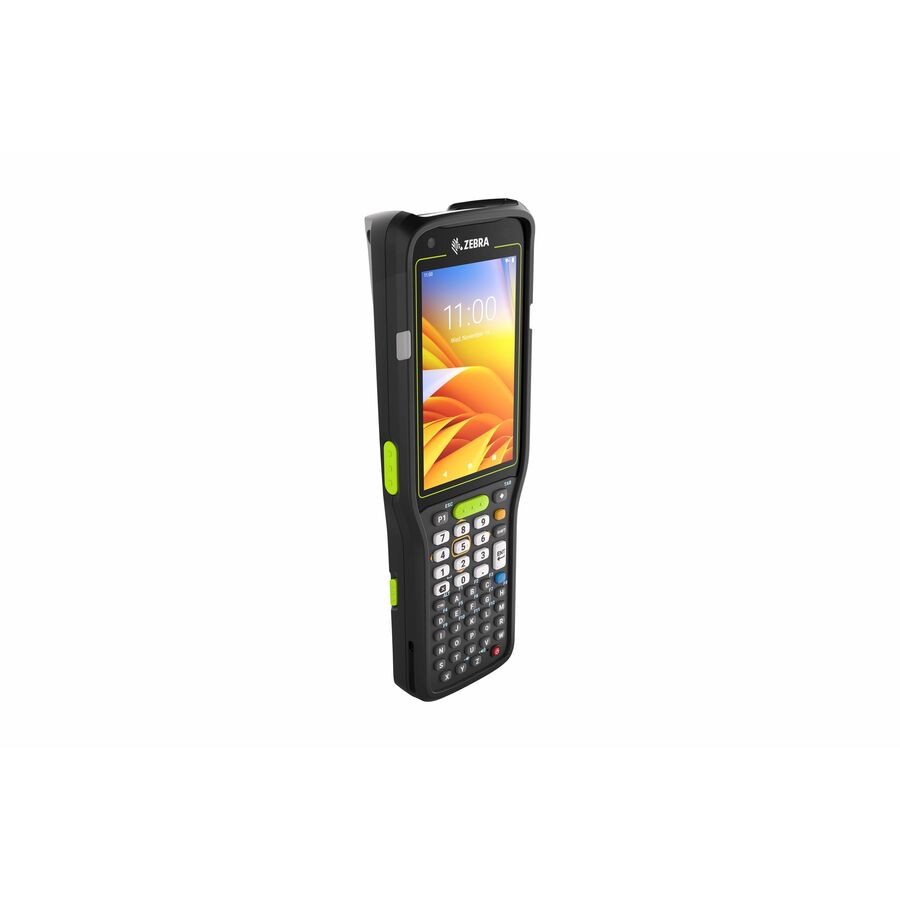
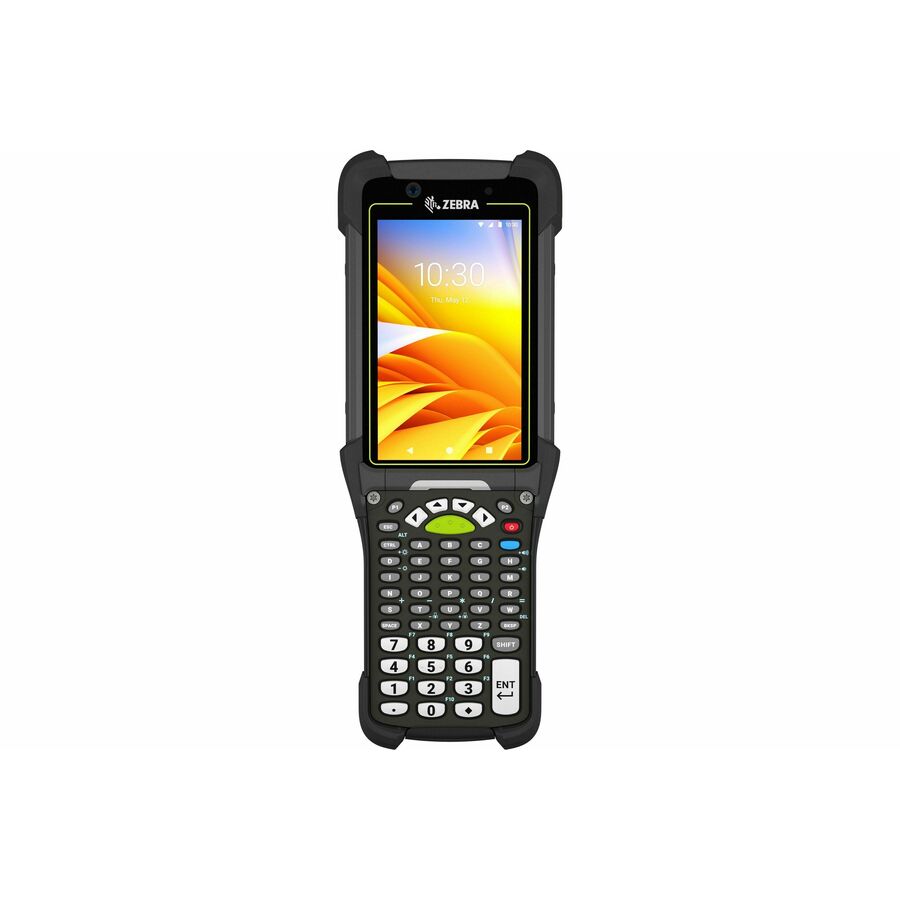
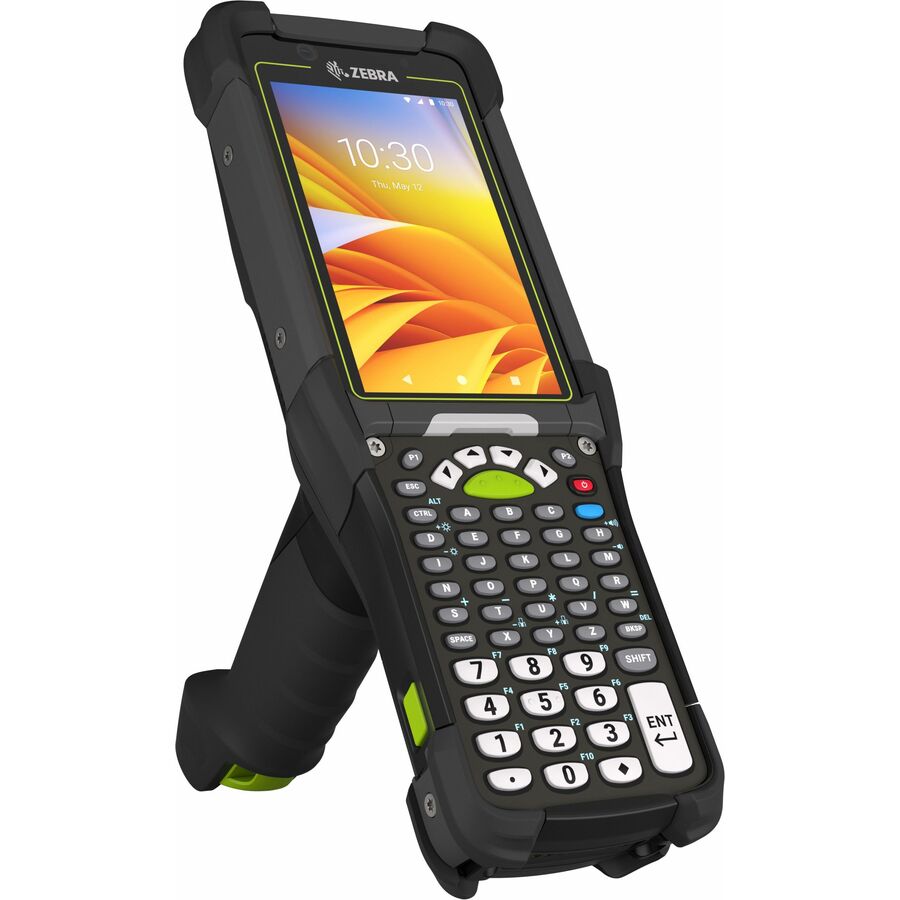
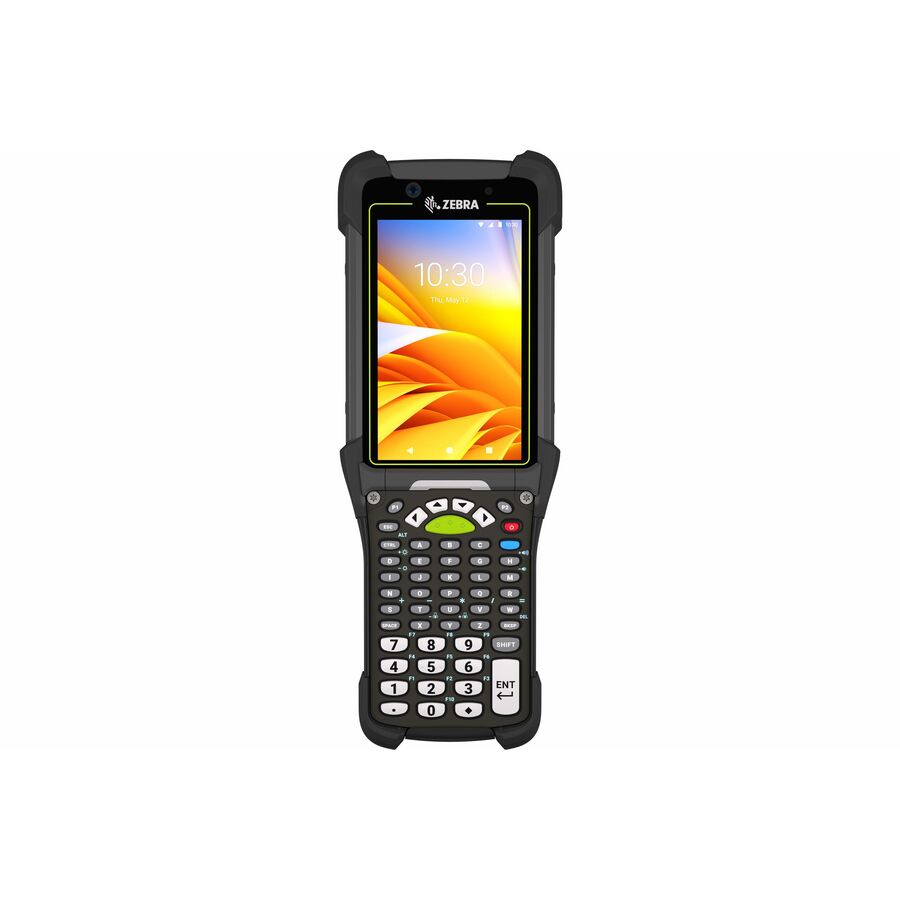
Zebra MC3400 Mobile Computer
MC3401-0S1D43SS-NA
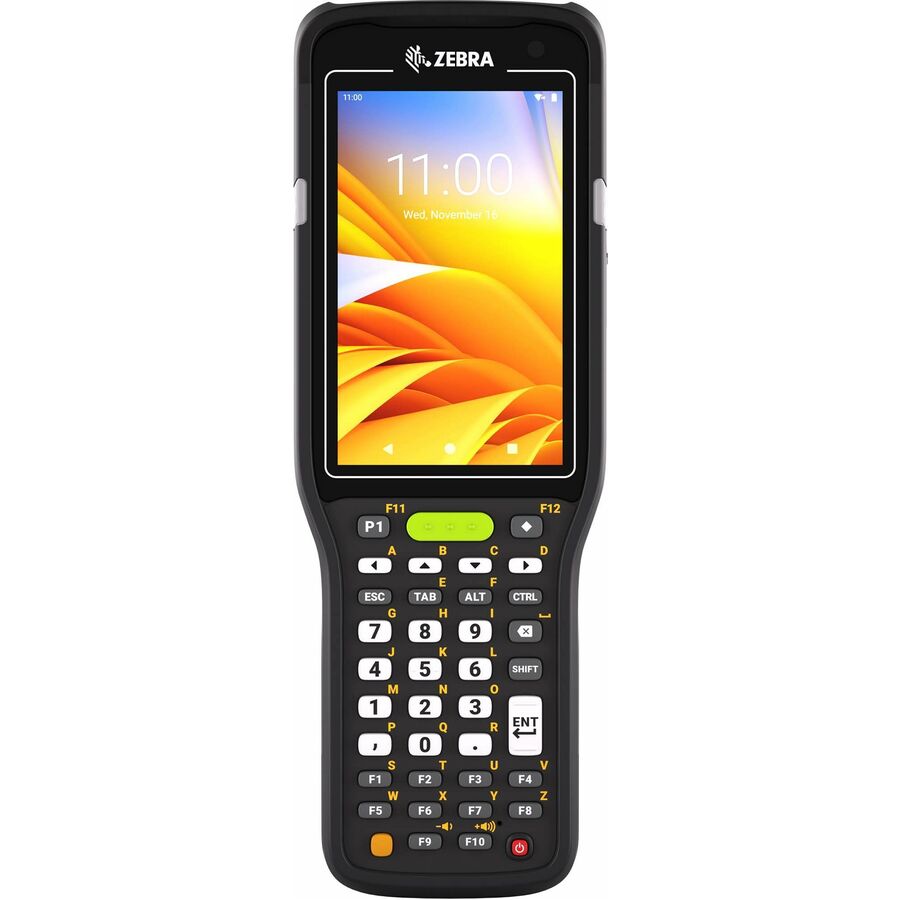
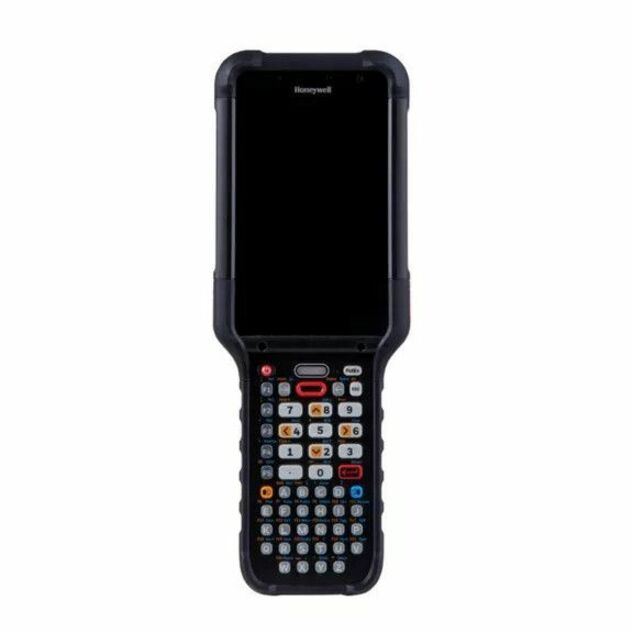
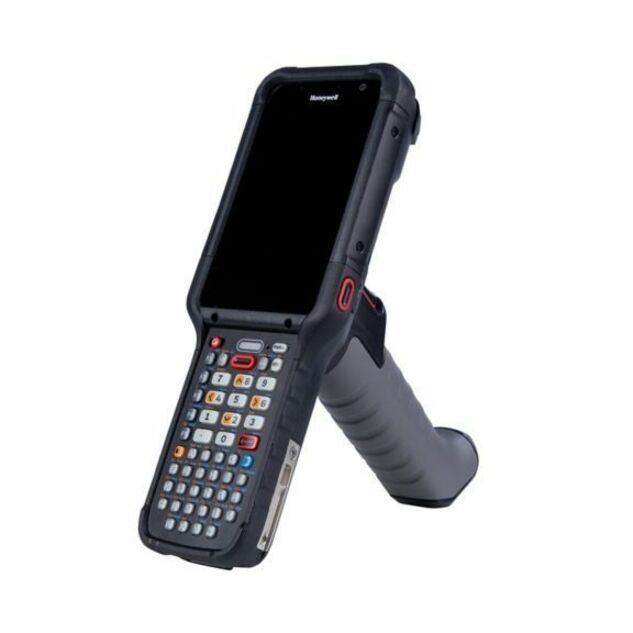
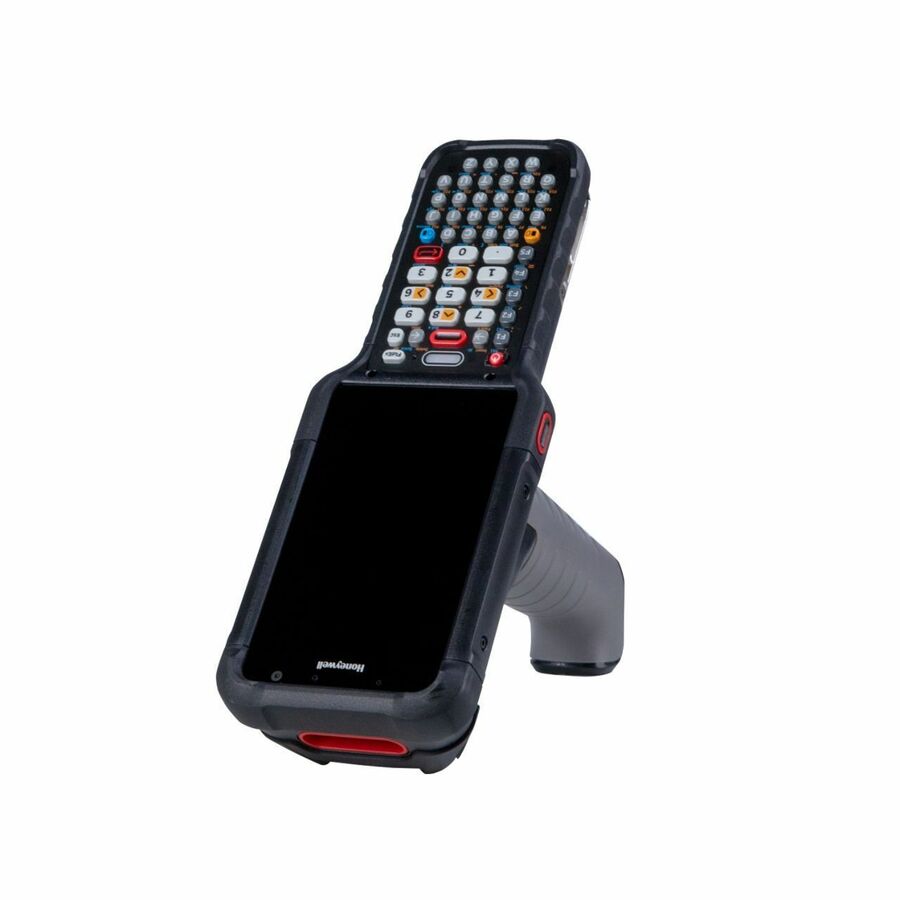
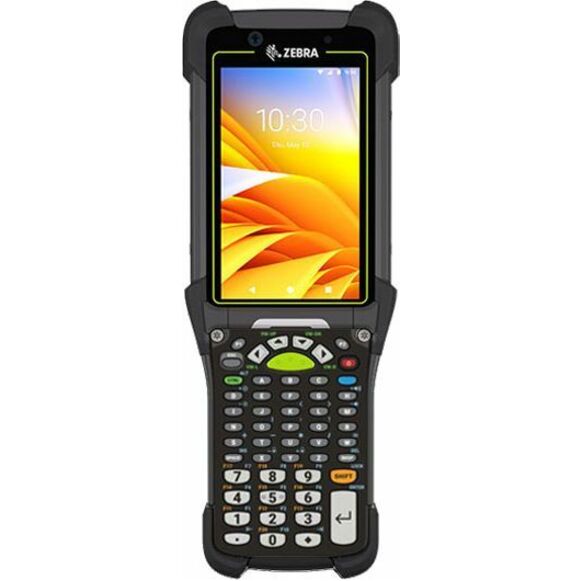
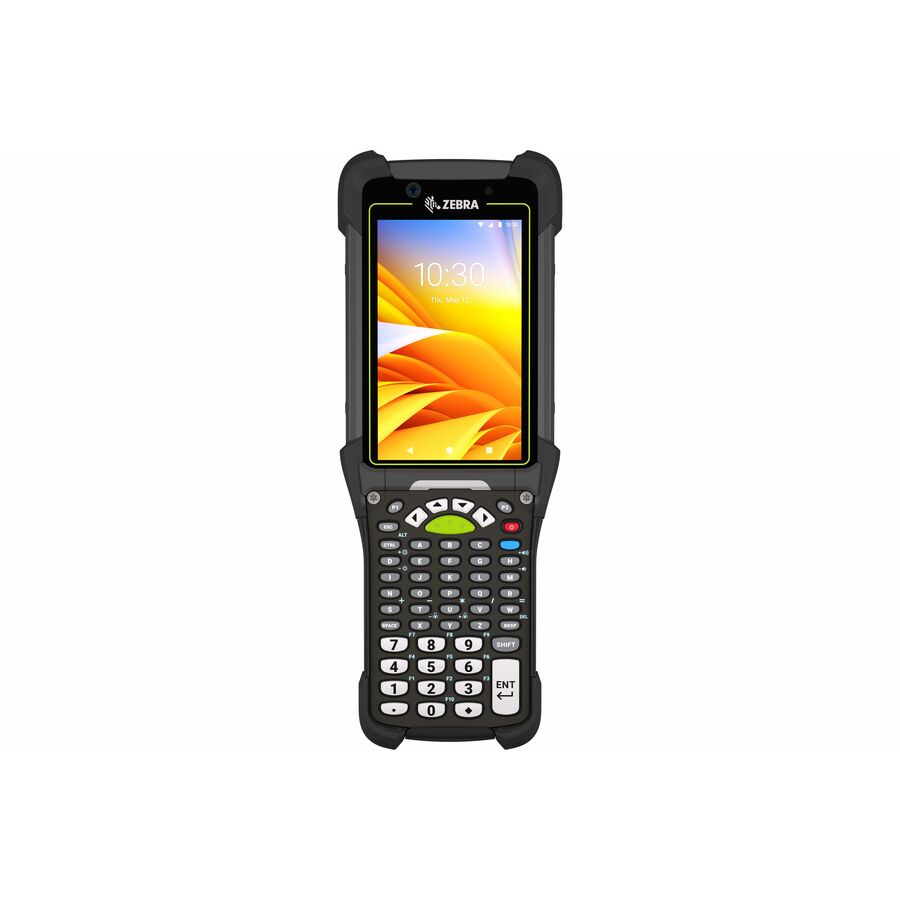
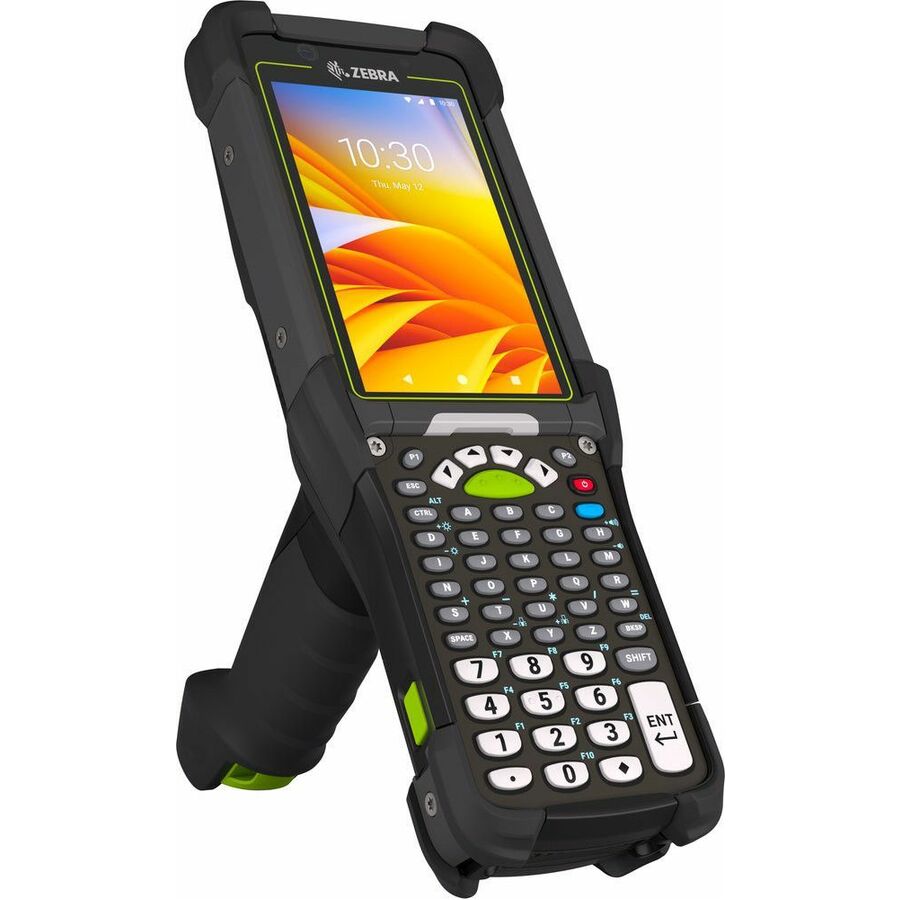
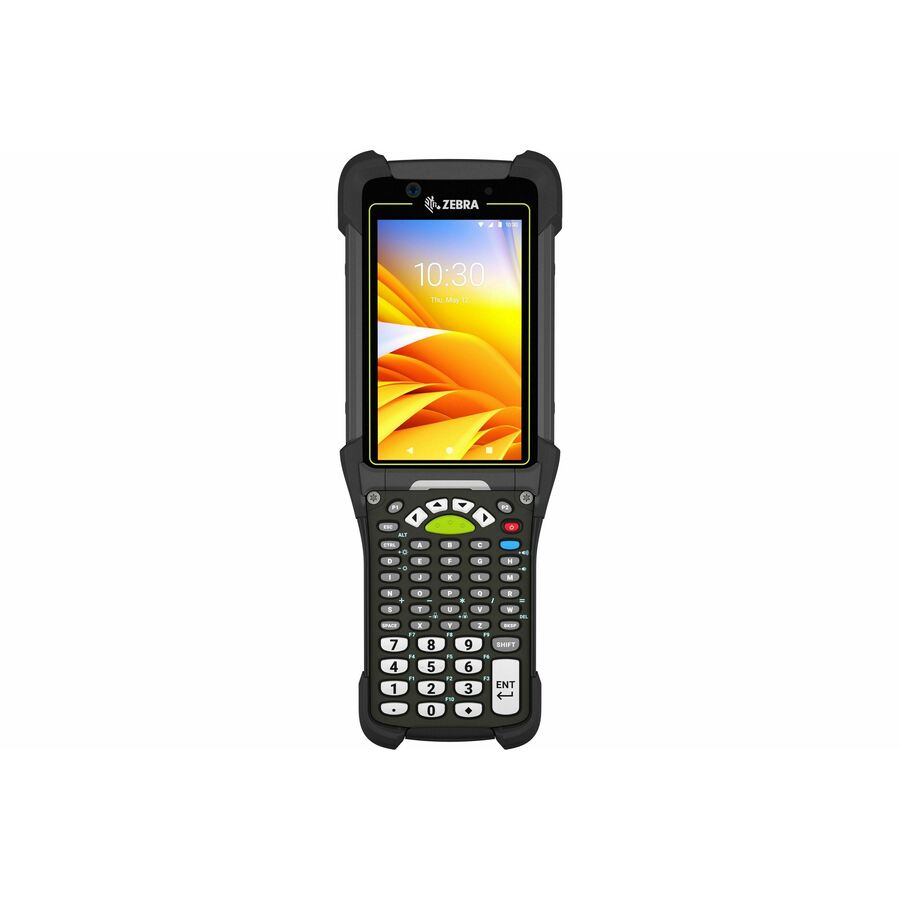
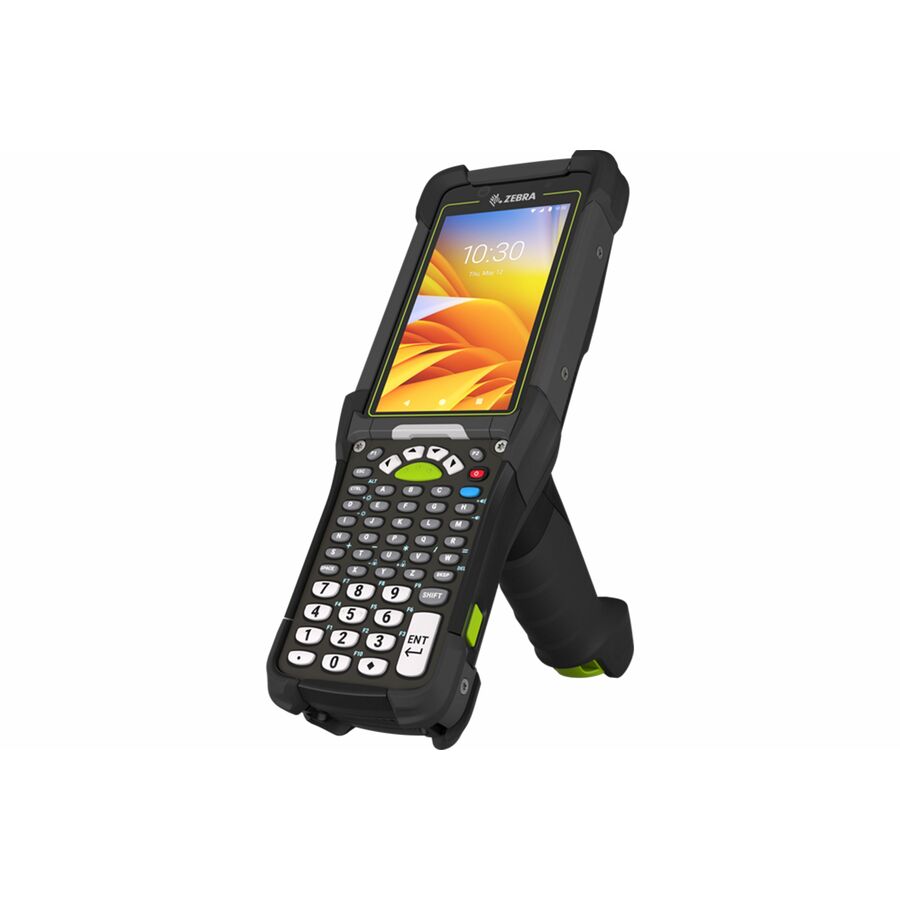
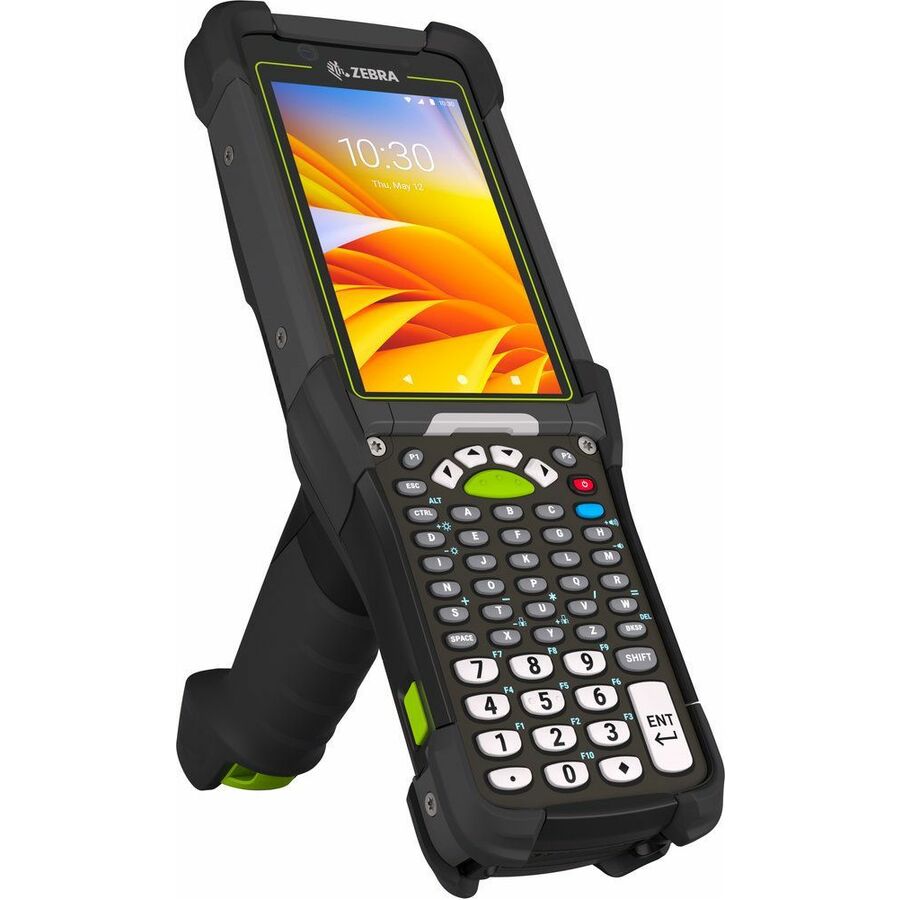
Zebra's MC3400 gun-style mobile computer with a rotating turret head, 38-key numeric keypad and SE4710 imager — the pistol-grip form for high-volume, heads-down scanning, IP65/IP67.
Titled TAA Compliant — a per-part fact to confirm on the exact row ordered.
$2,118.12*Back-orderedZebra TC53e
Zebra Technologies
Zebra TC53e Handheld Terminal
TC530E-0T1E1B1000-NA
The Zebra TC53e rugged terminal with a 6-inch Full HD+ screen, SE4720 imager and IP65/IP68 sealing — a touch-first Android computer with a long upgrade path for WMS-driven picking.
$2,776.68In stockHoneywell CT45
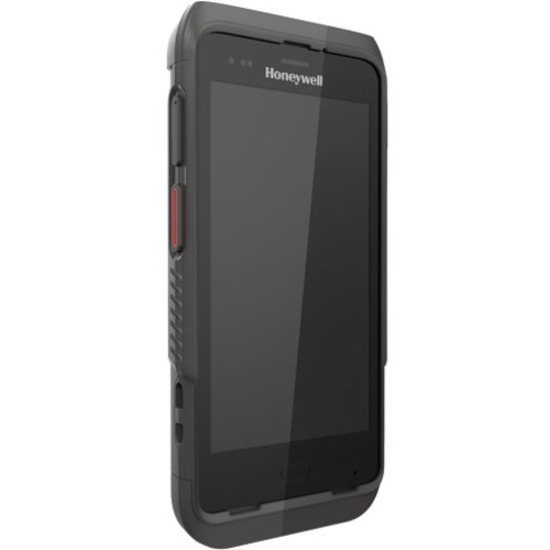
Honeywell International
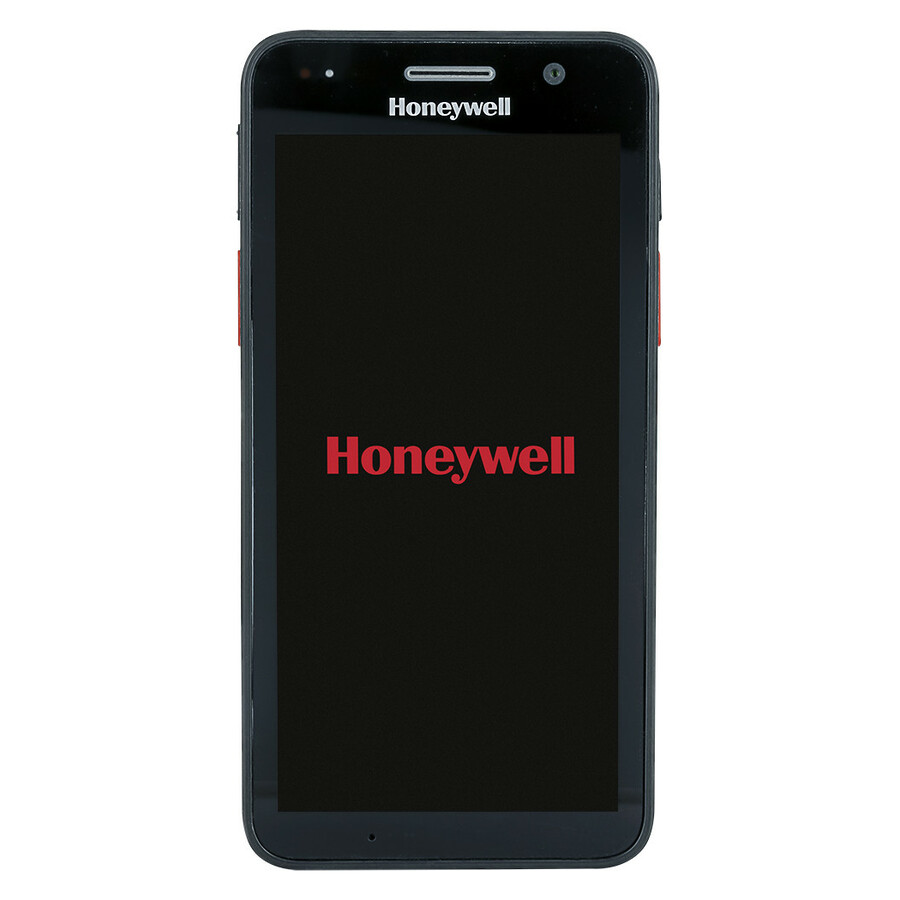
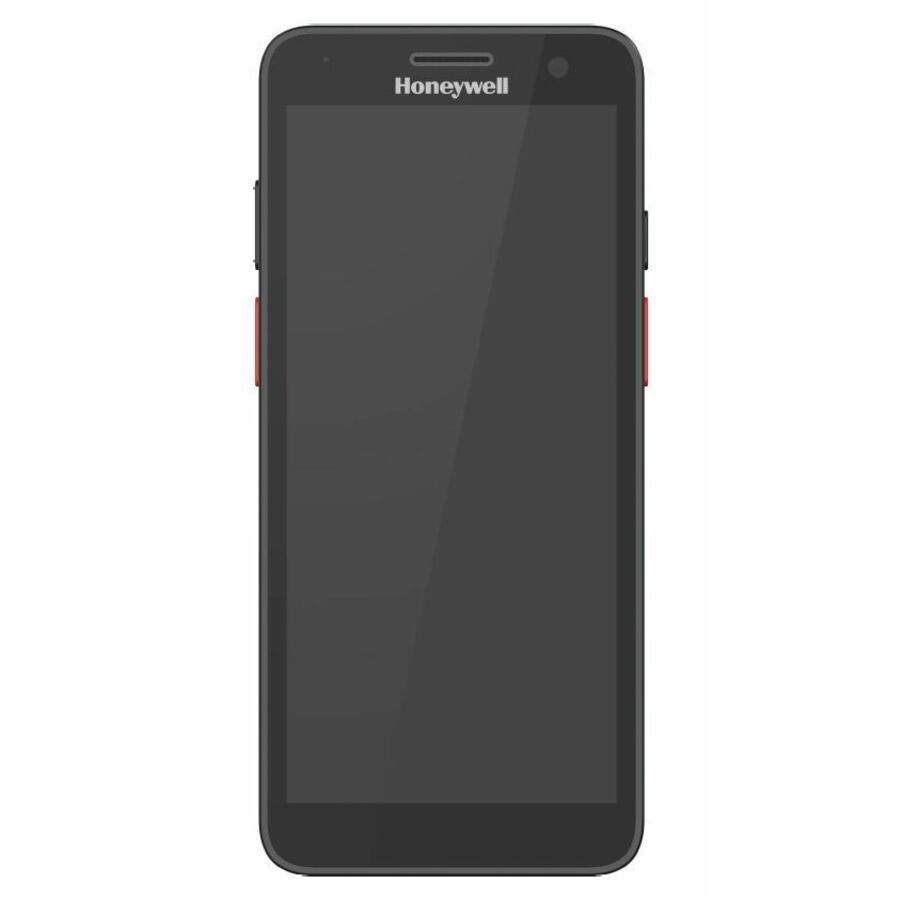
Honeywell CT45 Family of Rugged Mobile Computer
CT45-L0N-28D200G
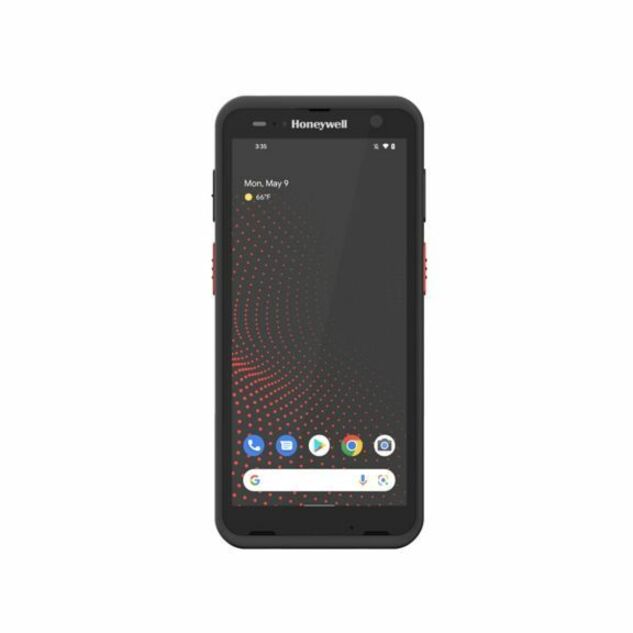
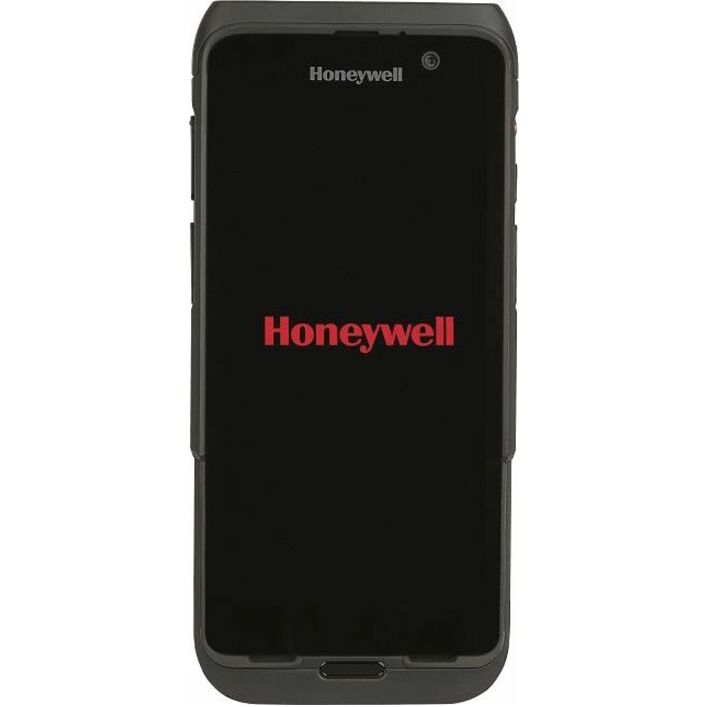
Honeywell's CT45, from its Family of Rugged Mobile Computers, with an S0703 imager, 5-inch HD touchscreen and IP65/IP68 sealing on Android — a workhorse for picking, receiving and cycle counts.
$2,120.51Back-orderedHoneywell CT45 XP
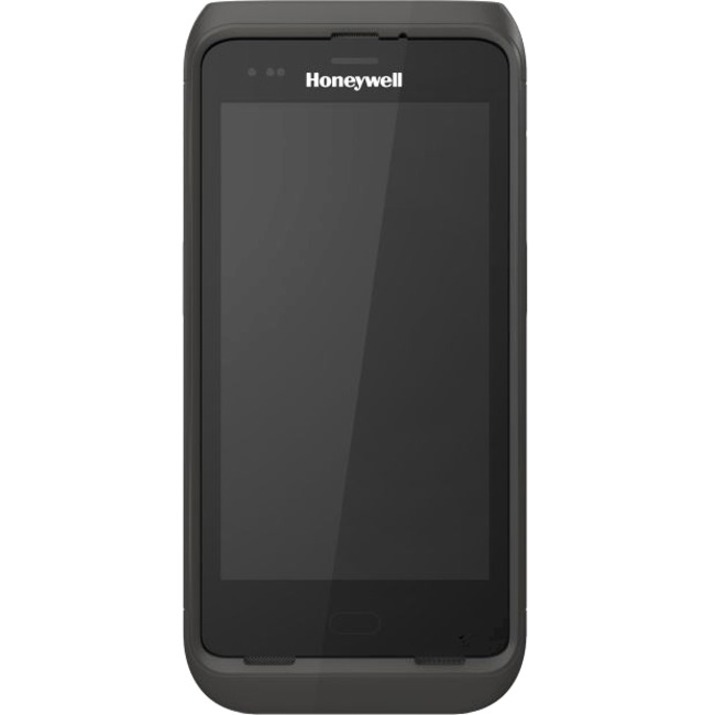
Honeywell International
Honeywell CT45 XP Family of Rugged Mobile Computer
CT45P-X0N-38D100G
The Honeywell CT45 XP hardens the CT45 with a Full HD screen and 6 GB of RAM on Android — the extended-durability build for the roughest aisles, rated IP65/IP68 with a swappable battery.
$2,433.49Back-orderedHoneywell CT37
Honeywell International
Honeywell CT37 Mobile Computer
CT37-X0N-57S10DG
Honeywell's CT37 rugged mobile computer with an S0703 imager, 6-inch Full HD screen and 5G, sealed to IP65/IP68 — an upgrade-friendly Android unit for connected, screen-heavy workflows.
$1,900.14In stockHoneywell CT30 XP
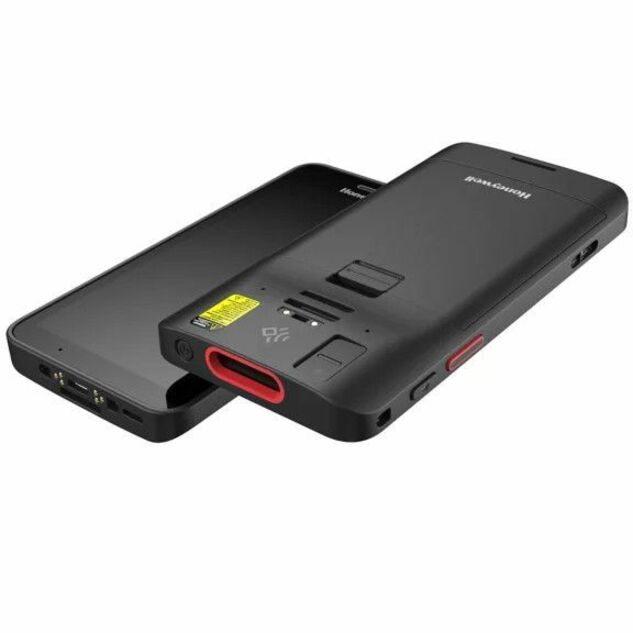
Honeywell International
Honeywell CT30 XP Handheld Terminal
CT30P-L1N-38D1NDG
The Honeywell CT30 XP rugged handheld with a 5.5-inch Full HD touchscreen and IP67 sealing on Android 11 — a large, bright screen for a graphical WMS in a hardened body.
$1,760.05Back-orderedHoneywell CN70
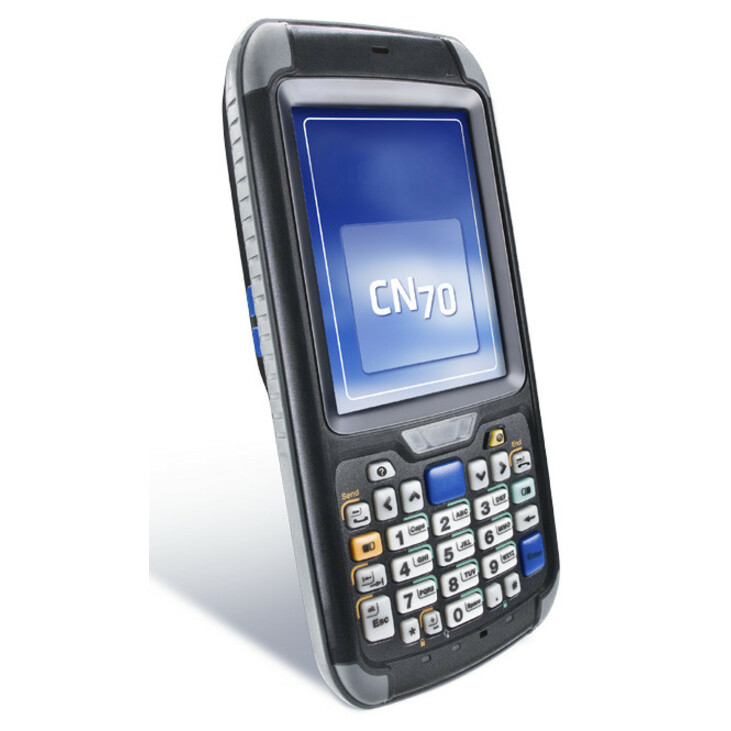
Honeywell International
Intermec CN70 Ultra-Rugged Mobile Computer
CN70AN3SCF2W6100
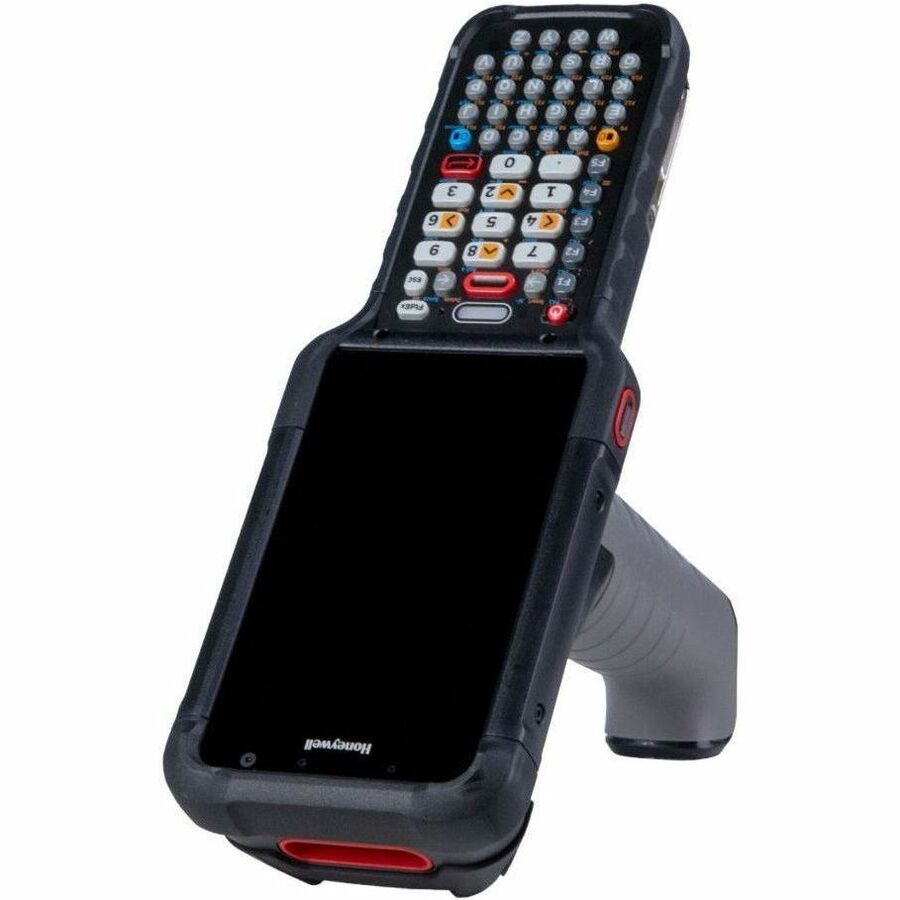
Honeywell's Intermec CN70 ultra-rugged mobile computer with a numeric keypad and IP67 sealing — a compact, keypad-driven terminal for heads-down scanning in demanding conditions.
$2,172.01Back-orderedHoneywell EDA52
Honeywell International
Honeywell ScanPal EDA52 Handheld Terminal
EDA52-00AE31N21UK
The Honeywell ScanPal EDA52 rugged handheld with an S0703 imager and 5.5-inch HD screen on Android, upgradable to Android 13 and rated IP67 — the value tier of the ScanPal line.
$1,689.77In stockElo M60C
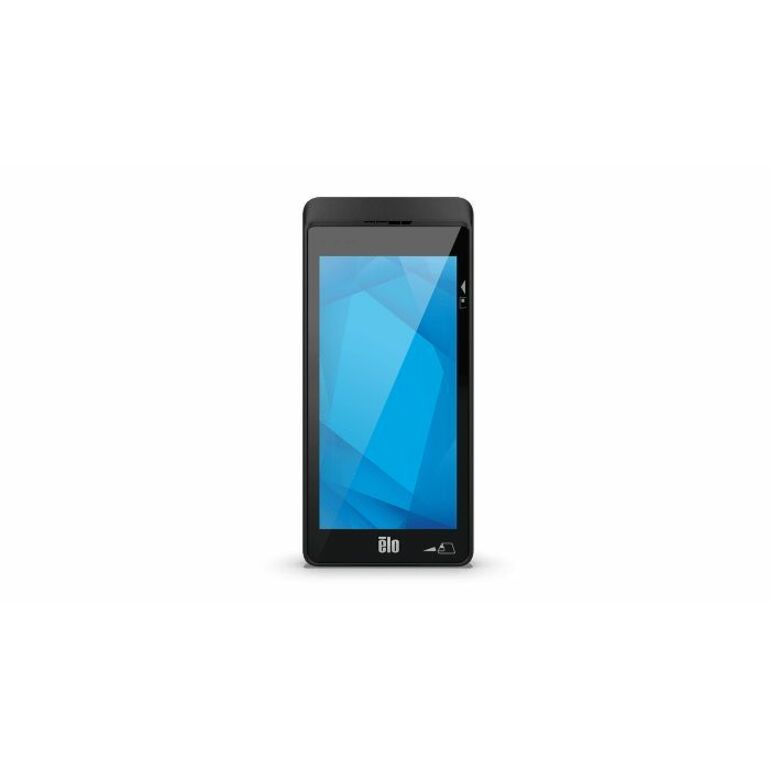
Elo Touch Solutions
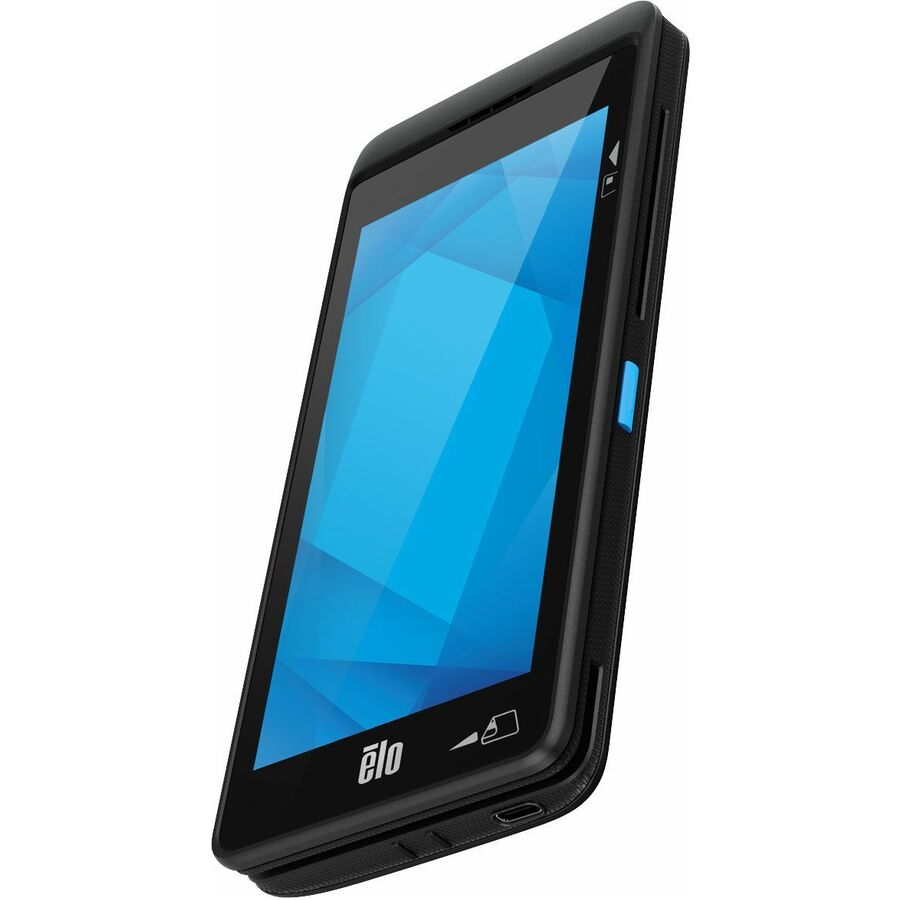
Elo M60C Mobile Computer
E862945
Elo's M60C rugged mobile computer with a 6-inch HD touchscreen on a Snapdragon platform, sealed to IP65/IP54 — a touch-first Android unit for retail-backroom and light-warehouse scanning.
$1,306.82Back-orderedElo M51, 5G
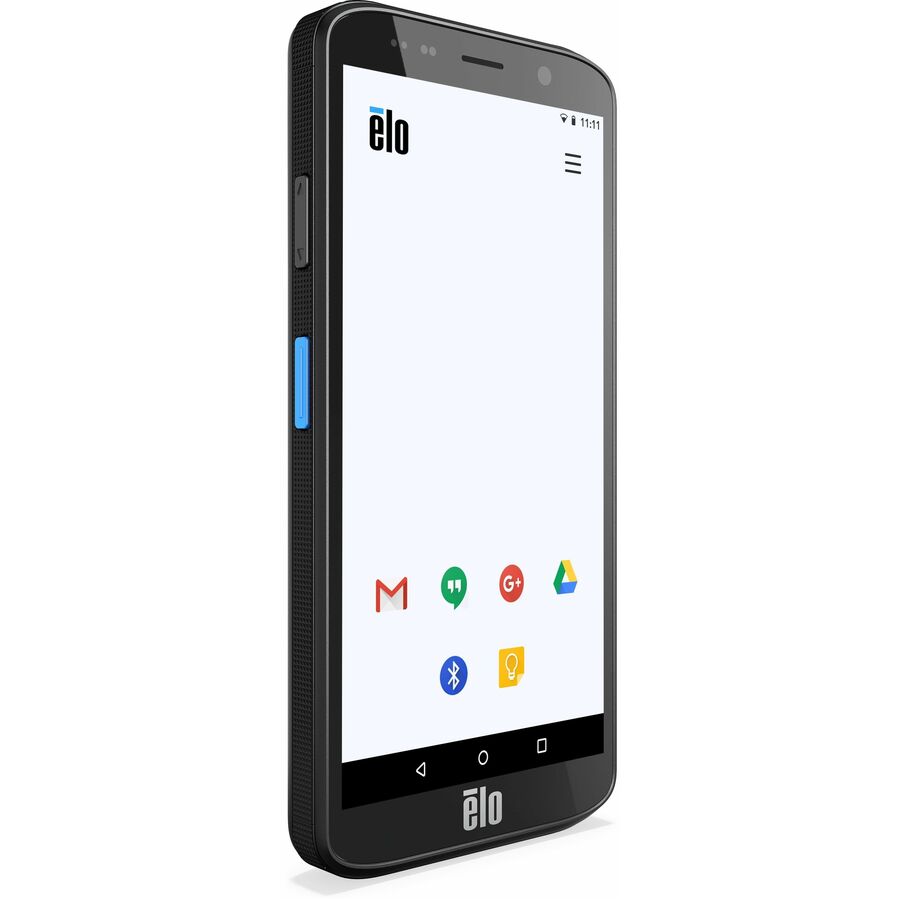
Elo Touch Solutions
Elo M51 Mobile Computer
E450619
The Elo M51 rugged mobile computer with an SE4100 imager, 6-inch Full HD screen, 5G and IP68 sealing on Android 14 — a connected, high-spec unit for mobile picking and delivery.
$2,089.58Back-orderedCustom P-RANGER
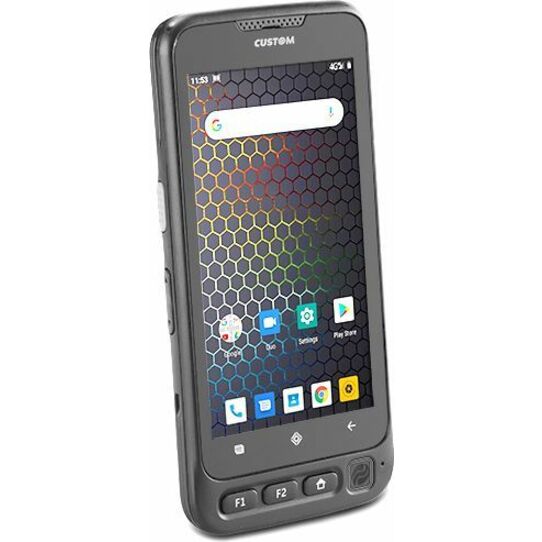
Custom S.p.A
Custom P-RANGER Mobile Computer
93DKZ014200L33
Custom's P-RANGER rugged mobile computer with an SE4710 imager, 5-inch HD touchscreen, LTE and IP67 sealing on Android 12 — a compact alternative handheld for scanning-led workflows.
$731.16Back-orderedMore handheld terminals in the Uniqcli catalog
See all 795 handheld terminalsMore from across this category. In-stock lines lead, and a back-ordered line carries the same estimated availability its product page does — with live pricing throughout, NDAA §889 screening before checkout and TAA verified on request.
- Zebra TechnologiesZebra TC78 Premium Handheld Terminal - 1D, 2D - 5G, 4G, 3G, 2G - 40 ft - SE55Scan Engine2.70 GHz - 8 GB RAM - 128 GB Flash - 6" Full HD+ Touchscreen - LED - Front Camera - Rear Camera Upgradable to Android 16 - Wireless LAN - Rugged - TAA Compliant - Battery Included - IP65, IP68TC78A1-3T1K6E2A1A-FT
$6,504.04
$5,305.25*
5 in stock - Zebra TechnologiesZebra TC78 Handheld Terminal - 1D, 2D - 5G, 4G, 3G, 2G - 24" - SE4770Scan Engine2.70 GHz - 8 GB RAM - 128 GB Flash - 6" Full HD+ Touchscreen - LED - Front Camera - Rear Camera - Android Upgradable to Android 16 - Wireless LAN - Bluetooth - Rugged - TAA Compliant - Battery Included - IP65, IP68TC78A1-3T1J6B1A10-NA
$5,752.52
$4,692.24*
65 in stock - Zebra TechnologiesZebra TC73 Mobile Computer - 1D, 2D - 2G, 3G, 5G, 4G, LTE - SE55Scan Engine - Qualcomm 2.70 GHz - 8 GB RAM - 128 GB Flash - 6" Full HD+ Touchscreen - LED - Front Camera - Rear Camera Upgradable to Android 16 - Wireless LAN - Rugged - TAA Compliant - IP65, IP68TC7301-0T1K6B1000-FT
$5,405.06
$4,408.83*
33 in stock - Zebra TechnologiesZebra TC701 Mobile Computer - 1D, 2D - 5G, 4G, 3G, 2G, LTE, LTE Advanced - SR560Scan Engine - Qualcomm 2.90 GHz - 12 GB RAM - 256 GB Flash - 6" Full HD+ Touchscreen - AMOLED - Front Camera - Rear Camera - Android - Wireless LAN - Bluetooth - Rugged - Battery Included - IP65, IP68TC7010-041B2C00A1-NA
$5,256.94
$4,288.01
18 in stock - Honeywell InternationalHoneywell CK67 Mobile Computer - 1D - 5G, 4G, 3G, 2G, LTE Advanced, LTE, 4G LTE - S0703Scan Engine8 GB RAM - 128 GB Flash - 4.3" TouchscreenFront Camera - Rear Camera - 51 Keys - Alphanumeric Keyboard - Android Upgradable to Android 18 - Wireless LAN - Bluetooth - Rugged - Battery Included - IP65, IP68CK67-X1N-5ES1A0G
$4,373.22
$3,409.06
9 in stock - Zebra TechnologiesZebra TC701 Mobile Computer - 1D, 2D - 5G, 4G, 3G, 2G, LTE, LTE Advanced - 100 ft - AC670Scan Engine - Qualcomm 2.90 GHz - 12 GB RAM - 256 GB Flash - 6" Full HD+ Touchscreen - AMOLED - Front Camera - Rear Camera - Android - Wireless LAN - Bluetooth - Rugged - Battery Included - IP65, IP68TC7010-041E2B0001-NA
$5,157.75
$4,207.10
208 in stock - Zebra TechnologiesZebra TC501 Mobile Computer - 1D, 2D - 5G, 4G, 3G, 2G, LTE, LTE Advanced - 100 ft - AC670Scan Engine - Qualcomm 2.90 GHz - 12 GB RAM - 256 GB Flash - 6" Full HD+ Touchscreen - AMOLED - Front Camera - Rear Camera - Android - Wireless LAN - Bluetooth - Rugged - Battery Included - IP65, IP68TC501G-341E2B1A01-NA
$5,157.75
$4,207.10
32 in stock - Zebra TechnologiesZebra MC9400 Handheld Terminal - 1D, 2D - SE58Scan EngineSnapdragon 2.40 GHz - 6 GB RAM - 128 GB Flash - 4.3" WVGA Touchscreen - LED - 53 Keys - Alphanumeric Keyboard - Android 13 Upgradable to Android 17 - Wireless LAN - Bluetooth - Rugged - Battery Included - IP65, IP68MC9401-0G1M6DCS-NA
$5,040.71
$4,111.63
8 in stock - Zebra TechnologiesZebra MC9450 Handheld Terminal - 1D, 2D - 5G, 4G, 3G, 2G, LTE - SE58Scan EngineSnapdragon 2.40 GHz - 6 GB RAM - 128 GB Flash - 4.3" WVGA Touchscreen - LED - 53 Keys - Alphanumeric Keyboard - Android 13 Upgradable to Android 17 - Wireless LAN - Bluetooth - Rugged - Battery Included - IP65, IP68MC945A-3G1M6ESS-NA
$5,040.71
$4,111.63
15 in stock - Zebra TechnologiesZebra MC9400 Handheld Terminal - 1D, 2D - 100.07 ft - SE58Scan Engine2.40 GHz - 6 GB RAM - 128 GB Flash - 4.3" WVGA Touchscreen - 58 Keys - Alphanumeric Keyboard - Android Upgradable to Android 17 - Wireless LAN - Bluetooth - Rugged - Battery Included - IP65, IP68MC9401-0G1M6HCS-NA
$5,040.71
$4,111.63
27 in stock - Zebra TechnologiesZebra TC701 Mobile Computer - 1D, 2D - 5G, 4G, 3G, 2G, LTE, LTE Advanced - SR560Scan Engine - Qualcomm 2.90 GHz - 12 GB RAM - 256 GB Flash - 6" Full HD+ Touchscreen - AMOLED - Front Camera - Rear Camera - Android - Wireless LAN - Bluetooth - Rugged - Battery Included - IP65, IP68TC7010-041B2B0001-NA
$4,992.44
$4,072.26
2 in stock - Honeywell InternationalHoneywell CT47 Handheld Computer - 1D, 2D - 5G, 4G, 3G, LTE, UMTS, HSPA+ - 80 ft - S0703Scan Engine - Qualcomm 2.70 GHz - 8 GB RAM - 128 GB Flash - 5.5" Full HD Touchscreen - LED - Front Camera - Rear Camera - Android 12 - Wireless LAN - Bluetooth - Rugged - Battery Included - IP65, IP68CT47-X1N-58D1E1G
$4,183.49
$3,276.81
41 in stock - Honeywell InternationalHoneywell CK67 Mobile Computer - 1D - 5G, 4G, 3G, 2G, LTE Advanced, LTE, 4G LTE - S0703Scan Engine8 GB RAM - 128 GB Flash - 4.3" TouchscreenFront Camera - Rear Camera - 42 Keys - Numeric Keyboard - Android Upgradable to Android 18 - Wireless LAN - Bluetooth - Rugged - Battery Included - IP65, IP68CK67-X1N-57S1E0G
$4,104.10
$3,199.32
2 in stock - Zebra TechnologiesZebra TC501 Mobile Computer - 1D, 2D - 5G, 4G, 3G, 2G, LTE, LTE Advanced - SR560Scan Engine - Qualcomm 2.90 GHz - 12 GB RAM - 256 GB Flash - 6" Full HD+ Touchscreen - AMOLED - Front Camera - Rear Camera - Android - Wireless LAN - Bluetooth - Rugged - Battery Included - IP65, IP68TC5010-041B2C00A1-NA
$4,860.19
$3,964.38
22 in stock - Zebra TechnologiesZebra MC9400 Handheld Terminal - 1D, 2D - 100.07 ft - SE58Scan Engine2.40 GHz - 6 GB RAM - 128 GB Flash - 4.3" WVGA Touchscreen - 43 Keys - Function Numeric Keyboard - Android Upgradable to Android 17 - Wireless LAN - Bluetooth - Rugged - Battery Included - IP65, IP68MC9401-0G1M6CNS-NA
$4,775.06
$3,894.94
7 in stock - Zebra TechnologiesZebra TC501 Mobile Computer - 1D, 2D - 5G, 4G, 3G, 2G, LTE, LTE Advanced - 100 ft - AC670Scan Engine - Qualcomm 2.90 GHz - 12 GB RAM - 256 GB Flash - 6" Full HD+ Touchscreen - AMOLED - Front Camera - Rear Camera - Android - Wireless LAN - Bluetooth - Rugged - Battery Included - IP65, IP68TC5010-041E2B0001-NA
$4,694.88
$3,829.55
2,465 in stock - Zebra TechnologiesZebra MC9400 Handheld Terminal - 1D, 2D - SE58Scan EngineSnapdragon 2.40 GHz - 6 GB RAM - 128 GB Flash - 4.3" WVGA TouchscreenFront Camera - Rear Camera - 53 Keys - Alphanumeric Keyboard - Android 13 Upgradable to Android 17 - Wireless LAN - Bluetooth - Rugged - TAA Compliant - Battery Included - IP65, IP68MC9401-0G1R6DSS-NA
$4,609.03
$3,759.51*
537 in stock - Zebra TechnologiesZebra TC501 Mobile Computer - 1D, 2D - 5G, 4G, 3G, 2G, LTE, LTE Advanced - SR560Scan Engine - Qualcomm 2.90 GHz - 12 GB RAM - 256 GB Flash - 6" Full HD+ Touchscreen - AMOLED - Front Camera - Rear Camera - Android - Wireless LAN - Bluetooth - Rugged - Battery Included - IP65, IP68TC5010-041B2B0001-NA
$4,595.69
$3,748.64
9 in stock - Zebra TechnologiesZebra MC9400 Handheld Terminal - 1D, 2D - 100.07 ft - SE58Scan Engine2.40 GHz - 6 GB RAM - 128 GB Flash - 4.3" WVGA Touchscreen - LED - 58 Keys - Alphanumeric Keyboard - Android Upgradable to Android 17 - Wireless LAN - Bluetooth - Rugged - Battery Included - IP65, IP68MC9401-0G1M6HSS-NA
$4,509.41
$3,678.25
117 in stock - Zebra TechnologiesZebra MC9400 Handheld Terminal - 1D, 2D - SE58Scan EngineSnapdragon 2.40 GHz - 6 GB RAM - 128 GB Flash - 4.3" WVGA Touchscreen - LED - 53 Keys - Alphanumeric Keyboard - Android 13 Upgradable to Android 17 - Wireless LAN - Bluetooth - Rugged - Battery Included - IP65, IP68MC9401-0G1M6DSS-NA
$4,509.41
$3,678.25
431 in stock - Zebra TechnologiesZebra MC9400 Handheld Terminal - 1D, 2D - SE58Scan EngineSnapdragon 2.40 GHz - 6 GB RAM - 128 GB Flash - 4.3" WVGA Touchscreen - LED - 53 Keys - Alphanumeric Keyboard - Android 13 Upgradable to Android 17 - Wireless LAN - Bluetooth - Rugged - Battery Included - IP65, IP68MC9401-0G1M6GSS-NA
$4,509.41
$3,678.25
3 in stock - Zebra TechnologiesZebra MC9400 Handheld Terminal - 1D, 2D - SE58Scan EngineSnapdragon 2.40 GHz - 6 GB RAM - 128 GB Flash - 4.3" WVGA Touchscreen - 53 Keys - Android 13 Upgradable to Android 17 - Wireless LAN - Bluetooth - Rugged - Battery Included - IP65, IP68MC9401-0G1M6ESS-NA
$4,509.41
$3,678.25
58 in stock - Zebra TechnologiesZebra MC9400 Handheld Terminal - 1D, 2D - 100.07 ft - SE58Scan Engine - Qualcomm 2.40 GHz - 6 GB RAM - 128 GB Flash - 4.3" WVGA Touchscreen - LED - Front Camera - Rear CameraNumeric Keyboard - Android Upgradable to Android 17 - Wireless LAN - Bluetooth - Rugged - Battery Included - IP65, IP68MC9401-0G1M6CSS-NA
$4,509.41
$3,678.25
12 in stock
Need pricing on rugged mobile computers?
Tell us where to reach you and a Uniqcli specialist will follow up by email with current pricing, availability and lead time for the quantities you need — including parts that aren’t shown on this page.
Buying for an organization or for yourself — both work. No payment up front.
A warehouse mobile computer is chosen for the aisle, not the office. It is dropped onto concrete, wiped down, carried through a freezer and back, and asked to read a damaged label at the far end of a rack from the floor — thousands of scans a shift, for years. The devices on this page are the part of the handheld-terminal shelf built for exactly that: rugged, sealed Android units with a purpose-built scan engine, a battery sized for a full shift and a keypad or touchscreen a picker can drive in gloves. The generic tablet and the phone in a case do not survive the environment, which is why the class exists.
Start with the scan engine, because it is what the job actually depends on. A near-field imager is right for point-blank work at a pick face; a mid-range or extended-range imager reaches a label two aisles over or high on a rack without a ladder, which is the difference between a scan and a walk. Read the engine name in the model's own title — SE4710, SE55, SE4770, S0703 and the range families — and match it to the read distances your slots and racks actually demand. One-dimensional-only engines are cheaper and correct where every label is a linear barcode; two-dimensional imagers read the QR and stacked codes that carriers and WMS systems increasingly print.
Then read the ruggedization and the shift. An IP65 or IP68 rating and a stated drop-to-concrete spec are what keep the unit working after the fall that will happen; a hot-swap or high-capacity battery is what keeps a picker from returning to a charger mid-shift; and Android with a long update path is what keeps the fleet supportable years after purchase. Decide the form factor early — a brick-style terminal with a physical keypad for heads-down scanning, a touch-first computer for a WMS with a rich screen, or a wearable and ring-scanner pairing for hands-free picking. Cards carry live pricing and current availability from the catalog.
Buyer's checklist
How to choose a rugged mobile computer for a warehouse
- Match the scan engine to the read distance. A near-field imager suits point-blank pick-face work; a mid-range or extended-range engine reads a label high on a rack or an aisle away without a ladder or a walk. The engine family is in the model's own title — read it, and size it to your slot and rack geometry rather than the sticker price.
- Buy a 2D imager unless every label is linear. A two-dimensional imager reads 1D, QR and stacked codes and copes with a scuffed or shrink-wrapped label far better than a 1D-only laser; a 1D-only engine is the economical choice only where the label set is genuinely all linear and will stay that way.
- Read the drop spec and the sealing rating, not the word 'rugged'. An IP65 or IP68 rating and a stated drop-to-concrete height are the properties that decide whether the unit survives the aisle; check them against your floor, your dust, and whether the device goes into a cooler or a wash-down area.
- Size the battery to the shift, and check for hot-swap. Runtime falls with scan volume and screen time, so confirm the battery covers a full shift at your scan rate; a hot-swap or spare-and-swap workflow keeps a picker on the floor instead of tethered to a charging bay.
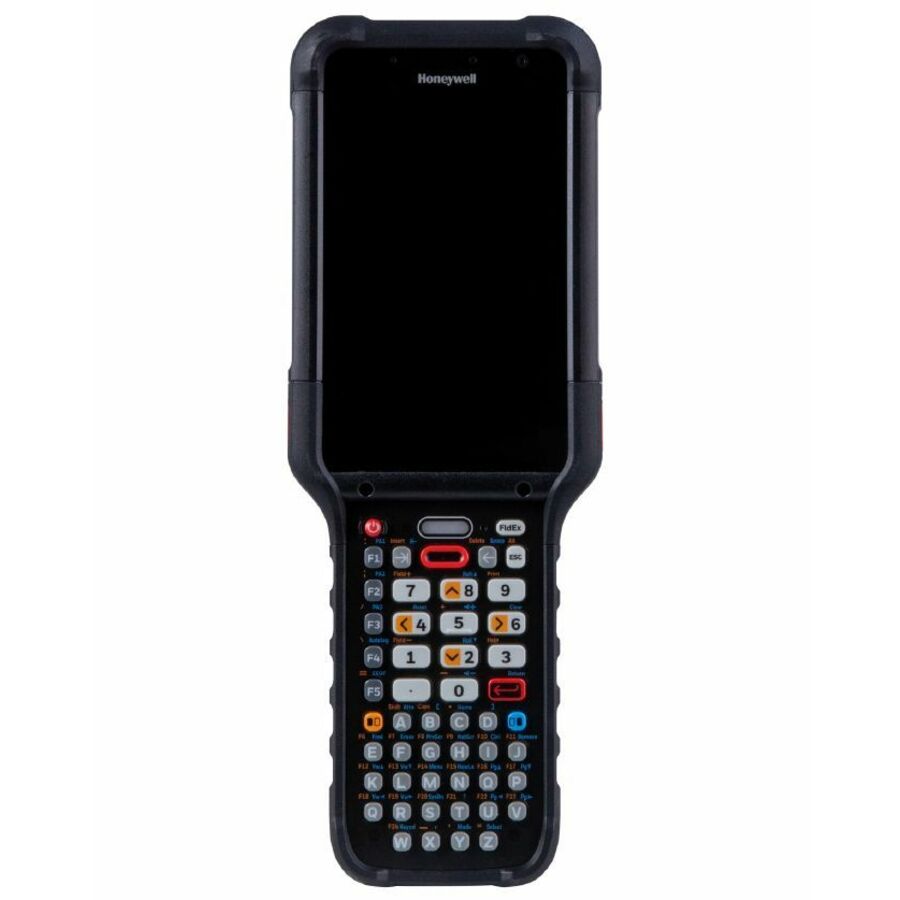
- Decide keypad, touch or wearable by the workflow. A physical keypad suits heads-down, high-volume scanning; a touch-first computer suits a graphical WMS; a wearable computer with a ring scanner frees both hands for two-handed picking and palletizing. The form factor is a productivity decision, not a late detail.
- Plan the Android version and the update path. A rugged fleet is a multi-year asset, so buy a current Android release with a stated upgrade path — several models here are titled 'upgradable to' a later version — so the units stay patchable and app-compatible long after deployment.
- Account for the accessories that make it a system. Charging cradles, vehicle mounts, holsters, hand straps and spare batteries turn a device into a deployment; specifying them with the units keeps the rollout one order and one part list rather than a scramble after go-live.
Scan engine and read distance: the choice the aisle makes for you
The single most consequential spec on a warehouse mobile computer is the scan engine, because it sets how the picker works. A near-field imager is fast and forgiving at point-blank range, which is what a dense pick face wants. A standard-range 2D imager is the general-purpose default — it reads a label on the shelf and one a few feet away, handles 1D and 2D symbologies, and copes with damage and glare. The extended-range engines are the specialists: they read a pallet label high in a rack or across a wide aisle, which removes ladders and walking from the count and is where the productivity case for a more expensive unit is actually made.
Read the engine name in the model's own title and let the racking decide. Zebra's TC and MC families and Honeywell's CT, CK and ScanPal lines each publish the engine — SE4710, SE55, SE4770, SE58, S0703 and their range variants — so the comparison is concrete rather than marketing. Where a warehouse mixes point-blank picking with high-rack replenishment, the honest answer is often two models on one platform sharing accessories and a management console, not one compromise unit for both jobs.
Ruggedization, battery and the multi-year fleet
A warehouse device earns its price by surviving. The properties that decide that are a sealing rating that keeps dust and moisture out (IP65 for dust and jets, IP68 for immersion), a stated drop-to-concrete height, and a tumble spec for the repeated knocks a shift delivers. A cooler or a wash-down bay raises the bar again. These are printed in the titles here, and they are the numbers to compare — not the adjective 'rugged', which every unit claims and only the spec substantiates.
Buy the whole deployment at once. Send us the aisle and rack geometry, the shift length and scan volume, whether the units go into a freezer or a wash-down zone, and how the fleet is managed, and we will come back with part numbers, availability, lead times and volume pricing — with the charging cradles, spare batteries, vehicle mounts and hand straps on the same document, so the rollout is one order rather than a scramble after go-live. Where an order carries an origin clause, request a TAA-verified quote and screening is performed before it is issued, tied to the specific part number — several of the units here are TAA-designated in the manufacturer's own catalog title.
FAQ
Common questions
- What makes a mobile computer 'rugged' for warehouse use?
- Three measured properties, not the word itself. A sealing rating — IP65 keeps out dust and water jets, IP68 survives immersion — keeps the unit working in a dusty or wet aisle; a stated drop-to-concrete height and a tumble spec cover the falls a shift delivers; and an operating-temperature range matters the moment the device enters a cooler or a freezer. The models on this page publish those numbers in their own titles, which is what lets you compare them honestly rather than trust an adjective. A consumer phone or tablet in a case does not carry these ratings, which is the whole reason the rugged class exists.
- What scan range do I need for picking versus high-rack replenishment?
- Match the imager to the read distance the work demands. Point-blank pick-face scanning is served by a near-field or standard-range 2D imager, which is fast and forgiving up close. Reading a pallet label high in a rack or across a wide aisle needs an extended-range engine, which removes ladders and walking from the count. Because a warehouse often does both, the practical answer is frequently two models on one platform — a standard-range unit for picking and an extended-range unit for replenishment — sharing accessories and a management console rather than one compromise device asked to do both jobs poorly.
- Should I buy a keypad terminal or a touchscreen mobile computer?
- Let the workflow decide. A brick-style terminal with a physical keypad suits heads-down, high-volume scanning where the operator rarely looks at the screen — the tactile keys are faster and more reliable in gloves and cold. A touch-first mobile computer suits a graphical warehouse management system with rich screens, lists and confirmations. And a wearable computer paired with a ring scanner frees both hands for two-handed picking and palletizing, which is the highest-throughput option for the workflows that suit it. Most fleets standardize on one primary form factor and add the wearable where hands-free picking pays.
- How long will a rugged mobile computer stay supported?
- That is largely an Android-version question, so read it at purchase. A rugged fleet is a multi-year capital asset, and the models here run current Android releases — several are titled as upgradable to a later version — with vendor programs that extend security updates well beyond a consumer phone's window. Buy the current release with the longest stated upgrade path you can, standardize the fleet on one platform so one management console and one accessory set cover it, and the deployment stays patchable and app-compatible for the years a warehouse expects from the investment.
- Are these rugged mobile computers TAA compliant?
- It is a per-part-number fact, not a brand or family rule, and this page is mixed: several models carry a TAA designation in the manufacturer's own catalog title while otherwise similar models in the same range do not. Where our catalog data records a part number as TAA compliant, that is what we are reporting on the card. Where an order carries a country-of-origin clause, request a TAA-verified quote and read the designation on the exact part number ordered — screening is performed before the quote and screening results are available with it, tied to that part number and never restated as a Uniqcli certification.
- Can business, government and education buyers order these?
- Every line Uniqcli quotes is sourced through US distribution and screened for TAA country-of-origin and NDAA §889 status before checkout — with documentation tied to the specific part number, not a product family.
Need rugged mobile computers pricing?
Send a bill of materials or part numbers — we confirm stock and a below-market total, with TAA verified on request. No payment up front.