
Best Headsets for Call Centers and Desks
Wired and wireless headsets for contact centers, service desks and dispatch floors — chosen for an eight-hour shift and a fleet, not for a single desk.
Headsets in stock at Uniqcli
How to choose →A curated selection with live pricing — in-stock lines first, then back-ordered lines with a typical lead time. Every line is sourced through US distribution and screened for NDAA §889 status before checkout, with TAA verified on request.
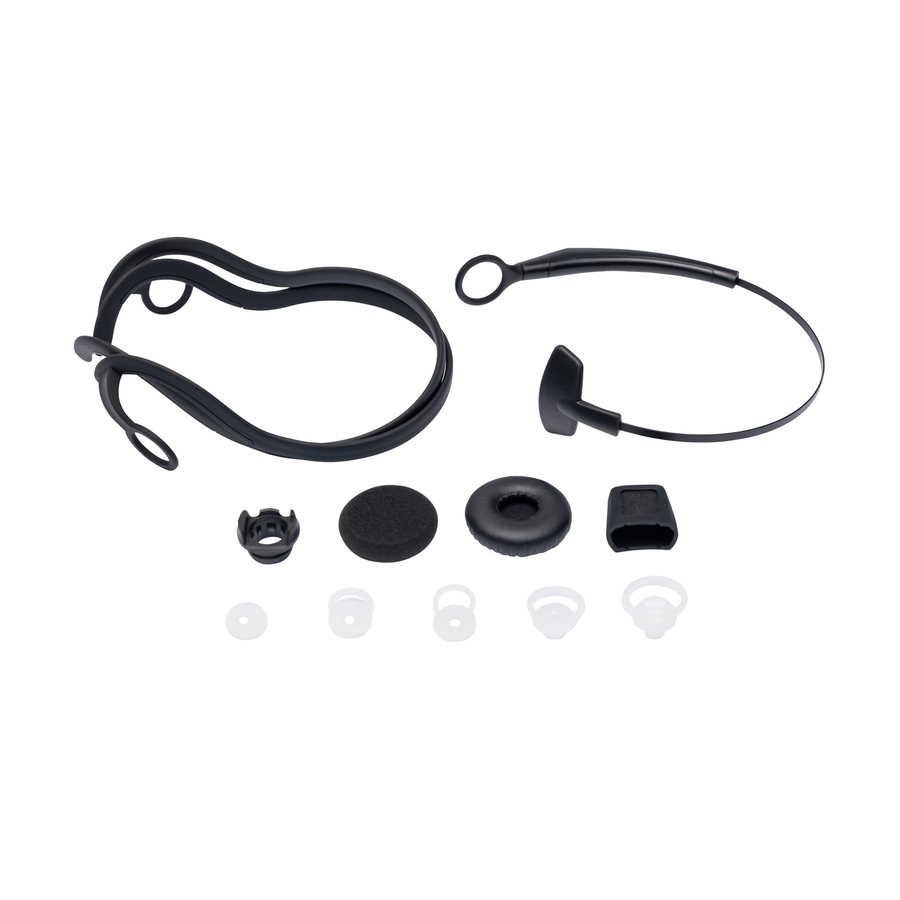
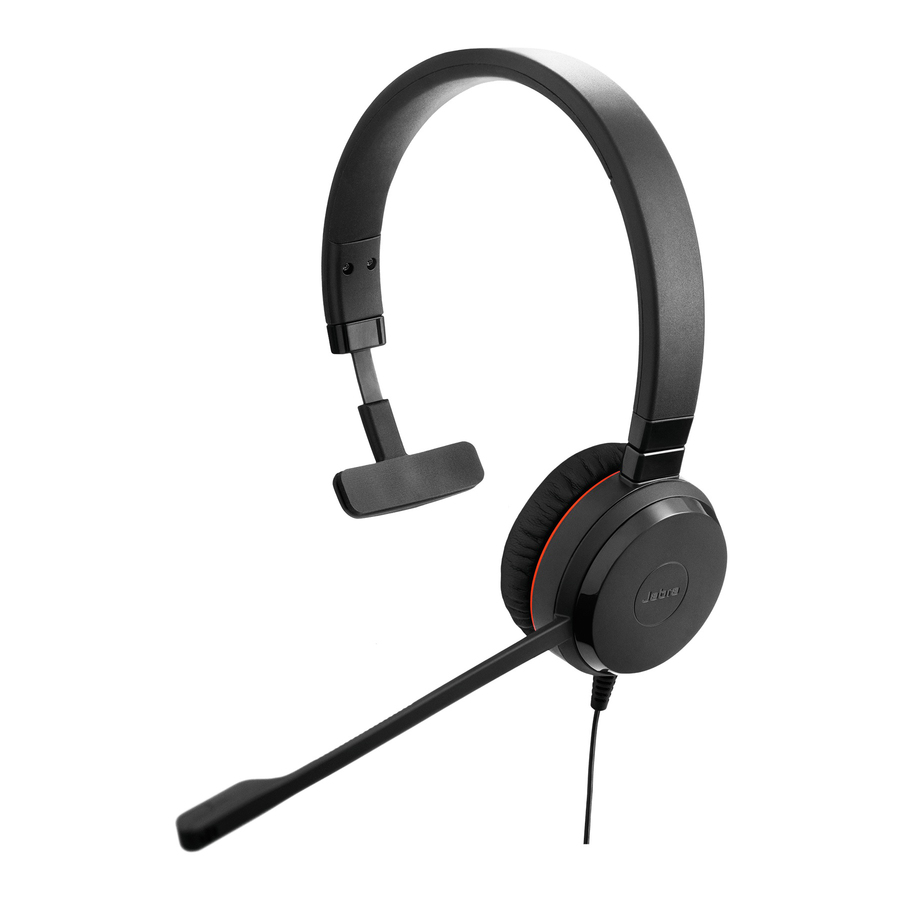
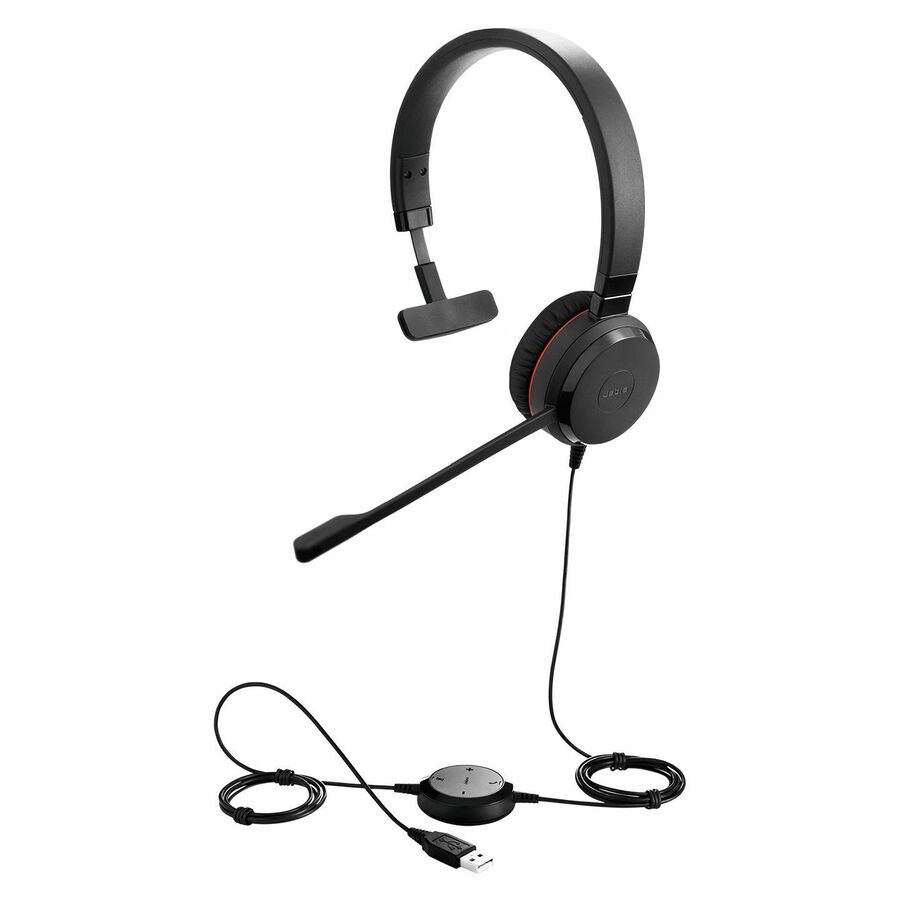
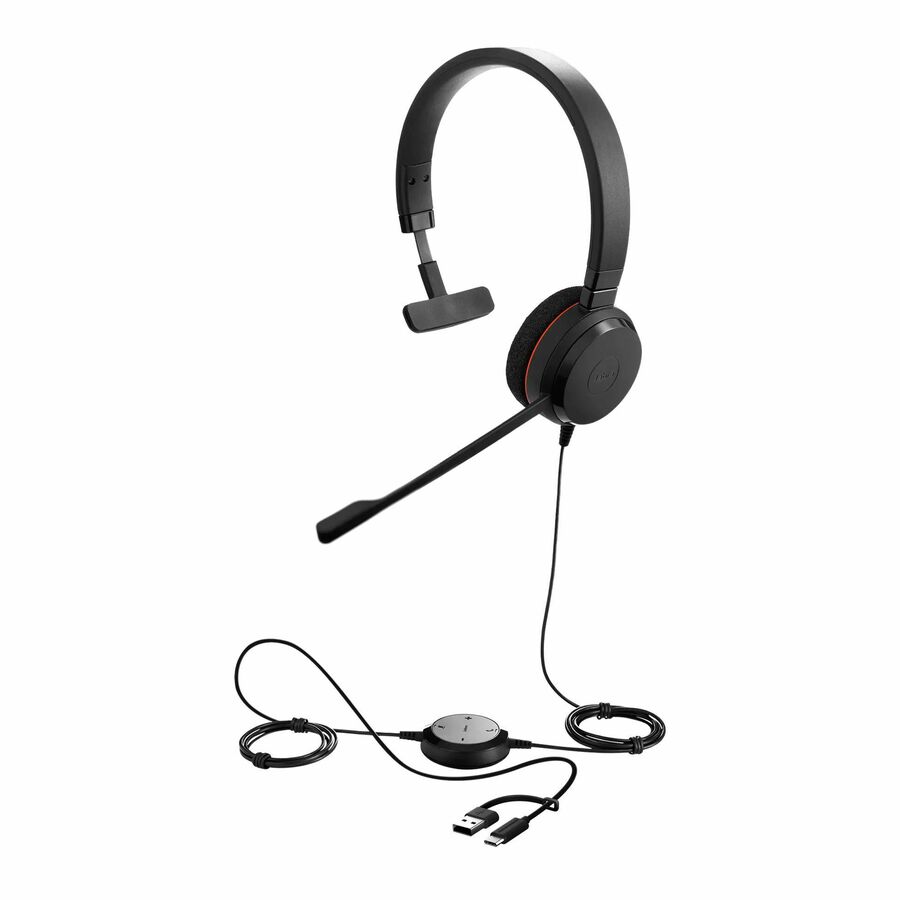
- JabraJabra EVOLVE 30 Headset - Mono - Mini-phone (3.5mm) - Wired - Over-the-head - Monaural - Black14401-20
$62.00
$41.33
57 in stock

Wireless pick
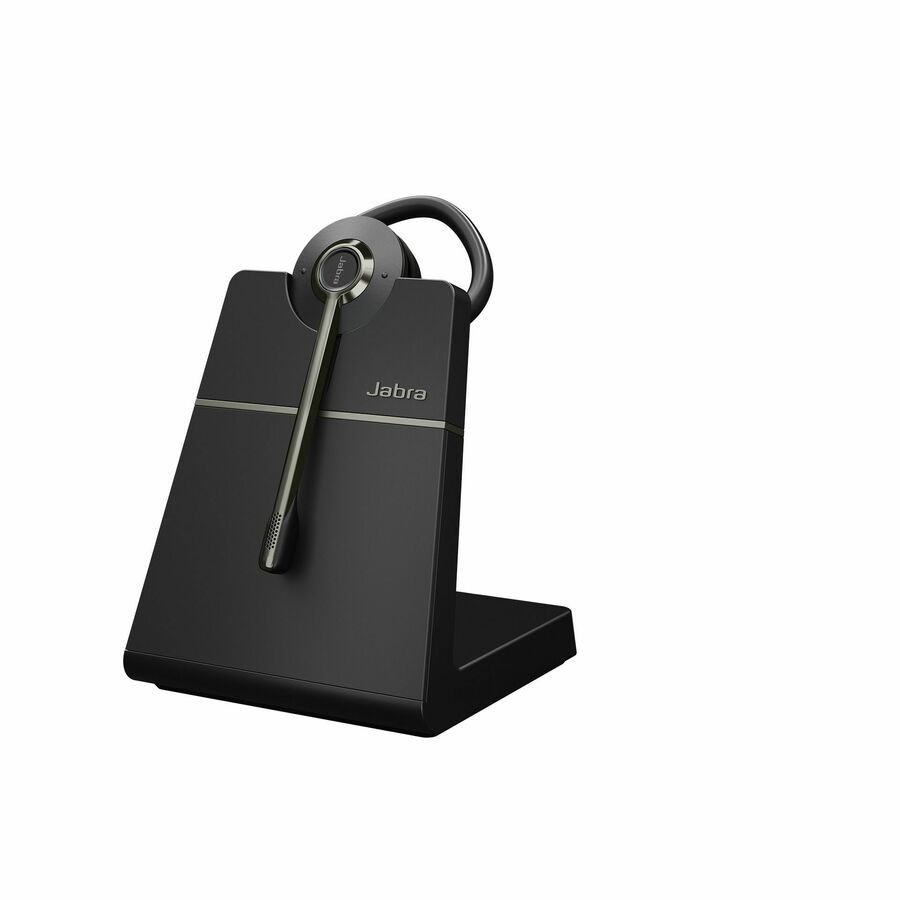
Jabra
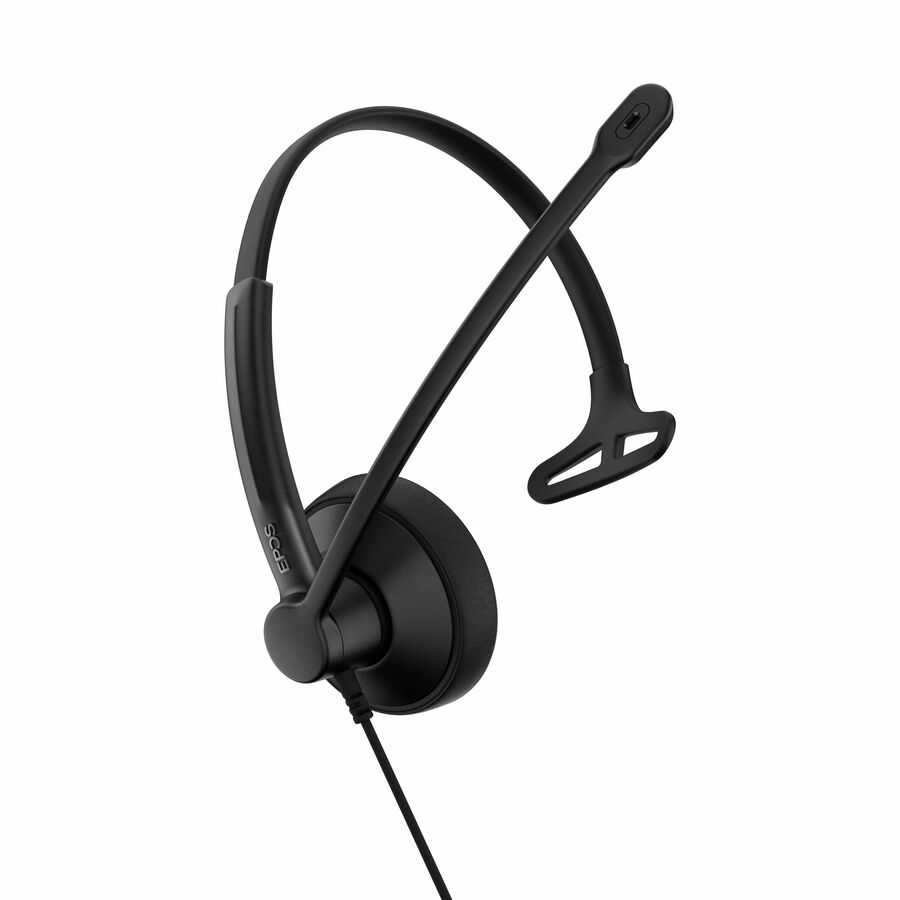
BlueParrott C300-XT Headset
204209
A mono Bluetooth headset the product record rates to 328 feet of range, worn over the head. The untethered option for dispatch floors and supervisors who take calls while walking a room rather than from a seat that never moves.
Wireless adds a charging routine to the shift. Plan the spares pool around charging bays, not around seats.
$23.83In stockEntry mono pick
EPOS
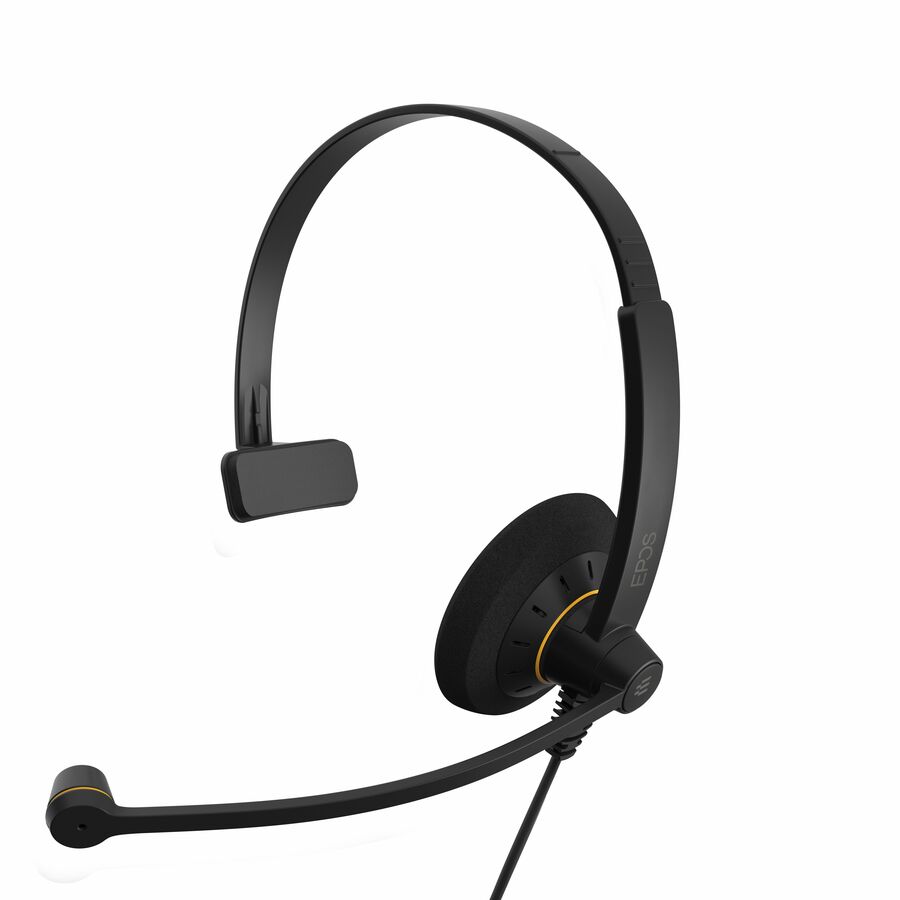
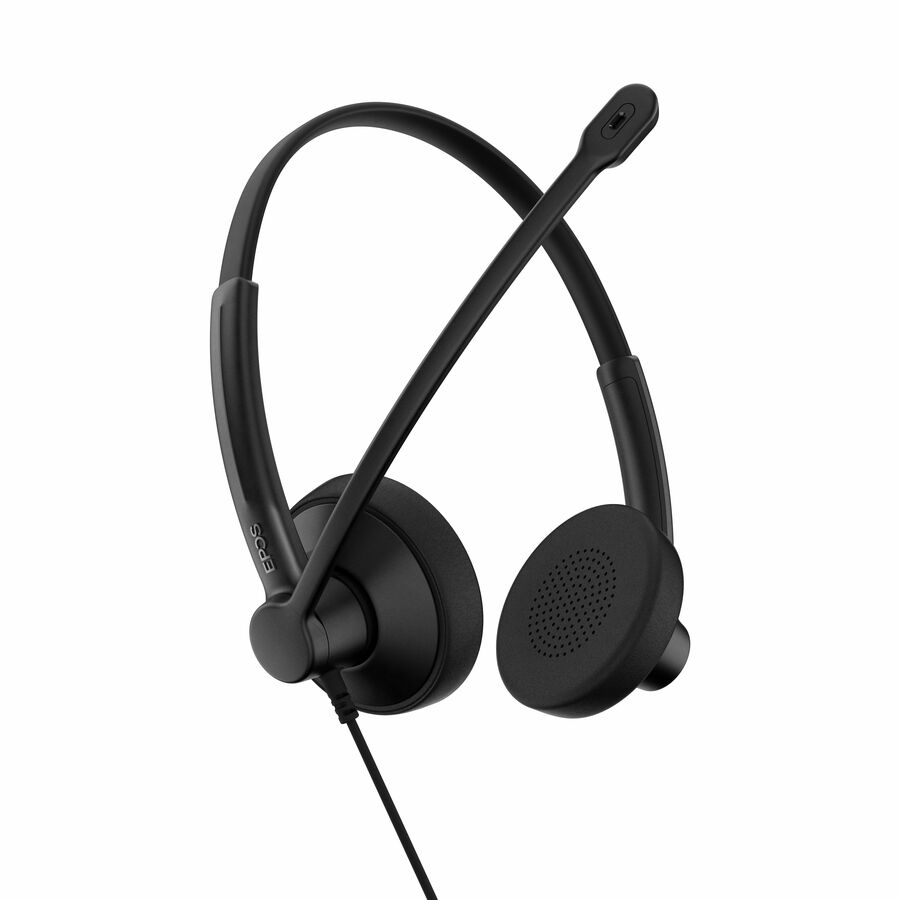
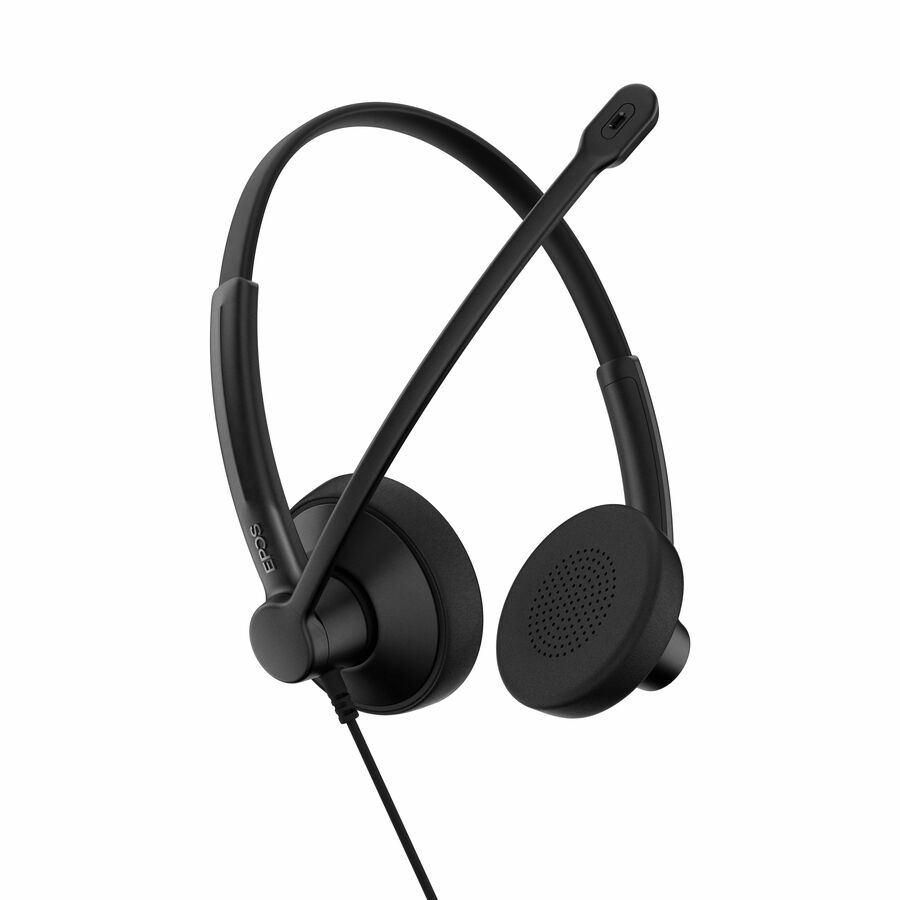
EPOS IMPACT SC 30 USB ML
1000550
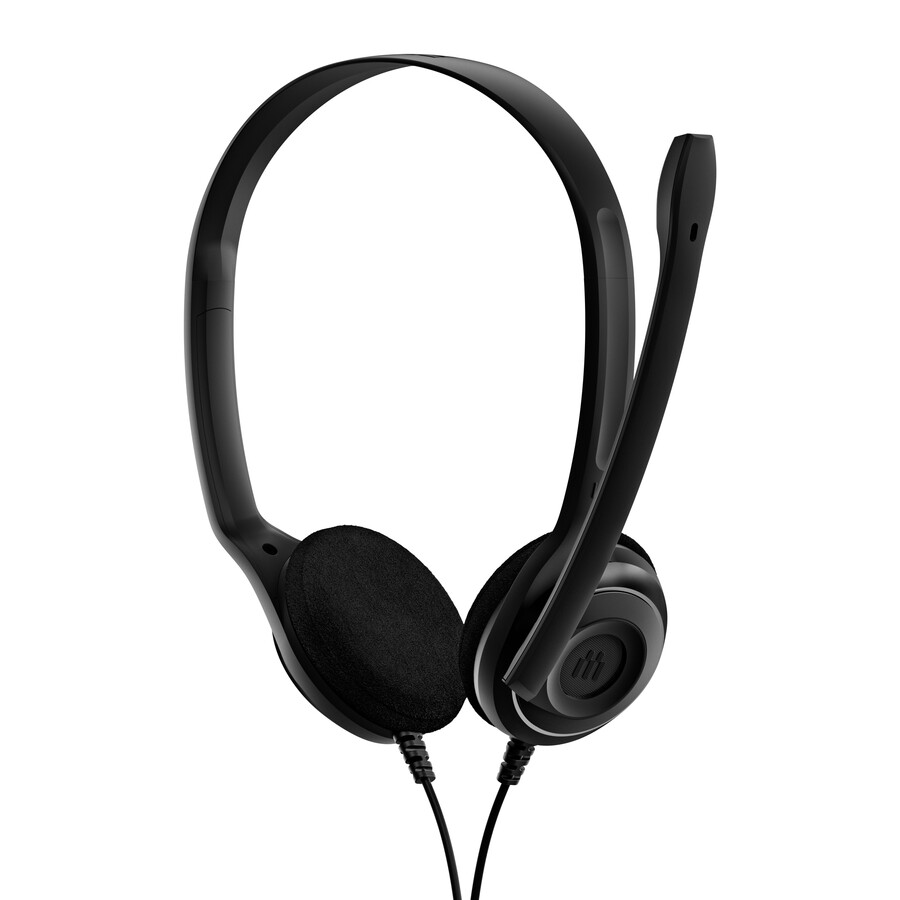
A mono, wired USB headset on an on-ear frame with a listed 6.89-foot cable — the plain, replaceable shape of a talk-heavy seat. USB means it enumerates against a softphone with no adapter in the chain.
Mono leaves one ear open, which supervisors and dispatch floors usually want and a focused open-plan seat usually does not.
$37.34In stockEntry stereo pick
EPOS
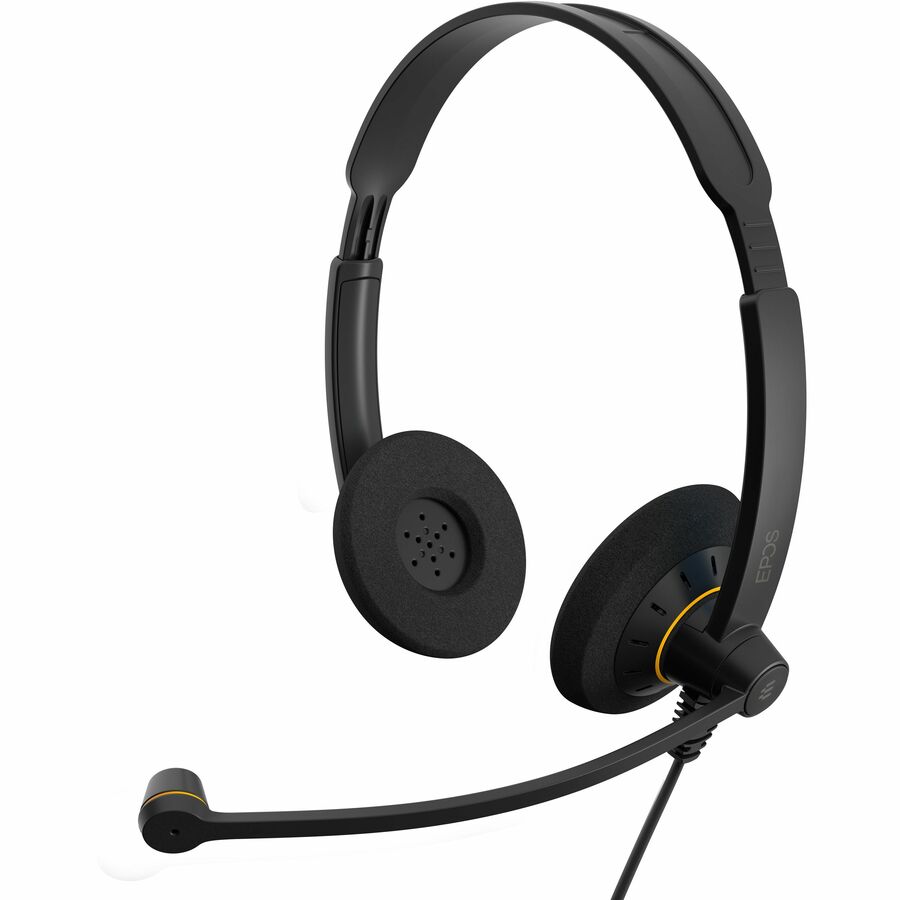
EPOS IMPACT SC 60 USB ML
1000551
The binaural counterpart on the same IMPACT platform: two ears for concentration on an open floor, the same wired USB connection, and the same spares pool and helpdesk script as its mono twin.
Buying the mono and stereo variants of one family is how a floor covers both roles without doubling the parts list.
$44.81In stockFleet standard
Jabra
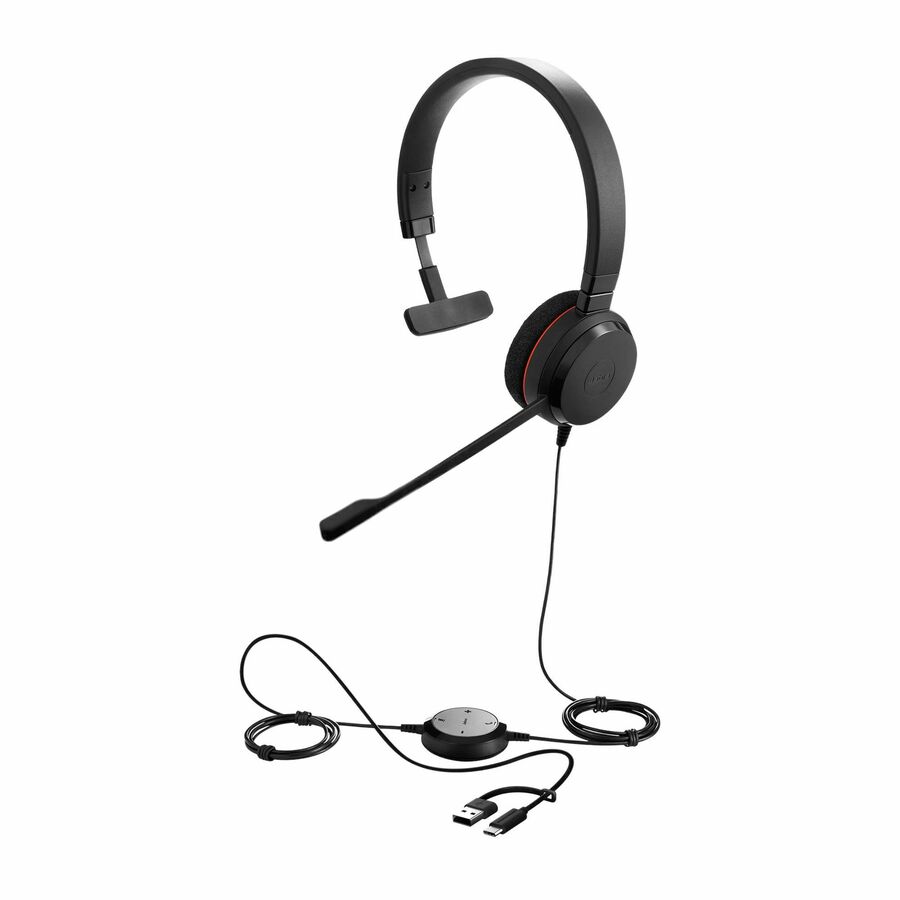
Jabra Evolve 20 Headset
4993-829-289-01
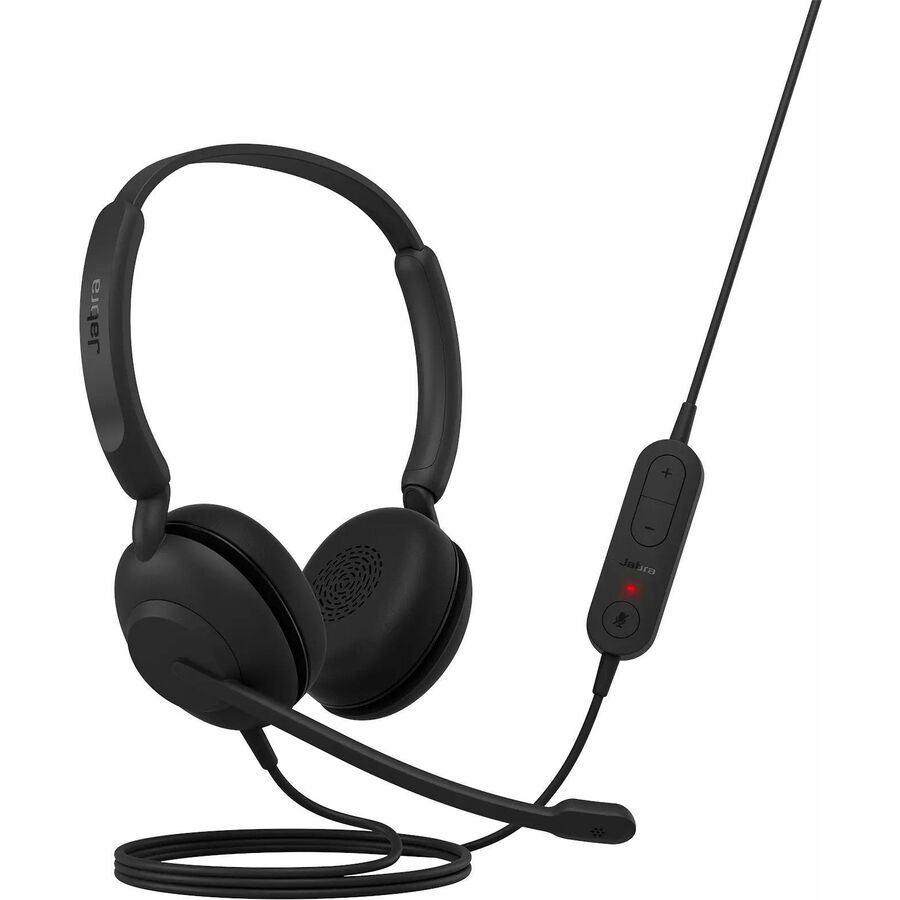
A mono Evolve 20 listed with both USB Type-C and USB Type-A on the product record — a practical detail on a mixed estate where half the desks are older than the other half, and the reason one part number can cover a whole floor.
Confirm the connector against your own desktop build during the pilot; a fleet standard is only a standard if it fits every dock already deployed.
$51.17In stockMore headsets in the Uniqcli catalog
See all 1,737 headsetsMore from across this category. In-stock lines lead, and a back-ordered line carries the same estimated availability its product page does — with live pricing throughout, NDAA §889 screening before checkout and TAA verified on request.
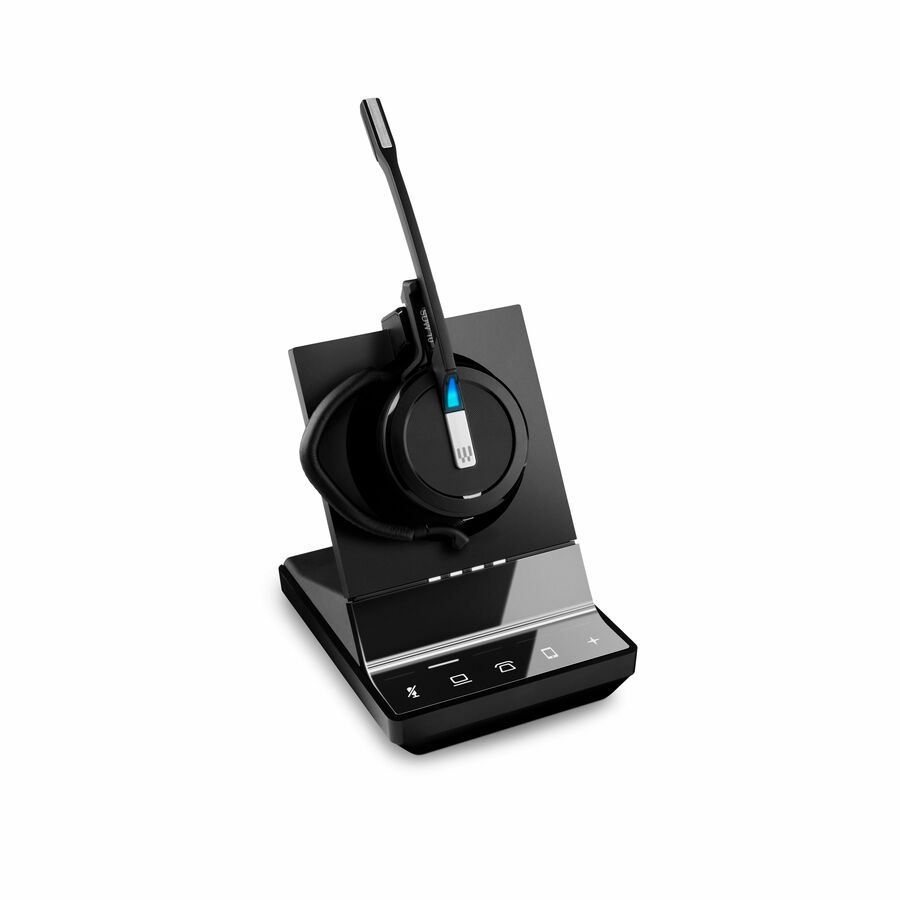
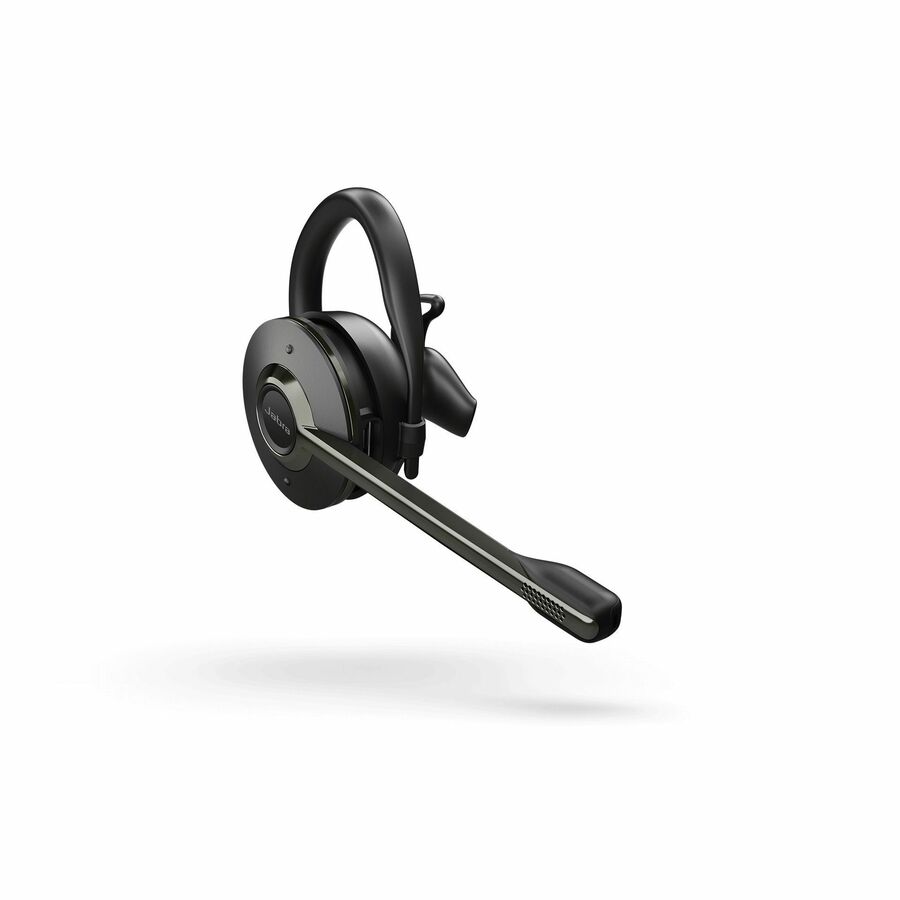
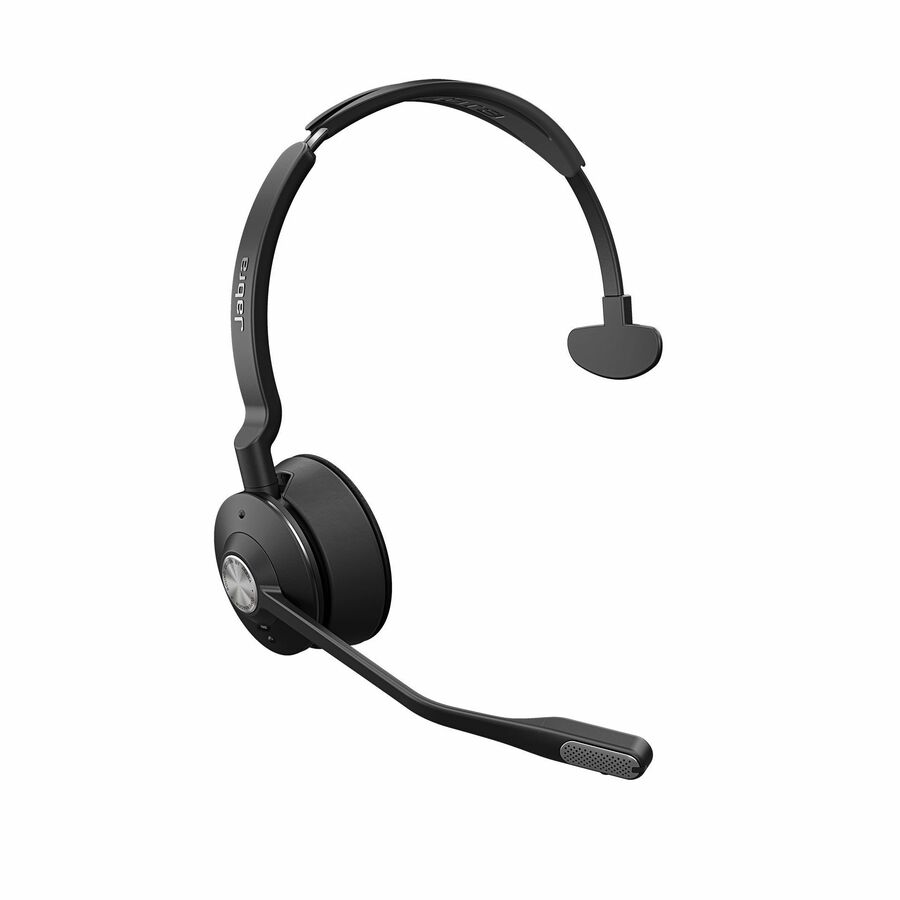
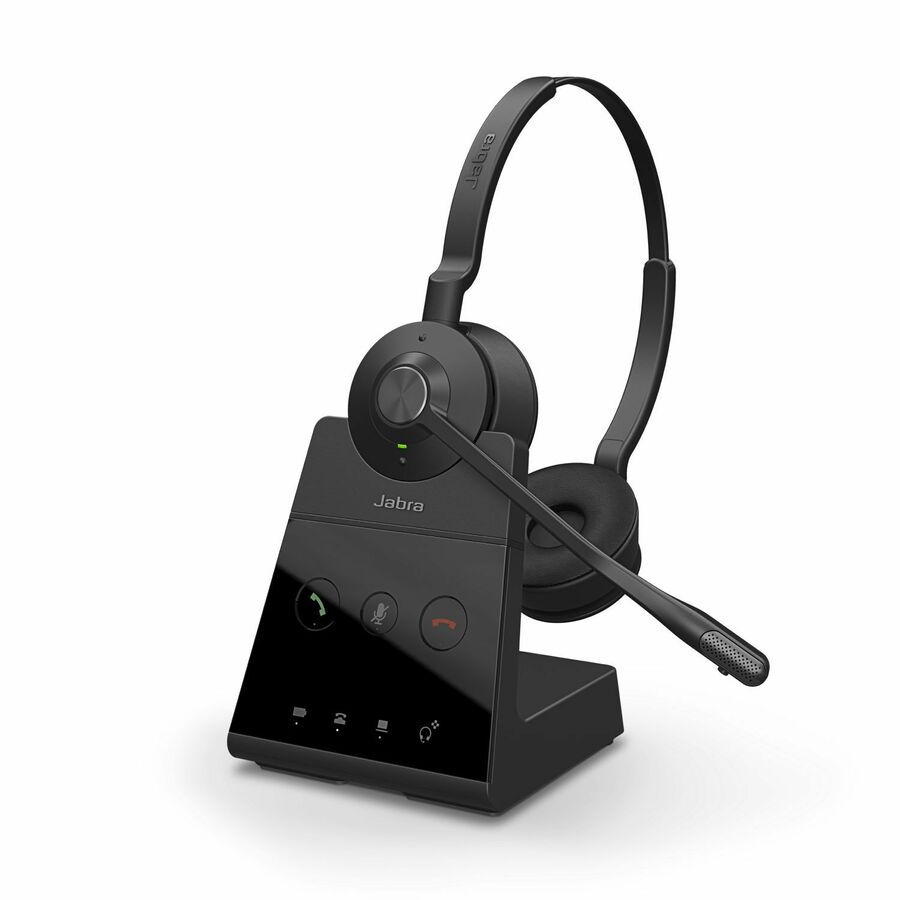
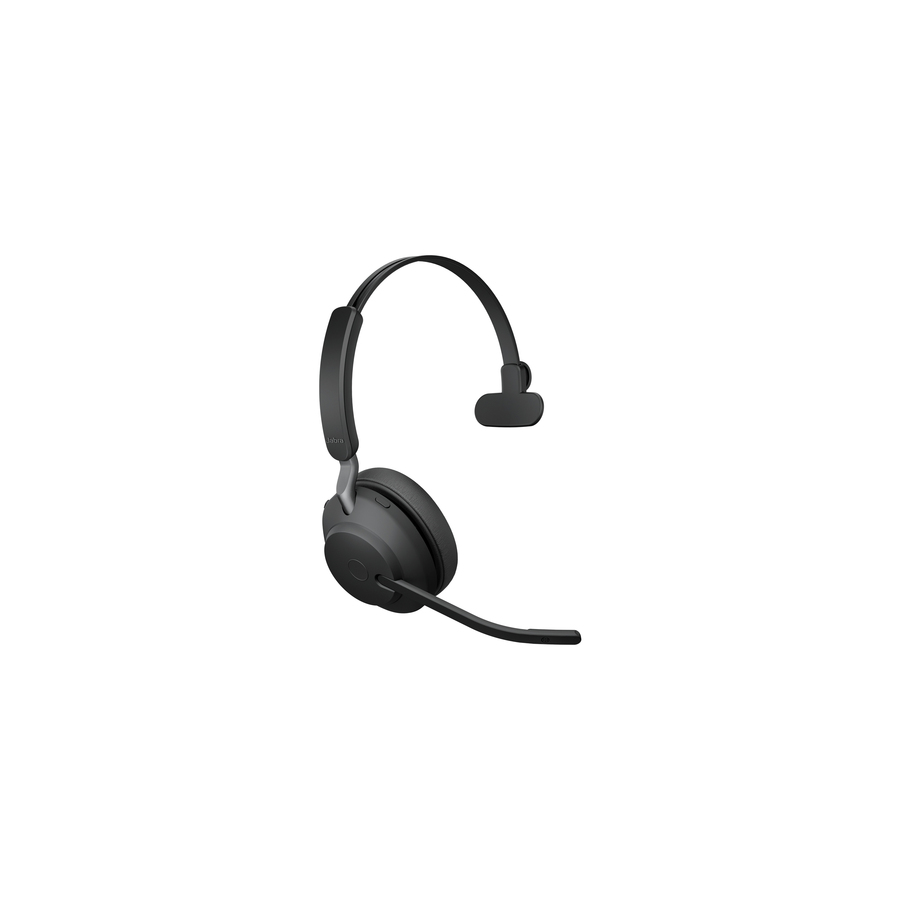
- JabraJabra Engage 75 SE Headset - Mono - Wireless - On-ear, Over-the-head - Monaural - Supra-aural - Black9656-583-125
$615.00
$432.47
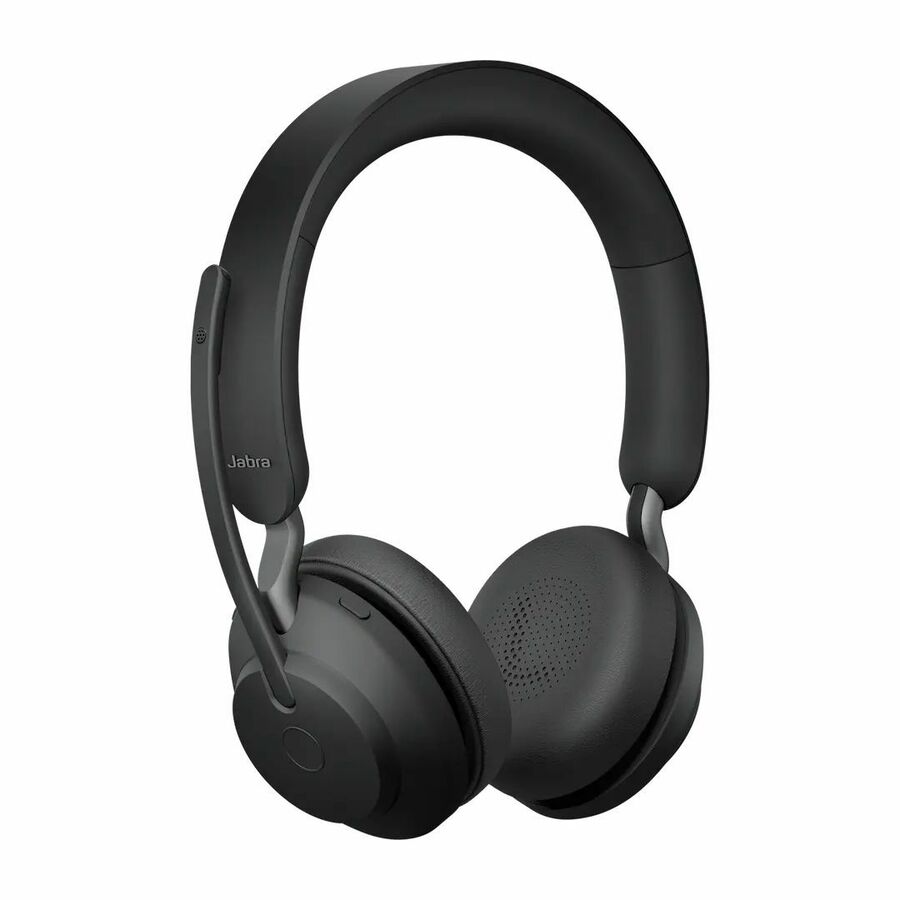
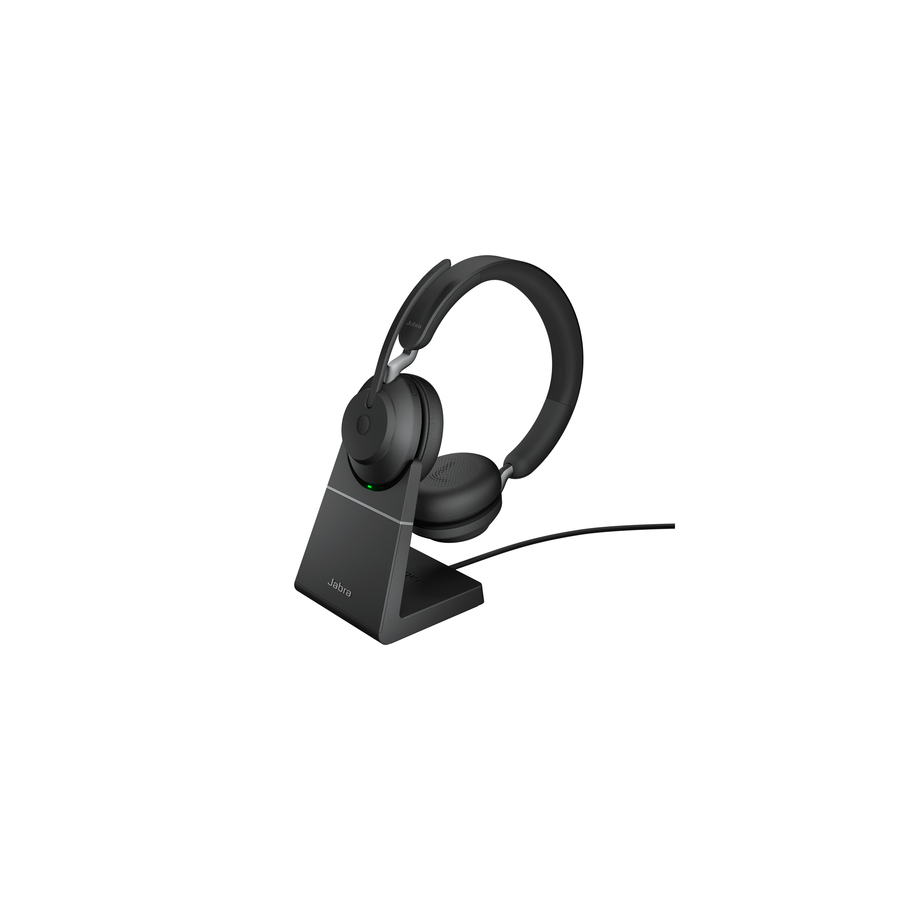
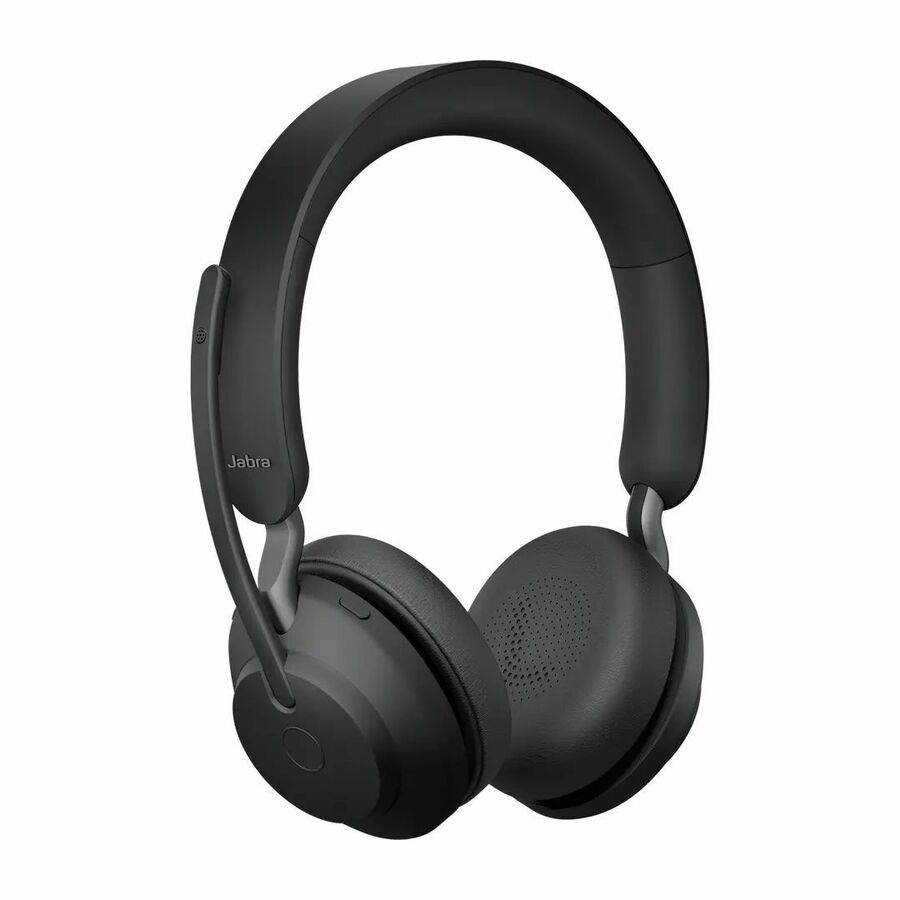
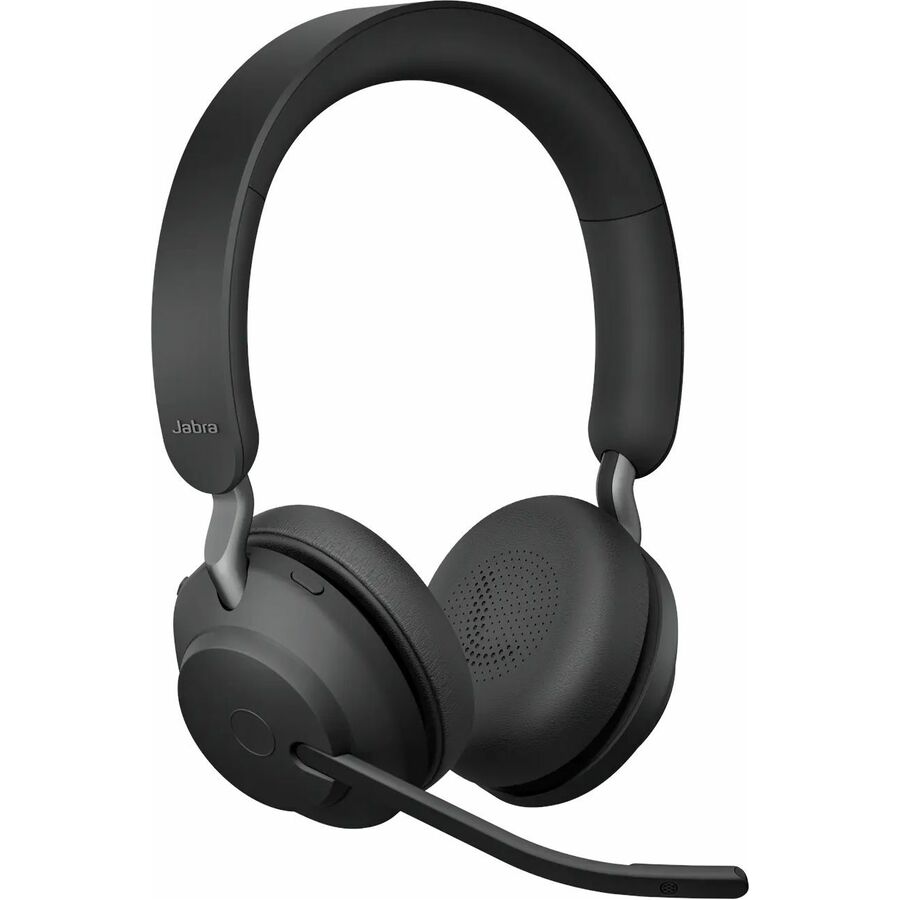
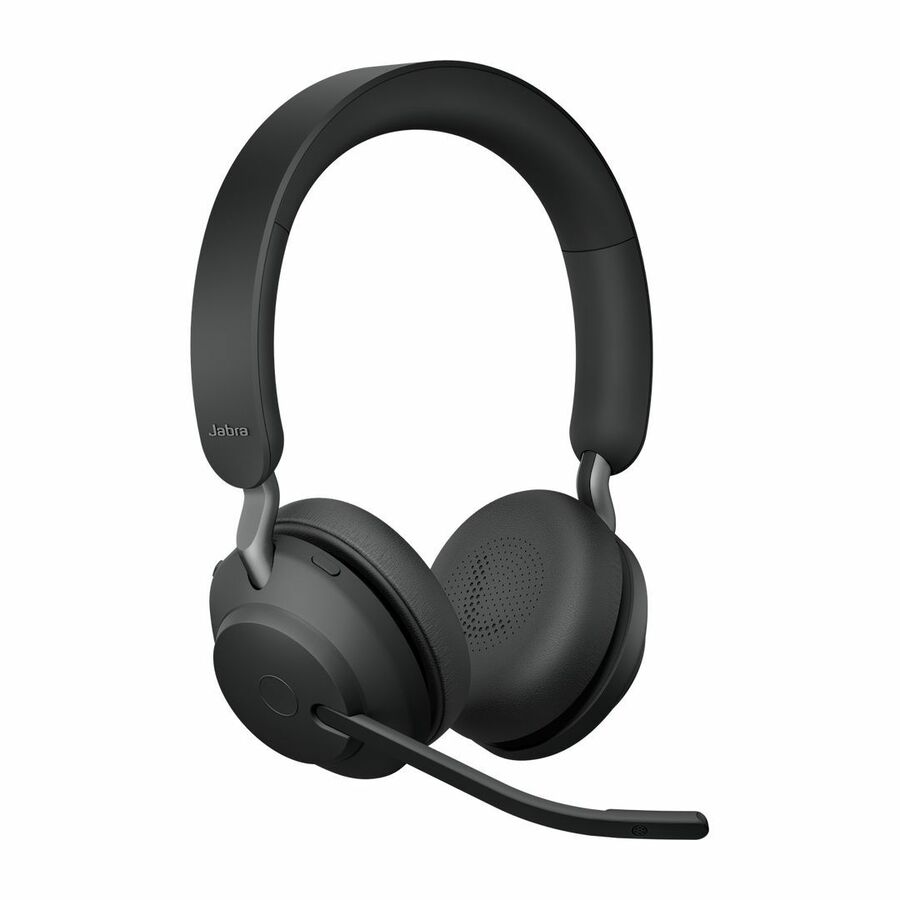
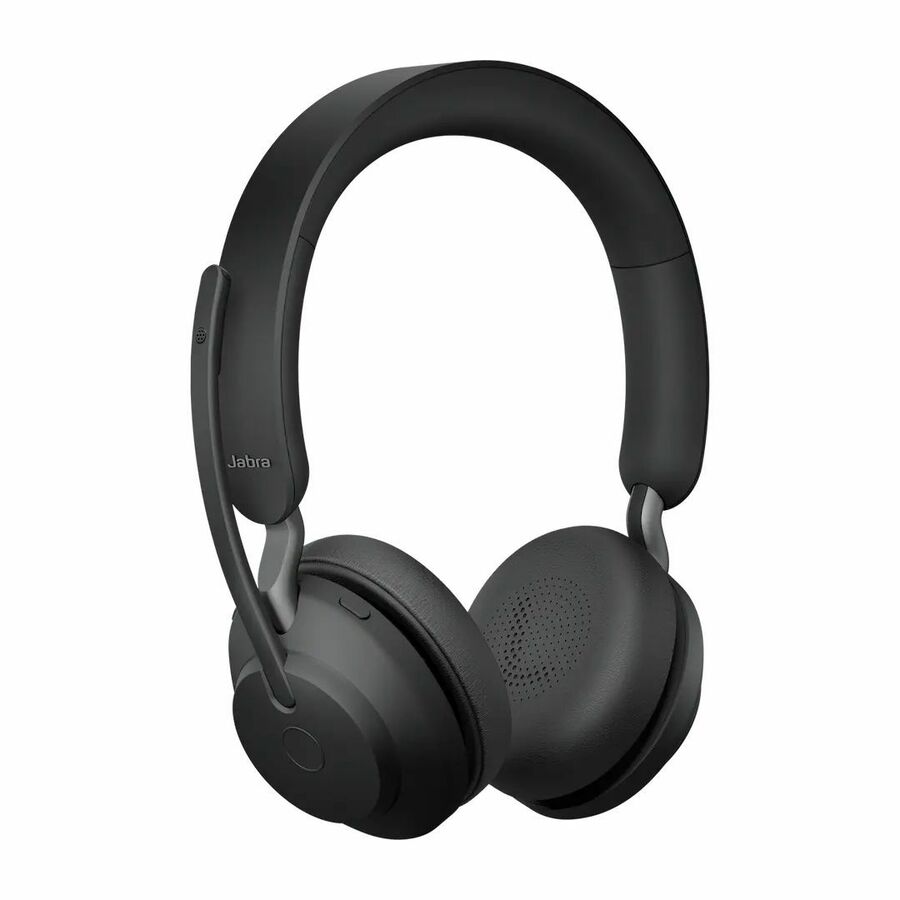
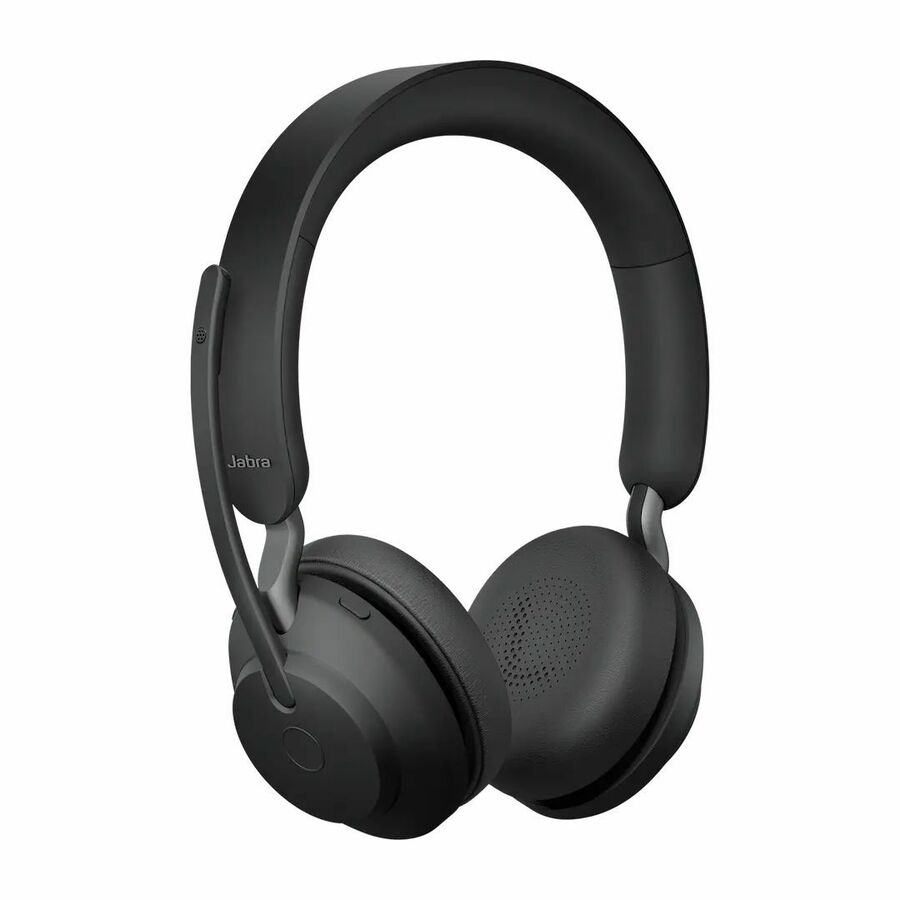
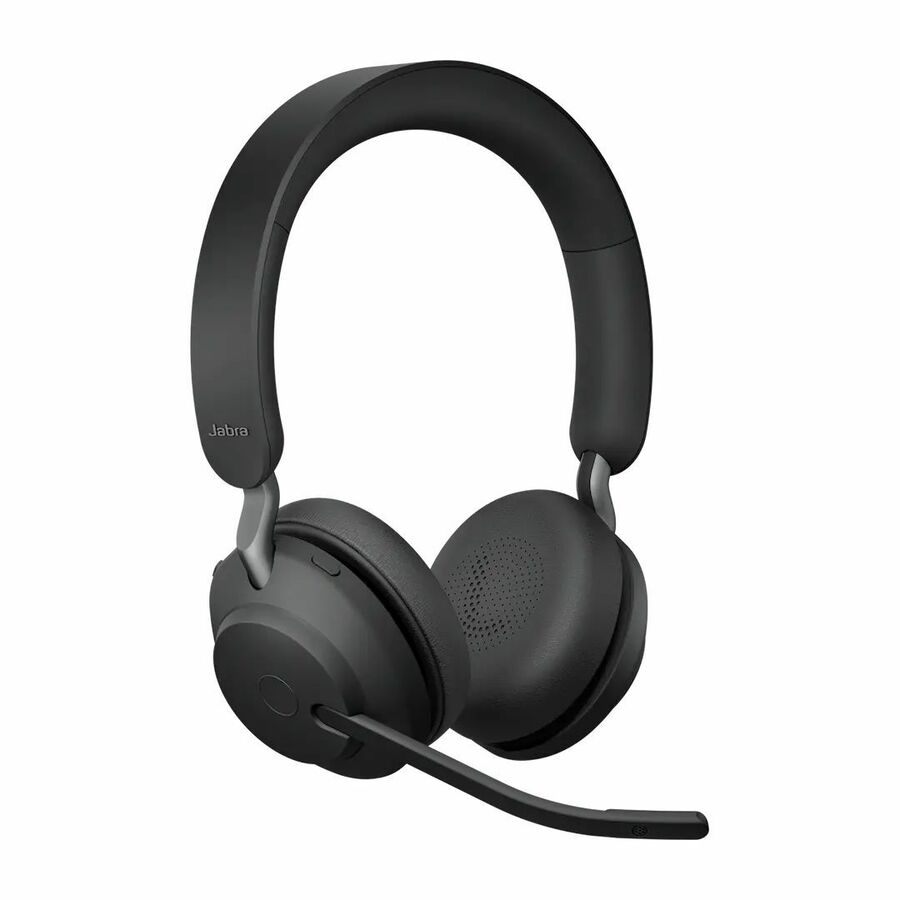
475 in stock - JabraJabra Evolve2 65 Headset - Stereo - Wireless - Bluetooth - 98.4 ft - On-ear, Over-the-head - Binaural - Circumaural - Noise Canceling - Black26599-989-989-01
$471.00
$297.28
272 in stock - JabraJabra Evolve2 65 Headset - Stereo - Wireless - Bluetooth - 98.4 ft - On-ear, Over-the-head - Binaural - Circumaural - Noise Canceling - Black26599-989-889-01
$471.00
$297.30
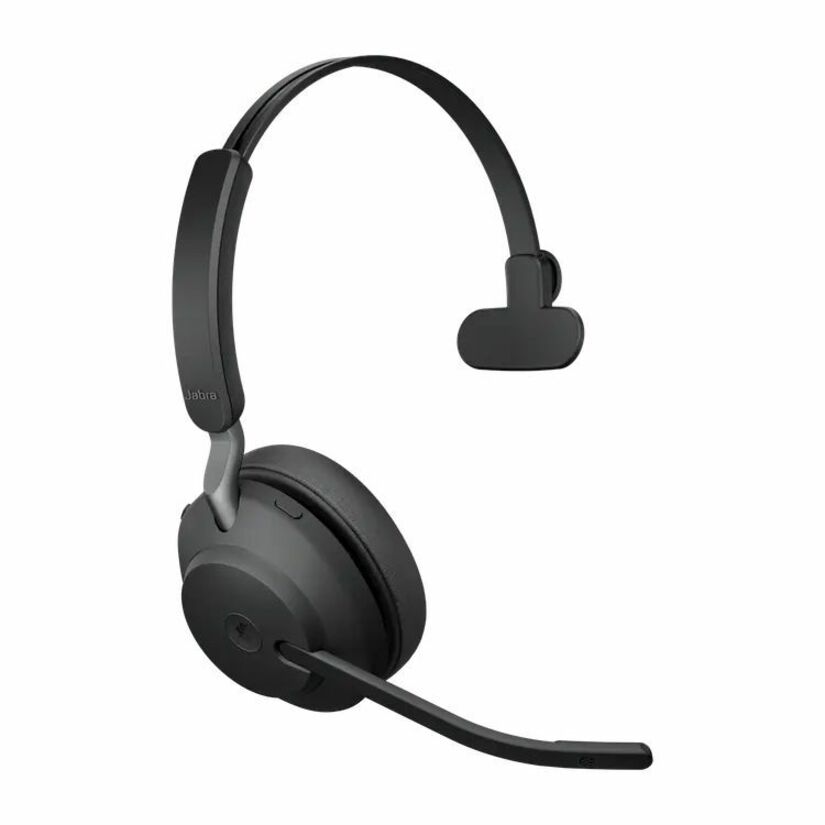
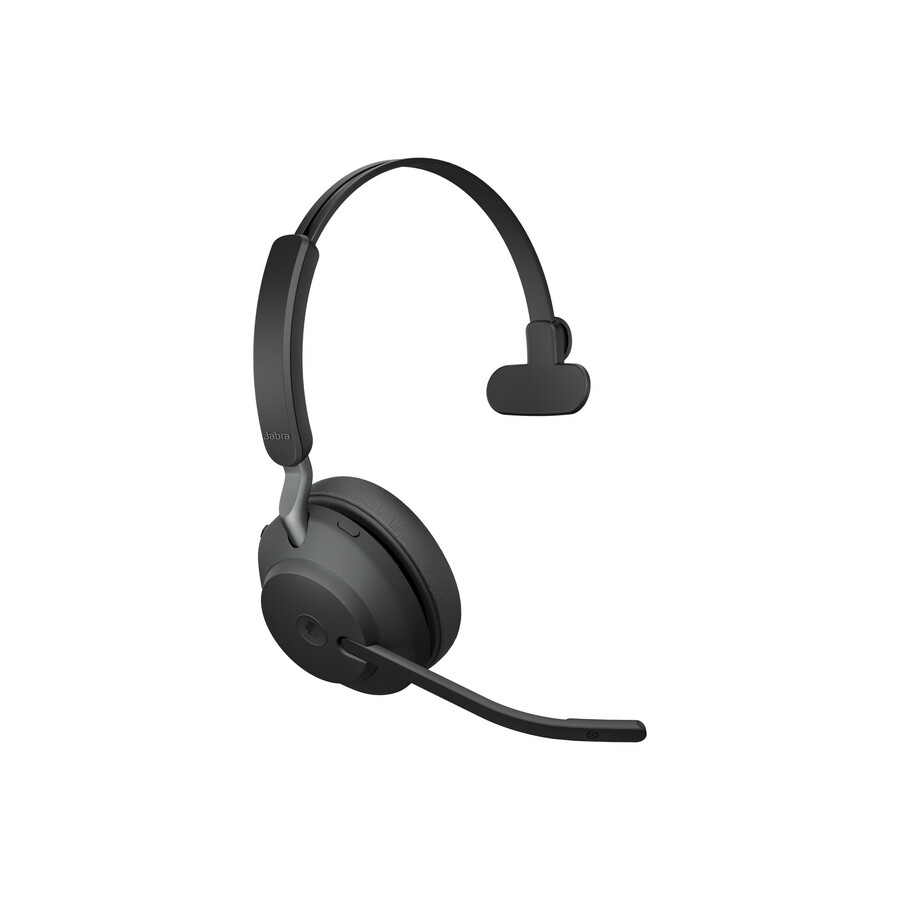
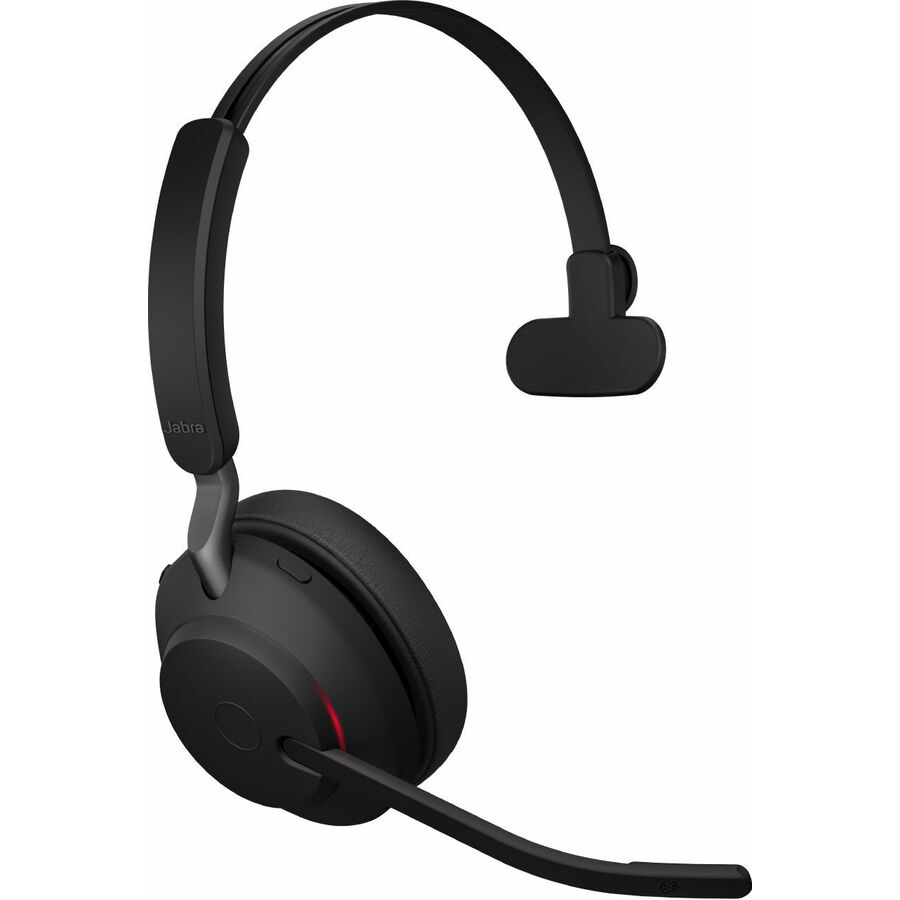
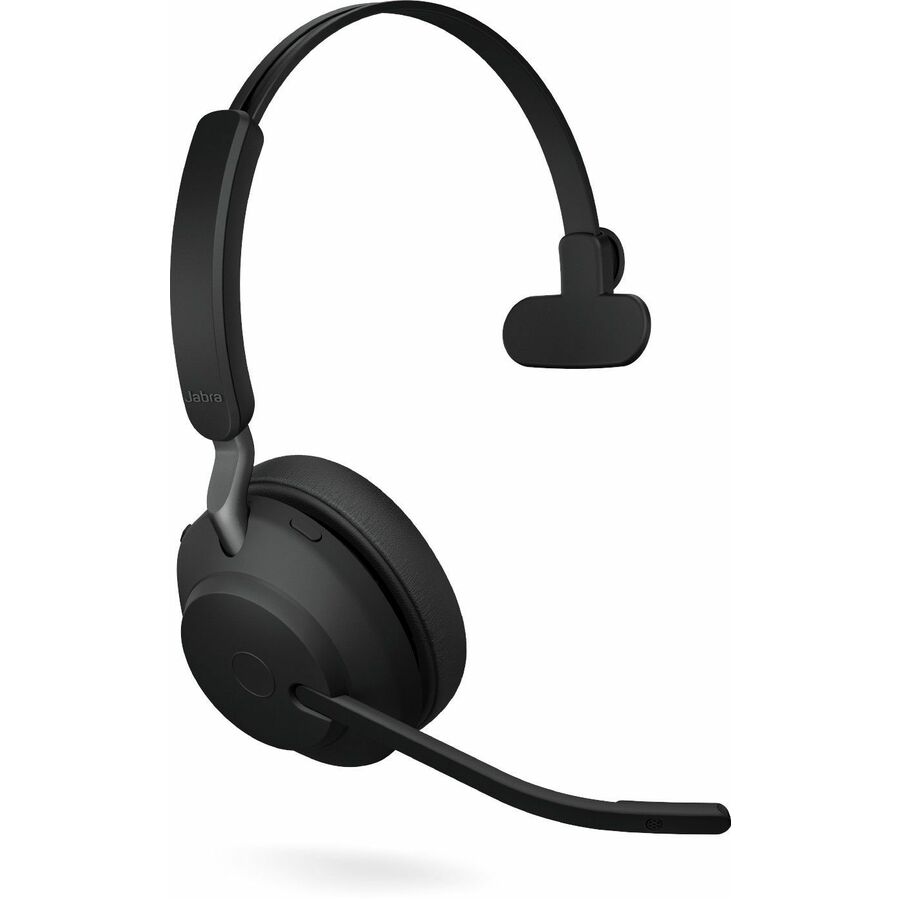
277 in stock - JabraJabra Evolve2 65 Headset - Mono - Wireless - Bluetooth - 98.4 ft - On-ear, Over-the-head - Monaural - Circumaural - Noise Canceling - Black26599-889-989-01
$455.00
$284.04
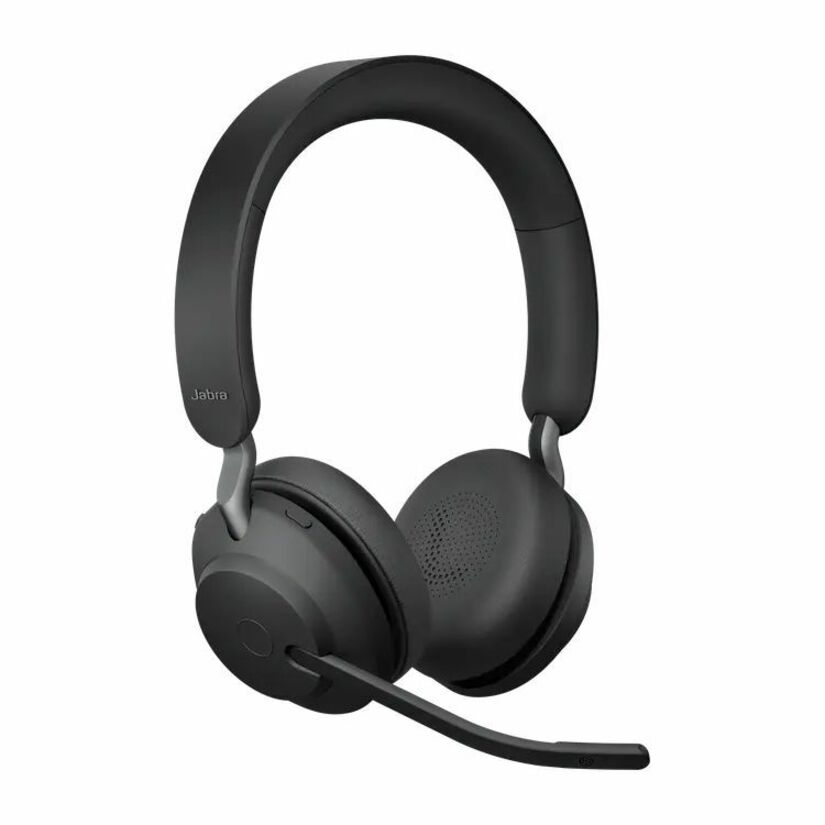
77 in stock - JabraJabra Evolve2 65 Headset - Stereo - Wireless - Bluetooth - 98.4 ft - On-ear, Over-the-head - Binaural - Circumaural - Noise Canceling - Black26599-989-999-01
$391.00
$231.48
1,803 in stock - JabraJabra Evolve2 65 Headset - Mono - Wireless - Bluetooth - 98.4 ft - On-ear, Over-the-head - Monaural - Circumaural - Noise Canceling - Black26599-889-999-01
$376.00
$219.00
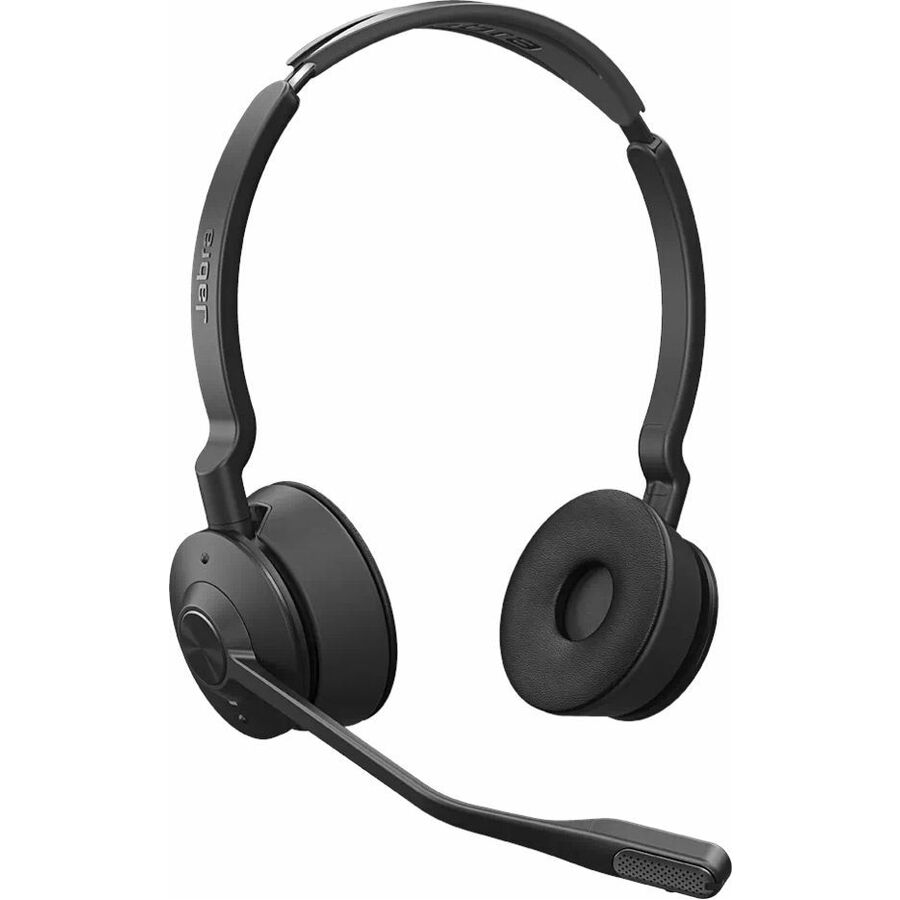
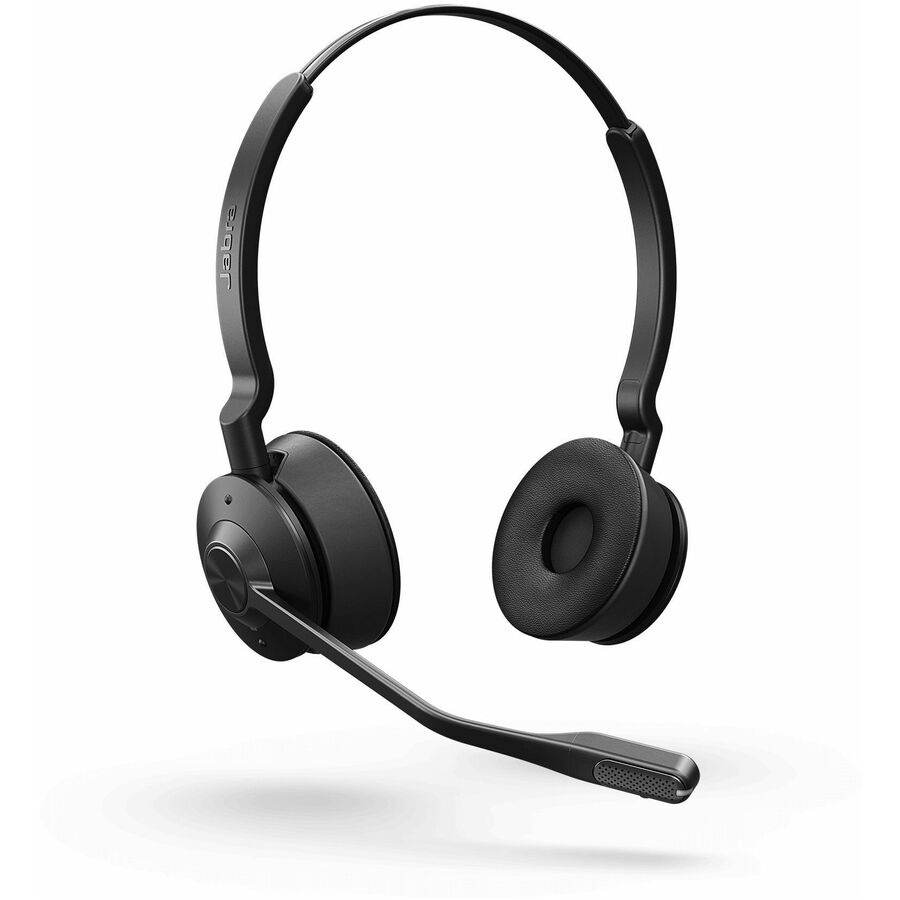
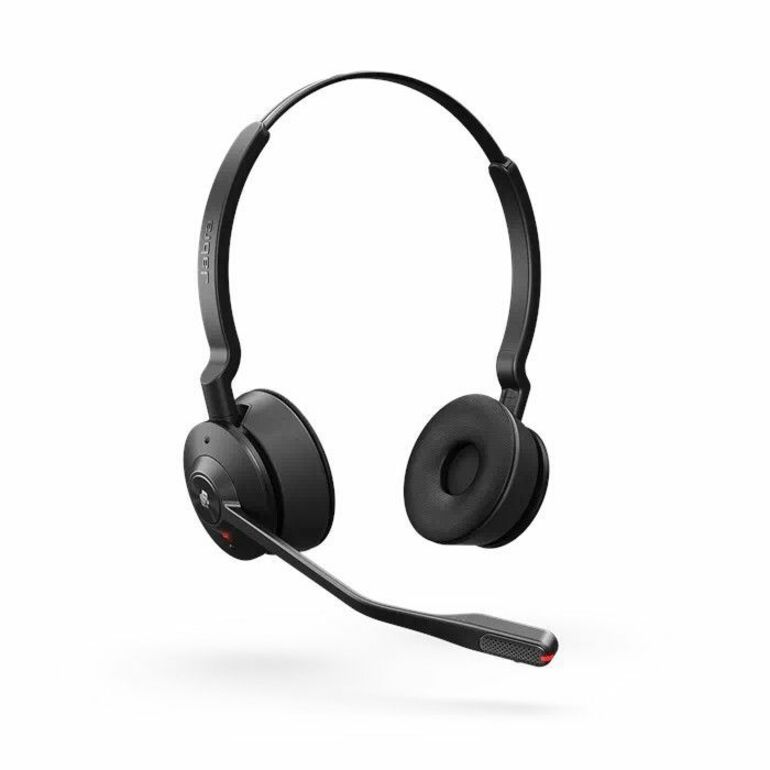
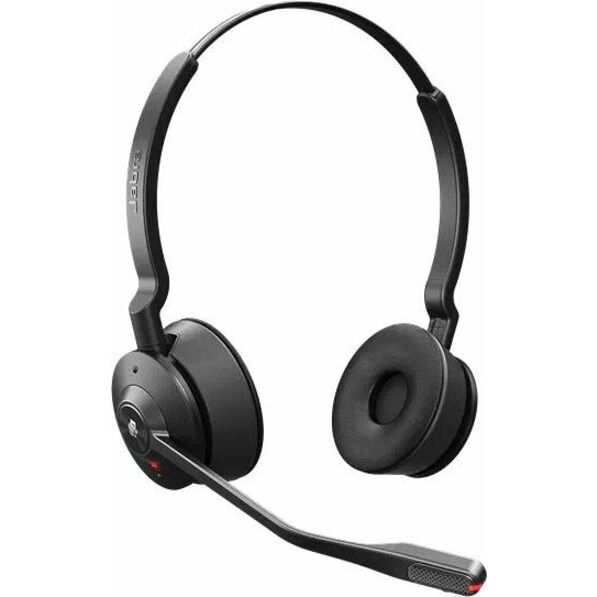
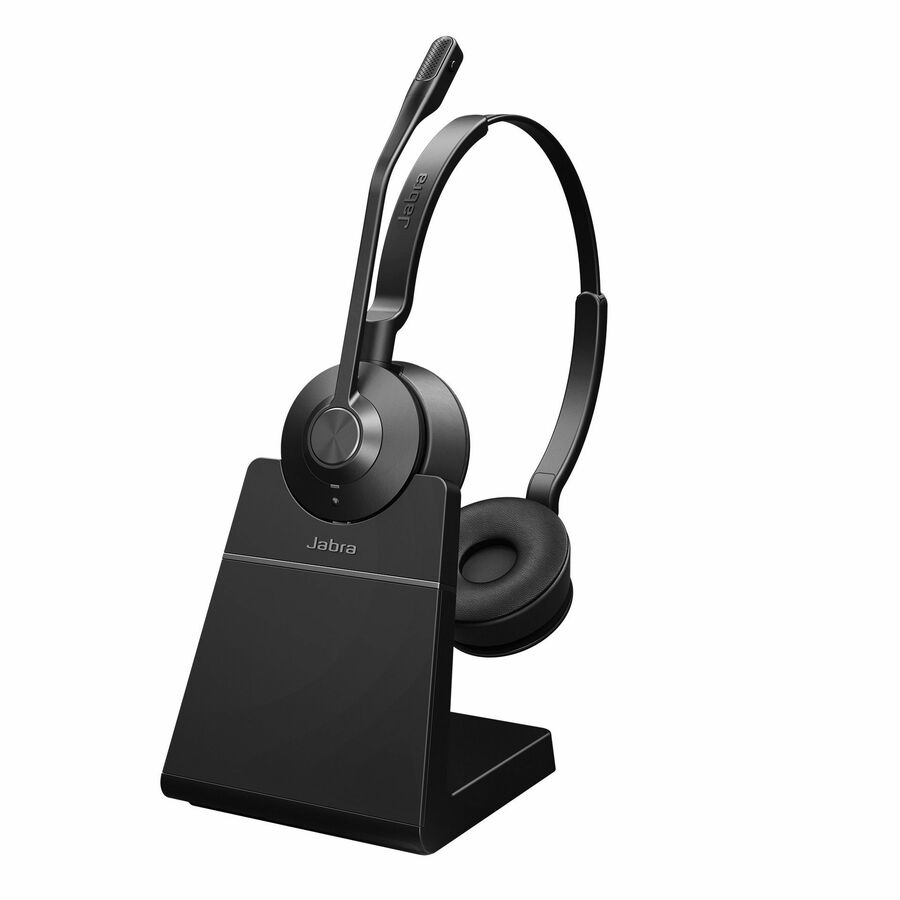
466 in stock - JabraJabra Engage 55 SE Headset - Microsoft Teams Certification - Stereo - Over-the-head - Binaural - Supra-aural - Black9659-475-125
$482.00
$339.09
19 in stock
Need pricing on headsets?
Tell us where to reach you and a Uniqcli specialist will follow up by email with current pricing, availability and lead time for the quantities you need — including parts that aren’t shown on this page.
Buying for an organization or for yourself — both work. No payment up front.
A contact-center headset is decided by duration rather than by specification: weight, clamping force and whether the cushion is leatherette or foam are what make an eight-hour seat wearable, which is why a fleet decision starts with a pilot of the exact part number. The microphone question is what it has to reject, not what it captures.
A headset bought for a contact center is a different purchase from a headset bought for a person, and the difference is duration. A device that is comfortable for an hour and unbearable for eight is not a cheap headset, it is an unused one, and the cost lands as agents quietly buying their own or working on speakerphone. Weight, clamping force and whether the ear cushion is leatherette or foam matter more at scale than any specification on the box, and they are why a fleet decision usually starts with a pilot of the exact part number rather than with a comparison table.
The second decision is what the microphone has to reject rather than what it has to capture. On an open floor, the sound the caller must not hear is the eight conversations happening within three metres, which is what a noise-cancelling boom positioned close to the mouth is for. Passive designs and laptop-integrated microphones do not solve this, and no amount of platform-side processing fully substitutes for getting the microphone in the right place. Mono against stereo follows from the same reasoning: one ear keeps an agent aware of a supervisor and a floor, two ears buy concentration in an open plan, and most floors genuinely need both.
Everything after that is a fleet question. Standardizing on one or two part numbers keeps the spares pool, the imaging profile and the helpdesk script small; ear cushions are a consumable on heavy seats and should be ordered as one; and wireless models add a battery that ages across a service life the way every battery does. A rollout of any size is also a software and deployment decision as much as a hardware one — device-management tooling, firmware baselines and the softphone build all have to agree before the boxes are opened, and Uniqcli quotes that work alongside the units rather than leaving it to a second purchase order.
Buyer's checklist
How to choose a headset fleet
- Pilot the exact part number on the exact softphone build before a volume order — call control, mute sync and busylight behavior are firmware-and-platform specific, and a family name does not predict them.
- Decide mono or stereo by role rather than by budget: mono keeps a dispatcher or supervisor aware of the room, stereo buys concentration on an open floor, and most sites need a split.
- Insist on a noise-cancelling boom microphone for any customer-facing seat; the problem to solve is the room the caller can hear, not the caller the agent can hear.
- Weigh comfort as a fleet specification — headband weight, clamping force and cushion material decide whether an eight-hour seat actually wears the device.
- Choose wired for fixed high-volume seats and wireless where staff move between a desk, a huddle room and a colleague; wireless adds roaming and a battery that ages.
- Check the connector against the estate you actually have: USB-A, USB-C and 3.5 mm are not interchangeable across a mixed fleet, and a dongle per desk is a helpdesk ticket per desk.
- Order ear cushions as a consumable and keep a swap pool of complete units — a shared desk with no spare is an agent offline until a replacement ships.
- Confirm the acoustic-limiting behavior your duty-of-care policy requires for staff who are on calls for a whole shift.
What certification does and does not tell you
A headset described as certified for Microsoft Teams or as UC-certified is making a specific, checkable manufacturer claim: the device has been through that platform's own device program, and the call-control buttons, mute synchronization and microphone tuning are expected to behave correctly against it without a driver hunt. On a fleet rollout that is worth real money, because the alternative is a support queue full of tickets about a mute button that lights but does not mute.
What it is not is a quality ranking. Certification says a device meets a platform's requirements; it says nothing about which of two certified headsets is more comfortable at hour seven, which microphone rejects an open floor better, or which one survives being dropped off a desk twice a week. Those are the things a pilot answers and a certification list cannot.
It is also worth being precise about whose claim it is. Uniqcli does not certify hardware and does not test it — the certification statements on this page are quoted from the manufacturers' own product records, and the sensible thing to do with them is check the exact part number against the platform vendor's current device list before a volume purchase order goes out.
Sizing a rollout: spares, cushions and the split
The most useful number in a headset order is not the seat count, it is the seat count plus the swap pool. A contact center running at capacity has no slack for an agent to sit idle while a replacement ships, so a small pool of identical units — the same part number, not the same family — is what turns a broken headset into a five-minute interruption. Five per cent is a common starting point and heavy floors run higher.
Ear cushions are the genuine consumable and they are chronically under-ordered. On a seat that is worn eight hours a day, cushions wear out long before the headset does, and replacing them is both a hygiene measure and the cheapest way to make a two-year-old fleet feel new. Order them with the units, not when the complaints start.
The last piece of sizing is the mono-stereo split, and it is worth doing per role rather than per floor. Dispatch, supervisory and any seat that has to hear the room wants one ear open. Sustained-focus seats in an open plan want two. Buying both variants of one family keeps the split from doubling the parts list, because the spares, the imaging and the support script stay shared.
Shortlisting beyond this page
This list is deliberately scoped to the two professional headset lines this catalog carries in depth, which keeps the grid on devices built for shift work rather than on the consumer earbuds that dominate the wider category. Logitech and Lenovo both carry business headsets we can quote — including Teams-certified wired models — and they are worth putting on a shortlist even though they are not in the grid above. Search either name from the catalog search box, or send the part numbers you already have and we will price them side by side.
If the requirement is a conference room rather than a desk, the answer is usually not a headset at all. A room needs a camera, a microphone array and a display specified together, and the room-hardware guide linked below is the better starting point.
FAQ
Common questions
- Mono or stereo for a contact center?
- It depends on the seat, and most floors need both. A mono headset leaves one ear open, which is what supervisors, dispatchers and anyone who has to stay aware of the room needs. A stereo headset improves concentration in an open plan and is the better default for sustained-focus seats. Buying the mono and stereo variants of the same family keeps one spares pool and one support script covering both.
- Do agents need a noise-cancelling microphone?
- For any customer-facing seat on an open floor, yes. The problem a boom microphone solves is the conversations happening around the agent, which a laptop microphone or an omnidirectional design will pass straight to the caller. Positioning matters as much as the technology — a boom that sits close to the mouth rejects room noise structurally, which is why it remains the standard on high-call-volume seats.
- Wired or wireless for a fleet?
- Wired for fixed, high-volume seats: no batteries to age, no pairing to support, and one less thing to charge overnight. Wireless where staff genuinely move — between a desk, a huddle room and a colleague's screen — and where the freedom is worth managing a battery across a three-to-five-year service life. A mixed floor is common and reasonable; what causes support load is a floor where nobody decided.
- How many spare headsets should we order?
- Enough that a failure is an interruption and not a lost shift. A swap pool of around five per cent of seats is a common starting point, sized up for floors that run at capacity or handle devices roughly. Order ear cushions at the same time and treat them as a consumable rather than a repair part — on an eight-hour seat they wear out well before the headset does.
- Can Uniqcli quote headsets for a large deployment?
- Every line Uniqcli quotes is sourced through US distribution and screened for TAA country-of-origin and NDAA §889 status before checkout — with documentation tied to the specific part number, not a product family.
Need headsets pricing?
Send a bill of materials or part numbers — we confirm stock and a below-market total, with TAA verified on request. No payment up front.