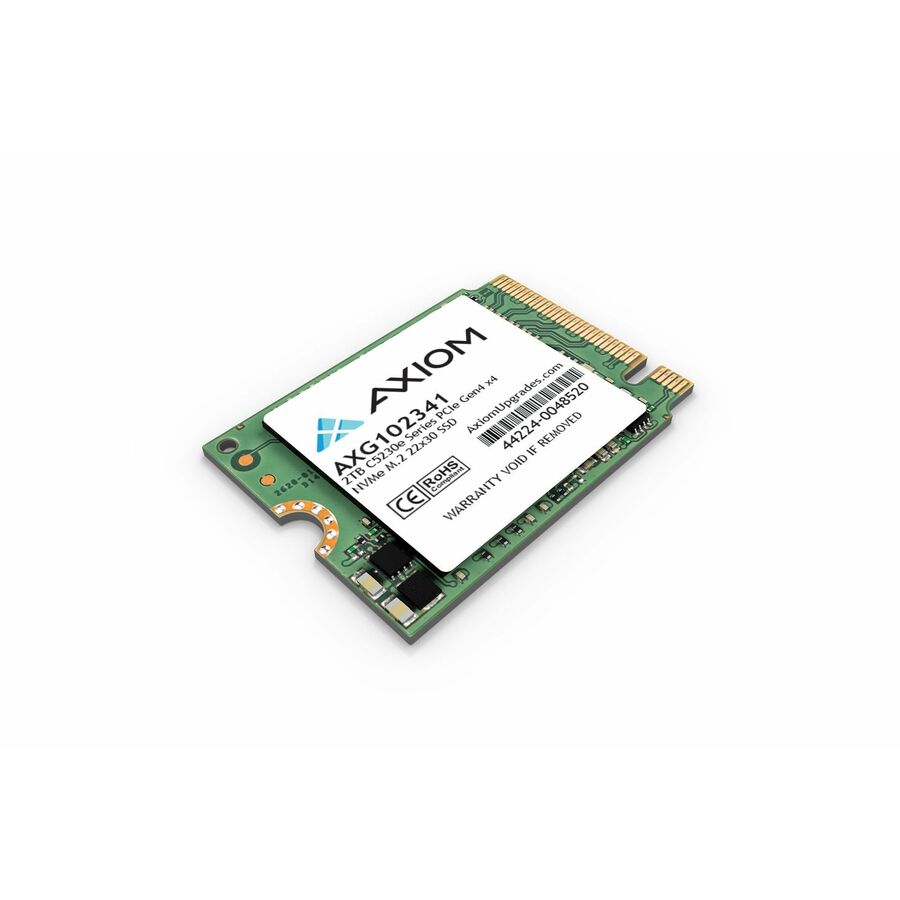
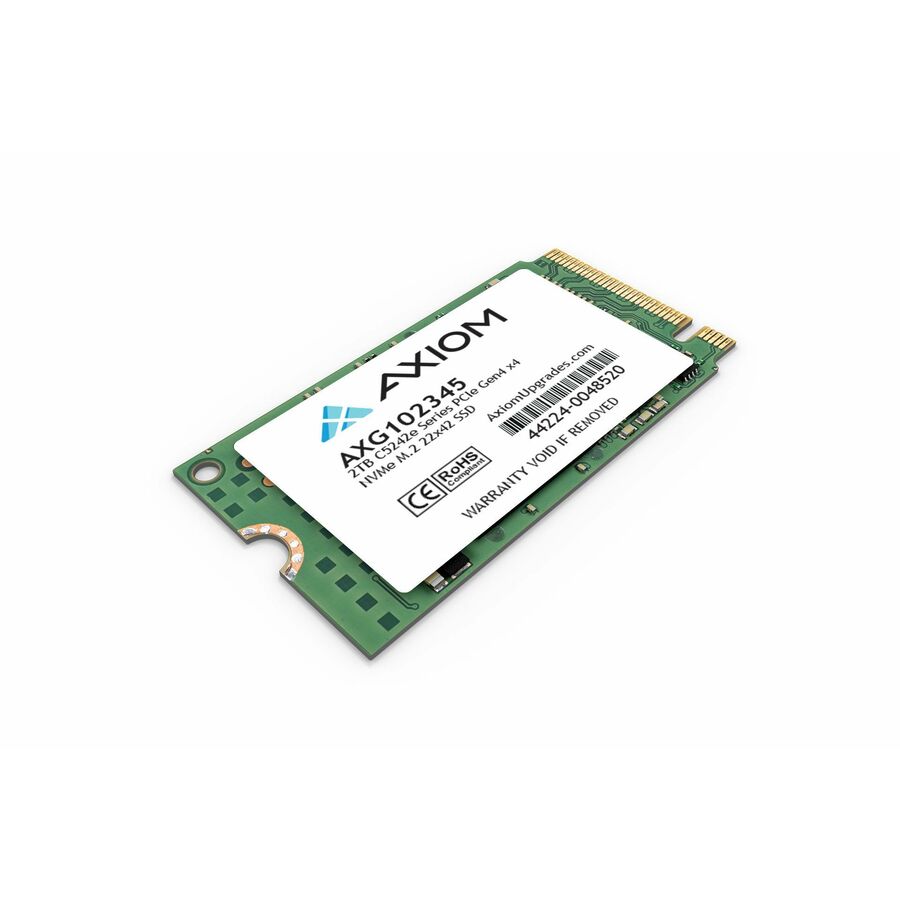
Check entered drive length, key, protocol and thickness without assuming a matching connector proves host support.
Storage
M.2 physical and protocol worksheet
Check entered drive length, key, protocol and thickness without assuming a matching connector proves host support.
Example inputs · Replace these with your measurements to build your plan.
Comma-separated codes, or unknown.
NVMe, SATA, NVMe,SATA, or unknown.
Method, example and sources
Decode the documented M.2 size as width and length, then check the host’s actual retaining positions.
Check mechanical keying independently from the supported storage protocols.
Compare installed thickness, including required thermal hardware, with the available envelope.
Review the exact host revision, firmware and drive support before treating the candidate as compatible.
Worked example. A 2280 drive is 22 × 80 mm. A host listing only 2242 positions conflicts with its length even if both use M key; an NVMe drive also conflicts with a SATA-only host regardless of the notch.
These are checks on entered facts. The exact host and drive have not been matched to a curated compatibility cohort.
Drive width
22mm
Drive length
80mm
Thickness margin
1mm
M.2 physical and protocol worksheet: detailed result
Check
Result
Retaining position
Within entered limits
Mechanical key
Within entered limits
Storage protocol
Within entered limits
Thickness / thermal envelope
Within entered limits
Exact host support
Unknown
M.2 does not automatically mean NVMe. B+M mechanical fit cannot establish SATA or PCIe support.
Confirm single/double-sided clearance, retention, thermal instructions, firmware and boot support. No migration or firmware operation is performed.
From the catalog
Hard Drives/Solid State Drives
Explore related listings, then confirm the exact model requirements against your plan. These listings are not an automatic compatibility or capacity verdict.
The M.2 outline describes a physical format rather than a complete storage interface. Retaining positions decide which lengths can be secured, keying affects mechanical insertion and the socket’s wired protocol decides whether the storage device can communicate. Thickness and required thermal hardware form another separate constraint, especially in compact systems with limited space above or below the board.
Before choosing a product
A candidate that passes these entered checks still needs the exact system manual, revision and firmware support. A product family can contain different sockets or storage options, and a picture of the connector cannot resolve them. Verify boot requirements, thermal pads, retention hardware and migration planning before purchase. Missing host evidence remains a review state instead of a green compatibility label.
Worked example
A 2280 drive is 22 × 80 mm. A host listing only 2242 positions conflicts with its length even if both use M key; an NVMe drive also conflicts with a SATA-only host regardless of the notch.