NVIDIA B200 Server Specifications: What Belongs in the Requirement
A B200 GPU specification is not a B200 server specification. Government buyers need the full supported system: GPU platform, CPU and memory, storage, network interfaces, chassis, power, cooling, firmware, software, warranty and acceptance criteria. The same Blackwell B200 generation can appear in a DGX appliance and in multiple OEM HGX server designs whose facility and integration details differ.
By Uniqcli Team · · 6 min read
Key takeaways
- HGX B200 is an eight-GPU platform; DGX B200 is NVIDIA's defined appliance around B200.
- NVIDIA lists up to 1.44 TB of total GPU memory for an eight-GPU HGX B200 platform.
- The DGX B200 reference is 10U, approximately 313.9 pounds and maximum 14.3 kW, with published airflow and heat output.
- OEM servers can differ in CPU, system memory, local storage, NIC/DPU population, rack units, power, cooling and service model.
- A valid requirement must specify the workload, data path, site interfaces and acceptance test—not only the accelerator.
- Confirm current supported configurations in NVIDIA and OEM documentation before award.
On this page
Use NVIDIA's figures to establish a verified baseline, then use the chosen OEM's exact model documentation for the solicitation and site plan. Do not copy one appliance's dimensions or power values onto every B200 server.
Understand B200 buying units
At the lowest level, B200 is the GPU generation. HGX B200 integrates eight GPUs with high-speed interconnect as a platform that OEMs use inside servers. The OEM server adds the host architecture and support boundary. DGX B200 is NVIDIA's appliance with a defined chassis, host, network and software configuration. A rack or cluster adds fabric, storage and management.
Procurement documents should name the level being purchased. If a market survey requests “four B200s,” suppliers may interpret four GPUs, four eight-GPU servers or four racks. Write the quantity as “four eight-GPU servers based on NVIDIA HGX B200, or equal,” then define “equal” through measurable characteristics and interfaces.
Use the current NVIDIA enterprise reference architectures to identify supported patterns and the AI Enterprise support matrix to check platforms. Then require the bidder to identify the exact OEM manufacturer, model, revision and support entitlement.
GPU and platform baseline
The NVIDIA enterprise reference-architecture appendix lists HGX B200 as an eight-GPU platform with up to 1.44 TB of total GPU memory and notes a GPU power configuration up to 1,000 watts. These are useful baseline facts.
Do not turn peak AI-performance marketing numbers into acceptance criteria unless the agency can reproduce the associated workload, software and precision. Instead, specify minimum usable memory, required precision support and the representative benchmark the system must pass.
Ask how GPUs are interconnected, what topology is exposed to software, and whether partitioning or multi-instance capabilities required by the use case are supported in the proposed version. If multiple tenants or security zones will share infrastructure, document the isolation model and its performance trade.
The proposal should also state the platform and firmware revisions. Two servers described as “HGX B200” may have different BIOS settings, NIC firmware or validated driver bundles. Baseline configuration control before factory testing, and record every approved deviation.
Host server specifications
The host can bottleneck a powerful GPU platform. Require enough detail to verify CPU-to-GPU and NIC-to-GPU paths:
- CPU manufacturer, model, socket count and supported firmware.
- System-memory capacity, speed, DIMM population and expandability.
- PCIe generation, slot topology and allocation to NICs, DPUs and NVMe.
- Boot-device type, redundancy and replacement procedure.
- Local scratch/checkpoint storage, endurance and RAID/software protection.
- Trusted-platform, secure-boot and hardware-root-of-trust capabilities required by policy.
- Service processor, out-of-band port and supported management protocols.
- Redundant power-supply configuration and field-replaceable components.
- Chassis dimensions, weight, rail kit and front/rear service clearances.
The DGX B200 guide gives a useful example: 10U height, approximately 313.9 pounds, maximum 14.3 kW input, 1,550 CFM airflow and 48,794 BTU per hour heat output. Use those values only when acquiring or planning for that exact appliance. For an OEM server, use its own site-preparation guide.
Ask whether components are hot-swappable and what happens when a GPU, NVSwitch component, NIC or boot drive fails. The repair unit and access procedure affect spares, clearances, downtime and data-handling rules.
Network and storage interfaces
A B200 server needs at least three network conversations: scale-out GPU traffic, storage/data traffic and management. Some designs add a separate service, cluster or tenant network. List every plane, port speed, port count, connector, transceiver, cable and redundancy mode.
For the compute fabric, specify InfiniBand or Ethernet only after an architecture decision. If Ethernet is selected for RDMA, define the supported end-to-end design rather than assuming any switch with the right nominal speed will behave like an AI fabric. The InfiniBand versus Spectrum-X guide covers topology, congestion control and operations.
For storage, specify sustained read/write targets, metadata operations, checkpoint pattern and protocol/filesystem compatibility. If using GPUDirect Storage, require evidence that the proposed filesystem, kernel, drivers, NICs and topology are supported. GDS can reduce CPU-path overhead; it cannot fix an undersized array or an unsupported software stack.
Include a port-and-cable matrix as a deliverable. “Cables included” is not sufficient for a rack with dozens of high-speed links. The matrix should identify both endpoints, media type, length, part number, labeling convention and spare quantity.
Power, cooling and rack integration
Request typical, tested peak and maximum input power for the complete configured server. Document input voltage, phase, frequency, connector, feed count and redundancy behavior. Then calculate the rack total with fabric, storage, management and PDU losses.
For air-cooled systems, obtain airflow direction, cubic-feet-per-minute requirement, allowable inlet range, altitude derating and heat output. Check containment, tile or duct capacity, static pressure and the effect of a failed fan or feed. High airflow can create a facility constraint before nameplate electrical capacity is exhausted.
For direct-liquid-cooled designs, specify the technology-side inlet temperature, flow, pressure, pressure drop, coolant chemistry, materials compatibility, filtration, water quality, quick-disconnect type, leak detection and response. Define the boundary between server loop, rack manifold, CDU and facility-water system. The detailed GPU cooling guide provides the commissioning checklist.
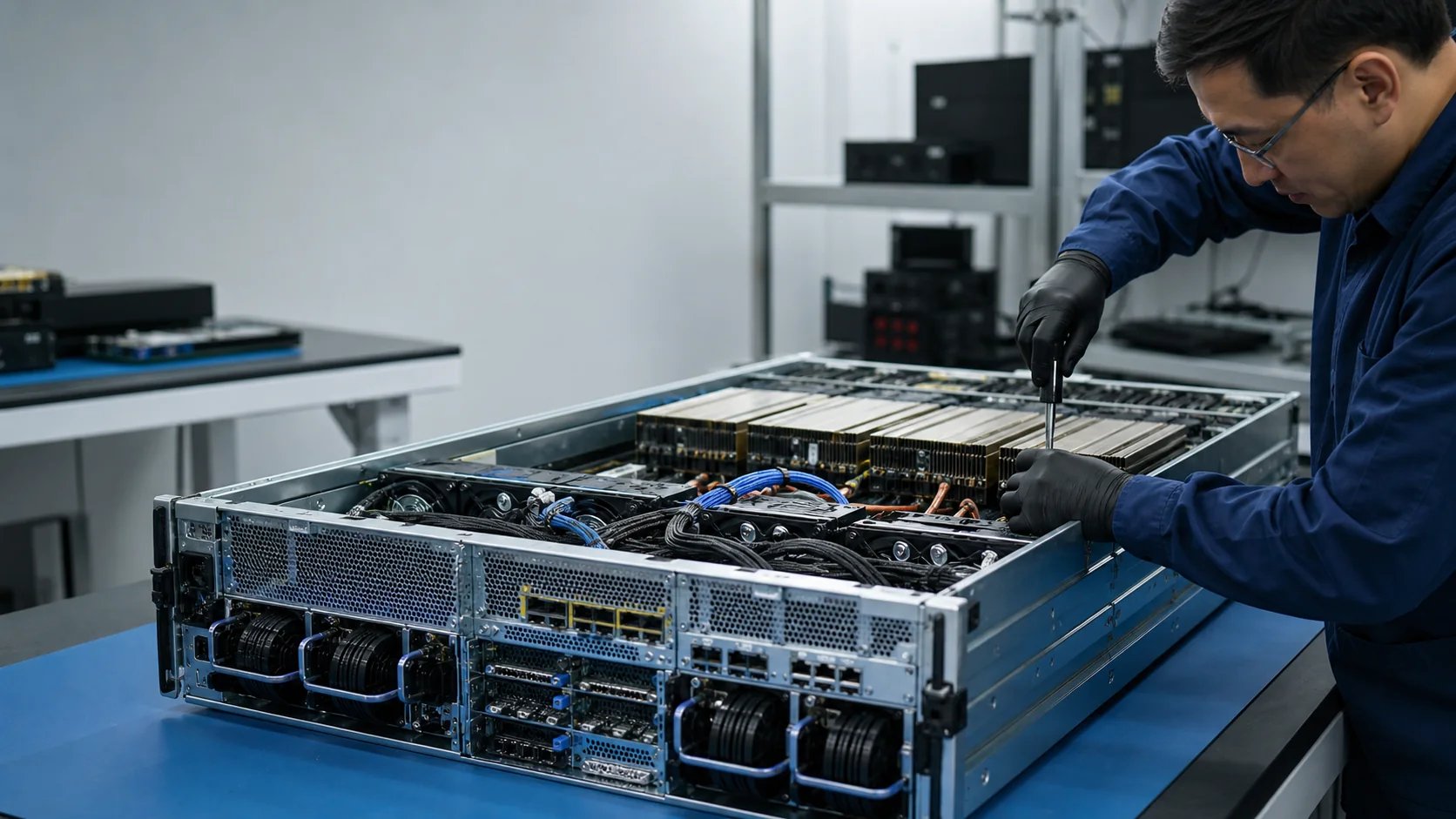
Rack integration requires more than enough U-space. Verify rack depth, static and rolling weight, floor loading, rail compatibility, center of gravity, seismic requirements where applicable, lift/access path and rear service space. Create a rack elevation and cable pathway before accepting the factory configuration.
Software, security and support
Specify supported versions rather than “latest.” List operating system, GPU driver, CUDA, container runtime, orchestration, NVIDIA AI Enterprise entitlement if used, scheduler, model-serving framework and monitoring integration. Define how updates are received, tested, approved and rolled back.
Security requirements should cover secure boot and attestation where needed, management-plane isolation, privileged access, log export, vulnerability notification, firmware update, cryptographic requirements and media handling. Apply the agency's risk-management process to the complete system; a compliant operating system does not make unmanaged BMC firmware disappear.
Define the support boundary. Identify who owns first call, on-site response, parts, firmware escalation, fabric troubleshooting and software compatibility. Require the duration and service level in the line item. If the system will operate in a restricted site, confirm escort, clearance, tool and media rules before promising an on-site response time.
Finally, require configuration documentation: as-built BOM, serial numbers, firmware manifest, cabling, rack elevation, test results, licenses and recovery instructions. Those records support acceptance and later change control.
Copy-ready procurement checklist
Use these sections in a market survey or RFQ:
- Mission workload and benchmark.
- Quantity and buying unit.
- Minimum GPU generation, count, usable memory and precision support.
- Host CPU and system memory.
- Local storage and endurance.
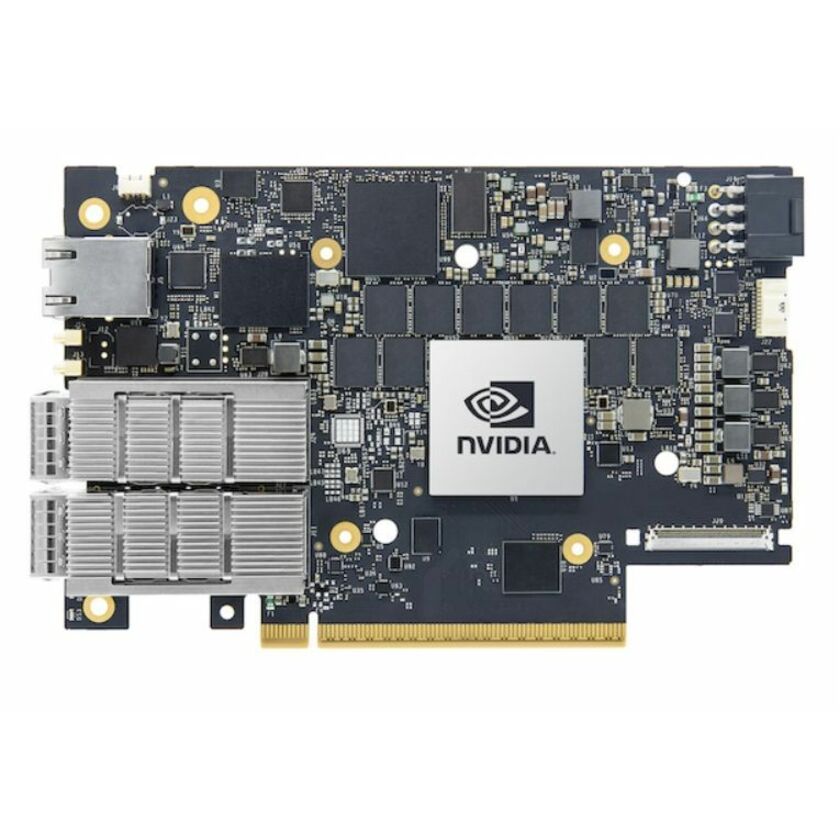
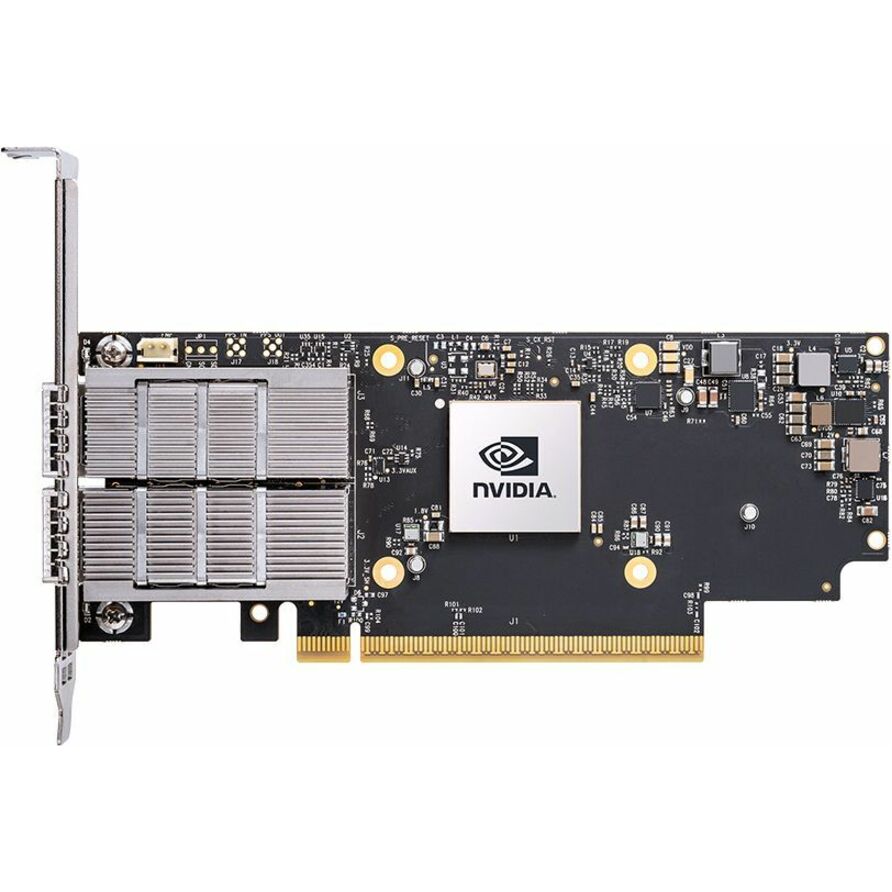
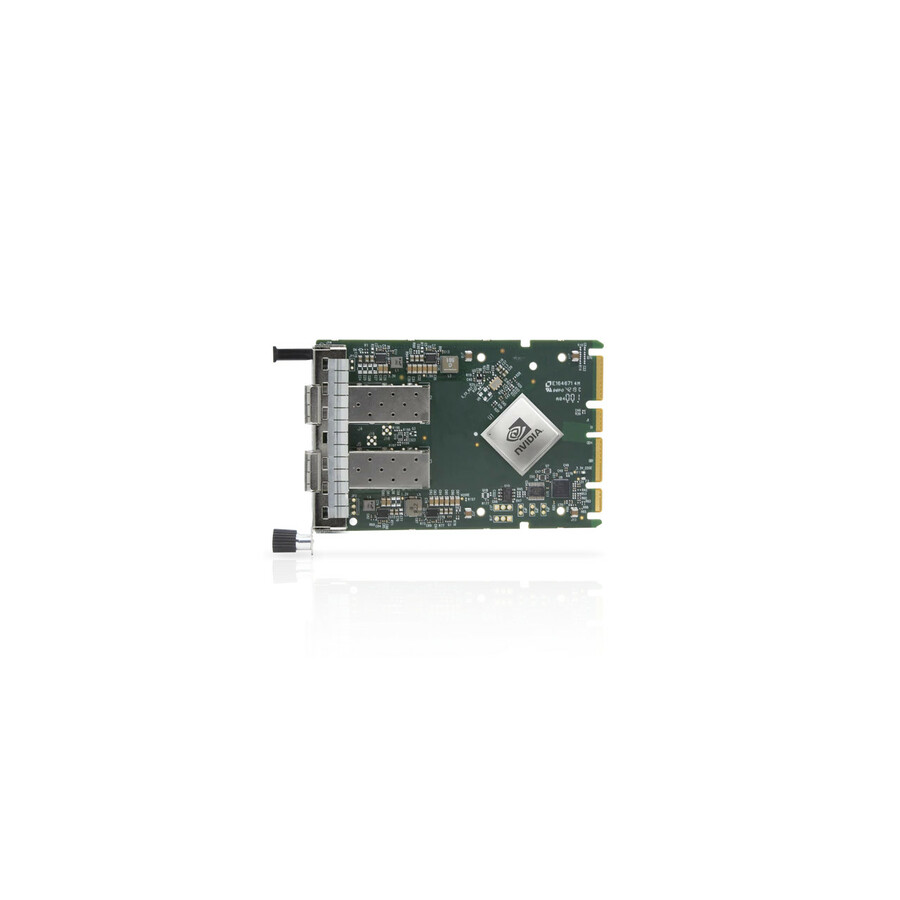
- Compute, storage and management NICs/DPUs.
- Supported software versions and entitlements.
- Chassis size, weight, power feeds and cooling interface.
- Rack integration, switches, cables, optics and spares.
- Security configuration and update process.
- Supply-chain evidence required by the solicitation.
- Delivery, staging, installation and training.
- Factory and site acceptance tests.
- Warranty, support, repair unit and response times.
- Assumptions, exclusions, substitutions and quote validity.
Attach the workload test and site interface sheet. That lets sources propose an equal system without guessing which characteristics are actually salient.
Do all B200 servers draw 14.3 kW?
No. The 14.3 kW figure cited here is NVIDIA's published maximum input power for the specific DGX B200 appliance. OEM HGX B200 servers have their own configured maximums, voltages, connectors, airflow or liquid-cooling interfaces. Even two servers in the same family can differ after CPU, memory, NIC and storage choices. Require the bidder to provide typical and maximum values for the exact as-quoted configuration and make the selected manufacturer's current site-preparation guide part of the engineering record.
How Uniqcli can build the configuration
Uniqcli can take a B200 performance requirement through OEM selection, rack integration, fabric and storage mapping, power/cooling review, staging and acceptance planning. Review the AI server rack solution, OEM integration capability and Supermicro catalog, or request an OEM-neutral B200 equivalency matrix.
The output should identify exact models and current support evidence while keeping workload and interfaces visible. That is what makes a B200 requirement competitive, installable and testable.
Technical note: DGX figures in this article apply to DGX B200. Always use the selected OEM model's current site-preparation and support documentation for final engineering.
Adapters and DPUs this catalog carries
NVIDIA
NVIDIA BlueField-3 P B3220 200Gigabit Ethernet Card
$5,703.98Back-orderedNVIDIA
NVIDIA ConnectX-7 200Gigabit Ethernet Card
$2,141.06Back-orderedNVIDIA
NVIDIA ConnectX-6 Dx EN MCX623435AN-CDAB 100Gigabit Ethernet Card
$7,613.81Back-ordered