
Best Transcend SSDs for Embedded and Industrial Systems
M.2 NVMe, 2.5-inch SATA, high-endurance, and encrypted portable SSDs.
Transcend SSDs in stock at Uniqcli
How to choose →A curated selection with live pricing — in-stock lines first, then back-ordered lines with a typical lead time. Every line is sourced through US distribution and screened for NDAA §889 status before checkout, with TAA verified on request.
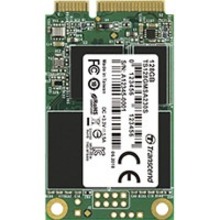
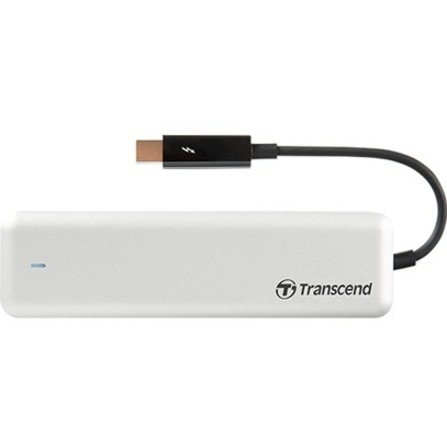
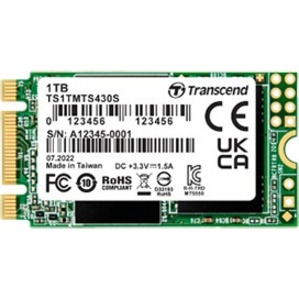
- Transcend InformationTranscend 230S 128 GB Solid State Drive - mSATA Internal - SATA (SATA/600) - 550 MB/s Maximum Read Transfer RateTS128GMSA230S
$91.00
$87.97
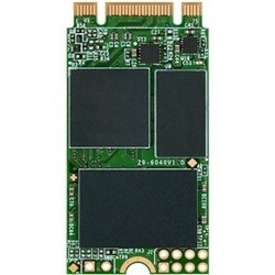
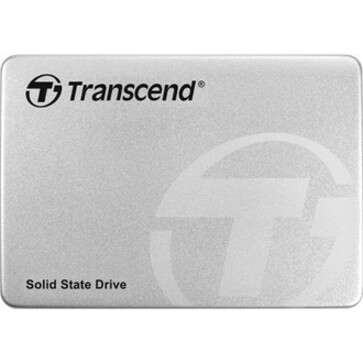
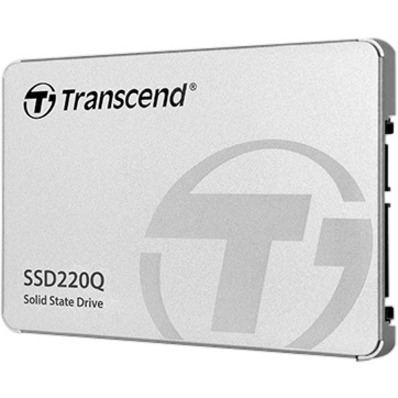
11 in stock - Transcend InformationTranscend 240 GB Solid State Drive - 2.5" Internal - SATA (SATA/600)TS240GSSD220S
$151.00
$138.65
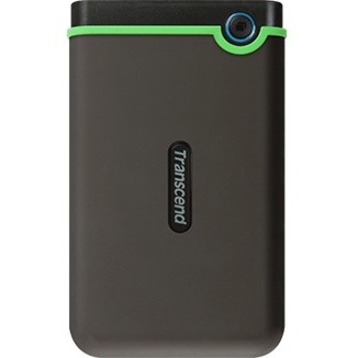
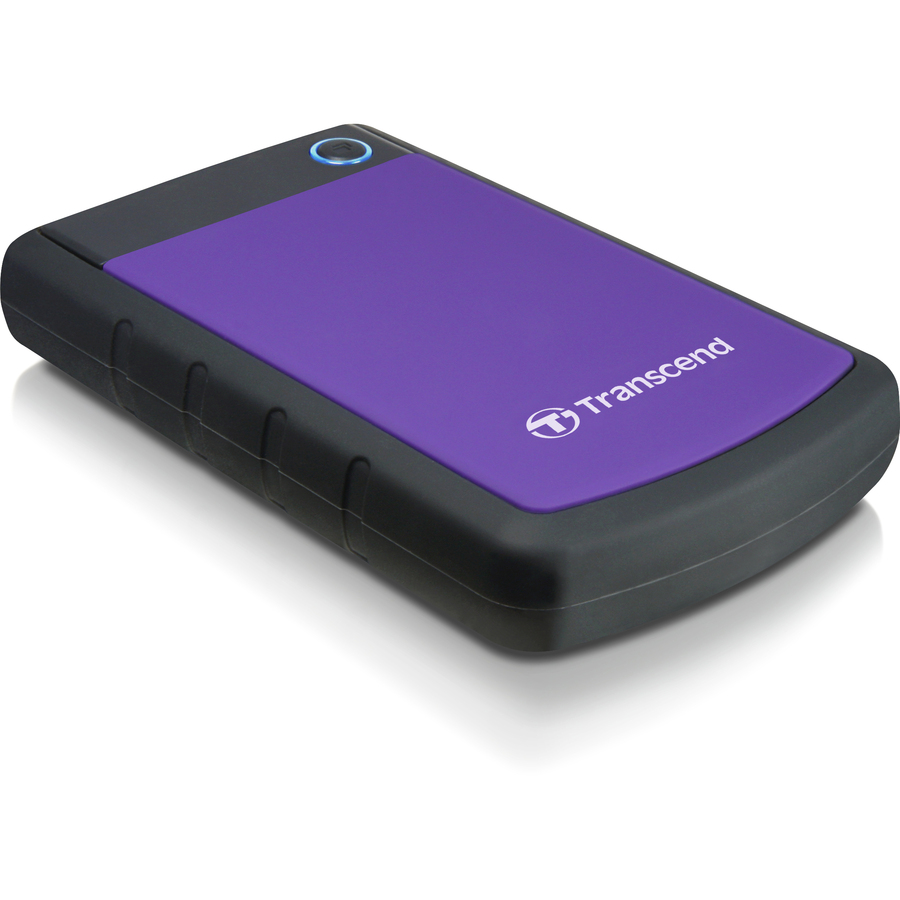
3 in stock - Transcend InformationTranscend StoreJet 25 H3 1 TB Hard Drive - 2.5" External - SATA - USB 3.0 - 3 Year WarrantyTS1TSJ25H3P
$204.00
$186.79
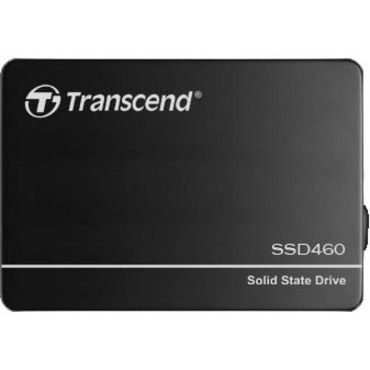
1 in stock - Transcend InformationTranscend SSD460K 128 GB Solid State Drive - 2.5" Internal - SATA (SATA/600) - 1.95 DWPD - 3 Year WarrantyTS128GSSD460K
$206.00
$188.64
2 in stock
More drives and SSDs in the Uniqcli catalog
See all 9,677 drives and SSDsMore Transcend first — closest to what you were just looking at; “See all drives and SSDs” above opens every other brand in the category. In-stock lines lead, and a back-ordered line carries the same estimated availability its product page does — with live pricing throughout, NDAA §889 screening before checkout and TAA verified on request.
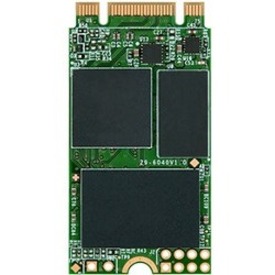
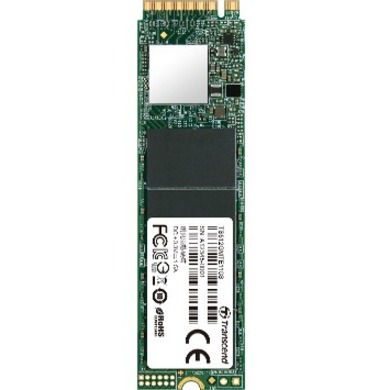
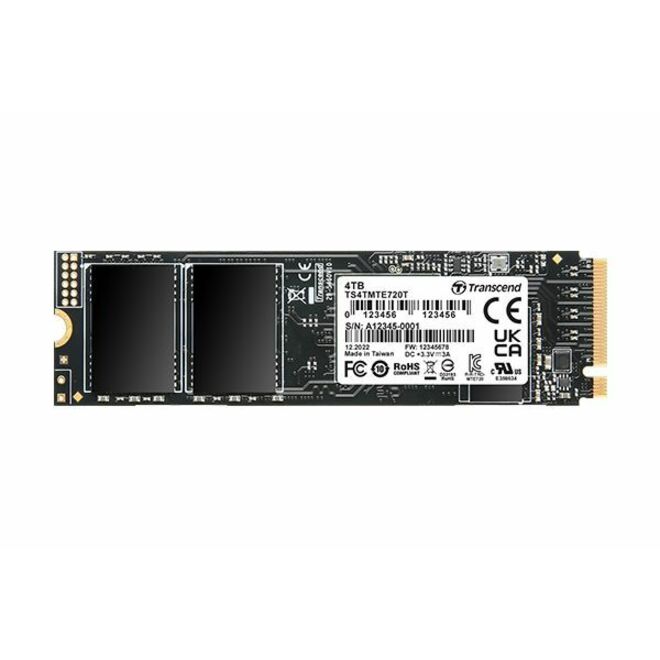
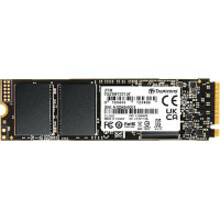
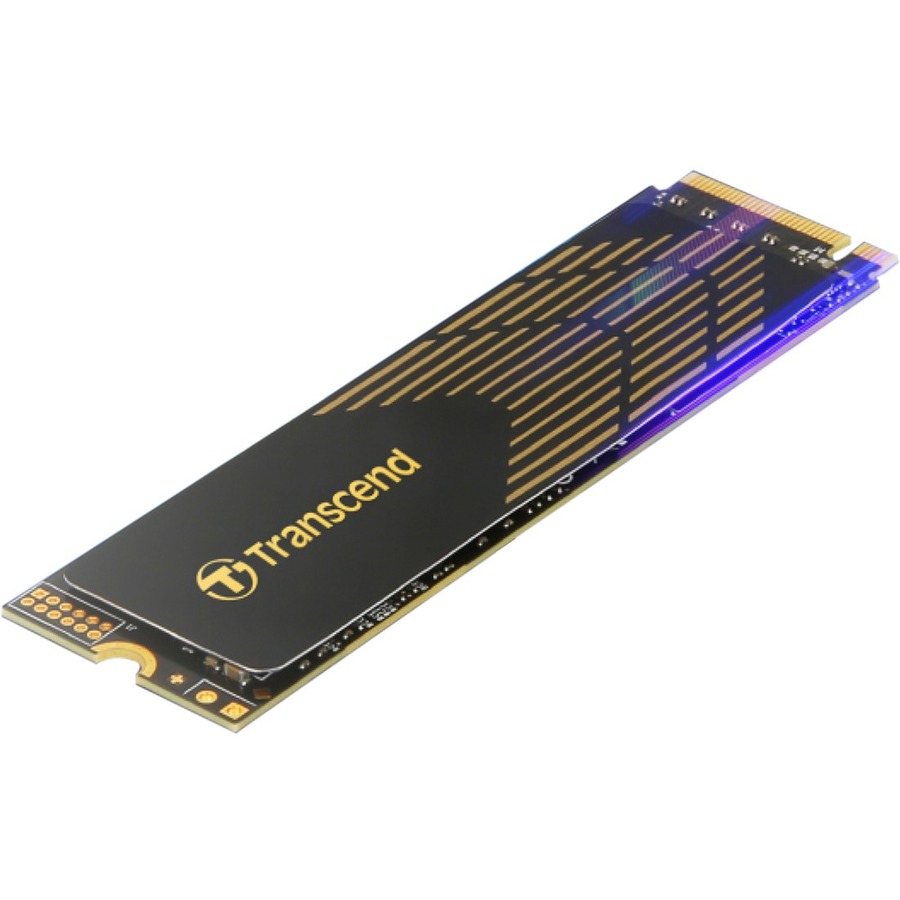
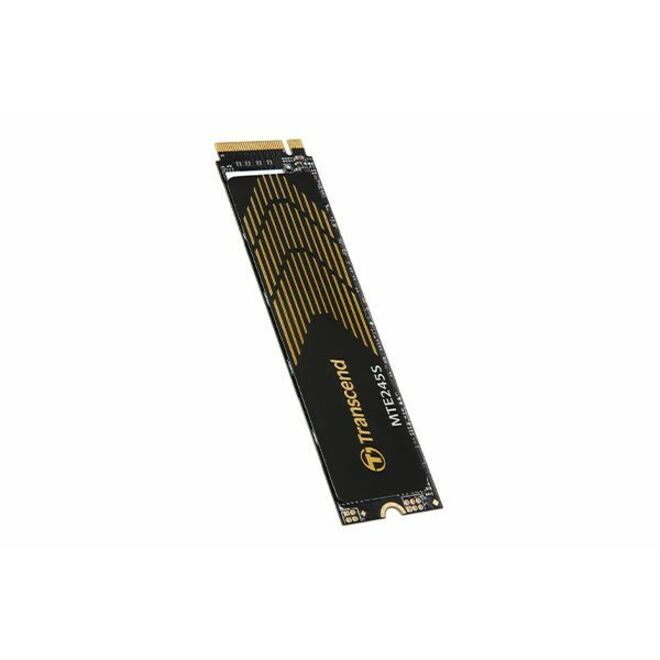
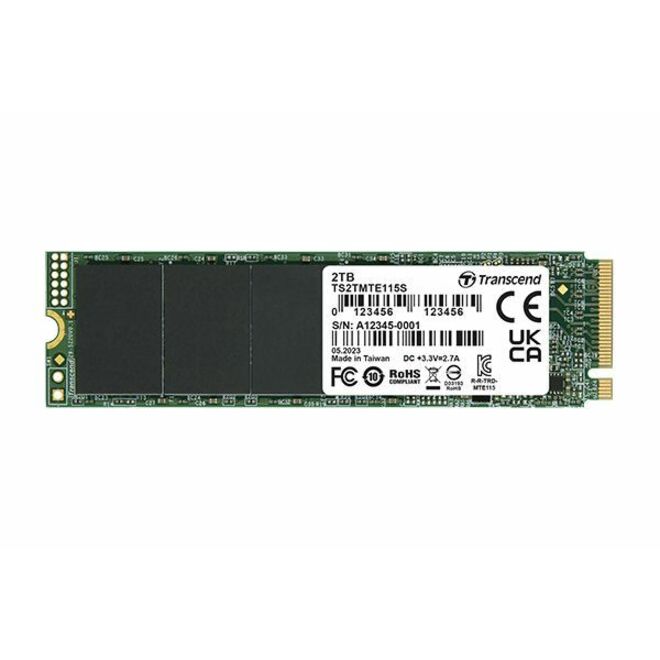
- Transcend InformationTranscend 4 TB Solid State Drive - M.2 2280 Internal - PCI Express NVMe (PCI Express NVMe 4.0 x4)TS4TMTE720T-VS1
$3,414.00
$3,126.61
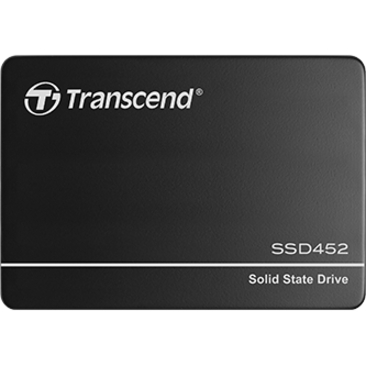
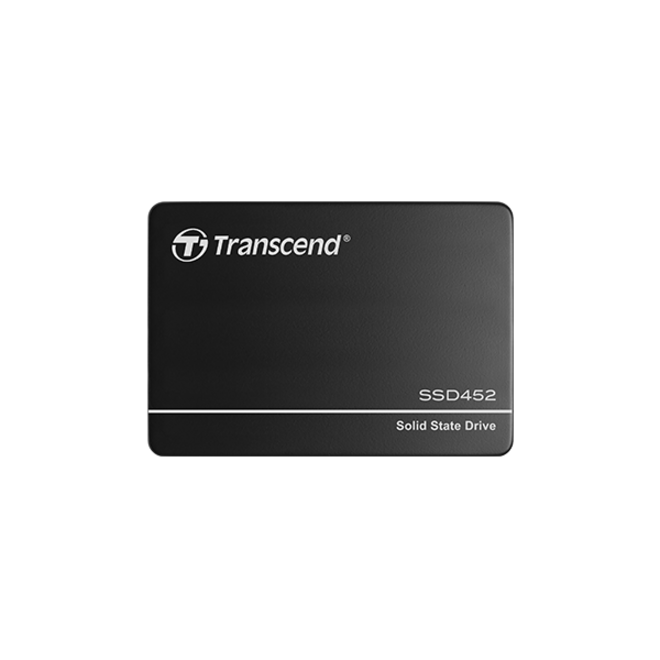
1 in stock - Transcend InformationTranscend SSD452K2 2 TB Solid State Drive - 2.5" Internal - SATA (SATA/600) - Server Device Supported - 1.61 DWPDTS2TSSD452K2
$2,611.00
$2,391.44
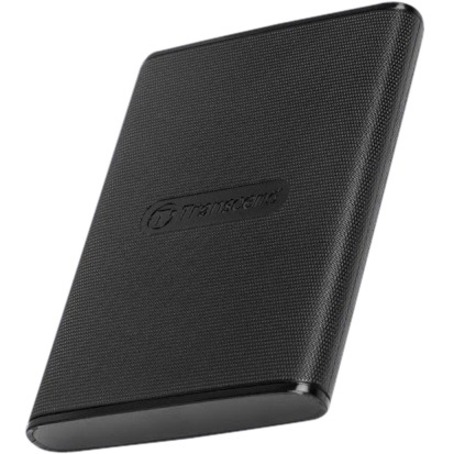
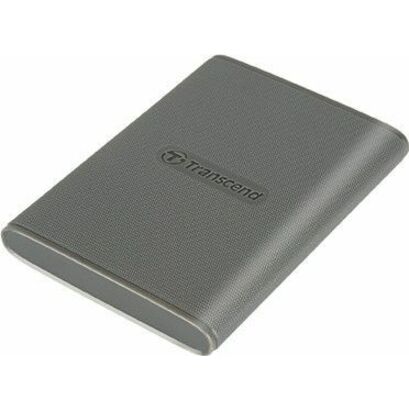
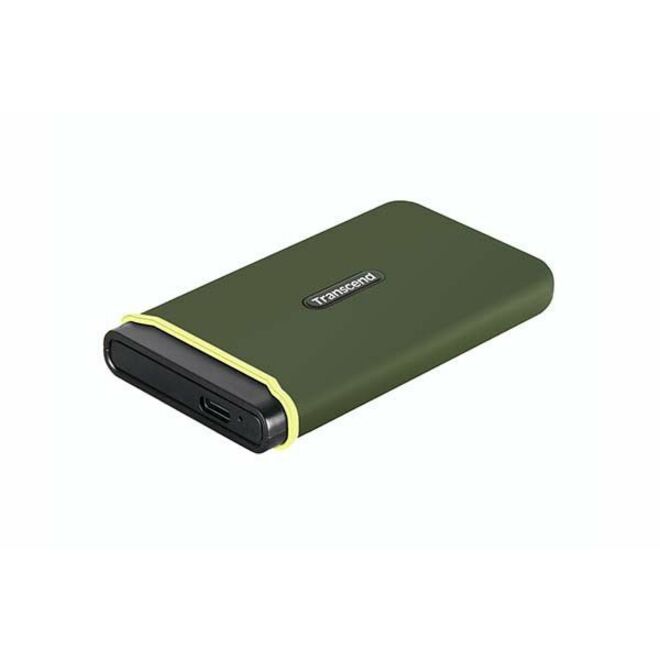
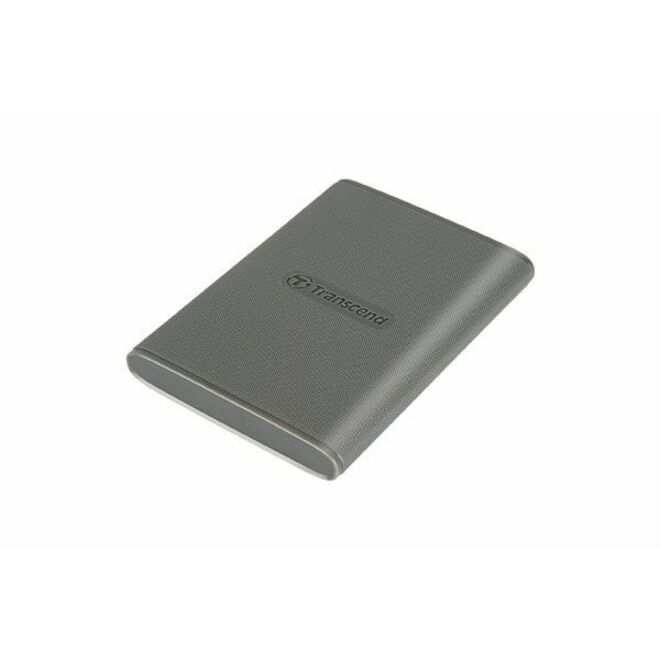
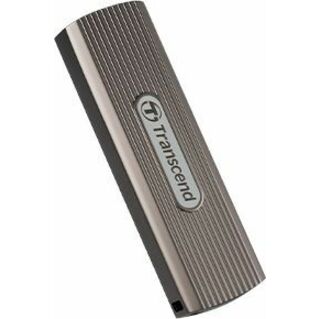
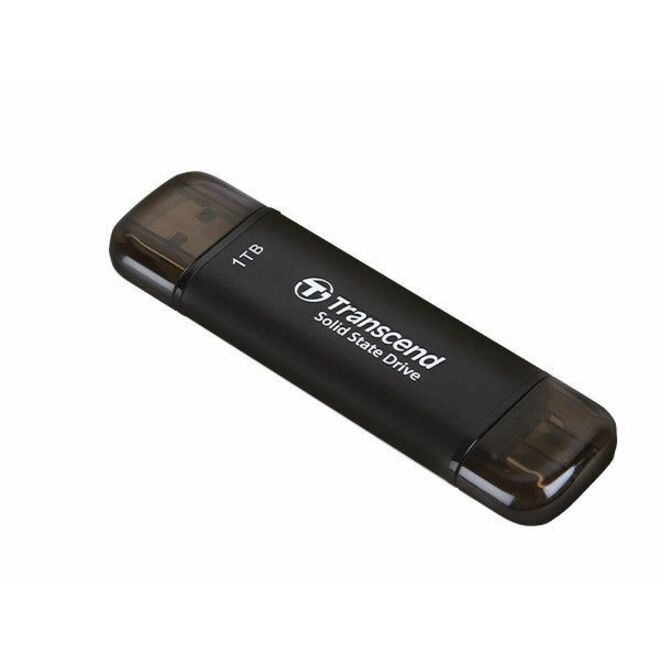
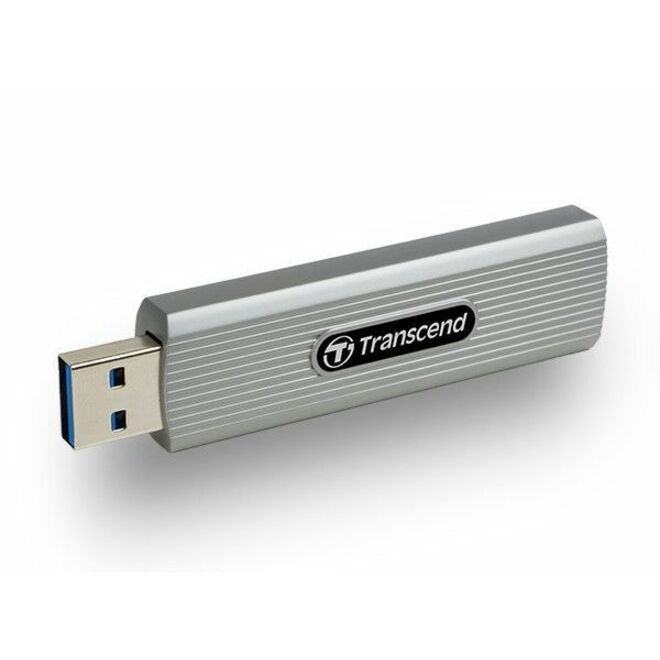
1 in stock - Transcend InformationTranscend ESD360C 4 TB Portable Solid State Drive - External - Gray - Desktop PC, Notebook, Tablet, Smartphone, Gaming Console Device Supported - USB 3.2 Gen 2x2, USB Type C - 2000 MB/s Maximum Read Transfer Rate - 256-bit AES Encryption StandardTS4TESD360C
$2,081.00
$1,905.90
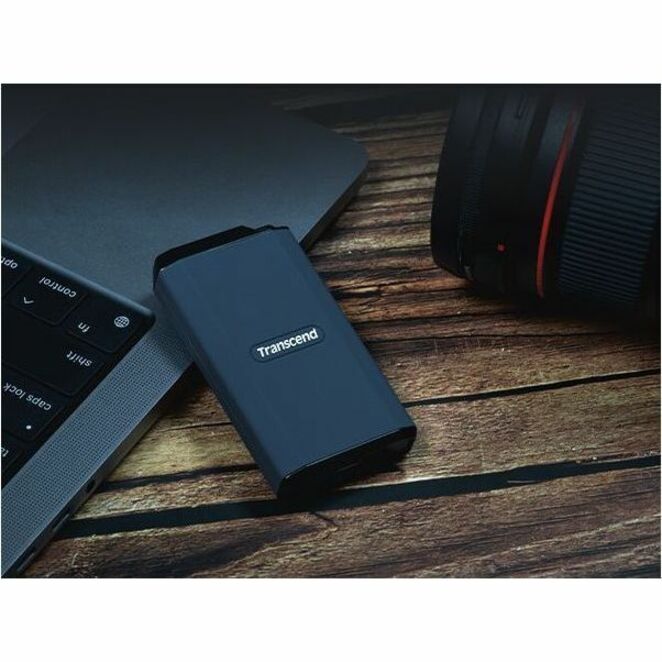
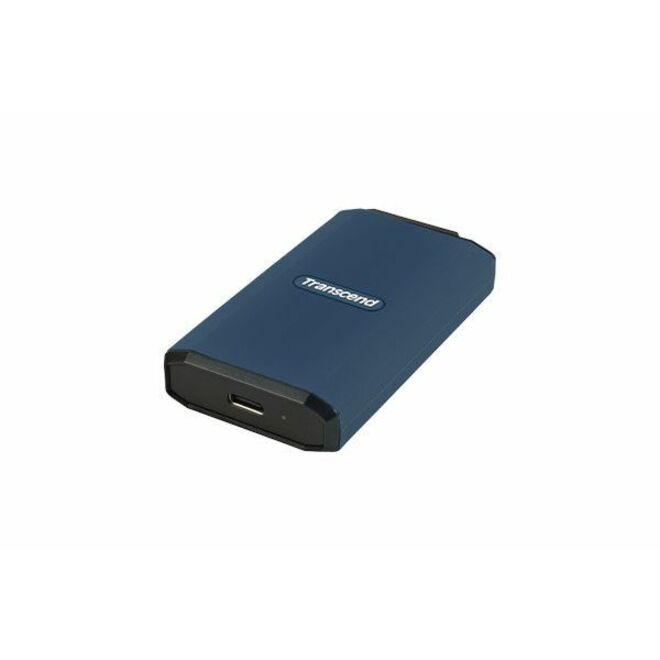
3 in stock - Transcend InformationTranscend ESD410C 4 TB Portable Solid State Drive - External - Dark Blue - Desktop PC, Tablet PC, Notebook, Gaming Console, Smartphone Device Supported - USB 3.2 (Gen 2) Type C - 2000 MB/s Maximum Read Transfer Rate - 256-bit AES Encryption StandardTS4TESD410C
$1,612.00
$1,476.46
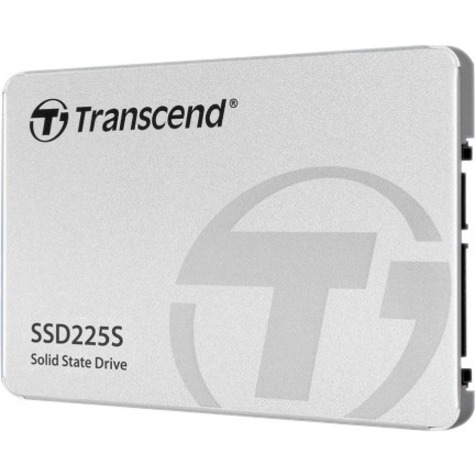
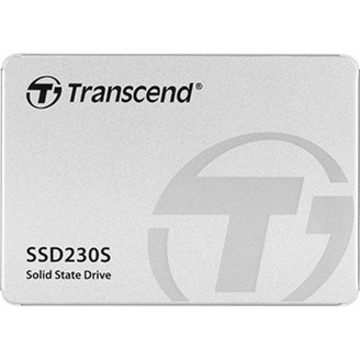
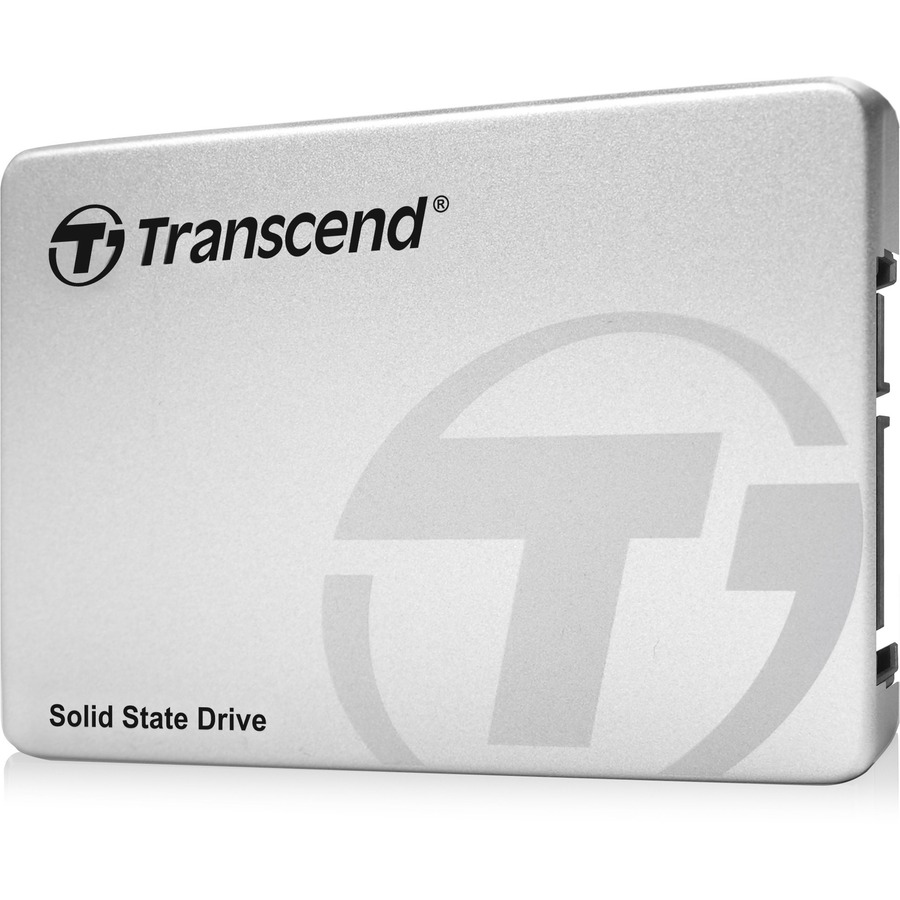
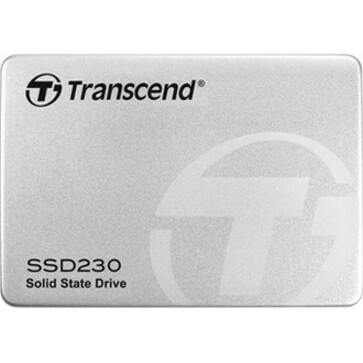
1 in stock - Transcend InformationTranscend SSD230S 2 TB Solid State Drive - 2.5" Internal - SATA (SATA/600) - 5 Year WarrantyTS2TSSD230S
$1,564.00
$1,431.97
3 in stock - Transcend InformationTranscend SSD370 256 GB Solid State Drive - 2.5" Internal - SATA (SATA/600) - 3 Year WarrantyTS256GSSD370S
$1,112.00
$1,018.08
4 in stock - Transcend InformationTranscend SSD452K 128 GB Solid State Drive - 2.5" Internal - SATA (SATA/600) - 1.61 DWPD - 3 Year WarrantyTS128GSSD452K
$264.00
$241.73
45 in stock
Need pricing on Transcend SSDs?
Tell us where to reach you and a Uniqcli specialist will follow up by email with current pricing, availability and lead time for the quantities you need — including parts that aren’t shown on this page.
Buying for an organization or for yourself — both work. No payment up front.
What decides a Transcend SSD is the interface and the slot it has to seat in. PCIe NVMe 4.0 x4 suits throughput-bound M.2 builds; SATA/600 covers 2.5-inch bays and legacy M.2 SATA slots that will not accept an NVMe module. Check M.2 keying and length too, since a 2242 system will not seat a 2280 drive, then read endurance as DWPD and TBW rather than capacity.
Transcend builds storage across a wide range of form factors and endurance grades, which makes its SSD line a practical fit for buyers who standardize hardware across mixed fleets. The drives Uniqcli carries cover the common shapes an IT or embedded team actually specifies: M.2 2280 and 2242 modules for laptops, thin clients, and single-board systems; 2.5-inch SATA drives for desktop refreshes and drive-bay replacements; PCIe NVMe 4.0 parts where sequential throughput matters; and rugged USB-C portable drives for field and transfer use.
This page is a working shortlist rather than a full catalog. It reflects the Transcend SSDs Uniqcli keeps in stock, with live in-stock status shown on each product so you can see what is available to ship before you build a cart. Because the same drive families appear in both notebook and embedded builds, the notes below focus on the specs that tend to decide a purchase: interface, form factor, endurance (DWPD and TBW), and warranty term.
Every drive is sourced through US distribution and screened for TAA country-of-origin and NDAA 889 status before checkout, with documentation tied to the specific part number. That matters most to business and government buyers who need the sourcing record to match what lands on the loading dock, and it lets you confirm the screening at the SKU level rather than assuming it from the brand.
Buyer's checklist
How to choose a Transcend SSD
- Match the interface and slot first: PCIe NVMe 4.0 x4 for throughput-bound M.2 builds, or SATA/600 for 2.5-inch bays and legacy M.2 SATA slots that will not accept an NVMe module.
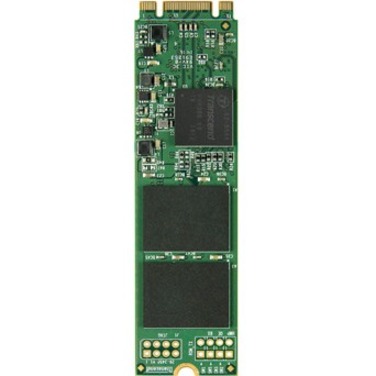
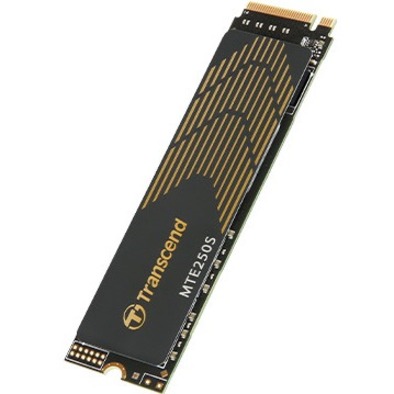
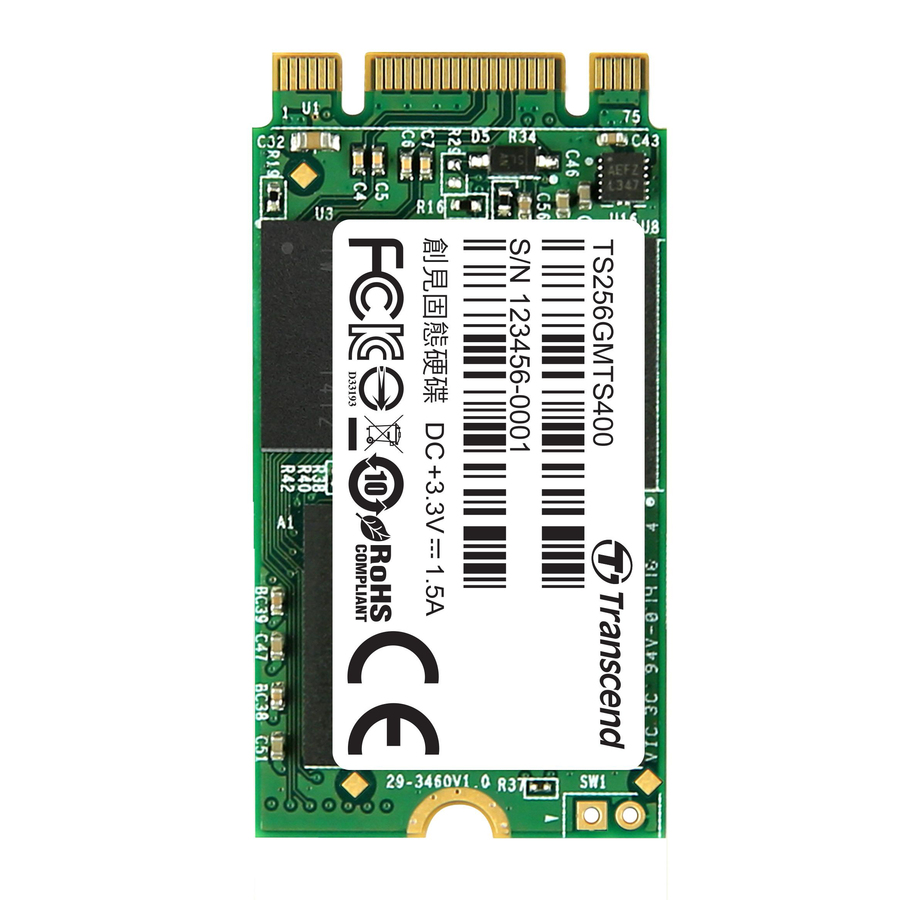
- Confirm the M.2 keying and length your board expects: Transcend ships both 2280 and shorter 2242 modules, and a 2242 system will not seat a 2280 drive.
- Read endurance as DWPD and TBW, not just capacity: parts in this range run from roughly 0.3 DWPD for general office use up to higher-DWPD modules better suited to logging, imaging, or write-heavy embedded workloads.
- Weigh the warranty term against deployment life: the stocked lineup mixes 3-year and 5-year warranties, and the longer term is often worth it for systems you expect to keep in service.
- For field, transfer, or secure-handling use, choose a rugged USB-C portable; several Transcend portables list on-device 256-bit AES encryption, which you can pair with your own key-handling policy.
- Standardize on one or two capacities per fleet so imaging, spares, and future replacements stay simple, and check the live in-stock status before committing quantities.
Where these drives fit in embedded and industrial systems
Transcend's form-factor spread maps onto the systems integrators and IT teams actually field. Short 2242 and full-length 2280 M.2 modules drop into single-board computers, industrial gateways, digital-signage players, and thin clients where board space is scarce; 2.5-inch SATA drives refit desktops, panel PCs, and drive-bay appliances; and rugged USB-C portables move disk images, case evidence, and field data between sites. Matching the module to the chassis it lives in, rather than to a headline speed number, is what keeps a mixed hardware estate serviceable.
Total cost of ownership and lifecycle
For long-service and embedded builds, the drive that costs least up front is seldom the cheapest to own. A system that logs or writes imagery around the clock quietly consumes endurance, and an under-specified module that fails in a remote enclosure turns a small savings into a truck roll and a re-imaging job. Weigh how long the platform stays in service against the module's expected write life, and favor a part with a stable, long production run so a mid-deployment end-of-life doesn't force you to requalify a replacement across the whole fleet.
Planning a deployment
Before committing fleet quantities, validate the exact module in a representative unit: confirm it enumerates in that board's firmware, that a fanless or sealed enclosure holds it inside its thermal envelope so sustained writes don't throttle, and that your imaging pipeline writes and boots cleanly from it. A DRAM-less or entry-grade module can behave very differently under a continuous-write profile than in a benchmark, so test with a realistic workload rather than a quick copy before you scale the order.
Related reading
FAQ
Common questions
- What is the difference between Transcend's NVMe and SATA SSDs?
- NVMe drives (PCIe 4.0 x4, in the M.2 2280 form factor here) deliver much higher sequential read and write rates and suit throughput-heavy builds. SATA drives (SATA/600, in 2.5-inch and some M.2 form factors) top out lower but drop into existing drive bays and older M.2 SATA slots, which makes them a straightforward fix for desktop refreshes and bay replacements.
- Does Transcend make SSDs for industrial or embedded systems?
- Transcend's SSD range spans general-purpose and higher-endurance modules, and the M.2 2280 and 2242 form factors stocked here are the shapes commonly designed into embedded and single-board systems. When endurance is the deciding factor, compare the DWPD and TBW figures on each product rather than relying on family names, and confirm the module length matches your board.
- How do I tell which Transcend SSD will fit my machine?
- Check three things: the connector (M.2 or 2.5-inch SATA), the interface your slot supports (PCIe NVMe versus SATA), and, for M.2, the module length (2280 versus 2242). Each product page lists the form factor and interface so you can match them to your system before ordering; if you are outfitting a batch of identical machines, our team can help confirm the fit.
- Are these Transcend SSDs available to government and education buyers?
- Yes. These drives are available to business, government, and education buyers. Each one is sourced through US distribution and screened for TAA country-of-origin and NDAA 889 status before checkout, with the screening documentation tied to the specific part number so the record matches exactly what ships. Share your requirement and we can align sourcing and documentation to your program.
Need Transcend SSDs pricing?
Send a bill of materials or part numbers — we confirm stock and a below-market total, with TAA verified on request. No payment up front.