Estimate raw vector bytes and a documented Faiss HNSW footprint with explicit metadata, IDs, runtime and copies.
Compute & memory
Vector index memory and storage
Estimate raw vector bytes and a documented Faiss HNSW footprint with explicit metadata, IDs, runtime and copies.
Example inputs · Replace these with your measurements to build your plan.
Method, example and sources
Multiply vector count, dimensions and explicitly selected stored bytes.
For the documented float32 Faiss HNSW model, add 8 × M bytes per vector for its graph estimate.
Add only explicit additional IDs, metadata and runtime allocations, then multiply complete resident copies.
Measure the selected implementation, recall/latency target and process overhead before selecting server RAM or storage.
Worked example. One million 768-dimensional float32 vectors occupy 3.072 decimal GB raw. Faiss HNSW with M=32 adds about 256 MB of graph estimate before explicit IDs, metadata, process runtime and copies.
The selected formula is an implementation-specific planning footprint; search performance and actual process memory require measurement.
Raw vectors per copy
2.861GiB
HNSW link estimate per copy
0.238GiB
IDs / metadata per copy
0.127GiB
All copies plus entered runtime
4.226GiB
Raw embedding storage
3.072decimal GB
Vectors2.86 GiB
HNSW links0.24 GiB
IDs / metadata0.13 GiB
Runtime1 GiB
Faiss documents HNSW at approximately 4 × dimensions + 8 × M bytes per float32 vector. This is not a universal HNSW or vector-database multiplier.
Flat Faiss implicit sequential IDs do not require an additional ID array unless the chosen wrapper/application adds one. Resident copies do not automatically mean independent backup copies.
From the catalog
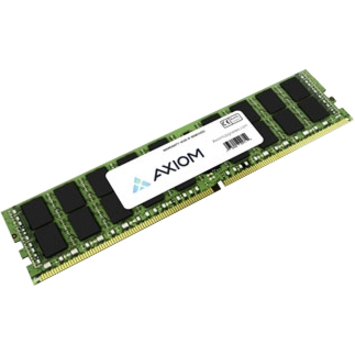
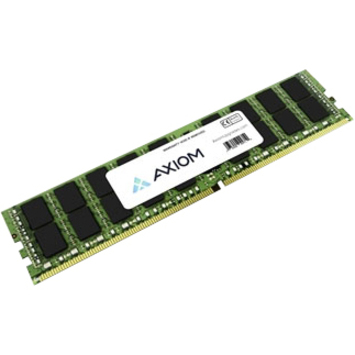
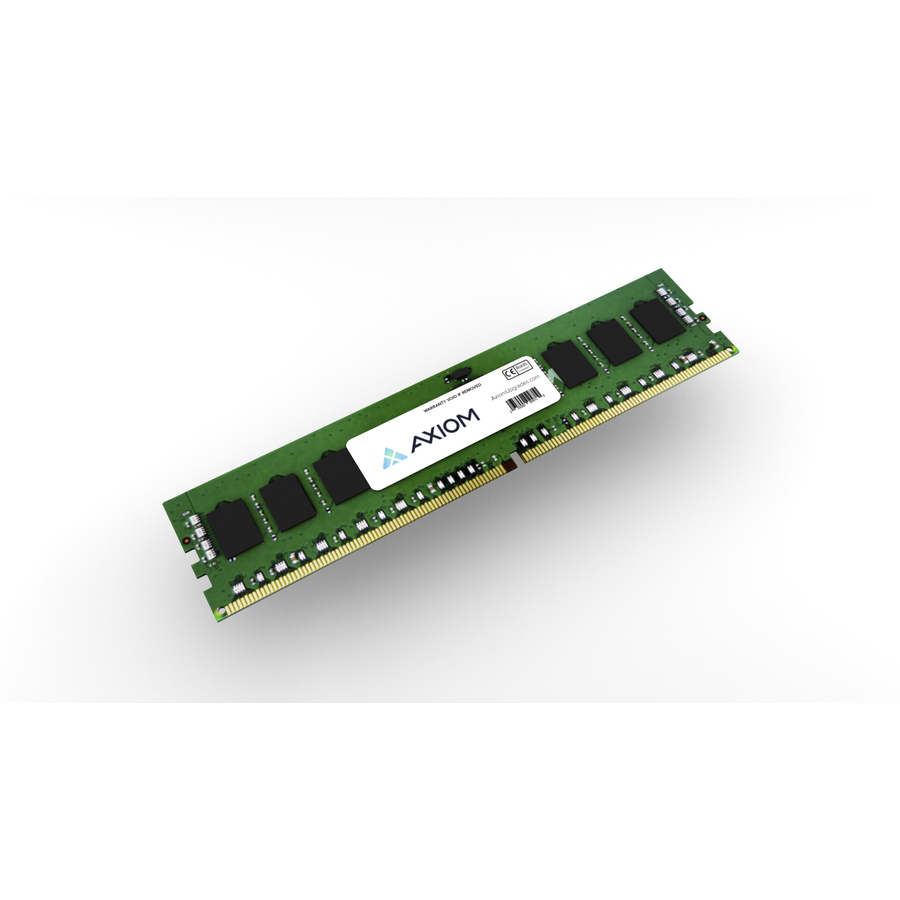
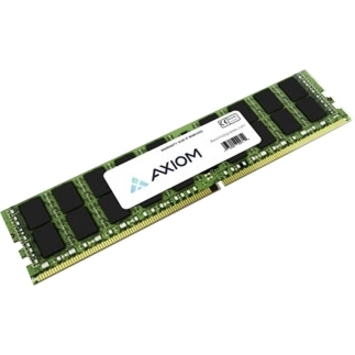
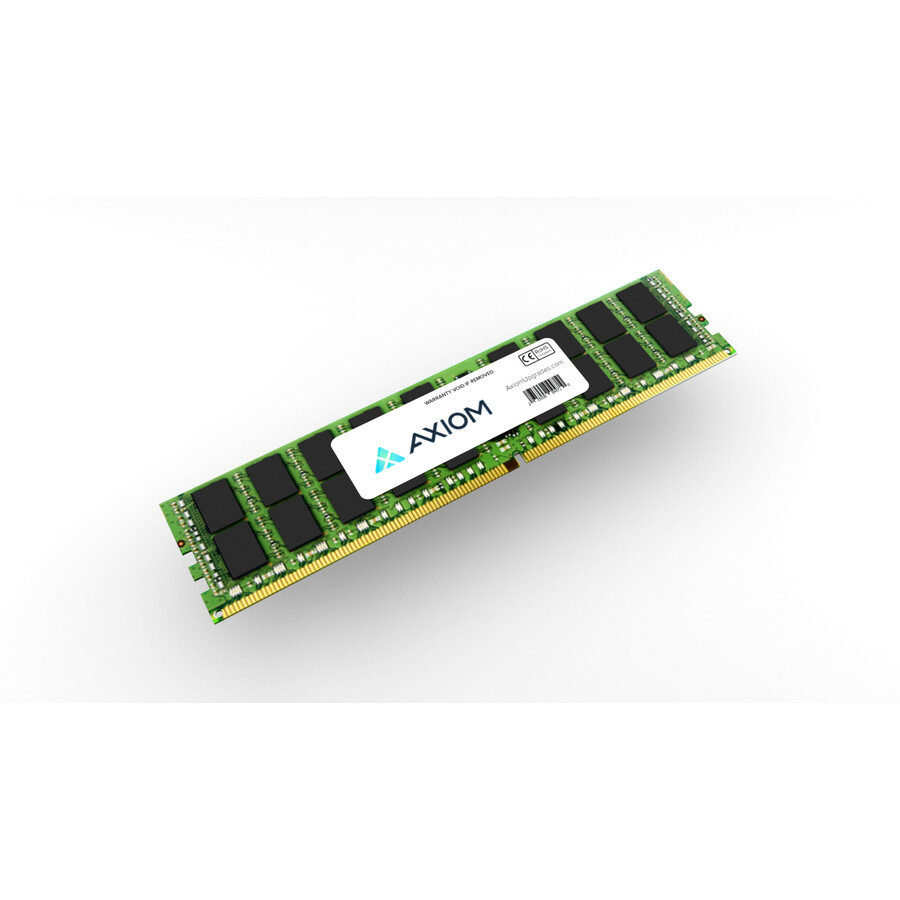
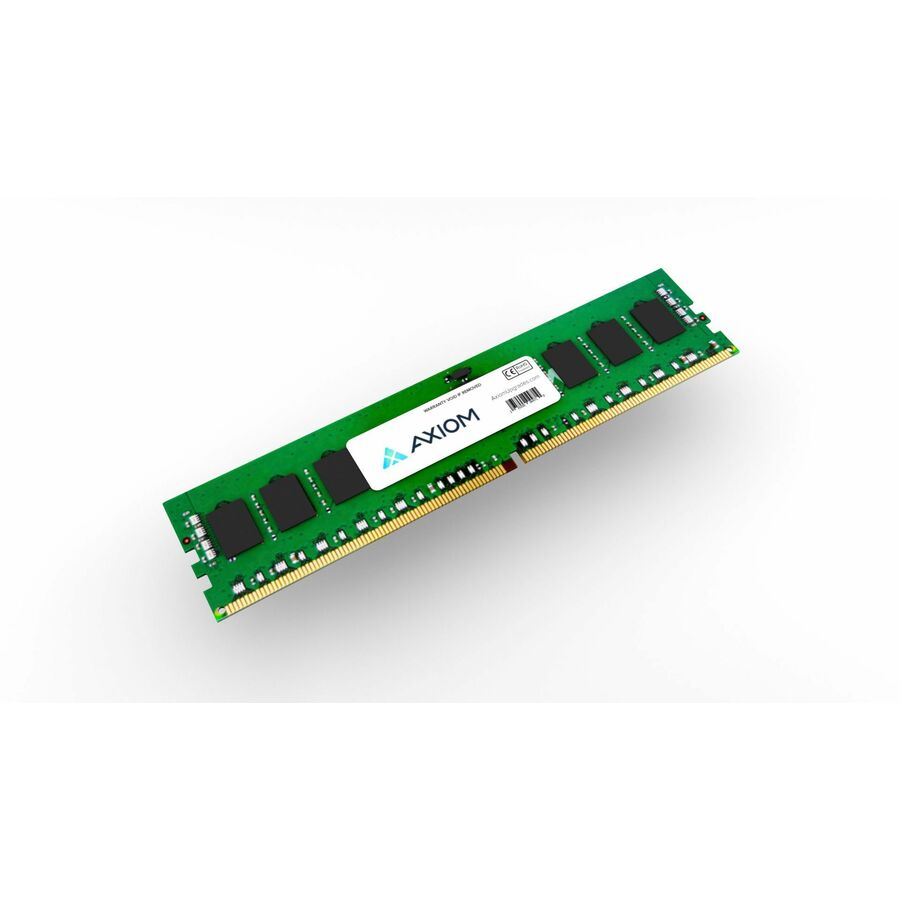
RAM Modules
Explore related listings, then confirm the exact model requirements against your plan. These listings are not an automatic compatibility or capacity verdict.
An embedding’s raw storage follows its dimension and stored type. An index can add a very different data structure, so one universal memory multiplier would hide the most important input. The HNSW option here uses Faiss’s documented float32 relationship and exposes graph, additional IDs, metadata and runtime separately. Other implementations or compressed indexes need their own supported model.
Before choosing a product
Memory footprint alone does not establish query latency, recall or ingestion capacity. Index parameters, workload, filters, concurrency and storage layout all matter. Confirm whether the application actually stores an additional ID map and whether replicas reside in independent processes or machines. Use measured process memory and query benchmarks to replace planning allocations before selecting the final server, RAM and enterprise storage configuration.
Worked example
One million 768-dimensional float32 vectors occupy 3.072 decimal GB raw. Faiss HNSW with M=32 adds about 256 MB of graph estimate before explicit IDs, metadata, process runtime and copies.