
Best Targus Laptop Bags and Backpacks for Schools and Staff
Backpacks, messengers, rolling cases and rugged tablet cases sized by screen class — the deepest carry bench we hold.
Targus laptop bags in stock at Uniqcli
How to choose →A curated selection with live pricing — in-stock lines first, then back-ordered lines with a typical lead time. Every line is sourced through US distribution and screened for NDAA §889 status before checkout, with TAA verified on request.
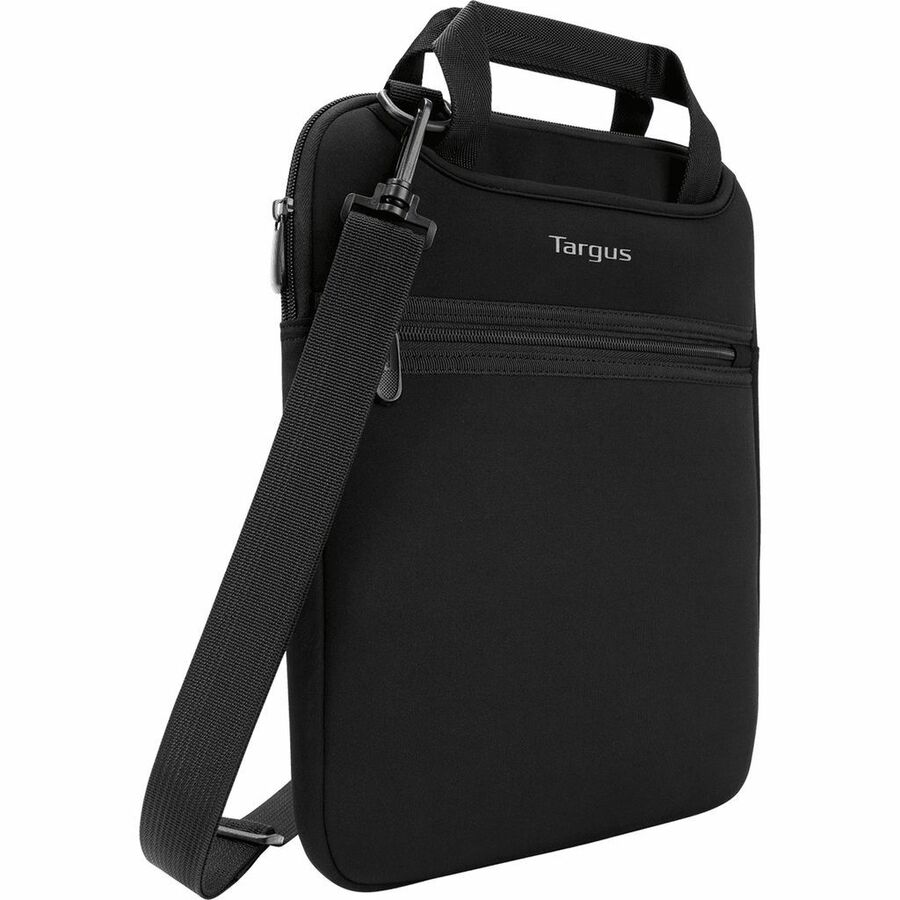

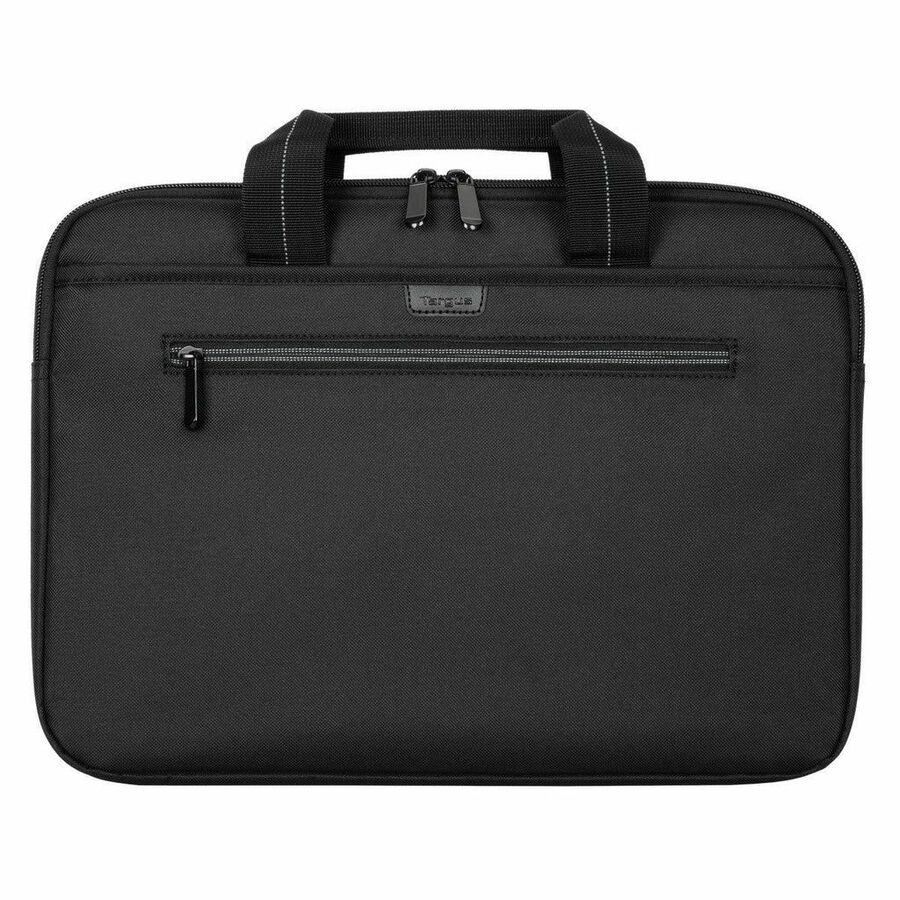
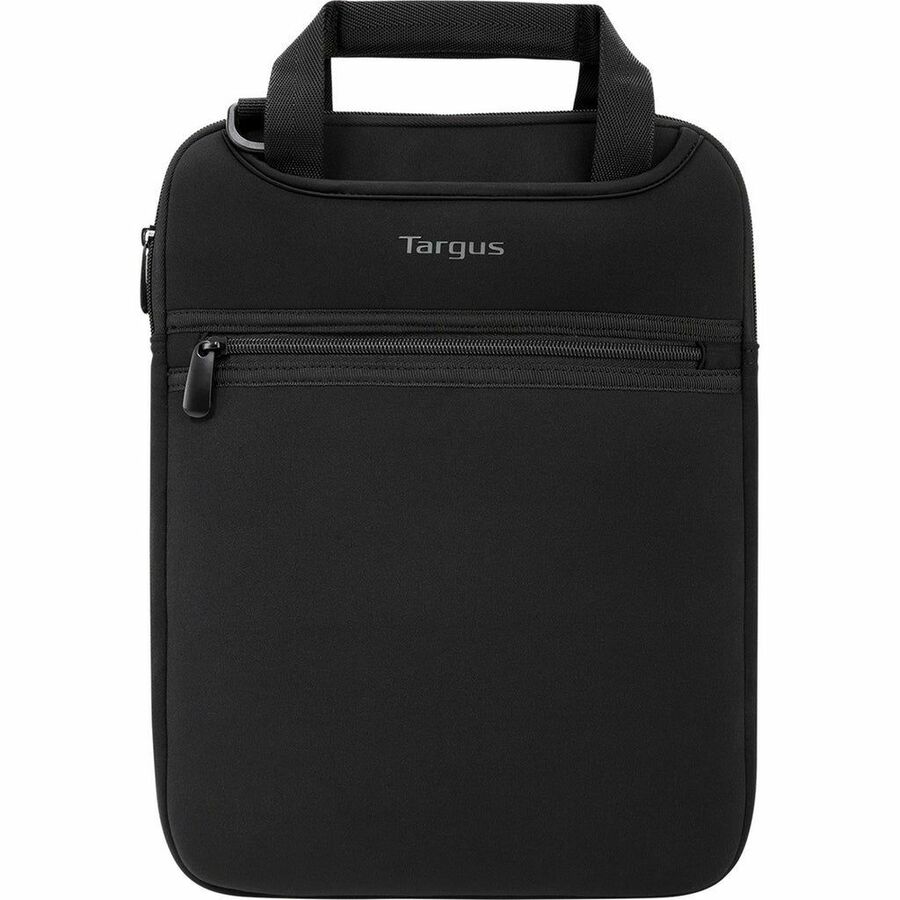
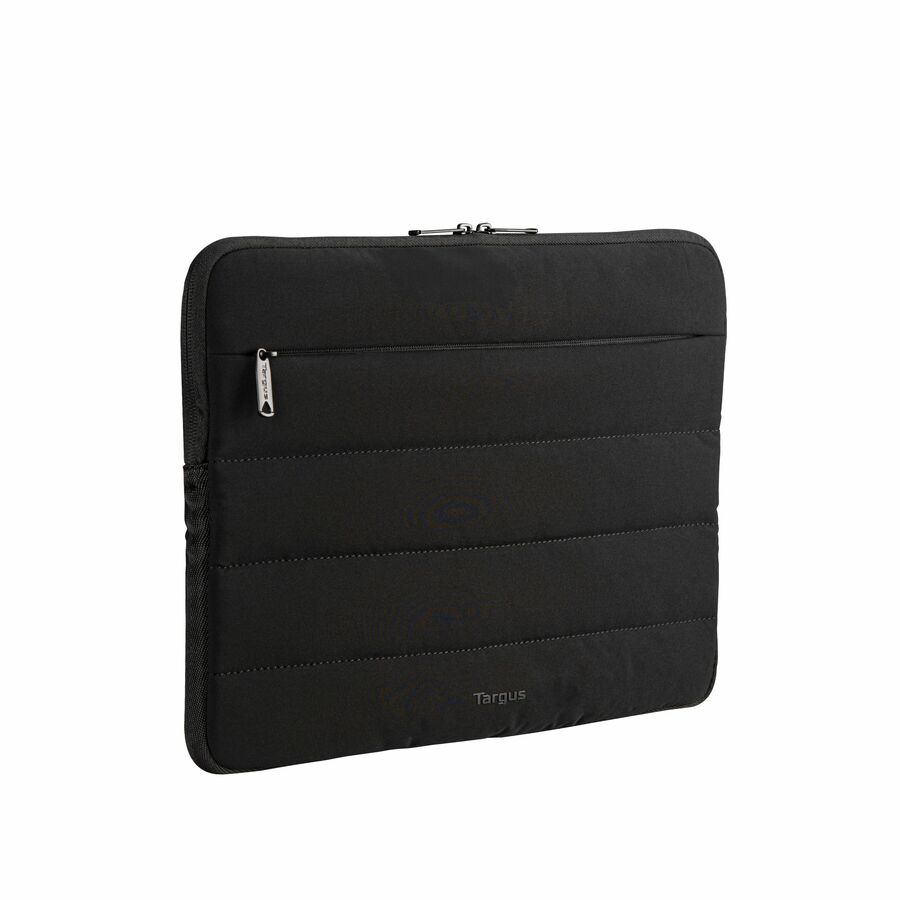

More carrying cases in the Uniqcli catalog
See all 2,126 carrying casesMore Targus first — closest to what you were just looking at; “See all carrying cases” above opens every other brand in the category. In-stock lines lead, and a back-ordered line carries the same estimated availability its product page does — with live pricing throughout, NDAA §889 screening before checkout and TAA verified on request.
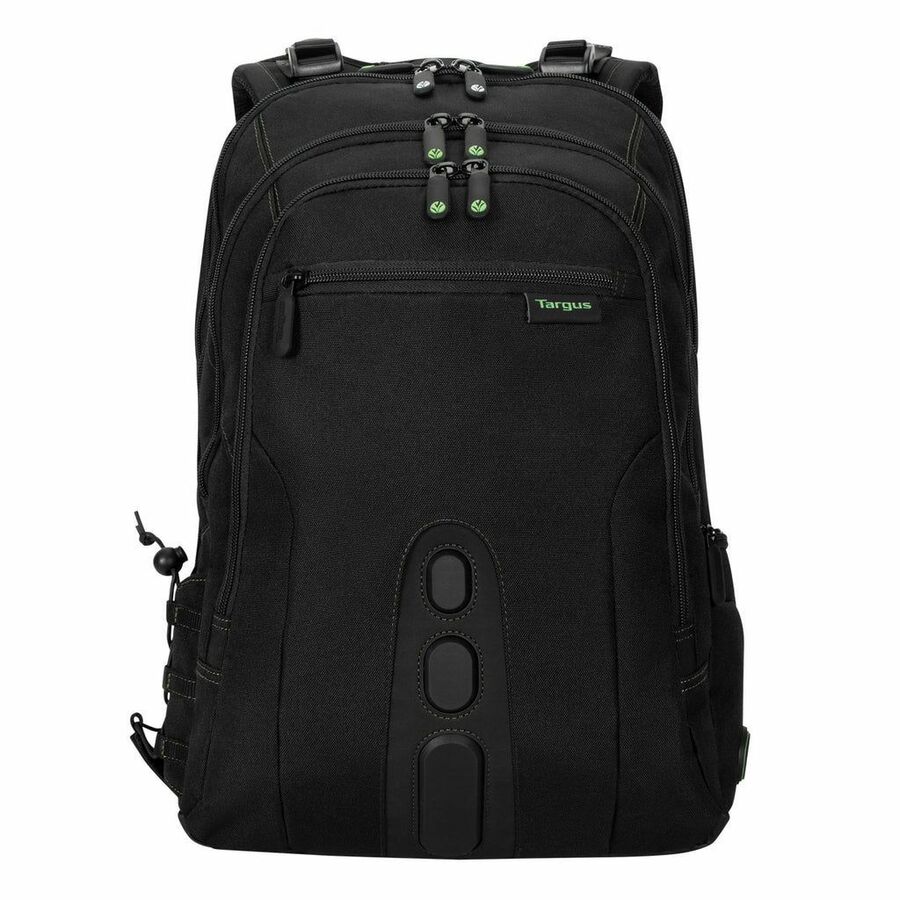
- Targus Group InternationalTargus Corporate Traveler Backpack - BackpackCUCT02B
$117.99
$114.45
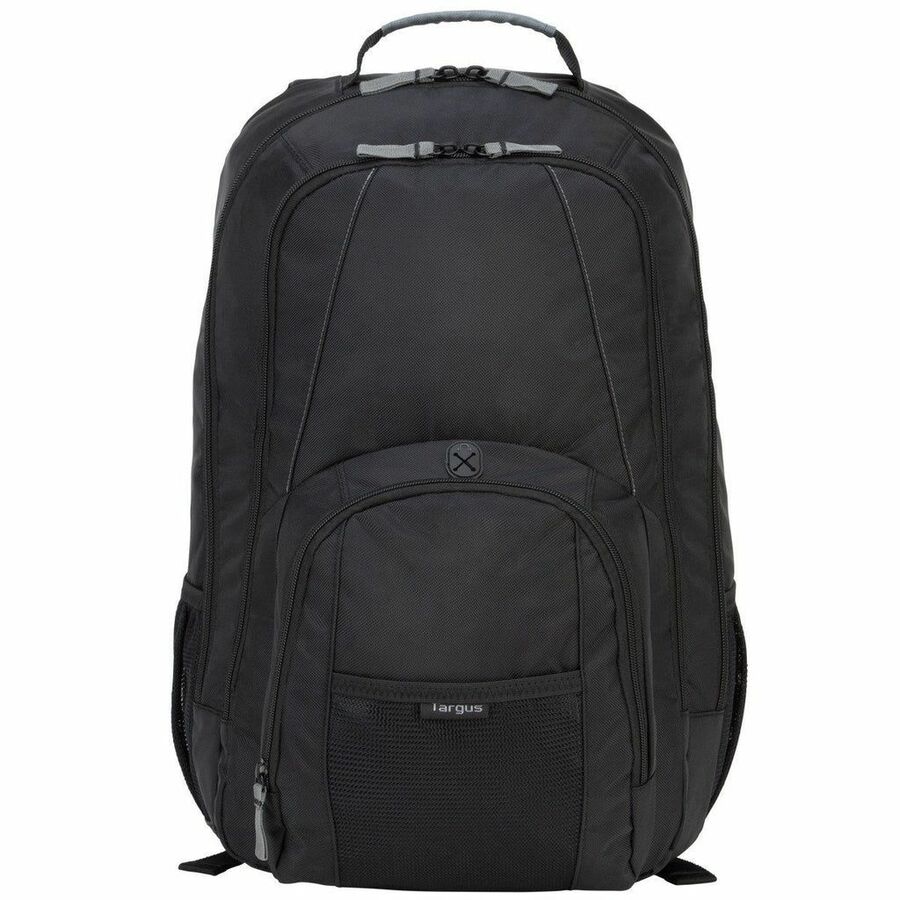
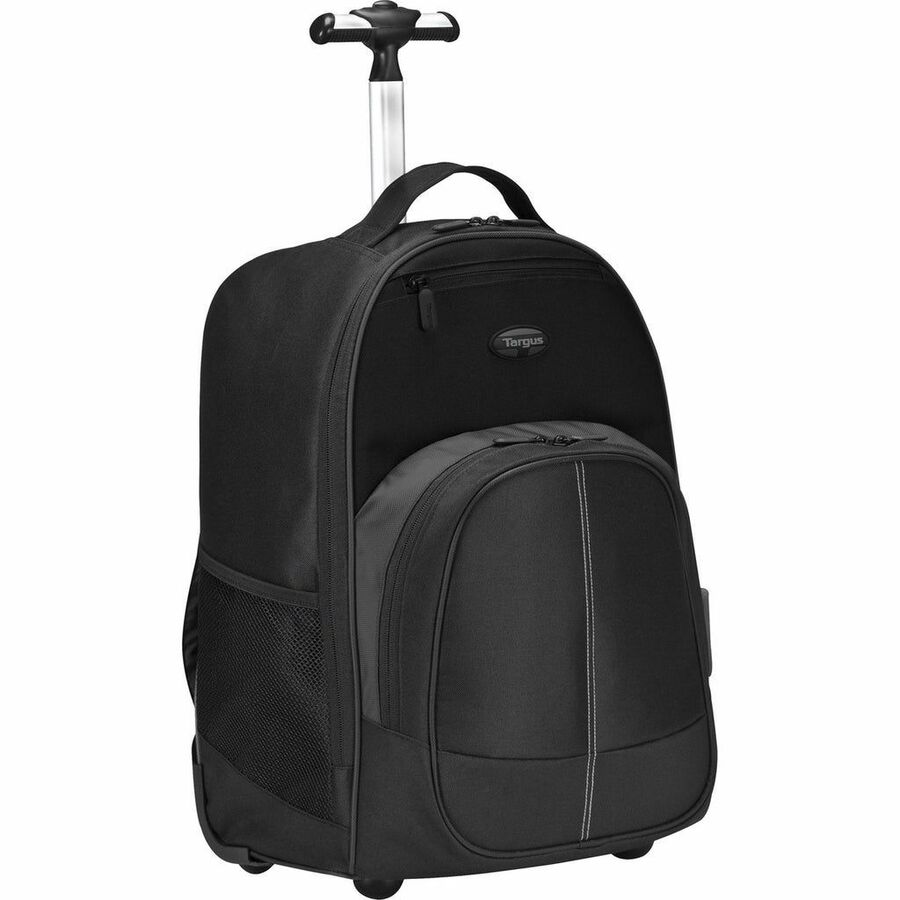
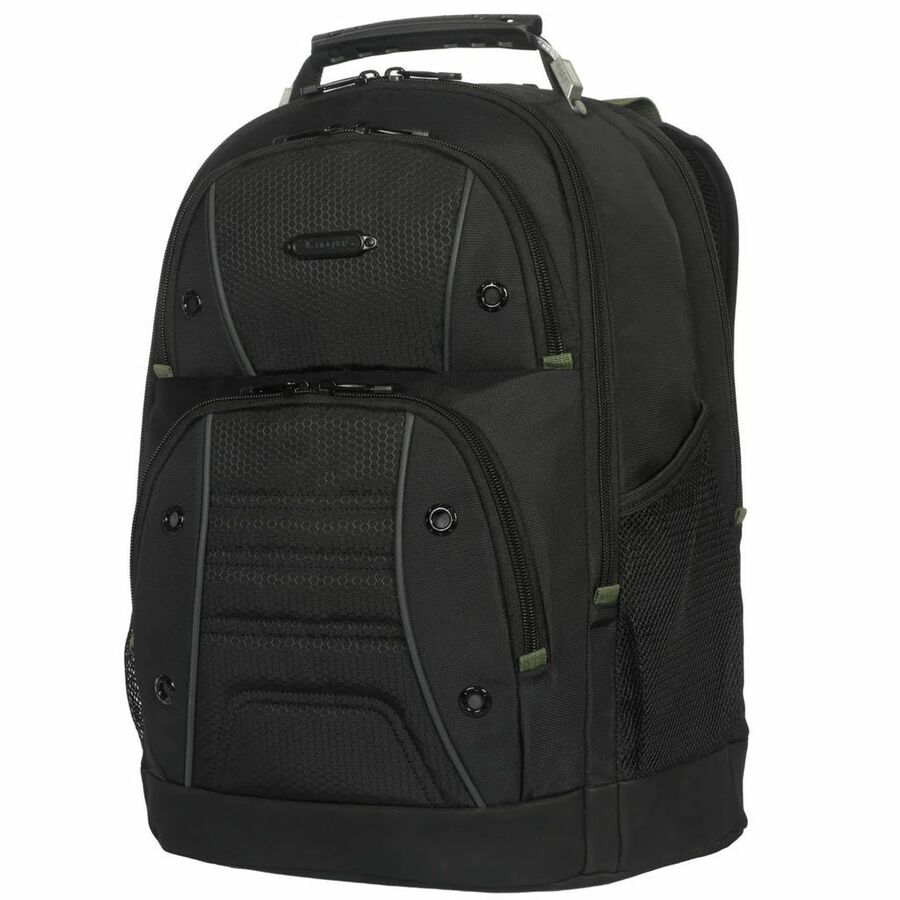
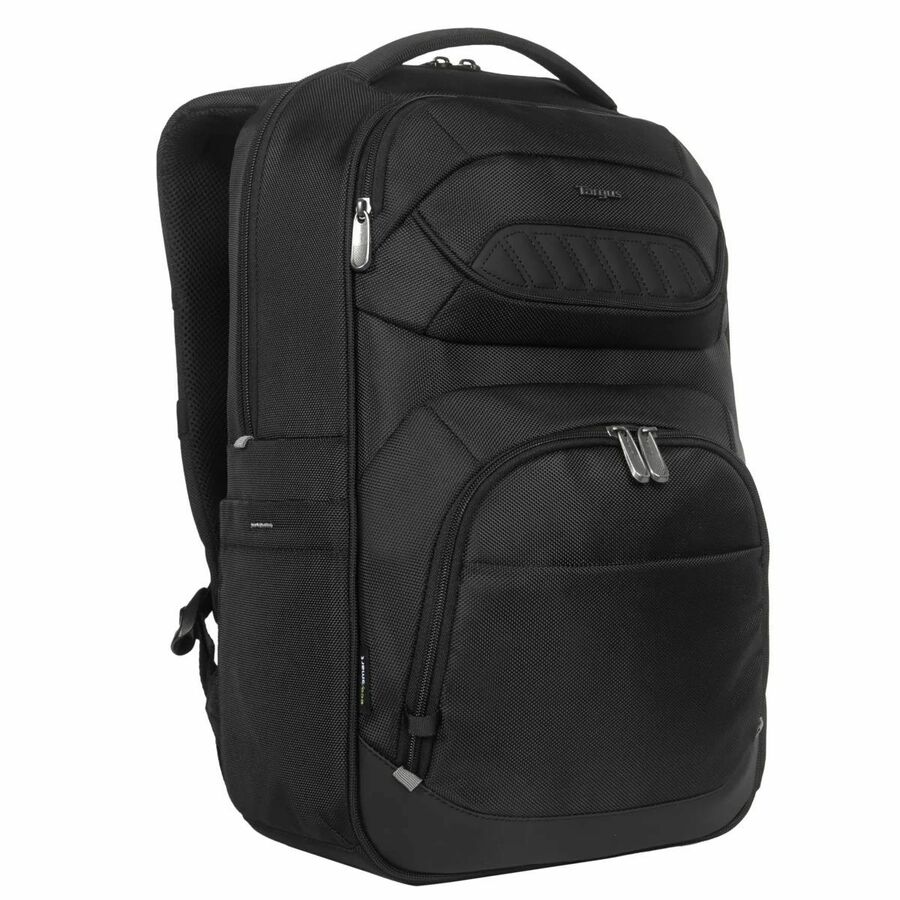
10 in stock - Targus Group InternationalTargus® 17" Drifter II Laptop Backpack (Black/Gray) - Water Resistant Base, Scratch Resistant, Weather Resistant Bottom, Wear Resistant, Tear Resistant - Nylon, Plastic Body - Shoulder Strap, Handle - 21.5" Height x 16" Width x 5" Depth - 8.98 gal Volume CapacityTSB239US
$114.99
$111.54*
170 in stock
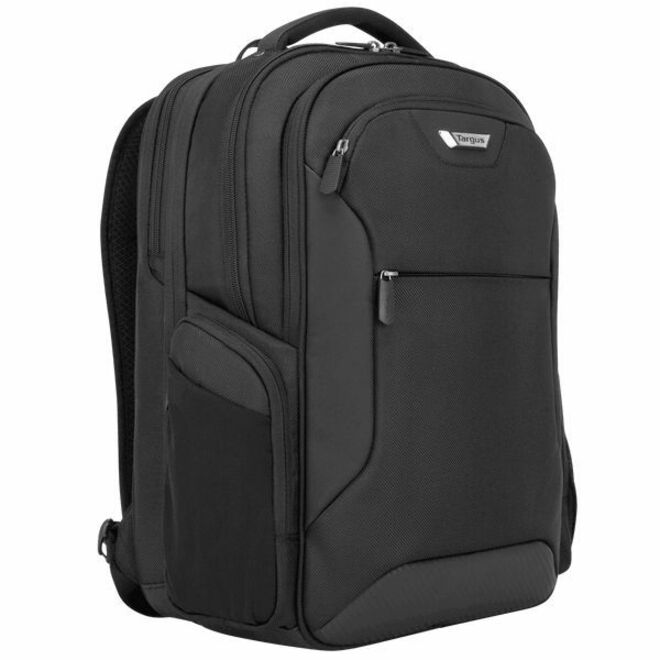
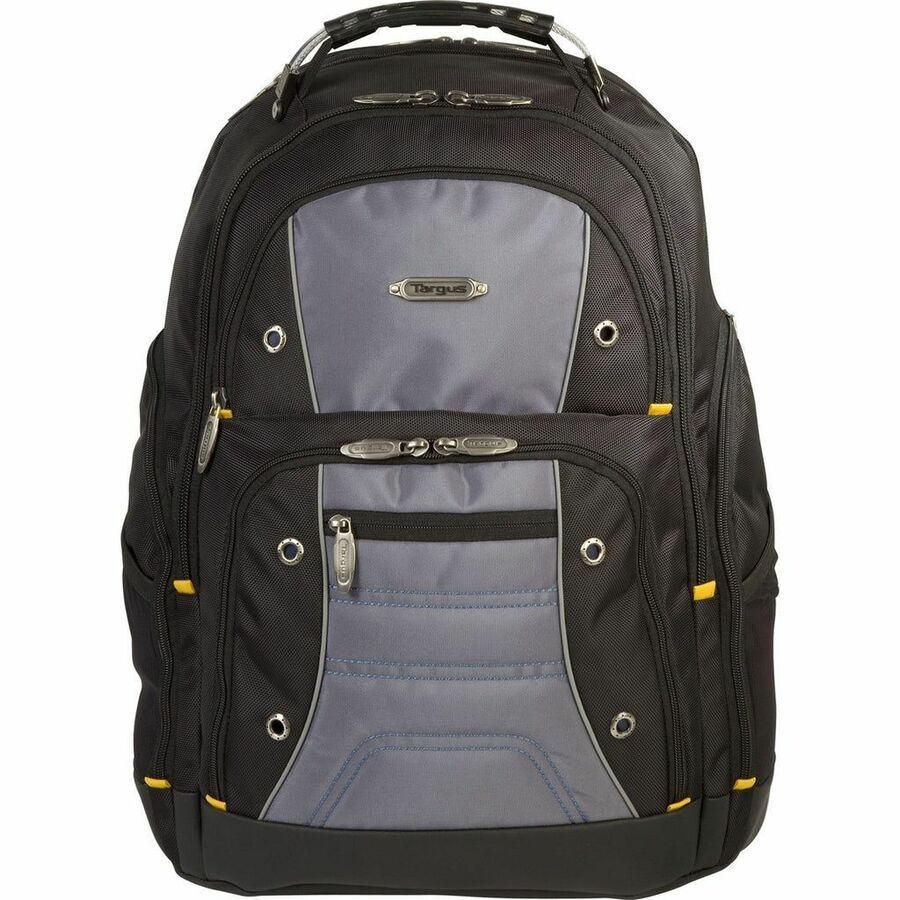
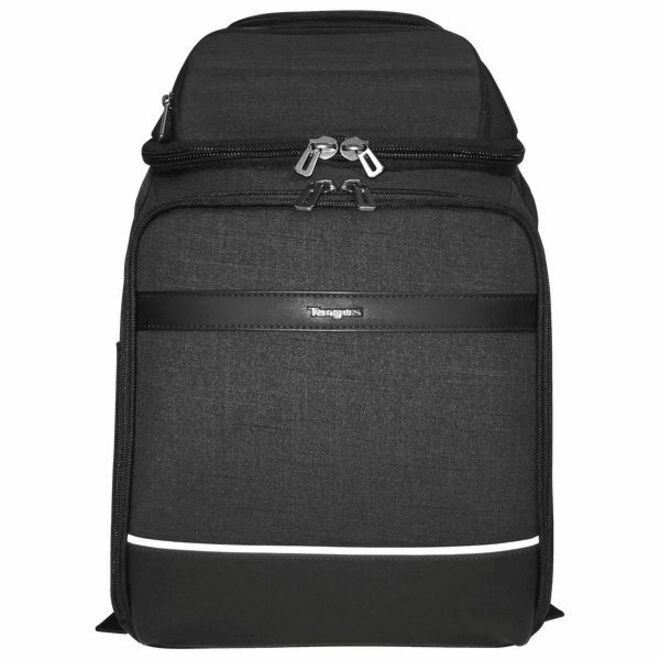
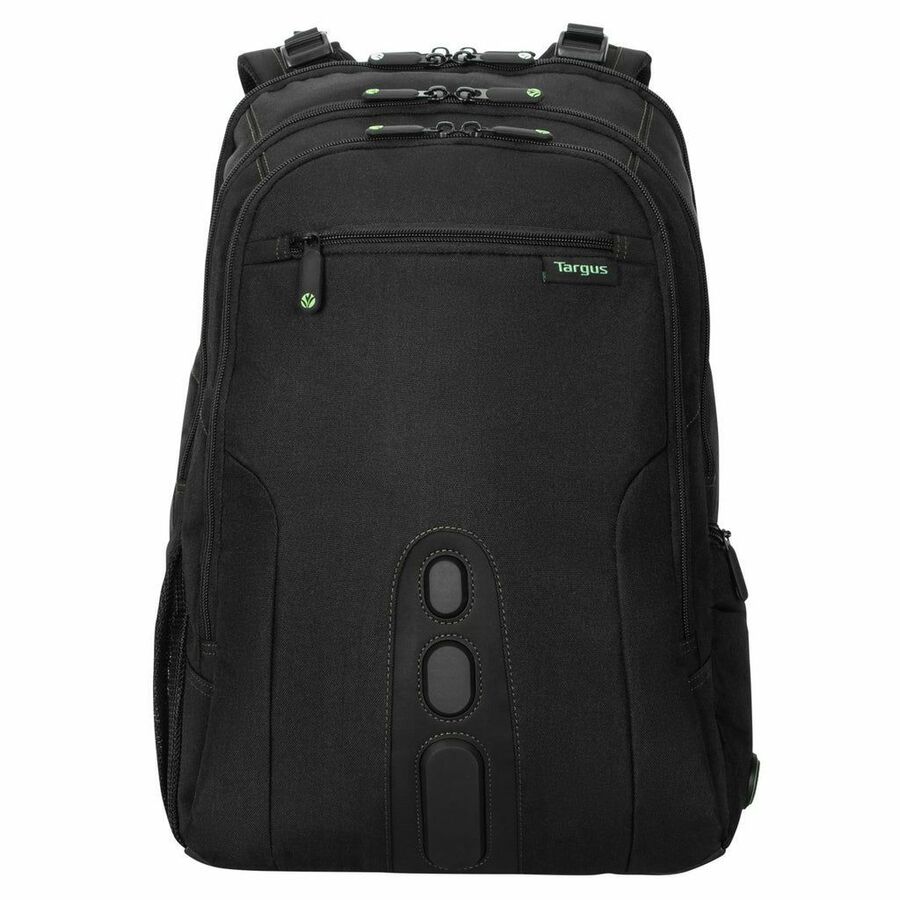
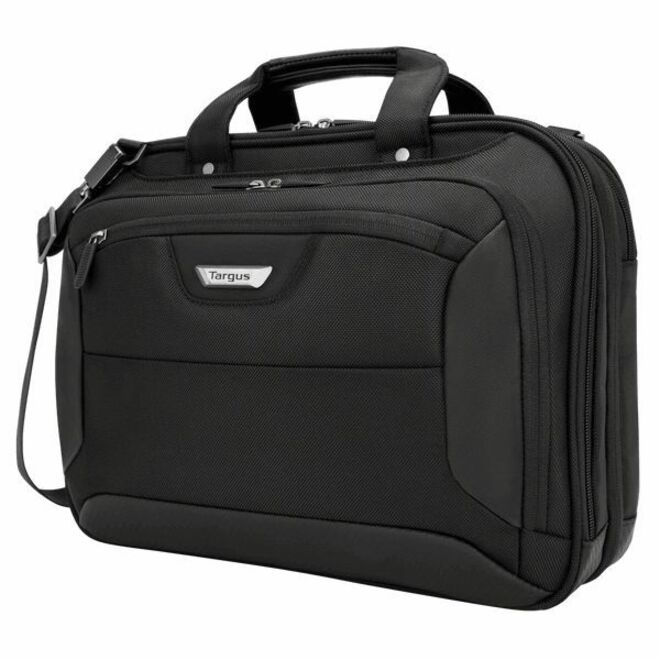
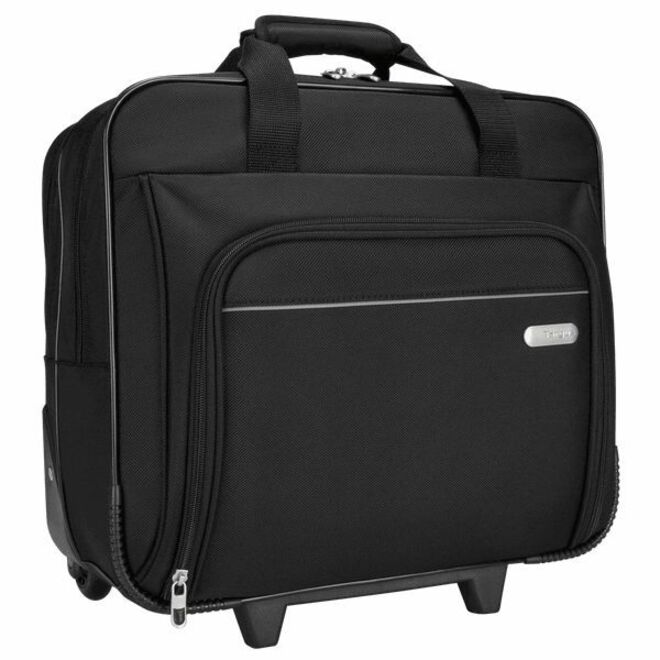
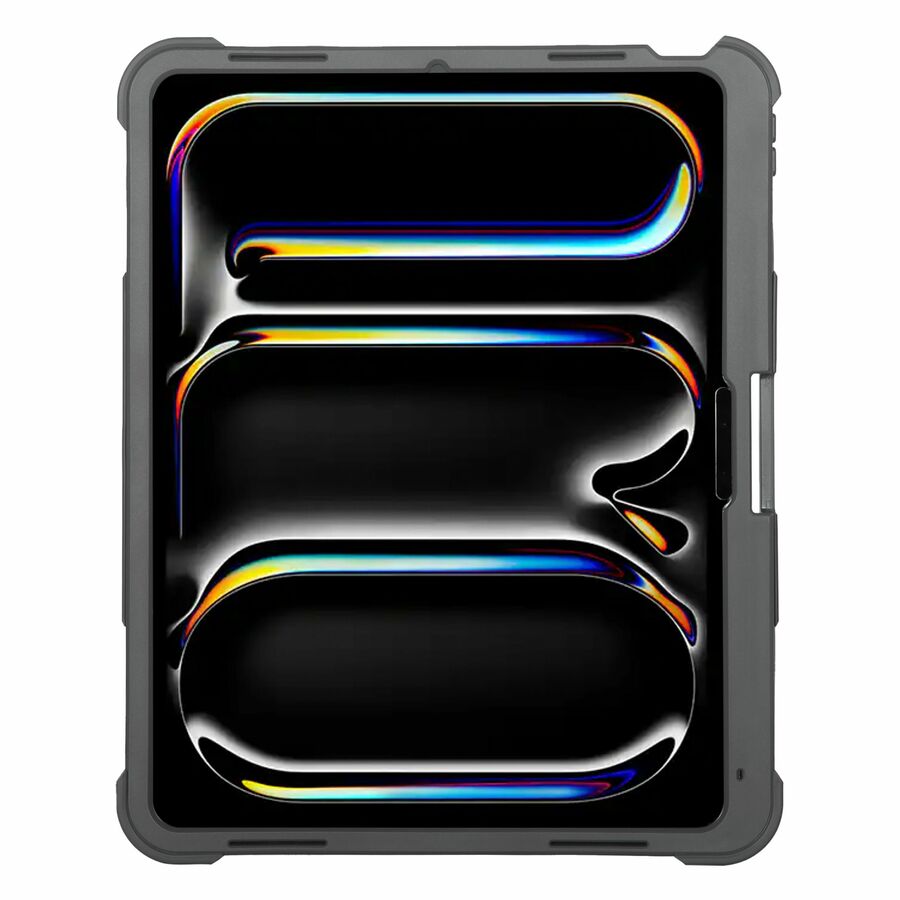
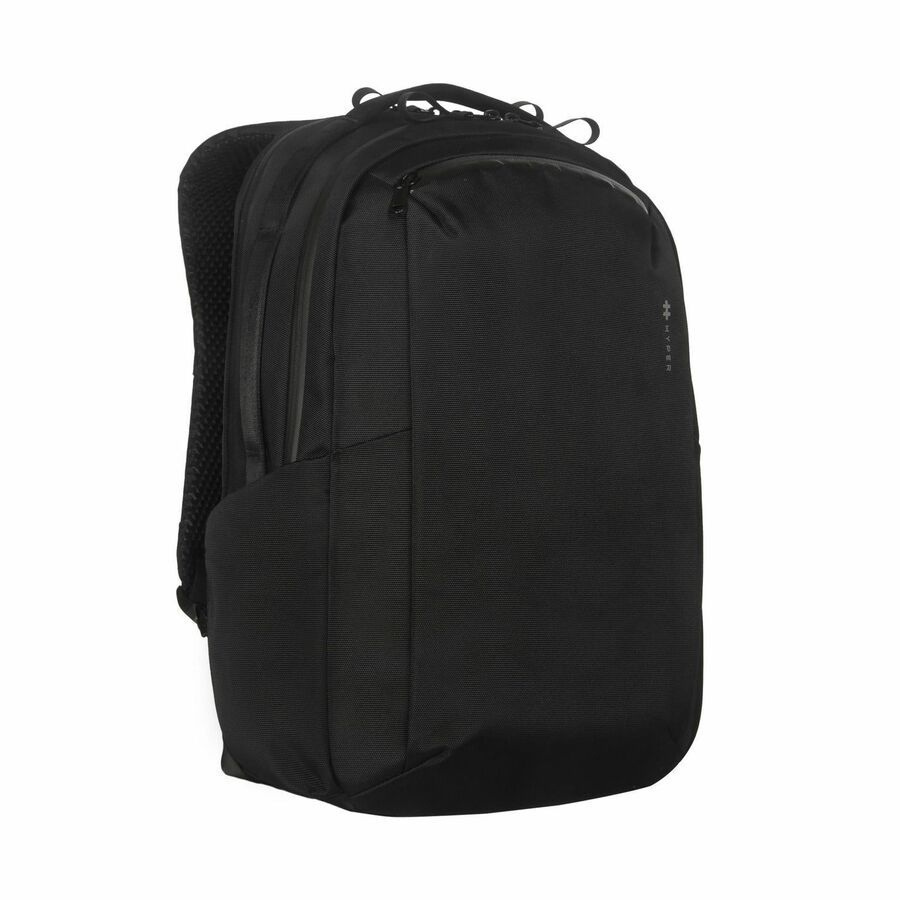
Need pricing on Targus laptop bags?
Tell us where to reach you and a Uniqcli specialist will follow up by email with current pricing, availability and lead time for the quantities you need — including parts that aren’t shown on this page.
Buying for an organization or for yourself — both work. No payment up front.
Targus is the carry brand a district ends up standardizing on when the requirement is volume rather than model-matching. The catalog we hold runs to a hundred and seventy-two photographed, priced lines, and — unusually for this category — a large share of them are on the shelf rather than on a lead time. As this guide is written, fifty-four are in stock, and every card in the grid above is one of them. That is the practical reason this page exists: it is where you land when four hundred units need to ship this month, not next quarter.
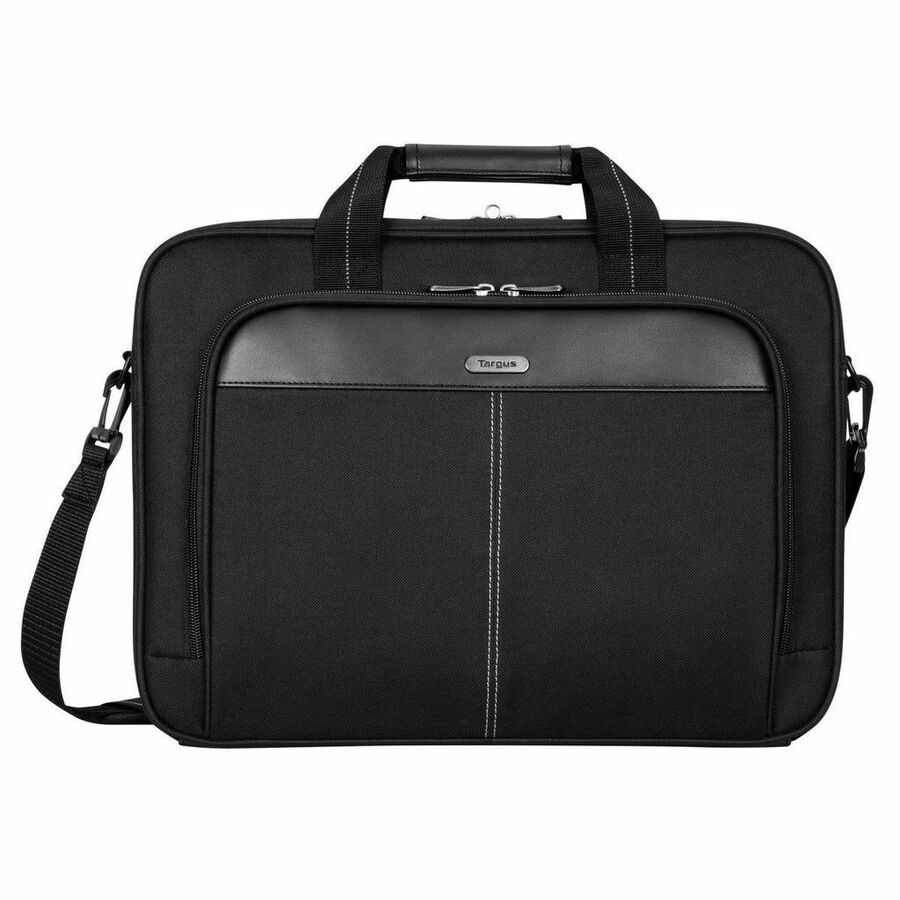
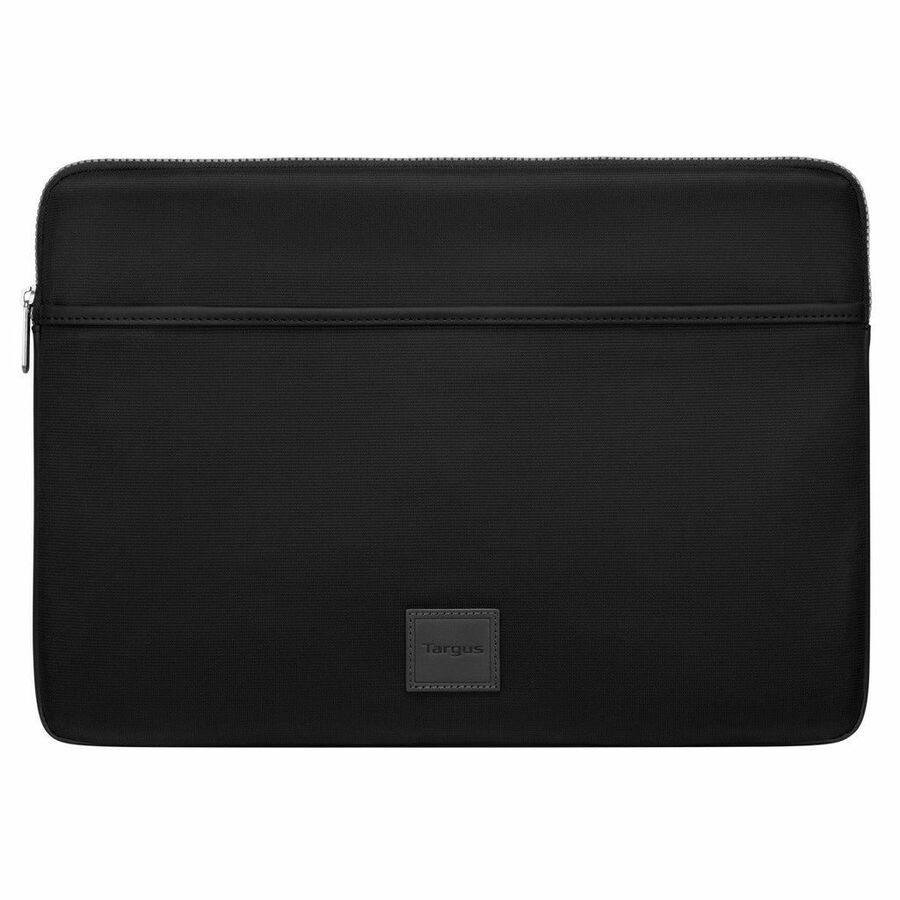
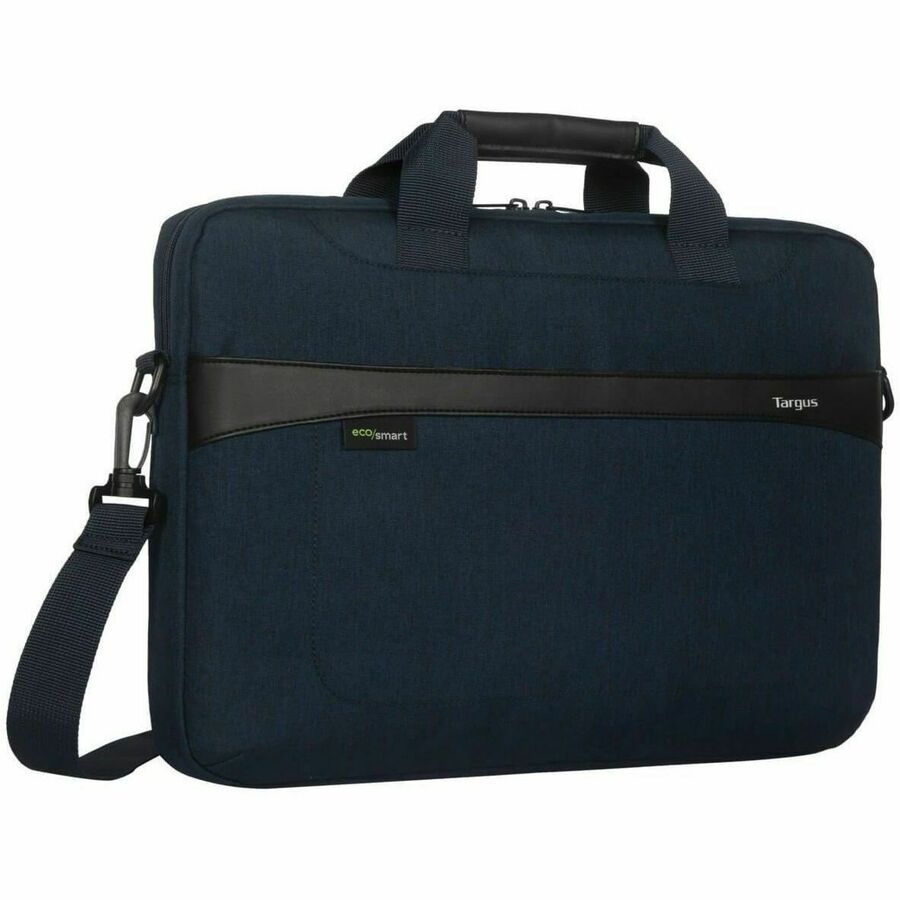
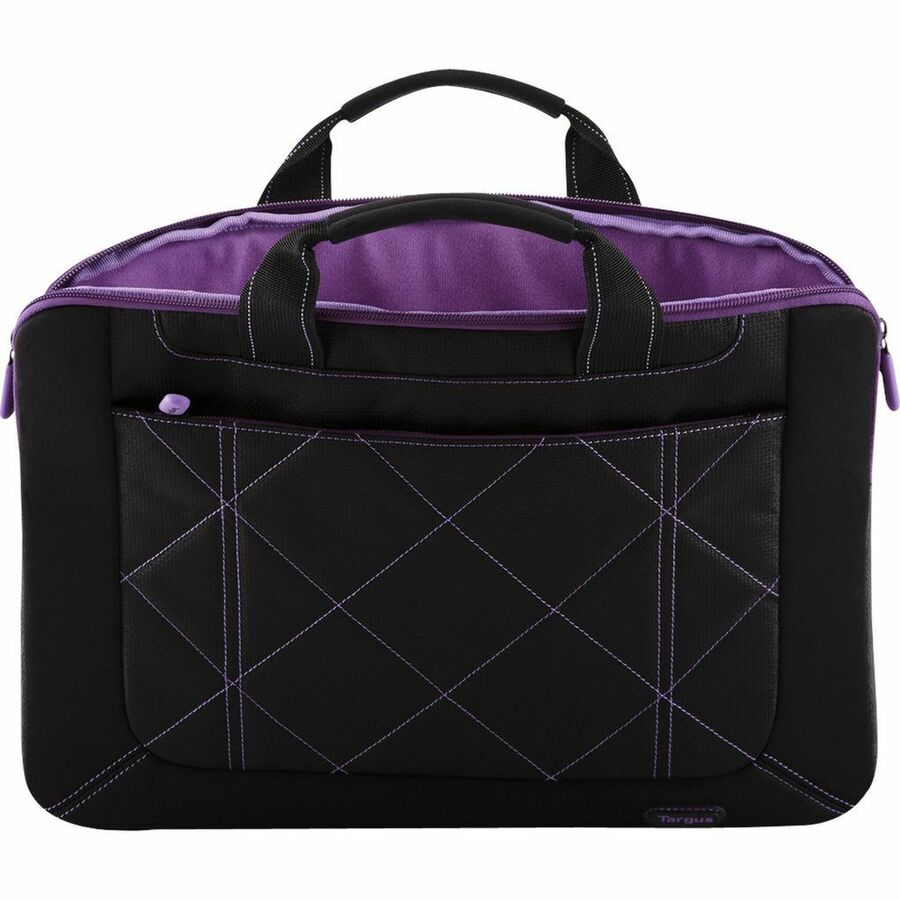
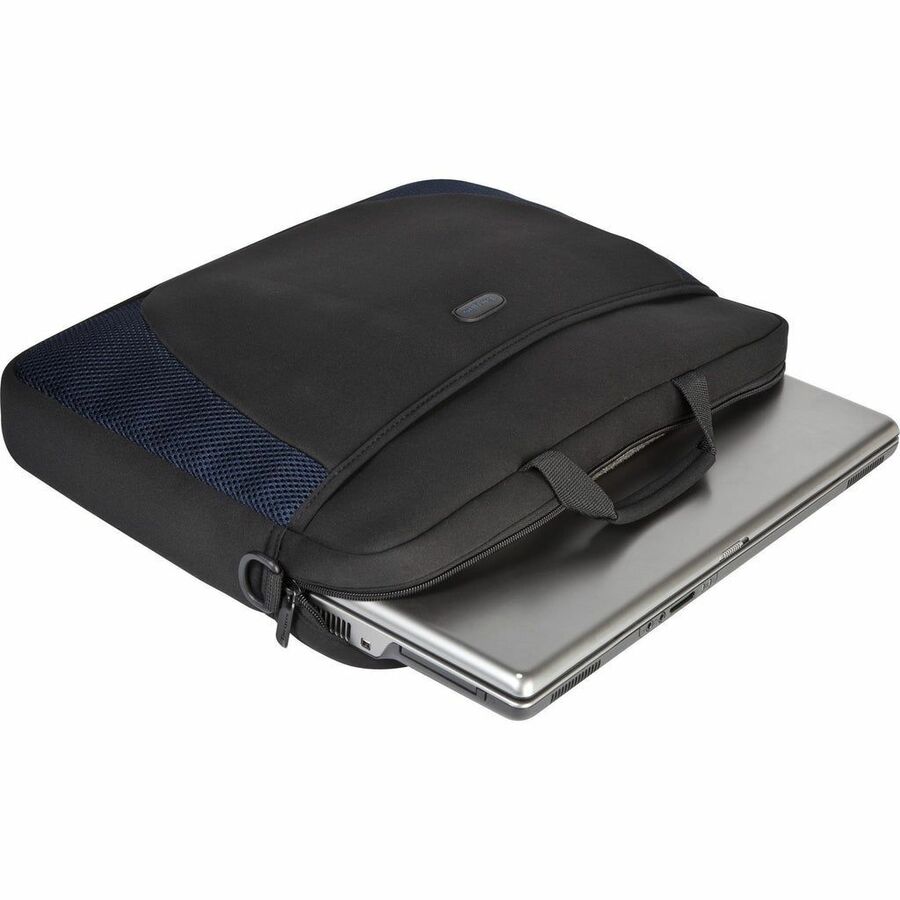
The selection is broader than the title suggests. Alongside laptop backpacks it spans messengers and briefcases, rolling cases and rolling backpacks, device-specific rugged notebook cases, and a substantial tablet-case range. That mix is deliberate rather than untidy — a district carry order usually covers three different populations at once, and they do not all want a backpack.
One framing point before the specifications. A bag is transport protection. It reduces damage in a backpack, in a car, on a cart and in a hallway. It does nothing for the device sitting open on a desk, which is where most student-fleet damage originates. For a one-to-one student program, a bag is a complement to an always-on shell, not a replacement for one. For staff, who tend not to use shells, a good bag is the whole protection strategy.
Buyer's checklist
How to buy carry gear at volume for a district
- Size by screen class, not by model. Targus lines are specified in ranges — fifteen-point-six to sixteen inches, seventeen inches — which means one part number survives a device refresh and keeps the standard intact for years.
- Split the order by population before you price it. Students, itinerant staff and technicians moving equipment need different formats, and buying one product for all three produces three sets of complaints.
- Standardize on one or two part numbers per population. Mixed carry inventory makes replacement slow, makes district-issued items indistinguishable from personal ones, and destroys any volume position you had.
- Check the interior dimension against a shelled or cased device. Bags are cut around bare machines, and a rugged case can be the difference between closing comfortably and straining the zip.
- Buy the spares in the same purchase order at ten to fifteen percent. Specific colorways and part numbers rotate out of distribution, and a small replacement order six months on will cost more and may not find the same item.
- Treat the zip and the strap attachment as the failure points, because they are. Fabric almost never fails first. Ask for the manufacturer's current warranty statement in writing and score it as part of the evaluation rather than assuming it.
- Ask whether TAA country-of-origin status applies to this line item. Several Targus lines are listed as TAA compliant and many are not, so it has to be filtered at quote stage.
- Consider a rolling case for staff who move materials as well as a device. A rolling backpack or rolling laptop case removes a genuine load problem for itinerant specialists and is far cheaper than the injury paperwork it prevents.
- For traveling staff, look for a checkpoint-friendly design. It is irrelevant for students and quietly valuable for anyone flying to a conference or between district sites.
- Confirm quantities on hand before promising a delivery date to a building. Depth in this range is genuinely good, but the deepest single lines hold low three-figure quantities — a very large single-SKU order still needs a quote and an allocation.
Matching the format to the person carrying it
For secondary students in a take-home program, a backpack is usually the wrong district purchase — students already own one, and issuing a second creates a compliance problem rather than solving a protection one. The better fit is a sleeve or a slim case that goes inside the bag they already carry. Where the district does issue backpacks, the fifteen-to-sixteen-inch class covers almost every education device and leaves room for a charger and a book.
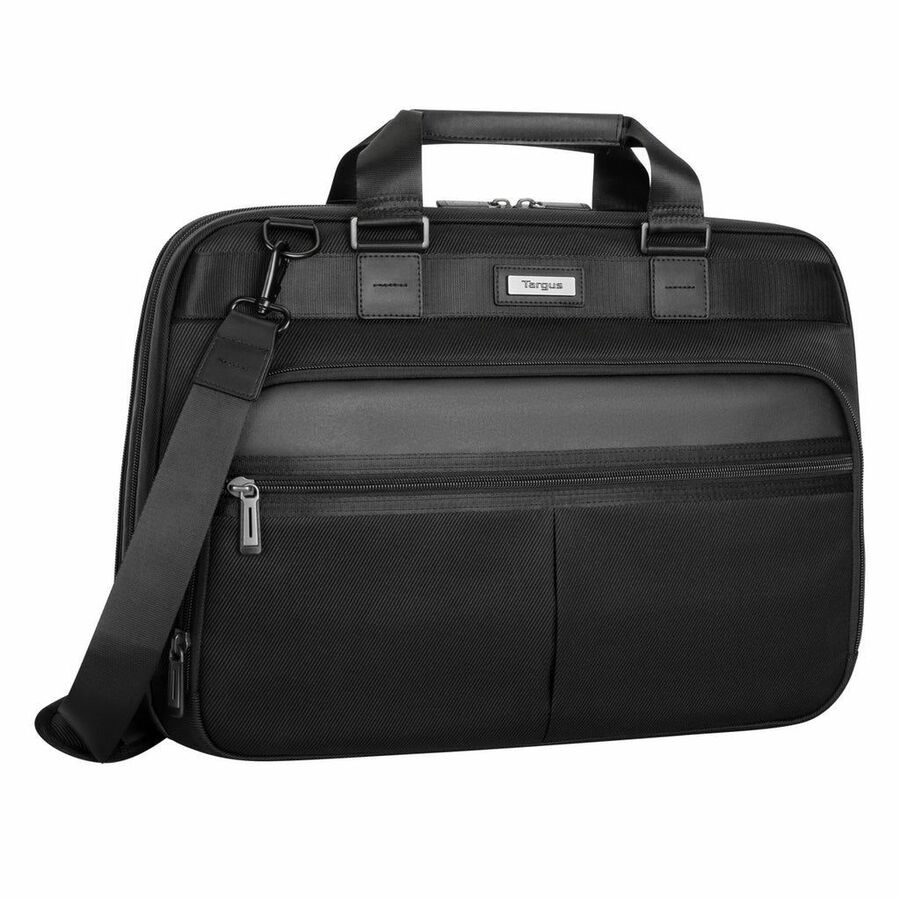
For staff, the calculation is different. A teacher moving between three rooms, an instructional coach covering four buildings, and a district administrator who flies twice a year all want different things: a light messenger, a comfortable backpack, and something checkpoint-friendly respectively. The Targus range covers all three, and buying one of each rather than thirty of one is entirely reasonable at those quantities.
For technicians and media staff who move equipment rather than a single device, the rolling formats are the ones that pay for themselves. A sixteen-inch rolling laptop case or a compact rolling backpack turns a two-trip job into a one-trip job, and the people doing that job several times a day are the ones most likely to be off work with a shoulder injury.
Backpacks: what separates the tiers
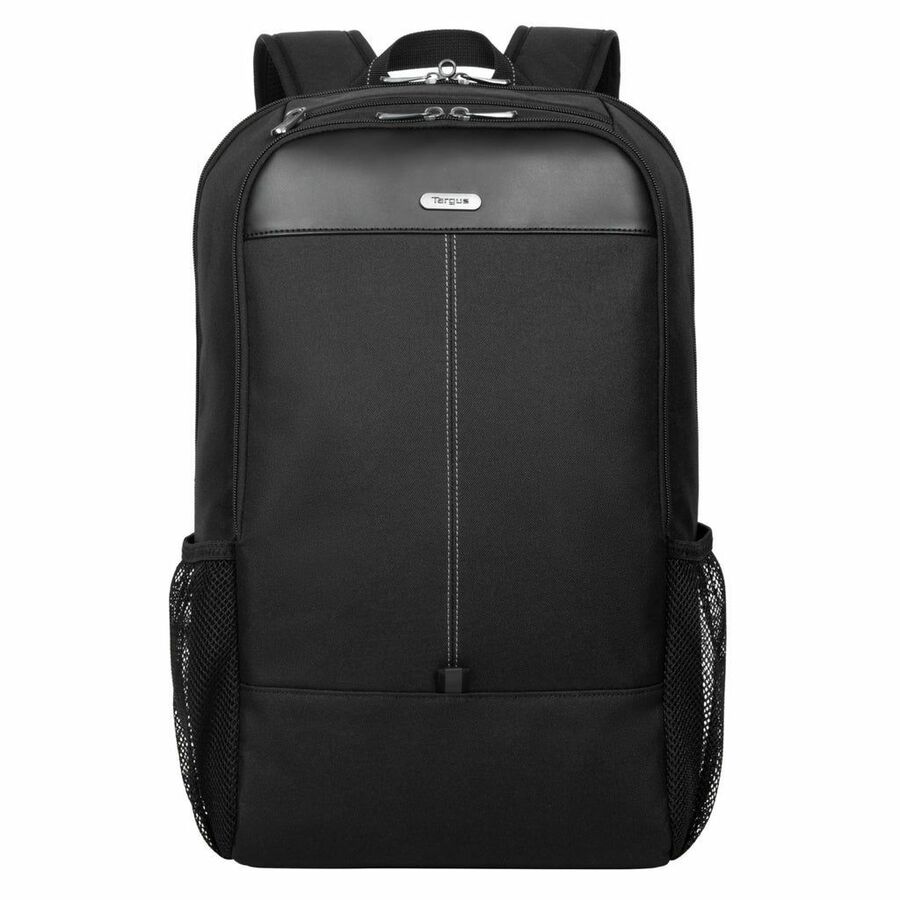
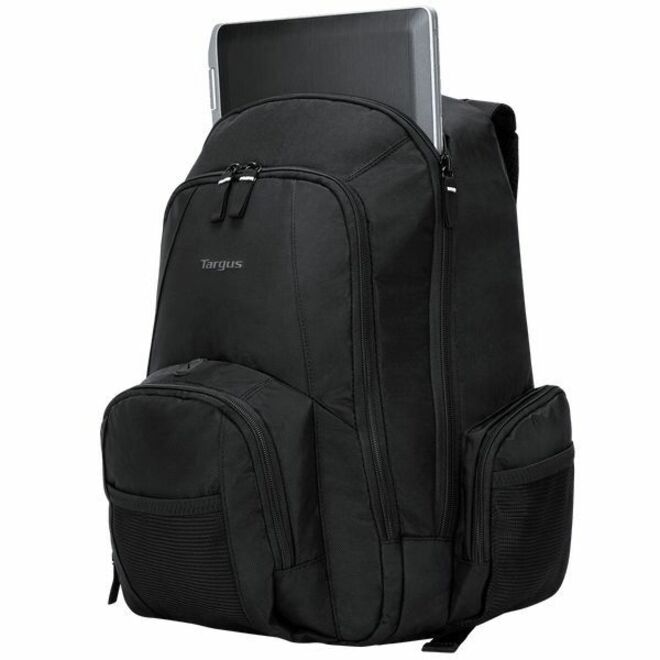
At the accessible end, the Groove and Spruce EcoSmart lines cover the basic requirement — a padded compartment, a workable harness, and a price that survives being issued at scale. The Mobile Elite and Work+ lines add organization and better strap systems. The Drifter and Drifter Essentials lines are the heavier-duty option, listed with water-resistant bases and wear and tear resistance, and are the sensible choice where the bag will be loaded well beyond a laptop.
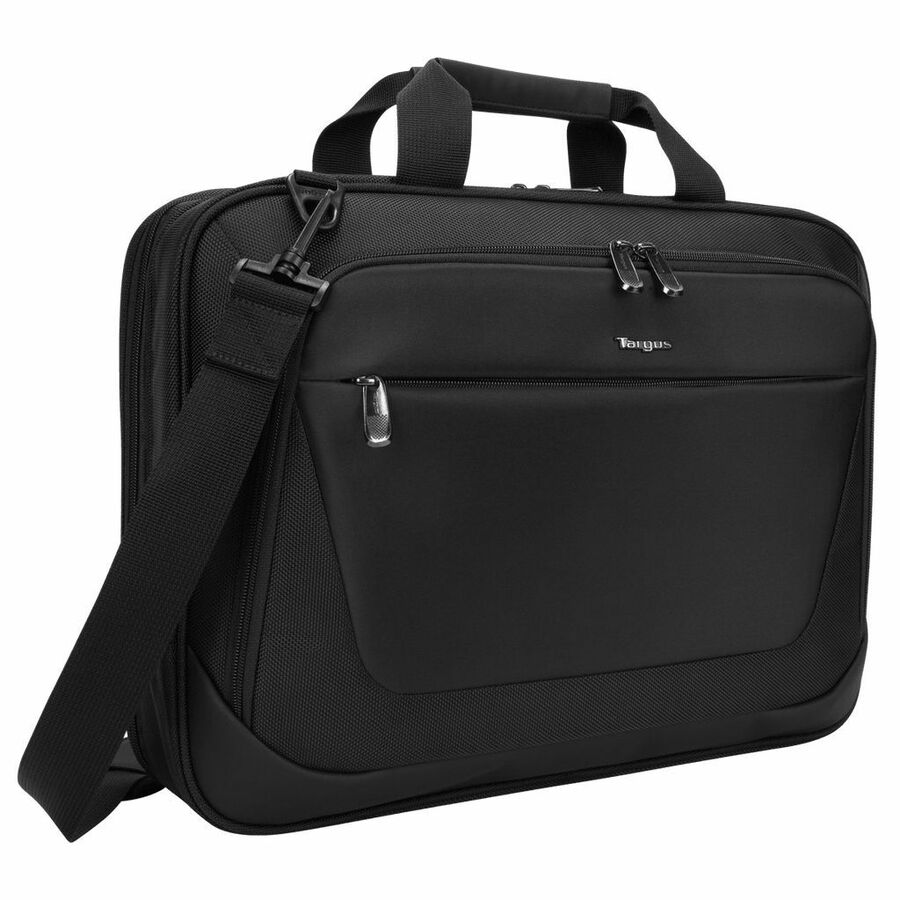
The Cypress Hero and Pro-Tek lines sit in the middle at similar prices with different priorities — one built around a woven fabric body with a luggage pass-through strap for travel, the other around a scratch and water-resistant polyester shell. Above them, the CitySmart rugged backpack is listed with an EVA body, impact resistance, a water-resistant base, a checkpoint-friendly layout and TAA compliance, which is the combination a traveling district administrator actually needs.
Across all of them the same practical advice applies: pick on harness comfort and compartment layout, not on the marketing tier. Everything in this range will protect a laptop from the inside of a bag. What separates a bag people use from a bag people abandon is whether it is comfortable at the end of a long day and whether the things they need are where they expect them.
The tablet-case half of the range
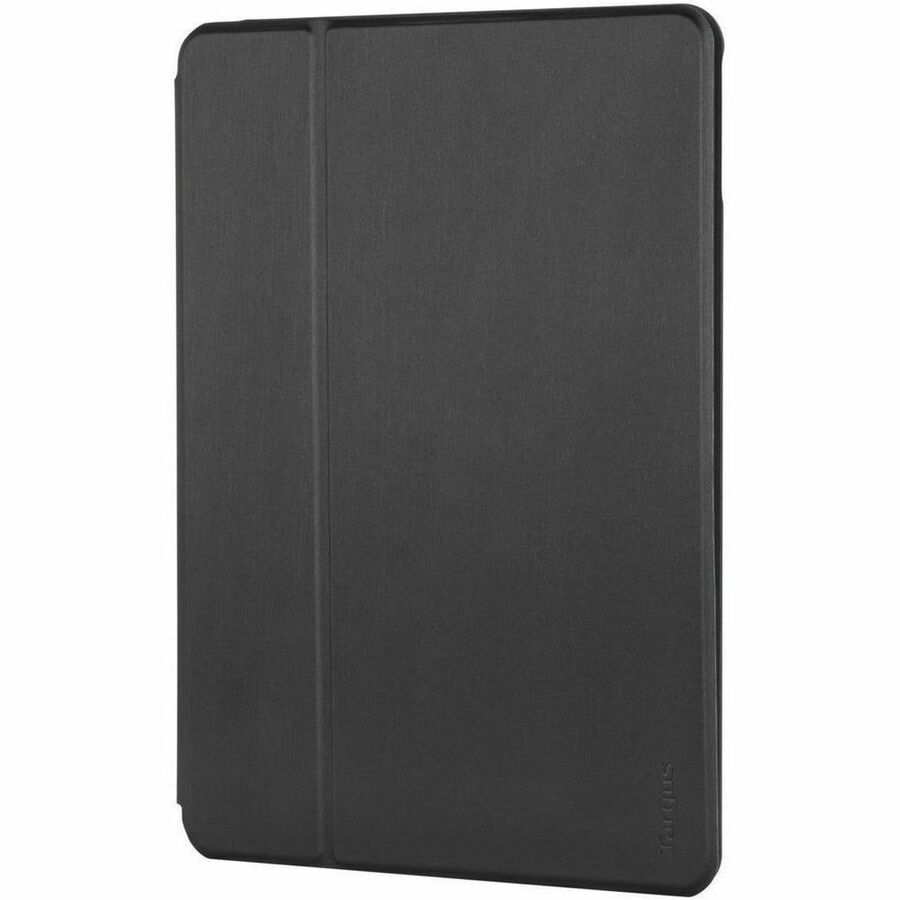
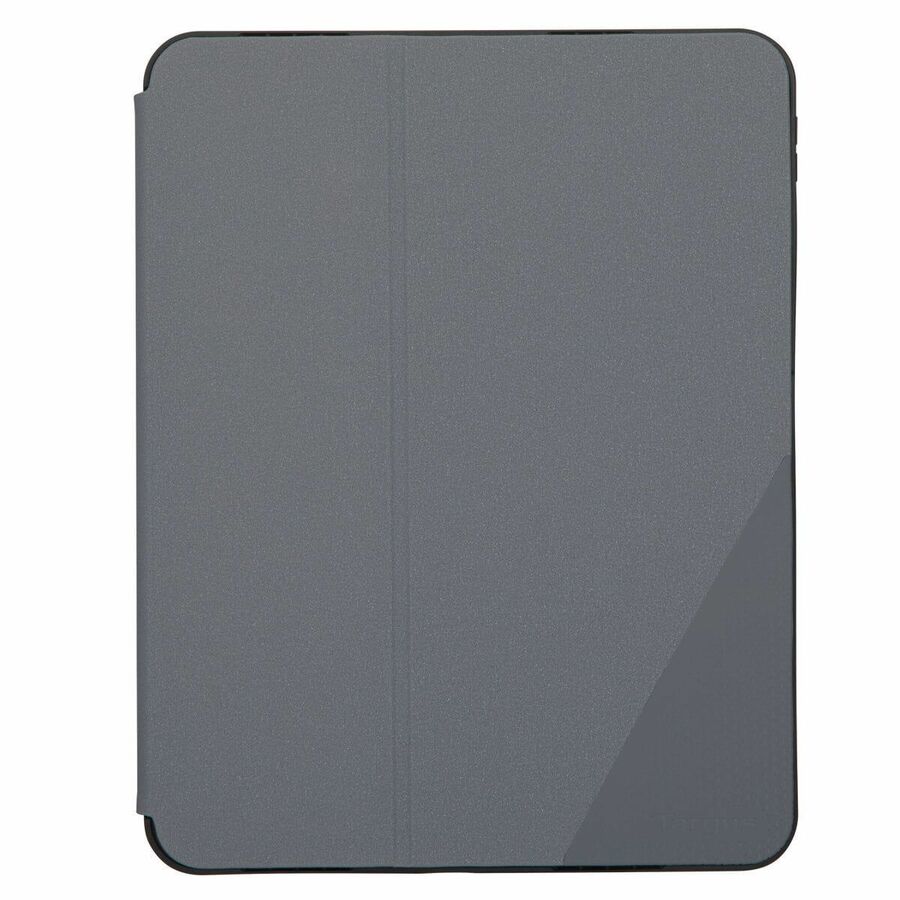
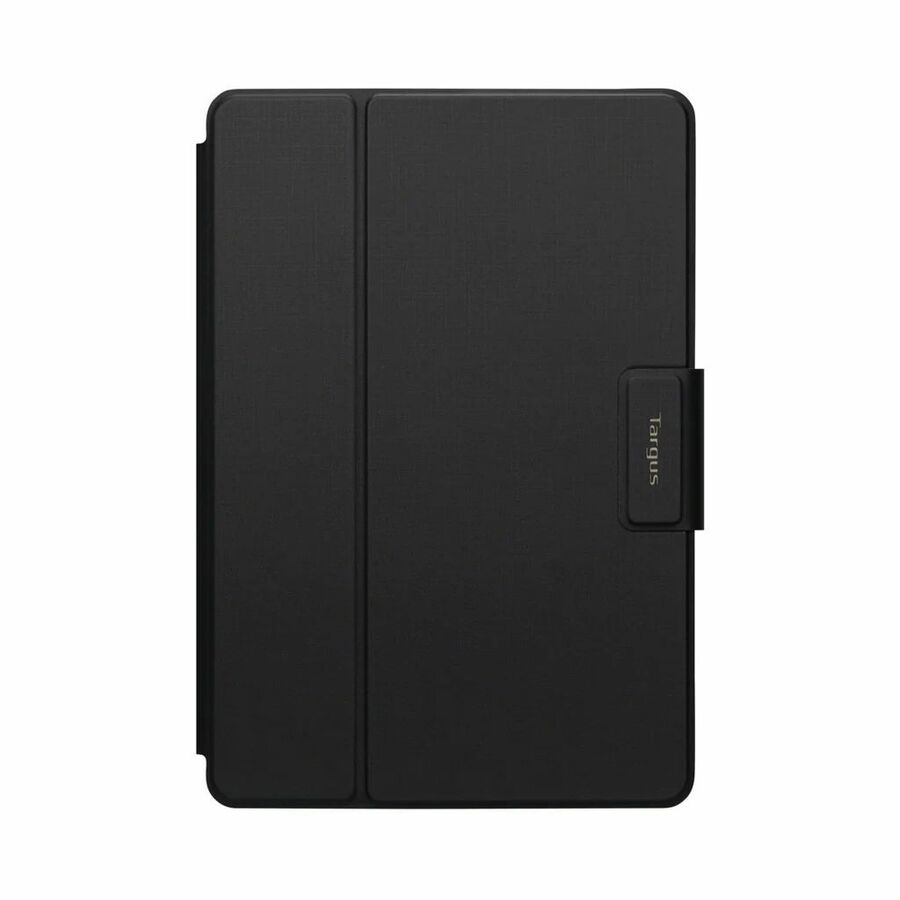
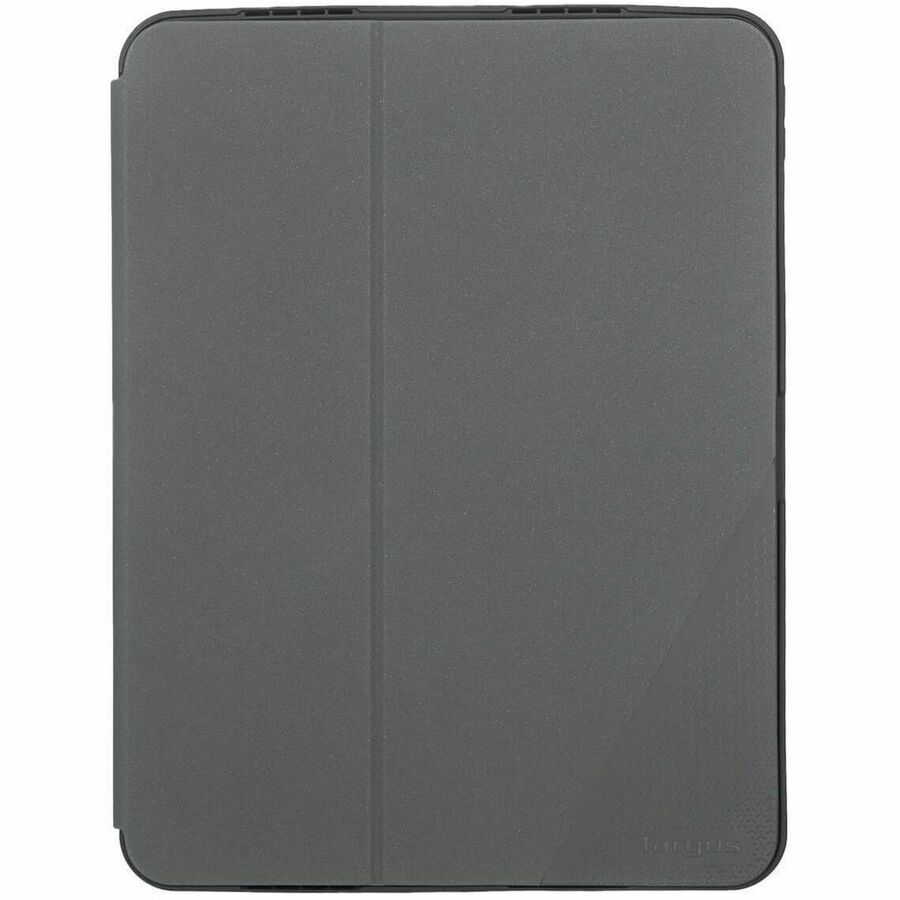
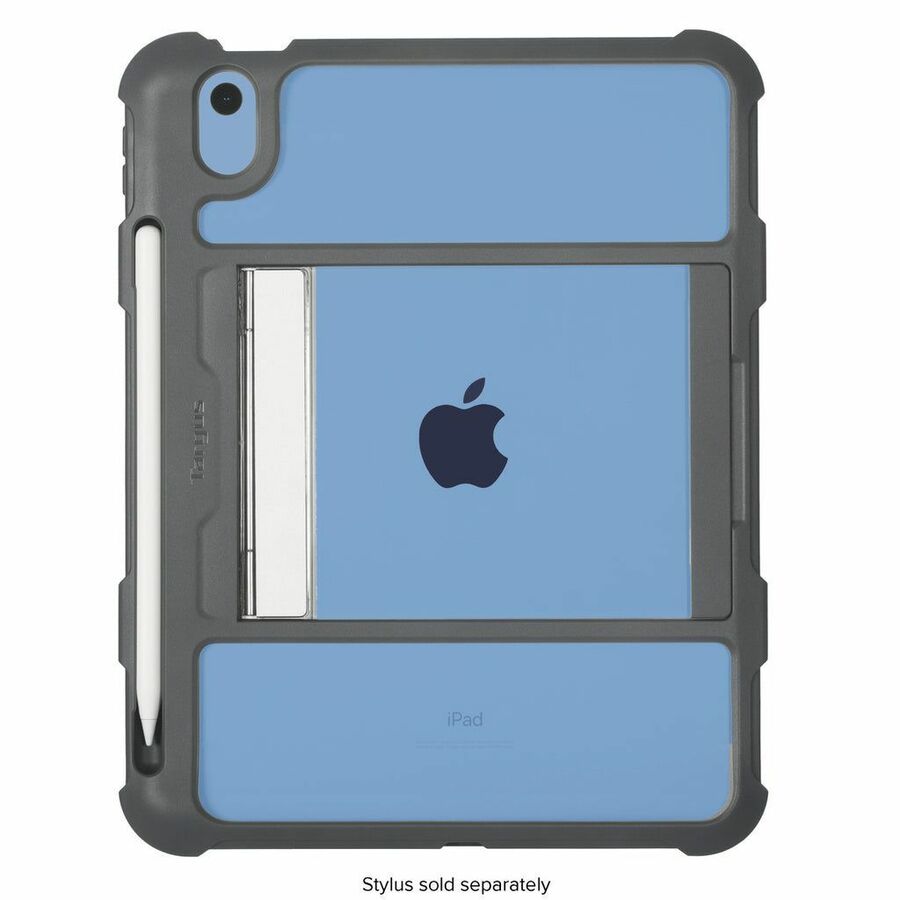
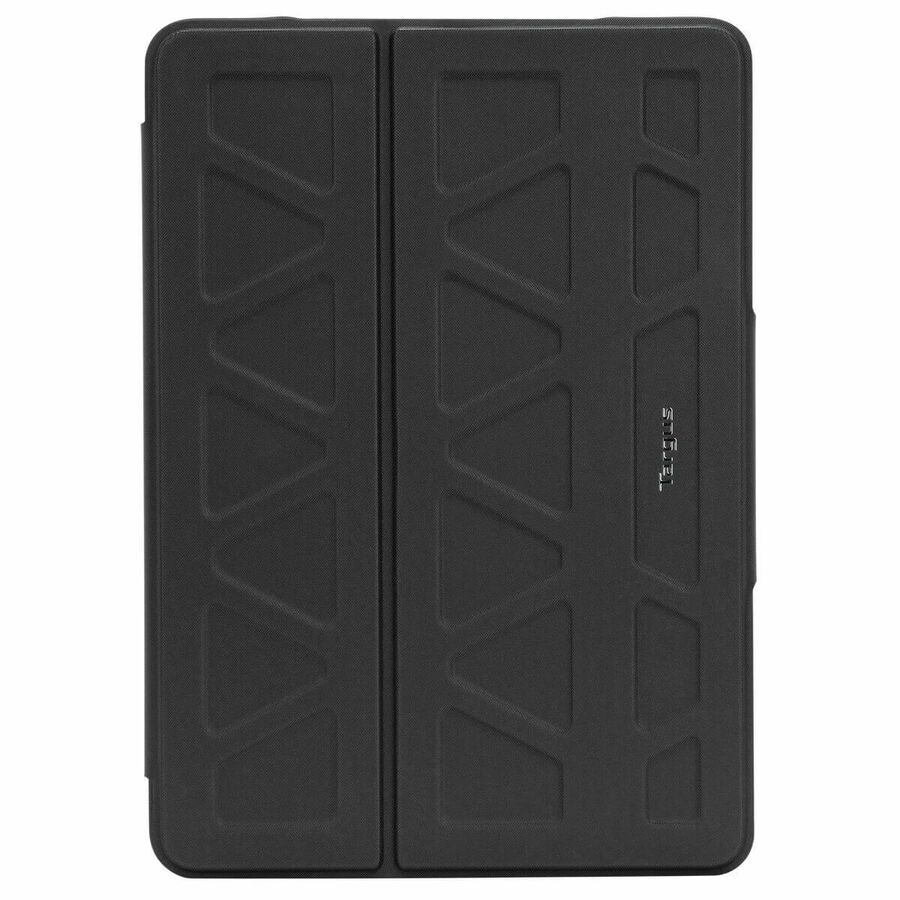
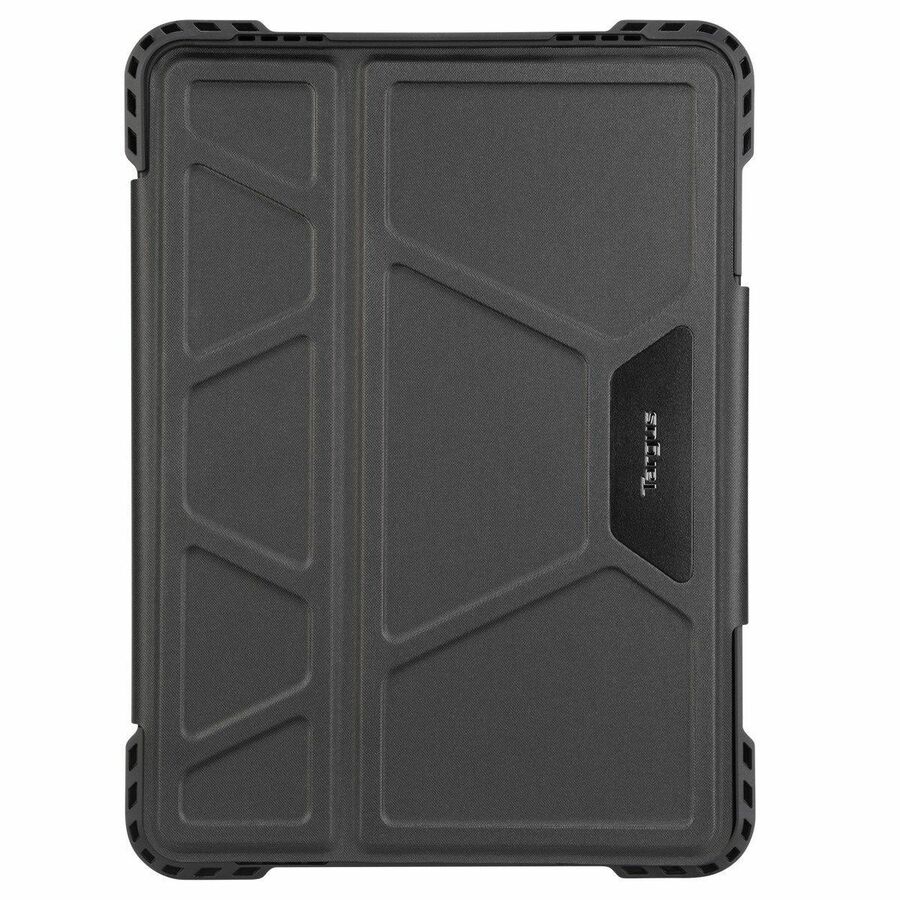
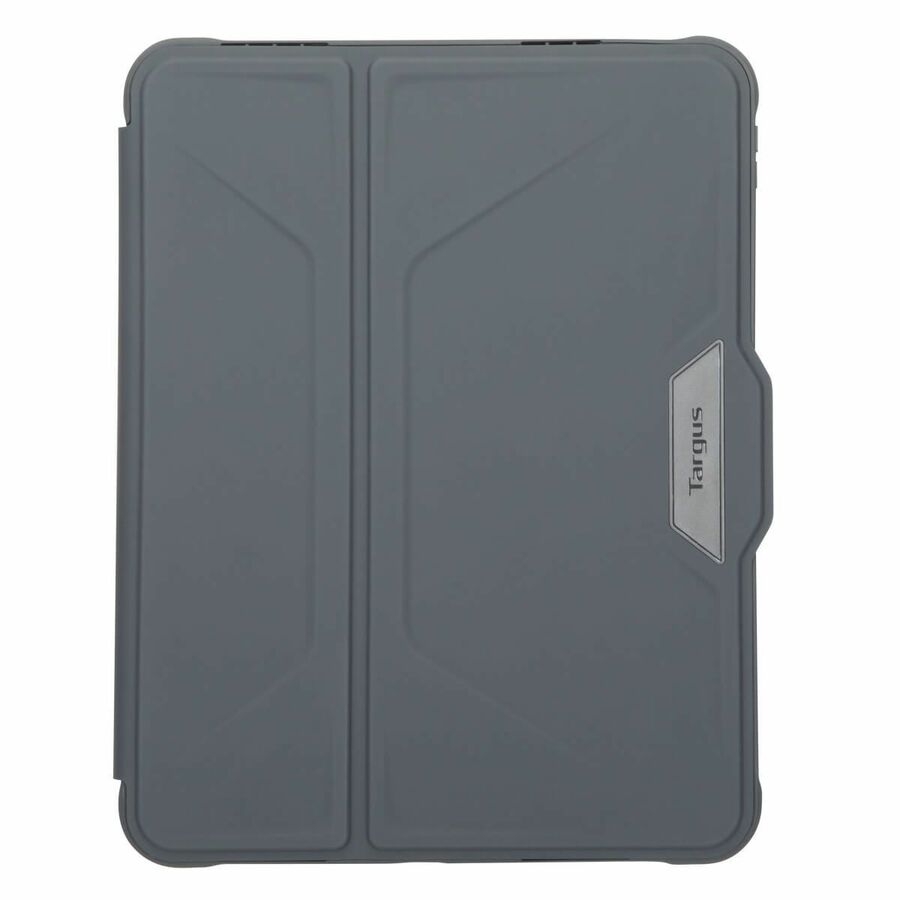
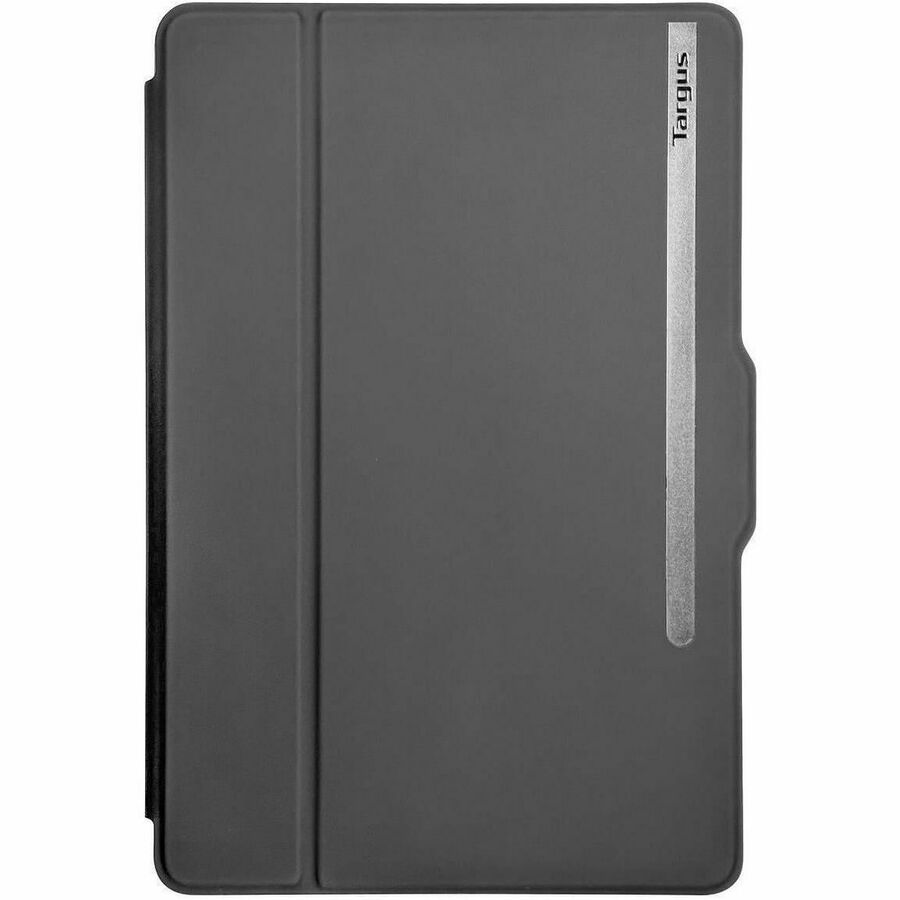
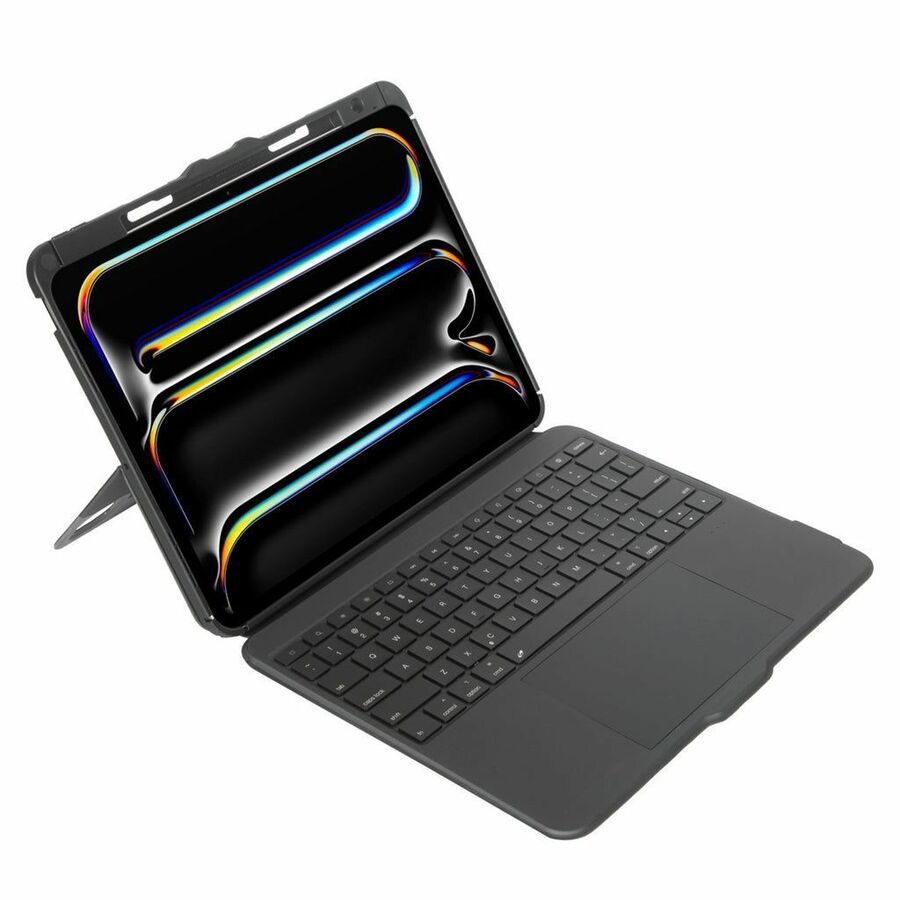
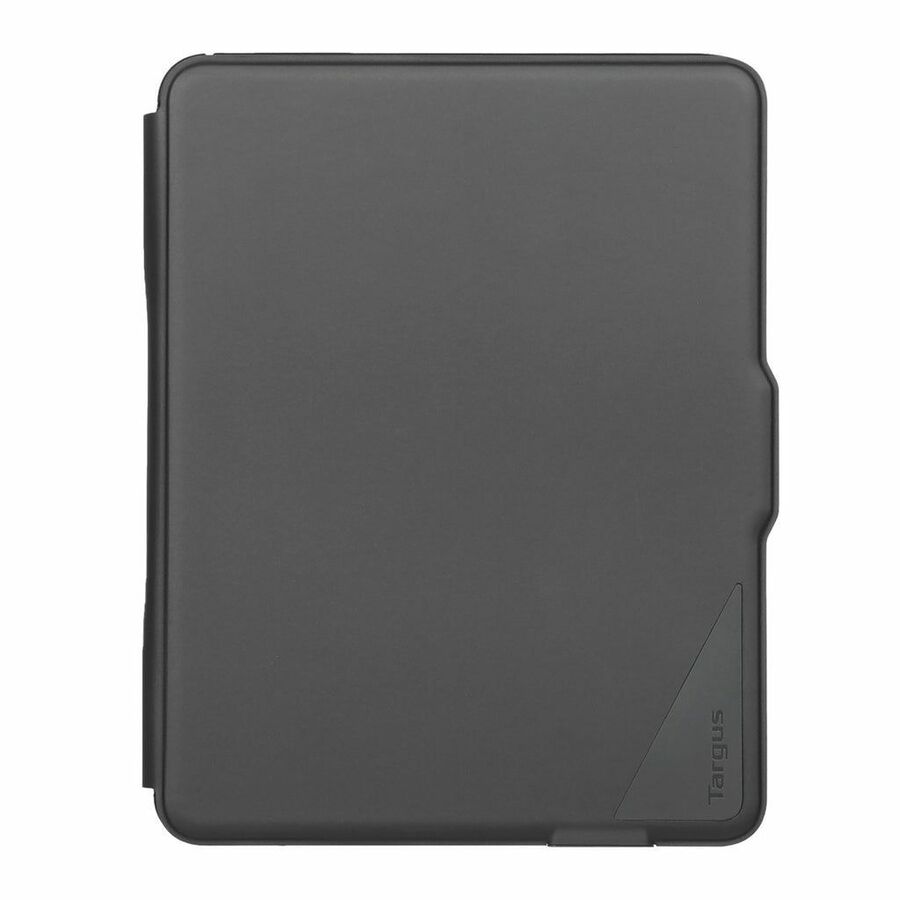
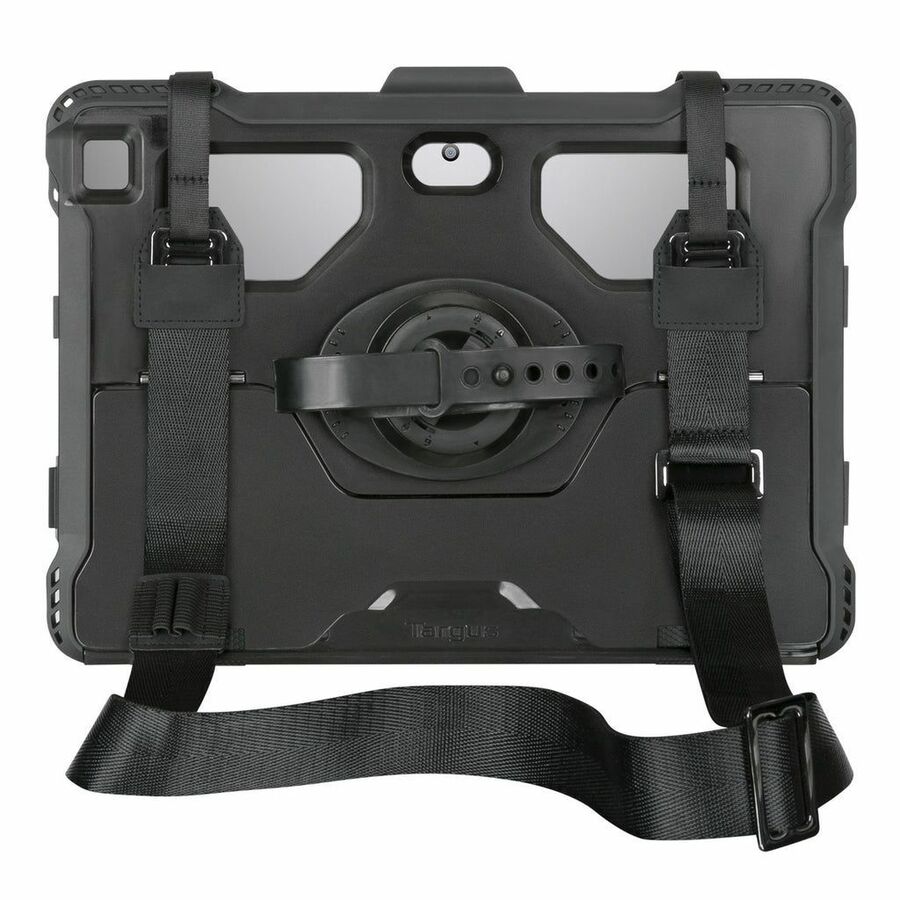
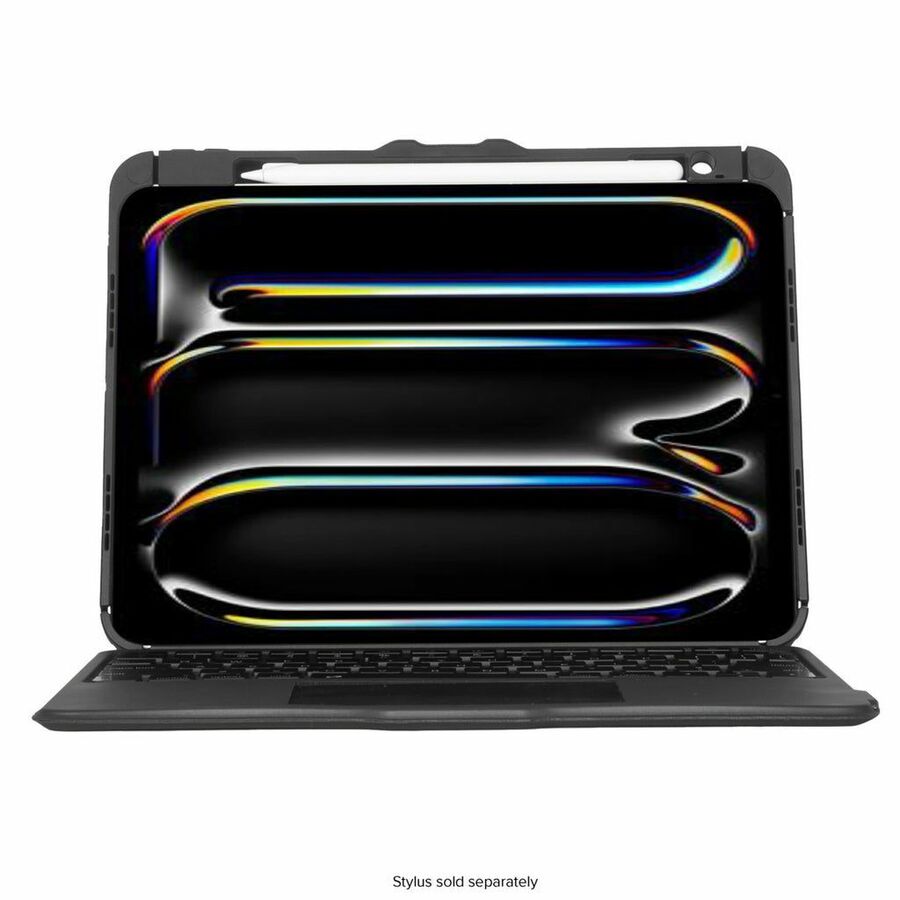
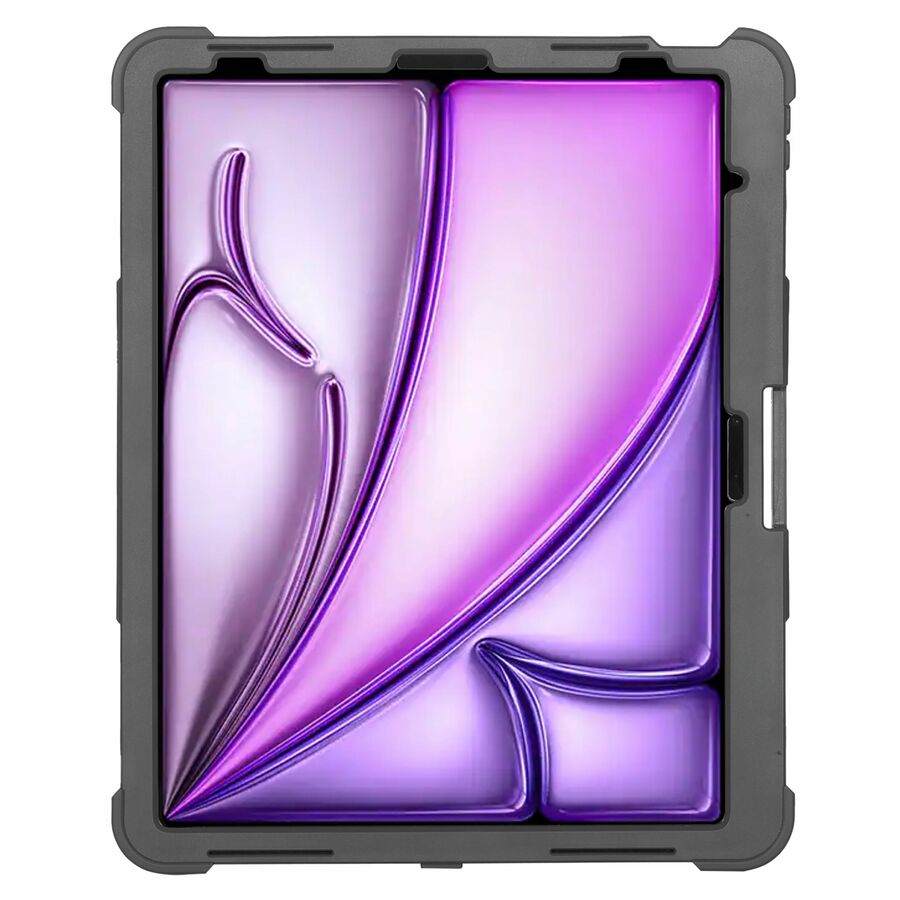
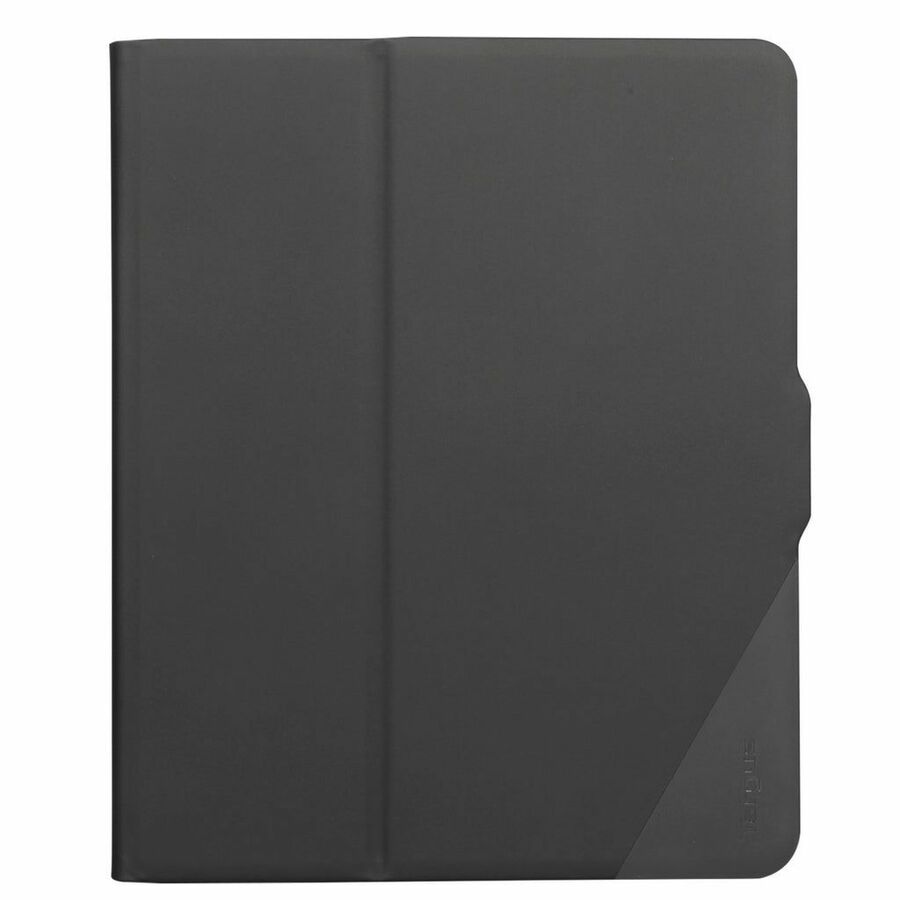
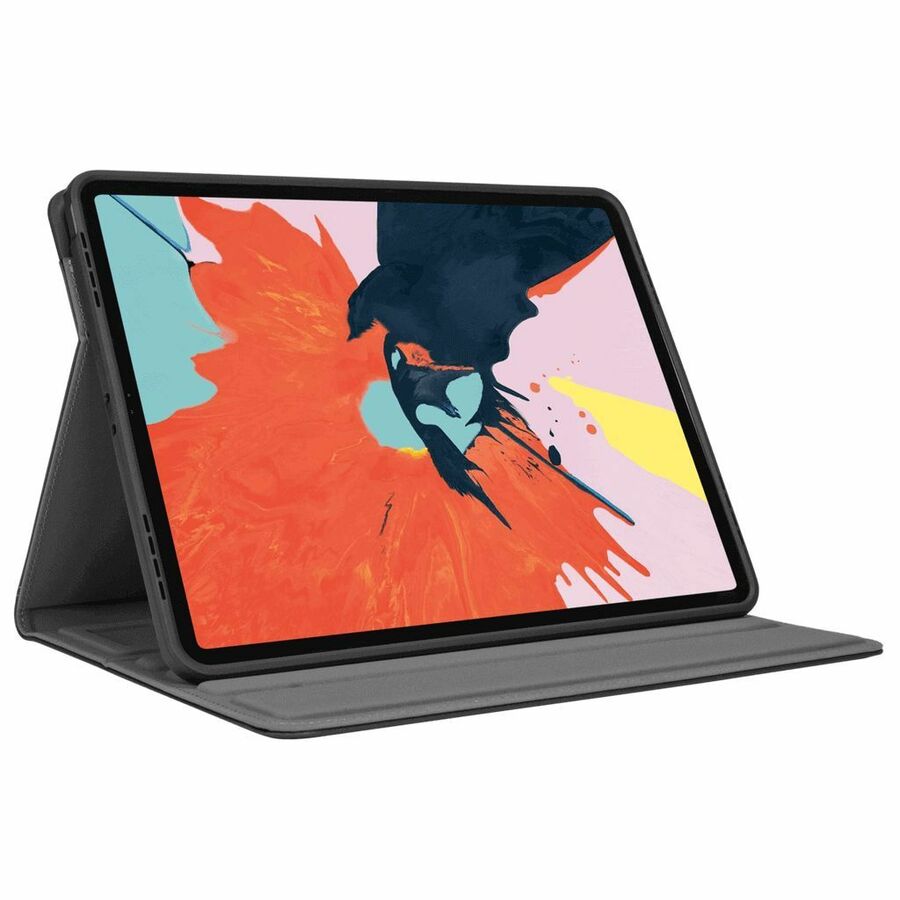
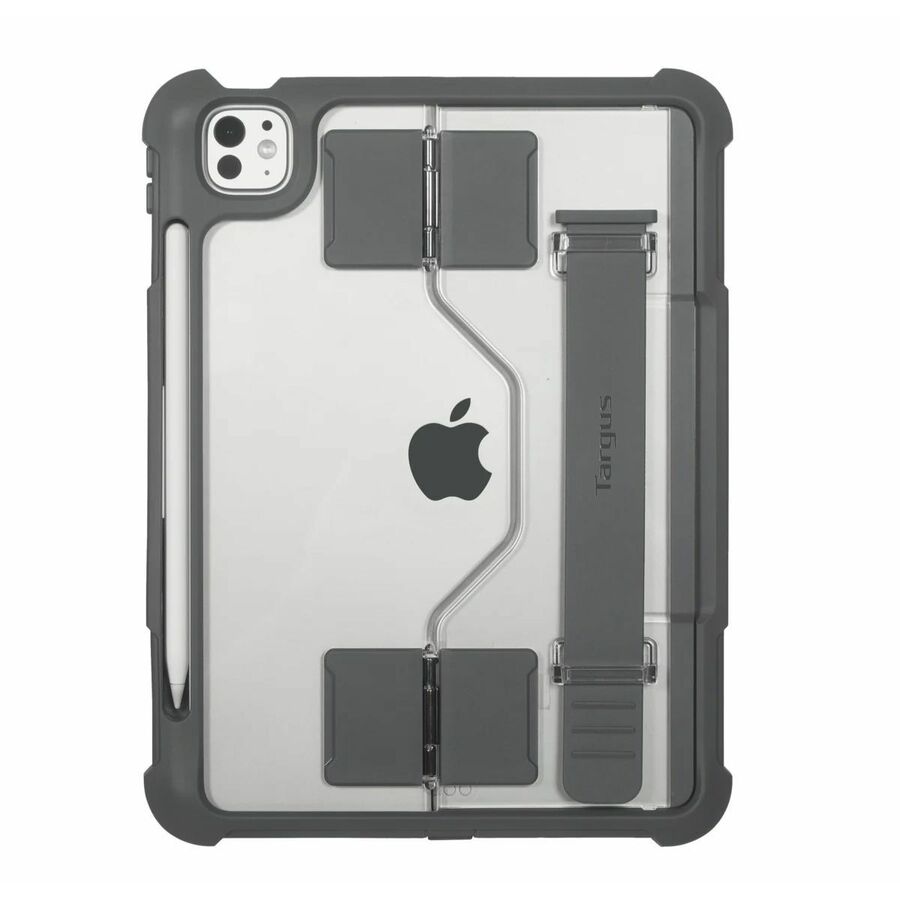
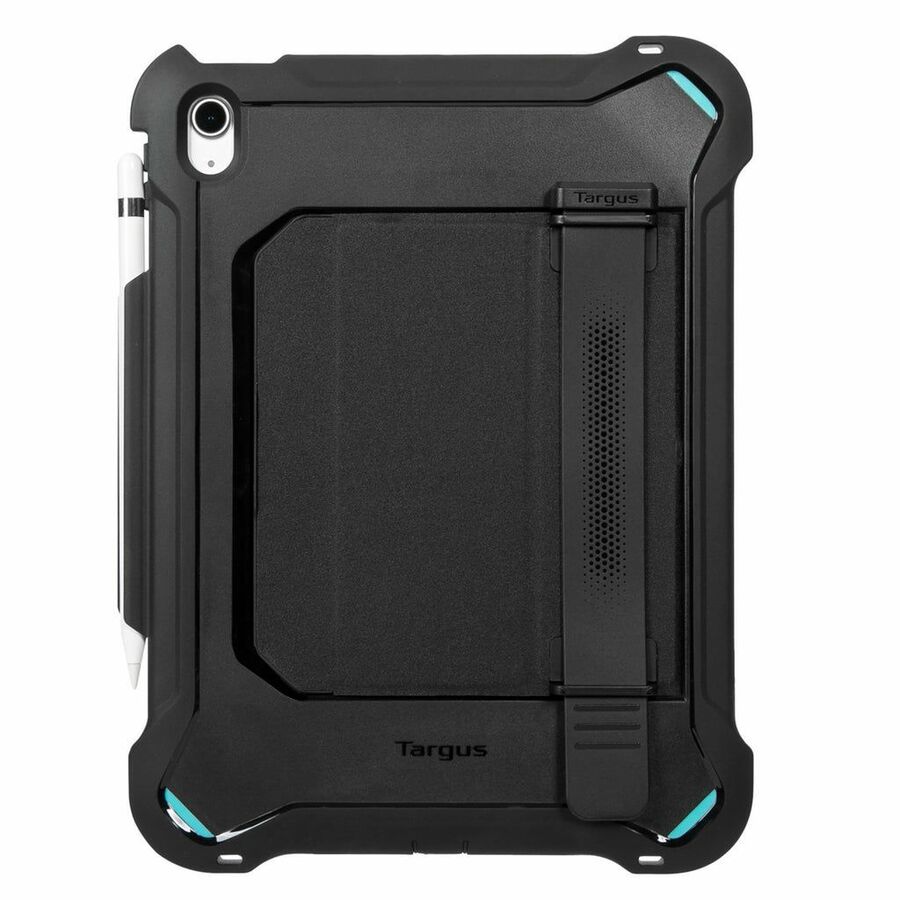
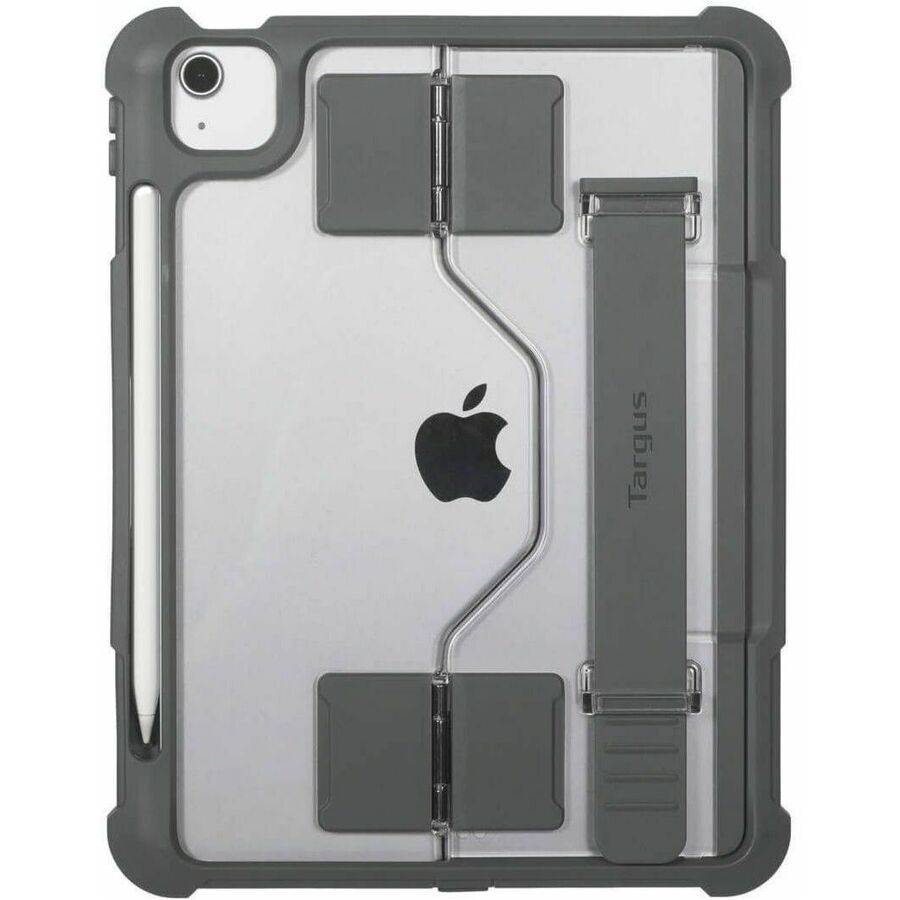
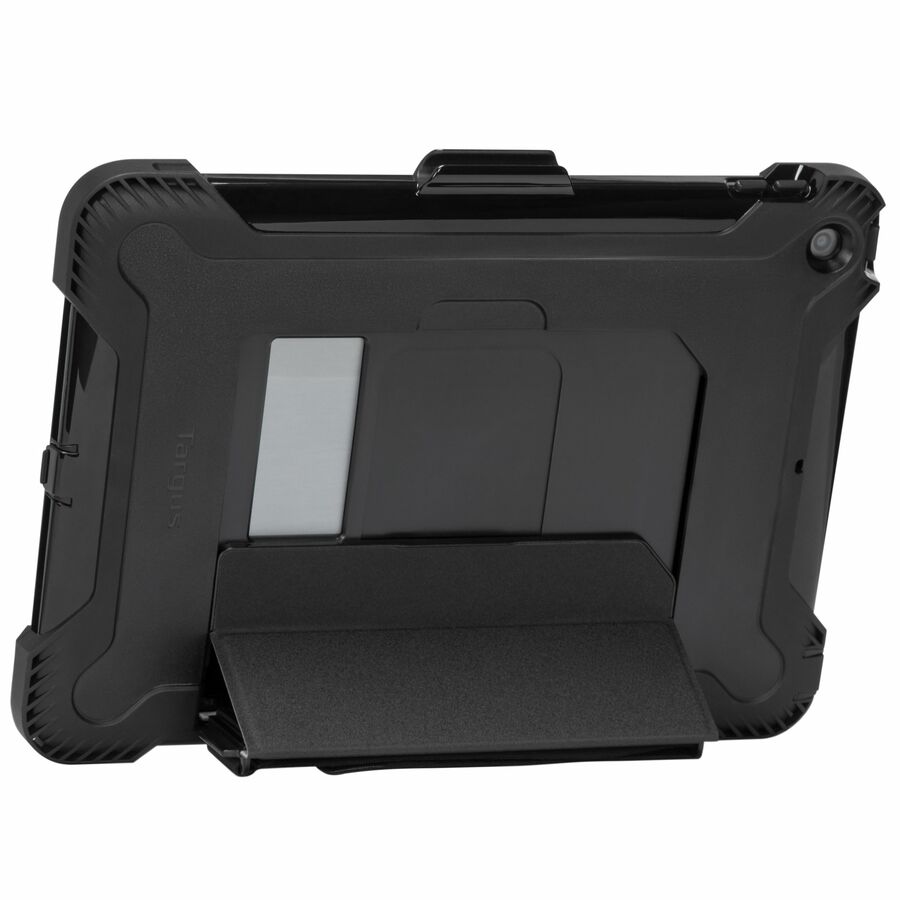
A meaningful share of the Targus carry range is tablet-specific rather than laptop-specific, and it shows up in the grid above for that reason. The SafePort rugged line is a hard-shell format with a hand strap, built around specific tablet generations, and it is the closest thing in this range to an always-on shell — protection during use rather than only in transit. The VersaVu line adds keyboard and stand functionality for tablet fleets doing real keyboard work.
Because these are matched to specific device generations, they carry the model-matching discipline that the notebook bags avoid. Confirm the generation from a physical device before ordering at volume, and expect to hold more than one part number if the tablet fleet arrived across several refreshes. That is the trade for the tighter fit and the better protection.
If your tablet requirement is transport only — devices that live on a cart and travel to a classroom — the case does not need to be device-generation-specific and a sleeve or a general carry case is a cheaper, more refresh-proof purchase. Decide which of the two problems you are solving before you specify.
Buying at volume, honestly
The depth in this range is real, and it is the reason to buy Targus rather than a model-matched line when the date is the binding constraint. Several individual part numbers carry low three-figure quantities on hand at any moment, and the breadth means there is almost always a close substitute in the same size class if a first choice runs short. For a building-level order of tens or low hundreds, that is straightforward.
For a district-wide order in the high hundreds or thousands of a single part number, treat it as an allocation conversation rather than a checkout. Send the quantity, the size class, the deployment date and any TAA requirement through the quote route, and we will confirm what is on the shelf, what is inbound, and whether splitting across two similar part numbers gets the whole order to site on time. That last option is frequently the difference between shipping in a week and shipping in two months.
Whatever the size, put the spares in the original order. Carry gear is a consumable — zips, straps and buckles are the failure points, and they fail on a schedule roughly matching the school year. A ten to fifteen percent buffer held in the district store means a broken bag is replaced the same day from a shelf rather than reordered at a worse price against a part number that may no longer exist.
FAQ
Common questions
- Should we issue backpacks to students, or something slimmer?
- In most secondary programs, something slimmer. Students already carry a backpack, so issuing a second creates a compliance problem rather than solving a protection one — a sleeve or slim case that goes inside the bag they already have is cheaper and more likely to be used. District-issued backpacks make more sense for staff, for technicians, and for primary settings where the district supplies the whole kit.
- How do we size Targus bags for a mixed fleet?
- Size by screen class rather than by model. Targus specifies most lines in ranges — fifteen-point-six to sixteen inches, seventeen inches — so a single part number covers several device models and survives a refresh. Check the interior dimension if devices wear rugged cases, since bags are cut around bare machines and a shell can be the difference between closing easily and straining the zip.
- Are Targus bags TAA compliant?
- Some lines are listed as TAA compliant and many are not, so it has to be checked per part number rather than assumed for the brand. If TAA country-of-origin status is a requirement on your line item, say so with the quote request and we will filter to lines that carry it before anything is committed.
- Can you actually ship several hundred bags this month?
- Frequently yes, and that is the main reason to buy this range. The grid above is live and reflects current stock. Several individual part numbers hold low three-figure quantities, and the breadth of the range means a close substitute in the same size class is usually available. For very large single-part-number orders, send the quantity and the deployment date through the quote route so we can confirm allocation rather than estimate.
- Does a bag replace a protective case for student devices?
- No. A bag is transport protection — it reduces damage in a backpack, a car or a corridor. It does nothing for a device open on a desk, which is where most student-fleet damage happens. For a one-to-one program, a bag complements an always-on shell rather than replacing it. For staff, who rarely use shells, a good bag is usually the whole strategy.
Need Targus laptop bags pricing?
Send a bill of materials or part numbers — we confirm stock and a below-market total, with TAA verified on request. No payment up front.