
Best Koss Headphones for Classrooms and Computer Labs
Bulk-issue and computer-lab headphones from roughly three dollars a unit — with the connector, hygiene and microphone questions answered up front.
Koss headphones in stock at Uniqcli
How to choose →A curated selection with live pricing — in-stock lines first, then back-ordered lines with a typical lead time. Every line is sourced through US distribution and screened for NDAA §889 status before checkout, with TAA verified on request.
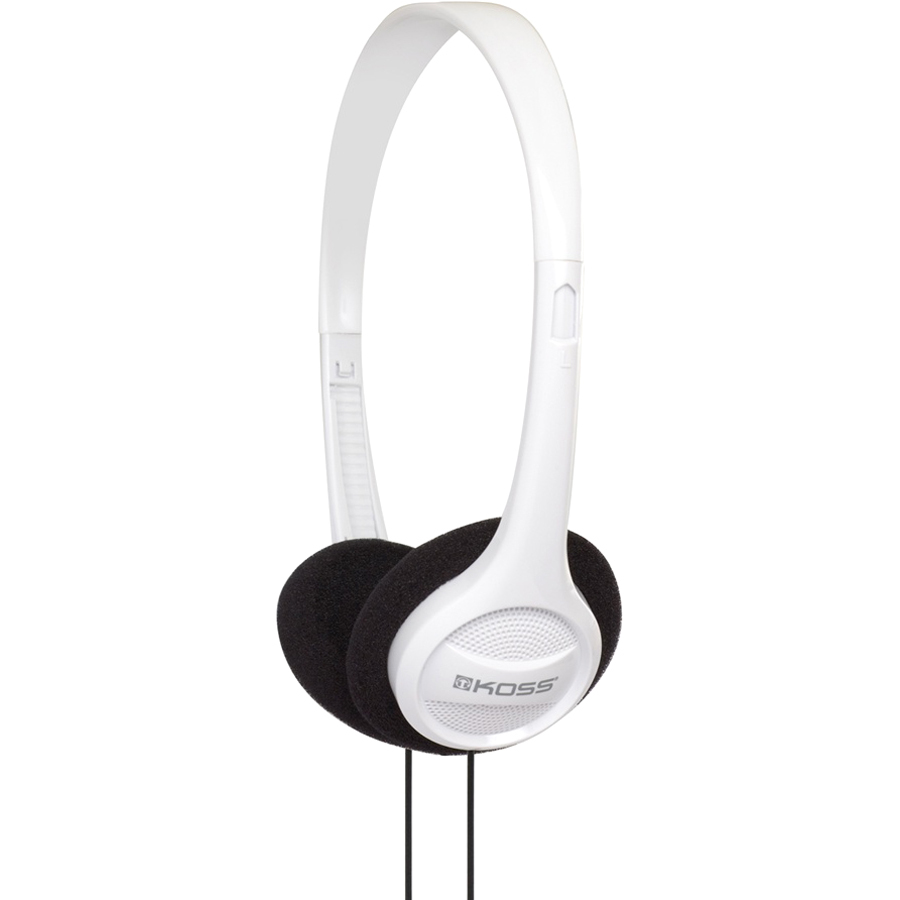
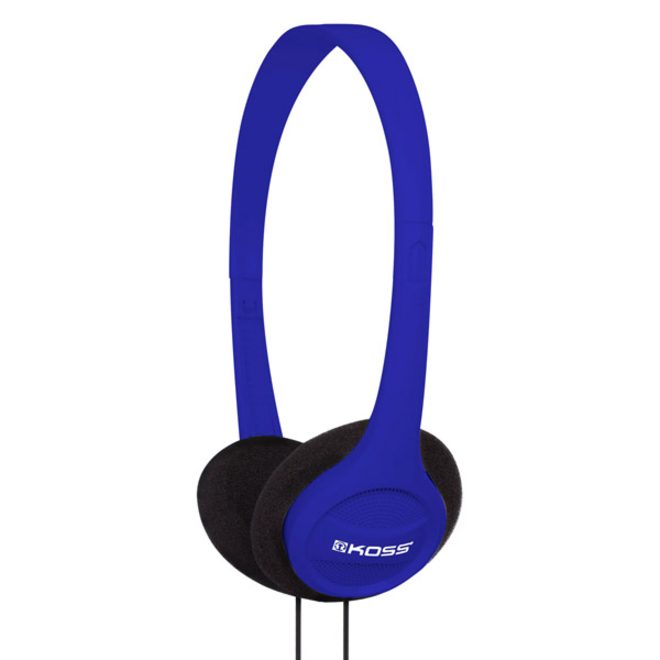
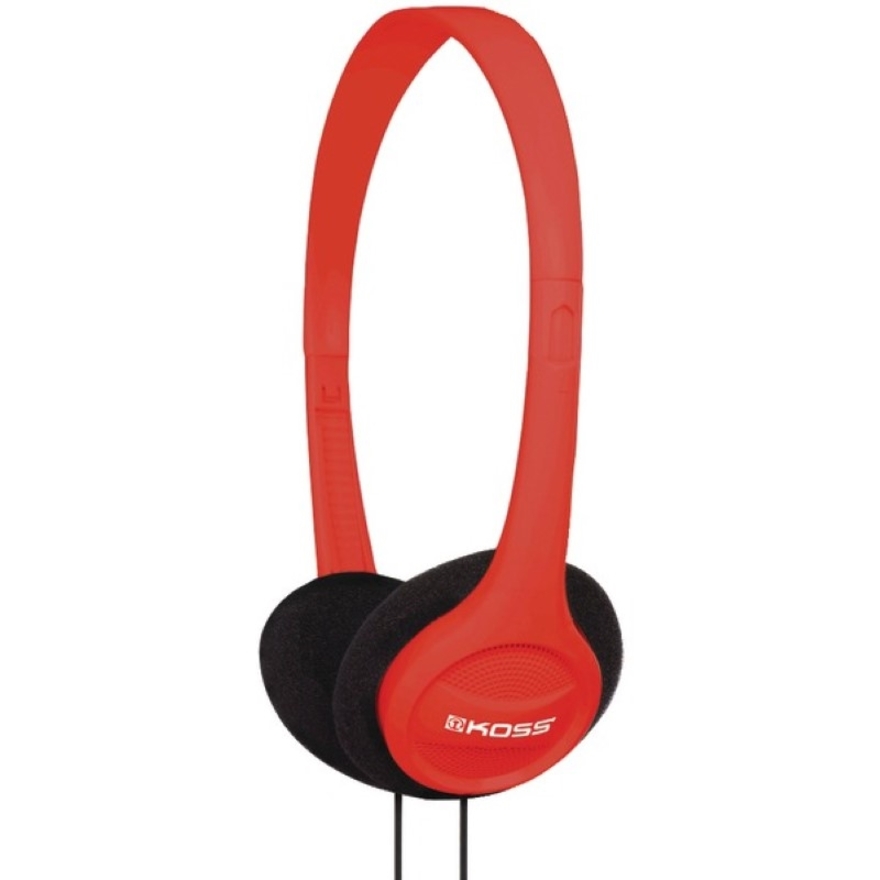
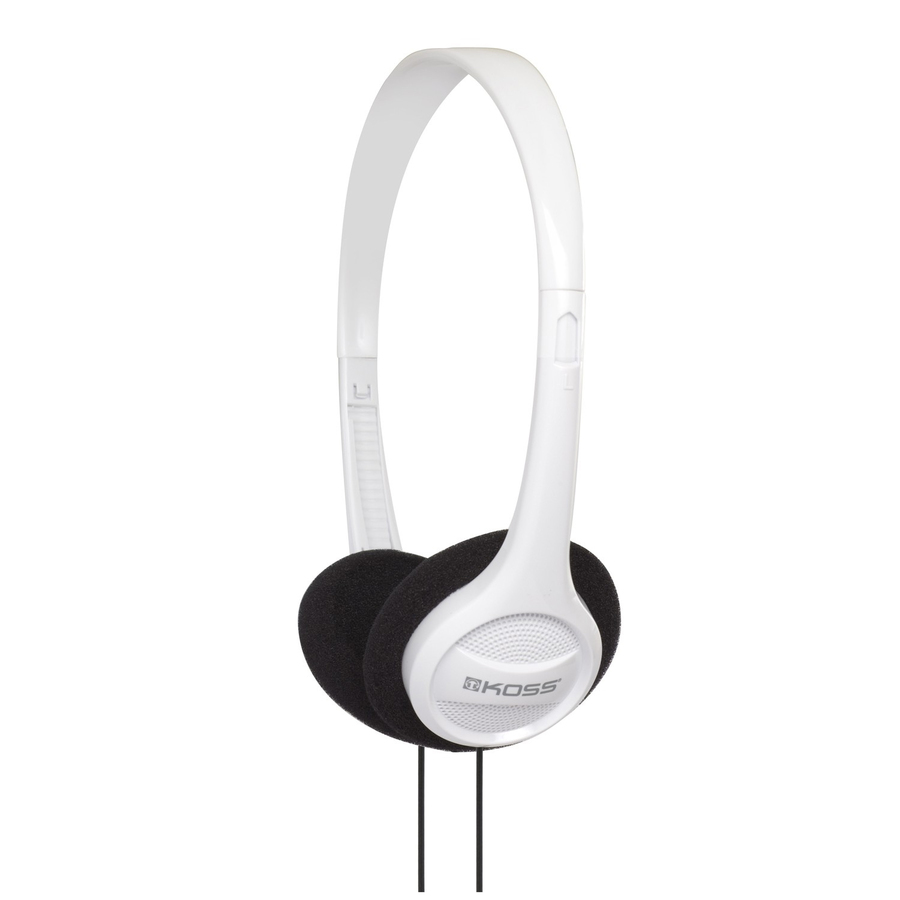
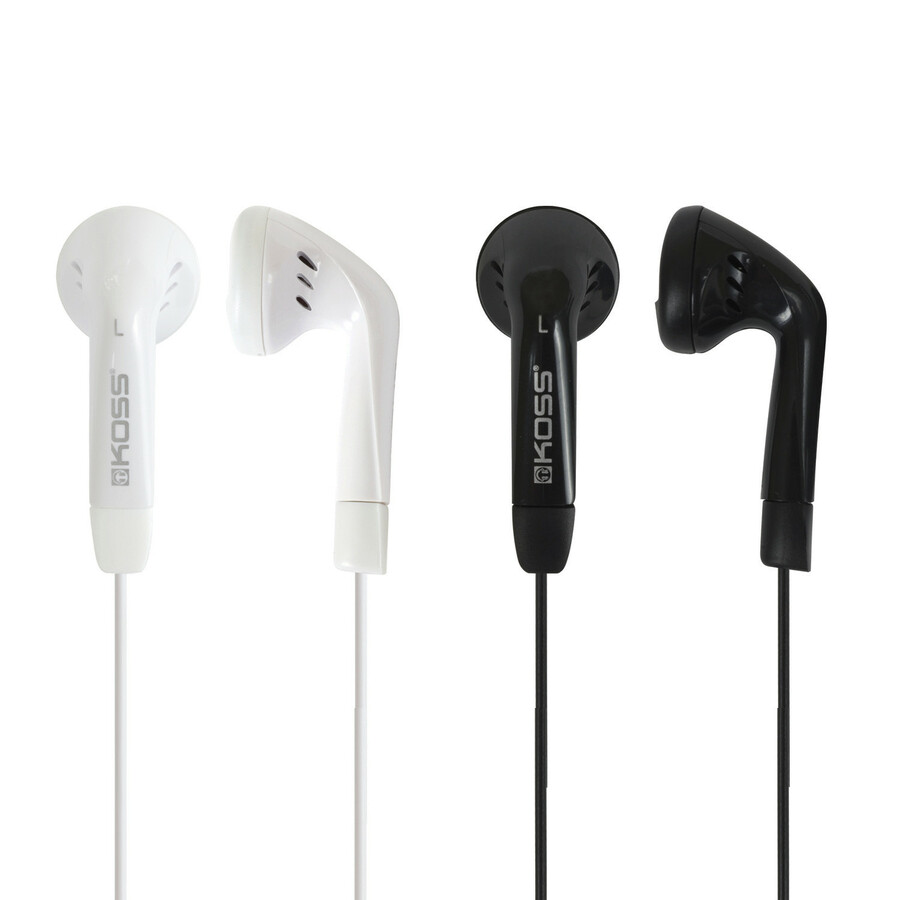
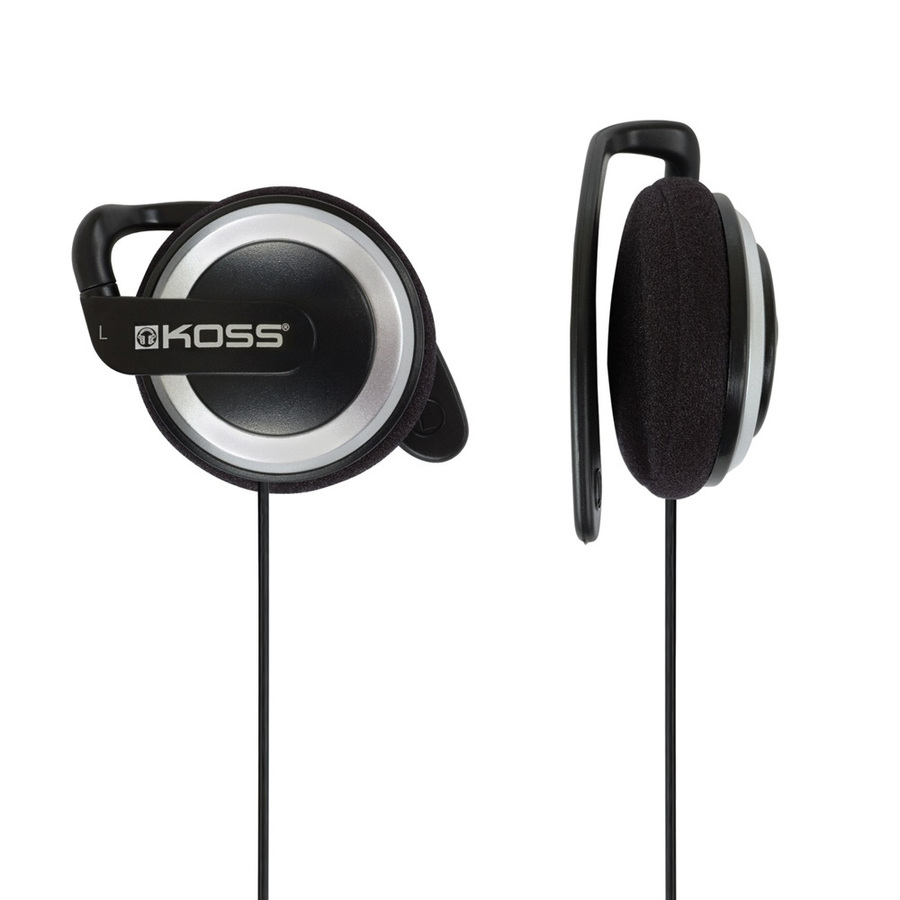
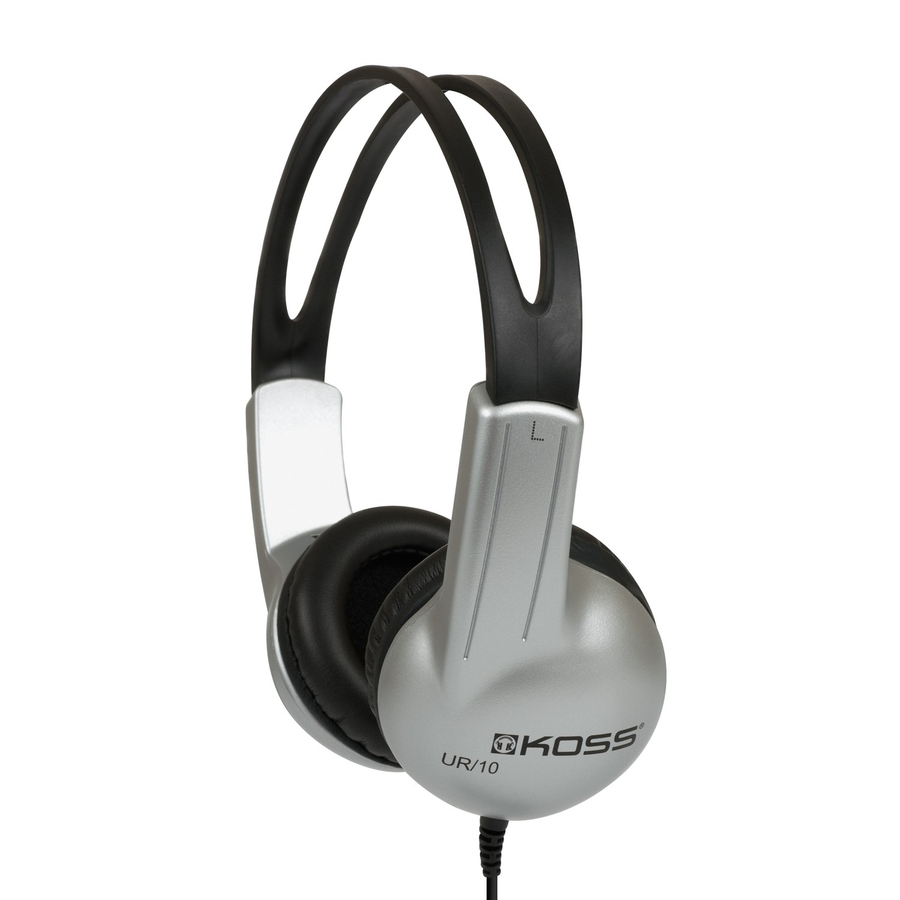
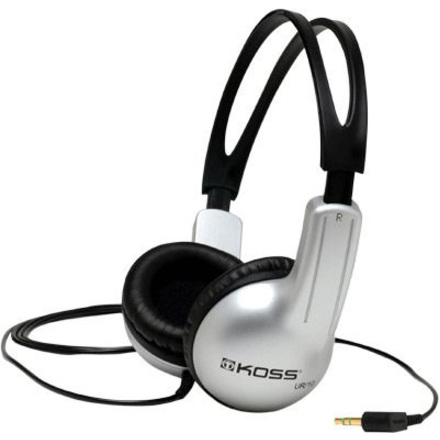
More headphones in the Uniqcli catalog
See all 133 headphonesMore Koss first — closest to what you were just looking at; “See all headphones” above opens every other brand in the category. In-stock lines lead, and a back-ordered line carries the same estimated availability its product page does — with live pricing throughout, NDAA §889 screening before checkout and TAA verified on request.
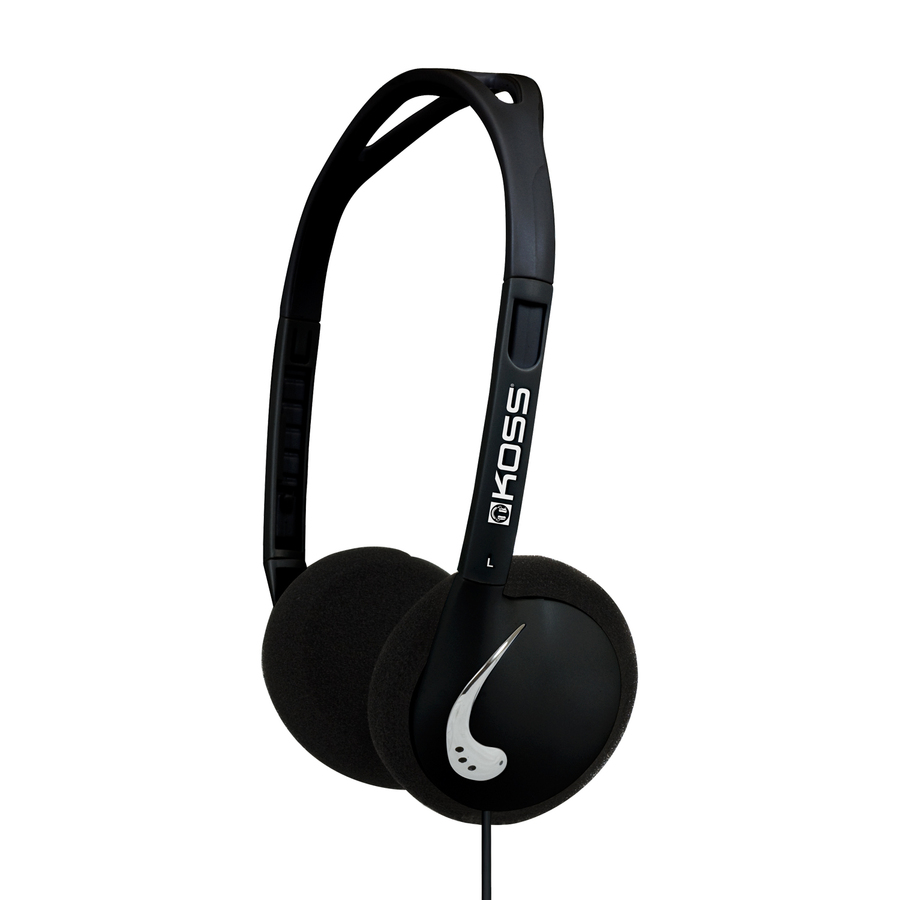
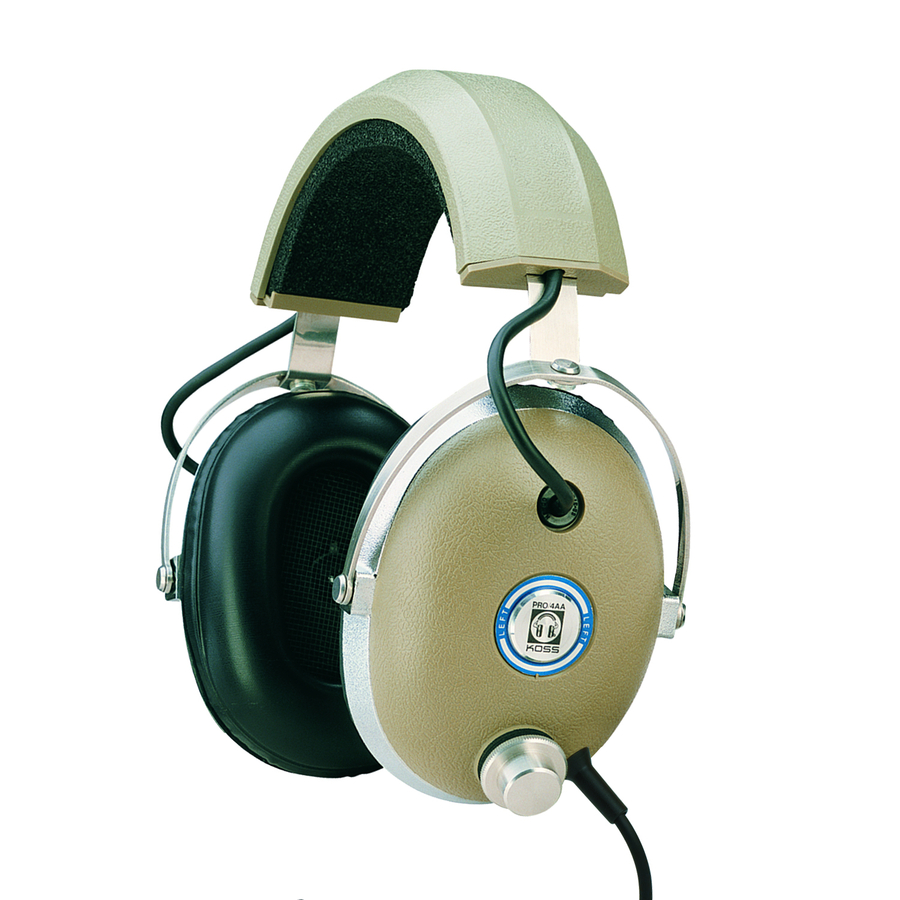
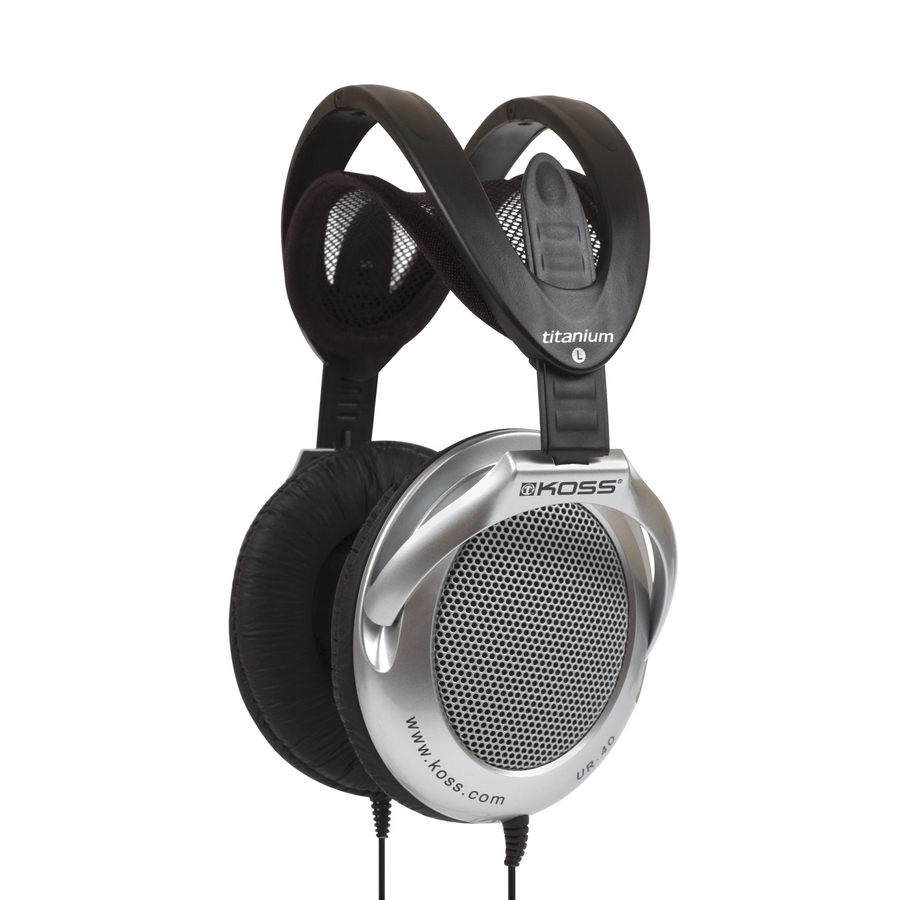
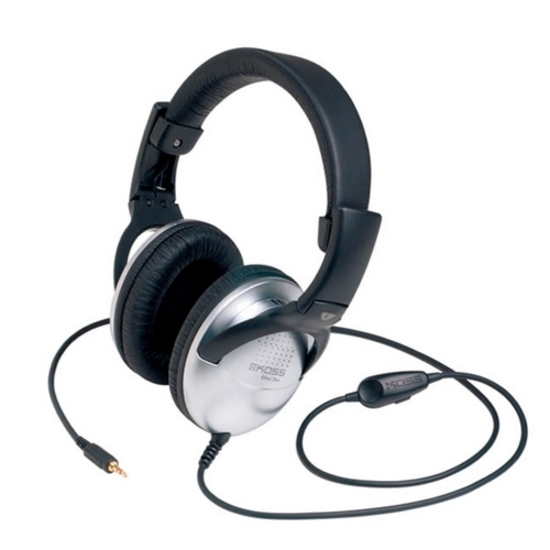
- KossKoss Pro4AA Stereophone - Wired - 10 Hz to 25 kHz - Gold Plated Connector - Binaural - 10 ft CablePRO4AA
$114.99
$83.72
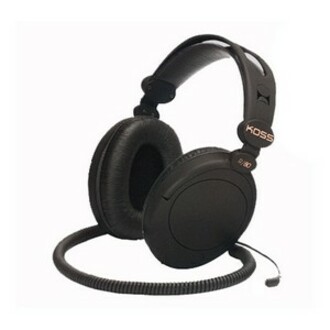
41 in stock - KossKoss R80 Stereo Headphone - Wired Connectivity - Stereo - Over-the-headR/80
$49.99
$42.48
28 in stock - KossKoss UR29 Home Stereo Headphone - Wired - 100 Ohm - 18 Hz to 20 kHz - 8 ft CableUR/29
$34.99
$32.00
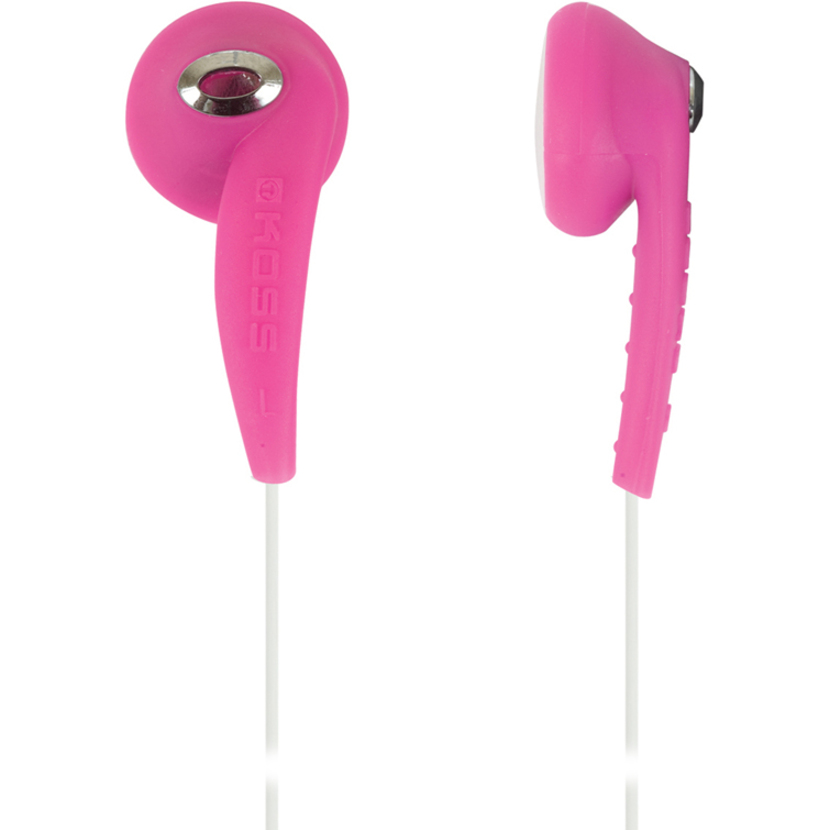
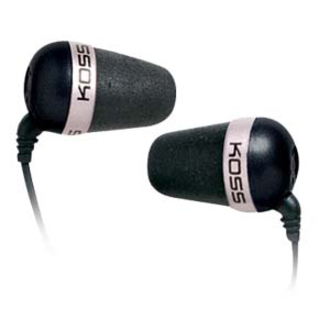
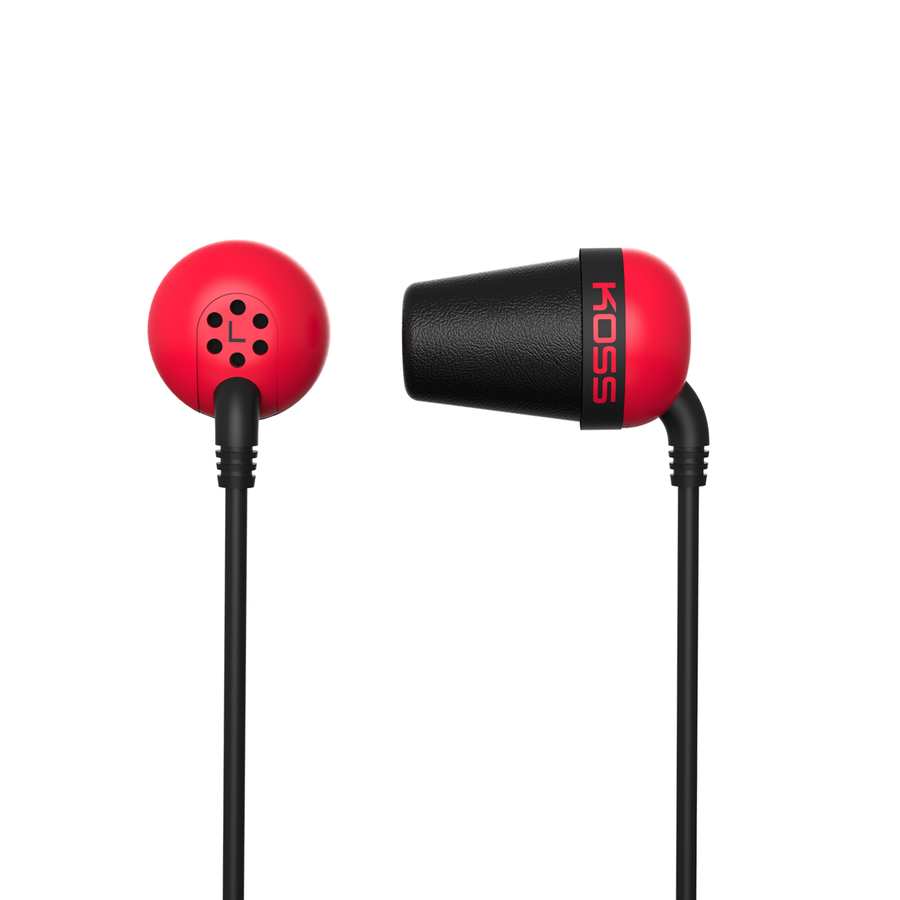
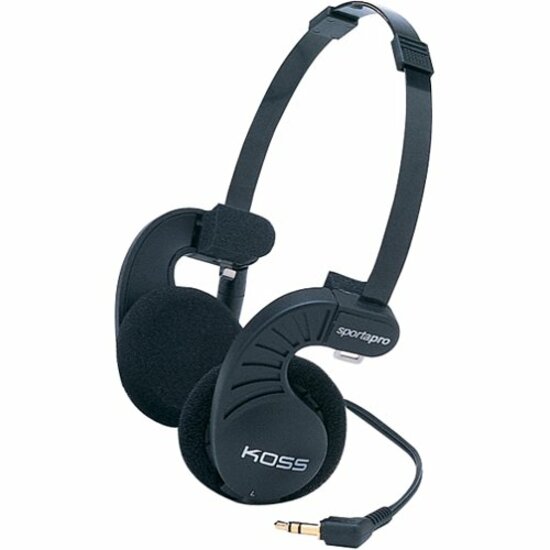
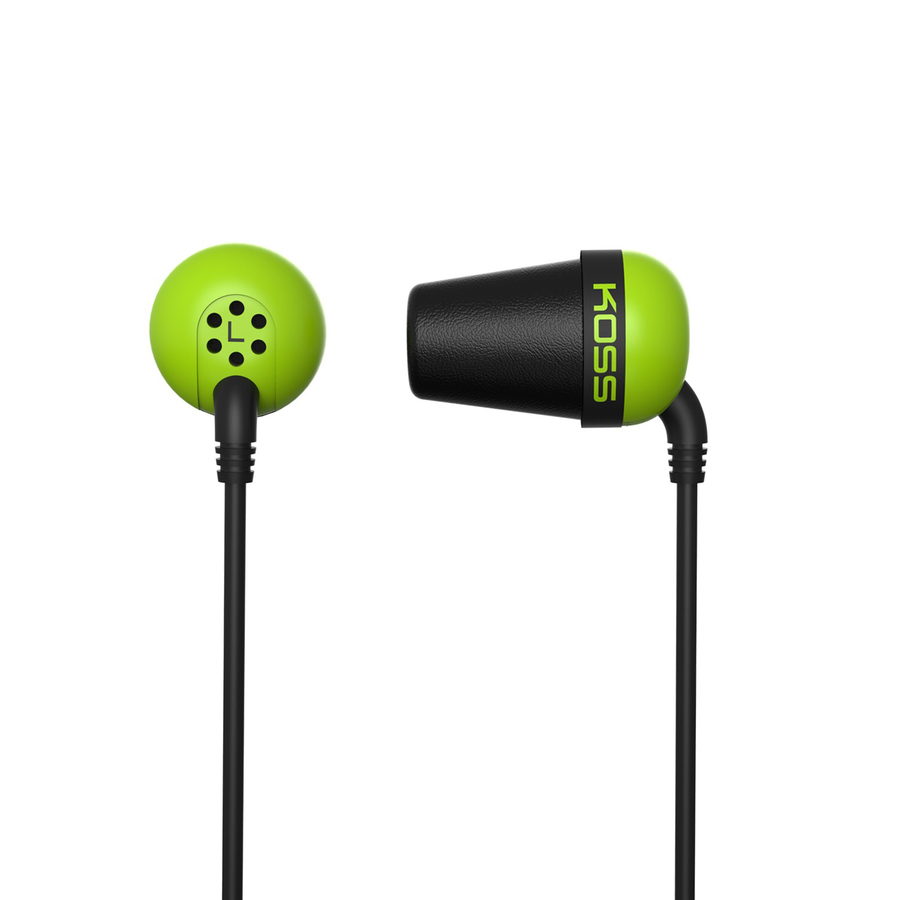
373 in stock - KossKoss Plug Earphone - Stereo - Mini-phone (3.5mm) - Wired - 16 Ohm - 10 Hz to 20 kHz - Earbud - Binaural - In-ear - 3.94 ft Cable - Green, BlackPLUG G
$22.11
Back-orderedBack-ordered — estimated OEM lead time 3–8 weeks (Nov 12 – Dec 17 if ordered today).
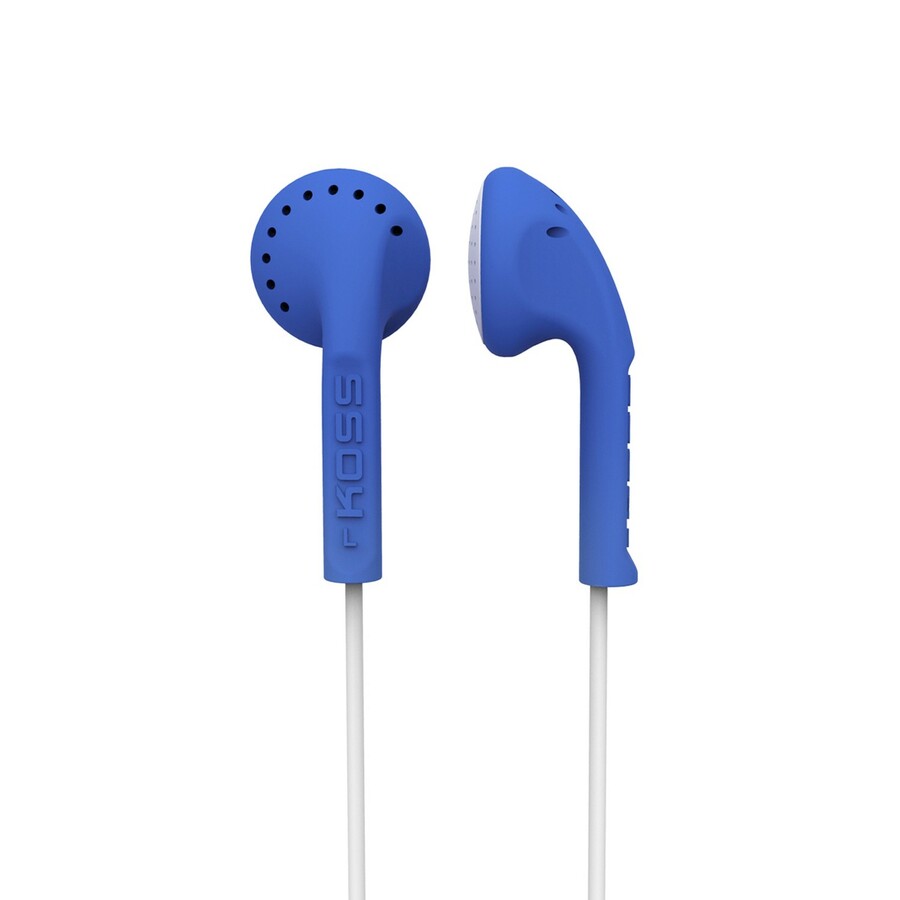
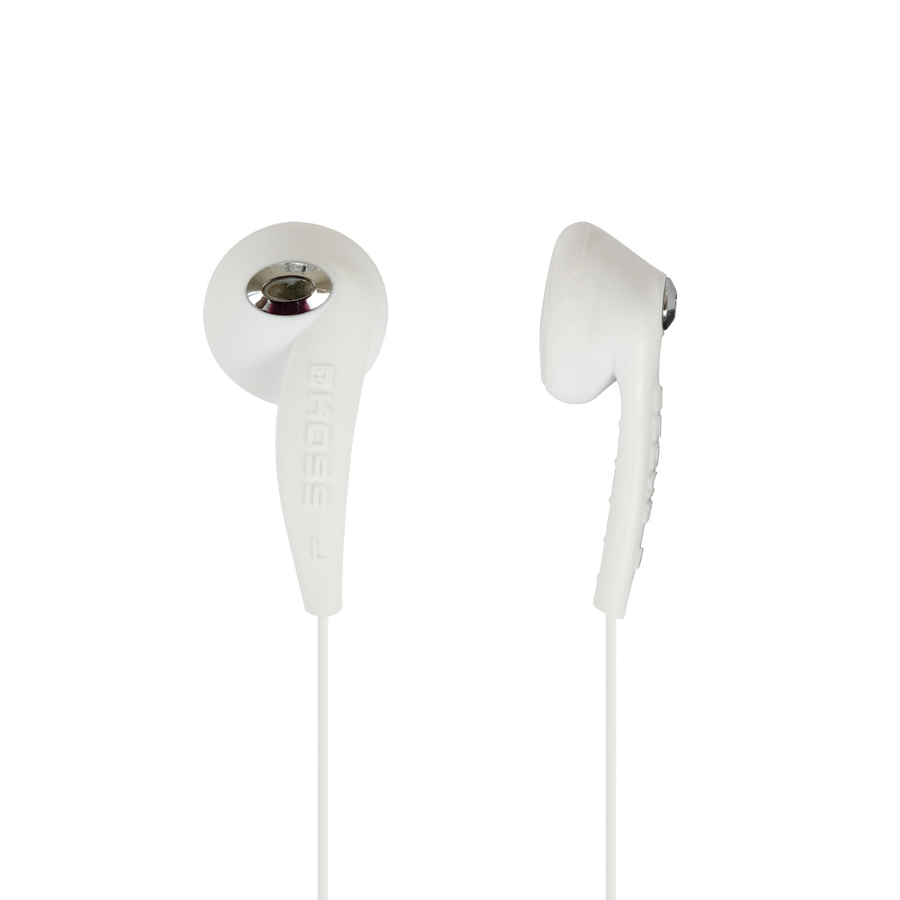
- KossKoss KE10 JAMS Earbuds - Stereo - Wired - 32 Ohm - 40 Hz to 20 kHz - Earbud - Binaural - In-ear - 4 ft Cable - WhiteKE10W
$16.84
Back-orderedBack-ordered — estimated OEM lead time 3–8 weeks (Nov 12 – Dec 17 if ordered today).
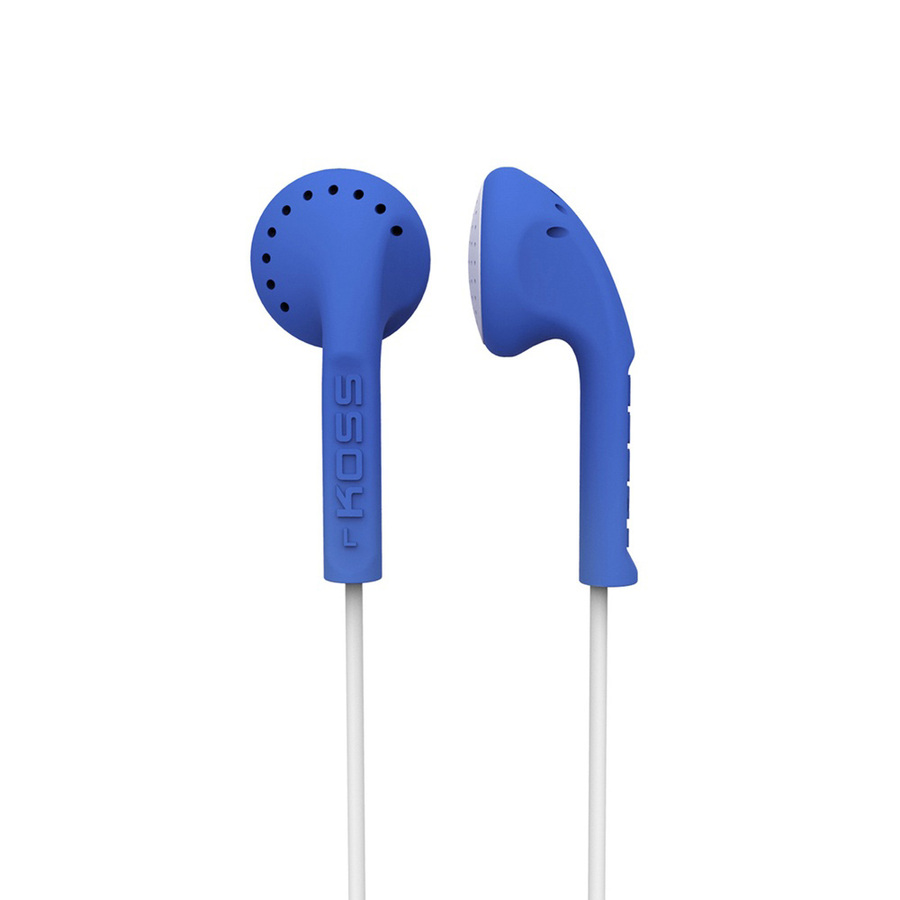
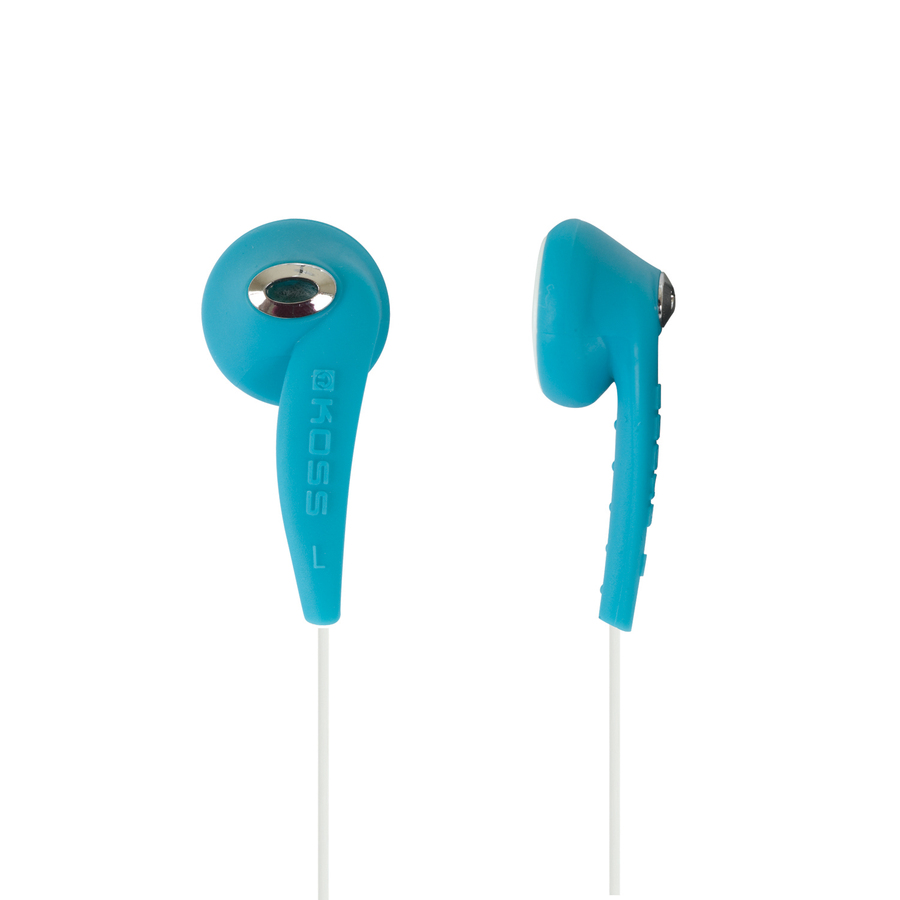
- KossKoss KE10 JAMS Earbuds - Stereo - Mini-phone (3.5mm) - Wired - 32 Ohm - 40 Hz to 20 kHz - Earbud - Binaural - Outer-ear - 4 ft Cable - OrangeKE10C
$16.47
Back-orderedBack-ordered — estimated OEM lead time 3–8 weeks (Nov 12 – Dec 17 if ordered today).
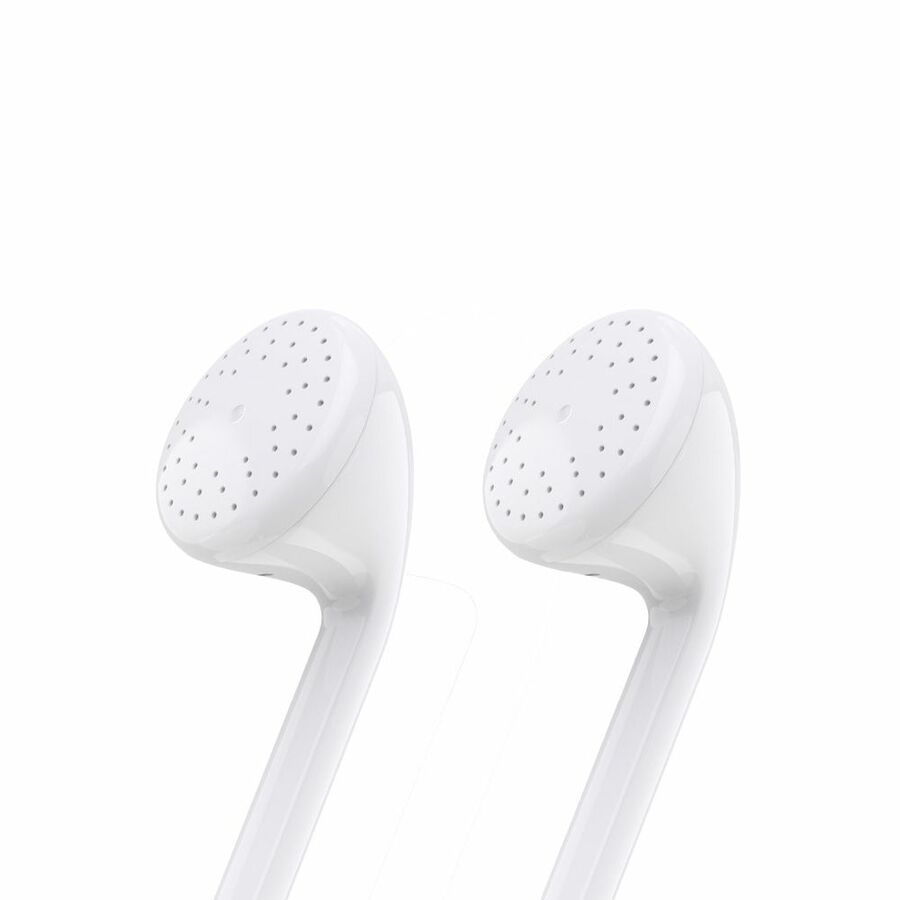
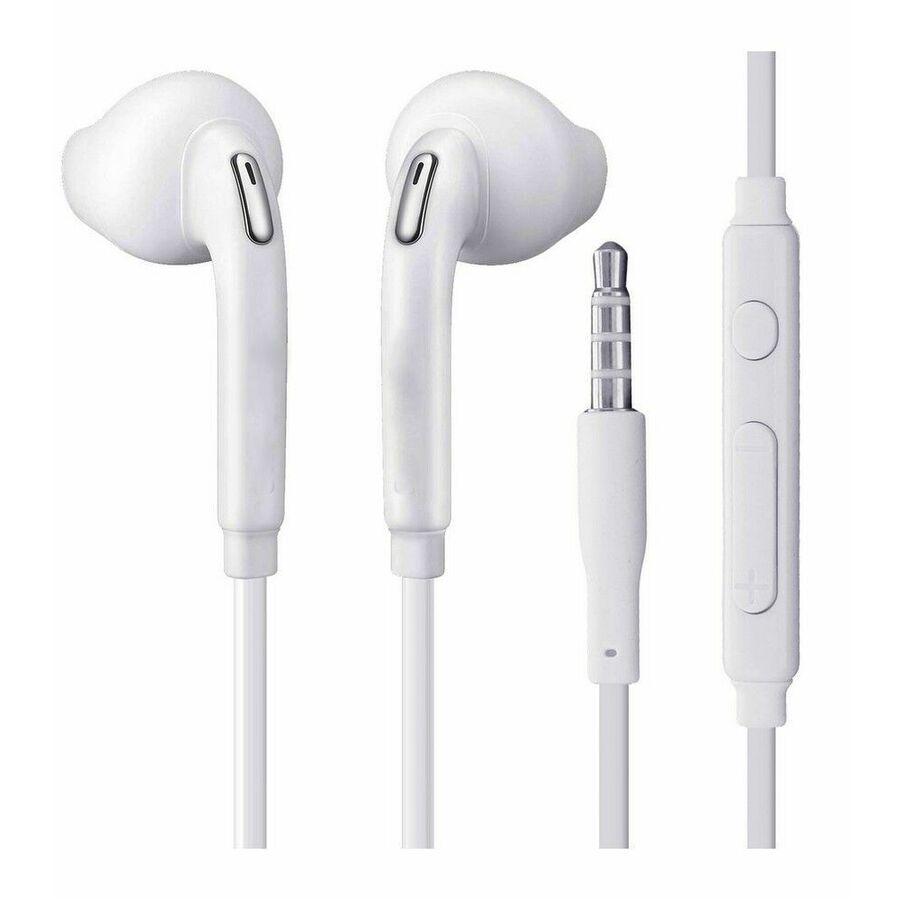
- 4XEM4XEM Earphones with Mic For iPhone/iPod/iPad - Stereo - Wired - Earbud - Binaural - Outer-ear4XEARIPOD
$21.99
$11.52
4 in stock
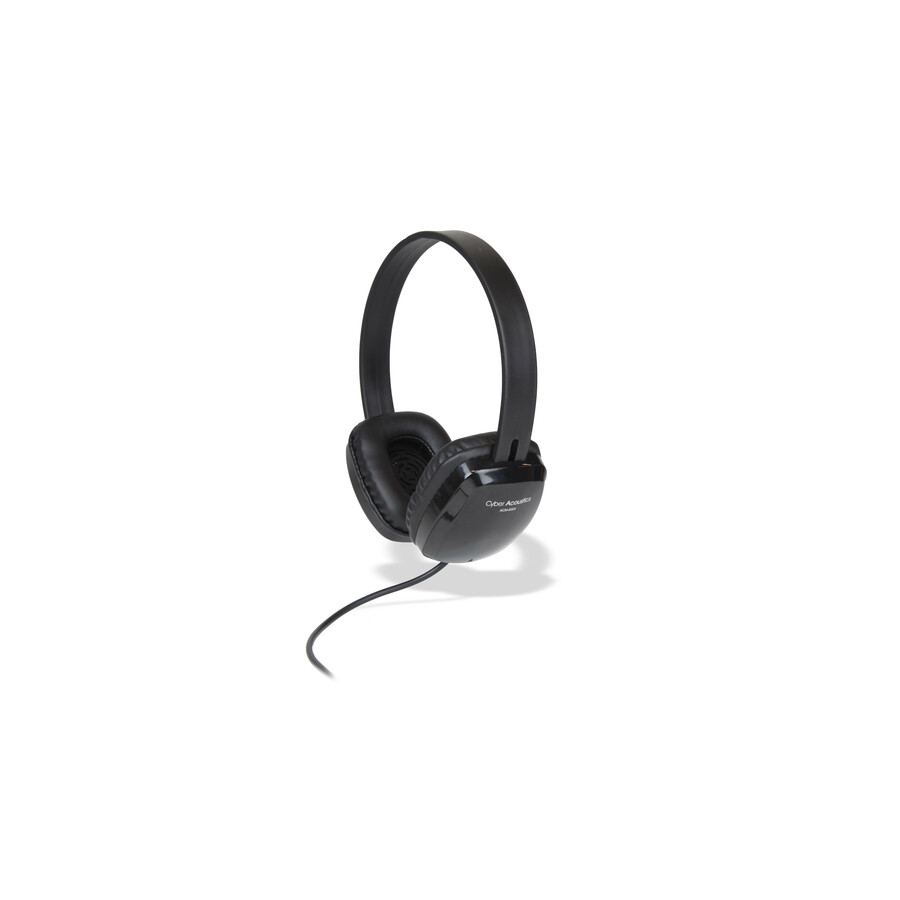
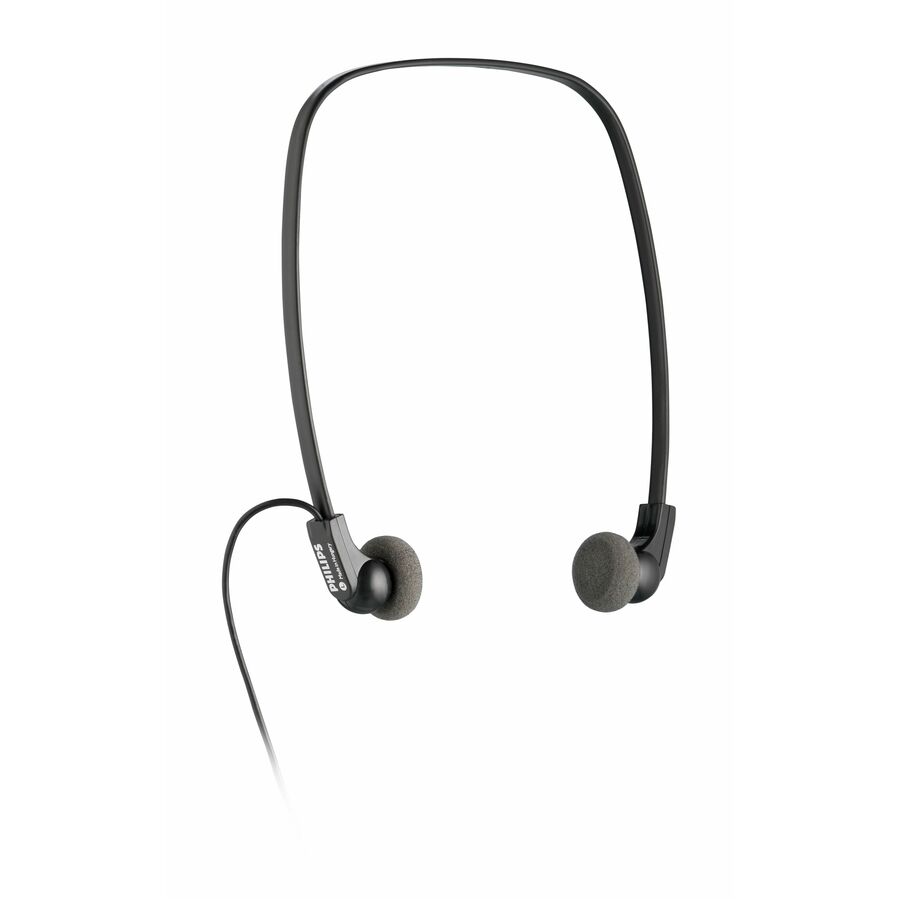
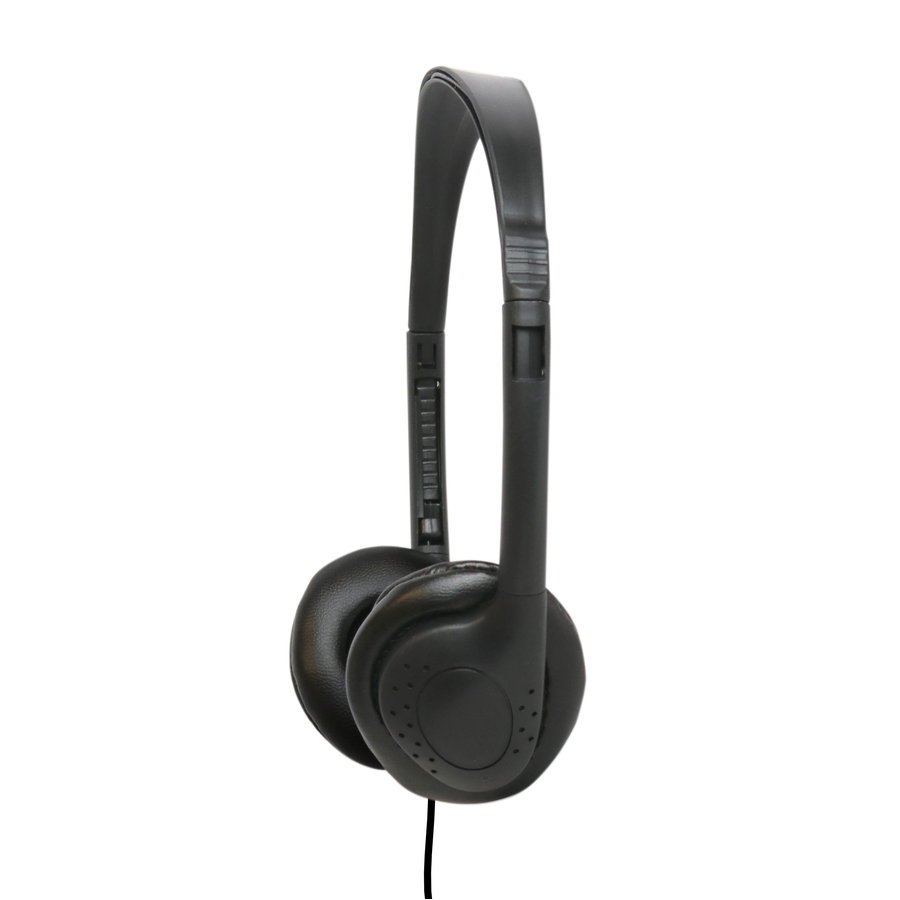

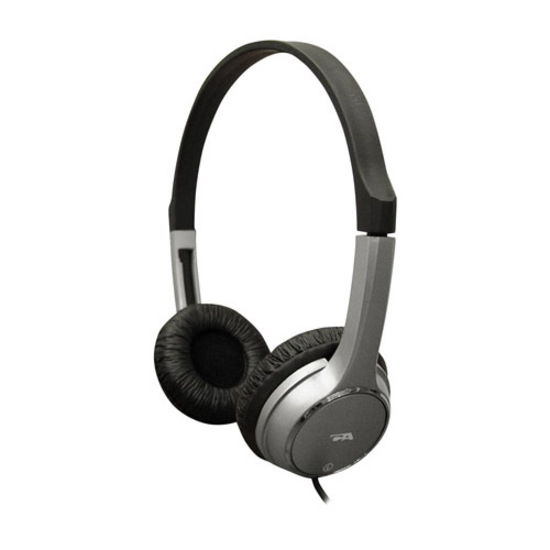
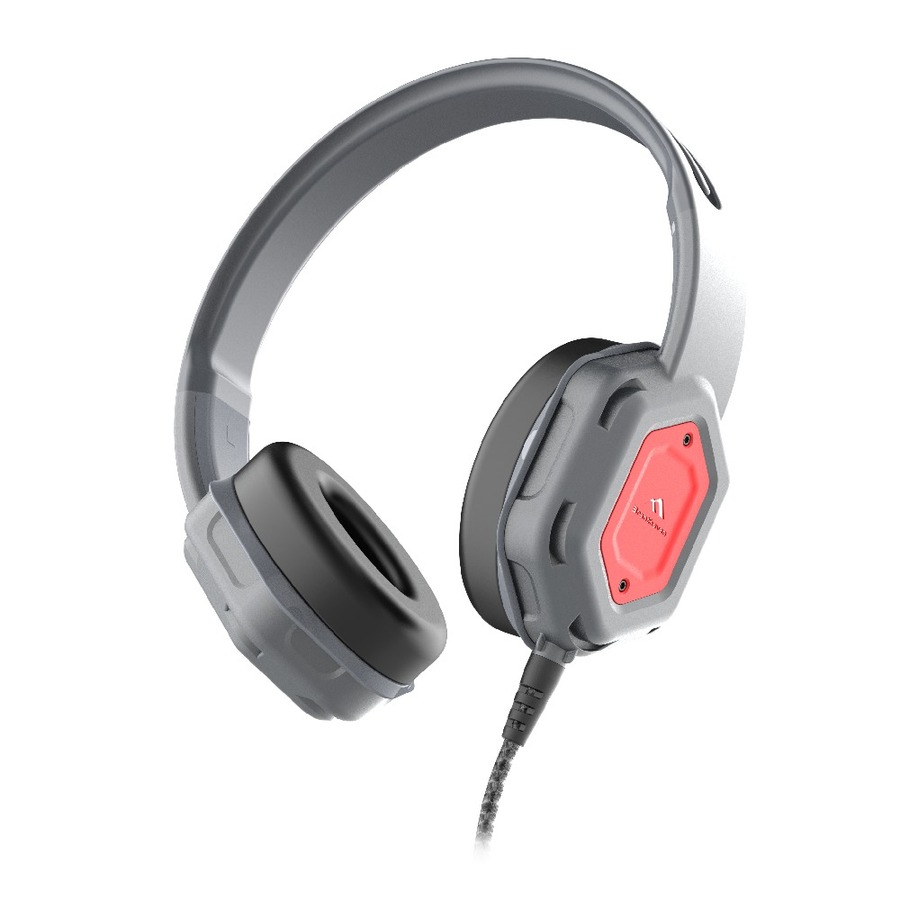

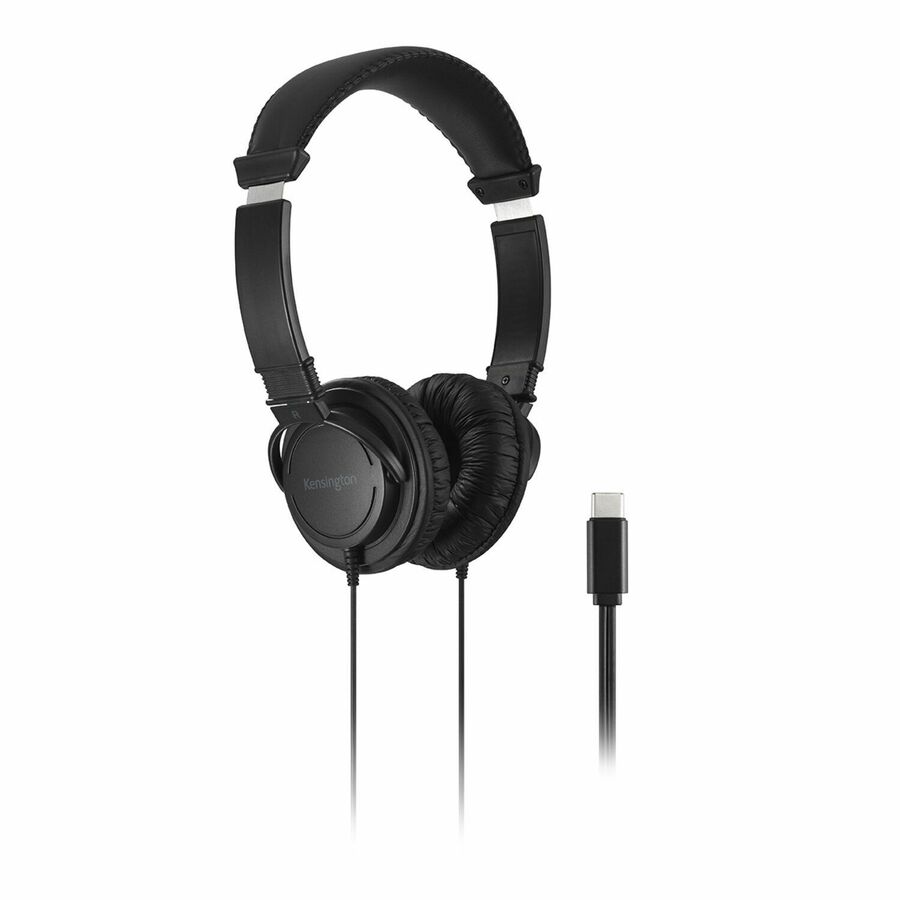

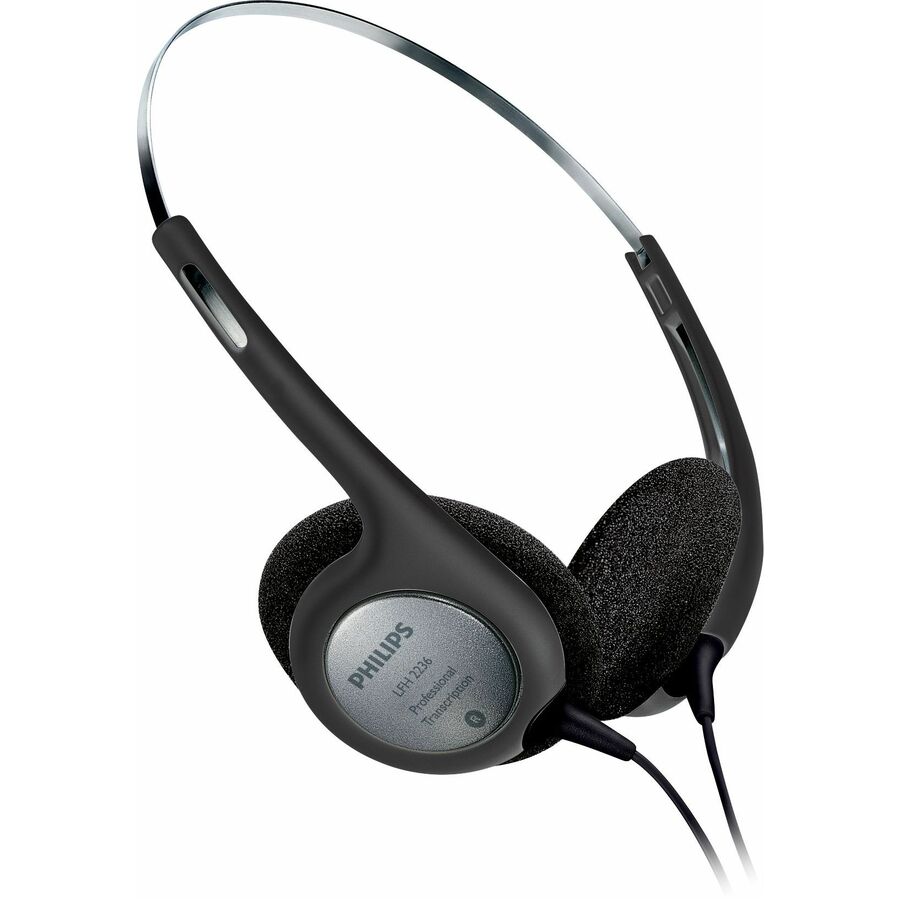

Need pricing on Koss headphones?
Tell us where to reach you and a Uniqcli specialist will follow up by email with current pricing, availability and lead time for the quantities you need — including parts that aren’t shown on this page.
Buying for an organization or for yourself — both work. No payment up front.
Classroom headphones are the least glamorous line on a technology requisition and one of the few where a district can still reliably get what it needs, in quantity, this week. Koss is the deepest position we hold in this category: thirty-five photographed, priced lines, thirty-one of them in stock as this guide is written, at price points that survive being issued per student rather than per room. The grid above is live, so read it for the current picture — but availability here has been consistently better than almost anything else in an education order.
Start with the question that decides whether this page is relevant at all. None of the Koss lines we hold carry a microphone. If your requirement is driven by an assessment platform, a language lab, or a remote-instruction workflow that needs students to speak, this is the wrong category and you want a headset instead — our Jabra headset guide covers the UC-certified end of that, and a rep can scope the volume side. If the requirement is listening only, which covers most reading platforms, media work, differentiated instruction and general lab use, Koss is a serious answer at a price that lets you buy enough.
The range splits into three bands that behave very differently in a school. Around three to eight dollars sit the true bulk-issue models — the sort of thing a district buys a thousand of and treats as an annual consumable. Between roughly twelve and thirty dollars are the mid-tier portables and earbuds. Above that, in the high thirties to mid seventies, are the lab and studio models that belong on a small number of specific workstations rather than in a class set.
Buyer's checklist
How to specify classroom headphones for a district
- Settle the microphone question first. Nothing on this page has one. If an assessment or language platform requires student speech, specify a headset instead and keep the two purchases separate rather than compromising on one product for both.
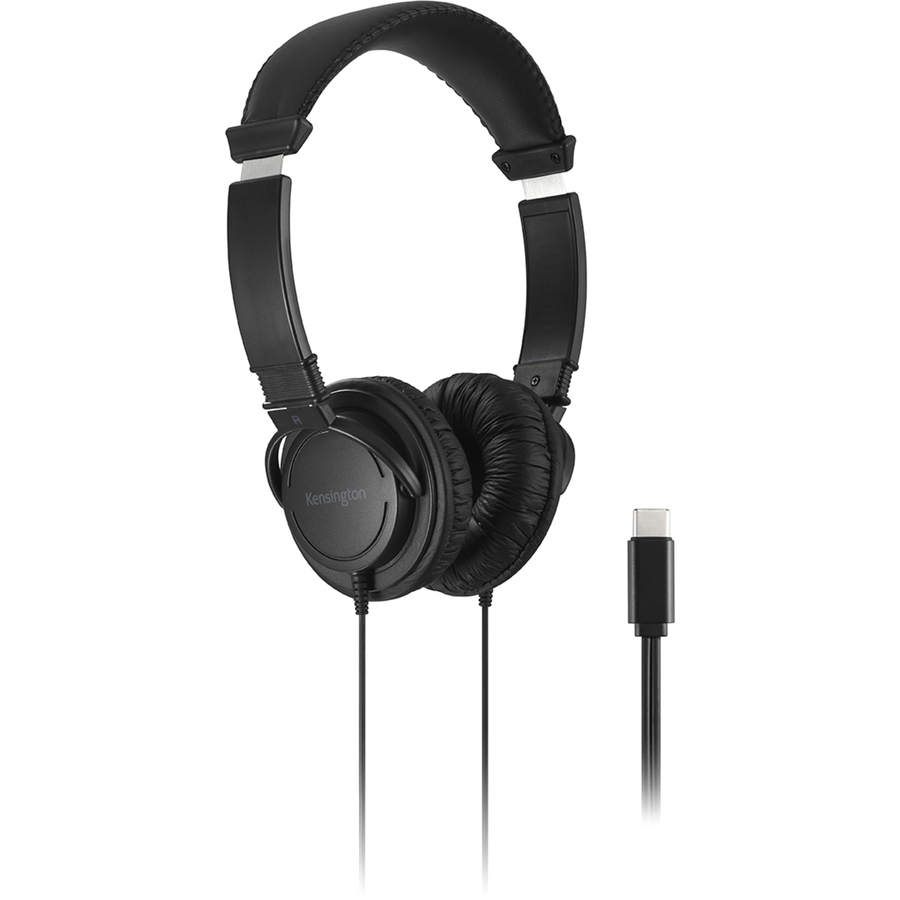
- Check the connector against the devices, not against the last order. Some newer Chromebooks and tablets have no 3.5 mm jack, and a USB-C adapter per student is a second consumable with its own failure rate and its own budget line.
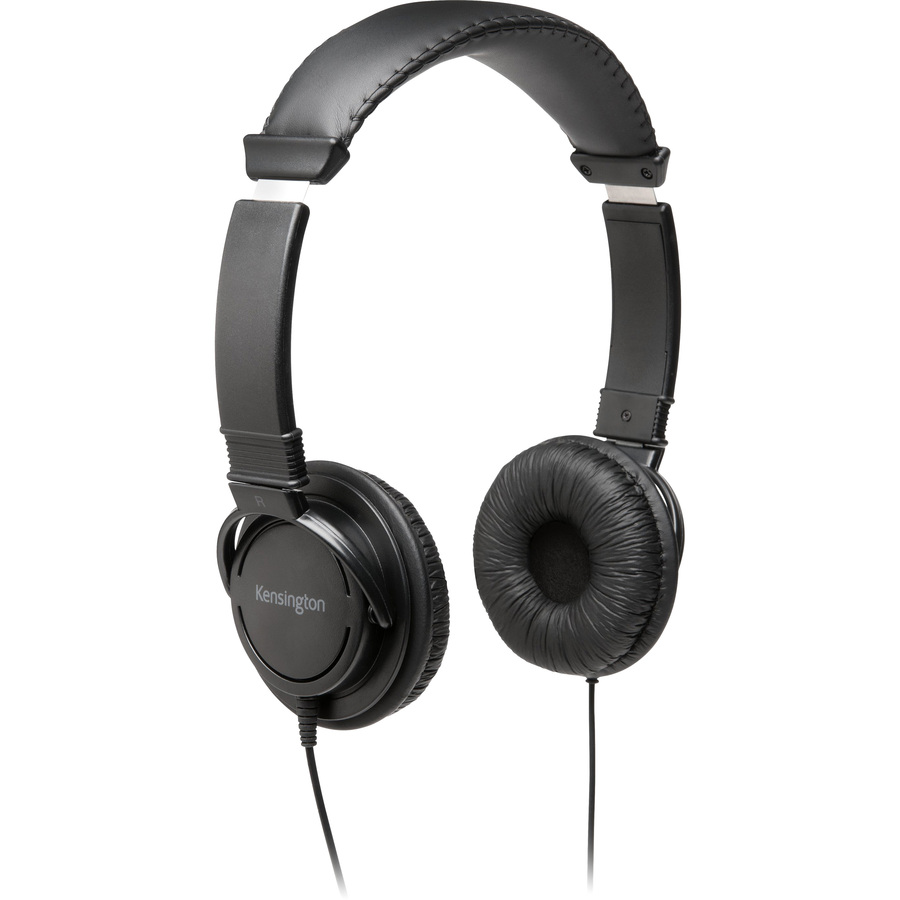
- Match the form factor to how the headphones are used. Over-ear cups suit shared and rotating use because the contact surface can be wiped down; earbuds and in-ear models are personal-issue only and should never be pooled between students.
- Watch impedance if the devices are underpowered. Most models here are around thirty-two ohms; a few are sixty or a hundred. Higher-impedance headphones can play noticeably quieter from a low-power laptop or tablet jack, which is a support ticket waiting to happen in a noisy room.
- Read the cable length against the room. Most lines are around four feet, which is right for a device on a student desk; the eight and ten-foot models exist for lab benches and fixed workstations where the machine is further away.
- If you require volume-limited headphones for younger grades, say so explicitly. None of these lines states a volume limit, and it should be a written requirement on the quote rather than an assumption.
- Standardize on a single part number per building. Replacements come off a shelf rather than out of a purchase order, and one model means one spare pile and one set of expectations.
- Budget for annual replacement at the bulk tier rather than pretending these are a three-year asset. At three to eight dollars a unit, replacement is the honest maintenance strategy and it is much cheaper than the labor of repairing anything.
- Order spares in the same purchase order at ten to fifteen percent, and store them where the teachers are. A spare in a district warehouse does not stop a lesson being disrupted.
The bulk-issue tier: what three to eight dollars actually buys
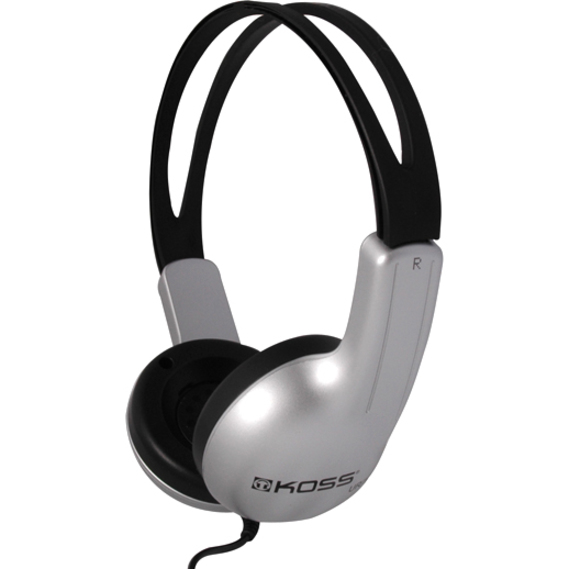
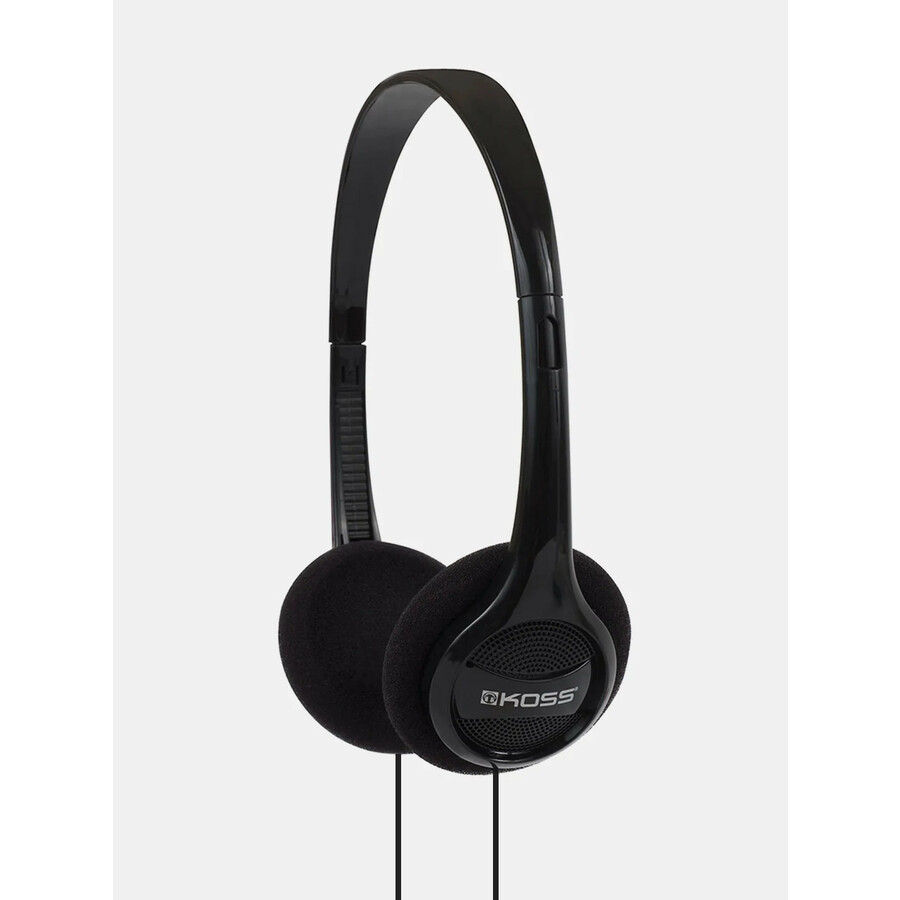
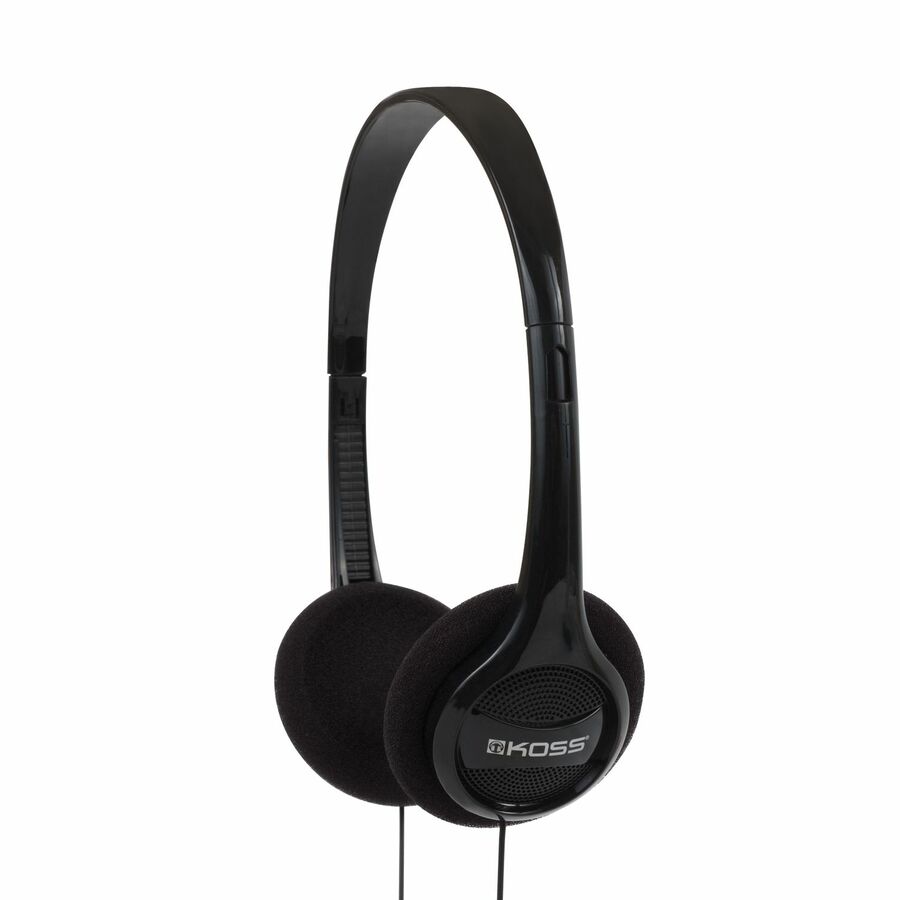
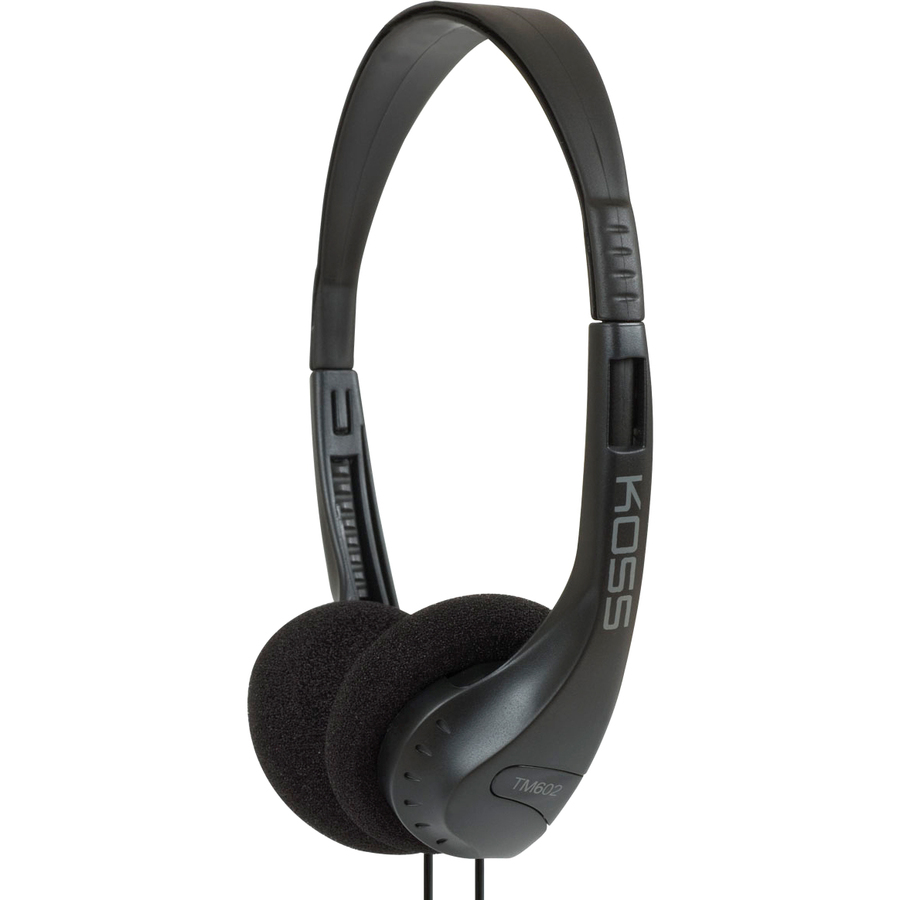
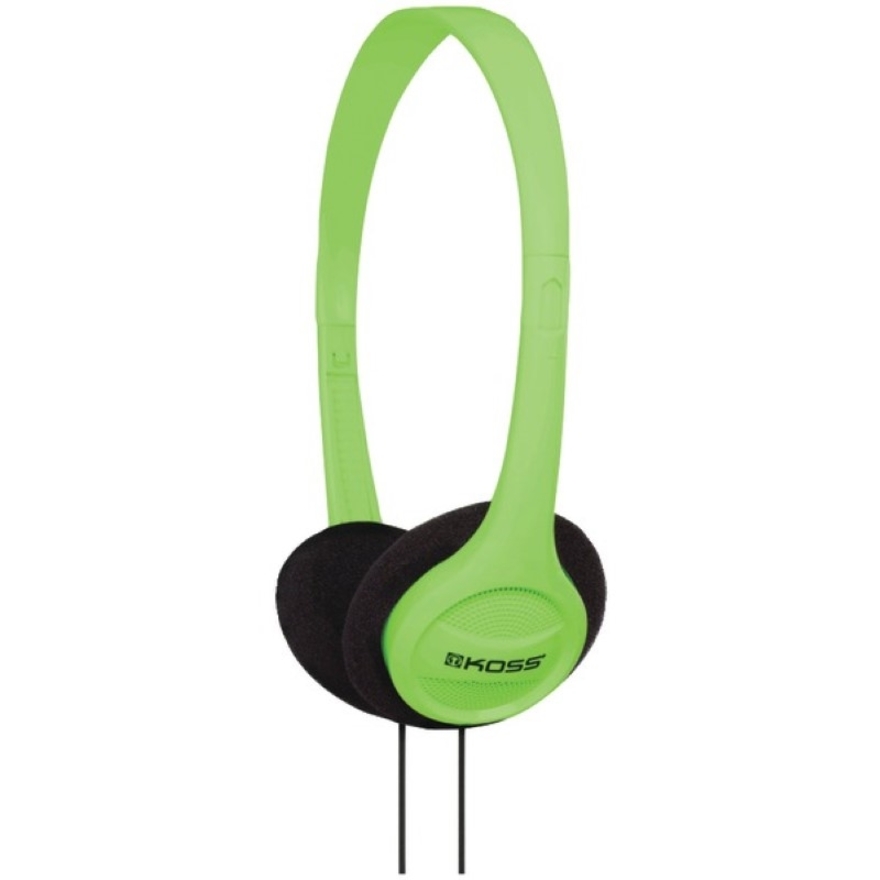
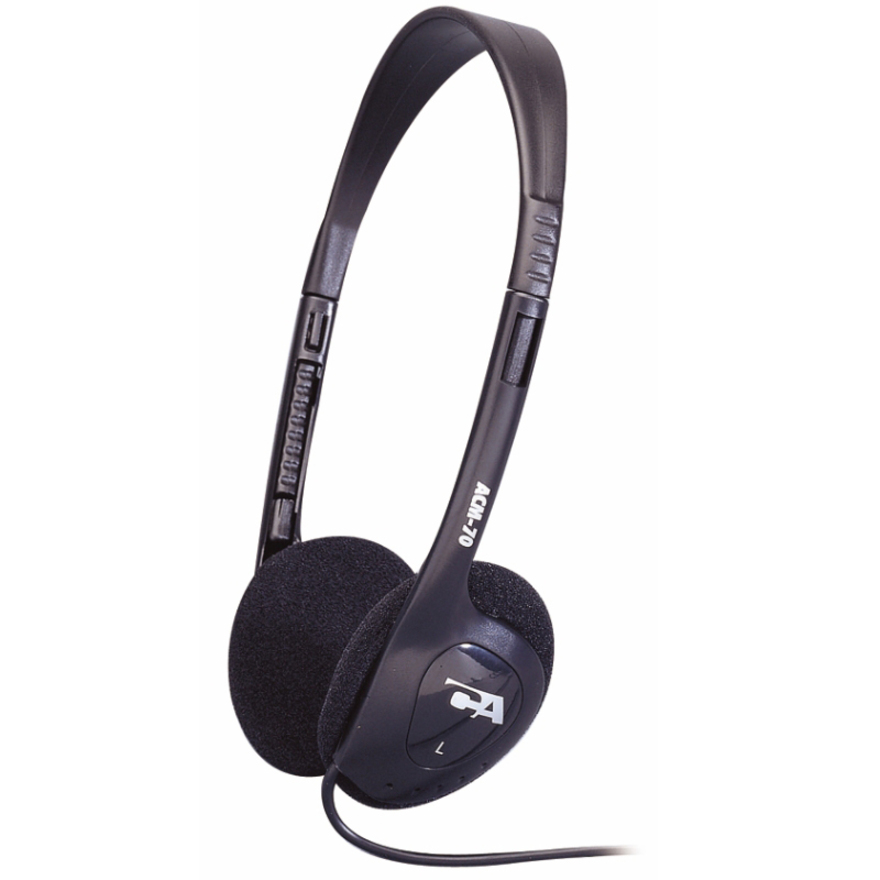
This is the band that makes a per-student issue possible, and the lines in it are built accordingly. The ED1TC — which Koss lists as an institutional model — is a circumaural over-ear design on a four-foot cable, and it is the closest thing in the range to a purpose-built school headphone. Alongside it sit the UR10 and UR10 HB in supra-aural and circumaural versions, the KPH7 on-ear near the bottom of the range, the TM602, and the KSC21 ear clip.
What you are not buying at this price is durability of the cable. Across every brand, the cable and its strain relief is the part that fails in a classroom, usually because a device is picked up while the headphones are still plugged in. No amount of specification fixes that, and the sensible response is a replacement policy rather than a repair one. Treat these as an annual consumable, order accordingly, and put the money you would have spent on a sturdier model into buying more of them.
The one specification worth choosing carefully at this tier is over-ear versus on-ear. Over-ear circumaural cups sit around the ear and isolate a little better, which matters in a room with thirty students doing different things. On-ear supra-aural models are lighter and cooler for long sessions and cost slightly less. For a shared class set that rotates between groups, the over-ear cup is also the easier surface to wipe down between users.
Earbuds, ear clips and the shared-use rule
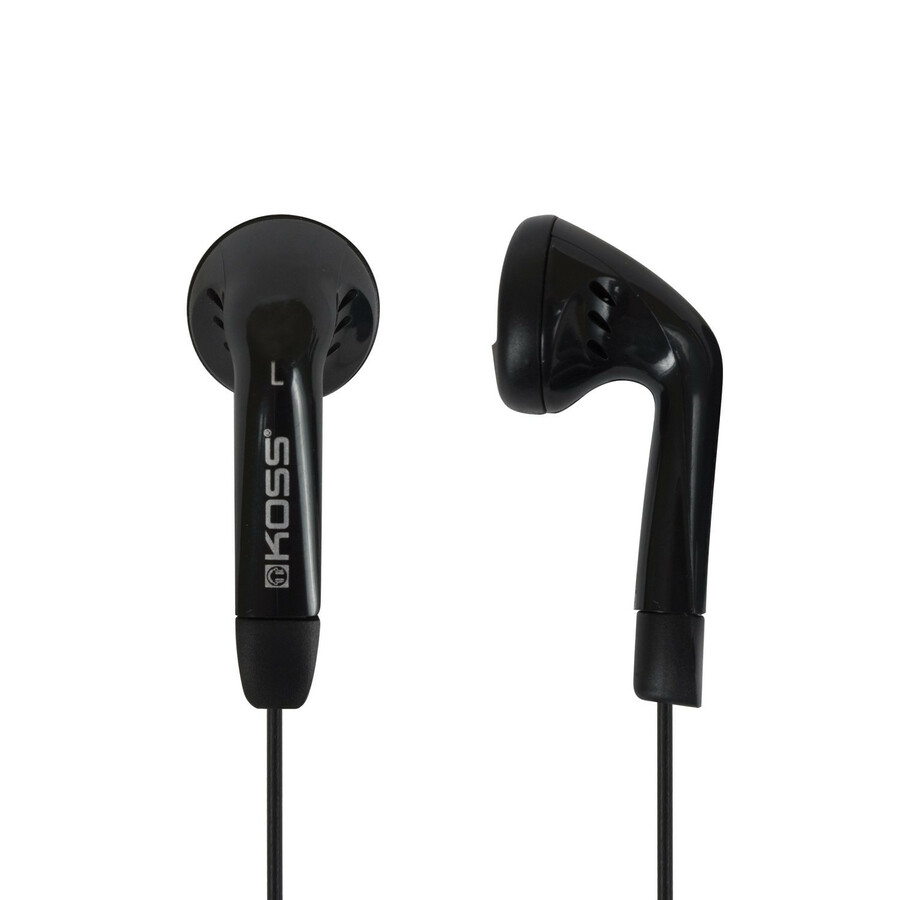
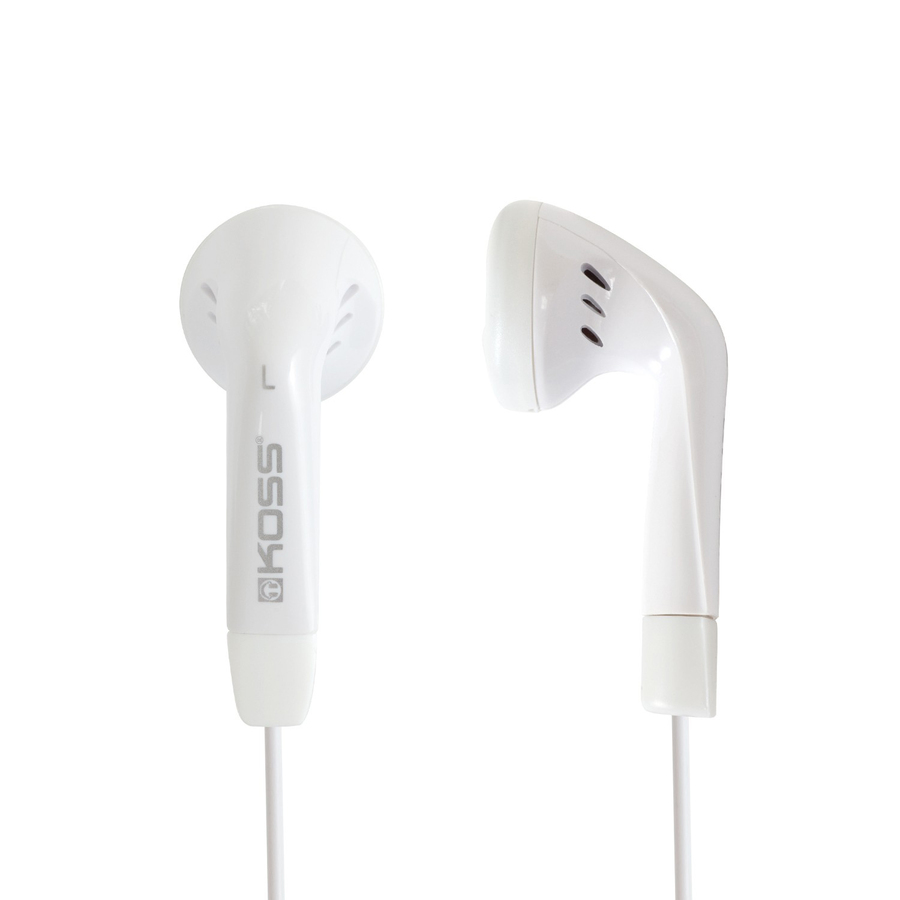
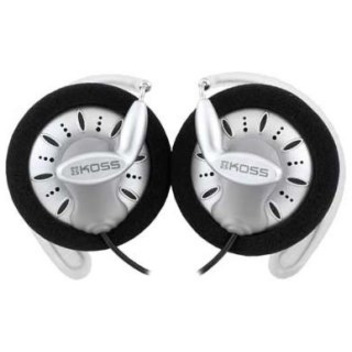
The mid-band includes several earbud and in-ear models — the Plug range, the KE7 and KE10 families — at five to thirteen dollars, plus ear-clip designs like the KSC75 and KSC21 that hook over the ear without a headband. They are compact, they store easily, and they are attractive for a school that has run out of drawer space.
They come with a firm operational rule: anything that goes into the ear canal is personal issue. Earbuds should be assigned to a named student and stay with that student, or they should not be bought. Pooling in-ear devices between students in a class set is not a defensible practice and it is the sort of thing that surfaces in a parent complaint rather than an audit. If your program cannot support named issue, buy over-ear models and pool those instead.
Ear clips sit awkwardly between the two — they rest on the outer ear rather than in the canal, which makes them more tolerable in a shared set than an earbud, but they are still a close-contact item and they are fiddly for younger students to fit. In practice they work best for older students and for staff, and less well as a primary class set.
The lab tier, and where it belongs
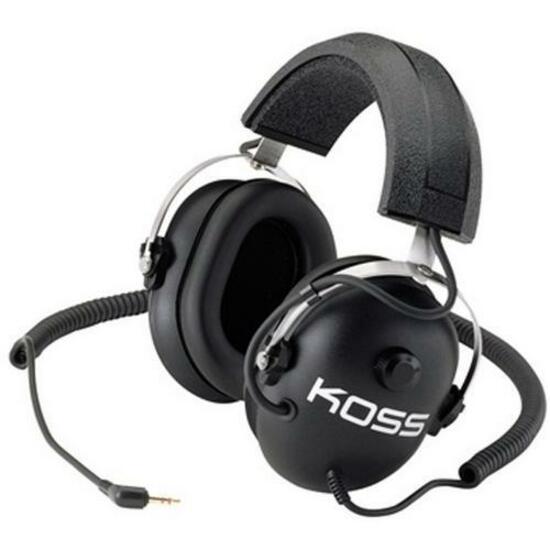
Above thirty-five dollars the range changes character. The R80 and the QZ99 are full-size stereo headphones on longer cables — the QZ99 at sixty ohms on an eight-foot lead — and the Pro4AA is a studio-oriented model on a ten-foot cable with a gold-plated connector. These are not class-set purchases and specifying them as one is how a headphone budget disappears.
Where they earn their place is on a small number of specific stations: a media or recording elective, a music technology room, a video editing workstation, a library listening station that runs all day. The longer cables are the practical reason as much as the audio quality — a lab bench with a machine under the desk needs eight or ten feet, not four, and a student tethered on a short lead will eventually pull something over.
One caution on the higher-impedance models. The UR29 at a hundred ohms and the QZ99 at sixty will draw less current from a given source than a thirty-two ohm model, which in practice means they can sound quieter from a Chromebook headphone jack than the cheap headphones next to them. On a desktop or a dedicated audio interface that is a non-issue. On a class set of low-power devices, it is a support ticket, so keep the high-impedance models on the machines that can drive them.
Connectors, hygiene and the practical run of a school year
The connector question is the one that has changed most and gets checked least. Everything on this page is a wired analog headphone, and most lines list a 3.5 mm mini-phone plug. A growing share of education Chromebooks and tablets no longer have that jack. If yours do not, the headphone order needs a matching USB-C adapter order, and those adapters are their own consumable with their own loss rate — budget them at the same replacement percentage as the headphones themselves, not as a one-off.
Hygiene between users is a policy question rather than a product one, but the product choice constrains the policy. Over-ear cups with a wipeable surface support a rotating class set. Earbuds do not. Whatever you choose, put the cleaning expectation in writing for the staff who manage the set, and put a supply of appropriate wipes in the same room as the headphones — a policy that requires a walk to another building is a policy that does not happen.
Finally, order the spares with the initial order and store them in the building. The most common failure mode is not a defective product; it is that a set of thirty has become a set of twenty-four by February and a lesson is now planned around equipment that does not exist. Ten to fifteen percent, on a shelf, in the same room, closes that gap for the cost of a rounding error on the requisition. Send us the device model, the student count and whether a microphone is required, and we will quote against what is genuinely on the shelf.
FAQ
Common questions
- Do any of these Koss headphones have a microphone?
- No. None of the Koss lines we hold in this category carry a microphone — they are listening devices only. If your requirement is driven by an assessment platform, a language lab, or remote instruction where students need to speak, specify a headset instead. Keep the two as separate line items rather than compromising on one product that does neither job well.
- Which model should a district standardize on for a class set?
- For a shared, rotating class set, an over-ear circumaural model in the three-to-eight-dollar band is the usual answer — the contact surface can be wiped between users and the price supports replacing rather than repairing. Standardize on one part number per building so replacements come off a shelf, and hold ten to fifteen percent as spares in the same room as the set.
- Our Chromebooks have no headphone jack. What then?
- You need a USB-C adapter for each headphone, and it should be on the same requisition rather than added later. Adapters are their own consumable with their own loss rate, so budget spares for them at the same percentage as the headphones. Check the actual devices rather than the last order — jack availability varies between models in the same fleet.
- Can we issue earbuds instead of over-ear headphones?
- Only as personal issue to a named student. Anything that enters the ear canal should not be pooled between students in a shared class set. If your program cannot support named assignment and storage, buy over-ear models and pool those instead — the cost difference is small and the practice question disappears.
- Are any of these volume-limited for younger students?
- None of these lines states a volume limit, and we will not imply one. If volume limiting is a district requirement for particular grades, put it on the quote request explicitly as a specification and we will source against it rather than against price. It is a requirement worth writing down rather than assuming from a product category.
Need Koss headphones pricing?
Send a bill of materials or part numbers — we confirm stock and a below-market total, with TAA verified on request. No payment up front.