
Dell and Lenovo Price Increases 2026: What to Requote
Questions about a Dell price increase or Lenovo price increase should start with the exact configuration and quote. Both companies have publicly described severe memory-cost and supply pressure in 2026, supporting prompt requoting of memory- and storage-heavy systems—but not one universal percentage for every product, market, or customer.
By Uniqcli Team · · 10 min read · Updated

Key takeaways
- Dell said in its May 2026 earnings discussion that demand exceeded supply with memory the primary constraint, while emphasizing pricing and margin discipline.
- Lenovo's CFO publicly said AI demand was driving memory pricing and that Lenovo was using scale and supply-chain management to balance costs.
- Exact OEM percentages, device lists, and deadlines require a current Dell or Lenovo notice, price list, or quote. Channel reports must remain labeled as reports.
- Requote by site and configuration. Processor, memory, SSD, display, radio, OS license, warranty, and deployment services can change independently.
- A quote expiration date does not necessarily protect price until shipment. Confirm acceptance, allocation, substitution, and lead-time terms.
- Compare Dell and Lenovo as separate evidence streams. Similar market pressure does not mean identical action.
On this page
Market Watch
What the primary sources establish
Dell Technologies' Q1 fiscal 2027 earnings discussion on May 28, 2026 described demand exceeding supply, with memory the primary constraint. Management discussed pricing discipline and customers seeking to secure infrastructure over longer periods. That is strong evidence of cost and supply pressure in Dell's business. It is not a public price list for a specific customer configuration.
Lenovo published an interview summary on May 22, 2026 in which CFO Winston Cheng discussed AI growth driving memory pricing and Lenovo's efforts to balance those costs through scale and supply-chain management. Lenovo's annual results also provide company context. Neither public item supplies a universal endpoint or server percentage.
Trade and analyst publications have reported various OEM and channel notices during 2026. If the underlying manufacturer letter is not publicly available, label the figure and date “reported,” name the publication, and ask the authorized partner for the actual notice. Repetition does not convert reporting into a primary source.
Why one percentage is unsafe
Product mix differs
A 16 GB office laptop, 128 GB mobile workstation, and multi-terabyte server have radically different memory exposure. Storage, GPU, display, CPU, support, and services also contribute differently.
Regions and currencies differ
List prices, exchange rates, taxes, tariffs, promotions, and distribution vary. A North America channel notice cannot be presented as a global direct-sales rule.
Agreements and discounts differ
Enterprise agreements, public contracts, partner programs, bid pricing, deal registration, and promotions can change net price or timing. The buyer's actual agreement controls the transaction.
Inventory differs
A reseller may hold an older configuration or price basis while factory-configured supply reflects newer costs. Availability and price can change between otherwise similar offers.
BOMs drift
OEMs regularly refresh processors, panels, wireless cards, SSDs, batteries, docks, power adapters, and warranty SKUs. A new total is not a clean price comparison until the BOMs match.
Build a site-level reprice list
Use one row per deployment site or user group:
Headquarters standard user
Qty: Approved model/config: Quote/revision: Expires: Required delivery: Alternate approved: Owner:
Field/rugged user
Qty: Approved model/config: Quote/revision: Expires: Required delivery: Alternate approved: Owner:
Engineering workstation
Qty: Approved model/config: Quote/revision: Expires: Required delivery: Alternate approved: Owner:
Data-center server
Qty: Approved model/config: Quote/revision: Expires: Required delivery: Alternate approved: Owner:
Site matters because imaging, keyboard, radio, power, warranty response, docking, security, and delivery can differ. Do not average unlike configurations into one “laptop price.”
Freeze every endpoint attribute
For Dell or Lenovo laptops and desktops, capture:
- exact manufacturer model and machine type;
- processor and manageability features;
- memory capacity, generation, soldered/socketed design, and expansion path;
- SSD capacity, interface, encryption, and endurance where material;
- display size, resolution, brightness, and touch;
- graphics;
- camera, smart-card, fingerprint, and privacy features;
- wired and wireless adapters;
- operating system edition;
- battery and power adapter;
- keyboard/language;
- dock, monitor, cables, and accessories;
- warranty, accidental damage, keep-your-drive, and support SLA;
- imaging, asset tagging, enrollment, and deployment services; and
- ship-to location and delivery requirement.
If a vendor changes any row, price it and revalidate the requirement. Model-family names are not specific enough.
Lenovo endpoint lines on the shelf now
Lenovo
Lenovo ThinkPad T14 Gen 7 21WN00CJUS 14" Copilot+ PC Notebook
$2,919.23In stockLenovo
Lenovo ThinkStation P3 Gen 2 30K50022US Workstation
$2,352.76In stockLenovo
Lenovo ThinkCentre M90q Gen 5 12TH000HUS Desktop Computer
$2,800.24In stock
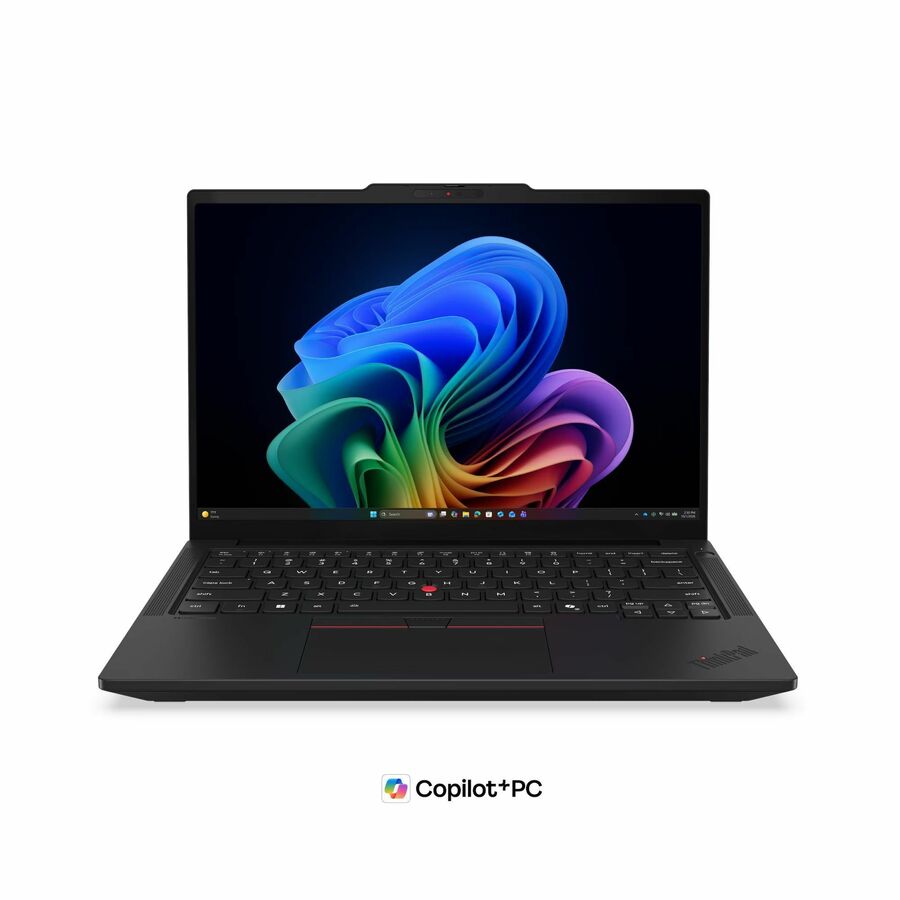
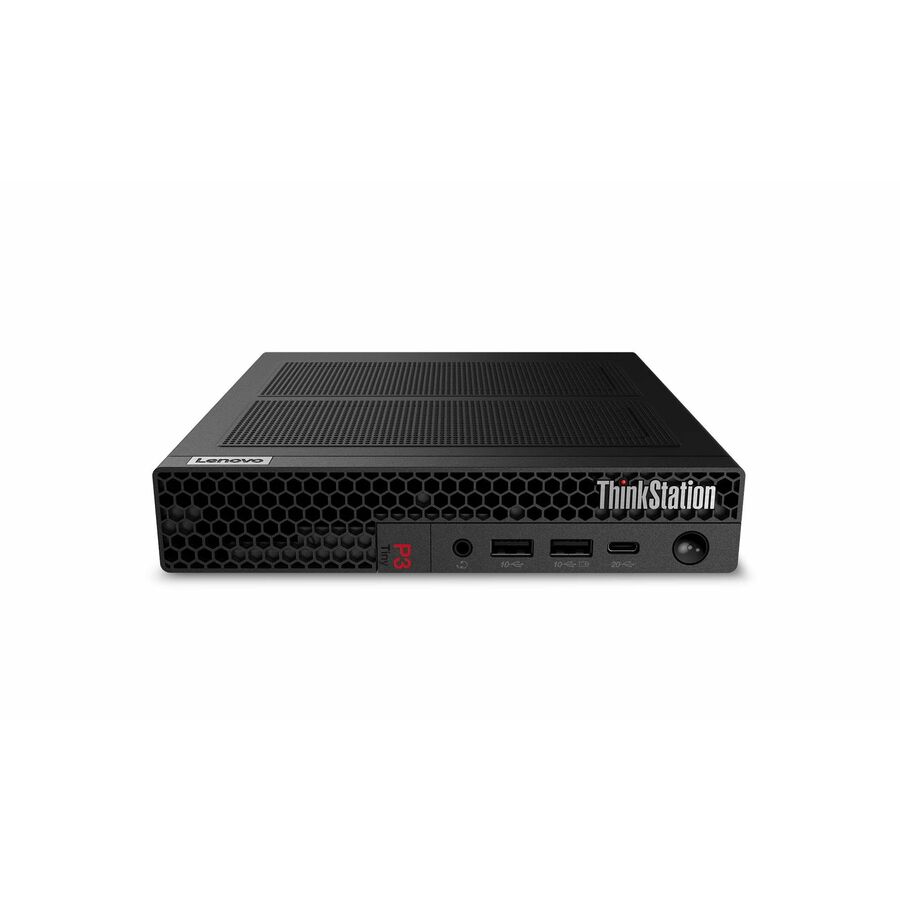
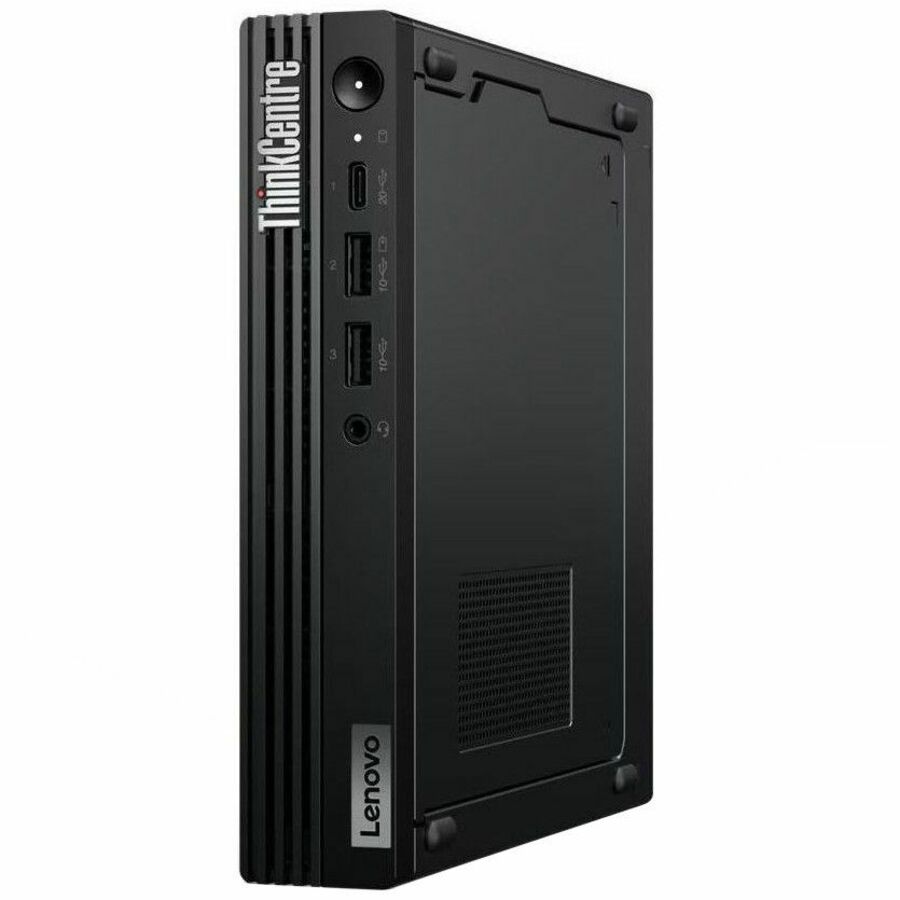
A ThinkPad notebook, a ThinkStation workstation and a ThinkCentre desktop — the three configure-to-order shapes this increase reaches first, and the same lines that sit under Laptops and Desktop Computers & Workstations in the catalog. Prices and availability resolve from the catalog at page render, never from this article. Dell PowerEdge and Lenovo ThinkSystem server builds are quoted rather than shelf-stocked: send the configuration and we will price it against the current window.
Freeze every server attribute
For servers, add chassis, processors, memory type/count/population, RAID or storage controller, SSD/HDD details, networking, optics, power, rails, remote-management licenses, operating-system licenses, virtualization implications, support, and installation. Note firmware qualification and future expansion.
A lower-memory configuration can fit the old total but fail the workload or consume every slot. An alternate SSD can change endurance or support. Have the technical owner approve the whole configuration, not the headline server model.
The like-for-like requote method
Step 1: preserve the approved baseline
Export the OEM configuration, manufacturer SKUs, services, price, discount, quote date, expiration, lead time, and assumptions. Assign a version.
Step 2: request an unchanged refresh
Tell the seller to quote the exact baseline with no substitutions. If it is no longer orderable, require that fact in writing and identify the successor separately.
Step 3: compare at line level
Classify each difference as:
- identical-row price change;
- quantity change;
- component substitution;
- service/warranty term change;
- discount or promotion change;
- freight, tax, tariff, or currency change; or
- corrected omission/error.
Step 4: request source evidence
Ask which OEM price list, notice, or program change supports identical-row movement. If the evidence is a trade report, label it reported. A current OEM-authorized quote is primary transaction evidence even when the broad notice is confidential.
Step 5: validate availability and terms
Confirm stock, allocation, estimated lead time, quote expiration, order acceptance, price protection, substitution, and ship-date condition.
Step 6: approve alternates
Run technical, security, accessibility, support, lifecycle, and contracting review on changed models or parts. Then update the standard catalog.
What should be requoted first?
- high-memory workstations and servers;
- endpoints with larger SSDs or discrete GPUs;
- quotes expiring before approval;
- large site deployments where small unit deltas compound;
- models with a pending successor or lifecycle change;
- orders with no validated alternate;
- remote-site shipments with long logistics paths; and
- configurations tied to September 30 or another hard date.
Prioritization is an inference from BOM exposure and timing. The actual delta comes from the like-for-like quote.
Dell-specific questions
- Is the configuration still orderable under the same model and component selections?
- Which rows are constrained by memory or storage availability?
- Is the price based on a current Dell quote or partner inventory?
- What Dell program, contract, or discount applies, and when does it expire?
- Does order submission, Dell acceptance, allocation, or shipment establish price?
- Could Dell substitute a component under the same system SKU, and how is that disclosed?
- When do warranty and support start for staged or delayed deployments?
- What official lifecycle or successor information applies?
Do not infer a device-level rate from the earnings transcript. Use it only as evidence of market pressure and pricing discipline.
Lenovo-specific questions
- What exact machine type/model and country offering is quoted?
- Is the configuration factory-built, topseller/standard, or distributor stock?
- Which memory, SSD, panel, and wireless components are fixed versus variable?
- What Lenovo or distributor notice supports the new price?
- What order and shipment dates govern protection?
- Is the quantity allocated?
- What successor or alternate preserves image, dock, warranty, and support requirements?
- How are Premier Support, accidental damage, deployment, and accessories priced?
Keep the Lenovo evidence separate from Dell even when a partner summarizes them in one email.
Quote expiration and price protection
Ask the seller to state:
For quote [quote number] revision [revision number], the unchanged configuration remains available for acceptance through [date] in time zone [time zone]. Price becomes protected when [triggering event] and remains protected through [date], except for [exclusions]. Quantity is/is not allocated, with estimated shipment last confirmed on [date].
This statement forces clarity about events that a simple “valid until” field may leave open. The governing quote and terms still control.
Evaluating alternates without losing standardization
Create minimum standards for each user group, then compare both OEMs against them. Include manageability, imaging, security, ports, radio, battery, display, serviceability, warranty, and dock ecosystem. A lower hardware price can create extra image, support, accessory, or training work.
For a site change, calculate:
- device and accessory delta;
- image and application validation;
- management enrollment;
- spare-pool fragmentation;
- help-desk and field-service impact;
- warranty/support differences;
- user downtime; and
- lifecycle runway.
If a single alternate reduces unit cost but creates a second dock and power-adapter standard, show the operating cost.
Scenario: 500-laptop deployment
Suppose the original total rises. First isolate identical device, dock, warranty, and service rows. If 200 users were also moved from 16 GB to 32 GB, that is a requirement change. If the new quote includes a better panel because the old model is unavailable, that is substitution and lifecycle. If identical rows increased, that is observed quote movement.
Present all three. Then offer:
- validated original configuration at refreshed price;
- validated alternate with stated user and operations tradeoffs;
- phased quantity with price/availability risk for later units; or
- delayed project with support and productivity consequences.
Do not state that Dell or Lenovo “raised the deployment X%” unless the like-for-like analysis supports it.
Scenario: server order waiting for approvals
The quote expires in six days, but security review is incomplete. Ask for an extension or refresh. Technical owners can preapprove a memory alternate while security continues, but contracting should not release an unsupported order simply to preserve a price. Model the cost of delay and the risk of a new quote explicitly.
If a new server generation is offered, compare licensing, rack power, network, hypervisor support, migration, and lifecycle. It is a new design, not a price substitute.
Receiving and deployment checks
Reconcile exact model/machine type, CPU, memory, SSD, display, wireless, OS, power, keyboard, dock, warranty, and service tags/serials. OEMs may use approved component variability within a system configuration; confirm the delivered system still meets requirements.
Update asset and support records. Verify enrollment and imaging. If the site receives an unauthorized alternate, quarantine or resolve it through the contract process rather than silently deploying it.
A standardization decision matrix
When a Dell or Lenovo alternate is proposed, score the operating impact as well as price:
Image and applications
Required evidence: Pilot result and driver list. Typical hidden impact: Engineering and support hours.
Security
Required evidence: Firmware, TPM, BIOS, management evidence. Typical hidden impact: New exceptions or tooling.
Accessories
Required evidence: Dock, power, display, adapter matrix. Typical hidden impact: Duplicate spares and desk visits.
Service
Required evidence: SLA, coverage, escalation, parts model. Typical hidden impact: User downtime and logistics.
Lifecycle
Required evidence: Launch, support, successor evidence. Typical hidden impact: Early refresh or model churn.
Supply
Required evidence: Allocation and dated lead time. Typical hidden impact: Split deployment and rework.
Commercial
Required evidence: Quote, terms, price protection. Typical hidden impact: Repricing before shipment.
Use a pass/fail threshold for mandatory needs and a scored comparison for preferences. Price should not compensate for a failed mandatory requirement. Preserve the evaluation so the next site can reuse evidence without assuming its requirements are identical.
Managing mixed-OEM fleets
A second OEM can reduce single-source exposure, but it adds management work. Before diversifying, test enrollment, BIOS management, driver updates, patching, asset data, warranty workflows, docks, chargers, and field support. Decide which user groups can share a standard and which need different platforms.
Maintain a small approved configuration catalog with revision dates. Each record should name processor, memory, SSD, display, radio, OS, warranty, accessories, image version, and acceptable substitutions. When the OEM changes a component under the same marketing model, review the affected field rather than retesting everything blindly.
For dispersed sites, count the cost of shipping spares, technician travel, and regional warranty coverage. A nationally cheaper device can be locally expensive if service or replacement is weak where it will run.
Reporting price movement without overstating it
Leadership needs three numbers:
- the like-for-like change on identical rows;
- the cost of requirement or configuration changes; and
- the still-unexplained delta.
Then add dates and evidence. A useful sentence is: “Dell quote revision B is [amount] higher than revision A. Identical rows account for [amount], added 32 GB configurations account for [amount], and warranty-term changes account for [amount]. Lenovo's validated alternate is [alternate model], but adds [amount] in dock/image/support cost. Both quotes expire [date] under the stated terms.”
That wording gives decision-makers control. “PC prices are up” does not.
A short recovery plan for an expiring fleet quote
First, request an extension or like-for-like refresh. Second, close the configuration and approval gaps that can be resolved without changing requirements. Third, price the approved alternate. Fourth, determine whether phased quantity preserves operational value and whether later units remain exposed. Fifth, show the program owner the validated options and the date a decision is needed.
If none can be approved responsibly, let the price expire and document the budget risk. Do not backdate an order or describe a submitted PO as accepted when the supplier has not acknowledged it.
How to verify an OEM or channel notice
Record the issuing legal entity, audience, geography, product families, publication date, effective date, order cutoff, shipment condition, and any exclusions. Ask the authorized seller to confirm that the notice applies to the quoted customer and agreement. Save the original file or portal capture where permitted.
Check the arithmetic against a like-for-like quote. If the notice says “up to,” do not report the ceiling as the average. If the partner summarizes several rounds, request each underlying date and scope. If the original remains confidential, write “partner reports” and use the current quote as transaction evidence.
Finally, note supersession. A July notice may replace, extend, or coexist with a March notice. The article should preserve the sequence rather than adding percentages together unless the primary source explicitly supports compounding for the same SKU and price basis.
If a notice names “select products,” do not publish a brand-wide headline as the finding. List only verified families or say the scope is not public. The buyer's current configured quote remains the cleanest way to determine whether the particular Dell or Lenovo system changed.
Record who verified the quote and when.
Frequently asked questions
Did Dell raise prices in 2026?
Dell publicly described memory-driven supply pressure and pricing discipline. Exact product-level price changes require a dated Dell or authorized quote, price list, or notice for the configuration and market.
Did Lenovo raise prices in 2026?
Lenovo publicly acknowledged memory-cost pressure. Specific rates and dates found in channel reporting should remain labeled reported until supported by a Lenovo primary notice or current transaction evidence.
Which products are most exposed?
Memory- and storage-heavy servers and workstations deserve early requoting, as do large endpoint deployments. That is a prioritization inference; compare actual quotes to measure impact.
Can a reseller hold the old price?
Possibly, depending on inventory, agreement, quote, acceptance, allocation, and shipment terms. Obtain the condition and quantity in writing.
Should we switch from Dell to Lenovo or vice versa?
Compare validated configurations, total operating cost, support, lifecycle, site standards, and current quotes. Shared market pressure means a brand switch does not guarantee savings.
September 2026 update
Two things are worth adding to the record above. First, on June 11, 2026 Supply Chain Dive reported Dell Vice Chairman Jeffrey Clarke saying “We’re repricing, it feels like, every day. And I’m sure our customers feel that pain,” alongside a description of Dell passing commodity costs through while prioritizing large strategic customers, and Clarke’s expectation that Dell would “exit the year with meaningful backlog.” That is the clearest public statement yet of the cadence a buyer is actually up against: not one dated action to plan around, but continuous repricing.
Second, neither Dell nor Lenovo has published a further notice since. As of September 4, 2026 the tracker records no further notice from either vendor, and the reported July 2026 Lenovo round remains channel reporting rather than a published Lenovo document. Treat any percentage attached to an autumn action as reported until the letter exists.
The component pressure behind both vendors has not eased. TrendForce forecast conventional DRAM contract prices up 13–18% quarter over quarter in 3Q26 and NAND Flash up 10–15% (July 3, 2026); on August 25, 2026 it put server DRAM contract prices up a cumulative 64% in the second half of 2025 with a further rise of roughly 270% expected across 2026, and enterprise SSD prices up a cumulative 235% across 2026. A quote written before July on a memory-dense configuration is a document to reprice, not a price to rely on.
Go deeper on the components