
Short answer
IPS and VA panels trade contrast against viewing angle: VA panels commonly rate 3000:1 static contrast or higher, while IPS blacks look comparatively faded — but IPS holds colour out to its rated 178/178 degree angles where VA washes out sooner off-centre. Choose IPS for shared desks, bright rooms and colour work; choose VA where deep black in a dim room matters more.
Key facts
- VA has the most contrast of any LCD type, with static contrast ratios of 3000:1 and higher common; IPS blacks appear faded by comparison.
- IPS panels are rated for 178/178 degree viewing angles; VA angles are good but slightly inferior, and colour shifts sooner off-centre.
- IPS contrast is limited partly by backlight bleed, which is why an IPS panel's blacks look faded next to a comparable VA one.
- IPS's characteristic artefact is IPS glow — a faint glow at the screen edges, visible on dark backgrounds and worst off-axis.
- The historic speed gap has narrowed: VA panels routinely reach 2-3 ms response times and IPS panels reach as low as 1 ms.
Buyers rarely ask "IPS or VA?" in the abstract — the question surfaces when a spec sheet forces a tradeoff between two LCD variants that were tuned for opposite priorities. Both are LCD technologies that use a backlight and liquid-crystal layer; the difference is how the crystals are aligned. IPS (in-plane switching) aligns them parallel to the glass for wide, stable viewing angles and consistent color. VA (vertical alignment) aligns them perpendicular to the glass, so each pixel blocks the backlight far more completely — deeper blacks and higher contrast — at the cost of angle and speed uniformity.
In practice the choice is driven less by the panel name and more by two environmental facts: how the display is viewed and where it sits. A screen seen off-axis by several people, or one used for color-critical work under office lighting, rewards IPS's angle and color stability. A single-viewer screen in a dim room, where black-level depth and perceived contrast dominate the experience, favors VA. Refresh rate, resolution, and price often overlap heavily between the two, so the panel decision usually comes down to viewing geometry, ambient light, and whether contrast or color consistency matters more for the work being done.
At a glance
Side by side
| Factor | IPS panel | VA panel |
|---|---|---|
| Static contrast ratio | Typically ~1000:1; blacks look lighter/greyer | Typically ~2000:1 to 5000:1; noticeably deeper blacks |
| Viewing angles | Wide and stable, close to 178°/178° with little color/contrast shift | Nominally wide, but contrast and color wash out sooner off-axis |
| Color consistency | Very consistent across the panel and off-angle; favored for color work | Good on-axis; more shift and gamma variation toward edges and angles |
| Response time / motion | Generally faster pixel transitions; less smearing in fast motion | Slower dark-to-dark transitions can cause smearing/ghosting in shadows |
| Black uniformity artifact | Prone to "IPS glow" — corner brightening on dark scenes at an angle | Cleaner deep blacks, but can show backlight blooming or dark smearing |
| Best ambient lighting | Handles bright/office lighting well; angle stability aids shared viewing | Shines in dim or dark rooms where black depth is visible |
| Typical use fit | Color-critical work, multi-viewer, wide-angle desk setups | Single-viewer immersive content, dark-room media and general productivity |
Choose IPS panel when
- Color accuracy and consistency matter — design, photo/video editing, or any color-managed workflow
- The screen is viewed off-axis or by multiple people, where angle stability keeps the image uniform
- It sits in a bright or evenly lit office where deep blacks are less visible anyway
- Fast, clean motion matters and you want to minimize dark-scene smearing
Choose VA panel when
- The display lives in a dim or dark room where deep blacks and high contrast are clearly visible
- A single viewer sits centered and on-axis, minimizing the angle-related washout
- Perceived contrast and immersion matter more than edge-to-edge color precision
- You want strong contrast for general productivity or media on a budget, and can tolerate slower dark transitions
Bottom line
Choose IPS for shared desks, bright rooms and colour work; choose VA for deep blacks in a dim room. IPS wins on viewing-angle stability, color consistency, and motion clarity, making it the safer default for shared displays, bright rooms, and color-critical work. VA wins on native contrast and black depth, making it the stronger pick for a single centered viewer in a darker room where deep blacks and immersion matter. Match the panel to the viewing geometry and ambient light first; refresh rate, resolution, and price frequently overlap enough that they rarely decide the question on their own.
Products for this decision
IPS, 27 inch
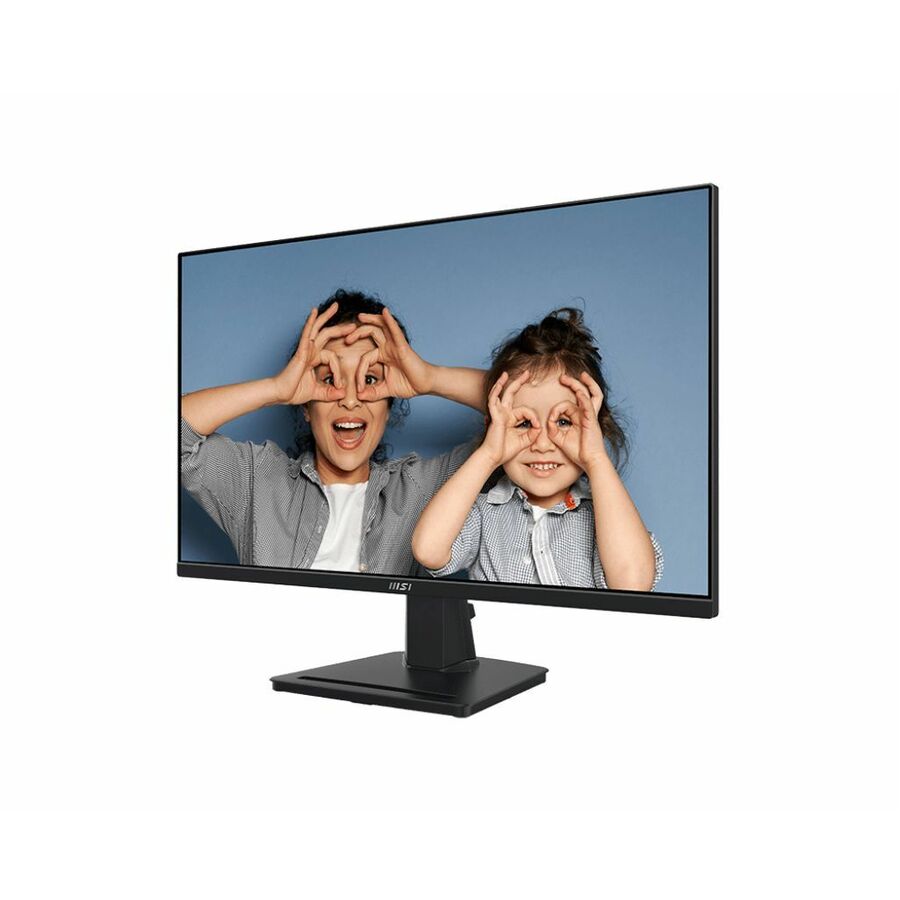
MSI
MSI Pro MP275Q 27 Class WQHD LED Monitor
PROMP275Q
A 27-inch WQHD IPS panel with HDMI and DisplayPort — the angle-stable choice for a shared desk or any colour-managed work under office lighting.
$218.12Back-orderedVA, 27 inch
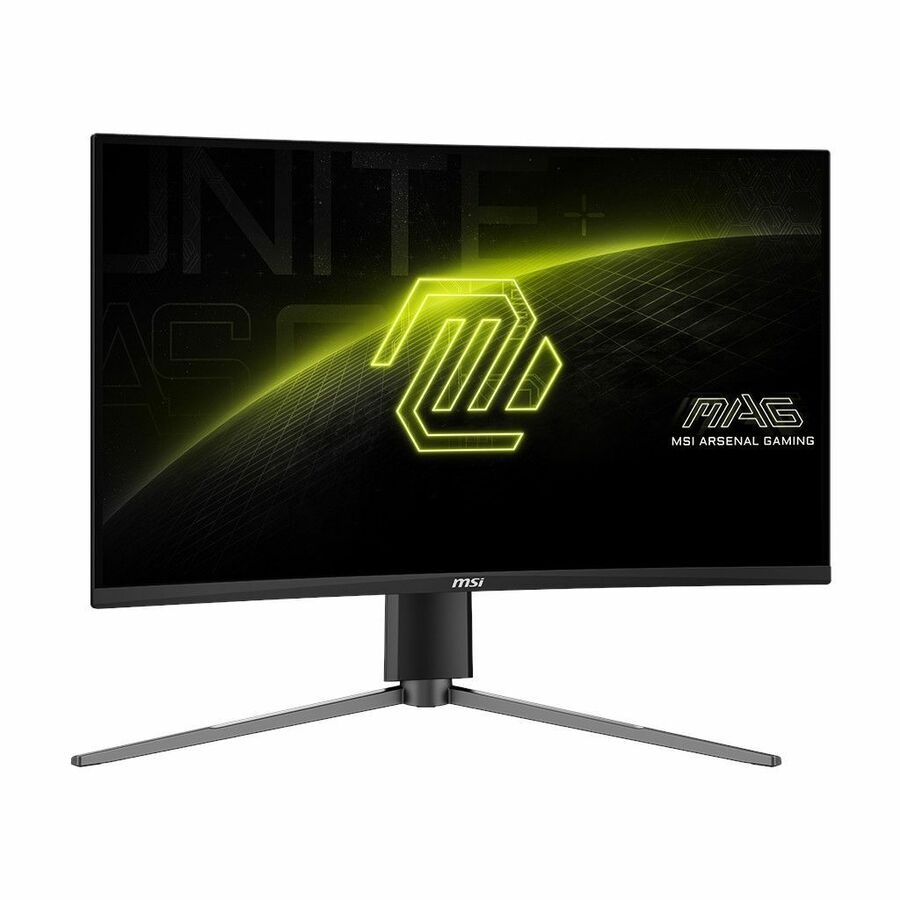
MSI
MSI MAG 27CQ6PF 27" Class WQHD Curved Screen Gaming LCD Monitor
MAG27CQ6PF
A 27-inch WQHD curved VA panel with height and swivel adjustment, for a single centred viewer where black depth matters more than off-axis colour.
$230.71Back-orderedIPS, 24 inch
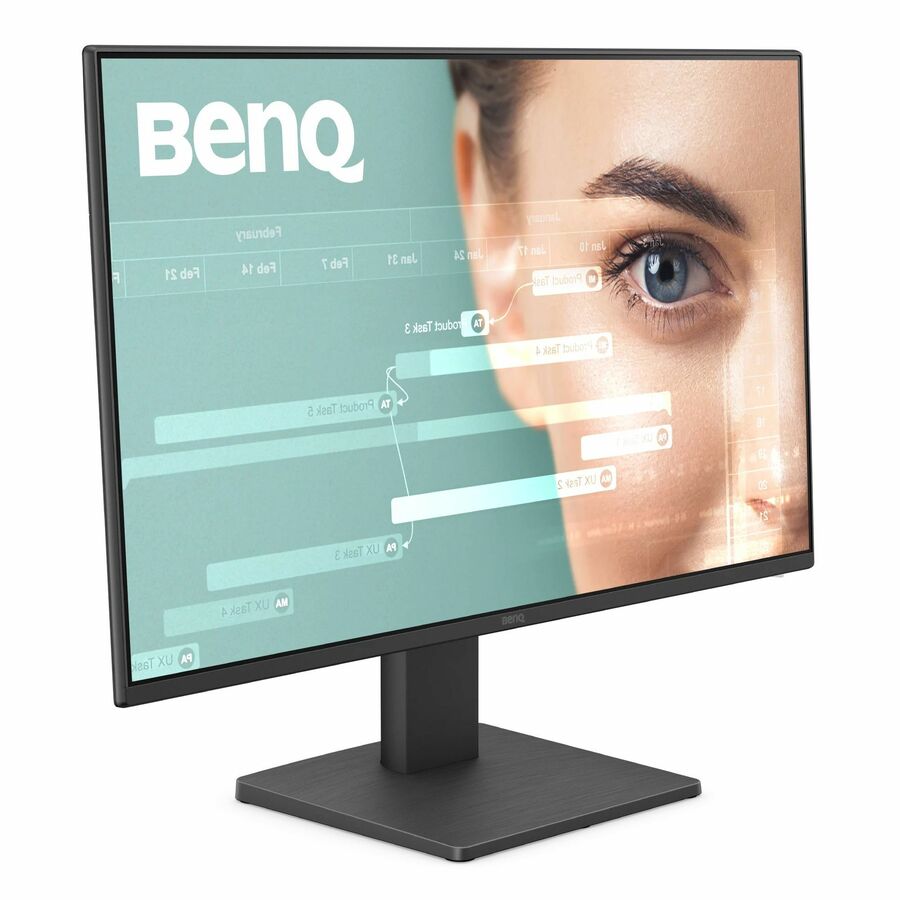
BenQ
BenQ GW2491 24" Class Full HD LED Monitor
GW2491
A 23.8-inch Full HD IPS panel with DisplayPort and HDMI — the standard desk build where several people read the same screen.
$116.80Back-orderedVA, 24 inch
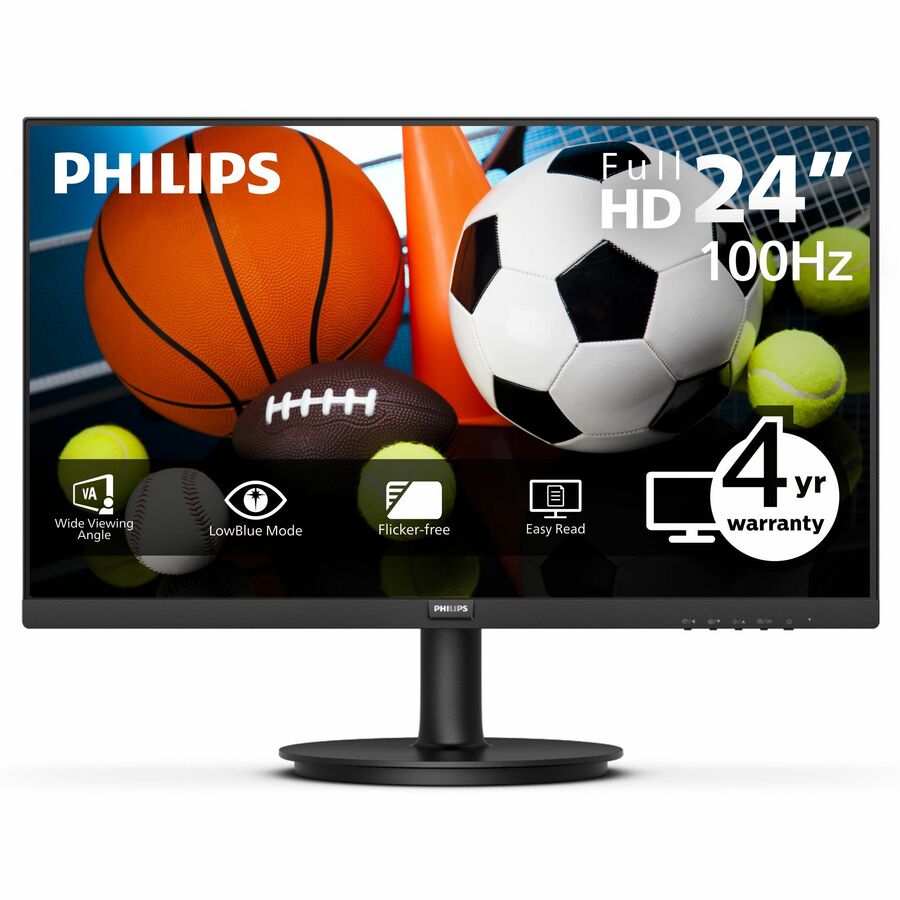
Philips Electronics
Philips V-line 241V8LBS 24" Class Full HD LED Monitor
241V8LBS
A 23.8-inch Full HD VA panel for a single-seat desk, trading some off-axis colour stability for the deeper black VA is built around.
Request pricingFAQ
Common questions
- Which has better contrast, IPS or VA?
- VA. VA panels typically deliver static contrast around 2000:1 to 5000:1 versus roughly 1000:1 for most IPS panels, which produces visibly deeper blacks. That advantage is most apparent in a dim room; under bright ambient light the difference shrinks because reflected light raises the perceived black level regardless of panel type.
- Is IPS always better for viewing angles?
- Generally yes. IPS holds color and contrast far more consistently as you move off-center, close to its rated angles (often about 178°/178°). VA panels have wide nominal angles too, but contrast and color wash out sooner off-axis, so a centered single viewer sees VA at its best while shared or angled setups favor IPS.
- What is "IPS glow" and should it worry me?
- IPS glow is a corner brightening visible on dark content when you view the panel from an angle — an inherent trait of the technology, distinct from defective backlight bleed. It's most noticeable on dark scenes in a dim room and usually fades as you view more head-on. It's normal, though its severity varies between units.
- Which is better for fast motion or shadow detail?
- IPS generally has faster pixel transitions and less smearing, especially in darker areas. VA's slower dark-to-dark transitions can cause visible smearing or ghosting behind moving objects in shadowed scenes, sometimes called black smearing. If crisp motion in dark content is a priority, IPS is the safer choice; VA's tradeoff buys you the deeper blacks.
- Do pro gamers use IPS or VA?
- Competitive players usually run IPS, because angle stability and fast pixel transitions matter more to them than black depth. That gap has narrowed: VA panels routinely reach 2-3 ms response times and IPS panels reach as low as 1 ms, so the panel type no longer settles the question on its own. For an office fleet the distinction rarely applies at all — refresh rate and resolution decide more than the crystal alignment does.
- Which type of monitor is better, VA or IPS?
- Neither, in general — they optimise for opposite things. VA has the higher static contrast, commonly 3000:1 and above, so blacks are deeper in a dim room. IPS holds colour and brightness out to its rated 178/178 degree viewing angles, so a shared or off-axis screen stays uniform. Pick by viewing geometry and ambient light first; resolution, size and refresh rate overlap heavily between the two.
- Is IPS or VA better for eyes?
- Panel alignment is not what decides eye comfort. What matters is a flicker-free backlight, brightness matched to the room rather than run at maximum, and a screen far enough away that you are not straining. Both IPS and VA models ship with and without those features, so read the panel's own specification instead of choosing on the three-letter type.
- What are the downsides of a VA panel?
- Colour and contrast wash out sooner than IPS when you move off-centre, which makes VA the weaker choice for a screen several people read. Dark-to-dark pixel transitions are slower, which can show as smearing behind moving objects in shadowed scenes. And on a shared or angled desk the off-axis shift is visible in ordinary office use, not only in games or film.
Sources